
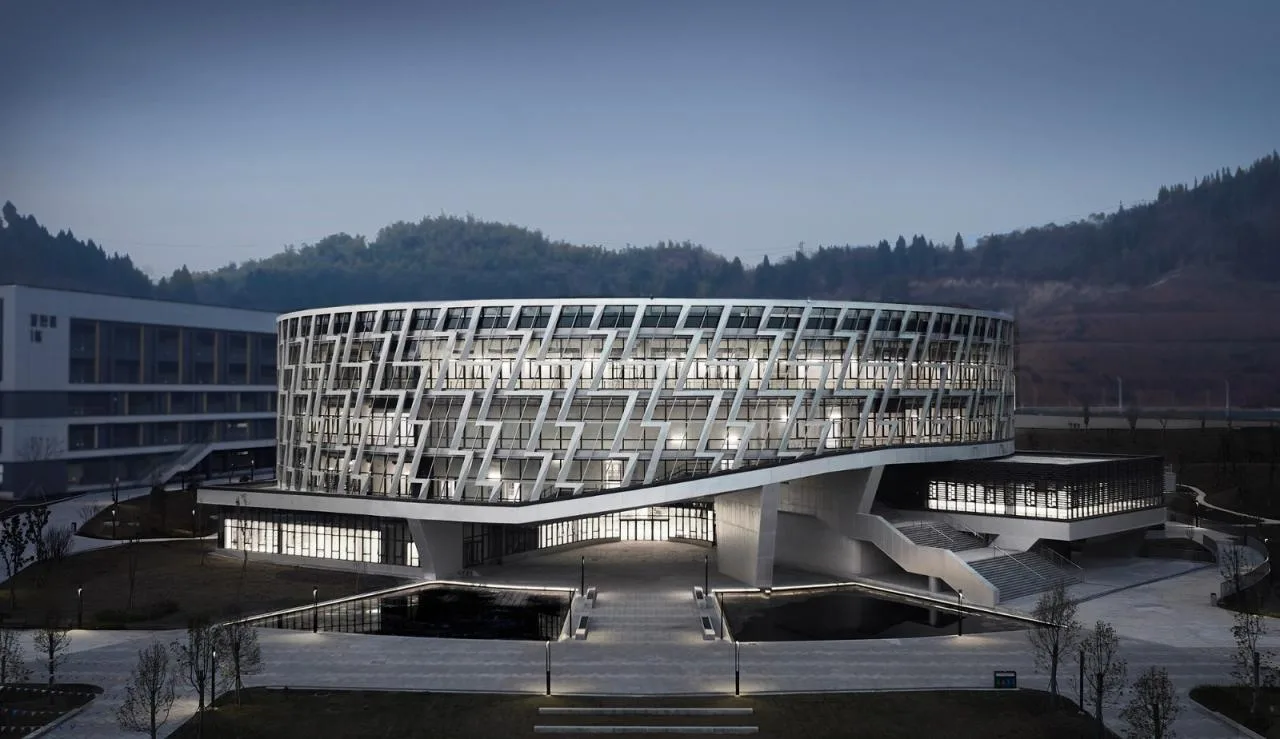
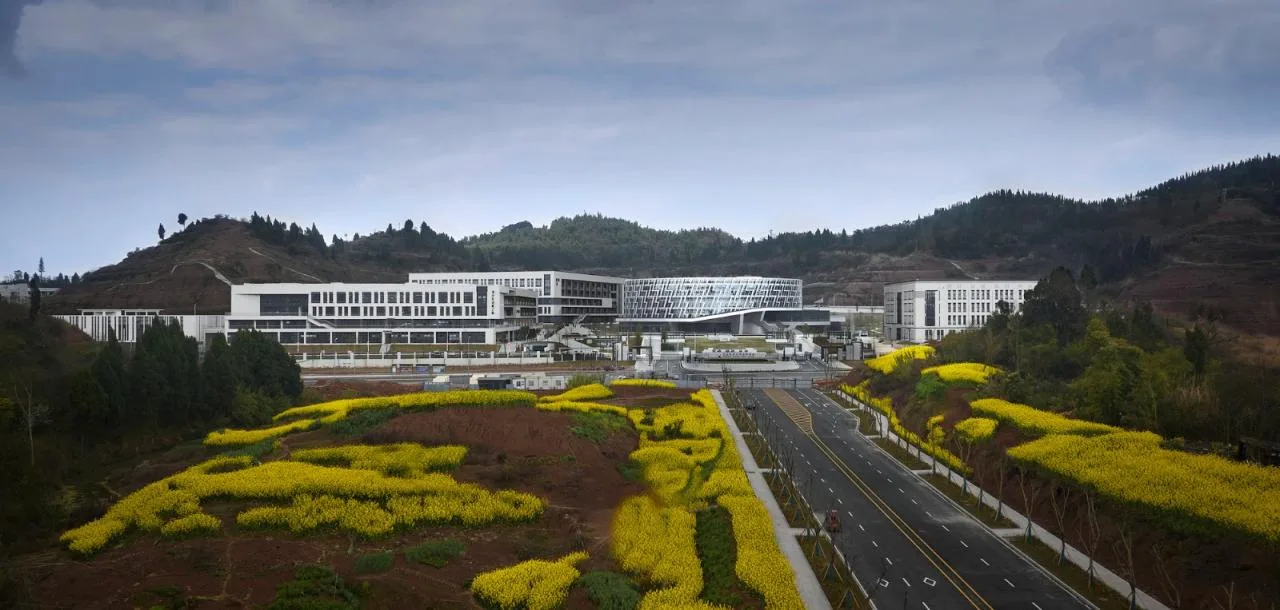
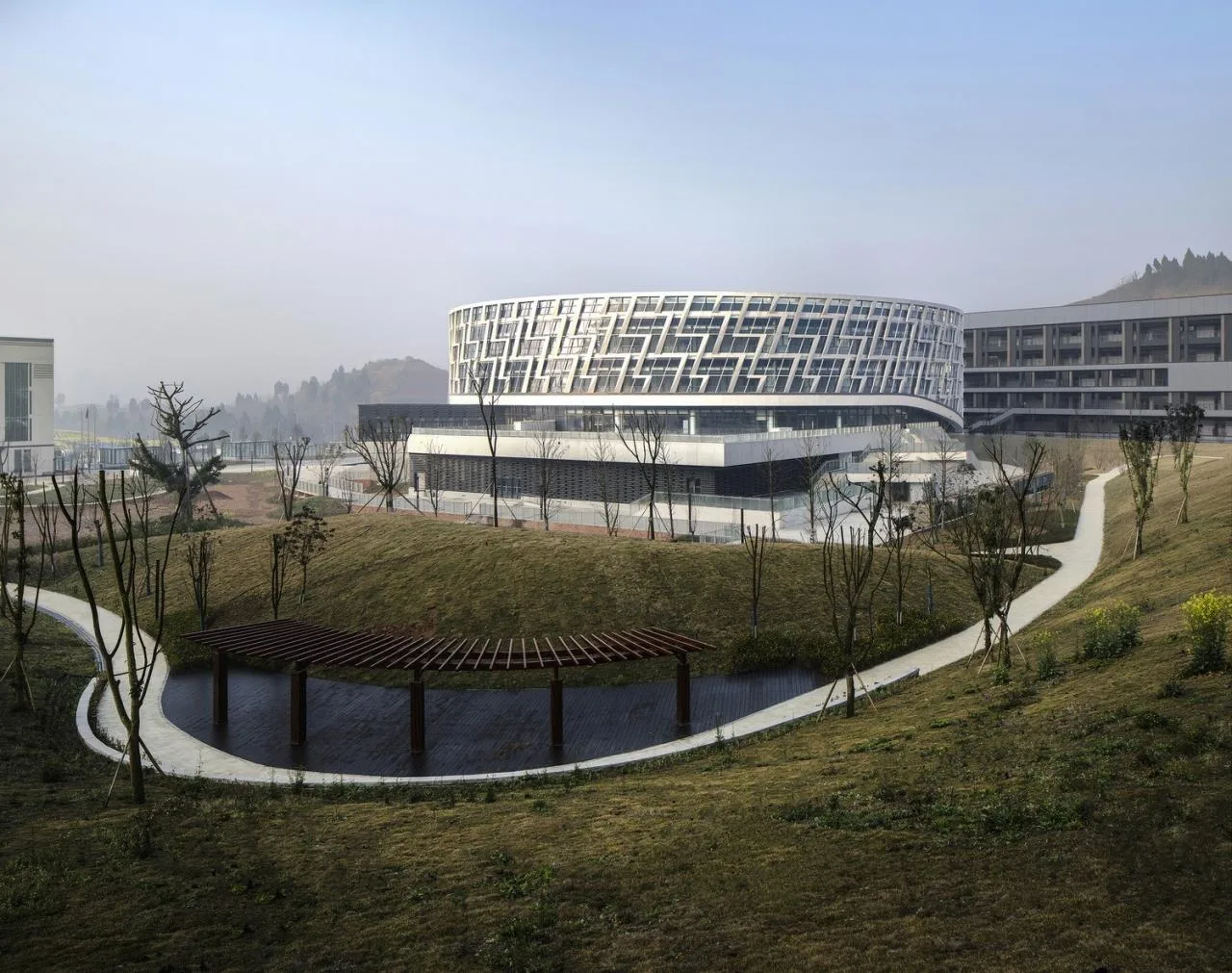
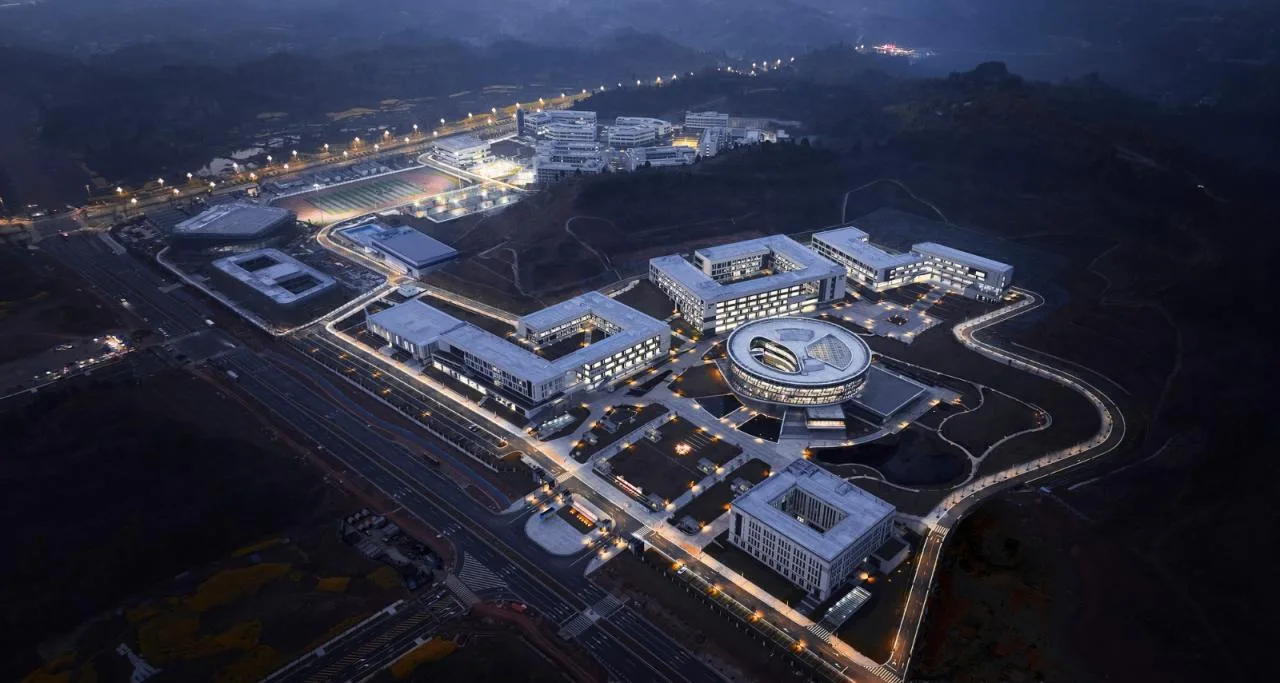
The new campus of Chongqing Electric Power College is nestled within a continuous mountainous landscape in the Tongnan District of Chongqing. The campus features undulating terrain with ravines and a vertical drop of nearly 100 meters. Covering a total construction area of approximately 370,000 square meters, the campus is a high-density, valley-shaped mountainous site.
After thorough analysis of the landscape and academic development needs, the architects designed a belt-shaped, lightly intrusive building complex integrated seamlessly into the mountainous environment. This approach creates a compact, dynamic, valley-shaped campus with high-density landscaping and ecological adaptability. The library serves as the spatial core of this lightly disturbed belt-shaped complex.
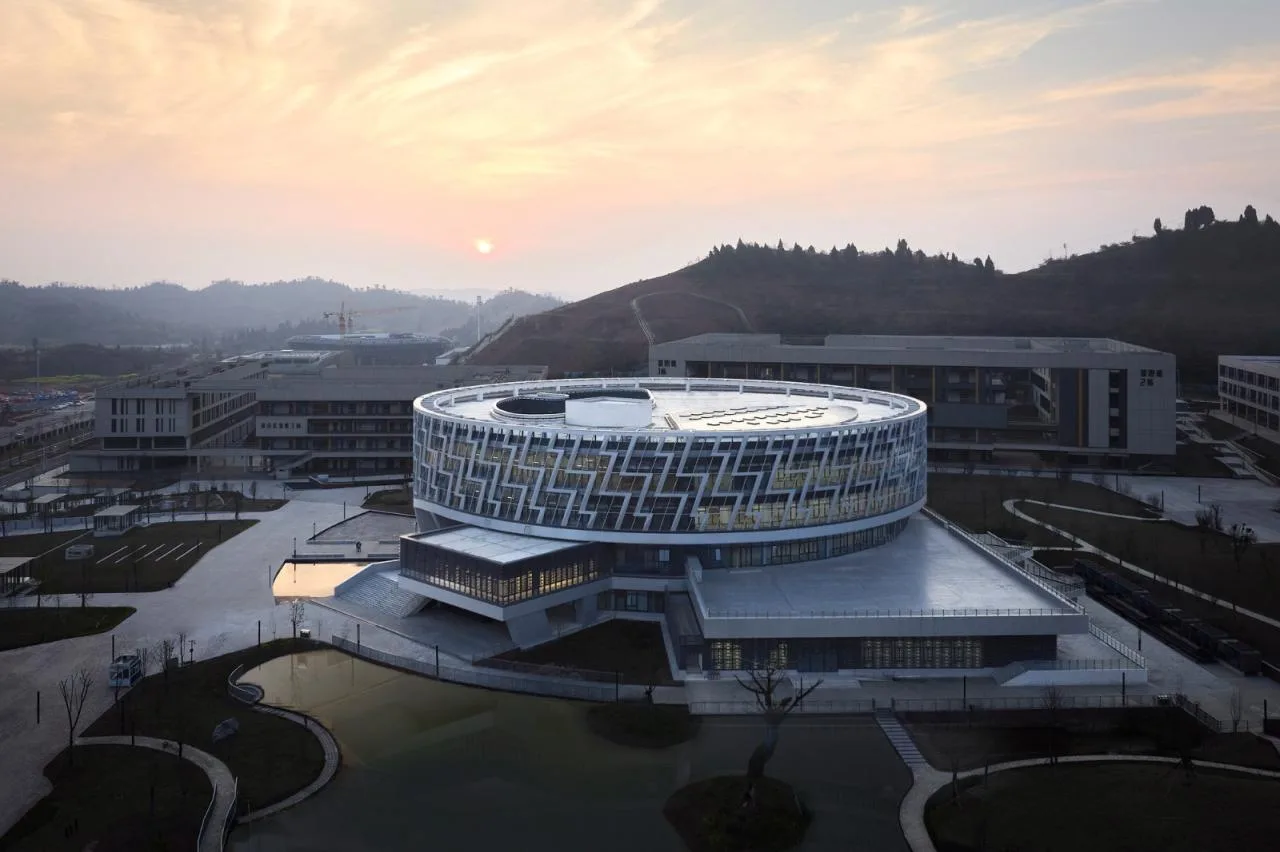
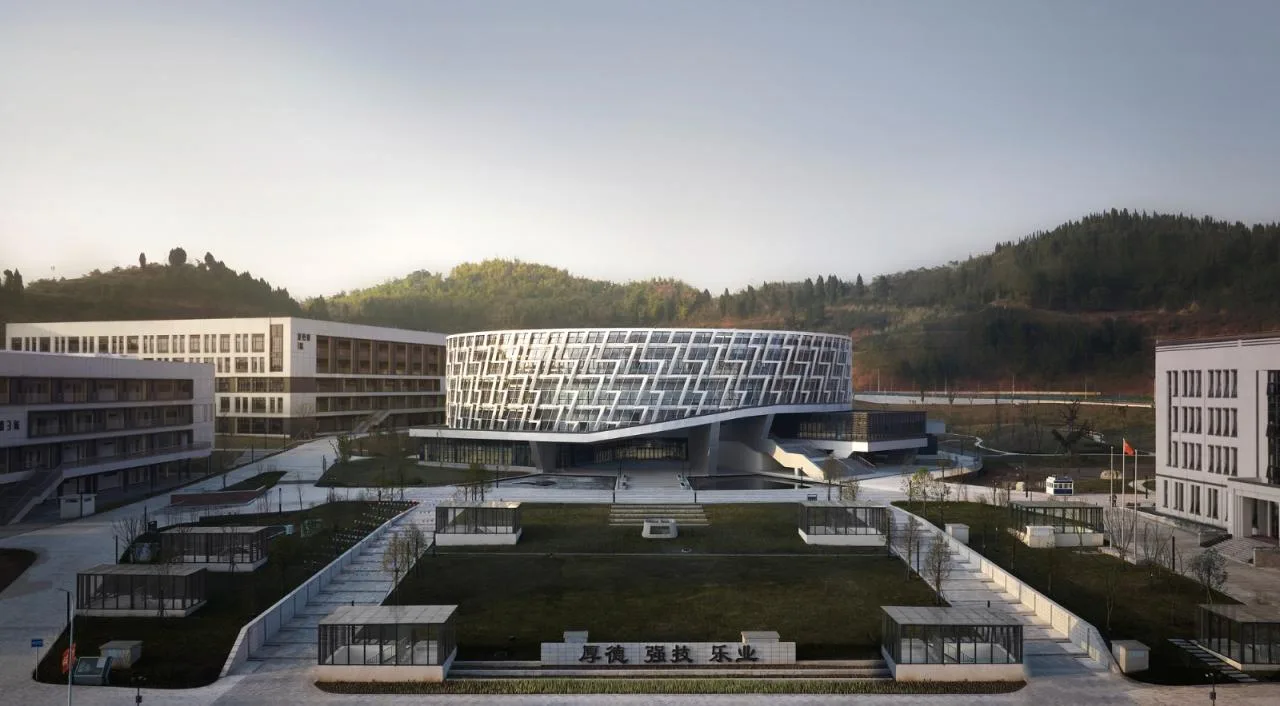
The library encompasses roughly 16,000 square meters. The architects strive to balance multiple design factors—including the campus’s ecological and cultural environment, energy conservation, emission reduction, and spatial composition—deeply integrating these with the distinctive cultural elements and characteristics of the electric power discipline from various perspectives.
The goal is to explore a multidimensional, symbiotic, and personalized design approach that fundamentally guides the campus architecture.
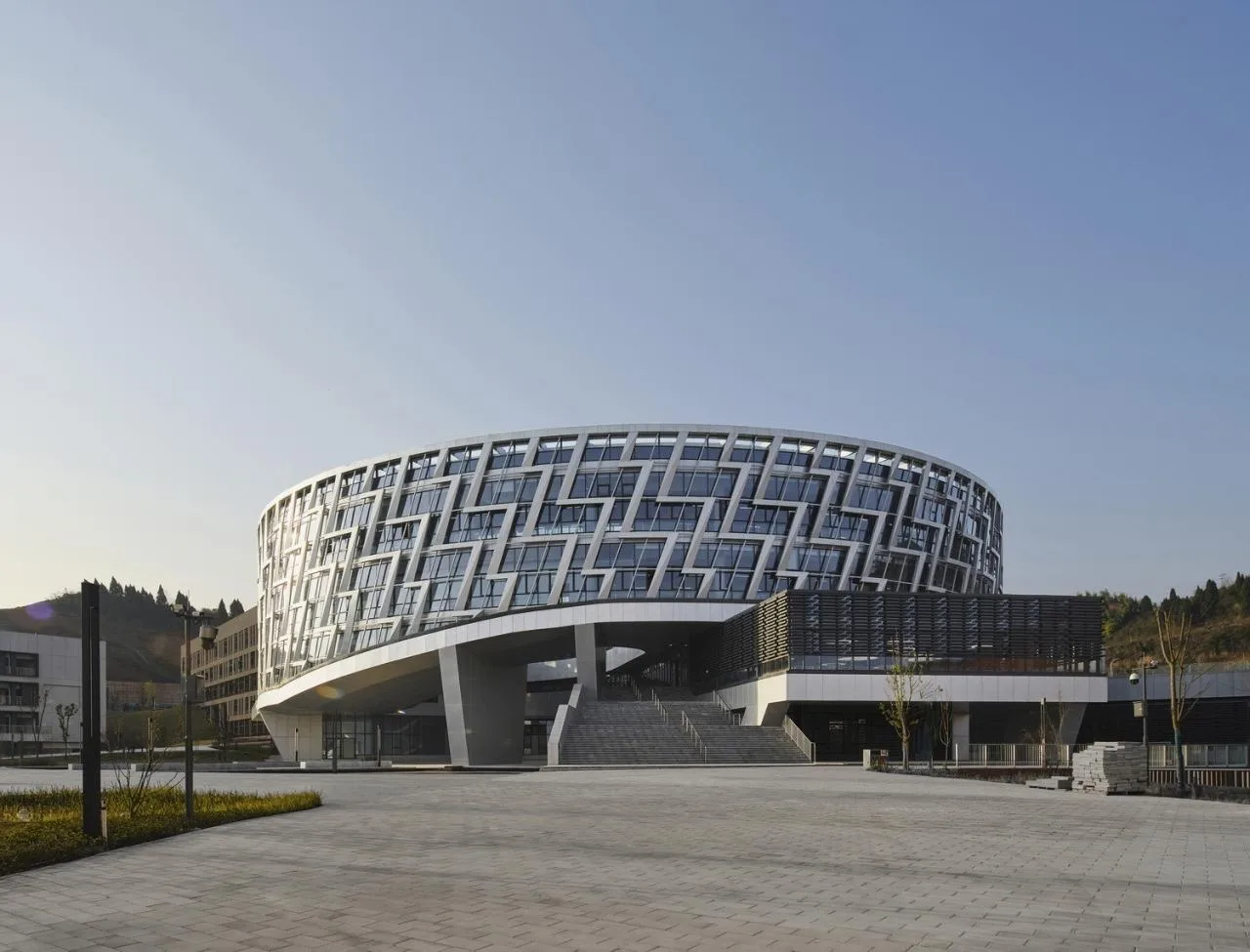
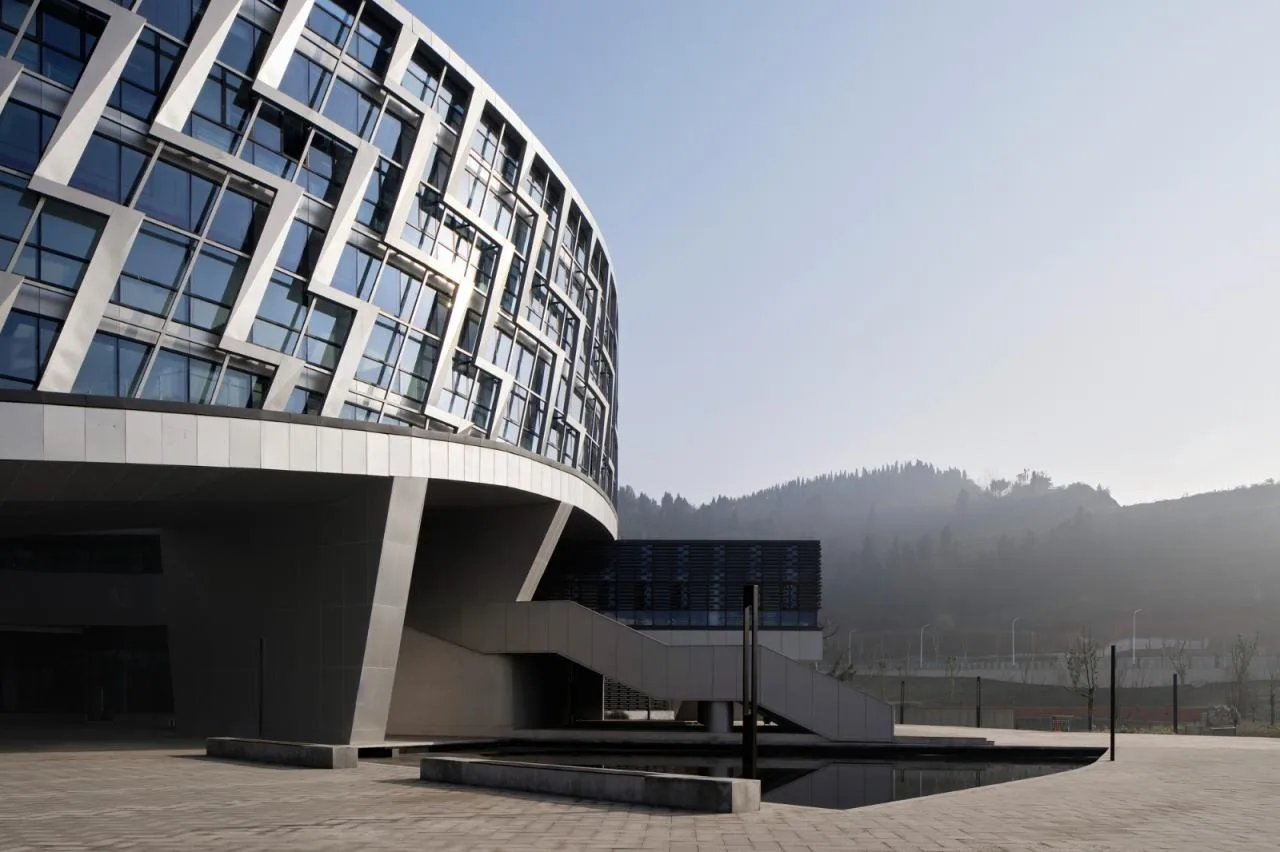
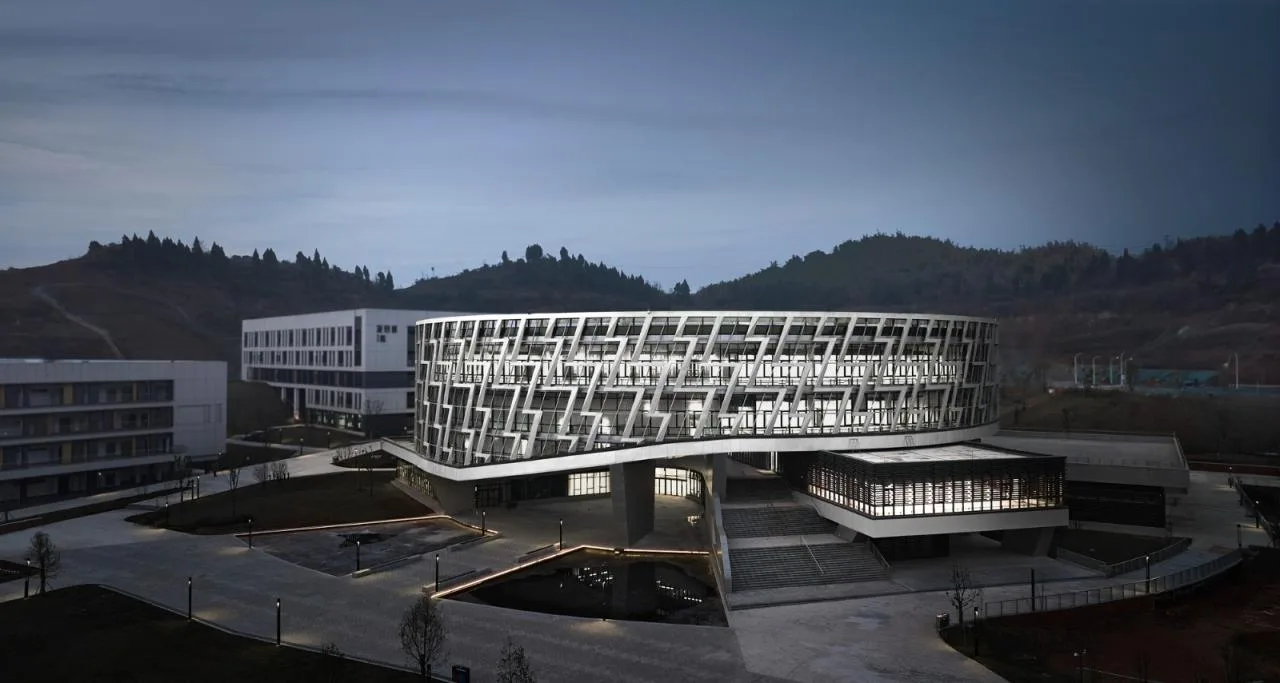
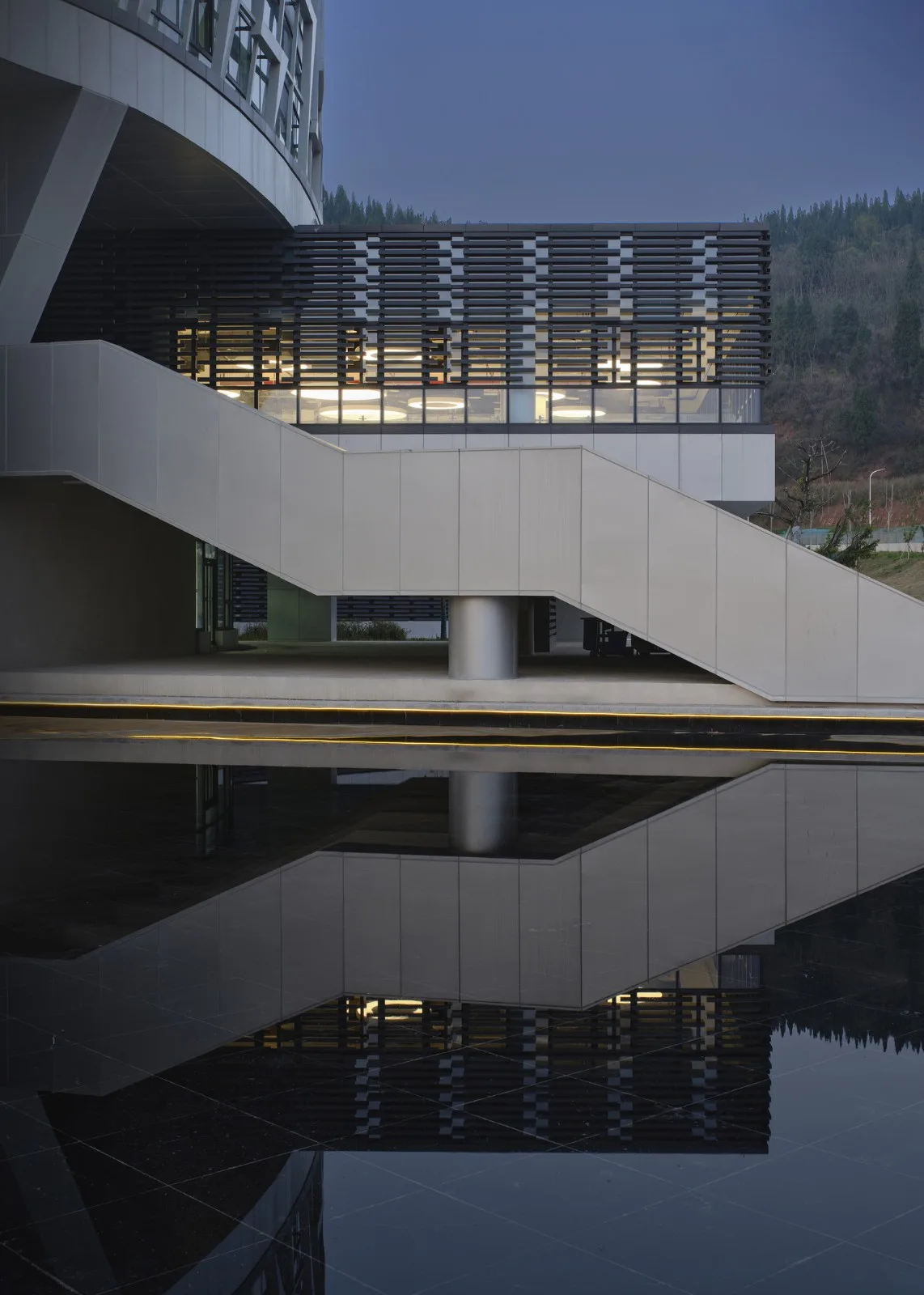
Reflecting a green and low-carbon philosophy, the library is centrally located within the valley. However, airflow is hindered by surrounding peaks, resulting in poor ventilation. To address this, the architect designed a circular building with a transparent ground floor, enclosing a three-dimensional wind corridor that connects to the outside environment.
By leveraging the thermal pressure difference between upper and lower levels, air is drawn through the corridor, introducing cool air into the building. This cool air lowers the temperature of the landscaped water features collected on site, enhances natural ventilation throughout the building, reduces energy consumption, and improves occupant comfort.
Additionally, the transparent architectural form creates a light, organic growth pattern that harmonizes with the mountains, establishing a multidimensional dialogue with the landscape. The corridor facing the scenic water offers shade and shelter from sun and rain, providing a comfortable outdoor space where students can read, study, and socialize.
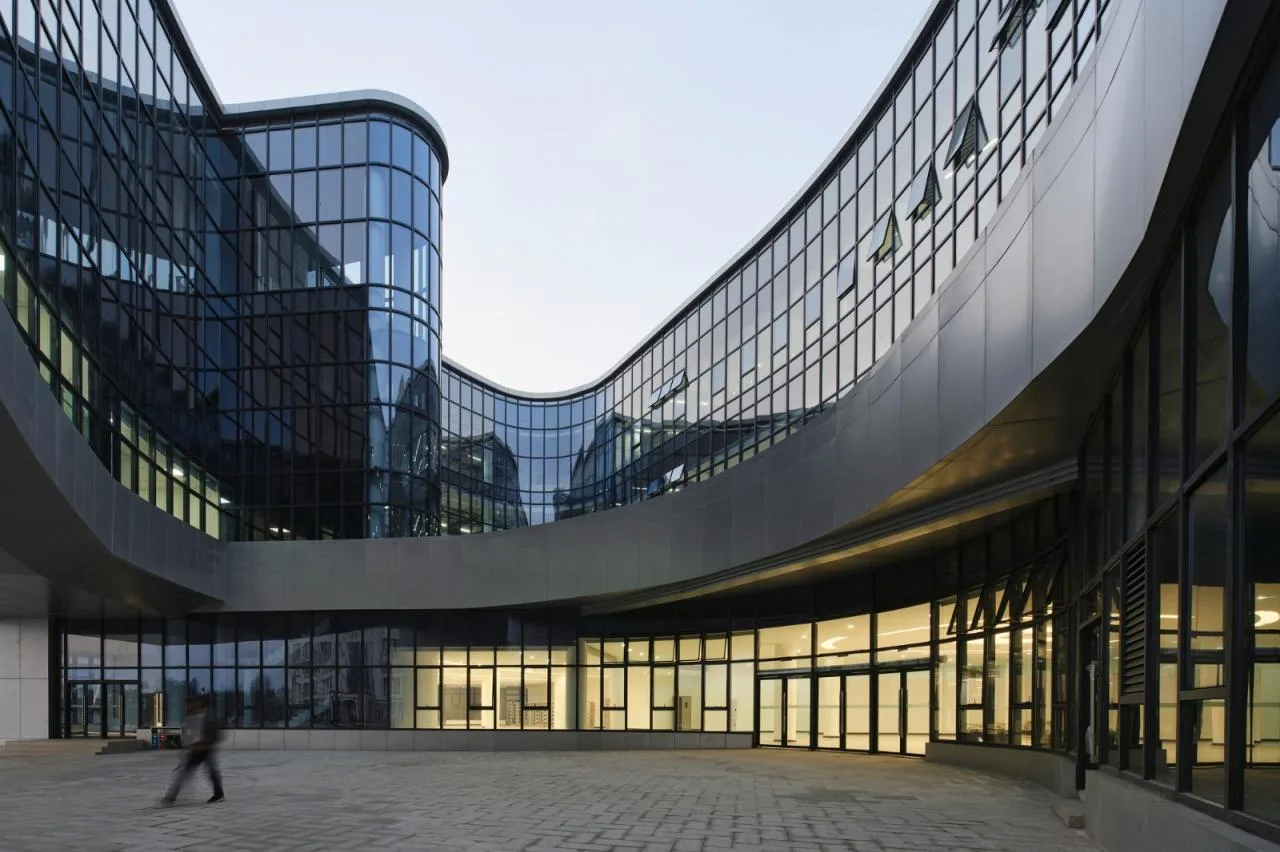
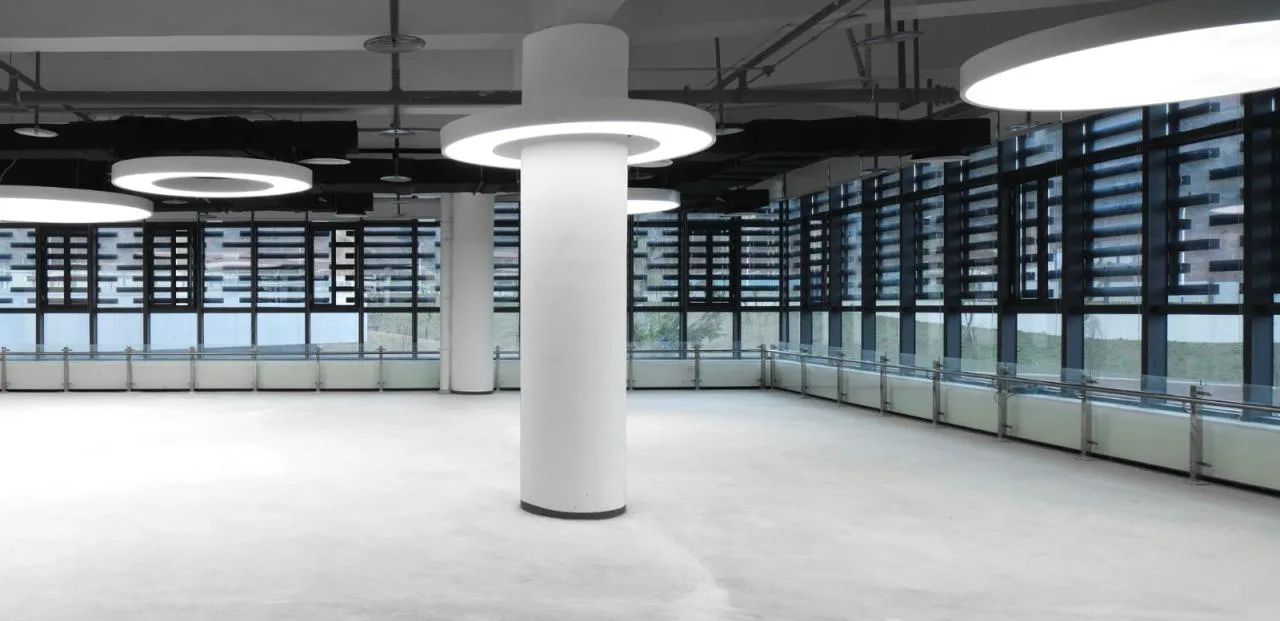
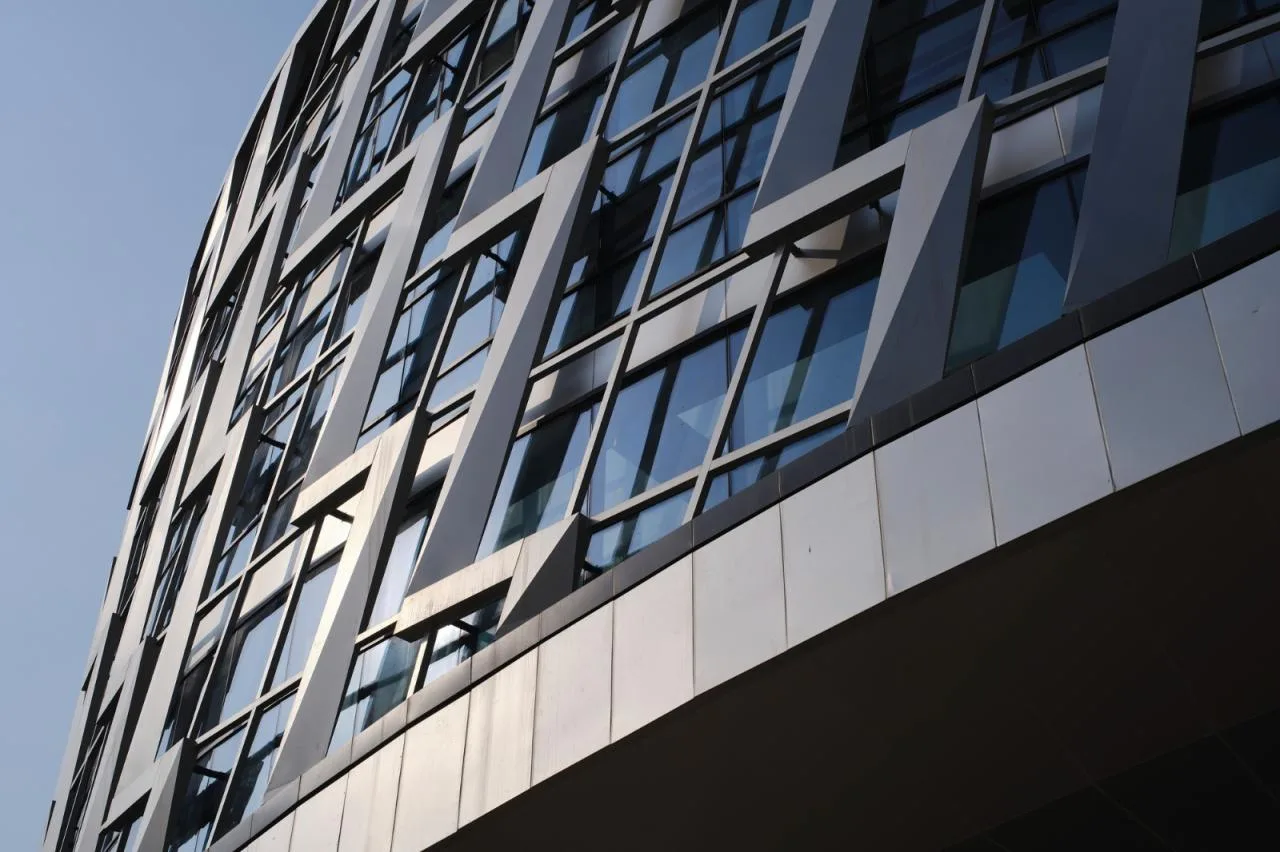
The “energy ring” concept embodies both the ecological circular form and the cultural symbolism of electricity, reflecting the school’s unique disciplinary identity. The building facade abstractly depicts lightning through varying thicknesses of shading rods, symbolizing Benjamin Franklin’s discovery of electricity—the foundation of humanity’s understanding of electric power.
This design expresses the campus’s scientific spirit and electric power culture in a relaxed, engaging manner, creating a cultural icon that embodies power science.
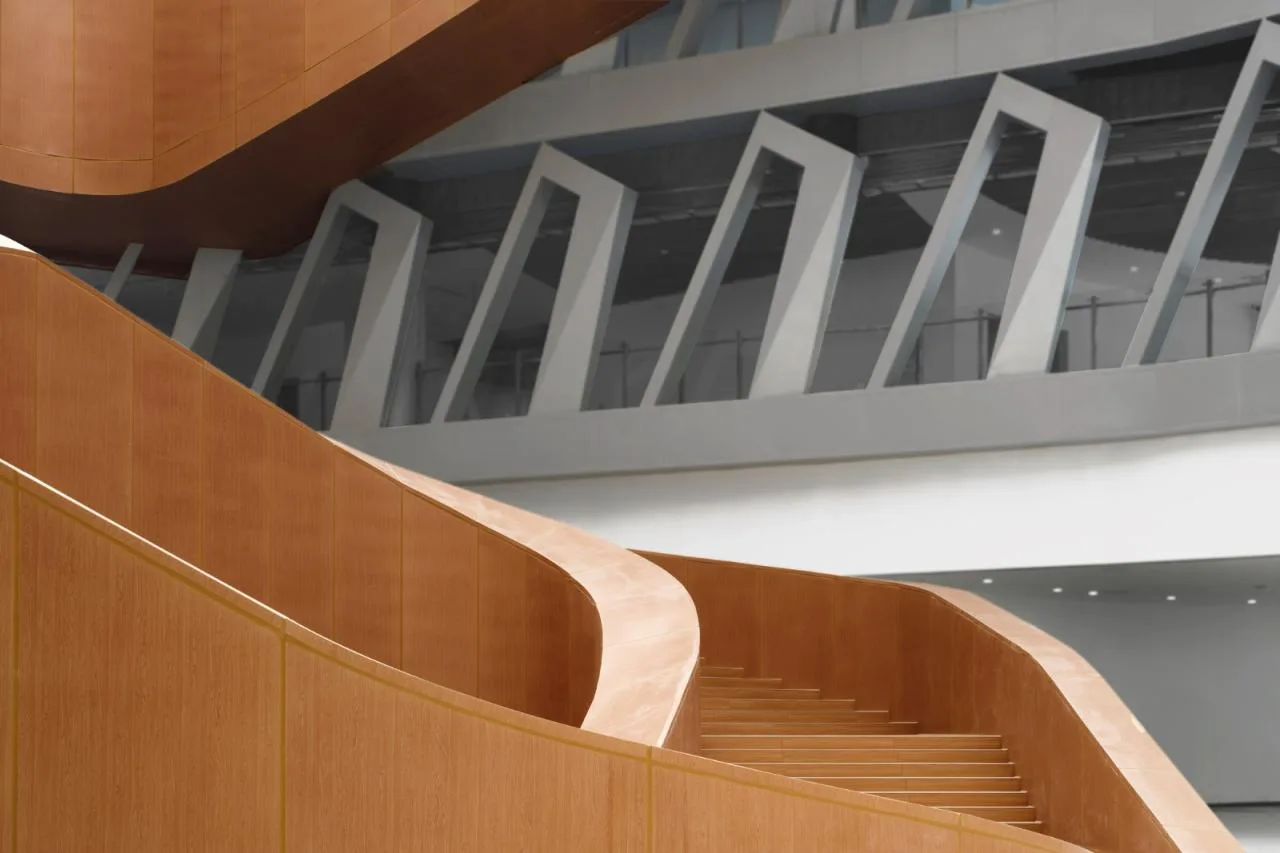
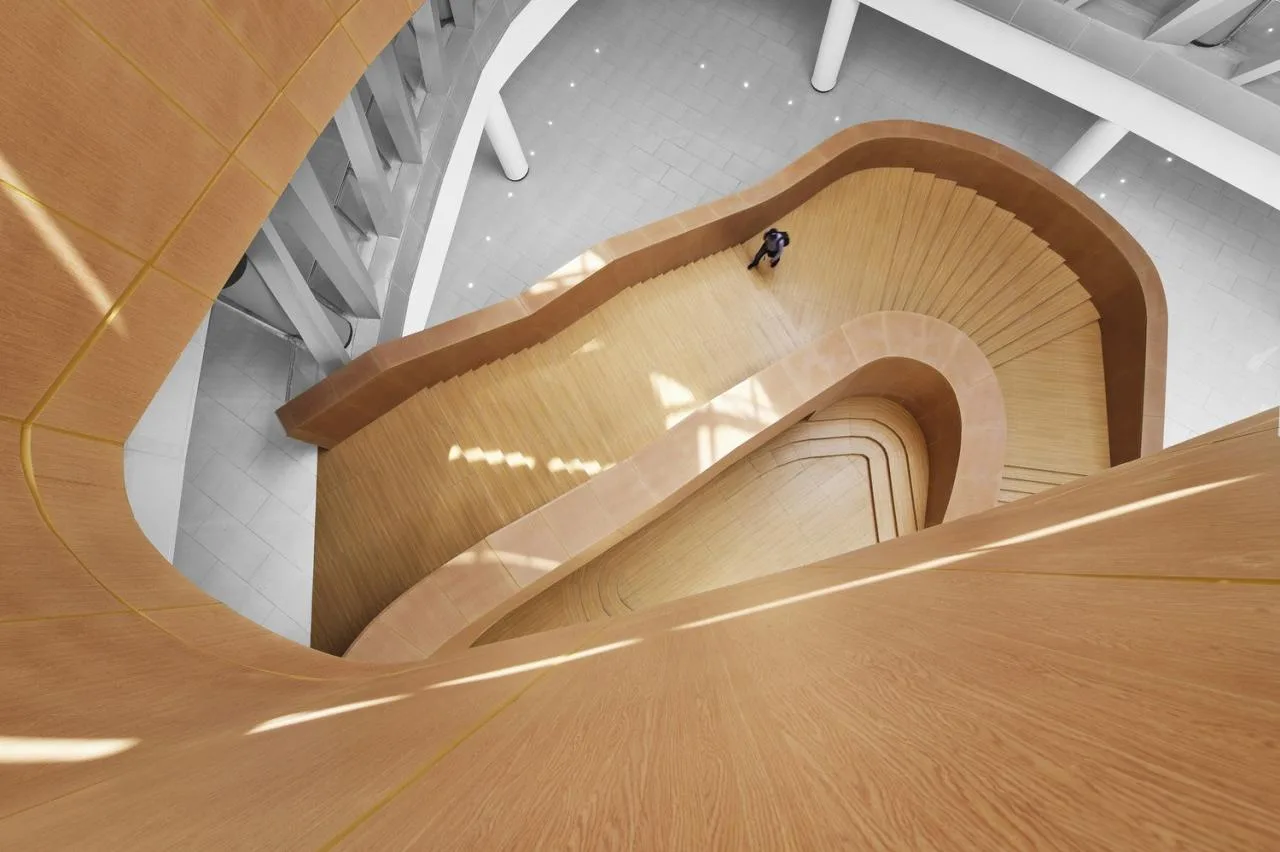
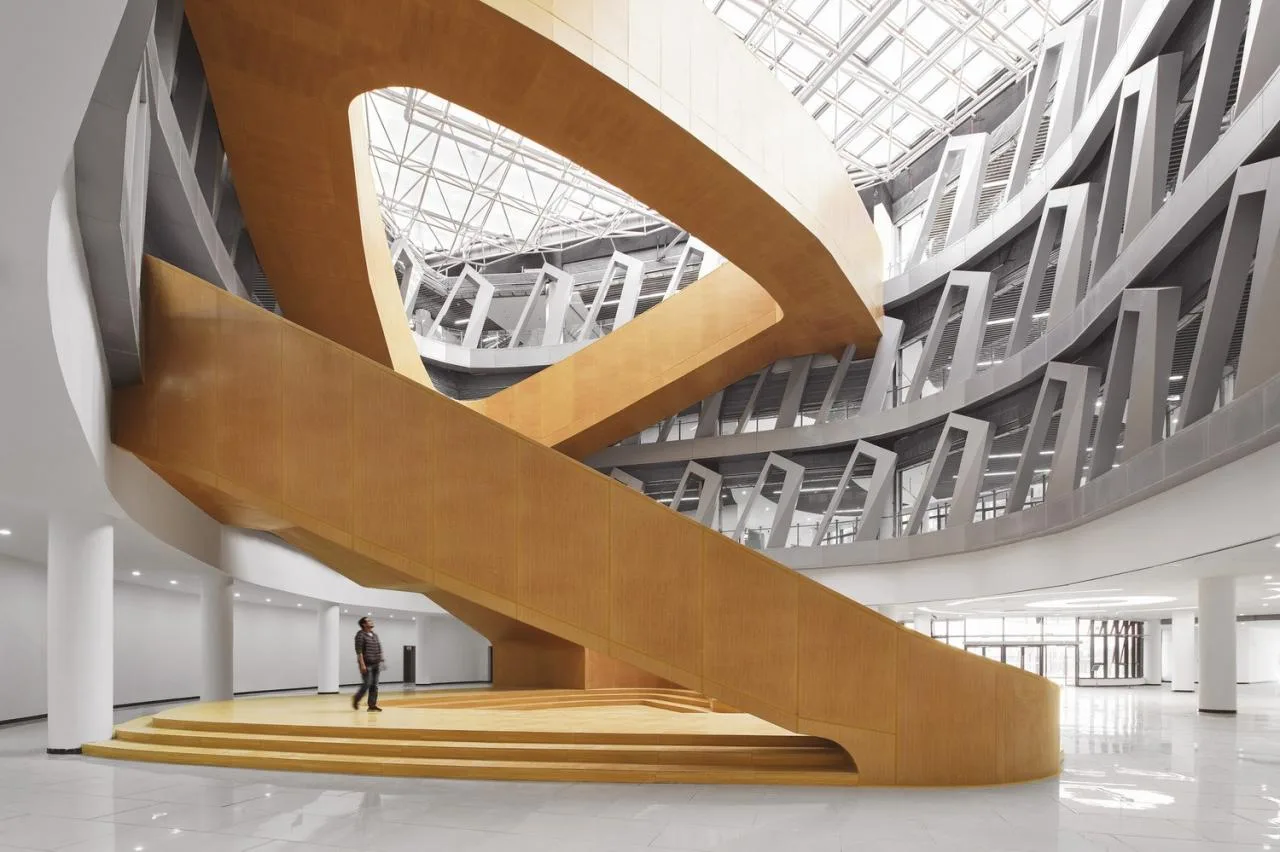
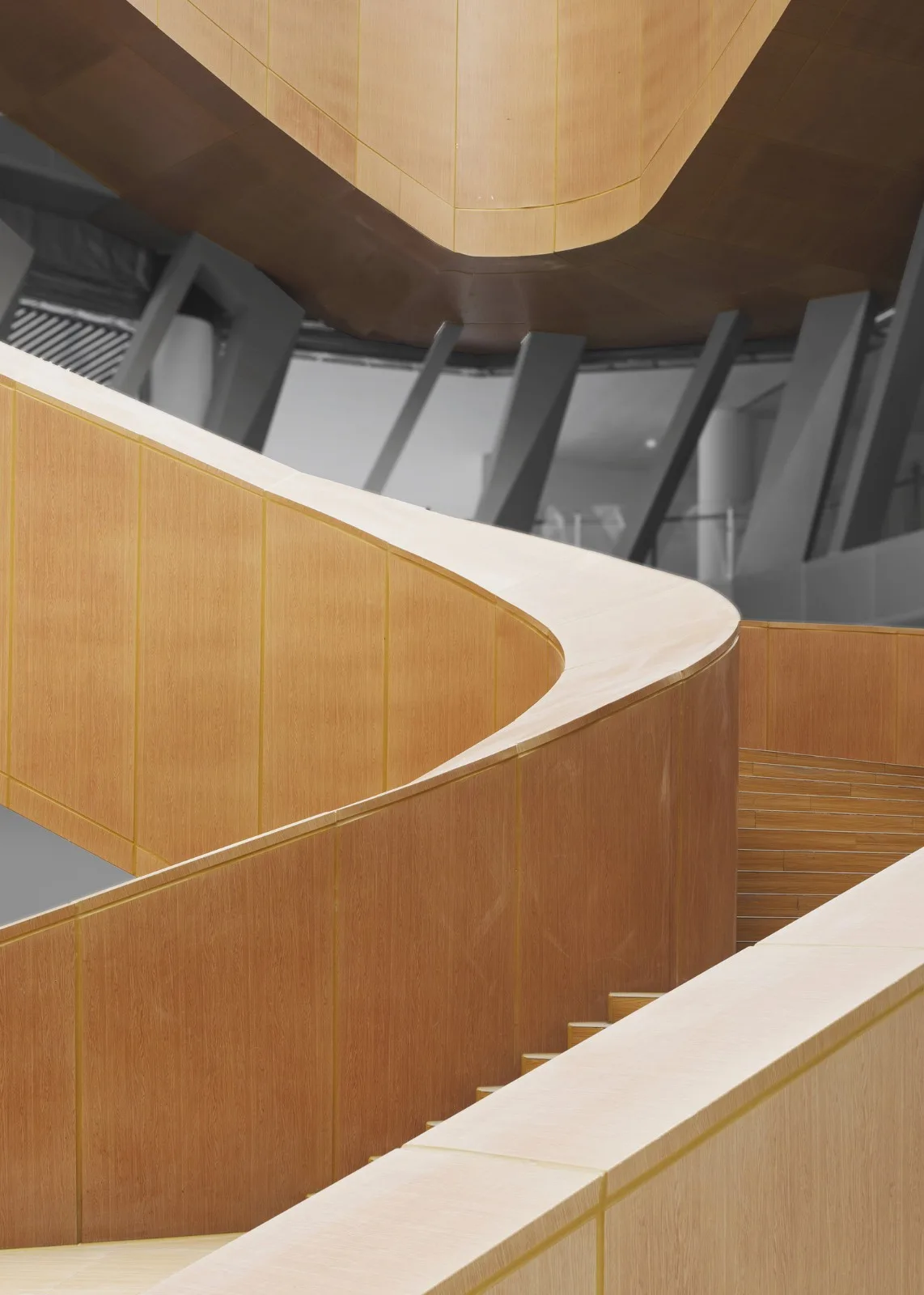
Inside the library, the electric power theme continues. At the heart of the main hall is a spiral form symbolizing communication between heaven and earth, manifested as a striking giant wooden staircase. Together with the circular shared hall, this creates an infinite loop—an “electric power structure”—that reflects the scientific and cultural exchange of energy between humans and nature.
The “Energy Ring” library uniquely spatially narrates the origins of electric power, Eastern wisdom on harnessing natural forces, and the dynamic energy interaction between humanity and the environment.
Humans have learned about electricity from nature, transforming their lives and scientific understanding through this knowledge. This progress represents a self-revolution and development achieved by harnessing and better understanding nature. Importantly, the relationship between humans and nature is interactive; humans are part of nature and bear responsibility to protect and restore it.
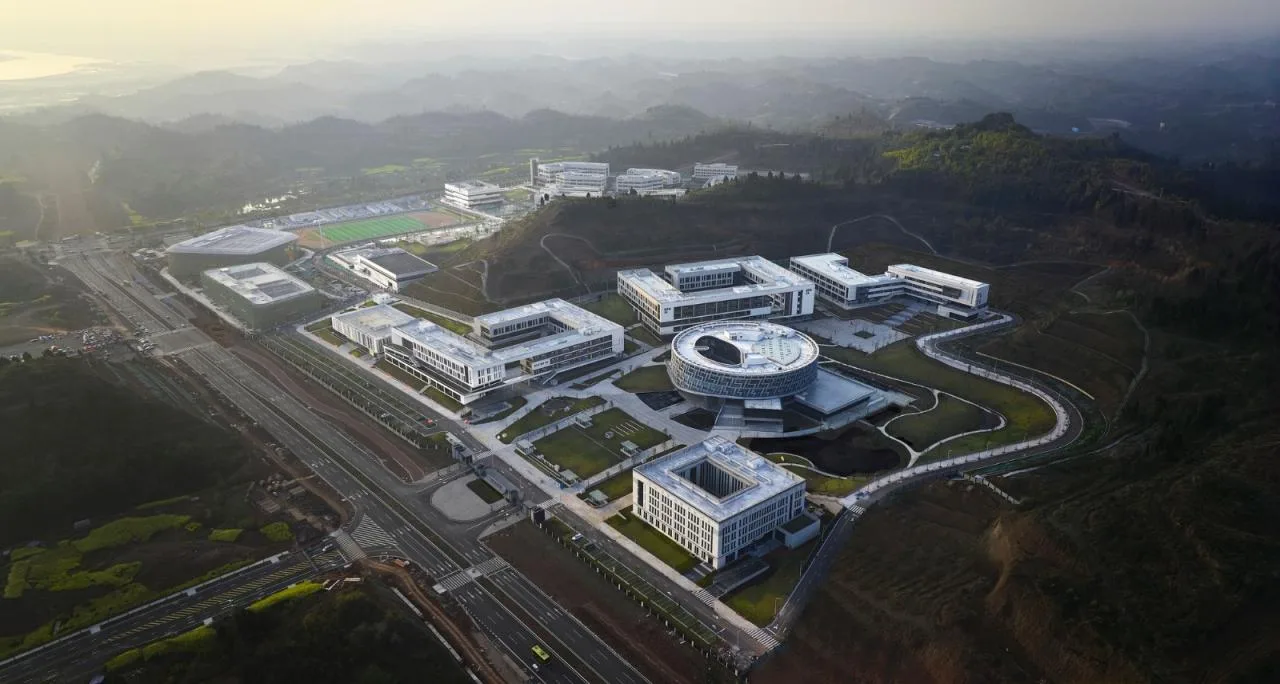
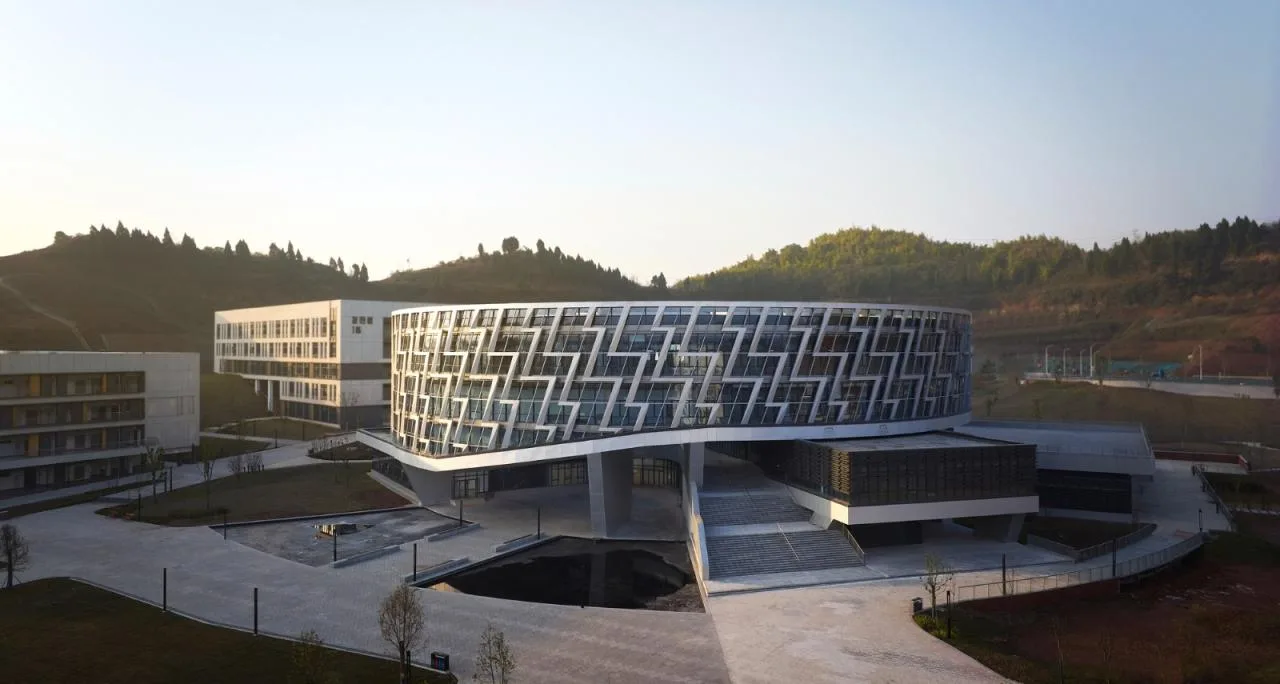
The “energy cycle” symbolizes not only electricity’s vital role as a human energy source but also the interdependence and interaction between humans and nature. It conveys a positive philosophy of humans actively seeking to understand, utilize, and harmonize with the natural world.
Serving as the main transportation and communication hub of the library, the circular shared hall of the “Energy Ring” fulfills functional needs while also embodying the cultural mission of educating visitors within the library environment.
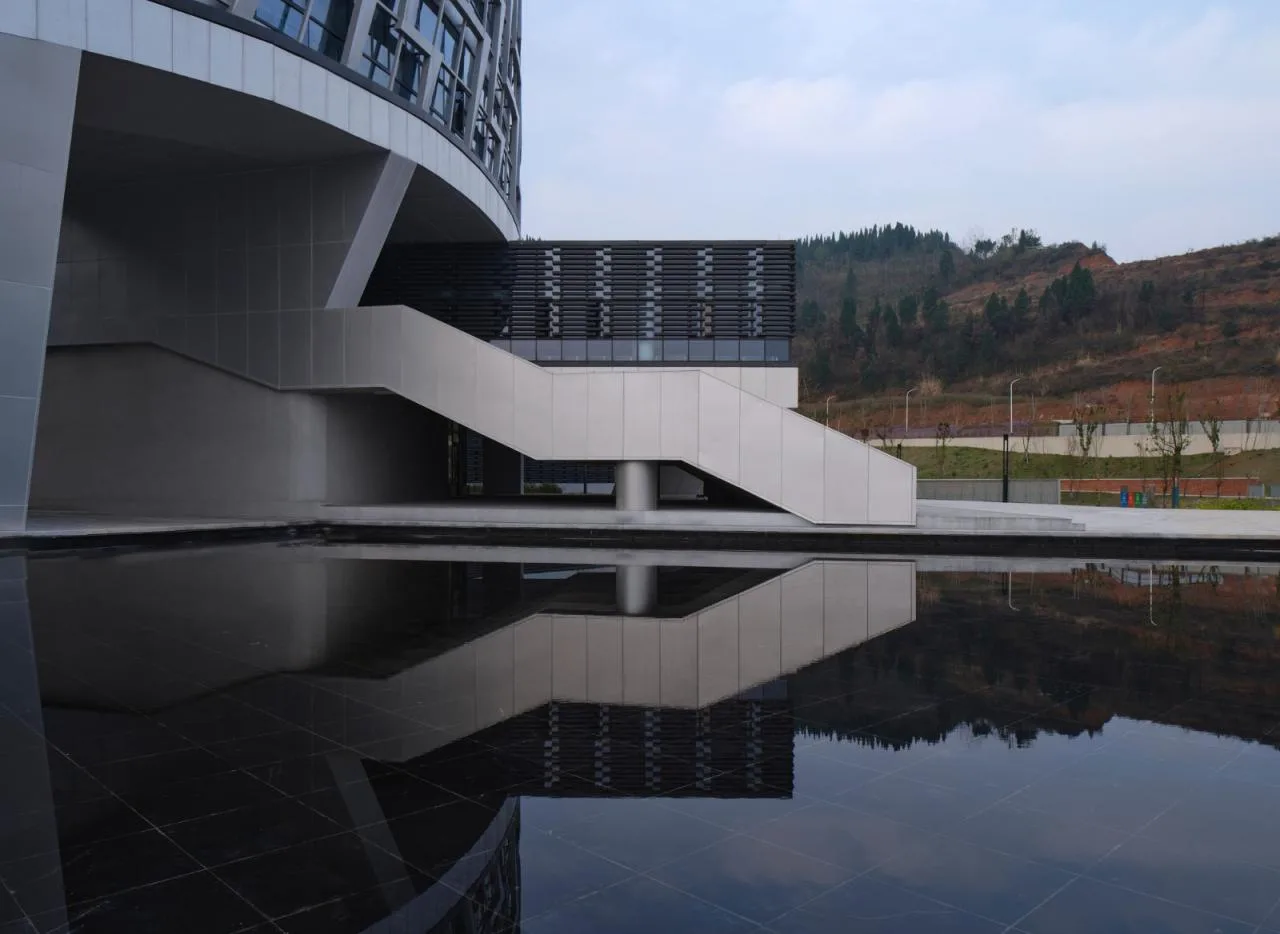
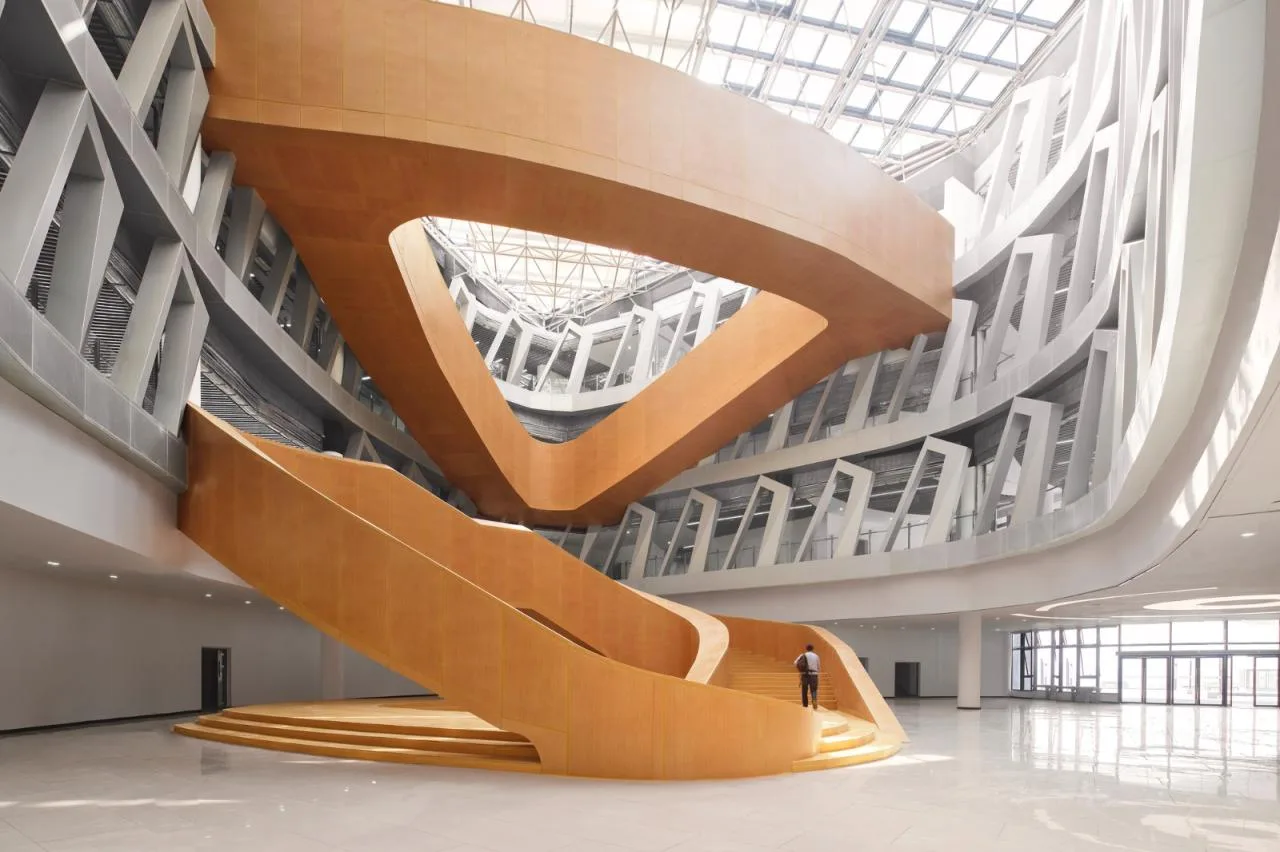
Through the “Energy Ring” library, the campus architecture establishes a closer symbiotic relationship with the natural mountain and river environment. The campus’s cultural identity interacts fluidly with the surrounding nature, expressing the electric power discipline’s characteristics in an engaging and approachable way.
This harmony reflects the positive relationship between humans and nature and carries the campus’s unique cultural significance. The architect has explored innovative methods to create distinctive educational buildings by translating disciplinary features and philosophical meanings into spatial form, using a dynamic, ecologically engaging “energy ring” library to break the monotony typical of many campuses and envision a more inspiring future.
Project Drawings
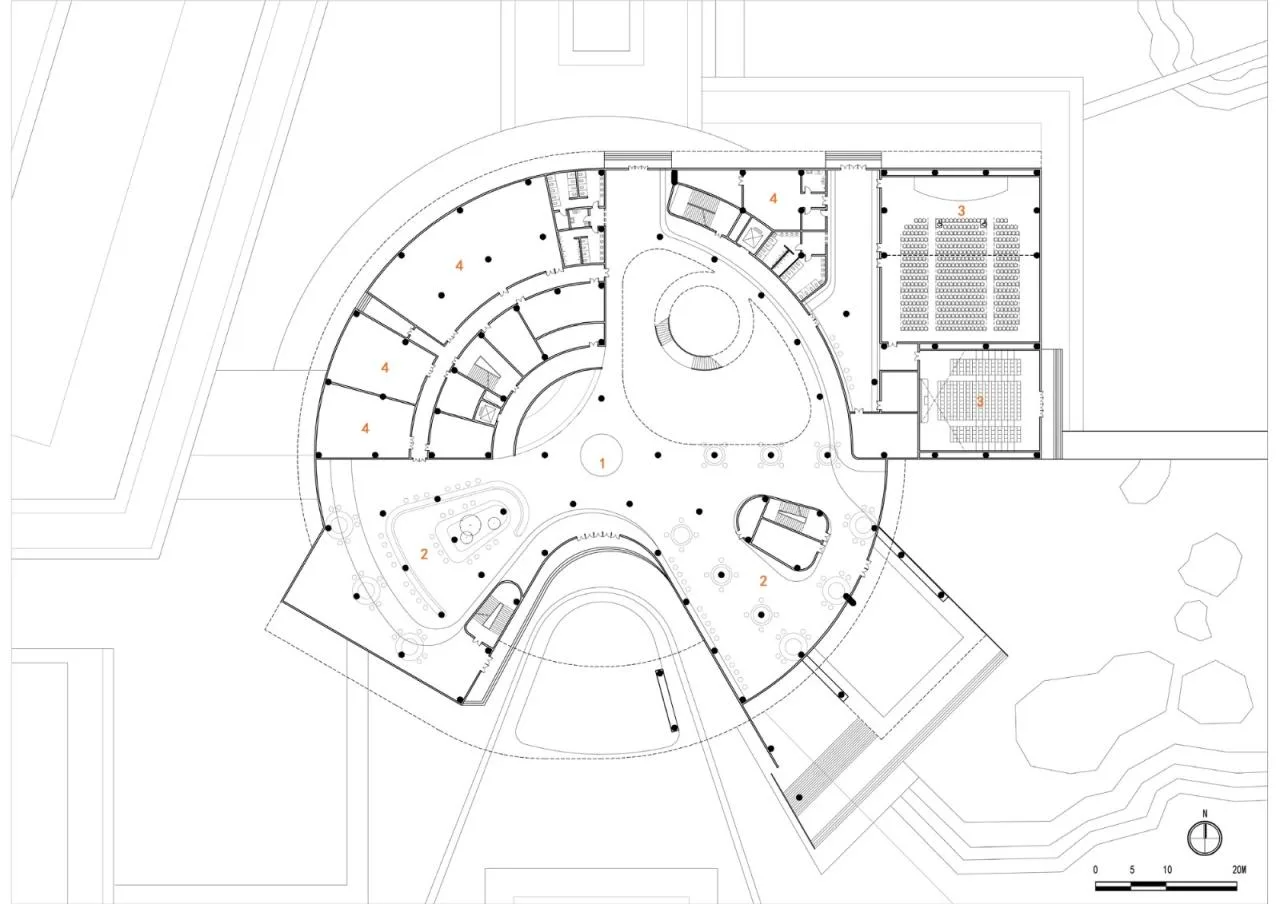
△ First Floor Plan
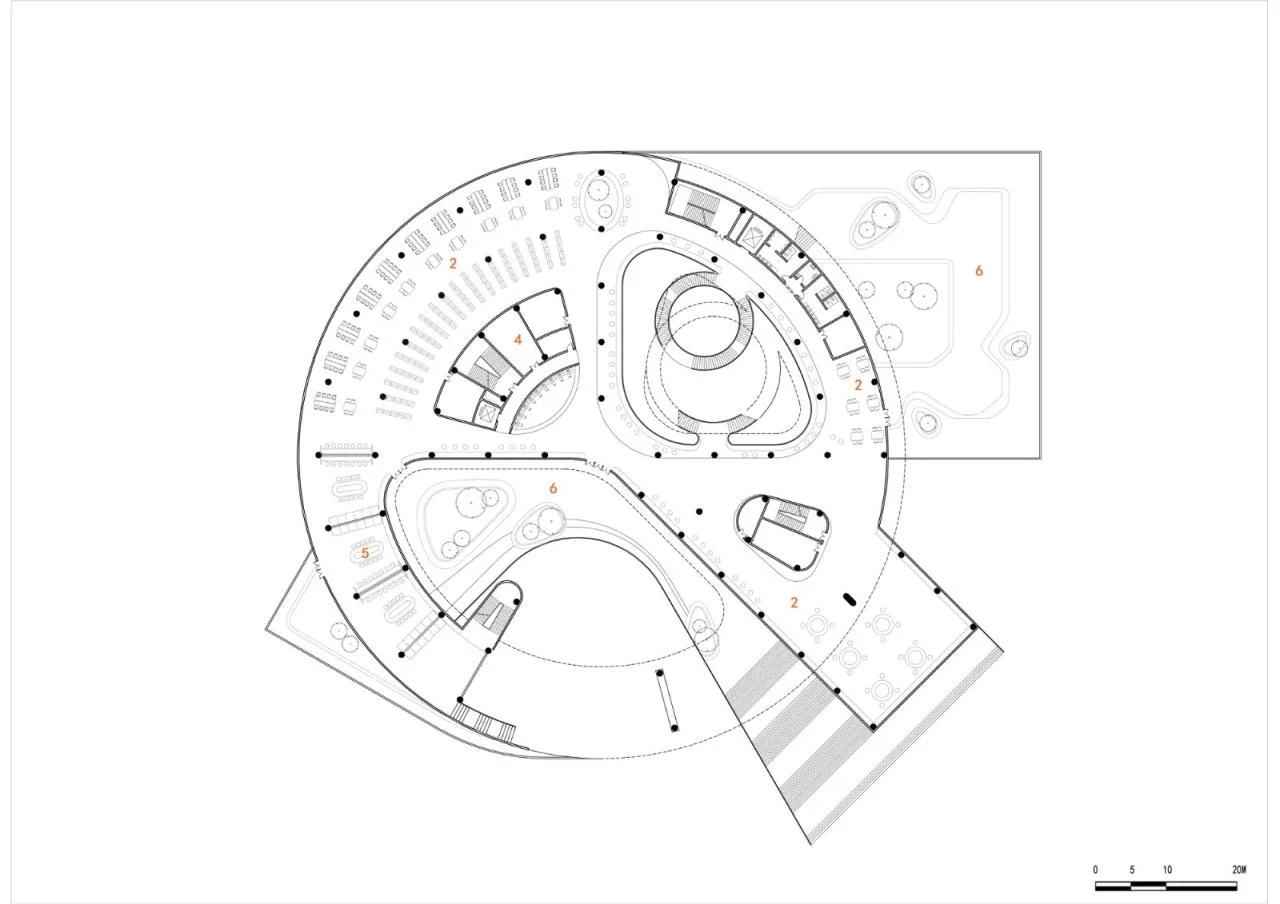
△ Second Floor Plan
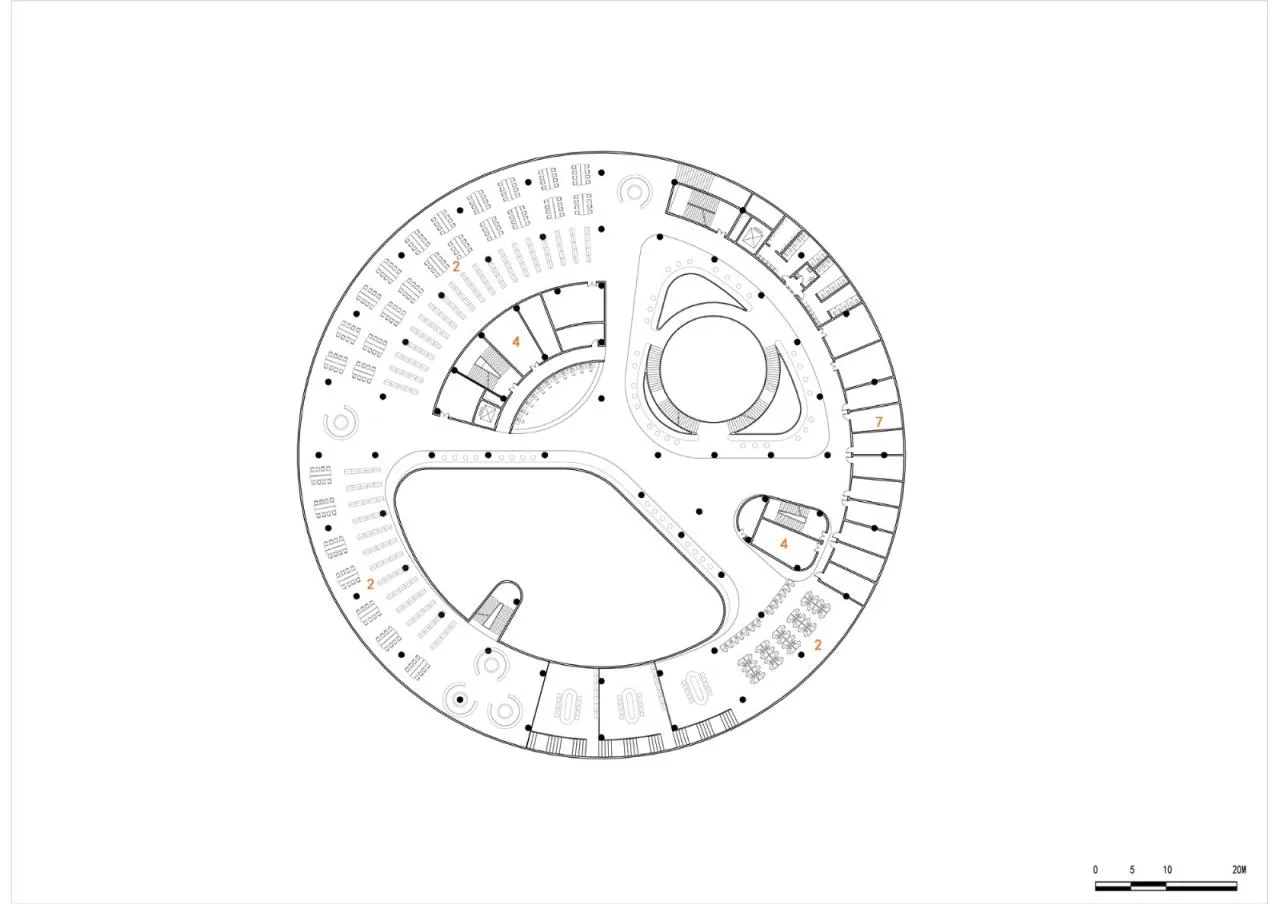
△ Third Floor Plan
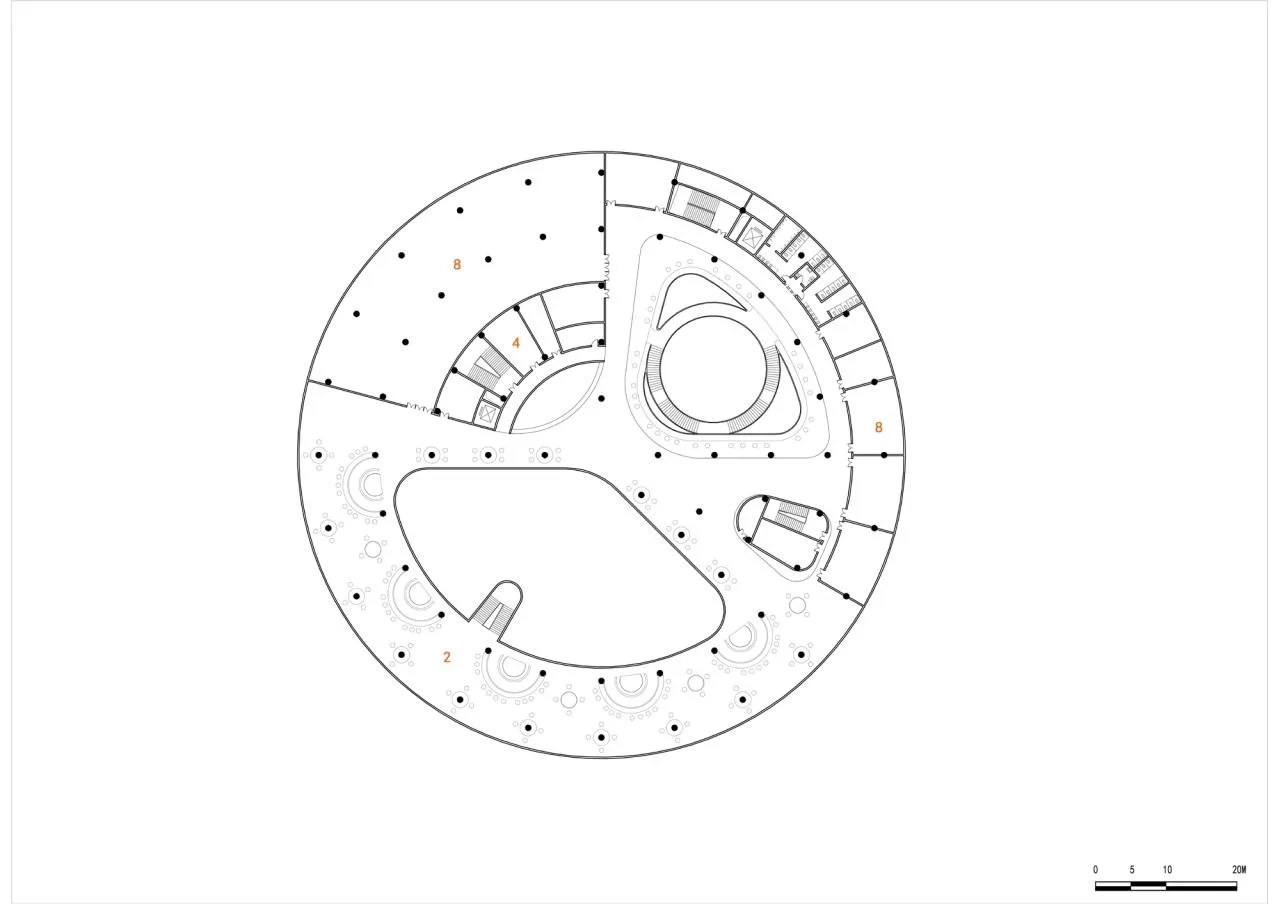
△ Fourth Floor Plan
Project Information
Architect: Gu Zhihong Studio, Tianjin University Design Institute
Area: 24,300 m²
Year: 2023
Photographer: Wei Gang
Project Leads: Zhang Bo, Yin Liang
General Manager: Chen Qian
Design Team: Gu Zhihong Studio, Tianjin University Design Institute
Construction Drawing Team: Tianjin University Design Institute Third Design Institute
Client: Chongqing Electric Power College
Location: Chongqing, China














Must log in before commenting!
Sign Up