
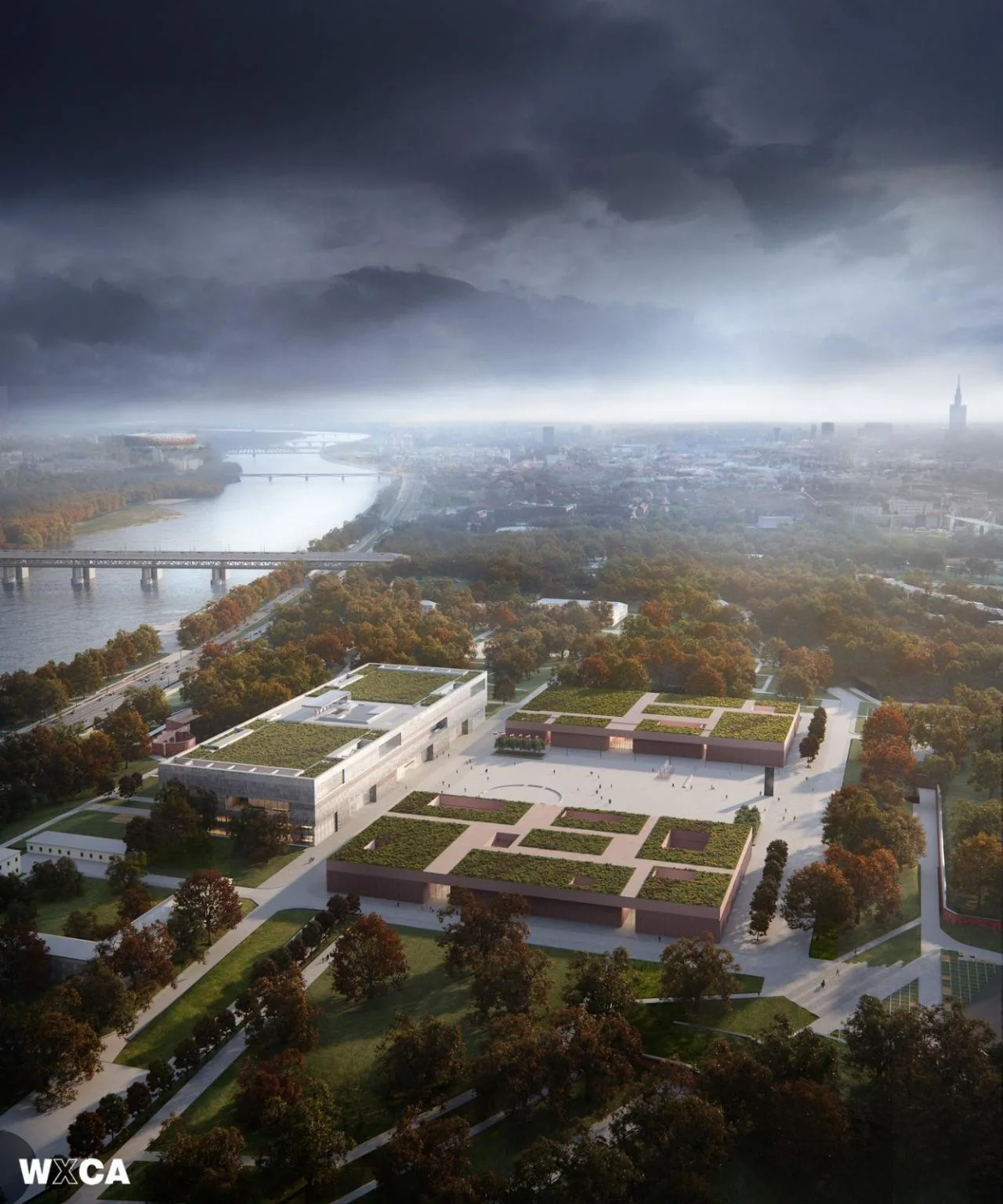
WXCA won a design competition for one of Europe’s largest museums, located in Poland’s capital. Currently under construction at Warsaw Castle, this development merges the Polish History Museum with the Polish Military Museum. Situated on the site of a former defensive structure, the complex will serve as a cultural center deeply rooted in commemoration.
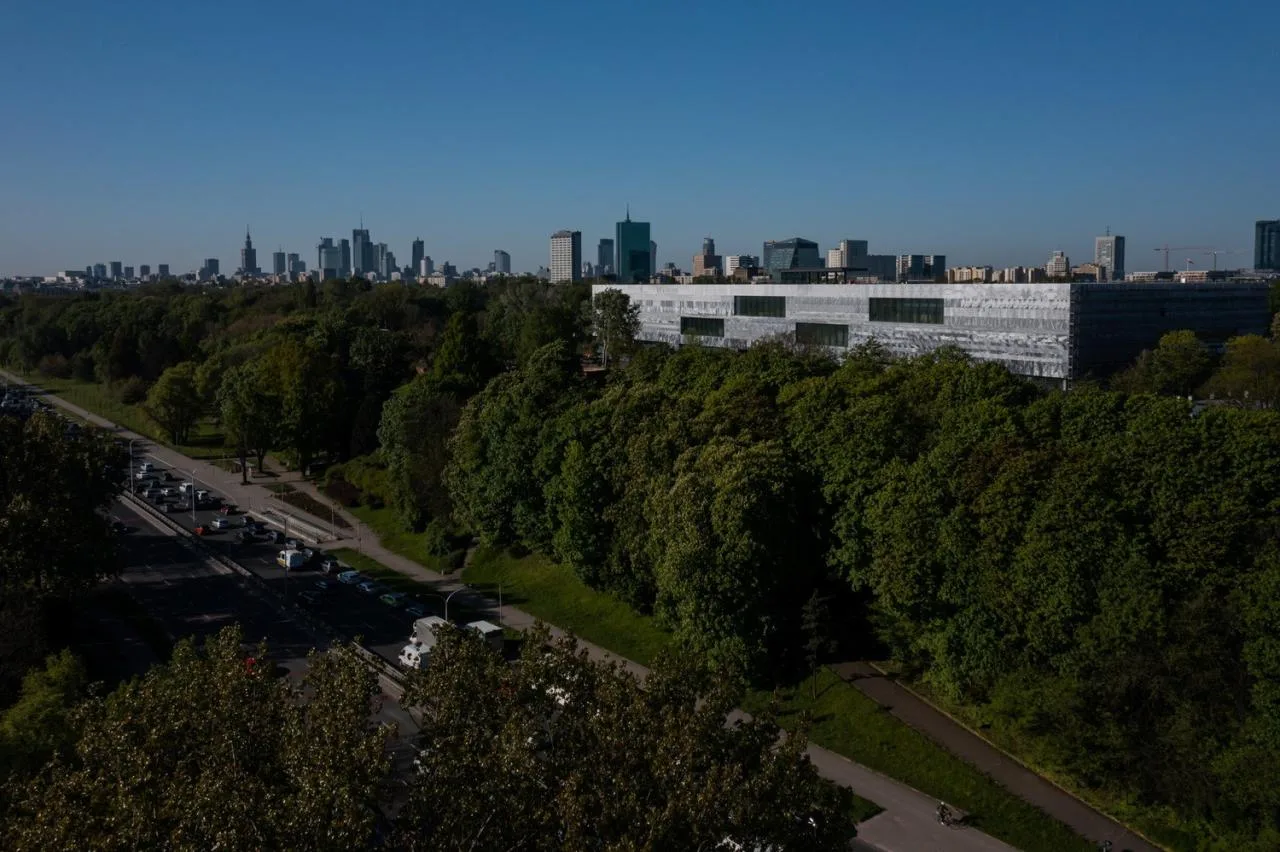
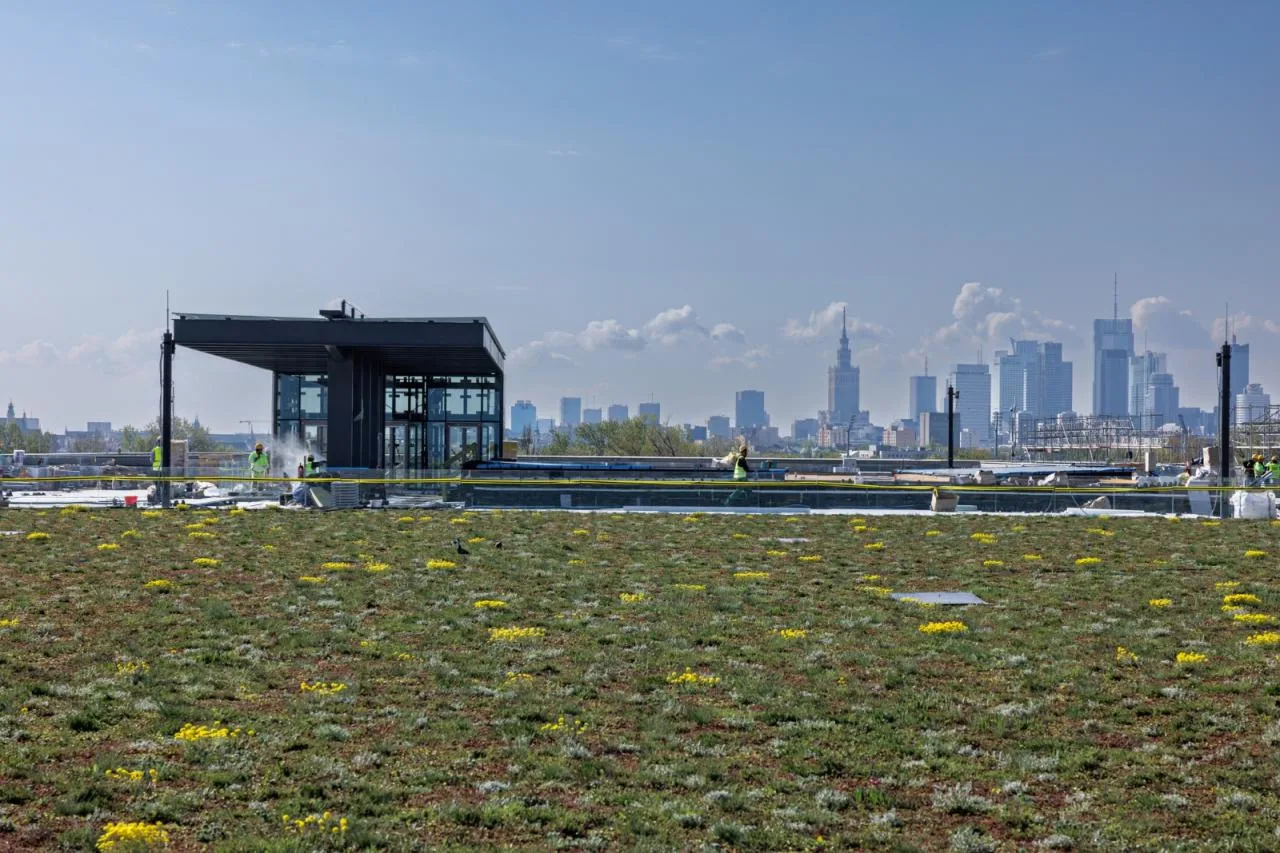
Warsaw Castle holds a unique place in the city’s landscape, located near the bustling city center. Its defensive fortifications date back to the 19th century and serve as a memorial to the Polish Free War, carrying significant symbolic, material, and architectural value. However, for the past 200 years, the castle has been isolated from the urban fabric and its citizens, who have been prohibited from entering. Behind the high brick walls, over 30 hectares of preserved green space lie, now surrounded by modernist residential neighborhoods built before World War II.
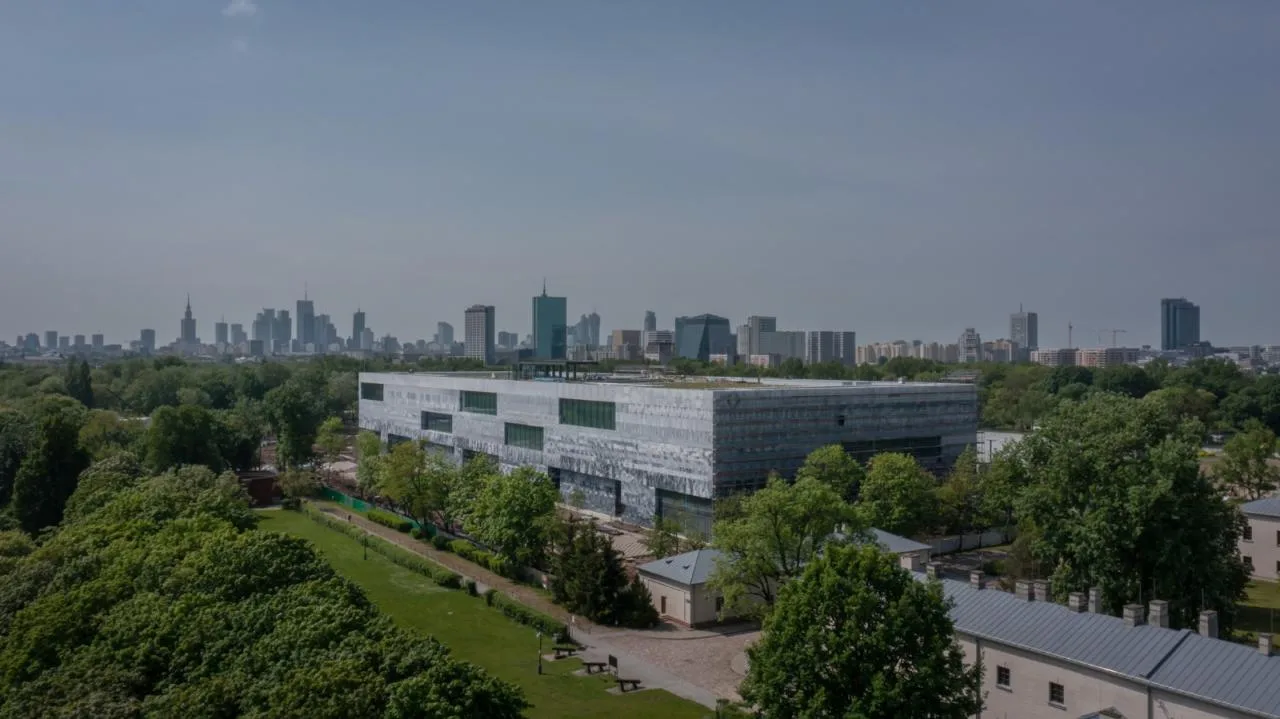
With the museum complex nearing completion, this area is undergoing a remarkable transformation. The project consists of two buildings: the Polish Military Museum and the administrative center for the Polish History Museum. The complex integrates seamlessly into the historic urban layout and the main city square surrounding Warsaw Castle. This space will evolve into a ‘museum park’—a cultural and commemorative hub that will serve as a daily gathering place for Warsaw’s residents. It will connect with the expansive city park, the 10th exhibition hall of the Warsaw Castle museum, and the Katy Museum, all already established on site. WXCA’s design approach emphasizes both social and natural contexts, incorporating durable material elements into the museum’s exterior.
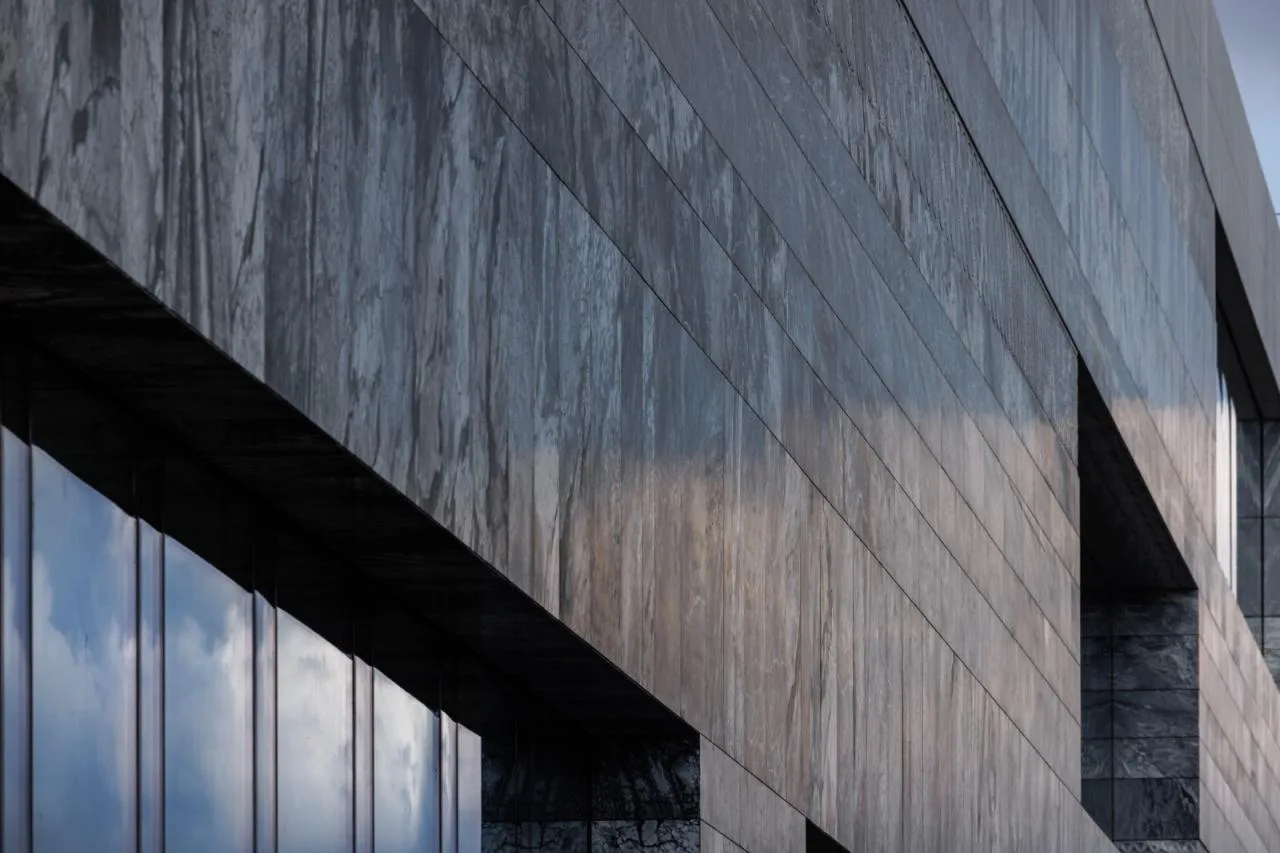
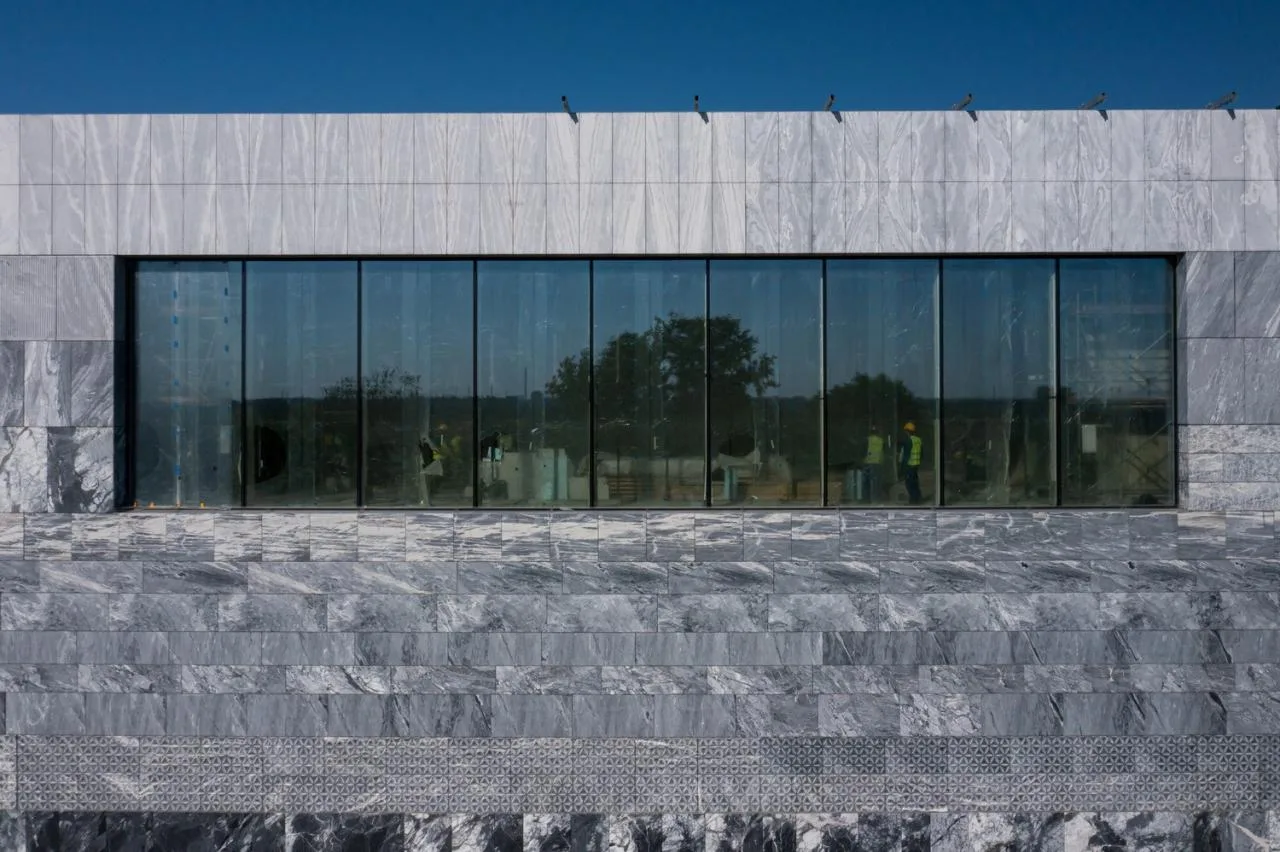
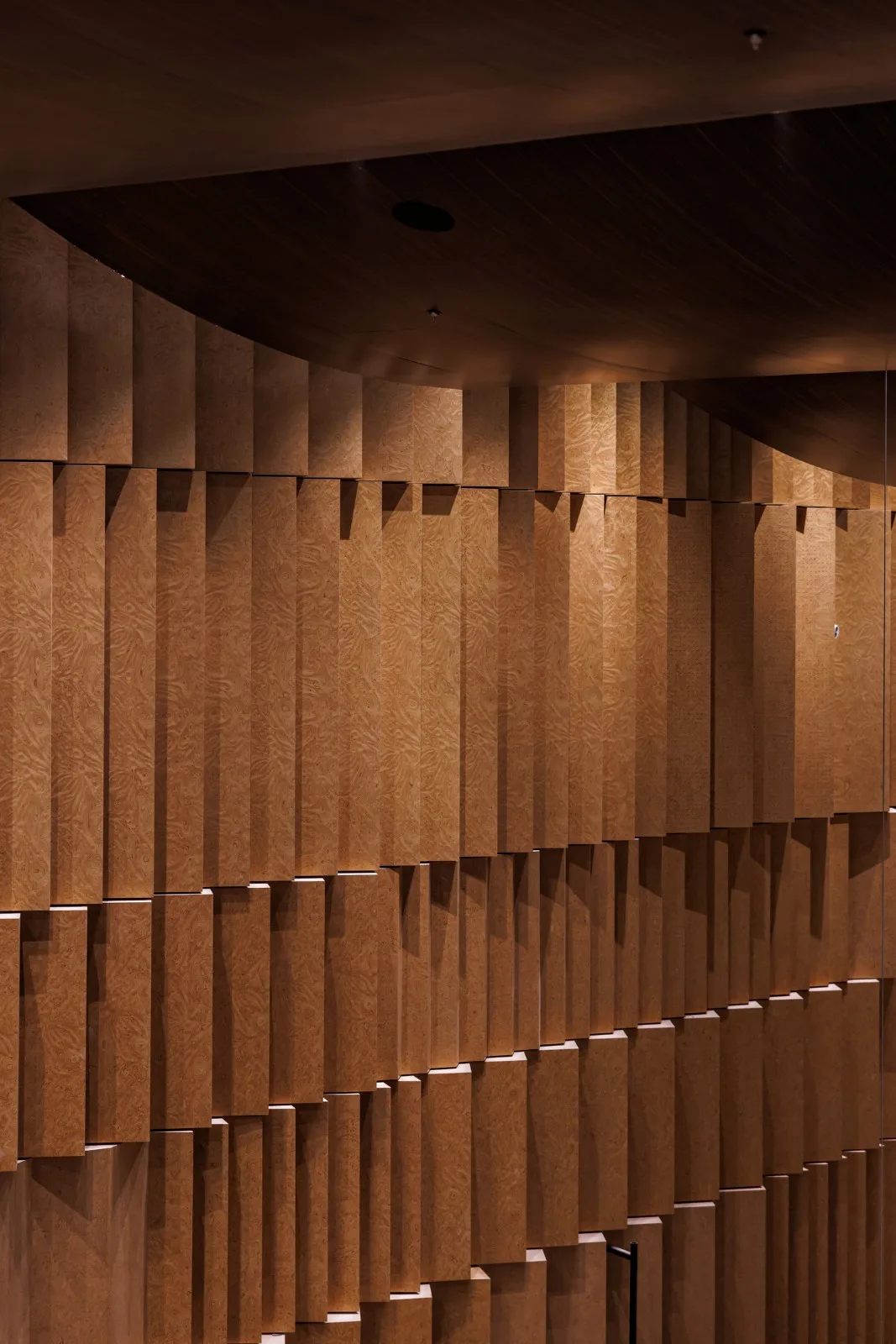
The Polish History Museum’s architecture symbolizes the preservation of history as a solid, unified whole. It tells a philosophical story where stones act as narrators, revealing layers of history. The museum’s simple form resembles carefully cut stones arranged in multiple dimensions. Its façade is clad with marble slabs of varying geometric shapes, paying homage to Poland’s traditional use of natural materials.
The museum’s façade features horizontally striped marble slabs with diverse textures, evoking the layered geological formations found in nature. This layered design mirrors the inherent structure of natural, social, and successive cultural processes studied in archaeology. Marble was specifically chosen for its unique texture—each slab is distinct, just as history is composed of unique individual events. —Krzysztof Budzisz, Architect, WXCA Architectural Design Studio
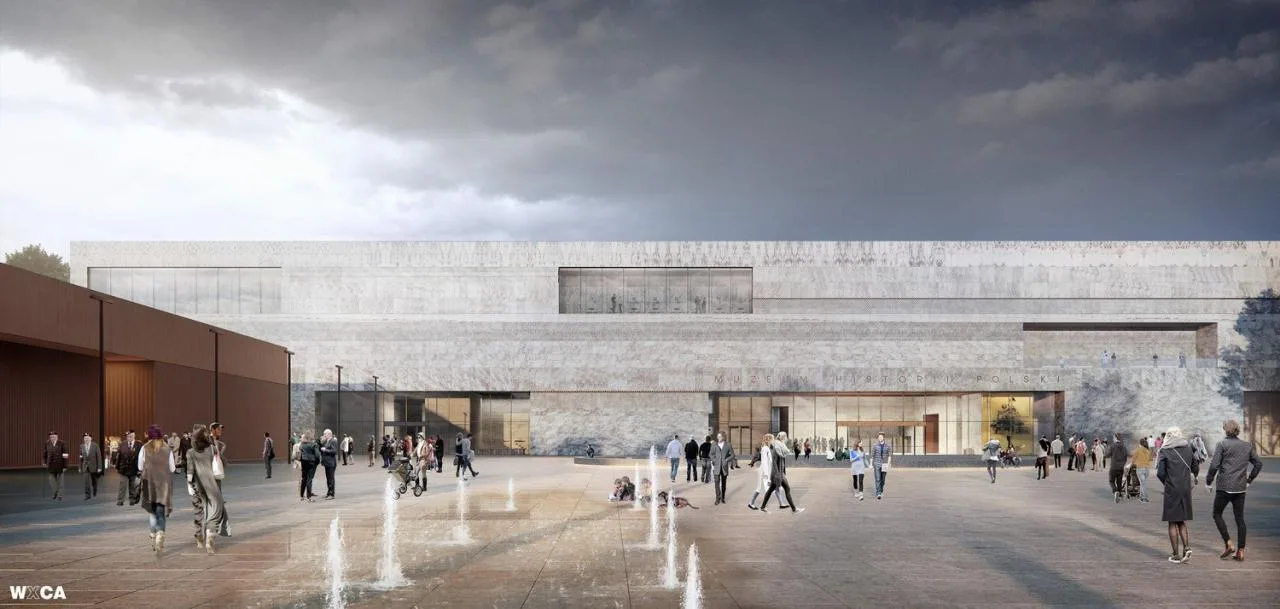
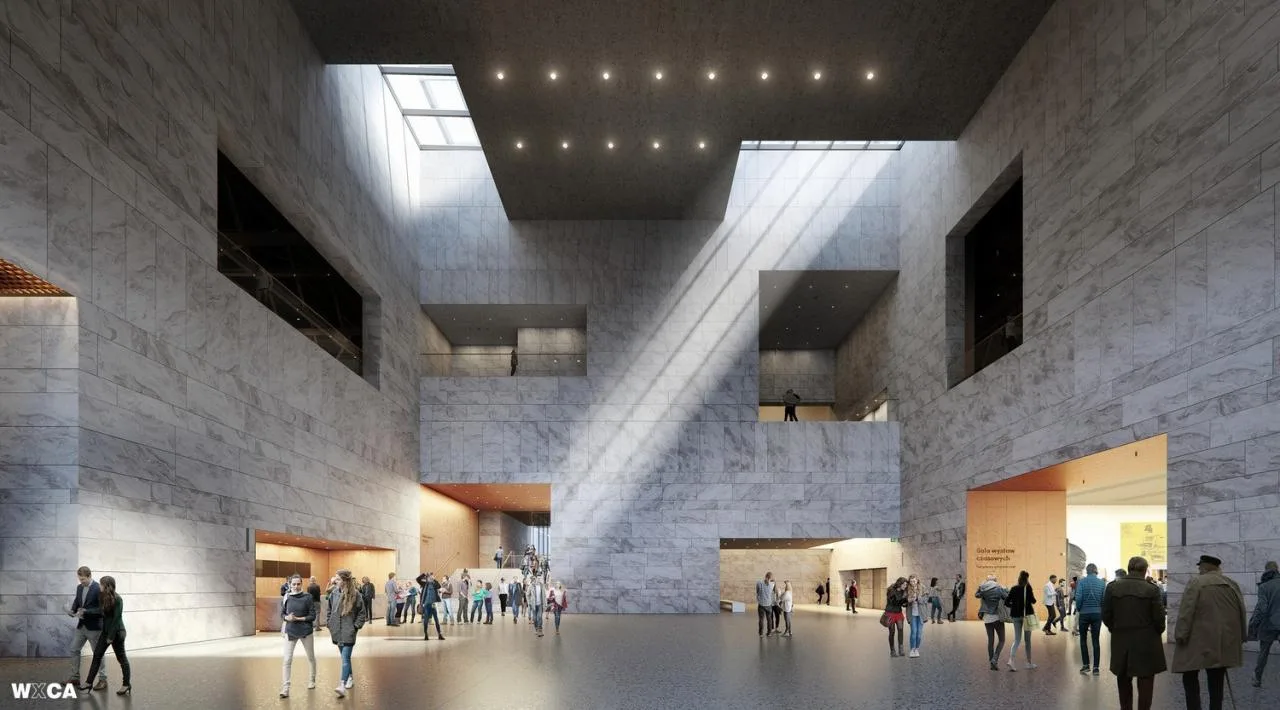
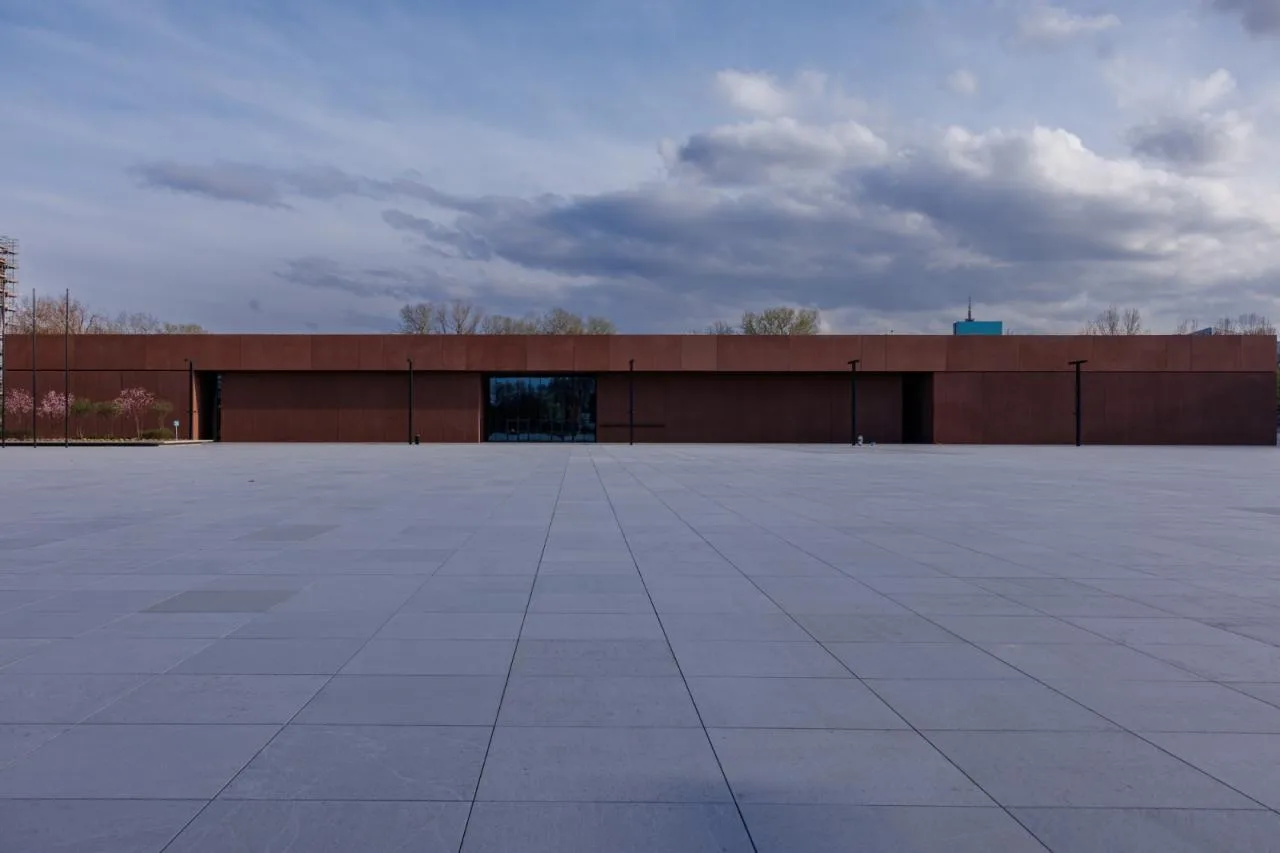
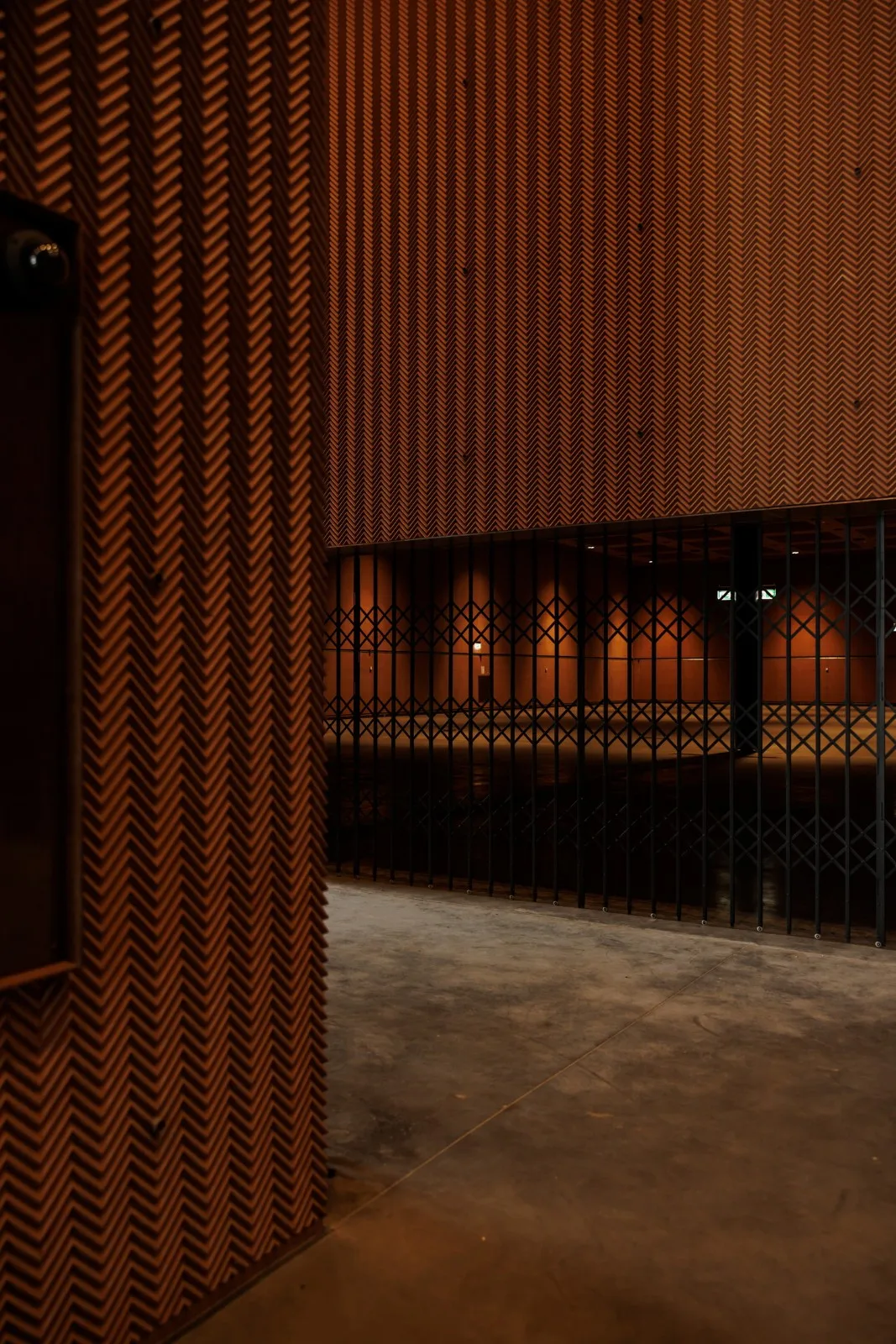
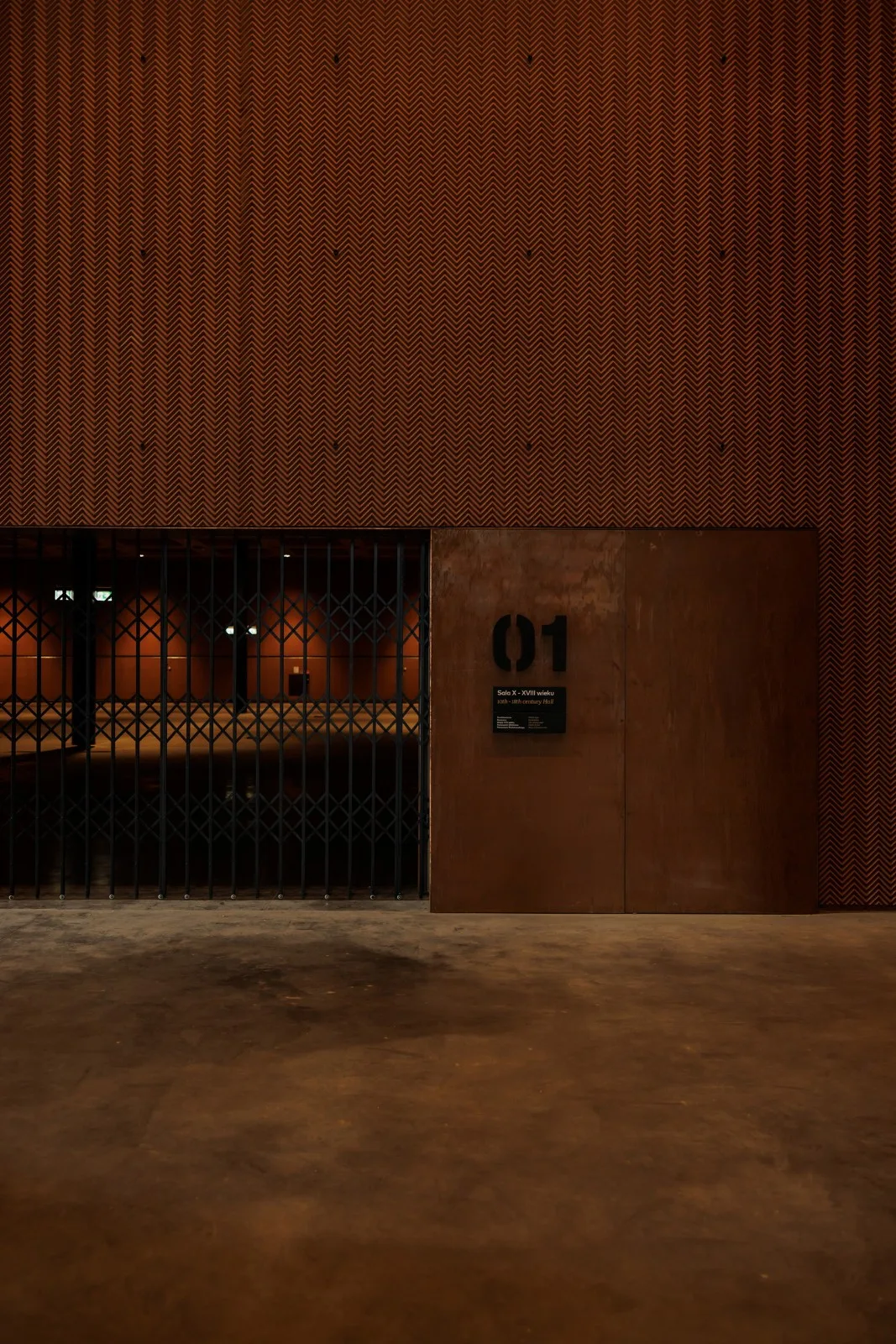
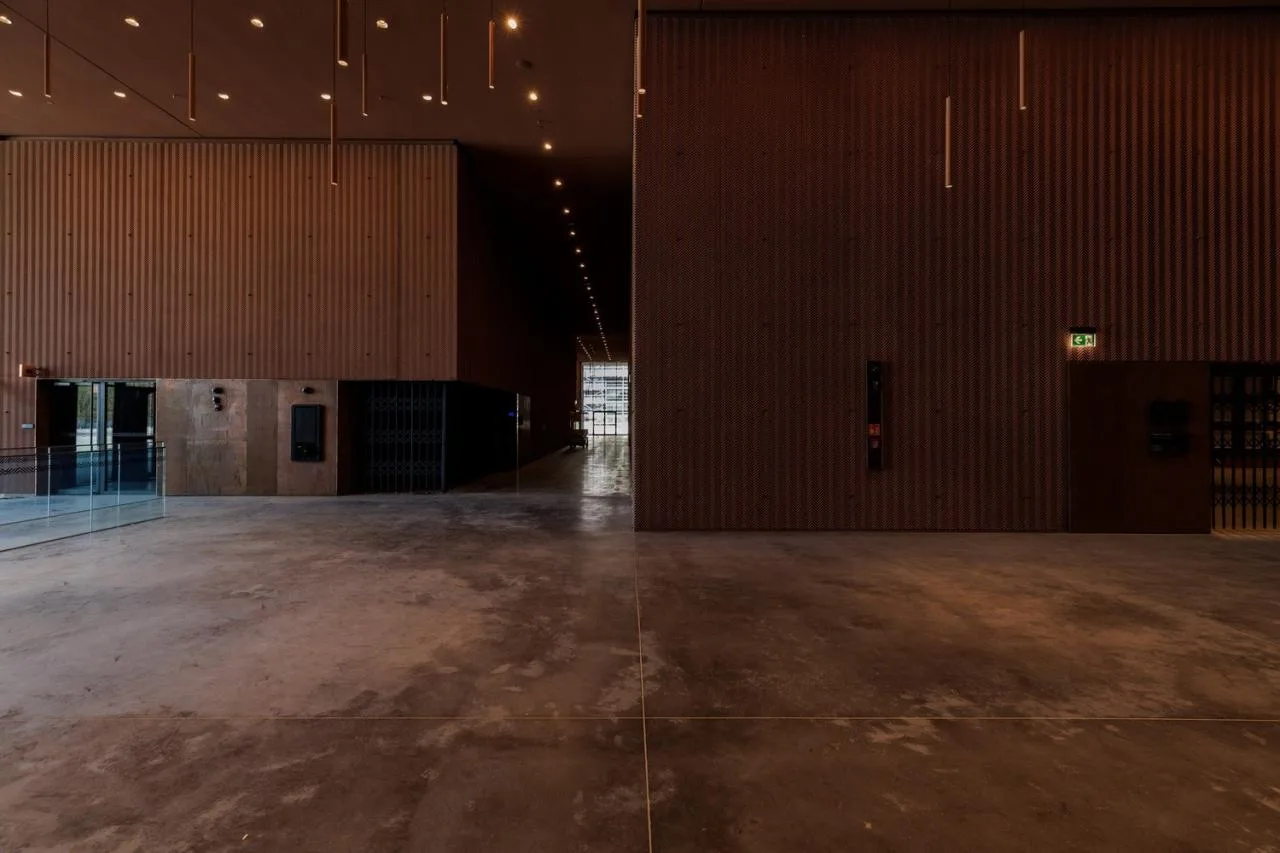
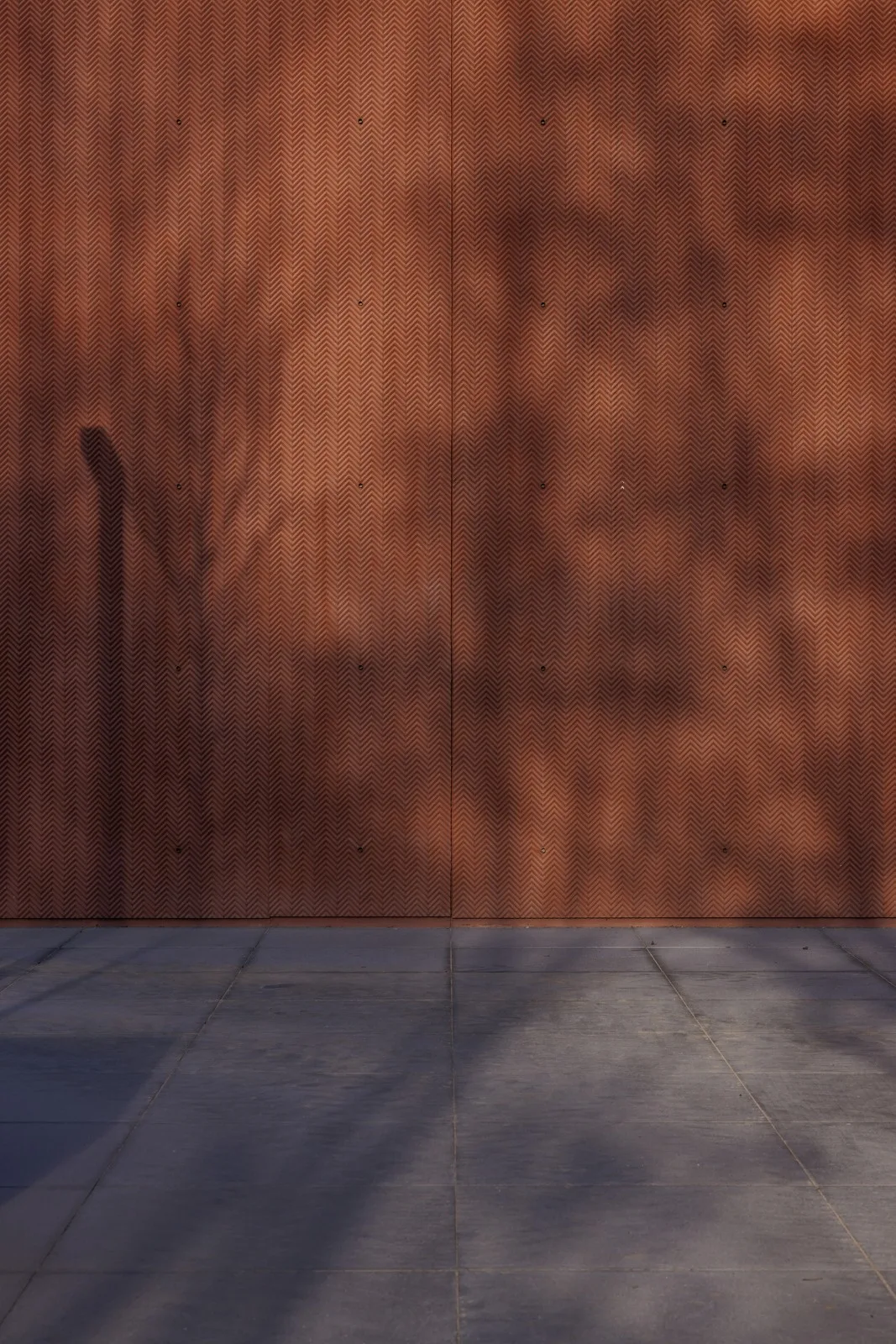
The Polish Military Museum stands opposite the History Museum, framed by the symbolic Guardi Square and integrated into the spatial design of the area. Like its counterpart, the materials’ physical and variable qualities heavily influence the architectural expression here. The architects selected colored concrete with a hue similar to the brick walls of Warsaw Castle. The museum’s large, block-like structure is adorned with specially designed spatial patterns intended to draw visitors’ attention to military themes.
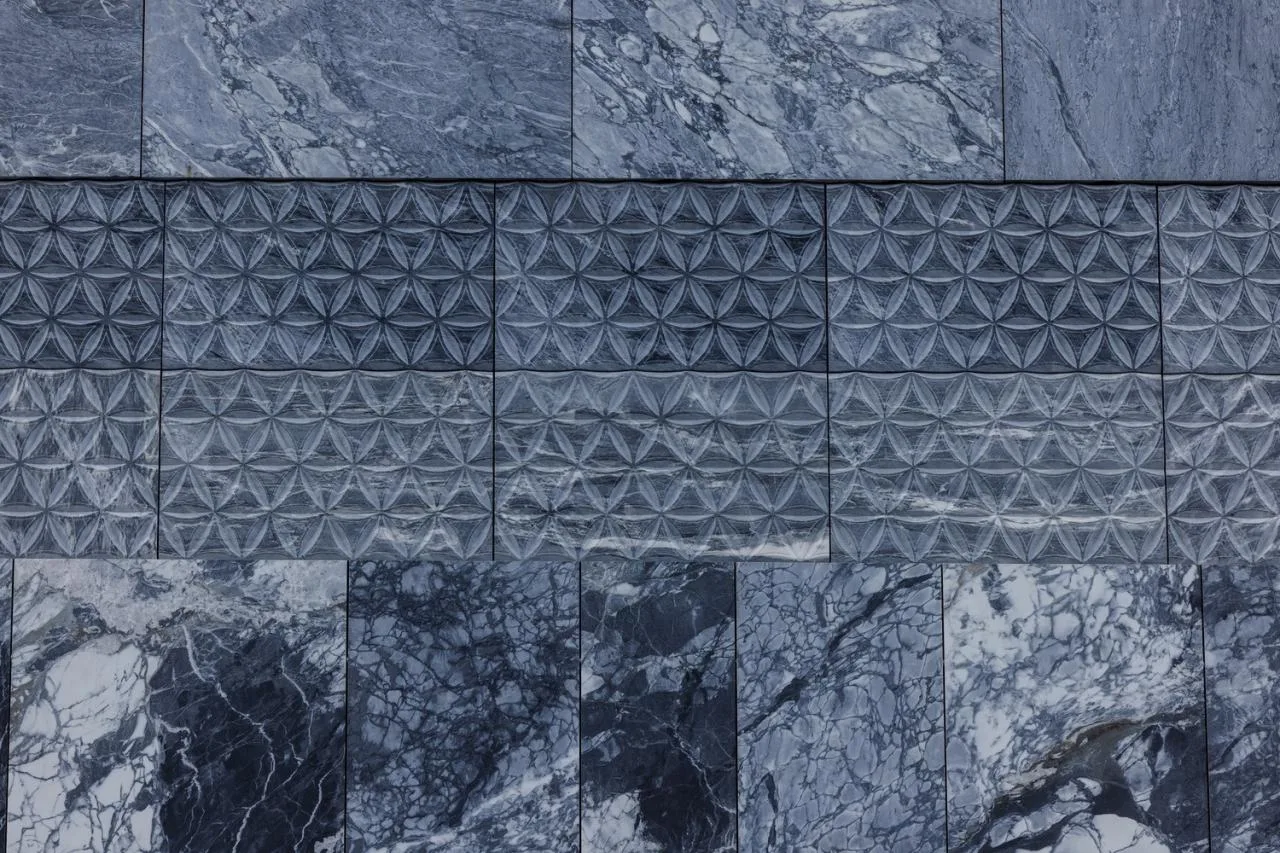
The building’s spatial form acts as a canvas, brought to life through sculptural interactions of light and shadow that change throughout the day, shaping visitors’ perception. WXCA’s designers sized the decorative modules based on human scale—particularly hand scale—inviting visitors to gradually engage with the façade’s details as they approach this massive, orderly structure.
In 2021, WXCA designed the Poland Pavilion for the 2020 Dubai World Expo, showcasing the country’s natural landscapes. The pavilion is surrounded by a dynamic sculpture resembling a flock of birds, symbolizing the natural connection formed by bird migration between Poland and the United Arab Emirates. Additionally, WXCA was selected to design the Prince Lubomirsky Museum in Wrocław, Poland—a stone building that balances classical and modern architectural elements.
Project drawings
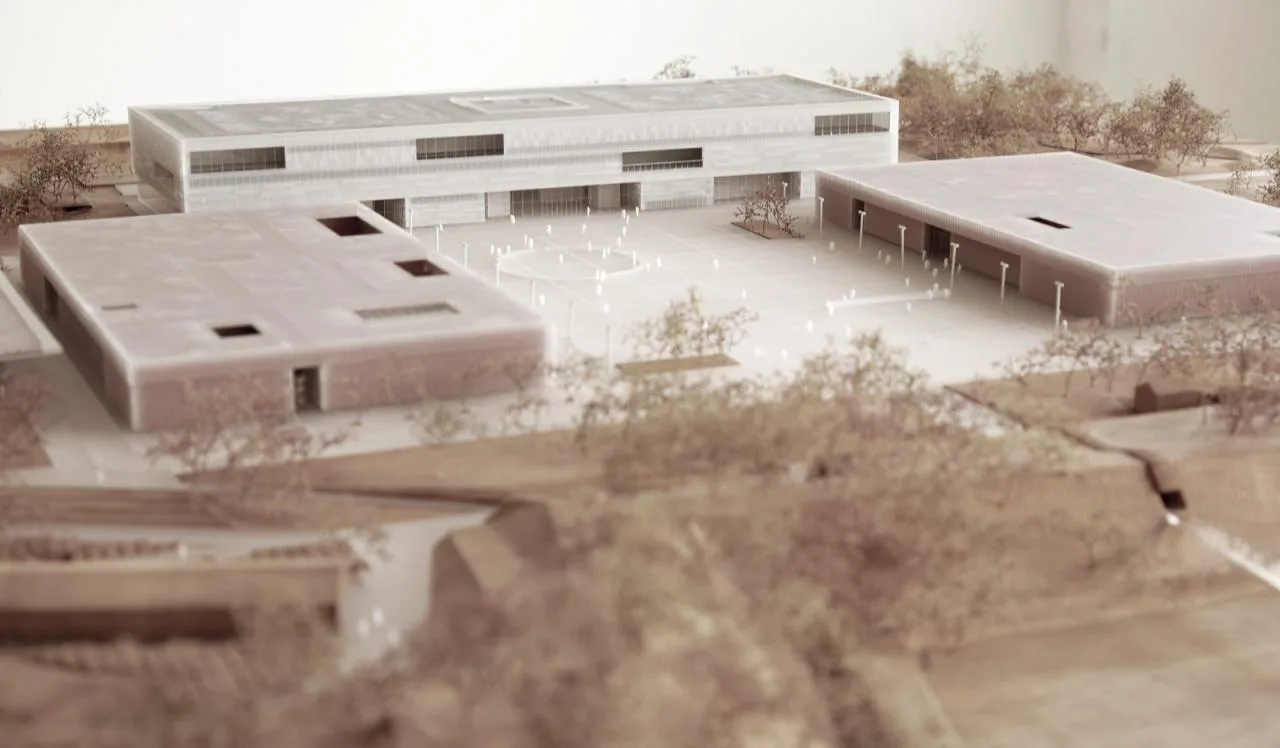
△ Model diagram












Must log in before commenting!
Sign Up