
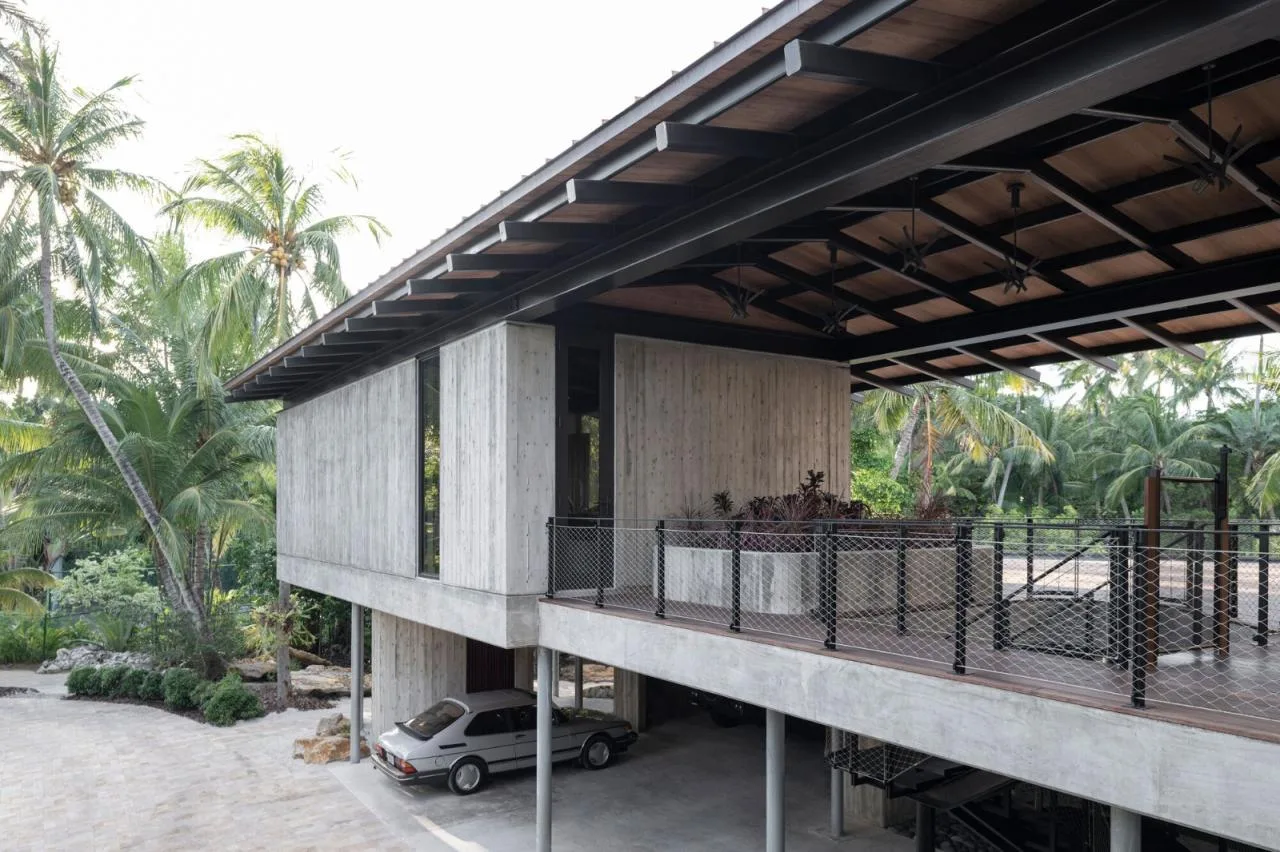
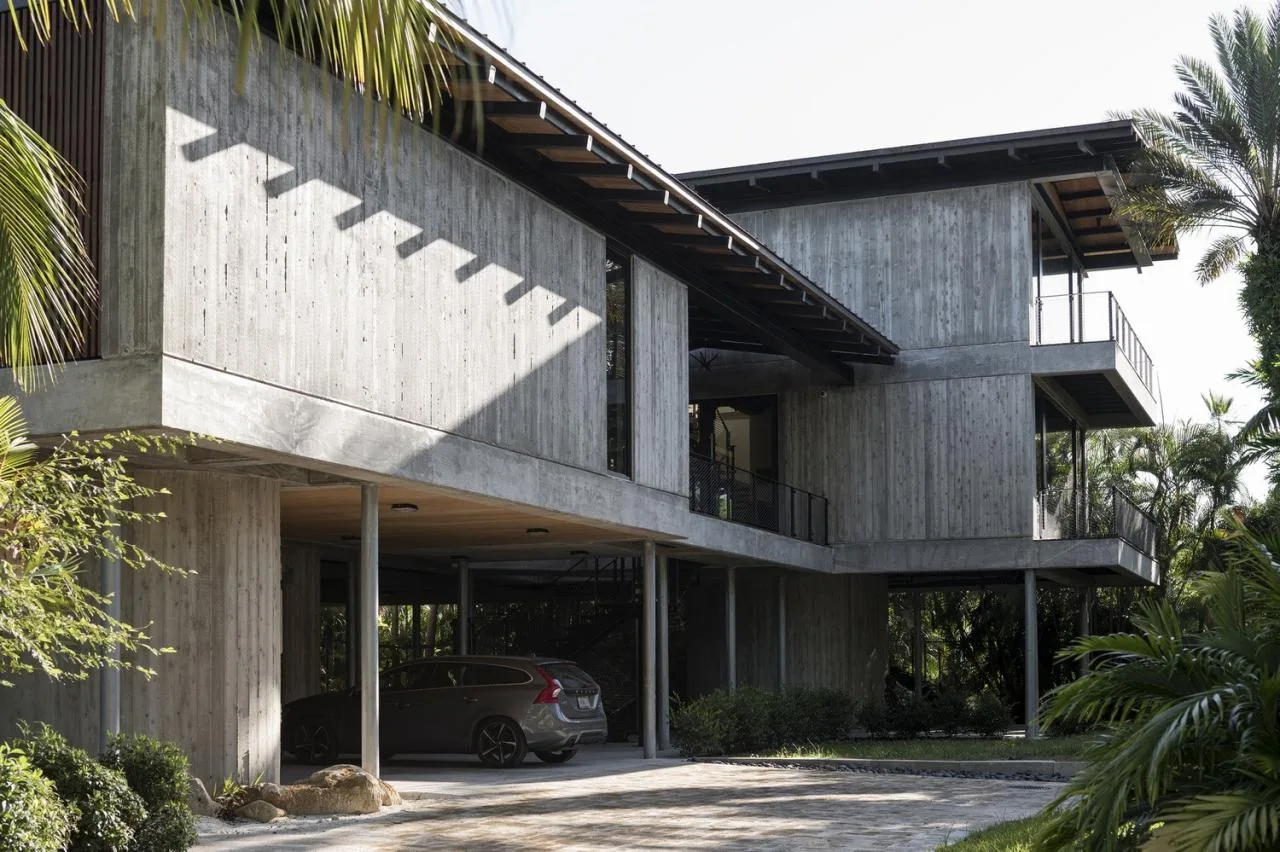
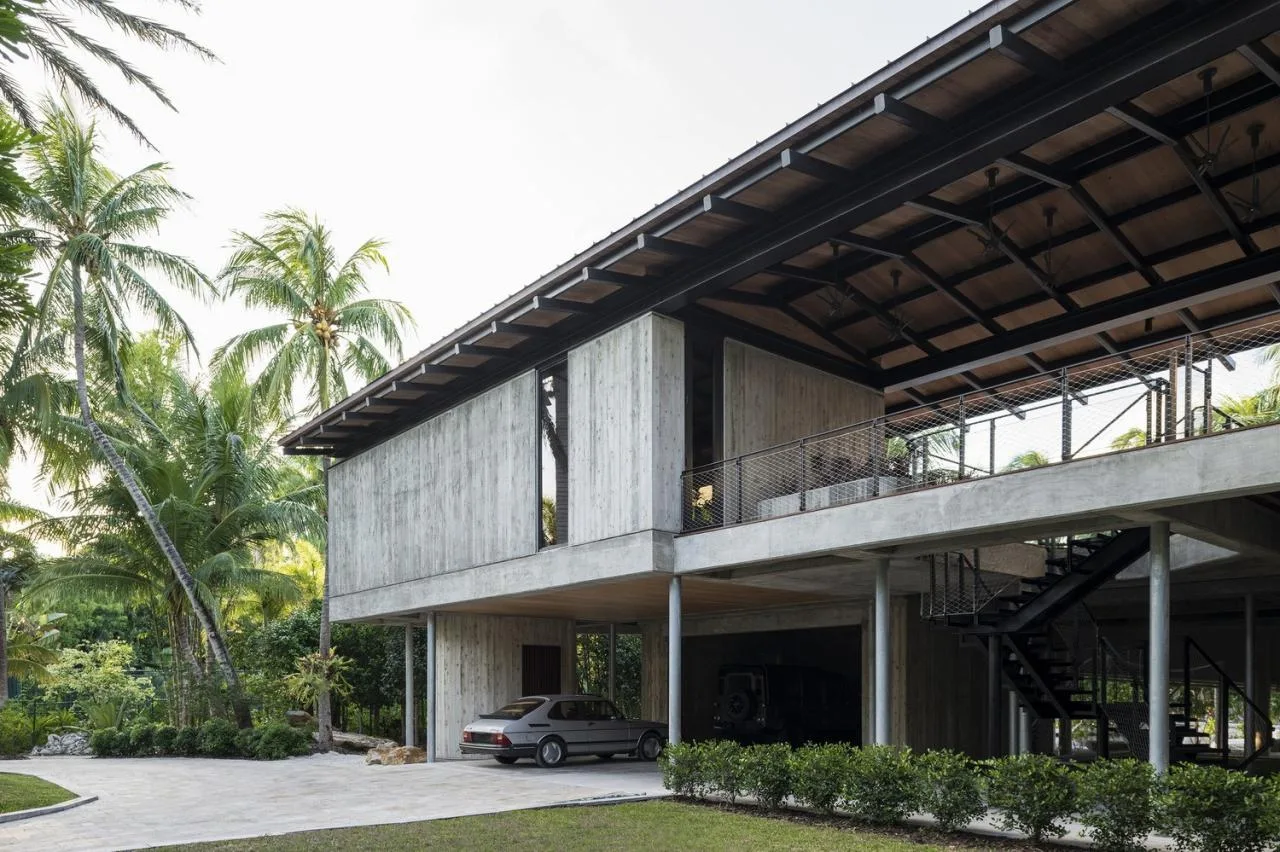
Brillhart Architecture’s seaside project is situated in Miami’s most flood-prone area, introducing a fresh design approach for elevated coastal buildings. Stewart Avenue Apartments not only tackle environmental challenges through adaptive and resilient strategies but also feature innovative architectural elements and conceptual, material-based solutions that elevate Miami’s waterfront landscape.
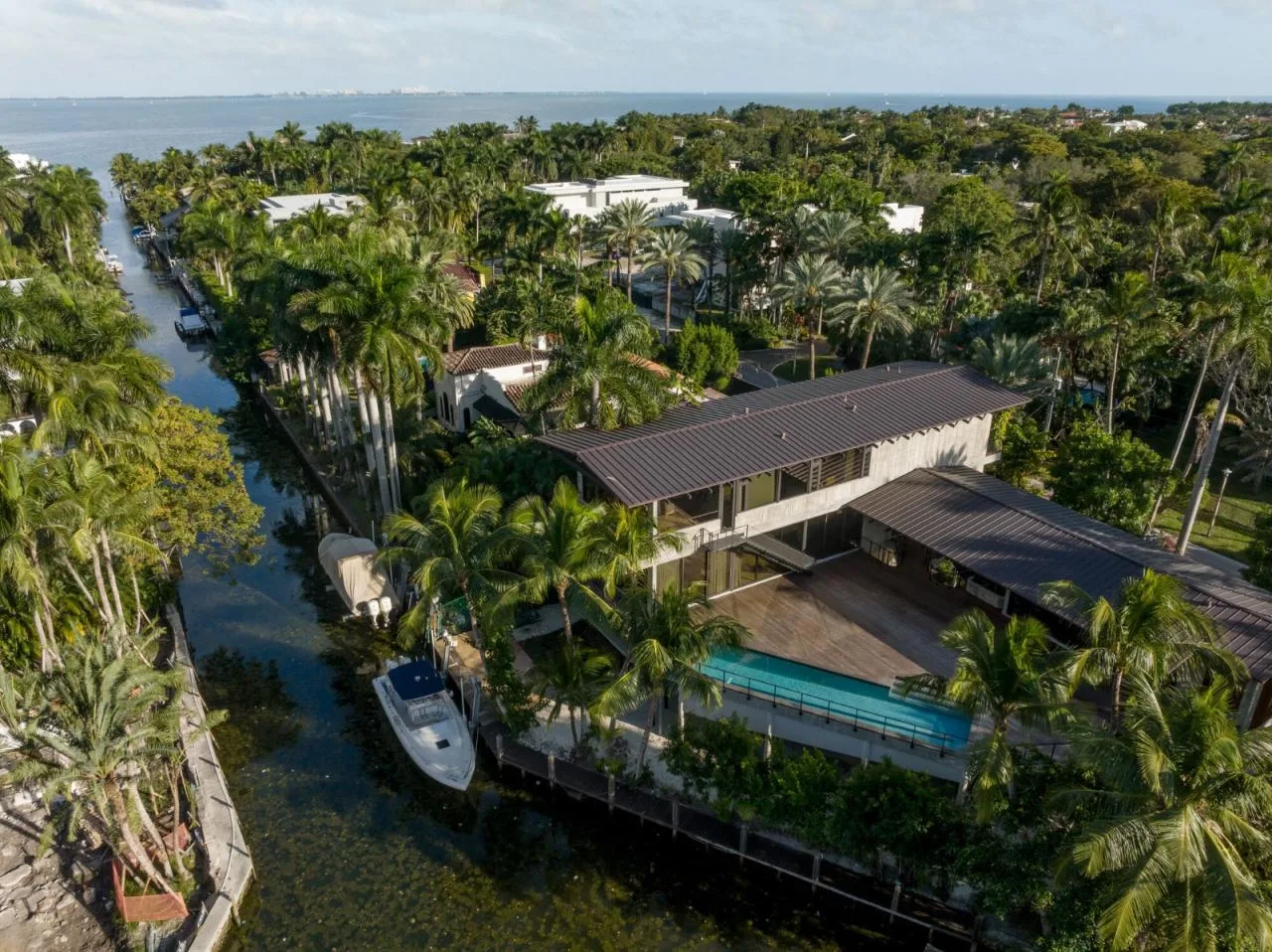
After enduring Hurricane Irma in 2017, Brad Herman realized it was time for a fresh start. The 1923 house, located in the desirable South Coconut Grove neighborhood on a canal just 900 feet from Biscayne Bay, had suffered extensive damage from hurricanes and tropical storms since Hurricane Wilma. Herman, who purchased the property in 2005, faced months-long restoration, insurance claims, and repair processes after each event.
Due to the Federal Emergency Management Agency’s flood insurance cap of $250,000—insufficient for significant structural repairs—the house gradually deteriorated into a patchwork of temporary fixes, ultimately becoming unfeasible to restore. Now a well-known local surgeon, Herman commissioned Brillhart Architecture to design a new home on the same site.
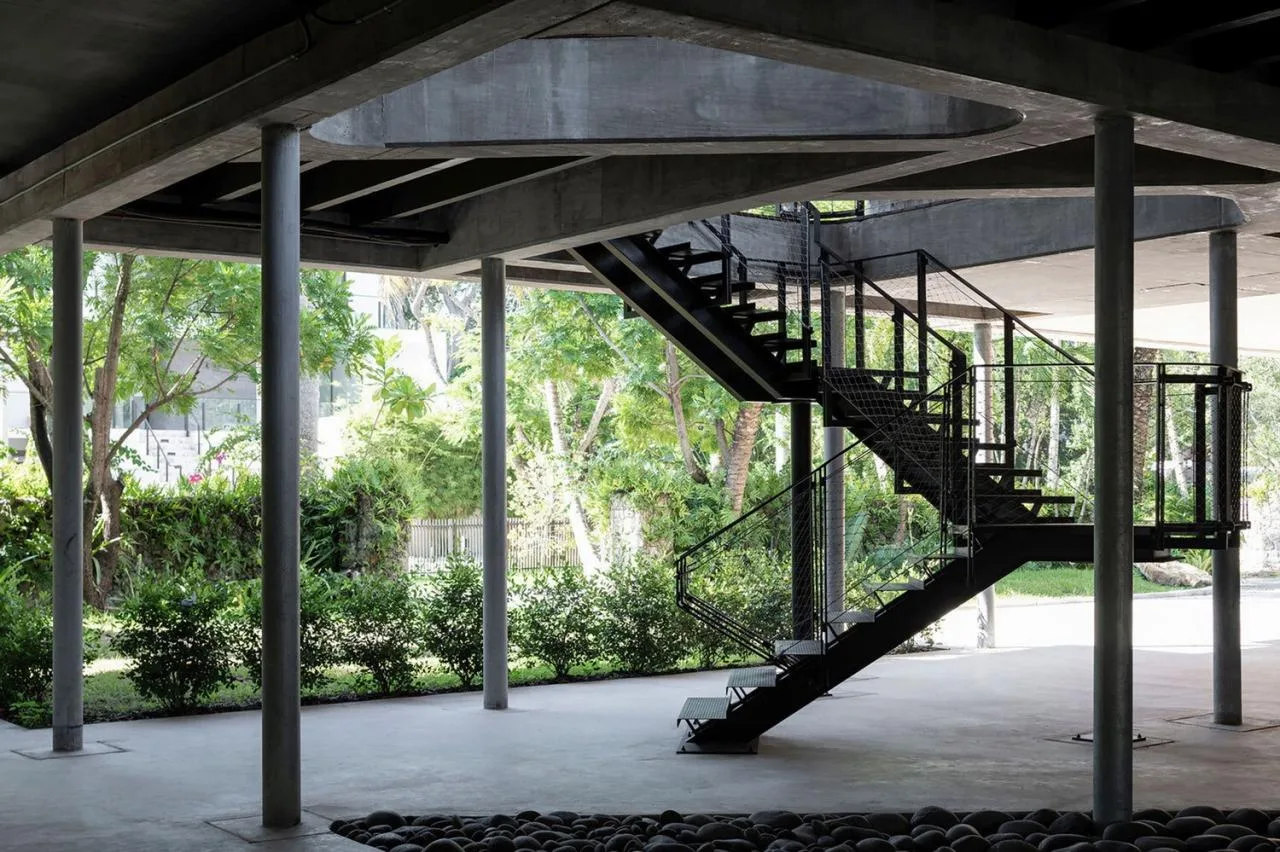
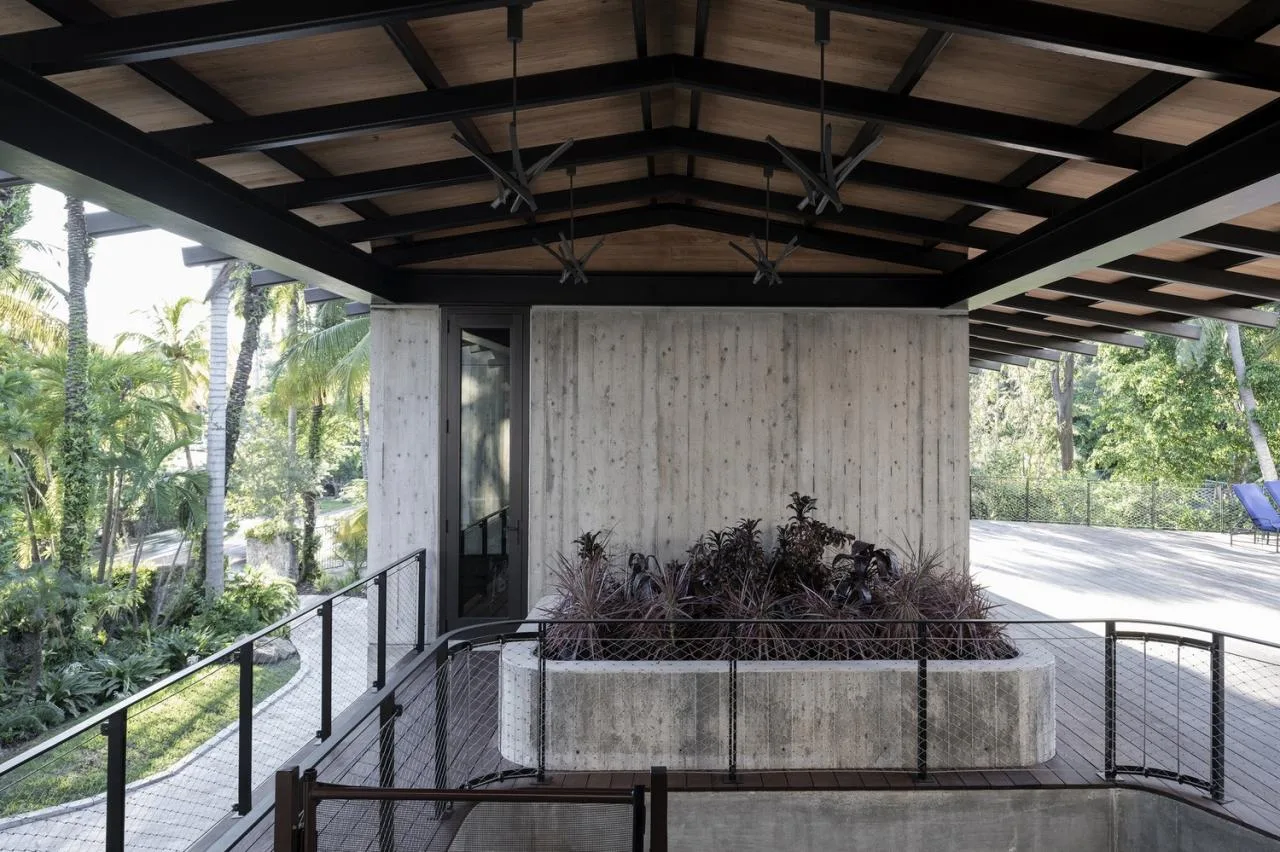
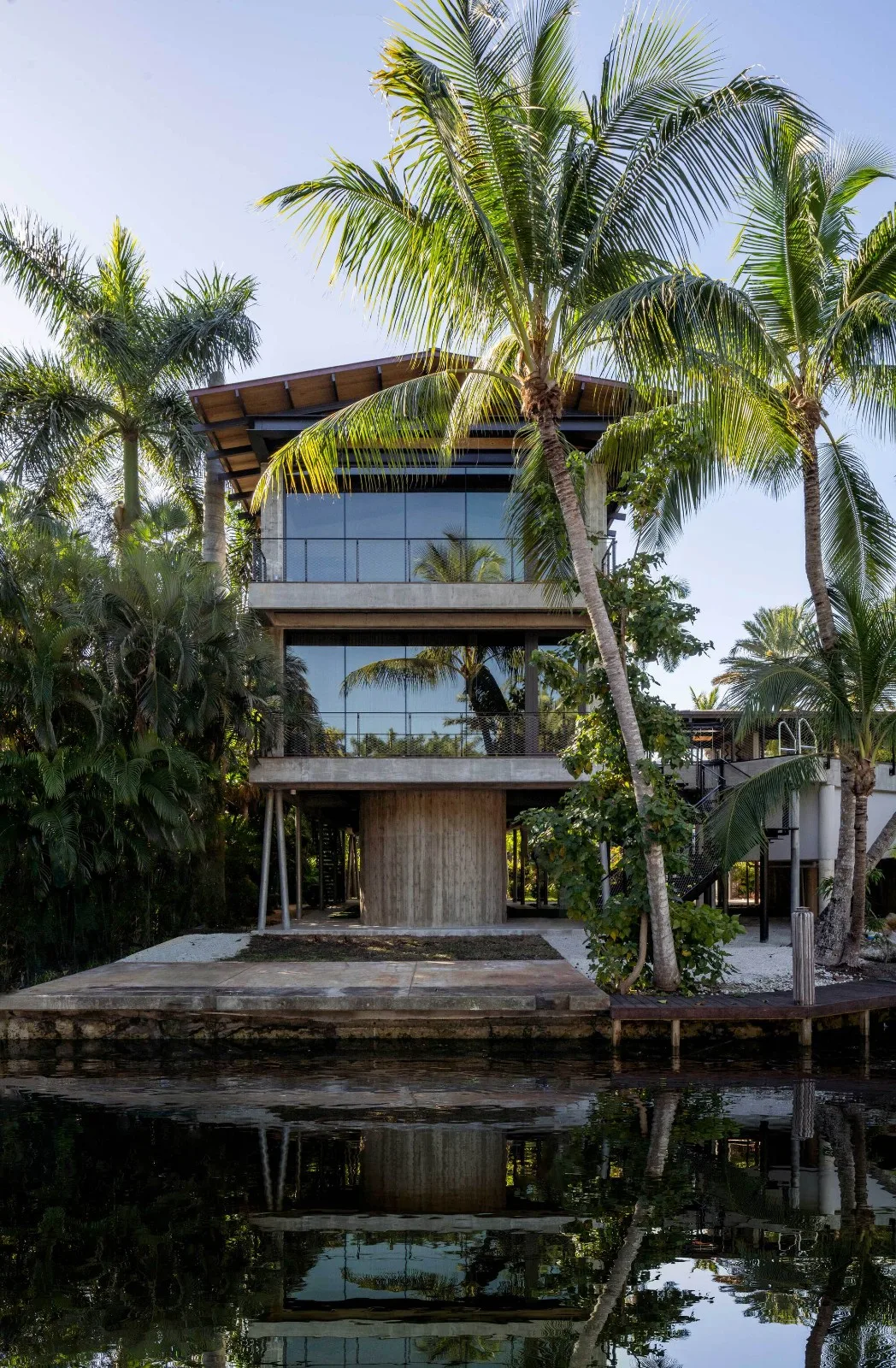
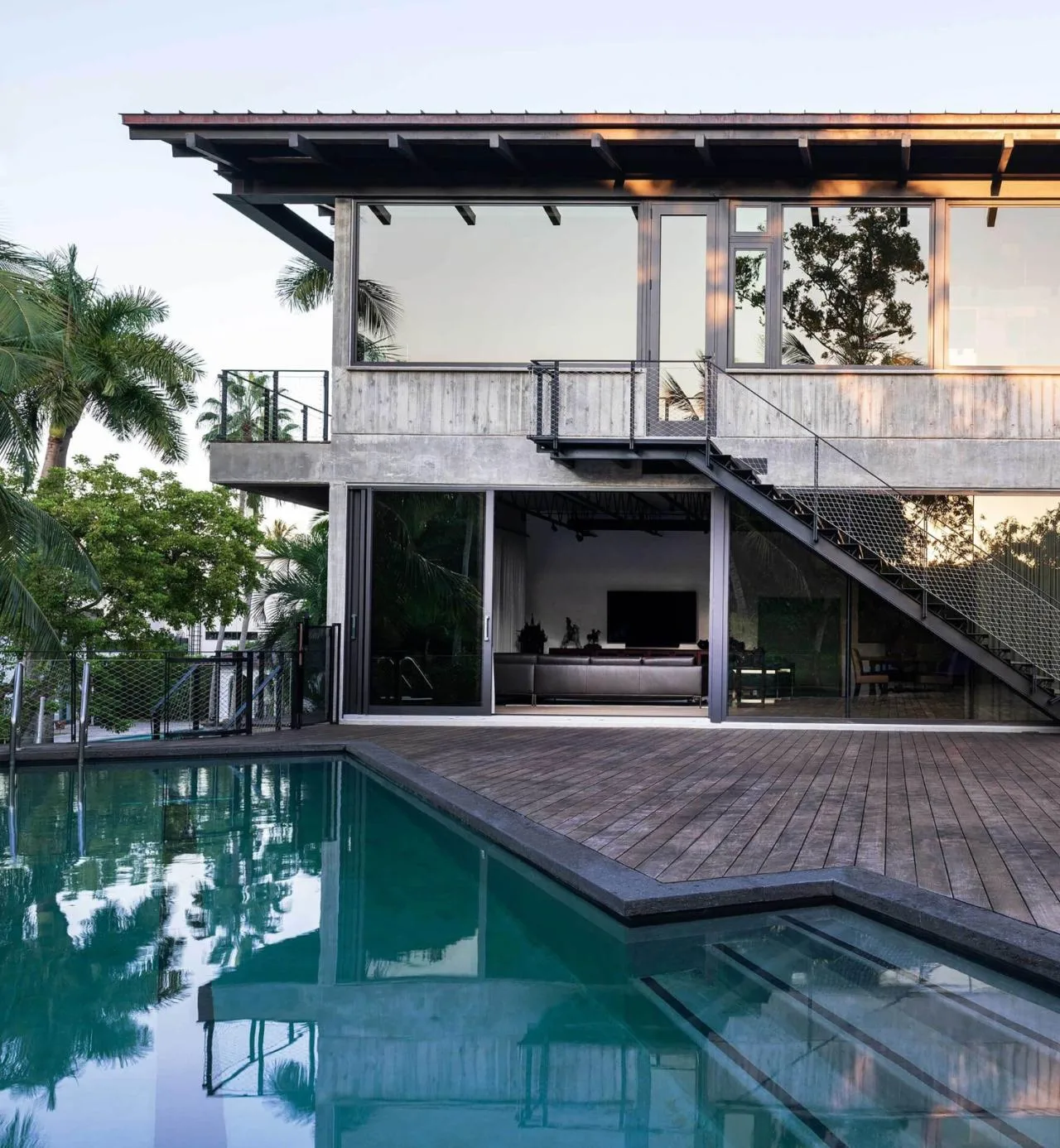
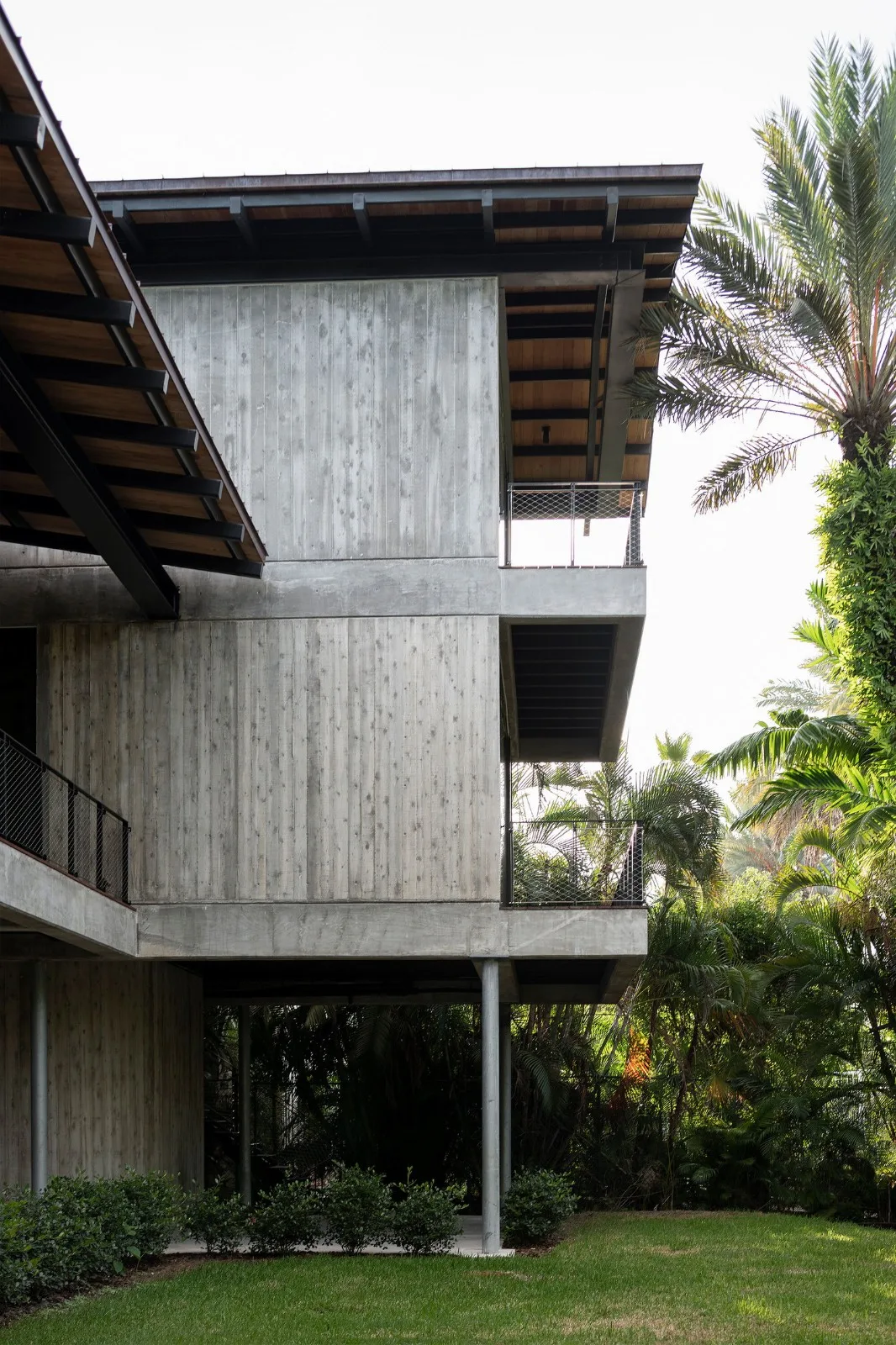
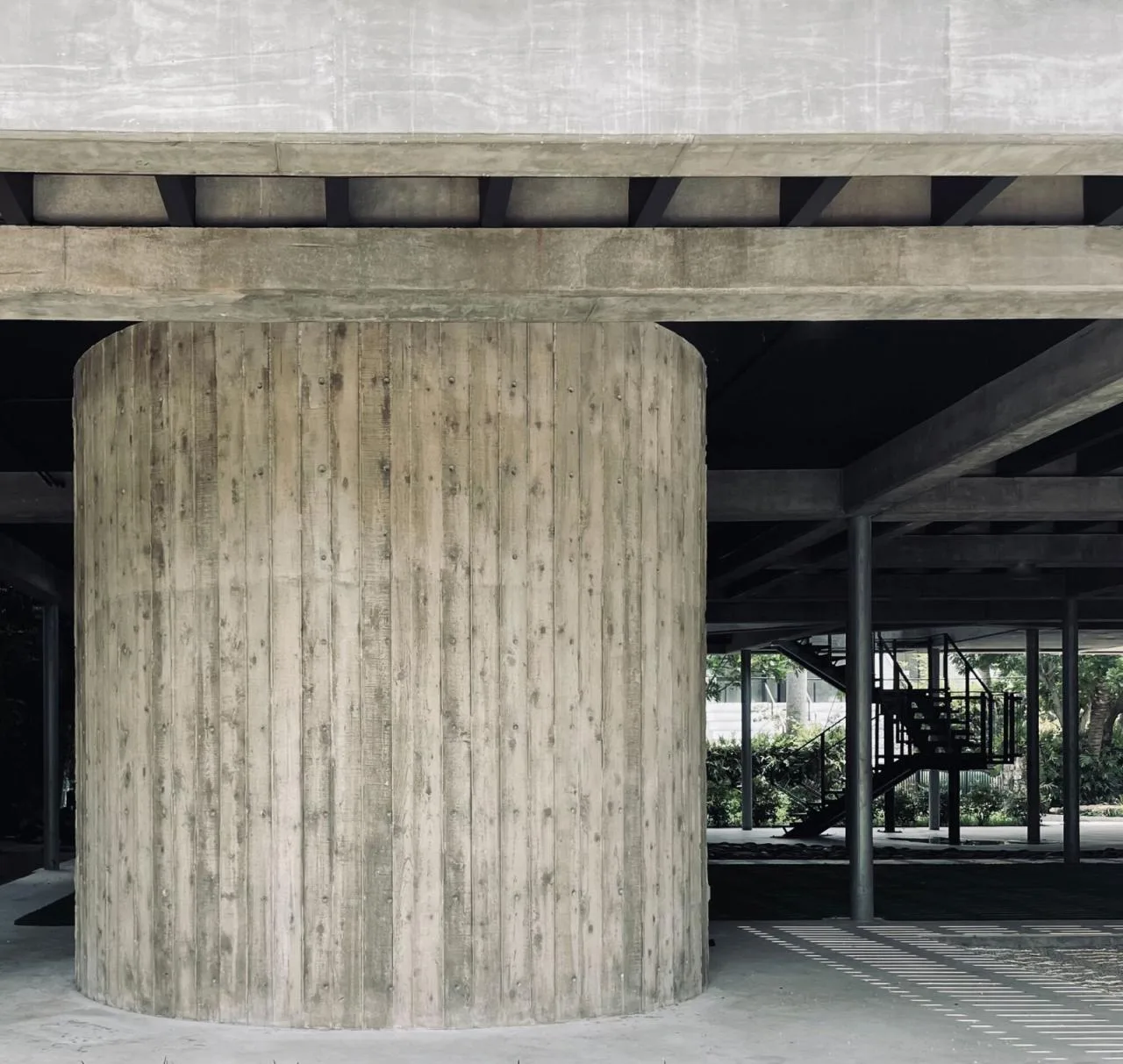
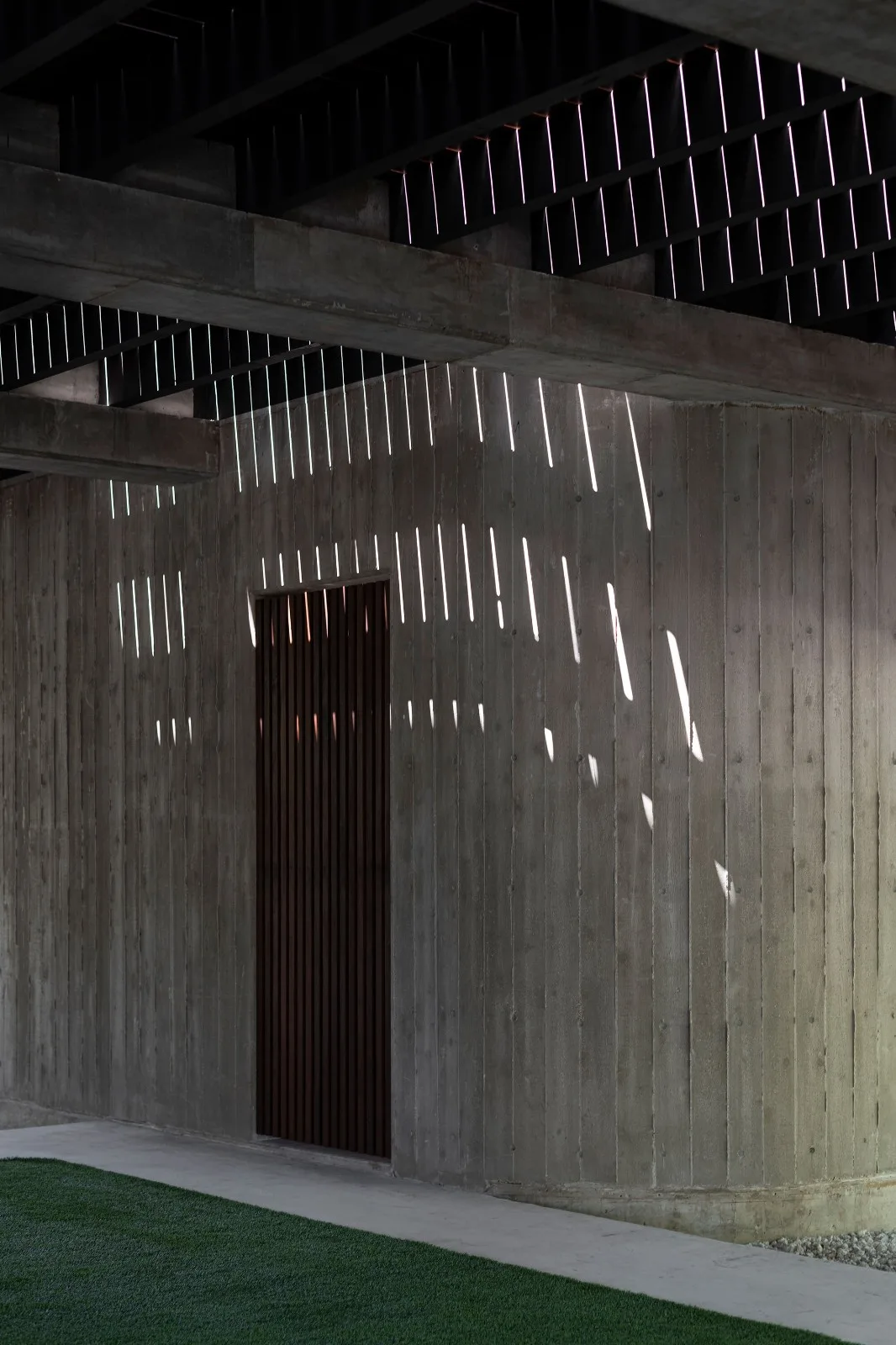
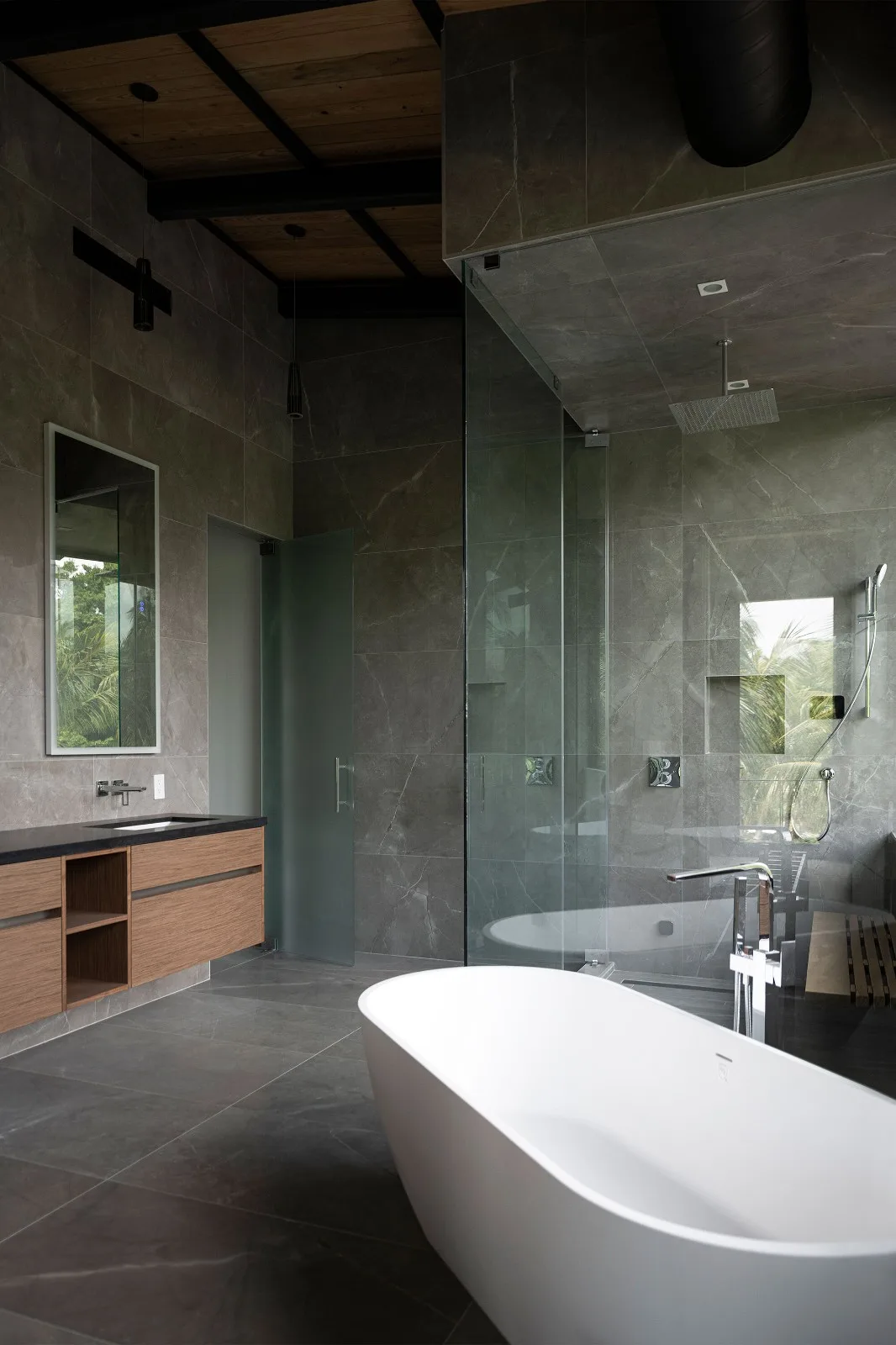
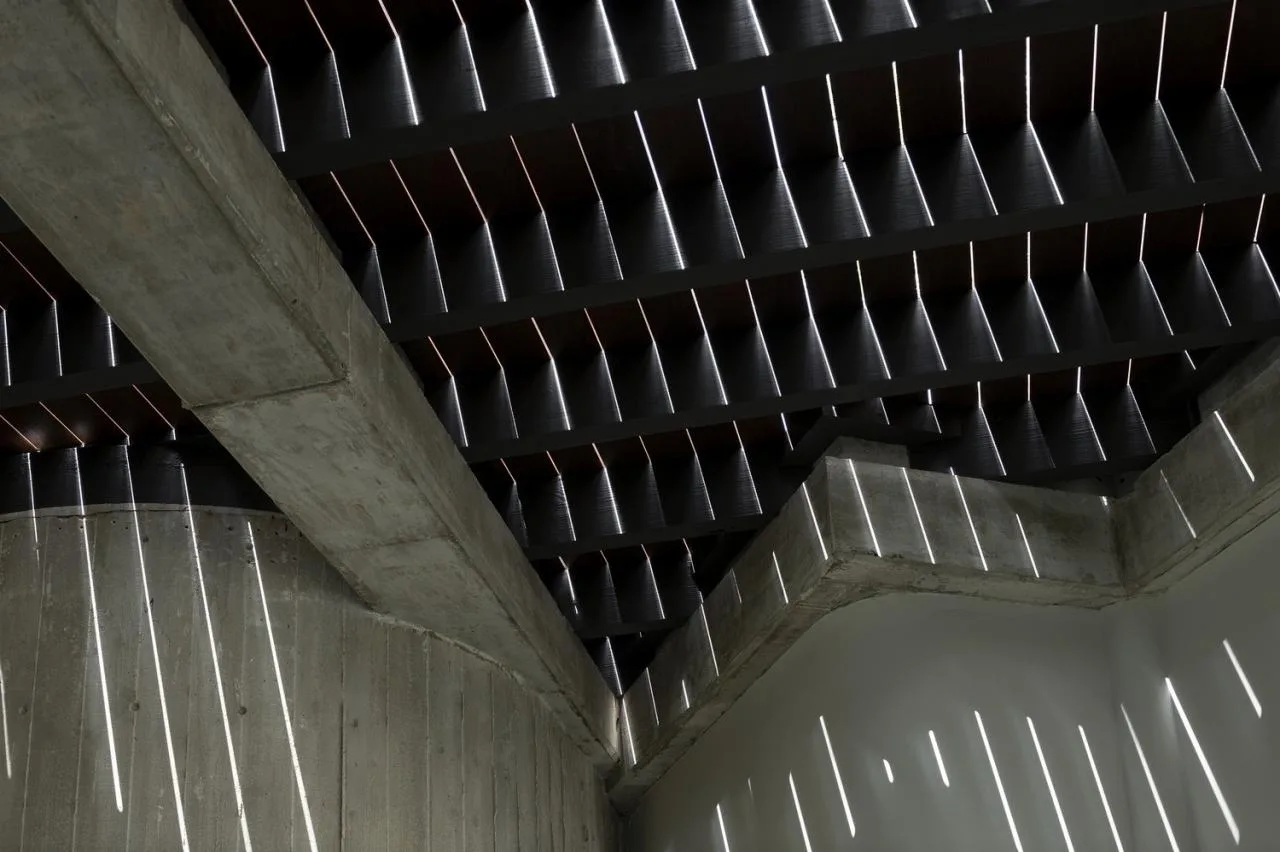
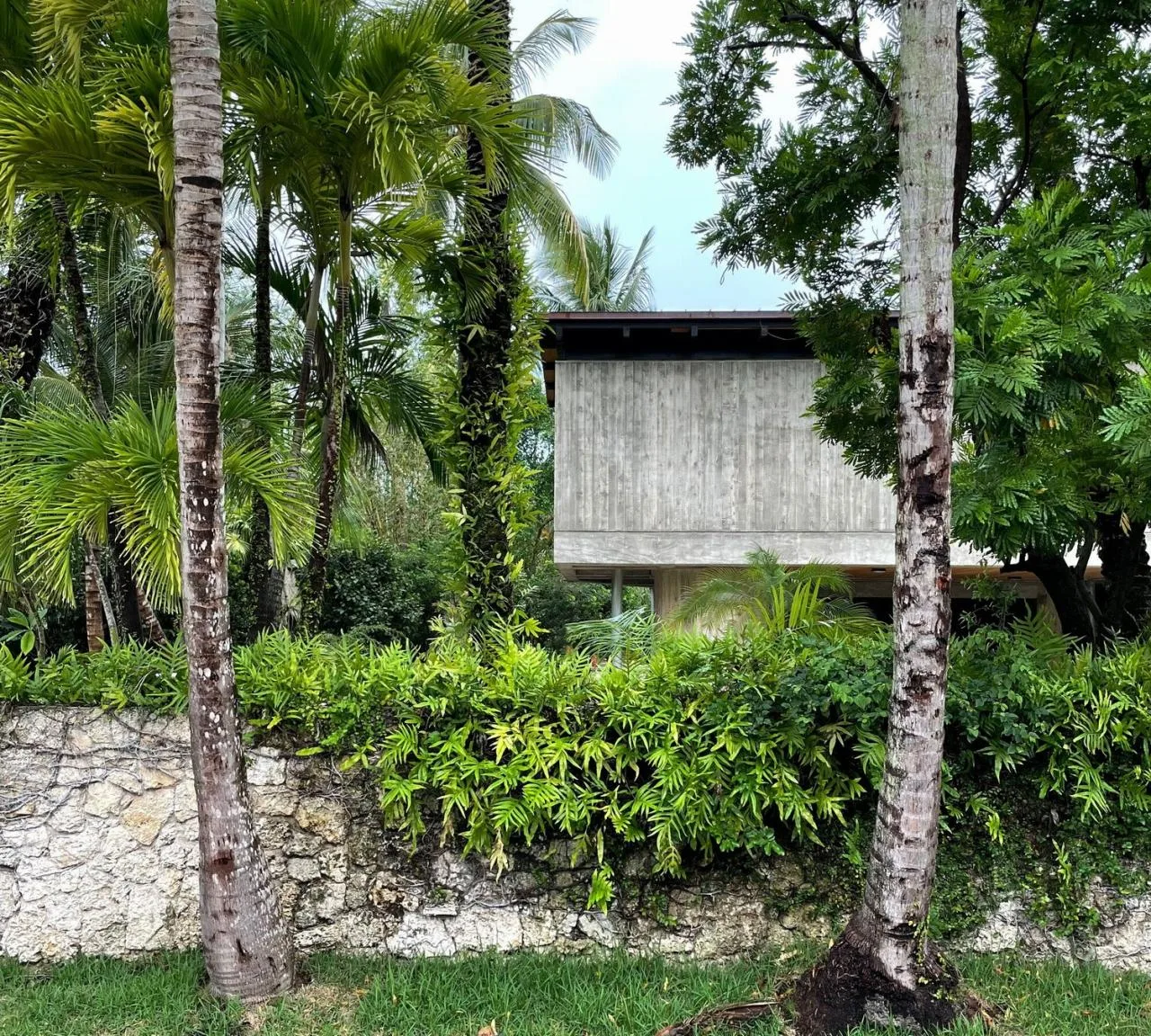
The project is located within Miami’s most severe flood zone (VE), which mandates that the first floor be elevated 12 feet (approximately 3.66 meters) above sea level—equivalent to a full story. The design specifically addresses hurricanes, storm surges, flooding, and rising sea levels. Brillhart Architecture’s approach with the Stewart Avenue residence redefines elevated residential design by: 1) making the ground floor a fundamental and prominent feature; 2) creating a new architectural horizon in the air; and 3) breaking up the building’s mass to reduce its monumentality and emphasize a tropical aesthetic.
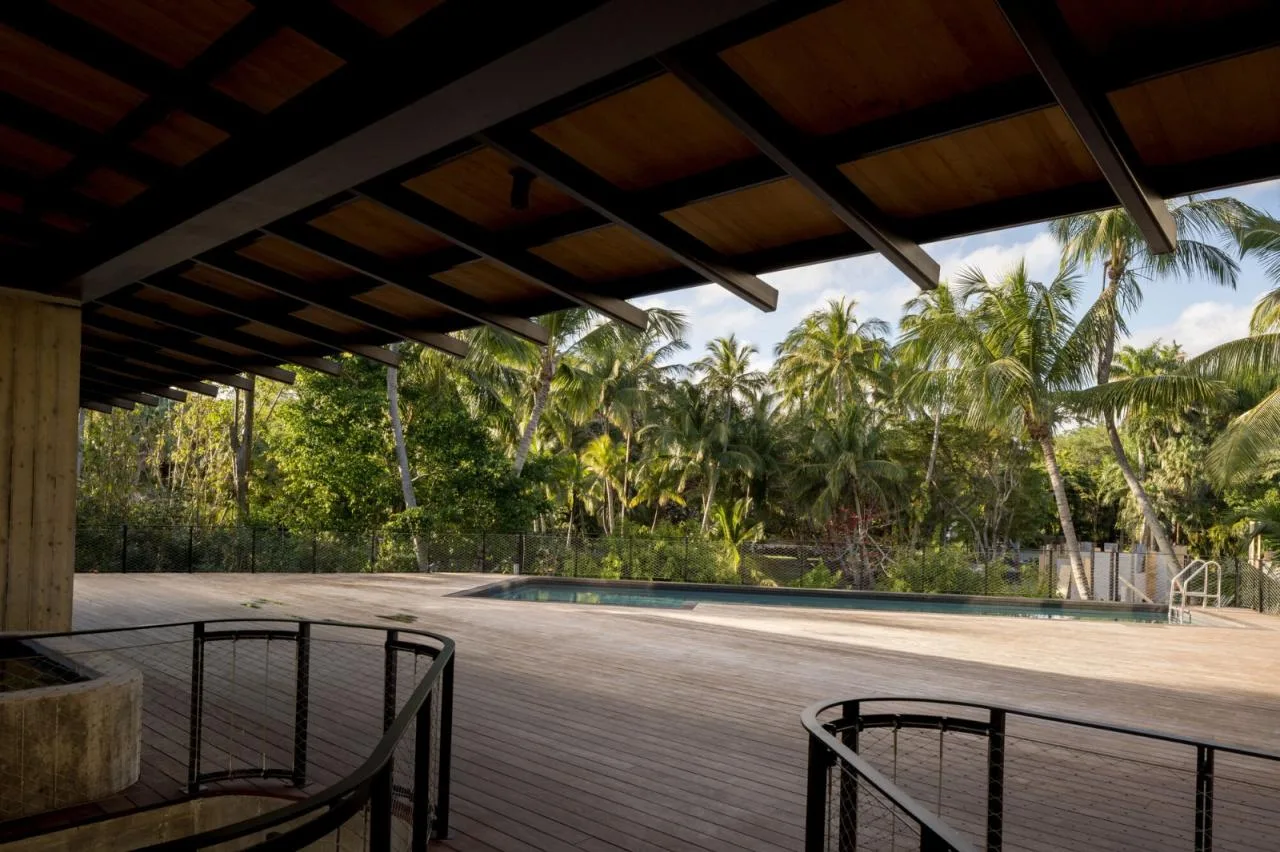
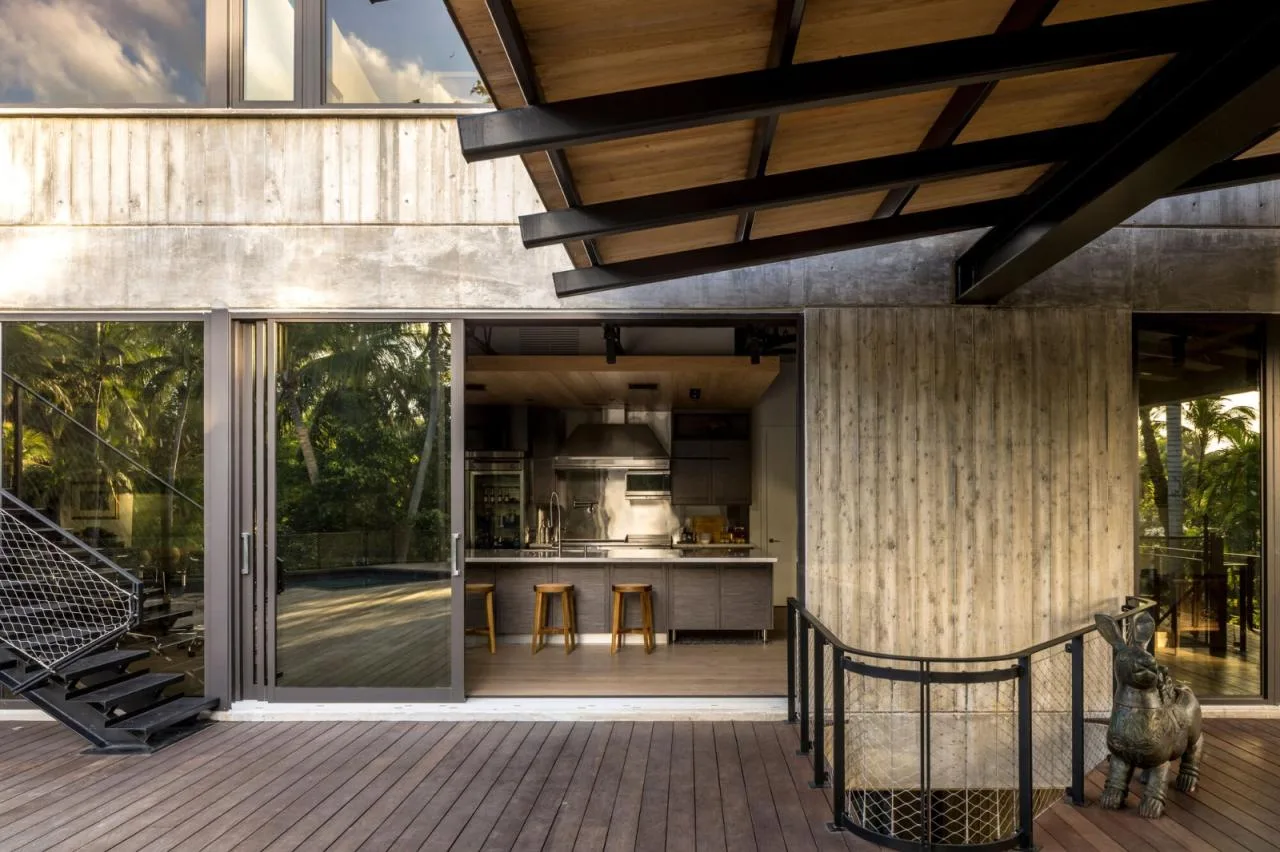
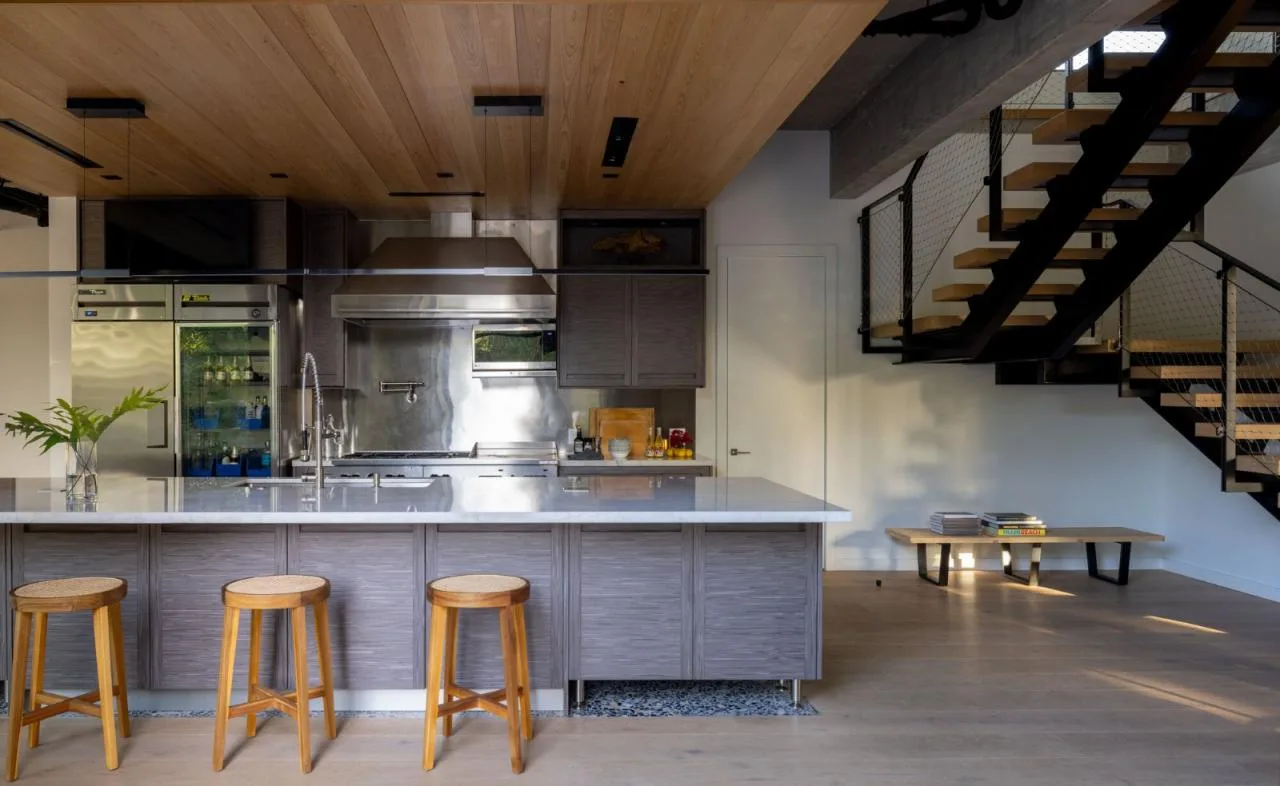
“Since groundbreaking, the project has attracted continuous attention. It stands apart from other Miami homes, with details, materials, and thoughtful design comparable to the PAMM Museum,” Herman shared. “Now that it’s complete, I get asked at least once or twice a week if I would consider selling. Some visitors even say, after seeing nearby houses, that they want to buy mine.”
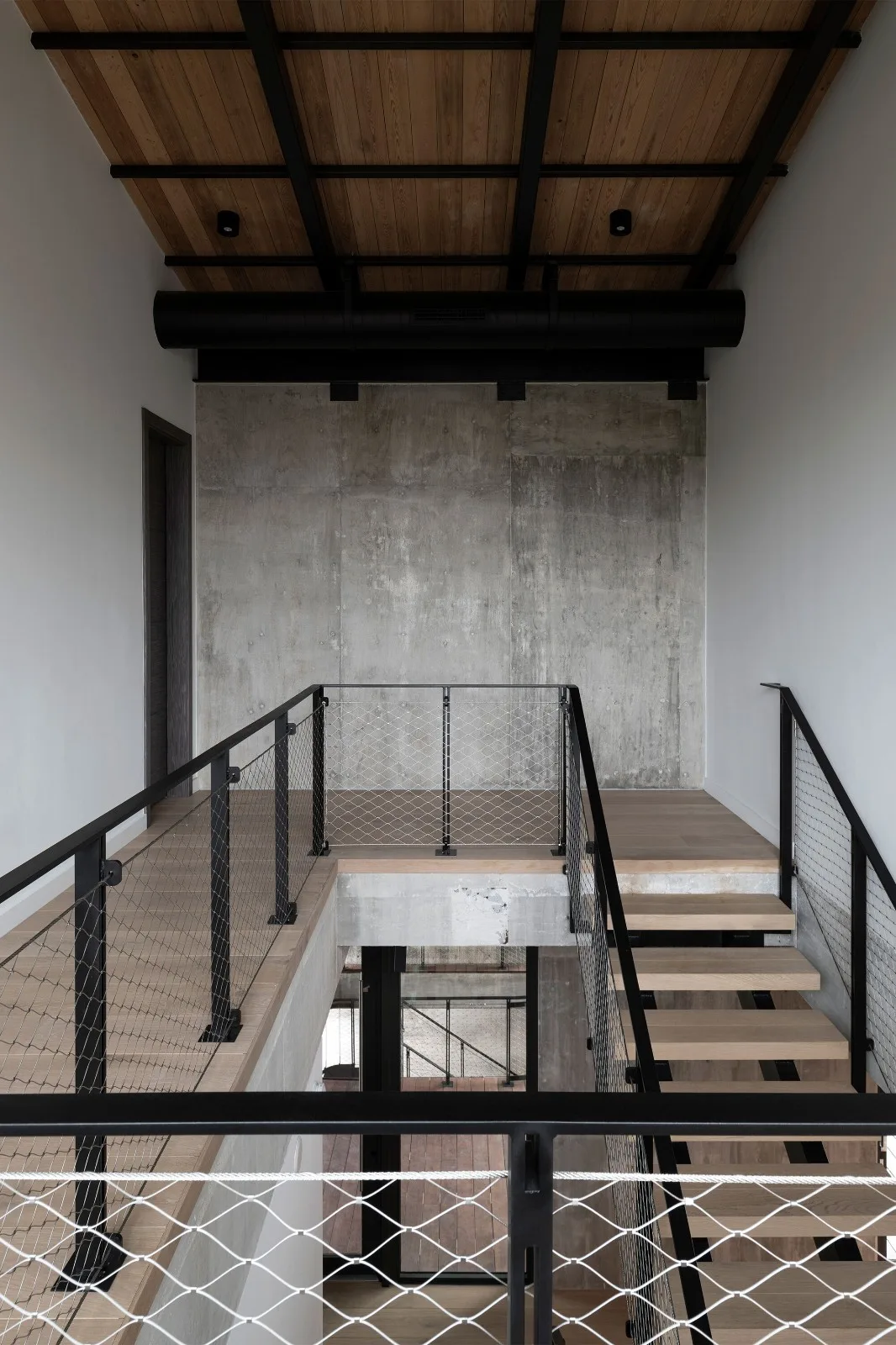
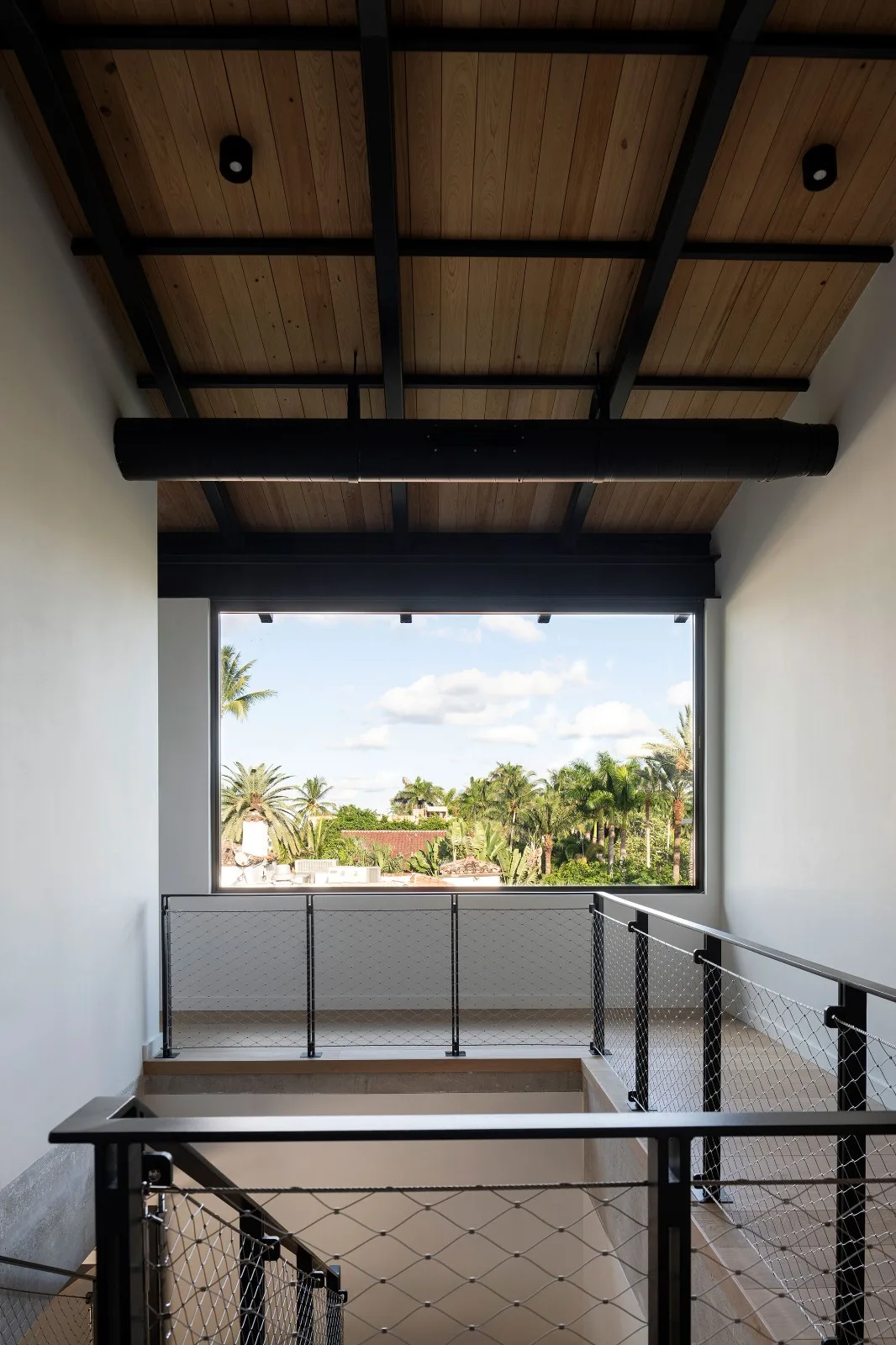
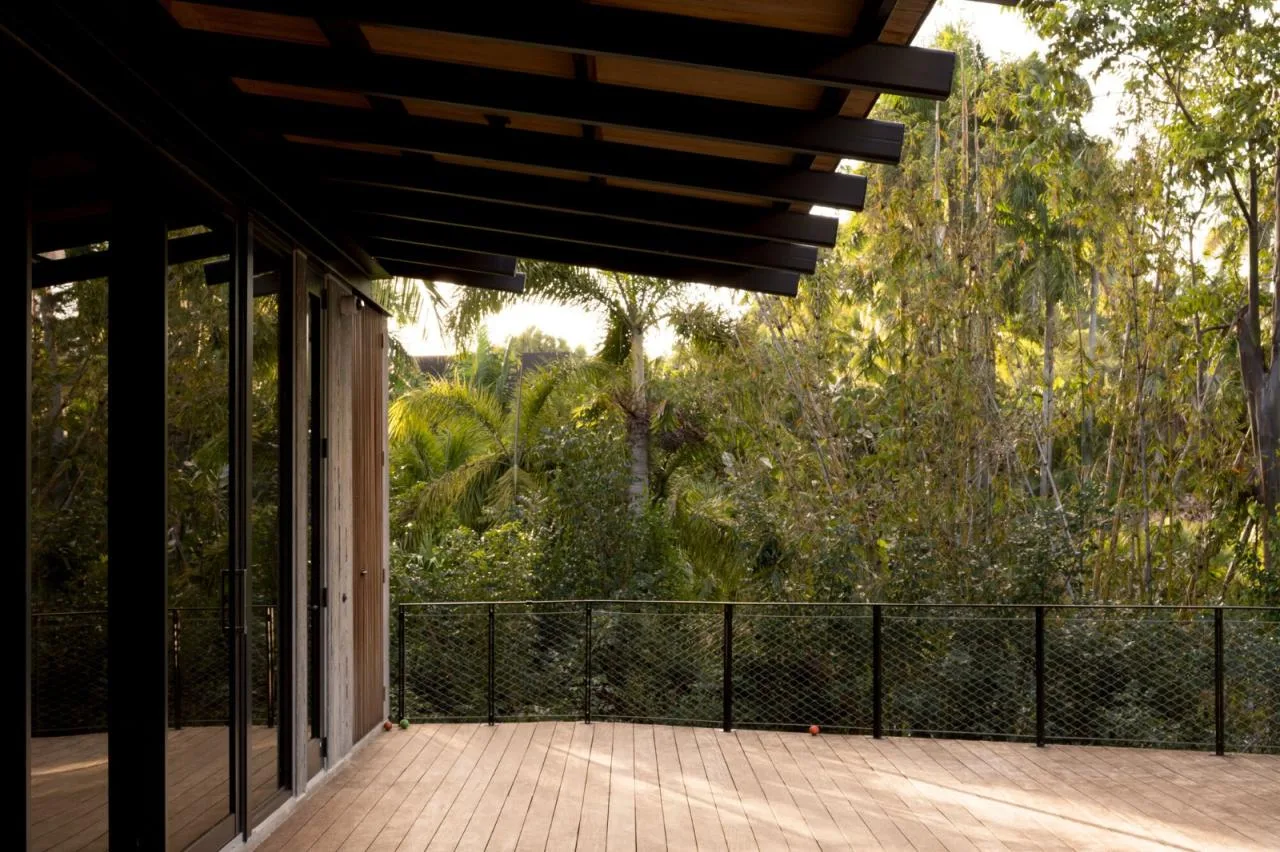
While elevated structures are not a new concept—consider homes built on stilts in many coastal U.S. communities—the strategy of designing “elevated houses” is becoming essential in waterfront areas to address the realities of climate change. Typically, such architecture simply places a traditional house on columns without optimizing the livable spaces on the ground or upper floors.
Project Drawings
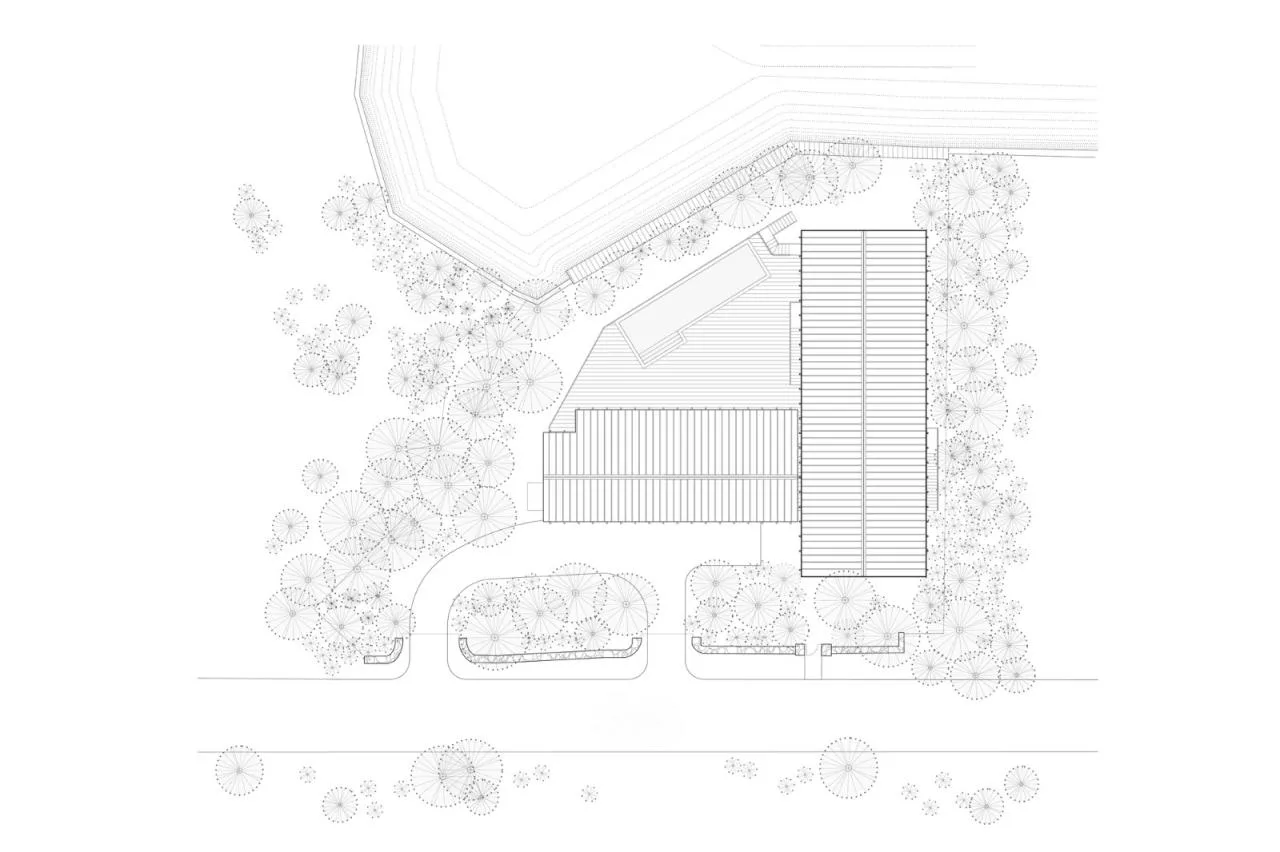
△ General layout plan
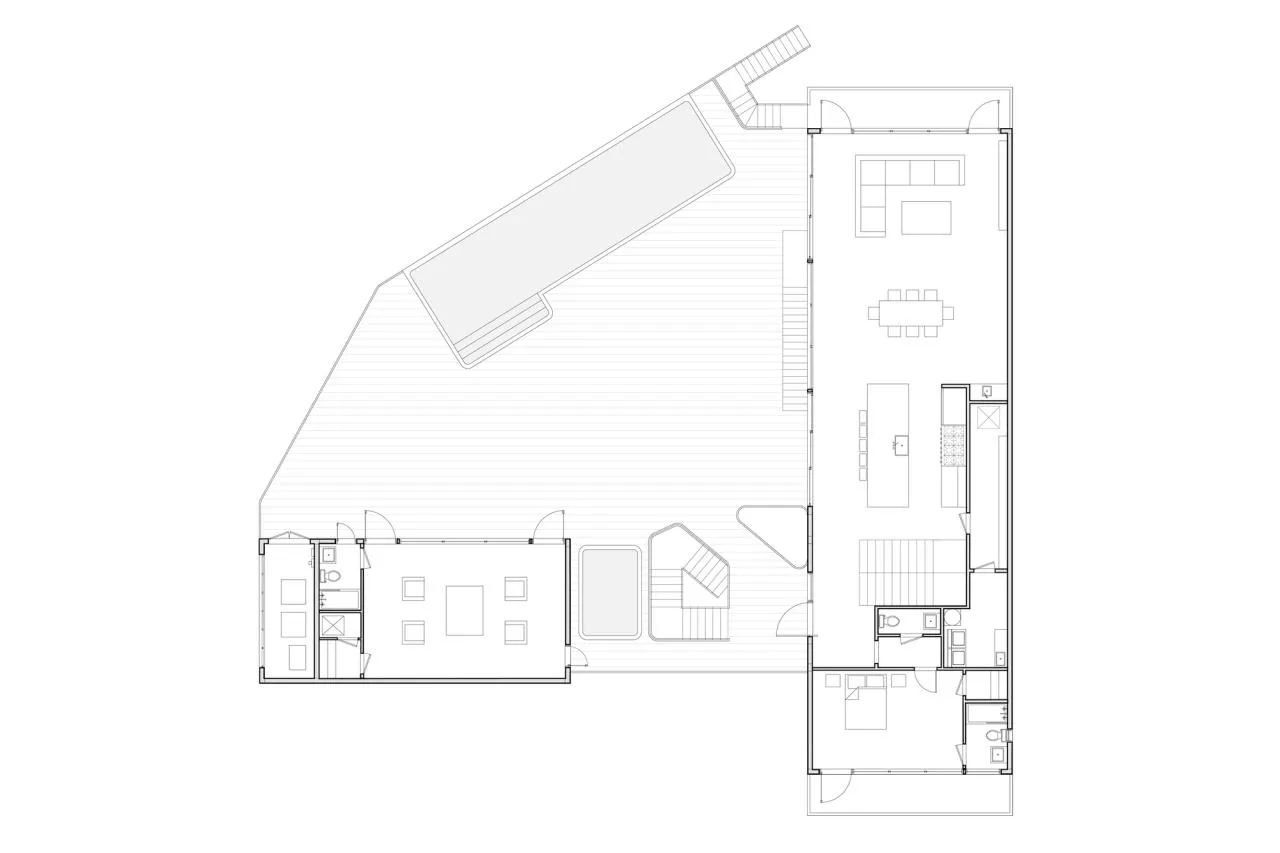
△ First floor plan
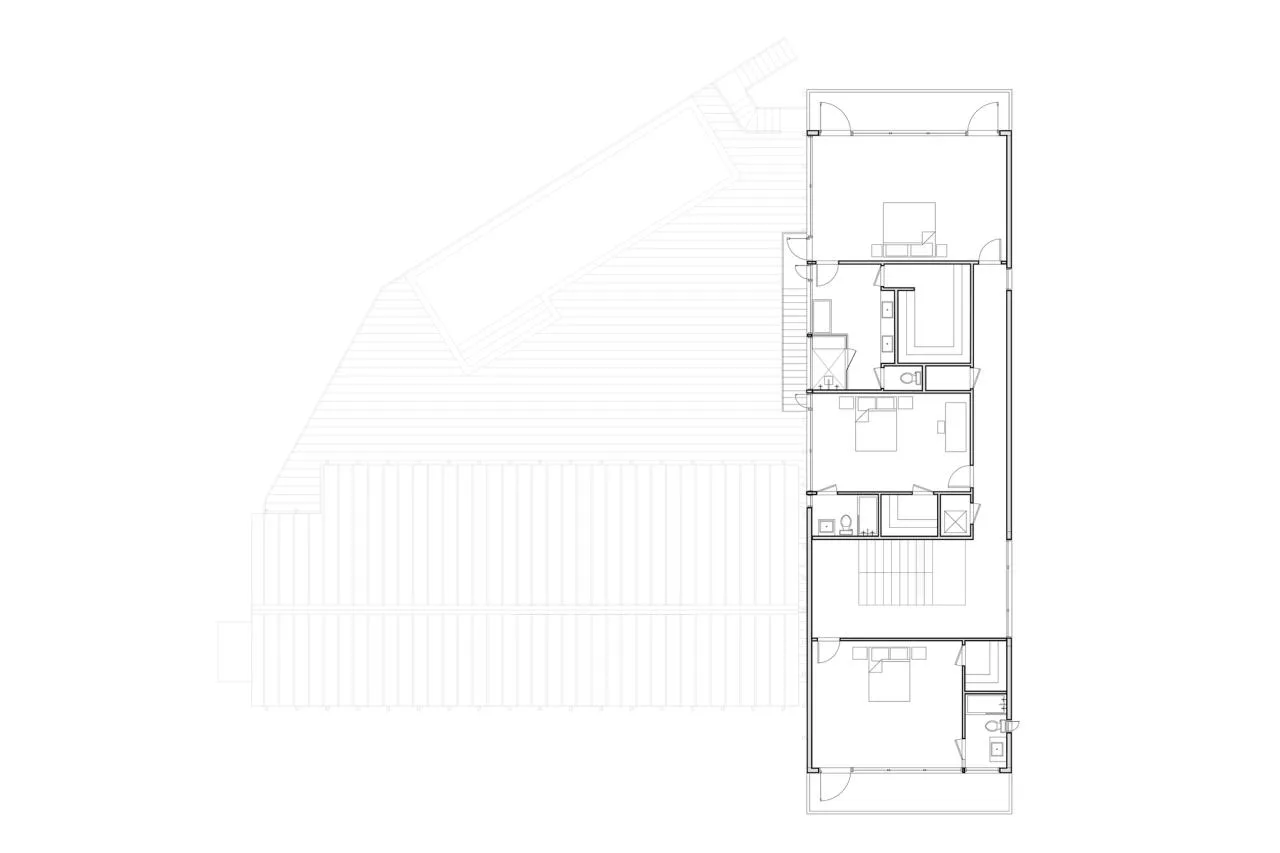
△ Second floor plan
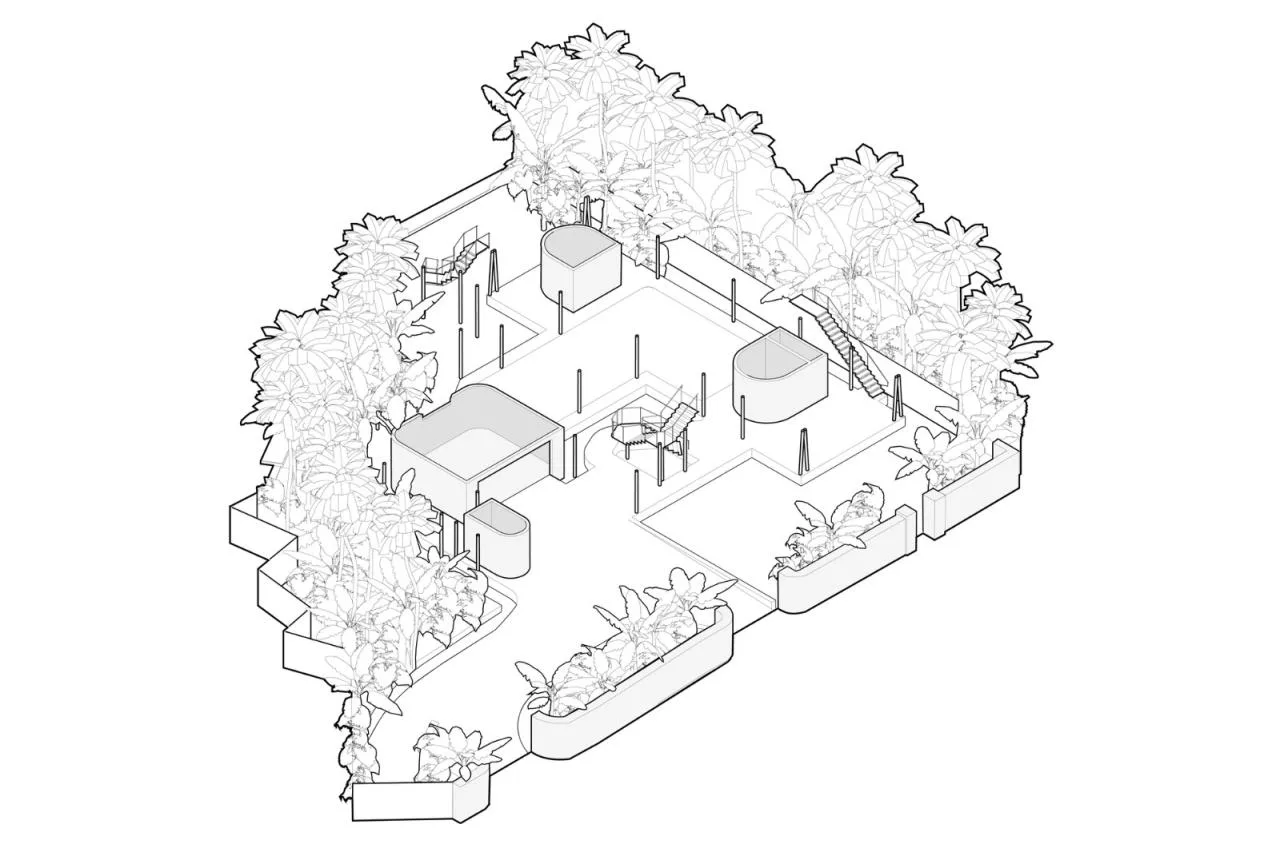
△ Sectional perspective
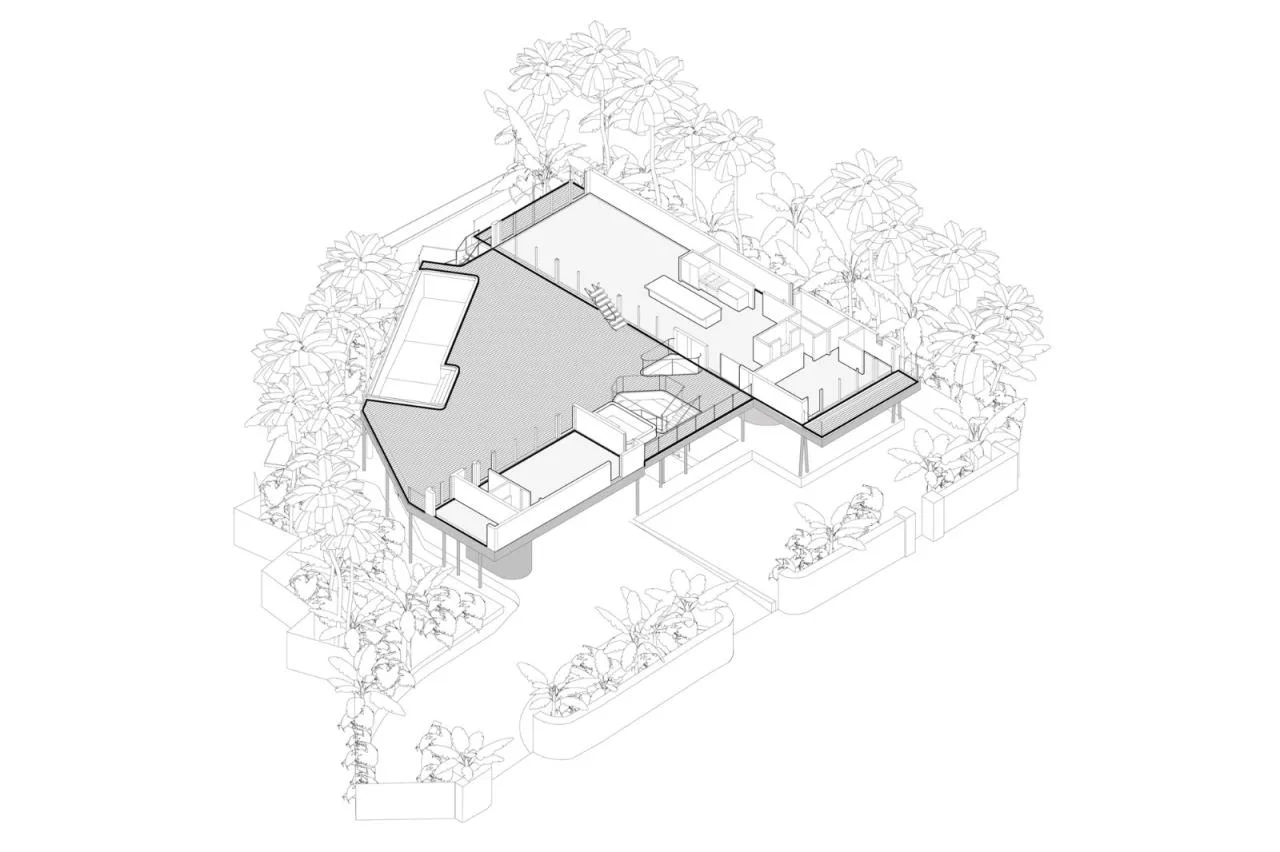
△ Sectional perspective
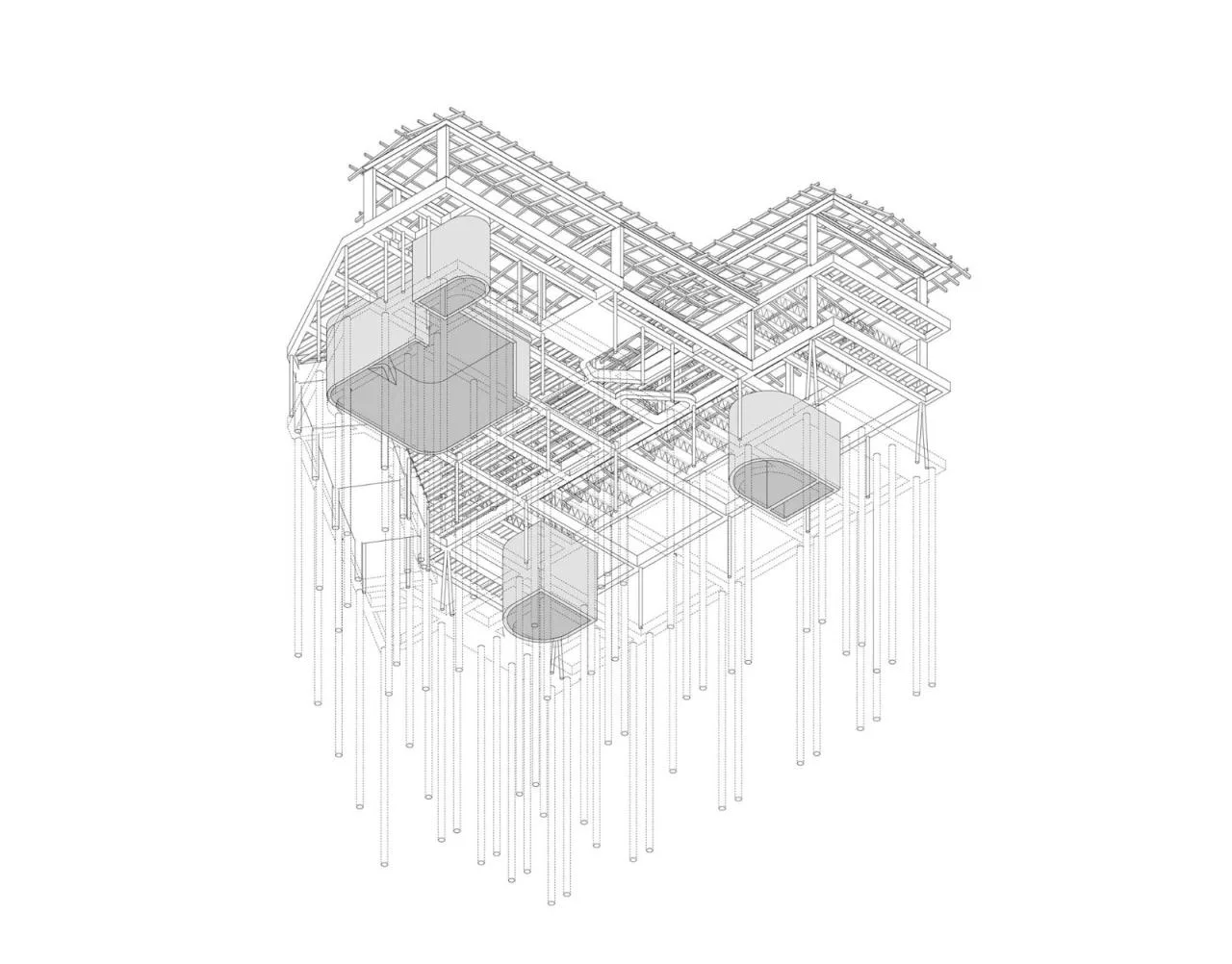
△ Analysis chart
Project Information
Architect: Brillhart Architecture
Area: 4500 ft²
Project Year: 2021
Photographers: Stephan Goettlicher, Michael Stavaridis
Lead Architects: Jacob Brillhart, Andrew Aquart
Consultant: Energy Sciences
Landscape Architect: Chris Cawley Landscape Architects
Chief Engineer: ASD Consulting Engineers
General Contractor: Ibuild Construction
Location: Miami, USA













Must log in before commenting!
Sign Up