
Currently, traditional construction methods face numerous challenges, including time-consuming 2D design revisions, ineffective technical approaches, high error rates due to frequent manual interventions, and outdated technology and management practices. By leveraging BIM software tools, 3D models can be created and subjected to clash detection, ensuring accuracy. These models can then be compared with traditional CAD drawings to highlight discrepancies in designs or engineering workflows. In this article, we will explore the differences between BIM and CAD in practical applications.
Traditionally, the construction industry relied heavily on AutoCAD drawings to communicate designs. However, with the advancement of Building Information Modeling (BIM) software, the process has become more sophisticated. Various BIM applications cater to different components such as rebar, facades, and mechanical, electrical, and plumbing (MEP) systems. BIM allows for flexible changes in viewing angles and more streamlined design methods, which are significant advantages over traditional approaches.
Unlike conventional CAD, BIM projects incorporate lines, arcs, and text across multiple aspects like floor plans, elevations, sections, schedules, 3D visualizations, and cost estimates. All of these elements can be modified and applied dynamically based on parameters, reflecting the integration of databases within architectural design.
Both BIM and AutoCAD drawings contribute to improving efficiency. BIM’s visualized models assist in identifying and resolving design issues early in the process. Importing BIM data greatly reduces errors and rework during construction and serves as a valuable tool for value engineering. However, when modeling steel structures using BIM, the complexity of structural types and software limitations demand considerable time, resources, and professional expertise. While BIM provides essential and clear information needed for engineering projects, the associated costs for software, hardware, and skilled personnel remain significant concerns for many companies.
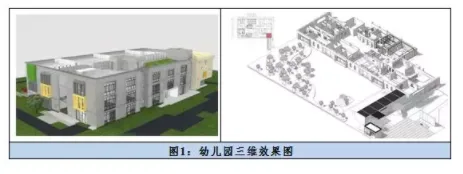
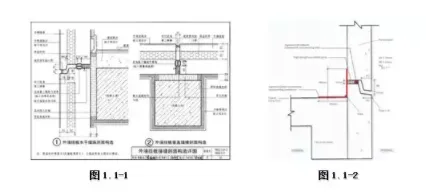
By using BIM software to create models alongside traditional CAD drawings, it becomes easier to compare the strengths and weaknesses of each and to pinpoint problems that BIM can solve which may be overlooked in CAD. Employing BIM models for virtual construction enables early detection of potential conflicts and challenges in future projects, enhancing project planning and execution.
That concludes our discussion on the differences between BIM and CAD applications. We hope this provides you with a deeper understanding of BIM and its role in modern construction.














Must log in before commenting!
Sign Up