
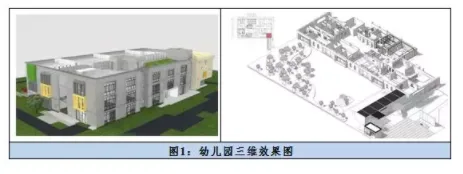
Traditional 2D drawings lack spatial awareness and cannot fully convey detailed project information. In contrast, BIM 3D visualization clearly represents the current status of a project, facilitating effective communication and bridging understanding gaps between parties. This approach significantly reduces the time spent on explanations. By creating a BIM model and collaborating with on-site personnel, we have identified several key benefits that BIM brings to construction teams:
1. Enhanced Construction Process Visualization: Using BIM models and relevant construction simulation software, the construction process can be expressed more clearly. Traditional 2D drawings have limited visual scope and often fail to communicate comprehensive component details, which can hinder the understanding of the construction team and stakeholders. BIM technology, however, allows the creation of detailed 3D information models accessible to all project participants. This ensures everyone has a clear insight into the current construction status, making it easier for construction teams to brief owners and stakeholders.
2. Improved Communication through 3D Models: In construction projects, drawings serve as the common language. Traditional drawings are flat and filled with architectural symbols that can be difficult for non-professionals to interpret. BIM 3D models simplify this communication by providing a clear and intuitive representation of project details. This reduces misunderstandings, saves explanation time, and enhances overall work efficiency.
3. Integrated Information and Workflow: By establishing a BIM model, essential construction information is incorporated directly into the model. This integration effectively combines previously isolated workflows, facilitating the coordination of various subcontracting tasks. It strengthens communication among all parties, reduces barriers, shortens information transmission channels, and fundamentally lowers change costs and unnecessary waste.
4. Realistic Simulation and Error Reduction: BIM models, combined with appropriate software, allow personnel to simulate real-life construction scenarios. The component information embedded in the model is accurate and reflective of reality, which helps reduce errors caused by inexperience. By refining BIM models—such as those for machinery, plumbing, and electrical systems—the accuracy improves. Enhanced conflict analysis through BIM provides practical support to construction sites, minimizing potential issues before they occur.
In summary, these points highlight the significant advantages BIM models offer to construction teams. As BIM adoption grows in China, more companies and individuals recognize its potential to drive building informatization. In recent years, many regions have incorporated BIM development and promotion into local policies, implementing supportive strategies and incentives. This ongoing support will undoubtedly help BIM take root and thrive within China’s construction industry.













Must log in before commenting!
Sign Up