
Before the widespread adoption of BIM, traditional CAD was the cornerstone technology in architectural design, construction, and related phases. However, as the construction industry has rapidly evolved and projects have grown more complex, CAD’s limitations have become increasingly apparent. BIM brings fresh technological vitality to today’s construction sector. Why? Let’s explore the key differences between traditional CAD and BIM.
Difference 1: Form of Expression
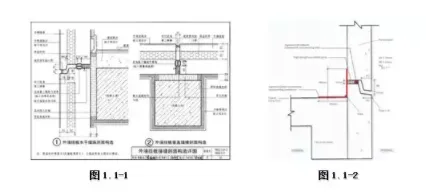
Traditional CAD typically represents architectural projects through 2D plans composed of points, lines, and surfaces, combined with architectural symbols. This approach requires specialized knowledge and spatial imagination, making it challenging for all parties to fully understand the design. Communication can be uneven, often leading to inconsistent interpretations.
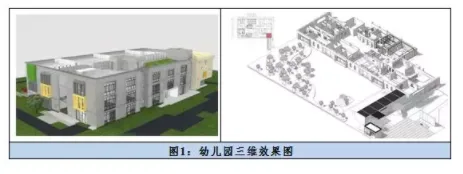
In contrast, BIM presents building components in a 3D spatial environment. Designers and other stakeholders see realistic representations of doors, windows, ceilings, and more. Constructing a 3D visualization model from building blocks enhances overall understanding and clarity of the project.
Difference 2: Information Collection
Traditional CAD struggles with comprehensive information collection, often resulting in data loss or inefficiencies due to technical constraints. This makes integrated information management difficult to achieve.
BIM, however, creates an integrated data model through informatization and parameterization. It fully defines the project’s characteristics by embedding detailed information about building components within a 3D model. This transforms simple 2D drawings into solid 3D models—doors, windows, stairs, pipes, ceilings, and more—with added attributes. This parameterization enables all project participants to better understand the overall scope, monitor progress, and control costs effectively.
Difference 3: Working Mode
The traditional CAD workflow operates mainly within isolated professional units, each working independently. Coordination usually occurs only after individual tasks are completed, often through mutual review. This lack of collaboration and communication frequently results in design changes.
BIM fosters collaboration by integrating data and information from multiple disciplines into a shared platform. All professional models can be imported into a single unified environment, breaking down traditional communication barriers. This promotes information sharing, allows all team members to participate actively, significantly improves efficiency, and reduces errors, omissions, and gaps caused by information asymmetry.
Difference 4: Support Scope
Traditional CAD typically supports only a single project phase, such as design or construction, without continuity across the project lifecycle.
BIM, on the other hand, considers the construction and operation stages from the design phase onward through a unified model. This greatly enhances the continuity and utilization of project information throughout the building’s lifecycle. By continuously updating, modifying, and adjusting the model, BIM maintains a unified and dynamic data set that supports all phases of the project.
In conclusion, these are the main differences between traditional CAD and BIM. It is important to note that CAD and BIM were developed in different eras and under different circumstances, so a direct comparison may not be entirely fair. Every technology and concept eventually becomes outdated—even BIM. Rather than dwelling on this, it’s best to embrace the present and make the most of current advancements.














Must log in before commenting!
Sign Up