
Site analysis is typically performed during the planning phase, where factors such as topography, vegetation, and climate significantly influence design decisions. In the era of traditional CAD, site analysis was quite limited due to the constraints of outdated tools. However, with the advent of BIM, it has become possible to evaluate and analyze various elements—including landscape planning, environmental conditions, construction facilities, and post-construction traffic flow—thereby enhancing the overall design quality. Today, let’s explore how BIM supports site analysis.
1. Rapid Results to Support Decision-Making
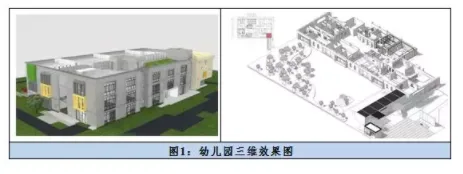
Traditional site analysis often depended heavily on subjective judgment and empirical methods, primarily due to a lack of quantitative analysis and limited technical tools. This made it difficult to gather extensive information, especially for complex terrains like rolling hills, intricate river systems, and flood-prone areas. Now, by combining BIM with GIS, we can leverage GIS’s geographic positioning capabilities alongside BIM’s strength in storing and analyzing large datasets. This integration enables the creation of detailed models of the geographical environment and building spatial data around the project site. As a result, reliable data-driven insights can be quickly generated, helping teams assess site suitability during planning and make informed decisions regarding optimal site layout, traffic flow management, and building placement.
2. Precise Earthwork Volume Calculation
Traditionally, calculating earthwork volumes for construction sites was based largely on experience, resulting in low accuracy and efficiency. The introduction of BIM technology allows for the creation of targeted 3D visualization models that accurately represent the site’s terrain and landforms. This enables detailed site grading, earthwork volume calculations, terrain analysis, and swift adjustments to measurement data. By analyzing the BIM model data, precise calculations of excavation and backfilling volumes can be made. Additionally, these insights facilitate the design of earthwork transportation routes, excavation cross-sections, and the generation of road and pipeline models, along with their associated engineering earthwork quantities.
3. Enhanced Expressiveness of Site Models
Previously, terrain surfaces, contour lines, elevation zones, slopes, aspect angles, and watershed areas were all represented in 2D, which was neither intuitive nor effective for communication. With BIM, these elements can be displayed in fully interactive 3D spatial models. This not only improves visualization but also fosters clearer communication among project stakeholders. Furthermore, BIM models are highly interconnected—any modification made in one area automatically updates related components, eliminating the cumbersome and error-prone process of manual revisions. This capability significantly boosts work efficiency and reduces repetitive labor, saving valuable time and resources.
In summary, BIM plays a crucial role in modern site analysis. The integration of BIM and GIS represents the future of site planning technology, improving architectural design environments, facilitating design evaluation, optimizing planning strategies, and ultimately elevating project quality.














Must log in before commenting!
Sign Up