
Visualization is one of the key distinctions between BIM applications and traditional CAD models, and it stands as a hallmark feature of BIM technology. By leveraging visualization, effective communication of information becomes possible, overcoming the barriers and inefficiencies commonly encountered with traditional two-dimensional drawings. Today, I will explore the various applications of BIM visualization.
Application 1: Design Visualization
Early CAD technology marked a significant shift by moving from manual drawing boards to computer-generated graphics, turning drawings into 2D electronic documents. This was a major advancement. However, CAD’s inability to represent hidden areas and lack of true 3D modeling meant it could only display points, lines, and surfaces on a flat plane.
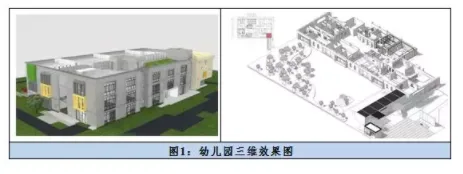
BIM visualization takes this further by introducing the Y-axis, transforming floor plans into fully realized 3D models. It enables architects and designers to work within a broader spatial context. Many spaces that were previously difficult to imagine in 2D can now be visualized accurately, greatly fulfilling the architect’s creative vision. BIM visualization helps correct omissions and limitations of 2D drawings, enhancing design accuracy, improving efficiency, and ultimately delivering higher quality projects.
Imagine BIM visualization offering 3D views complete with shadows, photorealistic renderings, and animated walkthroughs. These advanced visualization techniques not only effectively communicate 3D designs but also allow for data reuse, saving time and reducing costs by avoiding the need to recreate models for structural or energy analysis.
Application 2: Collision Detection
Another powerful advantage of BIM visualization is its ability to perform collision detection—something very challenging with traditional CAD systems. Historically, countless designers and reviewers spent long hours manually comparing and verifying thousands of drawings to identify conflicts, yet errors still frequently occurred.
With BIM, once a model is created, it can be closed and checked for collisions between different disciplines within the project. Because the models are fully 3D, this process is more accurate and efficient. The data embedded within the BIM model allows the software to intelligently recognize component properties, apply engineering rules, and check the overall project for design errors, omissions, and clashes before construction begins.
BIM visualization enables the detection of both soft and hard collisions across various building systems. It can automatically generate detailed clash reports, which designers use to correct mistakes and omissions, and constructors reference to guide building processes. This capability significantly reduces design changes, rework during construction, and overall cost waste.
That concludes today’s overview of BIM visualization applications. In practical use, BIM visualization also acts as a communication tool that enhances coordination among all project stakeholders. It improves communication efficiency, ensures the accurate transfer of information, reduces misunderstandings, and fosters a better working environment. While I won’t go into further detail here, these benefits are equally important in real-world projects.














Must log in before commenting!
Sign Up