
As is well known, BIM models contain vast amounts of building data. Integrating this data with models and applying it effectively to projects requires the support of BIM collaboration platforms. But what modules or information should such a platform include? Today, I will discuss the essential components of a BIM collaboration platform.
1. BIM Model
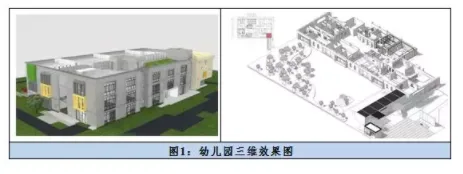
A BIM-based collaboration platform essentially serves as a project’s model library. It encompasses the overall project model, as well as the BIM models for various disciplines and project phases. Through the platform, all project stakeholders can interact with the model by rotating, hiding, or navigating through it.
Owners gain a comprehensive understanding of the entire project, enabling detailed discussions and informed decision-making. Designers benefit from seamless data sharing, which enhances design quality. The construction team can break down data silos across disciplines, collaborate more effectively, and boost construction efficiency. Meanwhile, the operations and maintenance team can track, store, and access detailed information about specialized equipment and facilities.
2. Construction Drawings
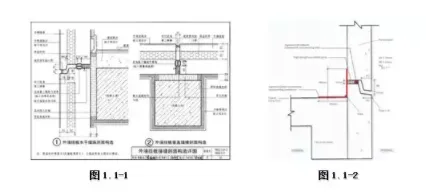
Construction drawings based on BIM are another vital component of collaboration platforms. These drawings include sets from various disciplines such as architecture, structure, plumbing, and electrical engineering, listing drawing numbers, names, and detailed content.
Similar to the models, users can scale, rotate, and hide drawings using the platform’s interface. Additionally, the platform can display detailed information about internal components within the model, significantly improving the readability and usability of the drawings.














Must log in before commenting!
Sign Up