
Previously, I introduced common BIM issues to everyone. Recently, I’ve received many more questions about BIM, so here I will share further insights in this article: BIM Common Problems (Part 2).
1. The Value of BIM
BIM transforms the entire construction process—from bidding to site management. It enhances communication between managers, designers, and frontline workers. Additionally, BIM helps identify potential risks early, improves stability and protective measures, reduces unexpected hazards, and boosts safety performance.
Moreover, BIM offers a systematic approach to information management and transmission. It includes supply and demand sequencing capabilities, enabling precise scheduling of installation tasks on site and better coordination for installing or dismantling equipment.
By reducing the time spent searching for data, BIM enables the creation of superior designs. When combined with performance indicators and KPIs, it drives productivity improvements more effectively. BIM also fosters creativity by shortening design cycles, allowing multiple design alternatives to be produced efficiently.
Ultimately, BIM’s goal is not only to cut costs and save time but to achieve these benefits while lowering emissions and delivering better designs.
2. Characteristics of BIM
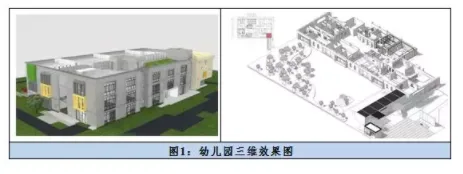
1. Visual Building Model: BIM software creates a 3D model that serves as the design’s foundation. From this model, various plans, 3D animations, and graphics can be generated. Since all drawings derive from the same model and are interconnected, any design change in one view instantly updates everywhere else. The 3D nature of the model helps engineers from different disciplines easily understand the design.
2. Parametric Design: Rather than simple geometric drawing tools, BIM uses building components like walls, doors, and windows as objects of design. The process centers around defining and adjusting parameters of these elements, fully embracing parametric design throughout.
3. Bidirectional, Object-Oriented Associations: BIM employs parameter association technology for 3D modeling. For example, doors and windows are linked to walls—if a wall shifts by 1 cm, the attached doors and windows move accordingly, maintaining consistency.
4. Integrated Information: All relevant parameters of building components are stored in a centralized database within the model. Although database structures vary across software, parameters typically fall into two categories:
- Basic parameters: Describing the component’s inherent characteristics and properties.
- Auxiliary parameters: Including economic, technical, and other related data.
3. The Role of BIM
BIM boosts productivity, allowing companies to achieve twice the results with half the effort. It is easy to learn and offers specialized solutions tailored to architects’ and engineers’ workflows. BIM improves efficiency and helps restructure previously inefficient processes.
4. Benefits for Everyone: Owners, Contractors, and Designers
BIM reduces design errors and facilitates seamless communication and collaboration among all project team members.
That concludes this introduction to common BIM questions (Part 2). After these two articles, I hope you have gained a solid understanding of BIM. If you want to learn more about BIM-related topics, please feel free to leave a message.














Must log in before commenting!
Sign Up