
As is widely known, Building Information Modeling (BIM) integrates both geometric and non-geometric data from various disciplines and stages throughout the entire lifecycle of construction projects. By analyzing and leveraging this information, overall project quality can be significantly enhanced. Currently, BIM applications in China are primarily used in both design and construction phases. Today, I will discuss the benefits of BIM implementation in these two key stages.
Architectural Design
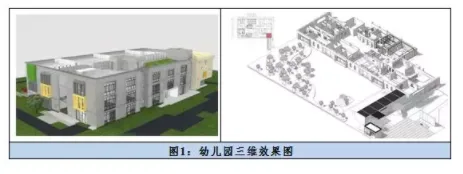
During the architectural design phase, architects focus on shaping the building’s appearance and form, taking into account the terrain and the owners’ requirements. Communication between architects and owners predominantly centers around the building’s exterior and decorative elements. Many architectural firms now use BIM technology to create 3D building models. However, architects typically adopt BIM not for data integration but to produce more detailed and realistic visualizations, helping owners better understand the final look of the building.
The strength of BIM modeling software lies in its ability to deliver intricate interior designs within the building model, although it pays less attention to realistic exterior appearances and decoration details. Consequently, BIM does not necessarily simplify communication with owners during the architectural design phase. Moreover, the detailed design components in BIM software depend on structural analysis results, which means they cannot be fully utilized during the early architectural design stage. Therefore, BIM software offers limited effectiveness throughout the entire architectural design process.
Structural Design
Structural design typically follows architectural design in the construction sequence. If BIM models are not used during architectural design, structural engineers must rely on 2D CAD plans and elevation drawings provided by architects to create 3D structural analysis models within specialized software. However, as discussed earlier, BIM software can now be integrated with structural analysis tools.
When a complete BIM model is available, it eliminates the need to redraw structural models during the structural design phase. Instead, a dedicated linking program can connect the models, allowing structural analysis software to automatically generate the building’s structural analysis model. This integration significantly improves the efficiency of the structural design process and reduces the overall design time.
Construction
During construction, engineers at manufacturing plants primarily use design drawings created by architects and structural engineers as references for building the structure. However, as building designs become increasingly complex and irregular, relying solely on 2D architectural and structural drawings can lead to misinterpretation and errors.
With 3D BIM models, engineers can more easily understand architectural designs, minimizing communication errors and reducing both costs and time. This ultimately enhances overall construction efficiency. BIM models provide highly detailed internal designs, including steel reinforcement configurations within concrete and steel bar connections. Such detailed information is easily accessible through simple operations.
Besides aiding in predicting construction processes and final outcomes before actual site work begins, BIM also helps anticipate and resolve potential issues during construction. This capability plays a crucial role in improving construction efficiency and streamlining building procedures.
In summary, the benefits of BIM application in design and construction primarily lie in data collection, organization, integration, analysis, and utilization. BIM models present this data clearly to all project stakeholders, facilitating communication, collaboration, and informed decision-making throughout the project lifecycle.














Must log in before commenting!
Sign Up