
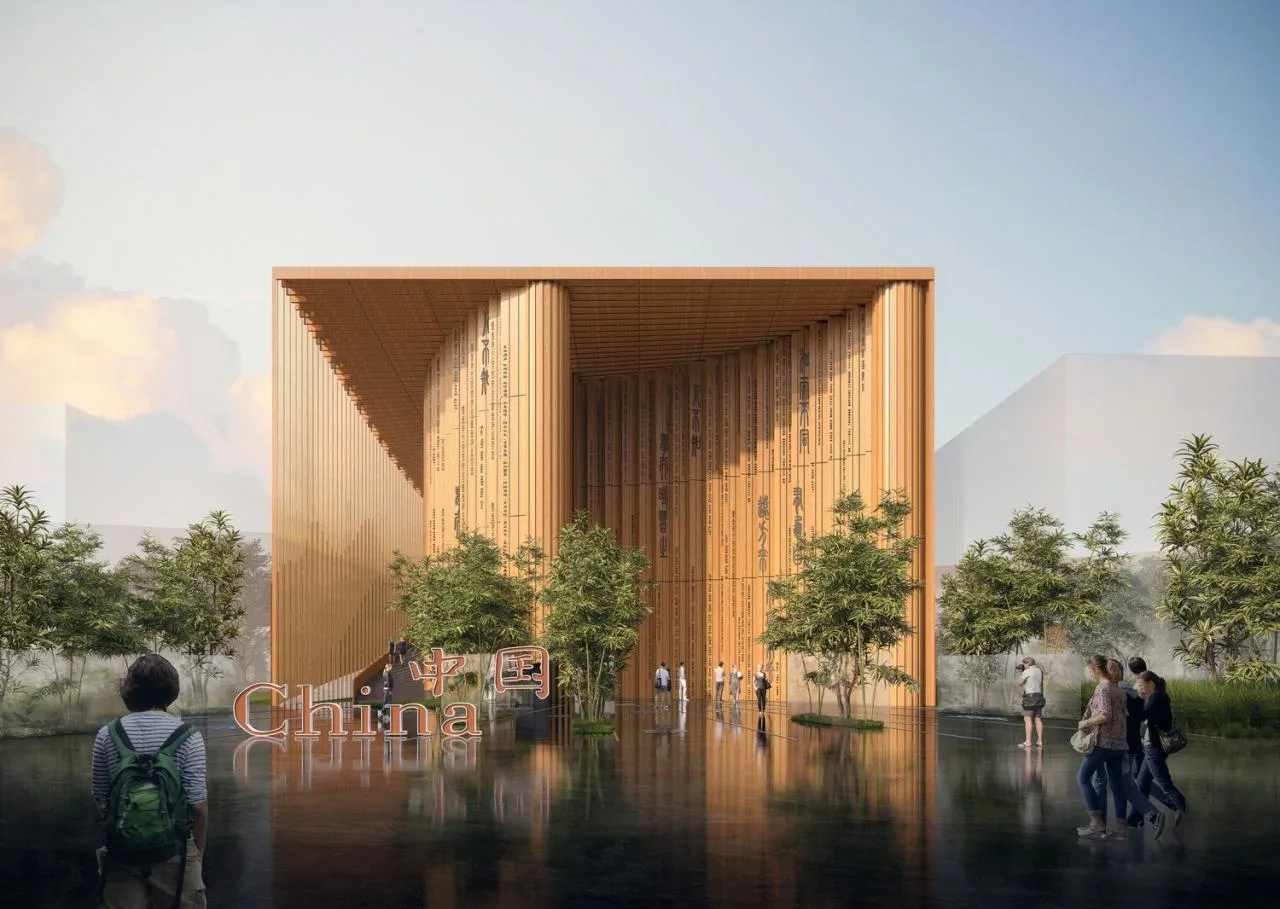
On April 26, 2023, the China Council for the Promotion of International Trade unveiled the architectural design for the China Pavilion at the 2025 Osaka World Expo in Japan. This pavilion will serve as a cultural hub, showcasing exhibitions and activities that foster cultural exchange and strengthen friendships between China, Japan, and nations worldwide. The pavilion aims to promote mutual understanding and advance the shared progress of civilizations through dialogue and learning.
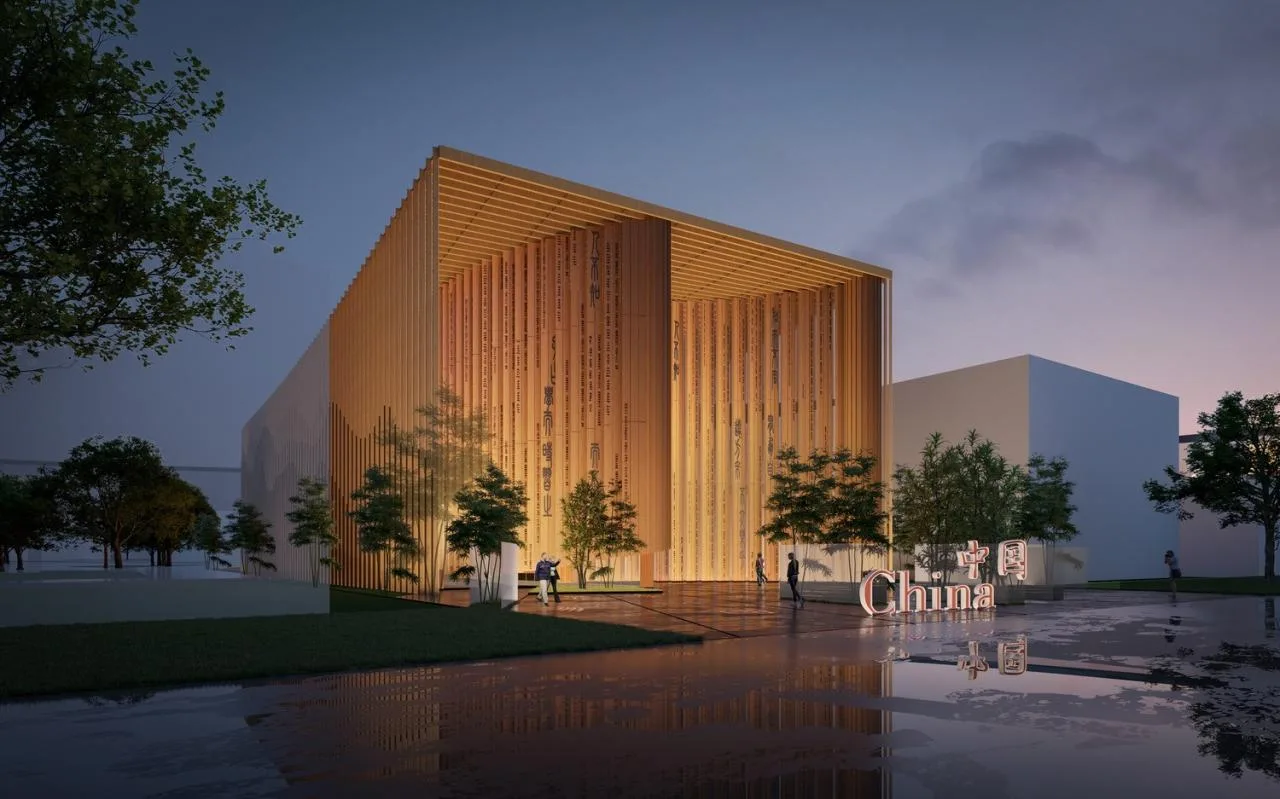
The design, named “Zhonghua Shujian,” was created by the China Academy of Architectural Design and Research. Its exterior resembles a traditional Chinese scroll and incorporates three key elements: bamboo, Chinese characters, and scrolls. This design embodies the spirit and cultural essence of Chinese civilization, emphasizing harmony with nature and reflecting China’s commitment to green, sustainable development in the modern era.
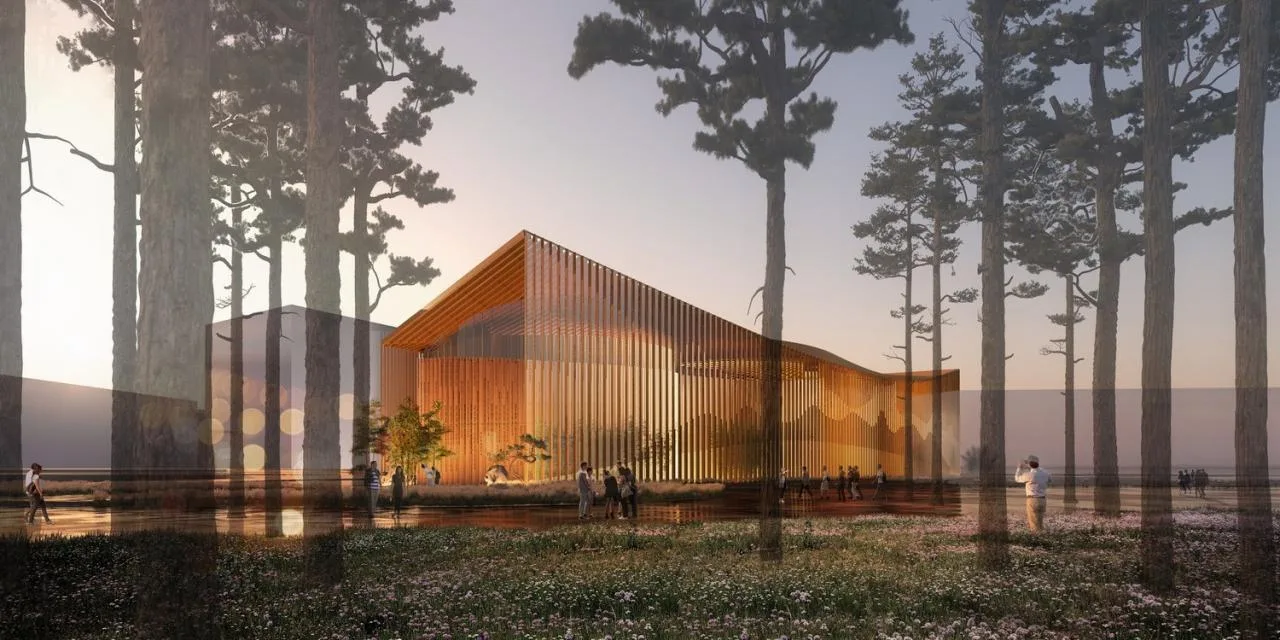
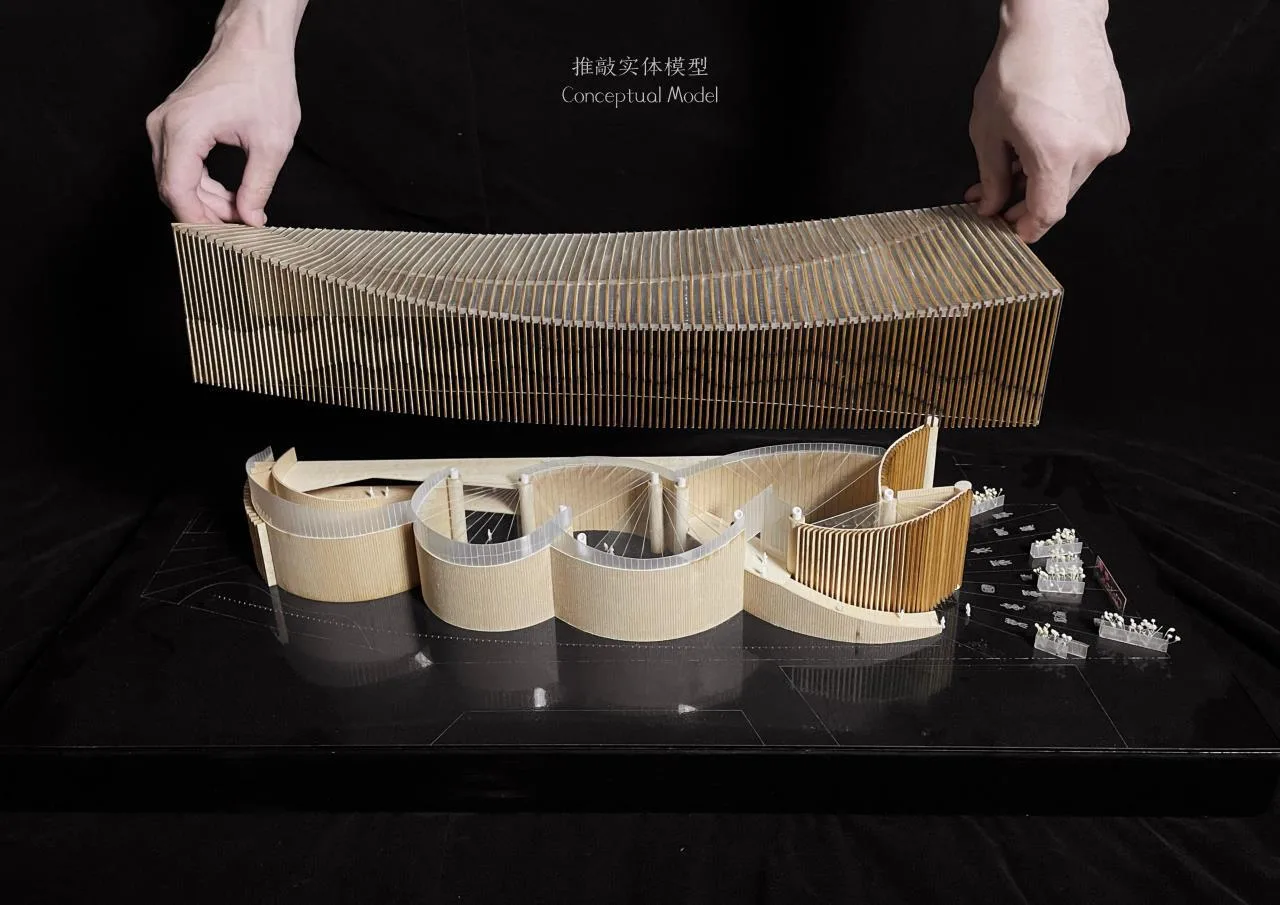
The pavilion’s interior continues the theme of a long scroll, seamlessly blending traditional book scroll imagery with modern exhibition architecture. The progressive layout guides visitors through a journey from history toward the future, symbolizing the evolution of civilization. The column-free exhibition hall is designed to maximize natural lighting, striking a balance between tangible space and ethereal ambiance. This creates a unique interactive experience between visitors and nature, aligning with the pavilion’s message of harmonious coexistence.
Beginning in April 2022, the China Council for the Promotion of International Trade launched a nationwide call for architectural proposals for the China Pavilion. Led by Academician Cui Kai, Chief Architect of the Chinese Academy of Sciences, the design team actively participated in this process. After extensive consultations with various departments and expert panels specializing in architecture, art, and culture, the final design featuring the “Chinese Book Slips” concept was selected.
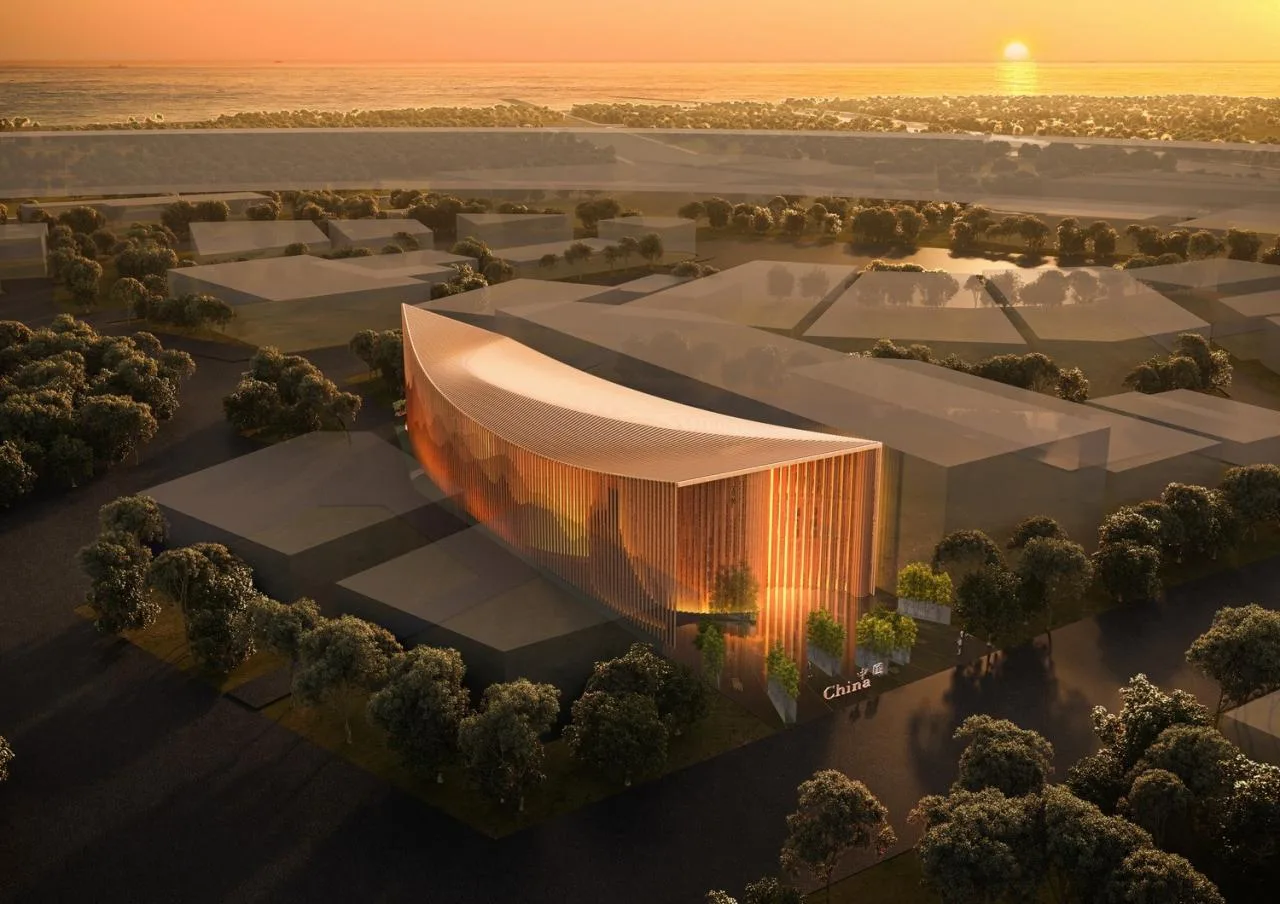
The Osaka World Expo is set to run from April 13 to October 13, 2025. Osaka was chosen by the Bureau International des Expositions (BIE) as the host city. Other notable pavilions include the Czech Republic’s, designed by Apropos Architects, which will explore spatial manufacturing and human movement. Brazil’s pavilion, created by MK27 Studio, will focus on the country’s sustainable development initiatives.
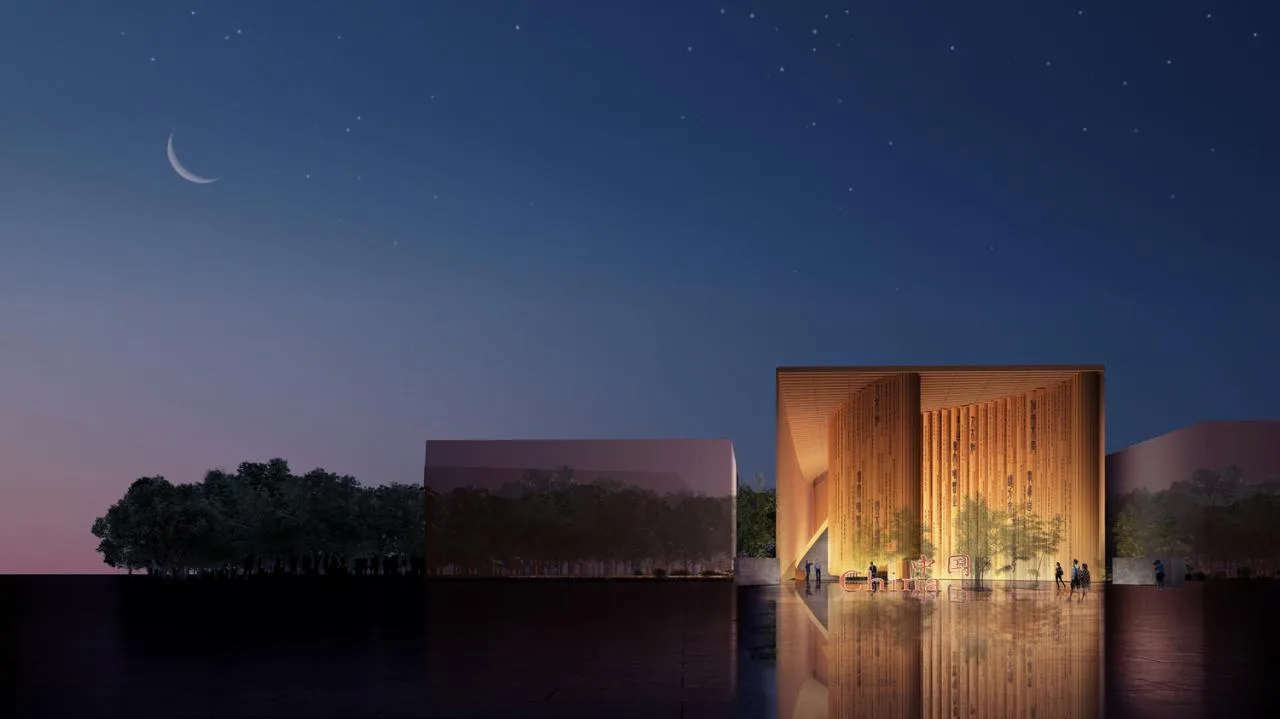
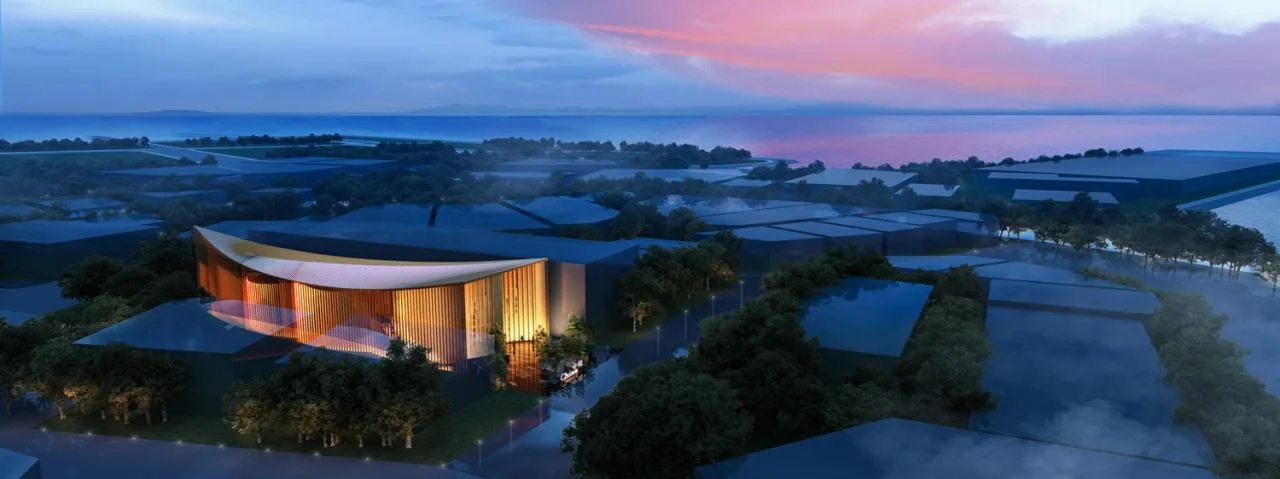
Project Drawings
















Must log in before commenting!
Sign Up