
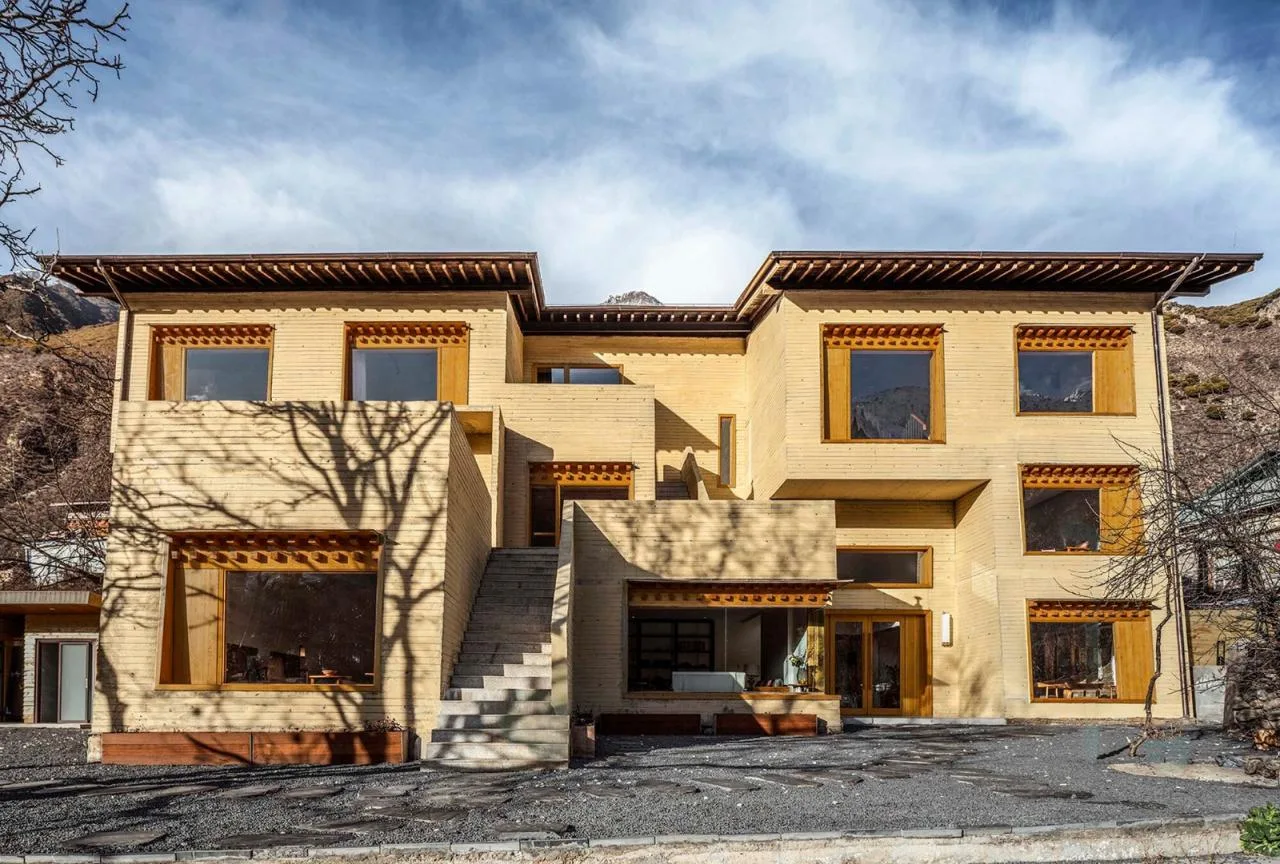
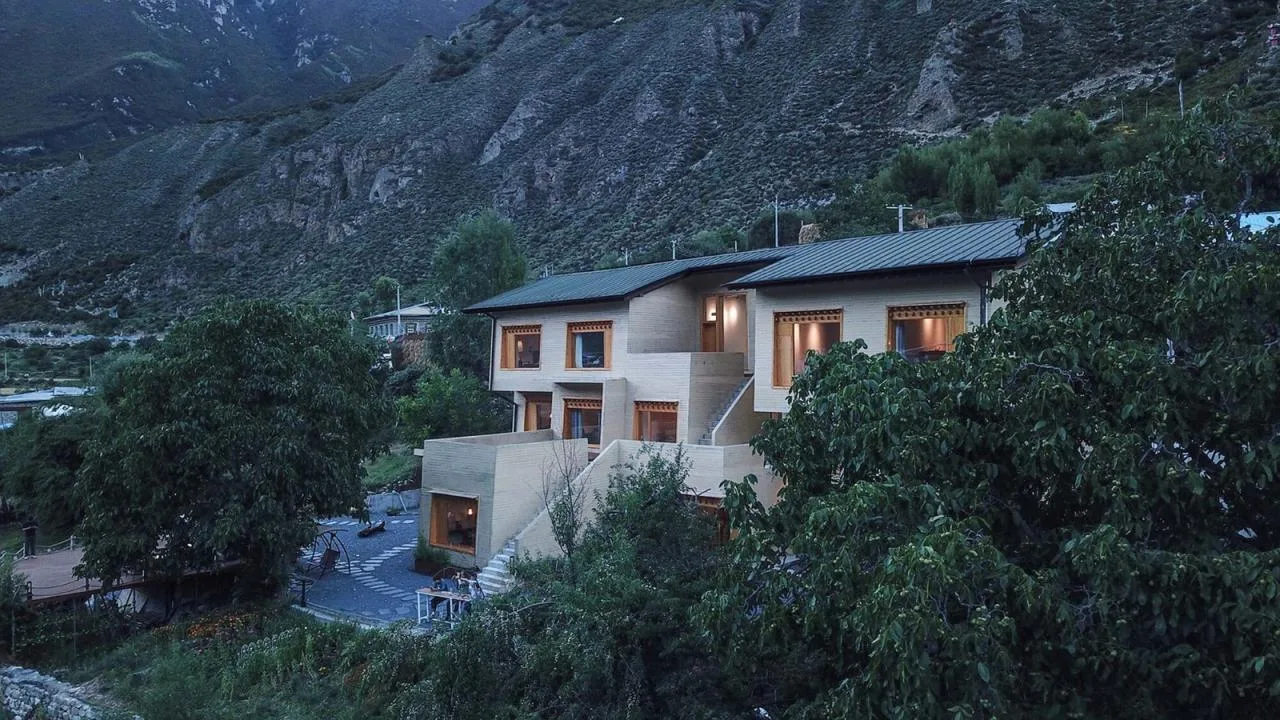
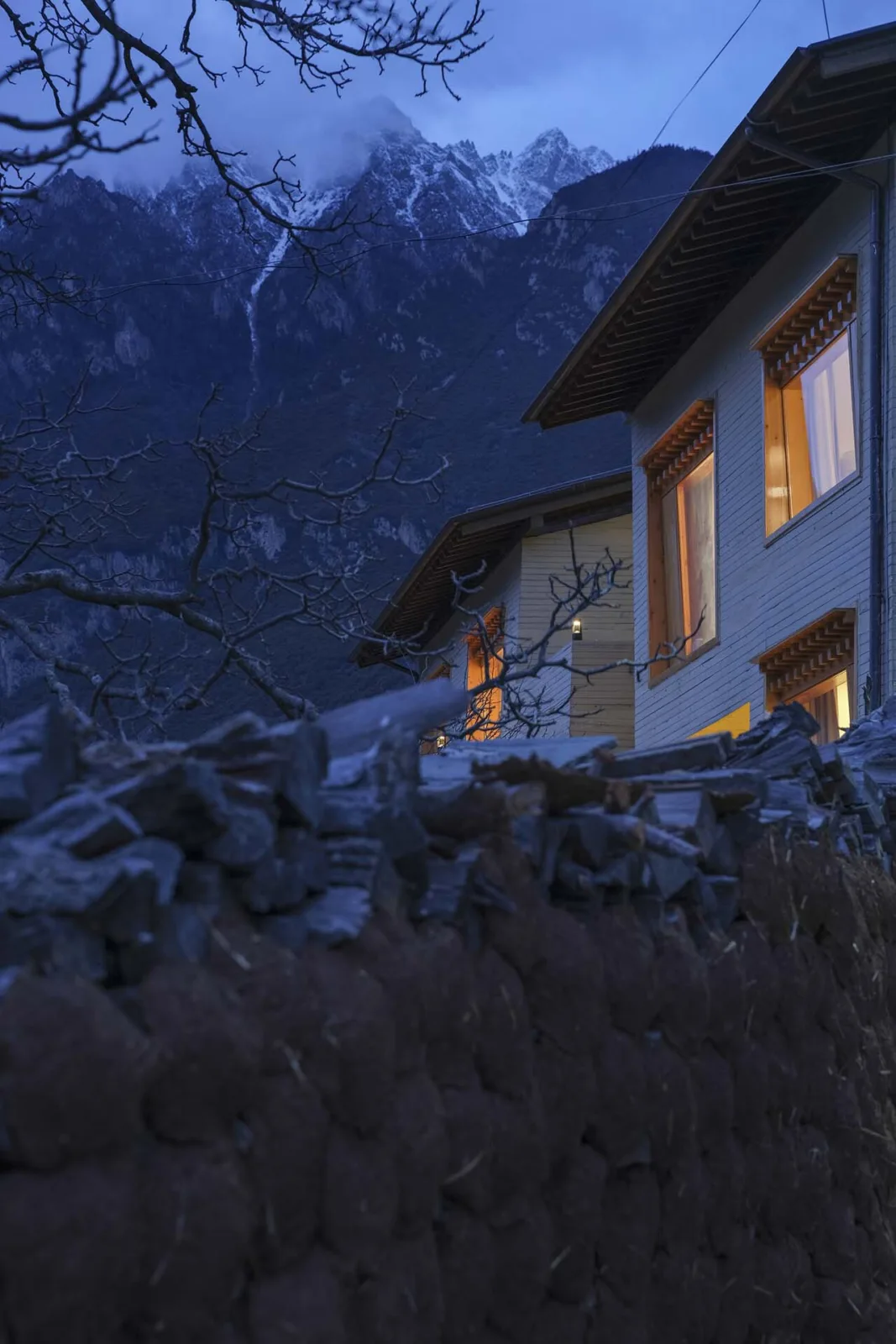
The blockhouse at the foot of the snow mountain—Xizang Gama Xika homestay—is situated in Niwu Township, at the eastern edge of Nyainqentanglha. Known as a pure land hidden by Master Lianhuasheng, also called Wujin Belong, Niwu means a secret realm. Here, melting glacier snow flows through villages, traditional Tibetan bunkers, Ningma-style white pagodas, barley fields, and peach blossom forests, creating a natural masterpiece.
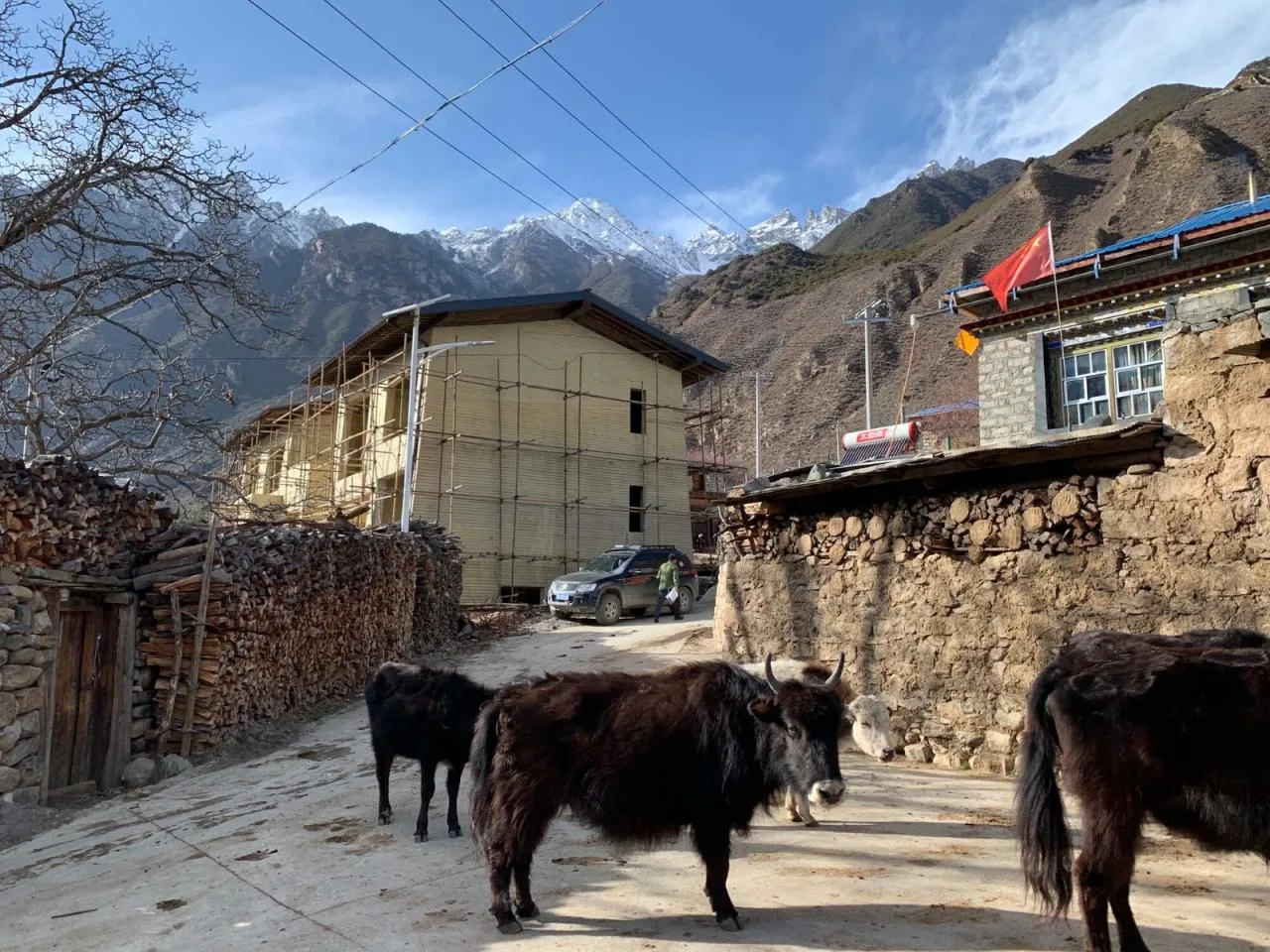
Sharing a climate similar to Linzhi, the Niwu settlement reflects the architectural style of the Gongbu area, featuring Tibetan-style stone watchtower buildings. These structures typically have two stories, distinctive bottom-up dividing walls, and sloping roofs—hallmarks of Tibetan watchtower architecture.
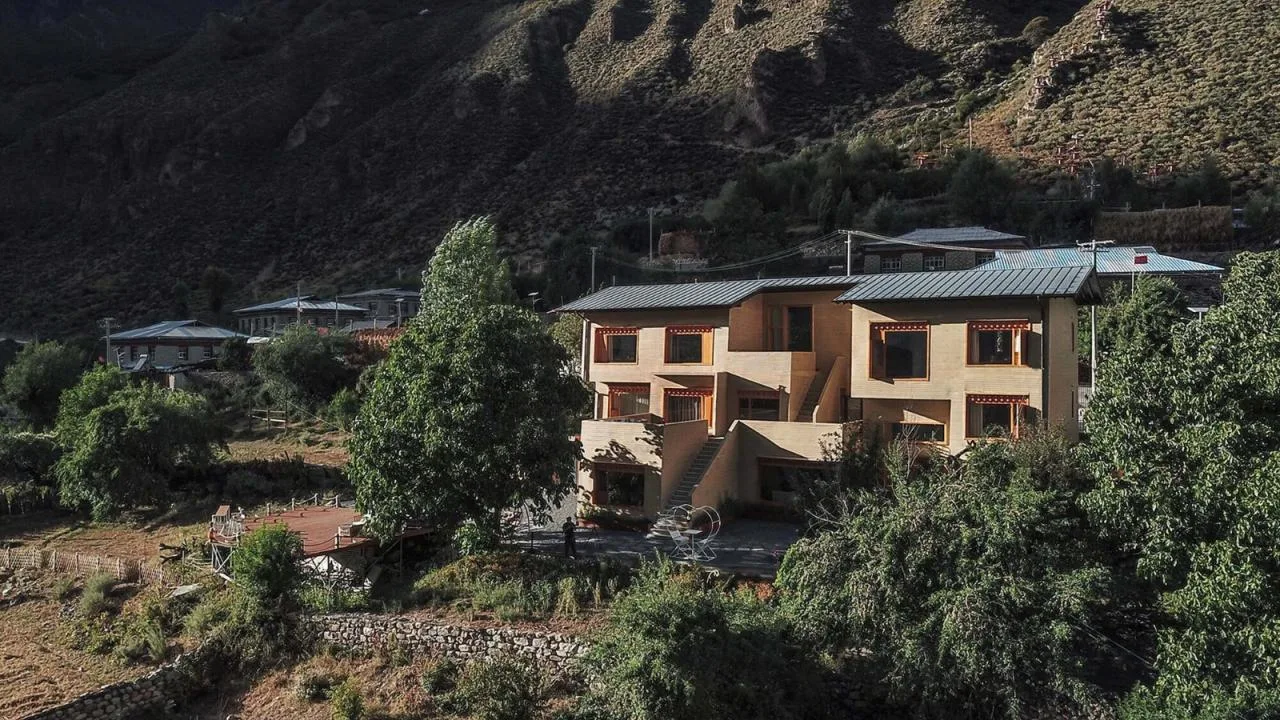
With the opening of G349 as a new route for niche self-driving tours into Tibet, the ancient Sichuan-Tibet central line has been revitalized, placing Niwu Township at a key junction. As traditional village life, production, and lifestyles evolve—especially with the arrival of tourists—local villagers have increased interaction with the outside world. This brings new demands that intersect with the traditional structural systems of local residences.
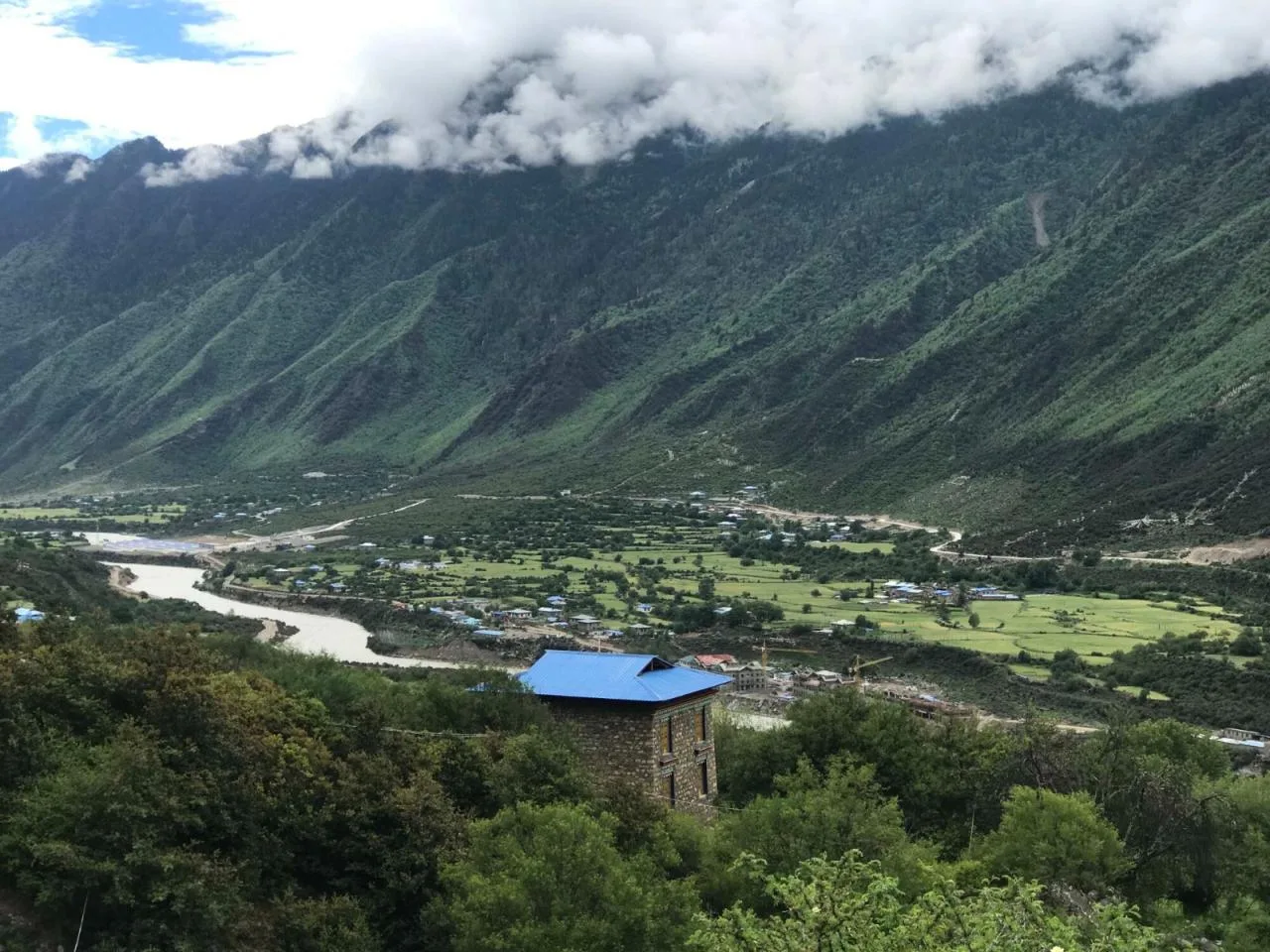
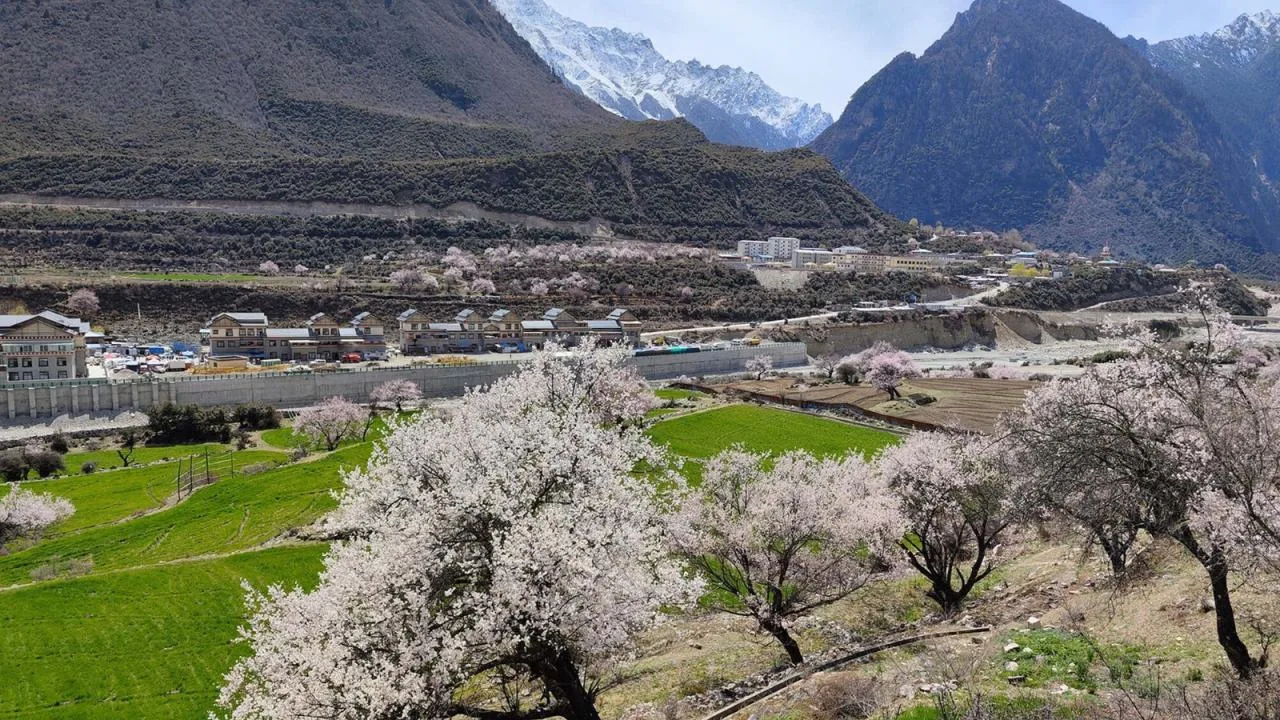
Recently constructed local residences exhibit many homogenization trends. Notably, blue steel roofs have replaced traditional materials, wooden eaves have been substituted with colored plastic components, and traditional stone walls have been replaced with cement blocks. Modern architectural elements are gradually merging with the distinctive regional styles of the past. Traditional homes are being supplanted by more affordable, standardized construction methods, often adorned with local cultural symbols painted on their surfaces.
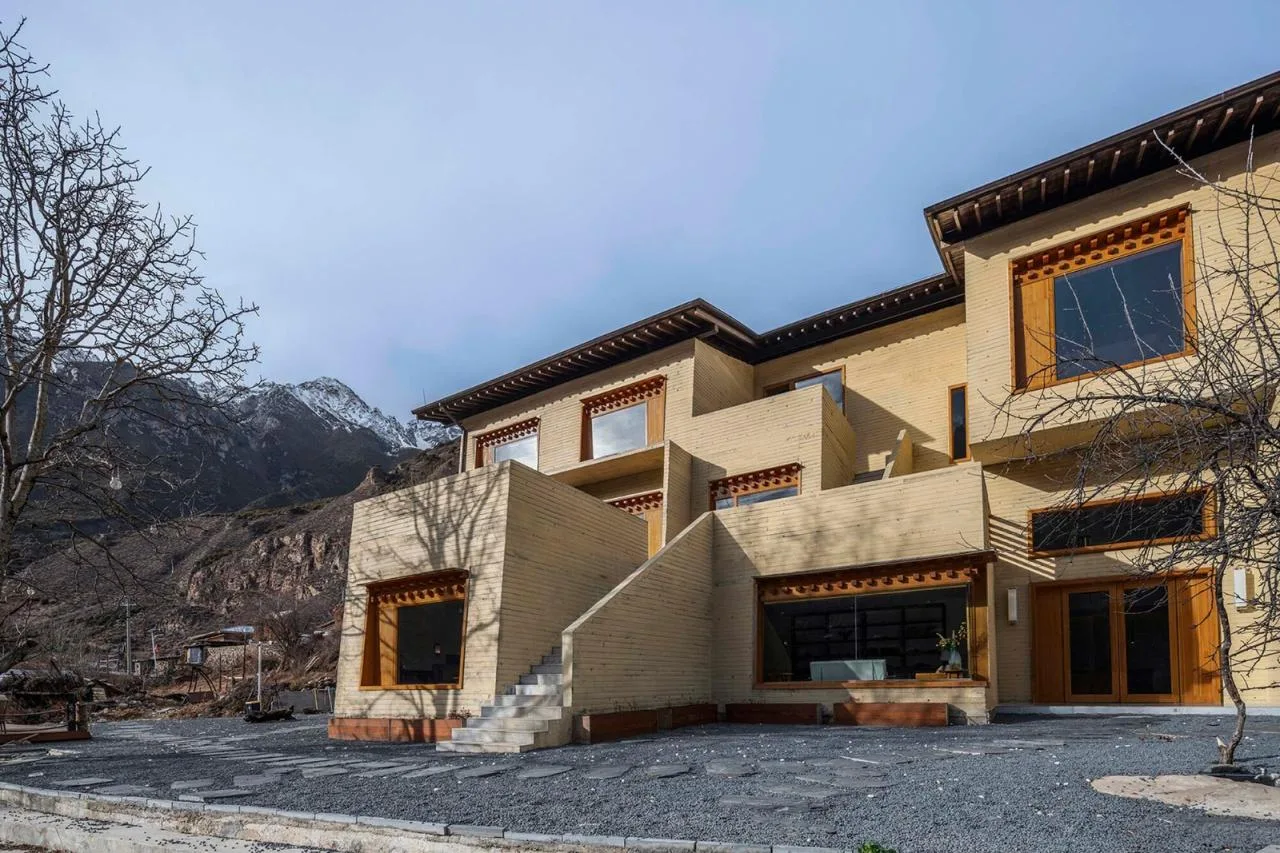
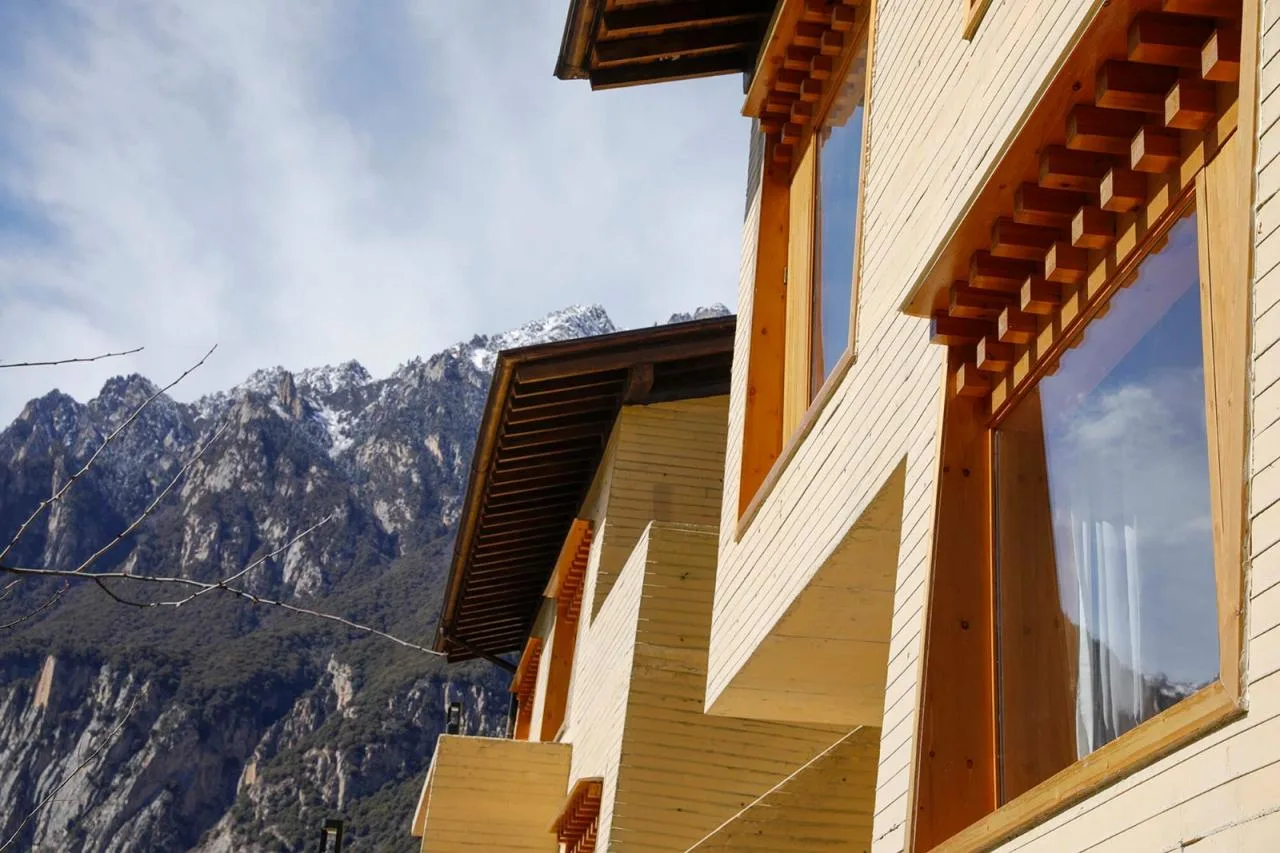
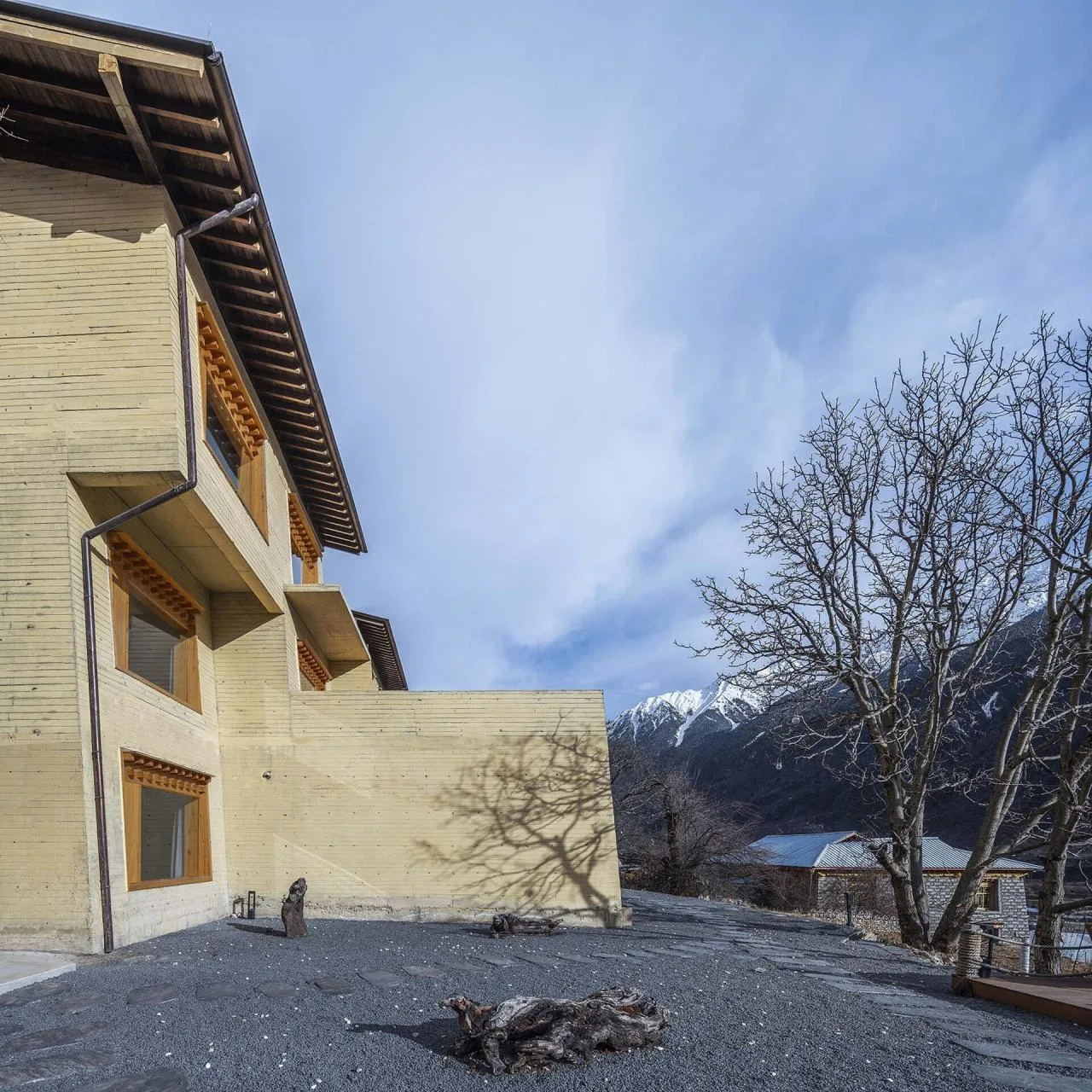
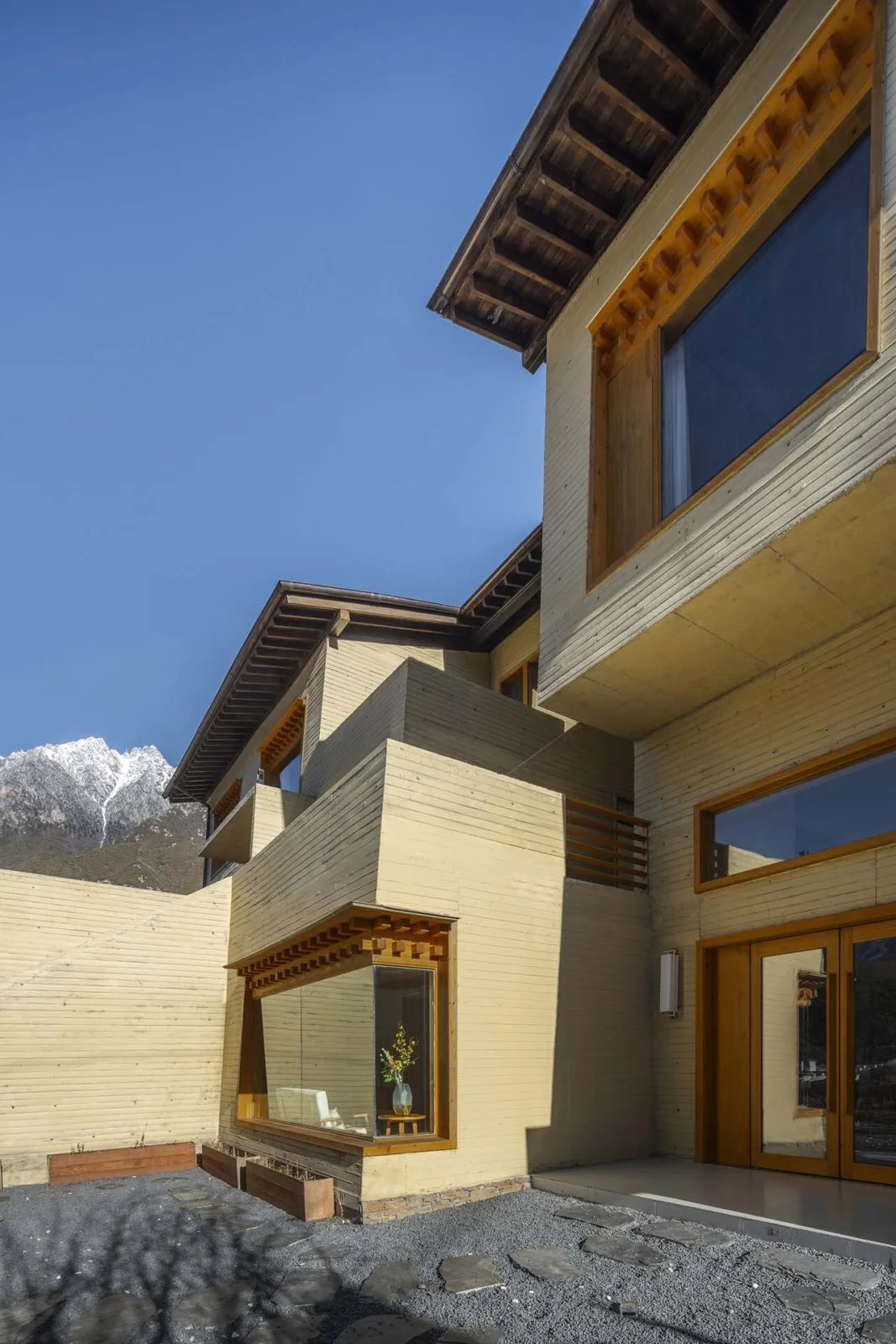
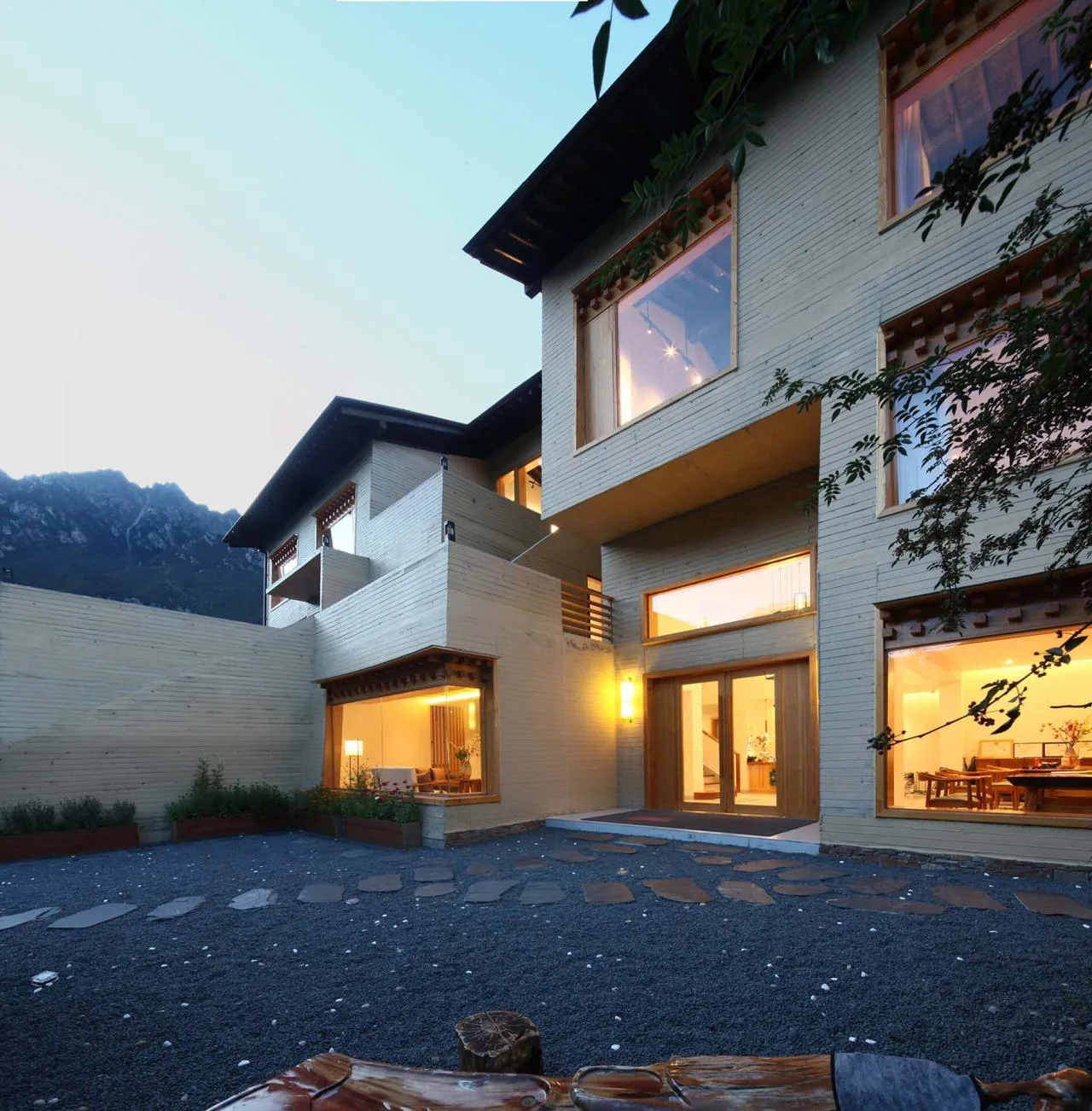
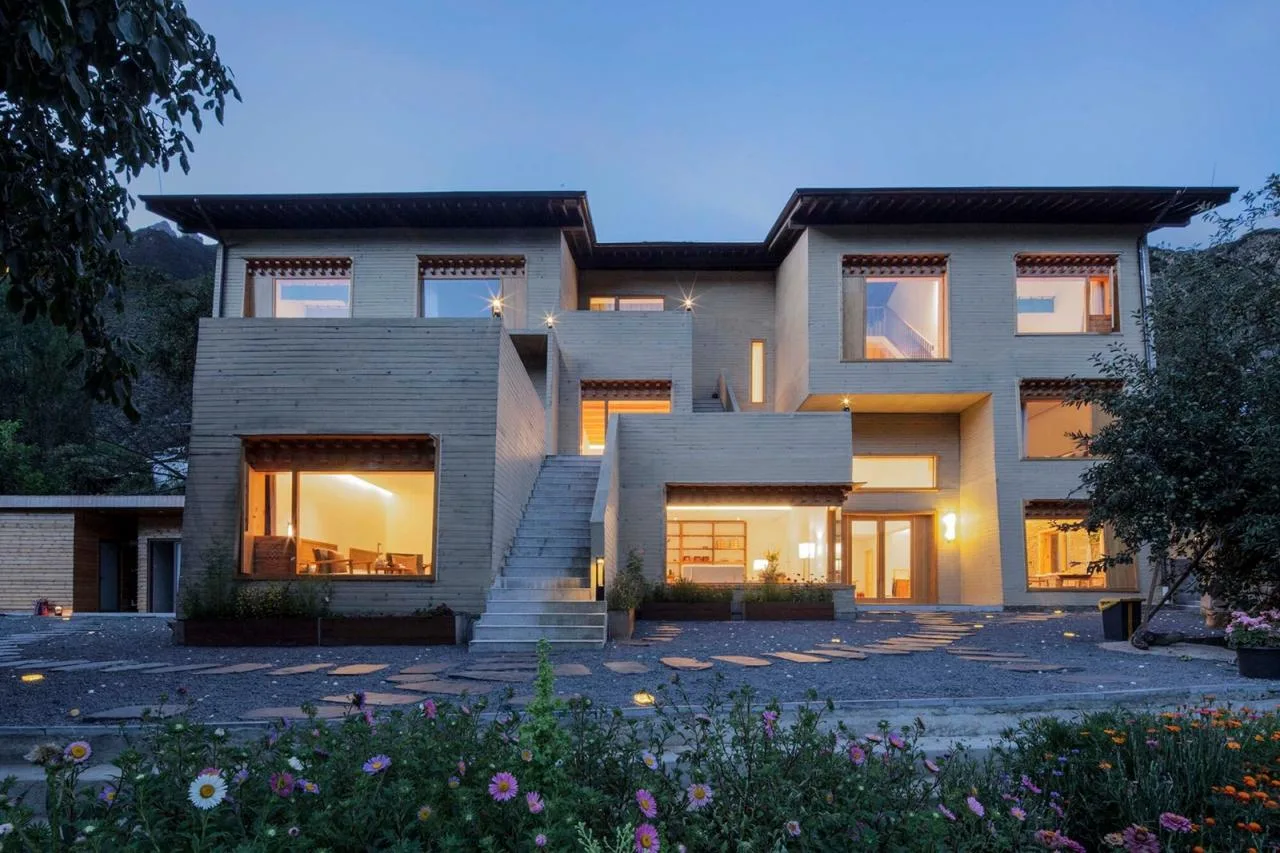
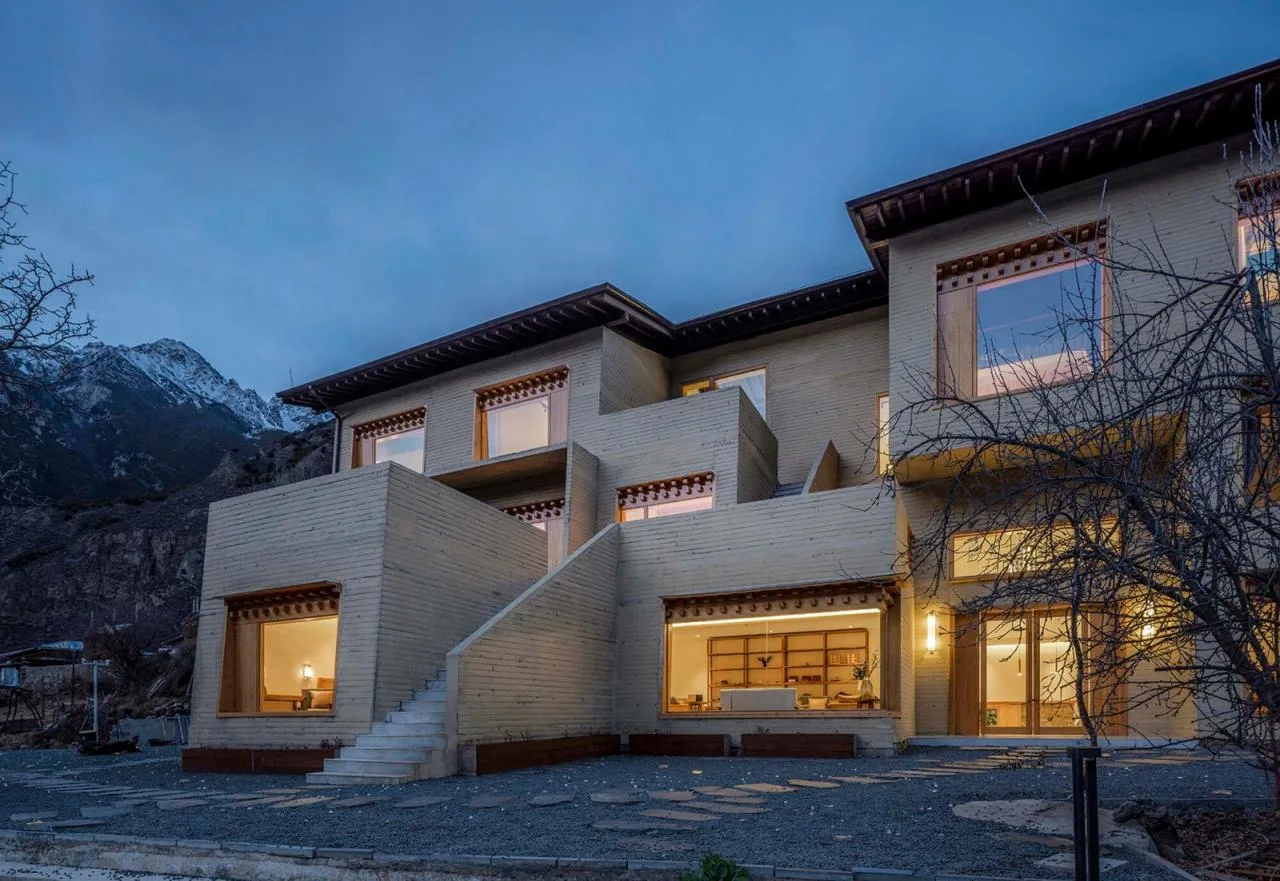
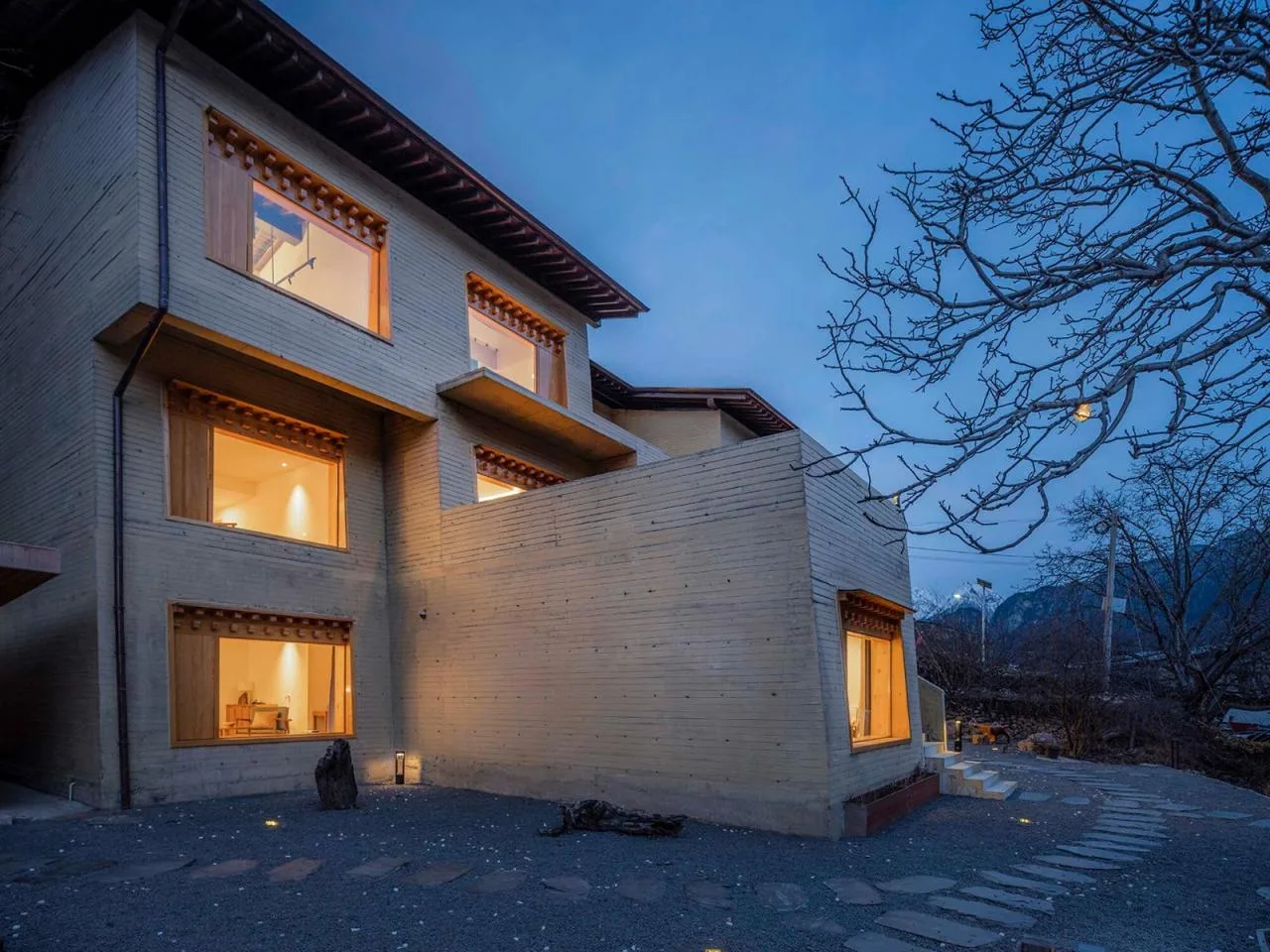
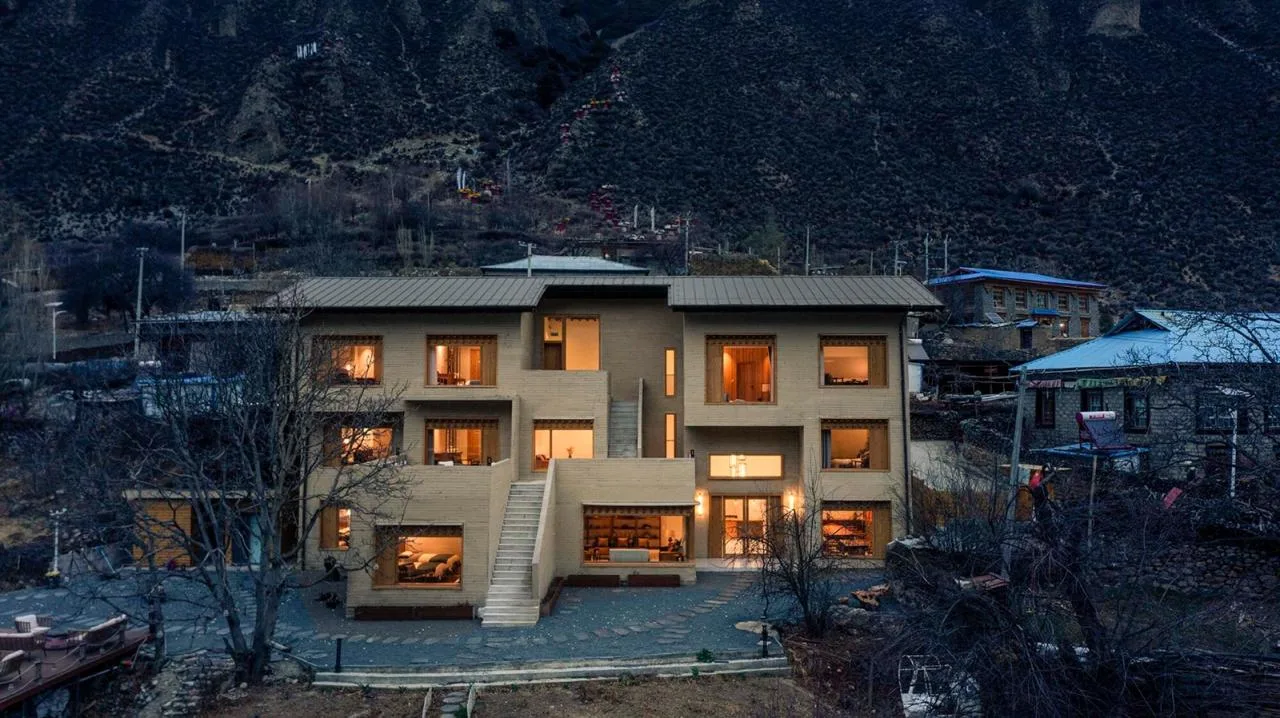
Since the new building site is surrounded by local residences—essentially integrating new Tibetan-style buildings within the existing settlement ecology—the design strives to balance tradition and modernity, craft and industry. Firstly, the architectural form of Gamaxika adopts the traditional 5-degree dividing wall design common in Niwu, utilizing cast-in-place concrete for shear wall structures. Secondly, it incorporates sloping roofs made of aluminum-magnesium-manganese panels, providing insulation and weather resistance. This choice acknowledges the prevalence of blue steel roofs while honoring the traditional roofing styles gradually being replaced.
Additionally, the design establishes two transportation systems—internal and external—to bridge traditional and modern lifestyles. Internal stairs prioritize functionality and convenience, while external routes emphasize experience and interaction, creating a traversable facade. These three design concepts collectively evoke a sense of both familiarity and novelty, addressing the balance between old and new.
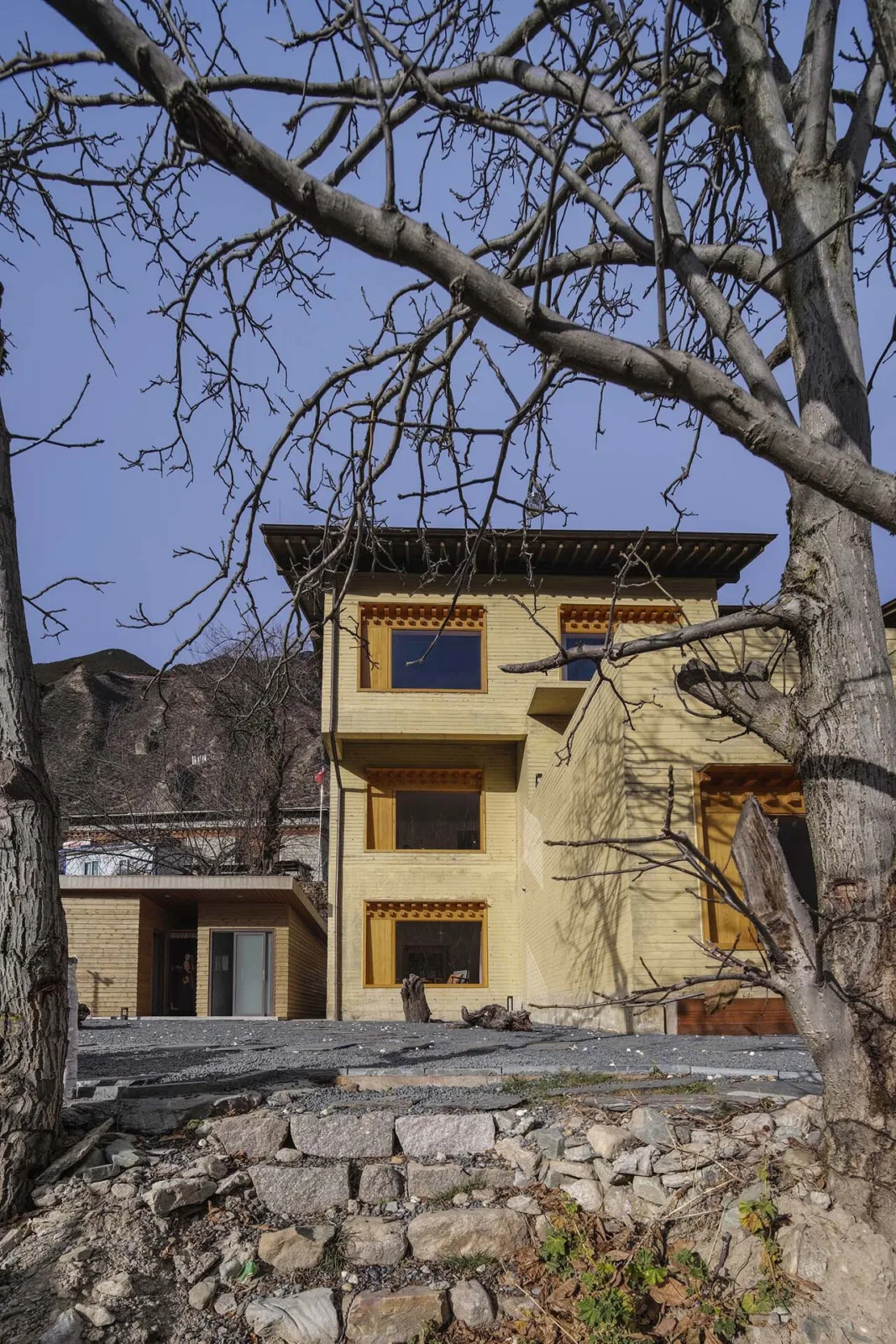
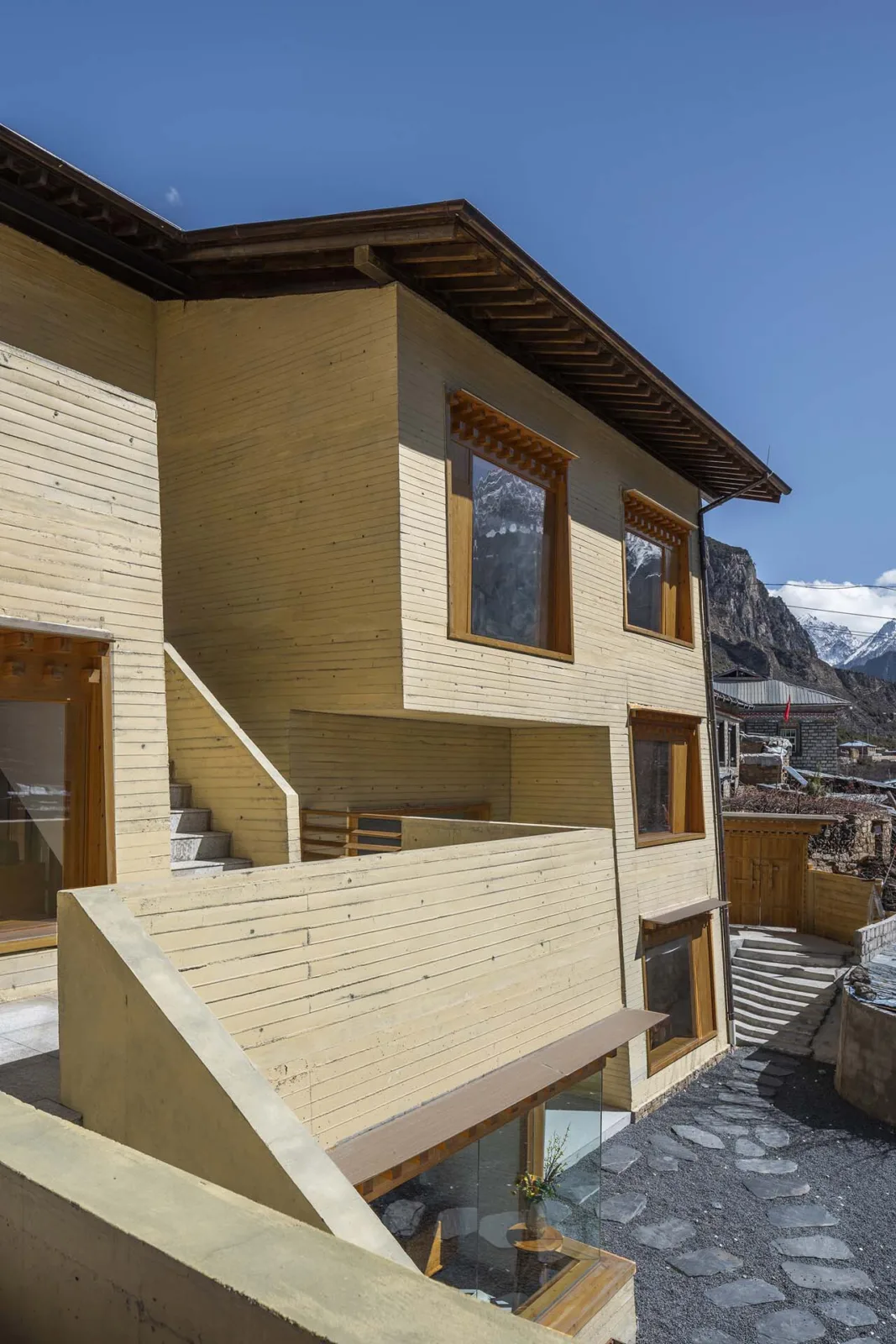
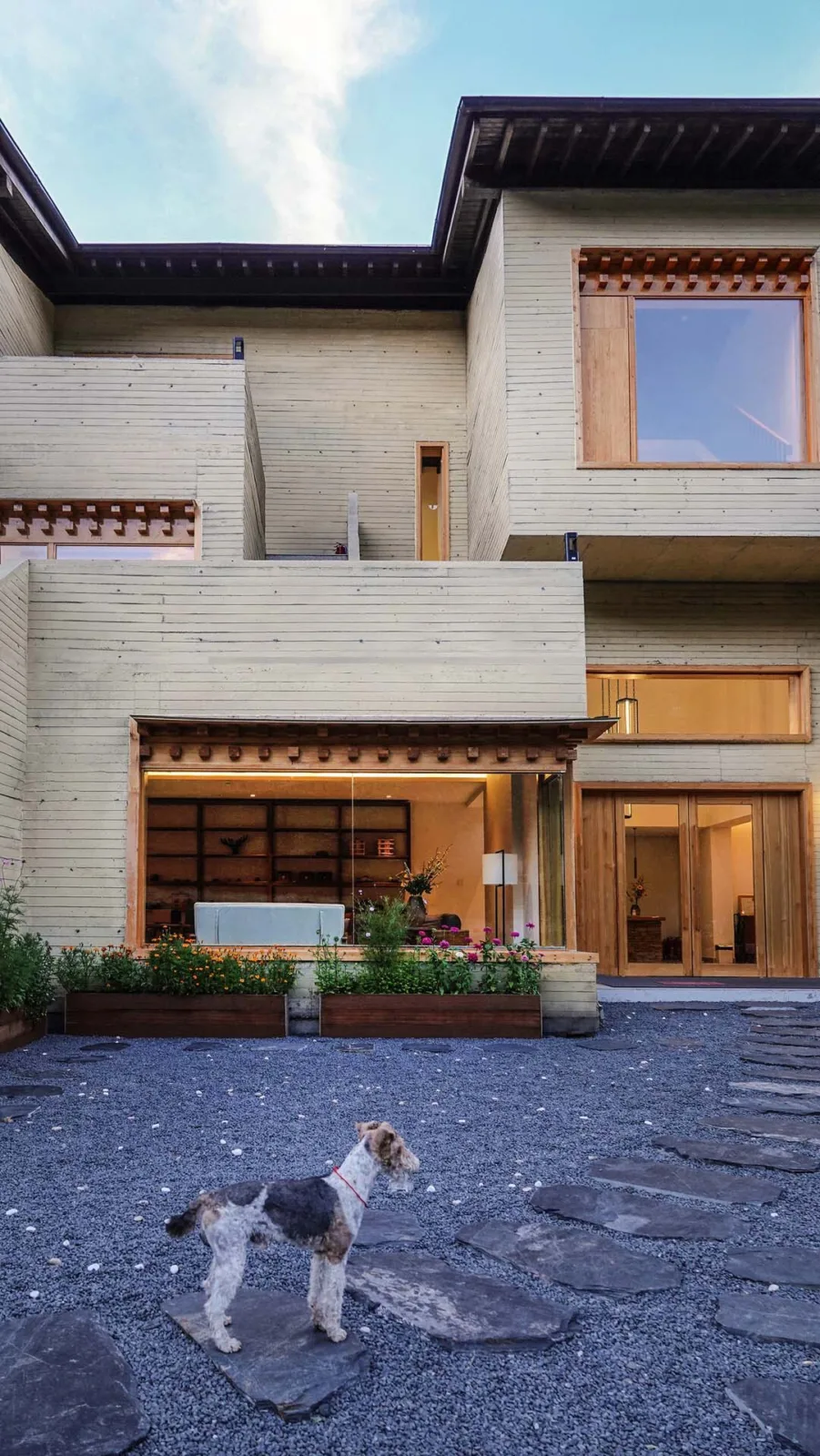
In Tibetan residential architecture, the Buddhist temple holds the central place in spatial layout, symbolizing its vital role as a spiritual sanctuary. In Gamaxika, the space connected to the second-floor terrace is designed as a modern Buddhist temple, serving as the geometric heart of the building.
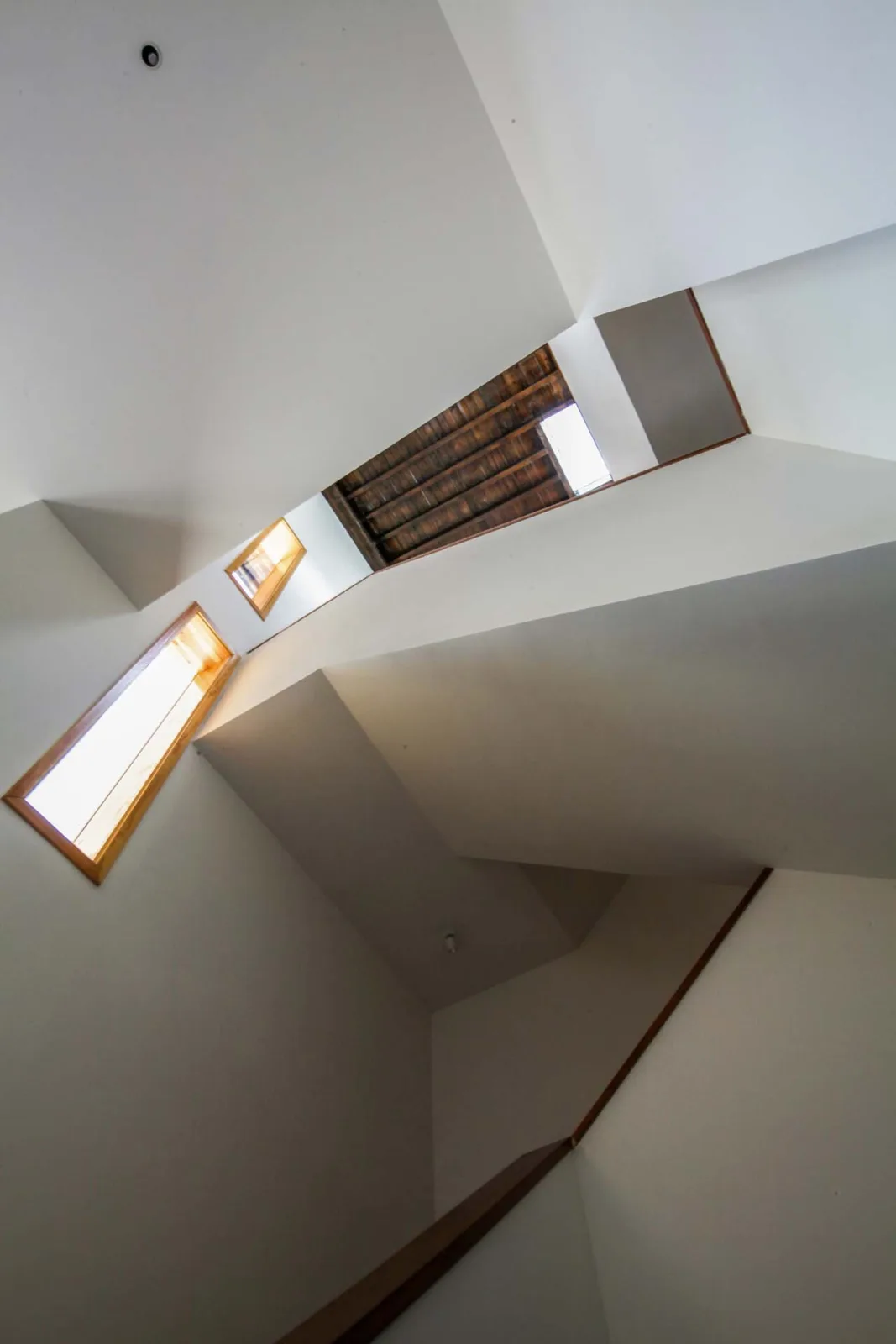
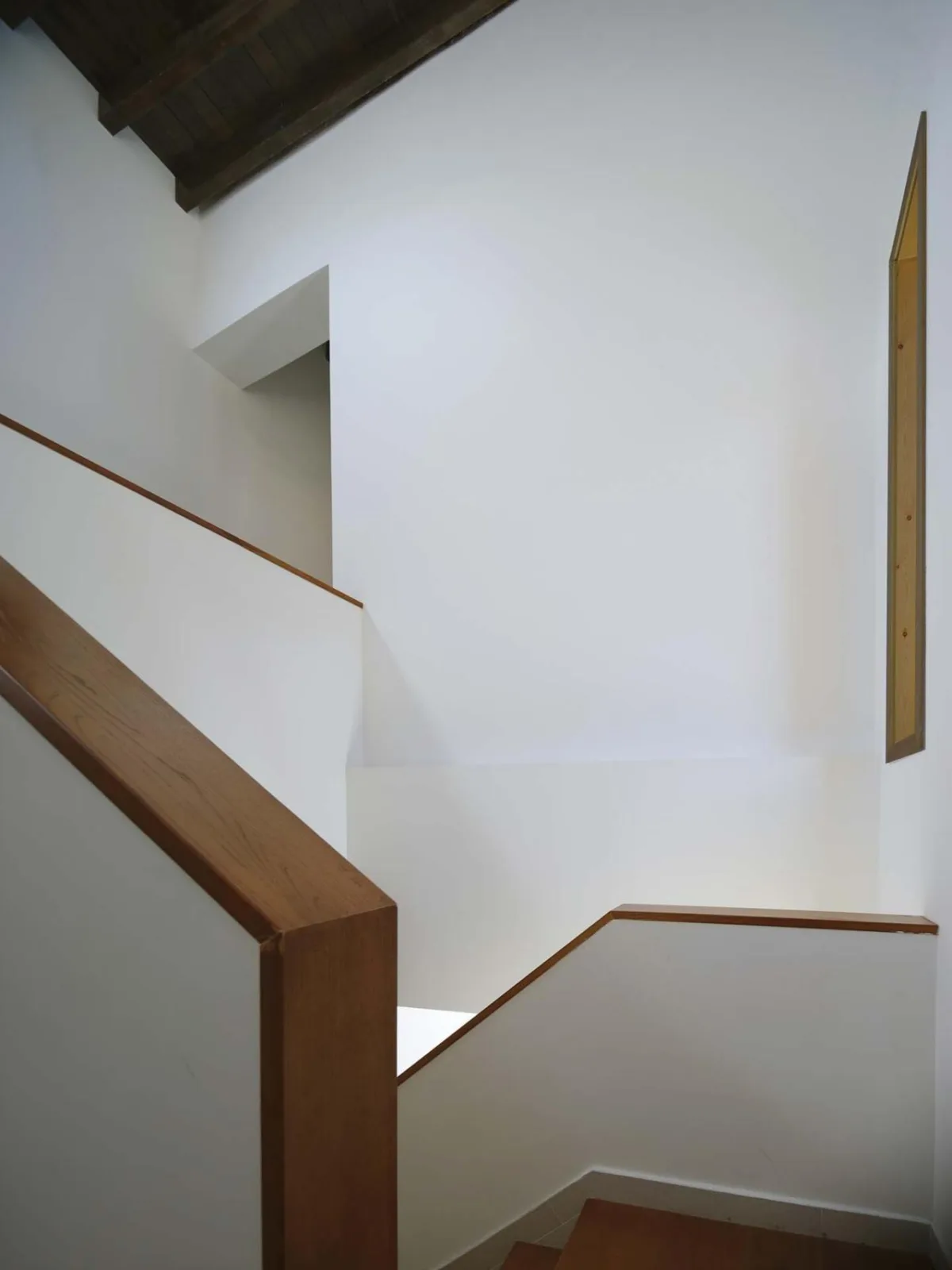
Stairs carry important spiritual meaning in traditional Tibetan culture. The steeper the stairs, the stronger the symbolism of ascending swiftly to the heavenly realm. For practitioners, reaching heaven in a single step represents the ultimate spiritual journey. Therefore, stairs are designed as steep as possible to facilitate a rapid ascent into the Pure Land.
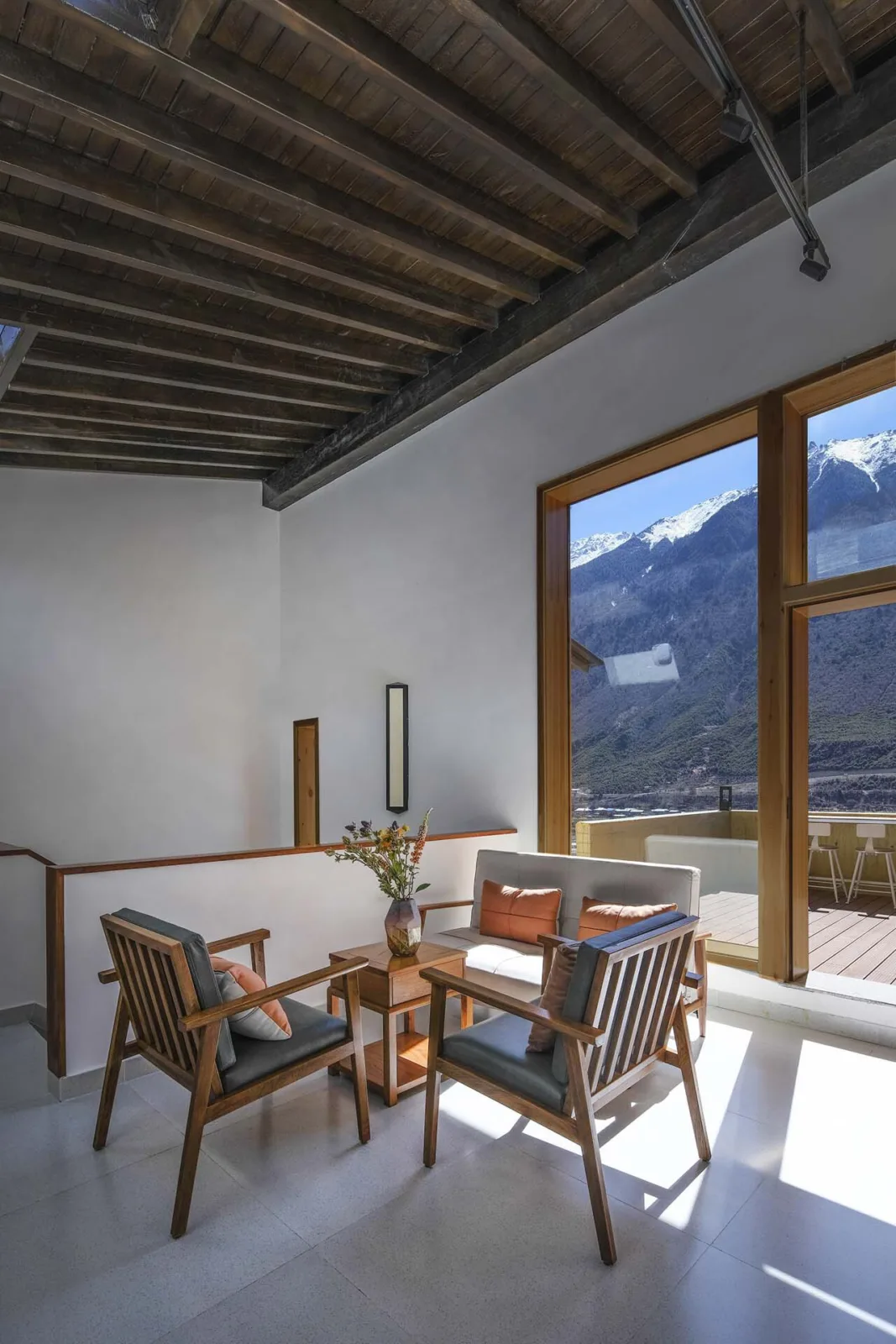
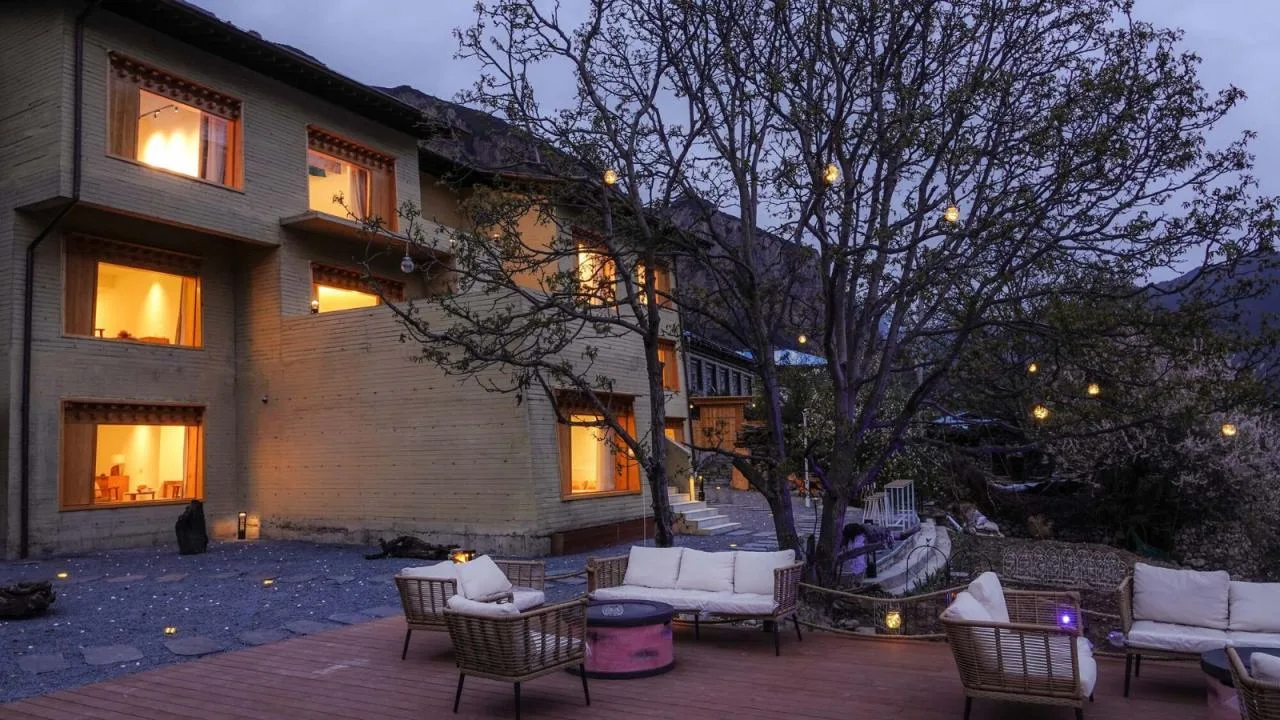
Each floor includes public spaces with direct access to outdoor terraces, creating a dual circulation system that blends interior and exterior life. Internal stairs focus on practicality and convenience, while external circulation offers experiential and interactive qualities, allowing visitors to engage actively with the building’s facade. This dual system provides ample opportunities for visitors and locals alike to meet, socialize, and relax, transforming the building into a vibrant community space.
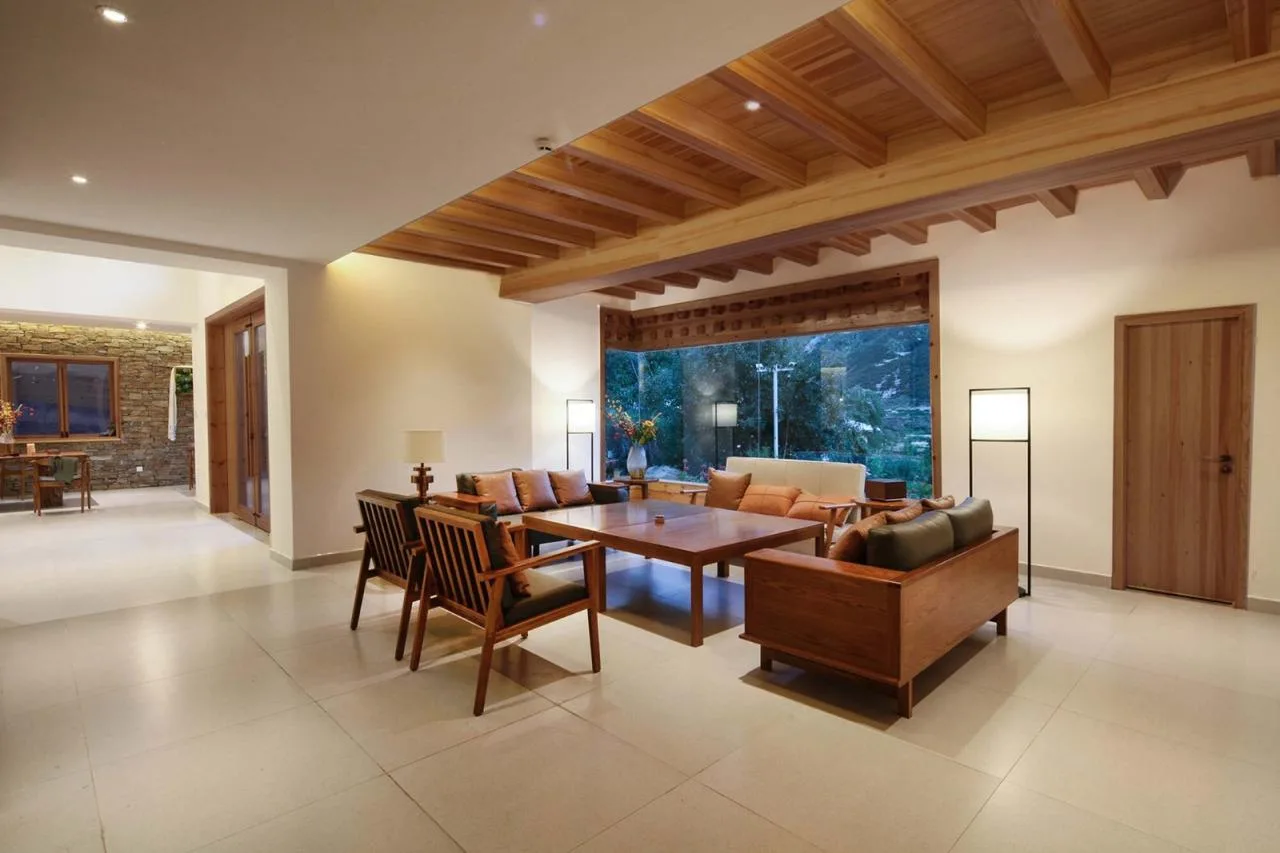
While Buddhist temples represent the spiritual core, traditional stoves and kitchens are the heart of everyday life in Tibetan homes. The kitchen and dining areas in Gamaxika are centrally located on the west side of the first floor, serving as gathering and communication spaces for homestay owners and guests.
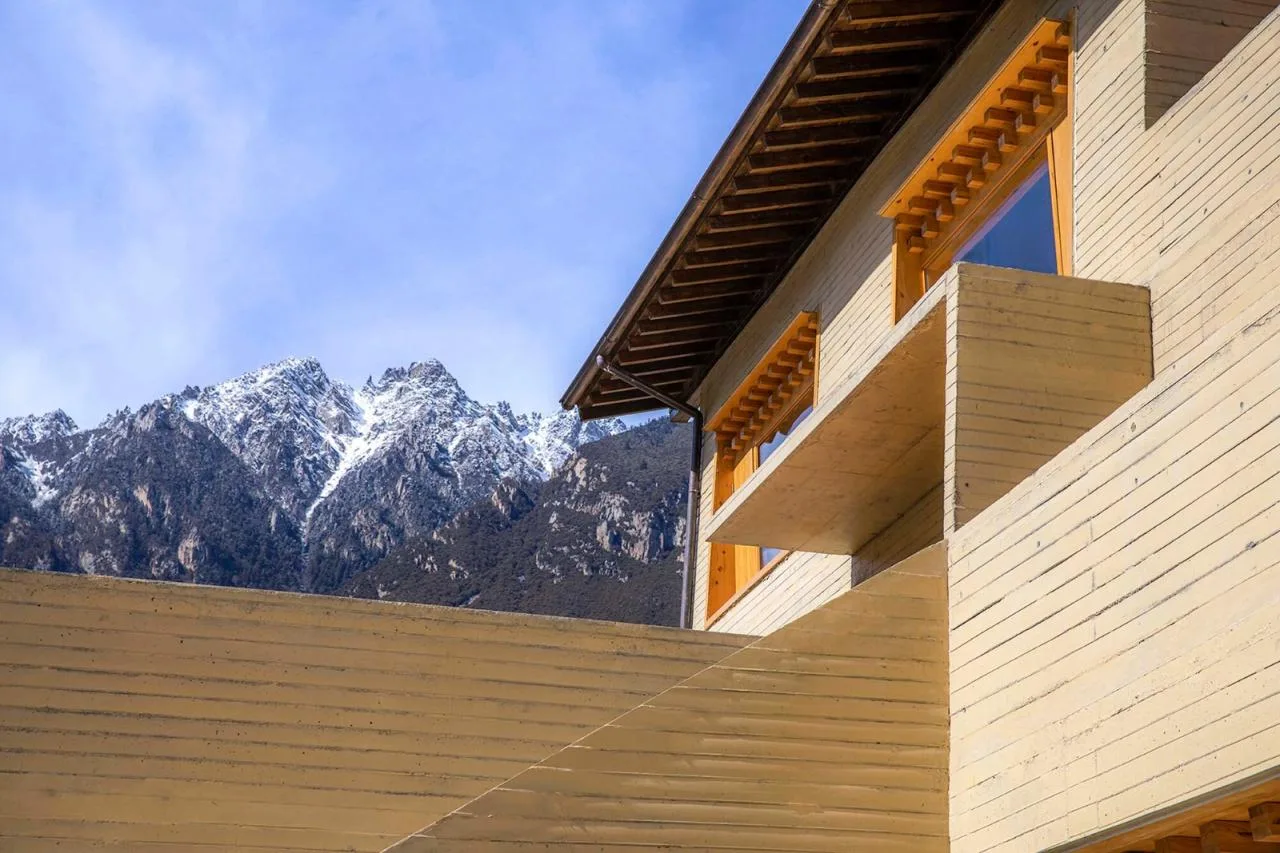
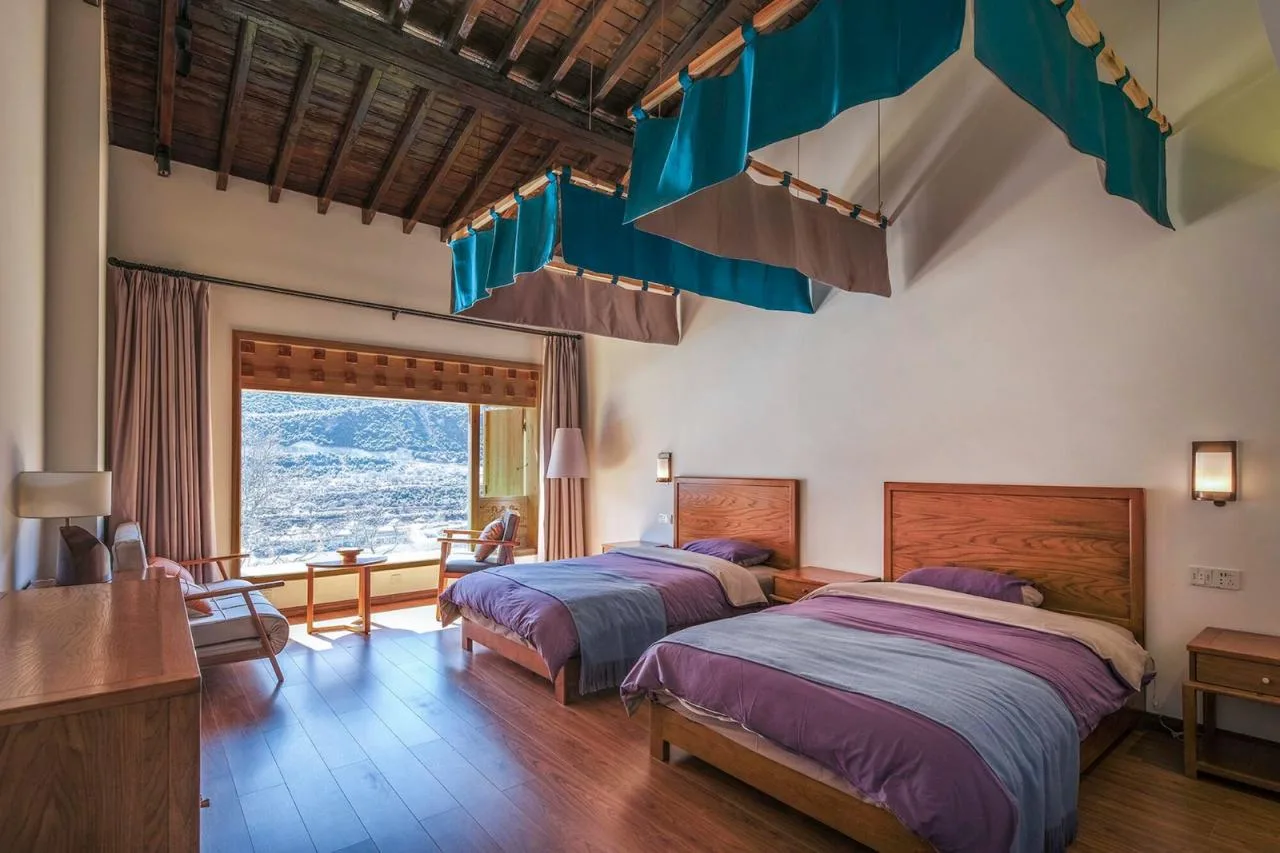
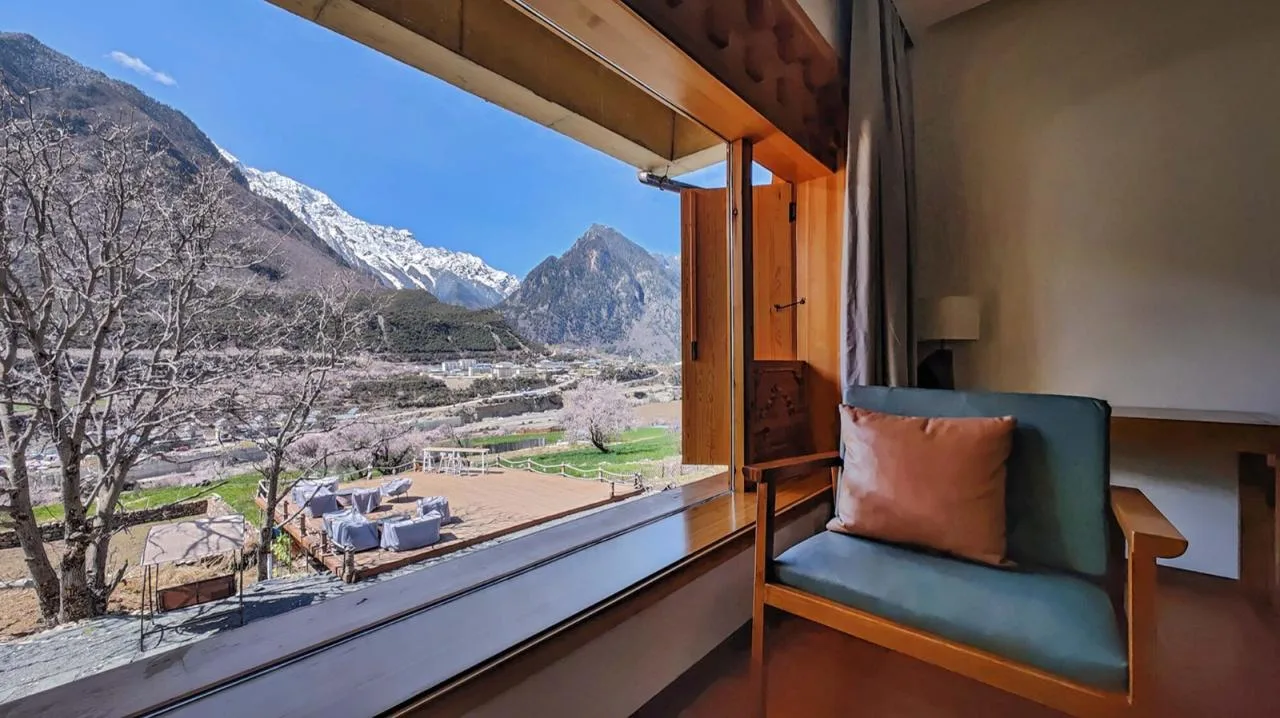
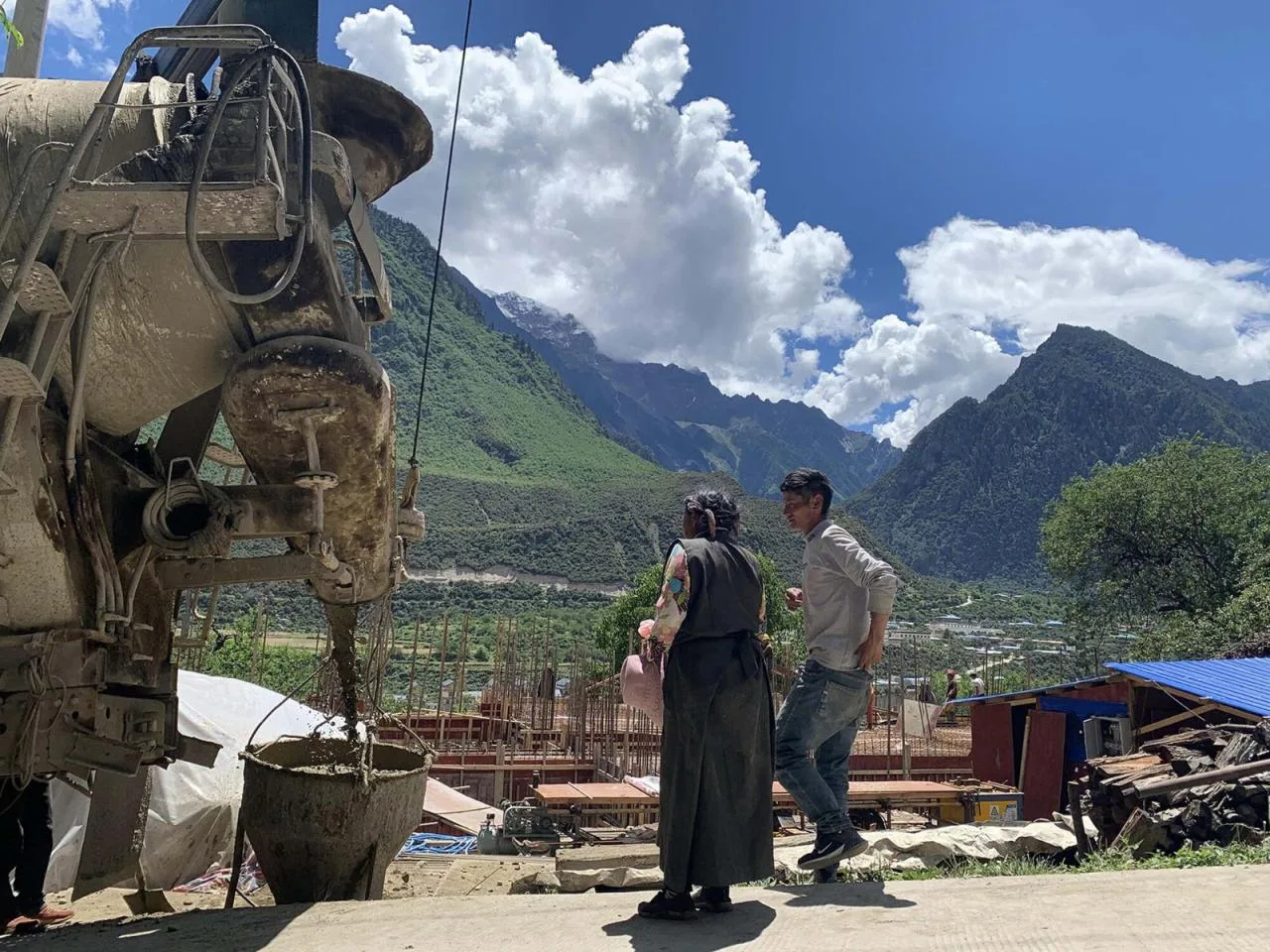
Built over three years on the foundation of original Tibetan-style residences, Gamaxika offers nine homestay rooms of varying sizes, each with unique views of the natural surroundings. Large skylights invite views of snow-capped mountains, river valleys, and white towers into the interior.
The stepped, earth-colored watchtower design not only provides diverse landscape vistas but also integrates seamlessly into the village scenery. Standing as a beacon halfway along the G349 national road, it welcomes travelers with an open, luminous spatial presence.
Project Drawings
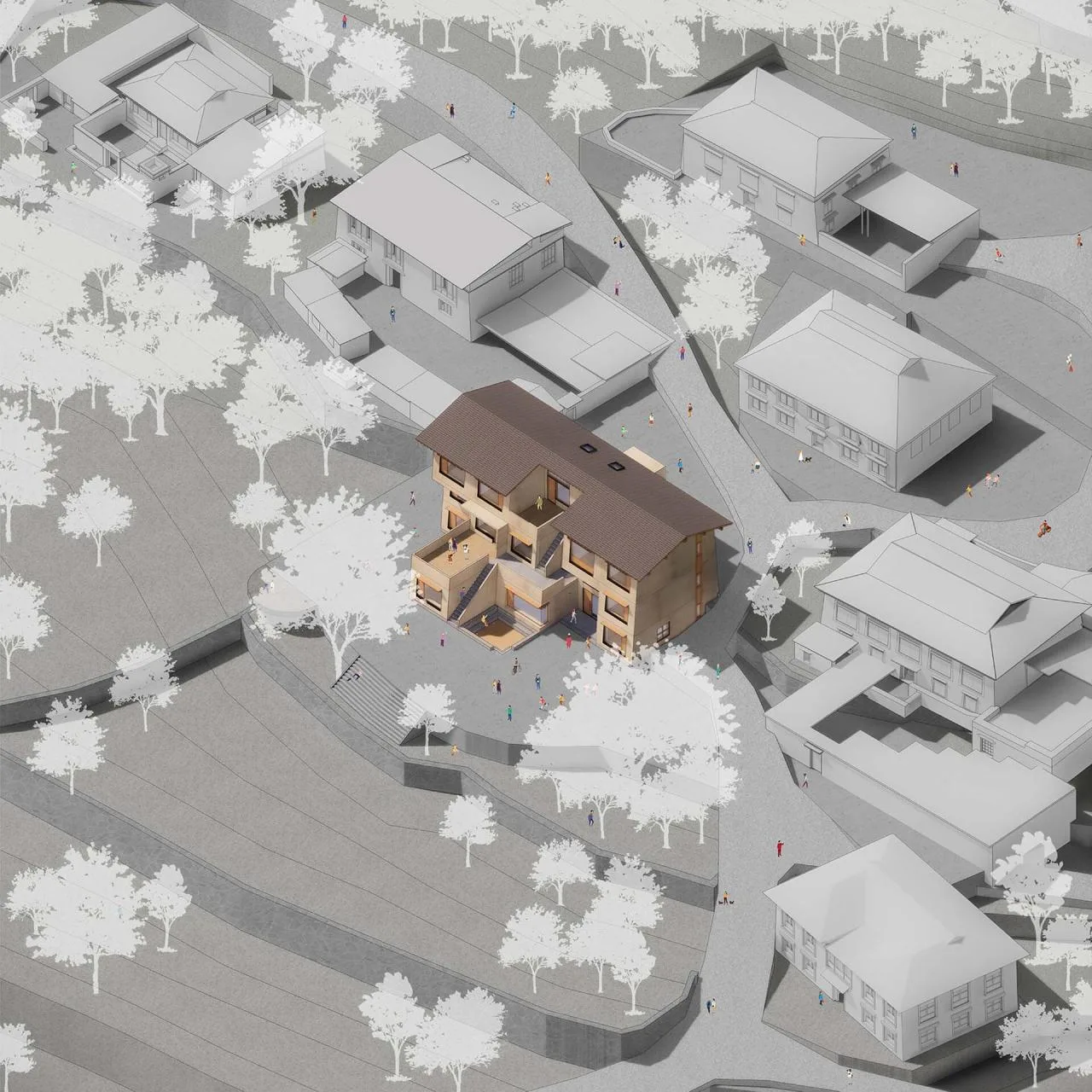
△ Axonometric Diagram
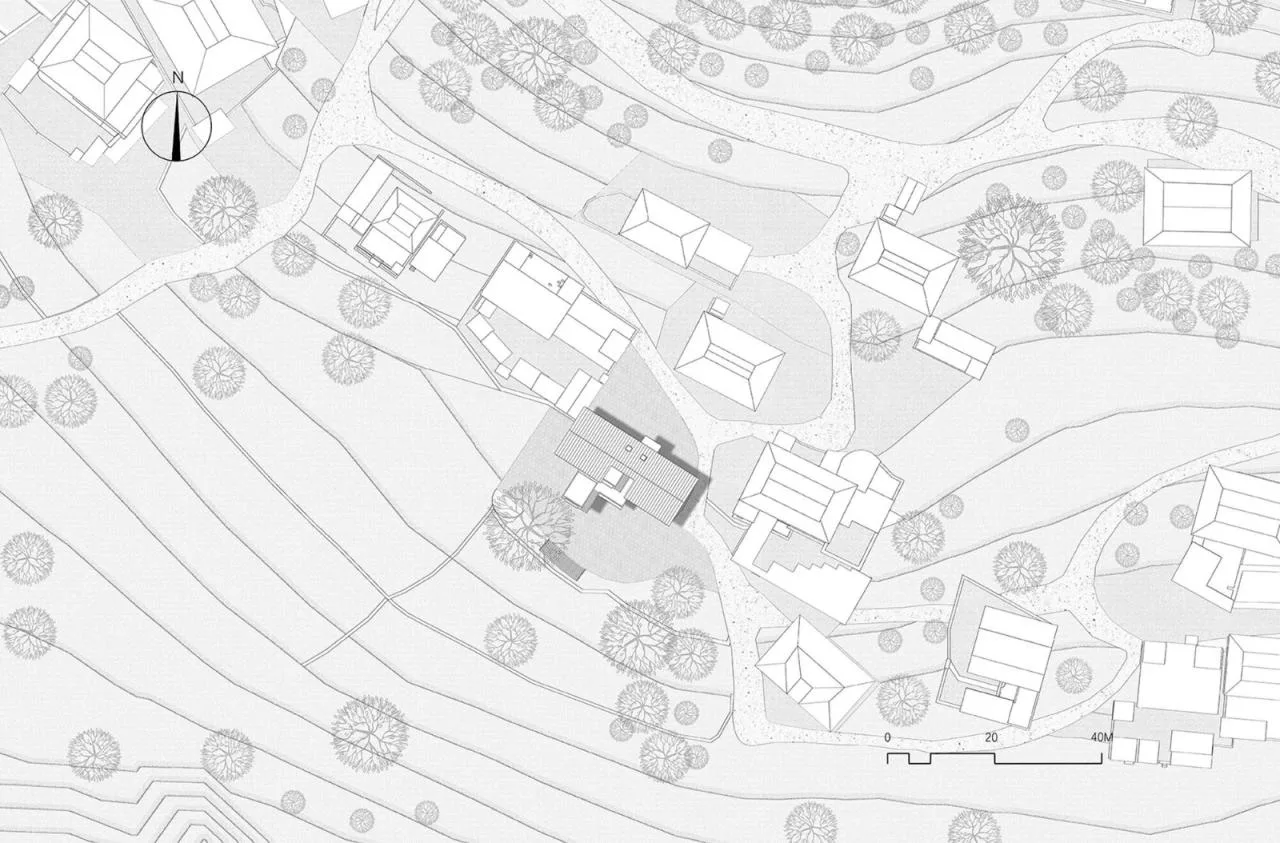
△ General Layout Plan
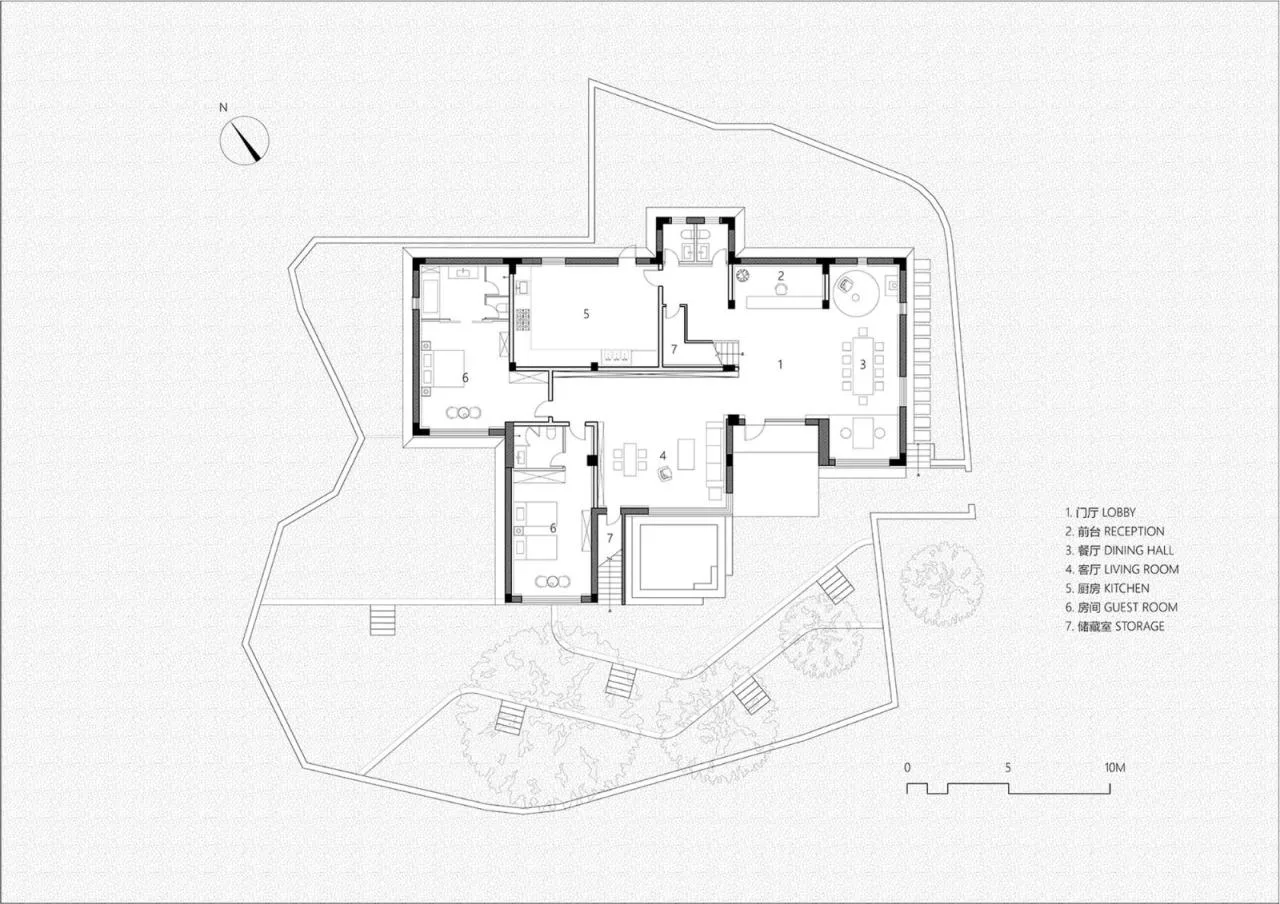
△ First Floor Plan
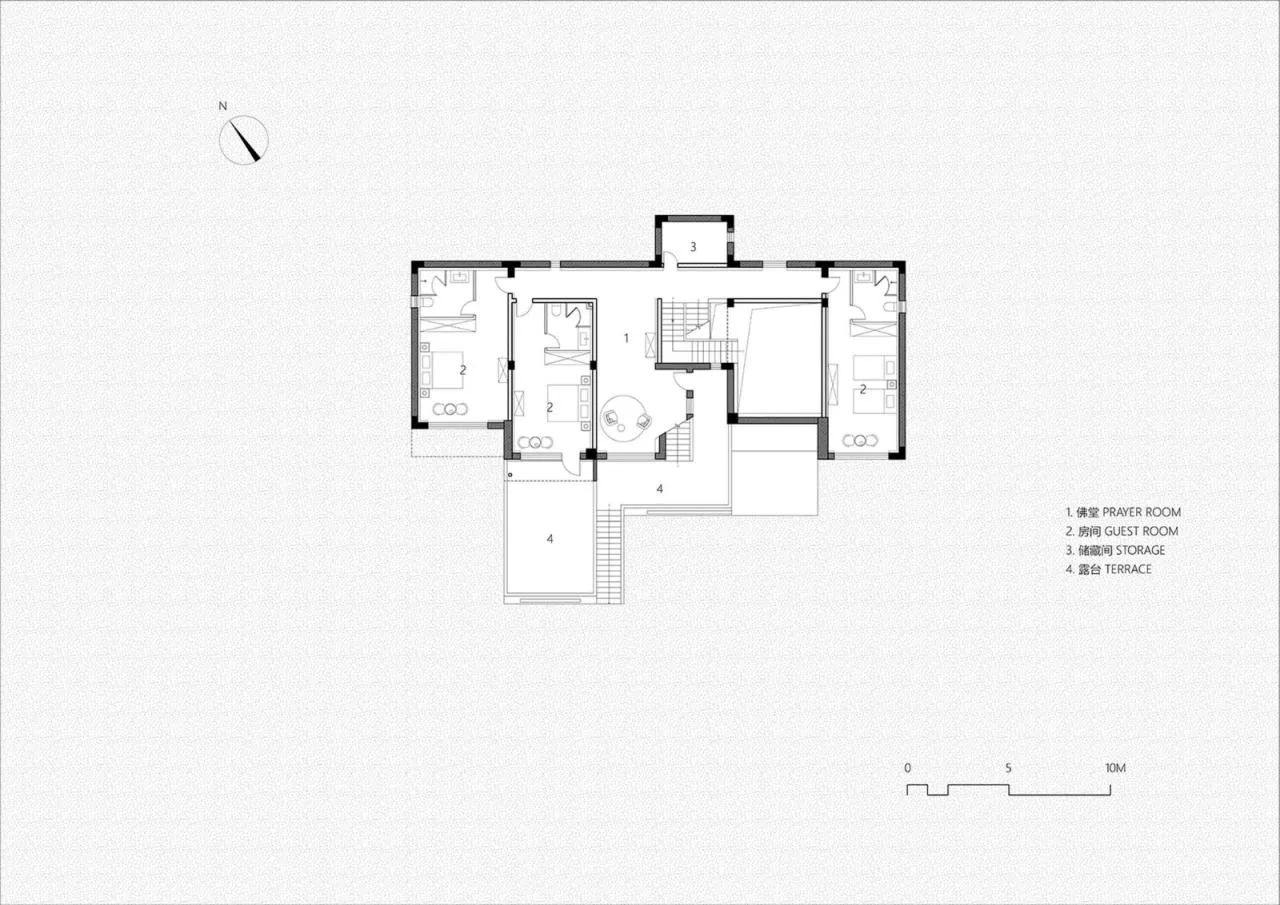
△ Second Floor Plan
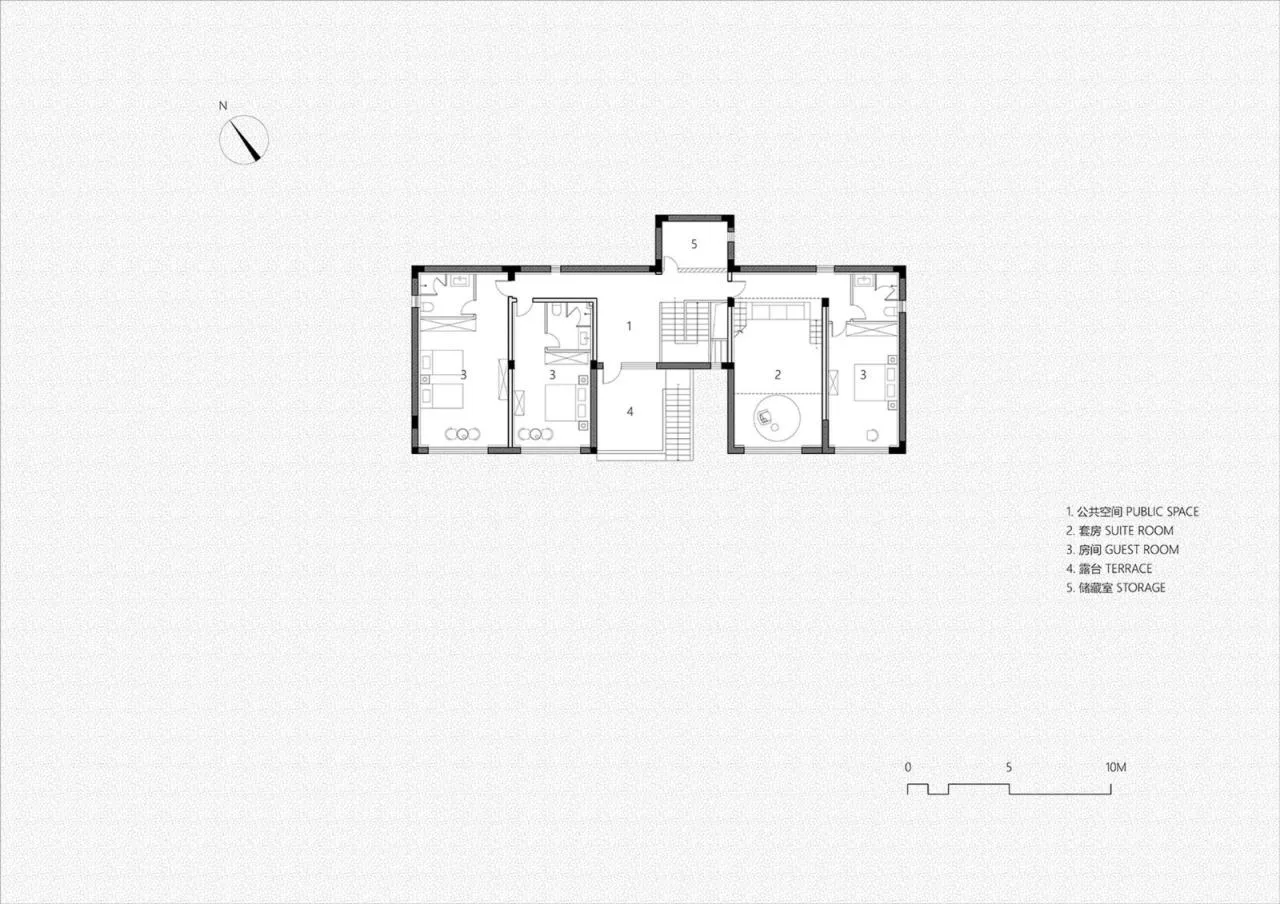
△ Third Floor Plan
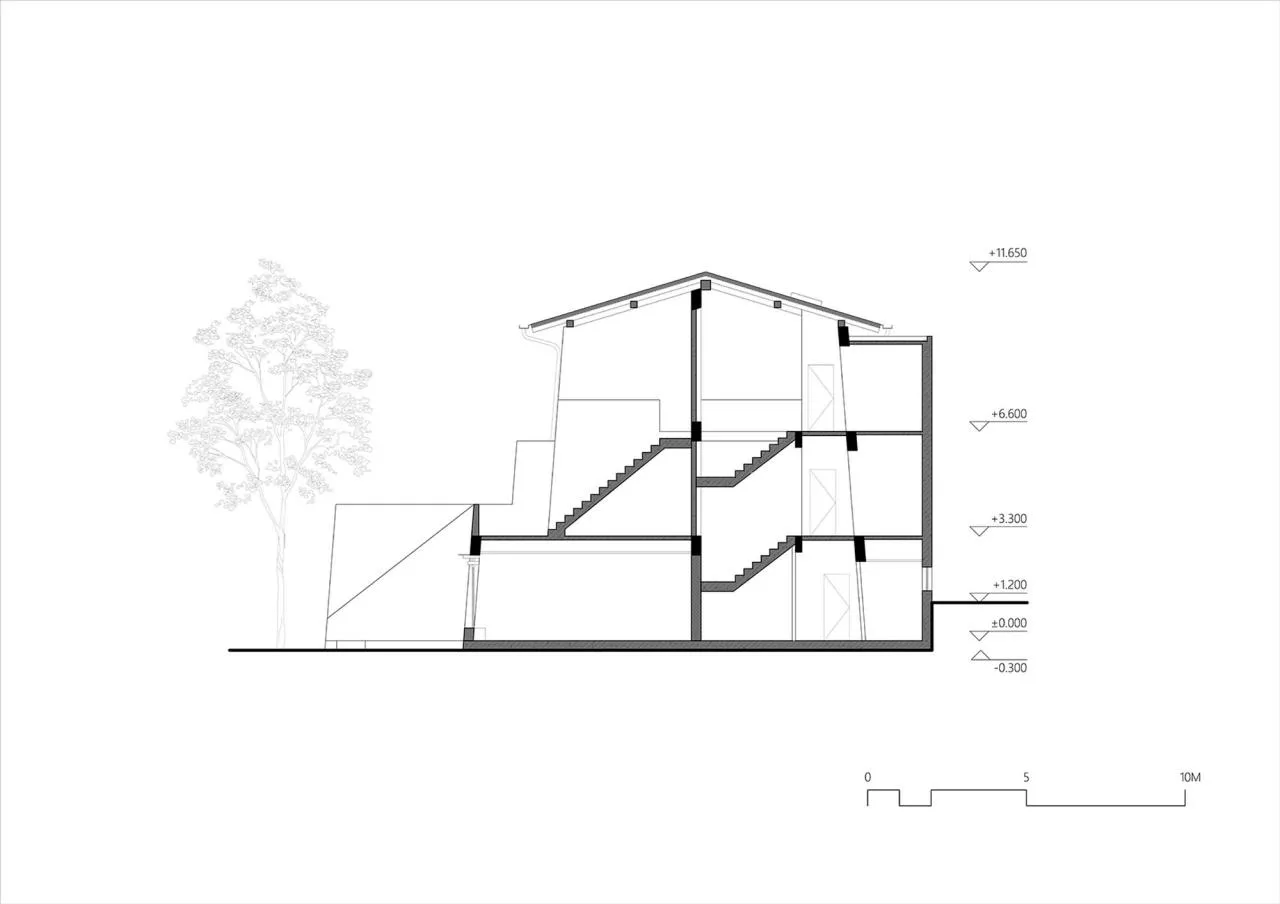
△ Section Diagram
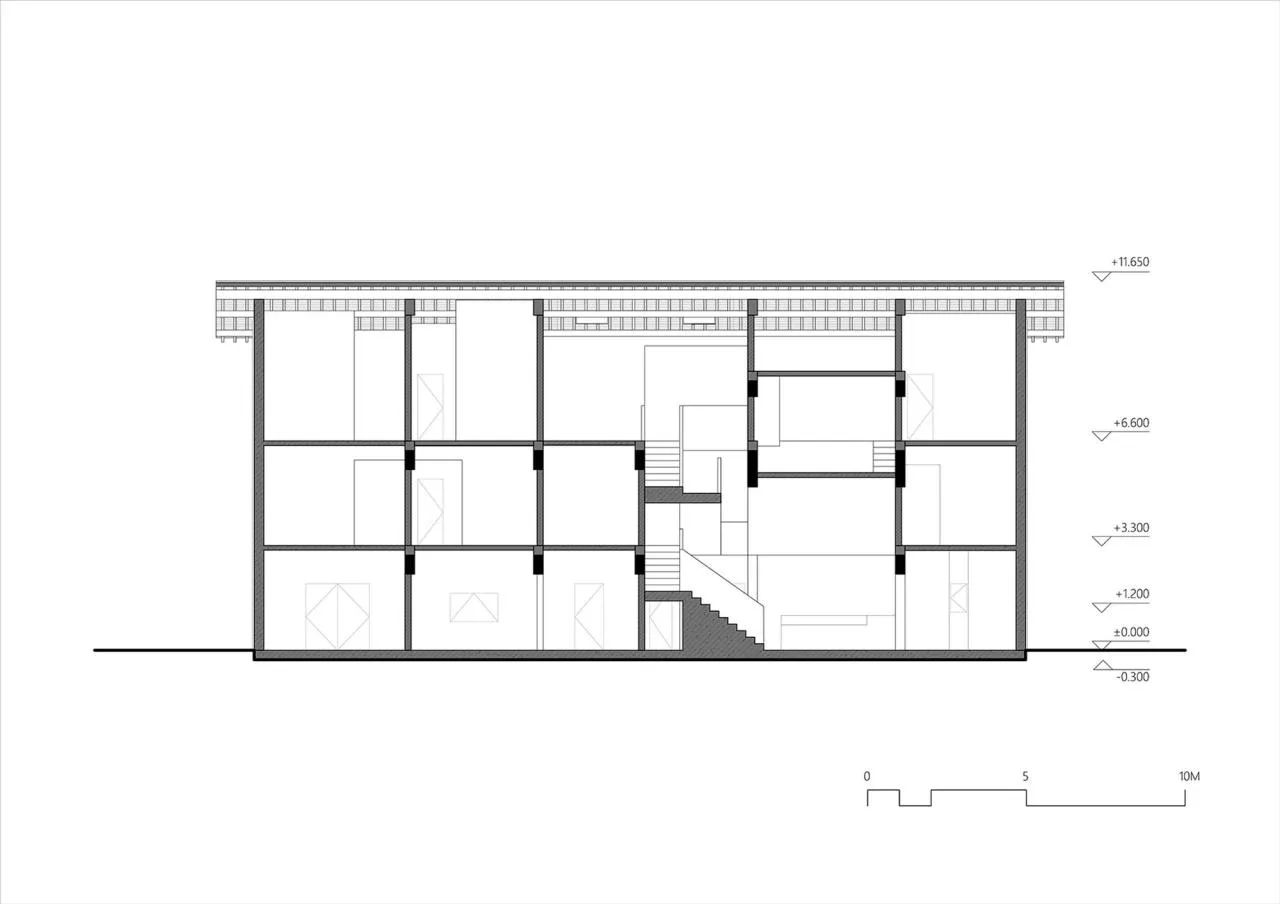
△ Section Diagram
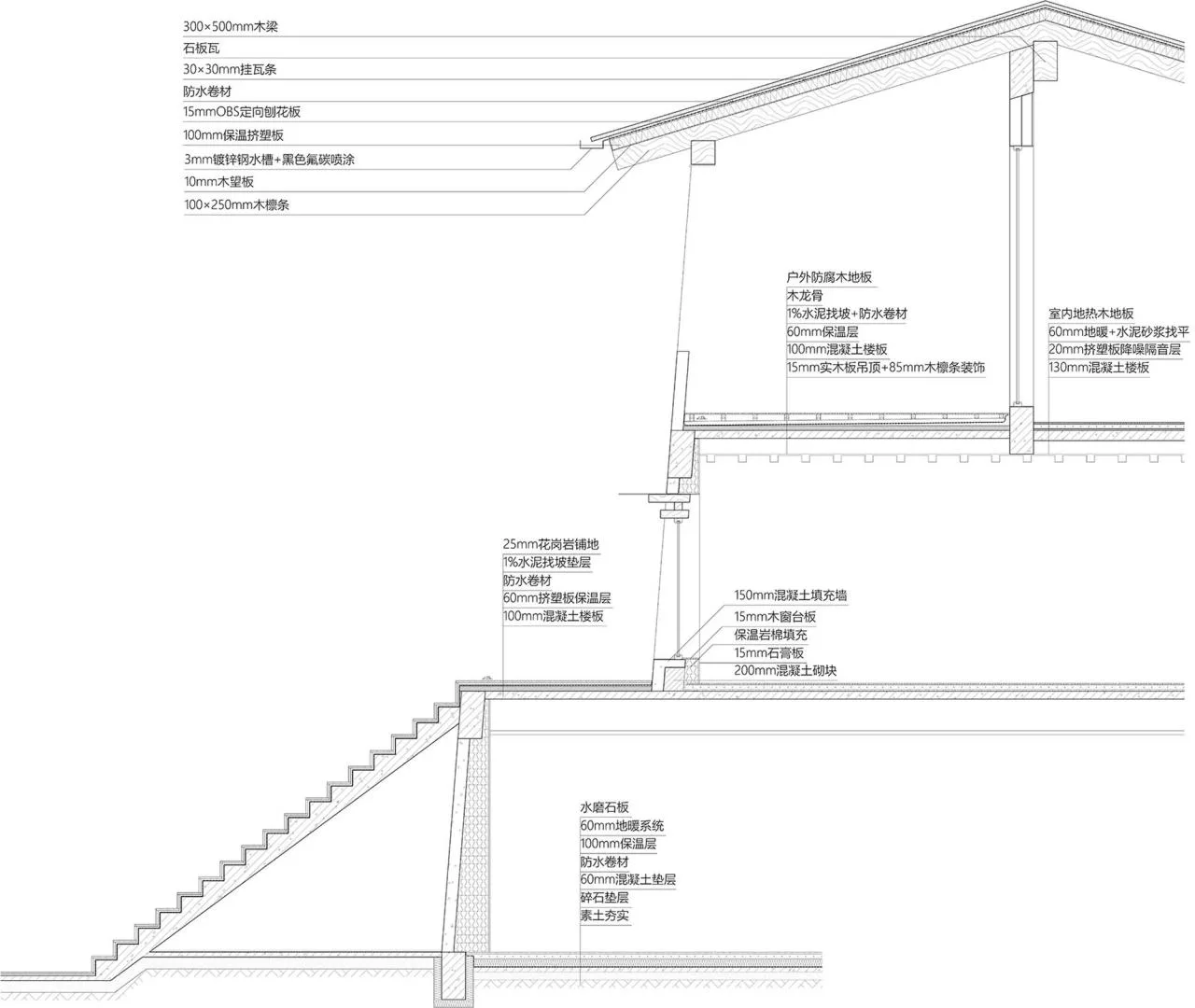
△ Detailed Drawing
Project Information
Architect: hyperSity Architects
Area: 780 m²
Project Year: 2022
Photographers: Jin Weiqi, Wang Chunli
Manufacturer: Suzhou Donghong
Lead Architects: Shi Yang, Li Shaojun
Design Team: Yin Manyu, Jiang Chao, Chen Weiguang, Na Risu, Lengtian, Wang Ziming
Owner: Karma Creek Ka
Location: Kerry County















Must log in before commenting!
Sign Up