
Today, I will discuss the meaning of Building Information Modeling (BIM). Unlike traditional house model design and display, BIM offers a distinct approach. In the realm of spatial information, the focus often lies on geometric presentation and visual effects, while textual and attribute information tends to be underrepresented.
When it comes to architectural engineering drawings, fields like architecture, engineering, and construction (ACE) typically rely on two-dimensional plans to depict the internal layout of building projects, supplemented by textual information. However, this approach makes it difficult to fully understand the actual operational status and subsequent management of the building.
To address this, BIM enables the creation of digital models that introduce new concepts for design and management. It integrates and reuses various independent components within building engineering models and extends the BIM model’s usefulness across design, construction, management, and maintenance phases.
The BIM model contains detailed geometric information about the construction project. Additionally, it provides valuable data for managing property and facility maintenance or modifications within the building. While spatial informatics focuses on gathering construction project information for virtual demonstrations and visualizations, BIM models integrate planning, design, construction, and ongoing management processes. This integration highlights significant conceptual differences between virtual construction and building model usage in the two fields.
Importantly, BIM models allow building information to be updated throughout the project lifecycle, ensuring effective maintenance and reuse of the building over time.
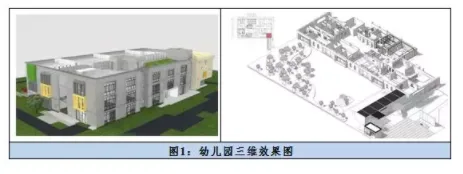
Moreover, the 3D visualization models created through BIM serve not only visual purposes but also support numerous value-added applications such as collision detection, construction simulation, and energy consumption analysis. BIM technology utilizes an object-oriented approach to building models, which facilitates design and modification of elements like size, material, and appearance.
In a virtual environment, independent components can be modified without interfering with one another, forming linked properties. A single modification can automatically update related elements, while each building component can be assigned its own unique attributes.
The above reflects my perspective on the meaning and significance of BIM. Please feel free to offer any feedback or point out areas that may need improvement.














Must log in before commenting!
Sign Up