
BIM models integrate, represent, and analyze the surrounding environment, natural conditions, and project data to optimize site planning and support sustainable green building initiatives. BIM and GIS software tools also facilitate the integration and application of future spatial information, providing valuable references for building orientation and configuration. Nearly all relevant project information is accessible through the BIM model, significantly reducing processing time.
Using BIM, the details of subcontracted work items can be analyzed based on their characteristics and subcontracting principles. Construction requirements serve as constraints to analyze the construction areas of subcontracted projects. By inputting data for each subcontracted work item and applying construction controls, detailed information about subcontracted construction zones can be derived. Estimating subcontracted work quantities within the BIM model yields detailed insights into each subcontracted task.
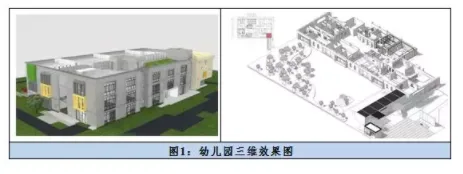
The 3D models created with BIM allow for direct design verification and improve communication and coordination among architects, civil engineers, structural engineers, and mechanical and electrical engineers. This collaboration helps reduce conflicts and issues during the design and construction phases. BIM models also support various analyses, such as energy consumption assessments and emergency evacuation planning, to ensure compliance with technical standards. Through BIM 3D models, construction zoning, methods, and processes can be planned and optimized. Additionally, 4D simulations enable visualization of material and equipment placement and provide a clear understanding of project progress over time.
Professional software tools integrated with BIM models facilitate regulatory compliance checks, verifying if project parameters meet relevant building codes. By incorporating cadastral information like land area, urban zoning, building coverage ratio, and floor area ratio, BIM serves as an effective tool for general regulatory verification. This reduces design errors or omissions caused by regulatory complexities during early planning stages, helping avoid unnecessary waste. Furthermore, BIM 3D models enhance engineering planning by visually presenting design concepts to project stakeholders, aiding decision-making on critical aspects such as layout, lighting, and safety. Designers can efficiently communicate ideas to construction teams, share data, and receive immediate feedback on owners’ requirements and architectural aesthetics.
Moreover, BIM models combined with software and development tools enable direct volume calculations for engineering evaluation and cost estimation. By processing input work items and tracking construction progress, valuation tables can be generated instantly. Construction progress can be monitored in real time using devices like tablets, and 4D simulations help track actual project completion. Quantity takeoffs based on BIM models ensure accurate cost and quantity estimates, reflecting fluctuations in expenses and preventing budget overruns.
In summary, BIM models provide comprehensive functions that streamline project planning, design verification, regulatory compliance, construction coordination, and cost management. I hope this overview of BIM model capabilities proves valuable to everyone.














Must log in before commenting!
Sign Up