
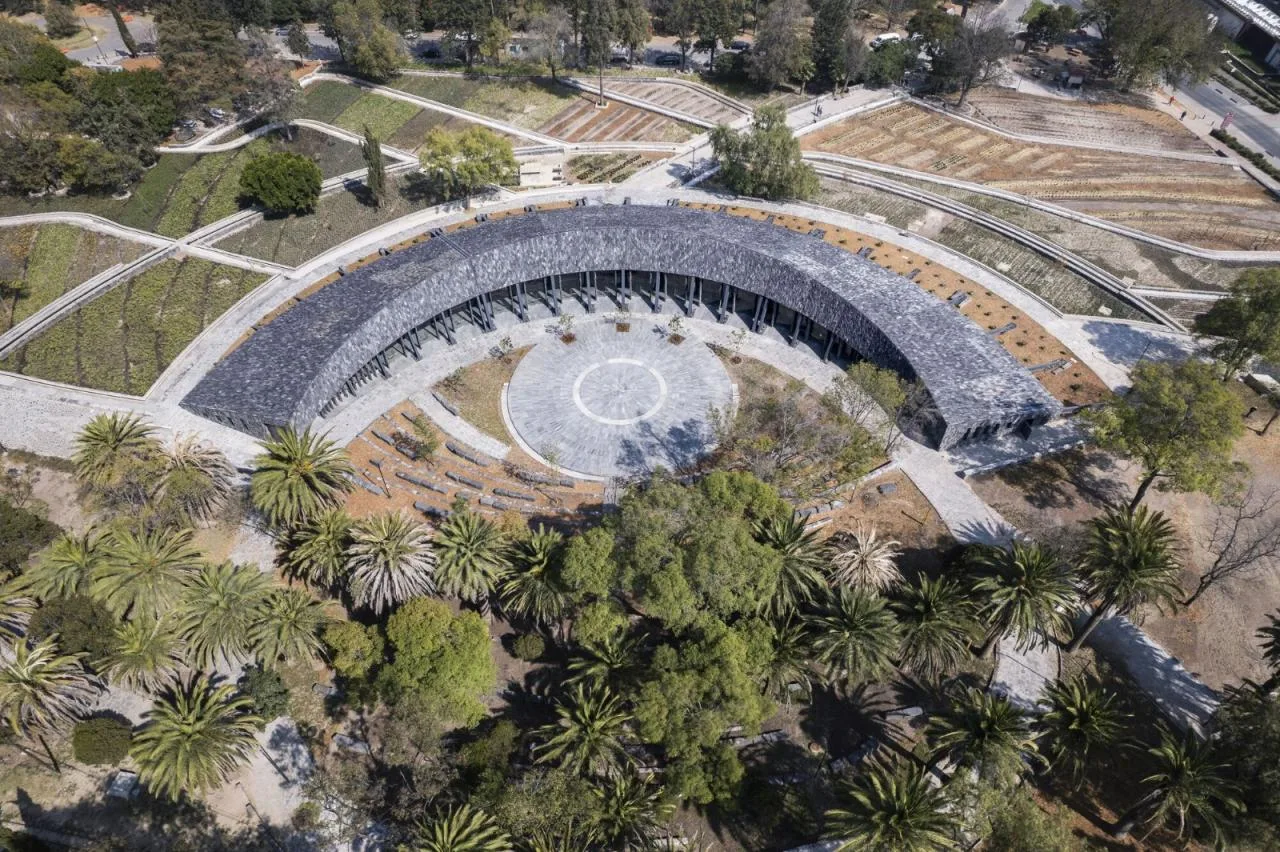
The Environmental Culture Center features an exhibition hall surrounded by gardens that emphasize natural design and ethnic botanical styles. These gardens represent the diverse ecosystems and landscapes of the Mexico Basin, including temperate forests, grasslands, wetlands, and Pedregar vegetation. They have been thoughtfully integrated with Chapultepec’s existing vegetation, terrain, and facilities, enhancing its vast potential as an urban forest.
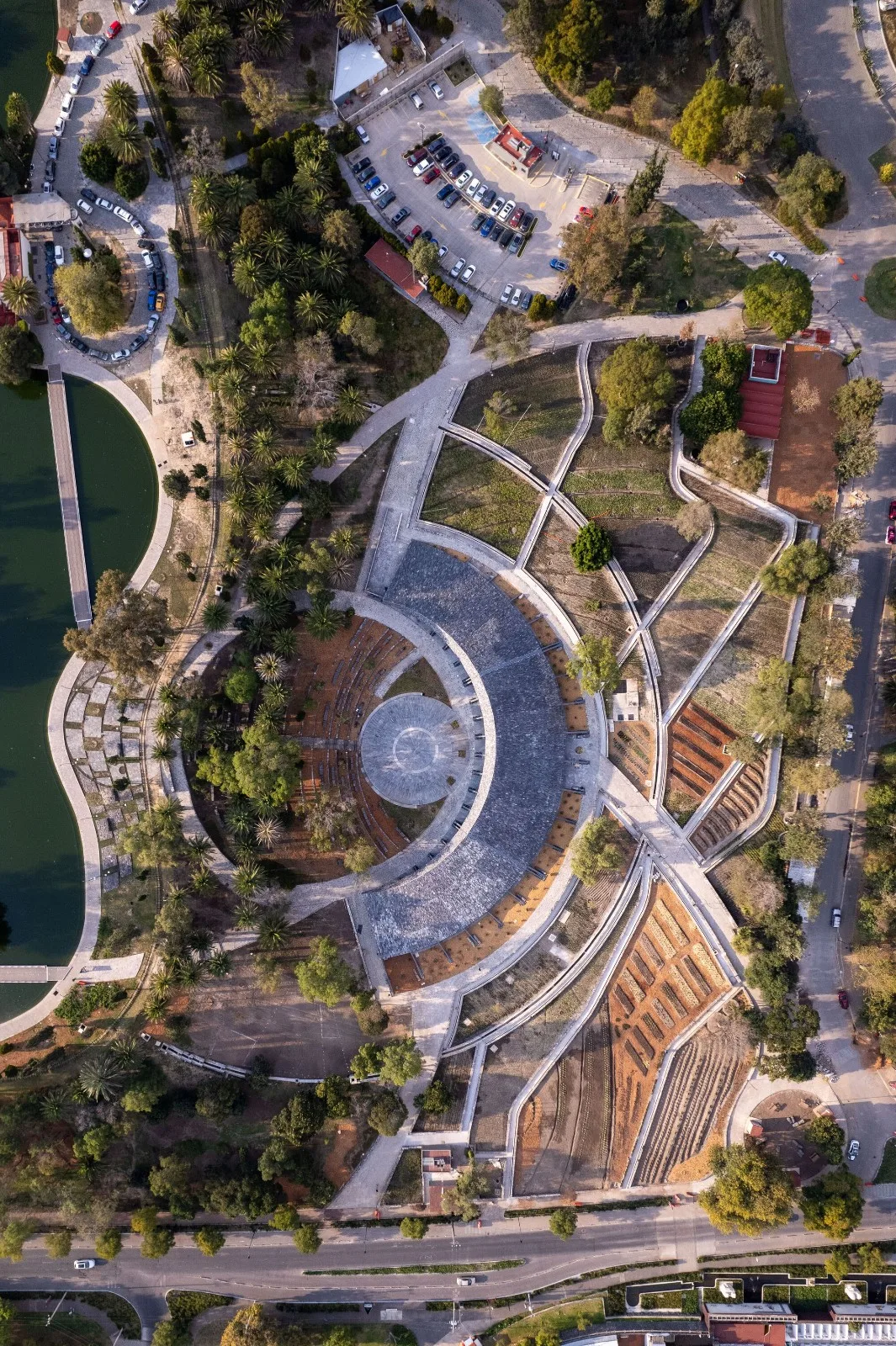
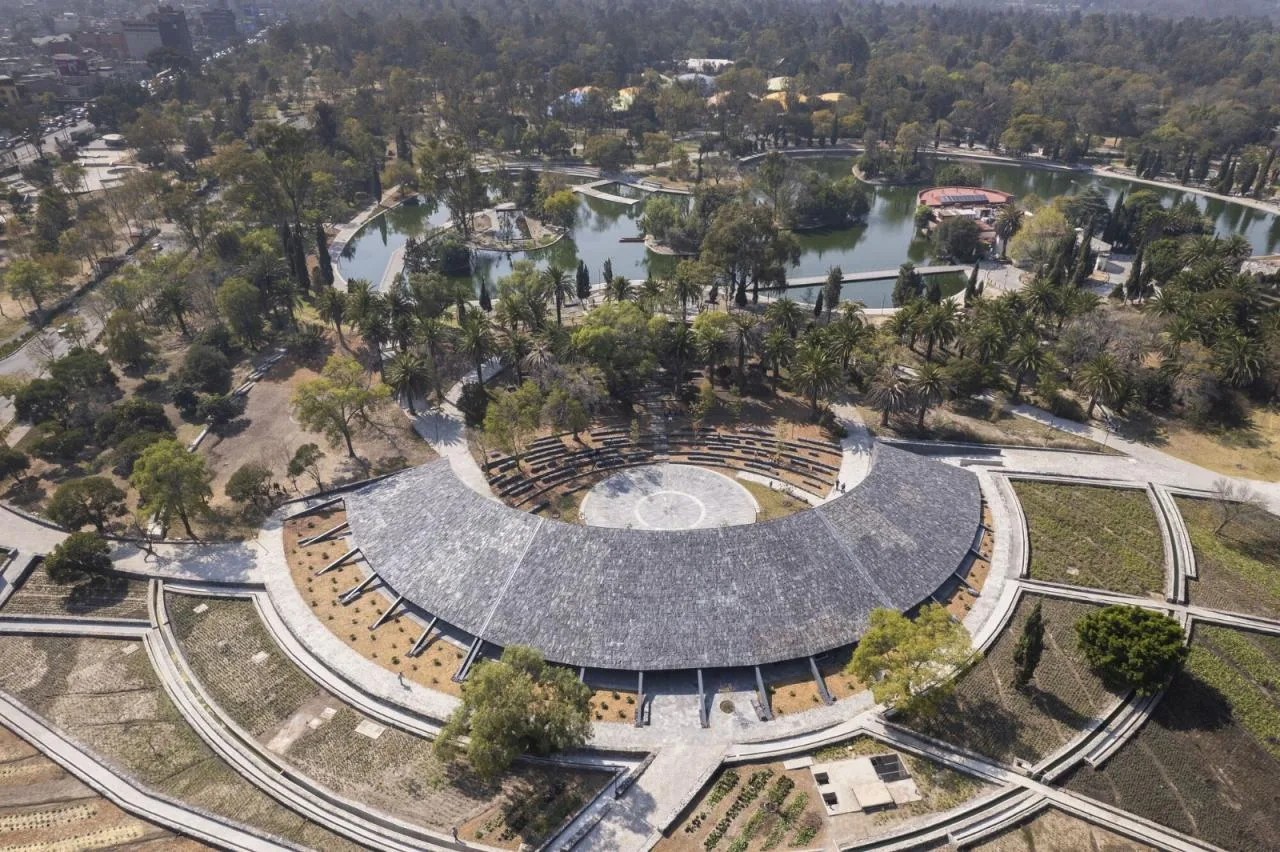
To enhance accessibility and the enjoyment of the gardens, a network of biocultural trails has been added. These trails significantly improve pedestrian connectivity within the forest area. Walking these paths offers an immersive natural experience and educates visitors on the vital role of natural elements in urban forests, deepening the understanding of our connection to nature beyond mere aesthetics and connectivity.
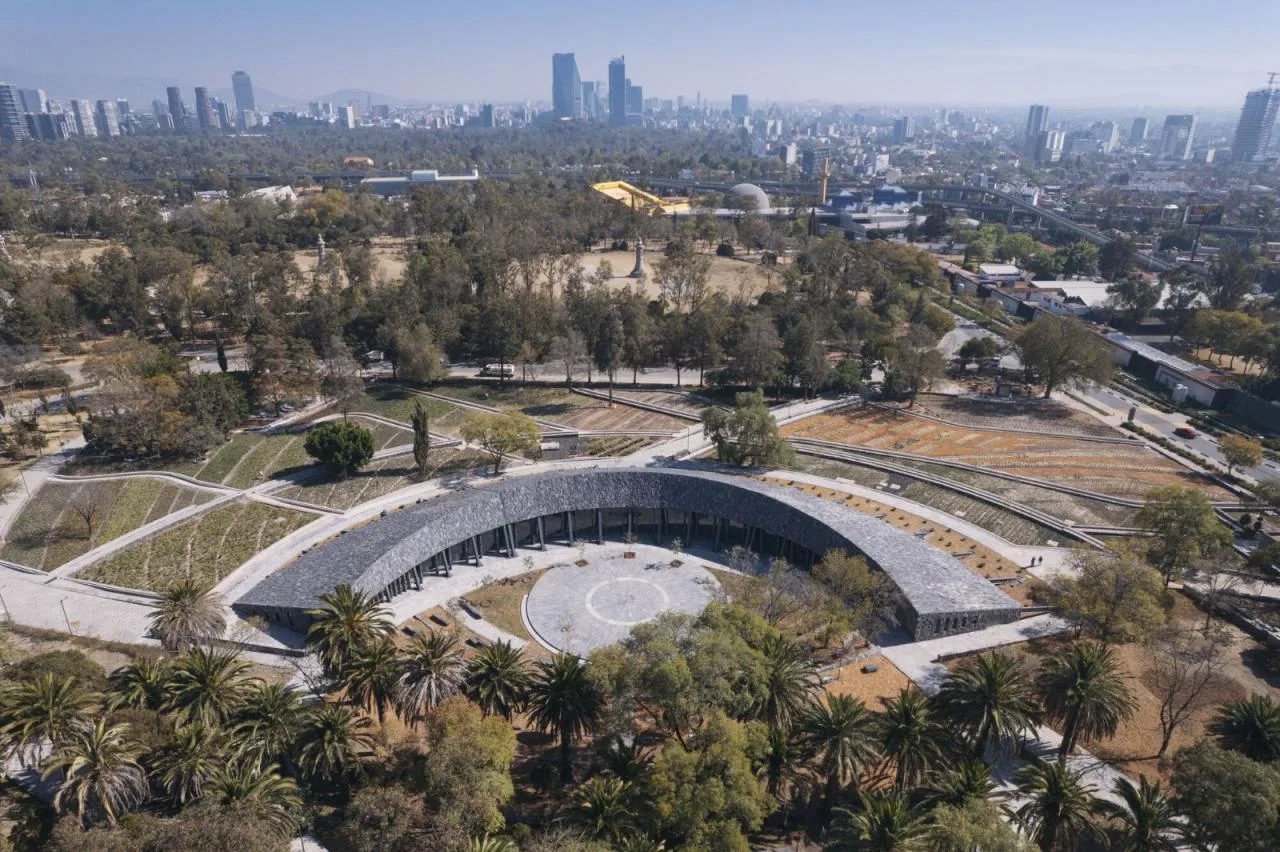
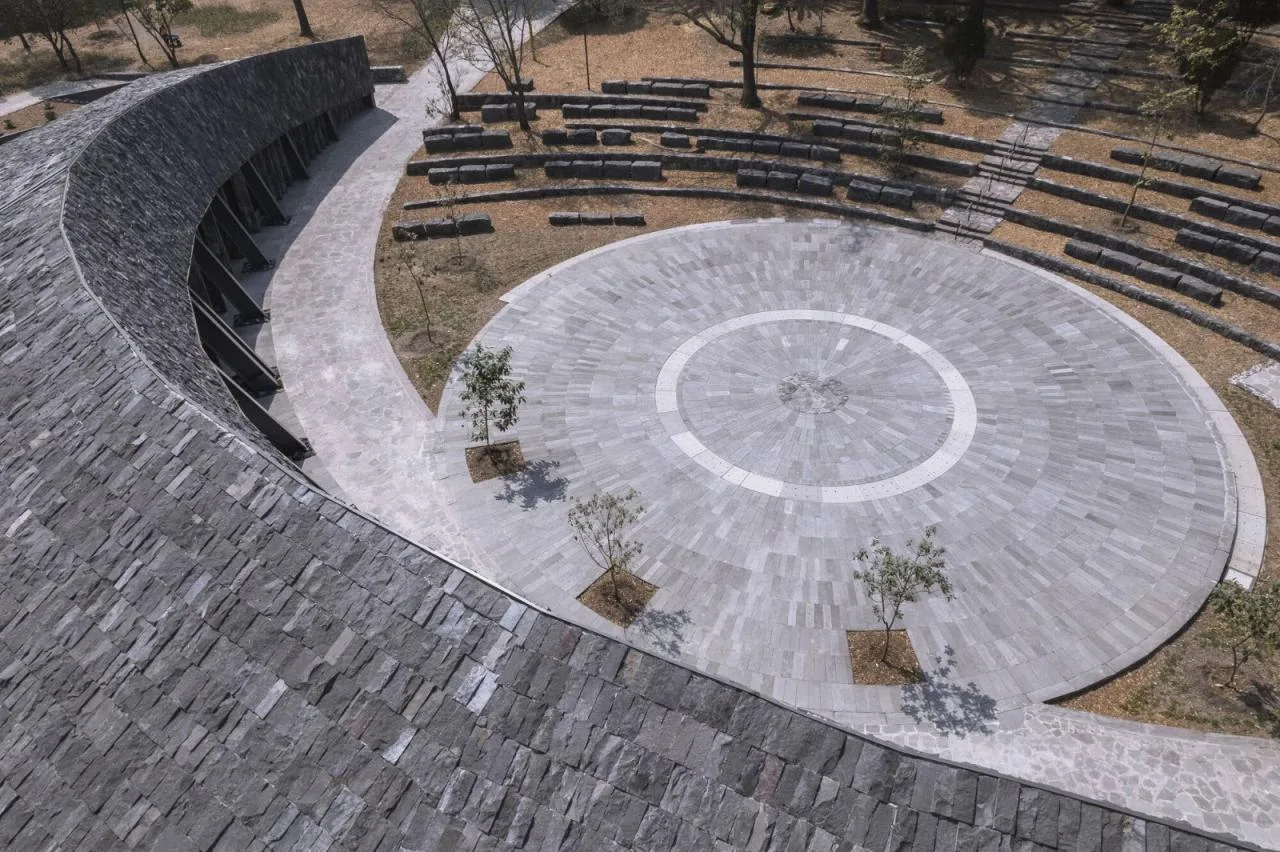
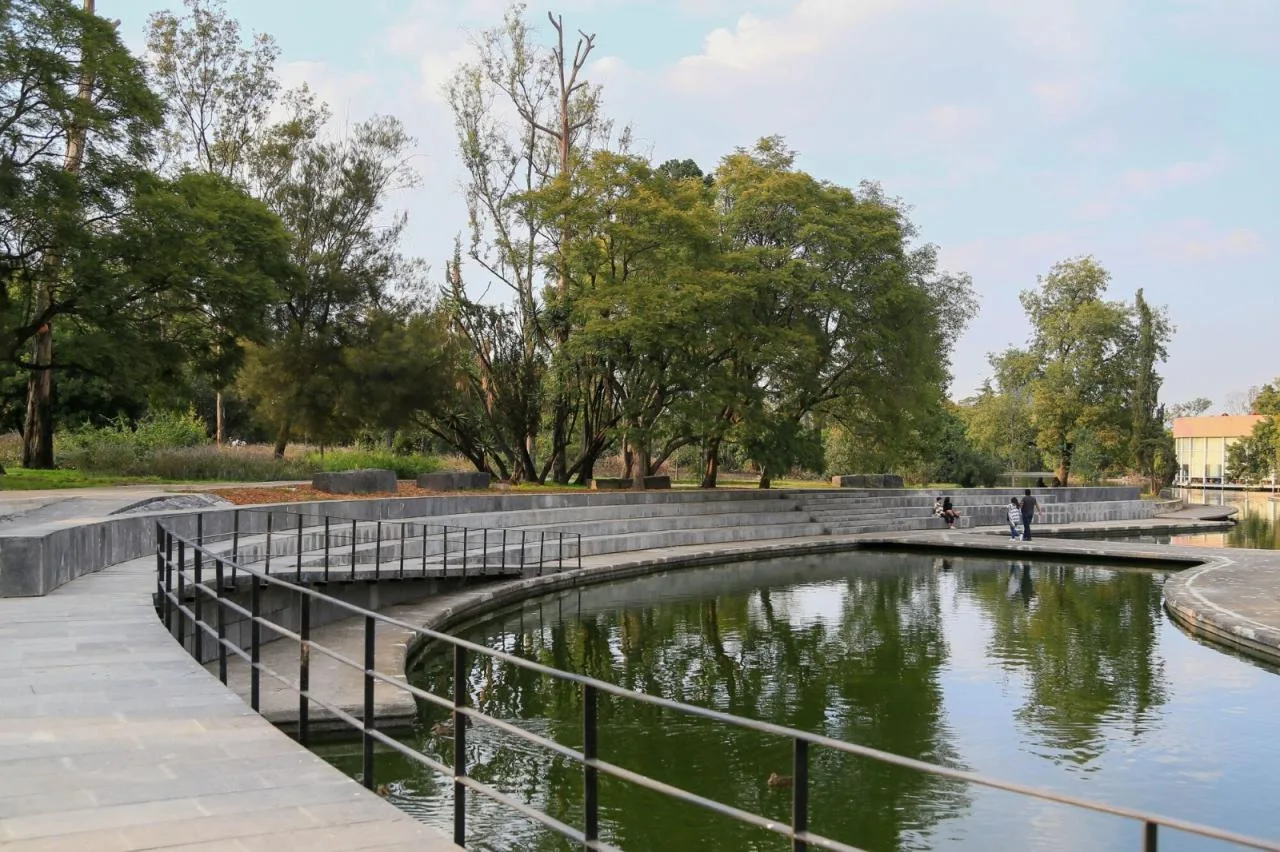
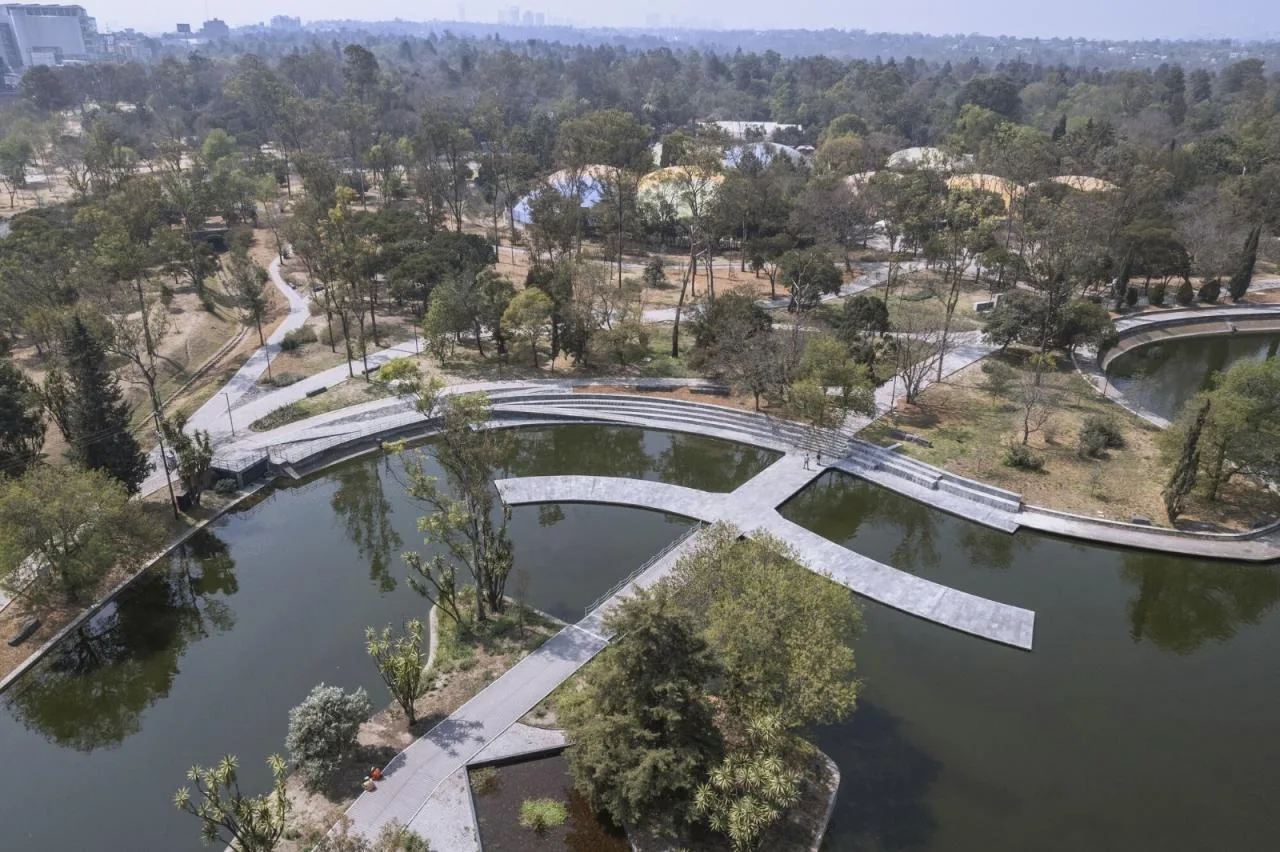
The biocultural trail follows a concentric spiral pattern, connecting with the arc that outlines the contours of Lake Menor. The route begins at various existing cultural facilities around the site and gradually guides visitors to the Environmental Culture Center. This center acts as a cultural hub and open public space, allowing people to engage with the close relationship between nature and emerging environmental cultural dynamics. The platform or circular plaza serves as an open-air cultural venue, while the exhibition hall hosts environmental exhibitions, creating a dynamic interaction between these two spaces.
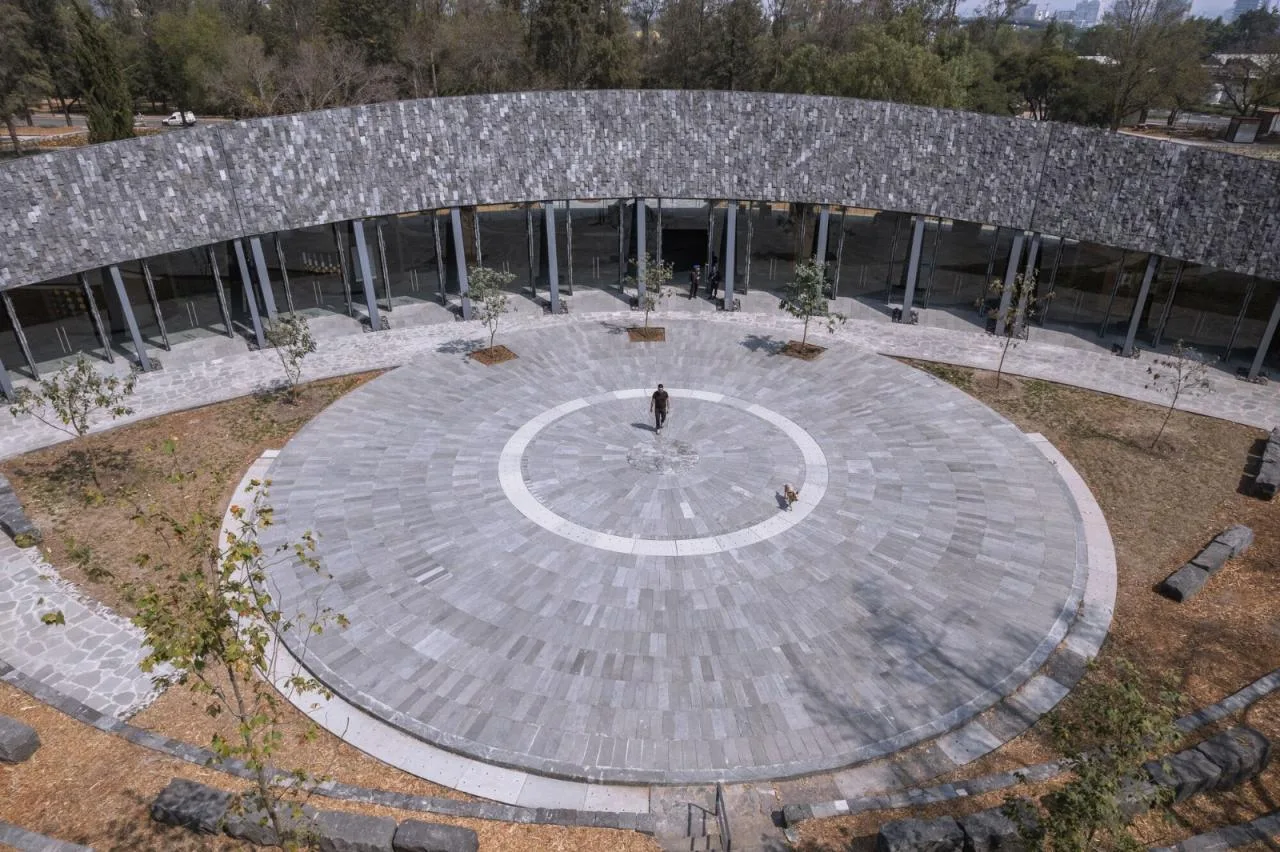
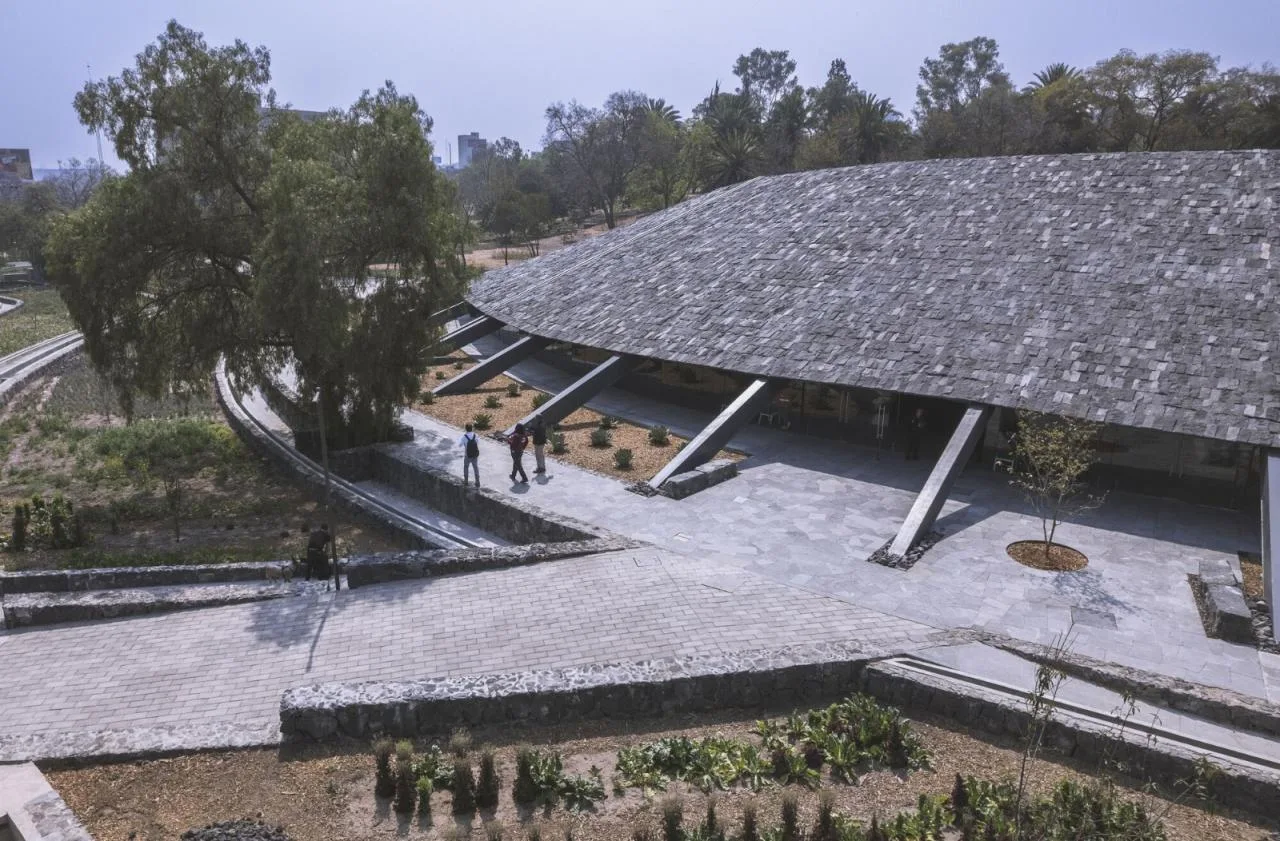
The spatial layout is strategically centered on the Environmental Culture Center. Its seamless integration with the lake’s geometry and the natural slopes of the existing vegetation creates an ideal setting for volcanic rock steps. This design offers new landscapes and environmental backdrops where visitors can relax, gather, and observe.
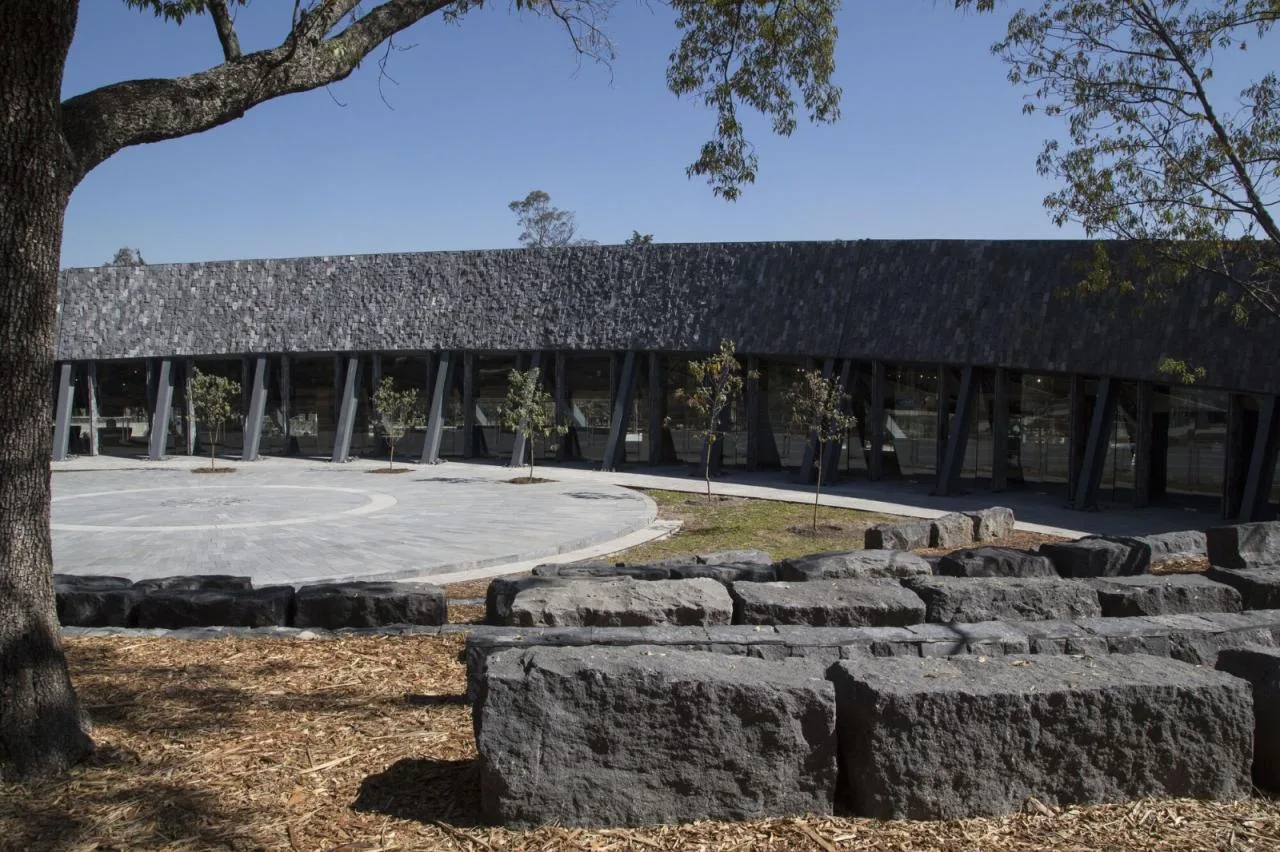
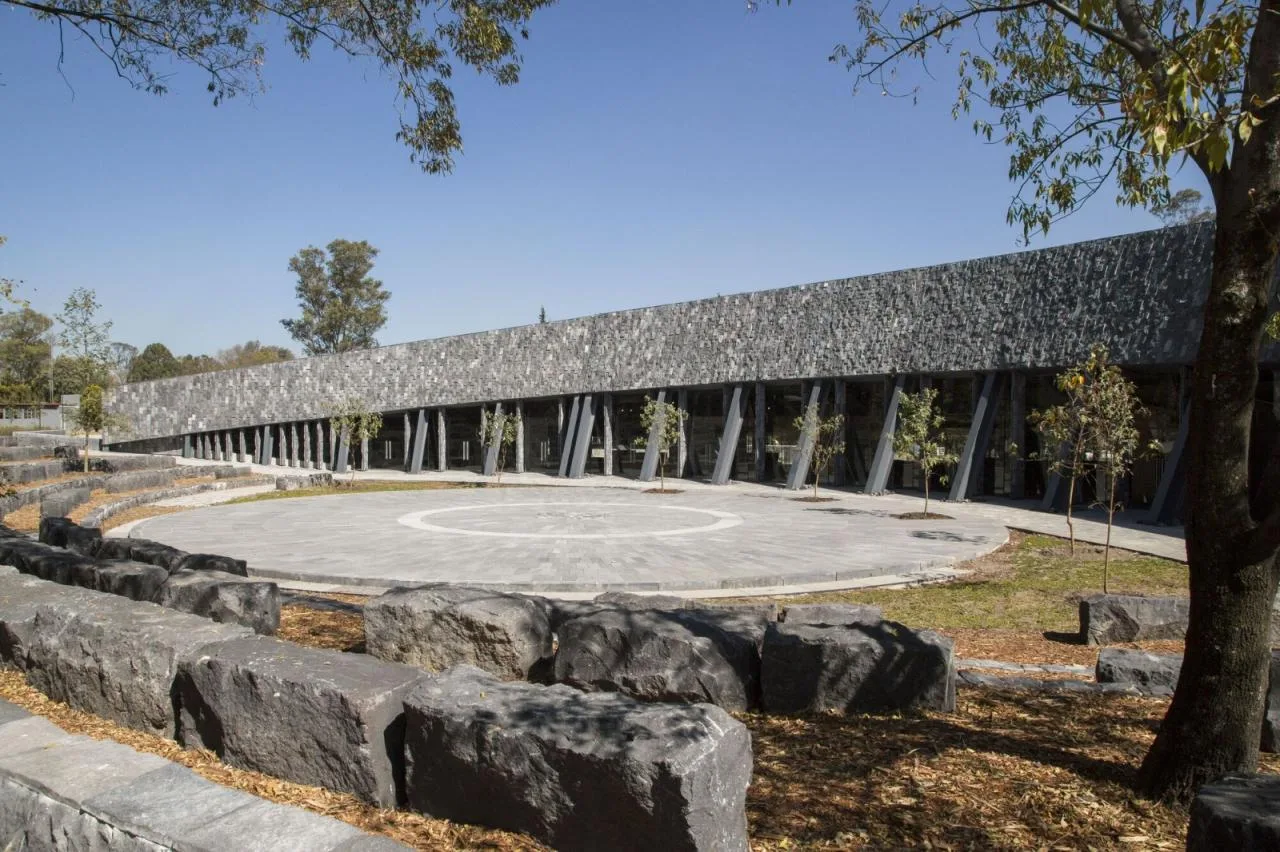
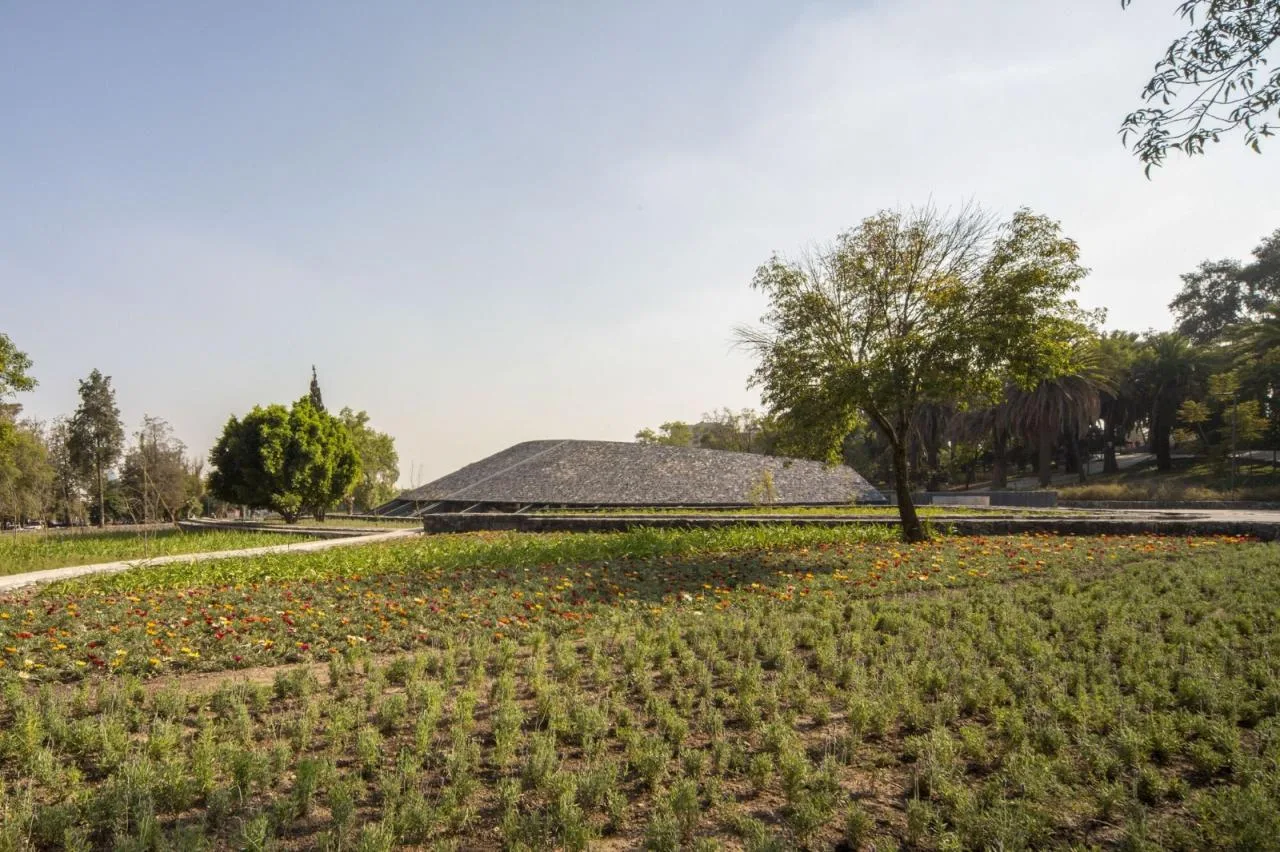
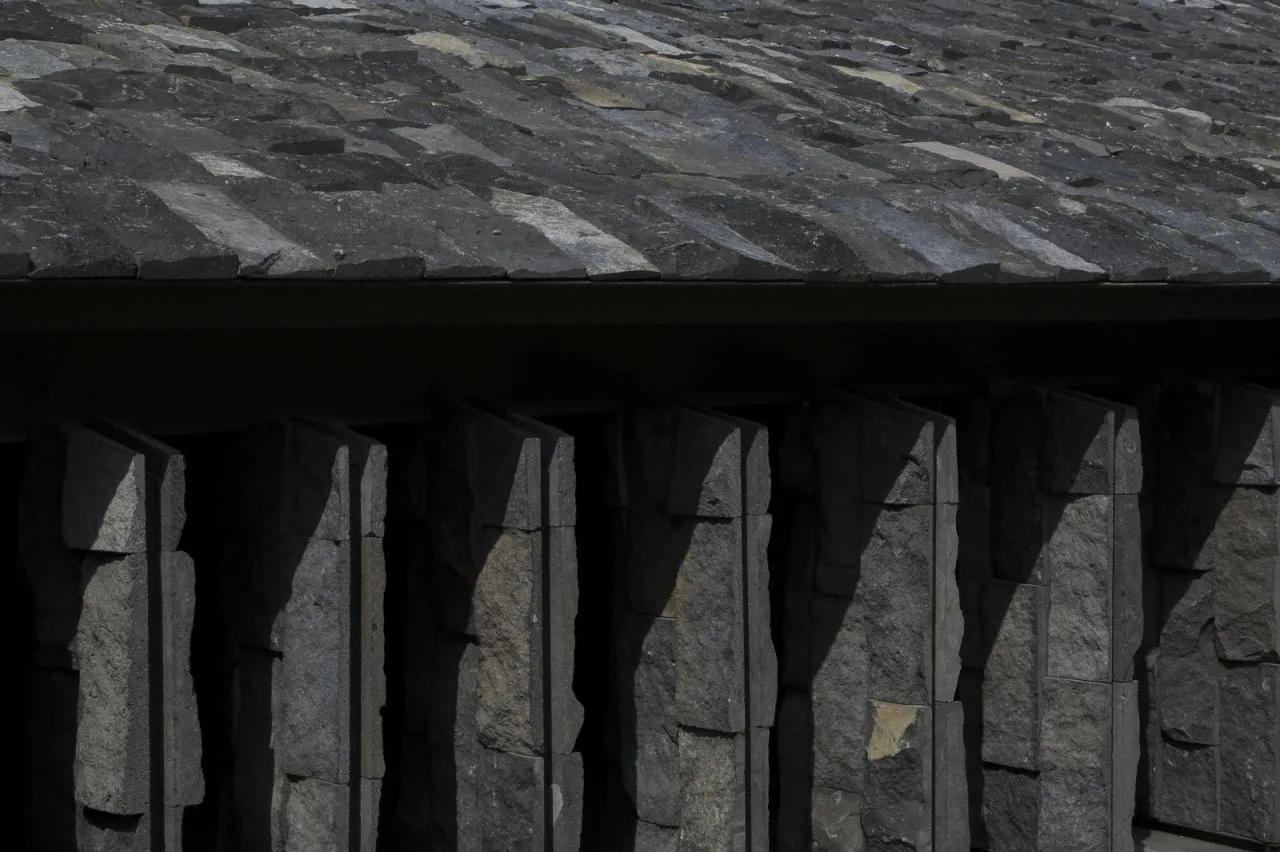
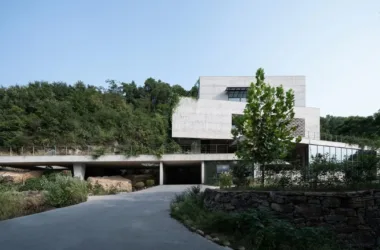
The environmental exhibition hall is designed as a landscape element itself. Its semi-conical shape and 2,000 m² black stone roof cladding echo the volcanic Pedregal landscape, blending skillfully with its natural and cultural surroundings. The hall is lightweight, flexible, multipurpose, and low-maintenance. Its simple form, combined with carefully selected construction methods and new technologies, minimizes carbon footprint and environmental impact.
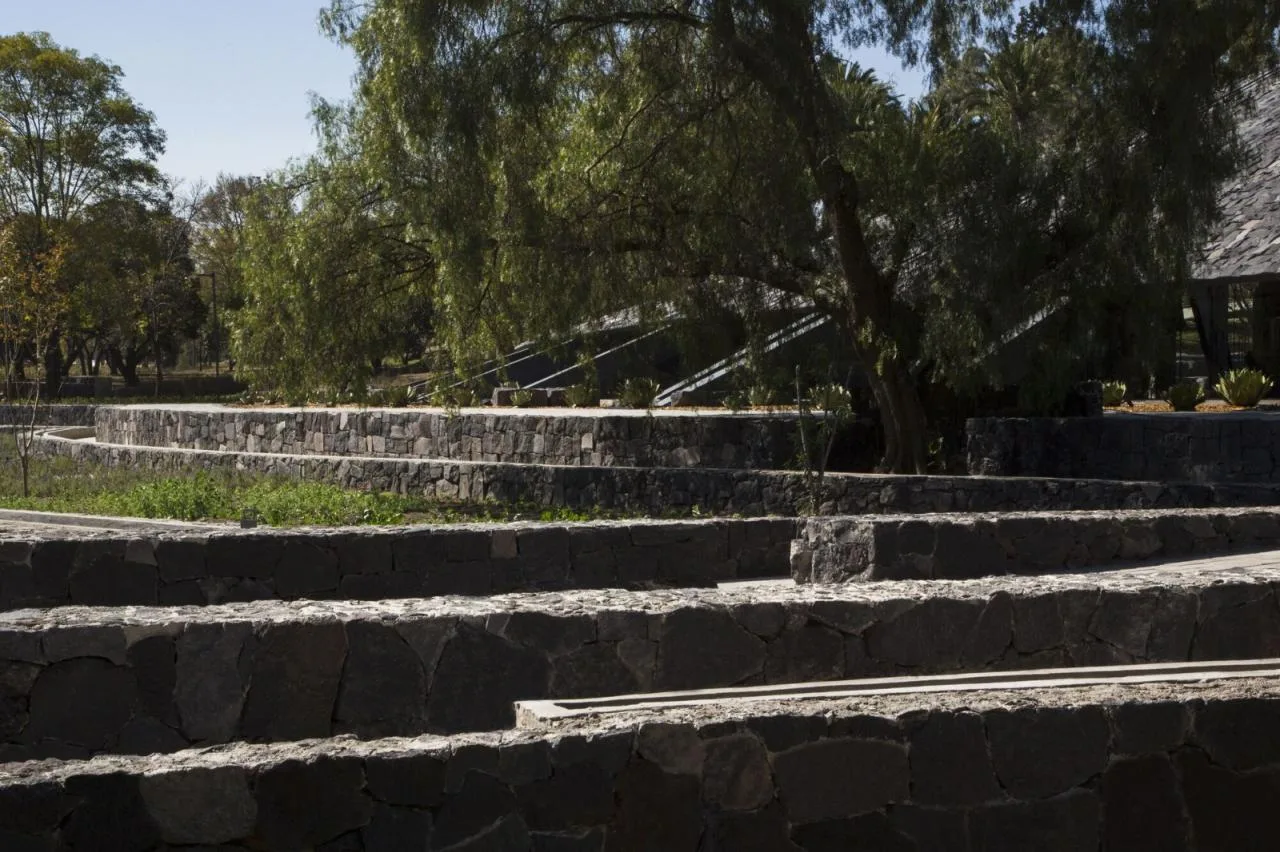
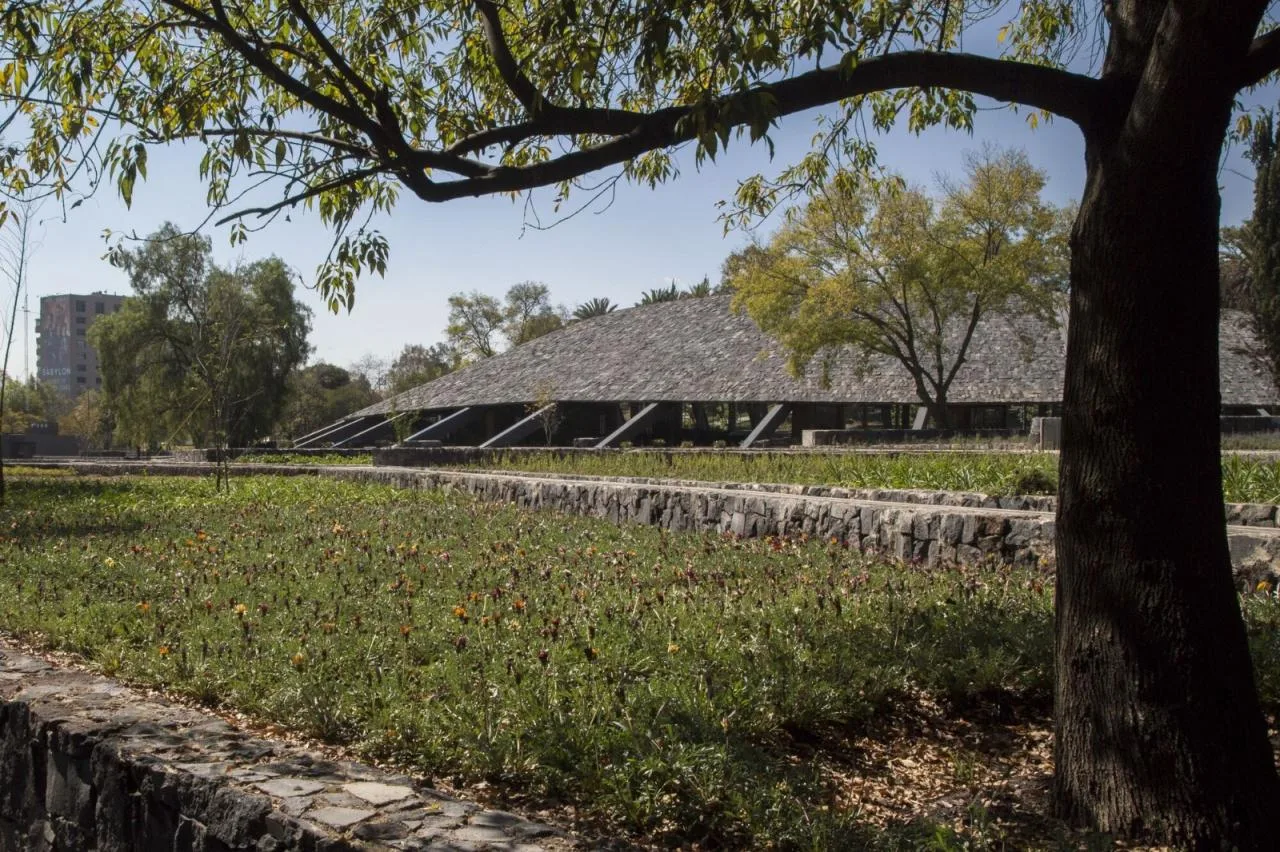
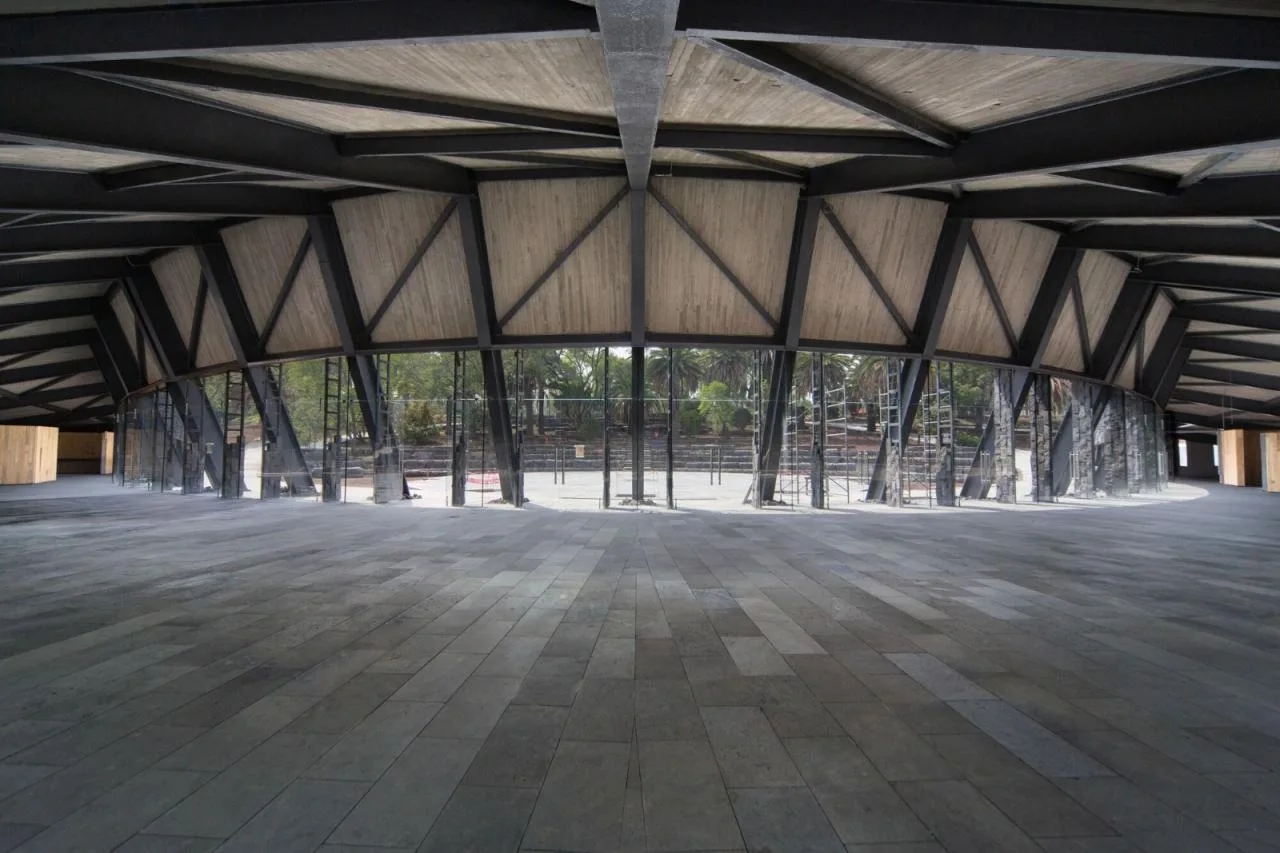
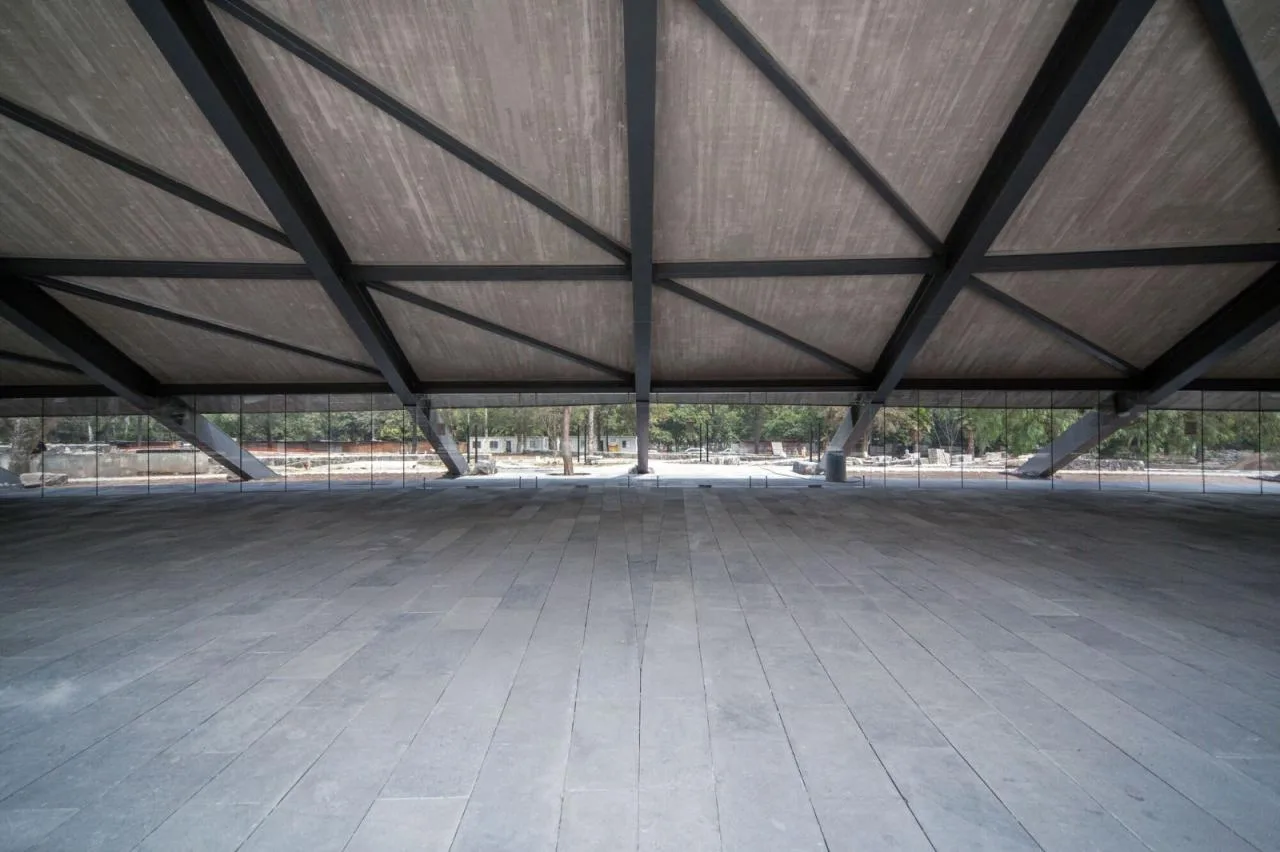
Inside, the exhibition hall offers seamless continuity and spatial flexibility. It can accommodate various museum exhibition formats, promoting visual transparency that allows the gardens and cultural spaces on either side to flow into each other.
This design supports a variety of activities and exhibitions requiring shelter and shade. Meanwhile, the direct connection with the gardens and trails offers visitors a unique landscape perspective from within the hall, highlighting the importance of natural elements and landscapes in educational and cultural environments.
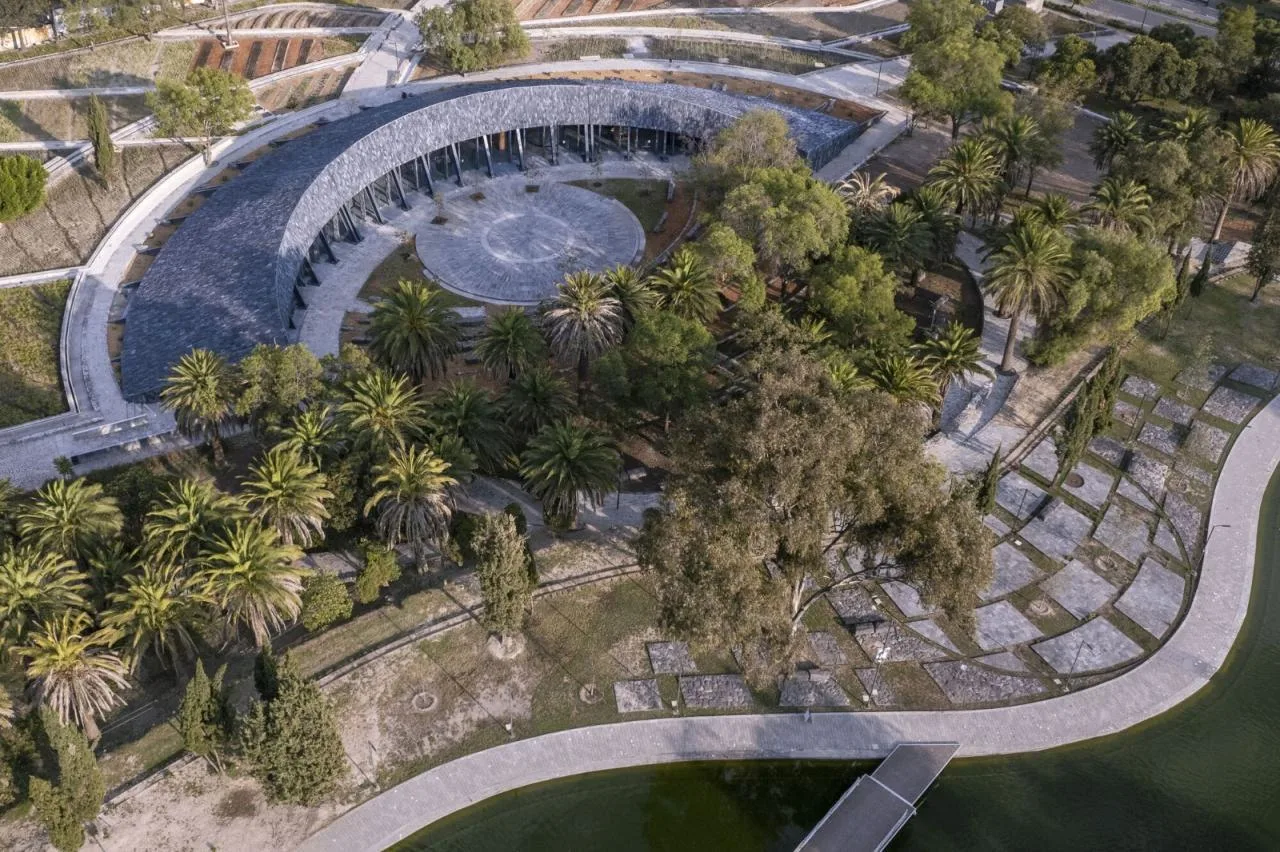
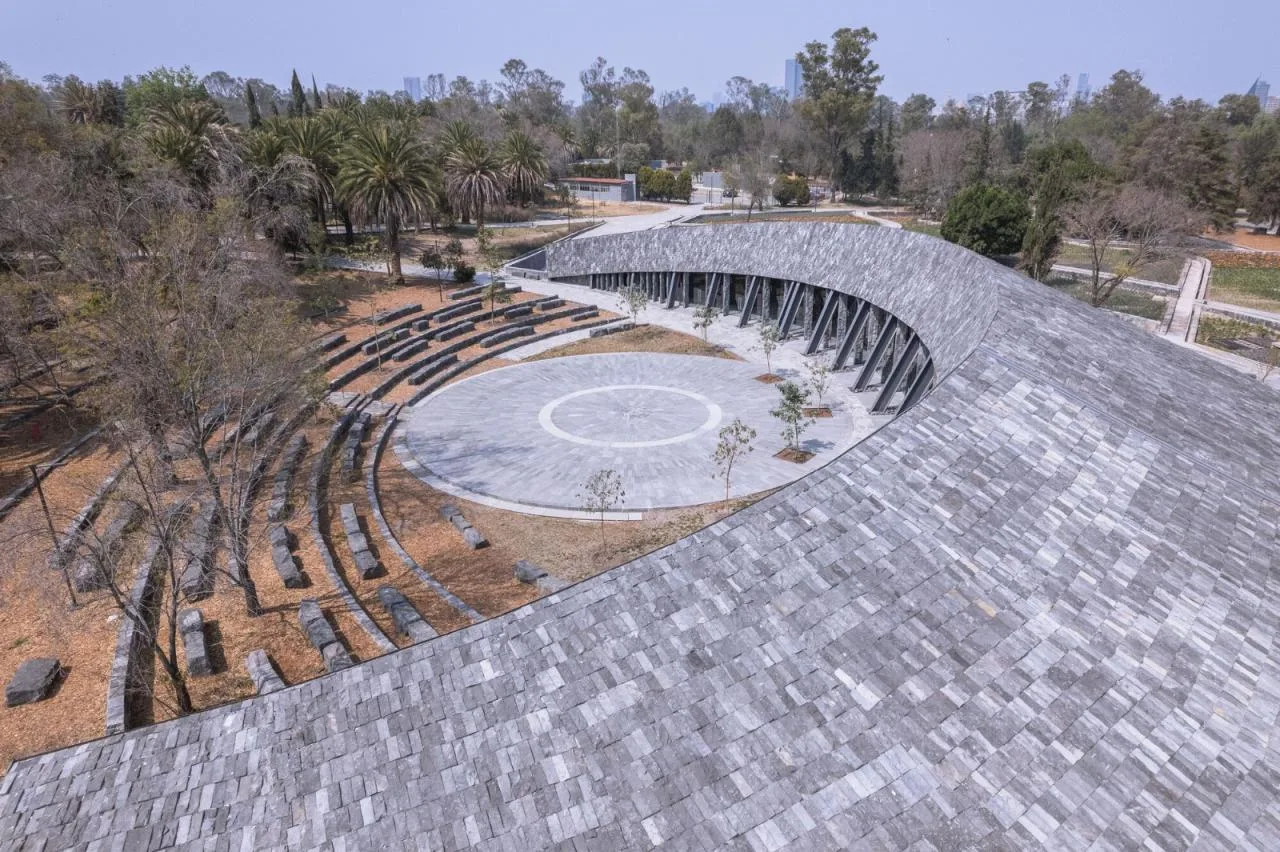
The design of the exhibition hall symbolizes the harmony and direct interaction between nature and humanity, existing sites and new developments, as well as landscape and architecture. The former parking lot has been transformed into an agricultural ecological zone, featuring diverse crop rotation plots enclosed by stone walls acting as a fence. This new landscape connects with the exhibition hall’s roof, enhancing environmental conditions and promoting biodiversity. Additionally, this area encourages community engagement through educational, demonstrative, and agricultural activities.
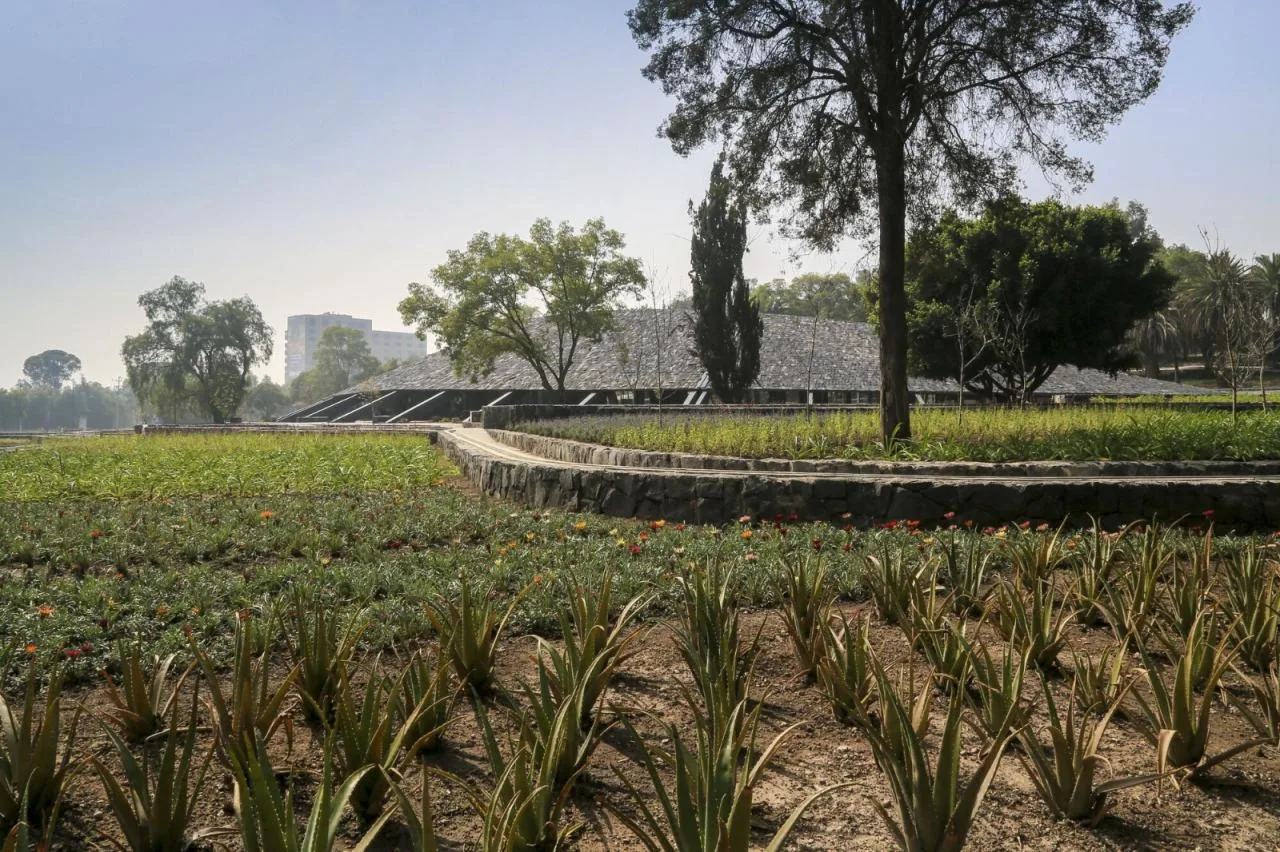
This project follows permaculture principles, dividing the space according to proximity and adapting maintenance levels to support the environmental and cultural center. The irrigation system in the agricultural ecological zones operates by gravity, beginning at Lake Menor and distributing water through a visible main channel and several secondary channels equipped with manual gates for optimized water use and management.
Overall, this project offers a series of unique landscapes, emotional experiences, interactions, activities, and educational opportunities within an urban forest context. It ensures the fulfillment of ecosystem functions and actively promotes environmental culture.
Project Drawings
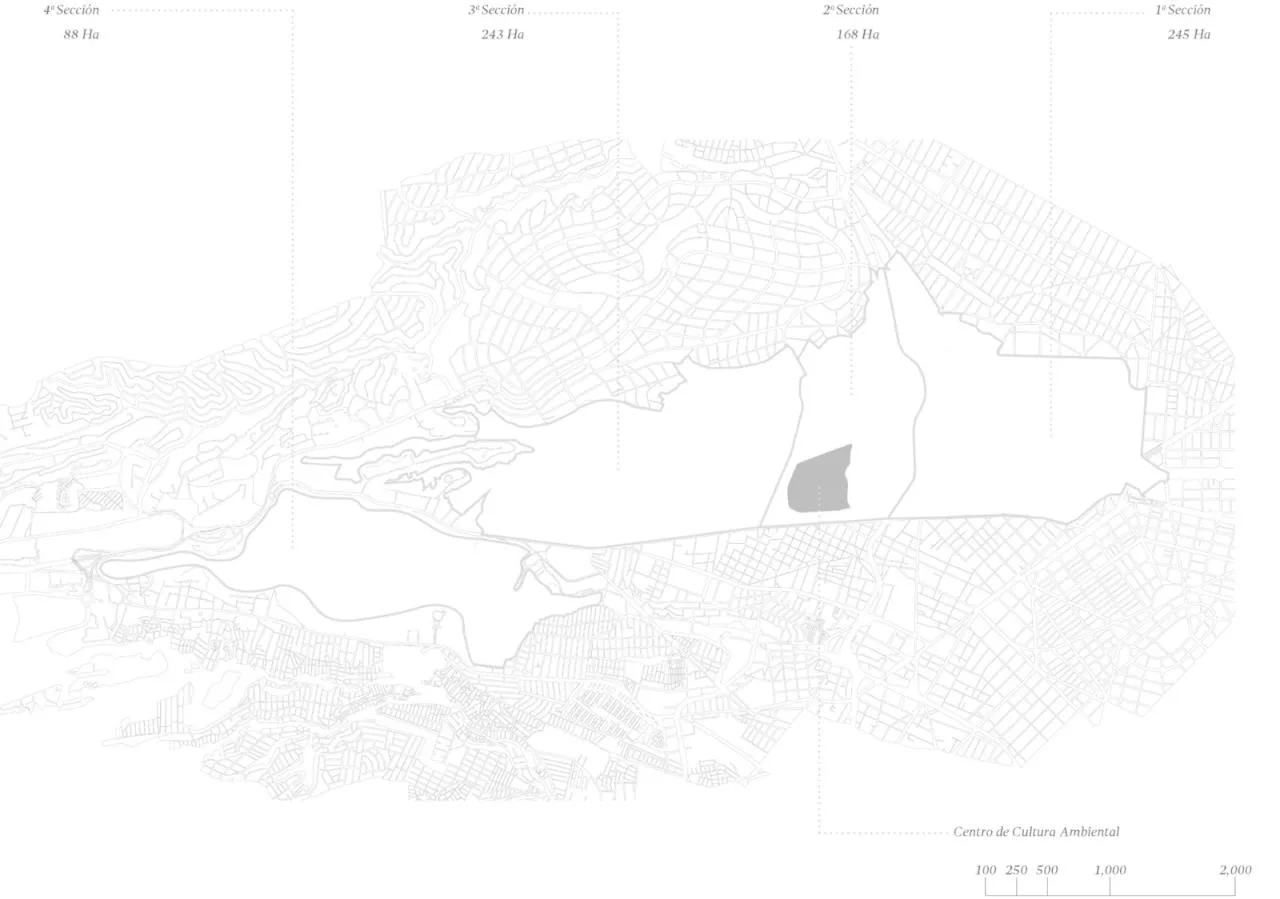
△ Base schematic diagram
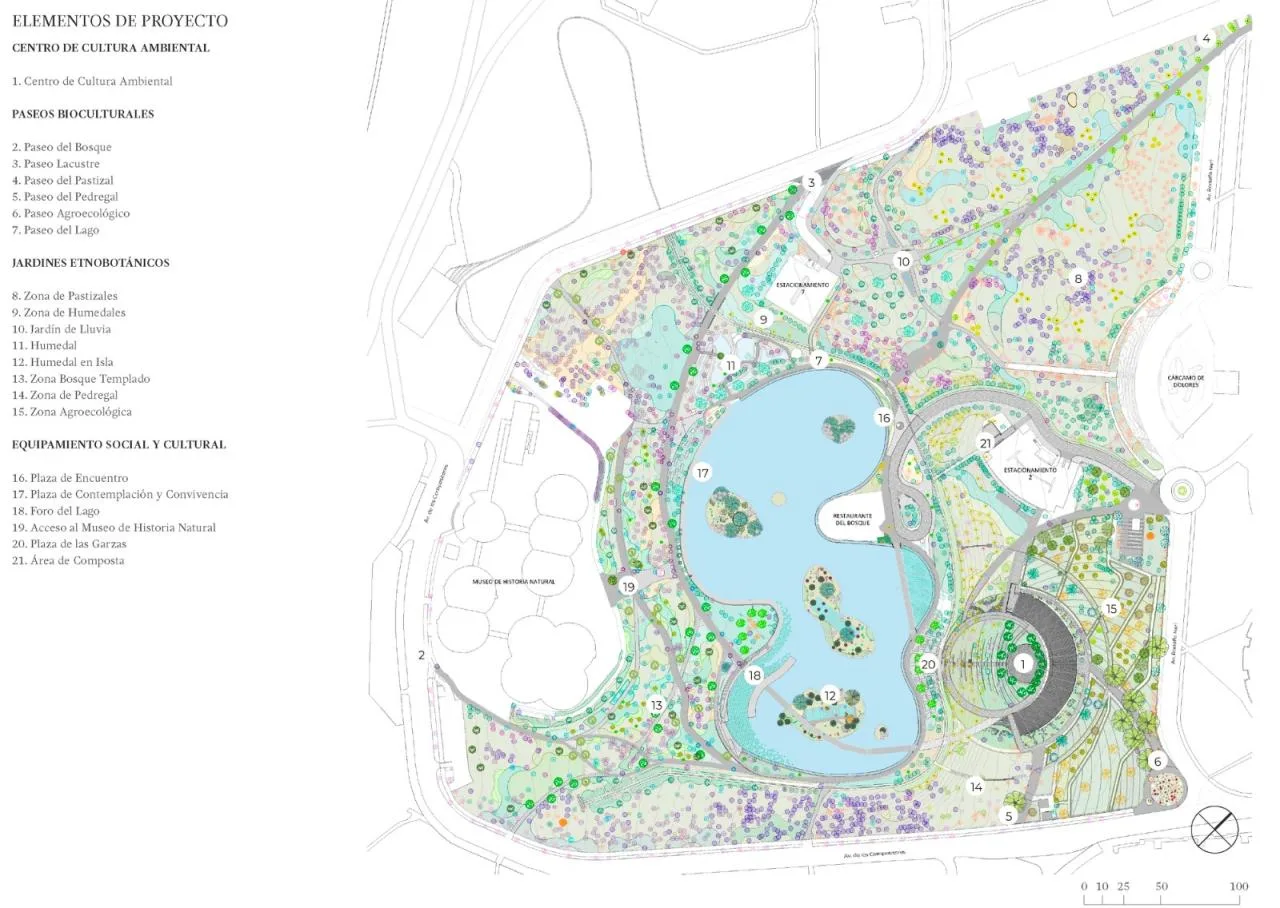
△ General layout plan
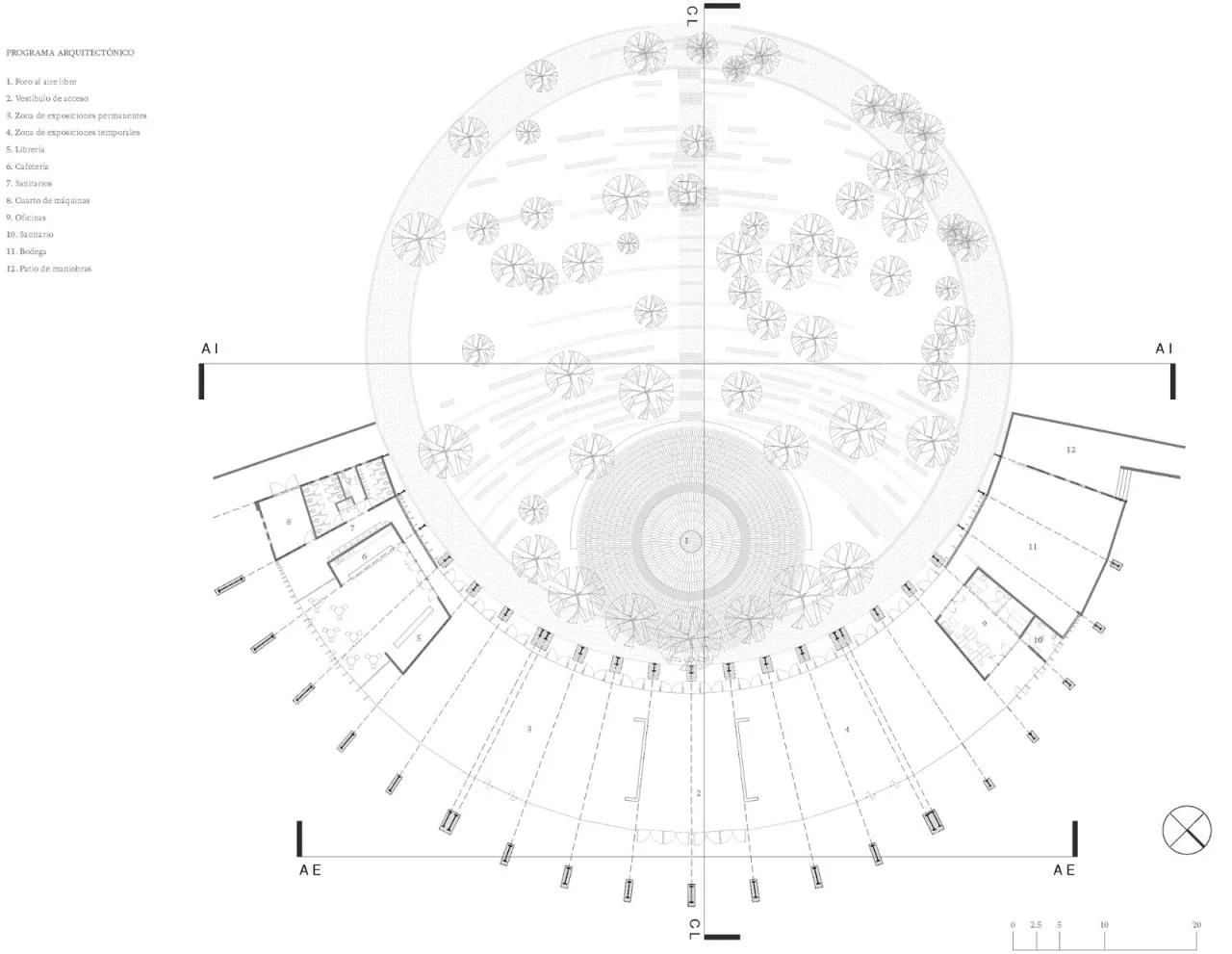
△ Plan view
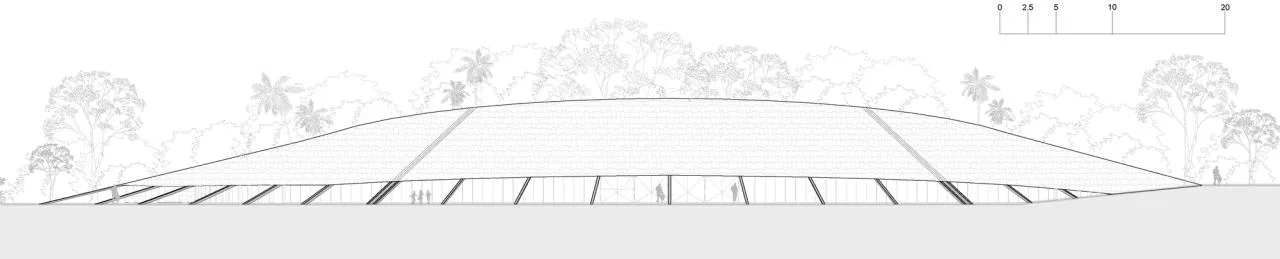
△ Elevation drawing

△ Section diagram
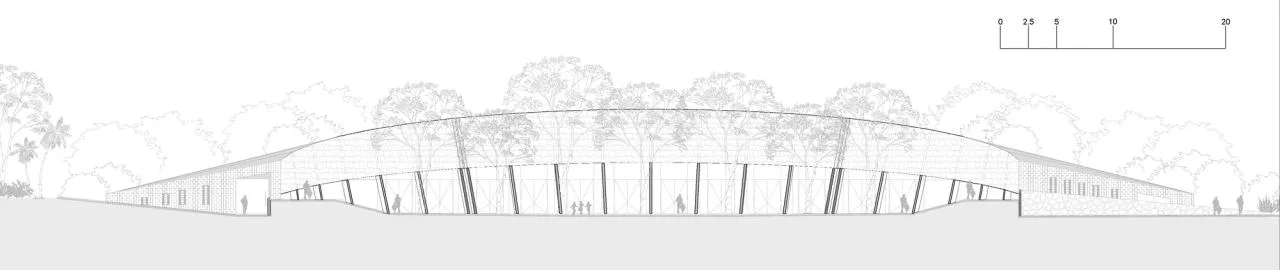
△ Section diagram
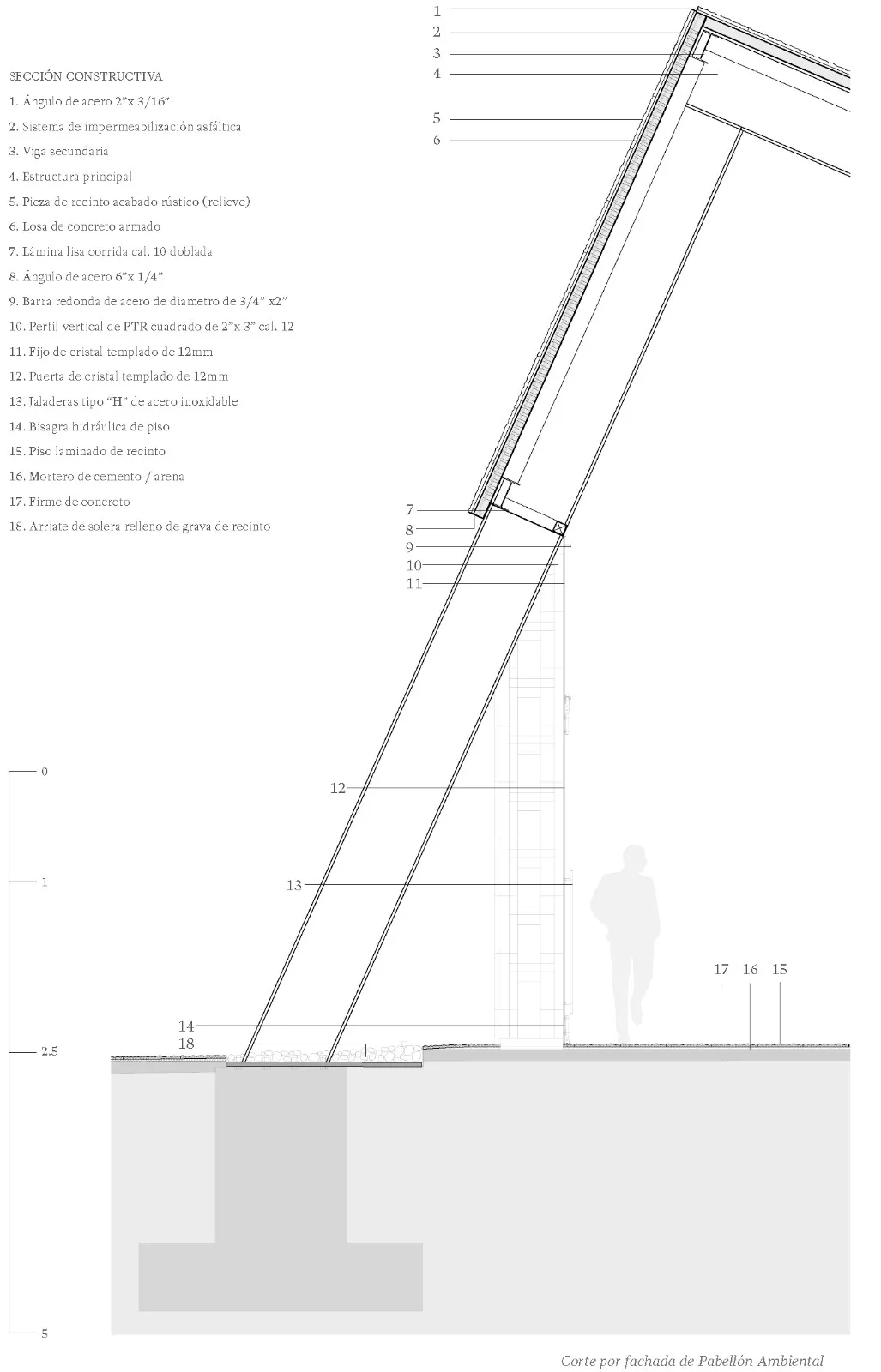
△ Node Detail Diagram
Project Information
Architects: ERRE q ERRE Arquitectura y Urbanismo, Taller ID
Area: 2,000 m²
Year: 2023
Photographer: Margarita Gorbea
Lead Architect: Arq. Rafael Ponce Ortiz
Project Partner: Juan Ansberto Cruz
Architecture / Planning / Landscape: Rafael Ponce Ortiz, Arq. Margarita Gorbea Angeles, Cesar Ávila, Oscar Díaz Gaspar, Abigail Esparza, Diego Bueno de la Paz, Valerio López Acevedo
Landscape Engineers: Ing. Juan Ansberto Cruz Gerón, Paola Patricia González Ordaz, Fabiola Alvarado, Gerardo Tapia, Eduardo Santiago, Perla Flores
Plant Planning: Rodrigo Canjay Torres, Pamela Vélez, Fortino Acosta
Environmental Engineers: Alejandro de Alva, Amado Ríos, Edgar Ojeda Sotelo, Oscar Ramírez, Coral Rojas Serrano, Javier Cuauhtémoc Blancas Ponce
Geometry and Structural Analysis: Eric Valdez Olmedo, Axayacatl Sánchez
Museology: Adriana Miranda
Promotion: Federal Government / Ministry of Culture, CDMX Government / Ministry of the Environment
Natural and Cultural Program Specialist: Gabriel Orozco
Public Building Specialist: Ernesto Alva
Location: Mexico City, Mexico












Must log in before commenting!
Sign Up