
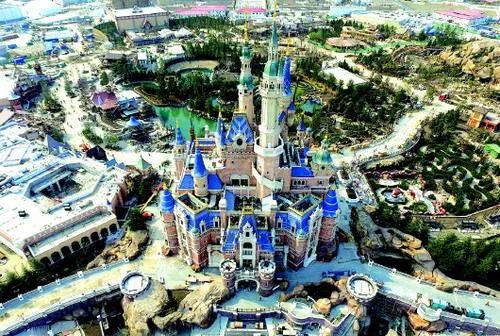
BIM invites you to appreciate the magic of Disney
On May 8th, Shanghai Disneyland lifted its mysterious veil and began internal operational testing in preparation for the grand opening on June 16th.
Yuan Jianxun, Chief Commander of the Shanghai Disney Project at China Construction Eighth Engineering Bureau and a respected model worker in Shanghai with experience on numerous major projects both domestically and abroad, established a “Model Worker Innovation Studio” within Disney. He emphasized that behind the magic of Disney lies the craftsmanship spirit of Chinese builders, a relentless pursuit of perfection, and meticulous attention to detail. It is these details that collectively create this dreamland.
It’s remarkable that a 16,000 square meter Disney building would require a management team comparable in size to that of a typical 1 million square meter building, Yuan explained. At its peak, the China Construction Eighth Engineering Division employed nearly 2,700 construction workers, supported by a management team of 900 professionals—a 1:3 ratio—forming an extensive leadership network that oversaw every process and detail.
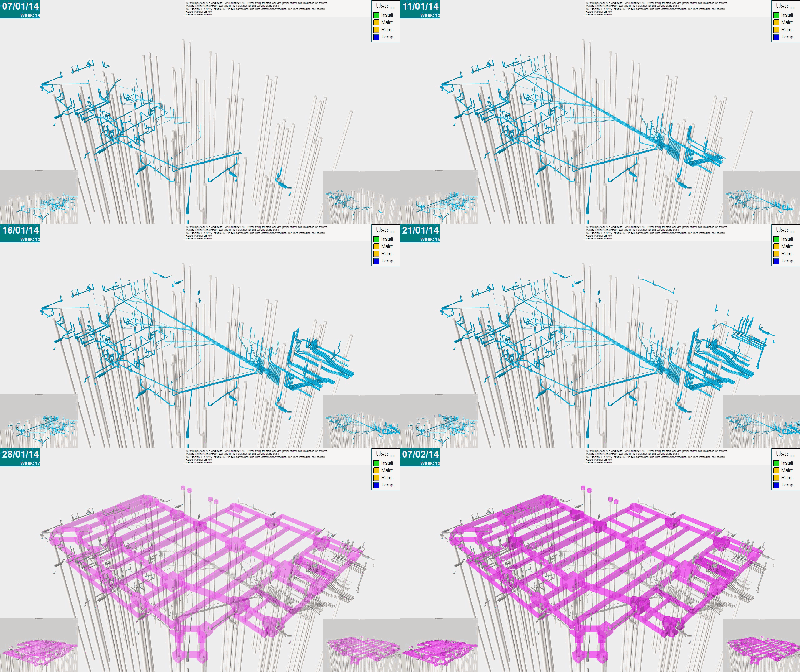
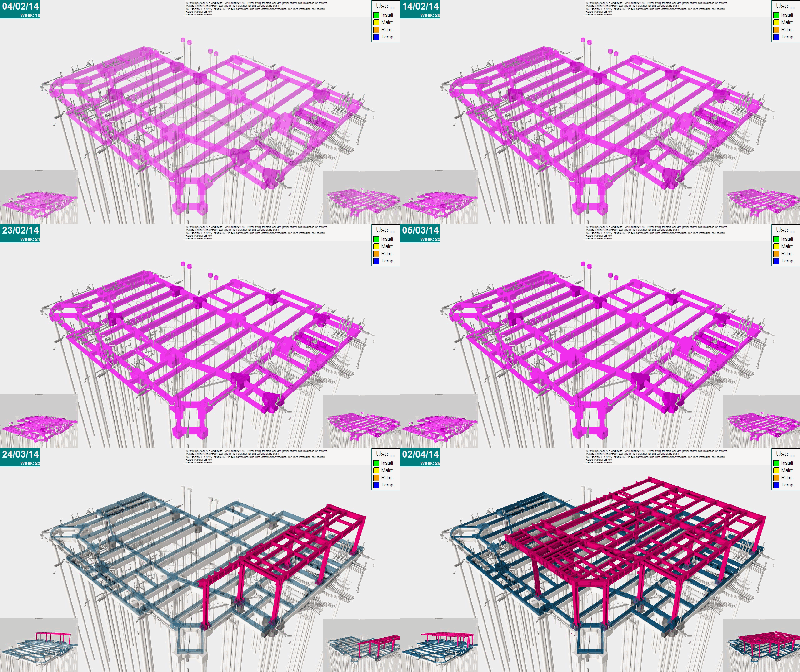
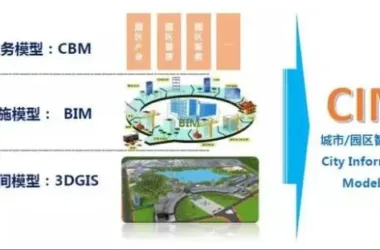
To handle the complexity of the project, the team utilized Building Information Modeling (BIM) technology. BIM simulates the real information of buildings to guide construction. Unlike traditional 2D drawings, BIM offers dynamic 3D models, enabling better control and precision throughout the process.
BIM simulation showcasing the construction process of a building on Mickey Avenue:

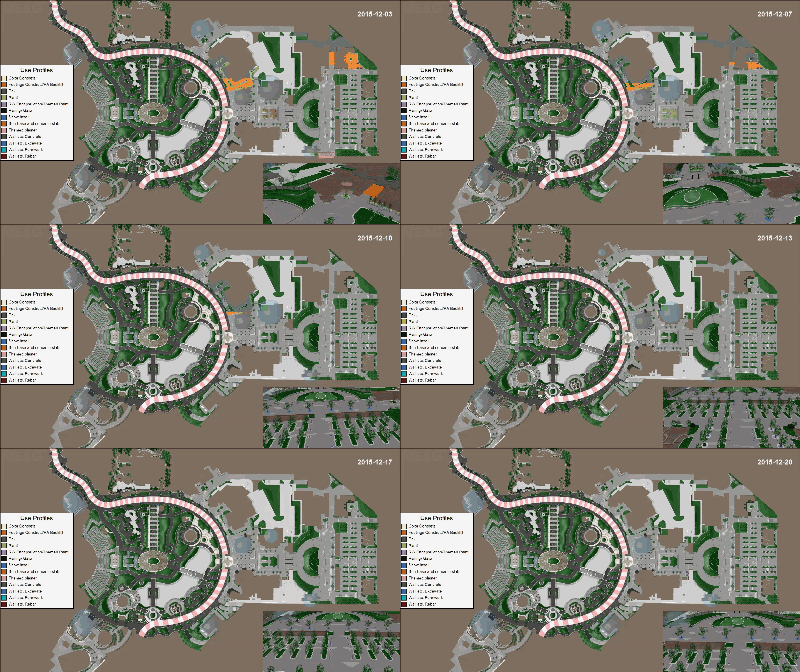
BIM simulation of the construction process in a garden area
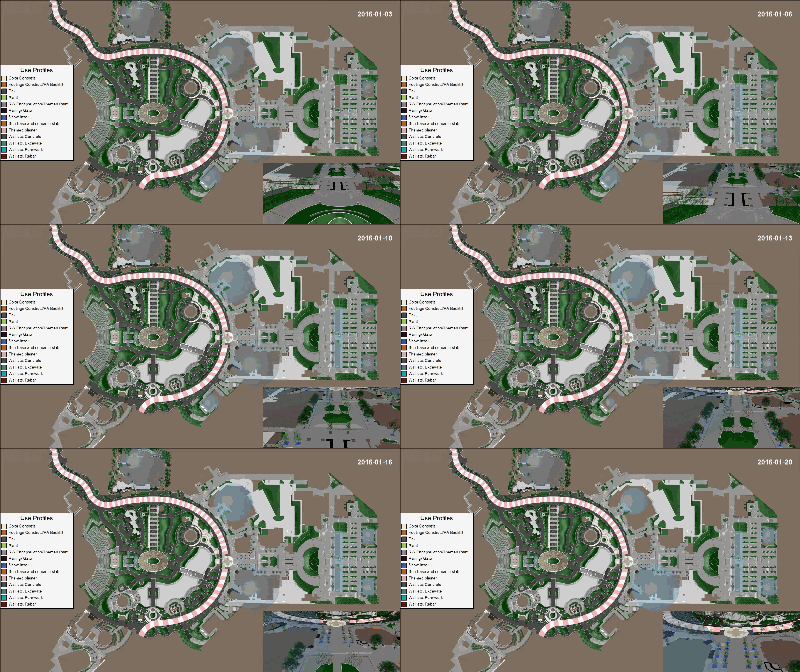
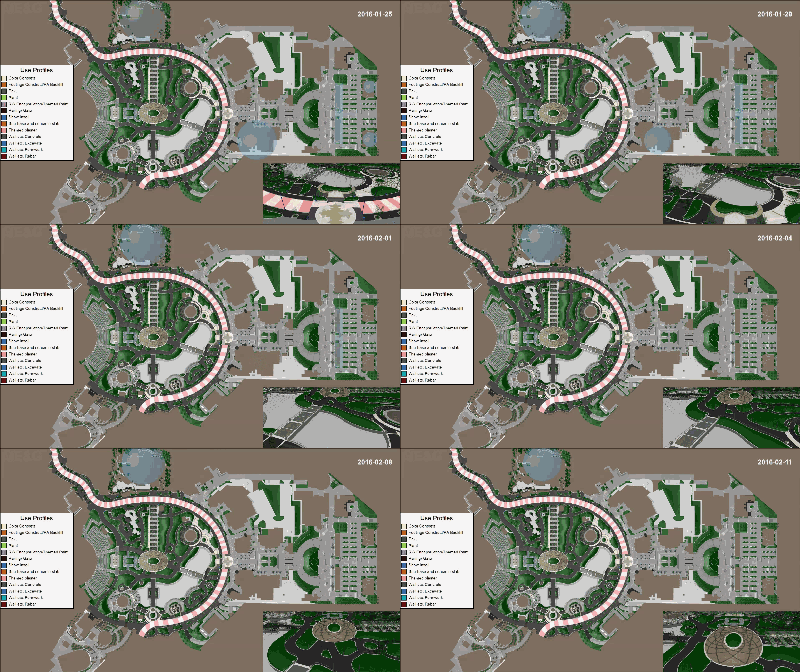
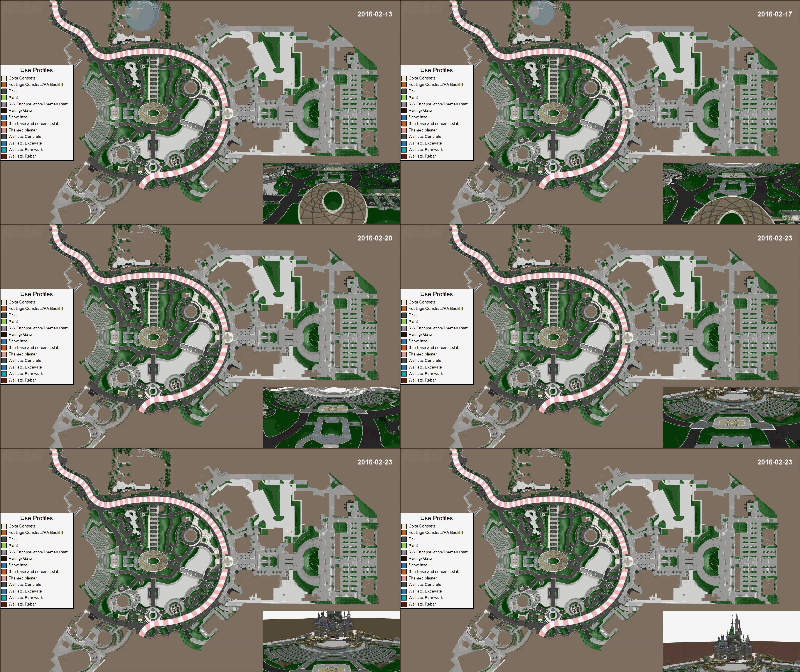
After viewing these BIM animations, are you tempted to explore more? Let’s dive into the enchanting details that make Disney truly magical!
20 intricate steps to handcraft Disney’s ‘aged’ charm
As you enter Disneyland through the main gate beneath the Mickey Clock Tower onto Mickey Avenue, you’ll find bakeries, candy shops, and bustling markets. The exterior walls of every building are like paintings, immersing visitors in a fairy tale world.
This area features 22 individual buildings covering 16,400 square meters, including the adjacent Garden Square, making it the most diverse and complex facade project in the entire park. Although the buildings appear to be made of wood, stone, or brick, they are all carefully crafted imitations. Using an “architectural magic” technique called “theme carving and plastering,” the team has created 145 sets of stunning facades tailored to these 22 buildings, bringing the animated dream world to life.
Theme carving and plastering is a decorative mortar plastering technique still emerging in China but widely used abroad to restore historical structures like ancient city walls and castles. It employs modern technology to recreate the aged appearance of old buildings, making it difficult to distinguish between real and fake. Thanks to this technique, Disney’s “aged” look is designed to last for 30 years without significant change.
This advanced process involves nearly 20 meticulous, manual steps. First, stainless steel edge strips and steel wire mesh are installed on the building’s exterior facade. Then, mortar is sprayed layer by layer, followed by hand carving, shaping, coloring, and aging to replicate the textures of stone, brick, wood, and metal. Operators require not only technical skill but also artistic inspiration. After six months of art training and passing rigorous exams, they can work onsite. Strict controls on temperature, humidity, and material ratios are enforced throughout construction.
In the theme park’s Qixiang Garden, hundreds of giant stones in various shapes have been created. To ensure each stone looks authentic and matches design drawings perfectly, “worker painters” use theme carving and plastering to layer colors and textures onto cement products, adding details like moss and weathering to achieve a truly lifelike effect.














Must log in before commenting!
Sign Up