
The new wave of consumption and housing upgrades has sparked higher and more diverse demands, with an increasing number of people aspiring to a better quality of life. We seek both convenience and prosperity, alongside green mountains and clear waters. We desire truly high-quality living environments and community life where cultural identity and a sense of belonging are felt. How can urban development keep pace with these evolving needs?
The collaboration between Sanyi and Nanjing Longhu aims to create a distinctive “Golden Two Kilometers Magnetic Field” community near the Purple Mountain Scenic Area in Nanjing. This project, named “Purple Gold Original,” will integrate residential, commercial, and service functions into a comprehensive complex. By establishing a complementary commercial community system, it strives to set a new urban living landmark in Xiaolingwei.
01 Comprehensive Planning
Building the ‘Golden Two Kilometer Magnetic Field’
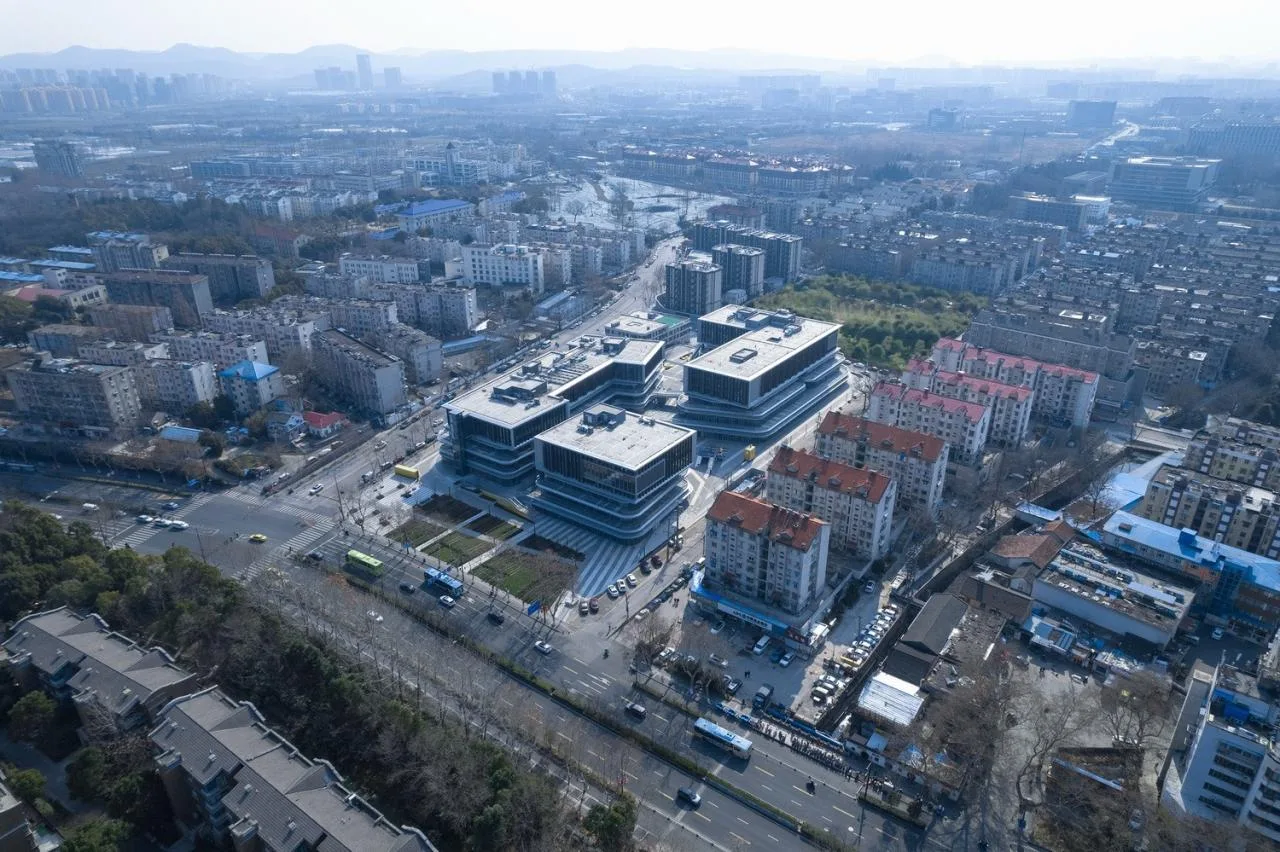
Combining a vibrant commercial center with a high-quality residential community, Xiaolingwei holds a special place for locals. Historically, from elite guards protecting the Xiaoling Mausoleum of Zhu Yuanzhang in the early Ming Dynasty to a thriving commercial hub in the Qing Dynasty, and later a modern urban-rural fringe with a diverse population, Xiaolingwei is now entering a new phase of transformation.
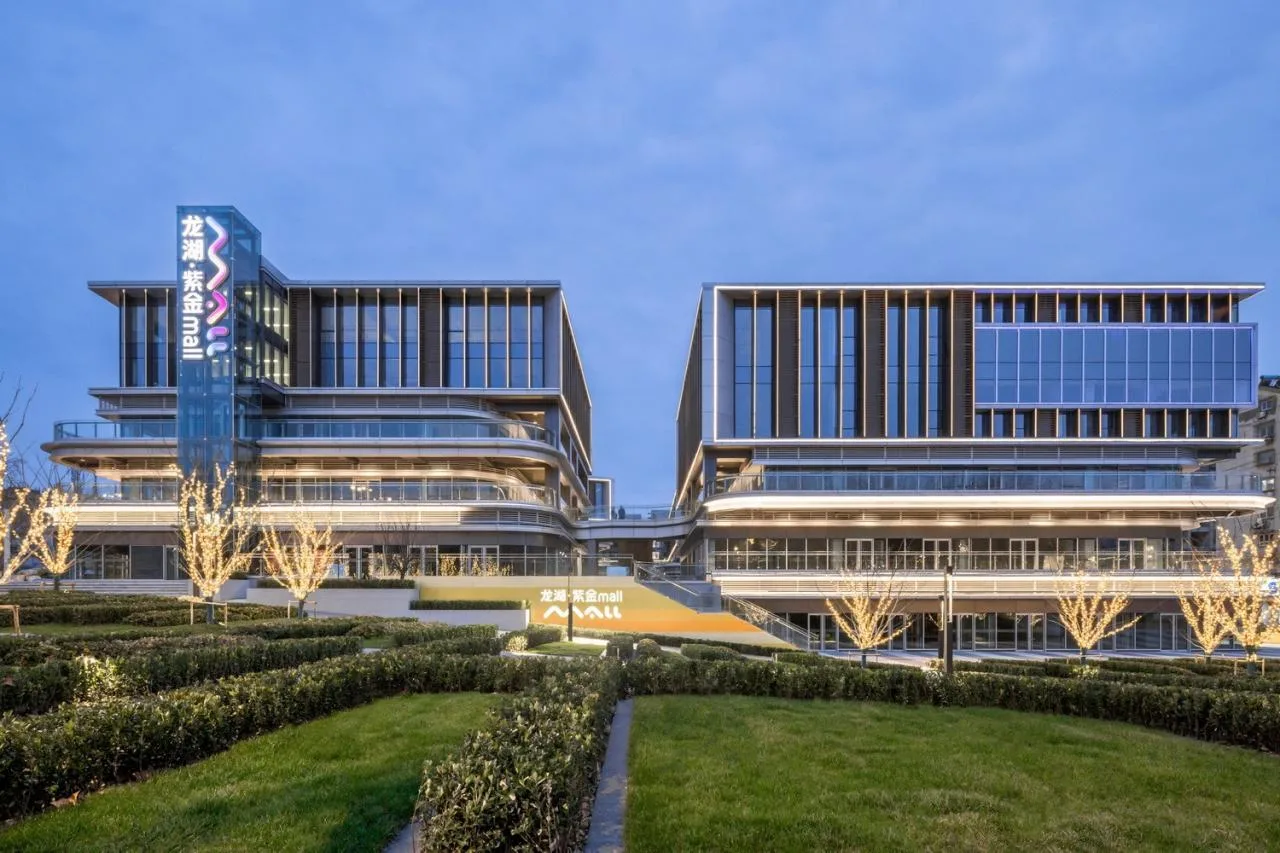
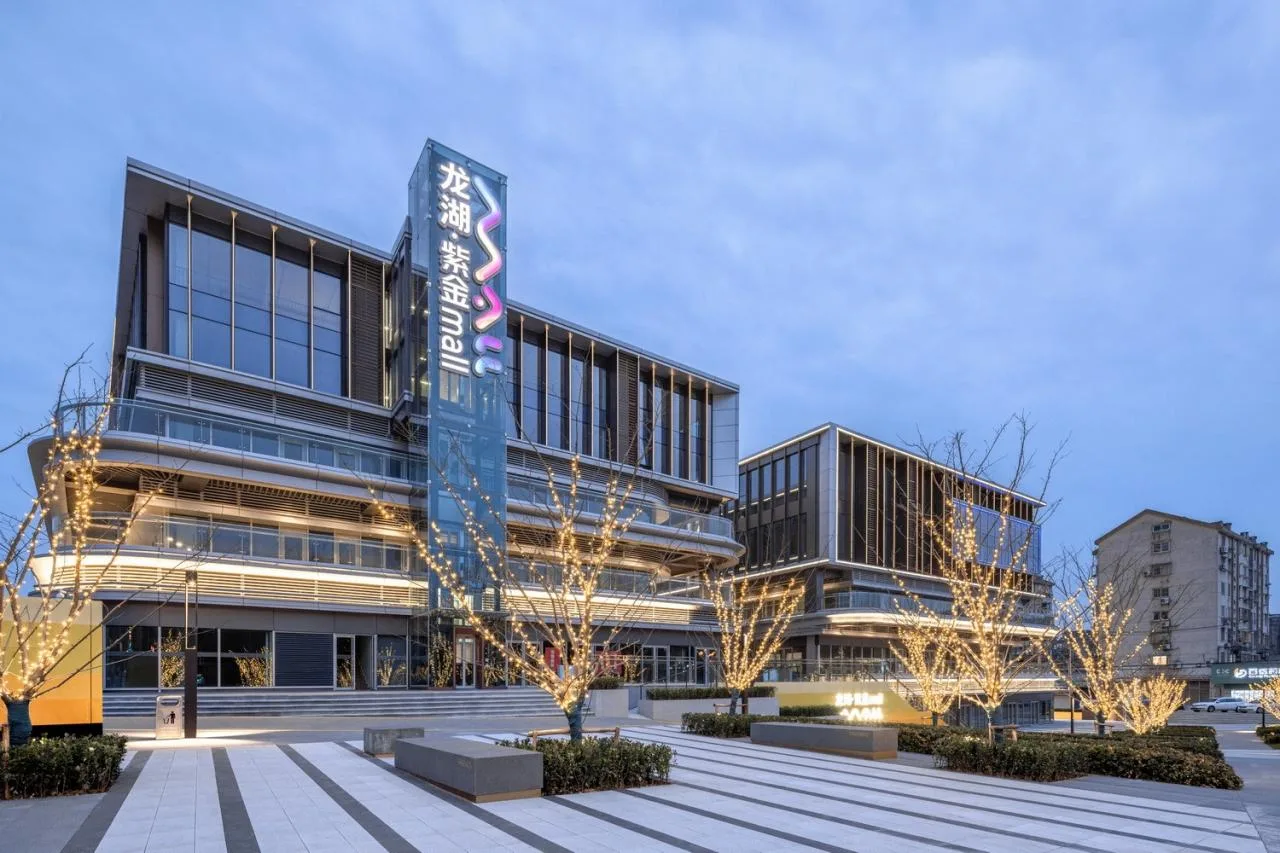
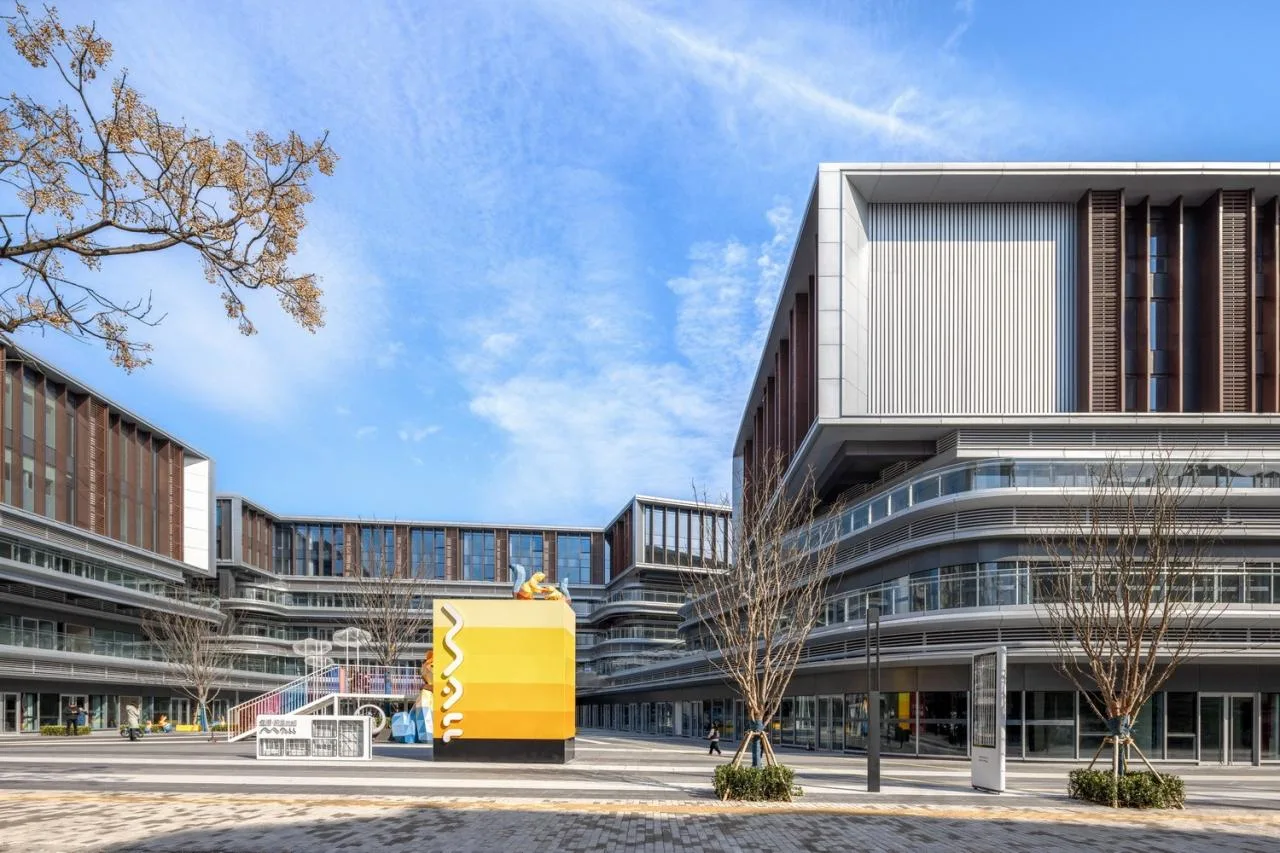
△ Vibrant commercial district © Liu Songkai
According to Nanjing’s major economic and social development plans, the city’s eastern region is rapidly advancing. Serving as the eastern gateway to Nanjing’s main urban area, Xiaolingwei at the southern foot of Purple Mountain is set to focus on urban construction and cultural tourism, aiming to establish a high-standard cultural and tourism zone. In July 2019, Longfor Group acquired a prime plot in Xiaolingwei at a premium price, dedicated to creating the “Purple Gold Original” complex that blends popular commercial spaces with high-quality residential areas, filling a gap in upscale communities in eastern Nanjing.
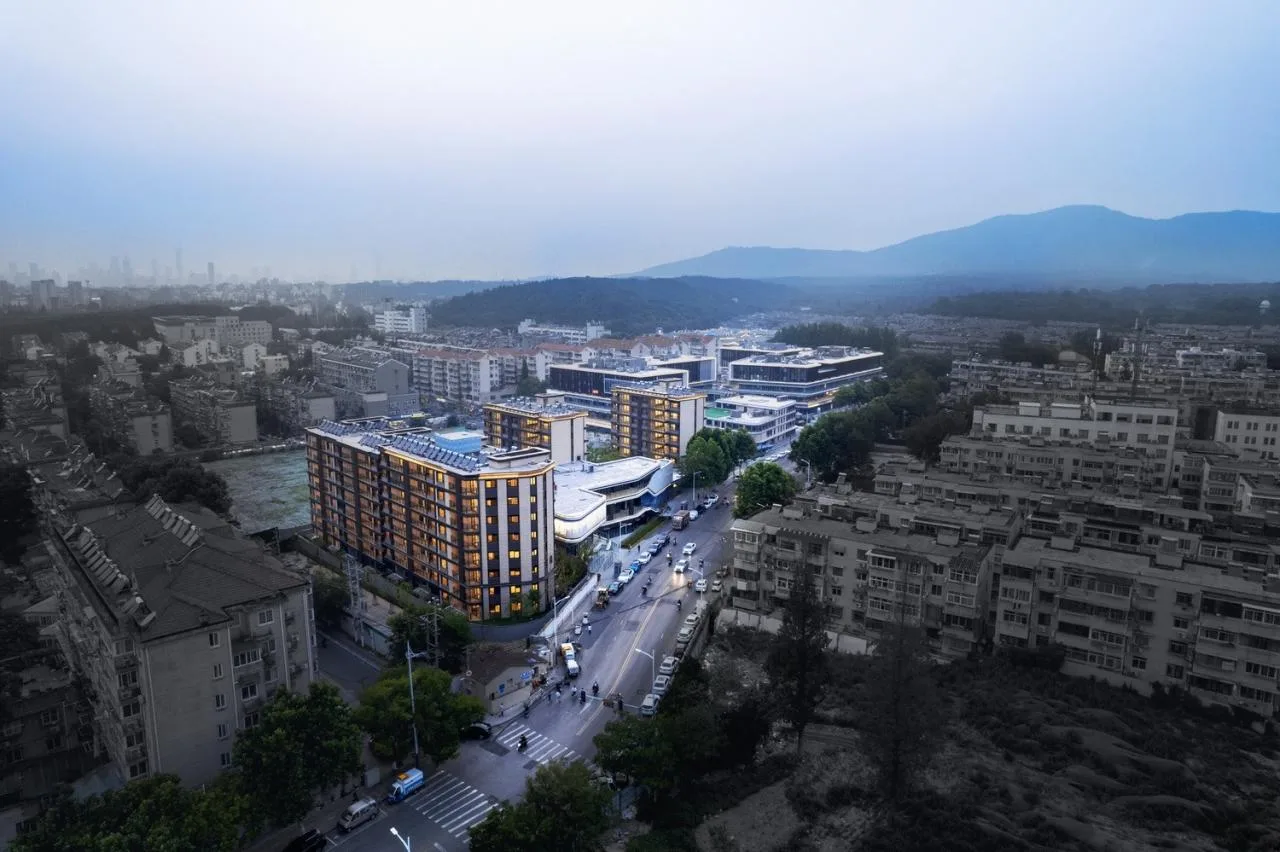
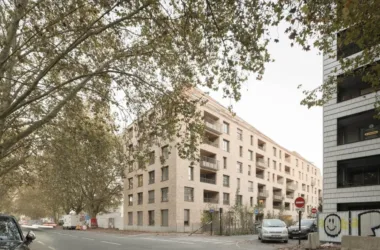
△ High-quality residential community © Liu Songkai
Sanyi’s design emphasizes enhancing the living environment, enriching the urban landscape, and unlocking commercial potential. Utilizing an innovative inverted S-shaped commercial layout and multi-level residential design, the project helps Longfor establish a landmark community complex that integrates residences, commerce, community services, and public squares at Nanjing’s eastern entrance.
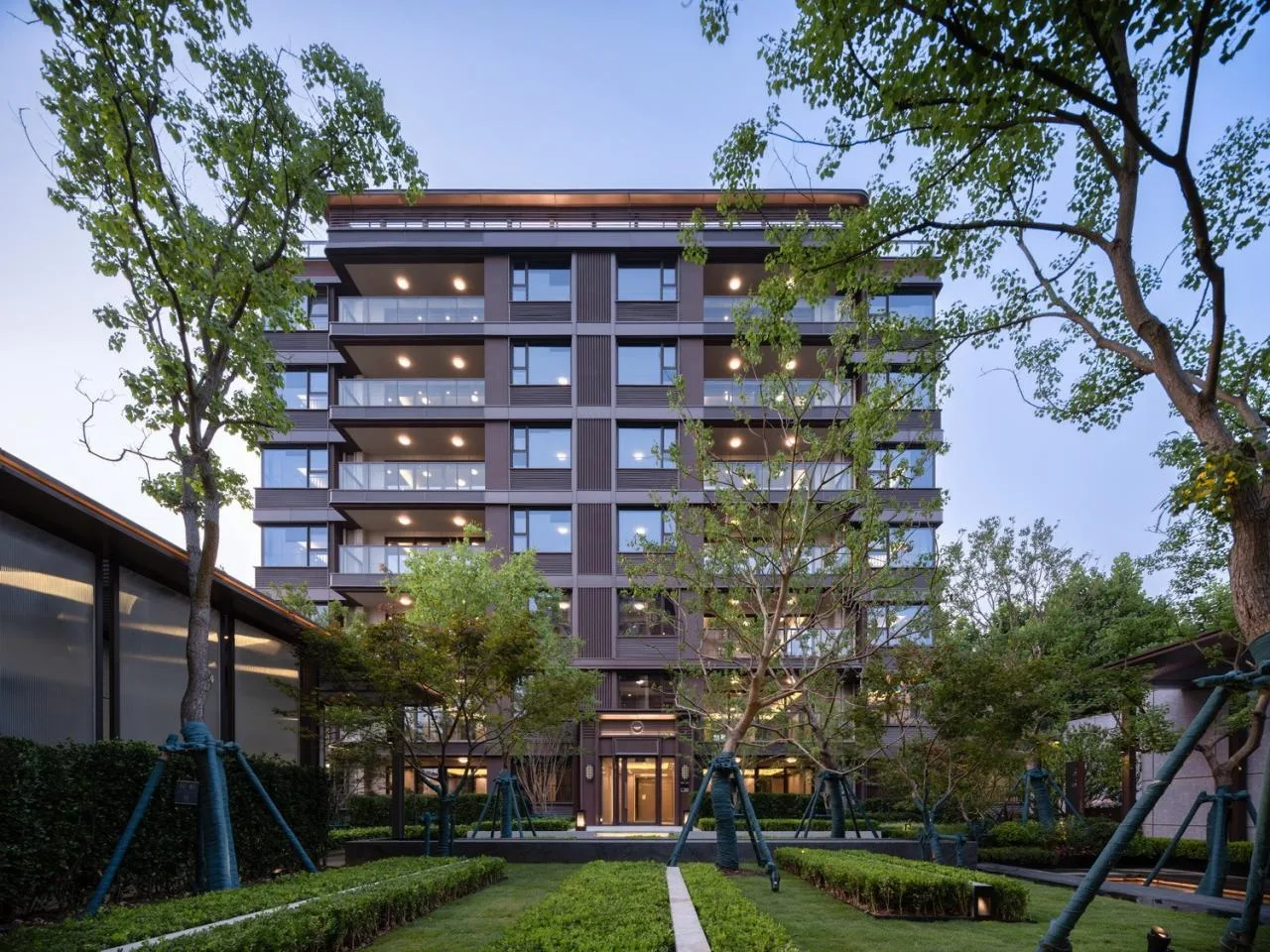
△ High-quality residential community © Liu Songkai
Thoughtful Planning for Convenient Living
The project is located at the southeast foot of the Zhongshan Scenic Area in Nanjing’s Xuanwu District, adjacent to notable sites such as Ming Xiaoling and Zhongshan Mausoleum. The area benefits from complete supporting facilities including schools and hospitals and is just 400 meters from Xiaolingwei Metro Station, ensuring excellent transportation access.
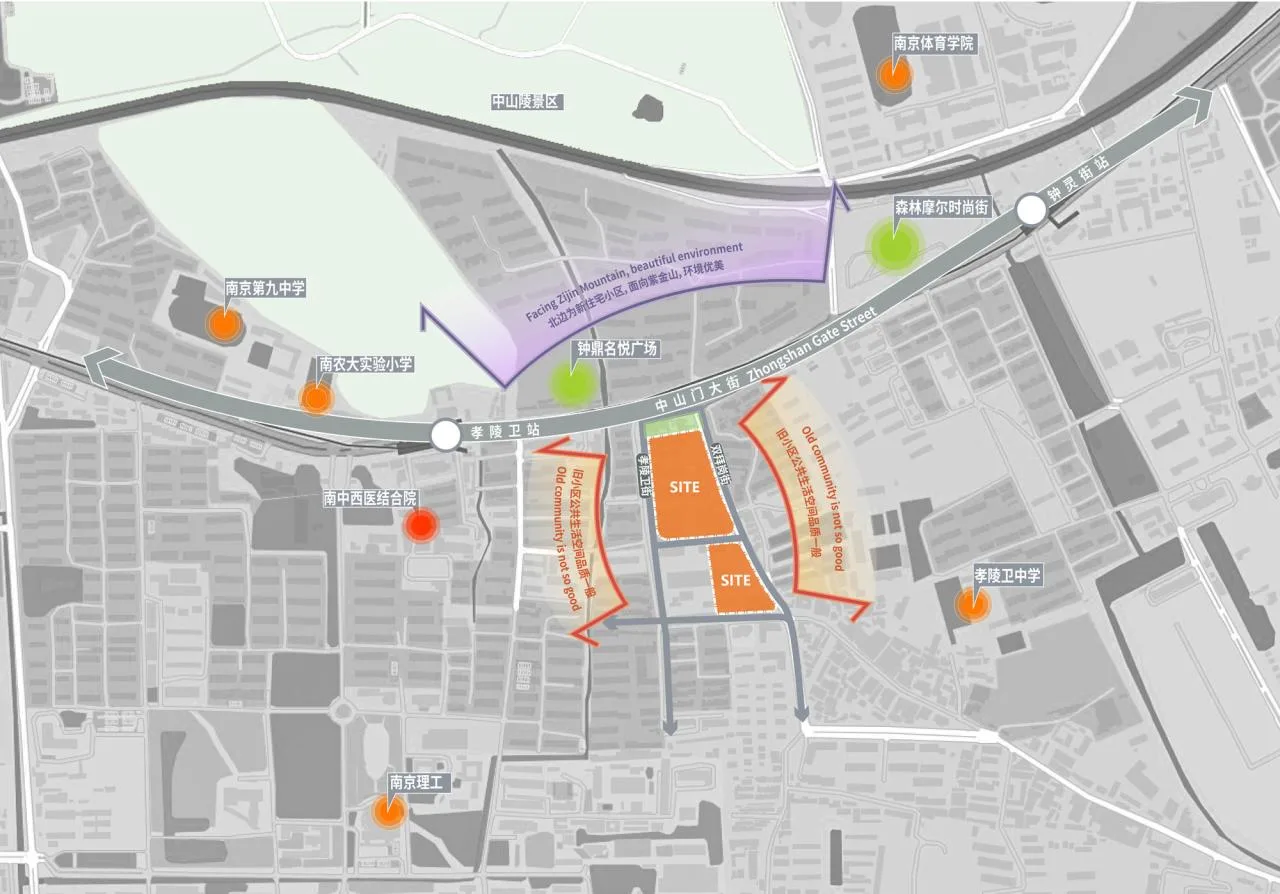
△ Location analysis chart
Despite these advantages, the surrounding development lags behind. Residents lack a strong community identity, the building facades are outdated, and the overall aesthetic and quality of life fall short. This project not only aims to provide high-quality urban services and residential planning suited to local conditions but also to address aesthetic deficiencies and improve connectivity between the city and community.
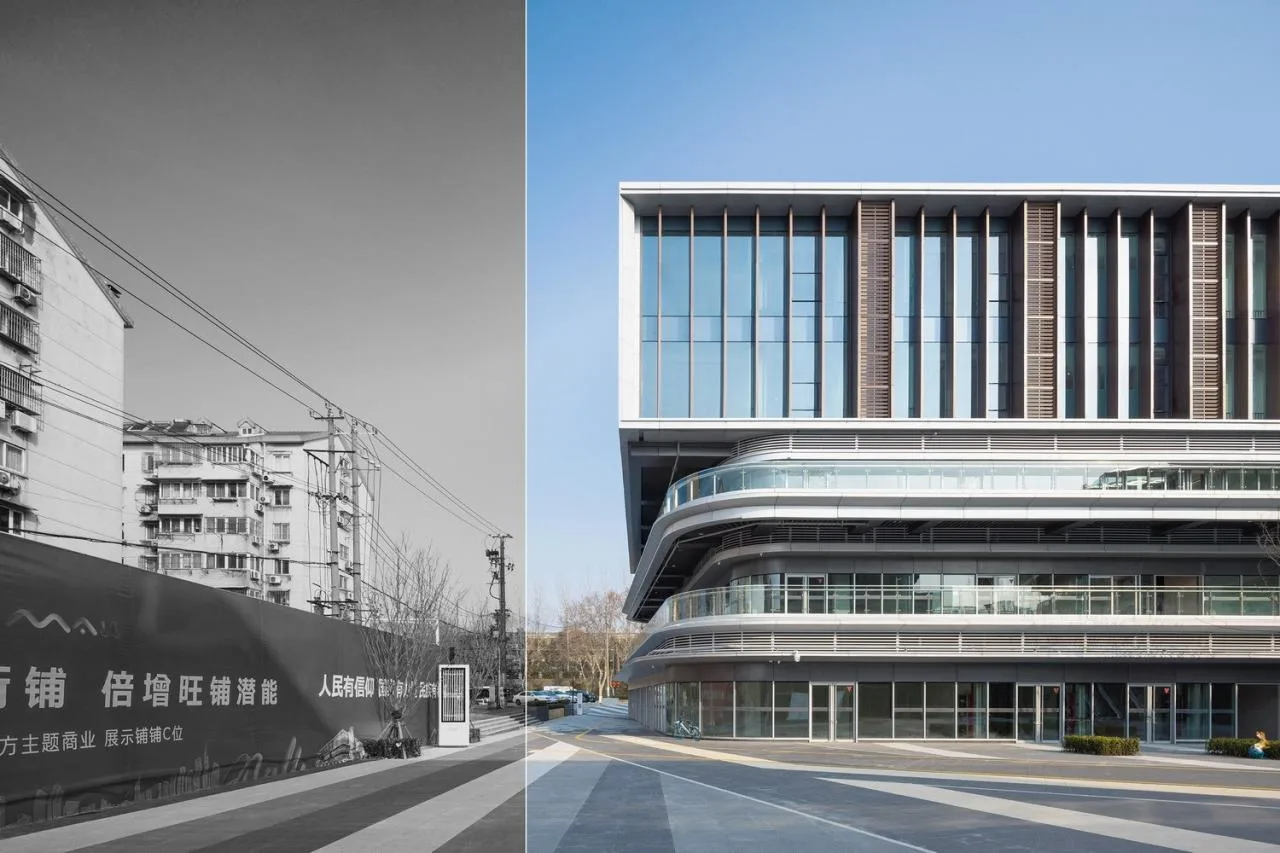
△ Outdated building facades © Liu Songkai
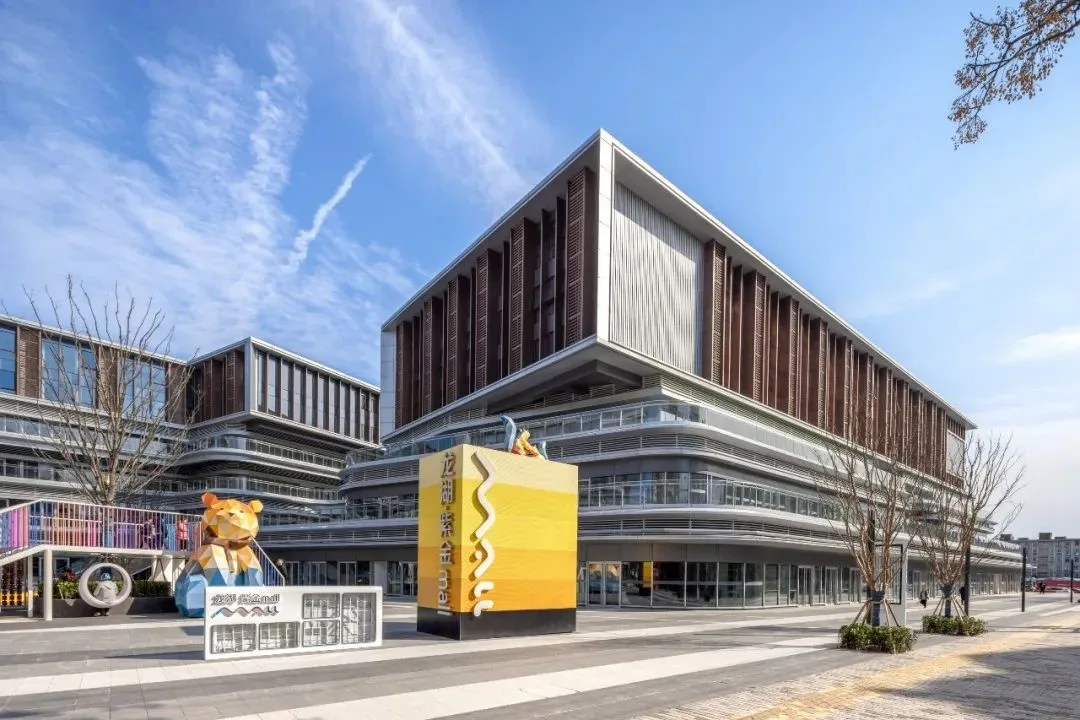
△ Addressing aesthetic gaps in residents’ daily lives © Liu Songkai
The designers analyzed site conditions, including dynamic and static traffic flows, to divide the northern plot—closest to the subway and main road—into a mixed-use area combining commercial, office, and urban facilities. This creates a strong urban interface and uplifts the regional image. The quieter, scenic southern plot, bordered by secondary roads, is designated for residential use and community service centers, providing a liveable and engaging environment.
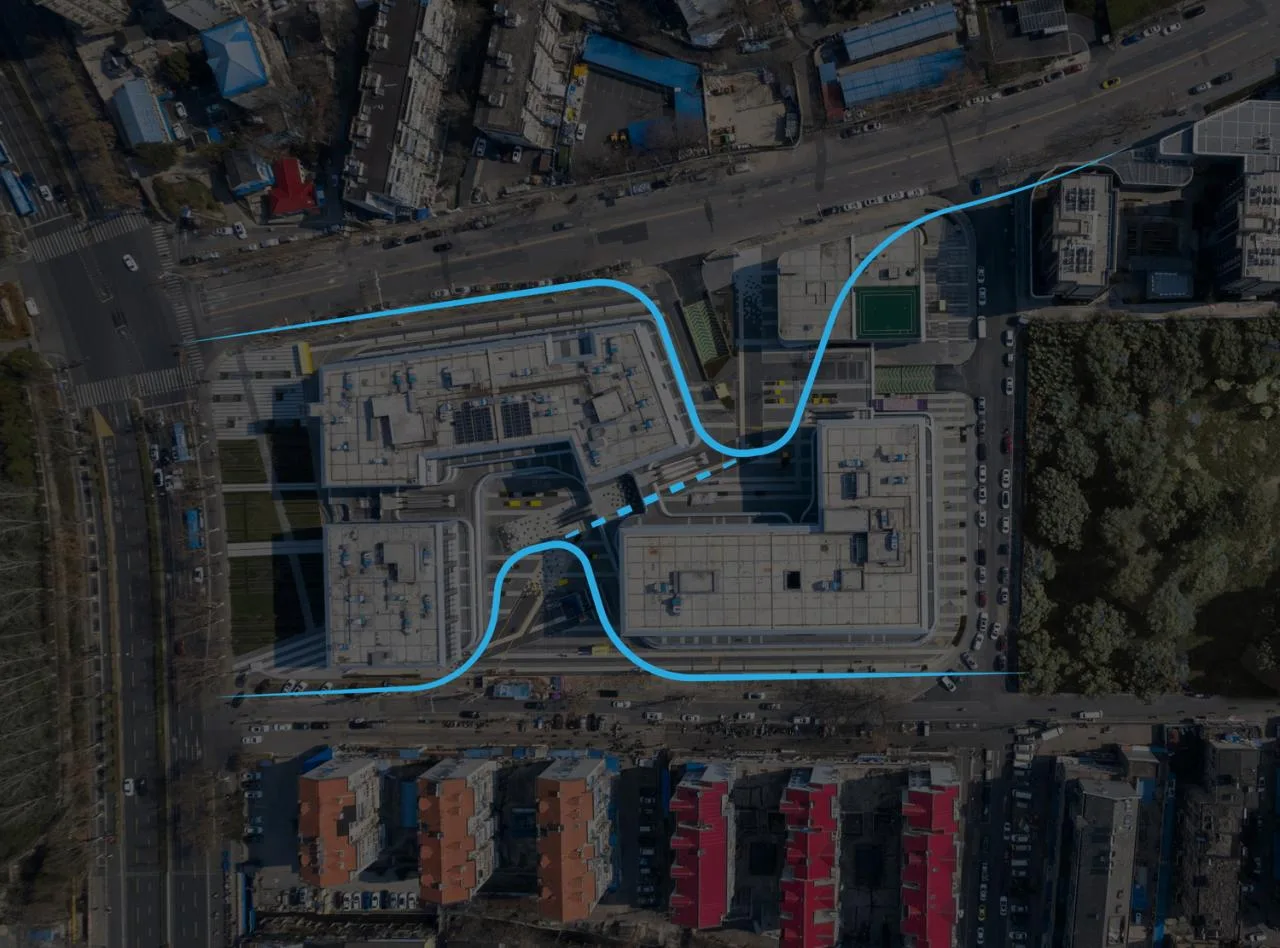
△ Traffic flow analysis © Liu Songkai
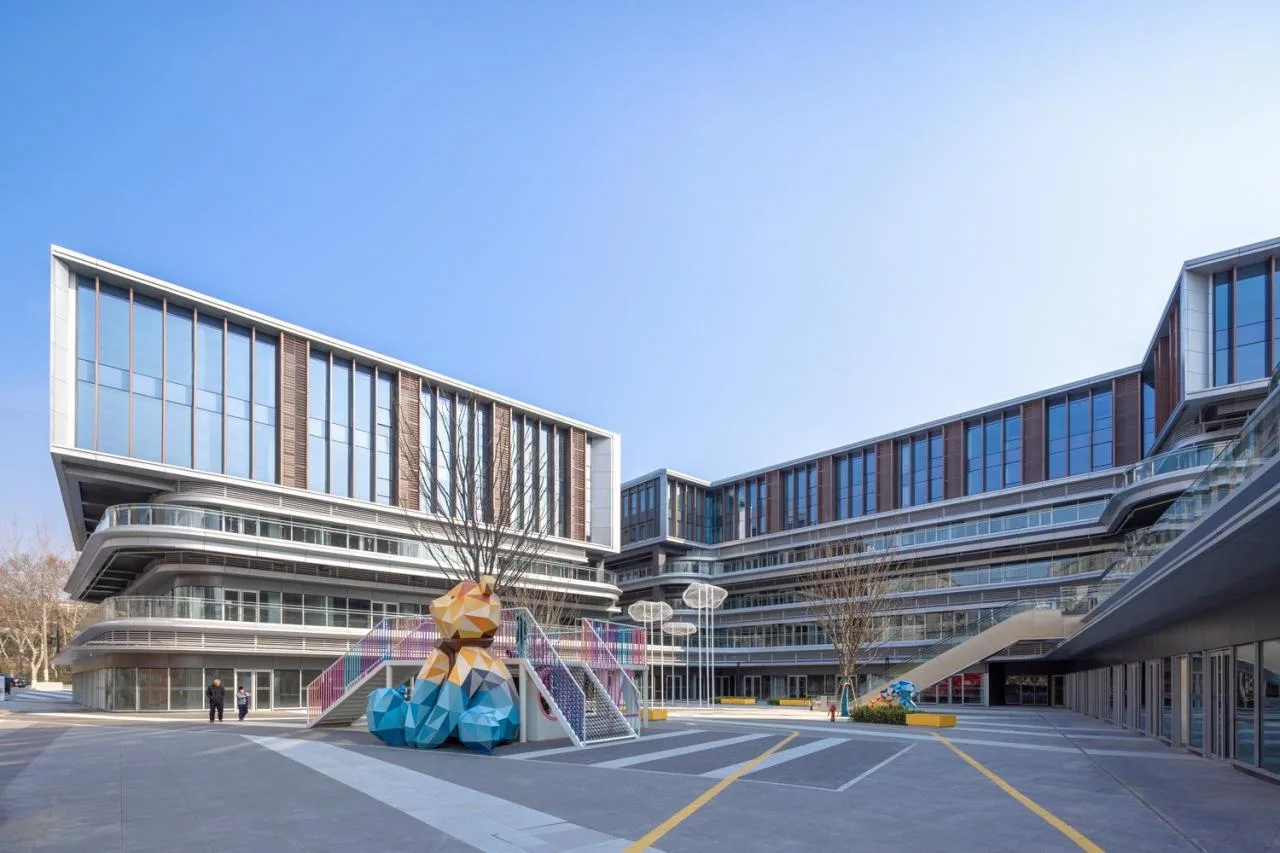
The northern plot as a commercial complex © Liu Songkai
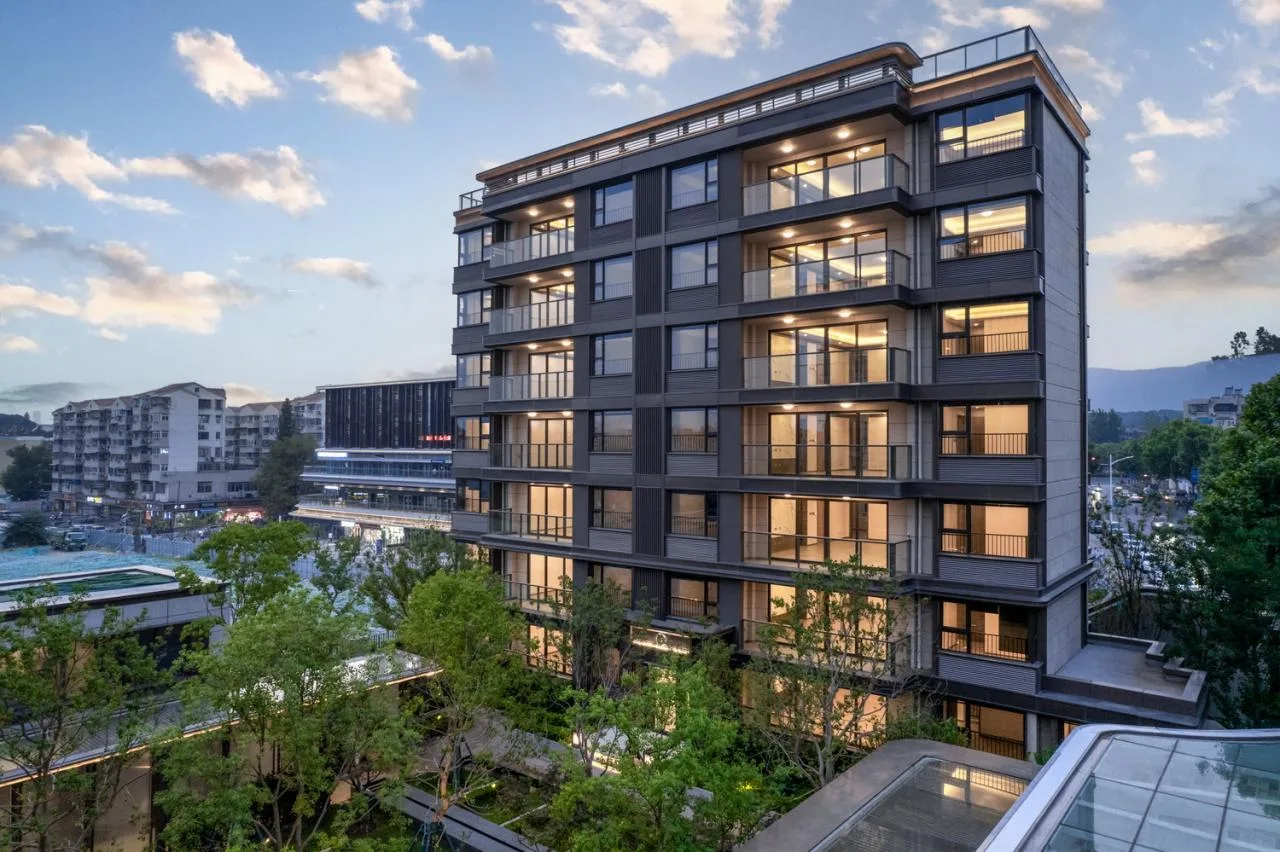
The southern plot as a residential area © Liu Songkai
02 Overcoming Site Constraints
Creating Multi-Dimensional Commercial Spaces
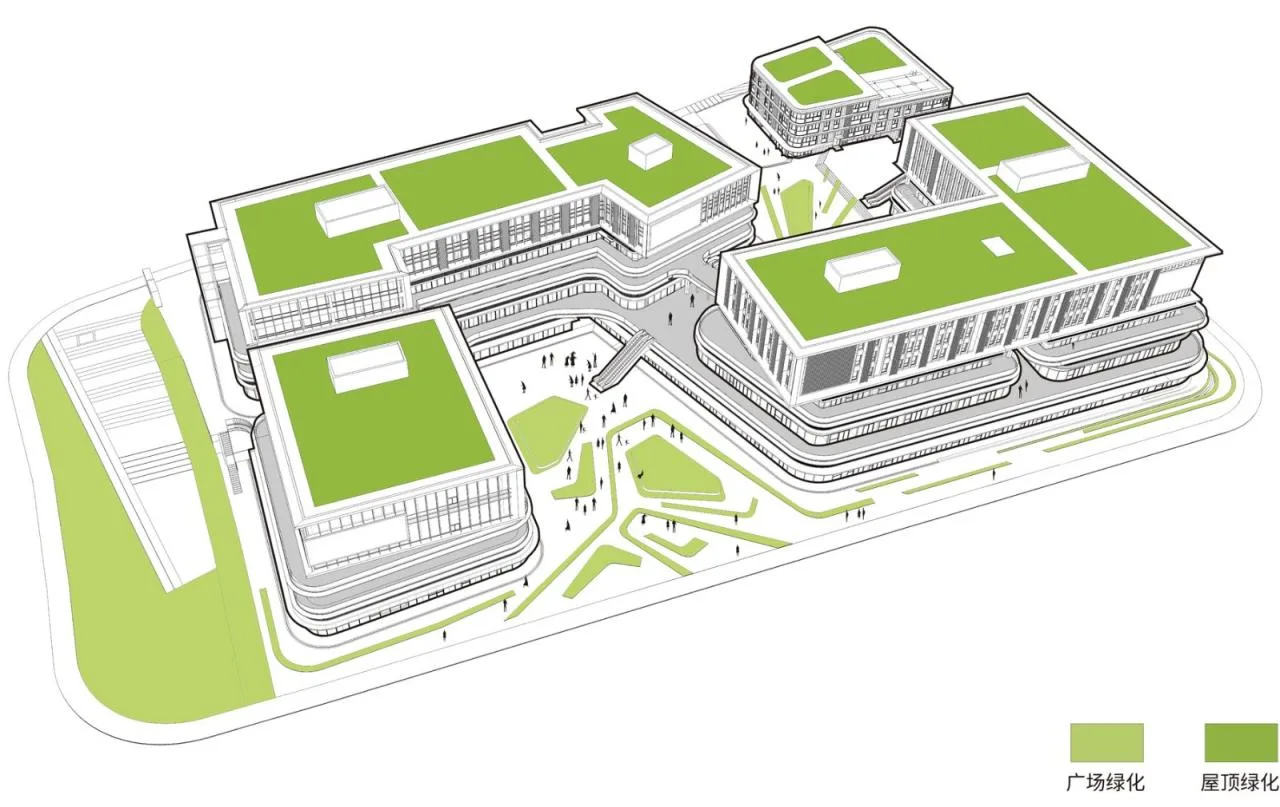
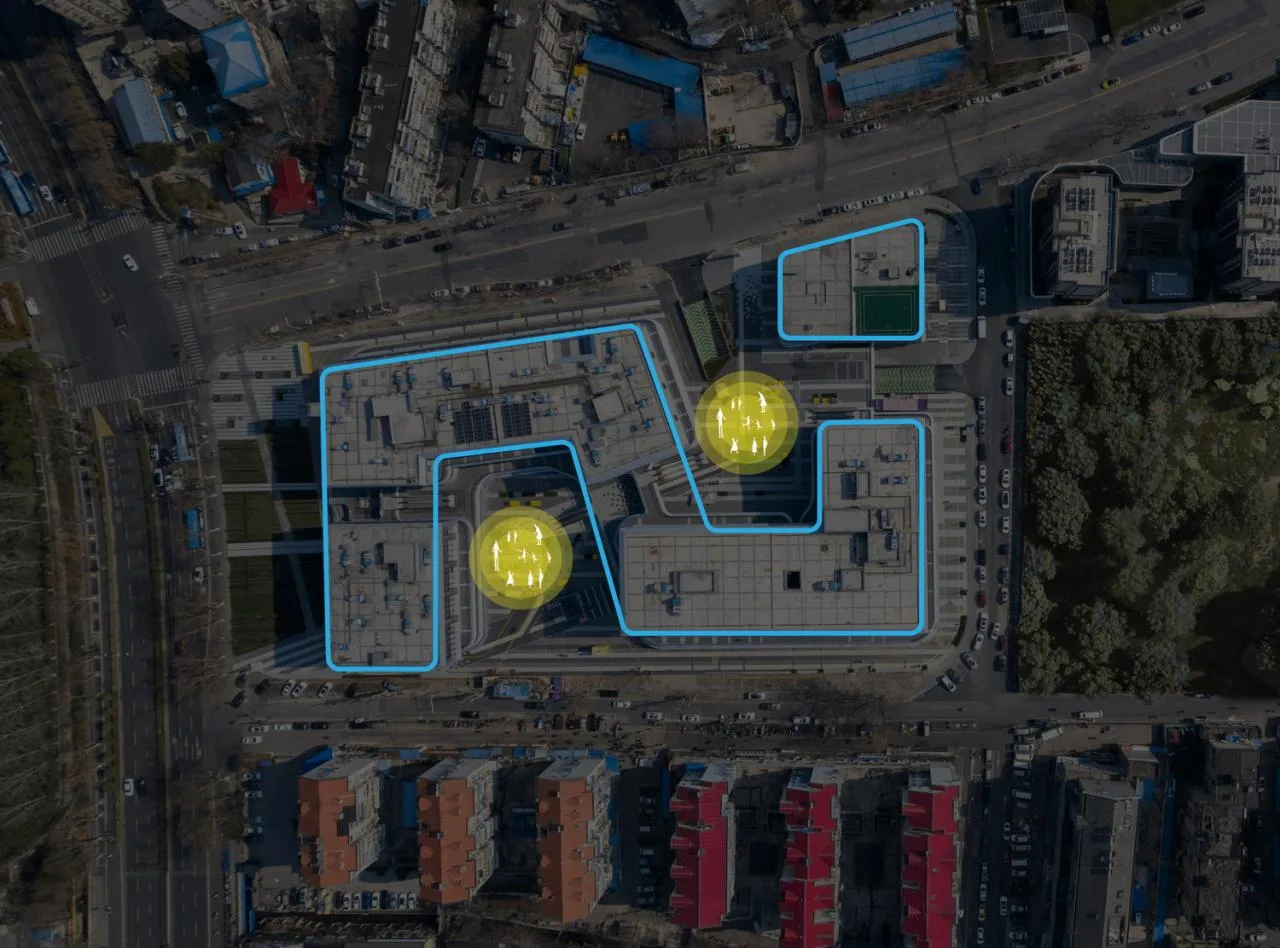
To attract pedestrian flow, the design employs an inverted S-shaped “X” layout that cleverly channels visitors through the commercial spaces.
The surrounding neighborhood primarily consists of older residential areas with average environmental quality and lacks premium commercial and public spaces. Within these constraints, the unique inverted S-shaped commercial layout maximizes commercial value. Additionally, an open square reclaims public space for the city, complementing a high-quality community and fostering multi-plot connectivity to enhance urban and commercial development.
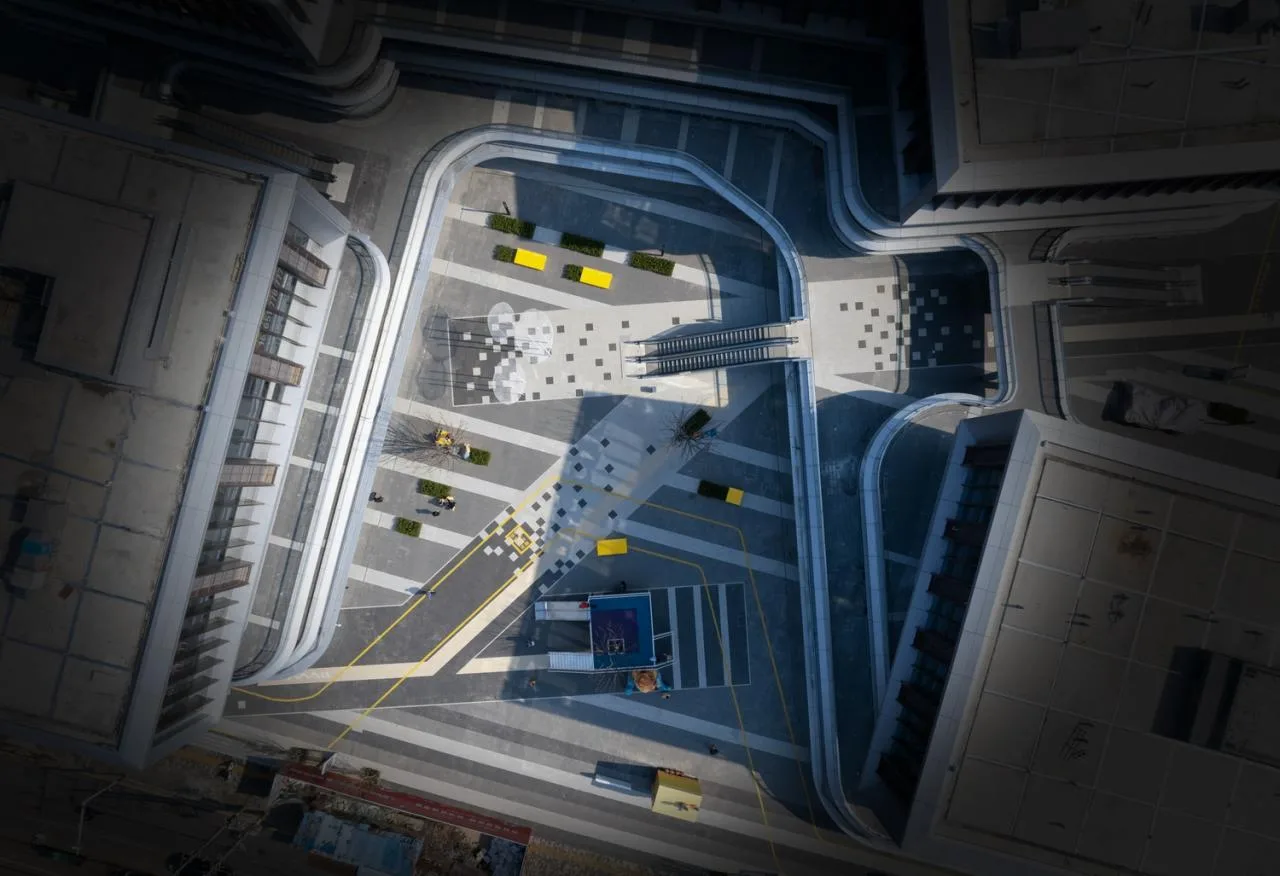
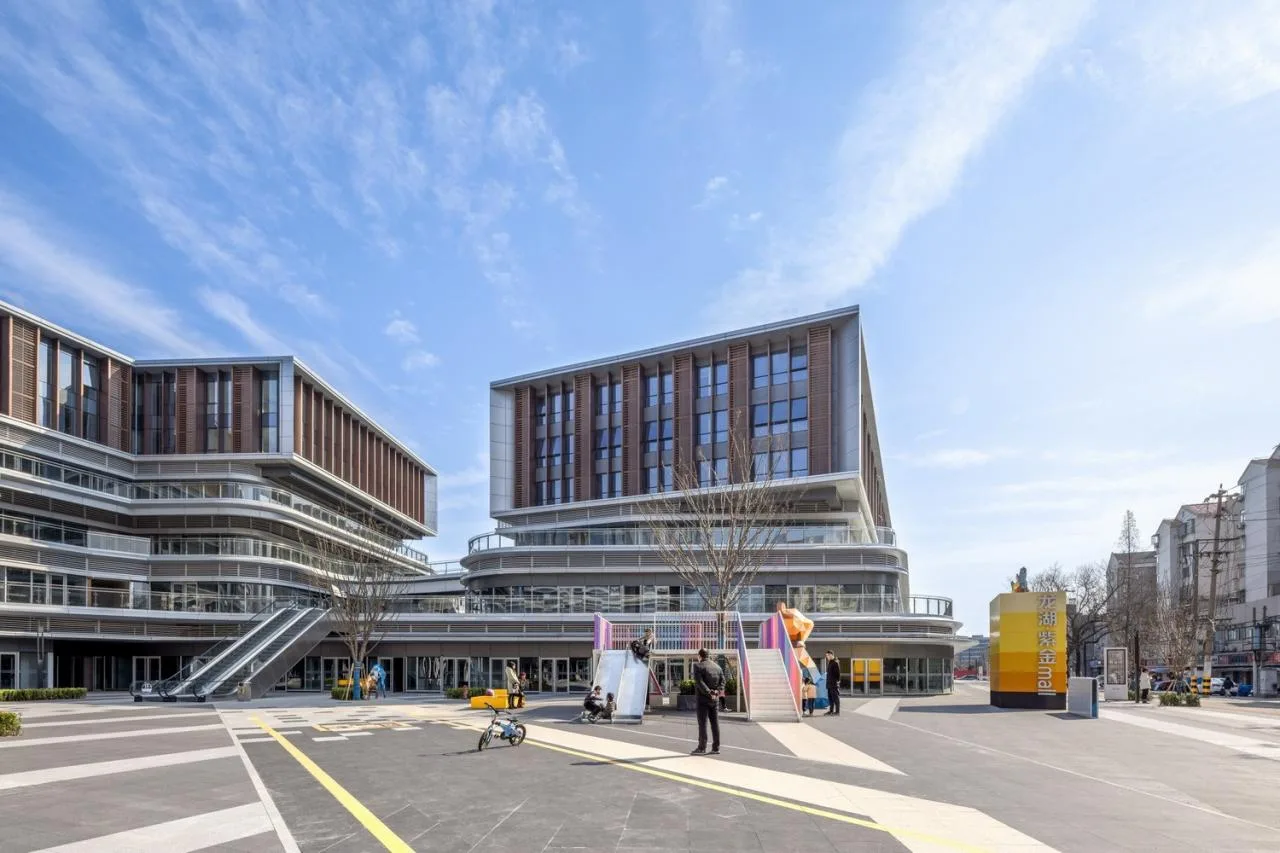
△ Reclaiming urban public spaces © Liu Songkai
Traditional commercial complexes often feature inner streets or storefronts, limiting visibility and customer access. The inverted S-shaped layout transforms the interior into exterior-facing storefronts, ensuring all commercial fronts are accessible and highly visible.
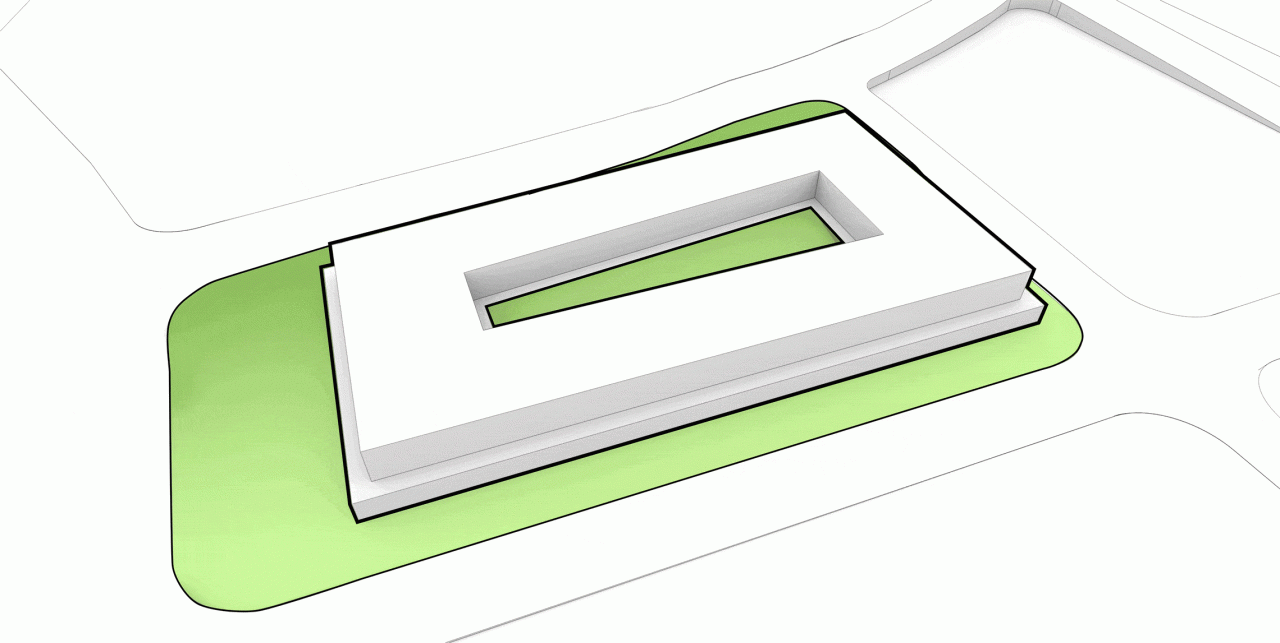
△ Concept illustration
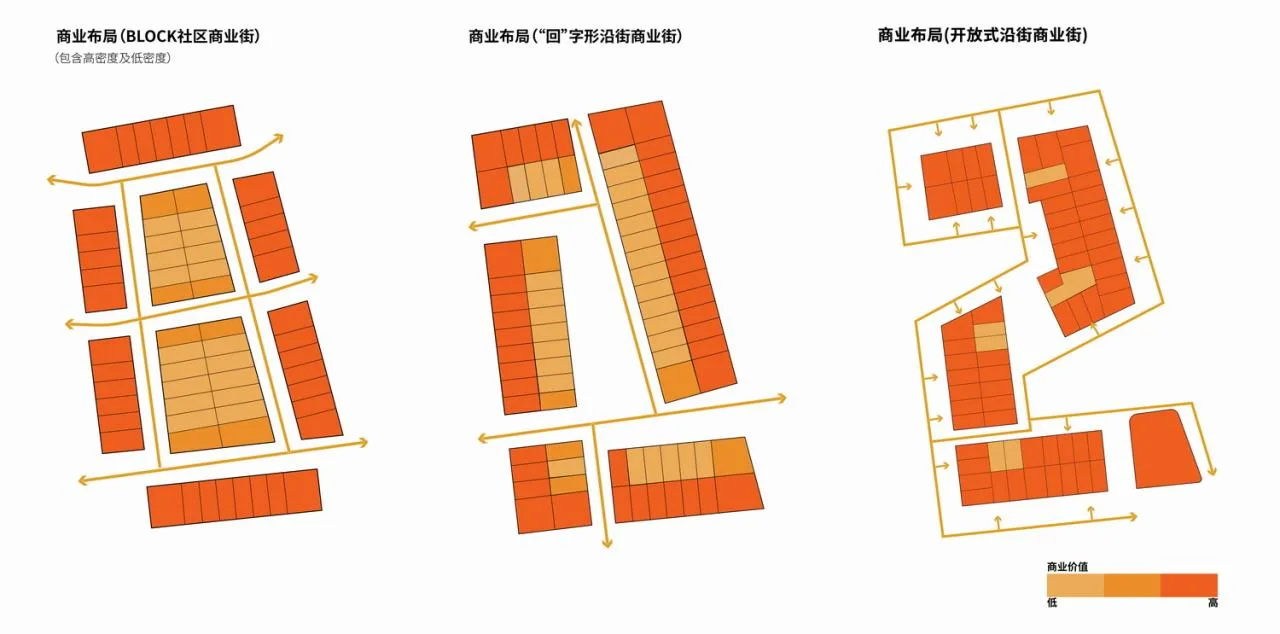
Analysis of the inverted S-shaped commercial layout
This design, with its high commercial ratio, not only simplifies pedestrian flow but naturally creates two outward-facing civic squares. These spaces feature continuous, personalized, and well-organized themes that integrate vibrant urban lifestyles, addressing the shortage of public activity areas and boosting overall commercial vitality and social value.
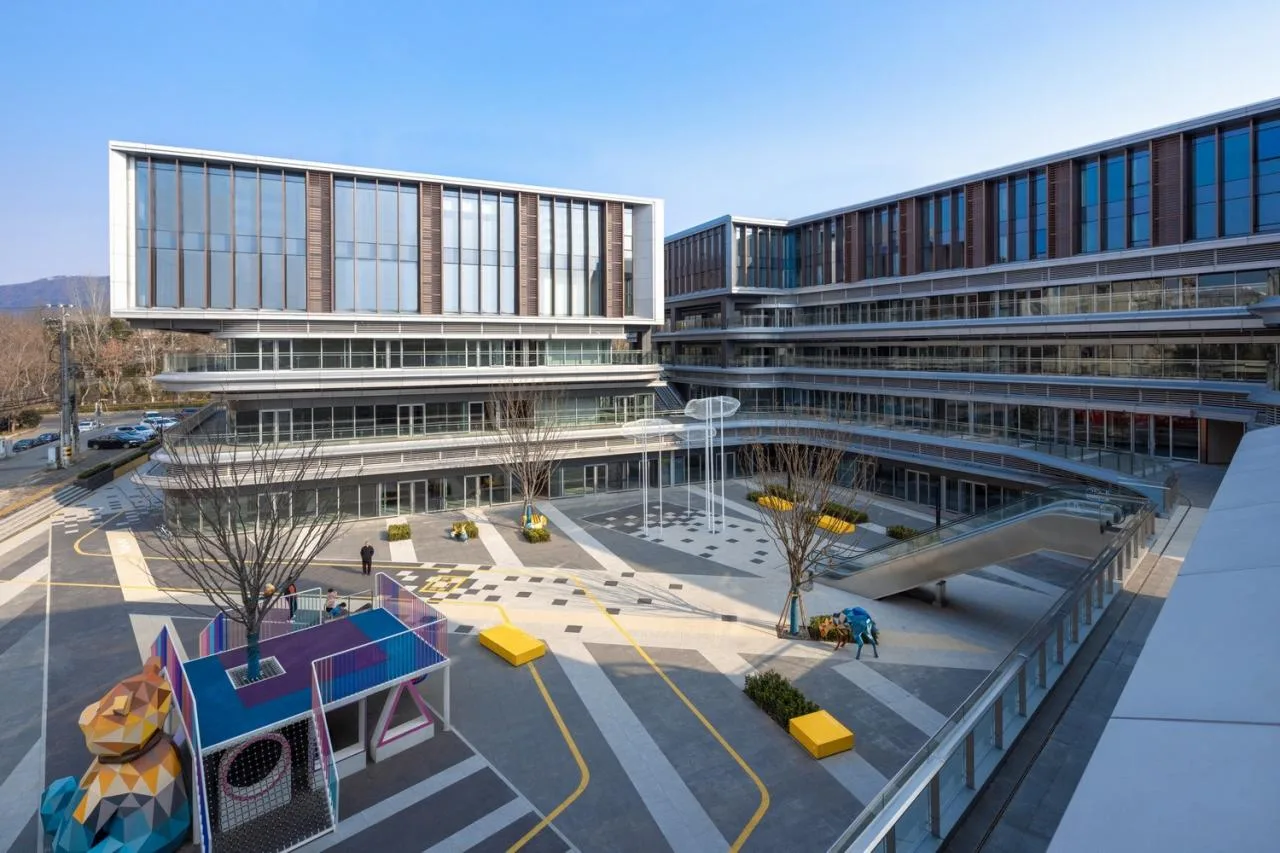
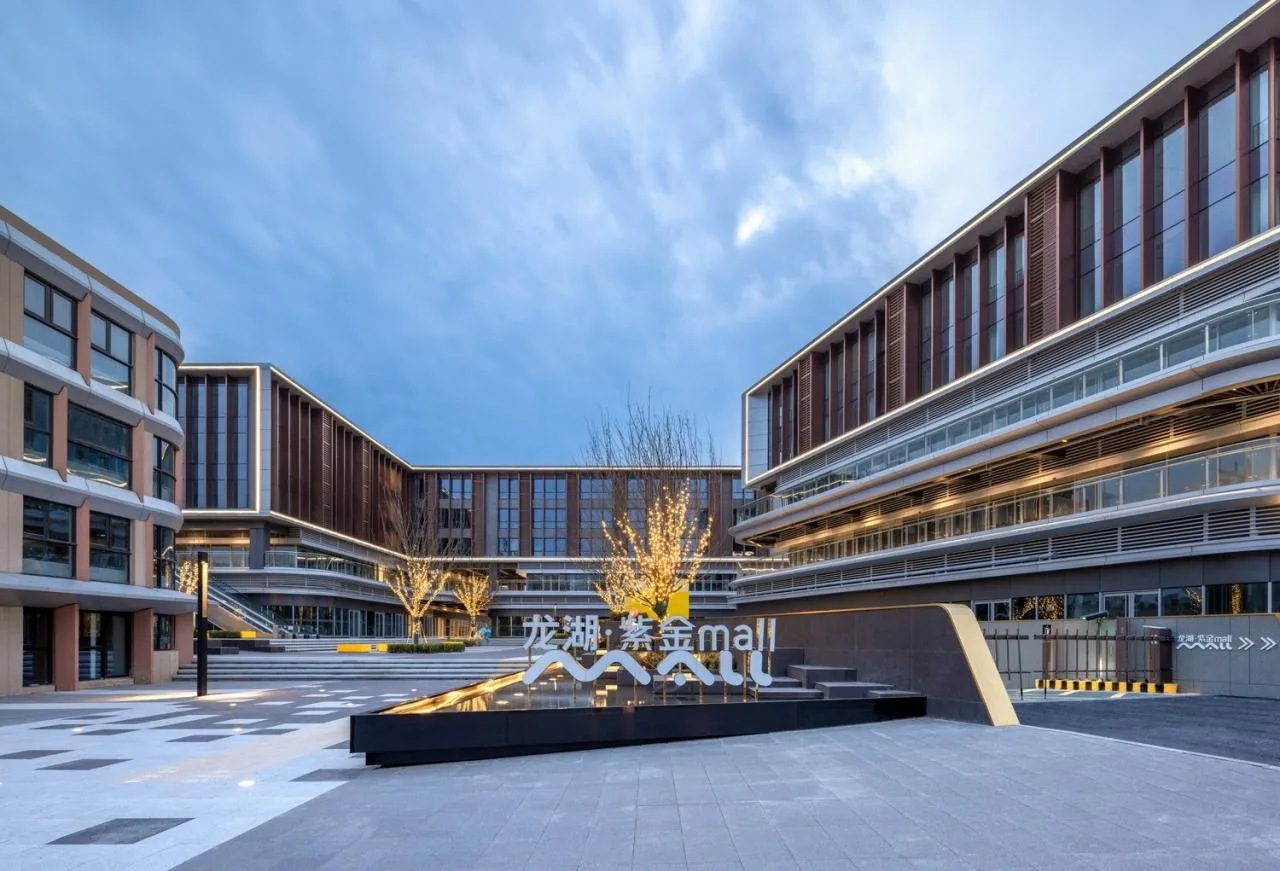
Two outward-facing civic squares © Liu Songkai
Innovative Terrain Usage: Double First Floor Design Solves Site Level Differences
The original site has a height difference exceeding 4 meters between its northeast and southwest sides, posing a significant design challenge. Addressing the relationship between the site’s environment and spatial functions, as well as overcoming technical difficulties from this elevation change, was a primary focus.
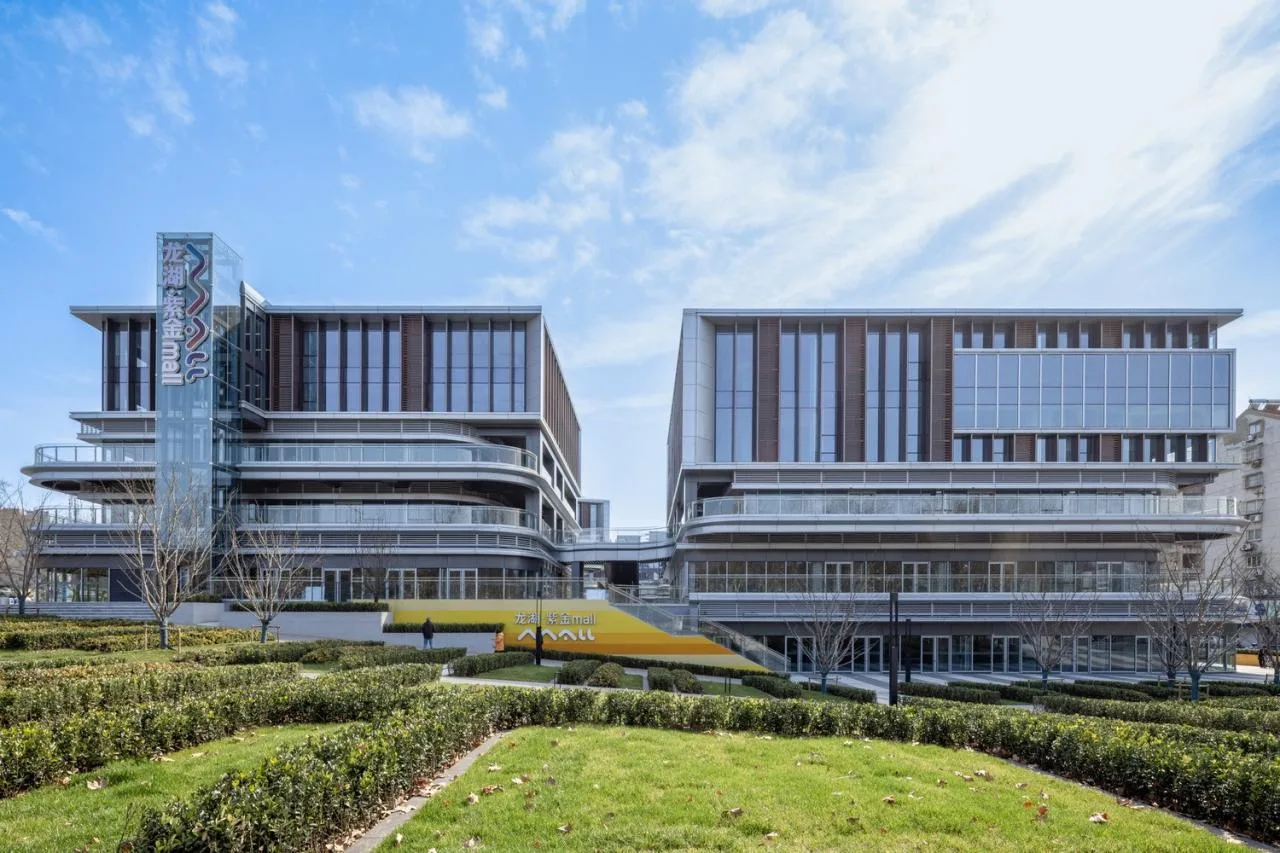
△ Double first floor design © Liu Songkai
The designer turned this challenge into an advantage by utilizing the height difference to create a “double first floor” layout. This approach expanded the commercial display area and enhanced connectivity within the commercial spaces.
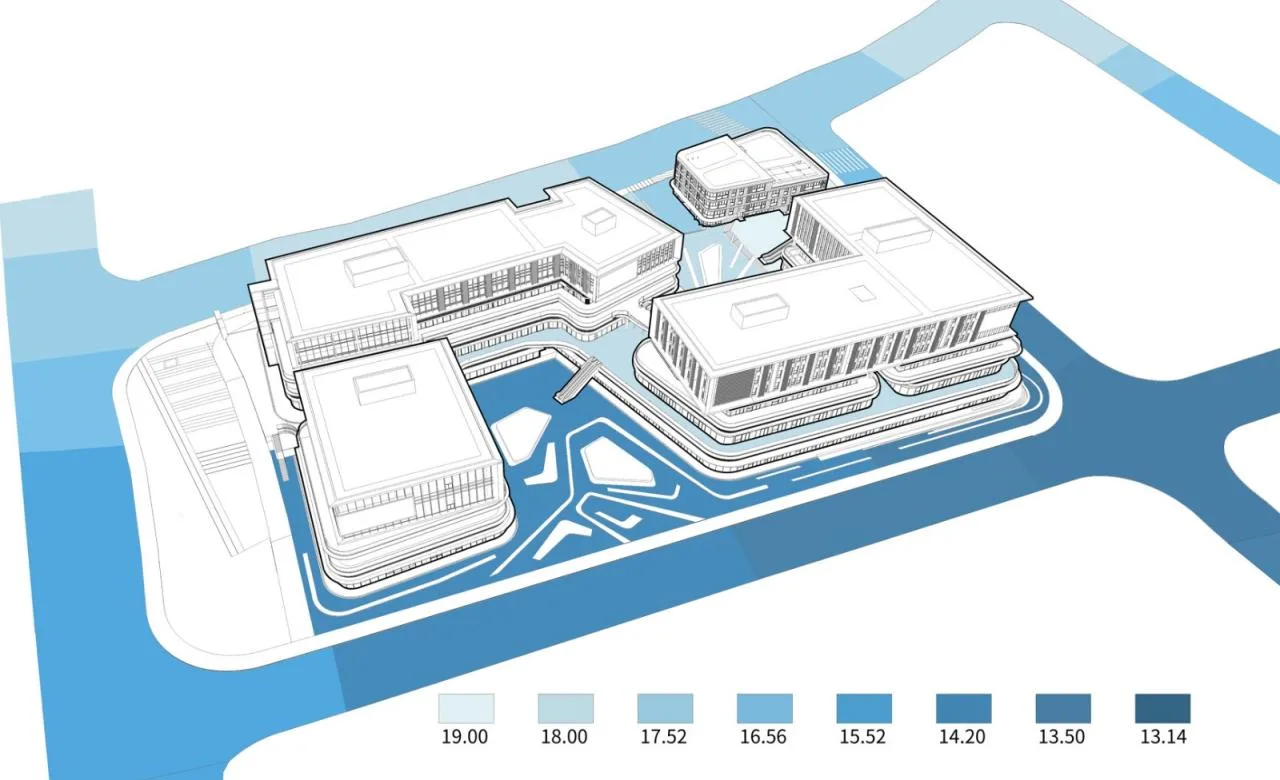
△ Double first floor city interface
The commercial area near the subway station and the Zijinshan Parent-Child Plaza is defined as the lower ground floor. The cultural-themed square on the southeast part of the first floor is accessible via escalators or outdoor landscaped paths, dispersing and connecting foot traffic to energize the first-floor commercial zone and create a dynamic flow. The third and fourth floors consist of inner corridor-style commercial spaces mirroring the lower levels, further enhancing the square’s vibrancy.
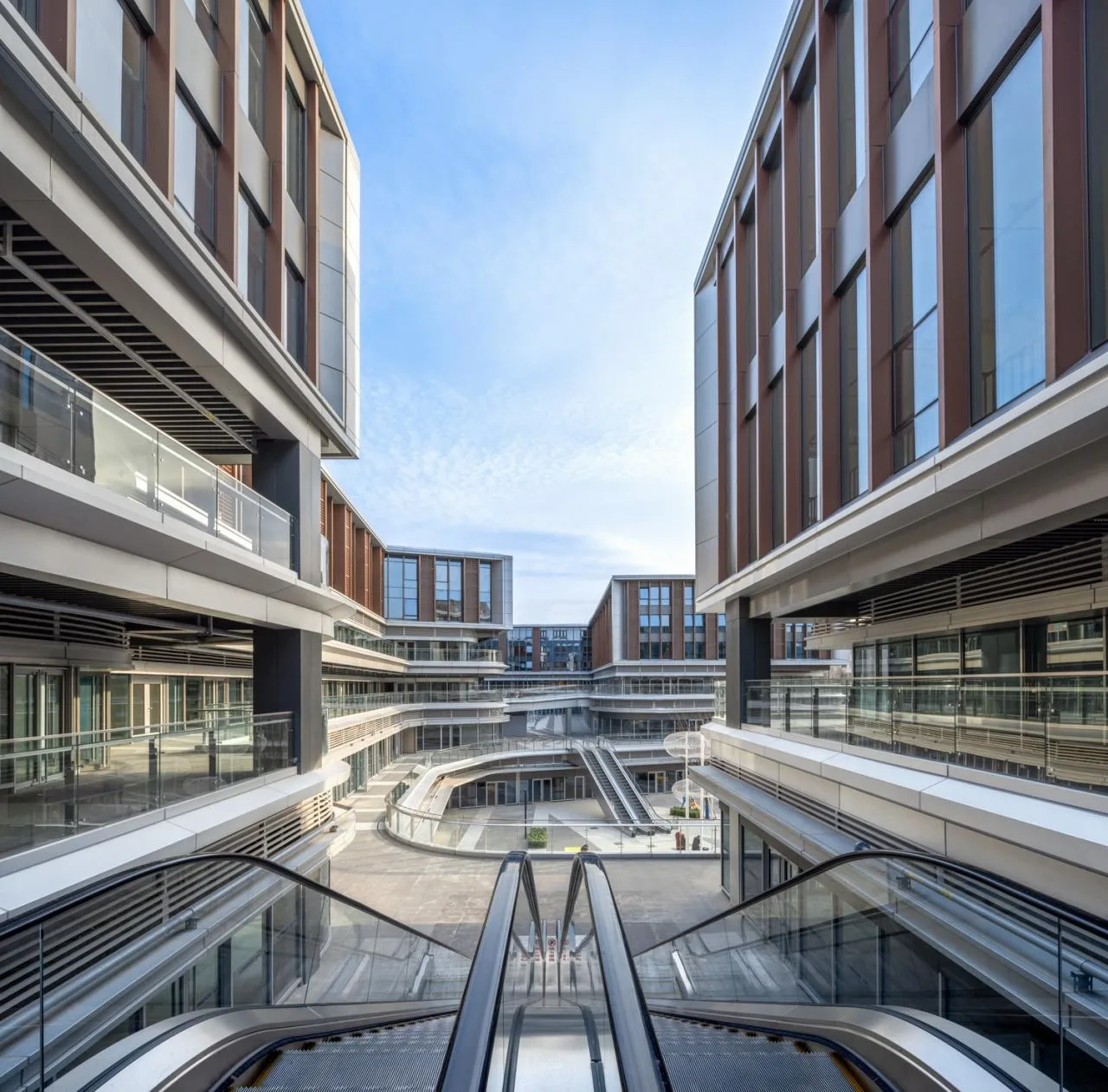
△ Well-connected commercial space © Liu Songkai
The facade design uses segmented elements to respond to the urban interface’s varying heights. The lower section features a curved shape that conveys comfort and modernity while attracting attention. Above, a modern right-angled facade allows flexible space usage, incorporating hidden frame glass curtain walls and external vertical components to create depth and rhythm. Traditional elements are also included to harmonize with the local context. LED lighting, advertising spaces, and color-changing effects make the commercial complex a regional gathering focal point.
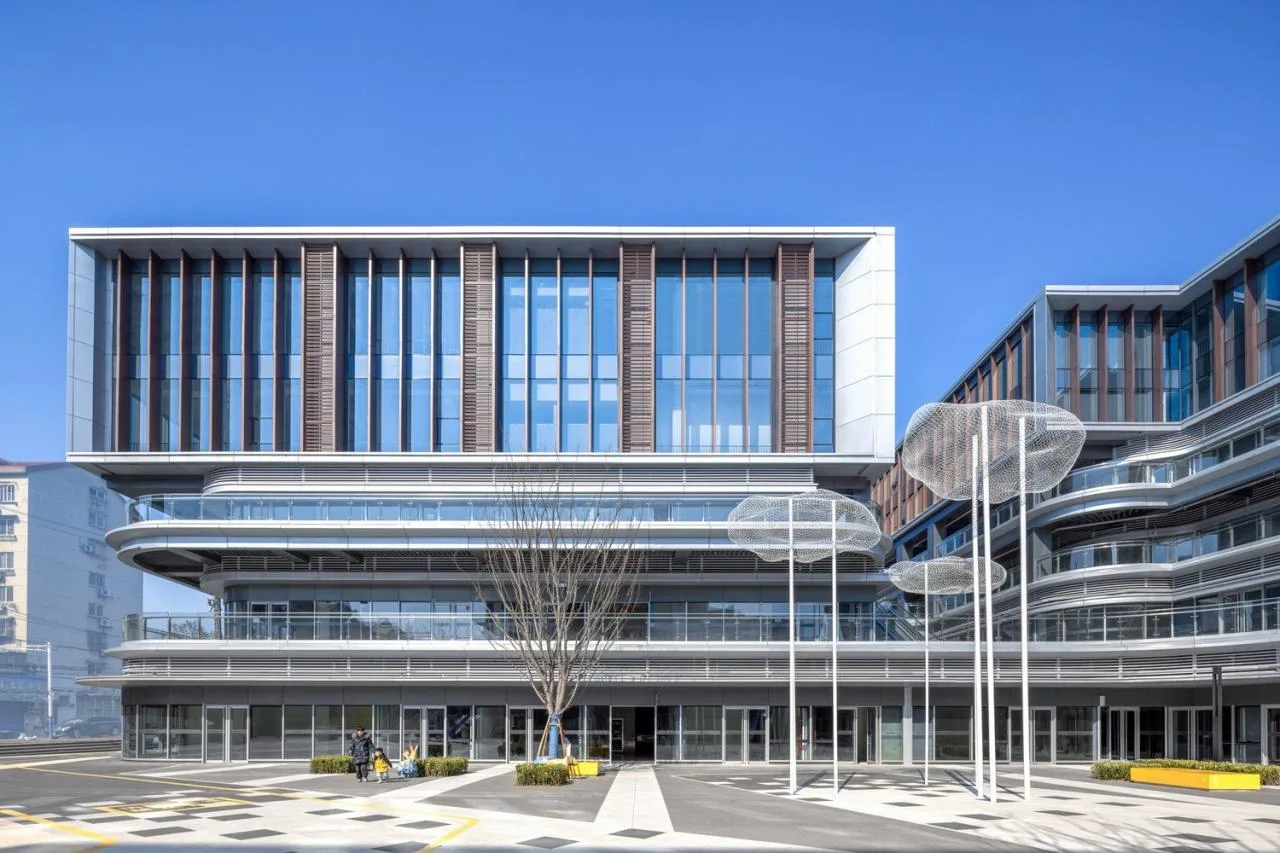
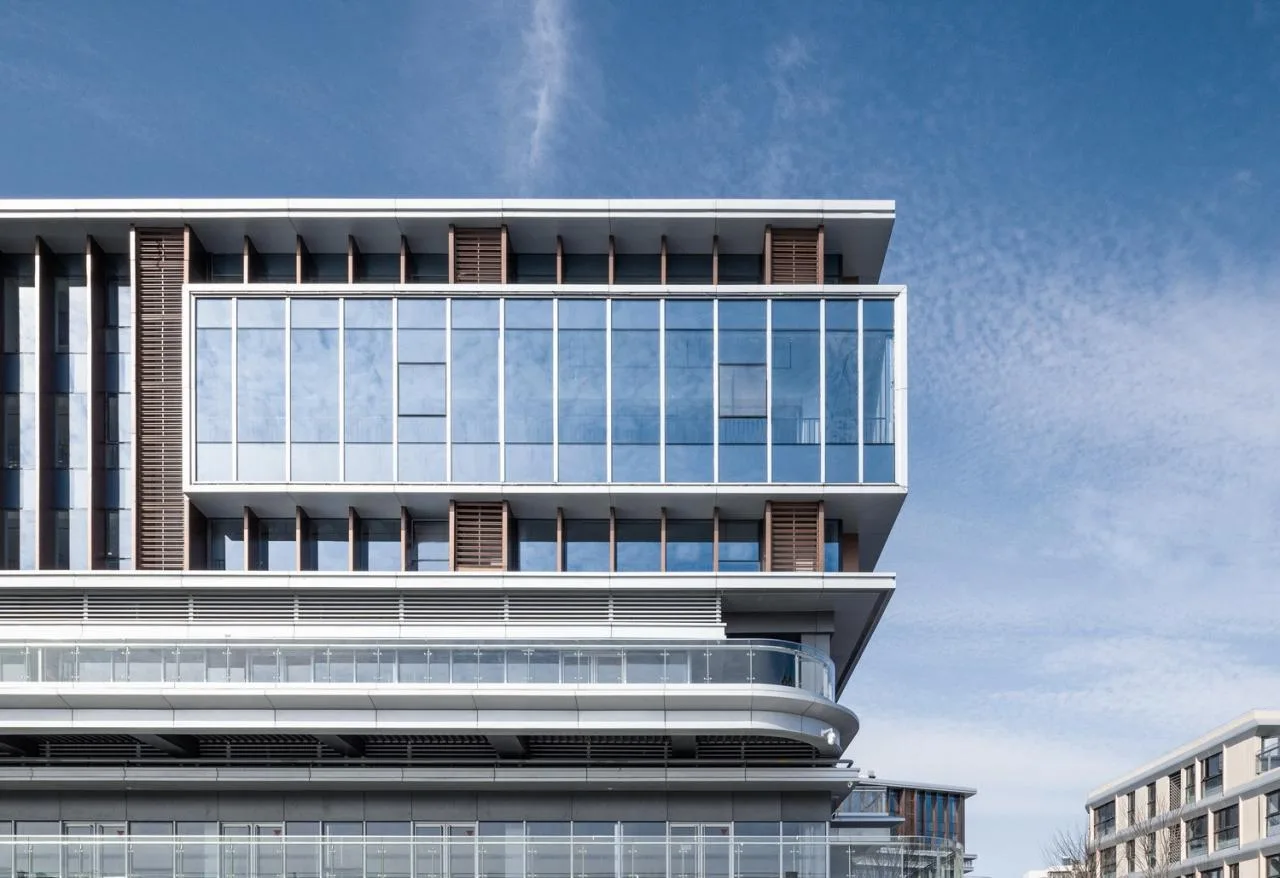
△ Segmented facade design © Liu Songkai
03 Mastering Community Quality
Attention to Detail Throughout the Entire Process
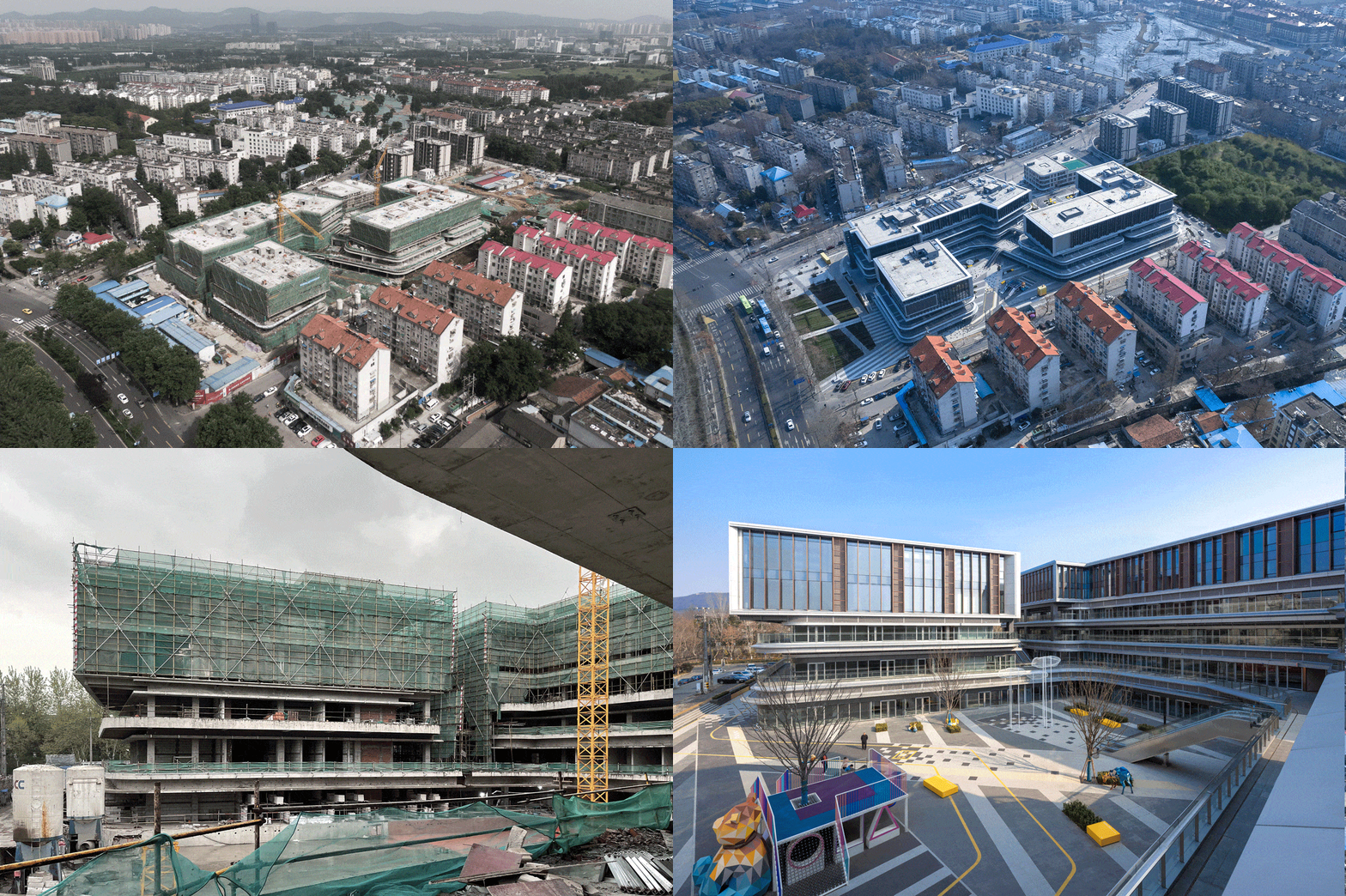
Behind the beauty: Concealing mechanical and electrical equipment
Due to the project’s sales-focused nature and the use of split air conditioning units, the architect invested significant effort in concealing mechanical and electrical pipelines to preserve the building’s facade aesthetics.
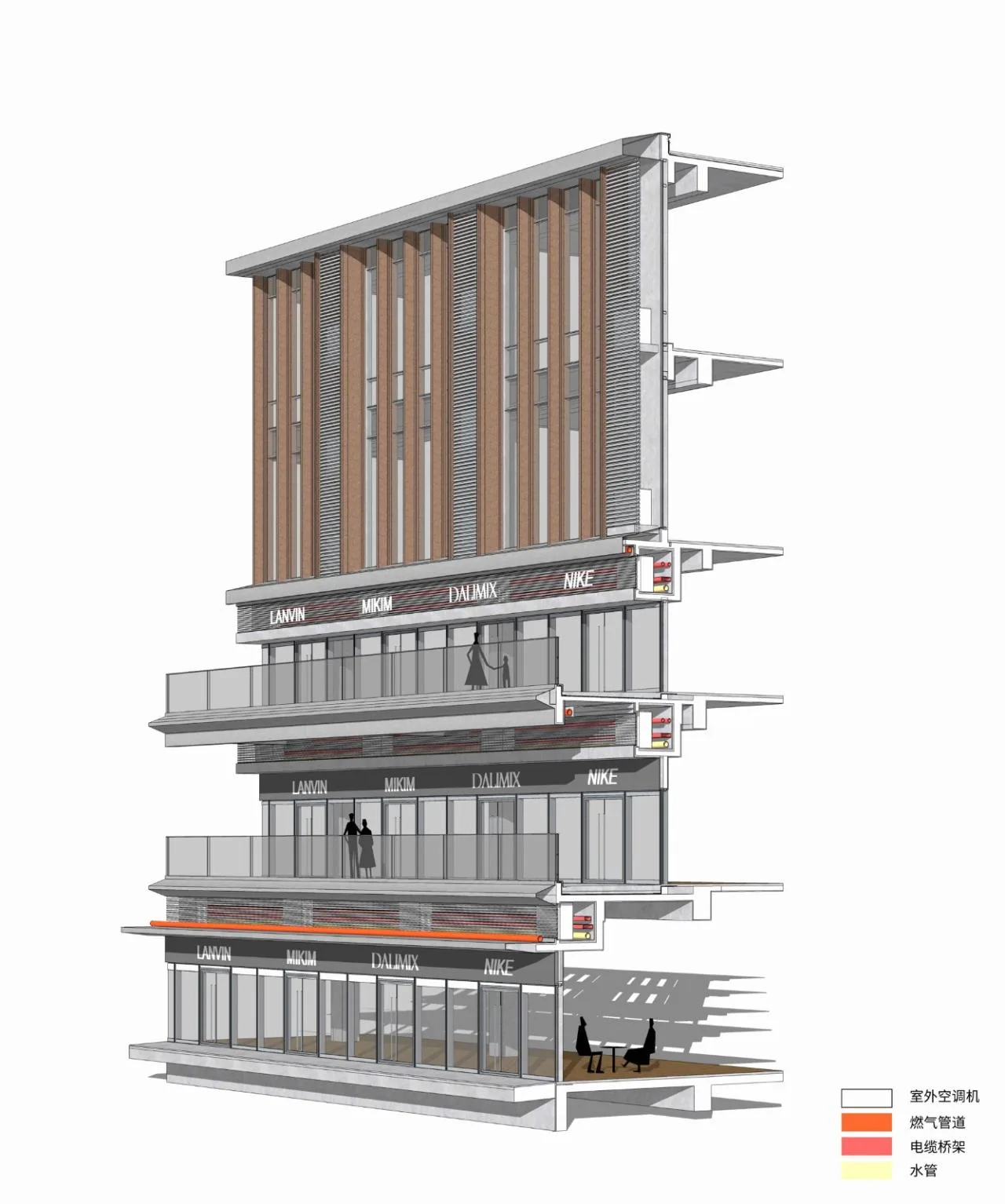
△ Facade shading plan schematic
The outdoor air conditioning units are placed within cavities above store signs, with electrical cable trays and water pipes cleverly hidden in the remaining spaces. Gas pipes that must remain visible are positioned either atop canopies or integrated into the design. Despite policy constraints preventing some gas pipes from being concealed within beams, they are painted to match the building color, minimizing impact on the facade.
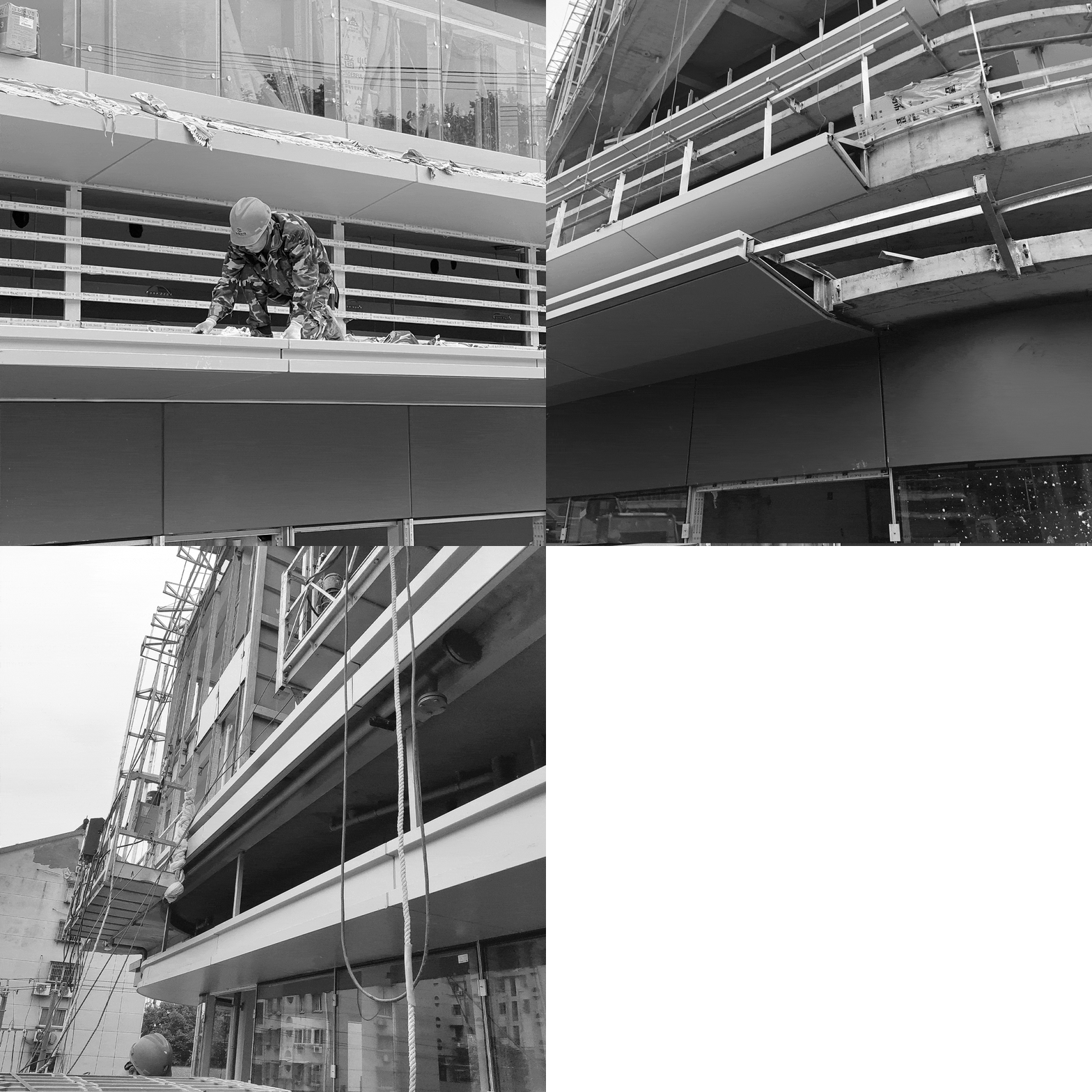
△ Construction process snapshots
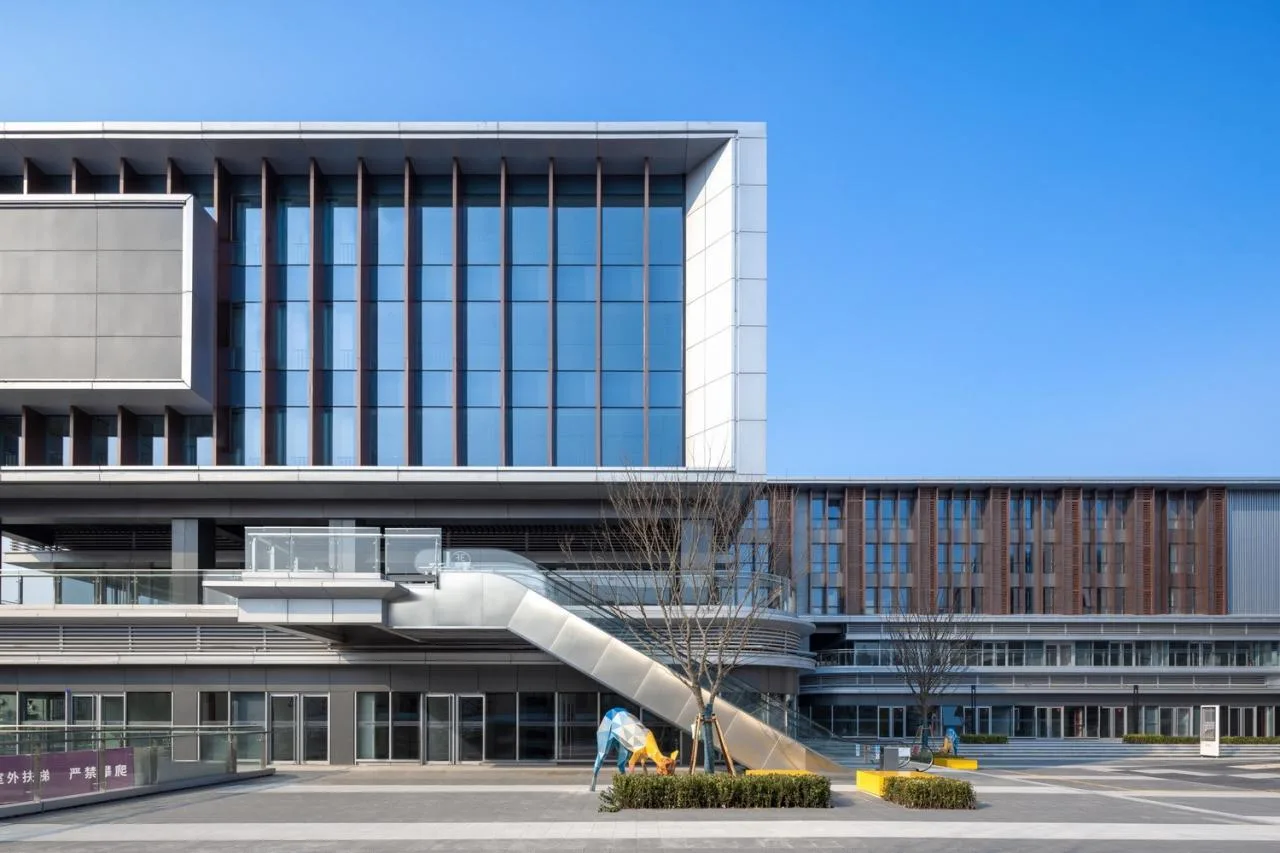
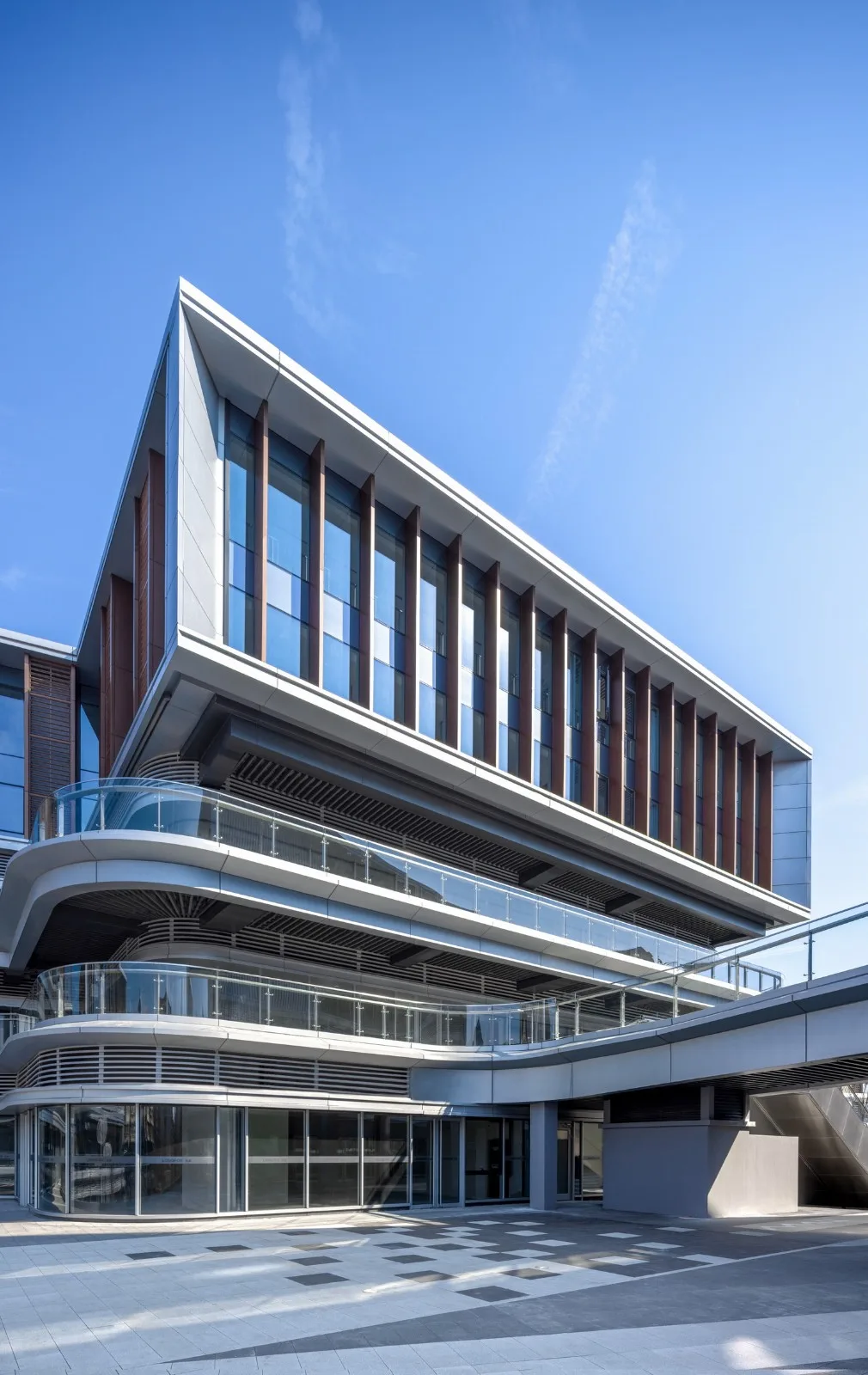
Concealing pipeline equipment preserves the clean and beautiful building facade © Liu Songkai
Seamless Curtain Wall Integration: Solving Landscape and Architecture Junctions
Typically, the final focal point of a project is the landscape. The Xiaolingwei site’s significant height differences, especially where indoor spaces meet outdoor areas, create challenges. Without careful treatment, uneven gaps would appear, failing to meet material and size requirements.
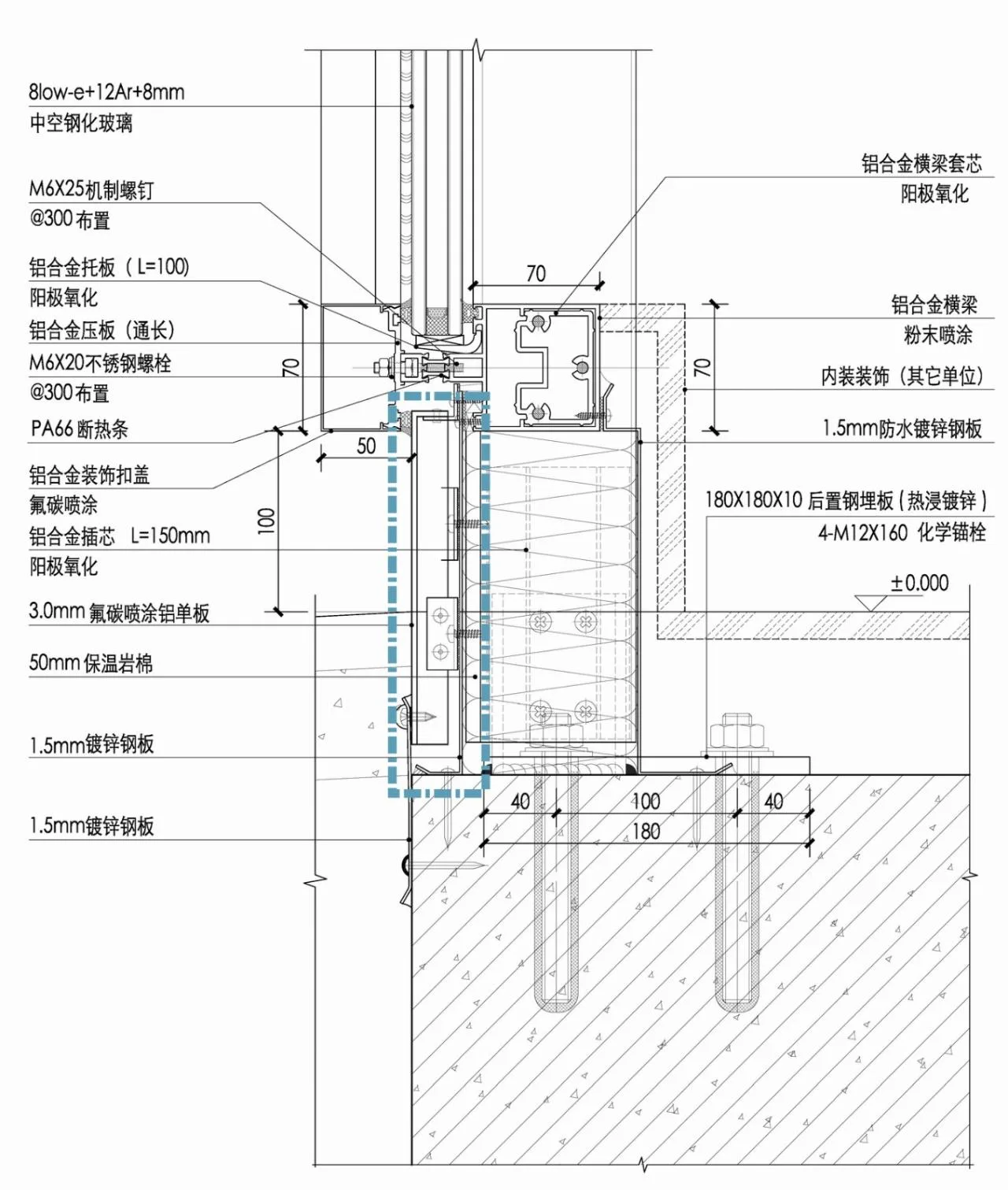
△ Curtain wall and landscape interface detail
The design closes the bottom of the floor-to-ceiling glass curtain wall with raised aluminum profiles and leaves a visible aluminum plate component below that can be extended after landscaping is complete. This approach reduces landscape construction difficulty and prevents uneven gaps.
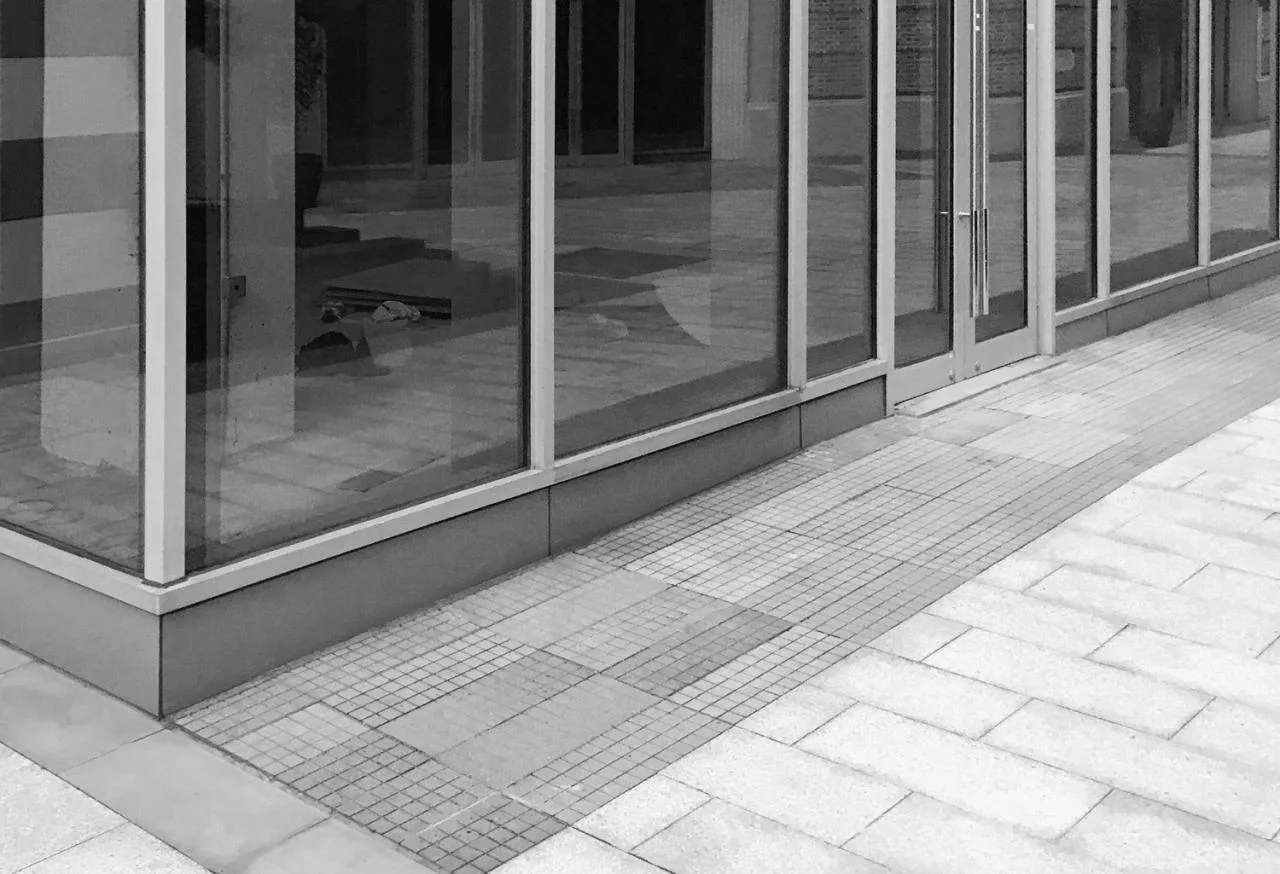
△ Preventing gaps at the curtain wall and landscape transition
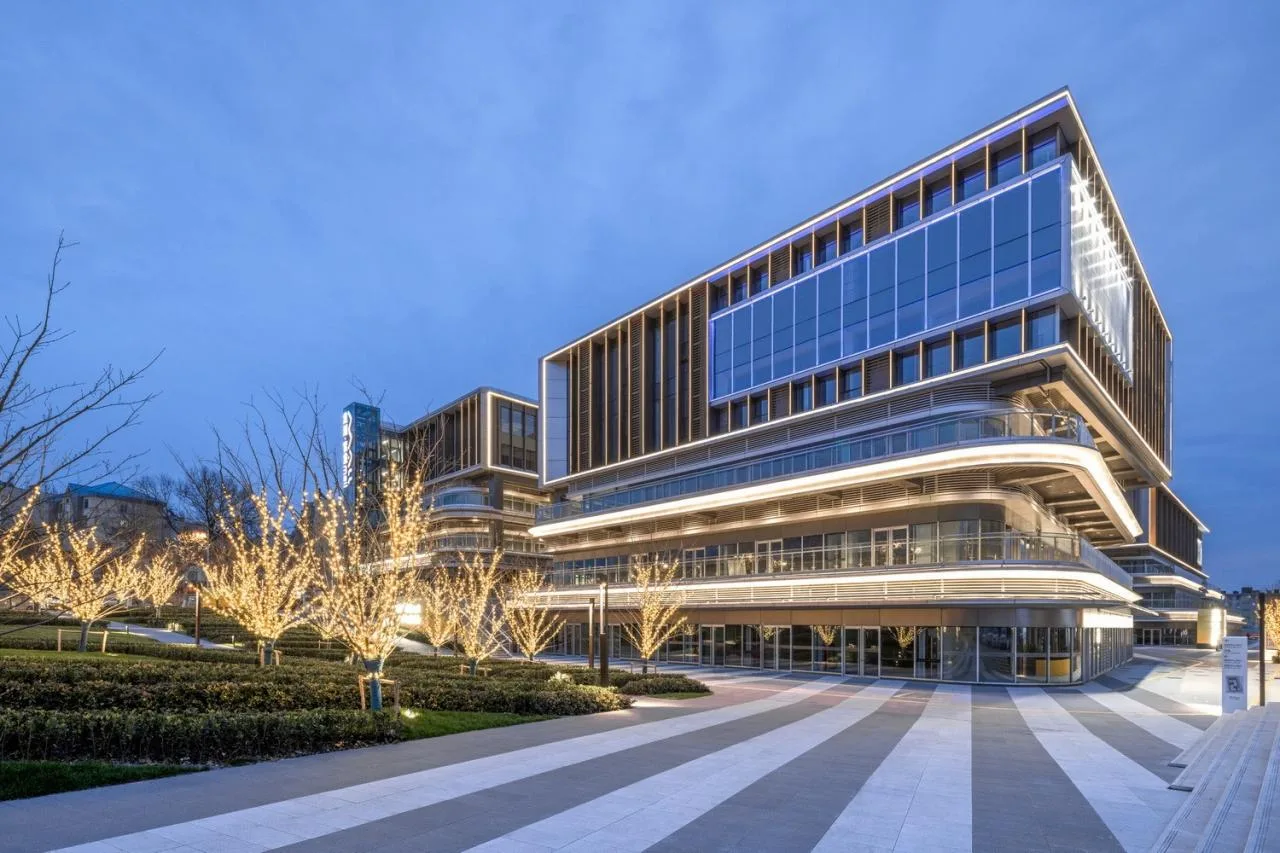
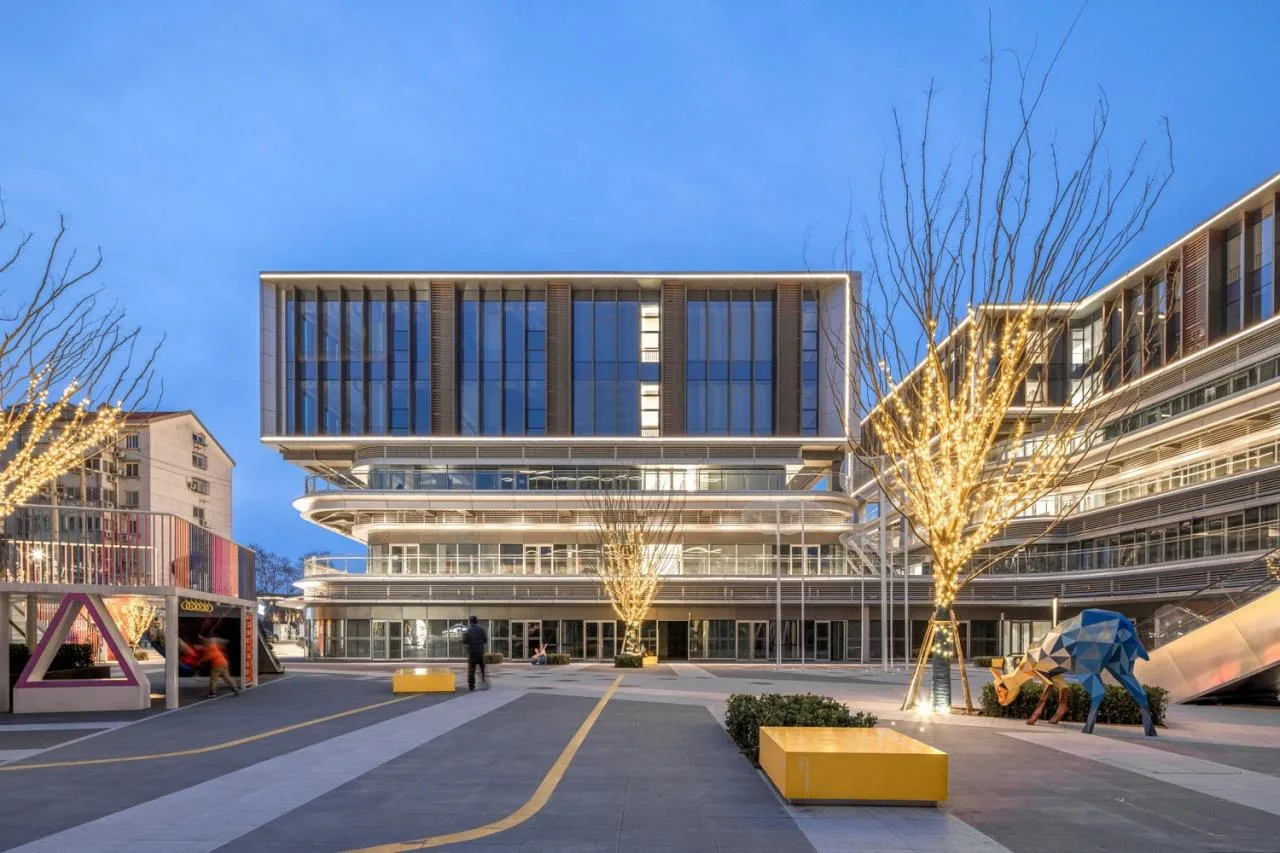
△ Perfect transition between landscape and architecture © Liu Songkai
Strict Craftsmanship and Precision Control
In the fast-paced construction environment, project quality can vary significantly. The Xiaolingwei project uses numerous aluminum panels that require precise assembly. These panels are fastened with 9.5mm diameter self-tapping screws, with the ideal adhesive seam controlled to 12mm after glue application.
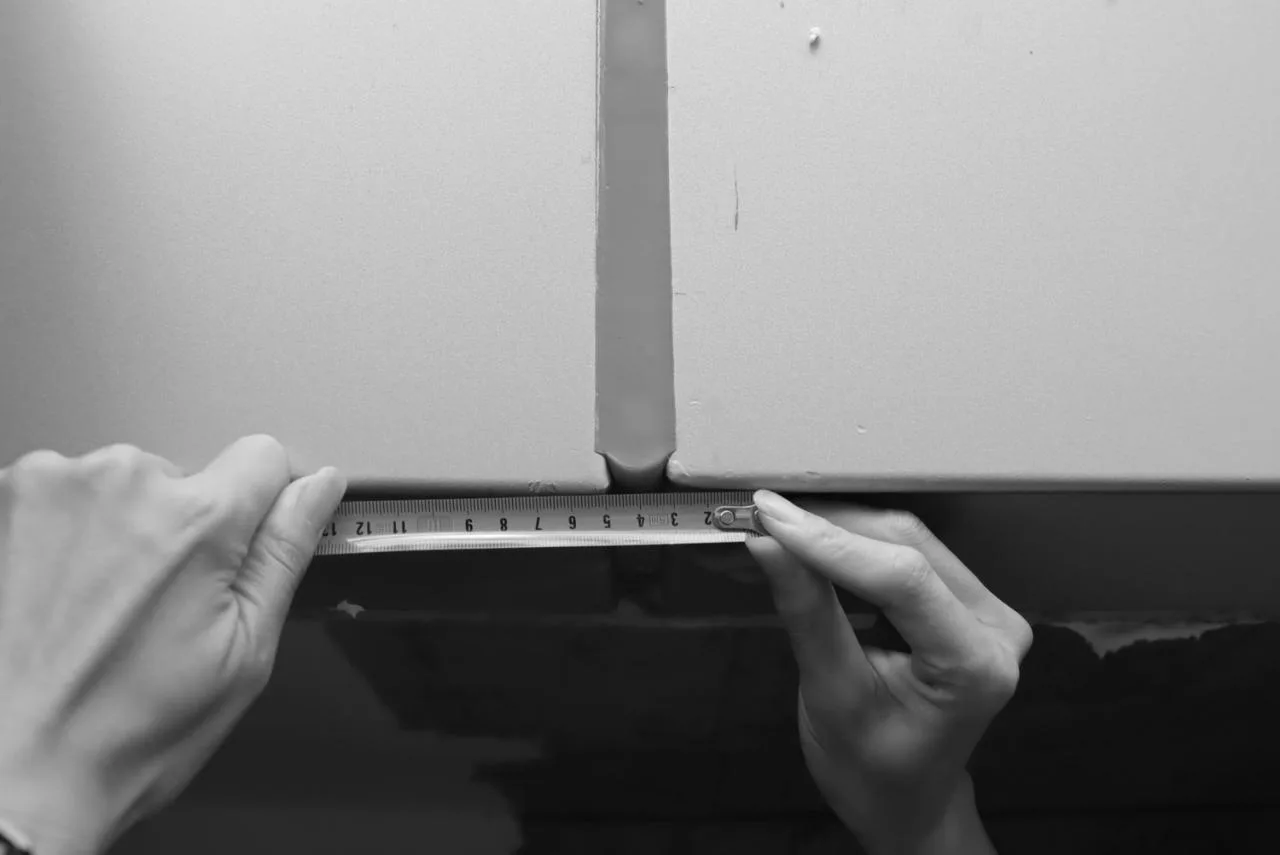
△ Measuring adhesive seams exceeding 12mm
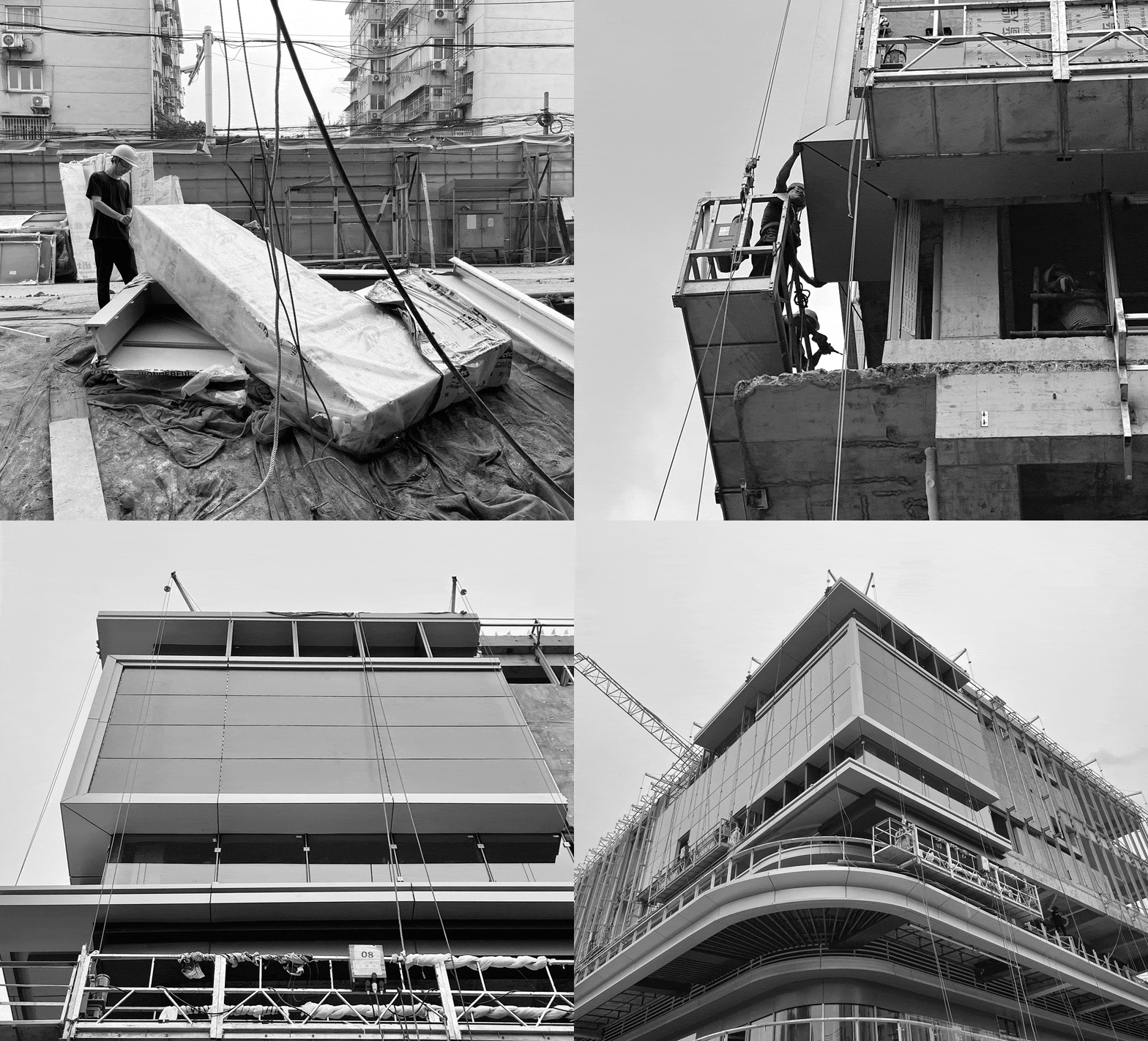
Architects conducting site inspections to ensure quality control
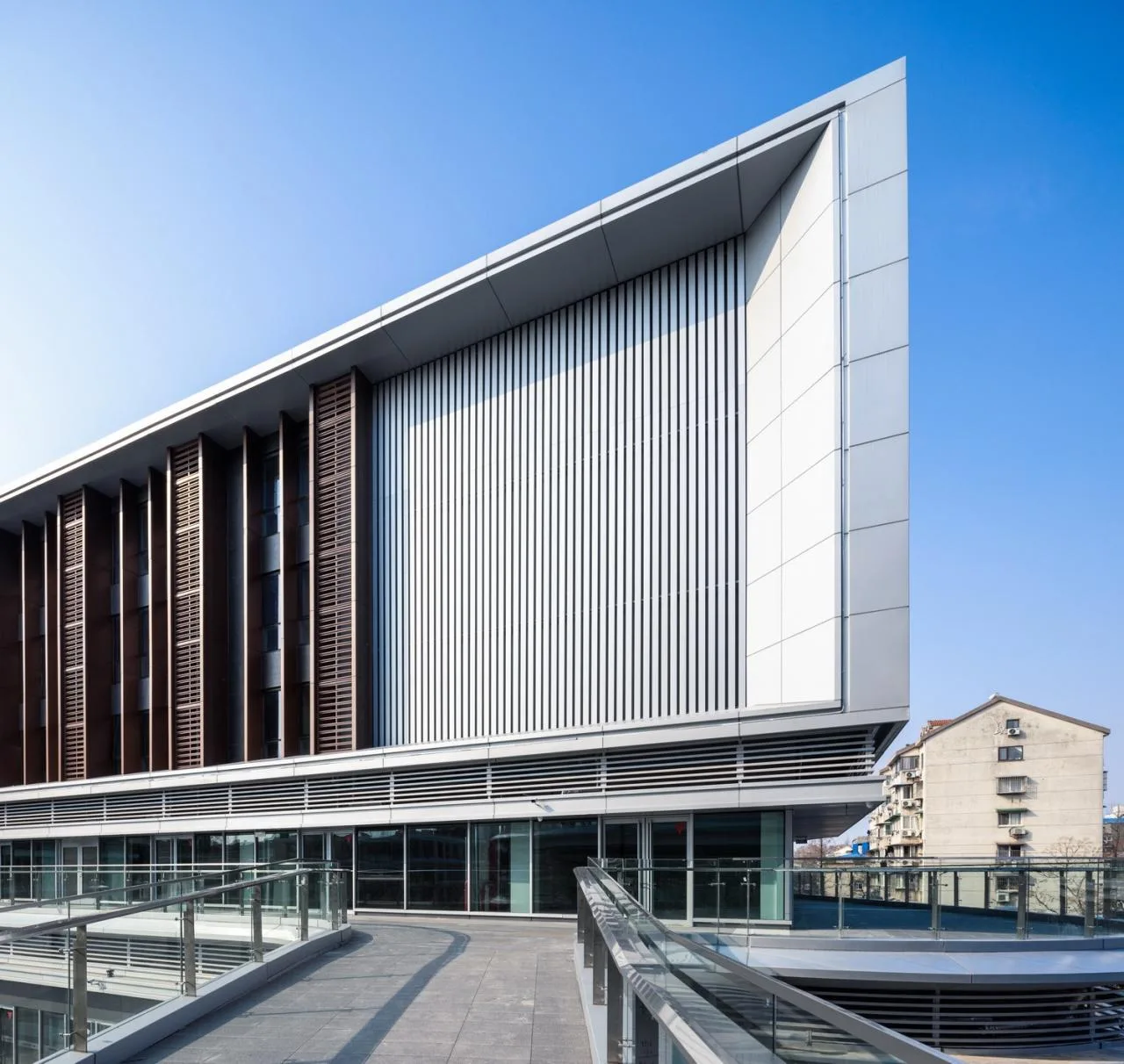
Strict control over the aesthetics of aluminum panel joints © Liu Songkai
In practice, factories often leave 15-20mm gaps during material cutting for convenience and error tolerance. Gluing requires skilled workmanship, as careless application can cause surface contamination or misalignment.
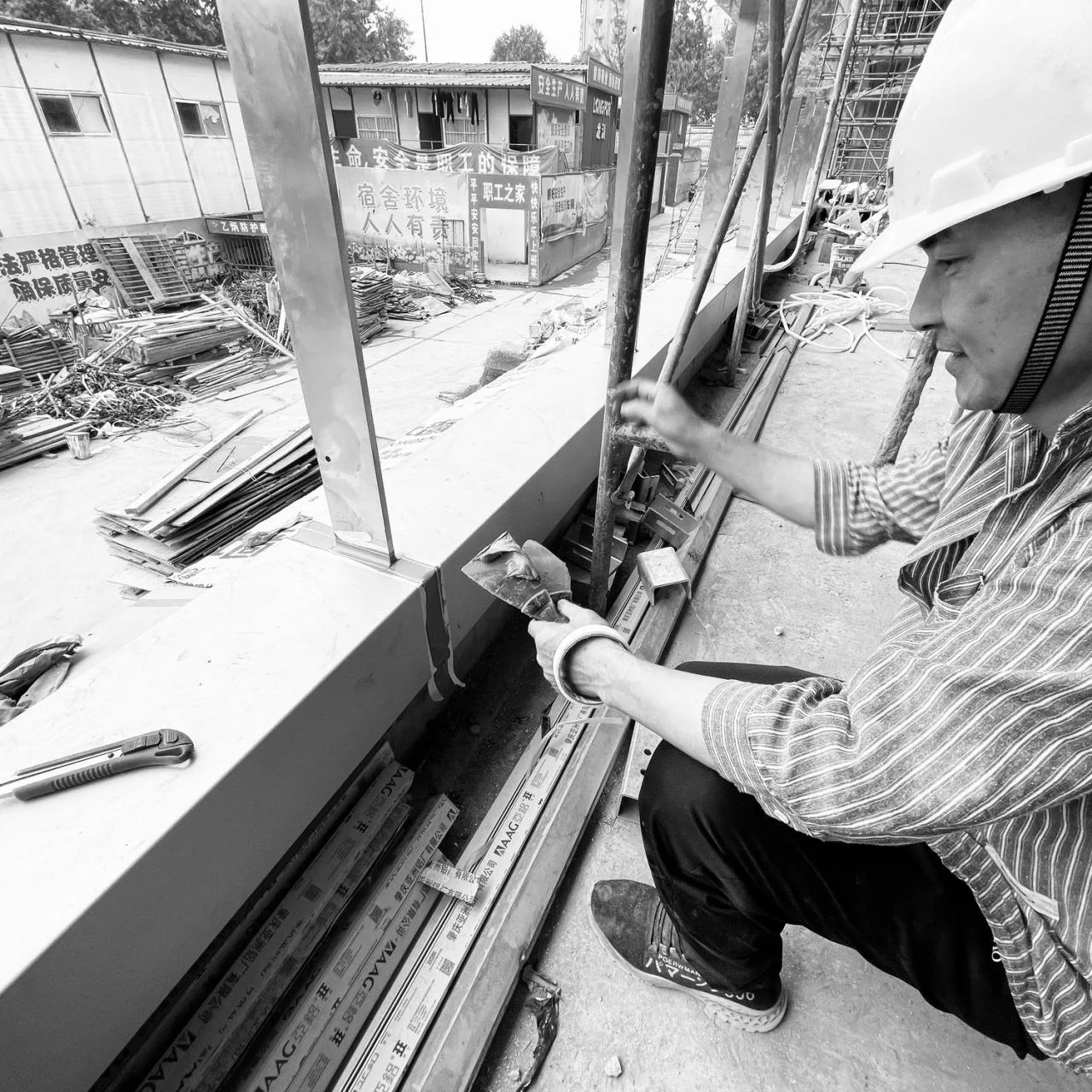
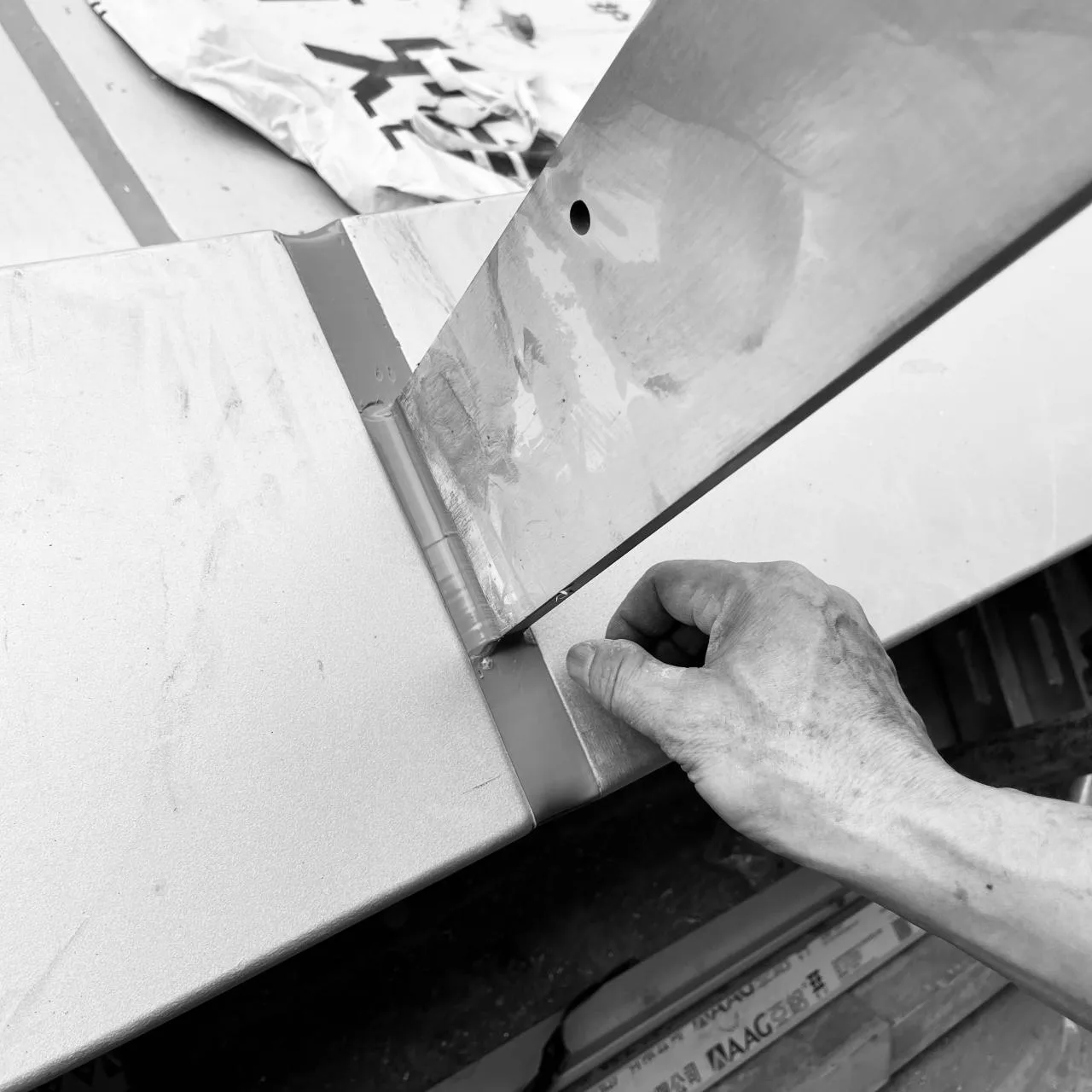
△ Glue application quality control
To prevent these issues, architects performed multiple site inspections, strictly overseeing every detail. Ultimately, adhesive joints were controlled to 12mm, ensuring precise aluminum panel assembly.
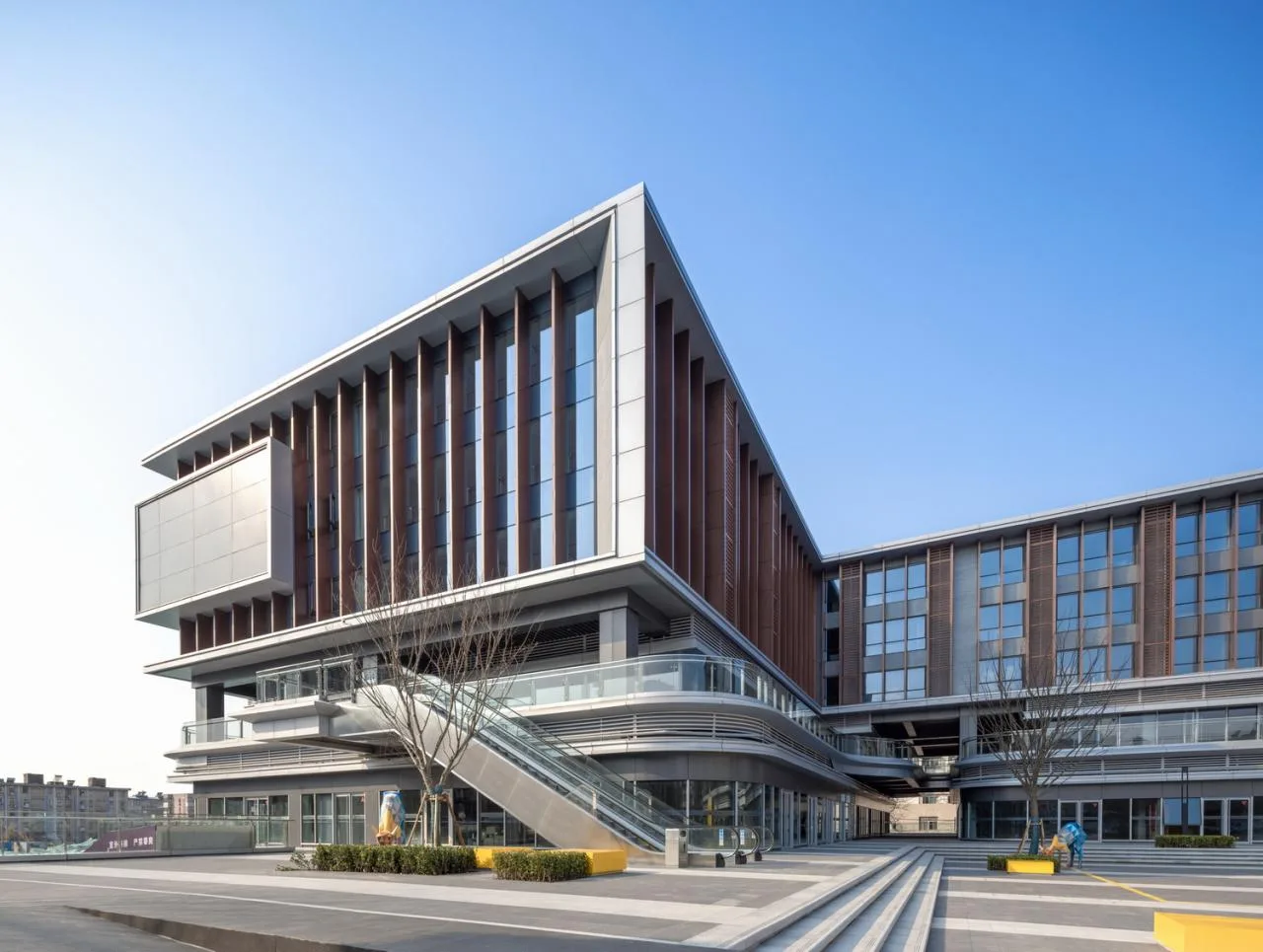
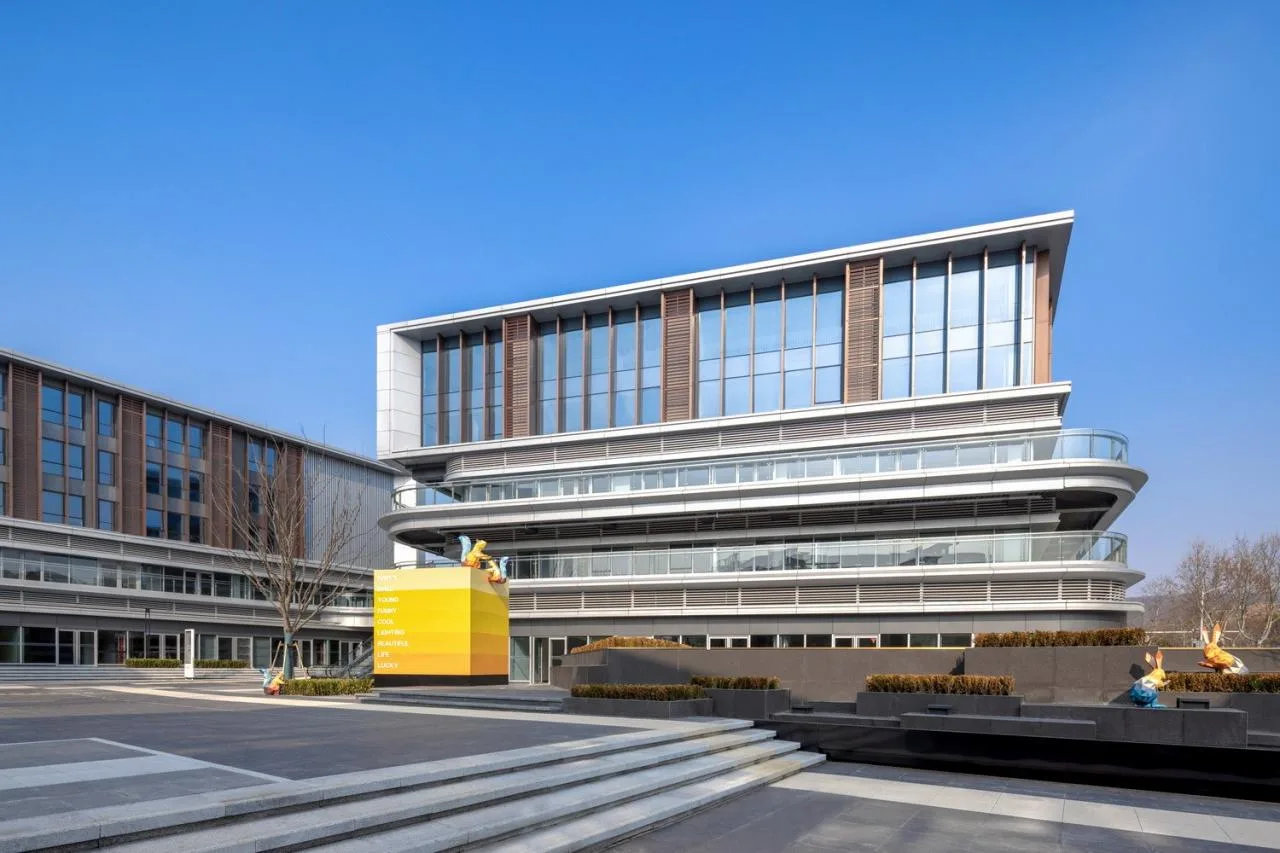
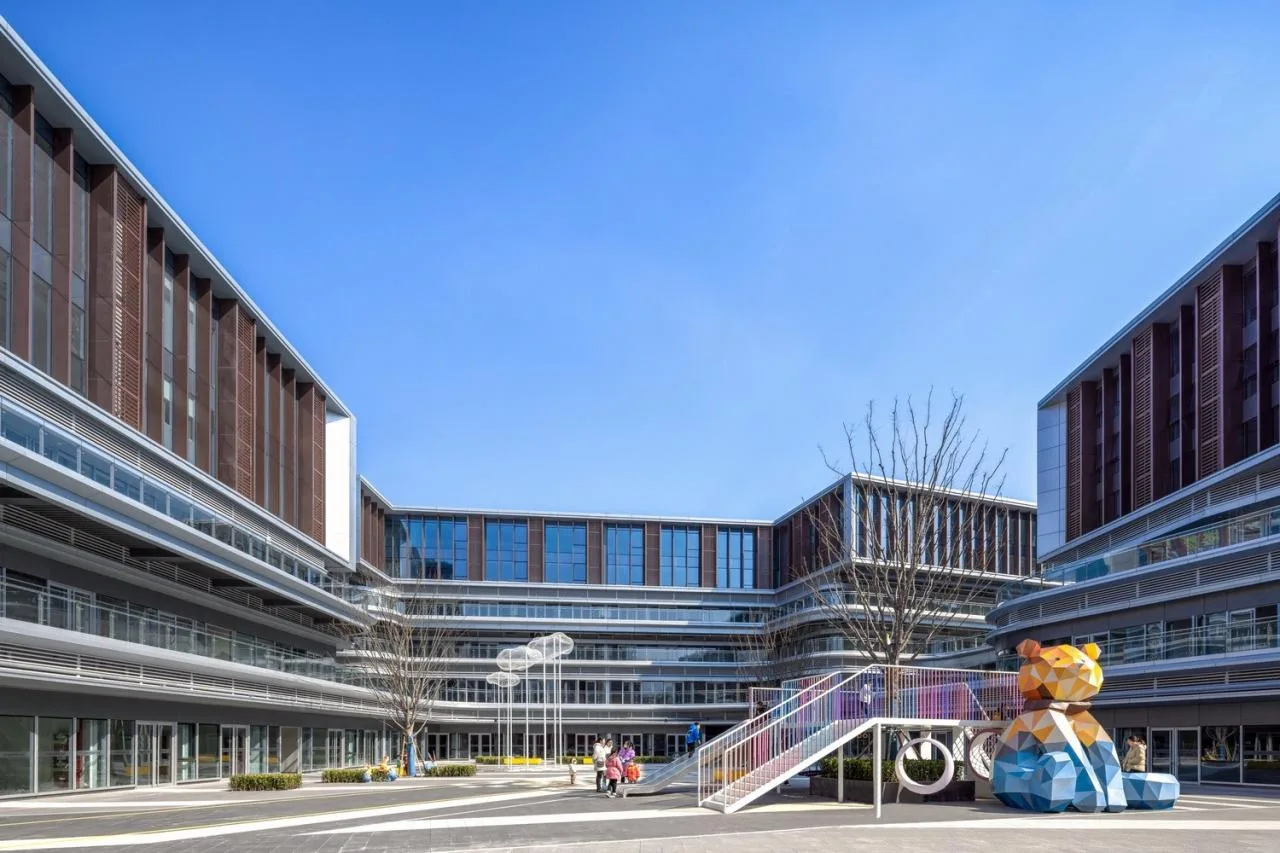
△ Ensured aesthetic appearance of the facade © Liu Songkai
As a rare new consumption landmark in Nanjing’s Xiaolingwei area near Purple Mountain in recent years, the Nanjing Longhu Purple Gold Mall prioritizes enhancing the living environment and elevating the city’s image. Its unique inverted S-shaped design on a challenging site maximizes commercial value with low costs and high returns. While creating high-quality spaces, the project consistently prioritizes community and residents, fostering sustainable neighborhoods that people aspire to live in and providing an aesthetically pleasing ecological community business right at residents’ doorsteps.
Nanjing Longhu Zijin Mall not only improves the overall quality of life in the area but also strengthens residents’ sense of identity and emotional connection to the community.
Our design team has witnessed Xiaolingwei’s transformation over just two years. Guided by professional ethics and life philosophy, they deliver not only optimal living solutions but also sustainable aesthetic improvements for the urban environment. They believe the building’s positive impact on its surroundings will unlock greater development potential for Xiaolingwei.
Project Information
Project Name: Nanjing Longhu Purple Gold Original Works
Project Type: Commercial Complex + Residential
Location: Xiaolingwei Street, Xuanwu District, Nanjing City
Site Area: Approximately 25,600 square meters
Building Area: Approximately 81,000 square meters
Design Period: June 2019 – October 2019
Construction Period: October 2019 – January 2022
Construction Unit: Longfor Group Nanjing Company
Design Unit: Shanghai Sanyi Architectural Design Co., Ltd
Project Manager: Lu Xiaogang
Commercial Design Team: Zhang Weiwei, Yu Xiaoxiao, Wang Shuo, Xiang Wenwei, Hu Zheyu, Li Yangyang, Wang Ying, Pan Mengyuan, Zhang Zhonghong
Residential Design Team: Wang Kai, Zhang Jinghu, Liu Shichang, Zhuang Qianqian, Cui Peng, Lin Ye, Wu Duanyuan, Wu Youxin
Design Development: Benchmark Fangzhong Architectural Design Co., Ltd
Landscape Design: MAXI Meixi Landscape
Curtain Wall Design: Beijing Elevation Era Engineering Consulting Co., Ltd
Interior Design: Shenzhen Dasen Design Co., Ltd
Construction Unit: Jiangsu Huawei Construction Co., Ltd
Photographer: Liu Songkai













Must log in before commenting!
Sign Up