
The Albert Einstein Medical Education Research Center project offers a unique opportunity to design heuristic learning and research environments. It is a place where future medical leaders can connect with nature, engage in meaningful communication, and grow together. – Moshe Safdie
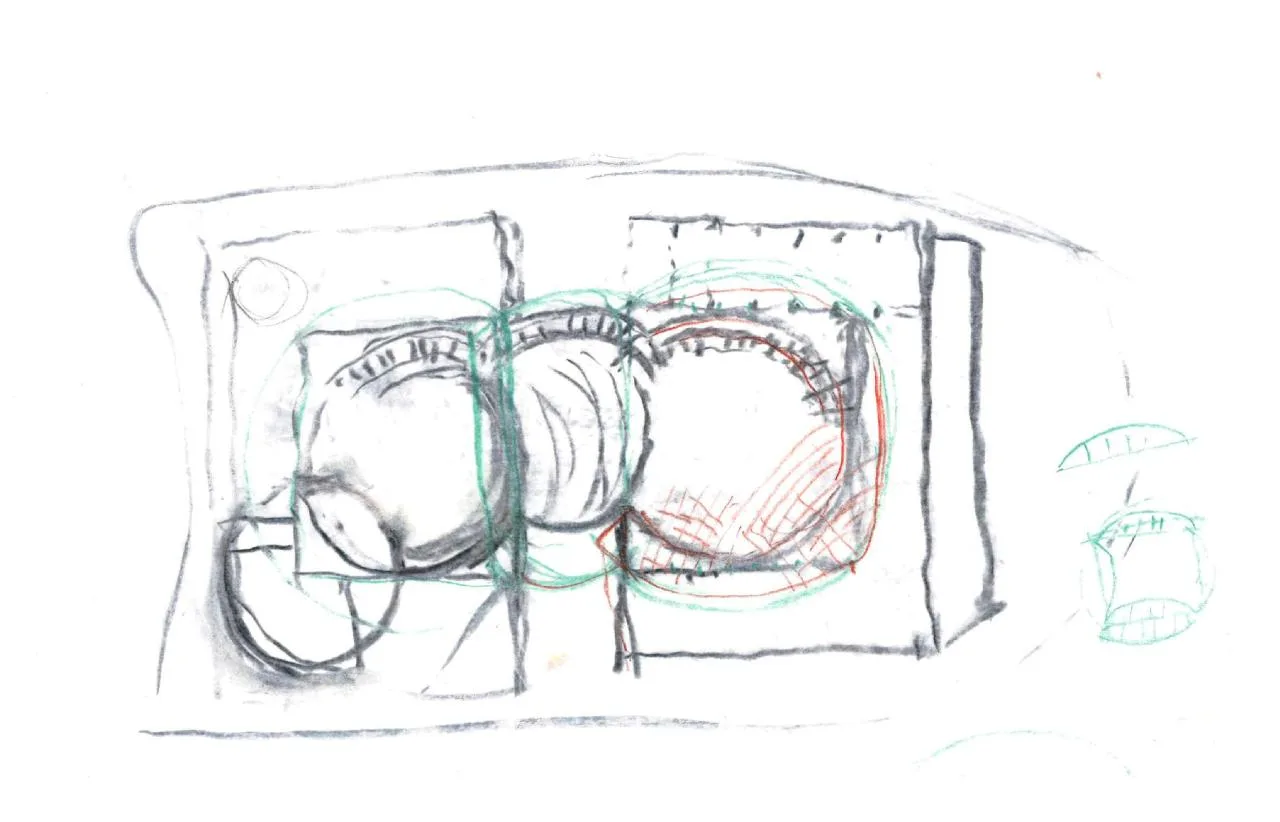
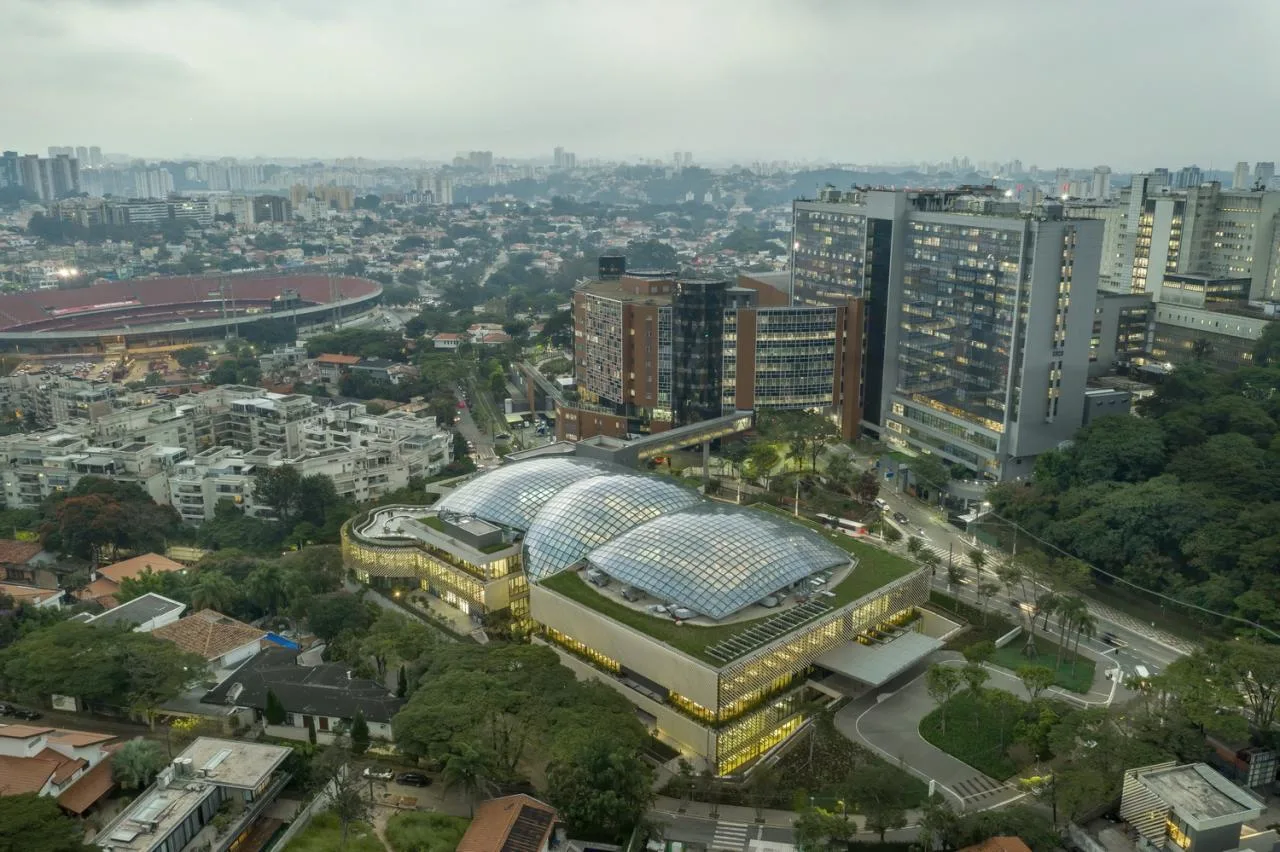
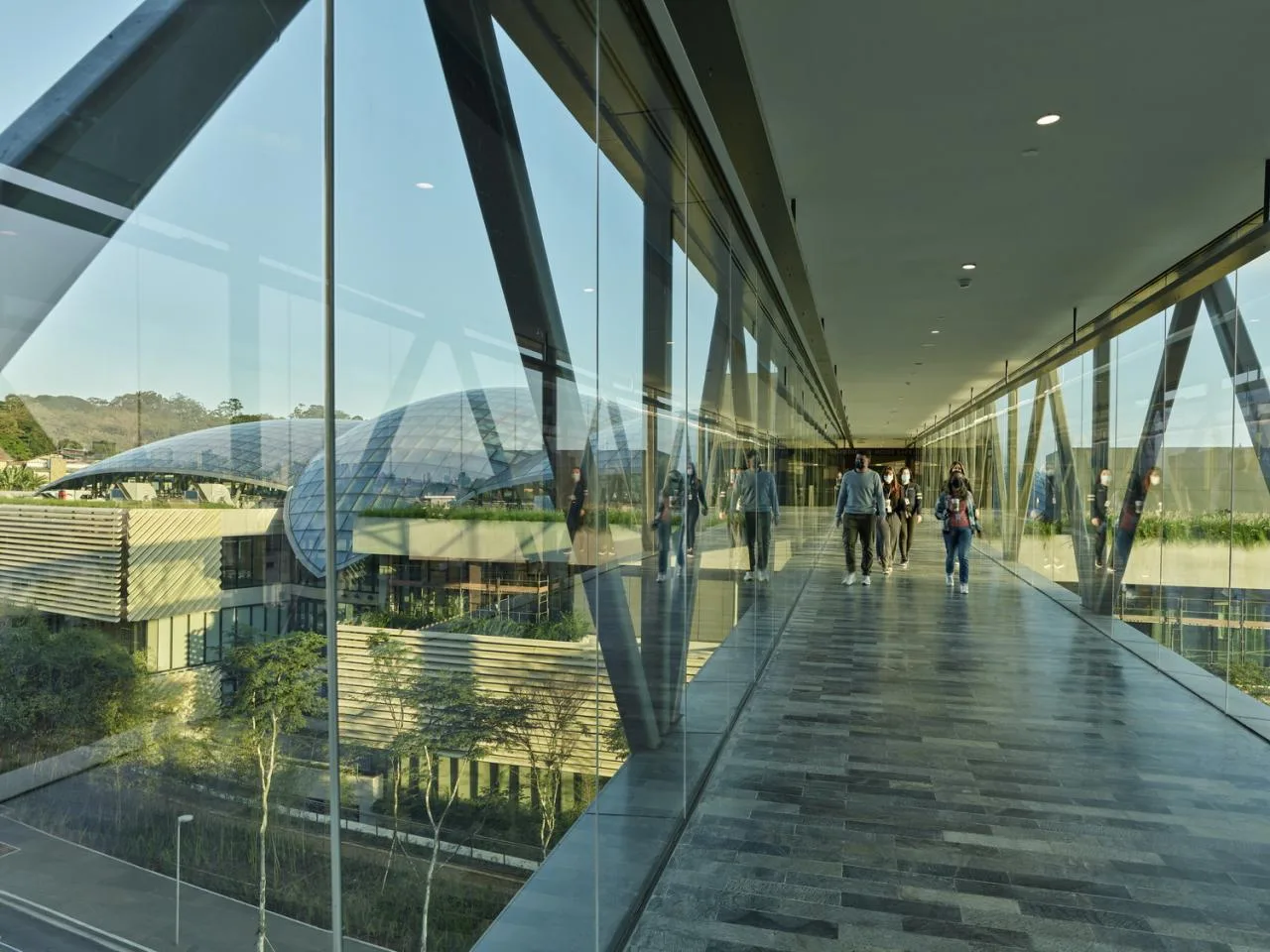
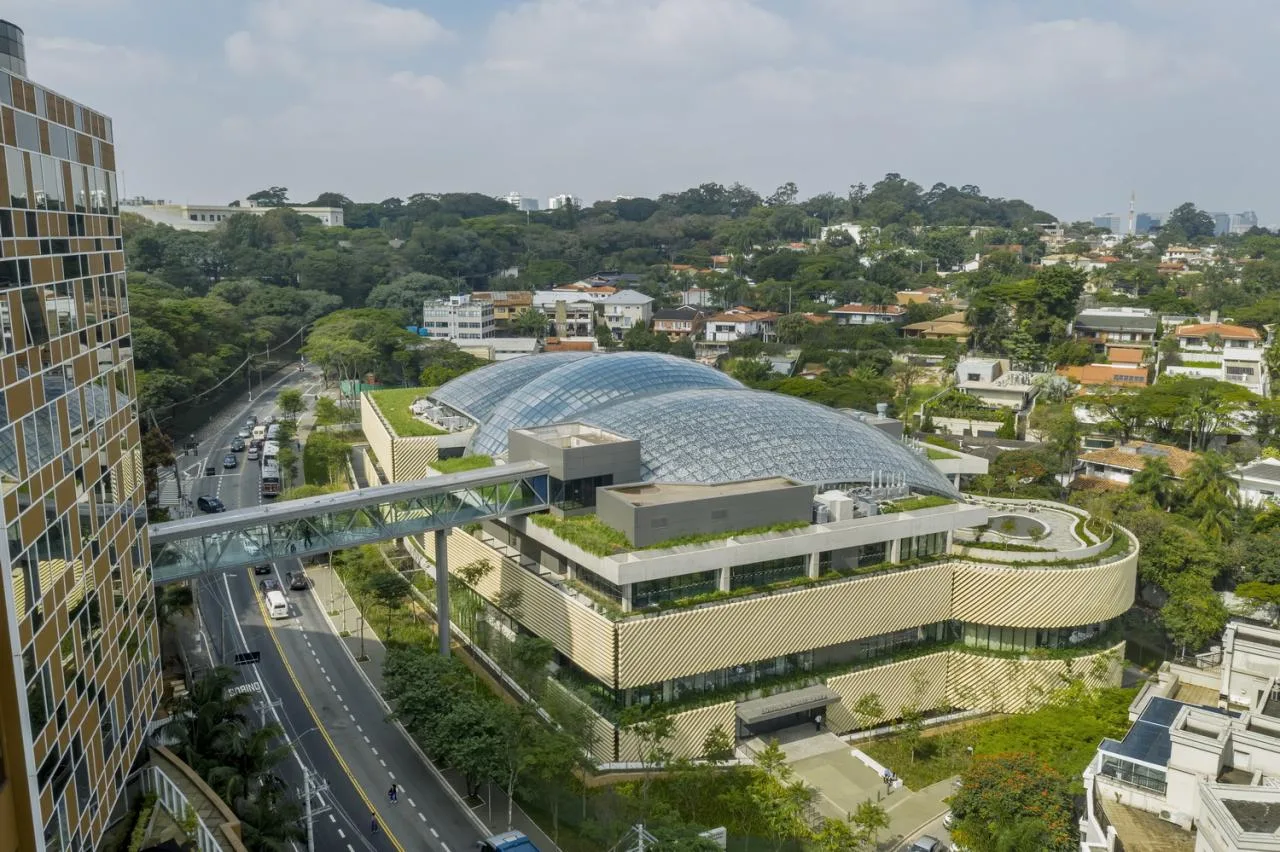
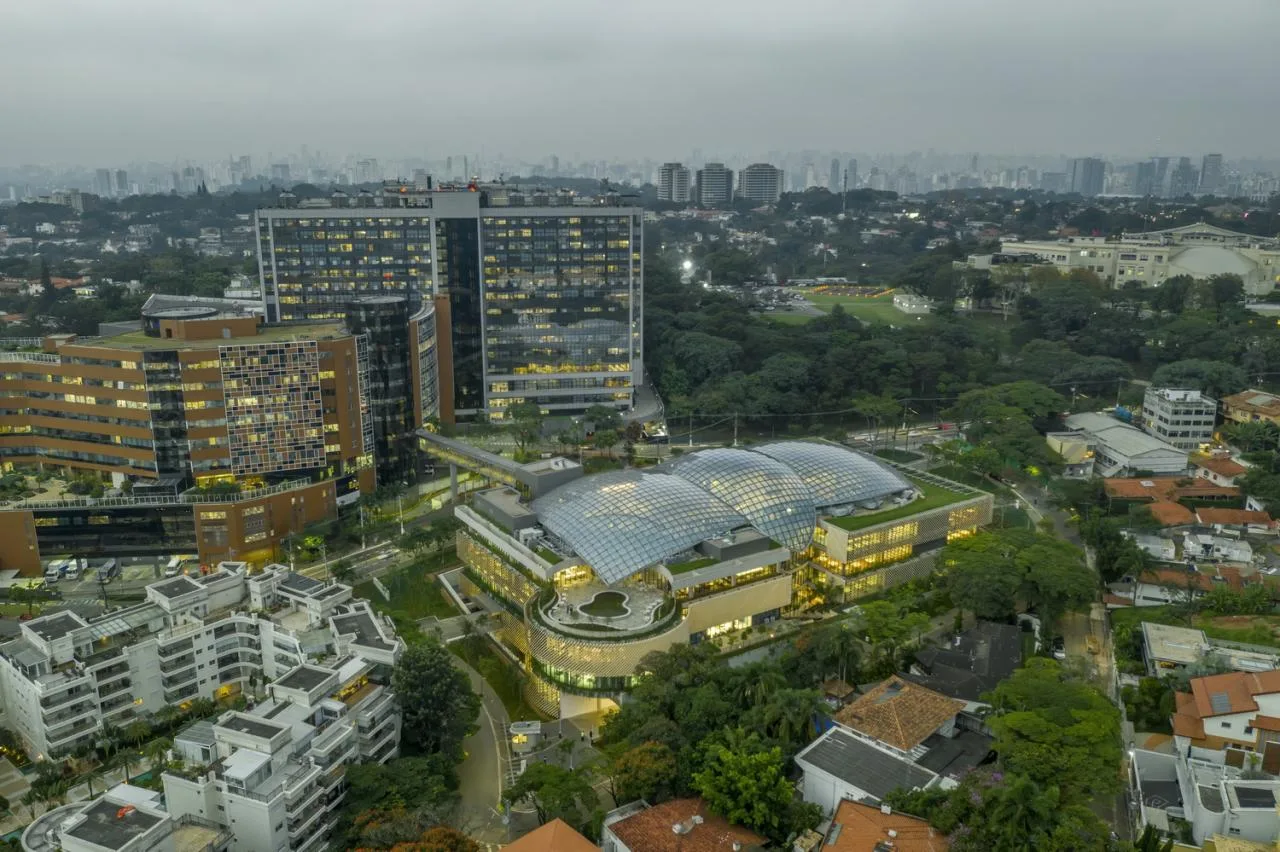
As one of Latin America’s leading medical research institutions, the Albert Einstein Education and Research Center (AEERC) is located in the Morumbi residential district of São Paulo, Brazil. It is the first medical school established by a private hospital in Brazil and is recognized as a premier center for medical education and research.
© Timothy Hursley
Integrating Education and Research
The Albert Einstein Medical Education Research Center is a vital part of the Albert Einstein Hospital complex, directly connected to the hospital’s main building. It seamlessly combines multiple disciplines including medicine, nursing, graduate education, and medical research. Spanning education, research, and clinical services, it redefines how medicine should be learned and practiced in the 21st century.
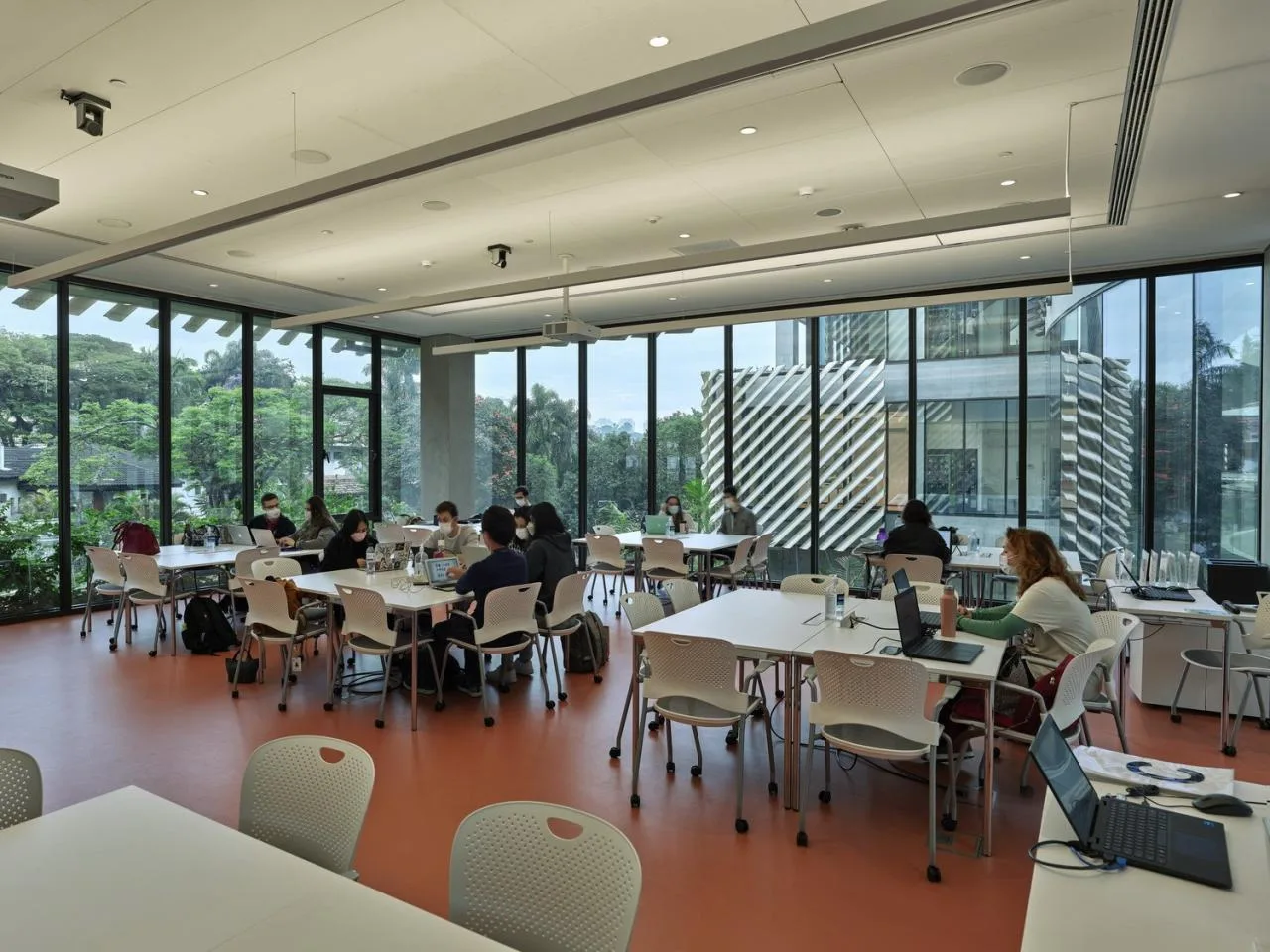
The center houses 40 technologically advanced classrooms that can be flexibly reconfigured to create collaborative learning spaces for groups of 30 to 60 students. It also features a 400-seat multifunctional auditorium, several academic laboratories focused on anatomy and morphology research, and a series of simulation rooms, diagnostic and treatment spaces, and operating theaters equipped with cutting-edge simulation technology. These facilities collectively support blended learning programs for up to 2,000 healthcare students.
The center is equipped with state-of-the-art research facilities, including tissue culture labs and two Biosafety Level 2 (BSL-2) molecular biology laboratories. It also hosts nanotechnology labs, flow cytometry suites, advanced microscopy, genomics labs, and sterile environments for cell research and gene therapy. The modular design of the labs and furniture enhances adaptability and flexibility.
© Timothy Hursley
Sunroof Structure and Shading Design
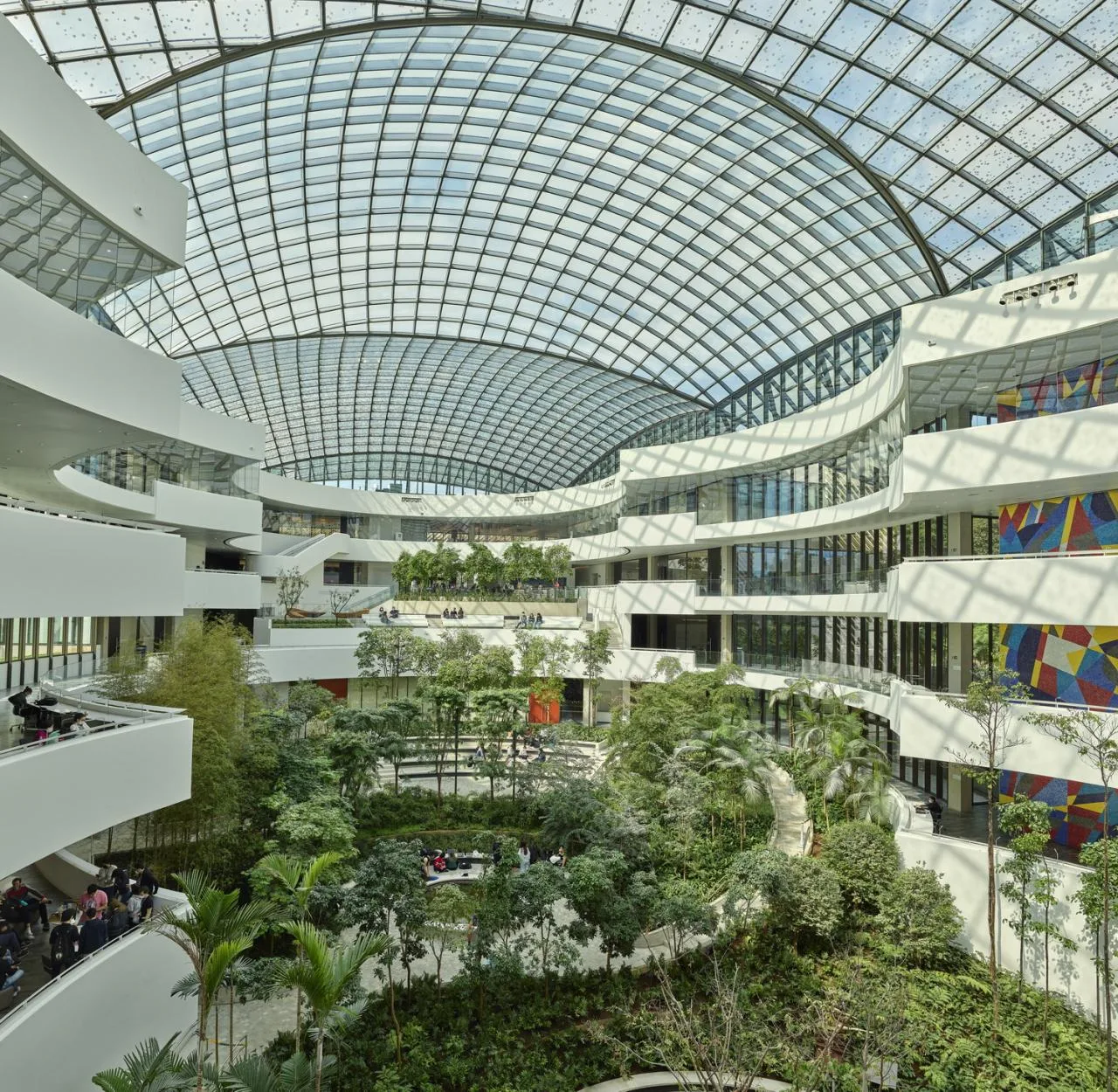
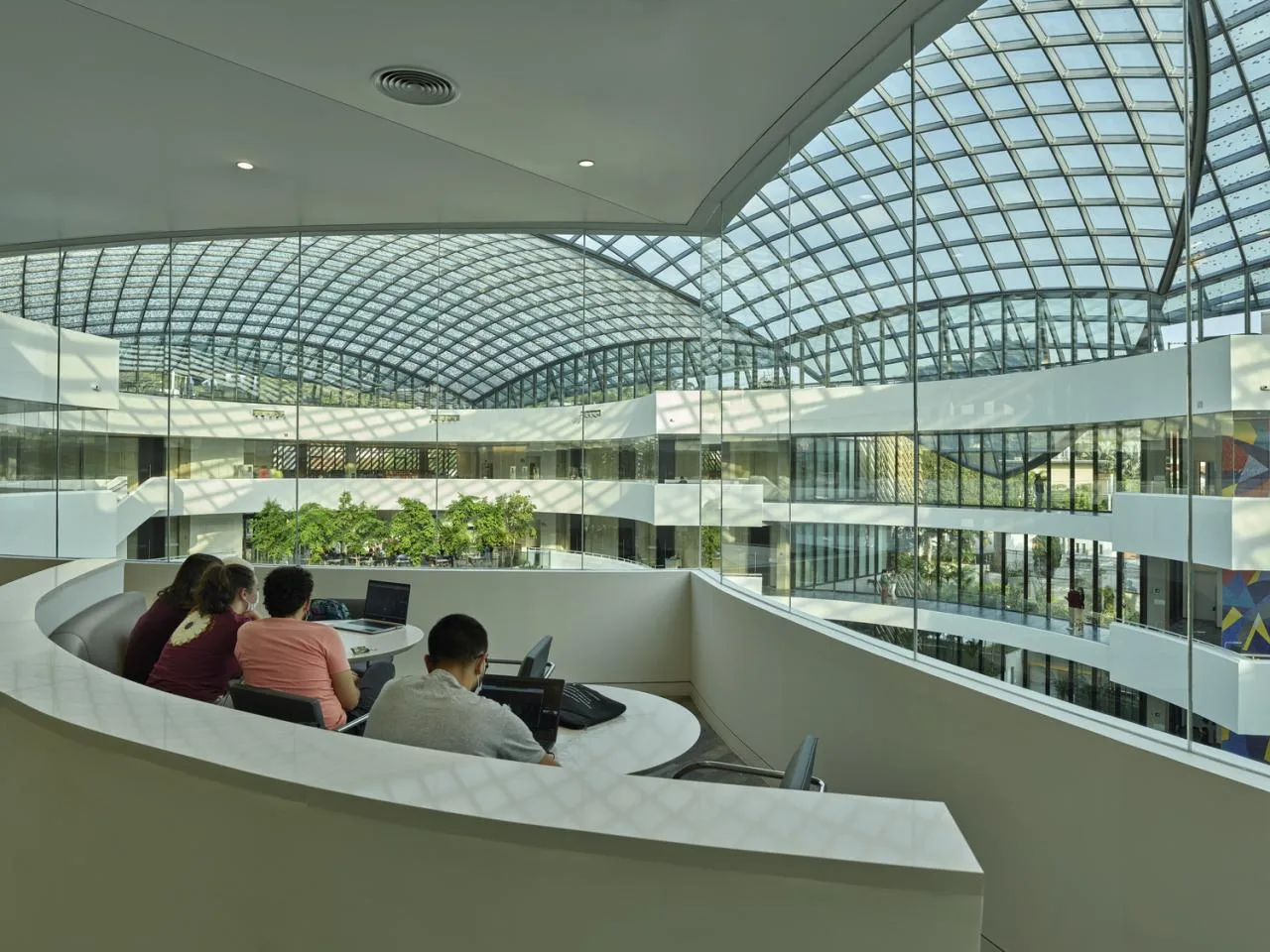
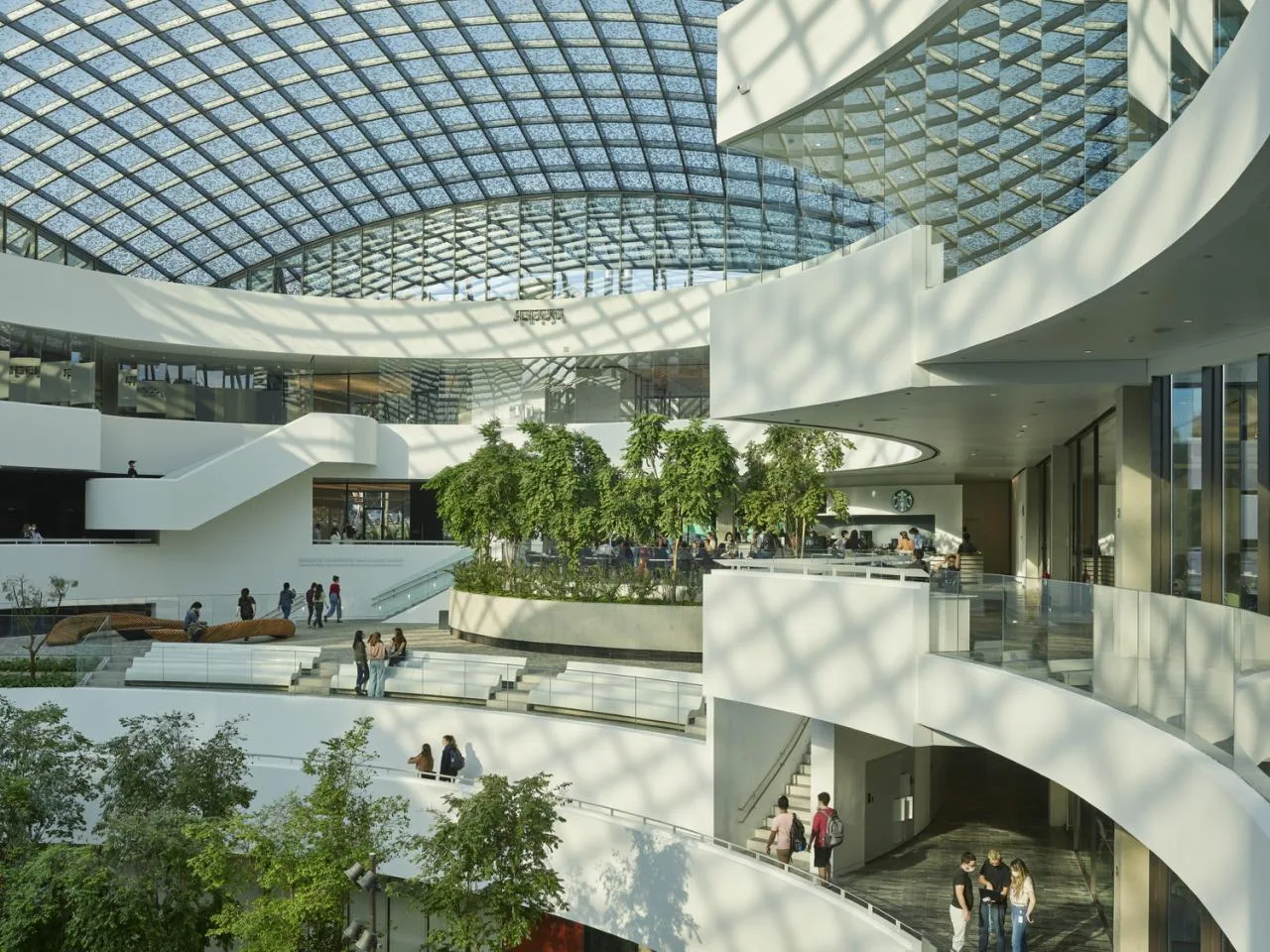
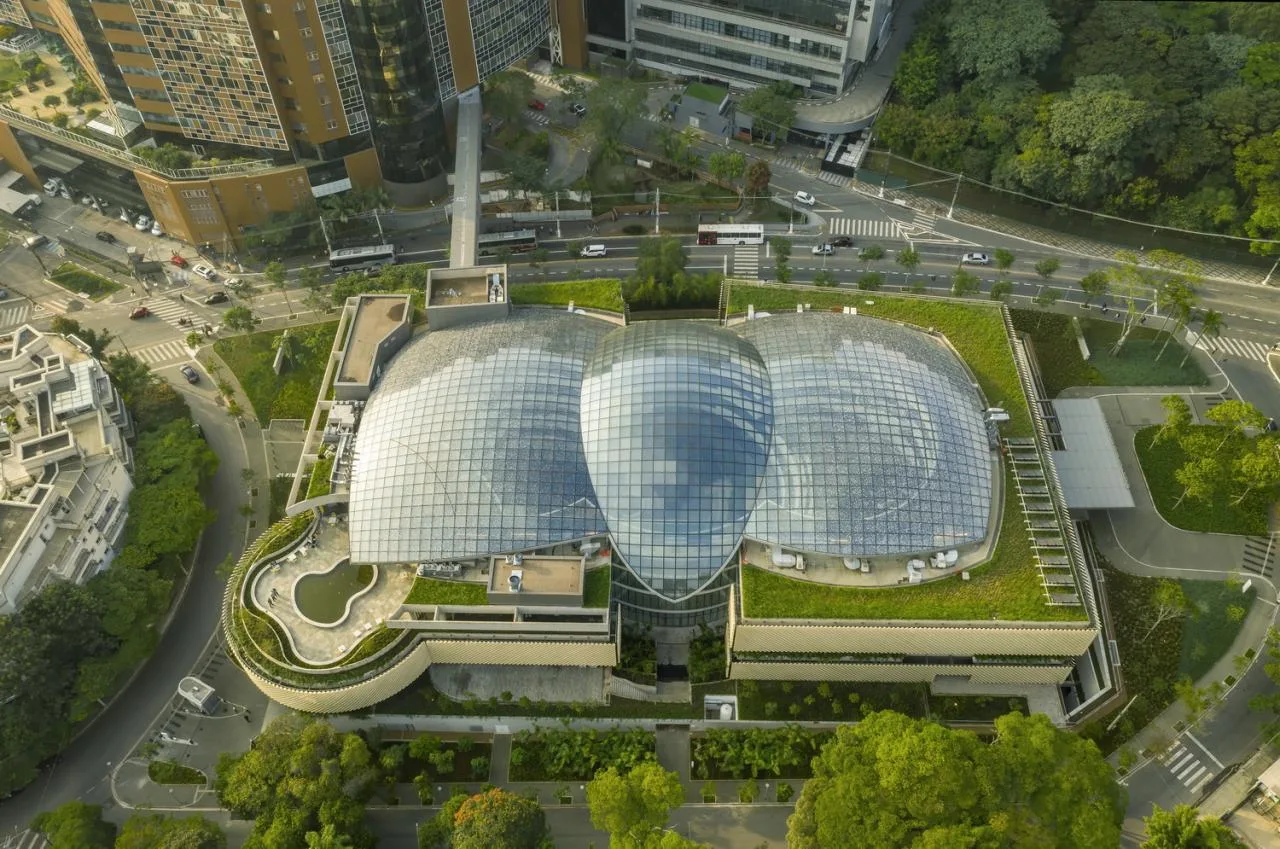
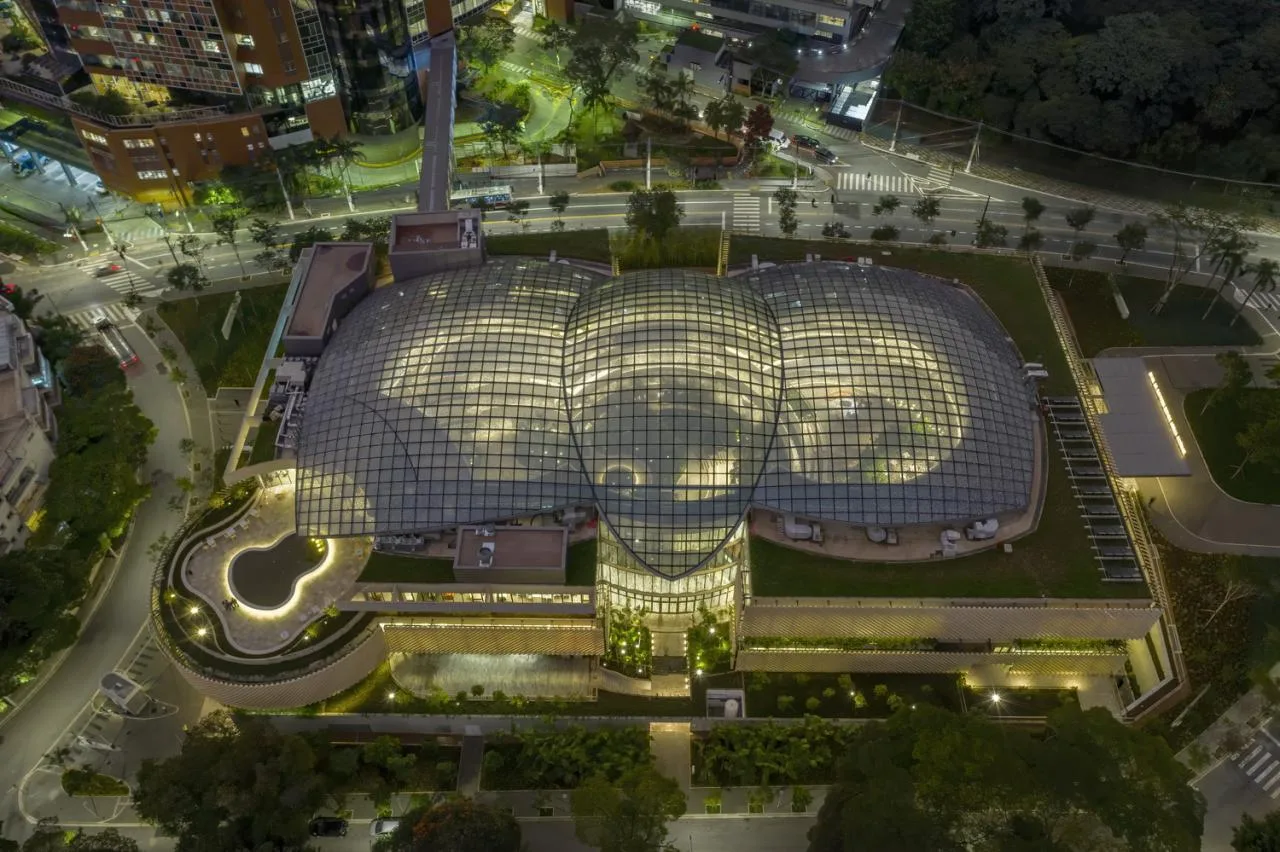
The 3,800 square meter glass roof is composed of three massive overlapping domes, forming a grid-shell structure that supports an 86-meter arch with a lightweight steel frame. This multi-layered glass design optimizes filtering, heat dissipation, and sound absorption.
The outer layer consists of 1,854 highly transparent glass panels with very low reflectivity to minimize glare. Each panel is coated with three layers of silver to reduce solar heat gain, and semi-transparent ceramic dots are printed on the glass to provide shading.
The inner layer features a transparent film with micro-perforations for noise absorption and custom semi-transparent dots to assist shading. The dome’s center remains nearly clear, while the density of dots increases towards the east and west ends. This design allows ample natural light to nourish the lush central garden while effectively blocking low-angle sunlight. The shading dots produce a unique lighting effect resembling dappled tree shadows, creating the sensation of basking under a giant tree.
© Timothy Hursley
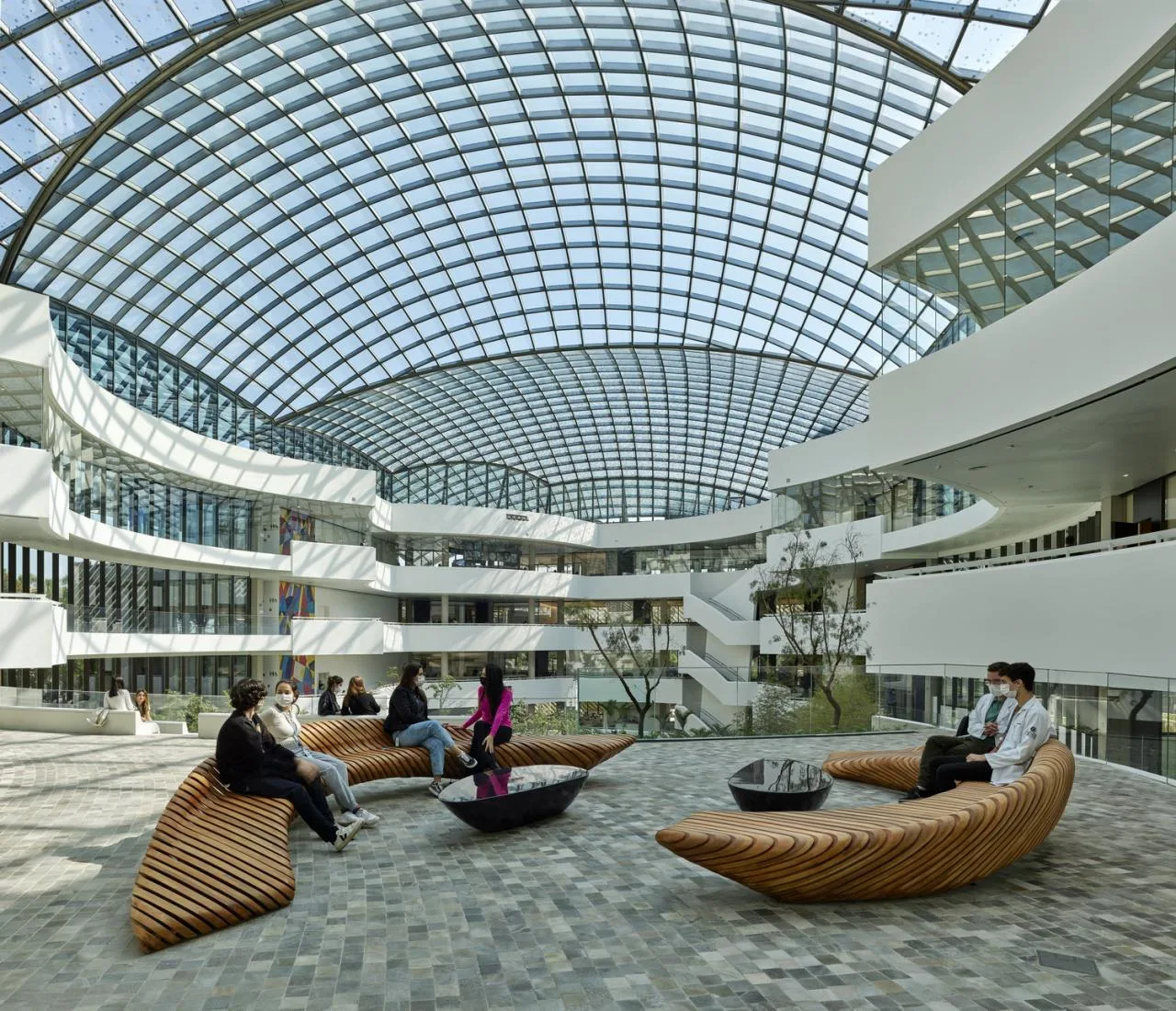
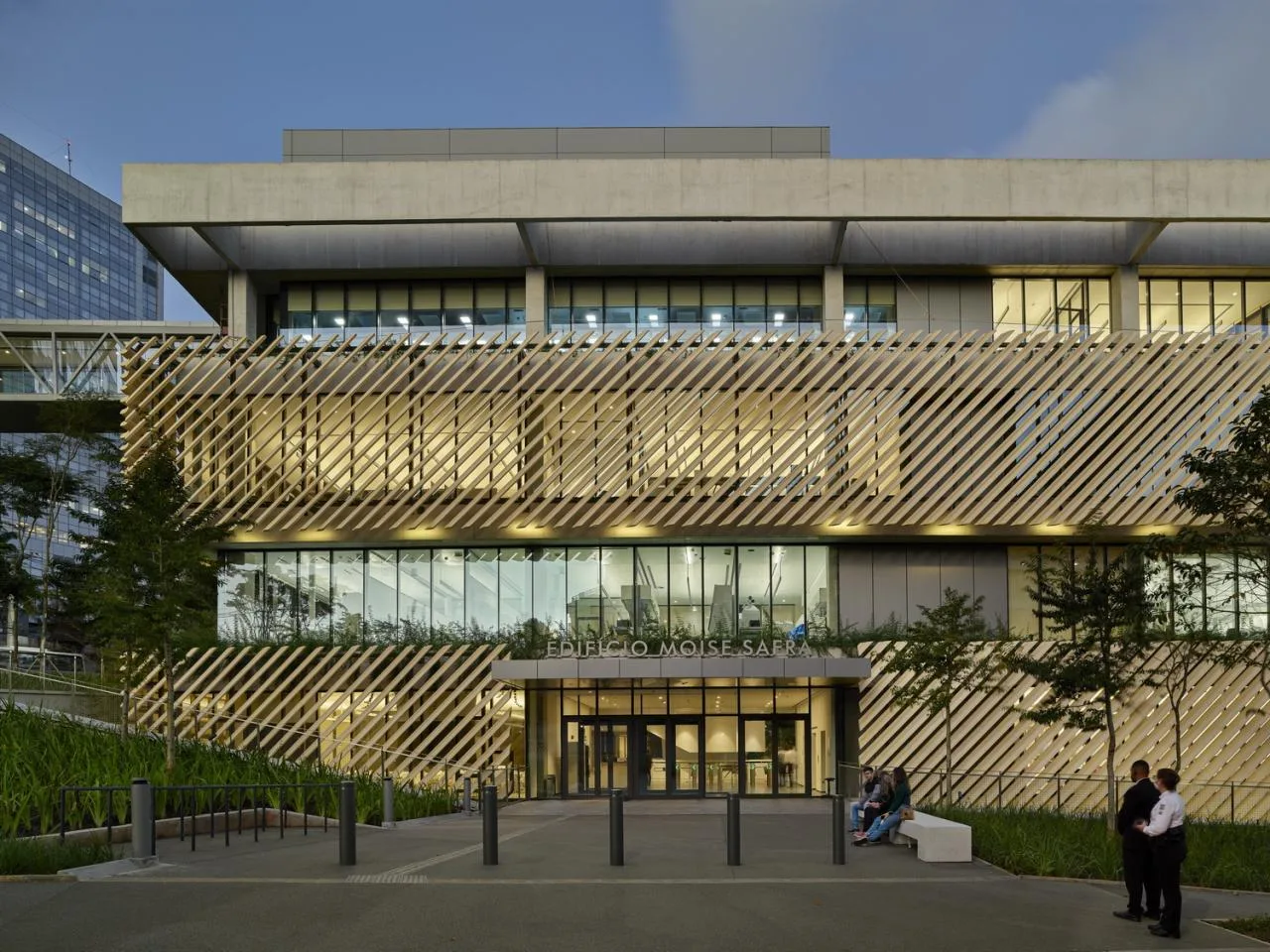
The building’s dynamic exterior draws attention inward, where a spacious multi-story garden filled with willows and colorful flowers creates a bright, transparent atmosphere. This architectural design reflects the meaningful learning and research activities taking place within, inspiring excitement and achievement. – Sean Scenesor, Partner at Safdi Architecture Firm and AEERC Project Leader
© Timothy Hursley
Facade Sunshade Louvers
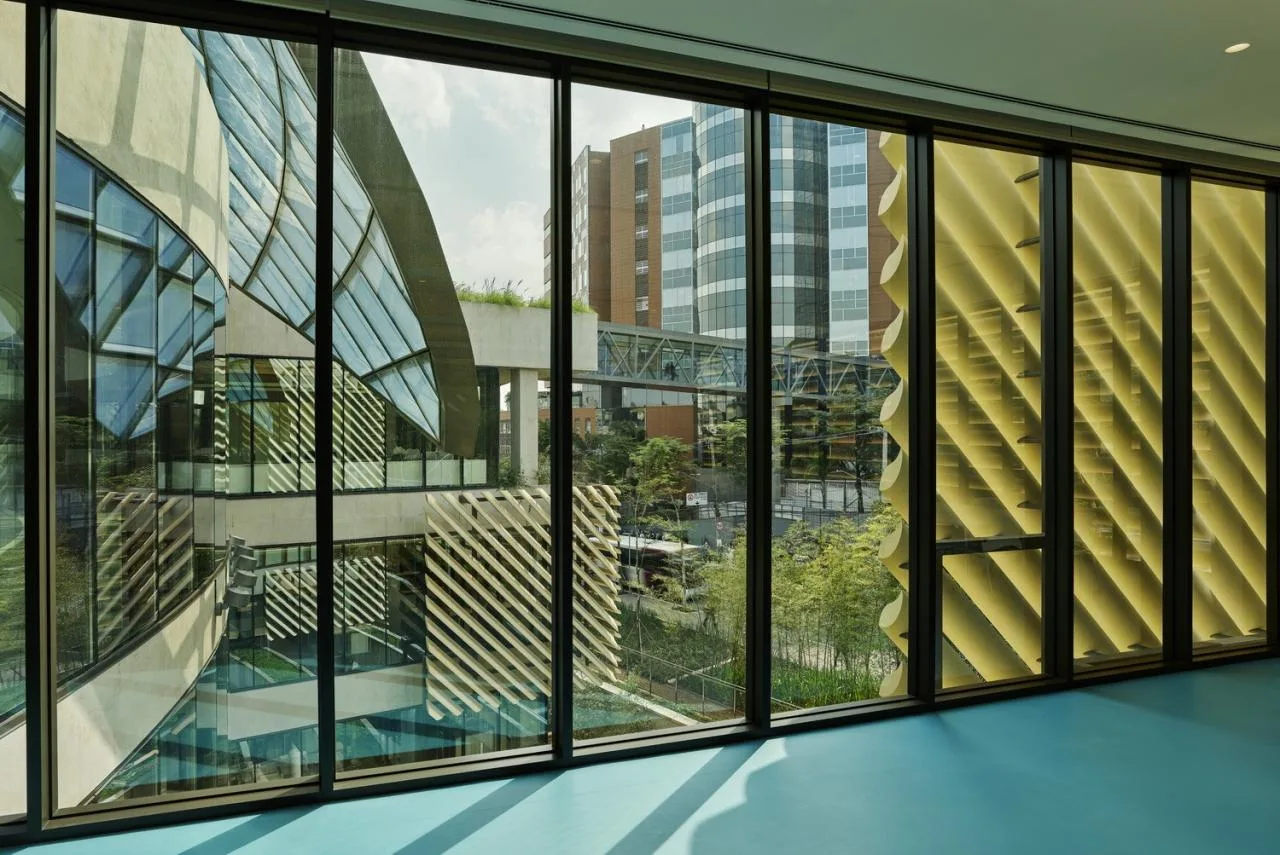
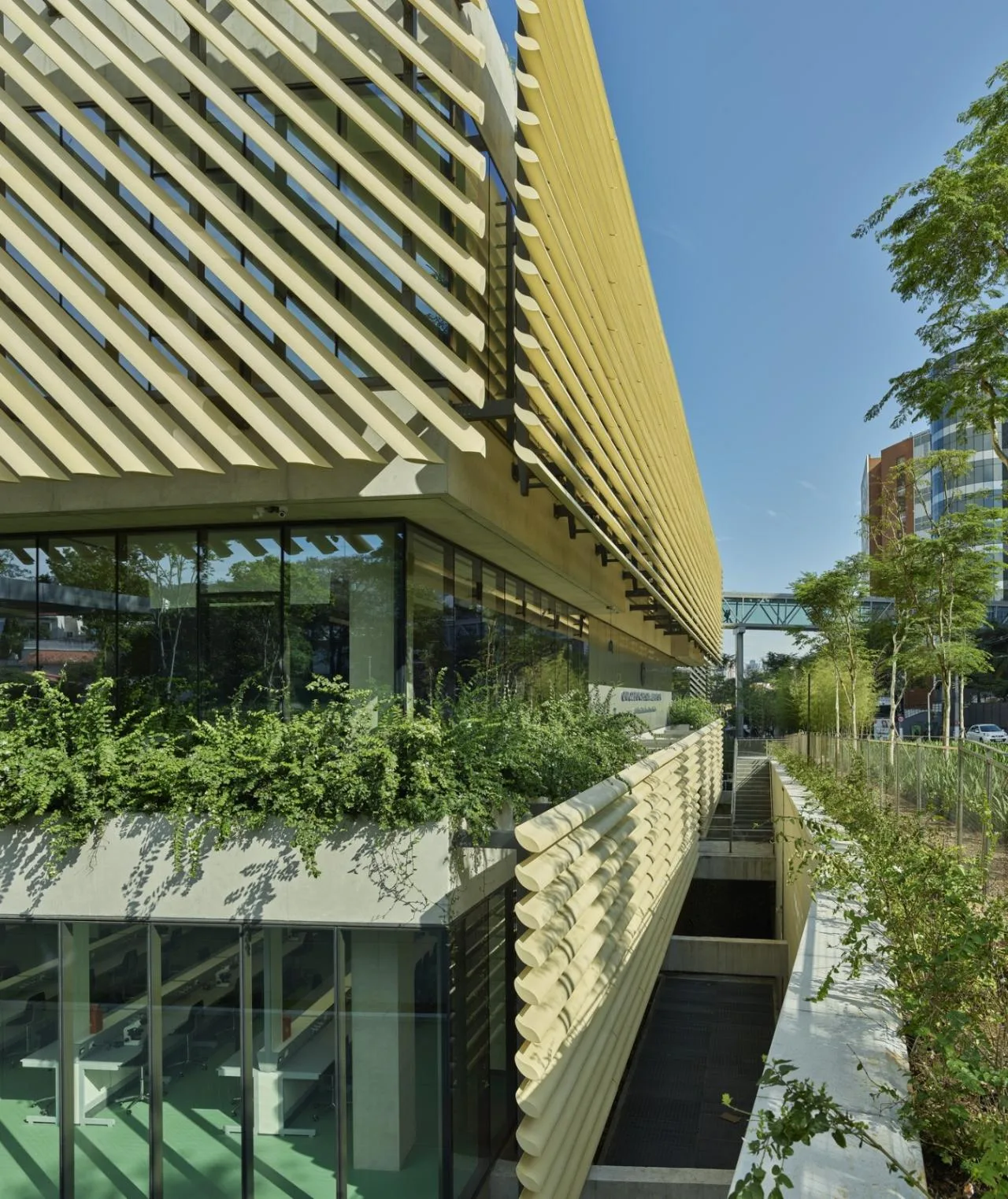
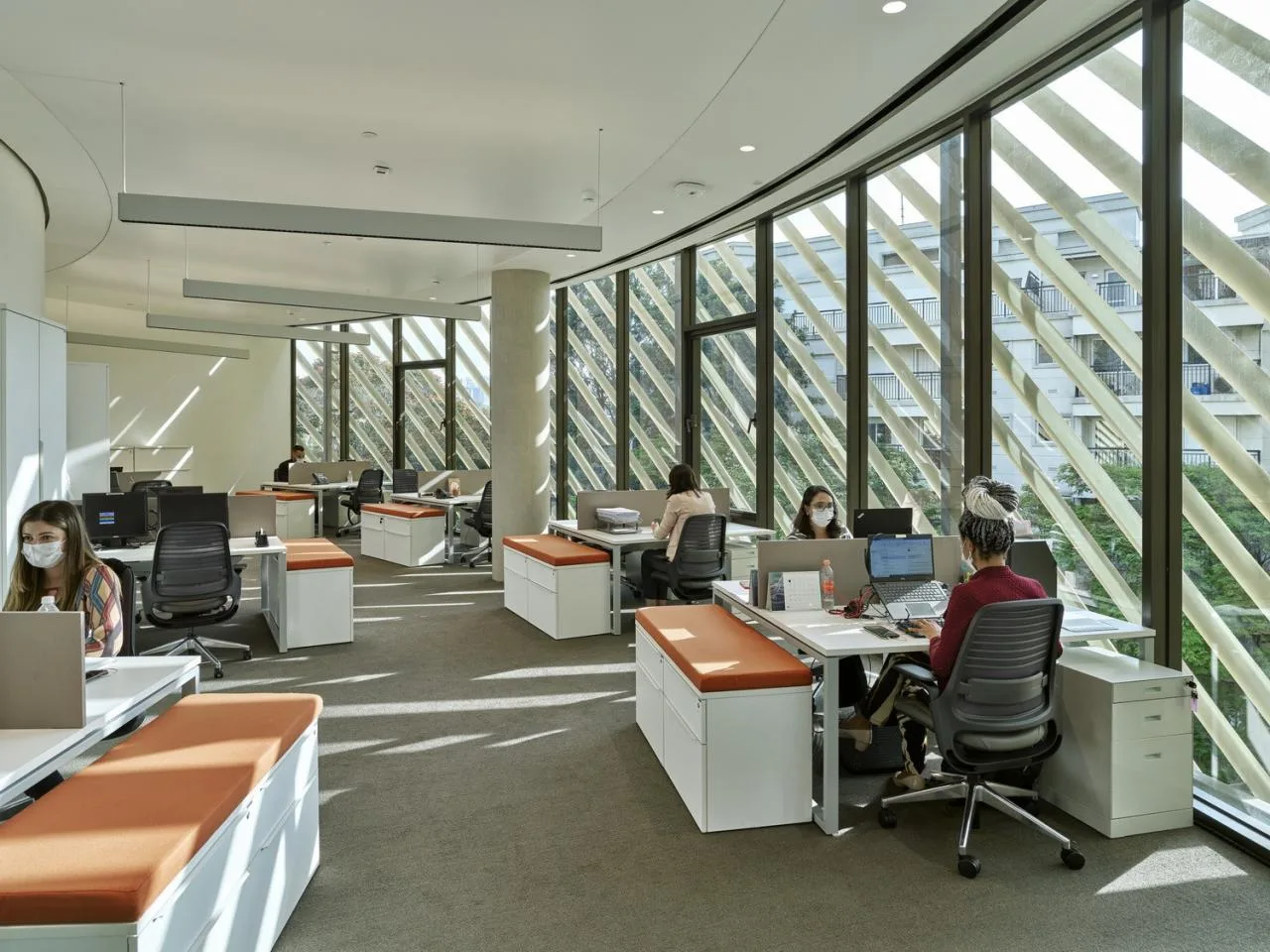
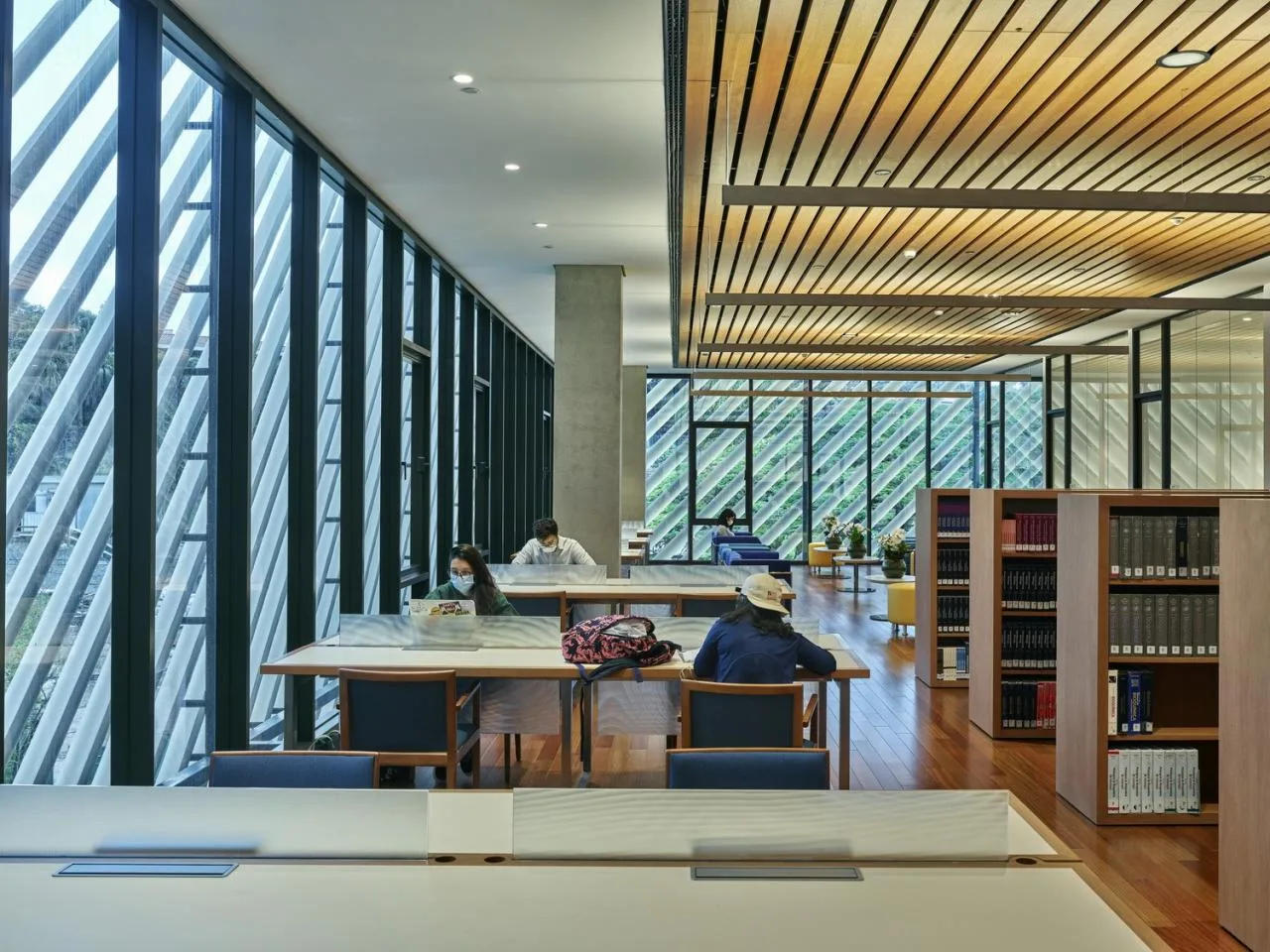
The continuous floor-to-ceiling glass curtain wall floods the laboratories and classrooms with natural light. The building’s exterior features two shading strategies: some floors are shaded by protruding floor slabs, while others use sunshade louvers. These louvers effectively control sunlight and reduce glare while preserving exterior views.
The shape, angle, and spacing of the louvers were optimized through computer-based sunlight analysis and validated with full-scale physical models. Depending on the sun’s direction, the facade employs either inclined or horizontal louvers. Additionally, automated blackout curtains inside provide flexible control over indoor lighting.
Environmental Control System
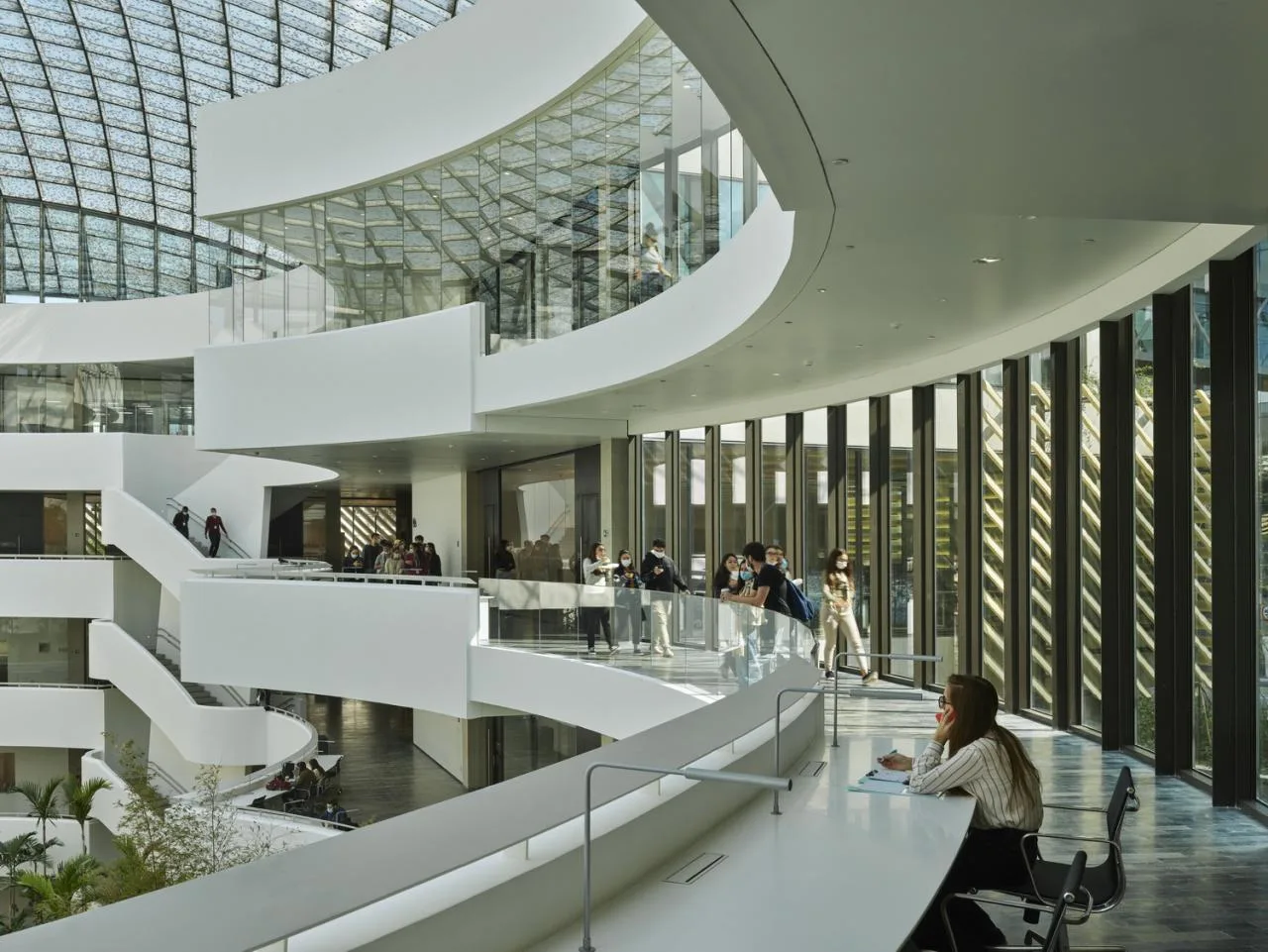
The atrium garden, serving as the hub for learning, collaboration, and community engagement, is maintained with a sophisticated environmental control system designed for comfort, health, and sustainability.
Mechanical systems provide low-level, low-speed cooling to the atrium only when necessary, minimizing energy use while regulating humidity and enhancing comfort. The humidity control system meets stringent laboratory standards and supports optimal plant growth. Extensive fluid dynamics modeling was conducted to simulate heat stratification and smoke evacuation in the large atrium during emergencies.
Landscape Design
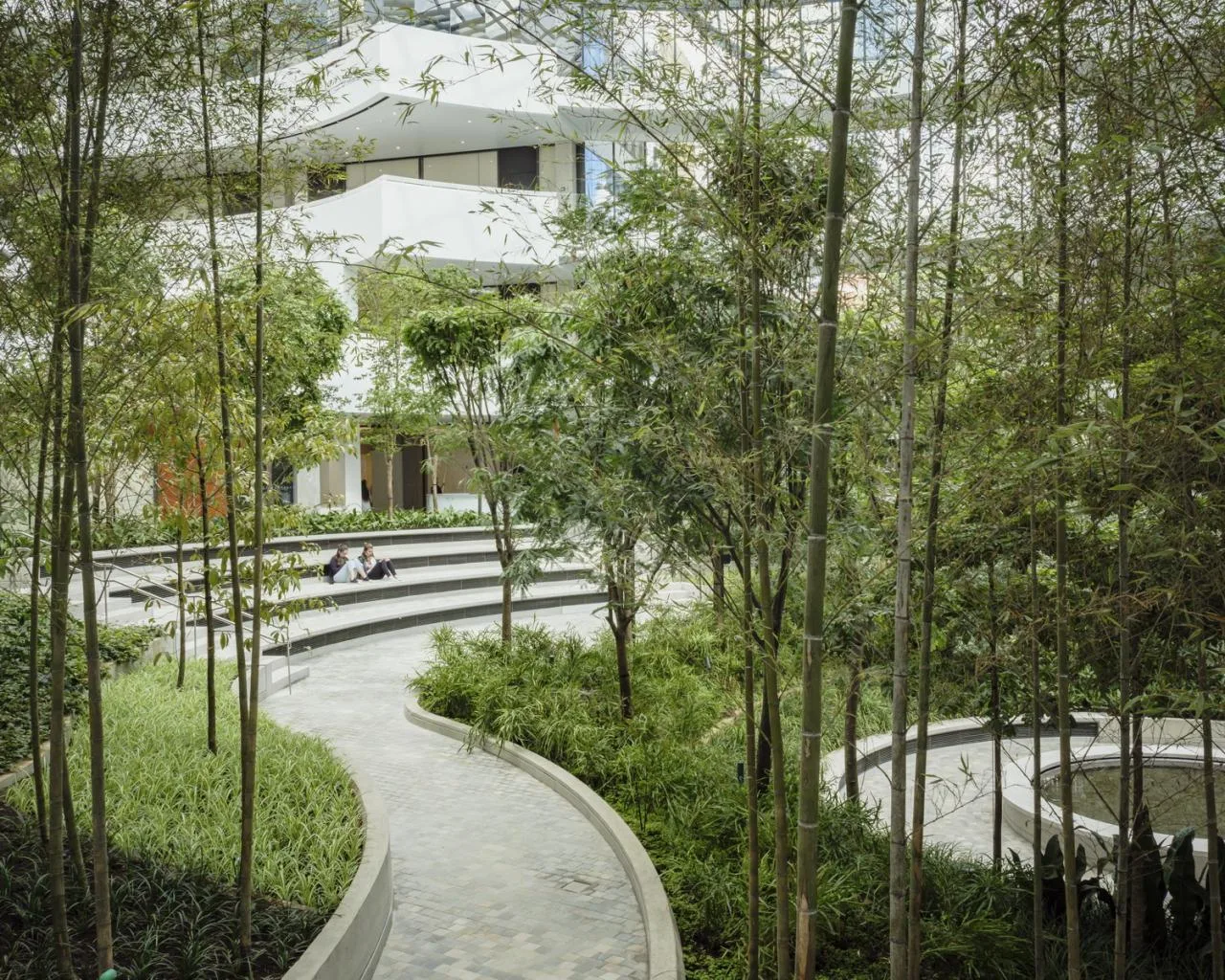
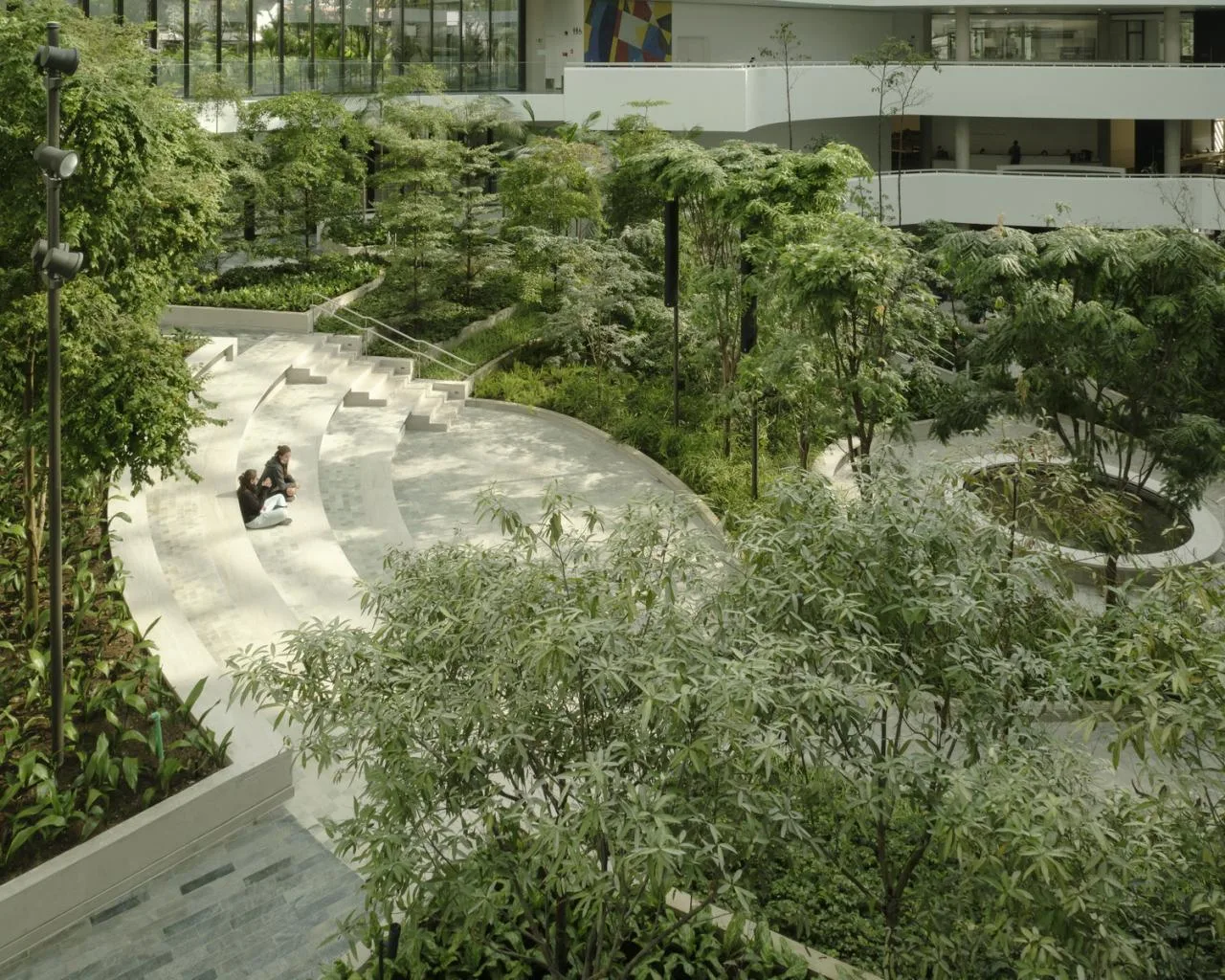
The atrium garden, designed by Safdie Architects in collaboration with Brazilian landscape architect Isabel Duprat, features diverse native trees and understory plants. The terraced garden appears to slice through the land in layers, emphasizing the courtyard’s curved form. Different plant heights create varied spaces, from open social venues like circular theaters and exhibition areas to quiet, intimate spots with benches beside fountains.
This large-scale cultivation of native plants in a controlled environment is unprecedented in Brazilian architecture. Safdie Architects partnered with international experts in landscape, environmental science, and horticulture to conduct a two-year comprehensive study on plant selection, soil composition, container design, irrigation, maintenance, and environmental controls. The study drew on successful projects such as Singapore’s Gardens by the Bay and Jewel Changi Airport, as well as the UK’s Kew Gardens and Eden Project.
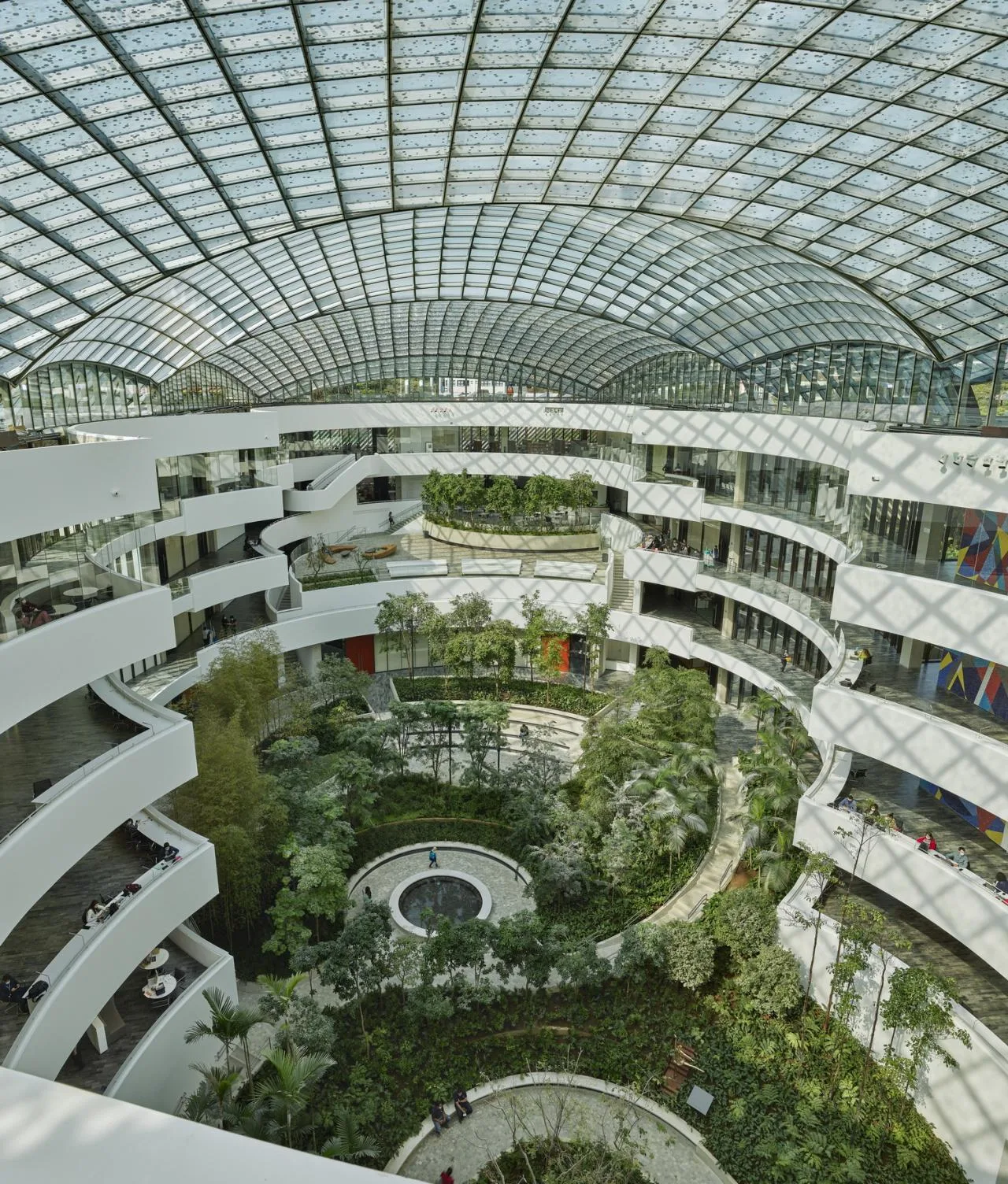
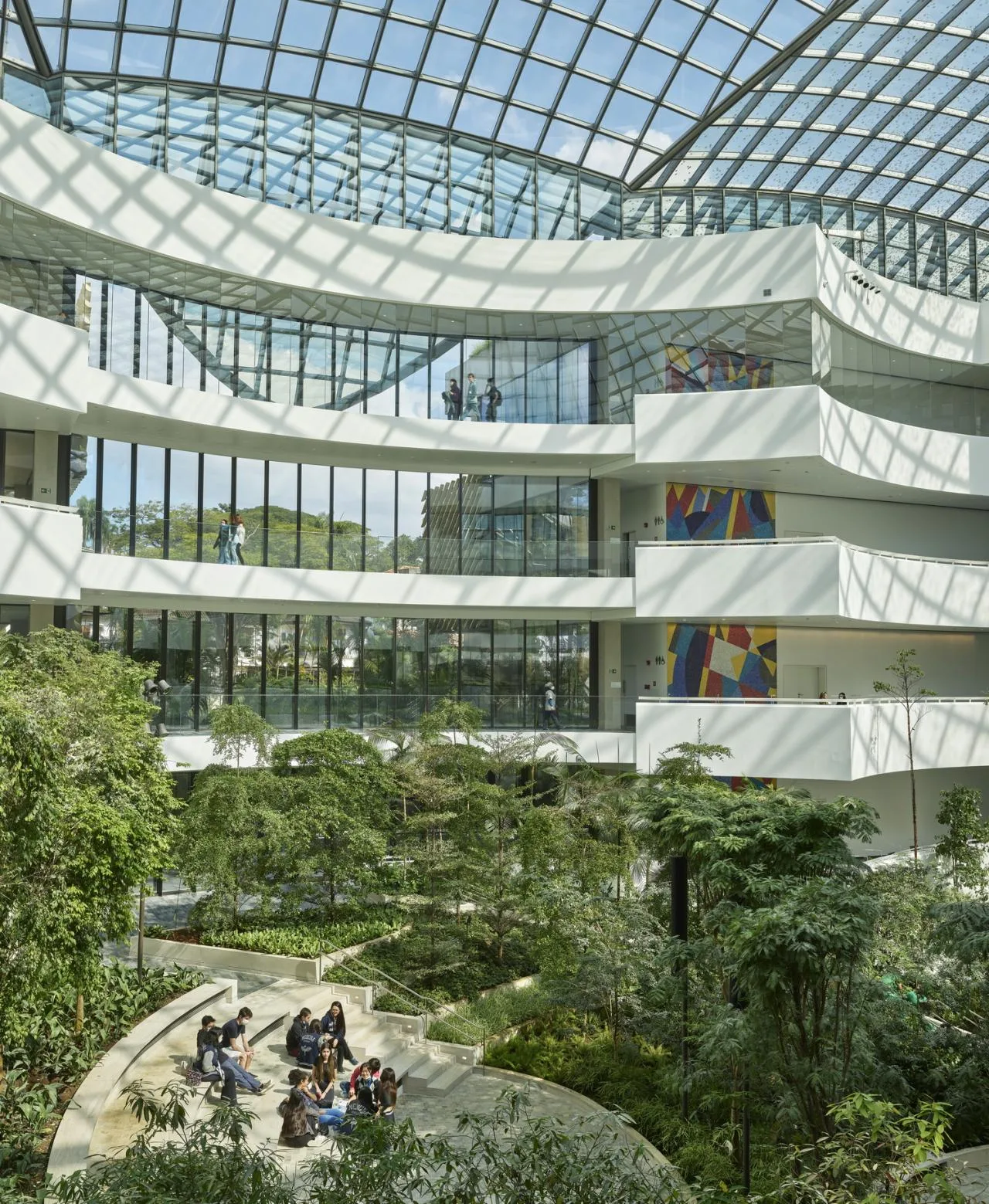
Before transplantation into the building, the plants underwent two years of adaptive cultivation at a nursery outside São Paulo. This nursery replicated the atrium’s lighting conditions, allowing precise placement of each plant based on its light requirements and the atrium’s predicted light levels, analyzed through 3D modeling.
Over 150 trees have been planted in the courtyard, including species such as shield seed wood, calyx leaf madder, cinnabar palm, Brazilian grape tree, whole calyx sagebrush, apricot leaf anise, Livia genus, thick shell cinnamon, Nick camphor, small miscellaneous pea wood, and pepper wood. Some of these are traditional medicinal herbs.
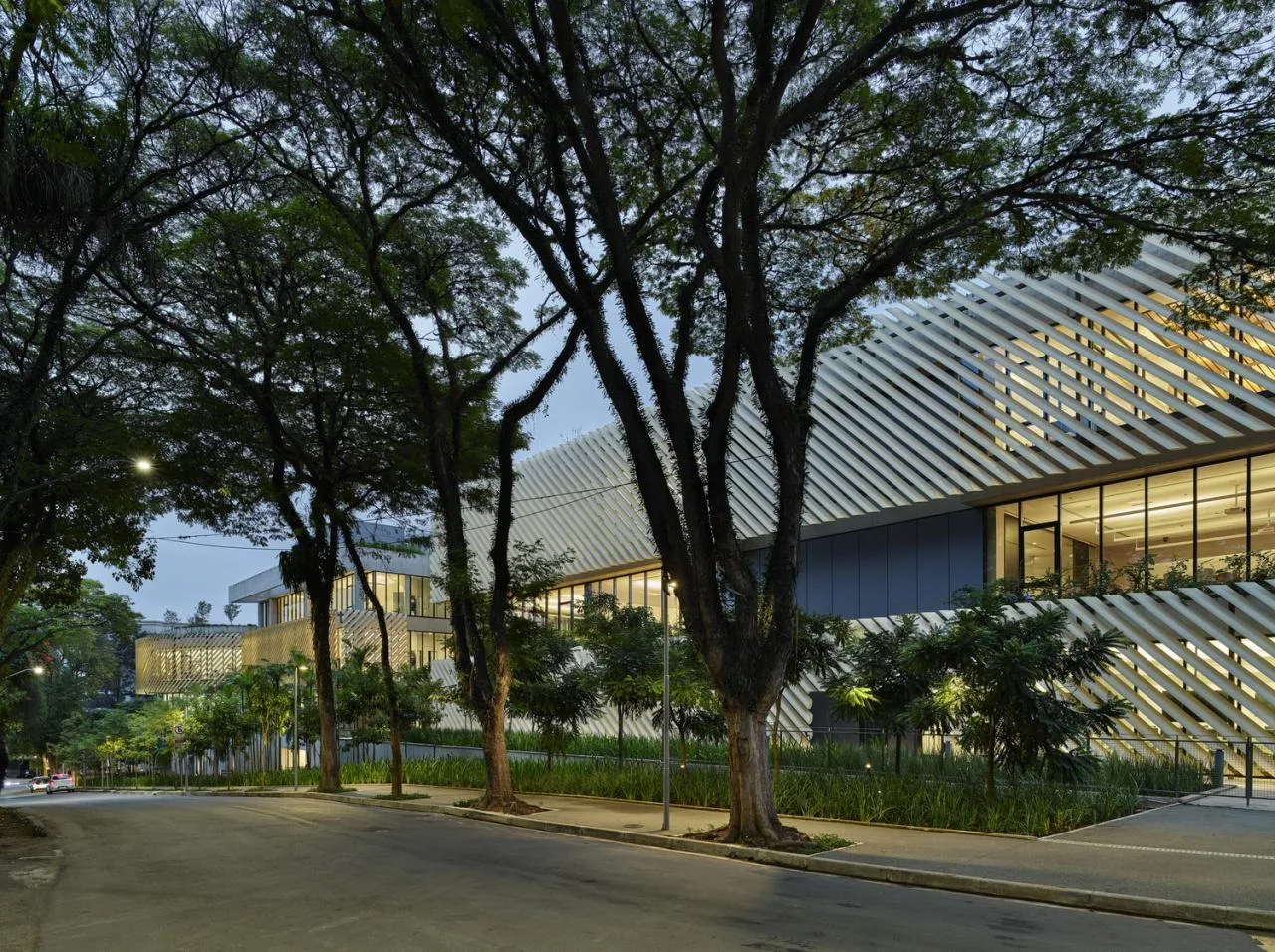
More than 180 trees have been planted around the building’s exterior, including Brazilian ironwood, red ant wood, tricolor violet, Brazilian chestnut, Brazilian twin leaf sawwood, pink narcissus, golden narcissus, peacock flower, pointed leaf blue Jacaranda, white tenwood, jade chestnut, edible eta palm, Brazilian sawwood, ironknife wood, and horn stem wild peony.
The landscaping extends from the courtyard to the street, featuring a bamboo grove on the north side and a palm forest on the south. A large Brazilian twin leaf Sumu, a locally protected species, was preserved and transplanted near the main entrance. The atrium’s cobblestone flooring, made from local quartz stones, echoes iconic parks in São Paulo, like Parc Trianon. A moat-like skylight runs along the street perimeter, flooding classrooms and labs below with natural light while hanging vines add greenery. All walkways are paved with permeable materials to absorb rainwater and reduce runoff.
© Pedro KOK
Building Materials
The project incorporates a variety of local woods: hairy mulberry and Brazilian twin leaf sawwood for the library; Brazilian poplar for the auditorium; and hand-selected green heart camphor for elevator cores and custom doors. Classrooms and labs feature natural rubber flooring in five colors ranging from terracotta to pale yellow, representing different floors and aiding intuitive spatial orientation. Locally sourced, mobile, and modular furniture offers flexible arrangements to support evolving educational and research programs.
Artwork
- A four-story colorful glass tile mosaic mural created by Brazilian artist Cadio Tozzi;
- A sculptural bench custom designed and crafted by Brazilian designer Guto Indio da Costa for the exhibition space.
Standards and Certifications
The project targets LEED Gold certification and complies with both international and Brazilian building codes and standards.
Project Drawings
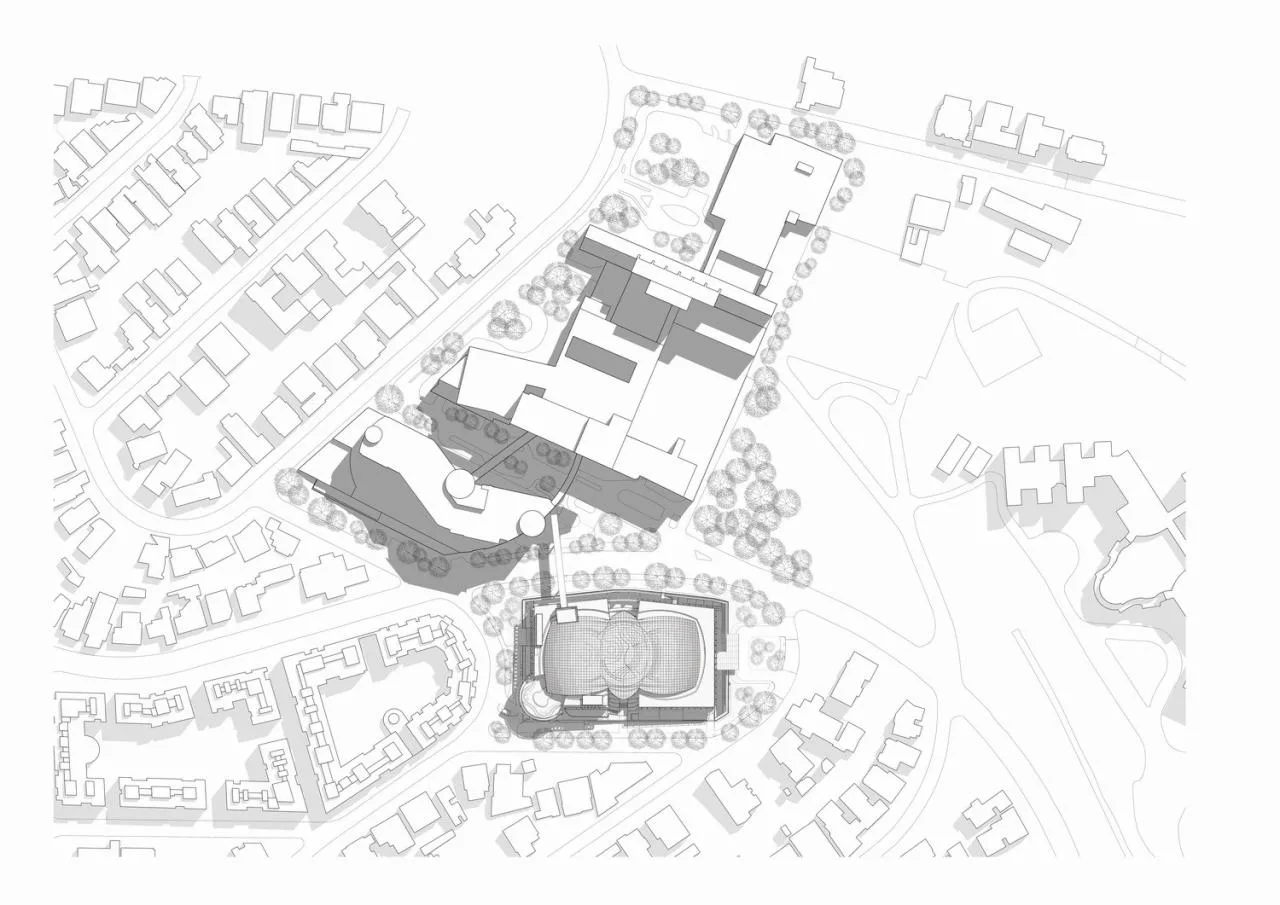
△ General layout plan
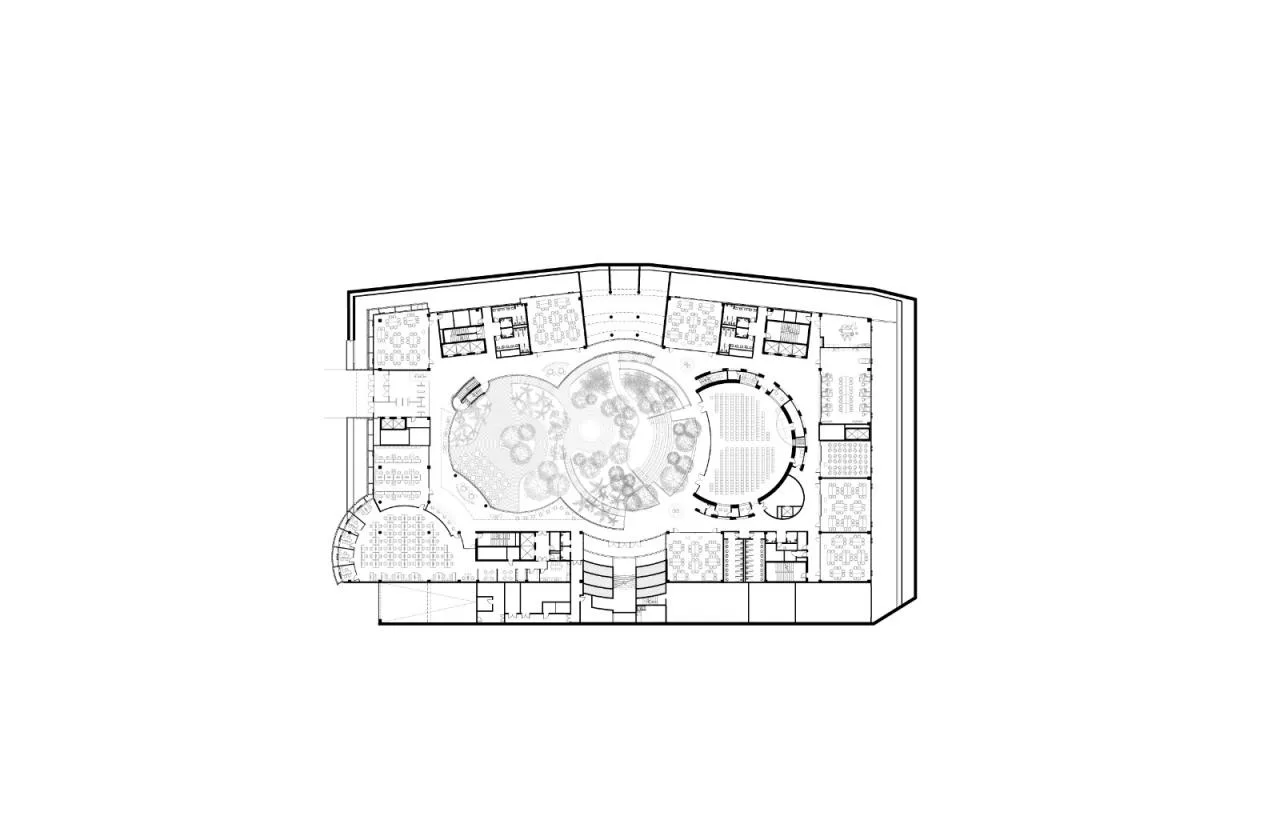
△ First floor plan
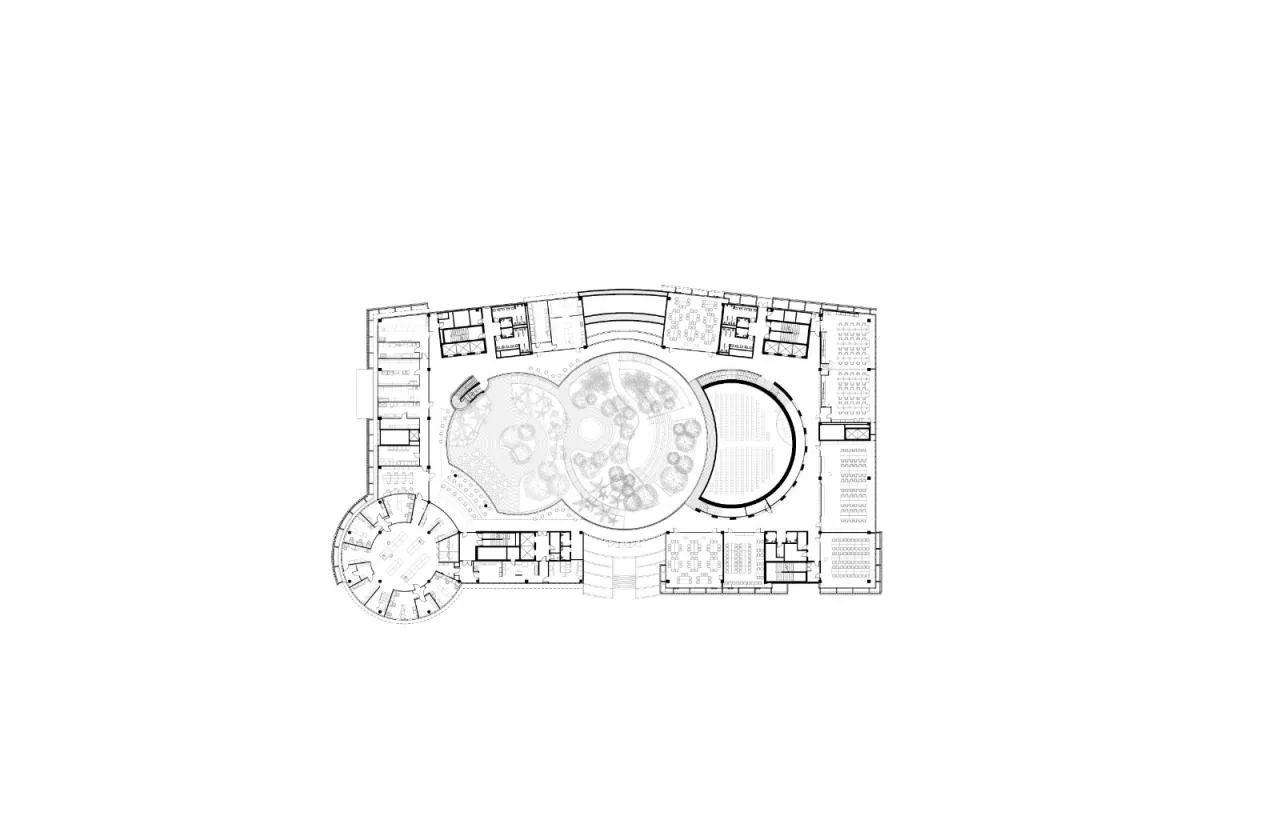
△ Second floor plan
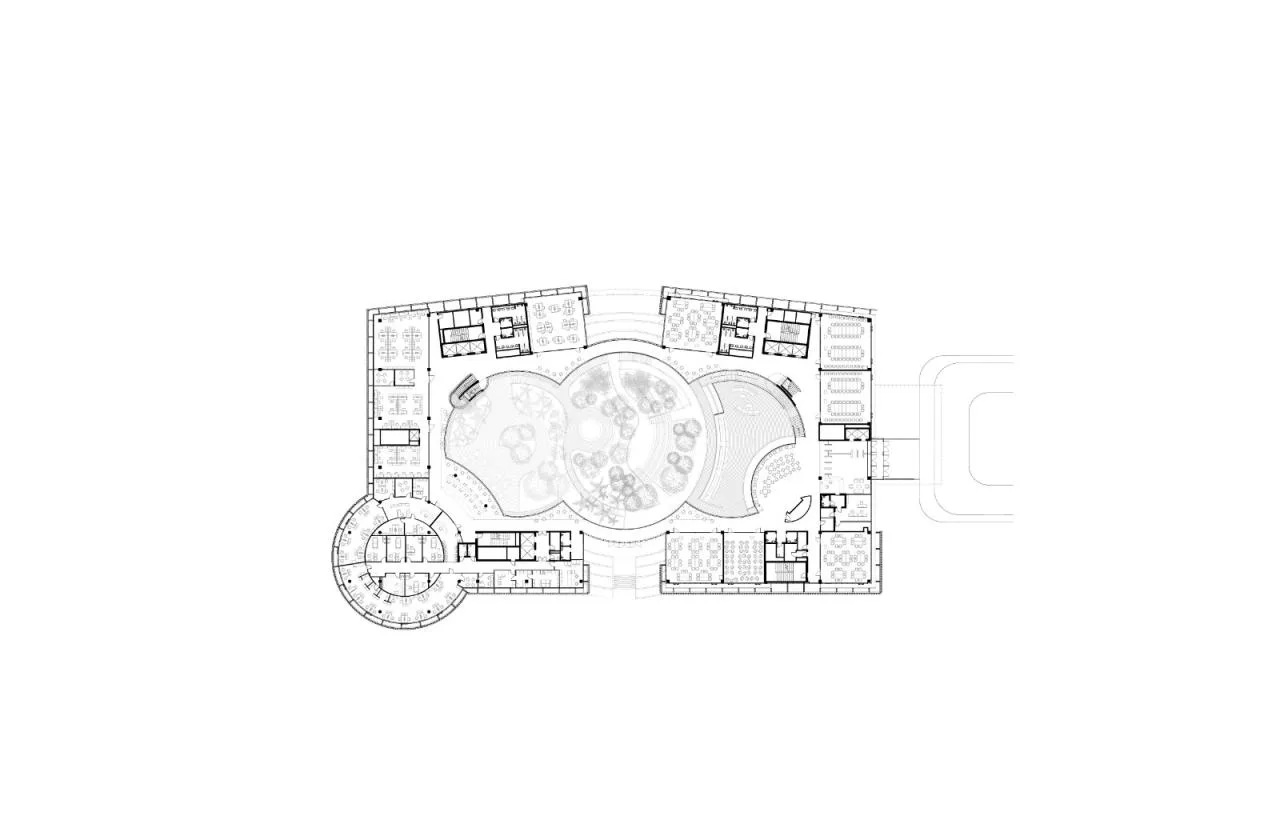
△ Third floor plan
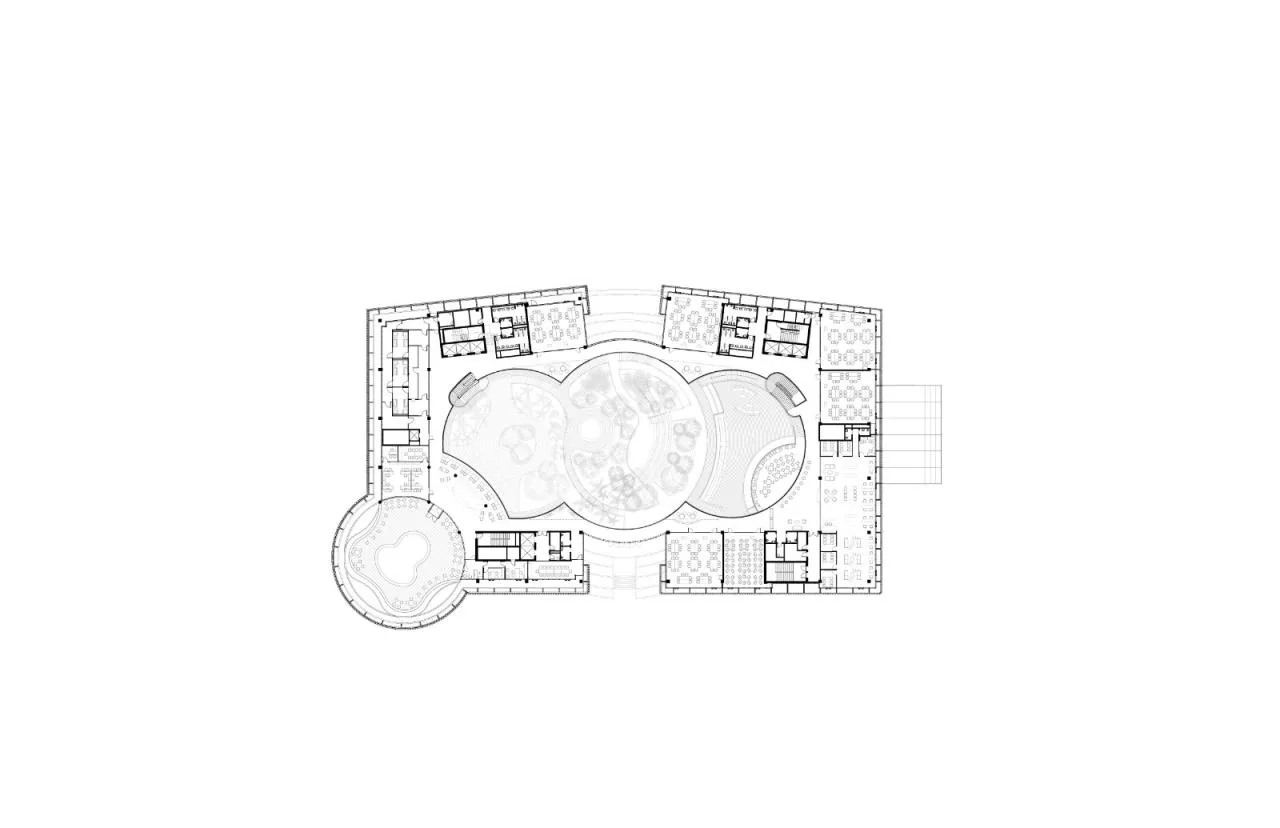
△ Fourth floor plan
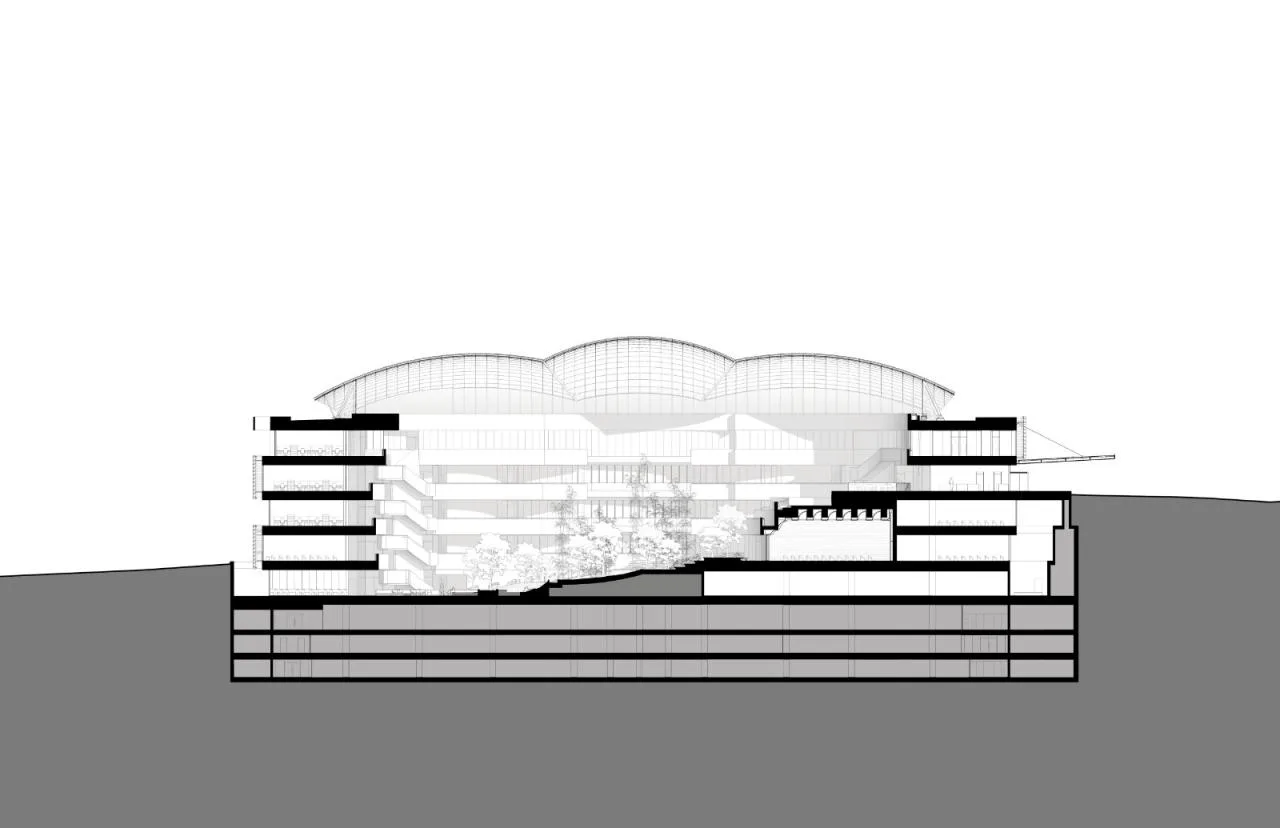
△ Section diagram
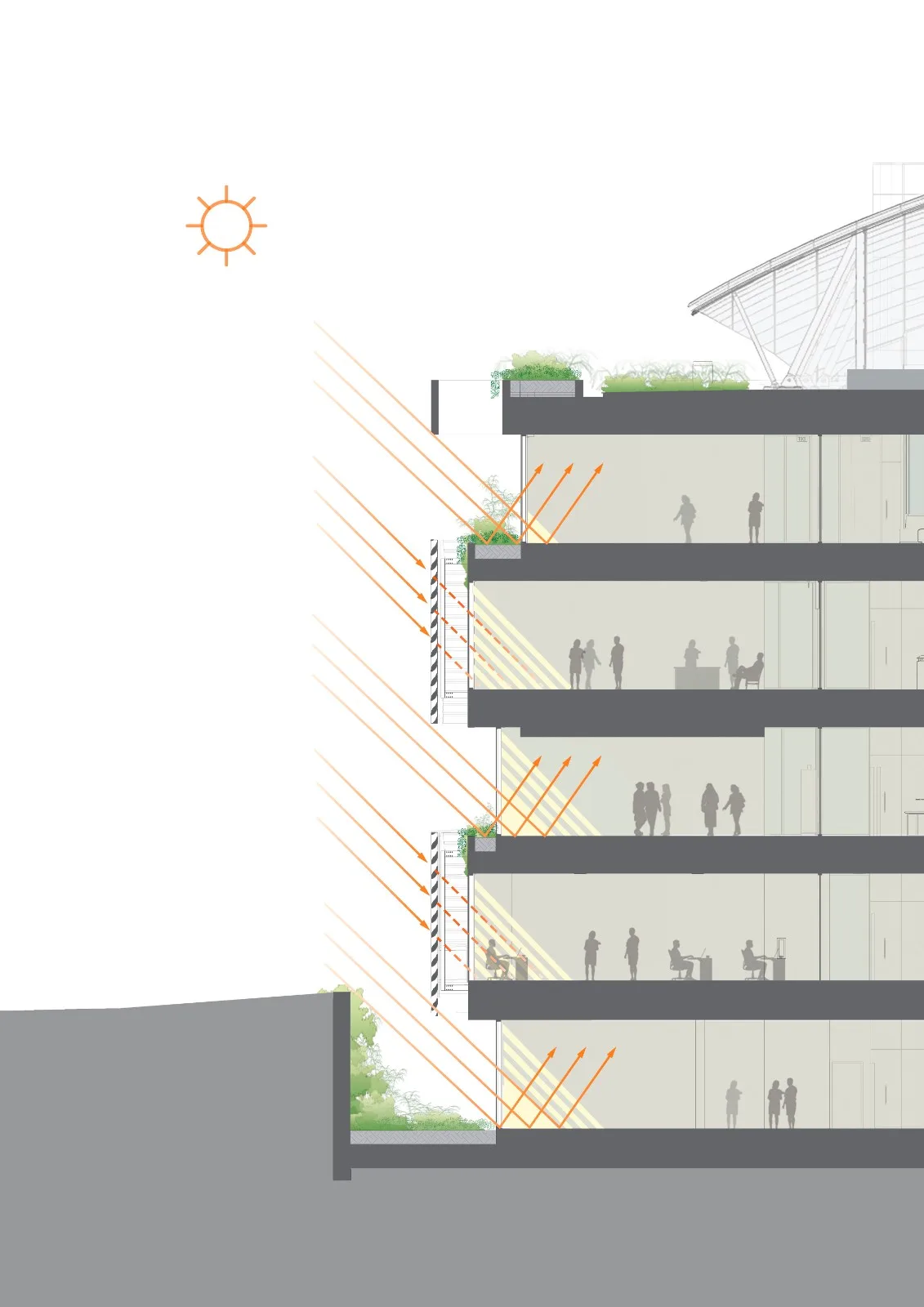
△ Sunshade Analysis Diagram
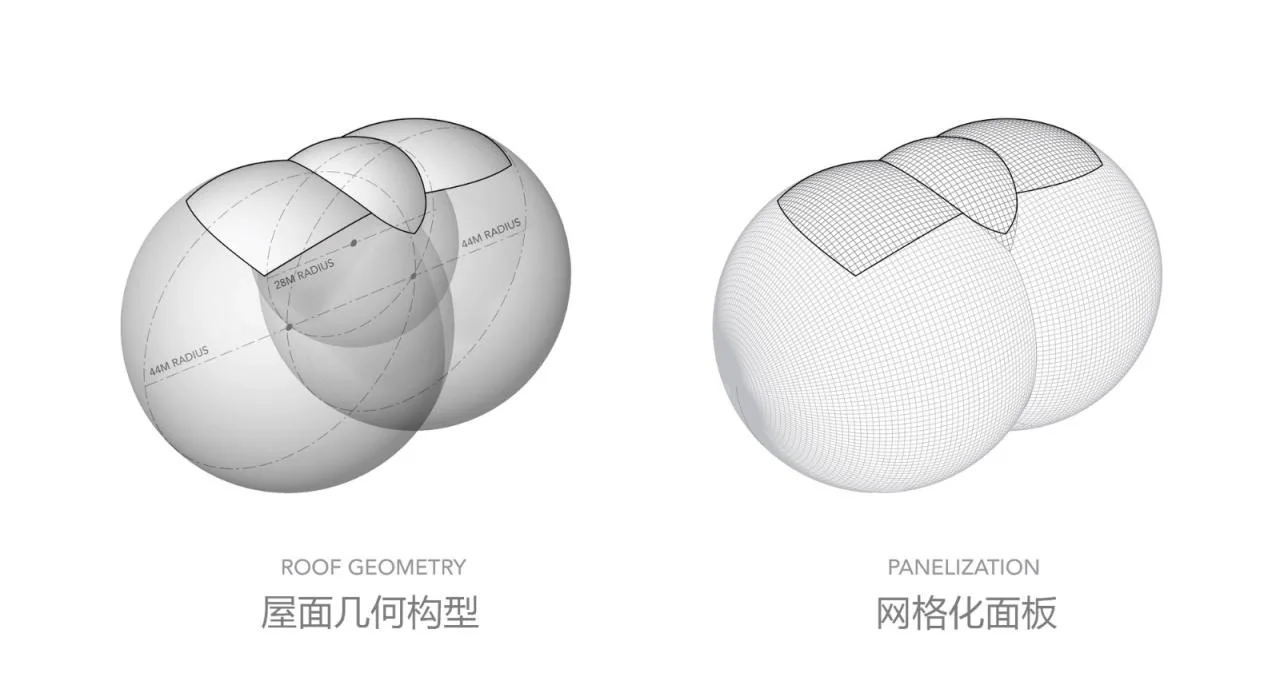
△ Roof analysis diagram
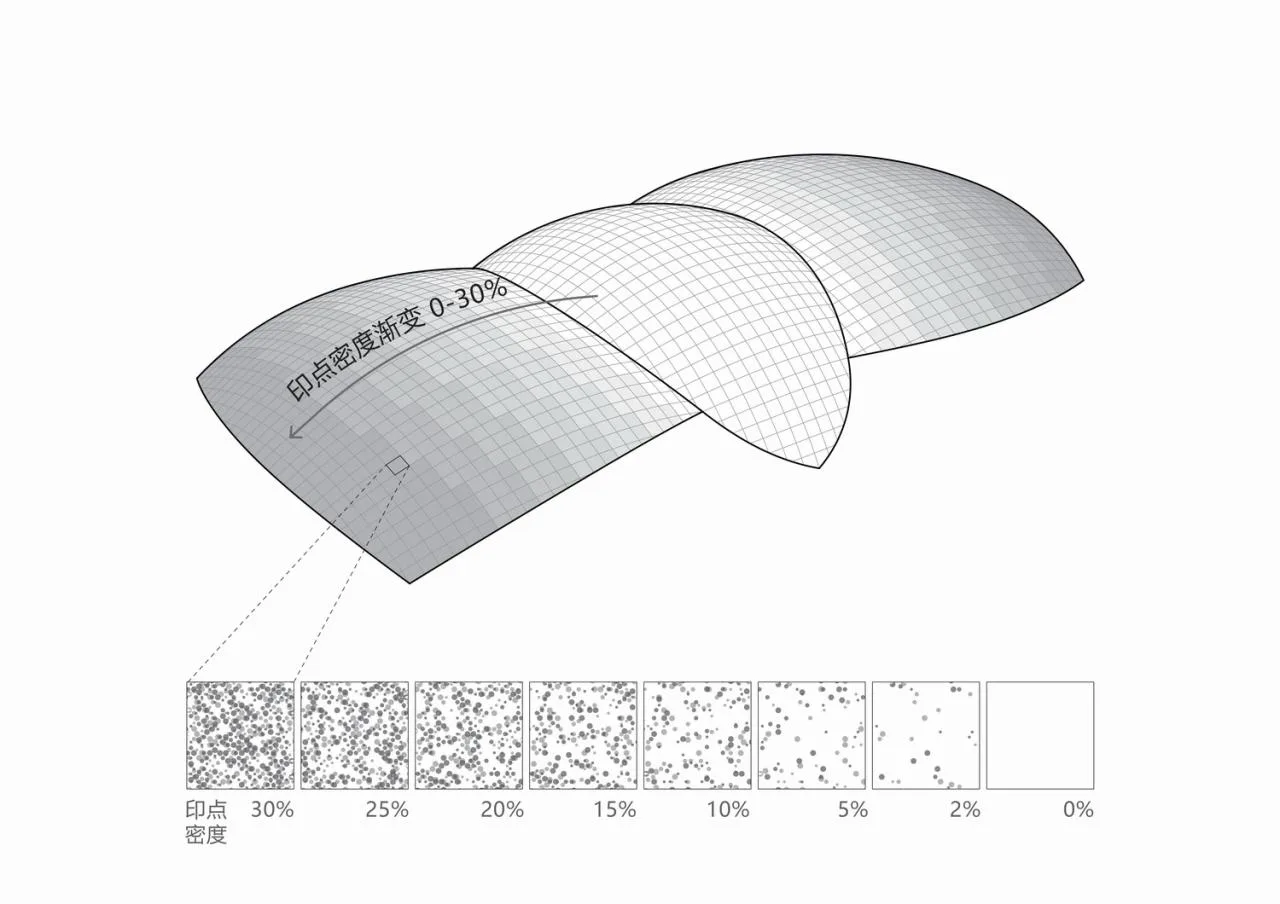
△ Roof analysis diagram
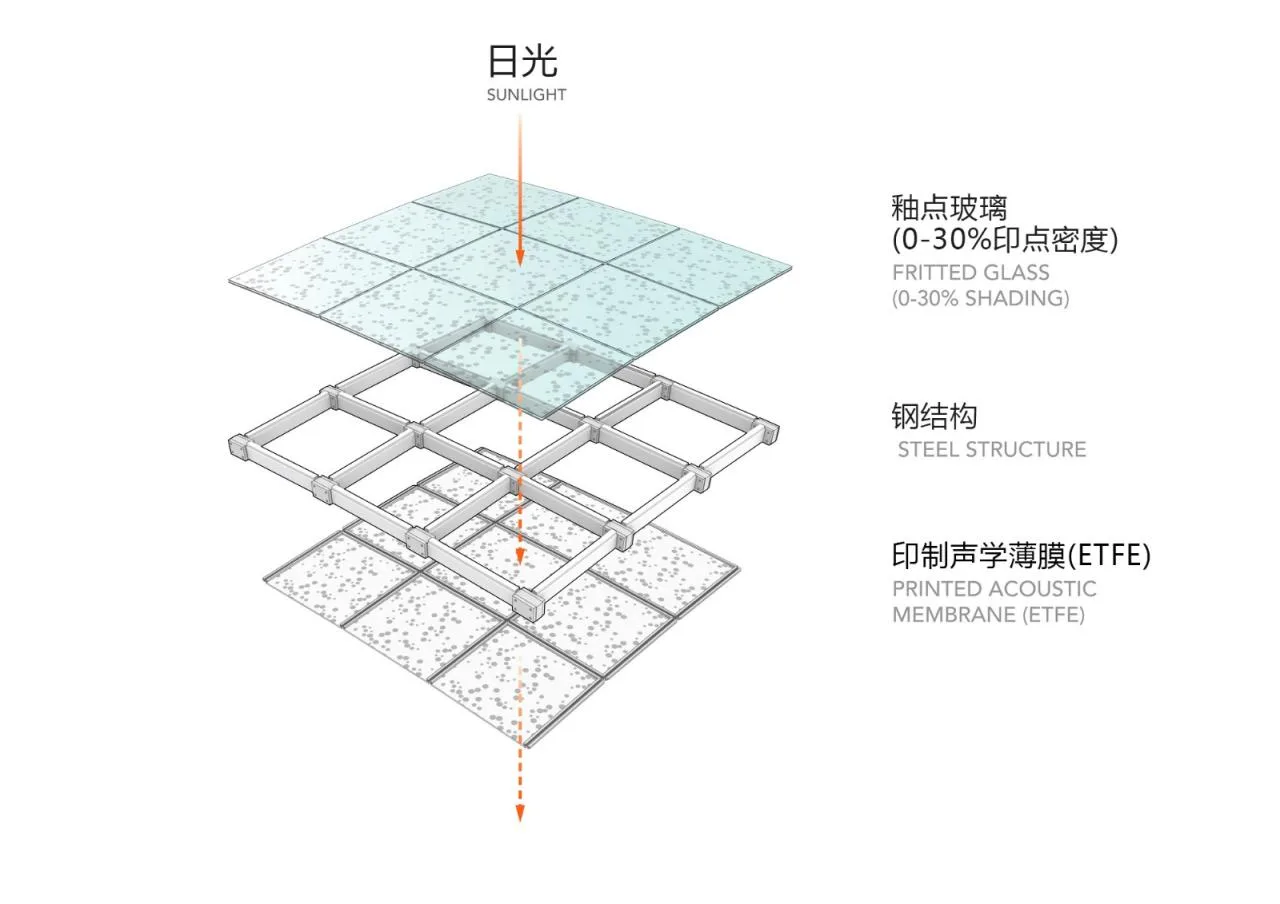
Schematic diagram of skylight material
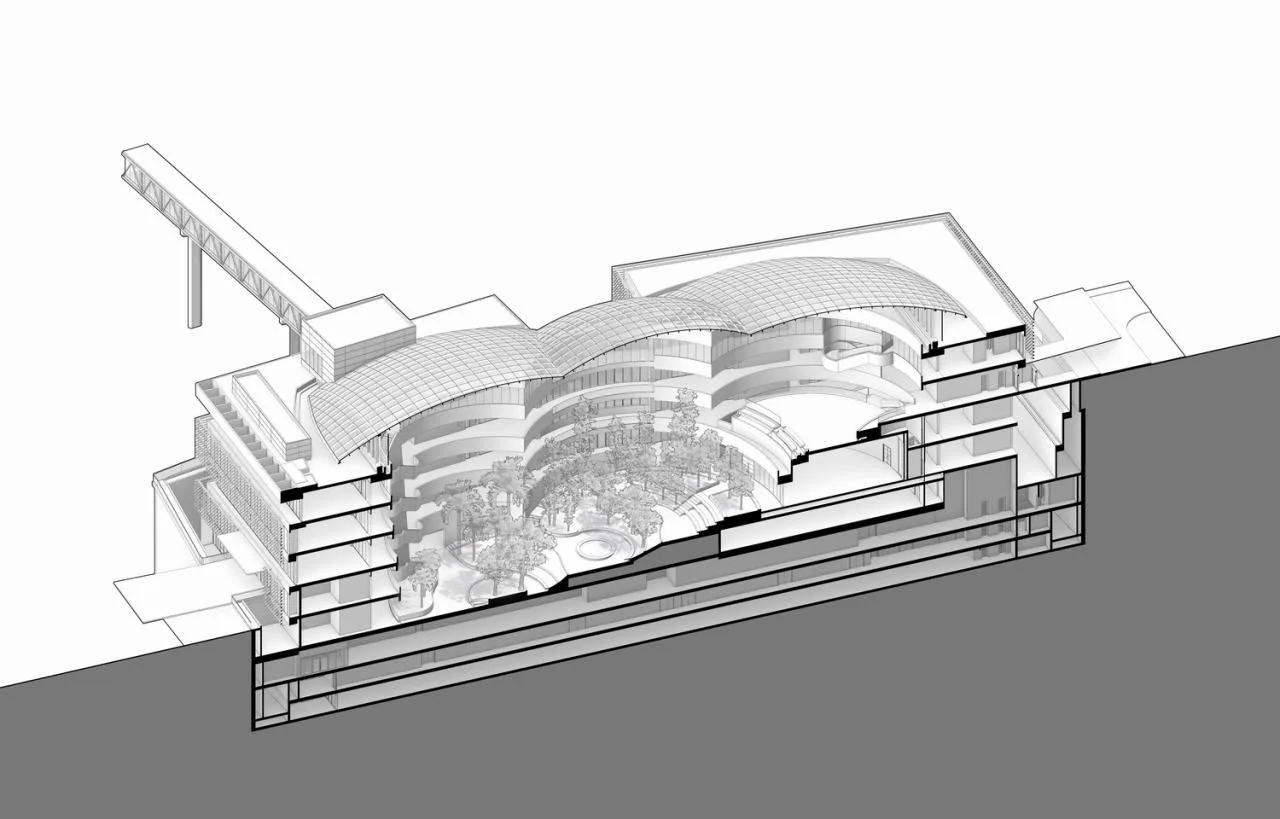
△ Sectional perspective
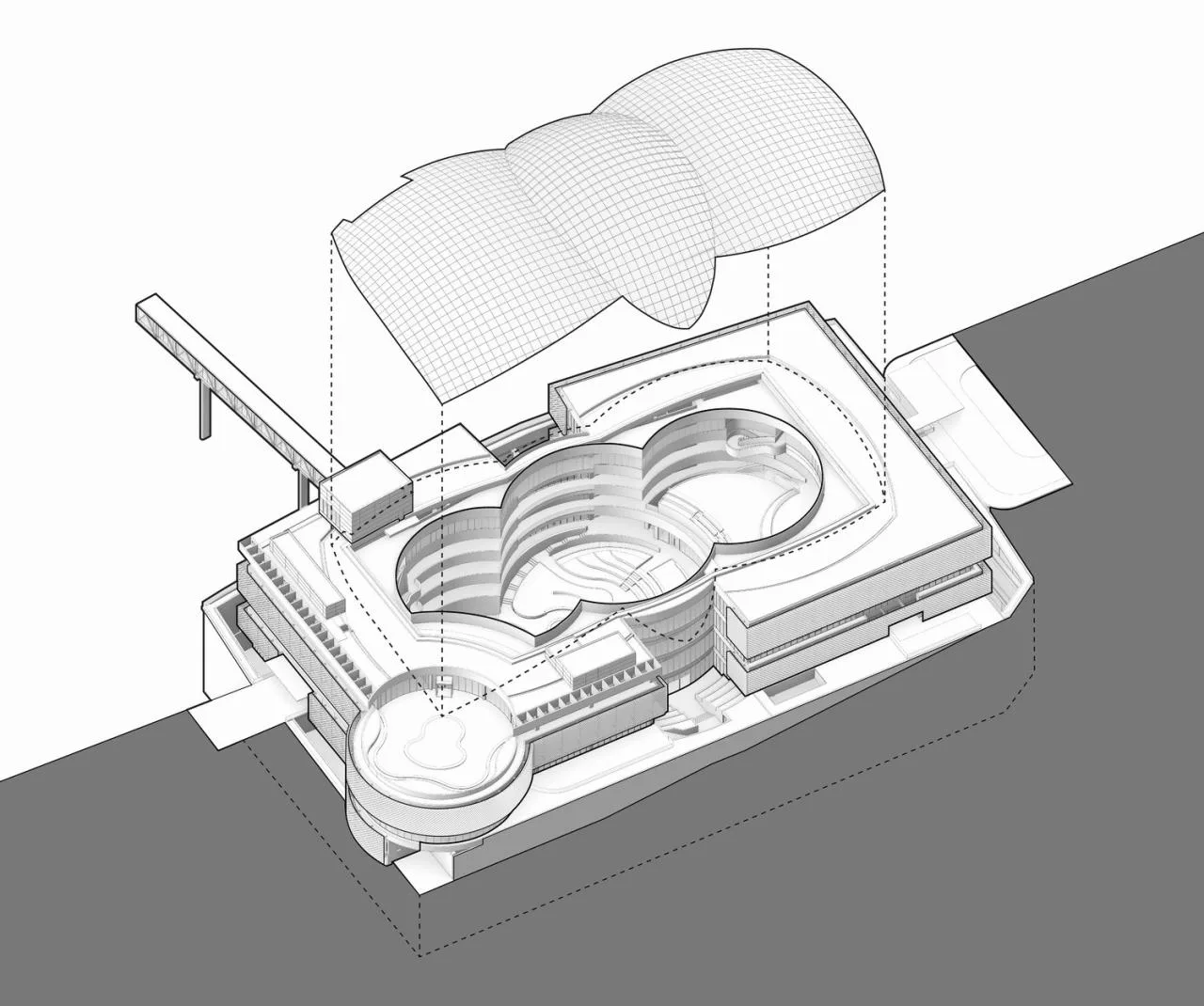
△ Analysis chart
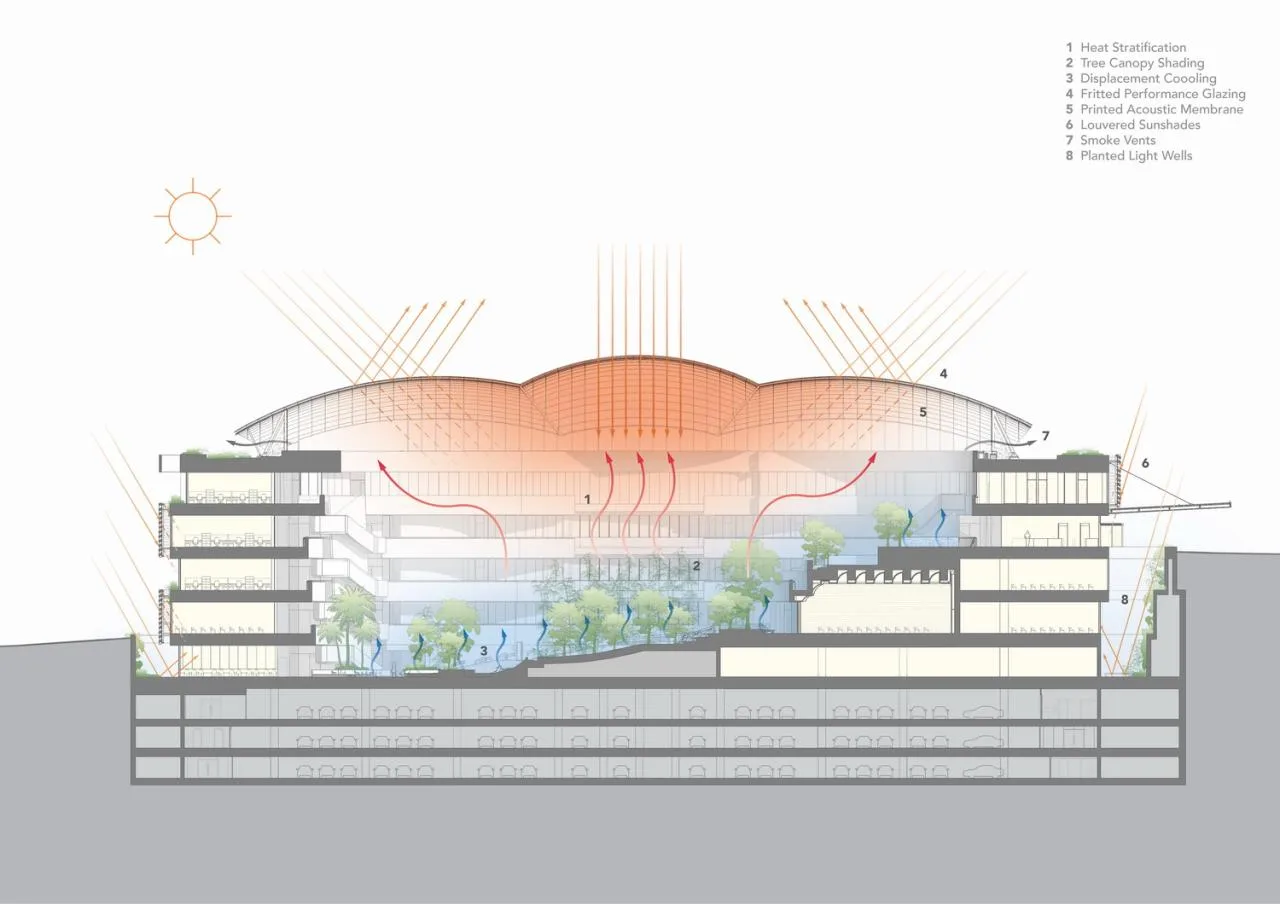
Microclimate analysis chart
Project Information
Owner: Albert Einstein Brazil Israel Charitable Association
Lead Architect and Interior Architect: Safdie Architects
Functional Planning, Interior Planning, and Executive Architect: Perkins & Associates; Will
Landscape Design and Installation: Isabel Duprat Arquitetura Paisagistica
Structural Engineering: Thornton Tomasetti + Avila Engenharia + BRZ Experts
Curtain Wall Design: Thornton Tomasetti + Crescencio
Sunroof Subcontractor: Seele GmbH
MEP Engineering: ARUP + MHA Engenharia
Environmental Consultant: Atelier Ten + CA2 Consultores
Lighting Consultant: Lam Partners + Studio IX
Identification and Guidance: Roll Barresi + Claudio Novaes
Acoustic Consultant: Harmonia Acustica
Audiovisual Consultant: Acústica & Sônica
Site Area: 12,000 square meters
Total Construction Area: 44,000 square meters
Laboratory Area: 3,000 square meters
Number of Classrooms: 40
Student Capacity: 1,700
Number of Teachers: 90
Number of Employees: 700
Number of Research Laboratories: 200
Courtyard Seating: 400
Parking Spaces: 387
Daily Building Capacity: 6,300 people
Design and Construction Period: 2016–2022
Groundbreaking: November 2017
Official Opening: August 2022













Must log in before commenting!
Sign Up