
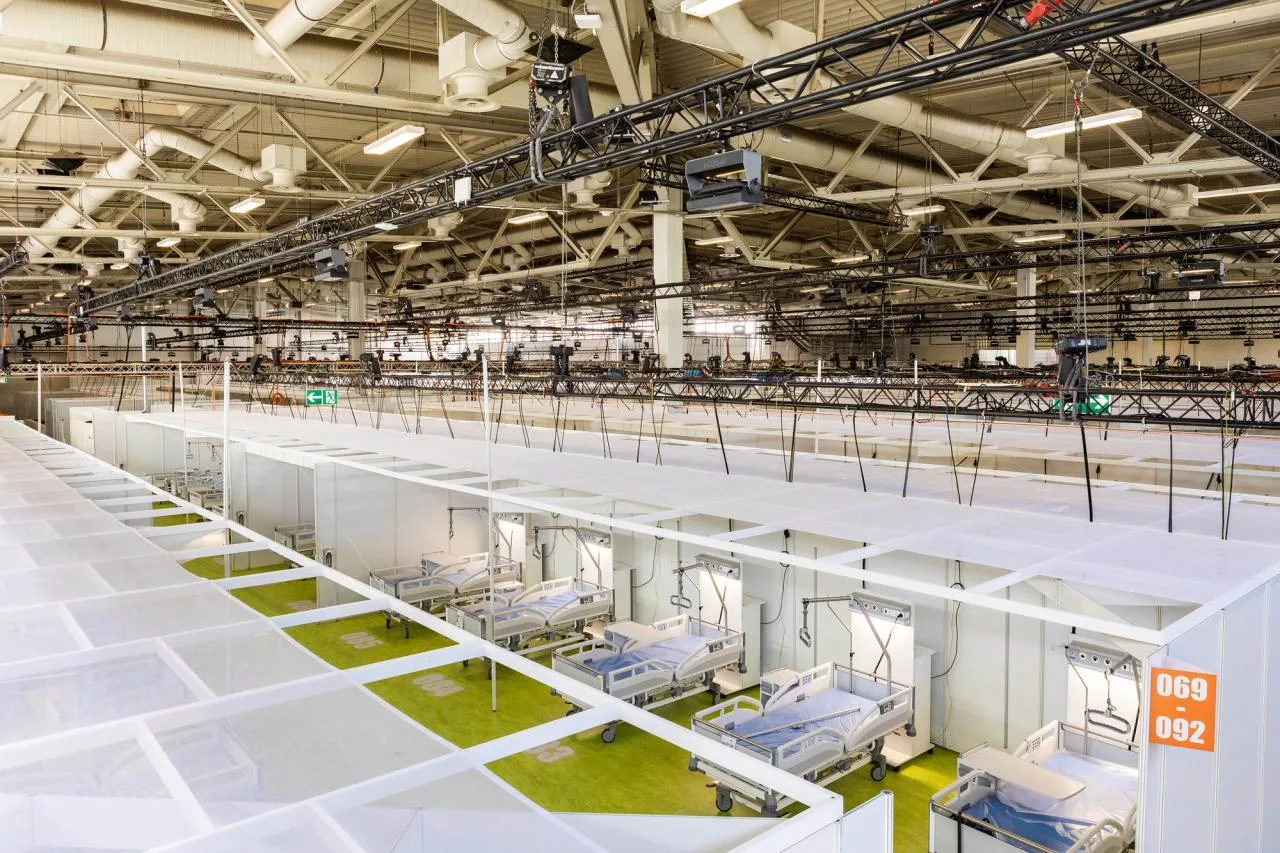
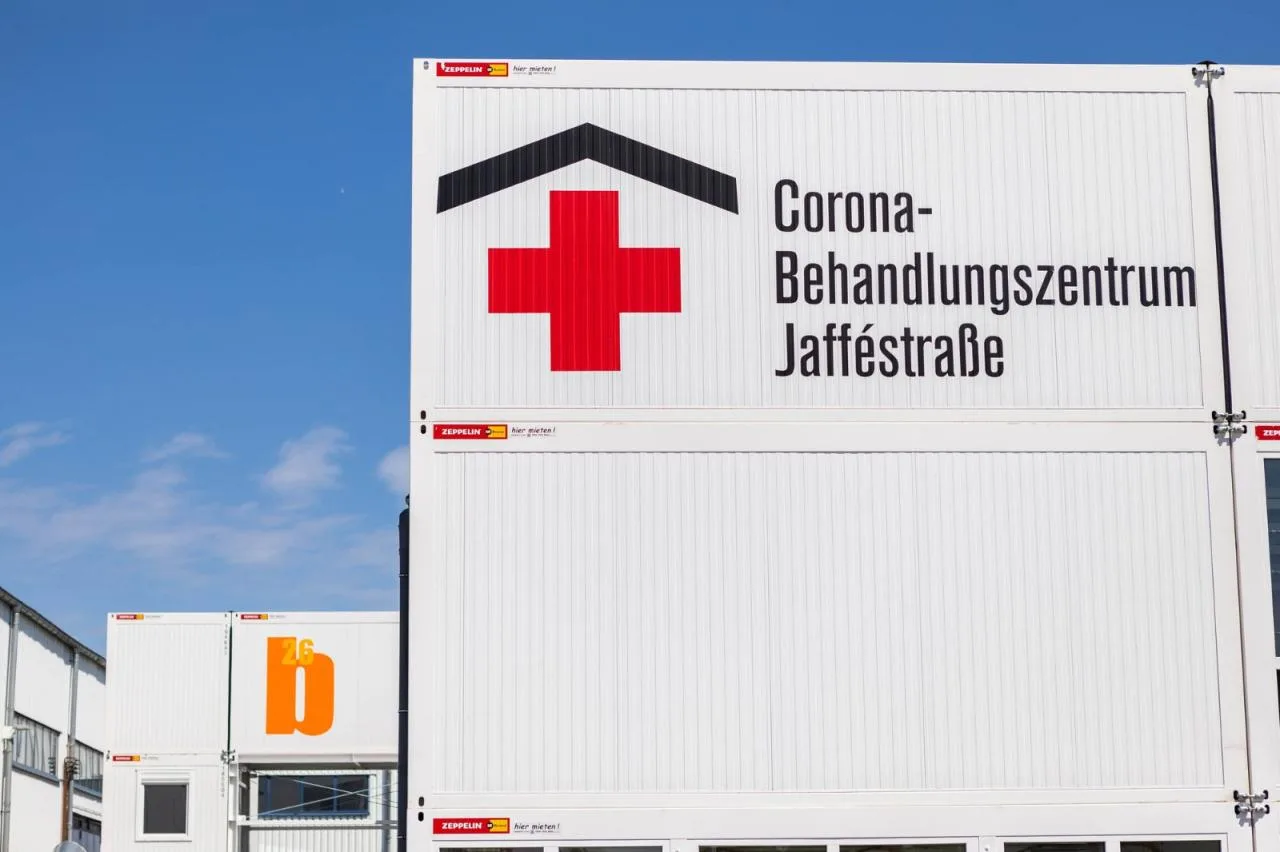
The world is currently facing a global crisis that impacts nearly every aspect of public life and puts immense pressure on healthcare systems worldwide. In Berlin, to address the shortage of clinical treatment capacity, a new COVID-19 treatment center was established at the Berlin Exhibition Center (Messe Berlin, Germany). Within just a few weeks, a preparatory hospital with nearly 500 beds was constructed inside Exhibition Hall 26. This facility is designed to expand and receive more patients should infection rates rise again.
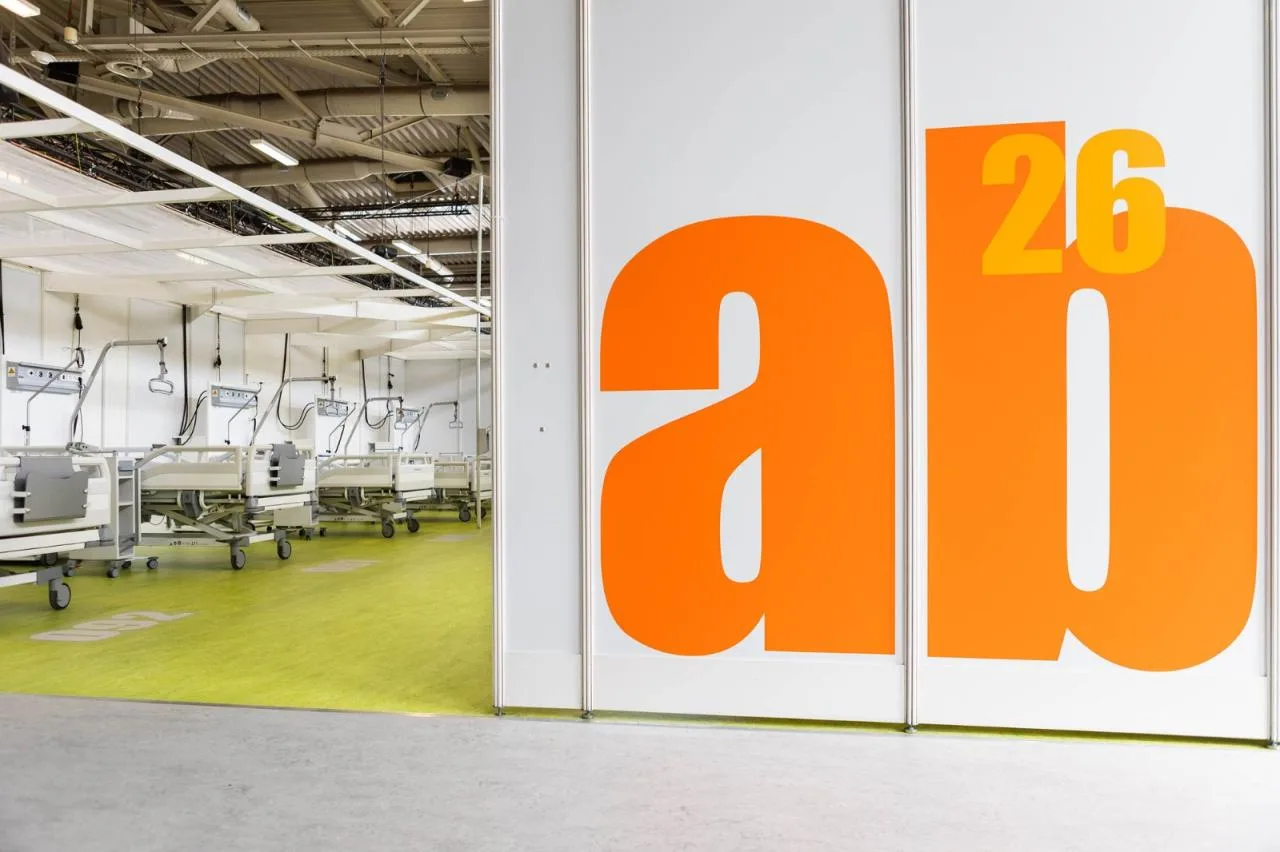
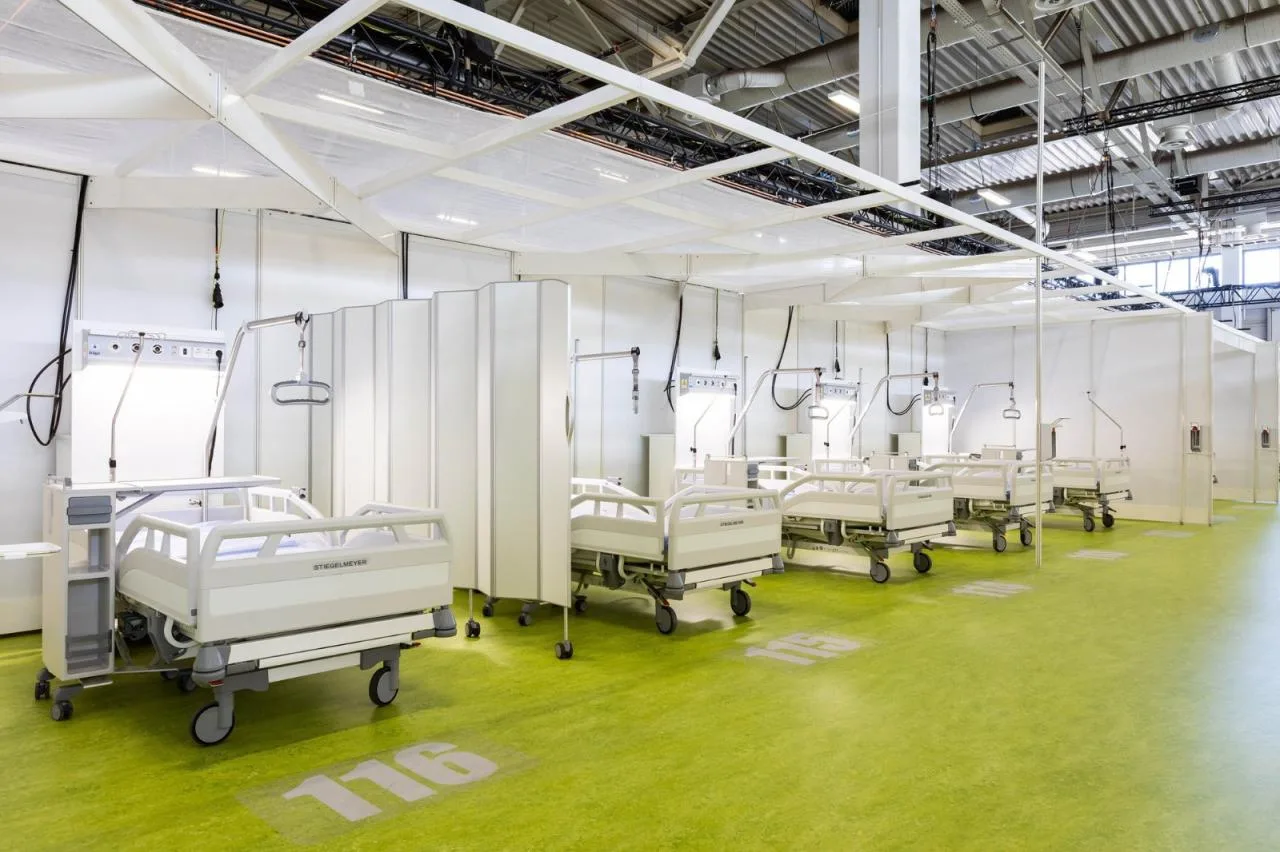
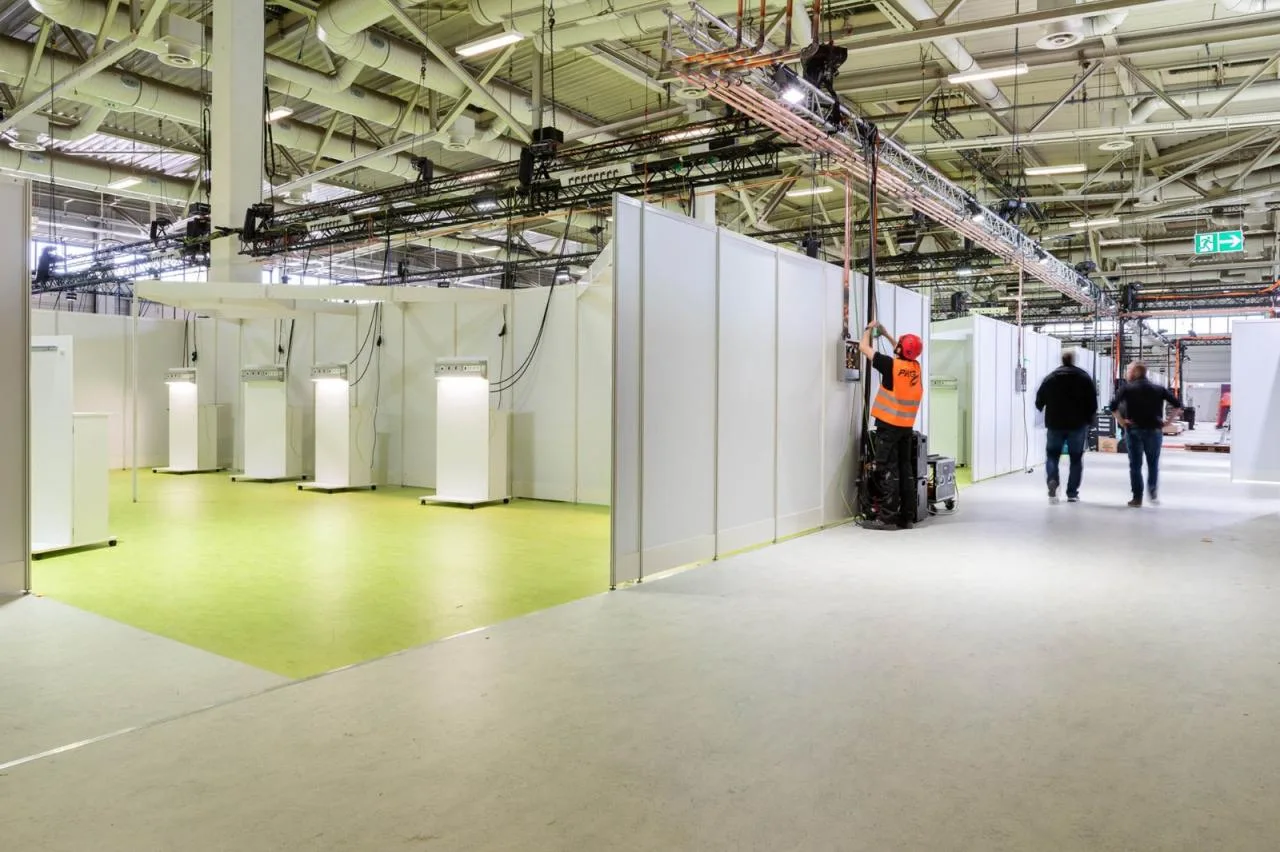
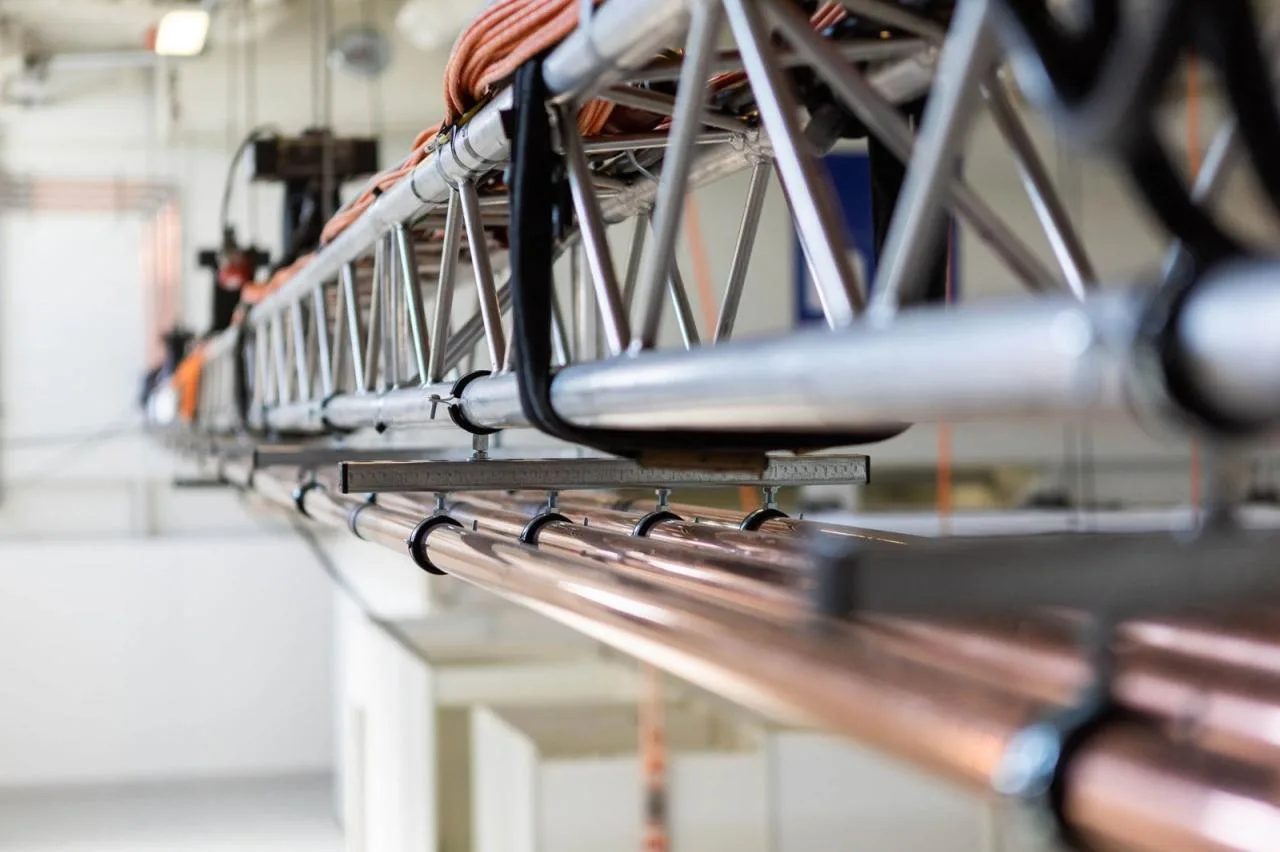
The treatment center’s layout is based on modular clusters of 16 to 24 beds, each supported by a central service area. This cluster design allows for flexibility, adjusting the structure according to the severity and observation needs of patients. Beyond flexibility, this system can be replicated in other locations if required. Oxygen pipelines, along with power and data transmission infrastructure, are routed through steel space trusses suspended above the venue — a common design approach in exhibition halls and event spaces. This setup ensures both high adaptability and timely project completion under tight deadlines.
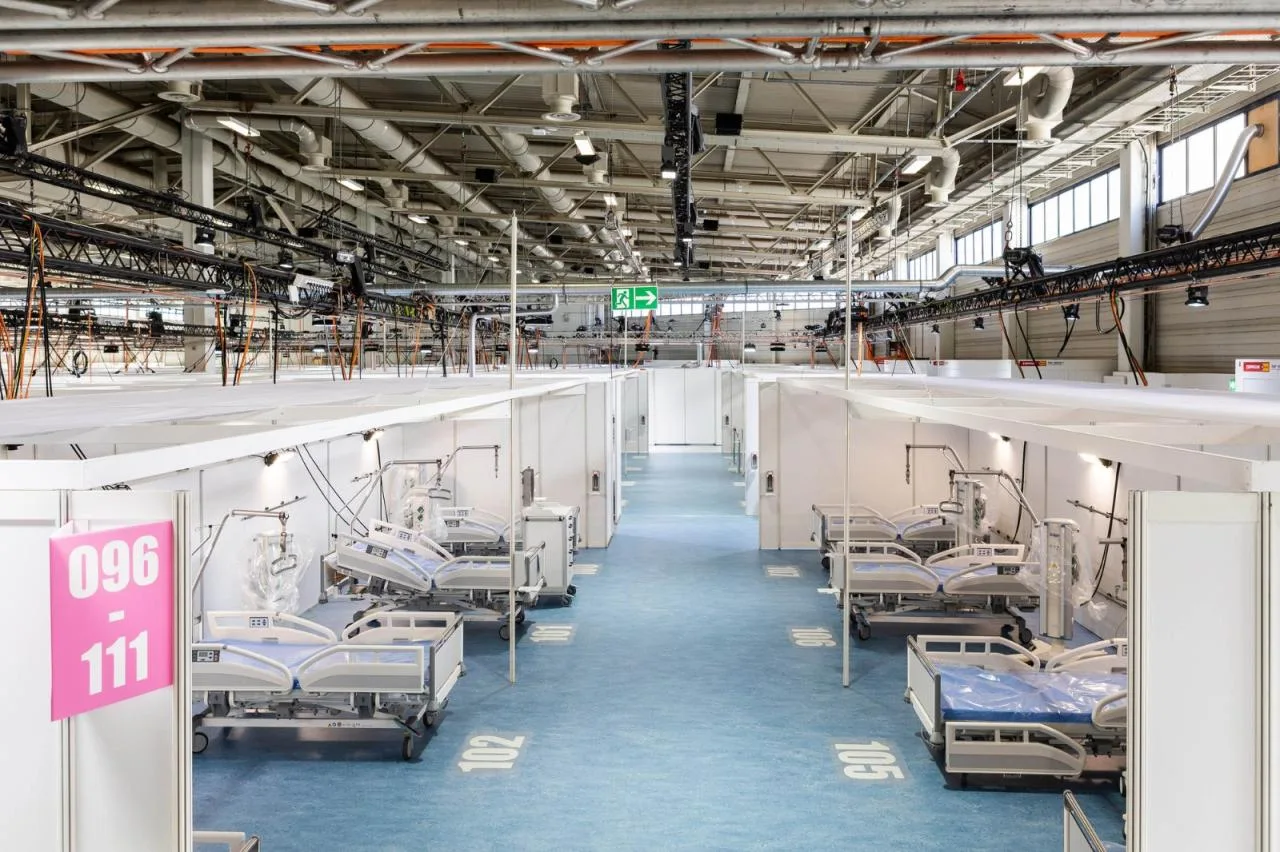
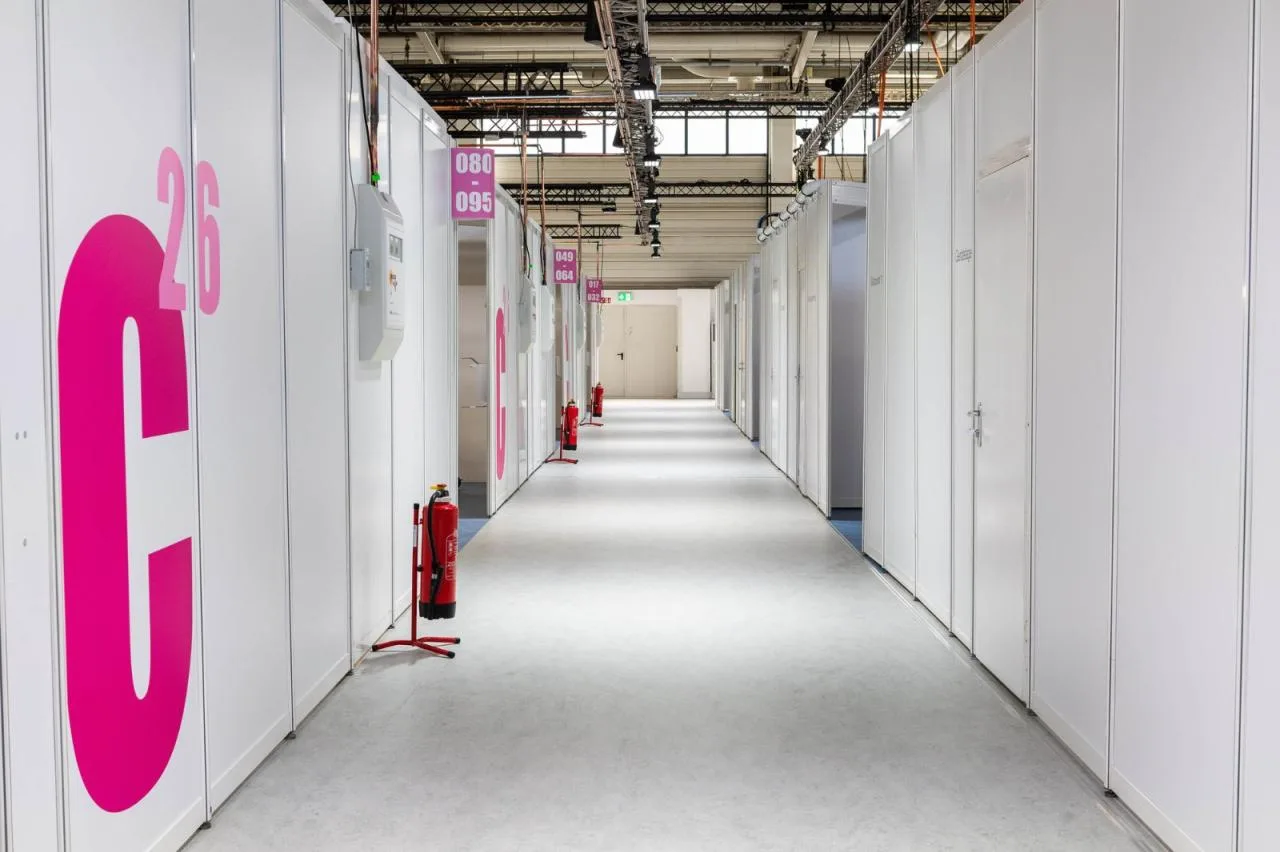
The design prioritizes the operational quality of medical care while also addressing the needs of patients and healthcare staff. This novel coronavirus treatment center blends features of modern hospitals with those of temporary field hospitals. It adheres to the highest health and safety standards required for treating highly infectious patients, while emphasizing essential elements vital to effective medical care.
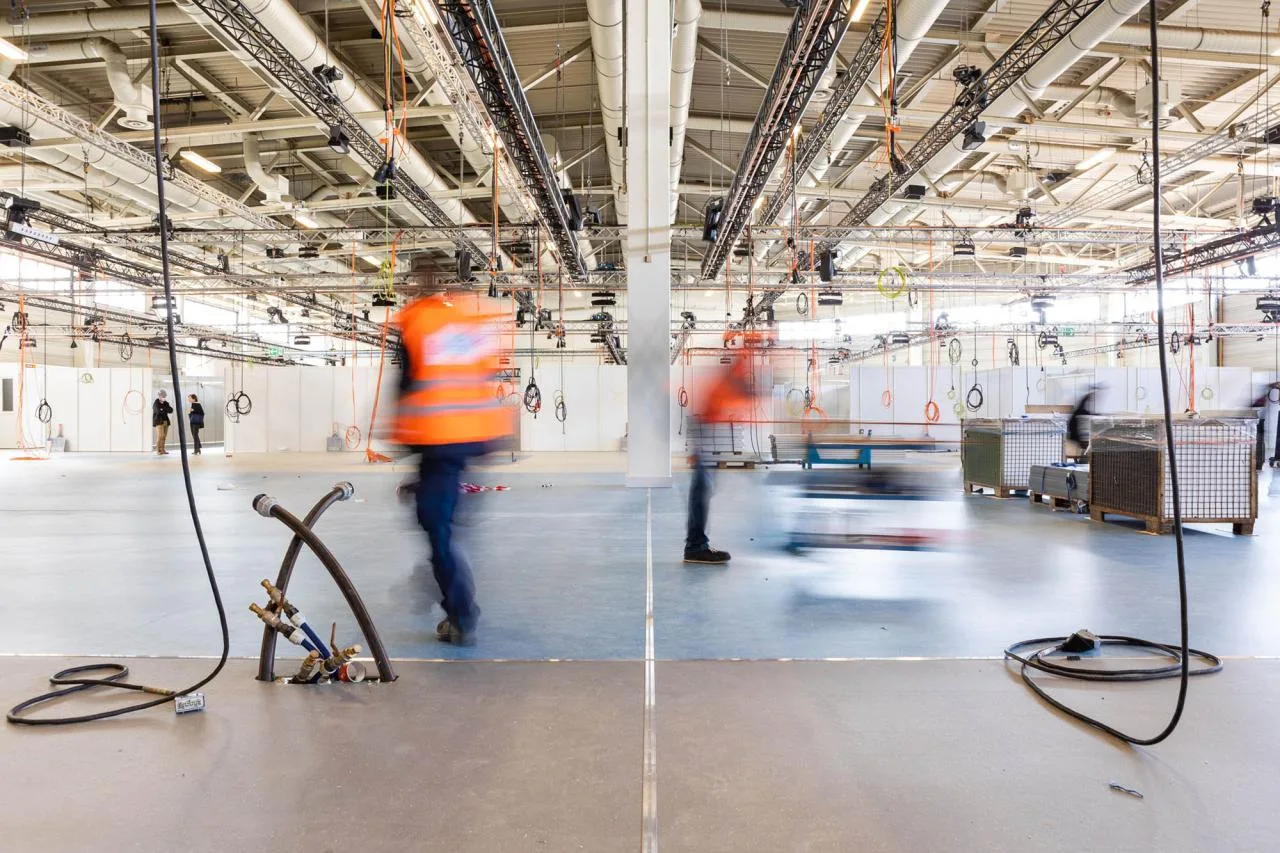
Focusing on sustainability, over 90% of the materials used in this center can be reused or recycled. This includes medical furniture that can be repurposed by other hospitals in the future — such as hospital beds, mobile supply units, ventilators, and CT scanners — as well as leased exhibition walls, beams, and other furniture components.
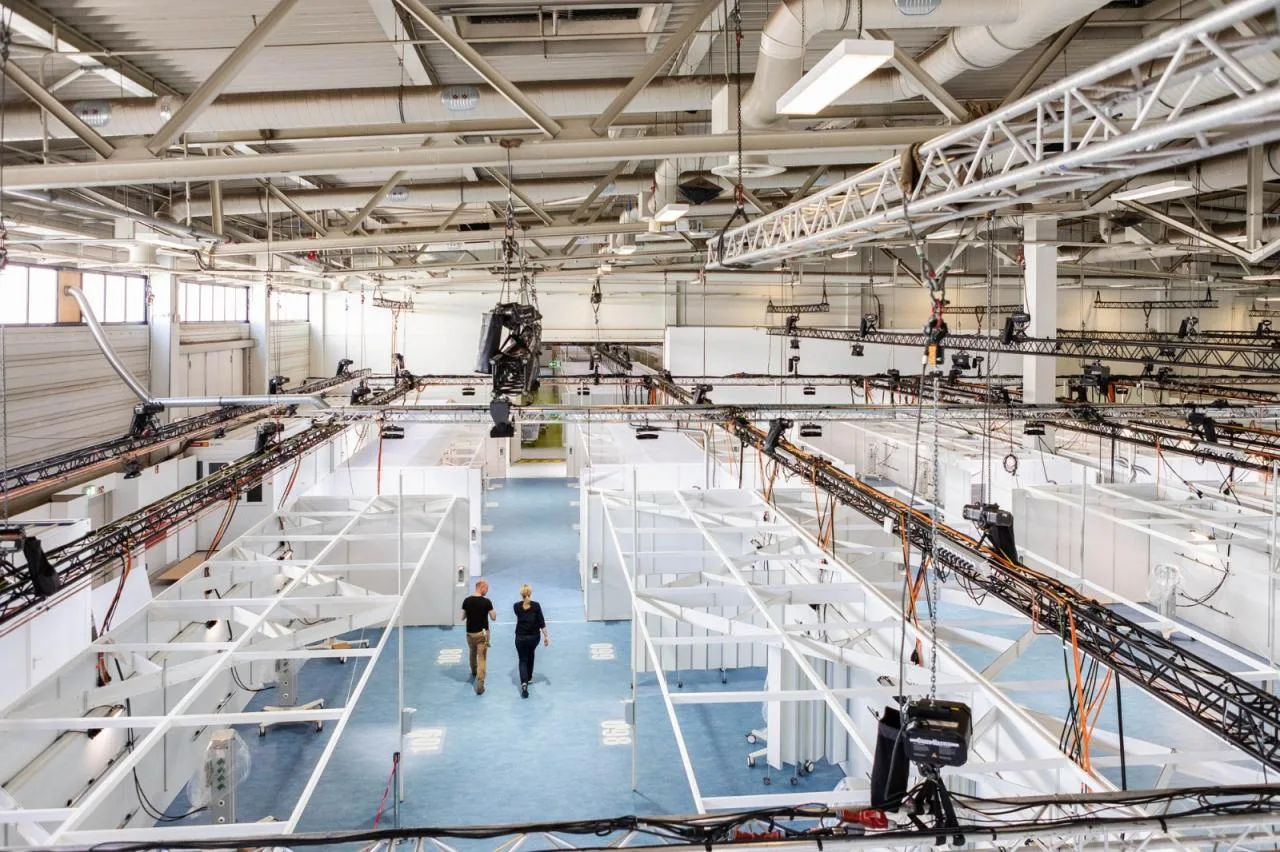
The COVID-19 treatment center was completed in just a few weeks. All systems were systematically researched, developed, analyzed, and evaluated with the intention of permanent use. The unique challenge of this project was not only meeting specific requirements but also understanding the necessary rooms, functions, and equipment information from the outset. This compressed the usual planning and coordination processes into essential steps — a sprint to build an emergency treatment center that, hopefully, no one will need to use again.
Project Drawings
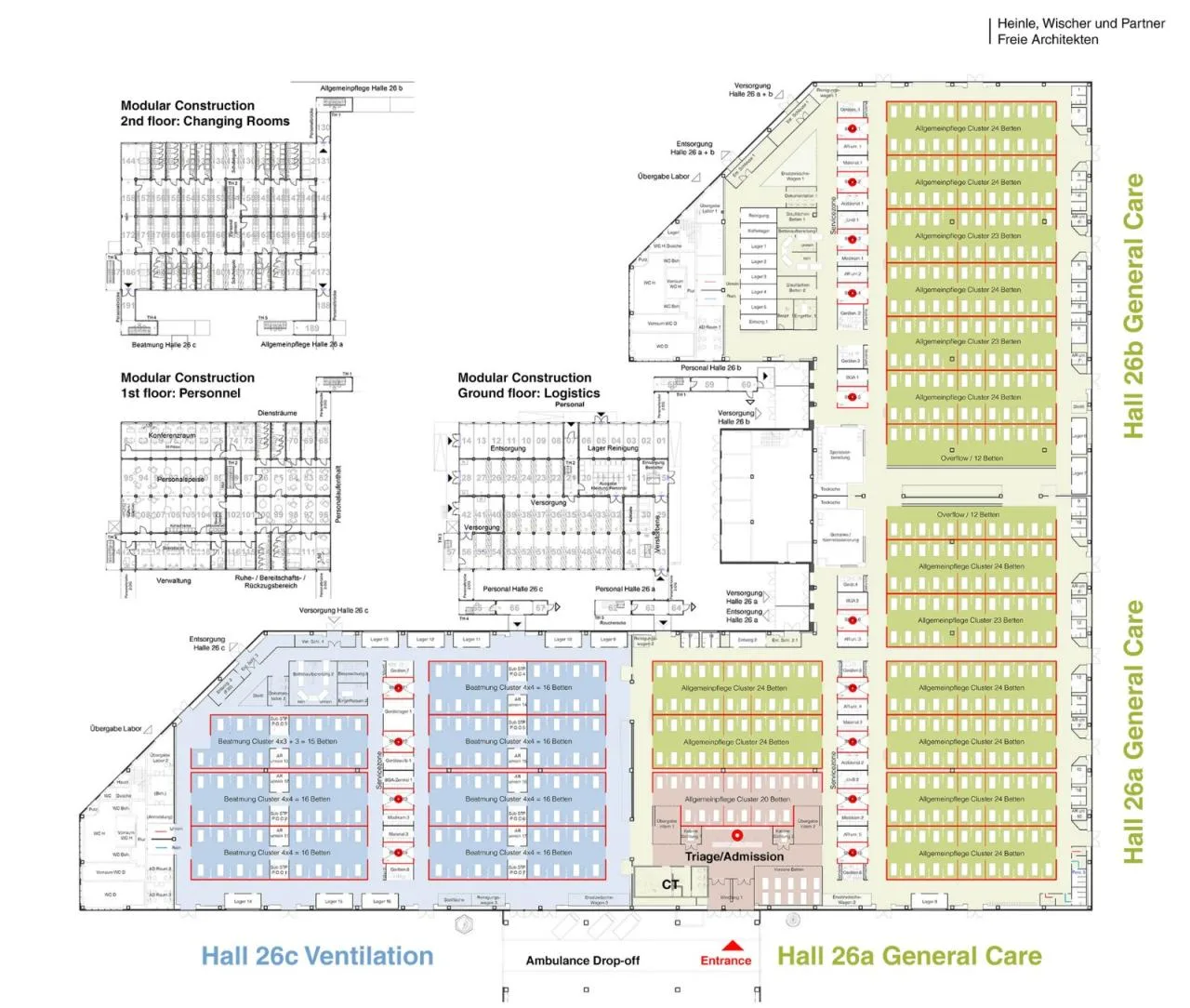
△ Plan View
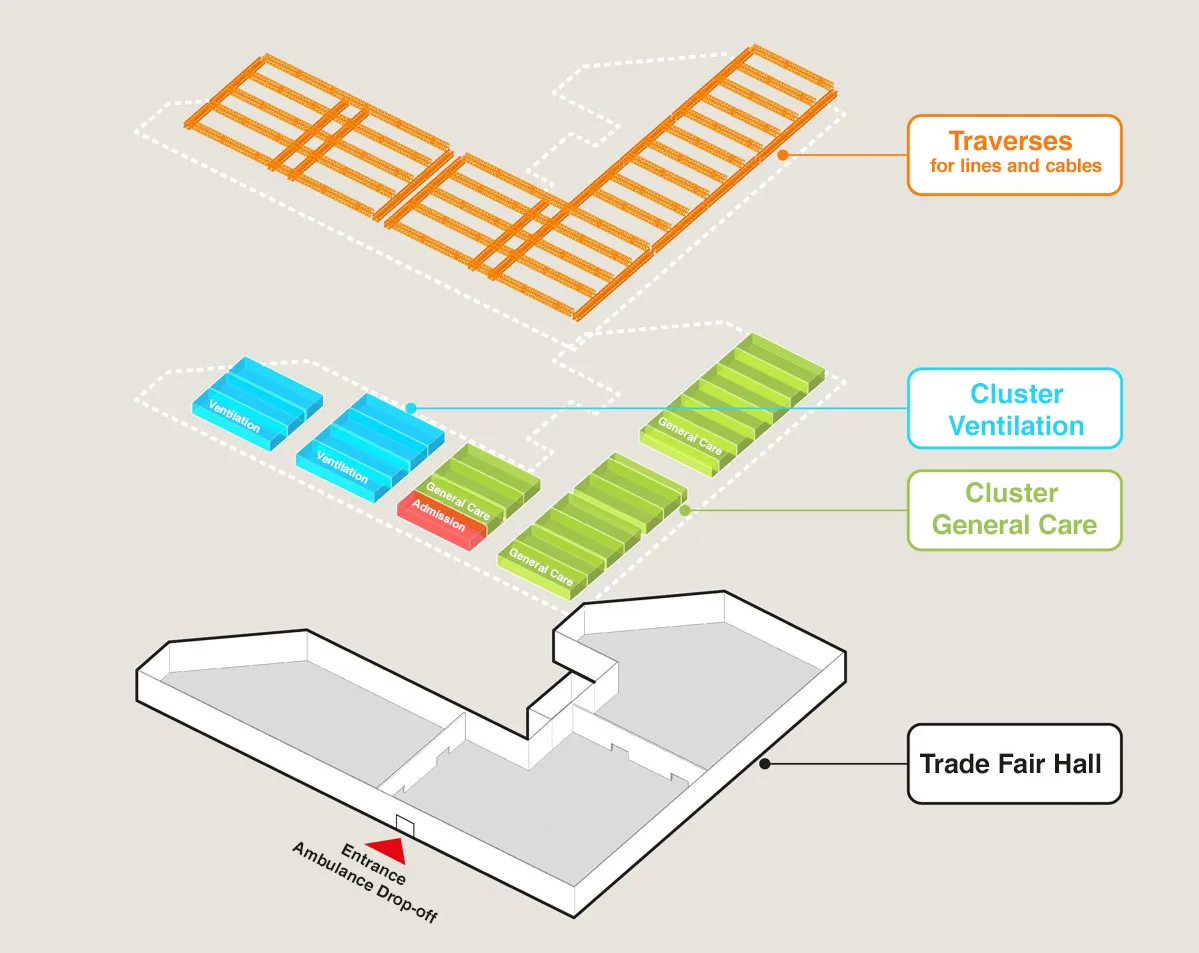
△ Analysis Chart
Project Information
Architect: Heinle, Wischer und Partner
Area: 11,000 m²
Project Year: 2020
Photographer: Nordsonne Identity
Manufacturers: Dräger Medical, Forbo International, Octanorm, Siemens, Silentia GmbH, Vectorworks
Design Team: Edzard Schultz, Fabian Scharf, Götz Holderbach, Barbara Schott, Annette Dörr, Lea Bradasevic, Tatiana Epimakhova, Timo Otto, Marina Martinez Sanchis, Aleksandra Shulevska, Julian Telger
Client: State of Berlin, Senate Department for Health, Care and Equal Opportunities
HVAC & Electrical: Ingenieurbüro Genius, Berlin and pro engineering, Berlin
Medical Technology Consultants: ifg Healthcare Engineering Bureau, Leipzig; Provision: VAMED Germany, Berlin
Fire Protection Consultants: hhpberlin Engineers for Fire Protection, Berlin
Location: Berlin, Germany












Must log in before commenting!
Sign Up