
The irreversible growth of artificial products has brought us to a critical crossroads between living organisms and man-made materials. I recently came across a scientific article titled “Global Artificial Mass Surpasses All Living Biomass”, published by Nature on December 9, 2020. The article reveals that the total amount of anthropogenic mass—materials produced by humans—has now exceeded the global living biomass. Building materials are identified as the primary contributor to this trend. This situation suggests that the production of buildings solely for human use has reached its limits. Within this context, what role can architecture play as a habitat for humans?
At its core, architecture serves to protect us from the harsh forces of nature. As natural disasters become more frequent, the barrier between the natural world and architectural space strengthens. Unlike other forms of life, humans distinctly separate indoor and outdoor environments. Yet, we also recognize the richness and beauty of natural surroundings, which is why we cultivate gardens and green building facades and rooftops. However, these green spaces are often designed primarily for human enjoyment and use, treated as an extension of living areas rather than habitats for wildlife. In reality, the “irreversible growth of artificial products” stems from the unconscious expansion of human living spaces.
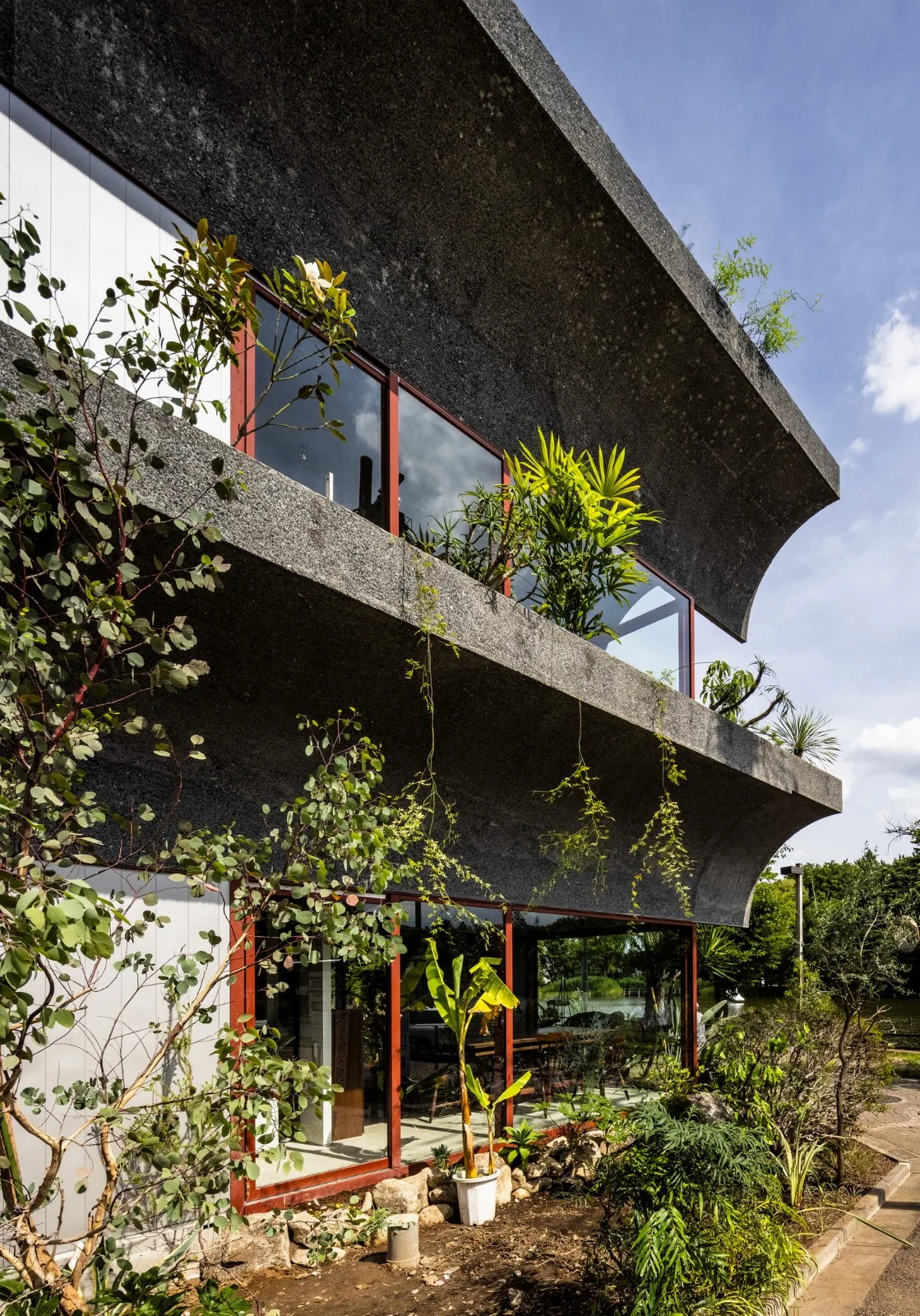
All living beings—including humans, plants, animals, and insects—collaborate in the shared project of survival on Earth. Our planet is an intangible network of diverse life forms, humans included. Can architecture become a vessel that accommodates all these organisms collectively?
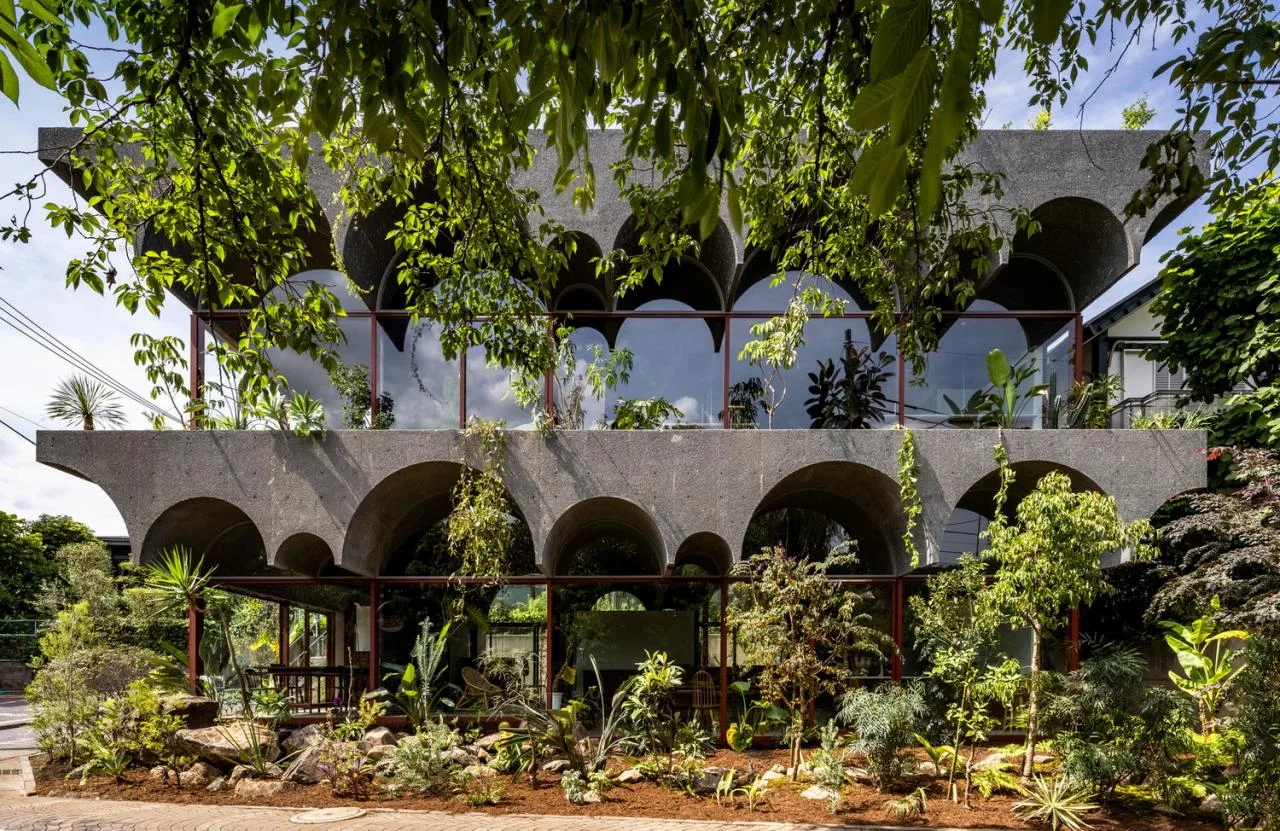
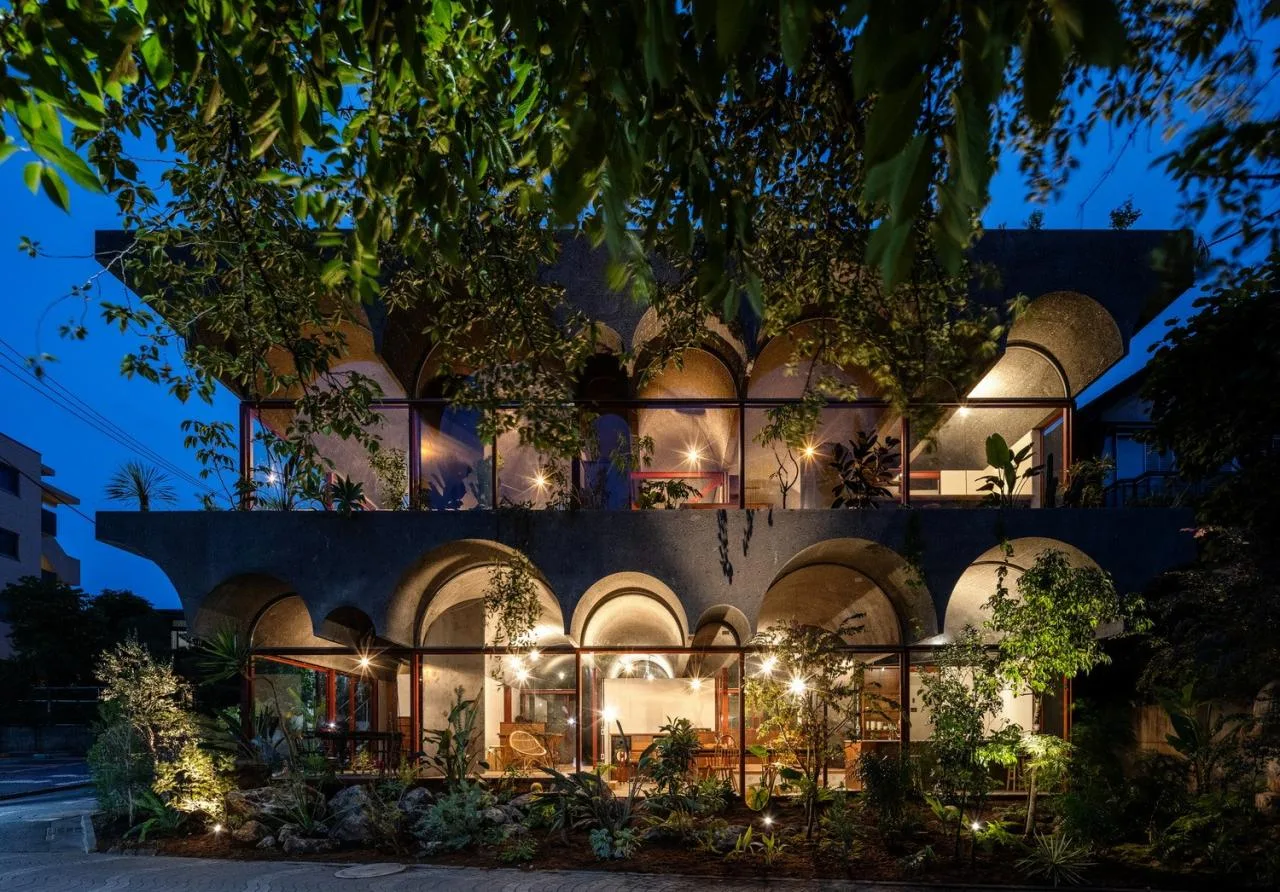
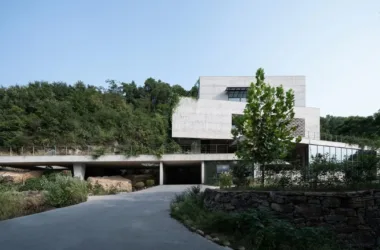
The “Hegang House” building attempts precisely this: to create a space that supports not only humans but other forms of life as well.
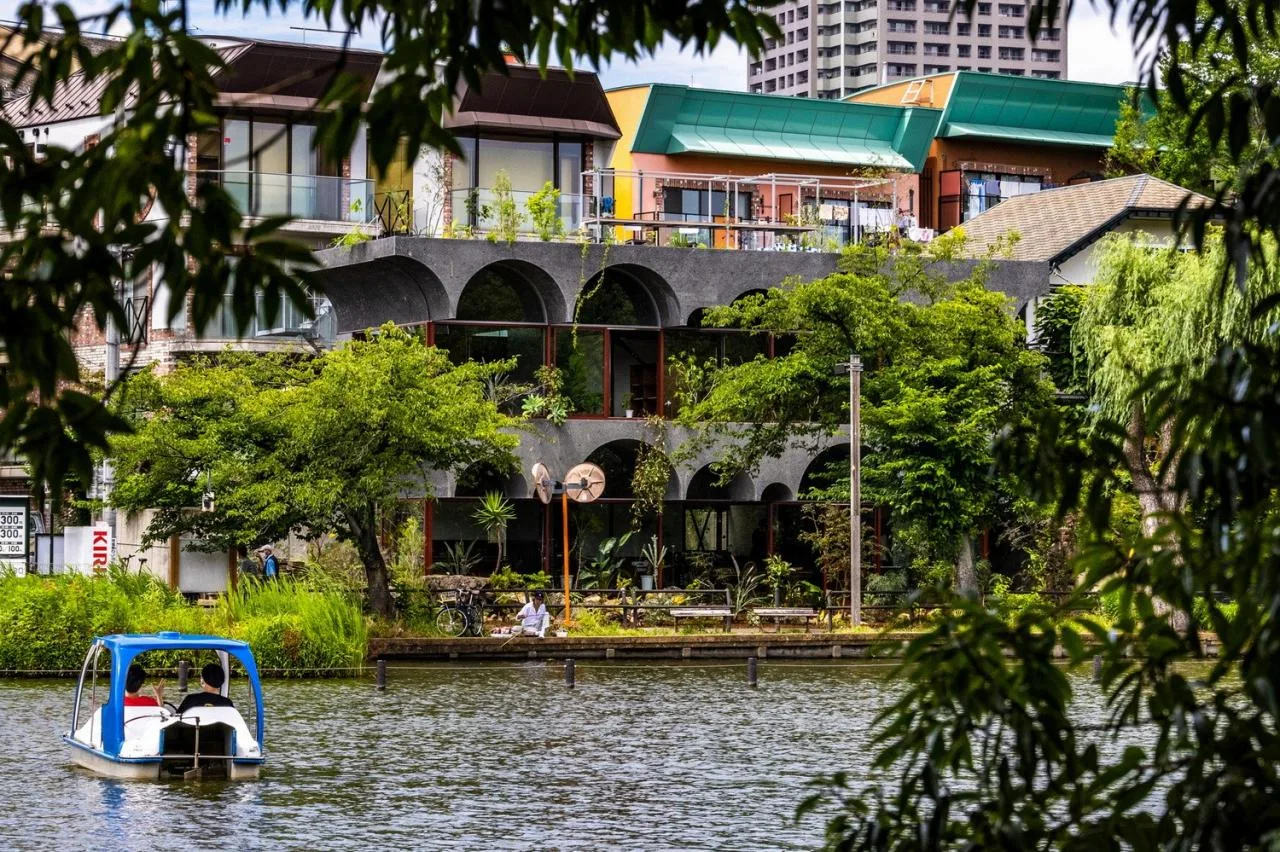
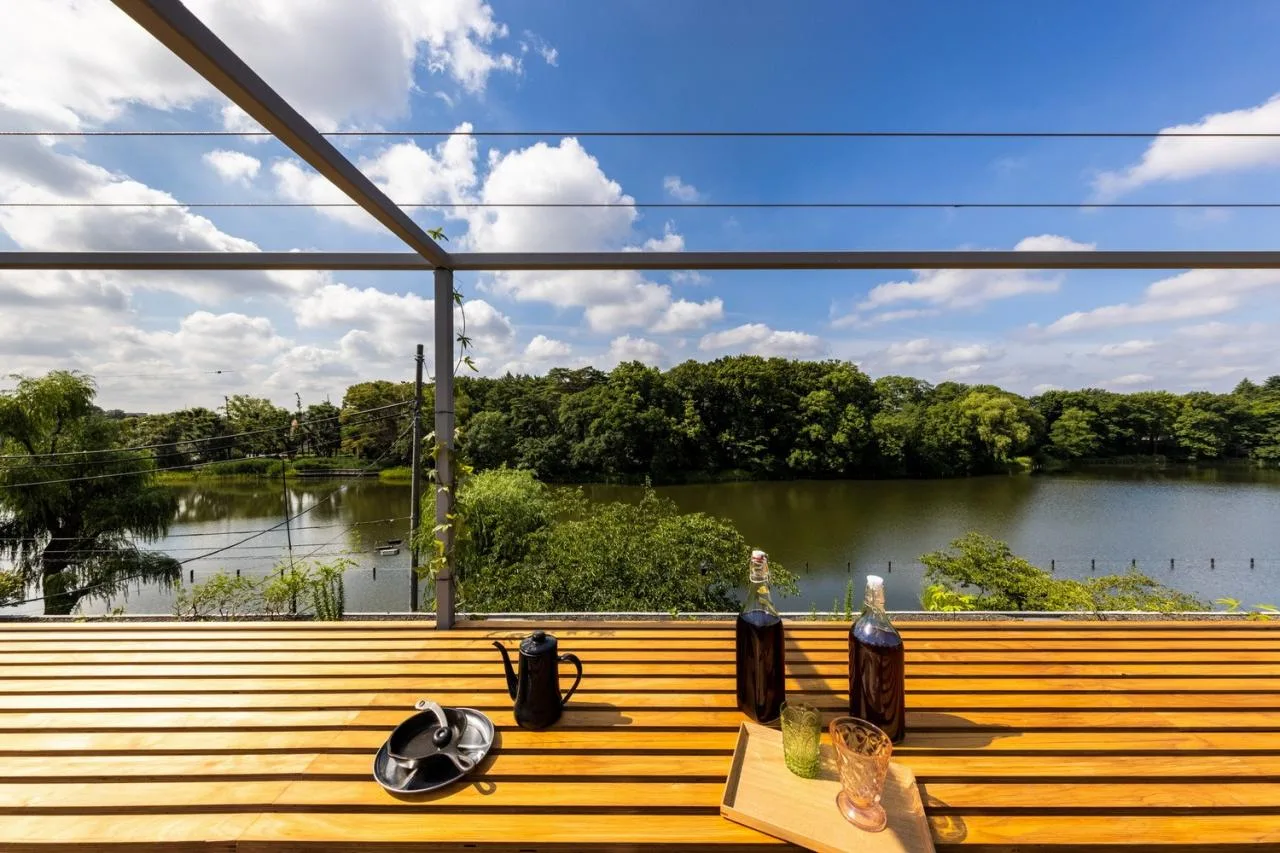
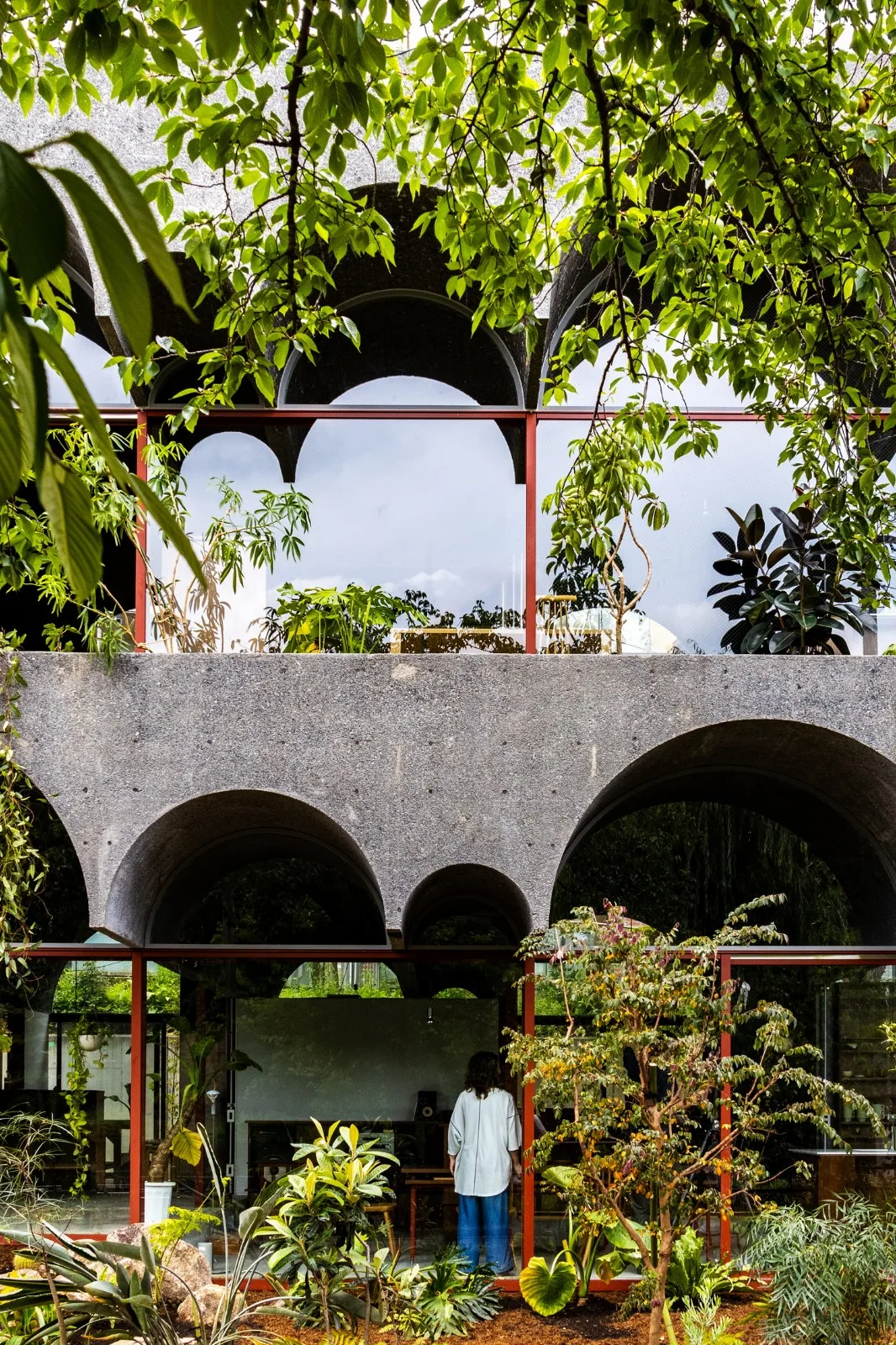
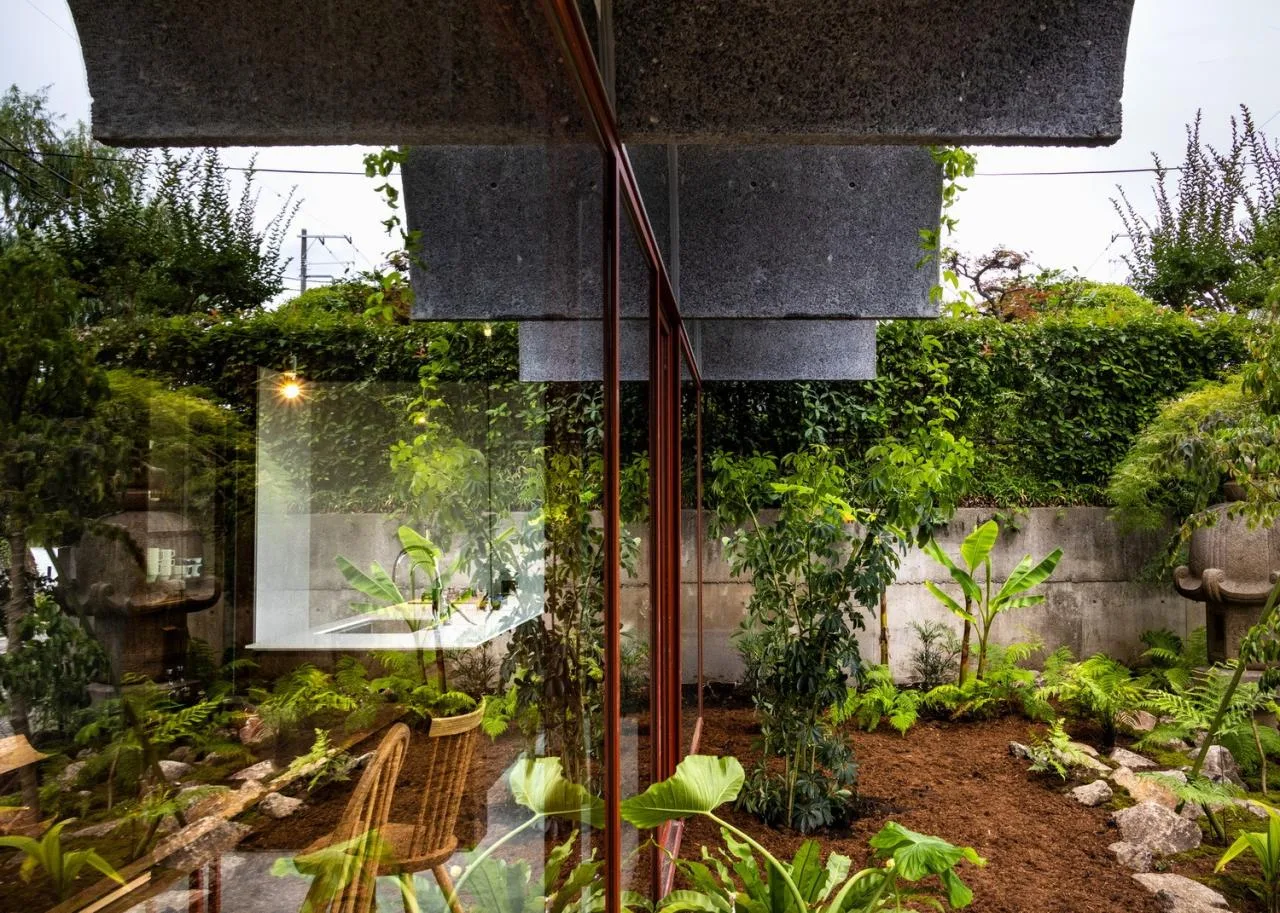
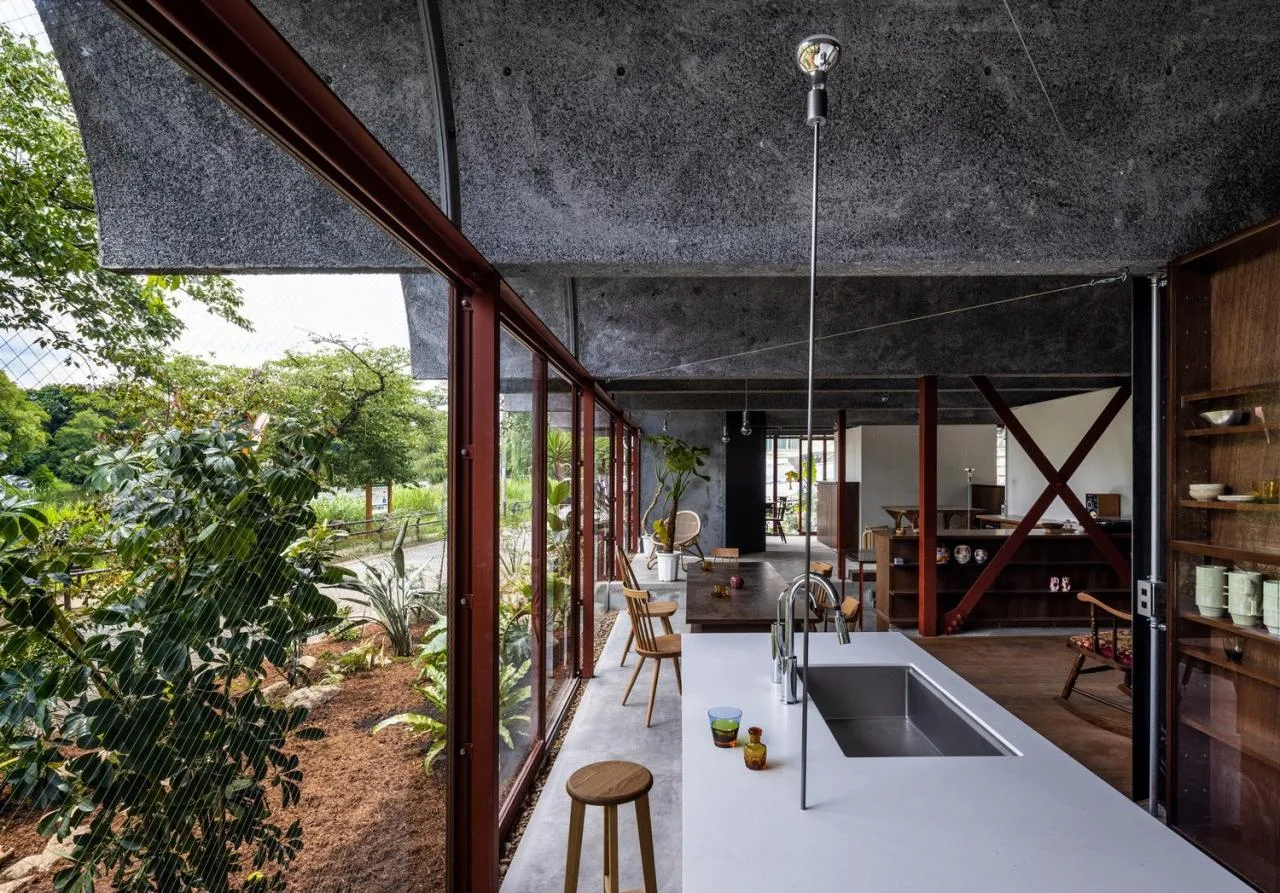
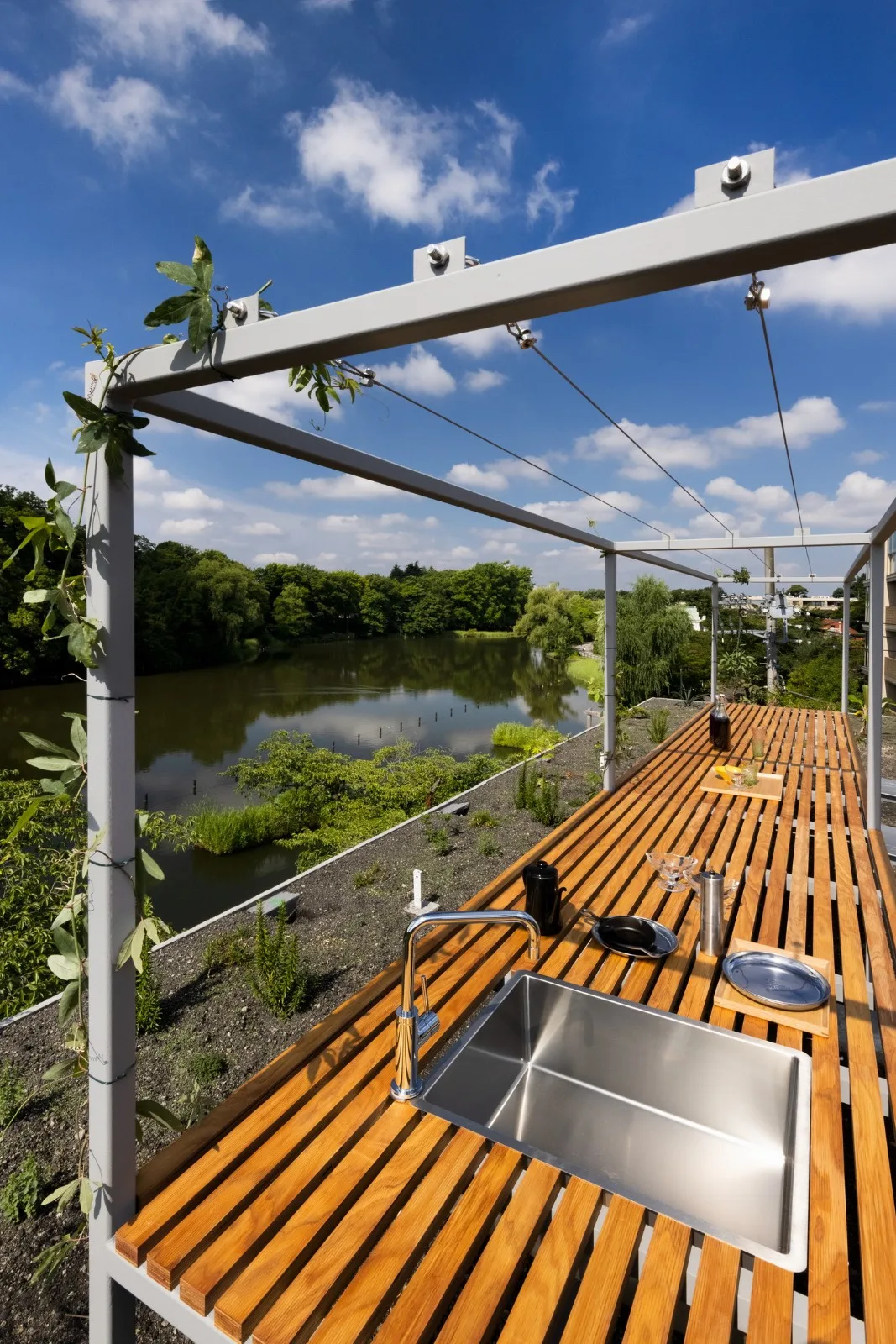
Traditionally, a site is divided into “house” and “garden” on a flat surface. This approach often results in a mere adjacency between nature and architecture. What if we stack the garden and house vertically within the same footprint? Every floor would be at ground level, with spaces beneath resembling natural soil layers. This design fosters a dynamic interaction between the built environment and nature. The soil layers are intentionally thick to support small forests containing ground cover plants, shrubs, and young trees. This contrasts with modern rooftop greening trends that prioritize thin soil layers. By opening gardens to a variety of life forms and providing them habitats, these gardens evolve into vibrant ecosystems.
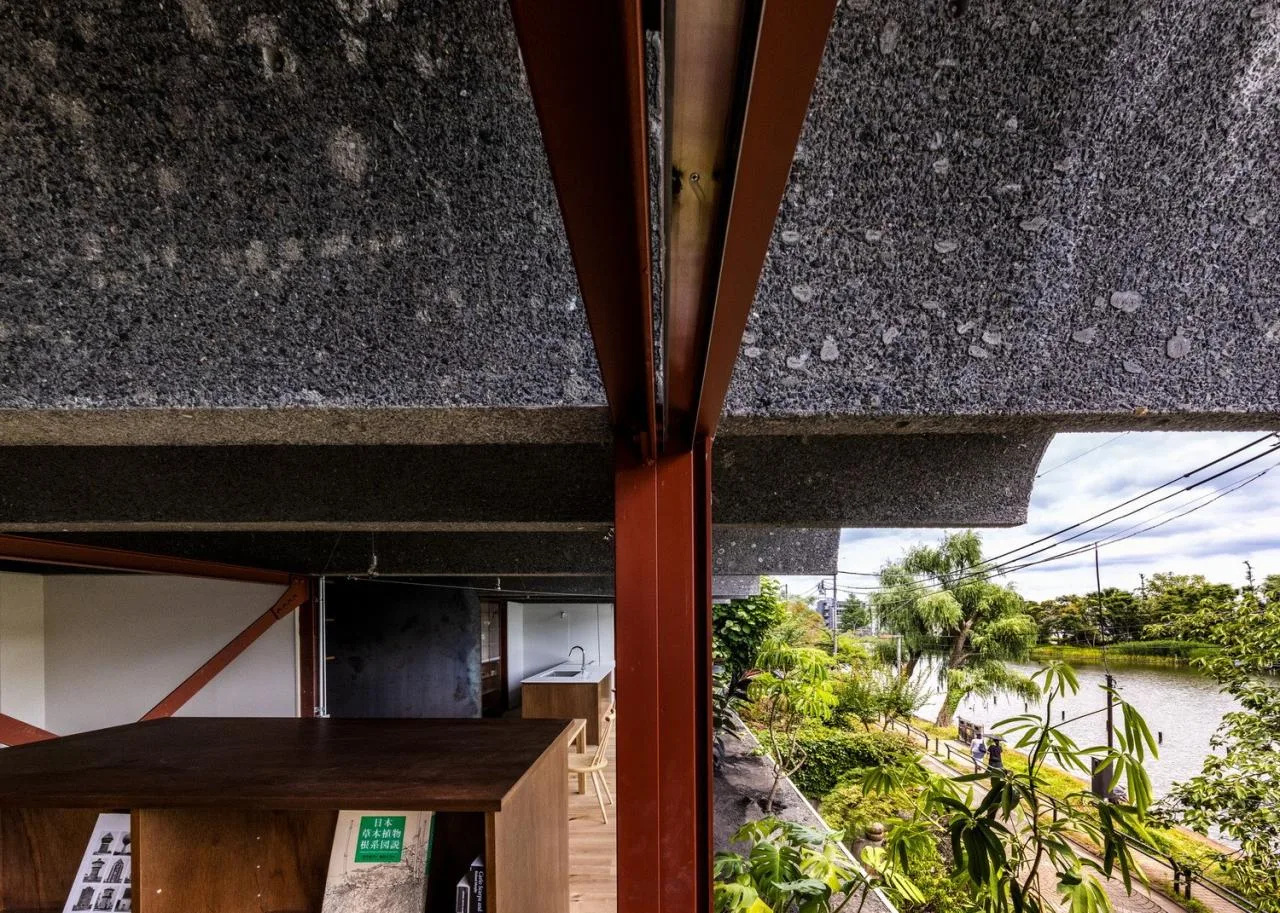
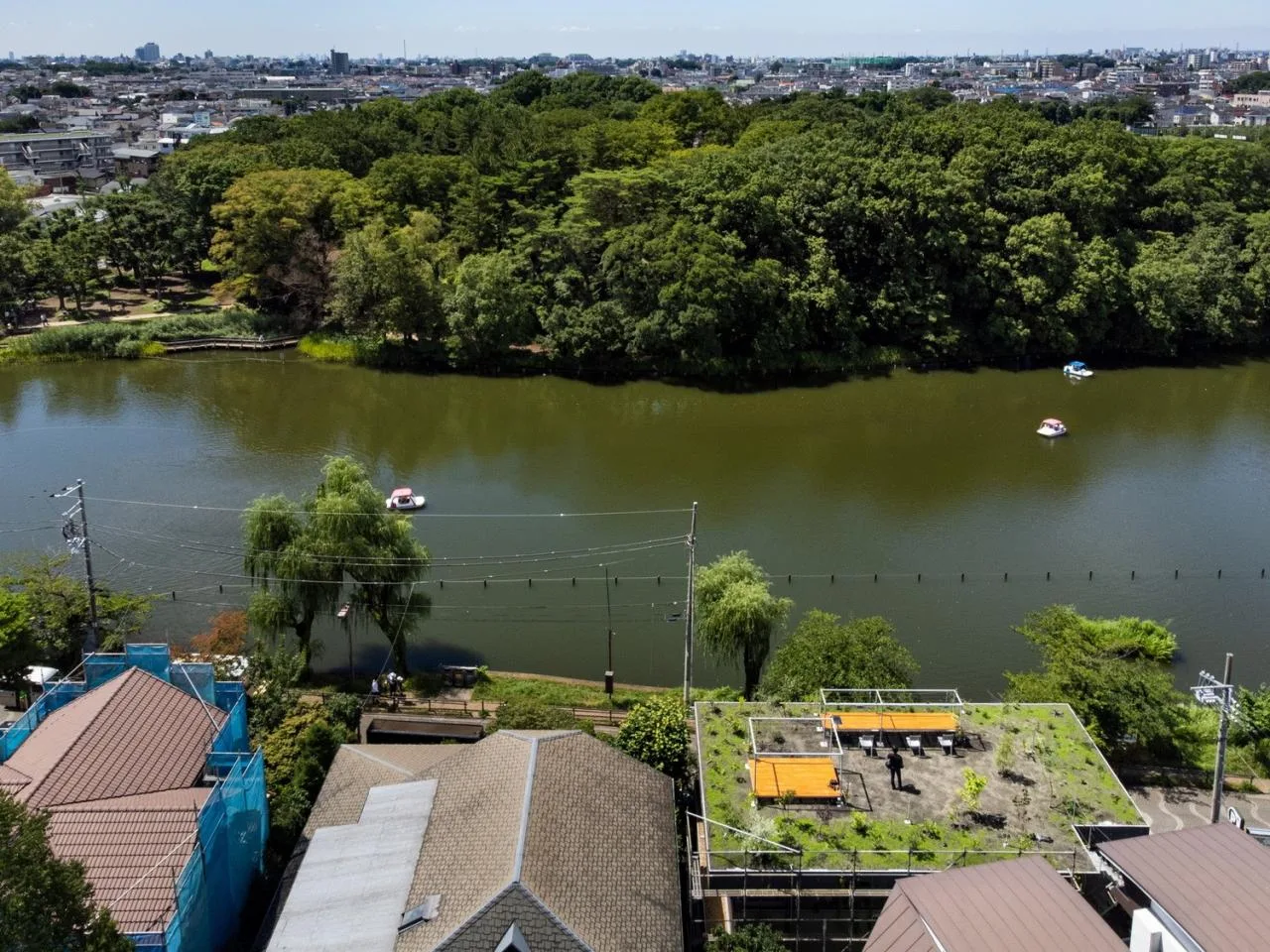
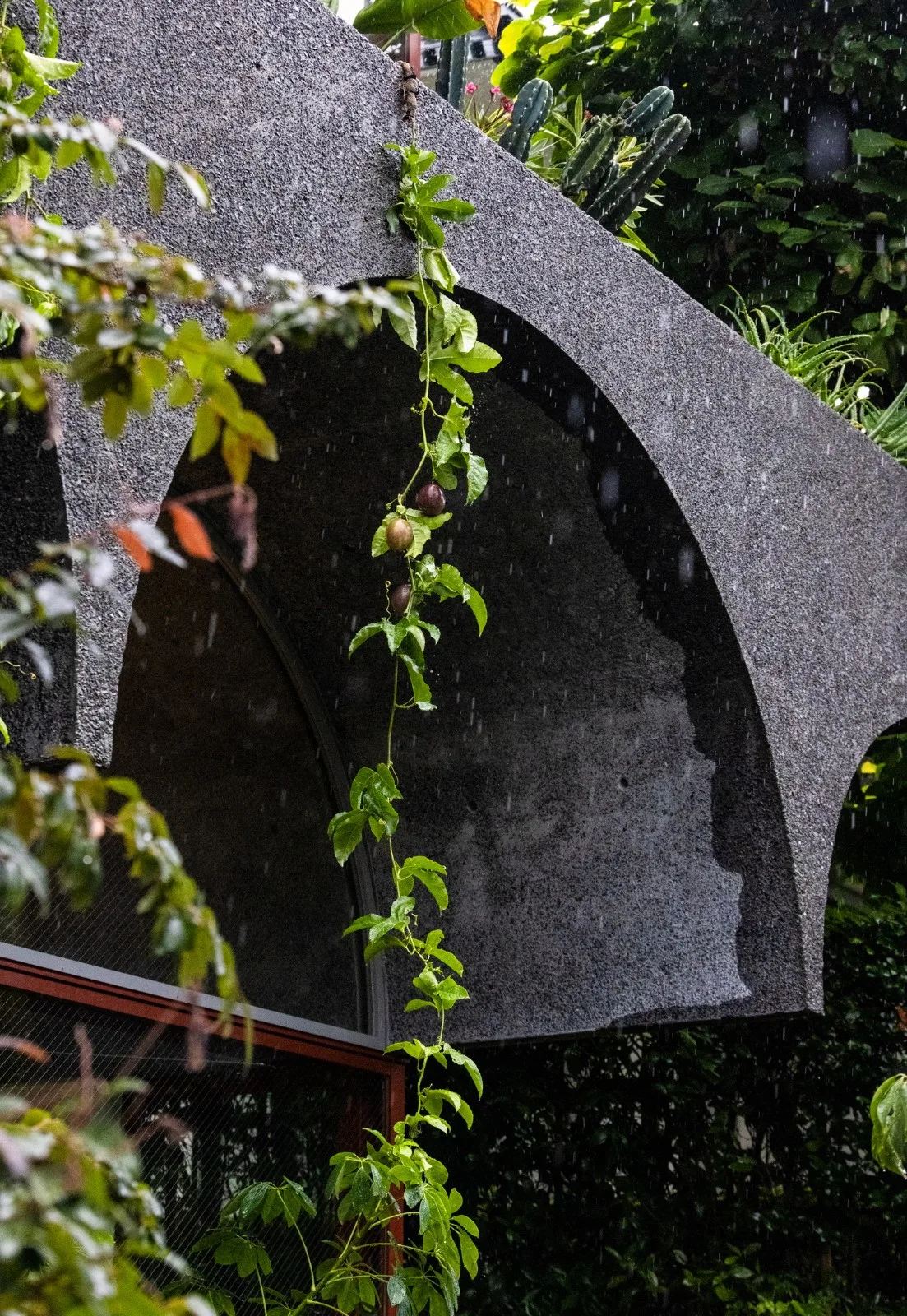
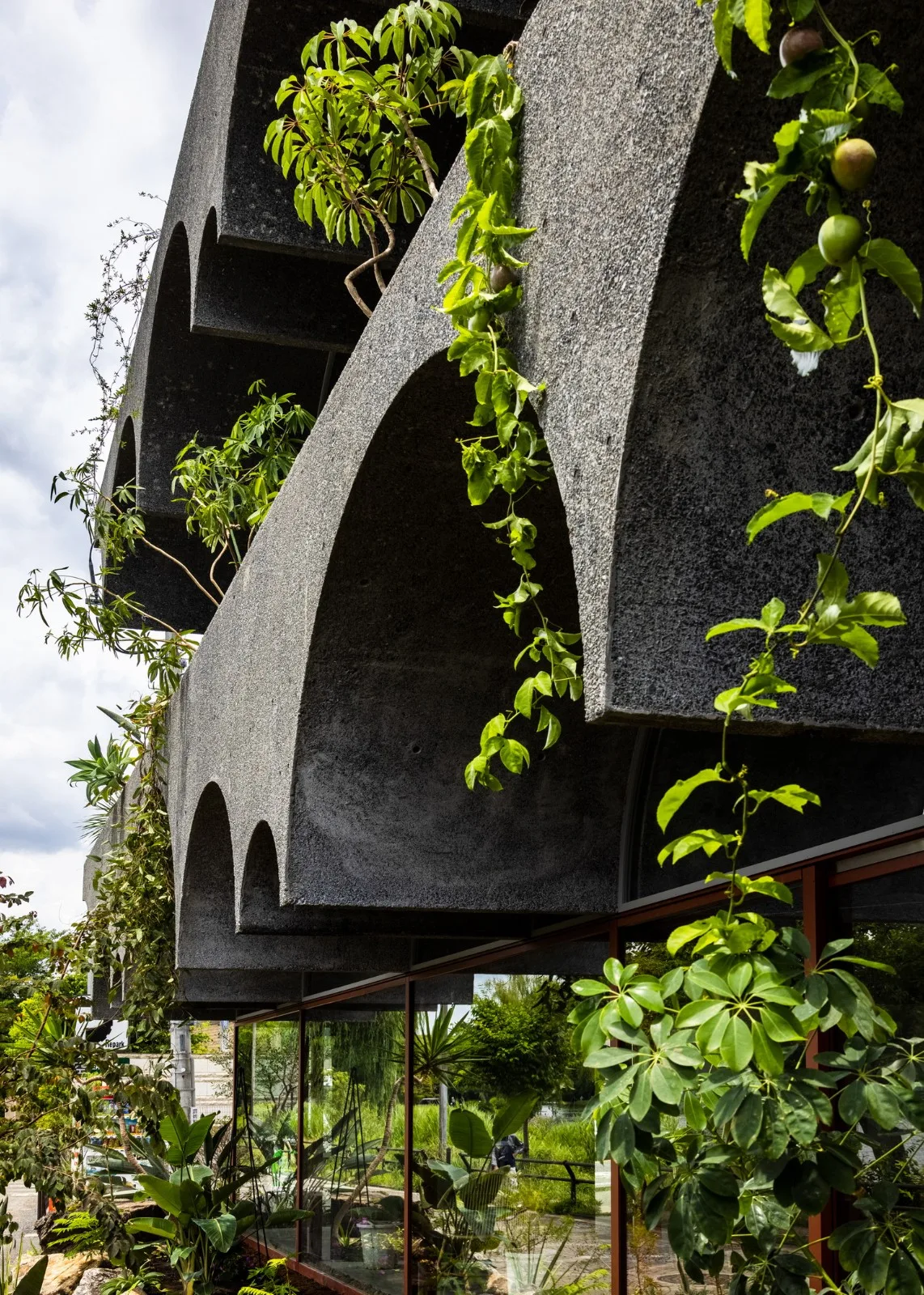
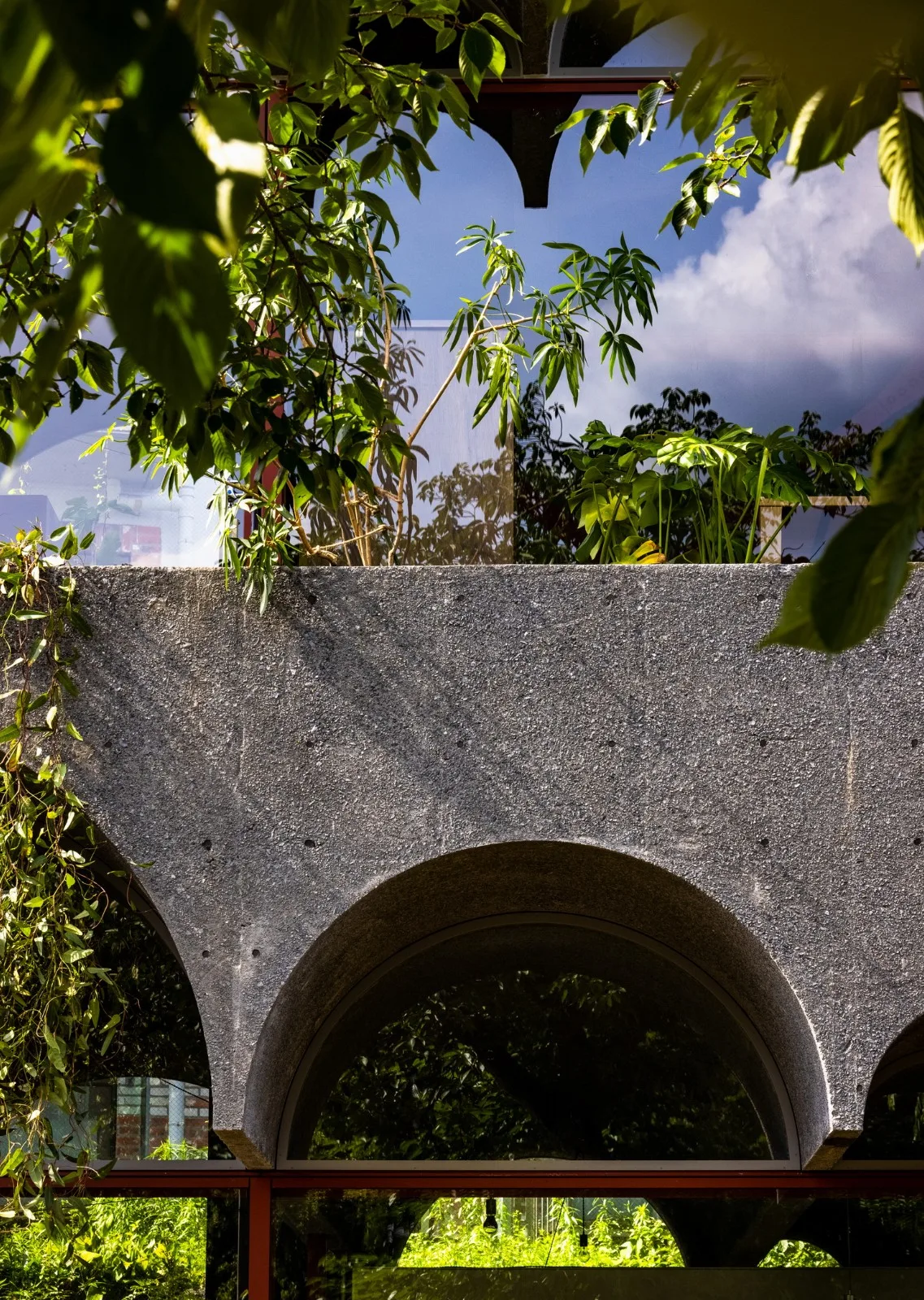
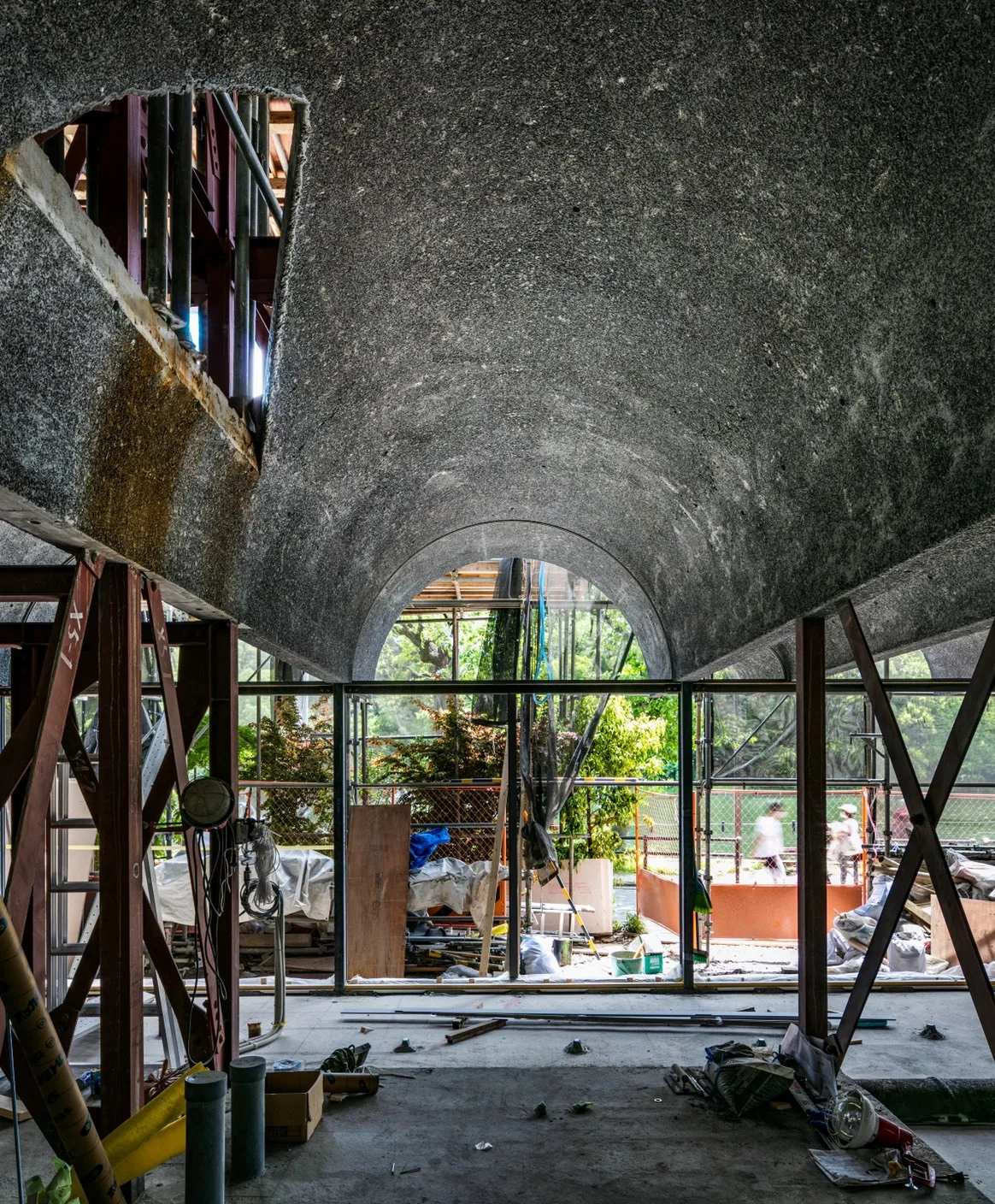
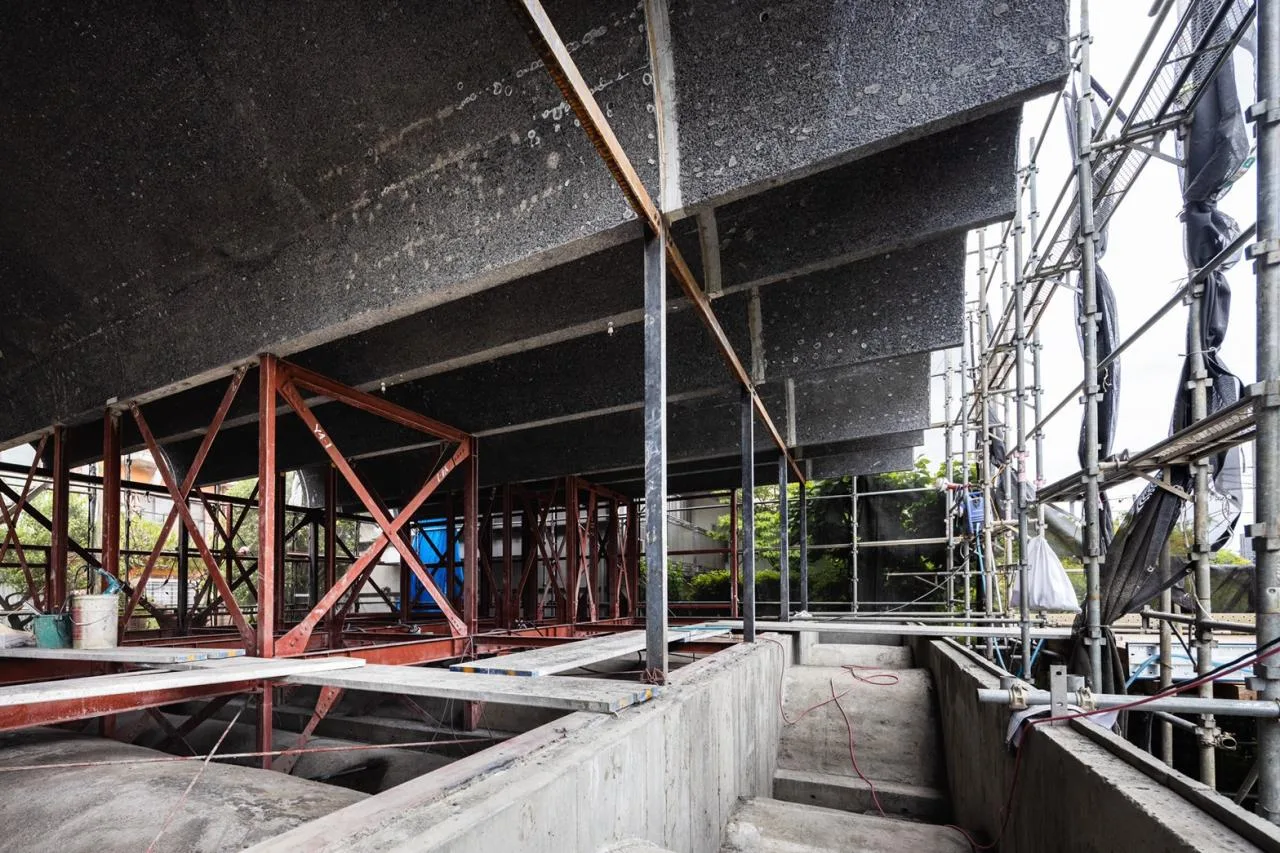
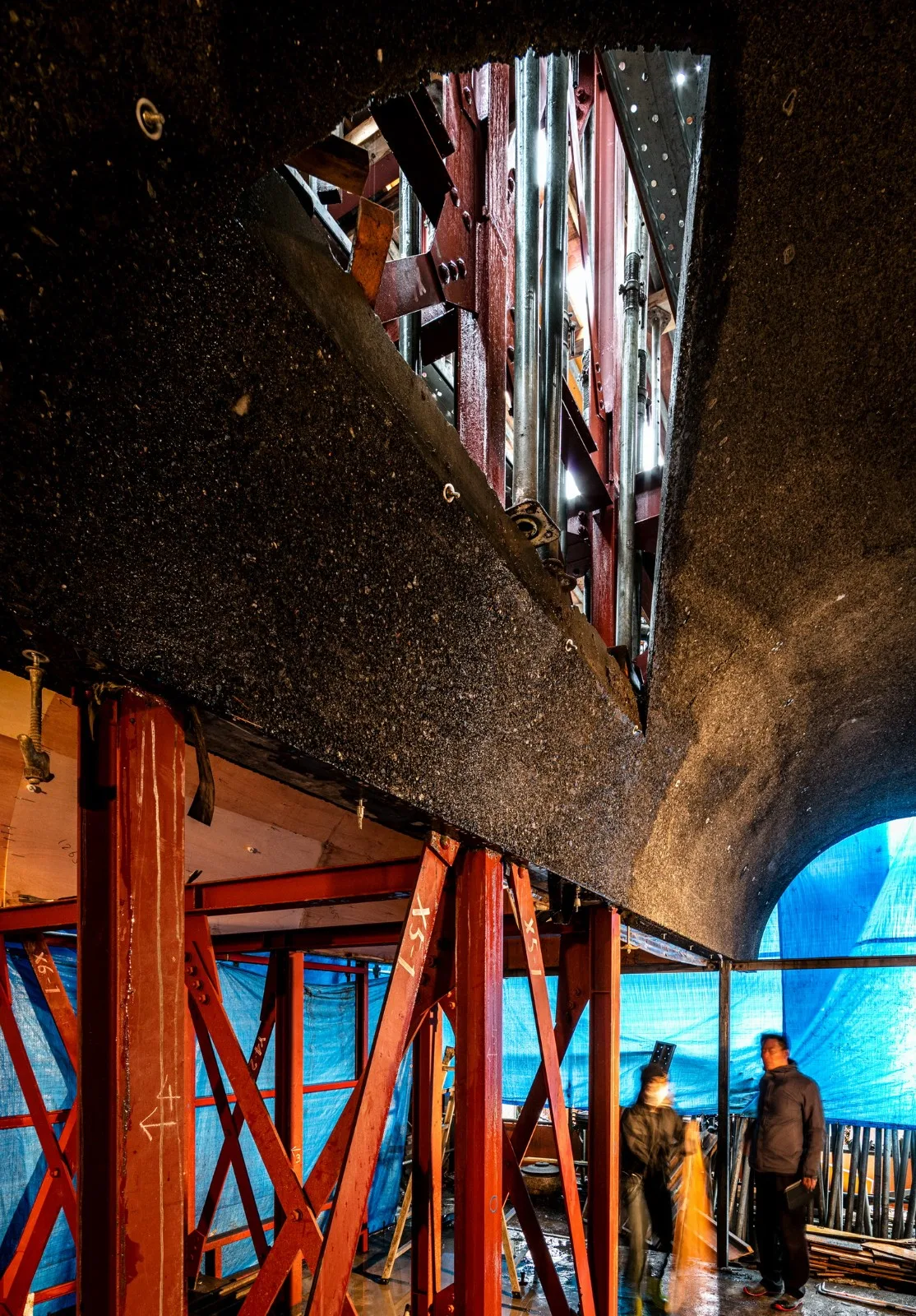
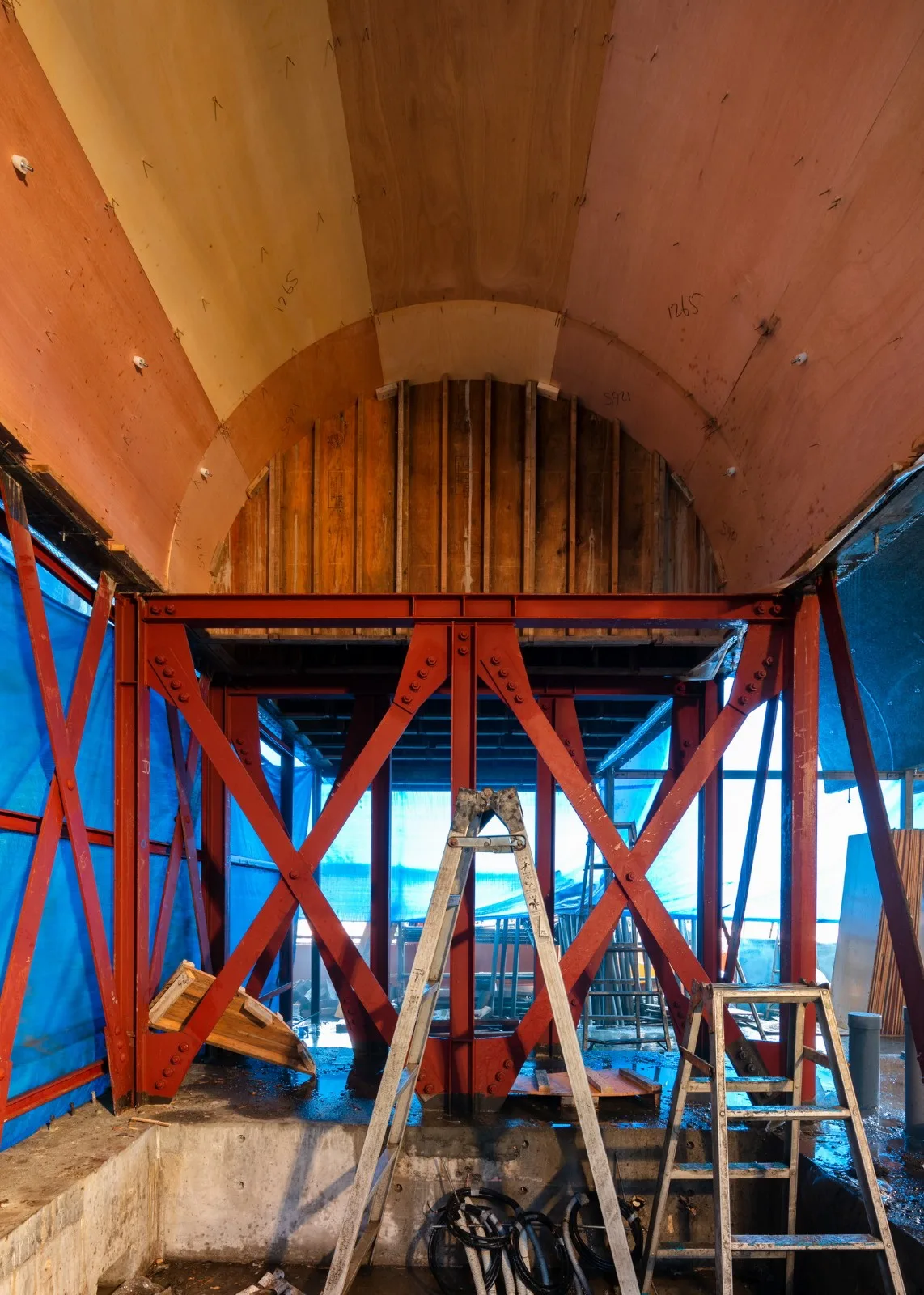
Designing an environment that supports diverse life requires careful management of rainwater drainage within the soil. After extensive study of natural rainwater flow patterns, we decided to incorporate a continuous arched crown plate. Rainwater flows from elevated points into the arched valleys, then vertically through the core of each valley, shaping the building itself. This design draws inspiration from large-scale infrastructure like irrigation channels and dams, where effective soil and water management is essential in challenging natural conditions.
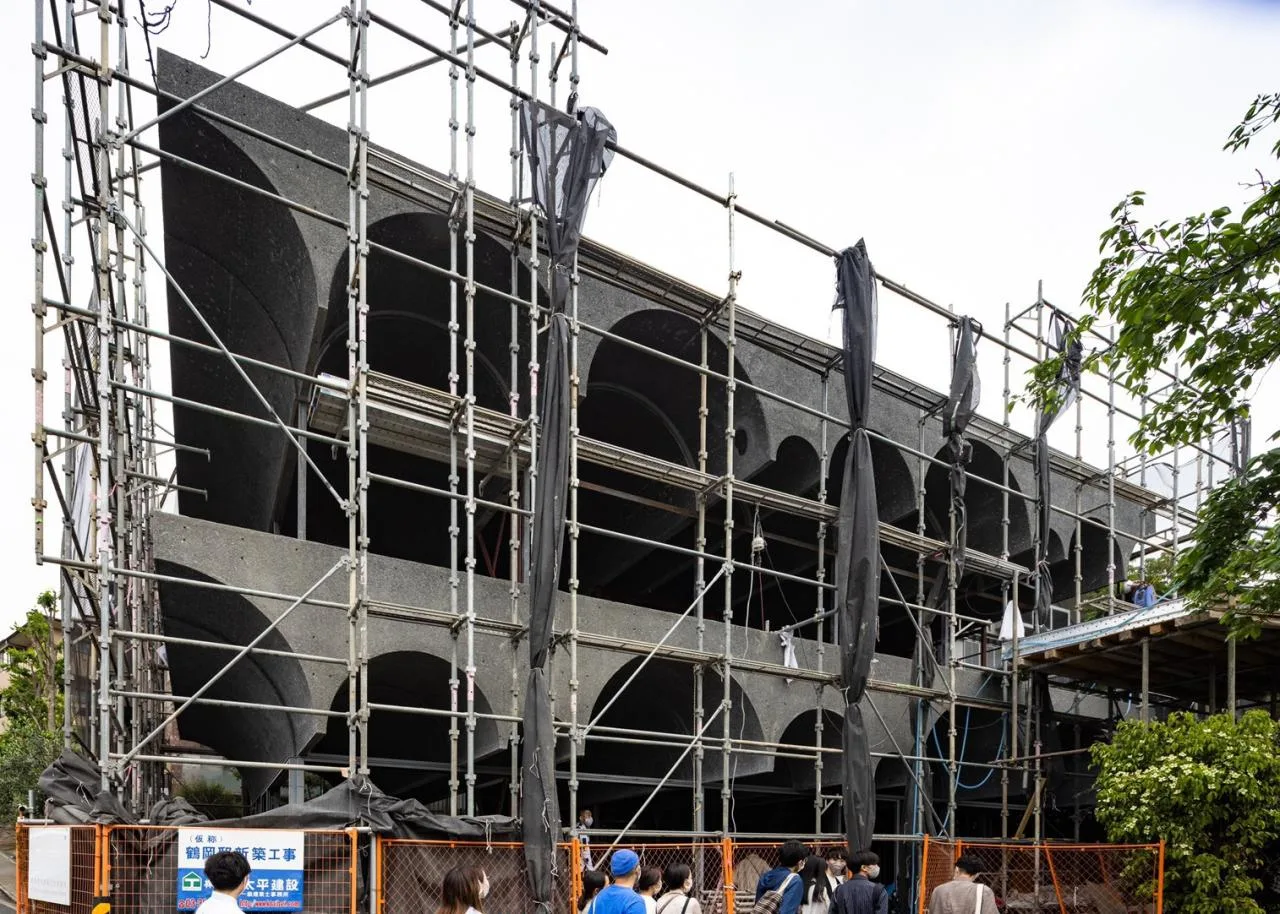
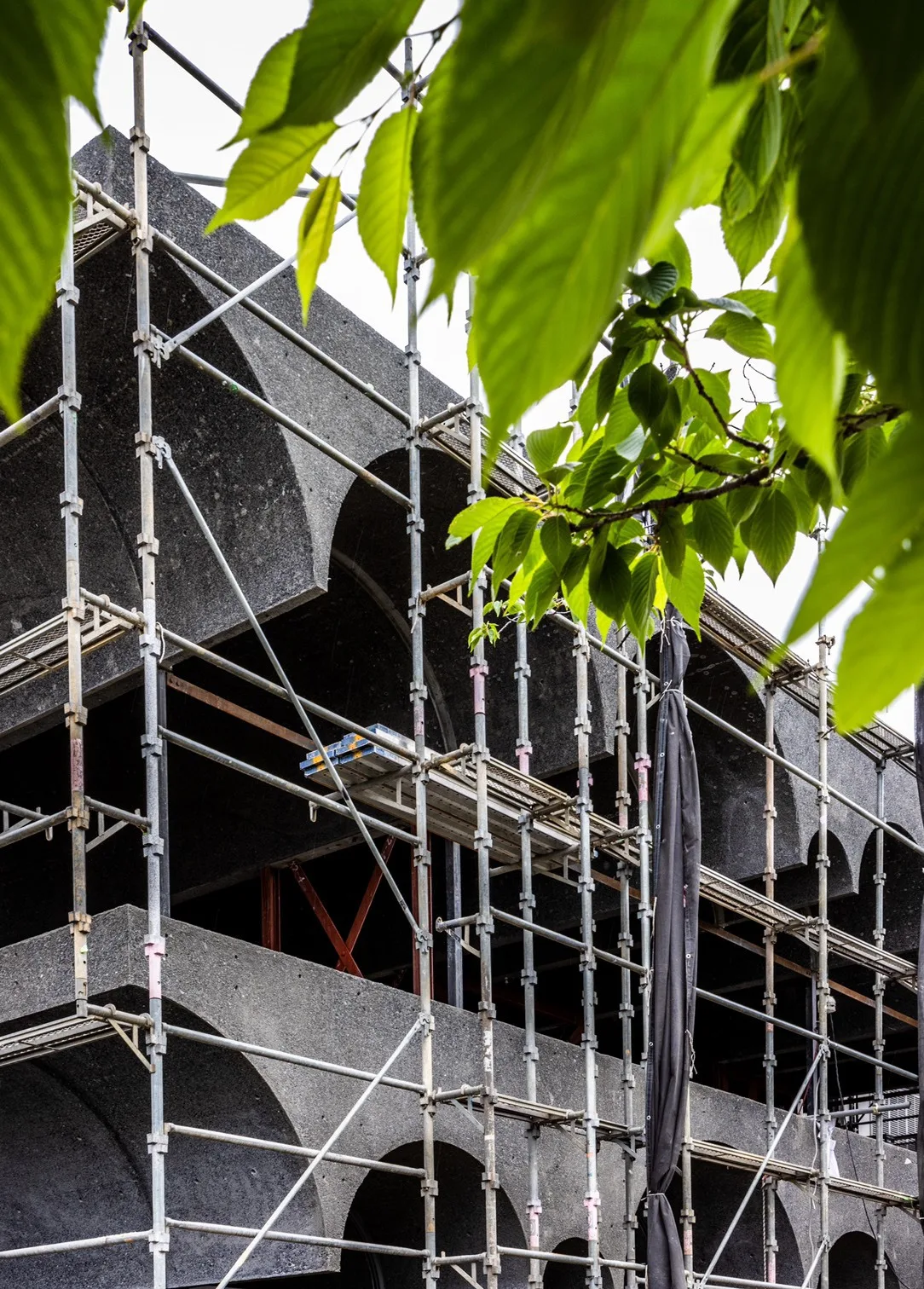
Controlling the natural environment is inherently complex. Unlike static artificial structures, nature is dynamic and unpredictable. The weight of soil and increasing rainfall must be carefully considered. When architectural design embraces unstable organisms and changing climates, it becomes increasingly challenging but also more meaningful. To face these natural risks, we strive to build “infrastructure for the environment.” This includes installing high-capacity drainage systems to handle heavy rains, layering compost with varying densities to balance water retention and drainage for plant roots, and strategically placing roofs and soil buffers to reduce weight and facilitate heat dissipation through transpiration.
Why invest energy in creating “buildings for the environment”? Because we believe that “architecture for the environment” can introduce a new rationality to human living spaces.
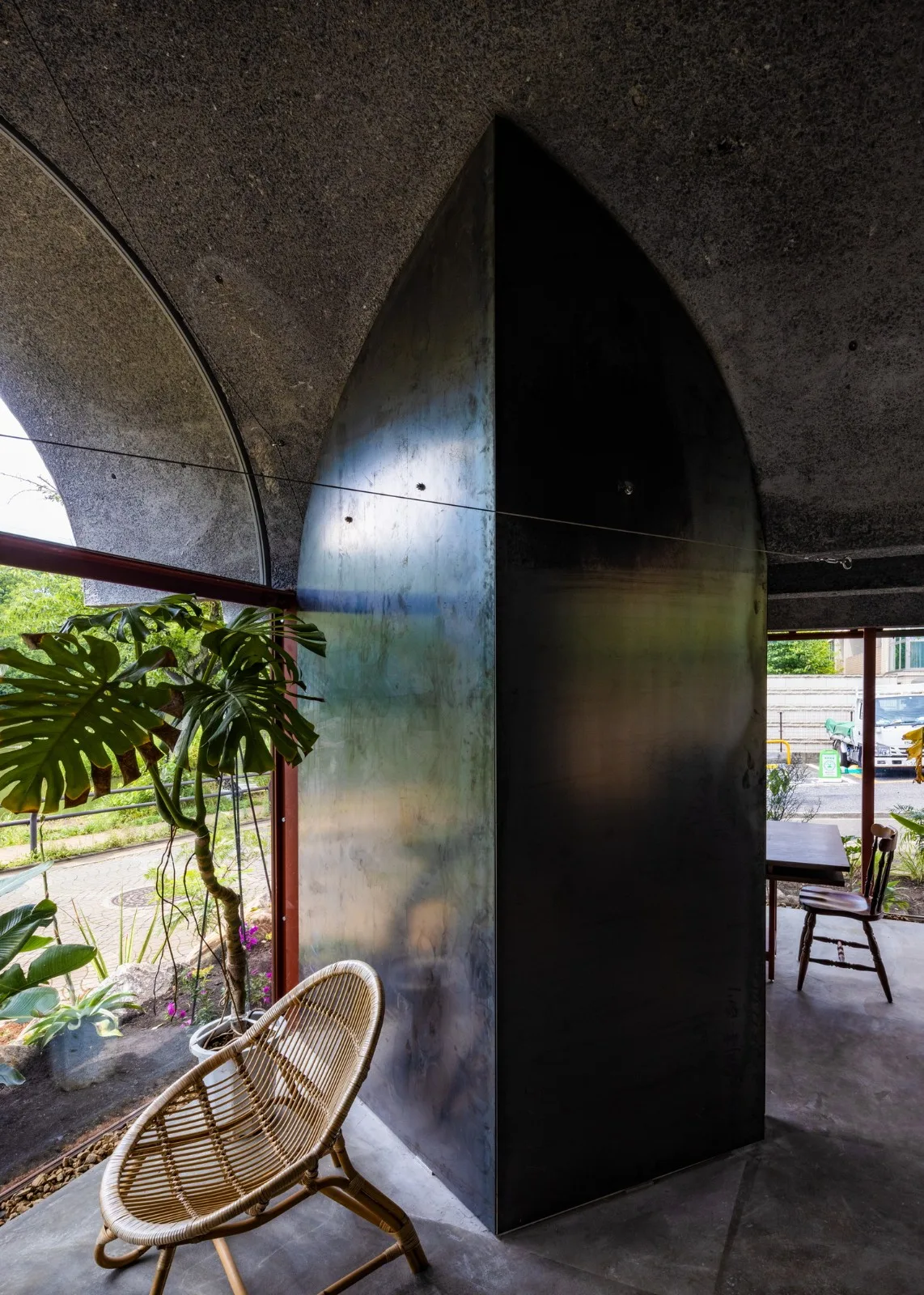
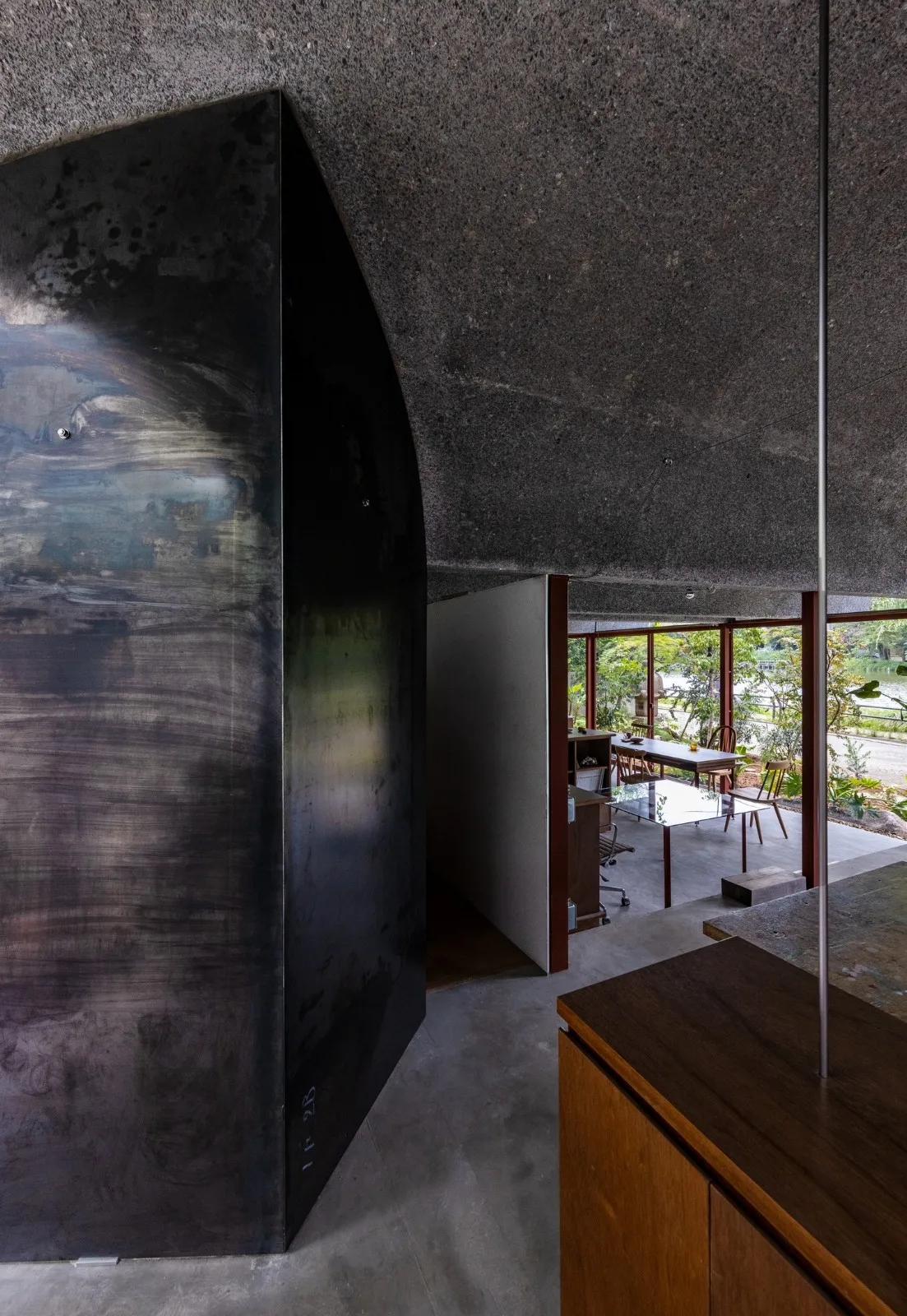
By enveloping spaces with thick soil, we create cave-like environments. Even in summer, the interior stays cool, while in winter, the soil’s warmth maintains a comfortable living temperature. Earth itself positively influences daily life. The continuous arched stone slabs offer protection from wind and rain, and create cozy areas with lower ceilings. Though unconventional in appearance, this structure is more inviting and functional than a typical flat ceiling.
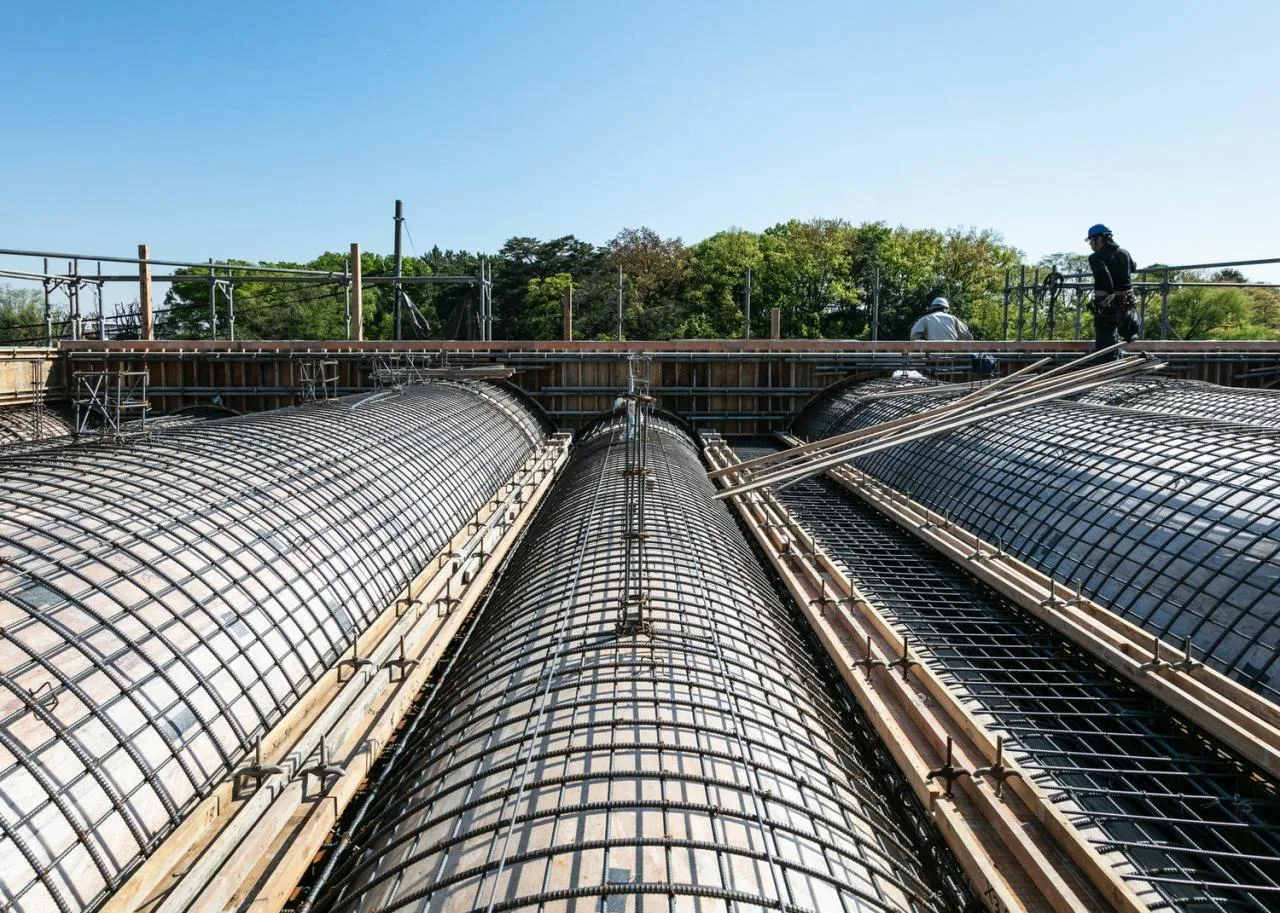
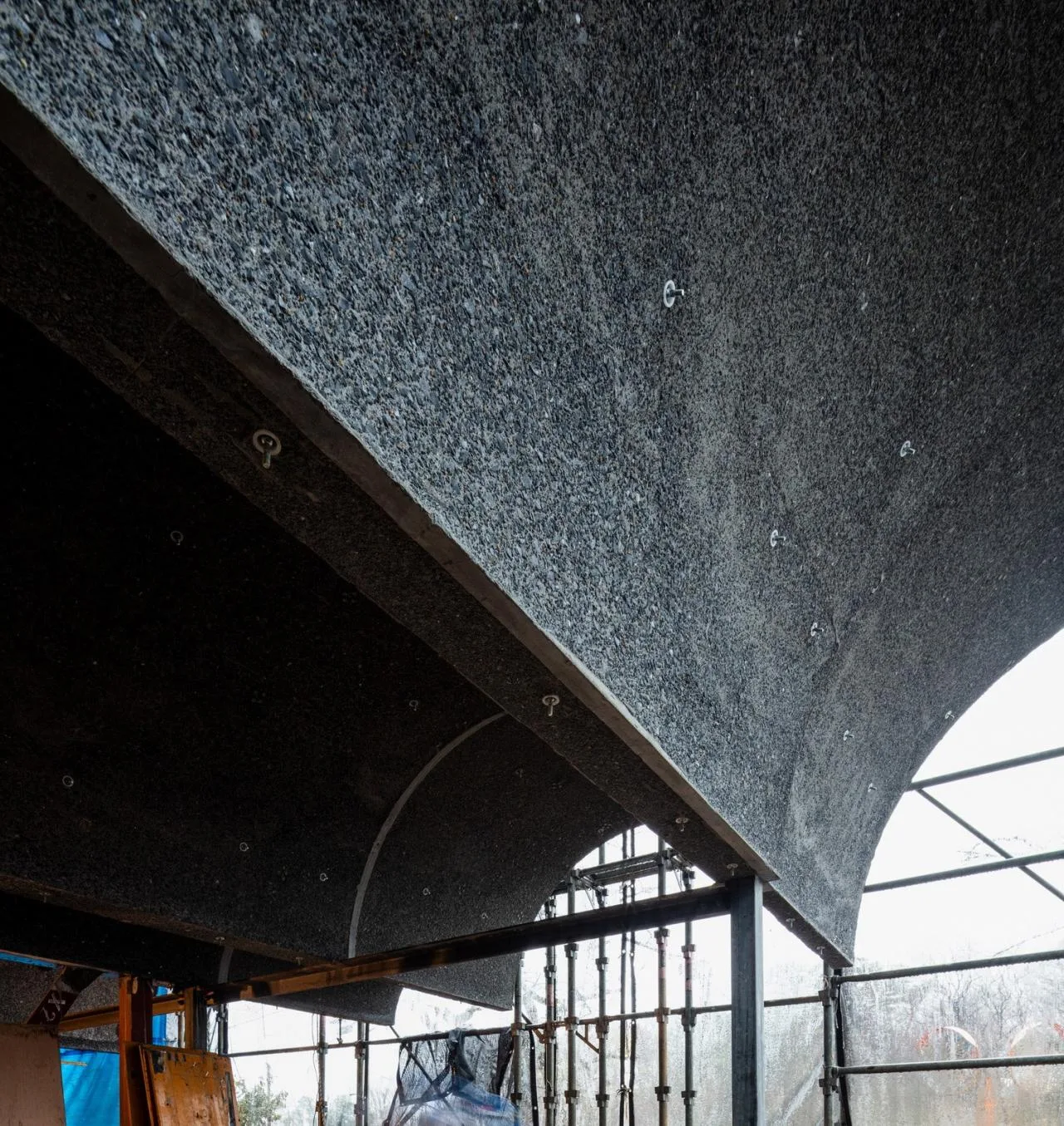
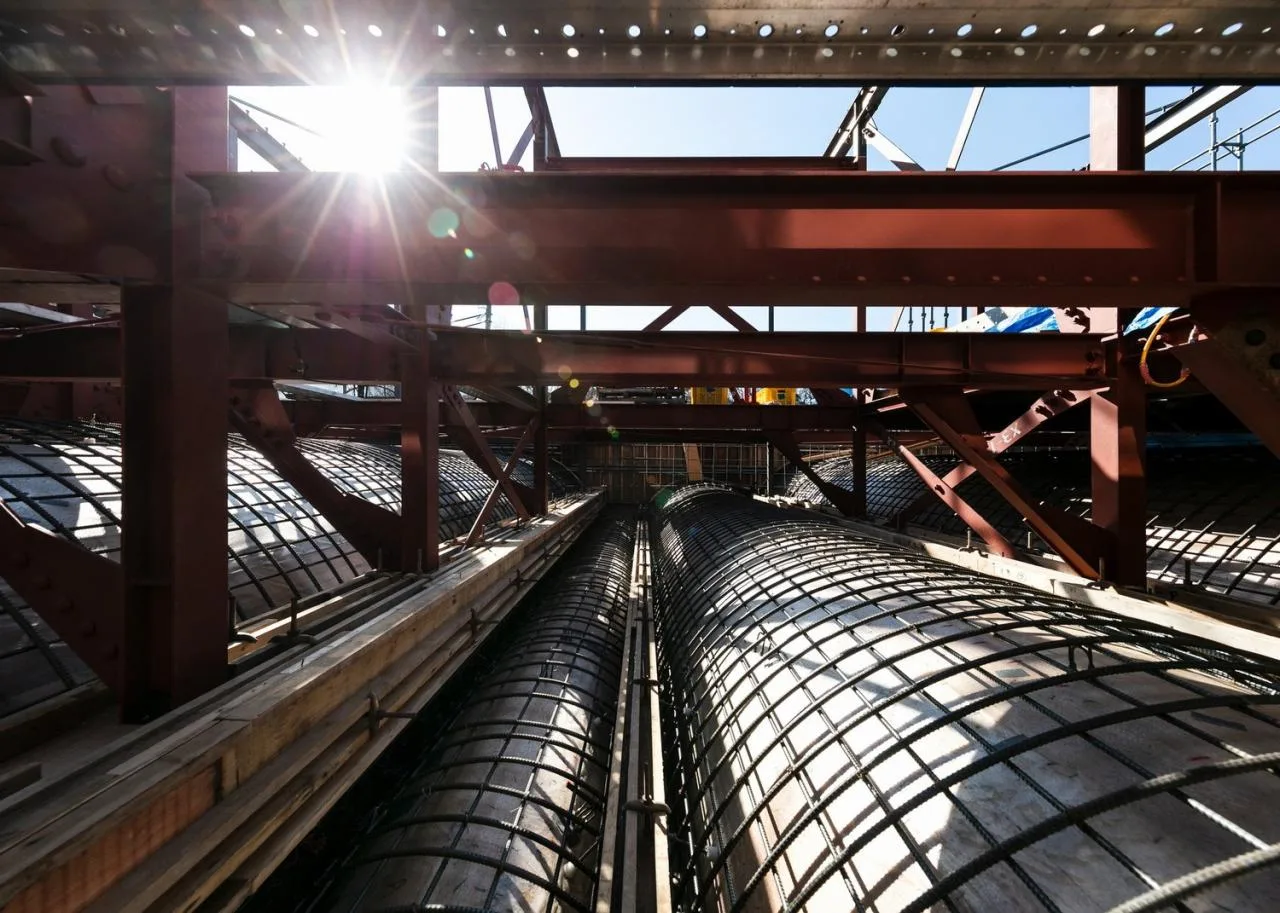
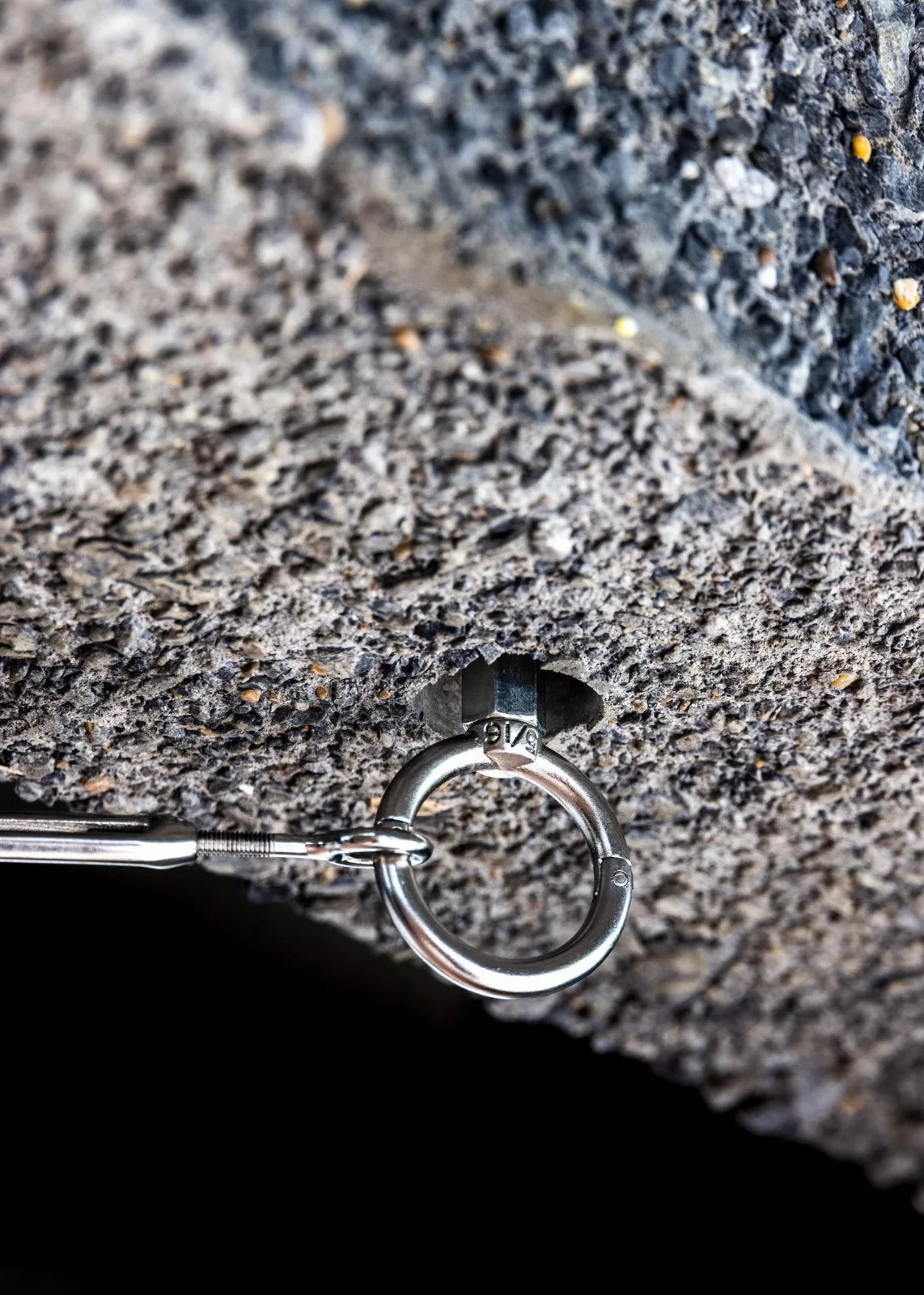
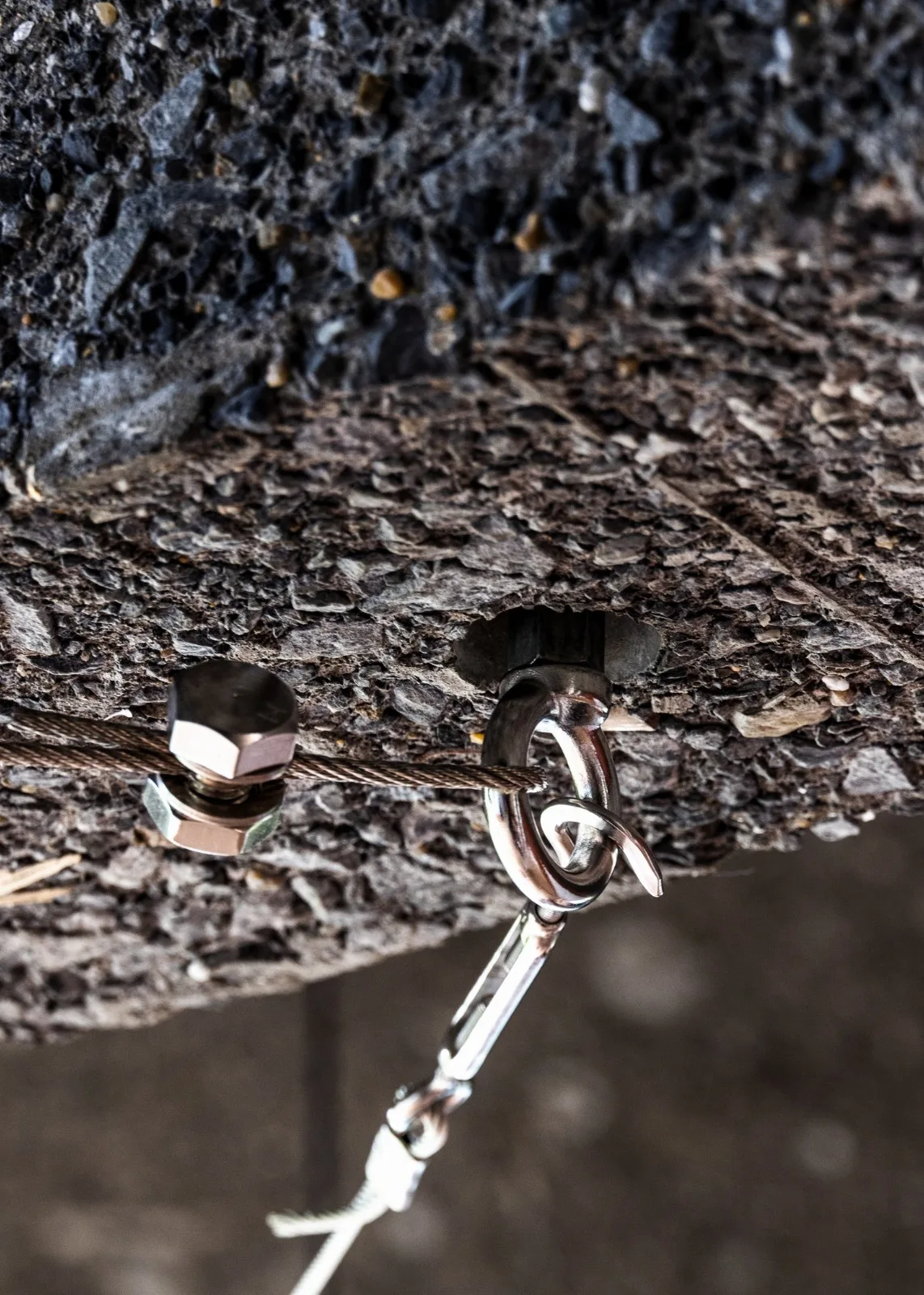
The ceiling height ranges from 3500mm at its highest point to only 2000mm at its lowest, reachable by hand. This accessible structure allows for the attachment of bolts, ring nuts, and ropes, enabling residents to hang hammocks, chandeliers, and flower pots wherever they desire. This design stimulates creativity in everyday life. The structure not only supports the building but also supports the lives within it.
Symbiosis with Nature
During construction, I often questioned the environment we create through architecture. Our buildings shape an environment of artificial products—nature managed and controlled by humans. But should the environment not reflect “untouched nature”?
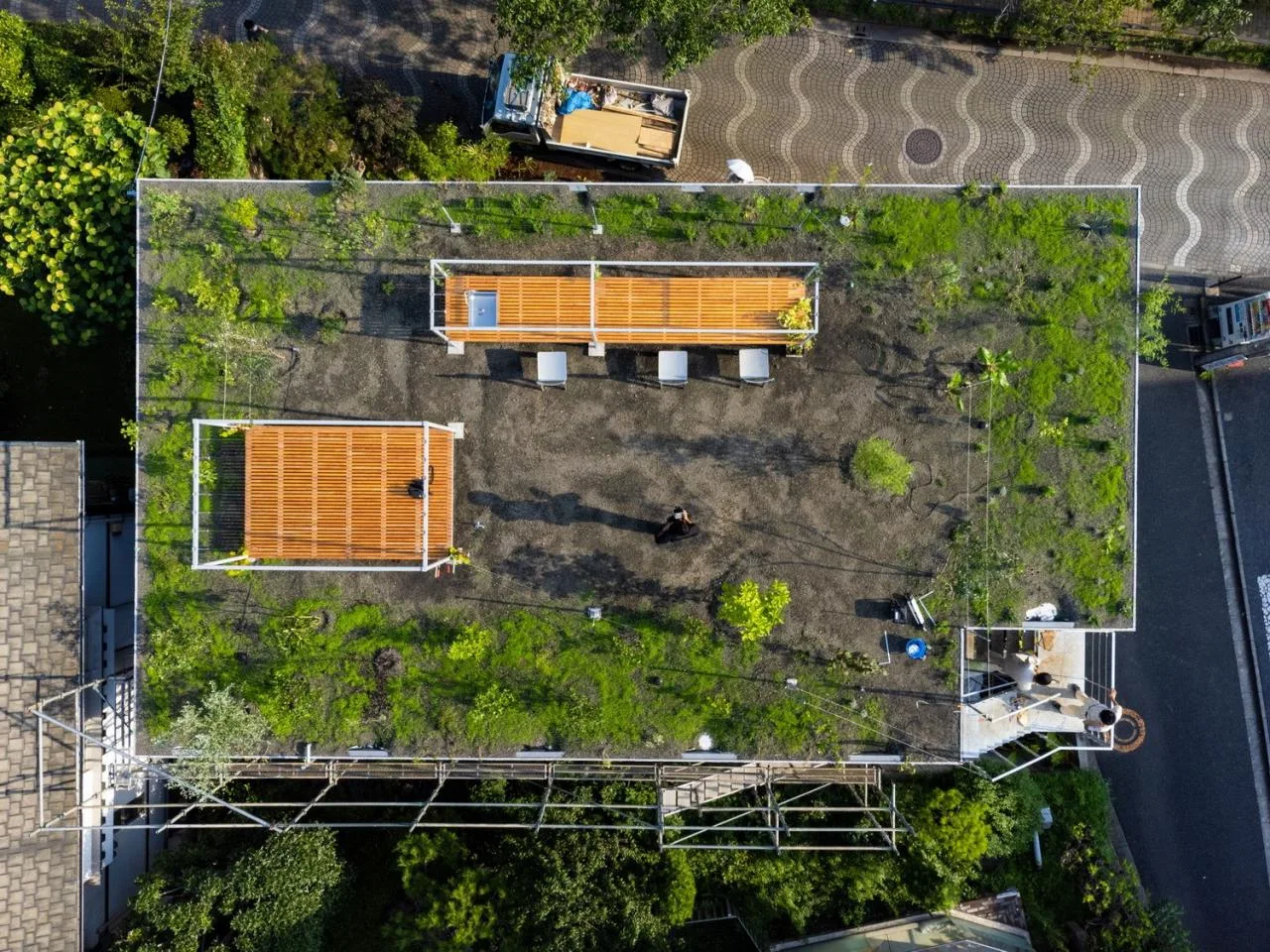
When in doubt, I recall my student days in Urbino, Italy, researching the ruins of an ancient brick and stone village. On a remote mountaintop, I entered what was once a living room. Despite the collapsed roof, a small forest had taken root inside. Without the building, it would have been just grassland. But the remnants of human construction created a more diverse habitat. Stone walls supported vertical ivy growth, while the roof shielded shrubs from intense sunlight, allowing small trees to thrive on rainwater collected in the floor tiles. Artificial elements introduced environmental variability, providing refuge for diverse life forms.
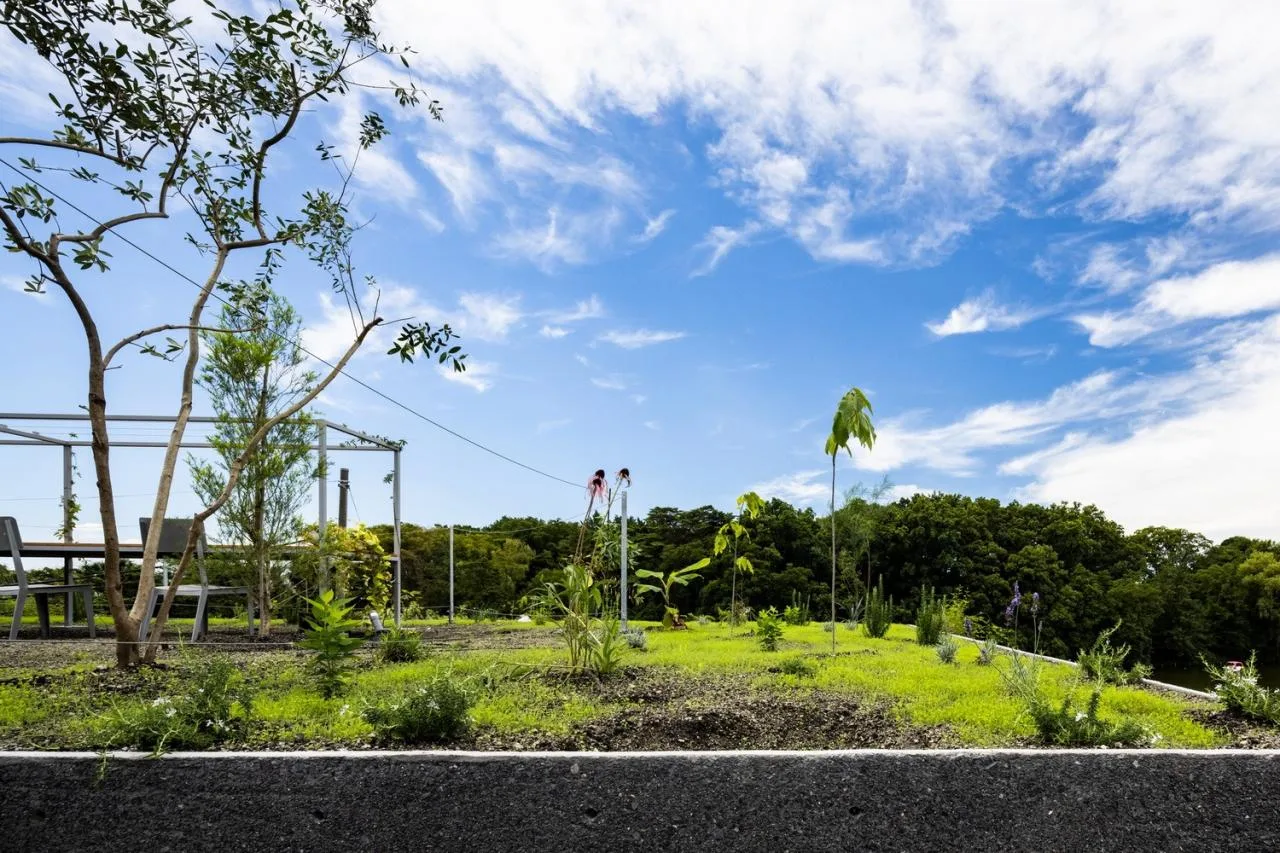
Reflecting on this experience has deepened my project’s vision: architecture for humanity can also serve the environment, and vice versa. By respecting the needs and contributions of humans, nature, soil, plants, and animals alike, architecture can act as a mediator that harmonizes the roles of various species. Establishing structures that foster complementary relationships may guide the future of architecture.
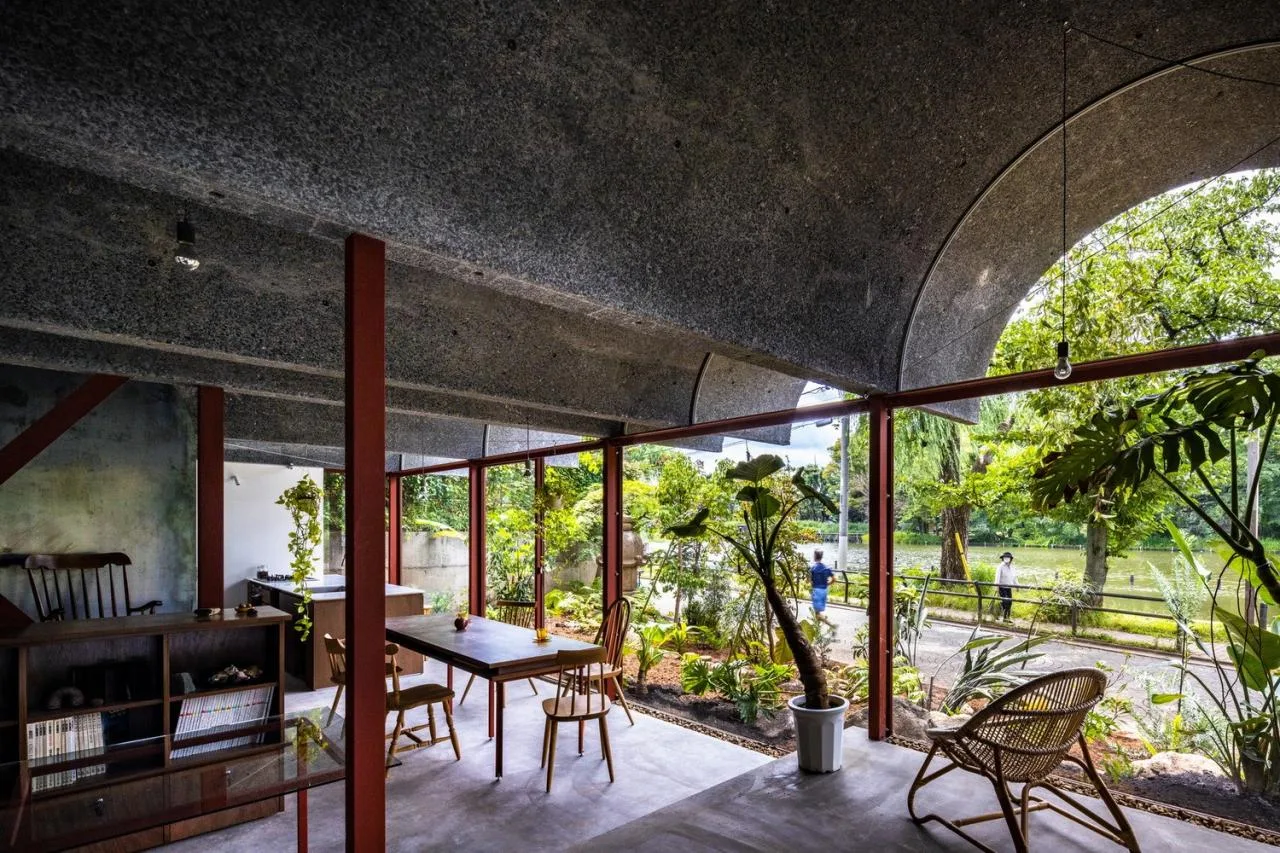
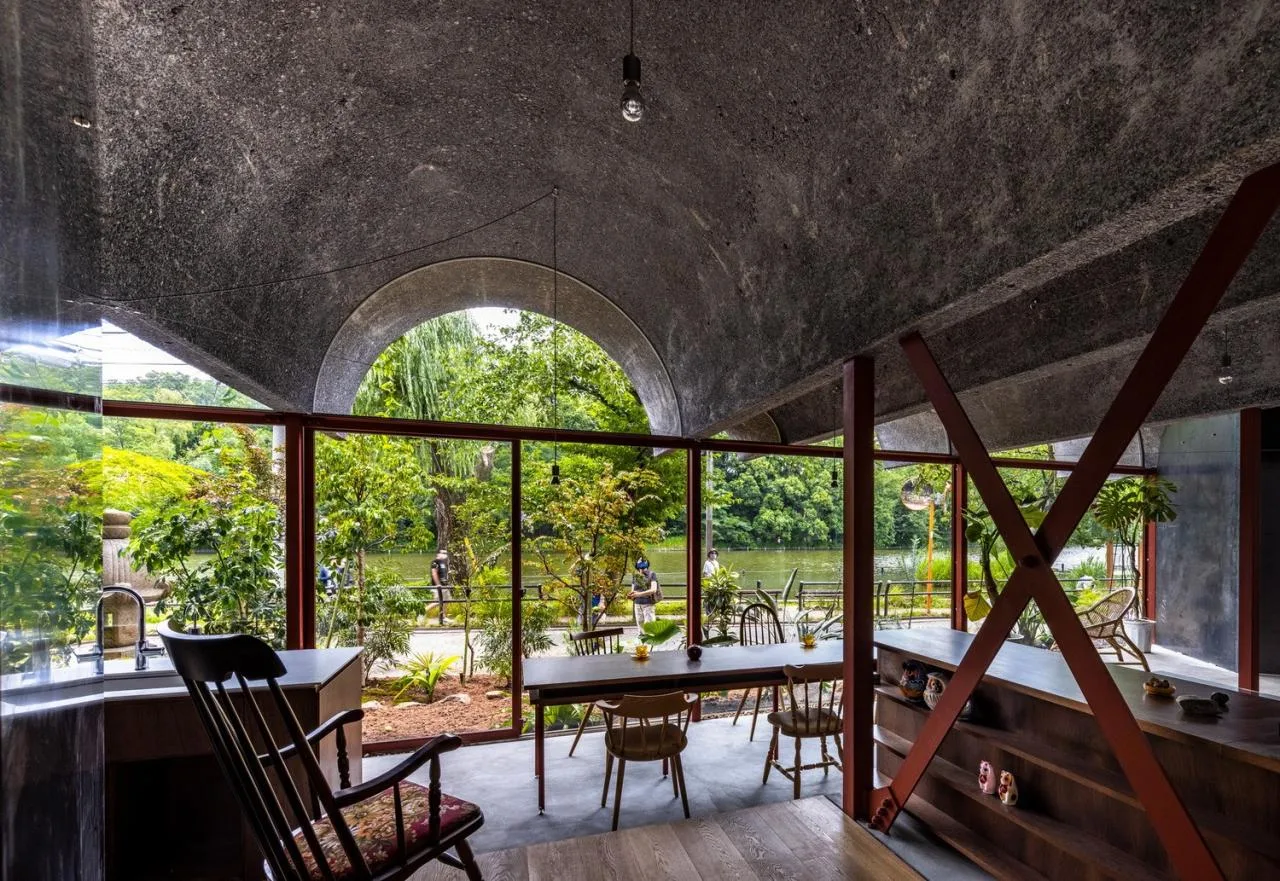
At Hegang House, over time, plants will grow and birds and insects will introduce unintended species. Decades from now, a small forest may emerge, with existing life forms flourishing and eventually overshadowing the building. Their biomass will inevitably surpass that of the human-made structures. However, a single house alone cannot significantly impact the global environment.
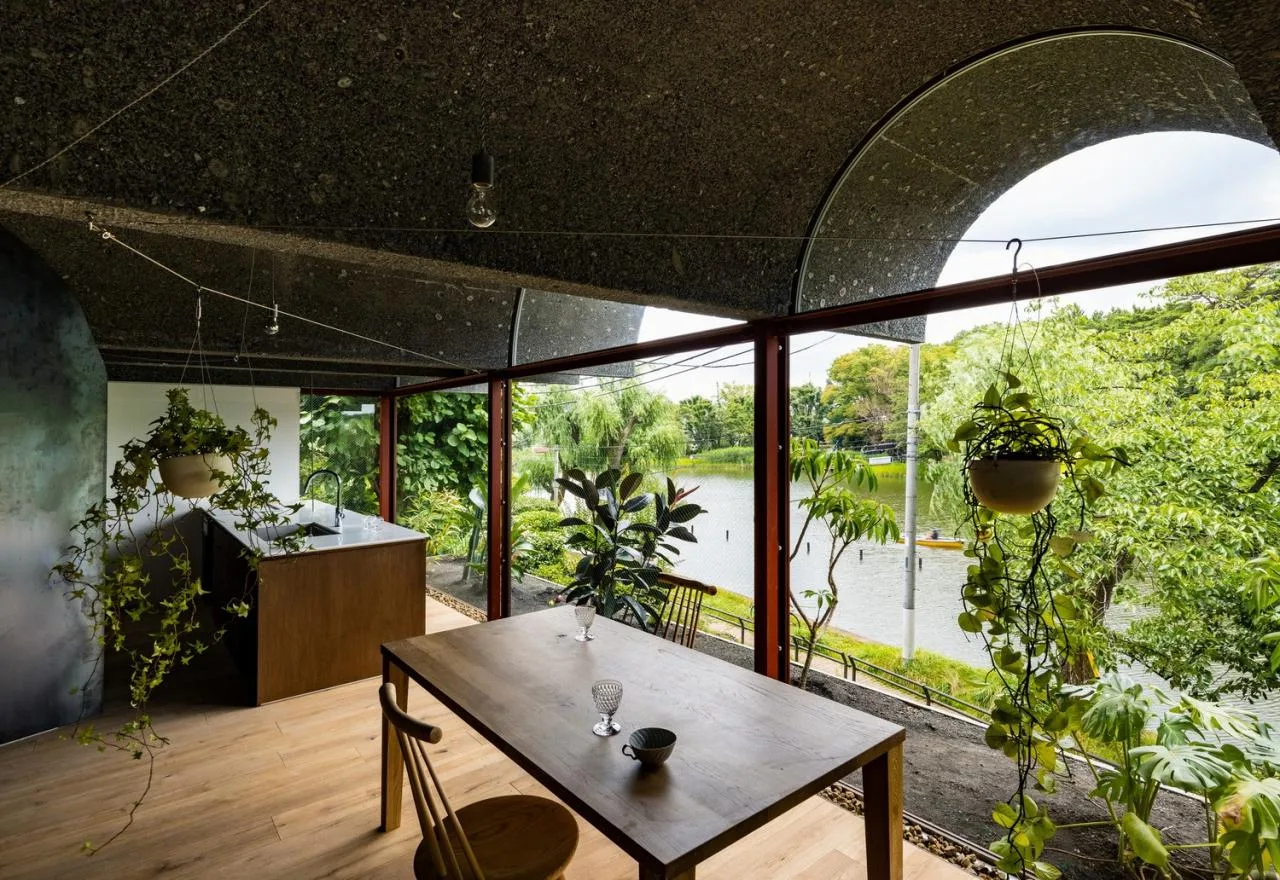
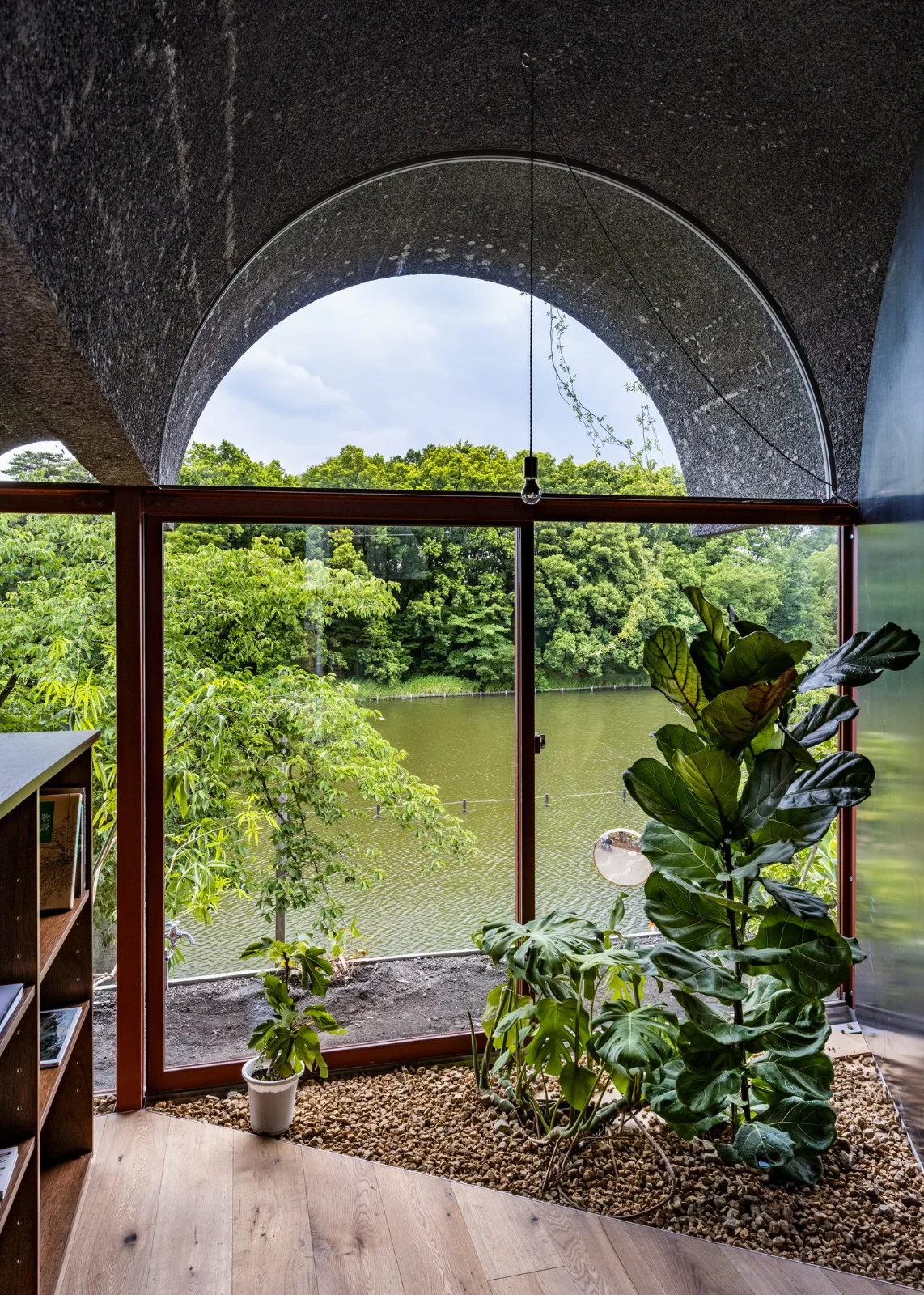
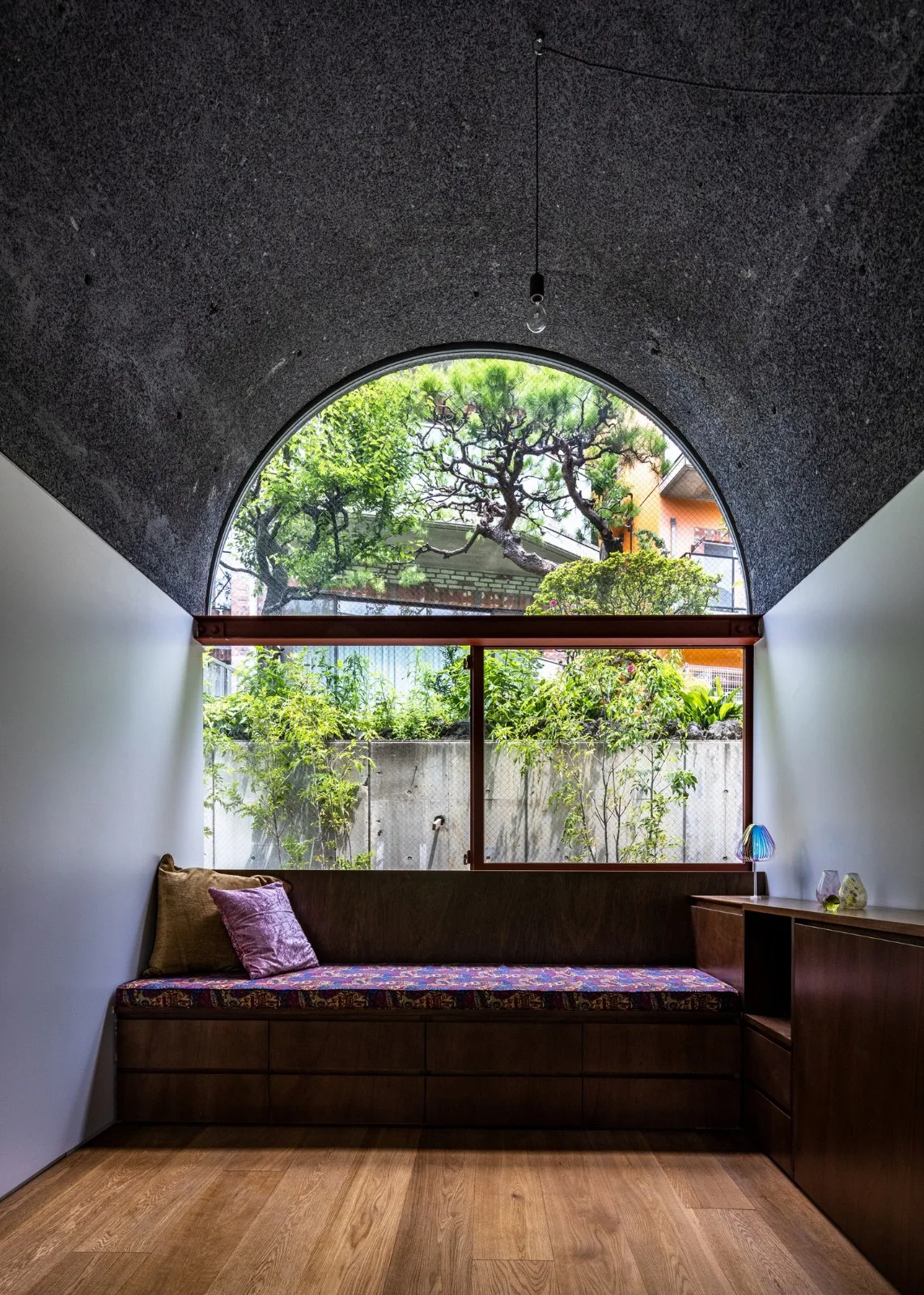
Yet, achieving a harmonious balance between organic and artificial matter—where humans and other forms of life connect intimately, respecting each other’s space much like individuals do—is my simple wish.
Project Drawings
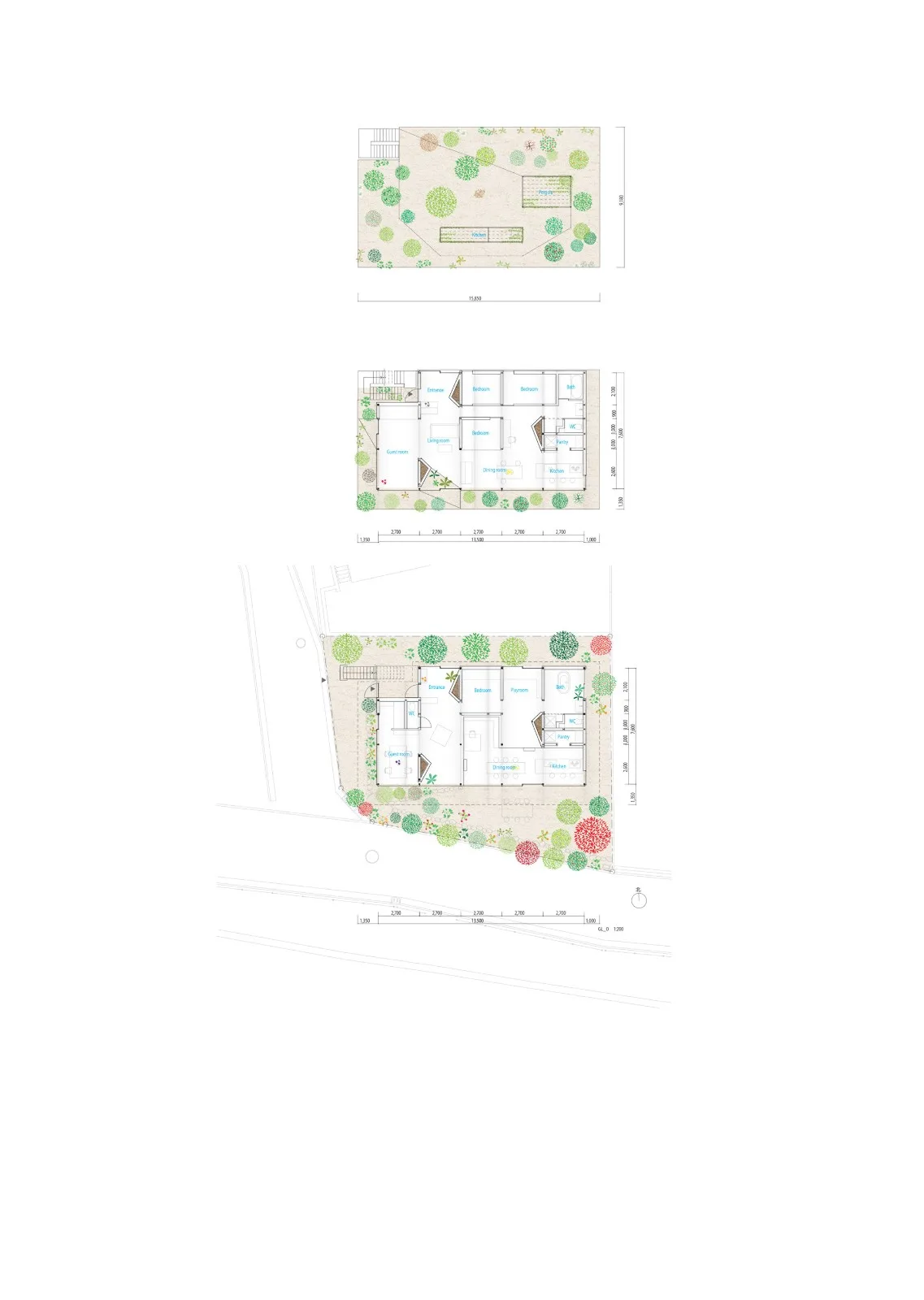
△ Plan View
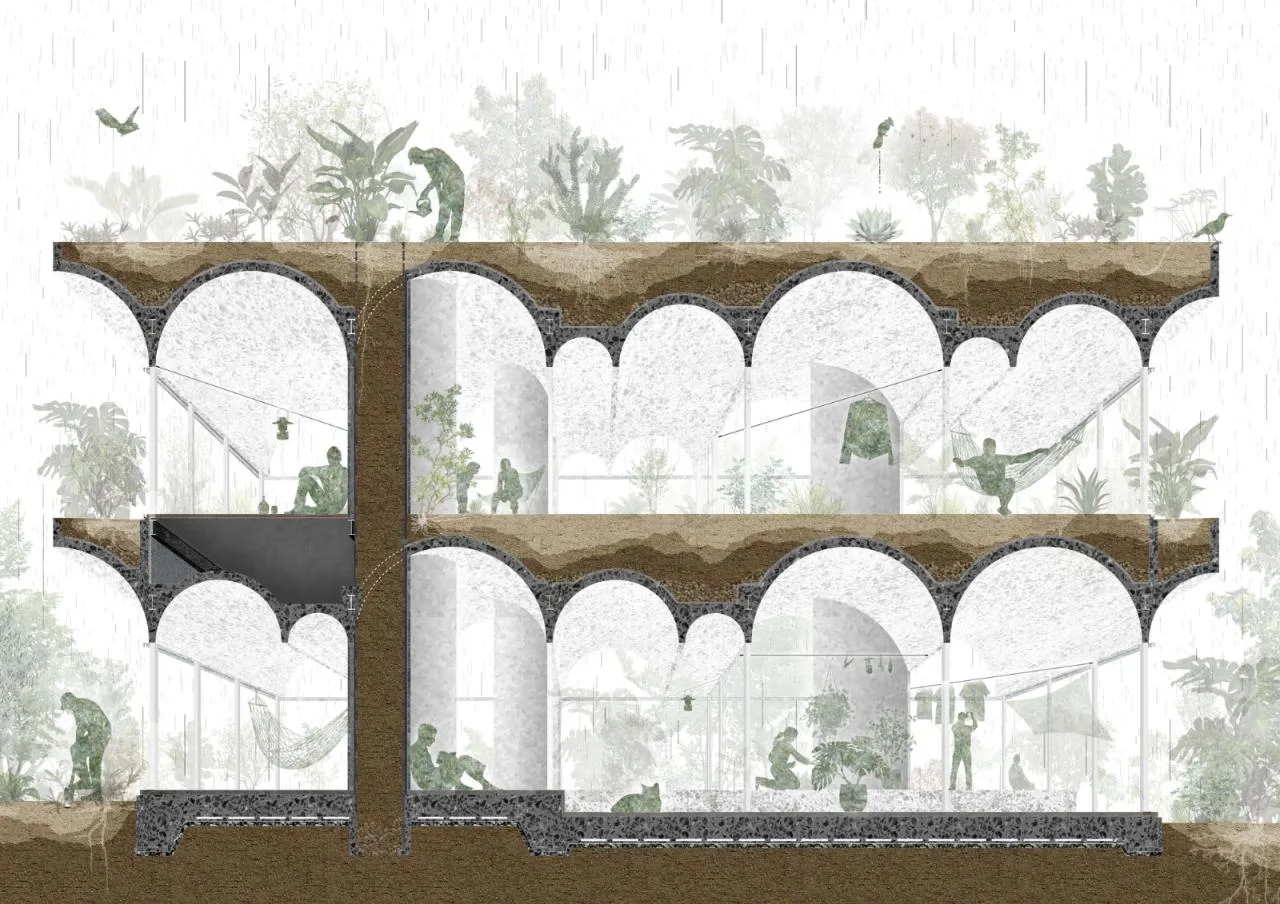
△ Section Diagram
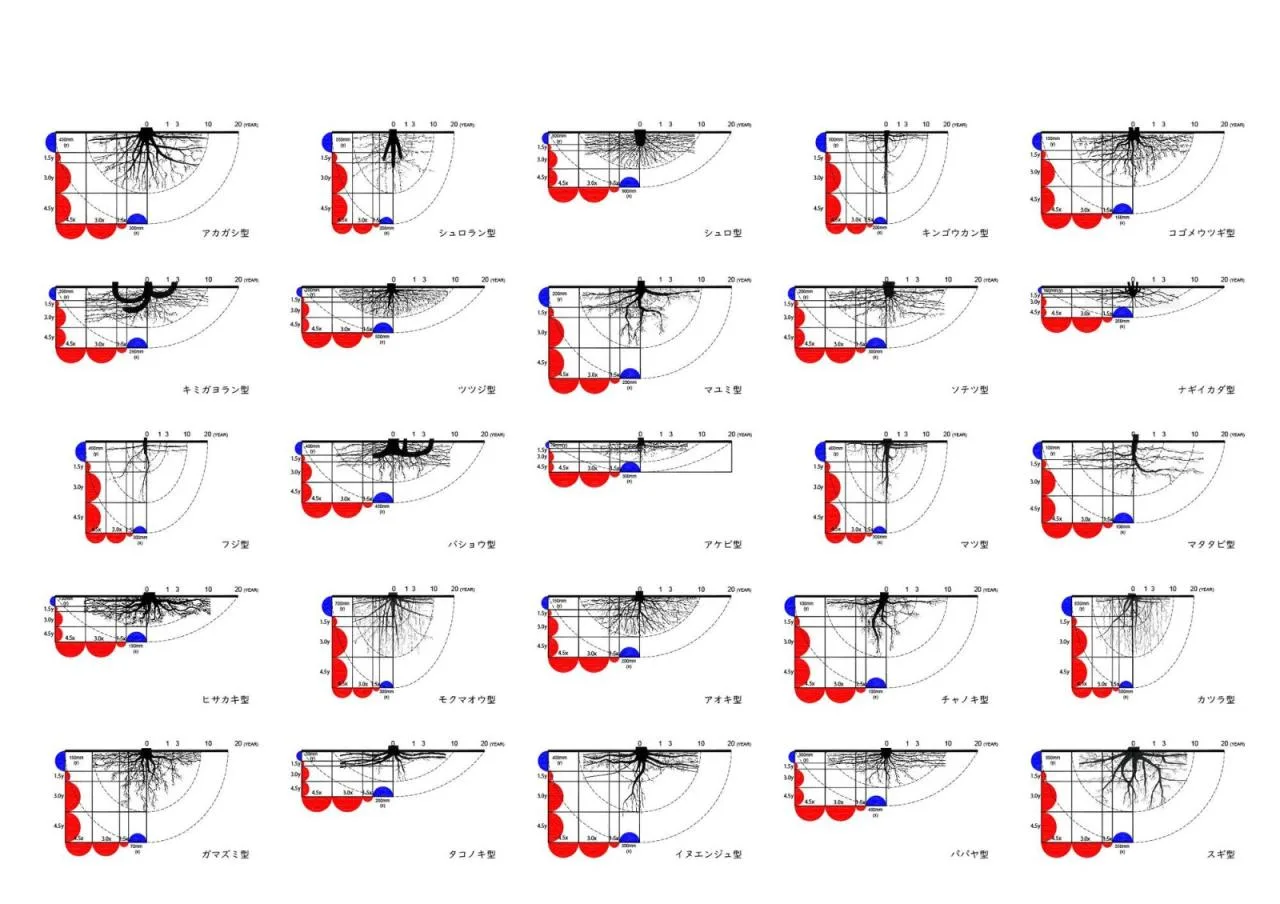
△ Analysis Chart
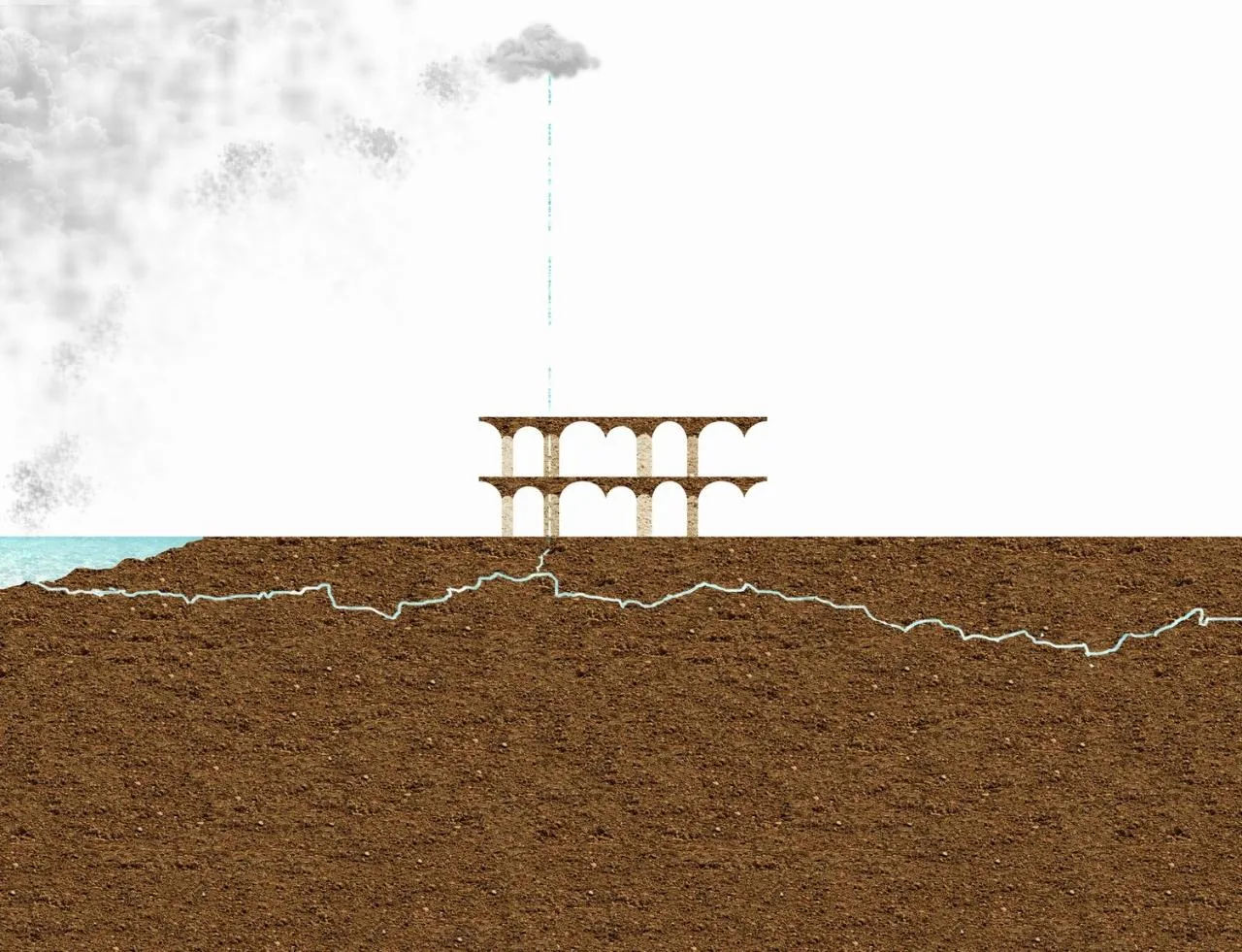
△ Precipitation Analysis Chart
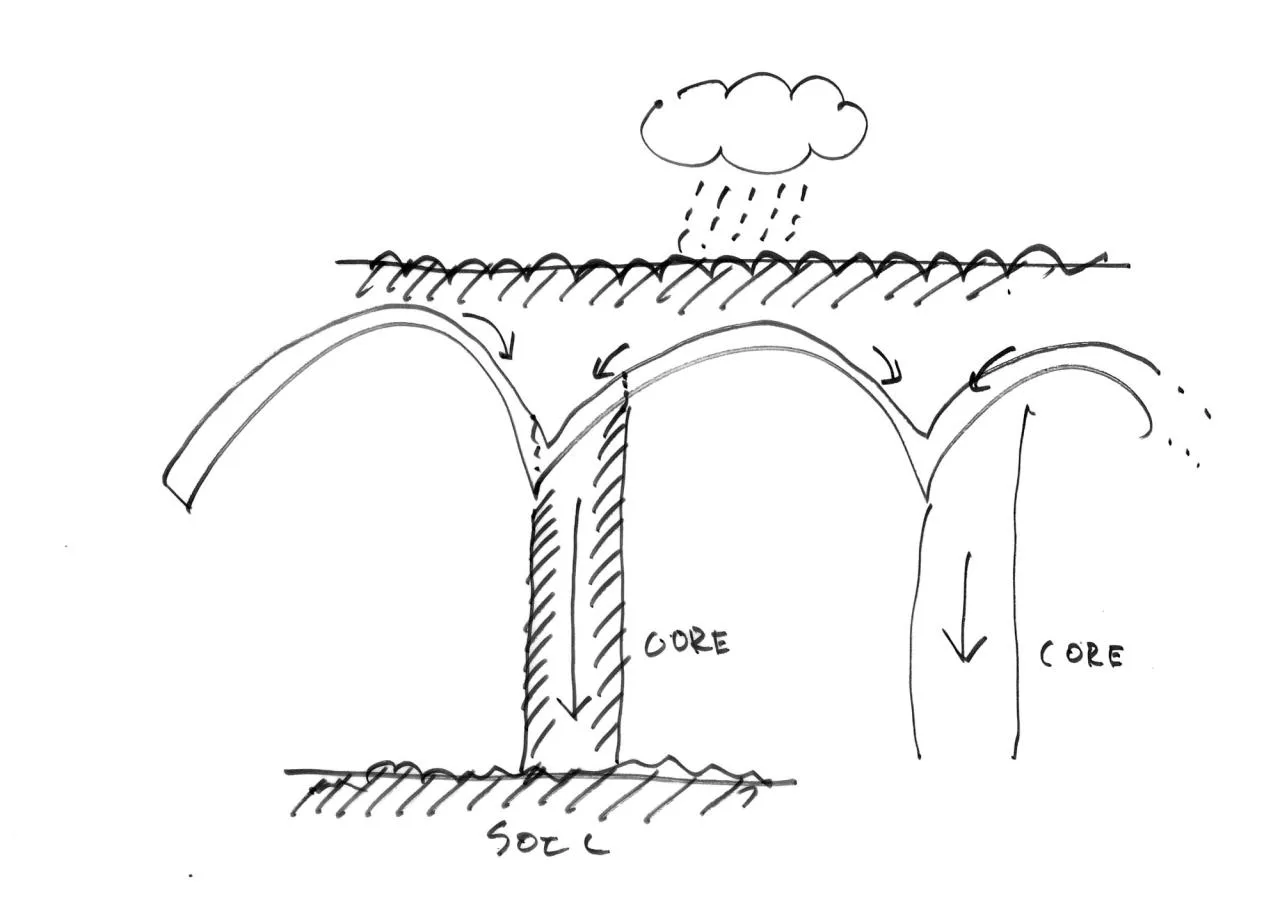
△ Hand-Drawn Analysis Diagram
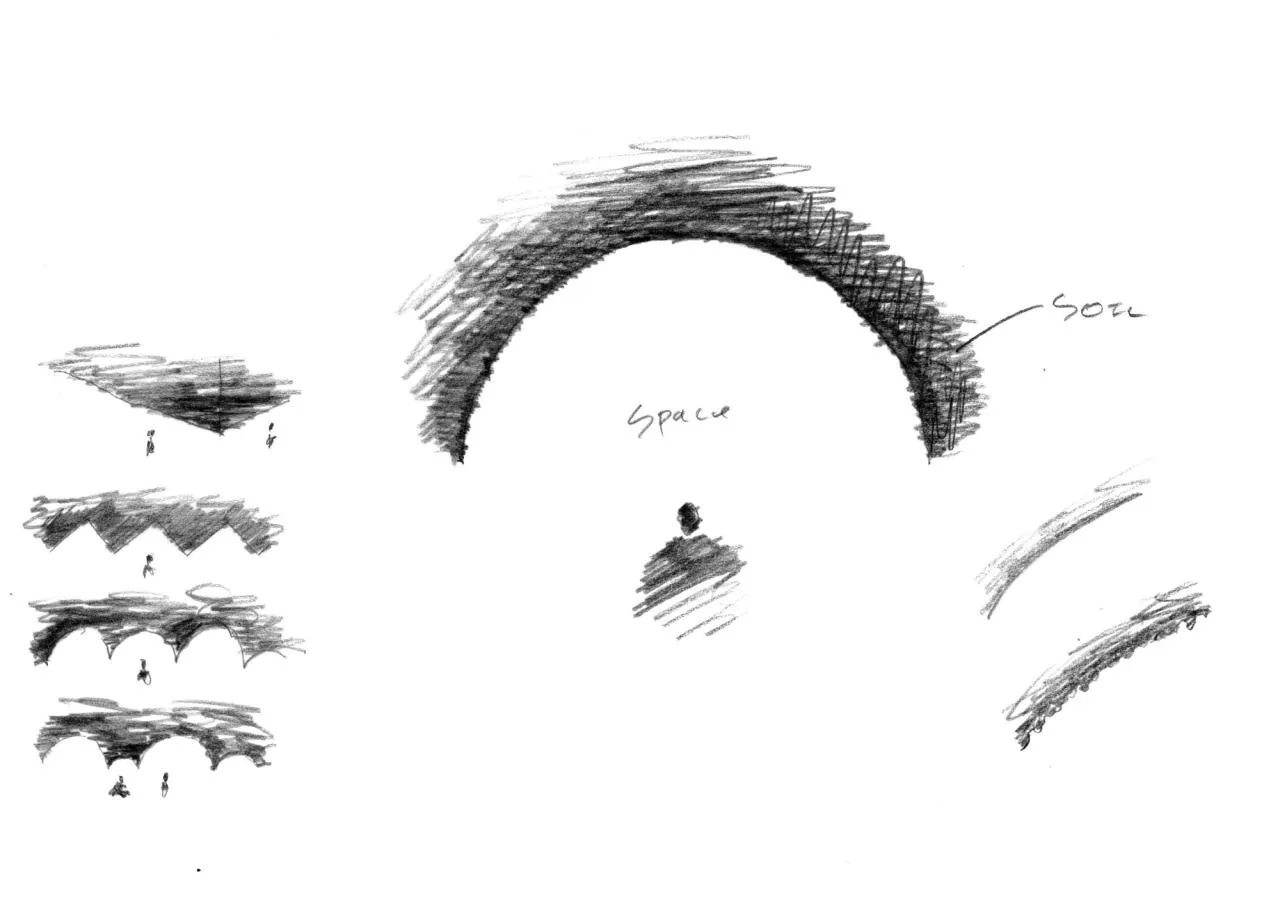
△ Hand-Drawn Analysis Diagram
Project Information
Architectural Design: Takeda Qingming Architectural Design Firm
Area: 206 m²
Project Year: 2021
Photographer: Masaki Hamada (kkpo)
Manufacturers: Atom Company, Sanko, TAJIMA ROOFING, Toyo Materia
Structural Design: Akira Suzuki, ASA
Lighting Design: Toshio Takeuchi
Landscape Gardening: Echigo Kokesho
Text Translation: Mami Sayo
Location: Japan












Must log in before commenting!
Sign Up