
Source: Ink Cube BIM
BIM technology leverages the three-dimensional visualization of parametric models and construction process simulation to not only guide on-site construction but also verify and optimize construction plans. This approach significantly enhances engineering construction quality.
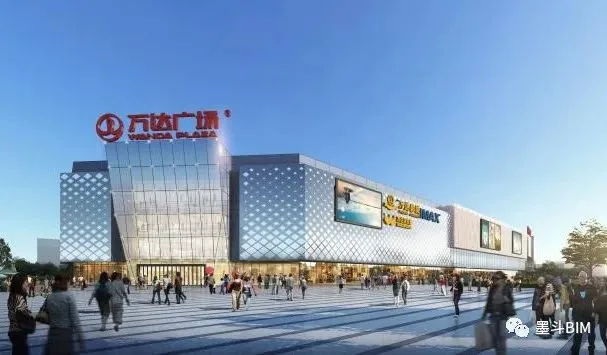
This article highlights the application and practice of BIM technology in the mechanical and electrical engineering of the “Wuhan Xinzhou Wanda Plaza W2 Plot Project.”
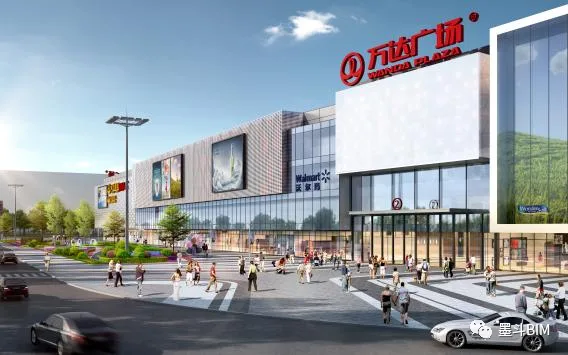
1. Project Overview
Xinzhou Wanda Plaza is situated adjacent to Chaibo Avenue in Wuhan’s Xinzhou District. Covering a total construction area of 137,900 square meters with an investment of 480 million yuan, it stands as Wanda Plaza’s fifth flagship store in China. From its inception, the project has been committed to high standards and ambitious goals. Positioned with prime locations and incorporating large-scale mixed-use complexes and diverse formats, it aspires to establish Wuhan’s second “Chuhe Han Street.”
2. BIM Implementation Planning
Our company brings extensive experience in applying BIM throughout the entire project lifecycle. To ensure smooth and error-free BIM execution, we develop tailored BIM implementation plans and standards according to project requirements. These plans coordinate processes and systems to optimize BIM deployment.
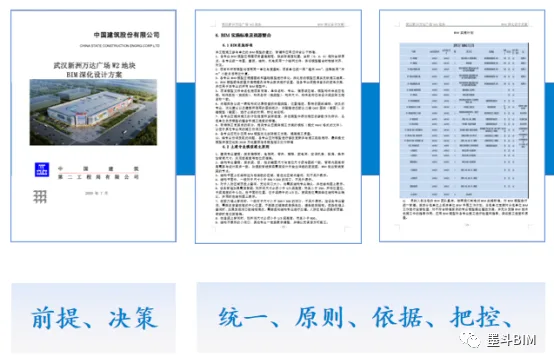
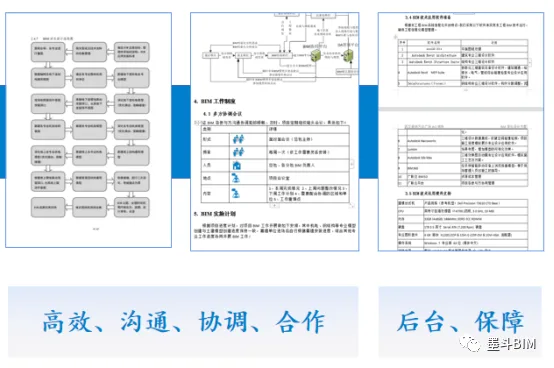
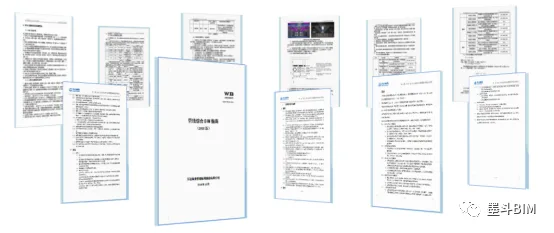
During BIM implementation, each discipline fully utilizes BIM models to optimize construction plans and enhance quality. Models are continuously updated and maintained to reflect on-site conditions accurately. The final model meets the “2018 Wanda Building Information Model Completion and Delivery Standards.”
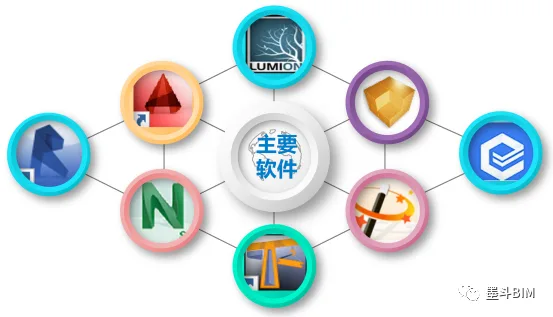
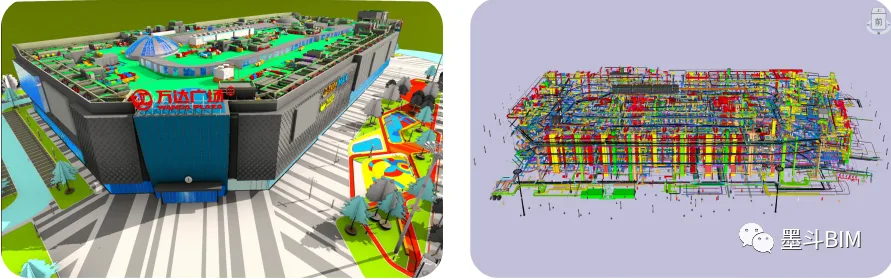
This project uses a variety of leading domestic and international software to address complex construction challenges. It visually highlights design flaws such as errors, omissions, clashes, and blind spots, improving coordination, reducing drawing revisions, saving construction time, and cutting costs.
3. BIM Application Management
3D Model Establishment: A comprehensive professional BIM model is developed, covering all project phases including design, construction, and operation.
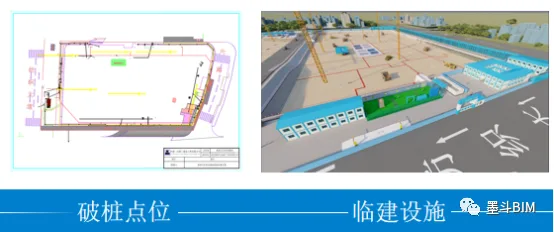
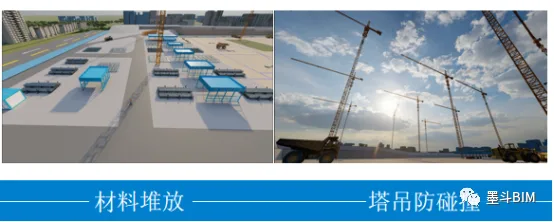
Temporary Construction Application: On-site layout is carefully planned and simulated. Pile breaking points are precisely located, construction is alternated reasonably, and challenges such as limited temporary land and material turnover are addressed. Mechanical layouts, processing zones, and material storage areas are strategically arranged.
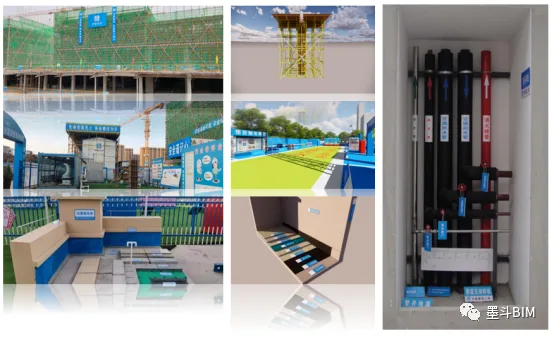
Sample Guidance: Digital and virtual construction samples reduce costs, material use, and construction waste, promoting green and civilized building practices.
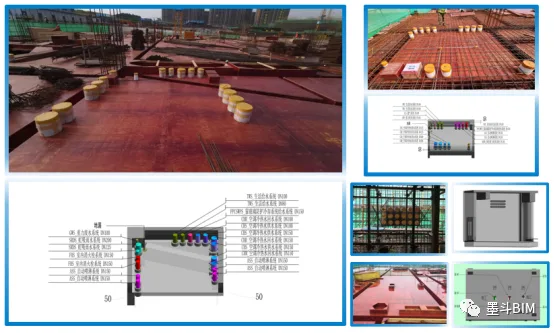
Reserved and Pre-Embedded Components: Beam, column, and wall dimensions are verified and aligned precisely in rows and lines.
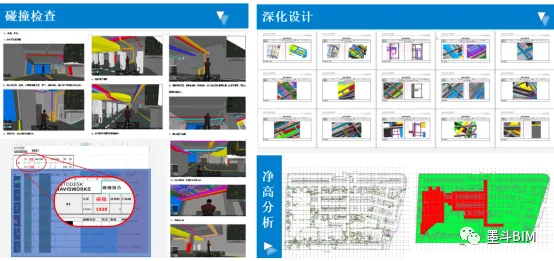
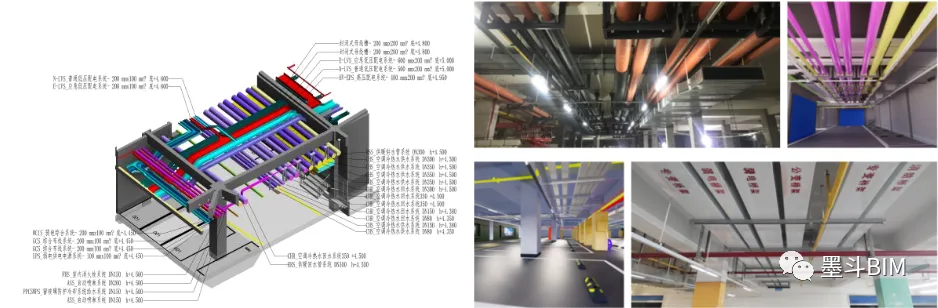
Integrated Basement Pipeline: Collision detection, detailed design, and net height analysis are conducted to optimize the pipeline layout.
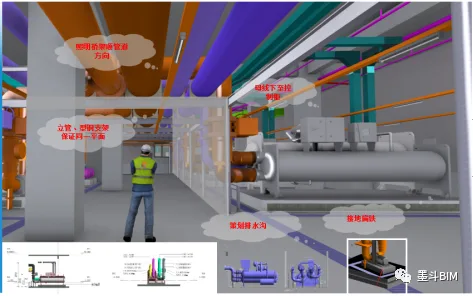
Deepening Key Computer Rooms
Refrigeration Room: Attention is given to maintenance space, pipeline connections, riser layouts, support and hanger configurations, valve heights, foundation layouts, access channels, and lighting coefficients.
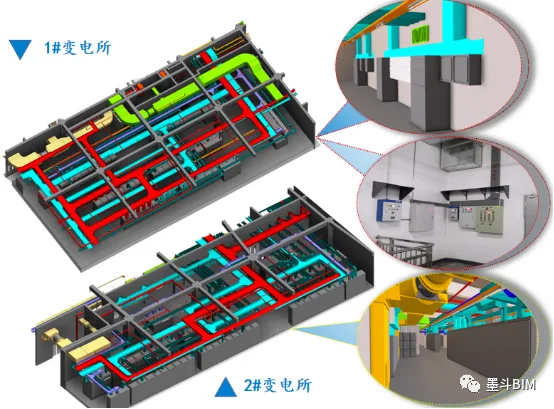
Transformer and Distribution Room: Elevating the computer room by 800mm and adopting upward wiring can reduce clearance. The low-voltage cabinet has numerous large outgoing lines, risking overloaded cable trays. The dense system pipelines and hanging chain lights also pose challenges.
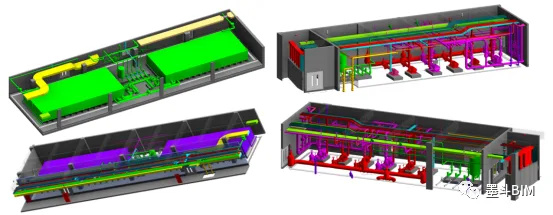
Water Pump Room: Heights of equipment foundations are adjusted relative to the water pump foundation and connecting pipes. The water tank connection is modified from a bottom outlet to a side outlet to accommodate valve installation and maintenance.
Integrated Interlayer Pipeline: Considerations include high-end multi-level suspended ceilings, corridor light troughs, maintenance space around hanging cabinets, smoke detectors, broadcasting systems, nozzles, lighting, evacuation signage, and pipe well layout.
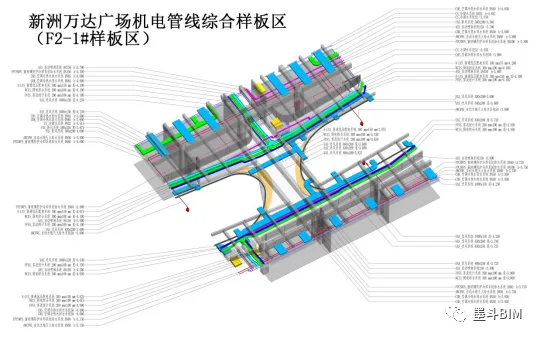
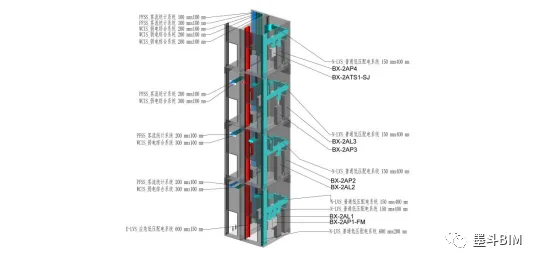
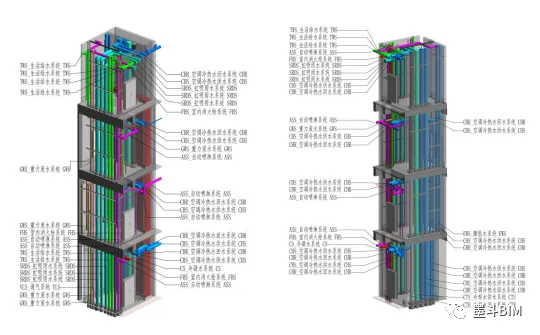
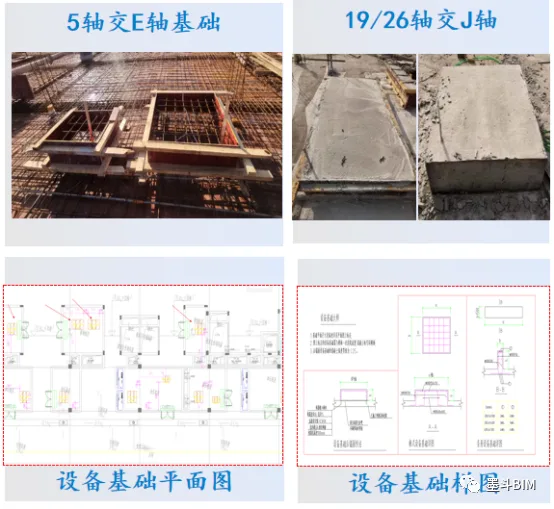
Roof Deepening: The commercial plaza roof includes 185 equipment rooms, roughly 627 foundations for fans and air conditioning units, and over 30,000 meters of ground piping. Pipeline positioning and foundation pouring are optimized to be completed simultaneously with the main structure.
4. Operation and Maintenance Plan
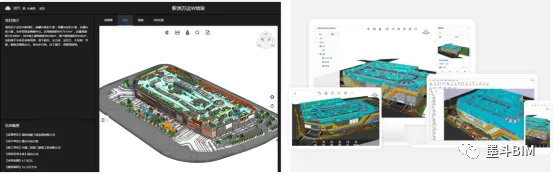
BIM models serve as comprehensive carriers, integrating scattered and fragmented data. Through intuitive 3D spatial visualization, building geometry and internal equipment information are clearly presented, facilitating efficient operation and maintenance management.
5. Future Prospects
By integrating BIM technology and platforms, complex project management is transformed into a process-oriented and intensive system. This enhances the efficiency and progress of safety hazard management and quality control. Such advancements hold significant value for large-scale, complex construction projects and offer substantial potential for broader adoption.
















Must log in before commenting!
Sign Up