
Abstract NakedGarden (also known as Naked Garden) began as an invitation to participate in the Manifesta08 exhibition in 2008. The project took place in an abandoned arms factory dating back to the Mussolini era.
Project Overview
Project Name: NakedGarden / Naked Garden
Location: Borzano, Italy
Owner: Manifesta08
Design Team: Mu Wei, Mercedes, Berta
Design Period: April 2008 – July 2008
Construction: July 2008
Tool Used: Water jet robot
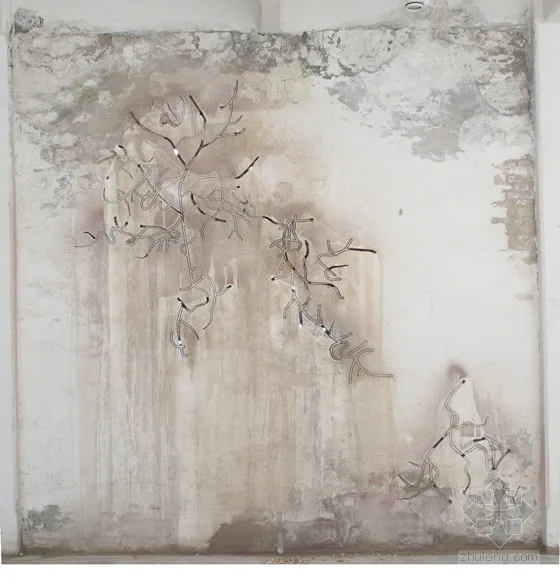
This project was initiated through an invitation to participate in the Manifesta08 exhibition held in 2008. The venue is an abandoned arms factory from the Mussolini period. The curator aimed to transform this historic site into a new art center by inviting artists and architects to contribute.
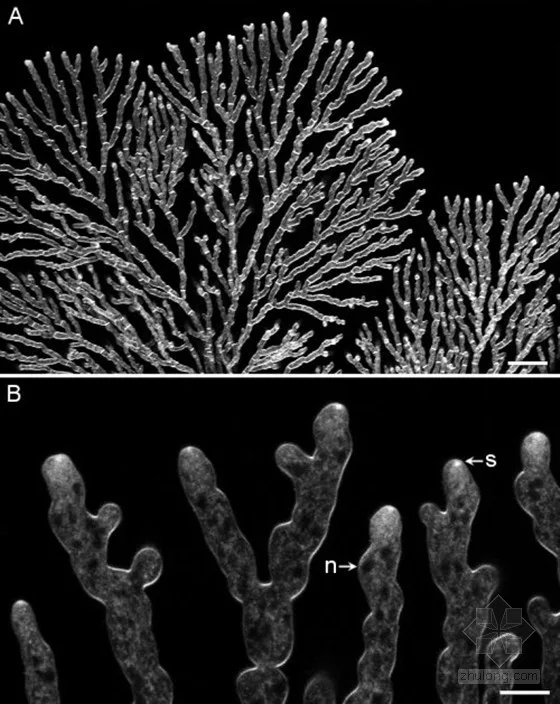
After being abandoned for 60 years, the arsenal became a habitat for various microorganisms and fungi, including blue-green algae, living parasitically within the space. The renovation aimed to end its temporary state as a unique biological habitat and host building. The garden, once home to fungal colonies, has now emerged from this extended transitional phase.
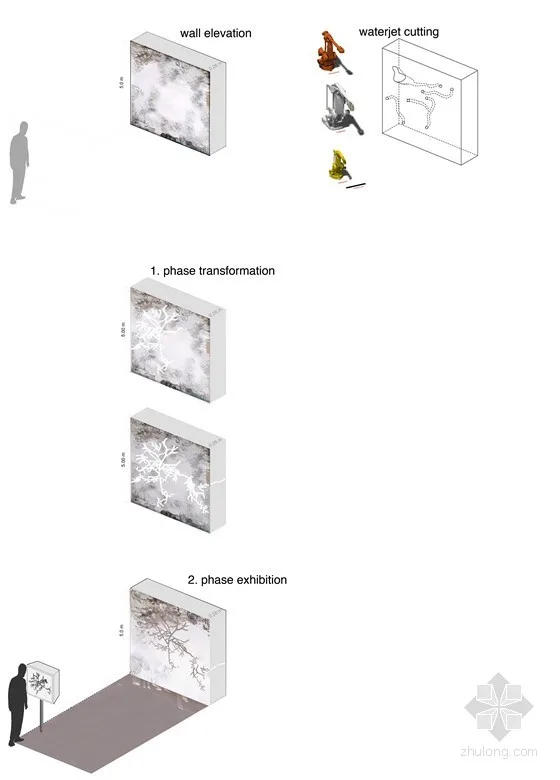
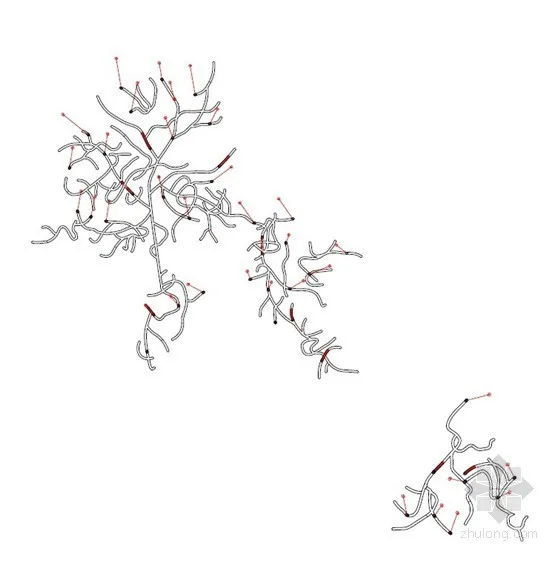
This temporal biological process became the foundation for the design concept. We explored the contrasting cultural attitudes toward “the trace of time” between Eastern and Western perspectives. Unlike other European designers who immediately began by cleaning the floors and walls, we recognized that for the past fifty years, the building’s occupants were no longer humans but fungal organisms. These residents had established their own living spaces on the walls, creating micro-ecosystems governed by natural laws.
Out of respect for the site’s history, our focus shifted from creating new installations to designing this microbial community itself. We aimed to provide the fungal organisms with essential life channels—improving ventilation, water access, and expanding attachment surfaces.
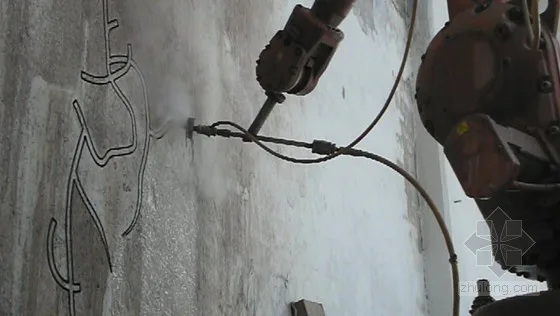
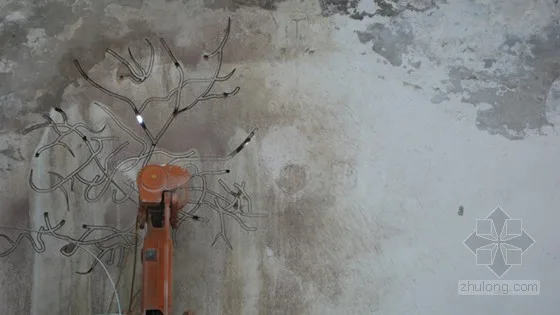
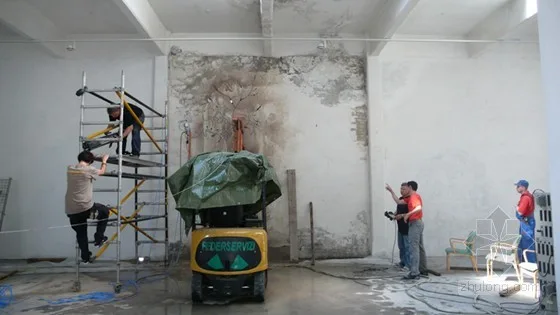
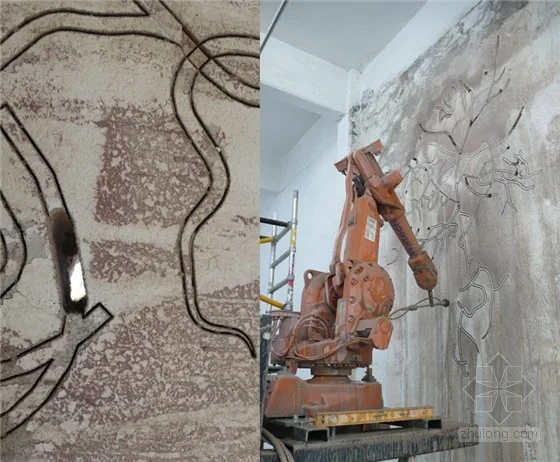
Using microscopic observations, we extracted the reproductive patterns of the fungi and translated these into precise designs. These patterns were sent digitally to a waterjet robot, which cut 1mm deep grooves into the walls—approximately half the wall thickness. The waterjet selectively penetrated the mottled walls based on visitors’ viewpoints.
This machine-assisted process had two key implications: first, it allowed the design to move beyond traditional blueprints by directly communicating with the robot through digital commands, enabling synchronous, one-time construction. Second, the waterjet targeted the existing mottled walls, creating deep concave cuts, water channels, and openings that encouraged further fungal growth.
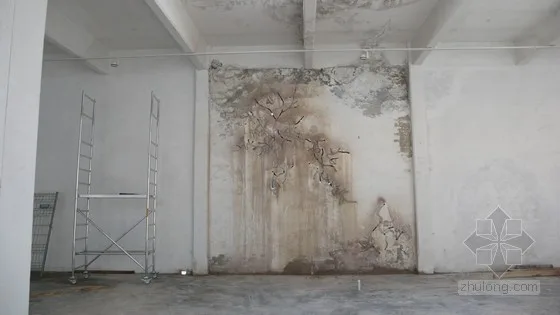
The enlarged fungal growth patterns symbolize the design’s purpose. Meanwhile, the preservation of the mottled walls combined with the use of the waterjet robot reflects the “refinement” seen in traditional Chinese painting, conveying an Eastern design philosophy within the project.












Must log in before commenting!
Sign Up