
Abstract The Innovation and Research Demonstration Building of the China Architecture Design and Research Institute (referred to as the “China Institute”) is located between the West Second and Third Ring Roads in Beijing. This project is part of the urban organic renewal area, aiming to deliver high-quality office spaces while considering the surrounding urban environment.
1. Project Background
1. Project Name: China Architecture Design and Research Institute • Innovation Research Demonstration Center
2. Project Design Unit: China Academy of Architectural Design and Research
The China Academy of Architectural Design (CAG) is a major, technology-driven central enterprise established in April 2000. It was formed by merging four design institutes formerly under the Ministry of Construction, including the Ministry of Construction Design Institute, China Academy of Building Technology, North China Municipal Engineering Design and Research Institute, and the Ministry of Construction Urban Construction Research Institute. Its predecessor was the Central Directly Affiliated Design Company, founded in 1952. Post-reform and opening up, it became one of the first design enterprises to enter the international architecture market and obtained external operating rights early on. The institute received ISO9001 international quality system certification in November 2000.
3. Related Software Applications:
Autodesk Revit Architecture
Autodesk Revit Structure
Autodesk Revit MEP
Autodesk Ecotect Analysis
Autodesk Simulation CFD
Autodesk Robot Structural Pro
Autodesk Project Vasari
Autodesk 360 Rendering
4. BIM Application Evaluation and Feedback:
“BIM helps us address three-dimensional challenges within two-dimensional spaces. However, as architects, we must also train our spatial thinking, enrich our real-world experiences, and bring virtual BIM models to life.”
— Chai Bacon, Deputy Director of the Integrated Architectural Design and Research Center and Project Leader of the Innovation Research Demonstration Center
“The path for BIM in mechanical and electrical engineering still has significant progress ahead.”
— Zhao Xin, Deputy Director of the Green Building Research Center at China Academy of Architectural Design and Research
“Autodesk’s BIM concept, as a systematic tool and design methodology, not only ushers in a new era and upgrade of industry workflows but also broadens architects’ thinking and drives higher scientific standards for building evaluation.”
— Zhou Kai, Project Leader of the Integrated Architectural Design and Research Center and Innovation Research Demonstration Center
“The 3D design capabilities of Autodesk BIM software introduce new design concepts and coordination methods, though they also present new challenges. Future design processes will begin with BIM 3D modeling, showcasing a clear and visible 3D design space.”
— Sun Hailin, Structural Engineer at China Architecture Design and Research Institute
“Using Autodesk Revit software based on BIM allowed me to experience powerful cross-disciplinary collaboration within a single model.”
— Architect Ren Yue, Integrated Architectural Design and Research Center, China Architecture Design and Research Institute
2. Main Text
Green Building Practice in Urban Organic Renewal Areas
— China Academy of Architectural Design • Innovation Research Demonstration Center
Project Overview
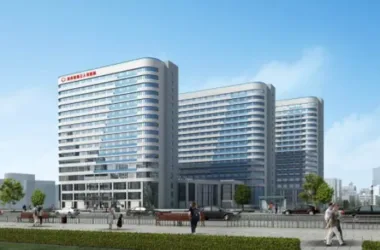
The Innovation and Research Demonstration Building of the China Architecture Design and Research Institute is located between the West Second and Third Ring Roads in Beijing. It is a key construction project within an urban organic renewal zone, focusing on creating high-quality office spaces in harmony with the surrounding environment.
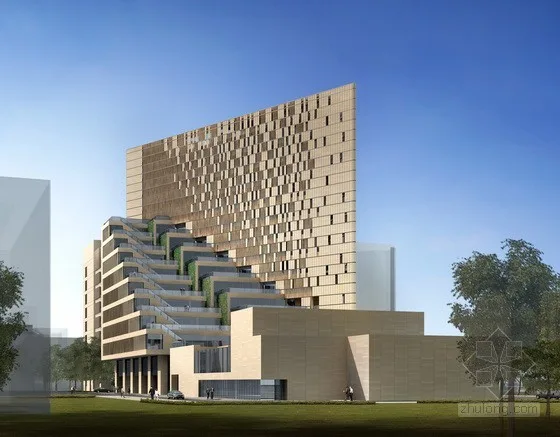
Figure 1: Innovation and Research Demonstration Center
The building includes 14 floors above ground and 4 underground levels, with an above-ground floor area of approximately 21,000 square meters. The building’s shape is designed by inversely modeling sunlight exposure to optimize natural lighting and meet the area requirements of nearby residential buildings.
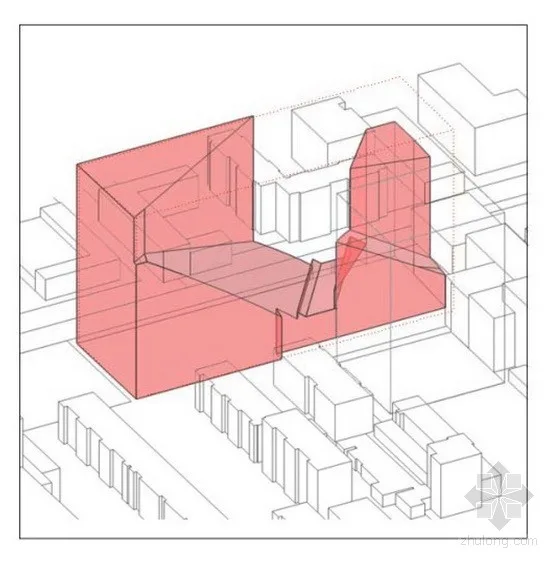
Figure 2: Architectural Form Influenced by Sunlight
According to the Chinese Academy of Engineering’s development plan, this project aims to be an efficient, energy-saving, and intelligently controlled green building, meeting China’s three-star green building standard. BIM is integrated throughout the design, construction, and operational life cycle of the building.
The project employs full professional BIM workflows, with BIM team members ensuring the timeliness and consistency of design processes and information models. As of the 2012 BIM Design Competition submission, BIM design efforts for this project continue.
Solution
This project combines its three main characteristics to apply BIM technology effectively and achieve a truly green building.
Outdoor Platforms
A prominent feature of the building is the tiered outdoor platforms formed by the building’s cut shape responding to sunlight conditions. Autodesk Revit’s 3D modeling capabilities are fully utilized to represent complex information that traditional 2D drawings cannot clearly convey, addressing challenges such as structural processing, roof construction, and integrated equipment layouts.
Lighting and thermal simulations of the platforms guide the design of activity spaces for occupants.
1. Platform Structure Lowering and Pipeline Integration
To ensure seamless indoor-outdoor connectivity, the platform structure is lowered, presenting a multi-disciplinary system challenge. BIM’s collaborative capabilities enable timely and accurate three-dimensional information exchange, proving invaluable in solving such complex issues efficiently.
2. Comprehensive Axonometric Diagram of Platform Pipelines
Earlier BIM applications often measured Autodesk Revit’s effectiveness against traditional 2D construction drawings.
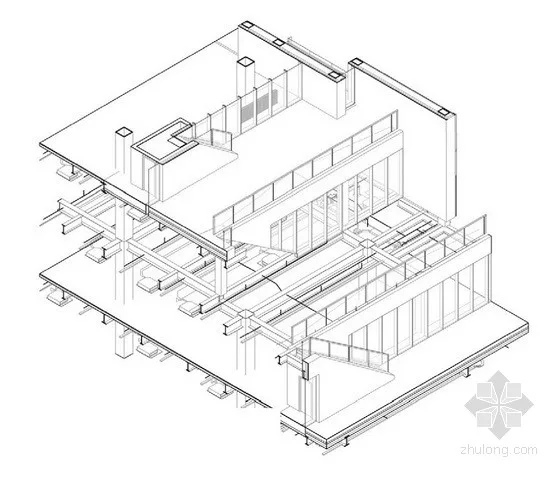
Figure 3: Comprehensive Axonometric Diagram of Platform Pipelines
The China Academy aims to leverage BIM’s 3D advantages by extensively using sectional and side views—such as comprehensive management drawings and curtain wall detailing—to explore alternatives to domestic 2D drawing standards.
3. Visual Comparison of Platform Building Components
During detailed design, adjustments to building components are common. For the platform, Autodesk Revit enables quick replacement of railing component families, and Autodesk 360 cloud rendering supports side-by-side visual comparisons.
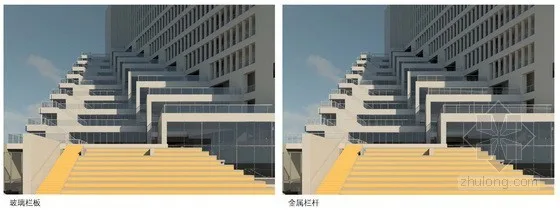
Figure 4: Visual Comparison of Building Components
4. Platform Monitoring Point Simulation
Due to the openness of the outdoor platform, operation and maintenance pose challenges. To meet property management’s requirements for monitoring all outdoor areas, Autodesk Revit cameras, combined with real camera parameters, were used to simulate the number and locations of monitoring points, guiding related design efforts.
5. Platform Heat Analysis
The Autodesk Revit model was exported to Autodesk Ecotect Analysis using DXF format to simulate heat gain and sunlight shadows across different seasons. Although the terrace faces north, it receives sunlight for most of the year, informing the placement of green vegetation and activity zones.
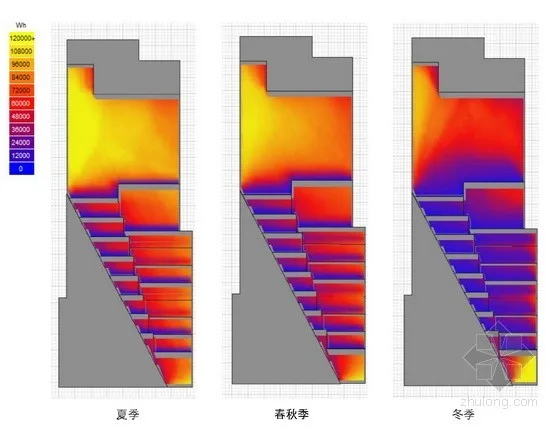
Figure 5: Thermal Analysis of the Platform
6. Platform Sunshine and Shadow Analysis
Using the same DXF export, Autodesk Ecotect Analysis helped simulate seasonal sunlight and shadow patterns. Based on these findings, the stair direction connecting the outdoor platforms was reorganized to improve environmental conditions for occupants.
7. Energy-Saving Behavior Research on Platforms
Another green building aspect is “health.” The numerous open platforms encourage healthy activities, with stairs connecting each floor offering a more energy-efficient and healthier alternative to elevators.
Combining Autodesk Revit models with IESVE software, the institute compared stair and elevator usage during peak times, such as lunchtime trips to the cafeteria. Simulations showed elevator wait times could be up to 40% of walking time, highlighting walking’s efficiency and informing future elevator management strategies.
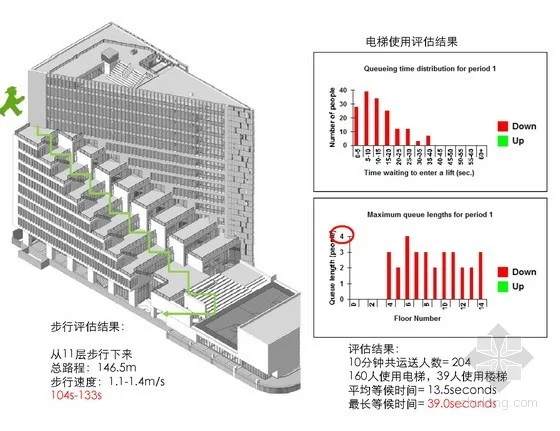
Figure 6: Simulation of Energy-Saving Behavior
8. Platform Wind Field and Comfort Analysis
The Autodesk Revit model was imported into Autodesk Simulation CFD via SAT files to simulate wind velocity and comfort levels on the platform across seasons. This analysis assessed openable window and equipment intake positions, as well as optimal wind conditions for occupant comfort.
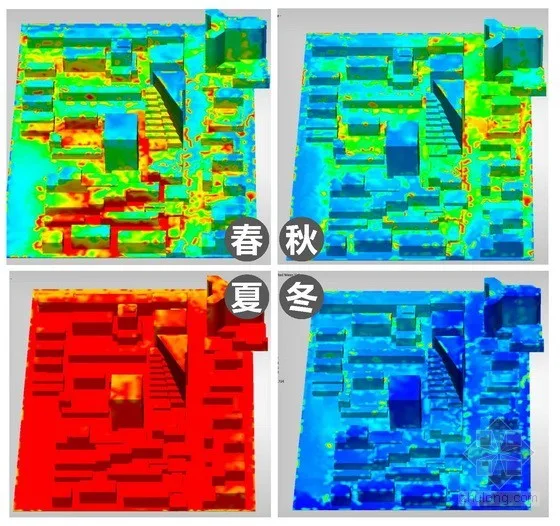
Figure 7: Platform Comfort Simulation Analysis
Ceramic Panel Curtain Wall
The building’s exterior features an open curtain wall system composed of ceramic panels and louvers.
During planning and detailed design, multiple software tools were used for lighting, shading, and heat gain analysis. Real-time feedback on effects and costs based on varying material component sizes informed design decisions.
1. Multi-Scheme Visualization of Ceramic Panel Curtain Wall System
Local design schemes were edited directly in Autodesk Revit and rendered using Autodesk 360 cloud services, achieving realistic material comparisons comparable to other software like SketchUp. Autodesk Ecotect provided simulation analysis supporting vertical design through heat gain evaluation.
2. Thermal Analysis of Ceramic Panel Curtain Wall Combinations
Facade refinement combined with Autodesk Ecotect analysis created a solid basis for optimized design.
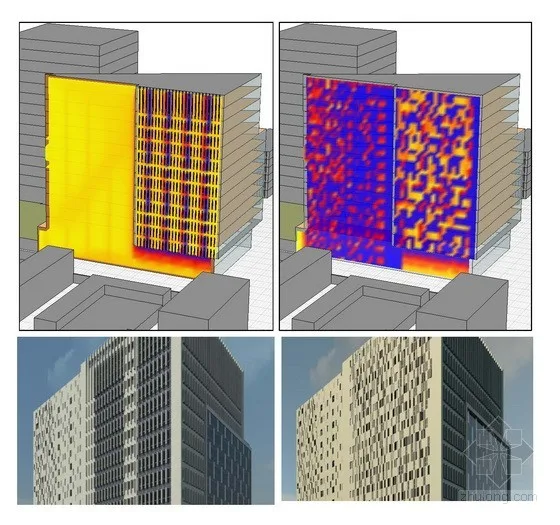
Figure 8: Facade Heat Gain Comparison Across Different Schemes
3. Component Quantity Analysis of Ceramic Panel Curtain Wall System
The “ceramic plate + ceramic rod” curtain wall on the west facade displays a parametric yet irregular pattern. Autodesk Revit’s detailed list function was used to calculate quantities of each component, combined with unit prices to support overall curtain wall cost control.
4. 3D Drawing Representation of Ceramic Panel Curtain Wall
BIM’s 3D capabilities were leveraged to convey detailed information via sectional and side views for curtain wall design documentation.
Steel Structure
The above-ground structure adopts a steel system, a significant green building feature. Structural BIM applications focused on data transmission and calculations primarily on the Autodesk Revit platform.
Software Integration
PKPM and Autodesk Revit achieve bidirectional integration through Yingjianke software, allowing independent modeling in either platform and enhancing work efficiency. ETABS also integrates bidirectionally with Autodesk Revit and is used as an auxiliary calculation tool for this project.
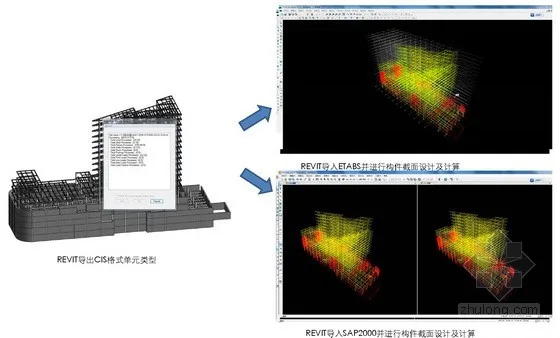
Figure 9: Data Transfer Based on Autodesk Revit Structural Model
Design of Software Interaction Nodes
BIM design and construction require Autodesk Revit models to provide information for subsequent construction phases. This project uses Autodesk Revit data to directly produce detailed construction drawings in the 3D detailing software XSTEEL. Efforts are also underway to use Autodesk Robot Structural software for interactive node design.
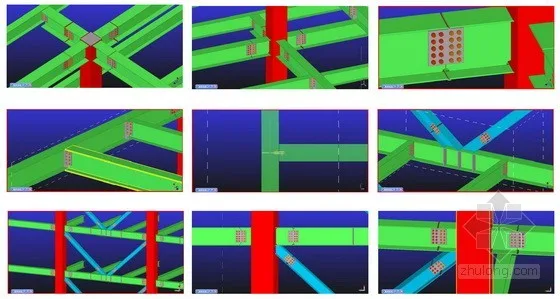
Figure 10: Steel Structure Node Design
3. Drawing Representation
The project explores defining custom families and generating structural floor plans that comply with domestic drafting standards.
Exploration and Reflection
While some concepts have yet to yield direct results, their design principles have been thoughtfully expanded through BIM applications.
1. Simulation of Traffic Environment in Urban Organic Renewal Areas
Harmonious urban growth is central to green buildings. Environmental simulations based on regional models are critical, encompassing natural conditions and traffic analysis. For example, adding two openings to the west side road could be evaluated via BIM to assess peak-hour traffic impacts. However, due to professional limitations, the application of BIM in this area is still under study.
2. Research on Maximum Building Capacity Through Sunlight Reverse Cutting
This design originated from sunlight considerations. Early volume calculations involved Boolean operations between sunlight cones and building volumes using sunlight analysis software, then importing results into SketchUp—a rudimentary BIM approach. With Autodesk software tools like Vasari and Ecotect, the team aims for seamless integration with Autodesk Revit for detailed design but has yet to achieve ideal results.
3. Simulation of Multi-Layer Platform Drainage Systems
The tiered platforms provide multiple research opportunities through BIM. Designing effective drainage for multi-story roofs is challenging. Combining building form analysis with rainwater volume and drainage system simulations remains an area of ongoing exploration.












Must log in before commenting!
Sign Up