
Abstract The centralized heating project at the Nanjiao Heat Source Plant, operated by Zhengzhou Heating General Company, is situated in the central-southern part of Zhengzhou’s southern district. It is bordered by the South Fourth Ring Road to the north, Zhengshi Expressway to the west, and Huancheng Expressway to the south. The construction site covers an area of 47,242 square meters. This project marks the first implementation in Henan Province of a large-capacity circulating fluidized bed high-temperature hot water boiler.
1. Project Background
1. Project Name: Central Heating Project of Nanjiao Heat Source Plant
2. Project Design Unit: Sixth Design and Research Institute of Machinery Industry Co., Ltd.
Founded in 1951, China Machinery Industry Sixth Design and Research Institute Co., Ltd. (referred to as “China Machinery Industry Sixth Institute”) is one of China’s earliest and most influential design organizations. It ranks among the top 100 comprehensive strength units in the national survey and design industry and is affiliated with China Machinery Industry Group Co., Ltd., a major state-owned enterprise group. In 2007, the institute received integrated certification for ISO9001 (quality management), ISO14001 (environmental management), and GB/T28001 (occupational health and safety management).
The Sixth Institute is the only professional design institute in China serving the machine tool and inorganic non-metallic materials industries. It also excels in five major sectors: tobacco, casting, heavy mining, engineering machinery, and civil construction. The institute is known for its first-class engineering expertise in areas including large-scale factory and park planning, enterprise production process reengineering, complex structural design, HVAC, industrial dust removal, information intelligence, green building, municipal infrastructure, and environmental engineering. It is also the chief editor of China’s national green industrial building standards.
Over its 60-year history, the Sixth Institute has completed over 10,000 engineering projects and contributed to the development of 21 national and industry standards. The institute has received numerous honors, including a second prize National Science and Technology Invention Award, the Zhan Tianyou Award (China’s highest civil engineering innovation prize), six Luban Awards, 25 awards for National Science and Technology Progress and Excellent Engineering Design, and more than 300 provincial and ministerial awards.
3. Related Software Applications:
- Autodesk Revit Architecture
- Autodesk Revit Structure
- Autodesk Revit MEP
- Autodesk Navisworks
- Autodesk Inventor
- Autodesk Ecotect Analysis
- Autodesk 3ds Max
- Autodesk Showcase
- Autodesk Project Vasari
- Autodesk SimulationCFD
- AutoCAD
4. BIM Application Evaluation and Feedback:
The use of BIM in the factory sector has given BIM new significance. We believe its widespread adoption will trigger a groundbreaking “industrial revolution” in the near future!
—— Mao Luyang, Deputy Director, BIM Center, Sixth Design and Research Institute of Machinery Industry Co., Ltd.
For BIM to be effectively promoted and applied in engineering projects, it must enhance efficiency. Secondary development is one of the best ways to achieve this. By customizing Autodesk BIM software, we have attained excellent results in detailed design.
—— Yu Gaofeng, BIM Plugin Development Manager, Sixth Design and Research Institute of Machinery Industry Co., Ltd.
Designing a green factory requires balancing functionality, health, safety, and efficiency while meeting production process needs. To accomplish this, we comprehensively apply BIM and simulation technologies. Based on Autodesk Revit models, we use Autodesk Project Vasari, Autodesk Ecotect Analysis, and Autodesk SimulationCFD software to perform building performance and process simulations, ensuring the reliability, feasibility, and sustainability of design at every stage.
—— Du Xu, BIM Simulation Engineer, Sixth Design and Research Institute of Machinery Industry Co., Ltd.
2. Main Text
BIM Technology Supports China Machinery Sixth Institute in Implementing the Centralized Heating Project at Nanjiao Heat Source Plant
Project Introduction
The centralized heating project of the Nanjiao Heat Source Plant, operated by Zhengzhou Thermal Power Corporation, is located in the central southern part of Zhengzhou City. It is bounded by the South Fourth Ring Road to the north, Zhengshi Expressway to the west, and Huancheng Expressway to the south, covering 47,242 square meters.
This project is the first in Henan Province to implement a large-capacity circulating fluidized bed high-temperature hot water boiler. It is also the first in the province to adopt a boiler room design featuring an “electrostatic precipitator + circulating semi-dry desulfurization + bag filter” system, achieving 99% dust removal efficiency and 90% desulfurization efficiency. The first phase includes two 116 MW circulating fluidized bed hot water boilers, with reserved space for two additional 116 MW boilers. The initial heating area covers 5 million square meters, with hot water supply and return temperatures of 135/75 ℃ and a design pressure of 1.6 MPa.
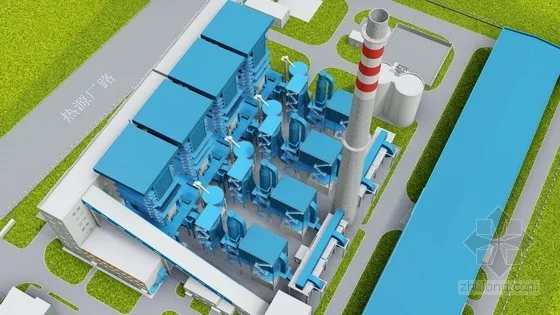
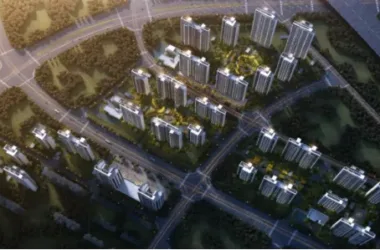
Figure 1: Aerial View of the Centralized Heating Project at Nanjiao Heat Source Plant, Zhengzhou Heating General Company
Project Challenges
1. Factory Layout Optimization
Efficient production logistics are vital to the factory park layout. Factors such as wind and noise impact, workshop noise control, and odor emission management are crucial to maintaining harmony between buildings and nature, ensuring the health, usability, and efficiency of building spaces.
2. Pipeline Design and Interface Positioning
Accurate positioning of interface points between process equipment and related disciplines is essential. The complexity and variety of process equipment make traditional 2D design methods challenging.
3. Integrated Pipeline Design
Traditional design methods require extensive coordination across disciplines and systems, consuming significant time and labor, especially during on-site pipeline integration. Lack of consideration for pipeline supports, installation, and maintenance space often leads to discrepancies or abandonment of construction drawings.
4. Project Data Consistency Management
Like 2D drawings, 3D models require version control. Ensuring data consistency and delivering design products to owners and contractors are critical challenges.
5. Construction Guidance
Traditional methods require many designers on-site for guidance, which is resource-intensive and inefficient. Effective coordination and assistance for complex pipeline installations and large equipment remain unresolved issues.
Project Solution
1. Project Implementation Organization
The project’s key challenge lies in process design. It adopts a state-of-the-art 116 MW large-capacity circulating fluidized bed high-temperature hot water boiler, leading in China. The dust removal system combines electrostatic precipitators, circulating semi-dry desulfurization, and bag filters. The plant has complex equipment types and interface positions, requiring high precision for reserved interface positioning. Traditional 2D design methods struggle to meet these demands.
To overcome these challenges, BIM technology was applied. Autodesk Revit software created 3D models for various disciplines. Each major design team worked collaboratively by sharing Autodesk Revit central files. Additionally, China Machinery Sixth Institute’s proprietary 3D auxiliary design system supported detailed pipeline and equipment installation design. Upon design completion, the comprehensive 3D model was delivered to the client for construction planning. During construction, all participating units utilized the 3D model for information queries and change analyses.
2. Project Design and Software Application
1. Overall Planning and Design
The factory layout focuses on production and development needs, positioning the “main production cluster” centrally, surrounded by auxiliary factories, creating an efficient and convenient production environment. The factory faces the municipal road on the north, with varied building volumes forming a distinctive landmark and enhancing the streetscape.
Land use complies with urban planning, environmental protection, safety, hygiene, fire prevention, energy conservation, and landscaping requirements. BIM technology provides robust technical support for these goals.
Early in the design phase, Autodesk Ecotect’s built-in WeatherTool analyzed Zhengzhou’s climate data to determine optimal building orientation and passive design strategies, guiding the planning and HVAC design. This analysis included annual temperature frequencies and daily dry/wet bulb temperatures, offering valuable design references for architects and engineers.
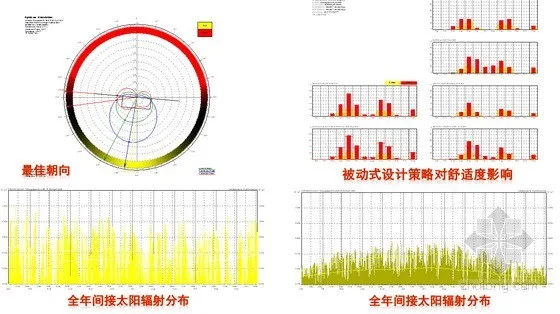
Figure 2: Meteorological Data Distribution
This centralized heating project emits a small amount of harmful gases. To minimize environmental impact and optimize airflow, Autodesk Simulation CFD was applied to the Autodesk Revit volume model to analyze outdoor wind conditions. The analysis informed improvements in park planning, building spacing, and process layout.
It ensured pedestrian wind speeds at 1.5m above ground remain below 5 m/s, pressure differences on building facades stay under 5 Pa in winter to favor natural ventilation in warmer seasons, and that chimney emissions do not affect nearby residential areas.
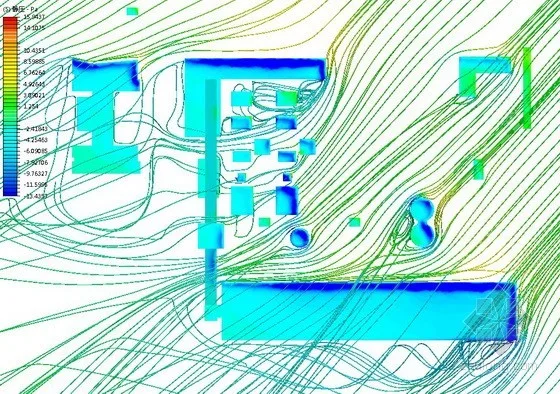
Figure 3: Atmospheric Flow Trajectory Distribution
To reduce noise pollution, a simulation of the global sound field under normal production conditions was conducted. The results showed noise radiating from external equipment, with building obstructions creating higher noise levels in the southeast than the northwest of the factory. Noise levels on nearby building facades reached up to 90 decibels, prompting targeted sound insulation measures in the southeast area.
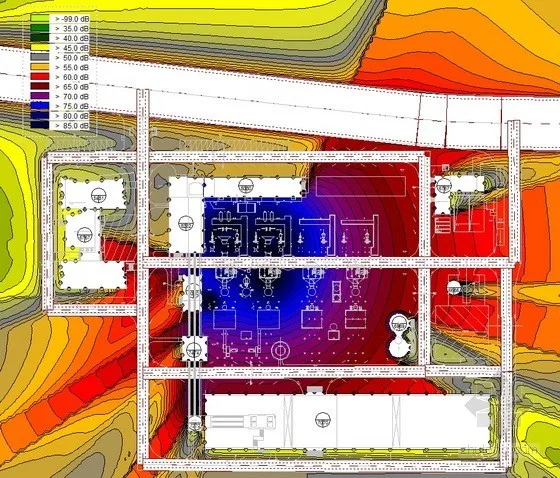
Figure 4: Global Sound Field Distribution Under Normal Production Conditions
2. Architecture
To maximize natural light, Autodesk Ecotect was used to compare multiple daylighting schemes during the conceptual design phase. The final design incorporates high windows in the distribution room to avoid direct sunlight, while the main workshop features shading elements combined with southern-facing exterior design to prevent glare.
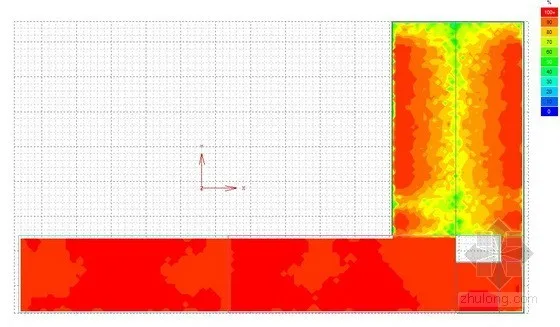
Figure 5: Percentage of Total Natural Lighting Time
Autodesk Ecotect integrates with Daysim to calculate dynamic lighting metrics, including the percentage of effective and continuous full natural lighting time. This integration enhances Ecotect’s capabilities and supports detailed lighting environment analysis.
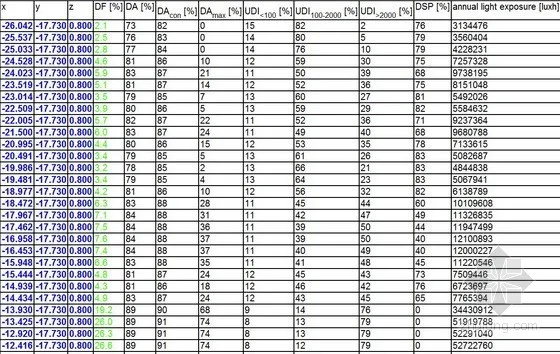
Figure 6: Results of Autodesk Ecotect and Daysim Interaction Calculation
Models from Autodesk Ecotect were imported into DesktopRadiance for static lighting analysis, simulating indoor light conditions at 9:00 AM on the winter and summer solstices to provide an in-depth evaluation of the indoor lighting environment.
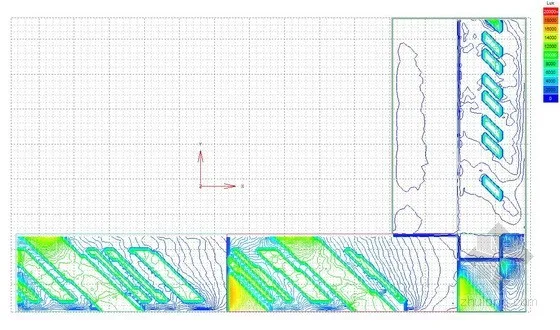
Figure 7: Natural Light Intensity Distribution at 9:00 AM on Winter Solstice
During conceptual design, Autodesk Vasari was used for energy consumption analysis to optimize building shape and contour, establishing a foundation for energy-saving design. During detailed design, DesignBuilder combined with EnergyPlus refined energy analysis, considering window sizes, enclosure construction, shading forms, and dimensions. Heating and cooling loads were calculated, and multiple design options were compared and optimized to minimize energy consumption while ensuring a comfortable and healthy indoor environment, achieving green design goals.
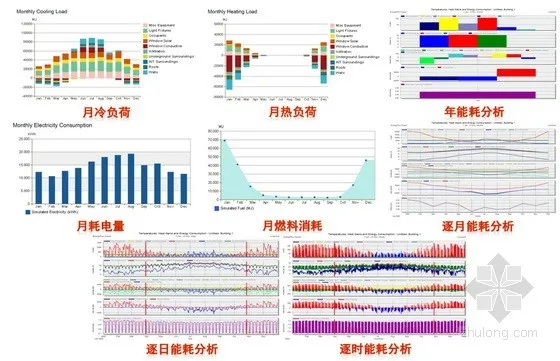
Figure 8: Energy Consumption Analysis
3. Structural Engineering
The production workshop building uses reinforced concrete structures. The coal conveying wharf features cast-in-place concrete frames and steel trusses; the coal crushing room uses cast-in-place concrete frames, and the boiler steel platform is built with steel frames. Autodesk Revit combined with Autodesk Navisworks effectively resolves coordination issues between structural elements and process equipment across different factory zones.
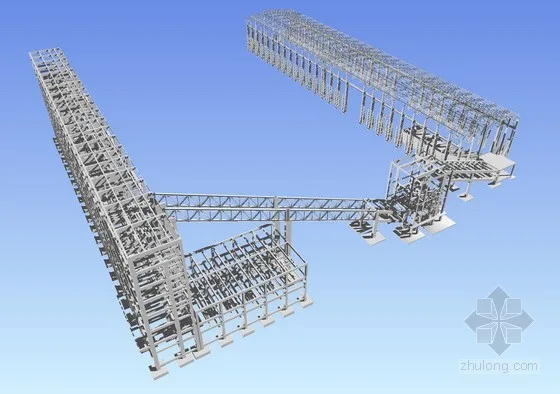
Figure 9: 3D Structural Model
4. Process Engineering
The process design incorporates advanced, reliable equipment to enhance automation and production efficiency while reducing worker labor intensity. Process layouts are organized to optimize production flow and minimize logistics distances.
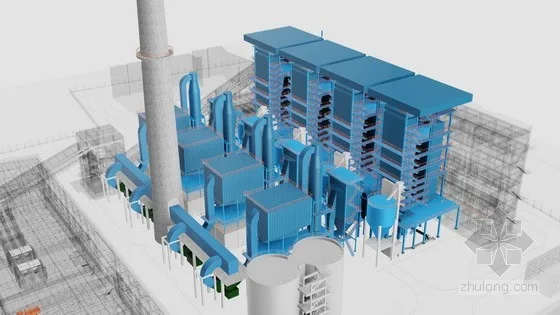
Figure 10: Process Equipment Layout
5. Public Utilities Design
The plant contains numerous pieces of equipment with high maintenance demands, limited space, complex pipeline types and elevations, and manual valve and instrument operations. 3D design offers higher accuracy and flexibility than 2D methods.
China Machinery Sixth Institute has developed extensive experience in detailed utility design, establishing internal standards and secondary development methods that enable functions such as automatic color matching of utility pipelines, automatic addition of supports and hangers, and rapid annotation. These innovations significantly improve Autodesk Revit’s design efficiency.
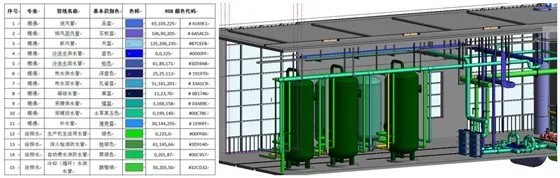
Figures 11-12: Color Representation of Public Utility Pipelines – Comprehensive Pipeline Deepening Design
3. Expanded Applications
Introduction to the Autodesk Revit 3D Auxiliary Design System
During the application of Autodesk Revit software, China Machinery Sixth Institute developed a series of auxiliary design tools, including an enterprise 3D component library and a comprehensive pipeline design system. For example, the support and hanger design system automatically performs load calculations, recommends selections, adapts sizes, lays out components automatically, and provides batch route generation based on user selection.
These tools have transformed inefficient 3D design workflows and enabled BIM’s advantages to be fully realized during detailed design stages.
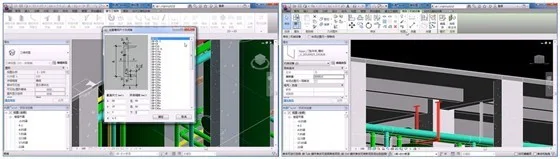
Figures 13-14: Automatic Generation and Routing of Support Hangers
Future Prospects of BIM
BIM technology’s value is increasingly recognized by engineering design firms. Its application level improves annually, becoming a core competitive advantage for many.
China Machinery Sixth Institute began BIM-related work early and accumulated rich experience through projects such as Xuchang Cigarette Factory, Zhejiang Zhongyan Hangzhou Cigarette Factory, Shaanxi Qinchuan Machinery Development Co., Ltd. Green Constant Temperature Workshop Renovation, and Zhengzhou Nanjiao Heat Source Factory.
By combining BIM application development with continuous capability enhancement, the institute provides clients with superior design and services. BIM technology has been a strong pillar enabling the institute to become a leader in China’s machinery industry engineering design.












Must log in before commenting!
Sign Up