
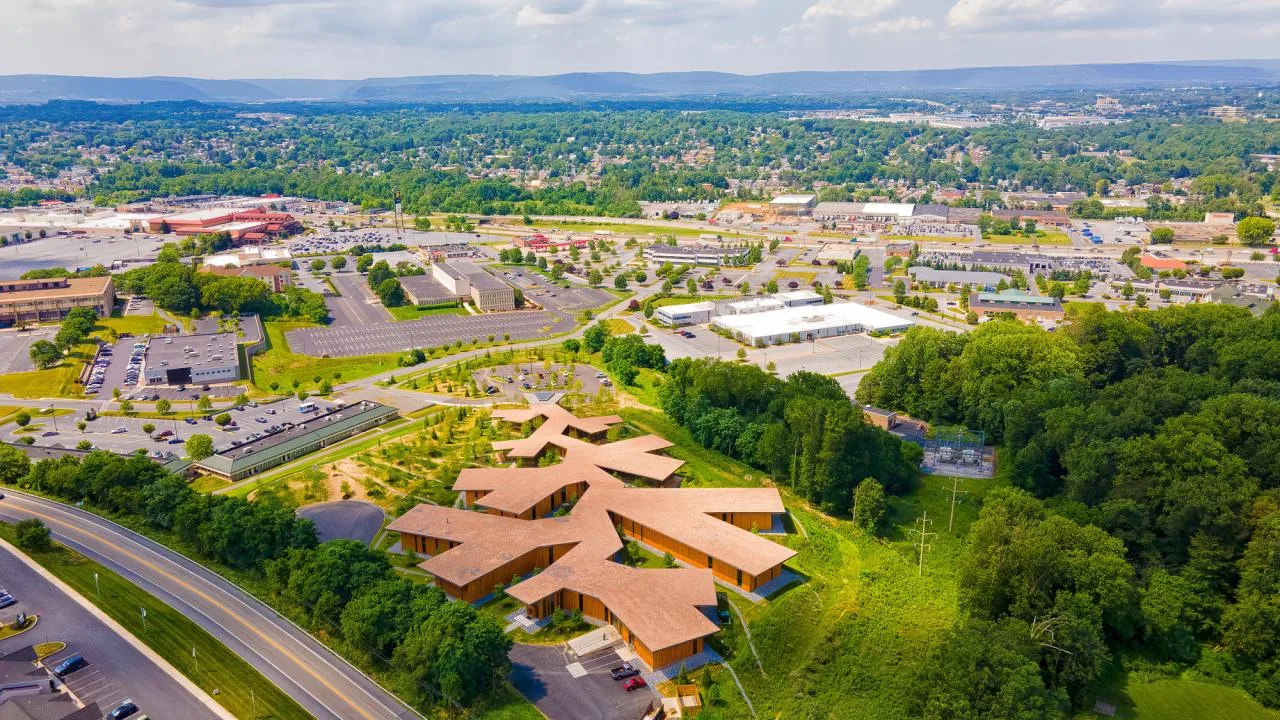
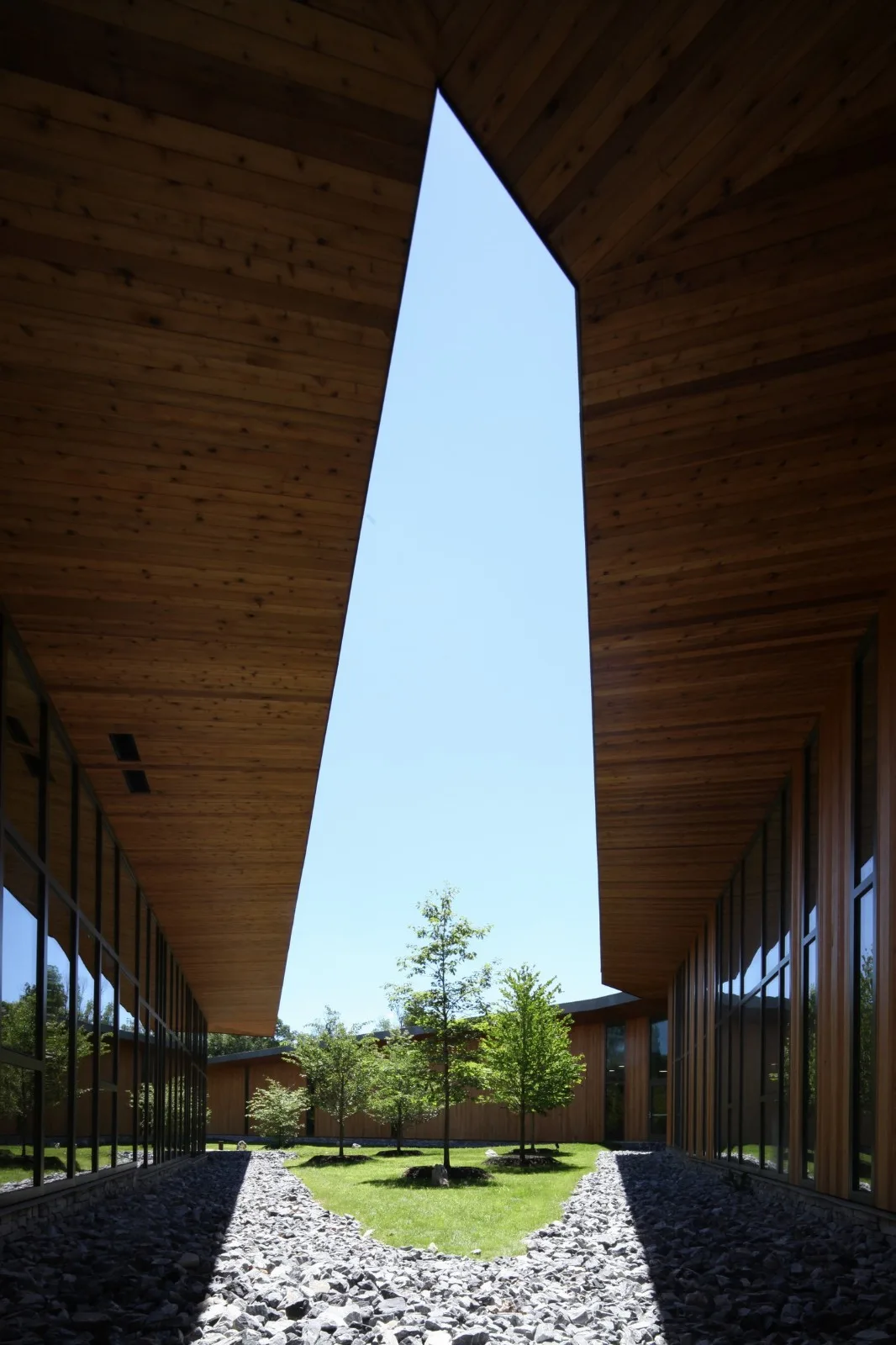
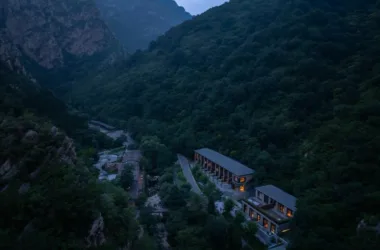
Located in Pennsylvania, USA, this production center was formerly agricultural land along the Susquehanna River. The site is characterized by a hilly and folded mountain range to the north. The project’s goal is to naturally restore the nearby ecological environment, including the air and soil, which had been damaged by industrial development.
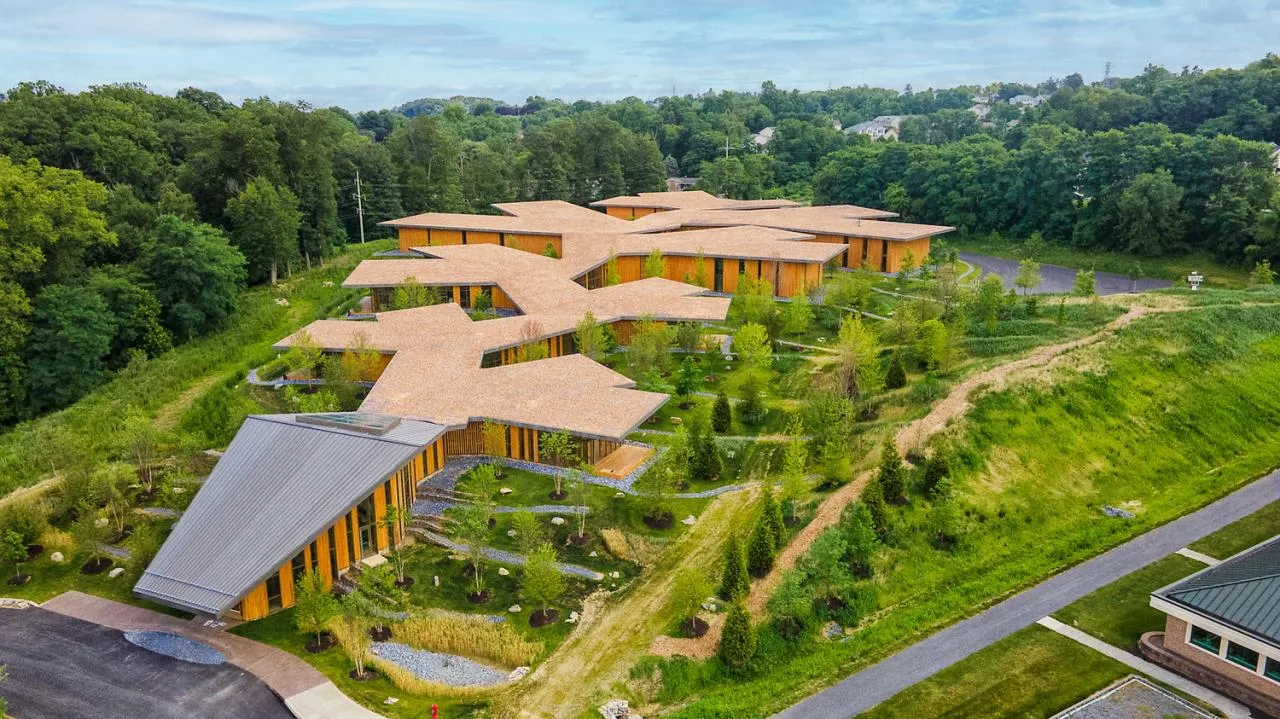
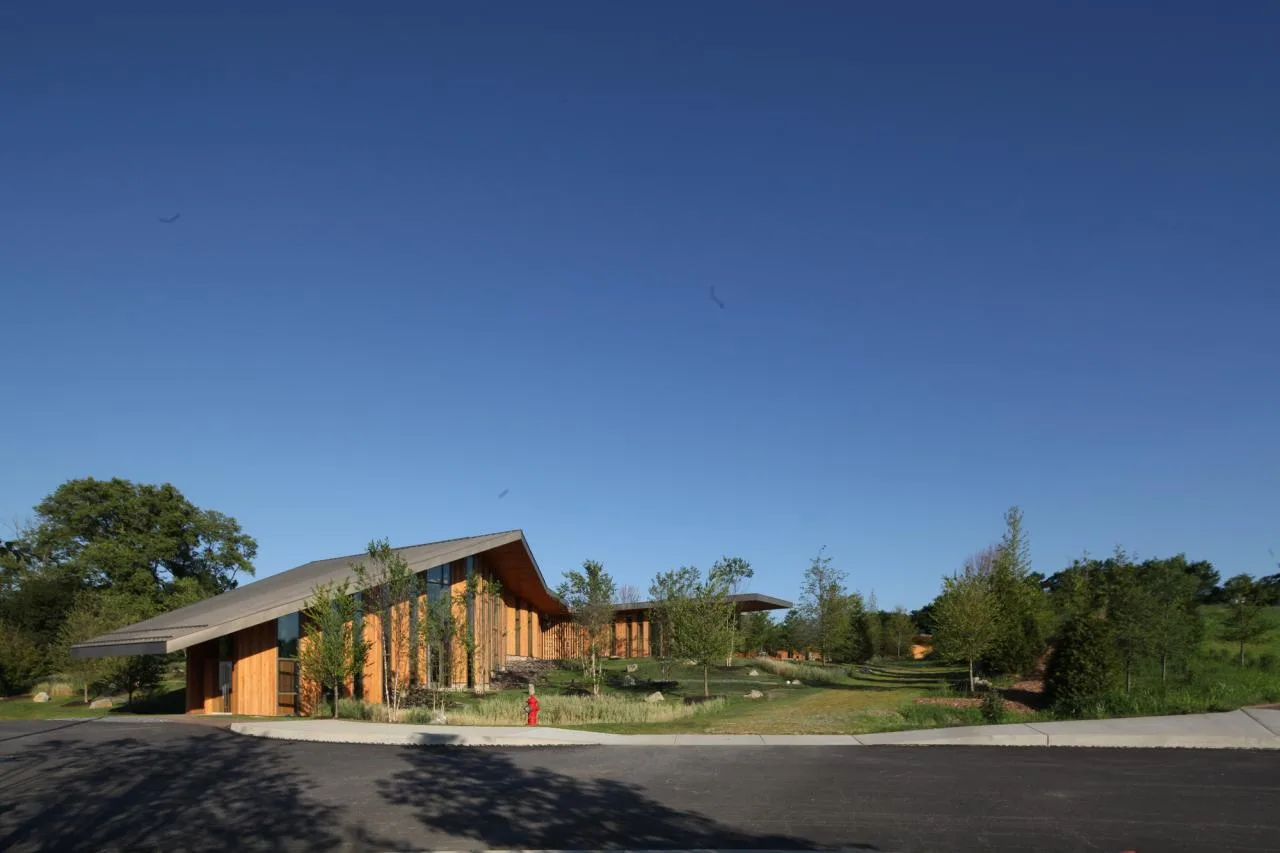
Nature creates harmonious forms based on physical systems, and the designers aimed to develop architectural forms inspired by similar spatial systems. The key lies in carefully designing the entire building rather than simply imitating isolated natural elements.
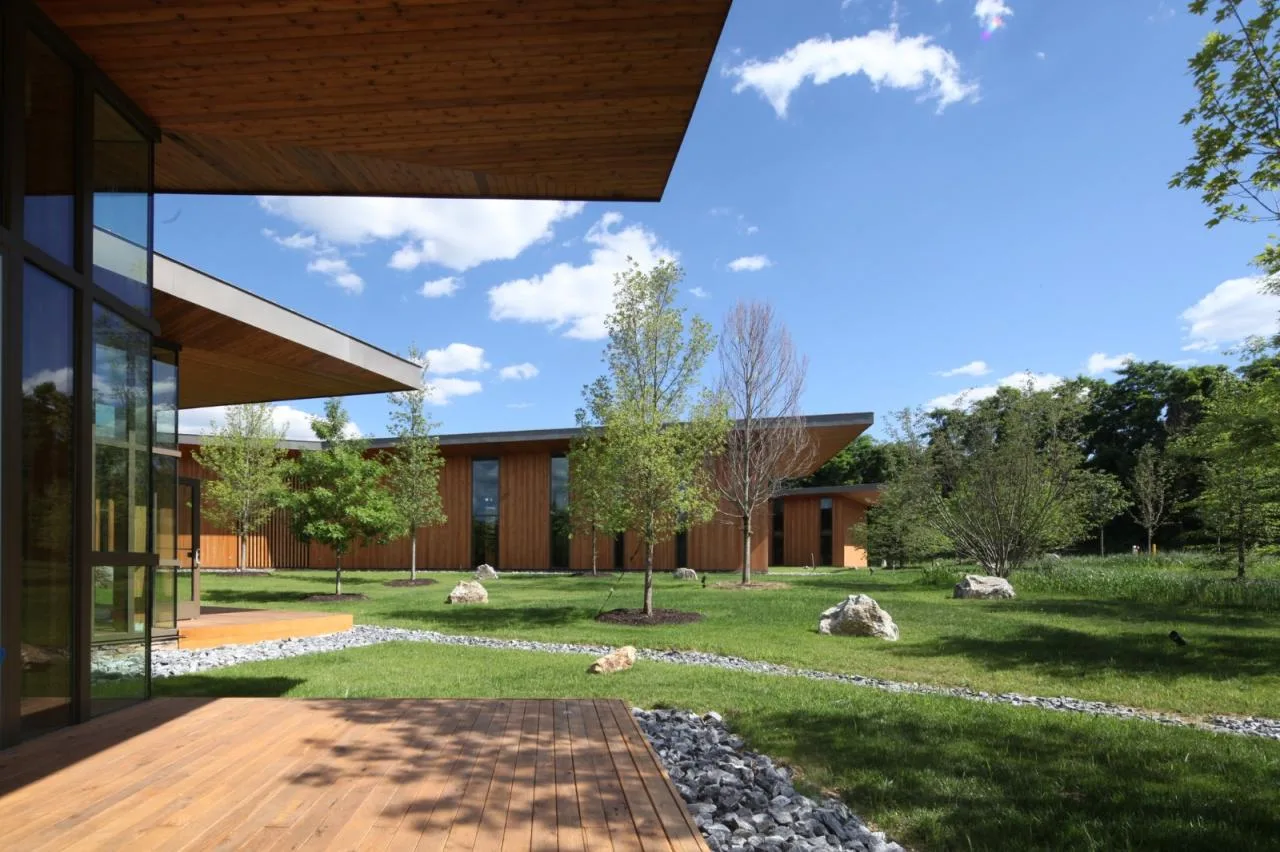
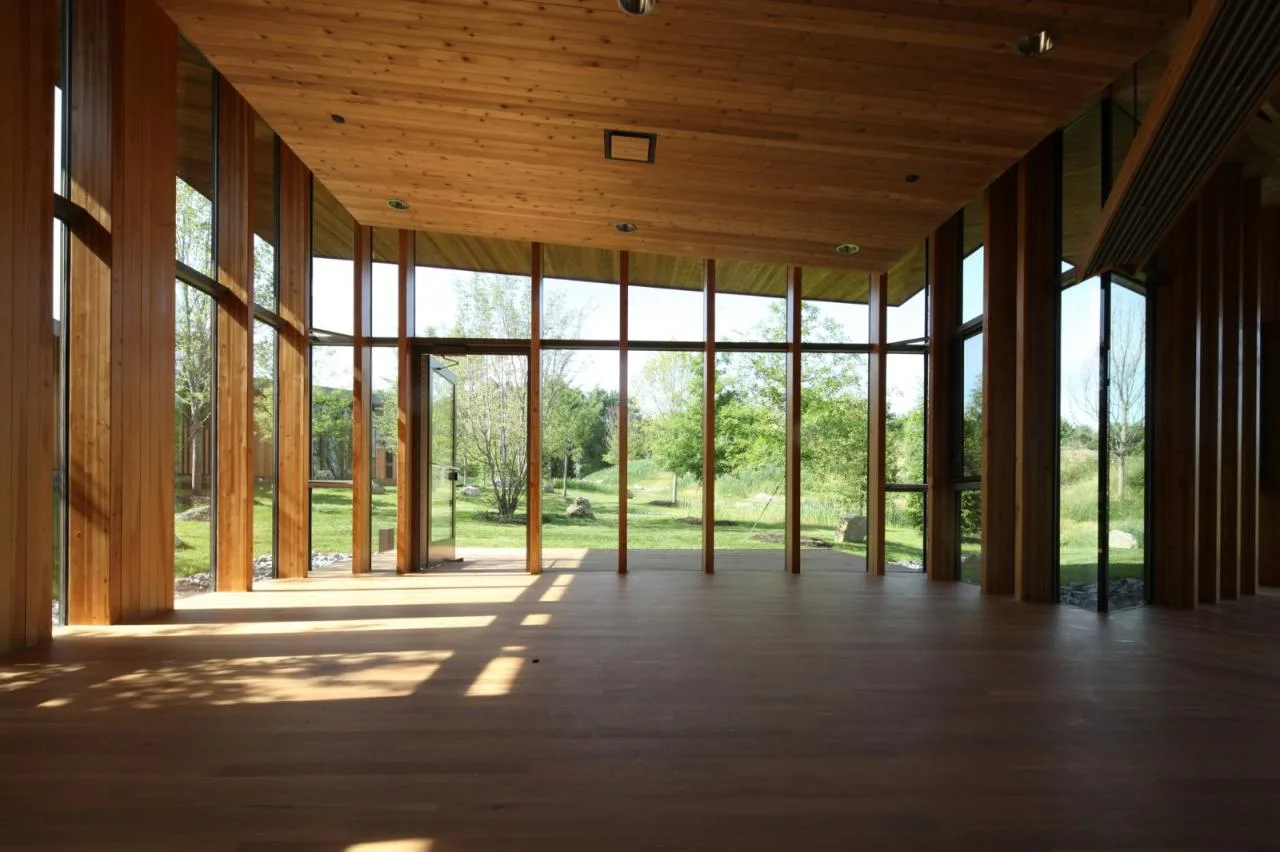
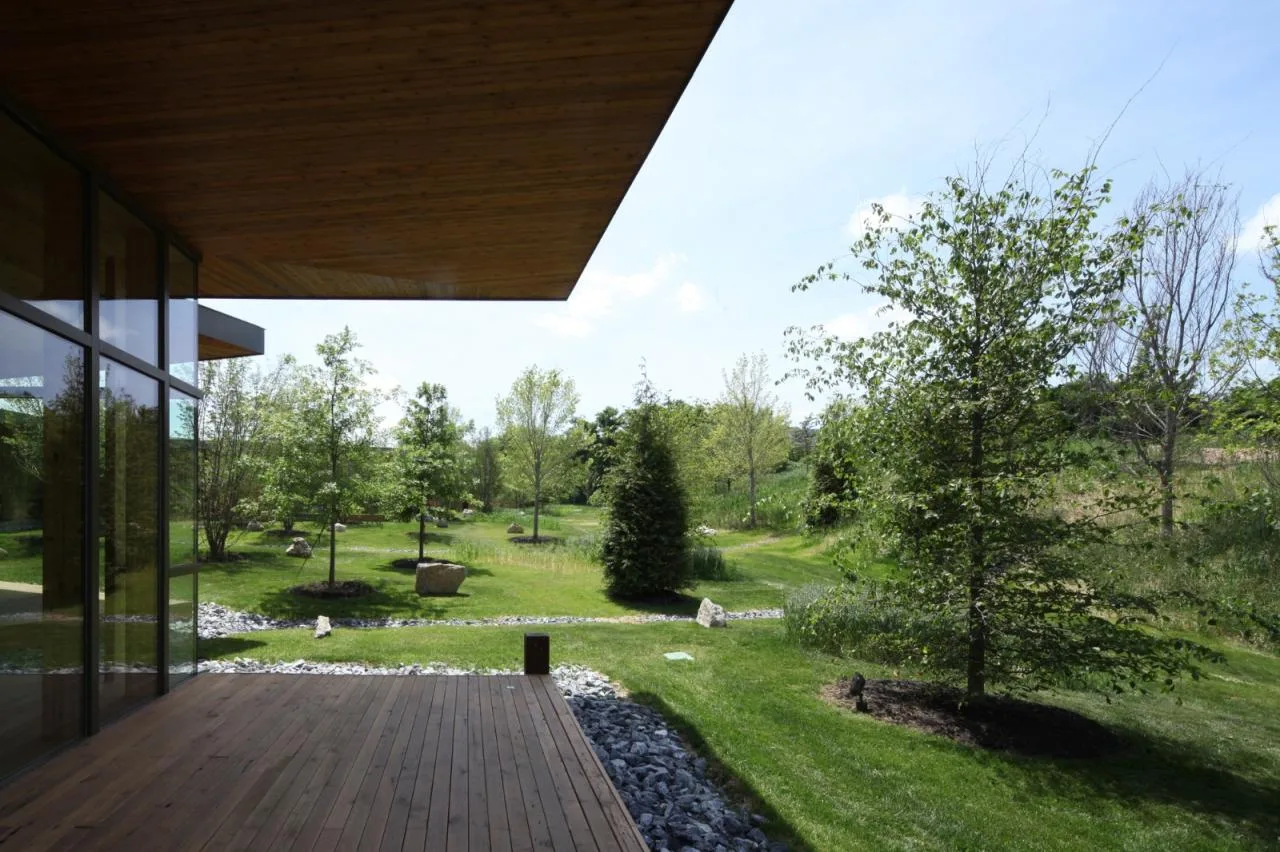
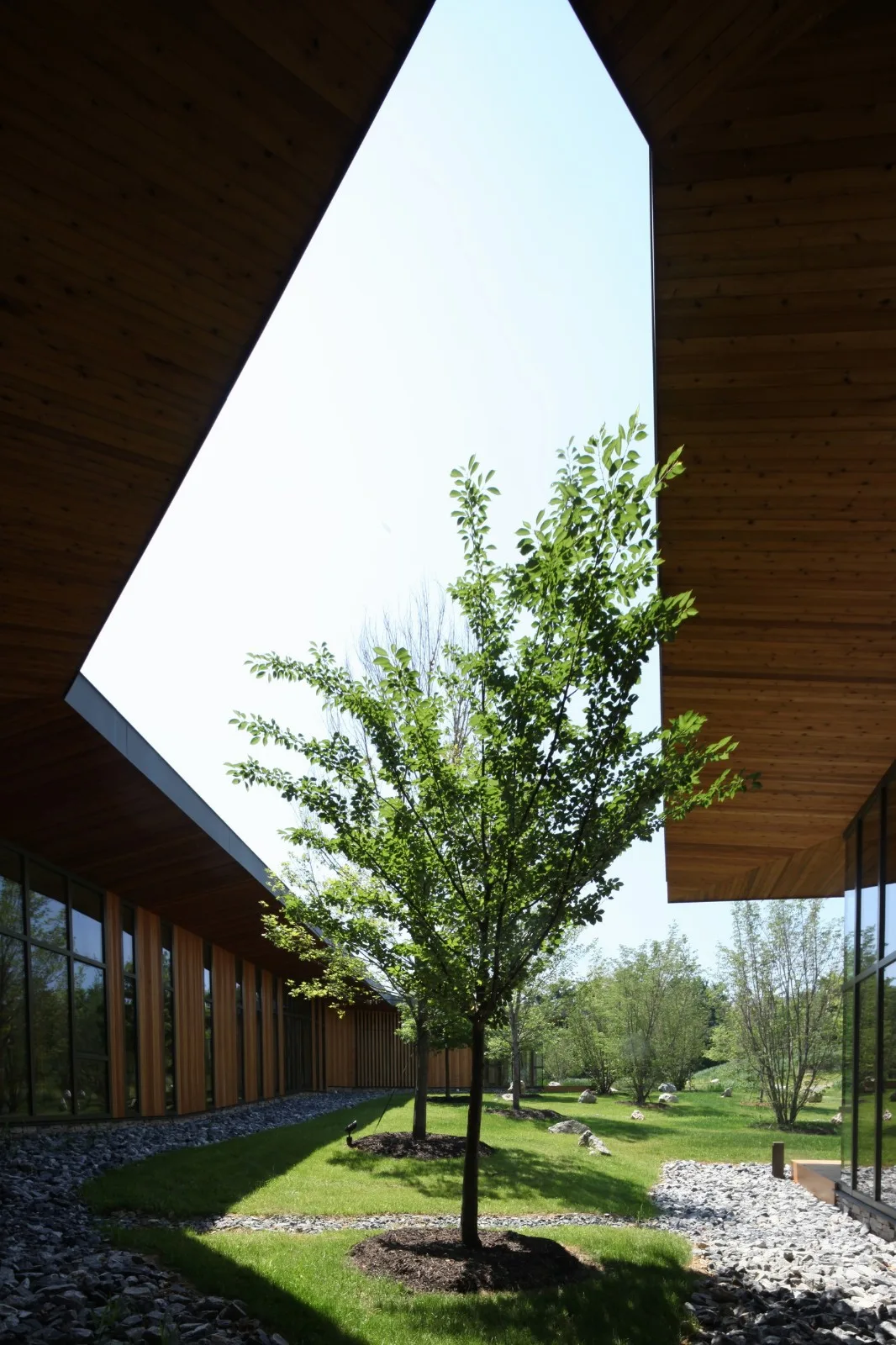
By simulating environmental factors such as light, heat, ventilation, and water, an organic form emerged that branches along the terrain, following natural rhythms. Similar patterns can be seen in tree branches, veins, river networks, lightning, and soil cracks. This branching creates more refined and rapid energy pathways, demonstrating accumulation and respect for the whole. An arterial system shapes the architecture, allowing water to permeate the garden surfaces between side wings and reach the deep aquifer.
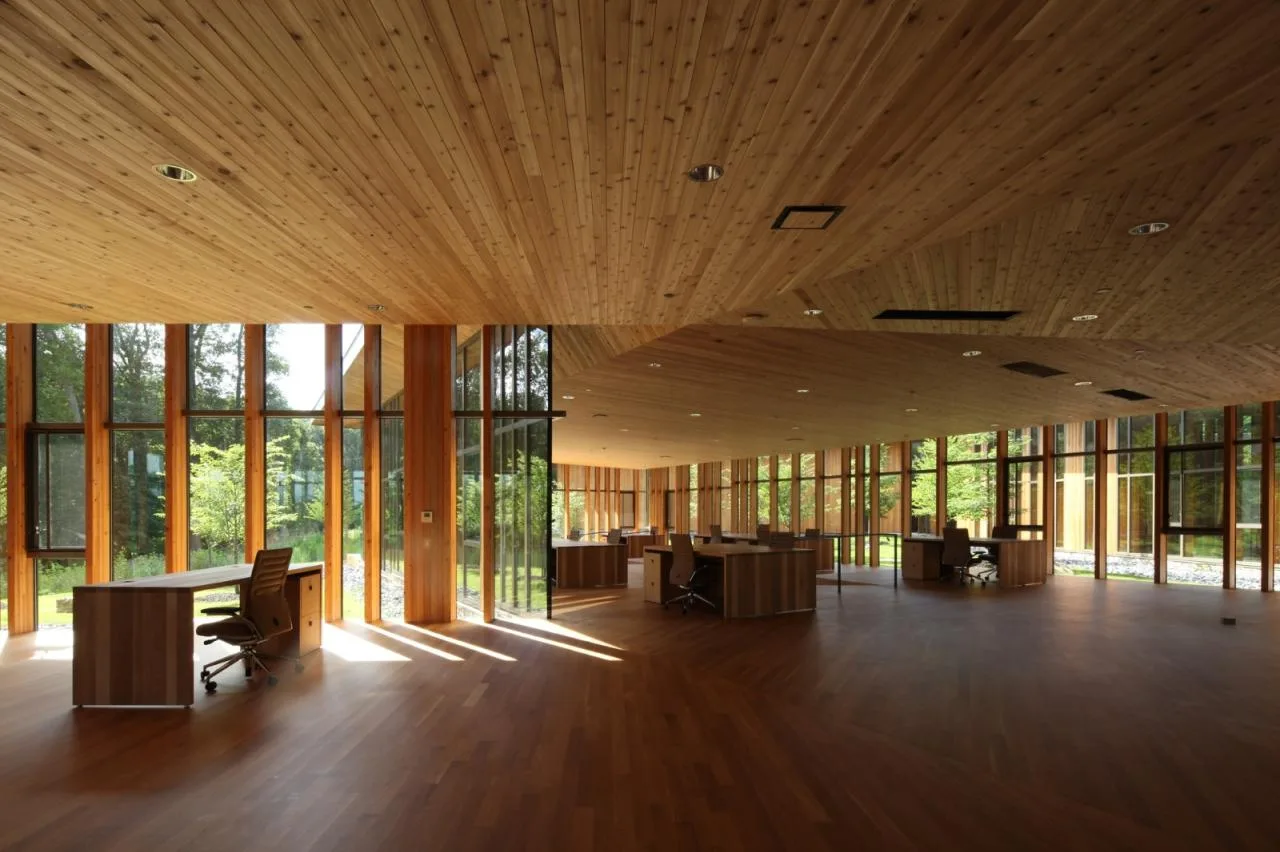
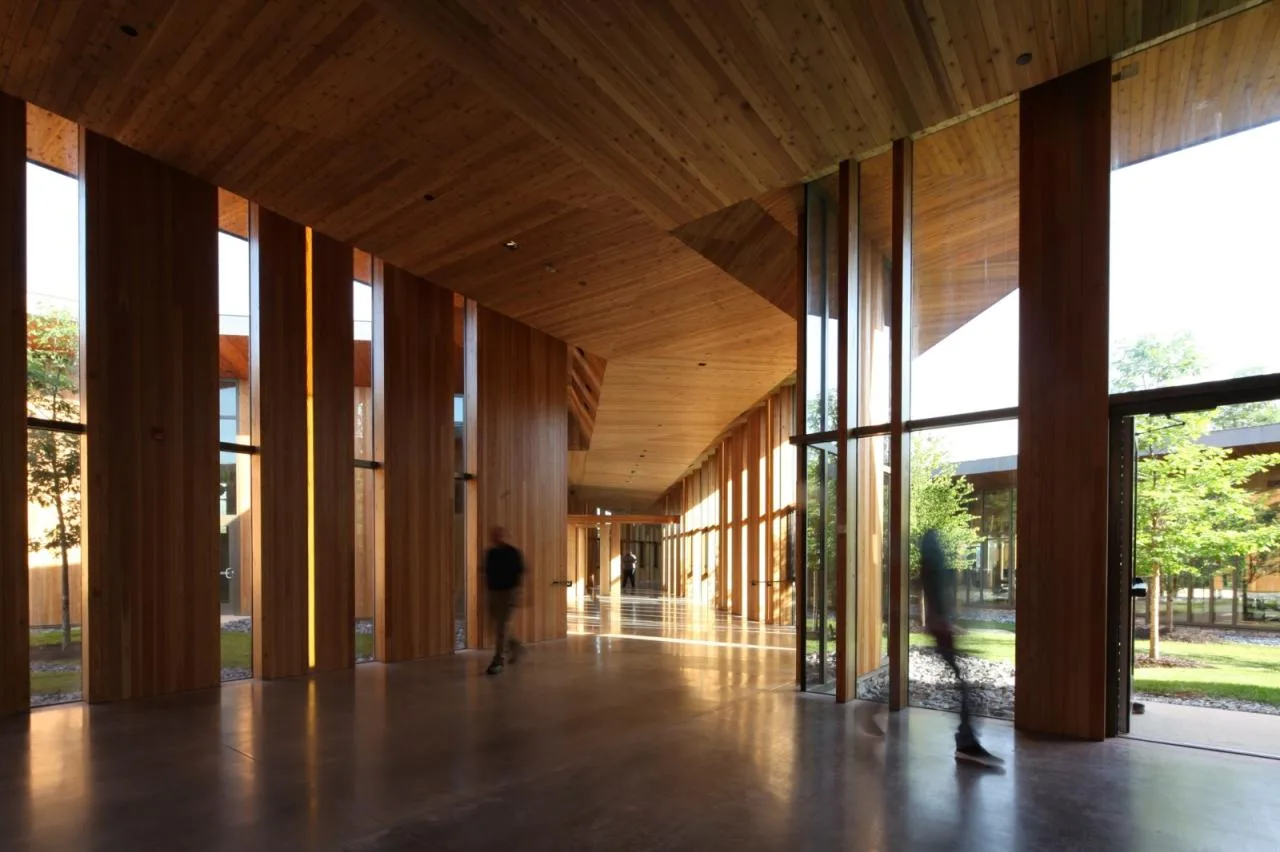
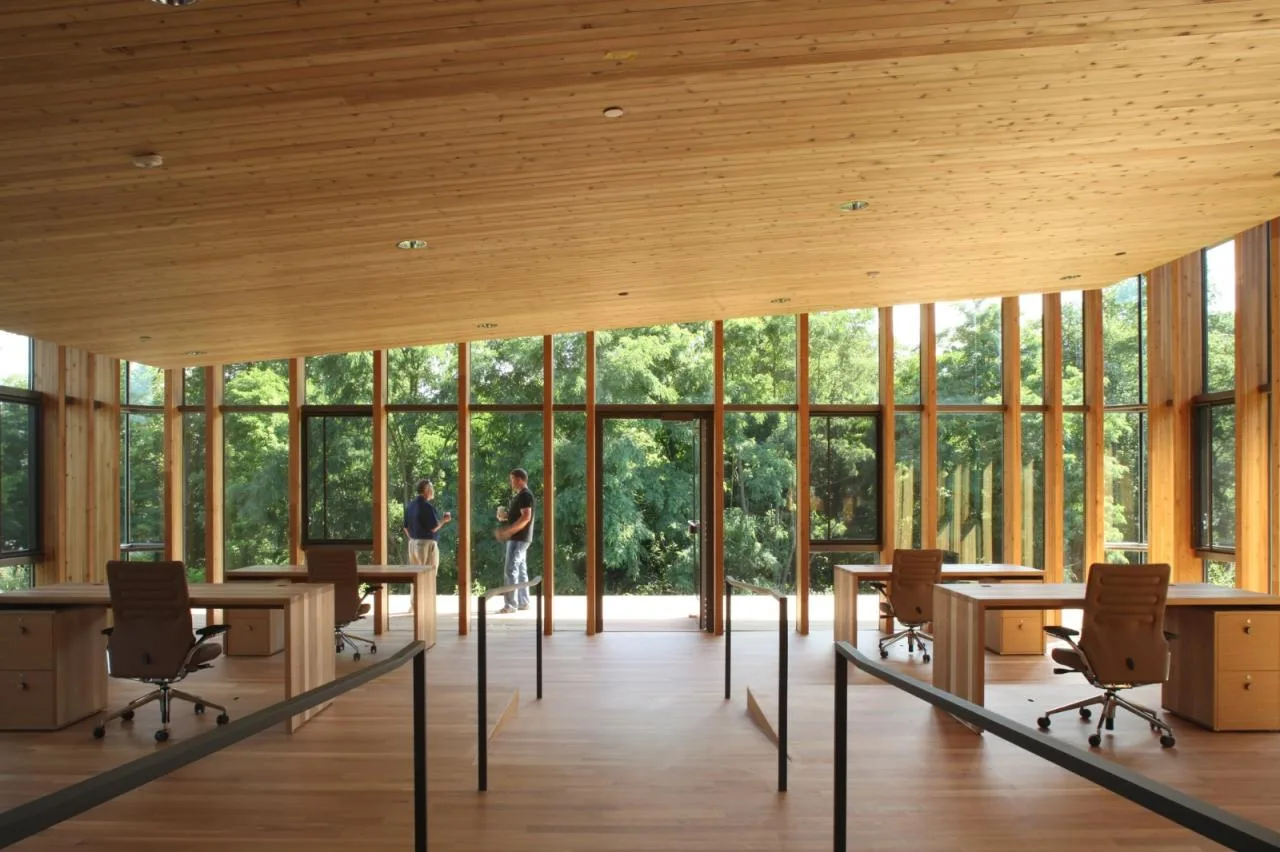
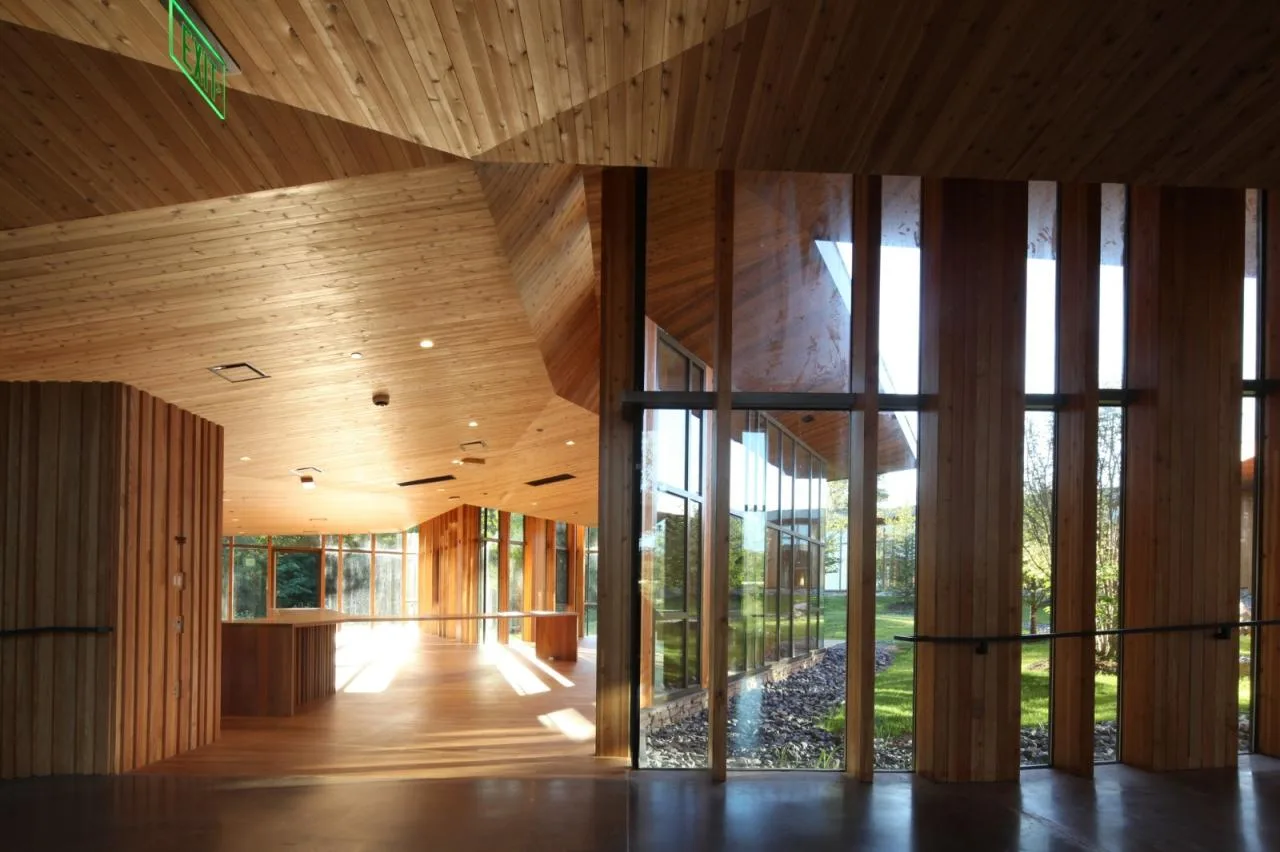
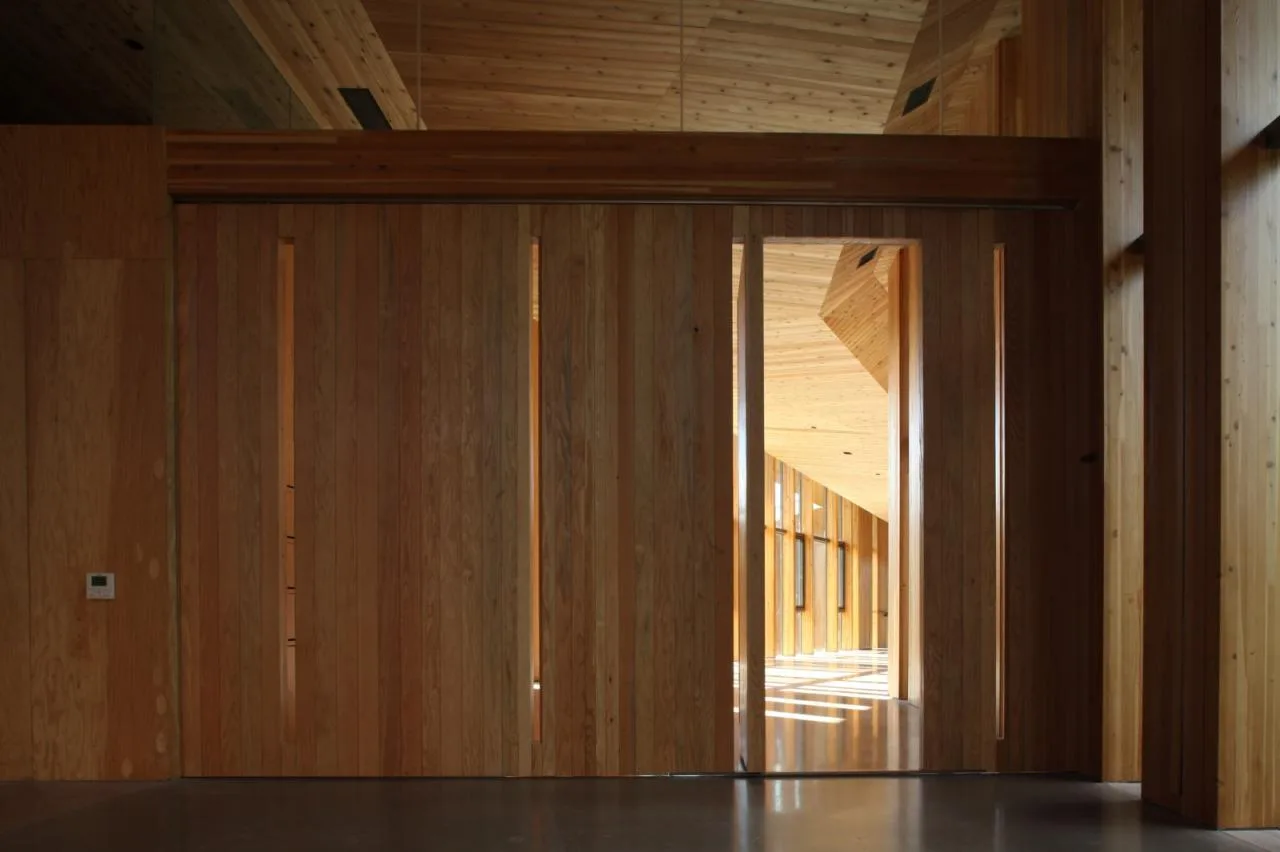
The structure is designed primarily from wood, with scattered columns reminiscent of forest trees, framing the surrounding vegetation. Deliberately placed glass walls and interior spaces create gentle air pressure variations that establish a microclimate within the building.
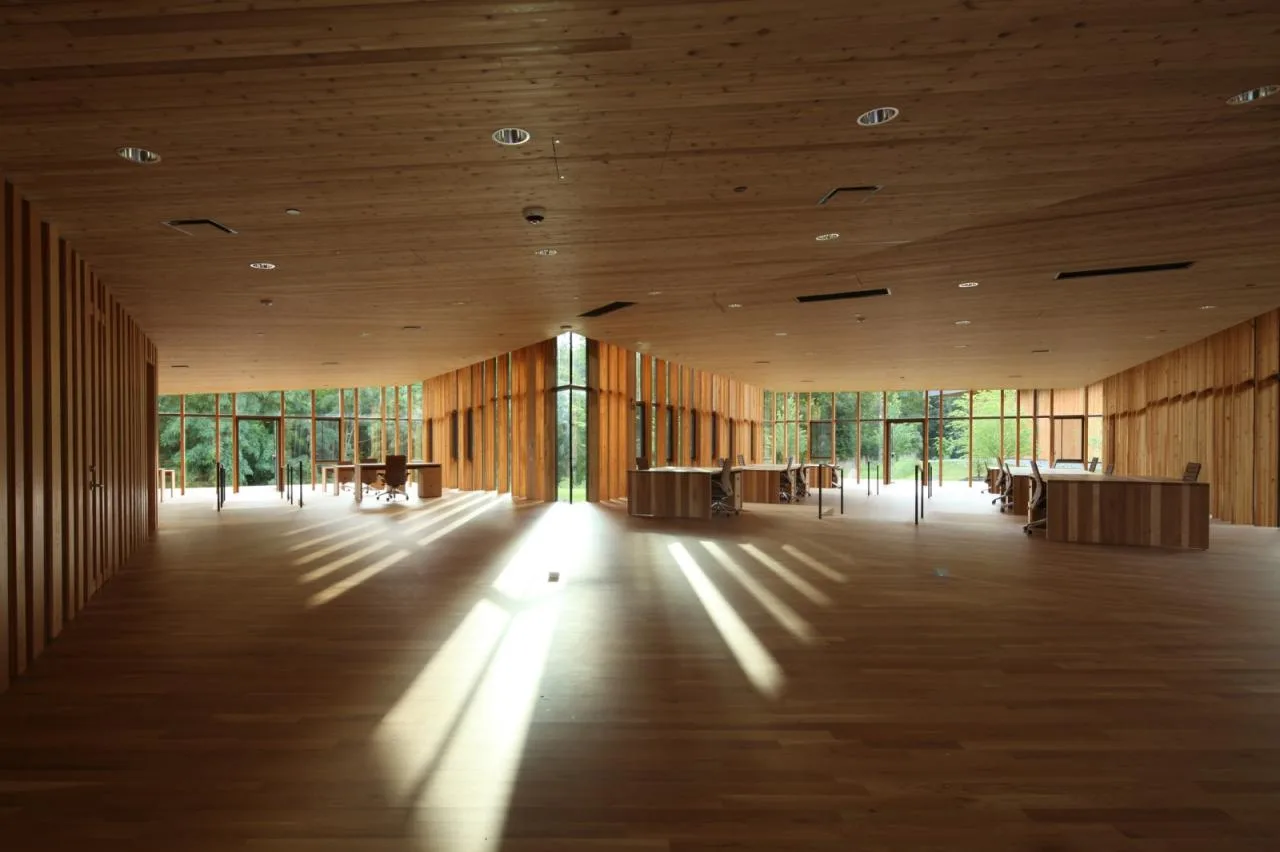
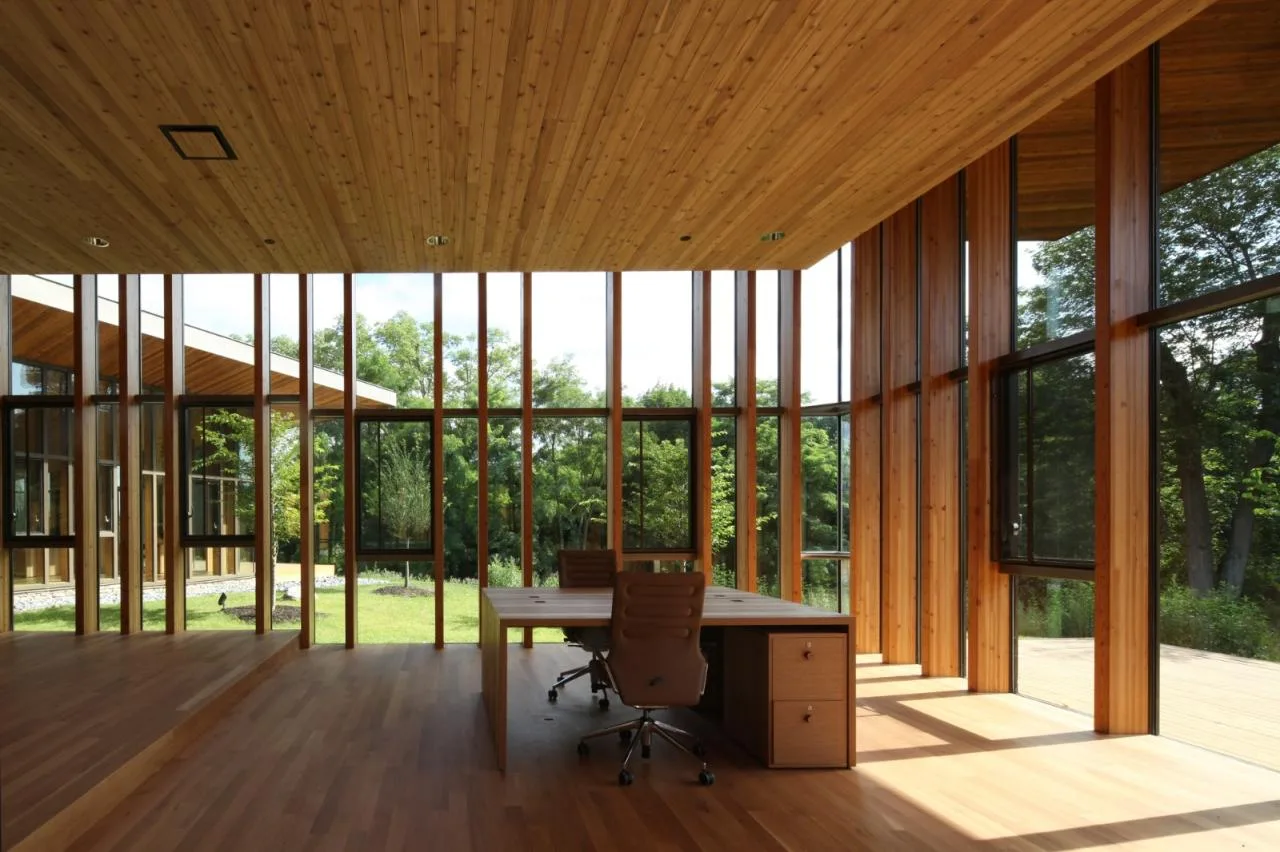
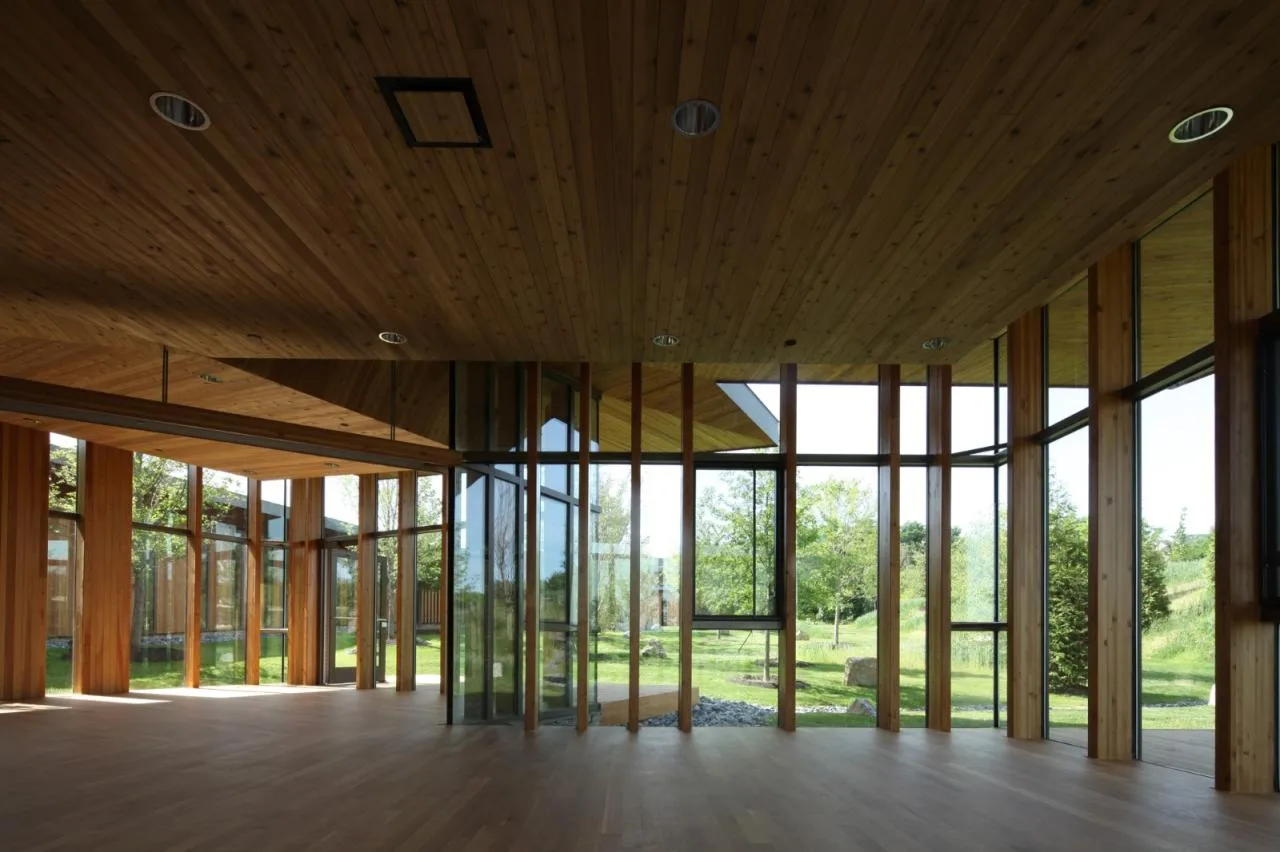
Evergreen trees act as a windbreak, while deciduous trees adjust the building’s overall lighting.
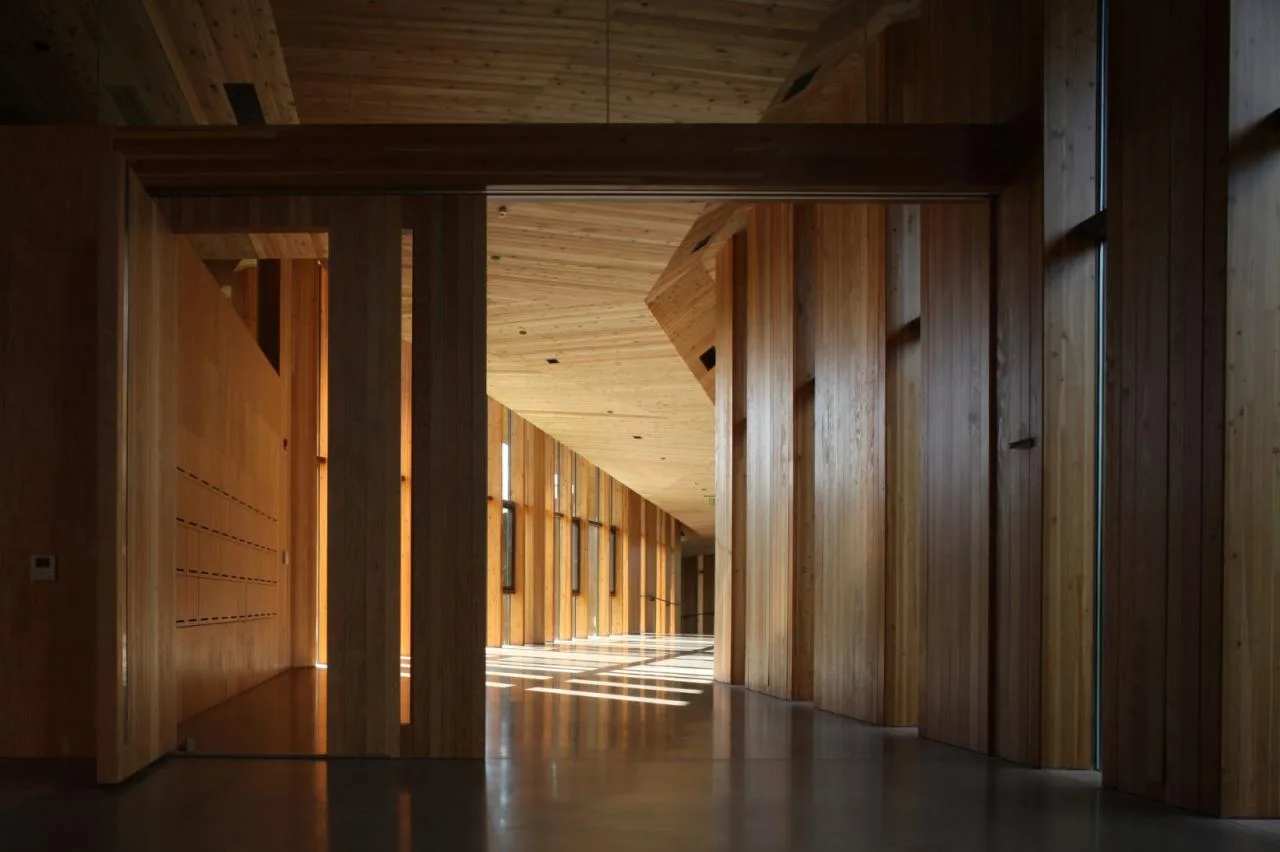
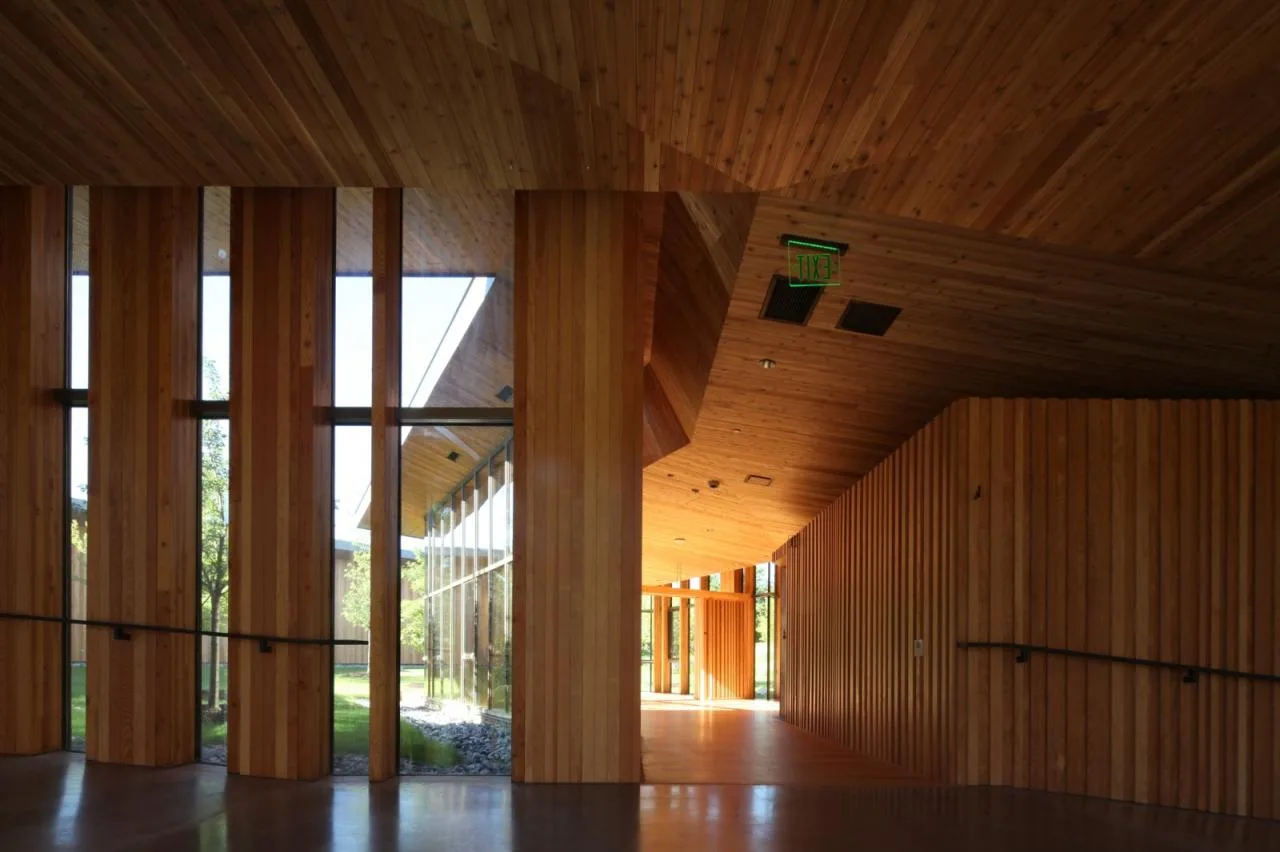
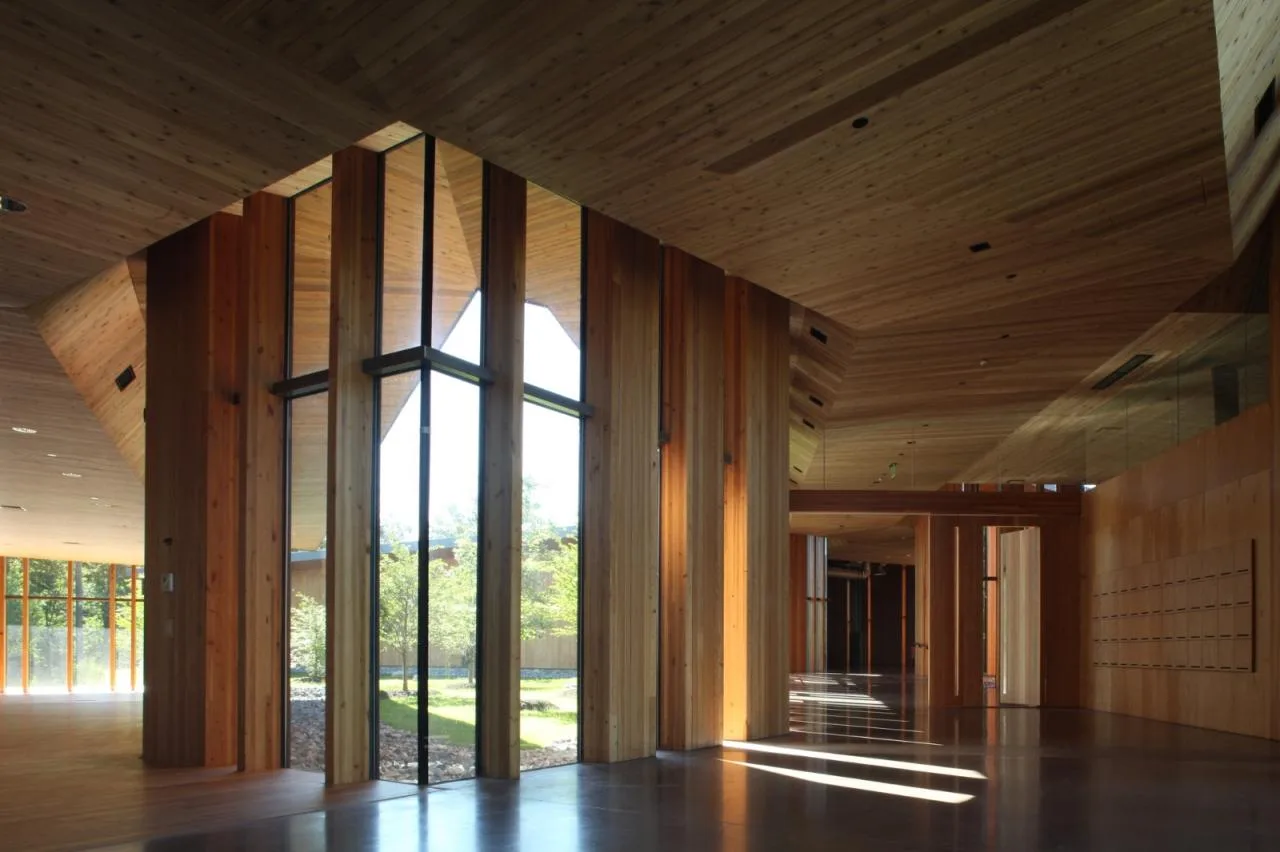
The transformation of rainwater into groundwater is a long-term process, spanning from 1,000 to 10,000 years. This reflects a core American value: considering the needs of future generations is integral to daily life here. This forward-thinking mindset contrasts with modern society’s focus on immediate rationality and the present moment. By embracing this ancient wisdom, architecture and landscape design can work together to create cycles of purification and regeneration.
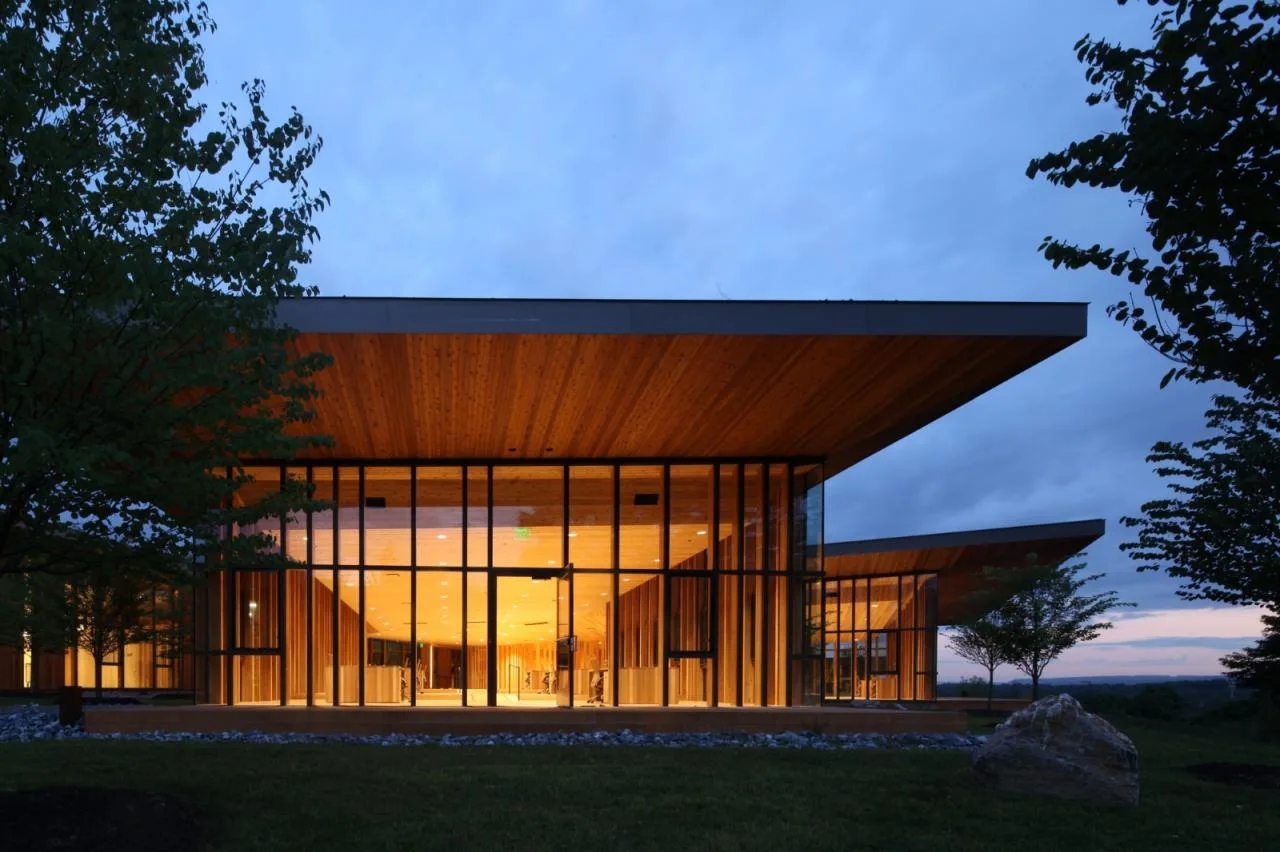
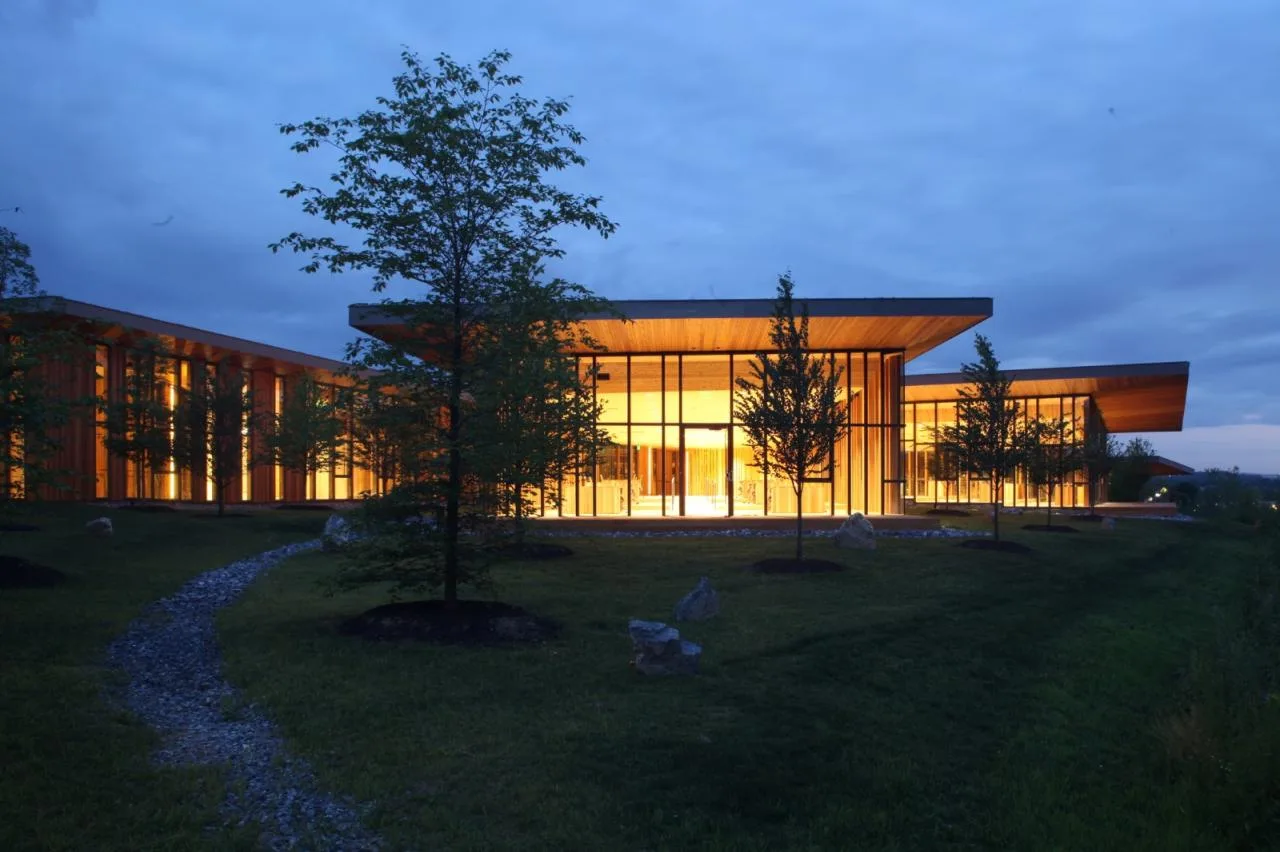
Project Drawings
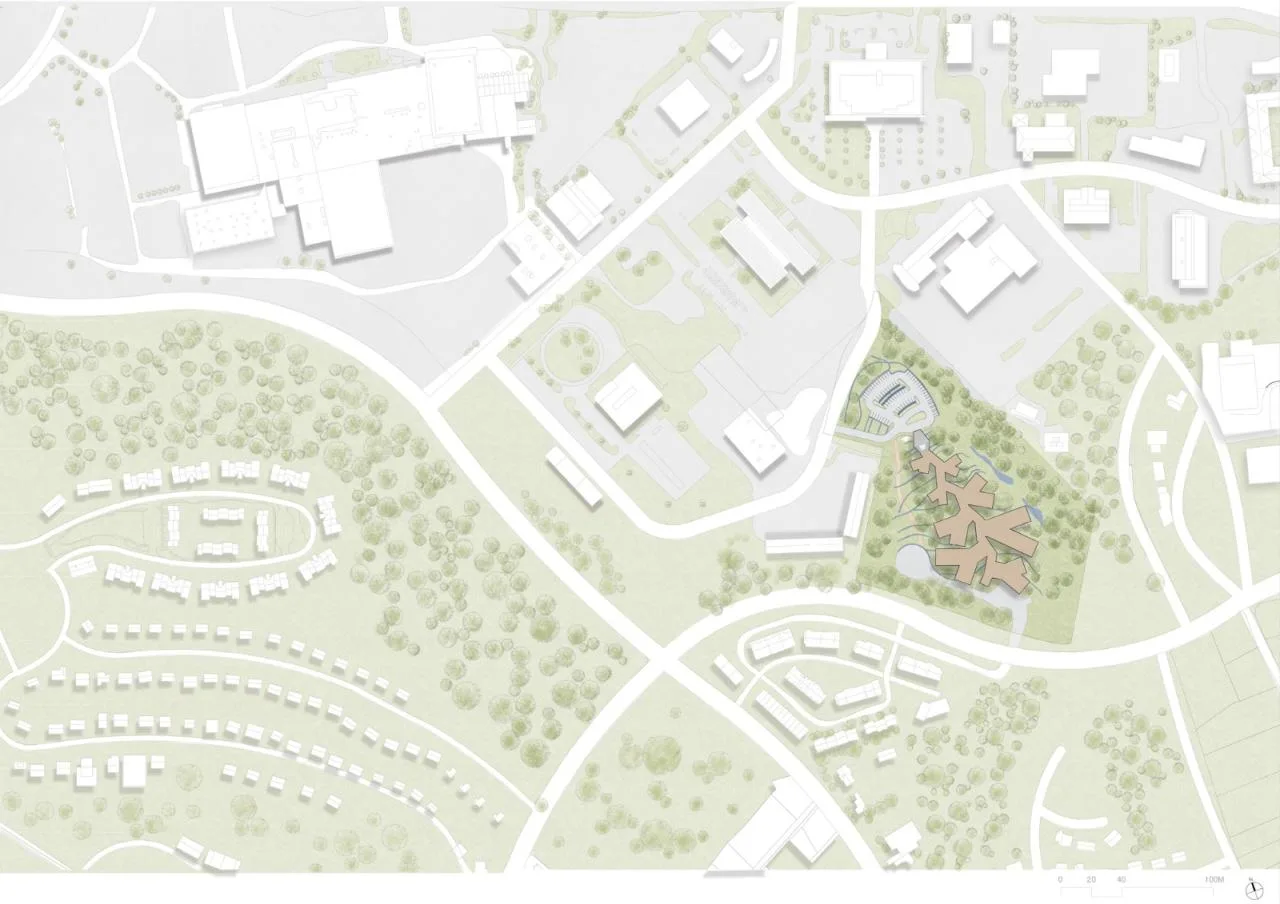
△ Base schematic diagram
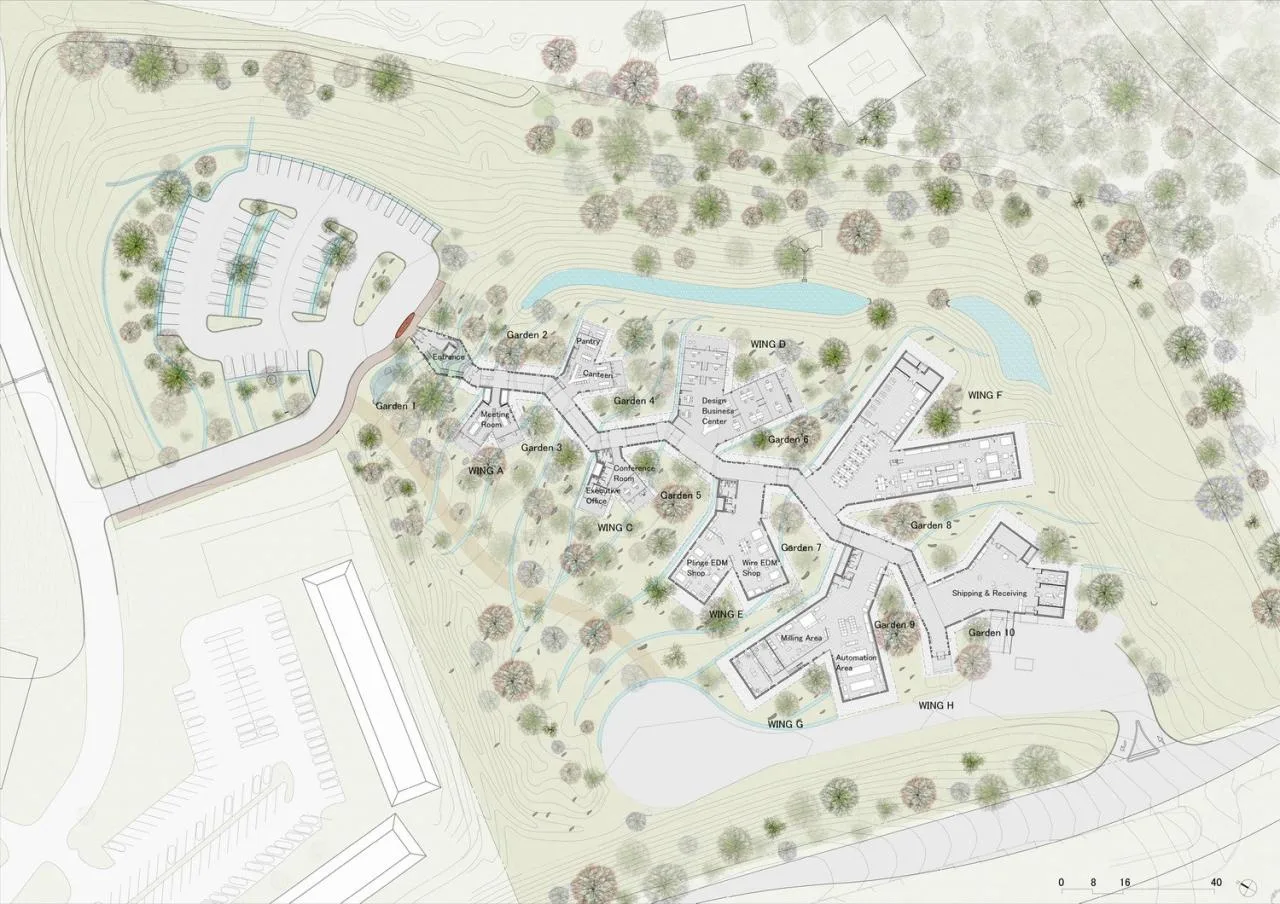
△ General layout plan
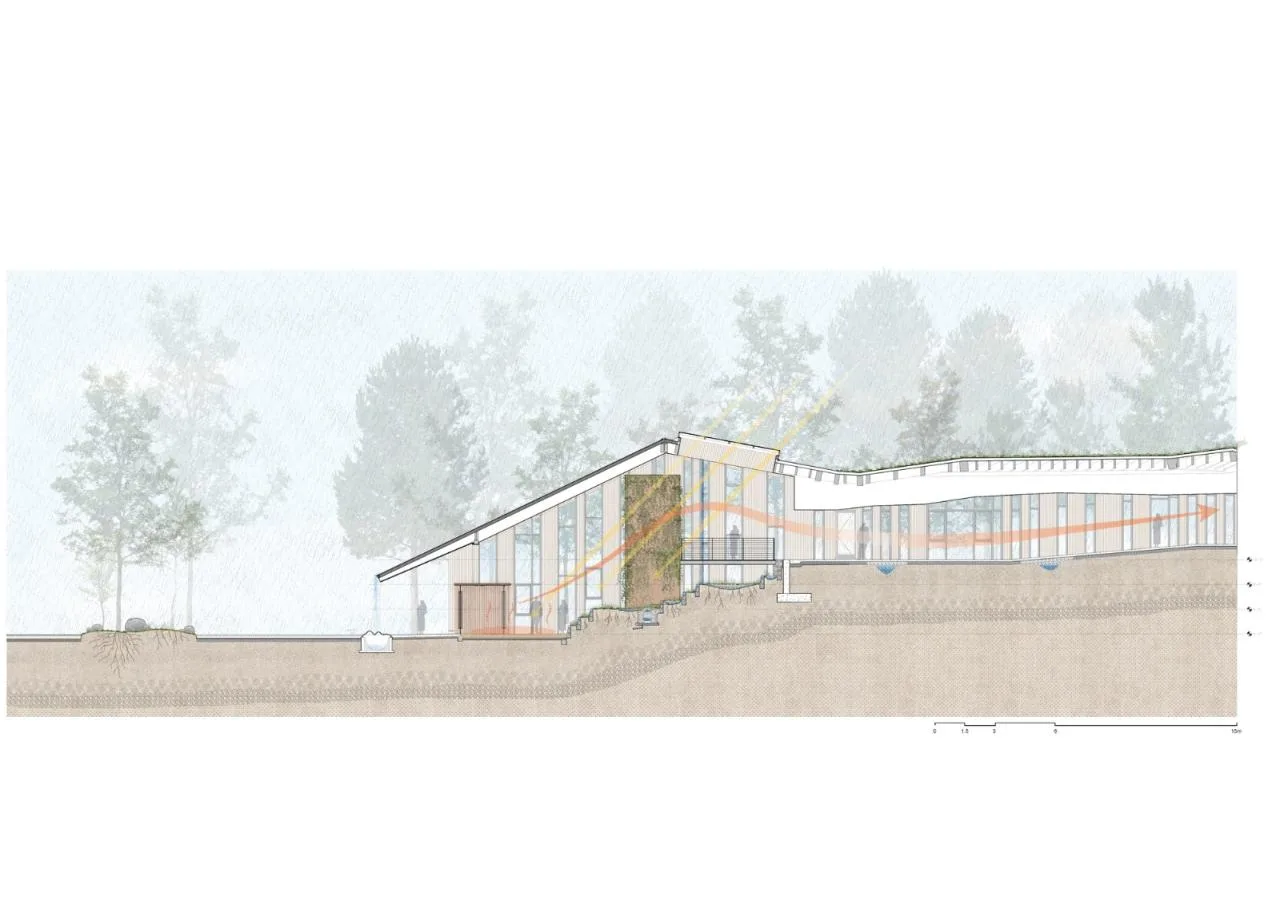
△ Section diagram
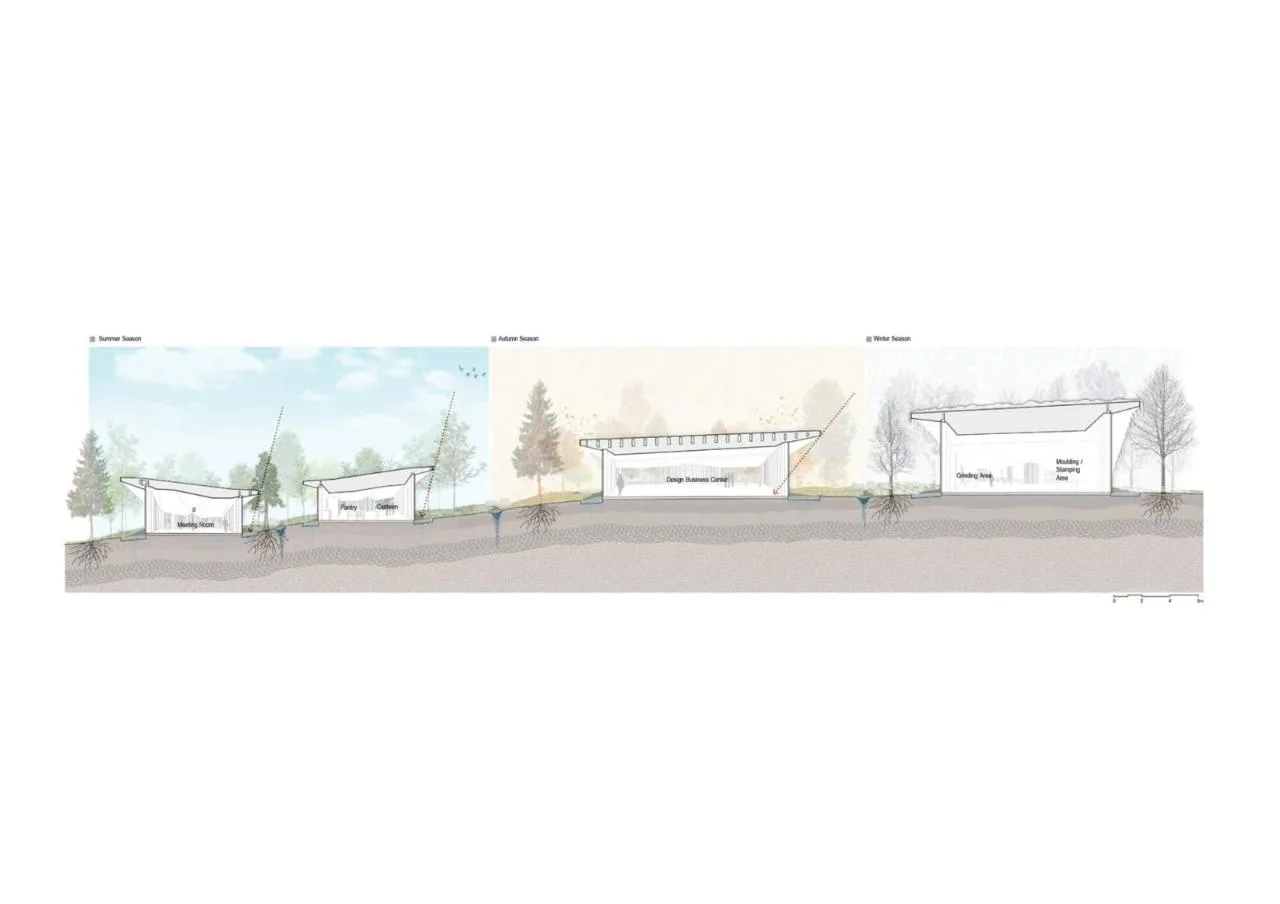
△ Section diagram
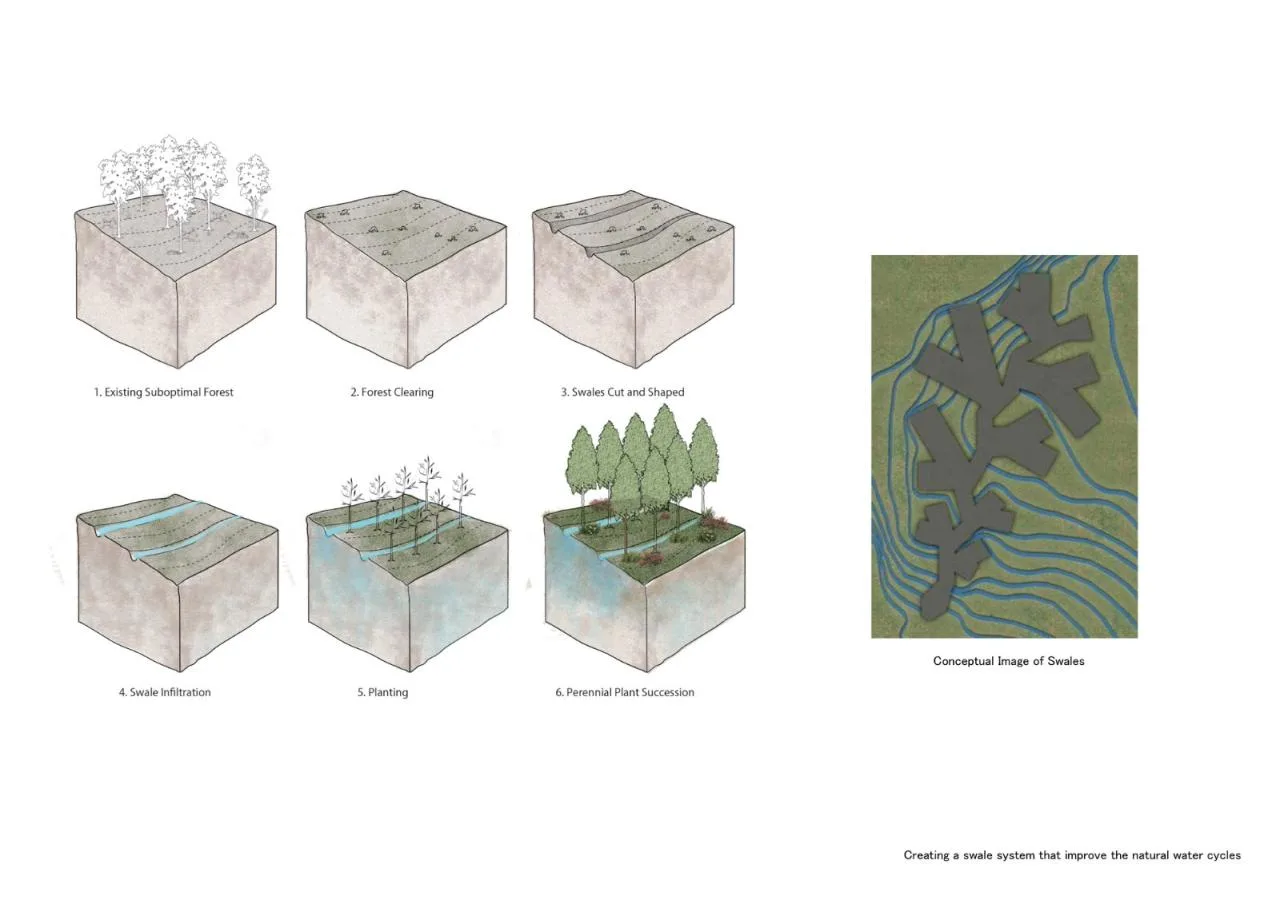
△ Analysis chart
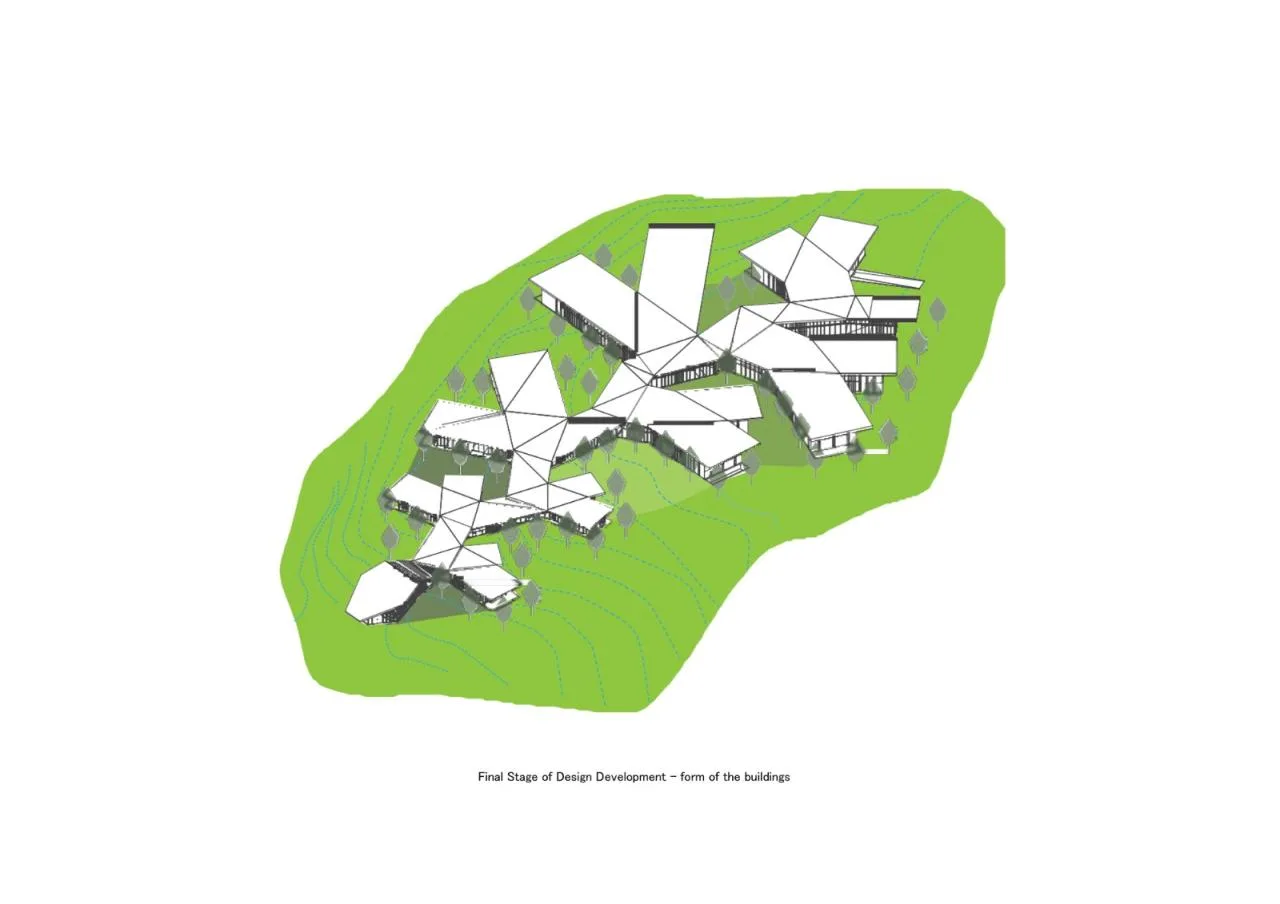
△ Analysis chart
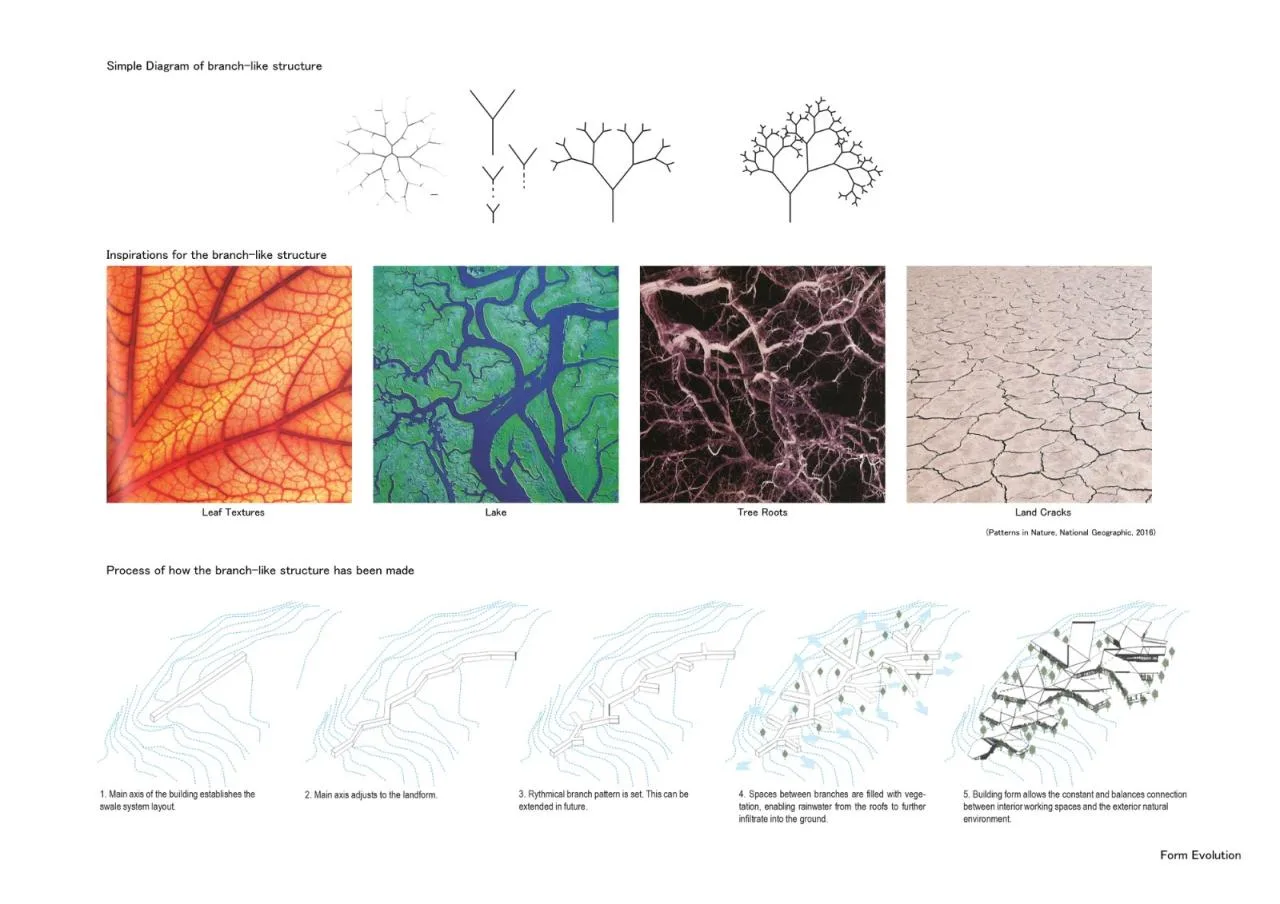
△ Analysis chart
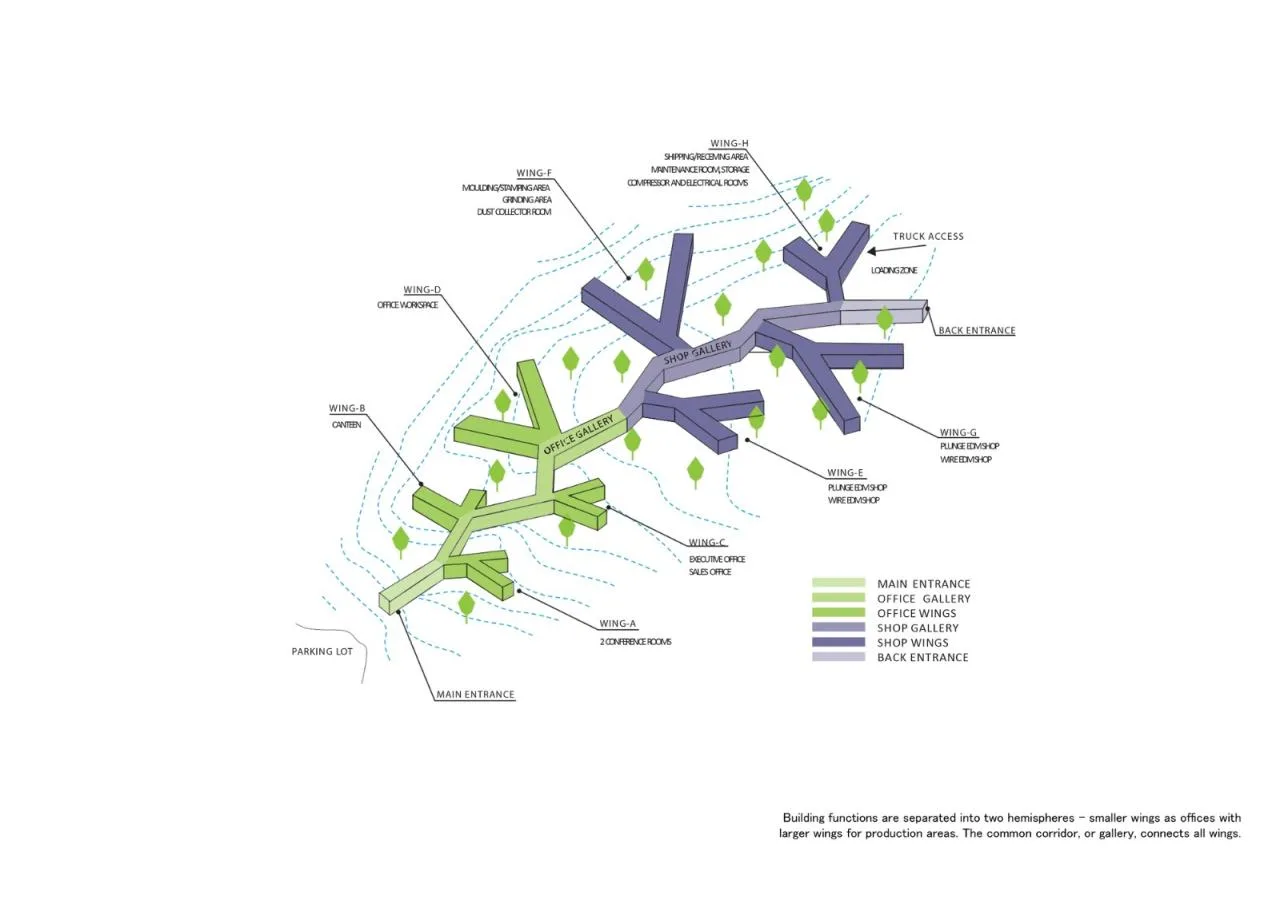
△ Analysis chart
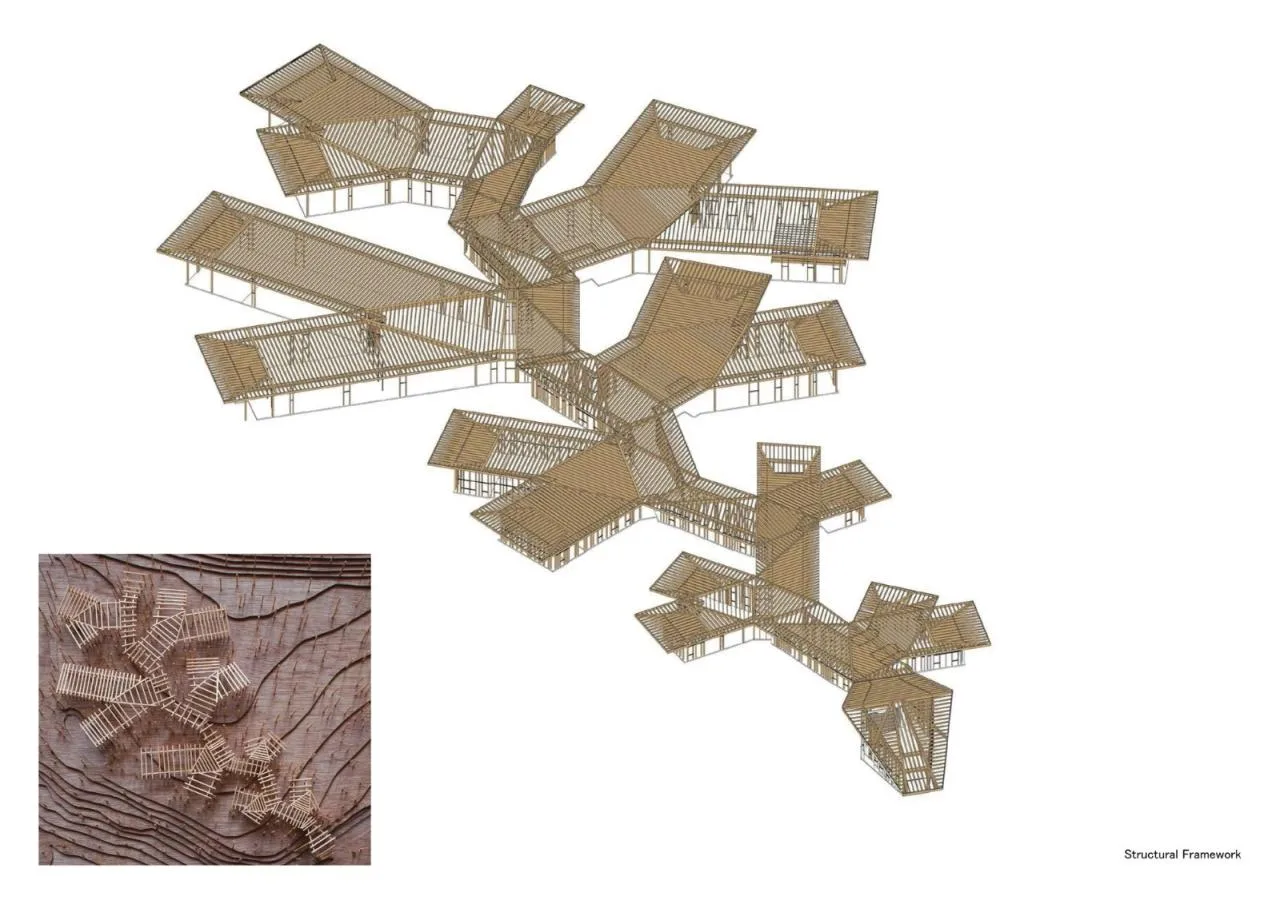
△ Analysis chart
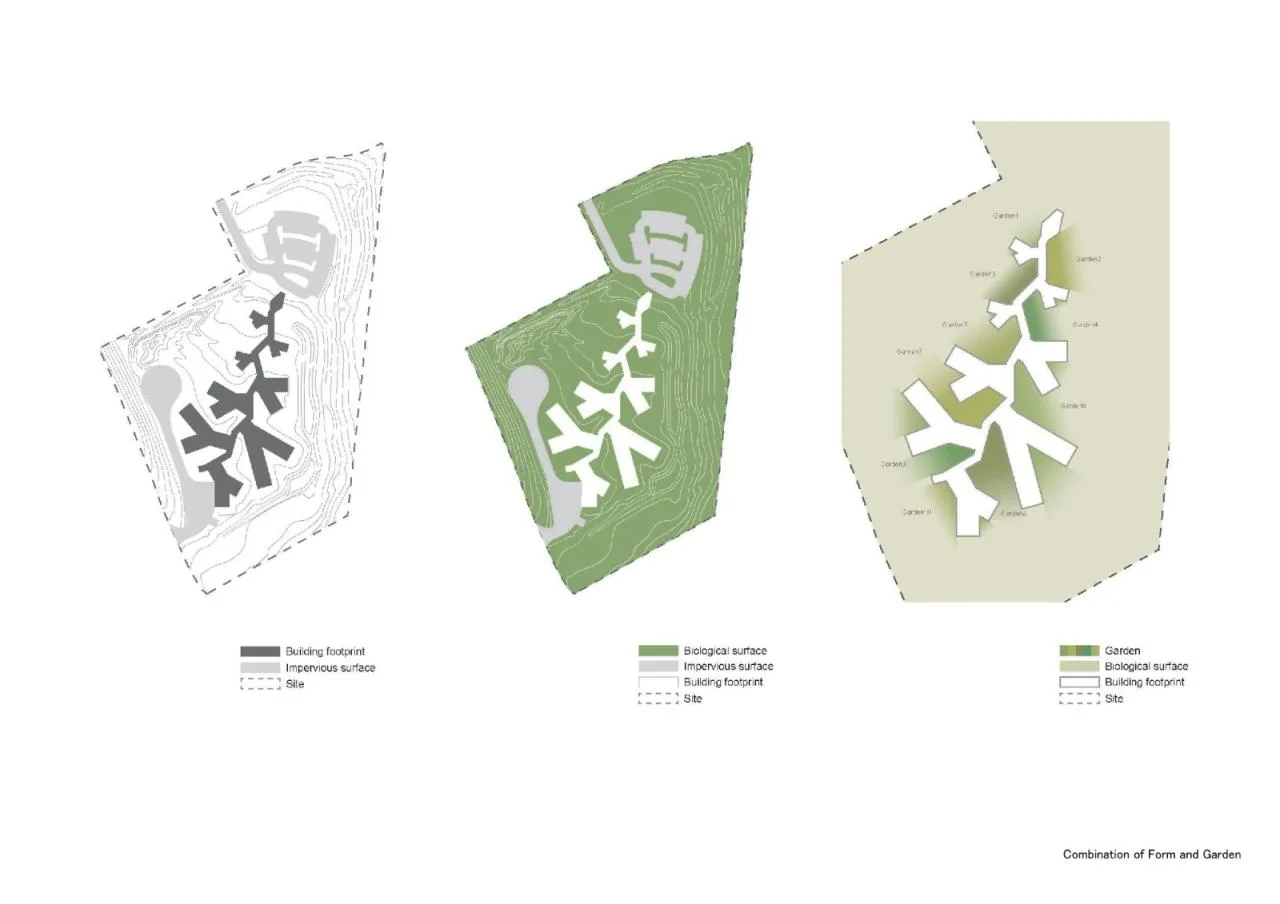
△ Analysis chart
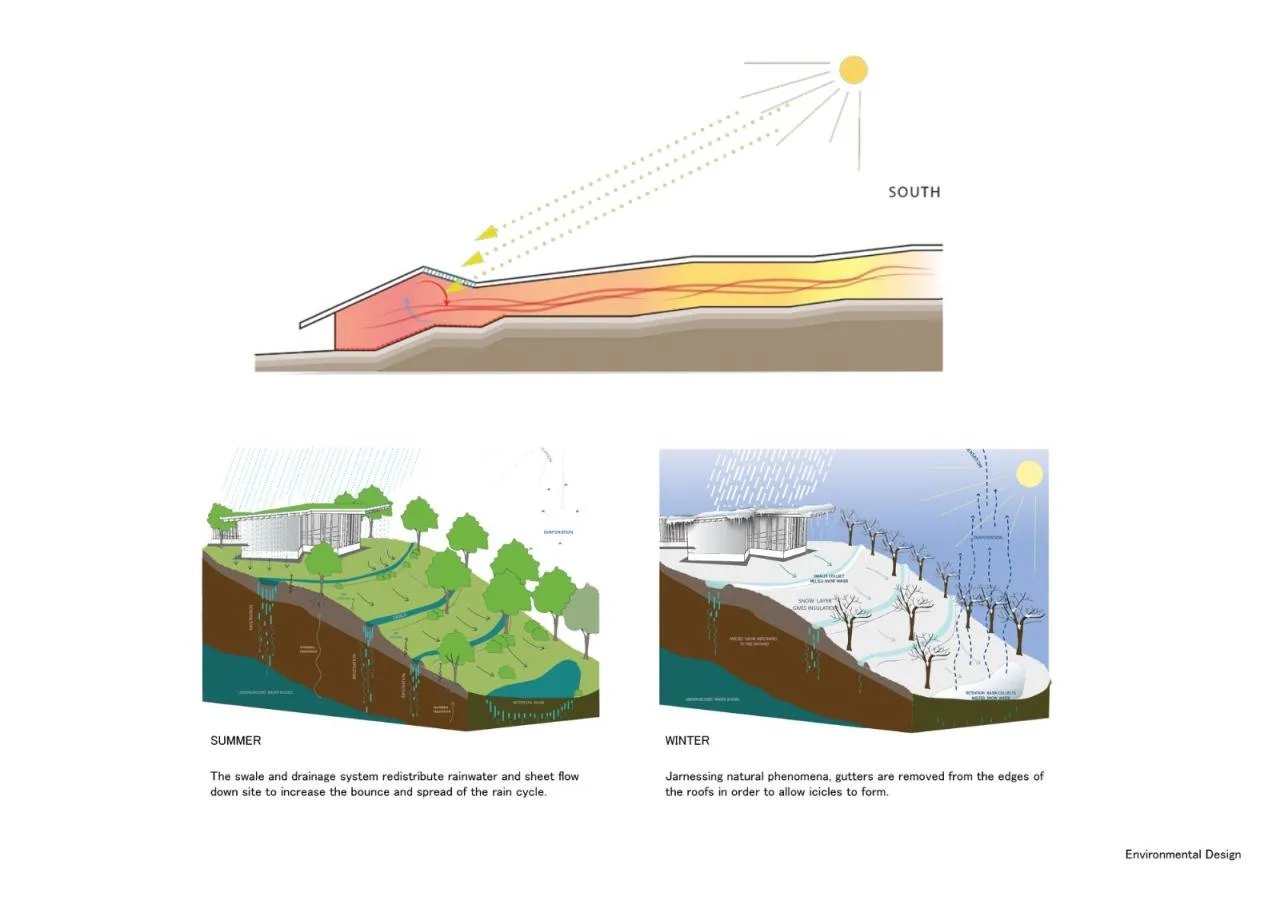
△ Analysis chart
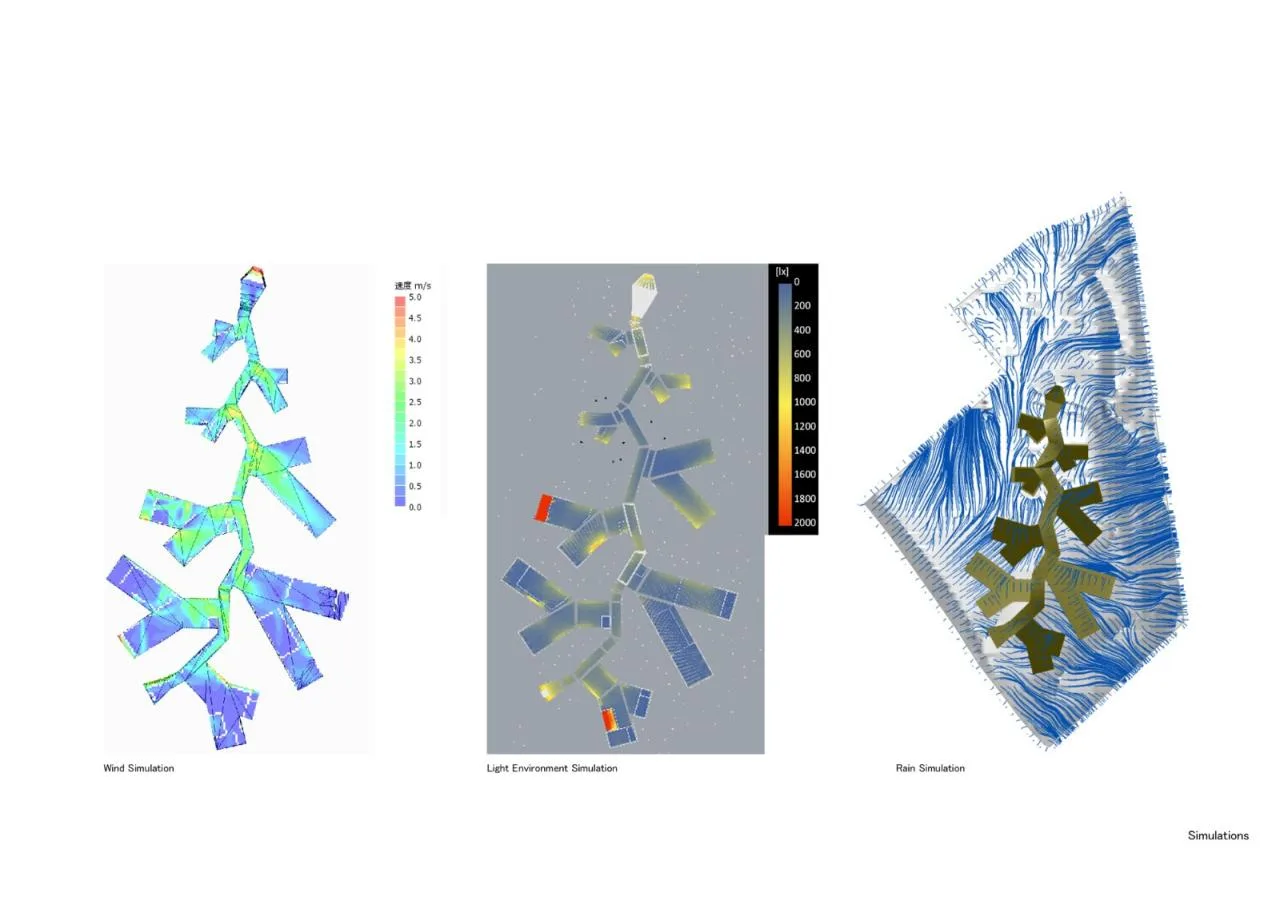
△ Analysis chart
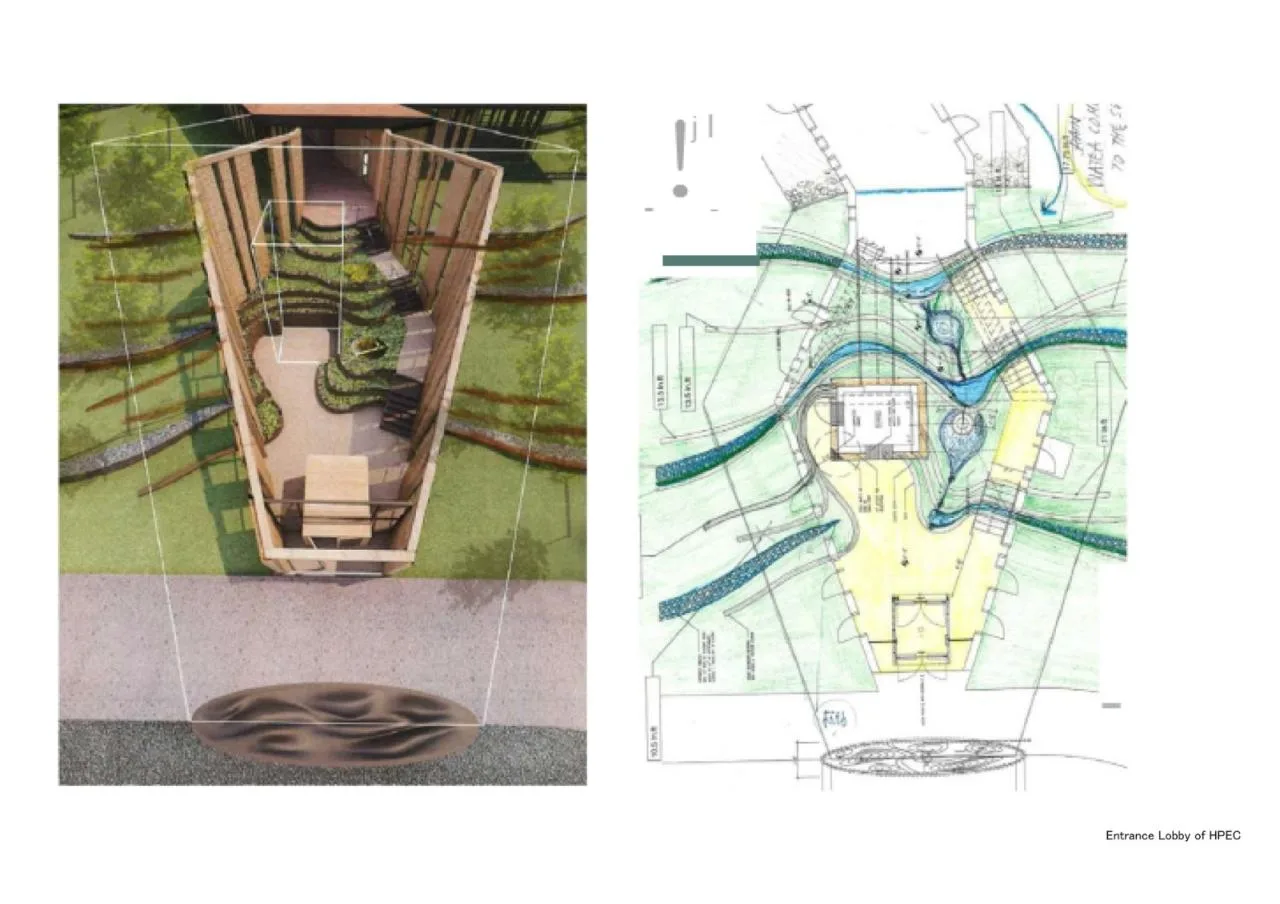
△ Analysis chart
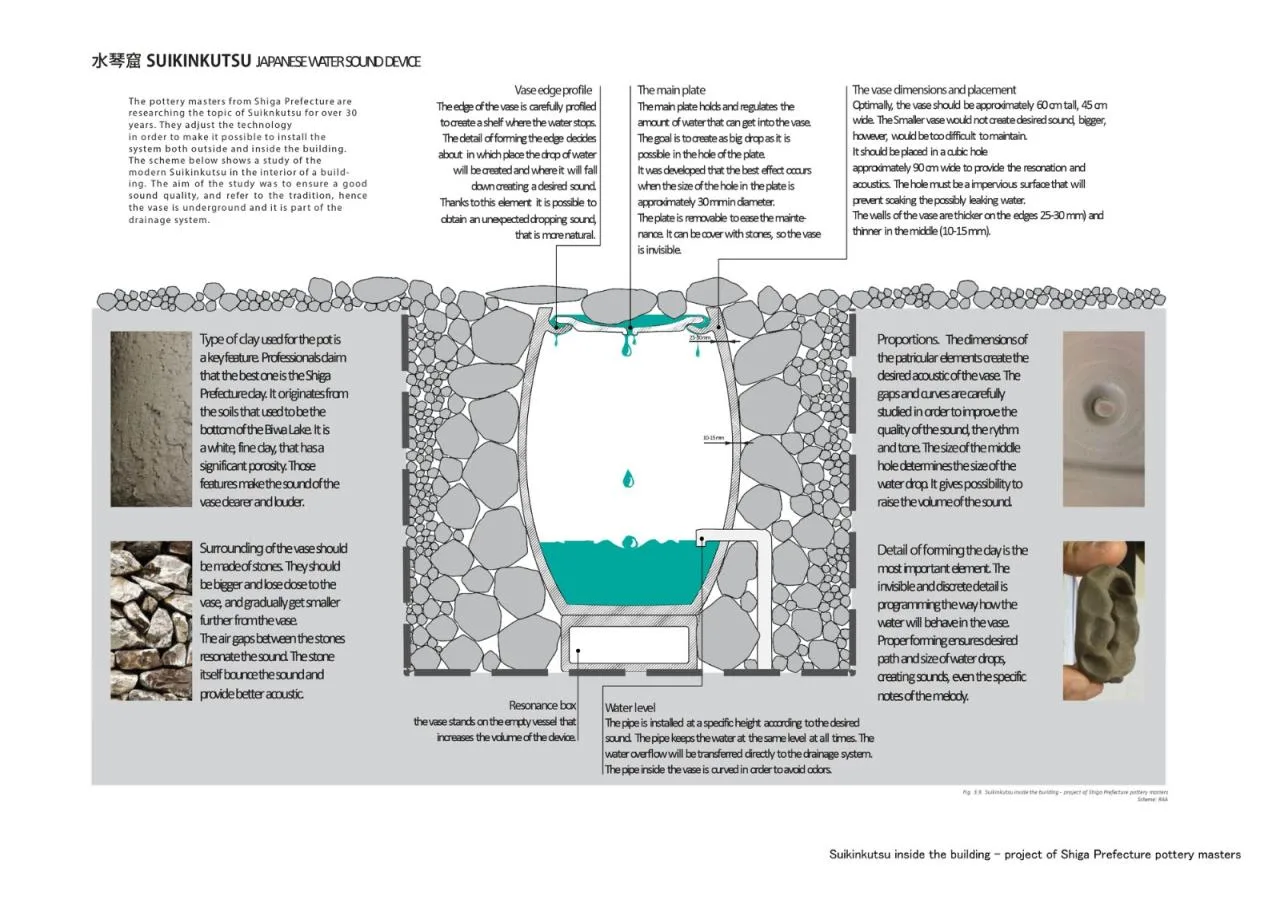
△ Analysis chart
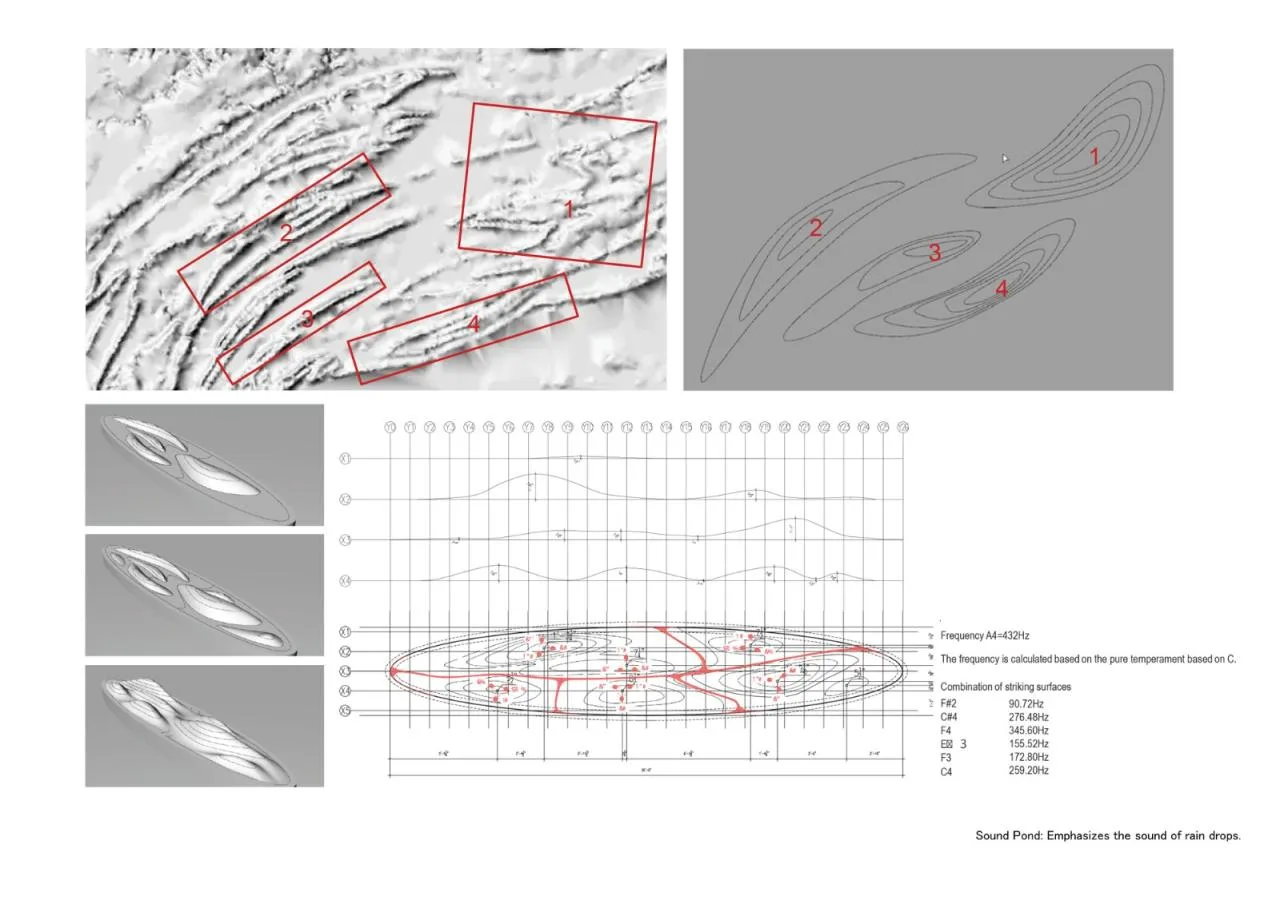
△ Analysis chart
Project Information
Architectural Design: Lu Ze Long Yi Architectural Firm
Area: 7,376 m²
Year: 2021
Photographer: Kaori Ichikawa
Manufacturers: Toto, Acurlite, Anvil International, Assa Abloy, Edwards, Ligman, Mullican, Tyvek, YKK Aluminium
Design Team: Ryuichi Ashizawa, Kaori Ichikawa, Edward Arcari, Tania Moustafa, Gordon Evans
Furniture: Yasuo Ninomiya, wood-furniture+1, Pushpender Chauhan, Gordon Evans
Structural Design: Hirokazu Toki, Takuo Nagai
Acoustic Intervention: Kosuke Nakagawa
Logo Design: Japan Sign Design Association, Junishi Kawanishi
Architectural Design: Lu Ze Long Yi Firm, Arcari + Iovino Architects
Structural Construction: Fire Tower Engineer Timber, Pennoni Associates Inc
MEP Design: ES Associates, Princeton Engineering Group
Landscape Design: WIN Landscape & Design
Lighting Design: Izumi Okayasu Lighting Design Office, Atsushi Sugio Lighting Design Office
Civil Engineering: Hoover Engineering
General Contractor: Shimizu North America LLC
Location: United States












Must log in before commenting!
Sign Up