
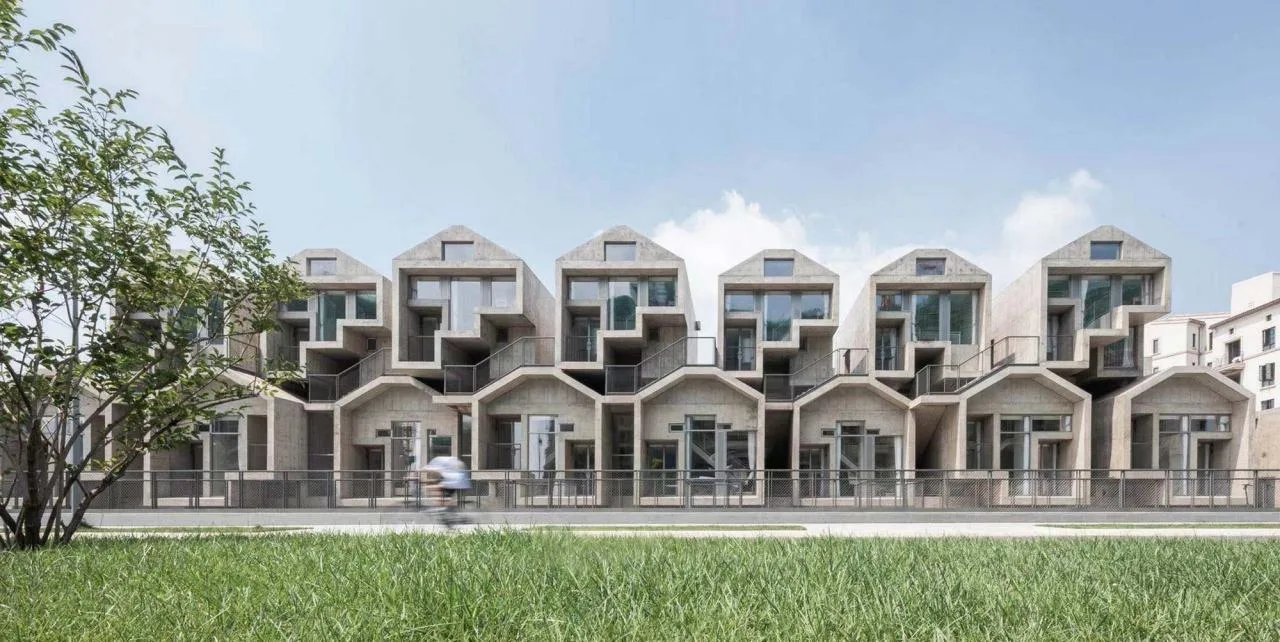
Located at the southernmost tip of Anaya, the triangular plot was designated for a pet hotel. From the outset, architects and homeowners carefully considered the needs of both humans and dogs. Traditional pet hotel designs often follow simple patterns: low-rise corridor styles, scattered standalone structures, or the increasingly common composite style featuring one large platform with clustered smaller units. From a human perspective, several layouts are feasible. However, dog owners know that while dogs enjoy occasional interactions with other dogs, humans often find such encounters disruptive. Therefore, minimizing unnecessary dog-to-dog contact was a key design goal.
Early in the planning phase, corridor-style layouts were avoided to reduce these encounters, leading to some indecision between independent units and row-style configurations.
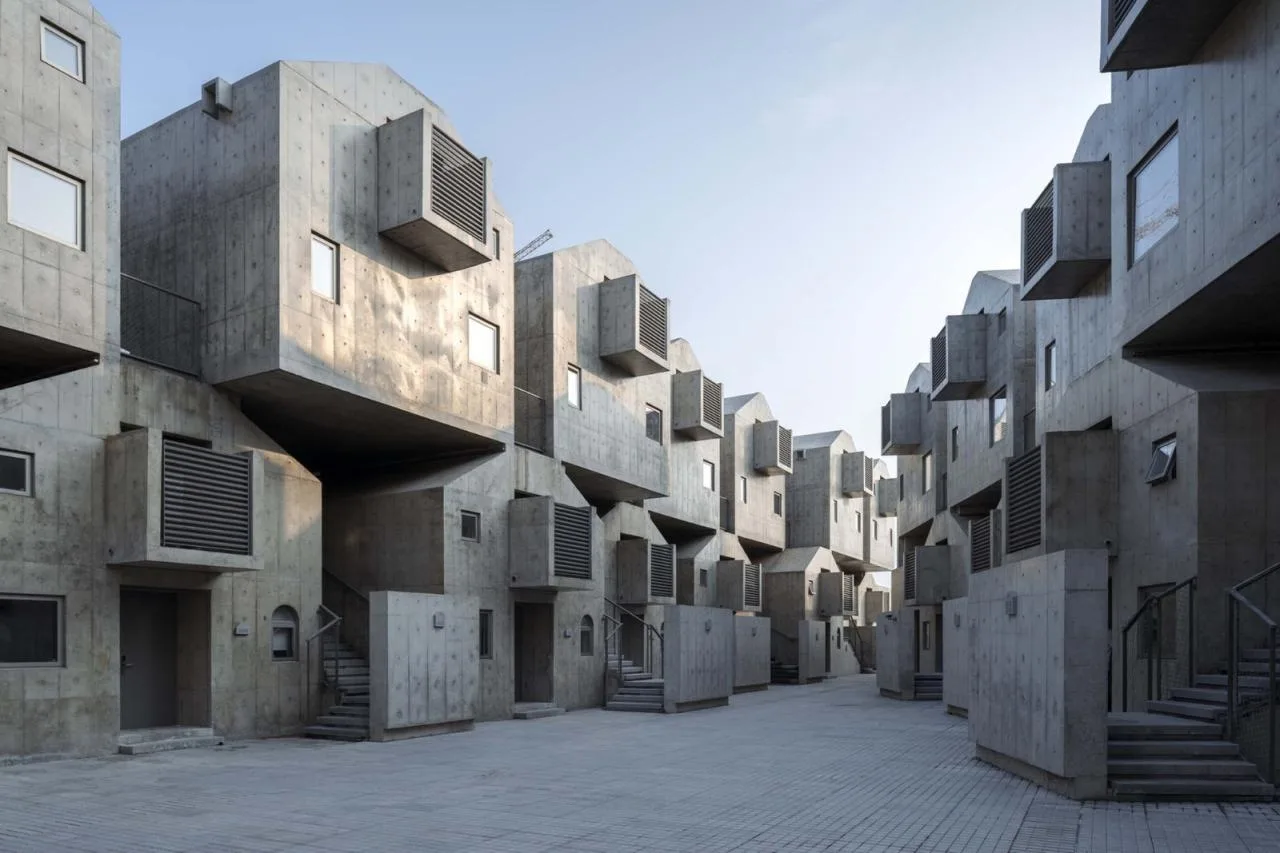
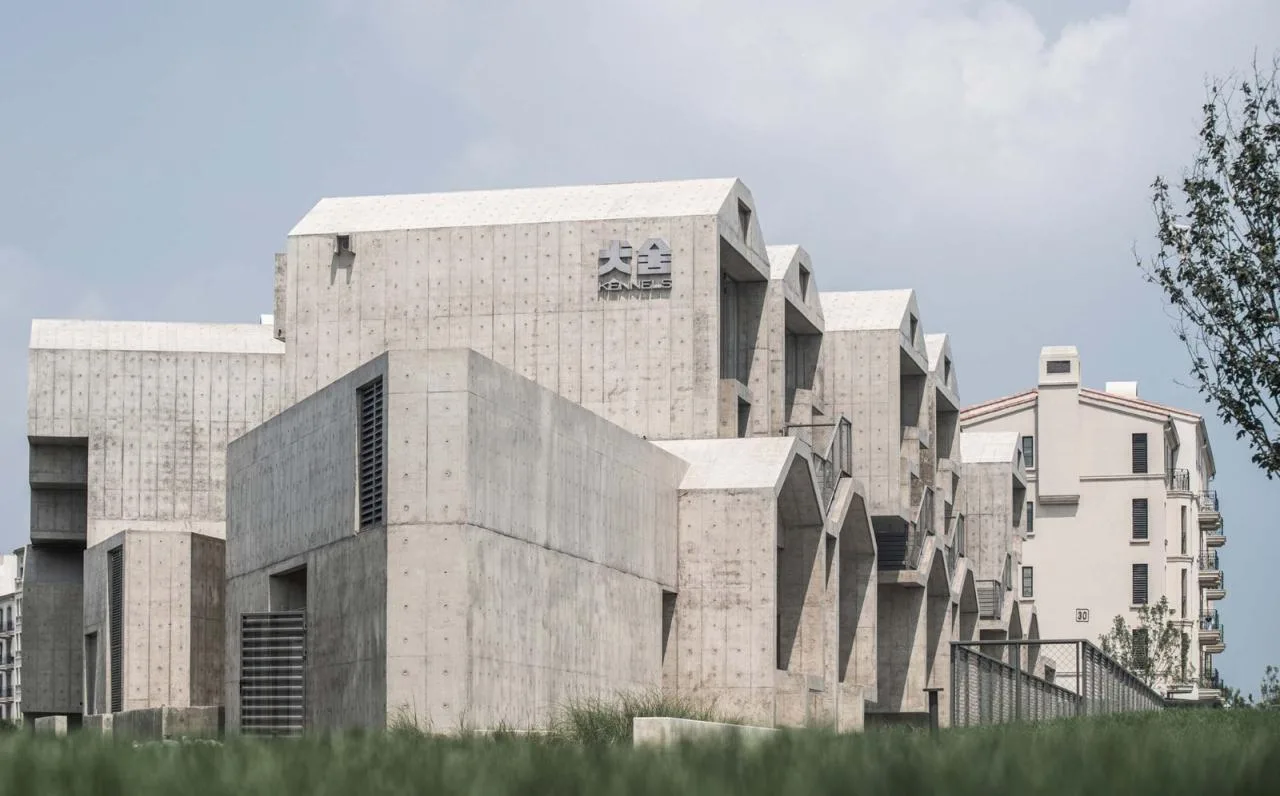
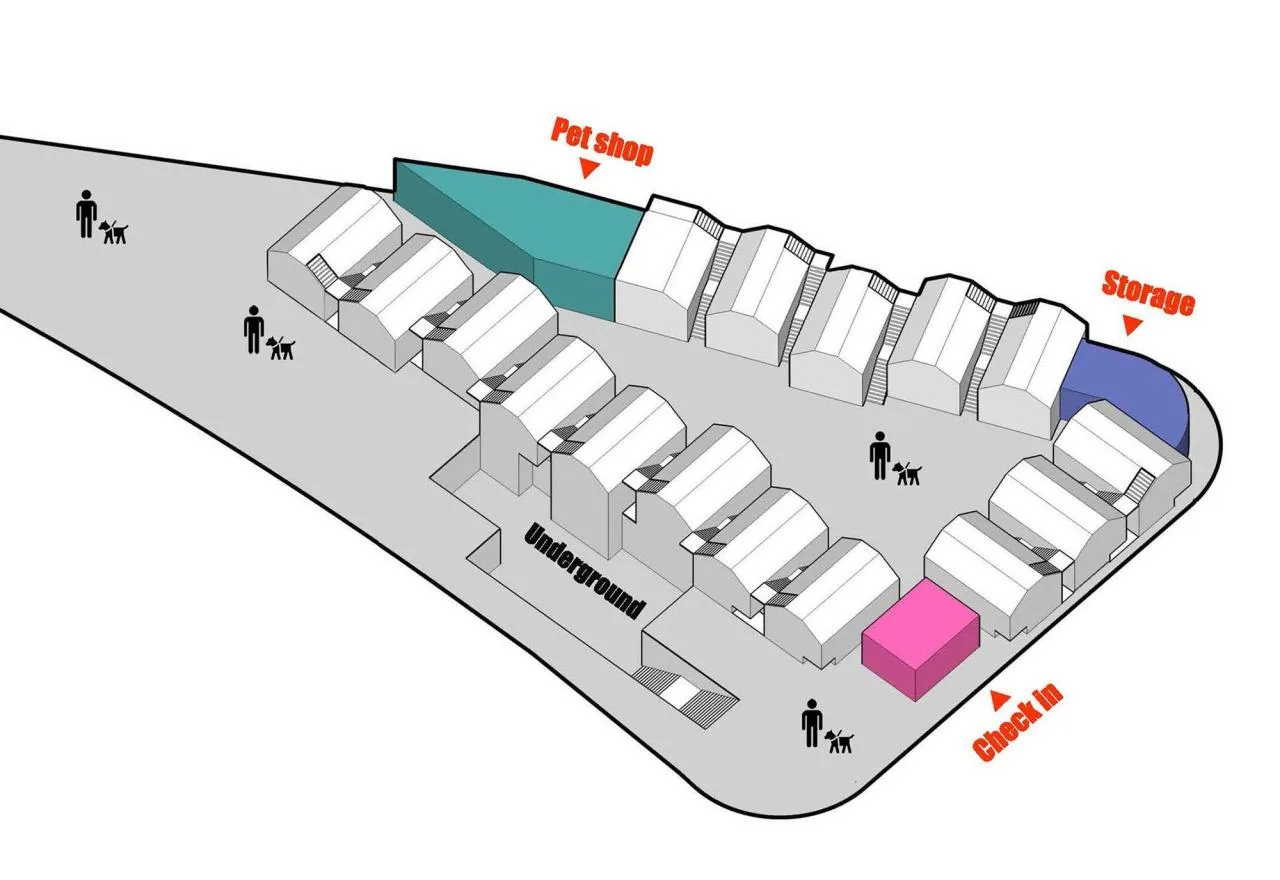
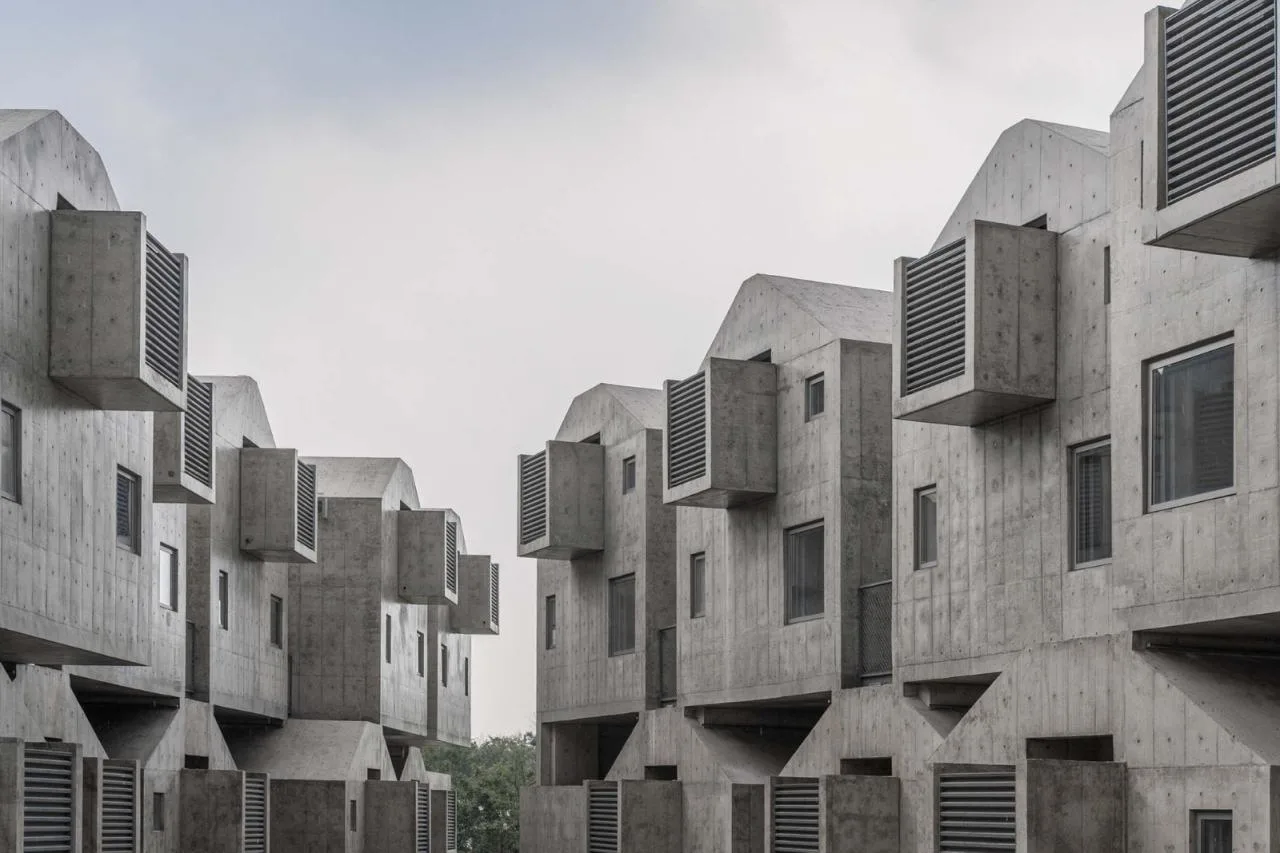
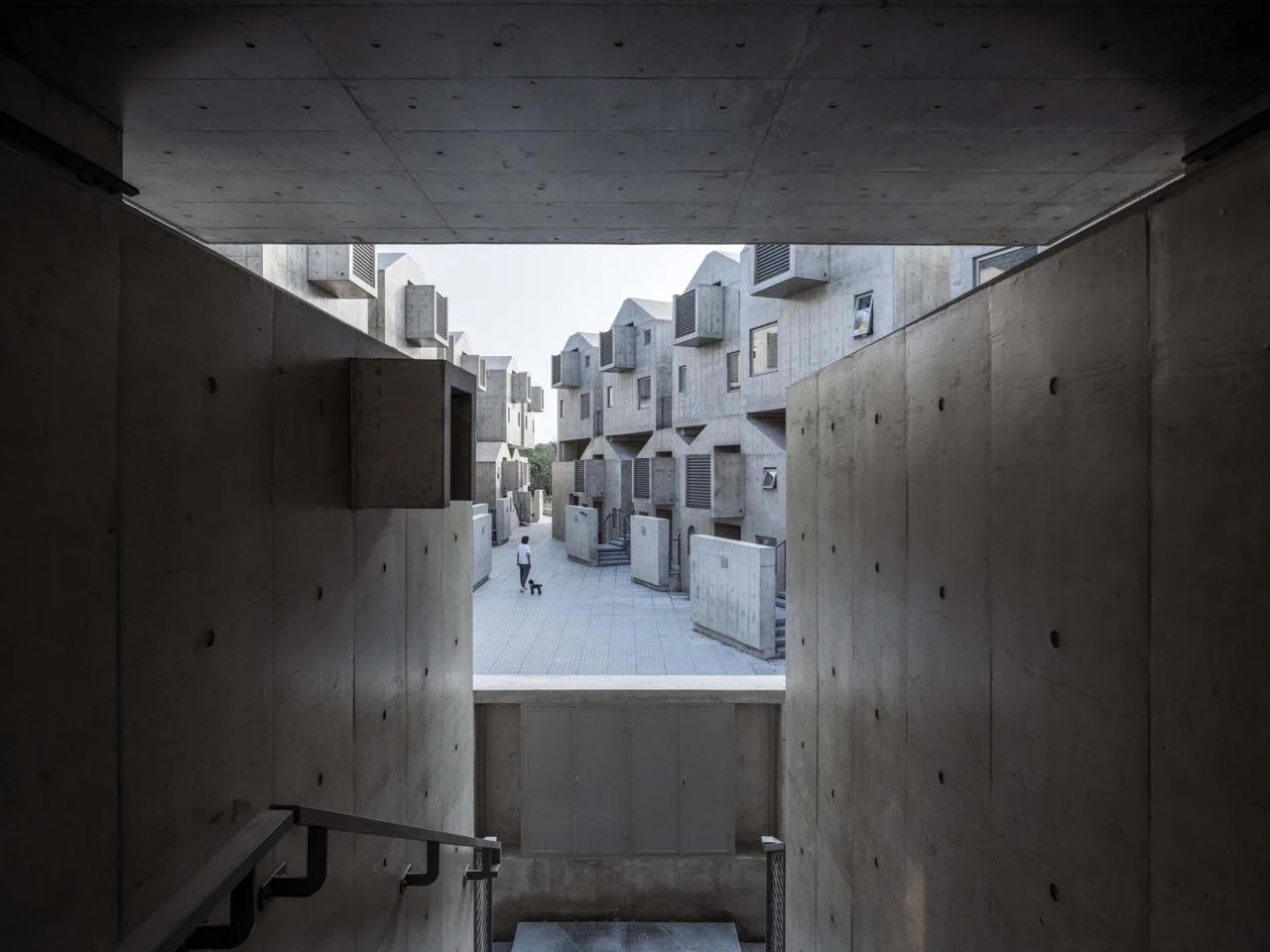
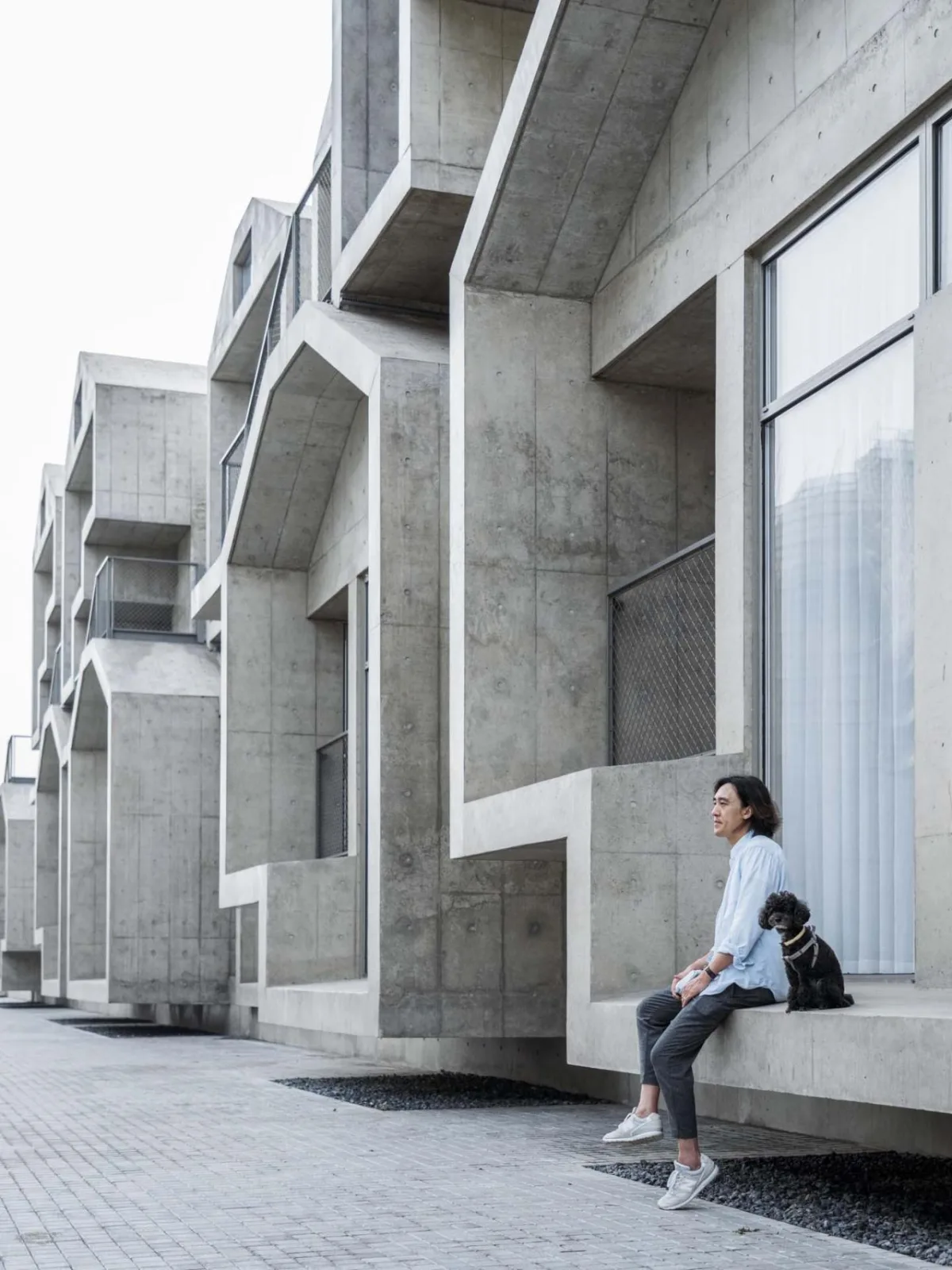
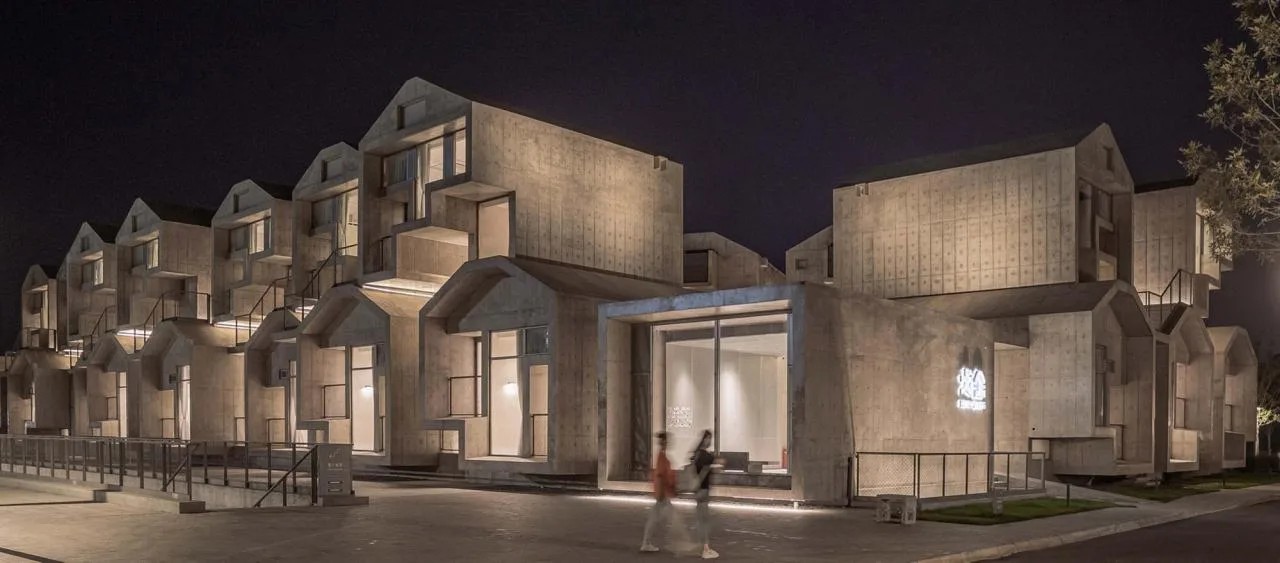
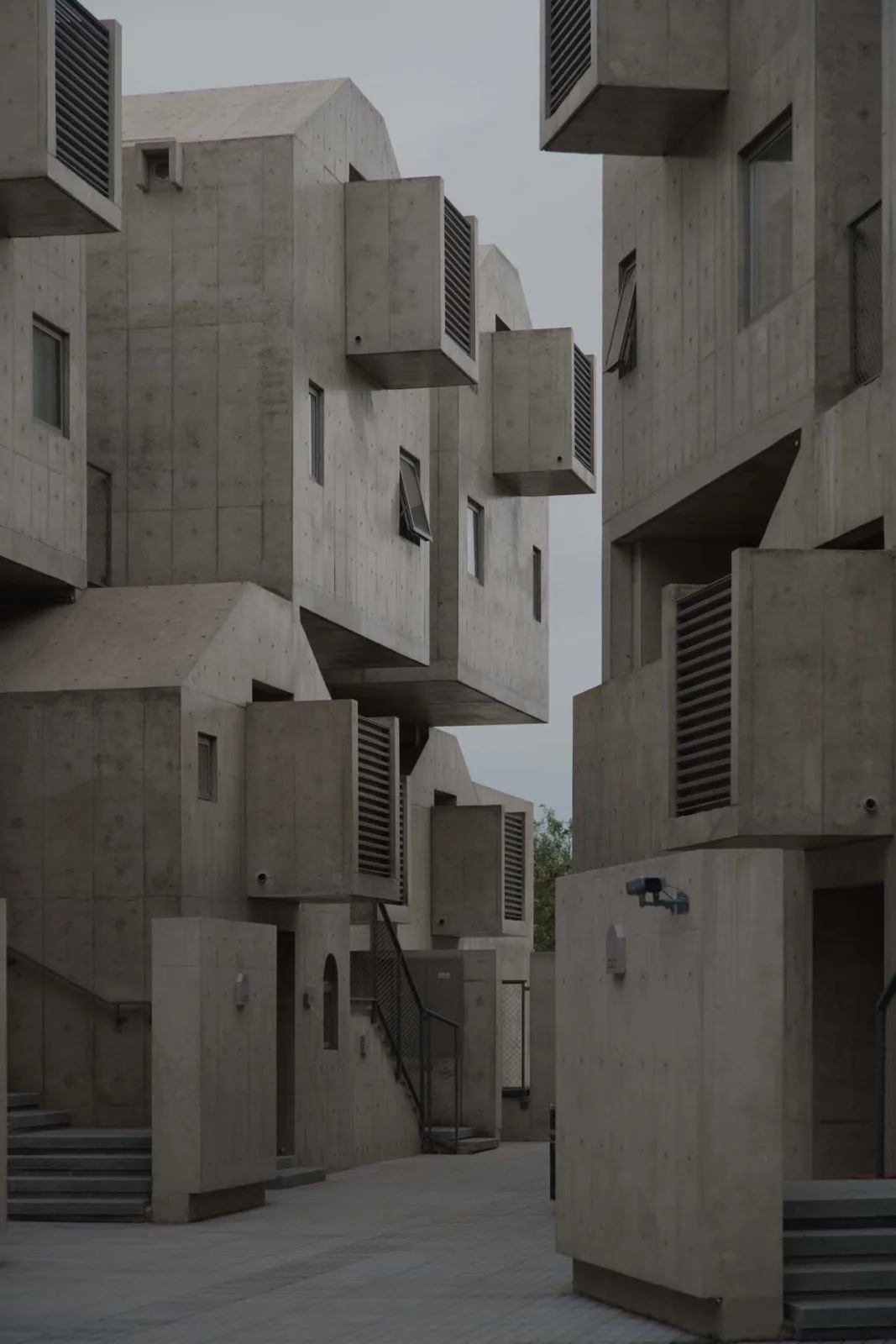
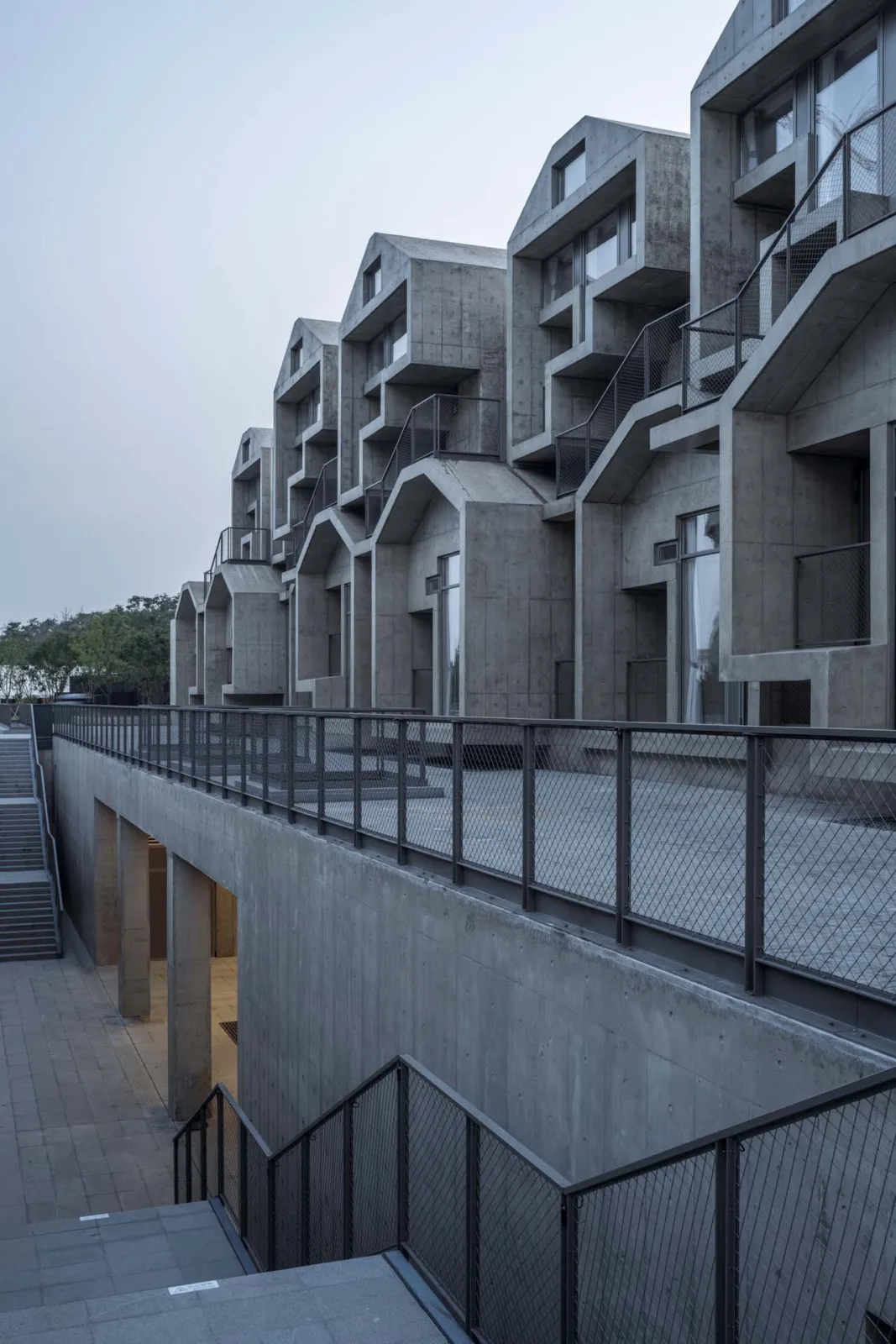
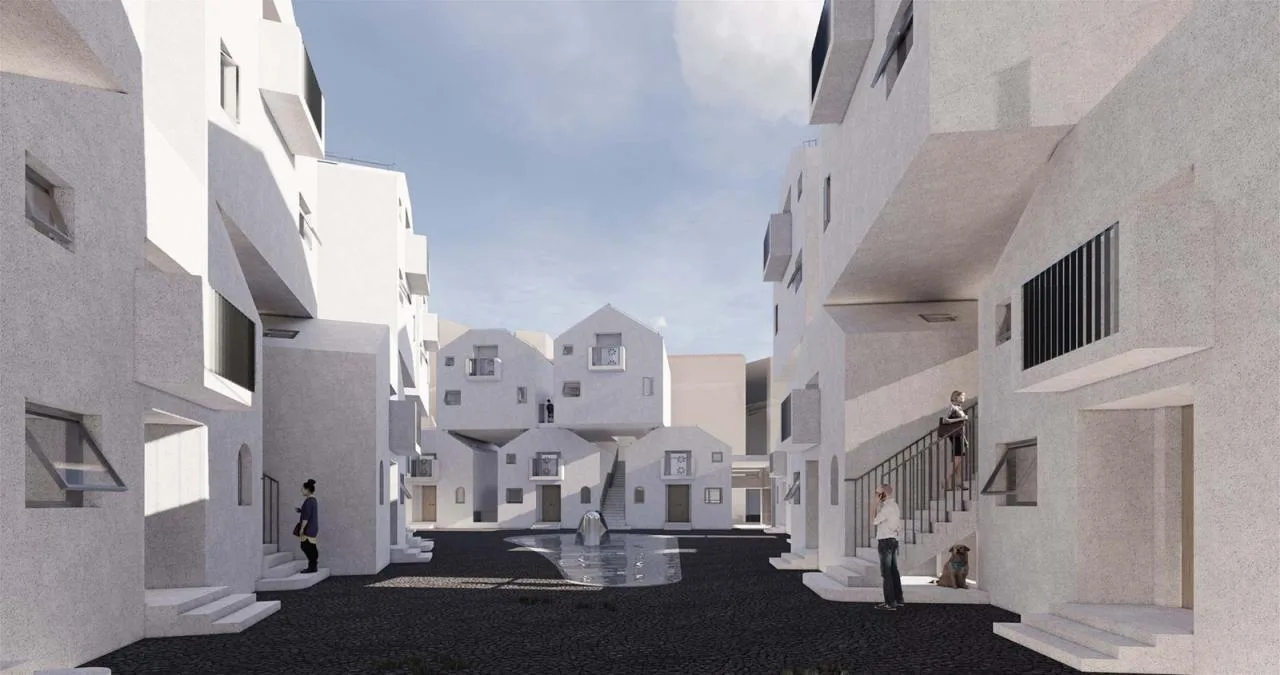
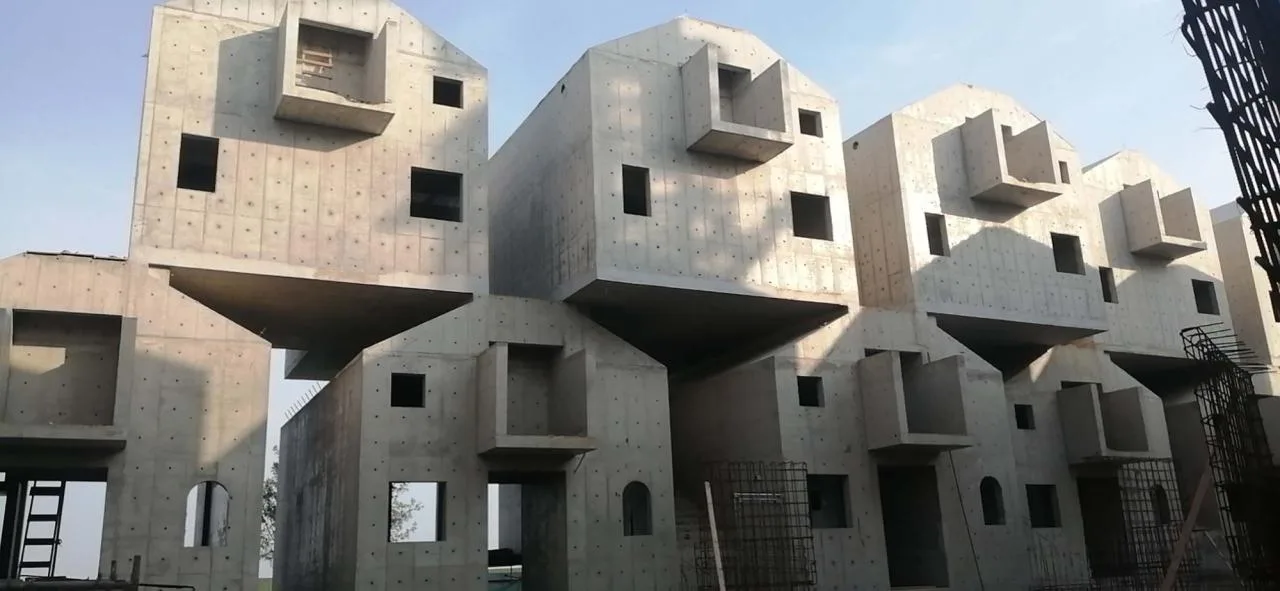
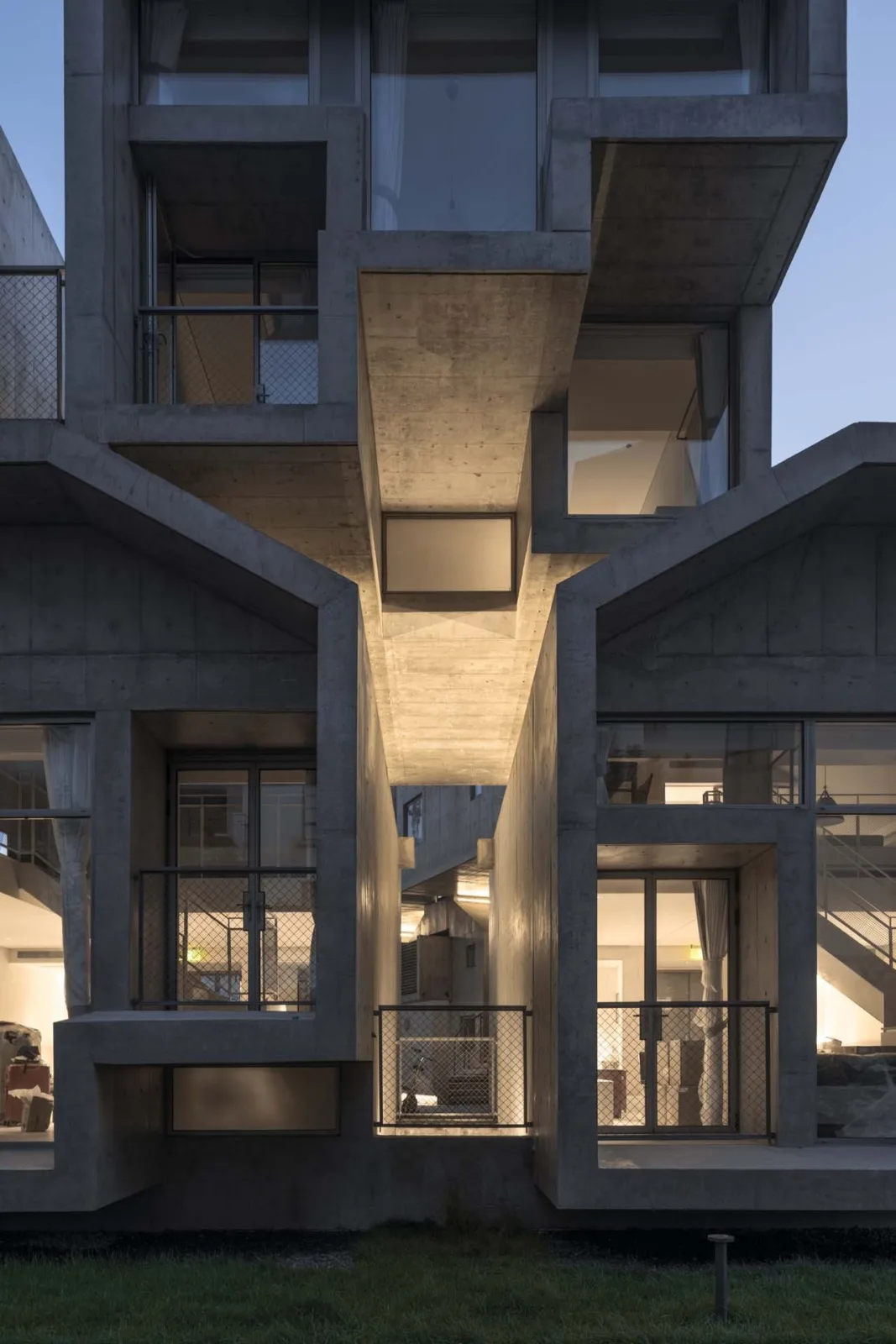
Eventually, the design combined the best features of both independent and row styles into a staggered stacking configuration. Thirty individual units are arranged over two levels, each with separate entrances and exits, effectively reducing unnecessary dog interactions. This layout also introduced a distinctive architectural style.
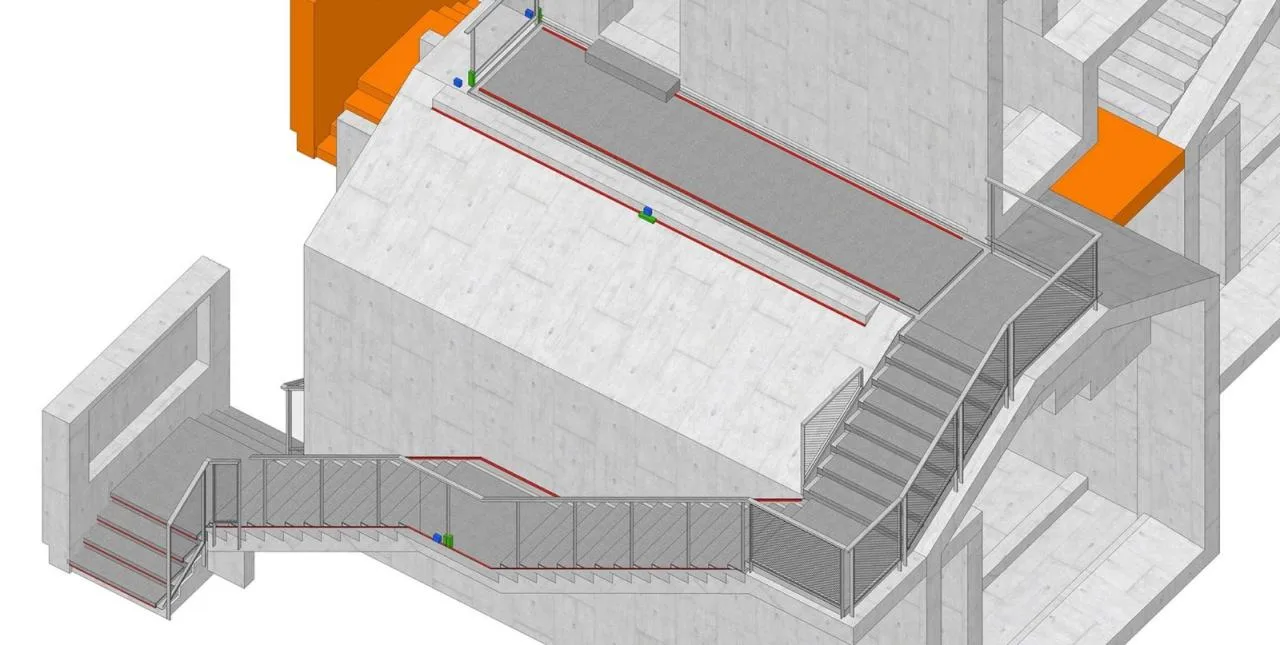
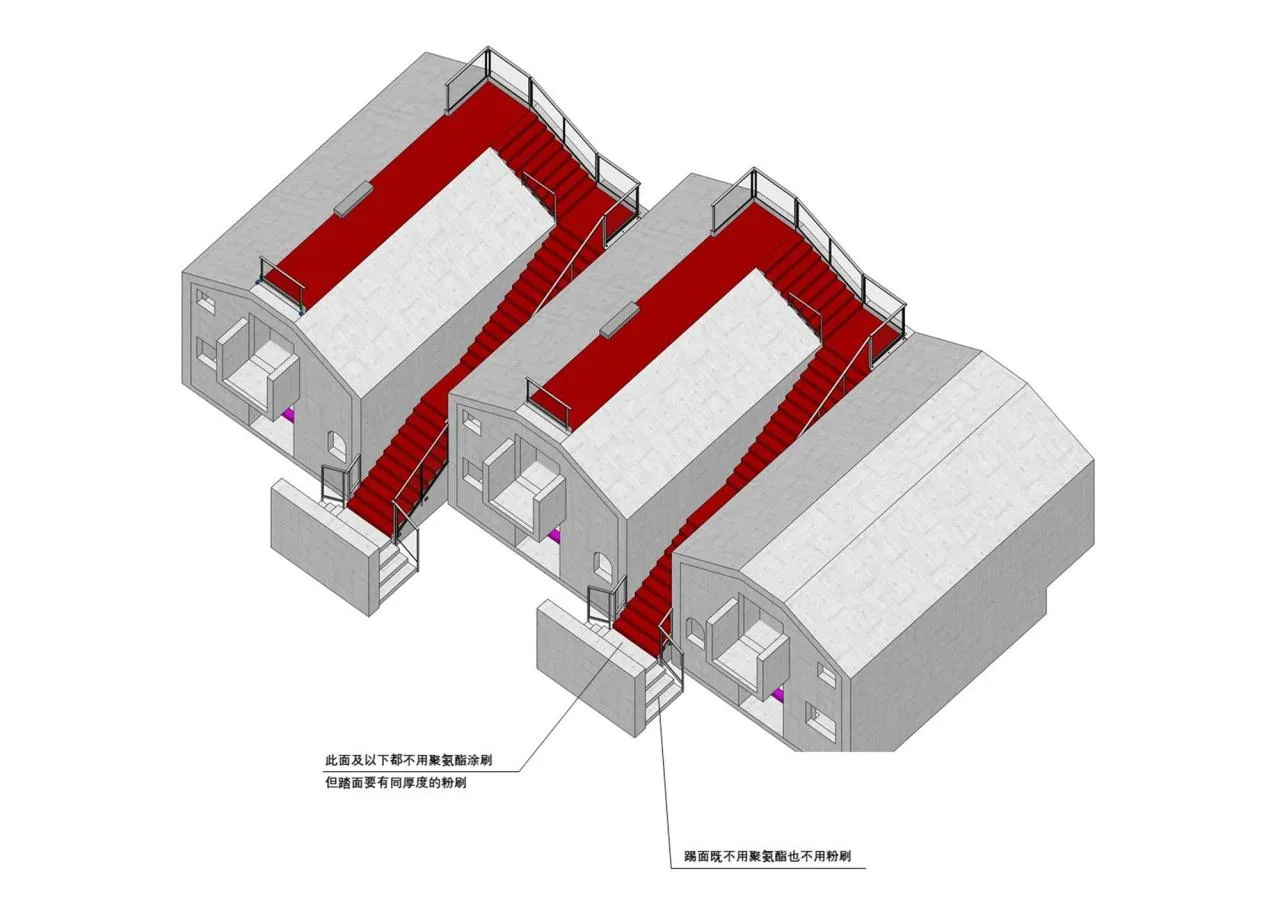
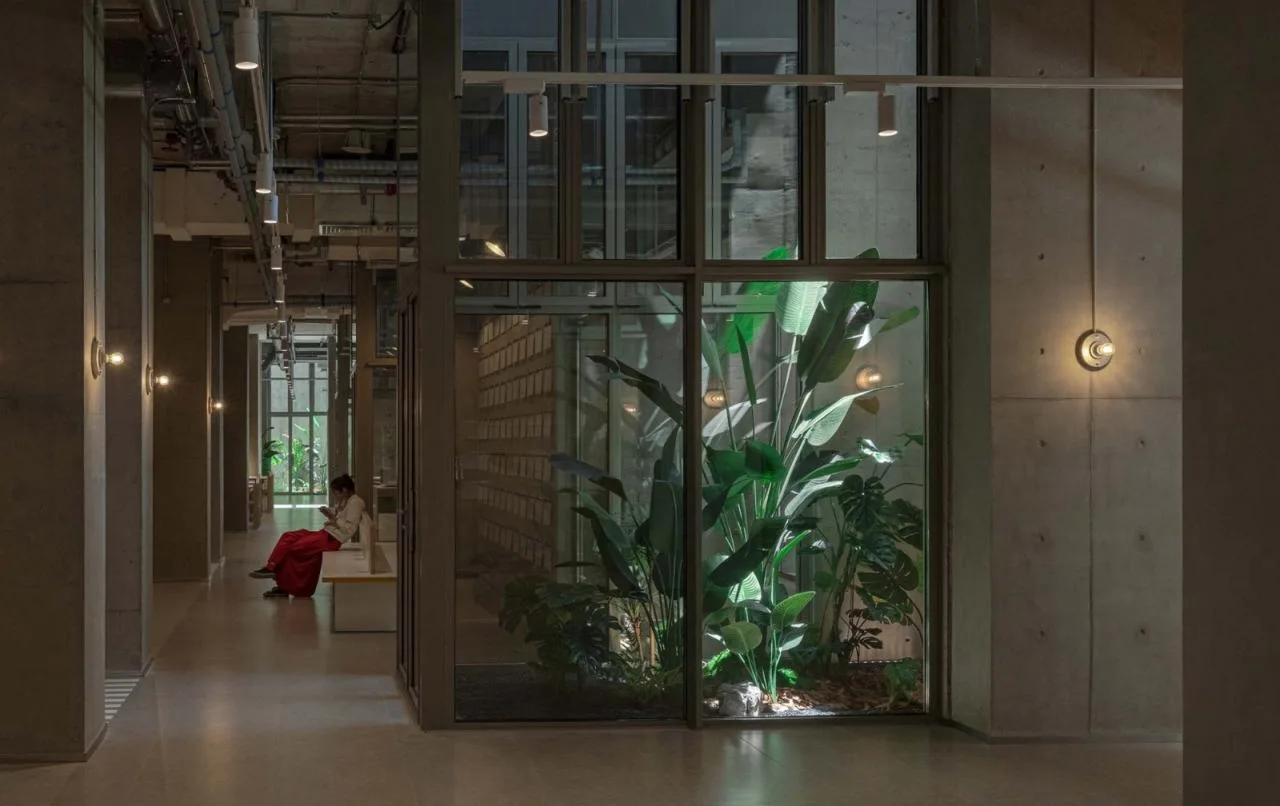
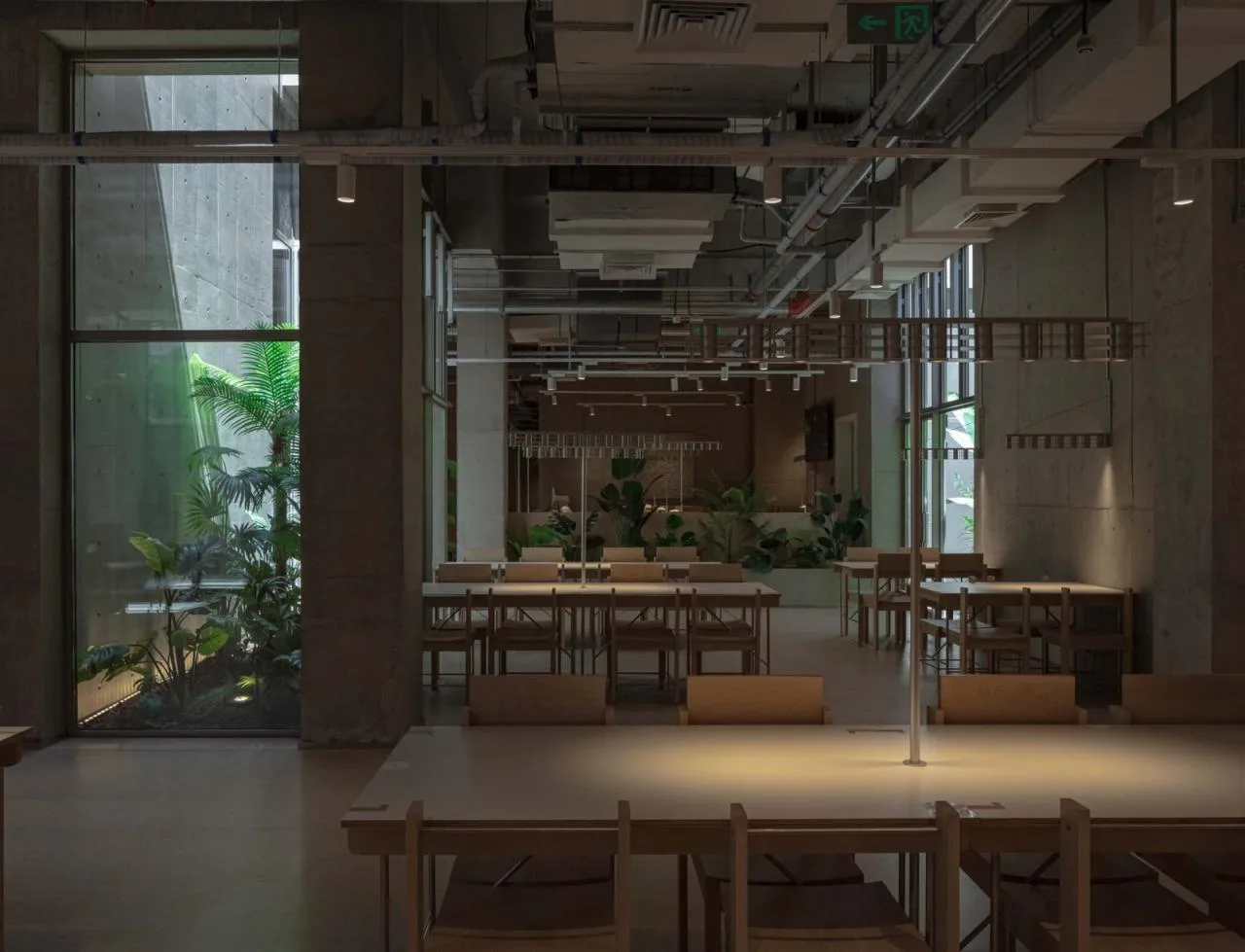
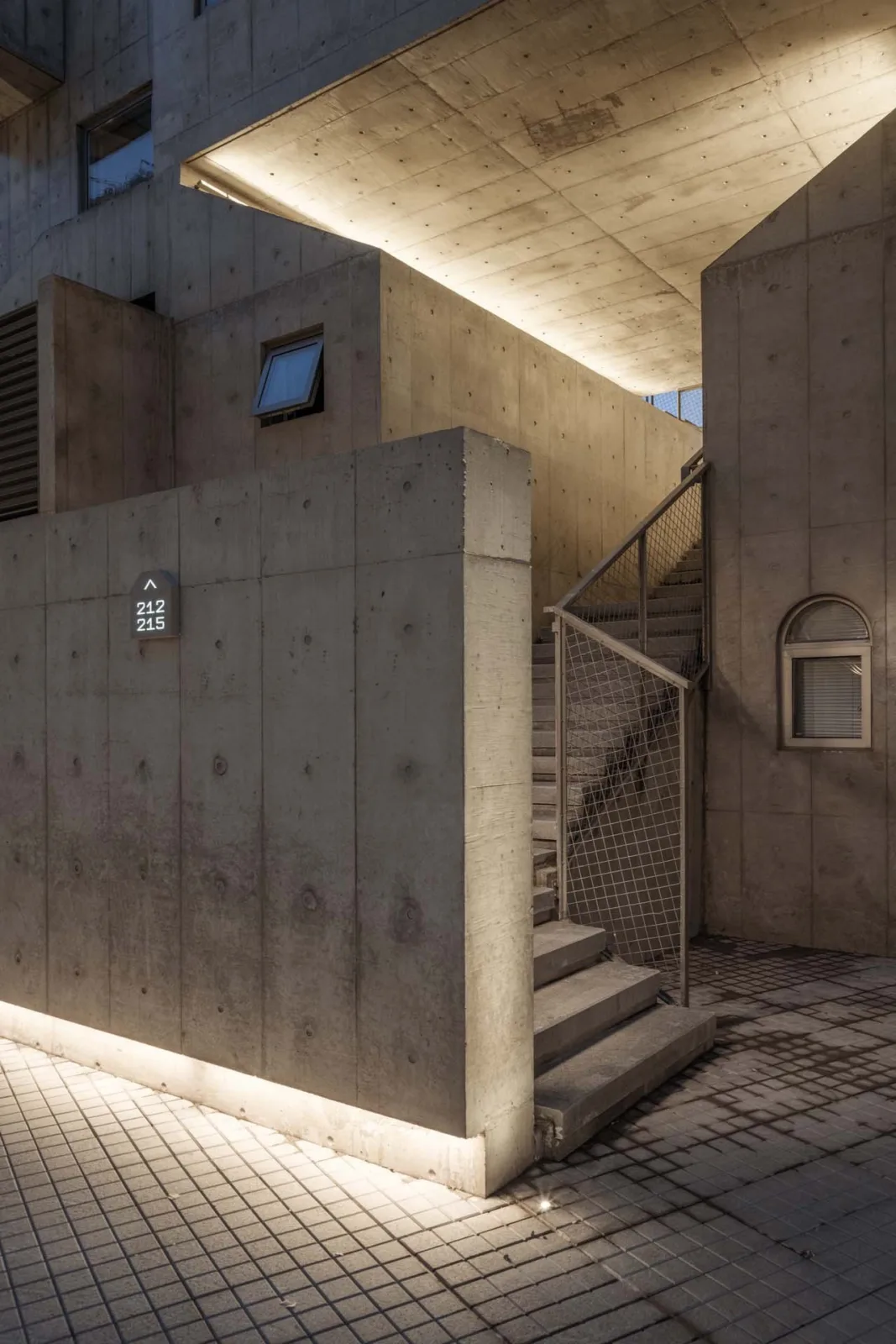
The open units serve as staircases and provide natural light to the basement cafeteria. On the opposite side, the dual entrances and exits allowed for a stepped façade design, eliminating the need for stairs in some guest rooms while establishing a framework for internal staircases.
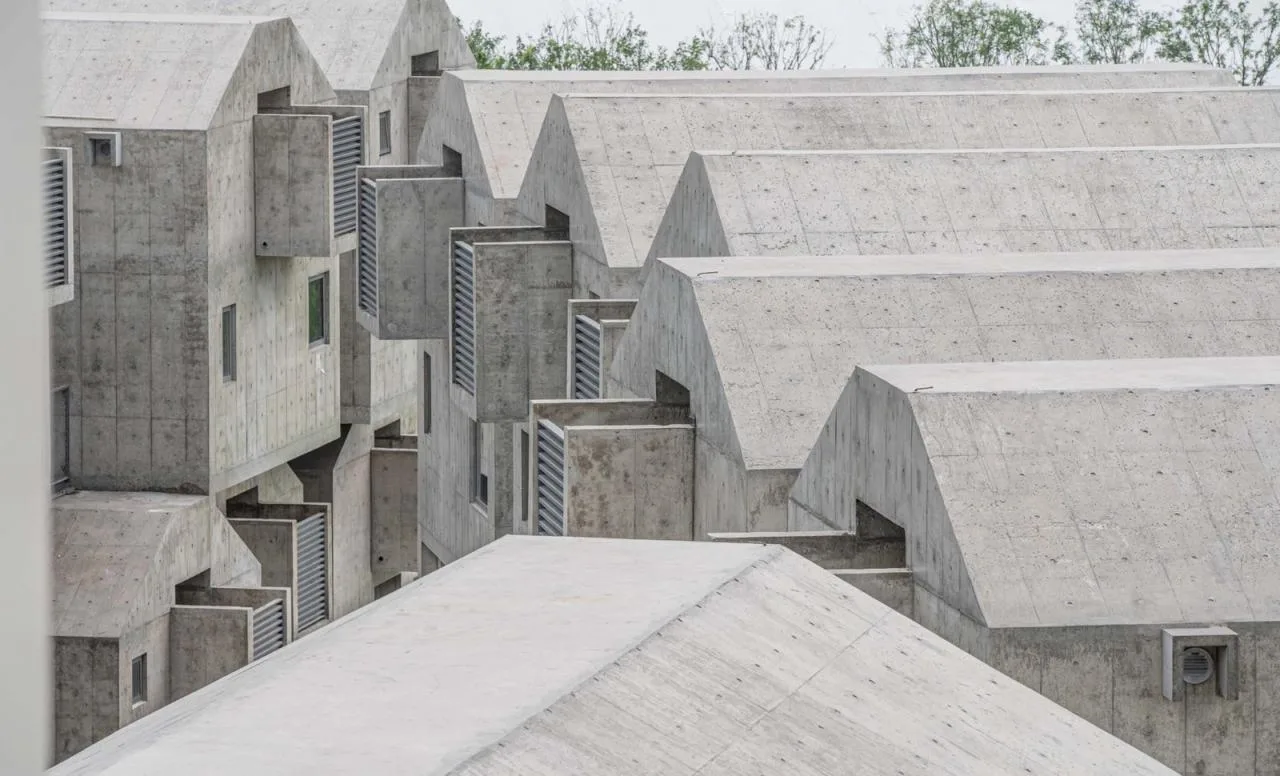
Thanks to the triangular foundation, the design strategically avoids direct eye contact between dogs. The guest rooms primarily face outward along the three sides, with secondary orientations facing inward, enclosed by solid walls and equipment spaces. This non-parallel layout, combined with fewer windows on the inner courtyard, enhances depth perception and creates a captivating perspective post-completion.
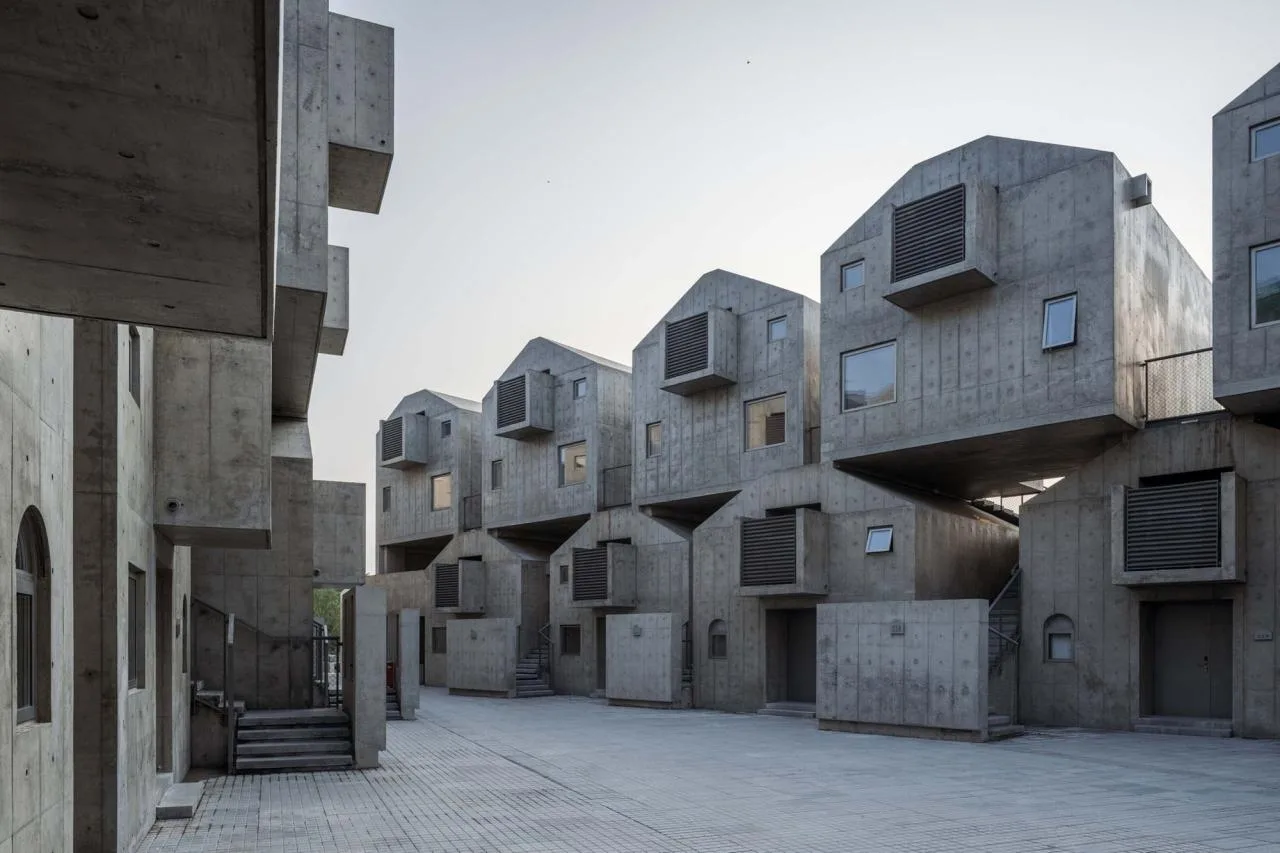
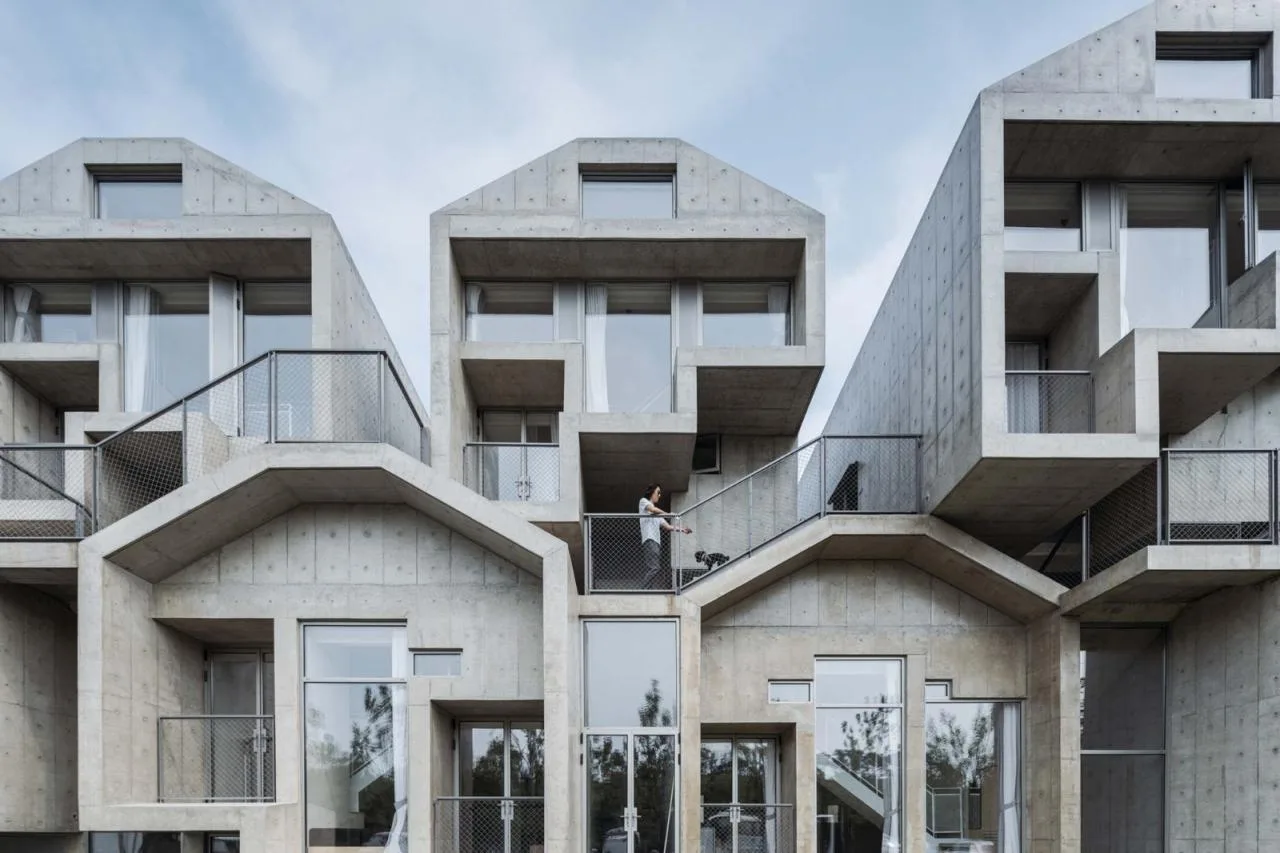
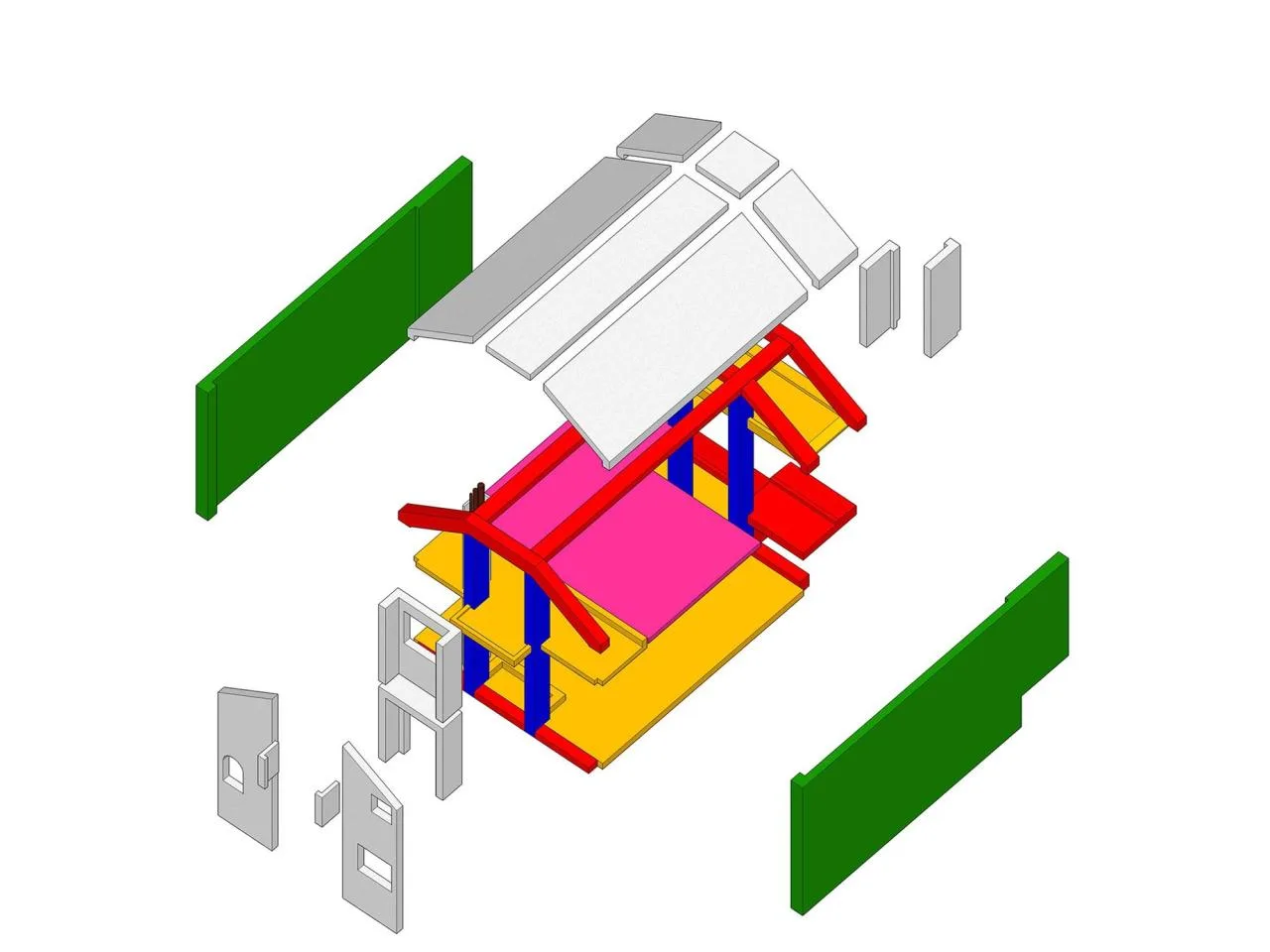
The architects’ pursuit of perfection in structural design reflects an almost obsessive commitment to logical spatial construction. In the initial design of non-frame architectural forms, they preferred to avoid vertically aligned frame columns, favoring plate structures over beams and columns, a unique preference for thick plates in the building’s design.
Vertical shear walls and diagonal roof panels together create a box-stacked “plate frame,” a concept suggested early on by structural consultant Zhang Zhun. Although this vertically misaligned structural system is ideal, it demands high design and construction standards and requires a thorough structural review, which is time-consuming and may not be entirely feasible.
Since the project is a commercial building with time and budget constraints—not a “small spiritual building” where time and cost are less critical—the architect decided to forgo the ultimate structural pursuit. Instead, a concealed frame structure was chosen, using minimal overlaps between upper and lower units to position frame columns, combined with architectural techniques to hide these columns within the lower-level guest rooms. Structural alterations above ground are confined to the basement ceiling.
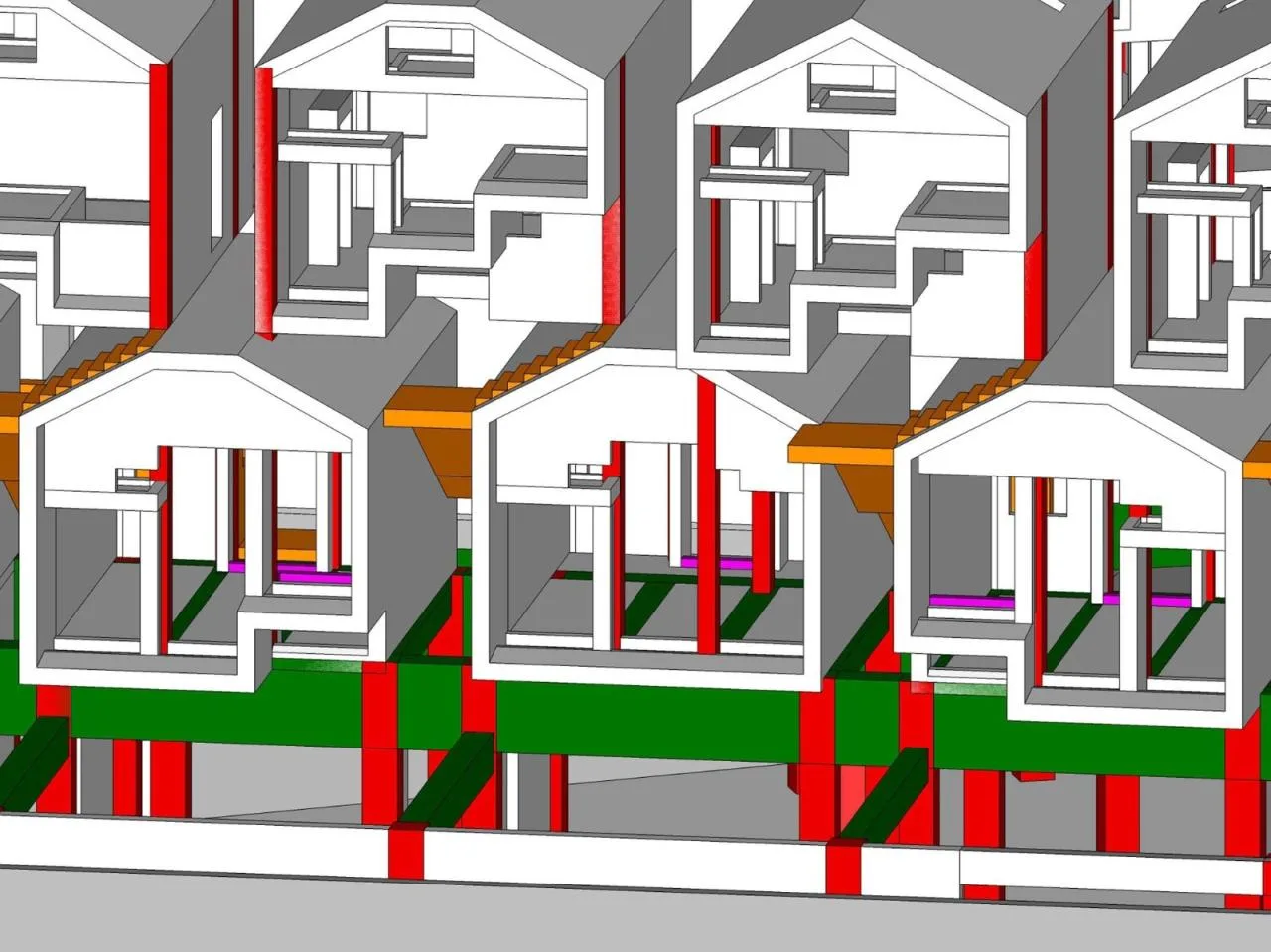
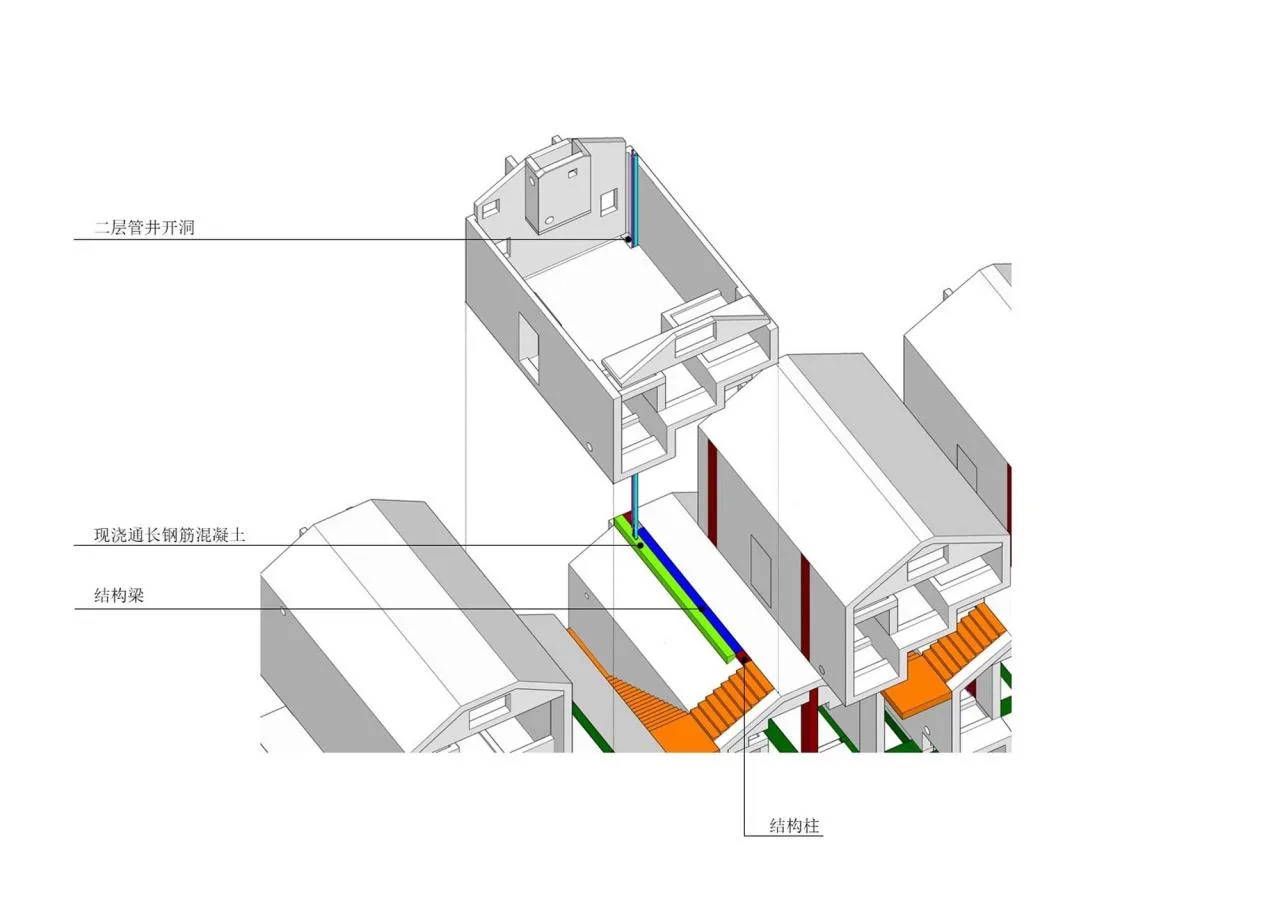
Because of the minimal overlap between upper and lower guest rooms and the need to align frame columns, space for vertical equipment pipelines and drainage is very limited. Within this narrow zone, water pipe shafts with insulation requirements had to be accommodated. To maintain the visual separation between the upper and lower volumes and avoid excessive overlap on the exterior, the outer edge of the pipe shaft was recessed and concealed in shadow, softening the appearance of overlap.
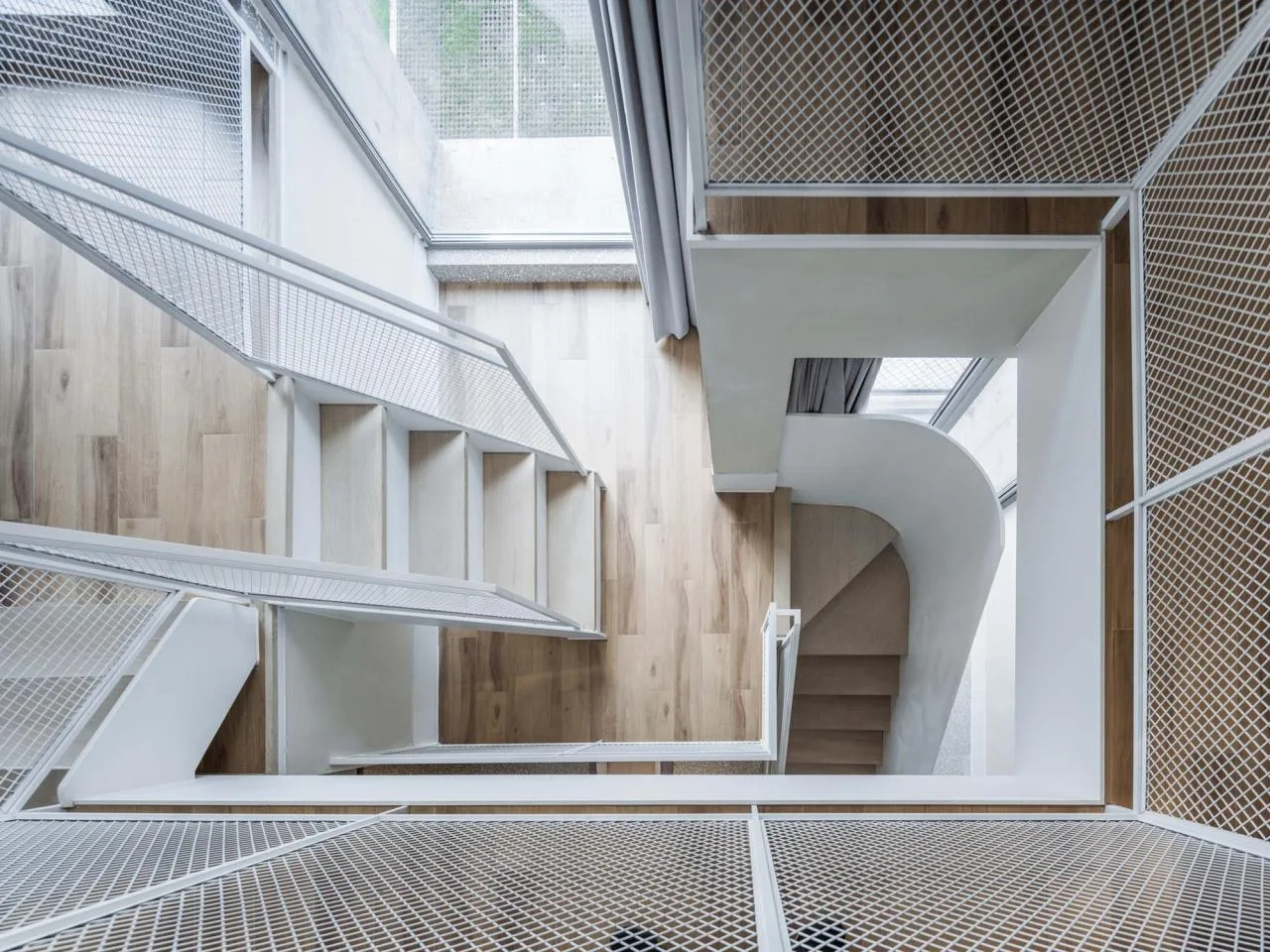
To prevent the pipe well from being conspicuous when ascending the stairs, a long triangular beam was added. Though intended to conceal the feature, ironically, it became a more prominent architectural element.
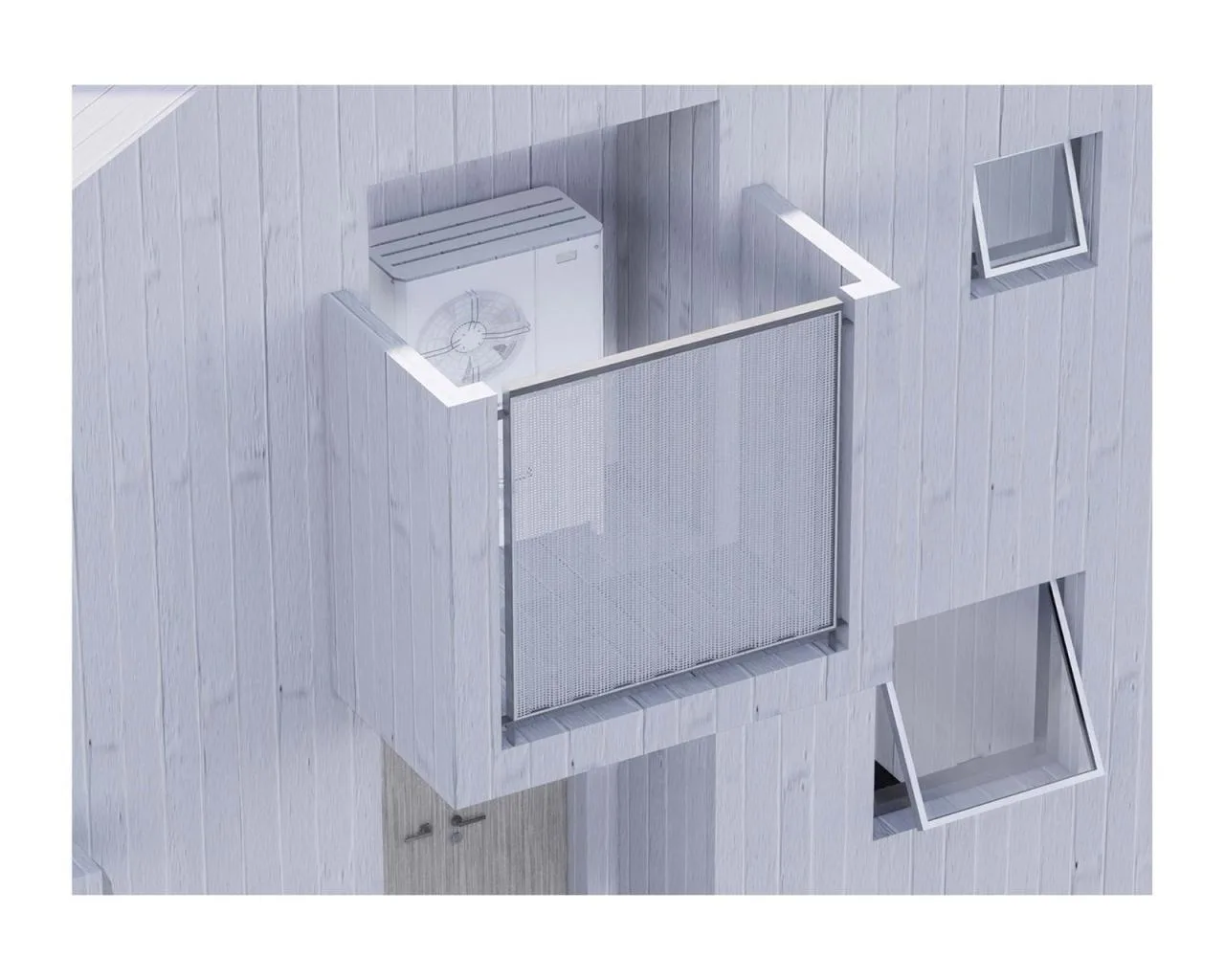
Each guest room features centralized hot water supply combined with an independent VRV air conditioning system. While conventional wisdom favors hiding external units, this design intentionally amplifies the equipment platform, providing ample heat dissipation and shelter for maintenance and installation. This platform also serves as a significant architectural feature within the inner courtyard.
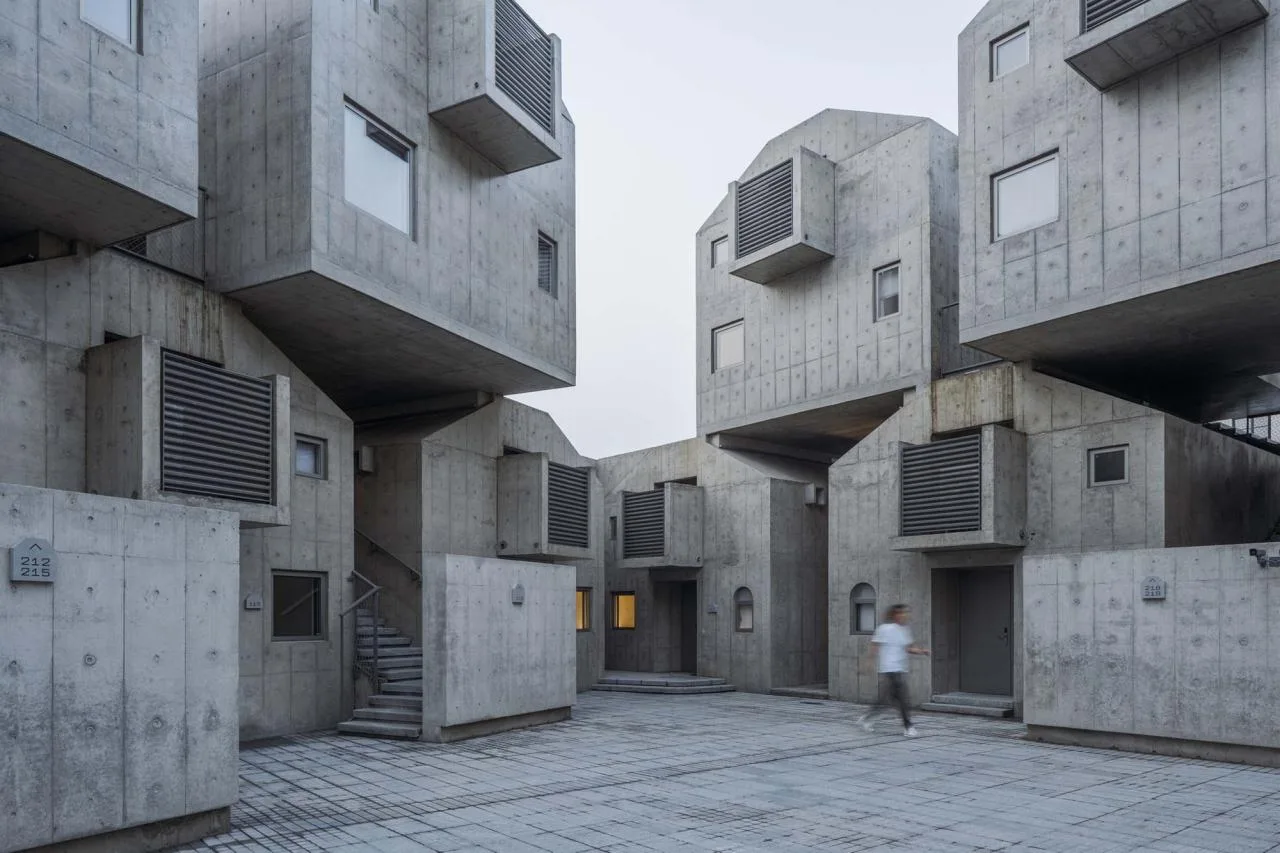
Thanks to the unique shape, a free-fall drainage system was adopted. Rainwater from the roof drains via second-floor channels and narrow grooves alongside stairs. Condensed and defrosted water from equipment platforms discharge freely through a metal rainwater outlet positioned at a corner, away from pedestrian paths.
The lightning protection, lighting, and cafeteria equipment have all been meticulously planned to minimize any negative visual impact. Drawing on years of experience, a concrete pipe gallery was installed above the cafeteria at the pipe well transition point beneath the guest rooms. This top plate accommodates future unforeseen pipeline modifications, which later facilitated the conversion to centralized heating.
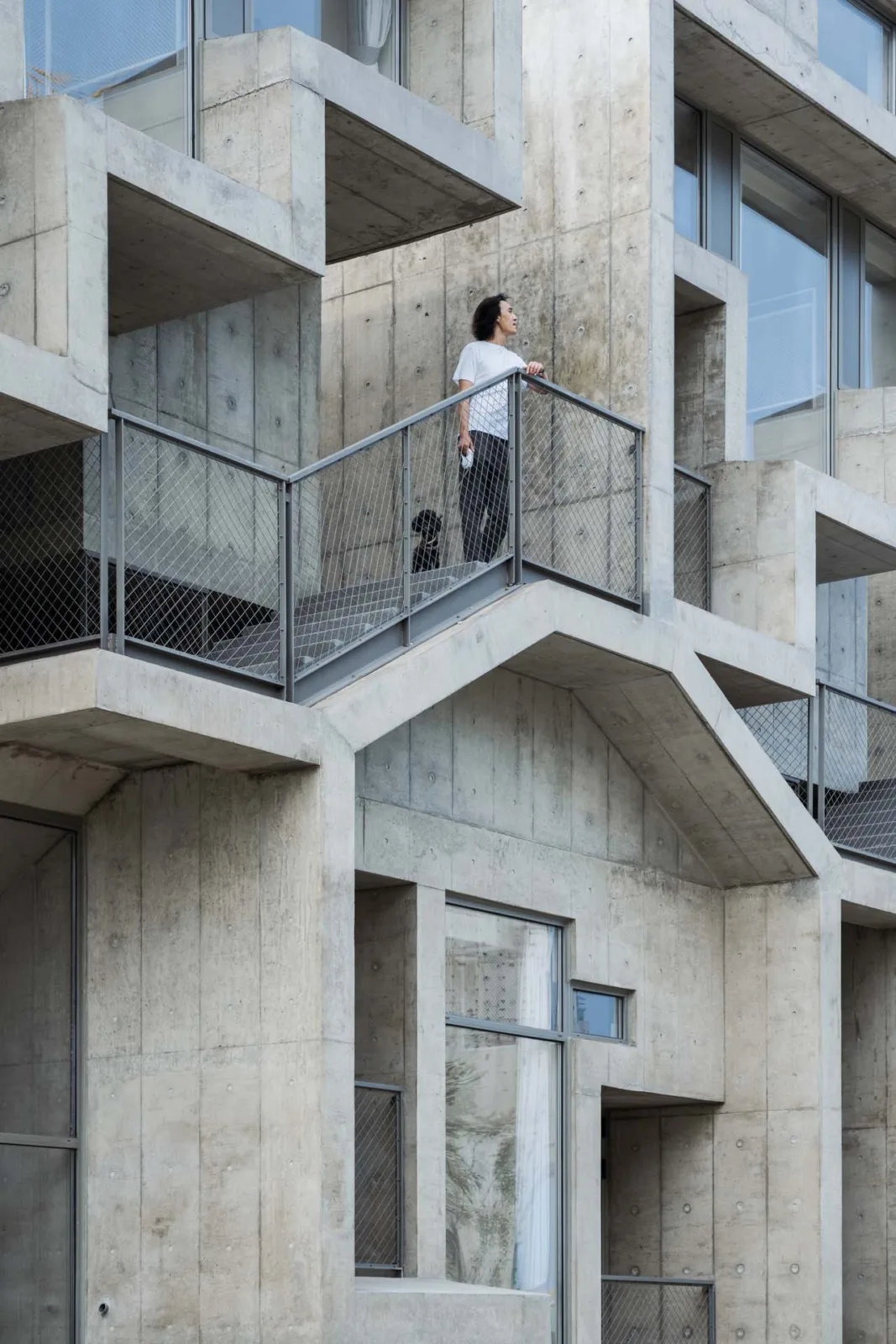
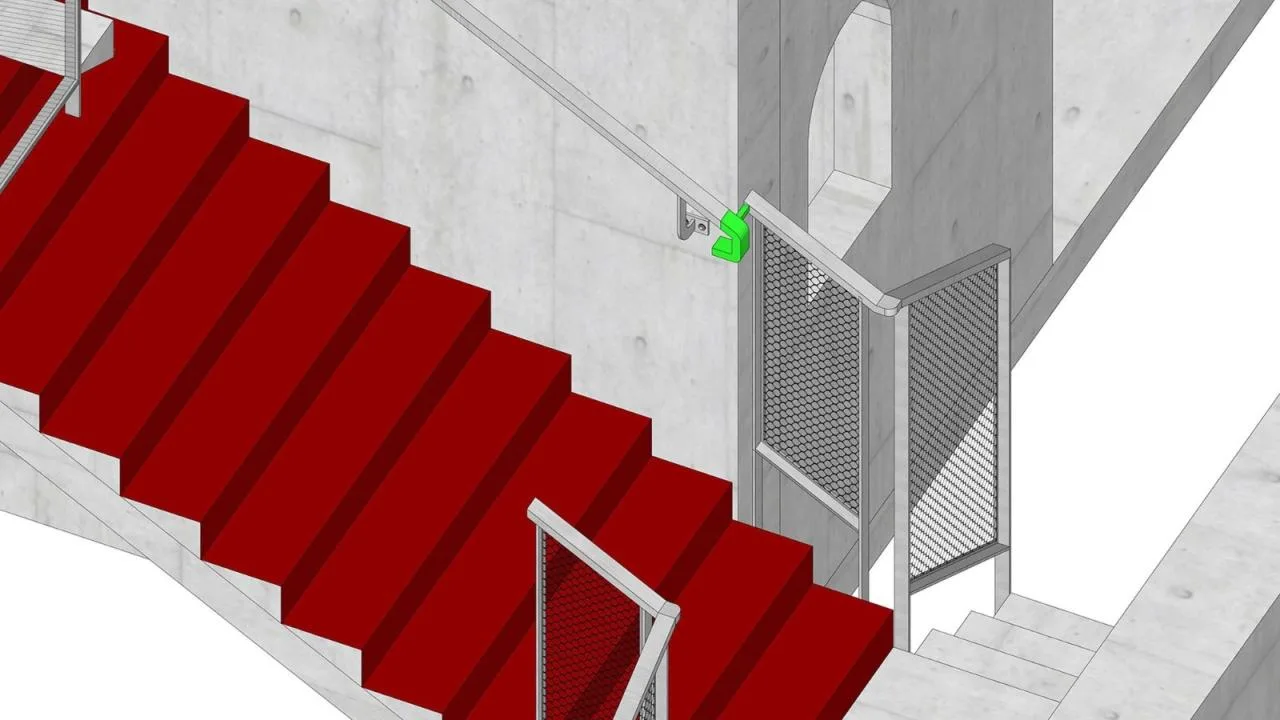
Commercial building codes require a fire hydrant at every evacuation staircase, which posed a design challenge given the number of hydrants. To address this, screens were installed at the base of each staircase to conceal the hydrants. These screens not only preserve the staircase’s reserved atmosphere but also became integral architectural elements within the inner courtyard.
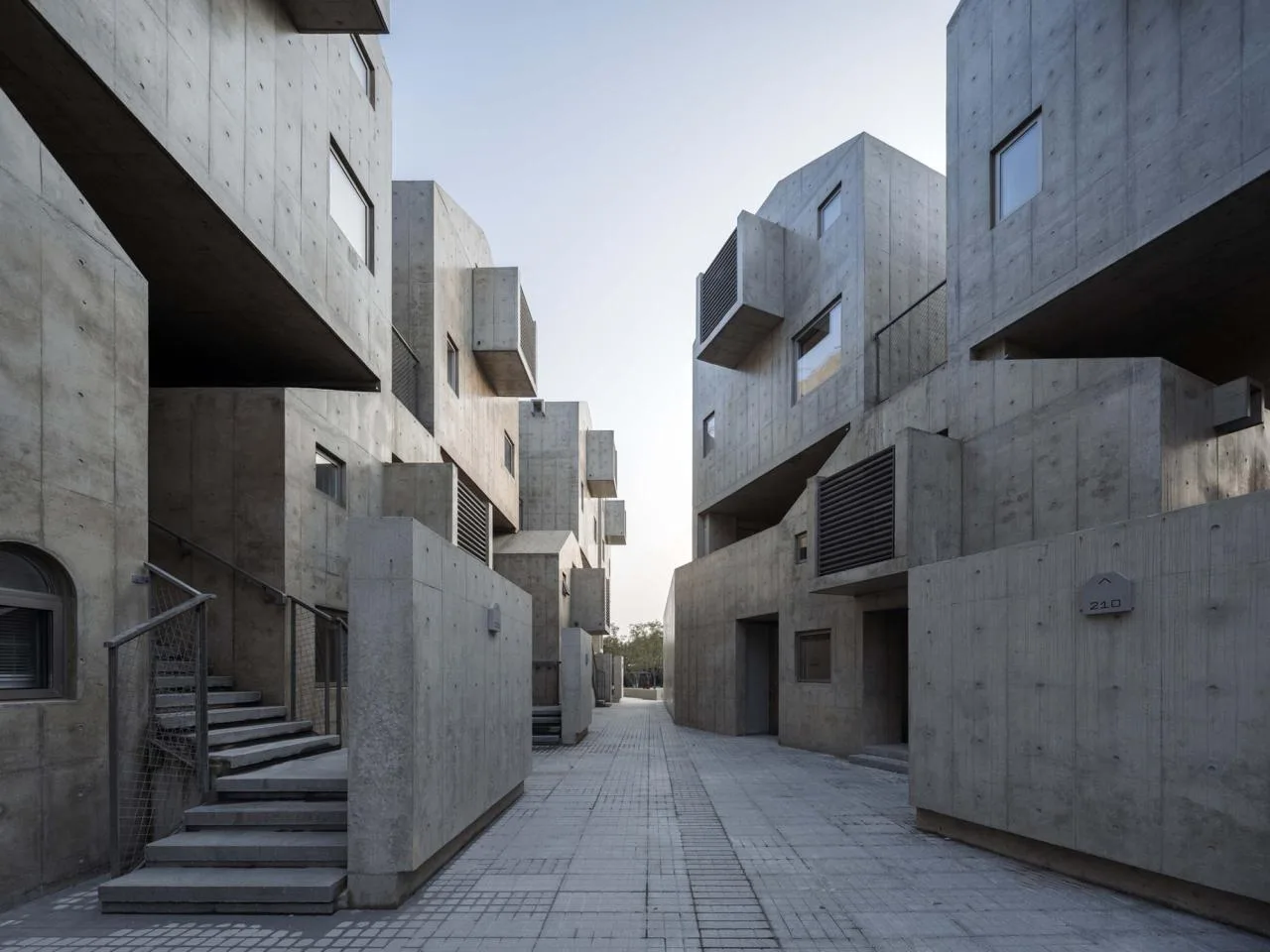
During early planning, the exterior façade’s material sparked debate between plain concrete and coated finishes. While architects favored plain concrete, many buildings in Anaya already featured this, prompting considerations of textured coatings, washed stone, and white polyurea. As construction drawings progressed, the limited areas available for infill walls made a nearly complete cast-in-place concrete structure inevitable, supporting the decision to use plain concrete.
Cost and aesthetics led to choosing simpler plywood molds over expensive alternatives. The experienced general contractor recommended 1.8-meter specialized templates, and façade panels were modularized in 450mm increments. Collaboration ensured optimized placement of construction joints and proper handling of complex shapes.
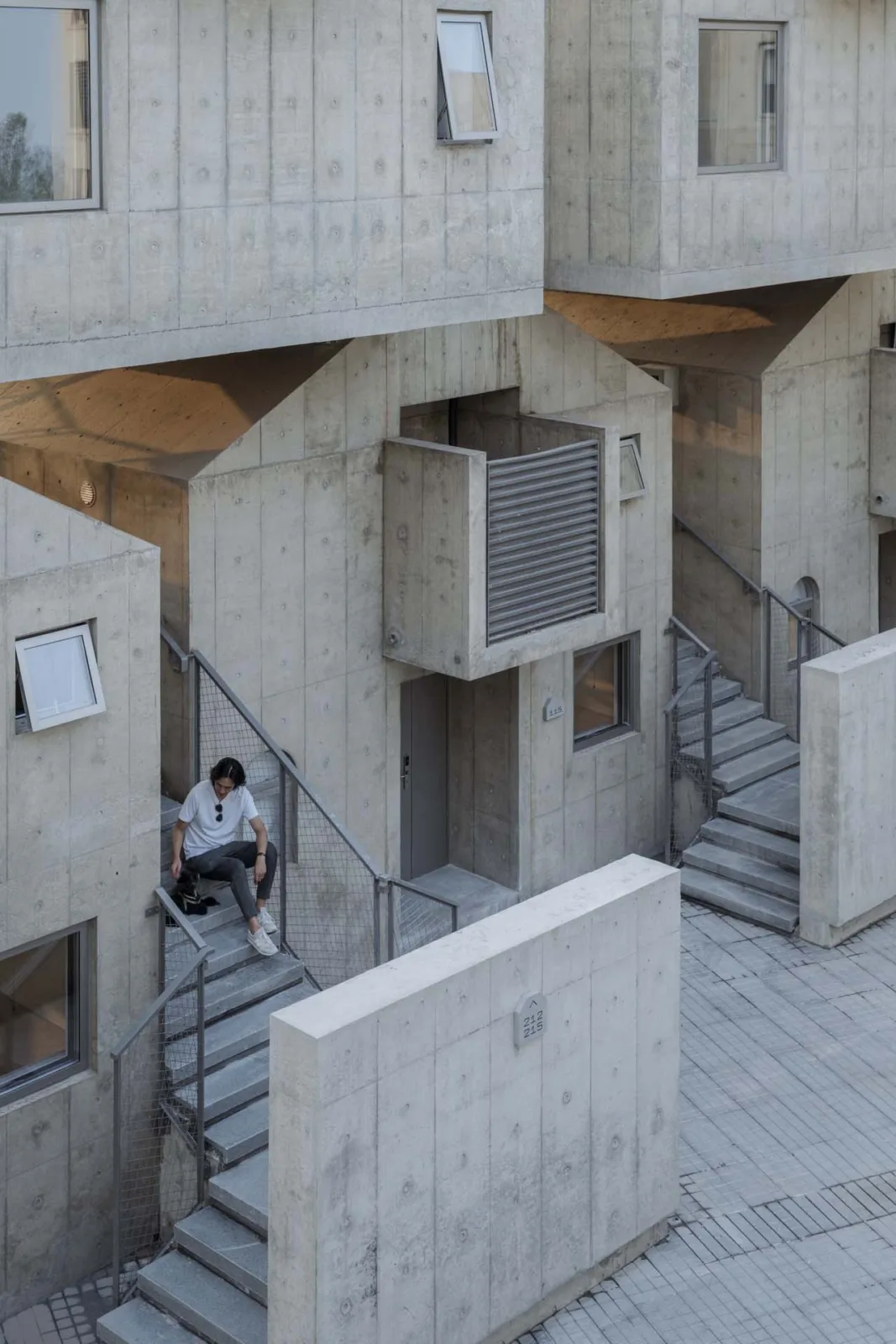
Vertical wall pours posed no issues, but sloping roof vibrations complicated the process. Despite multiple test pours, minor surface bubbles persisted. Ultimately, the general contractor was advised to accept these bubbles as they did not compromise structural integrity or waterproofing—an honest reflection of the concrete’s nature.
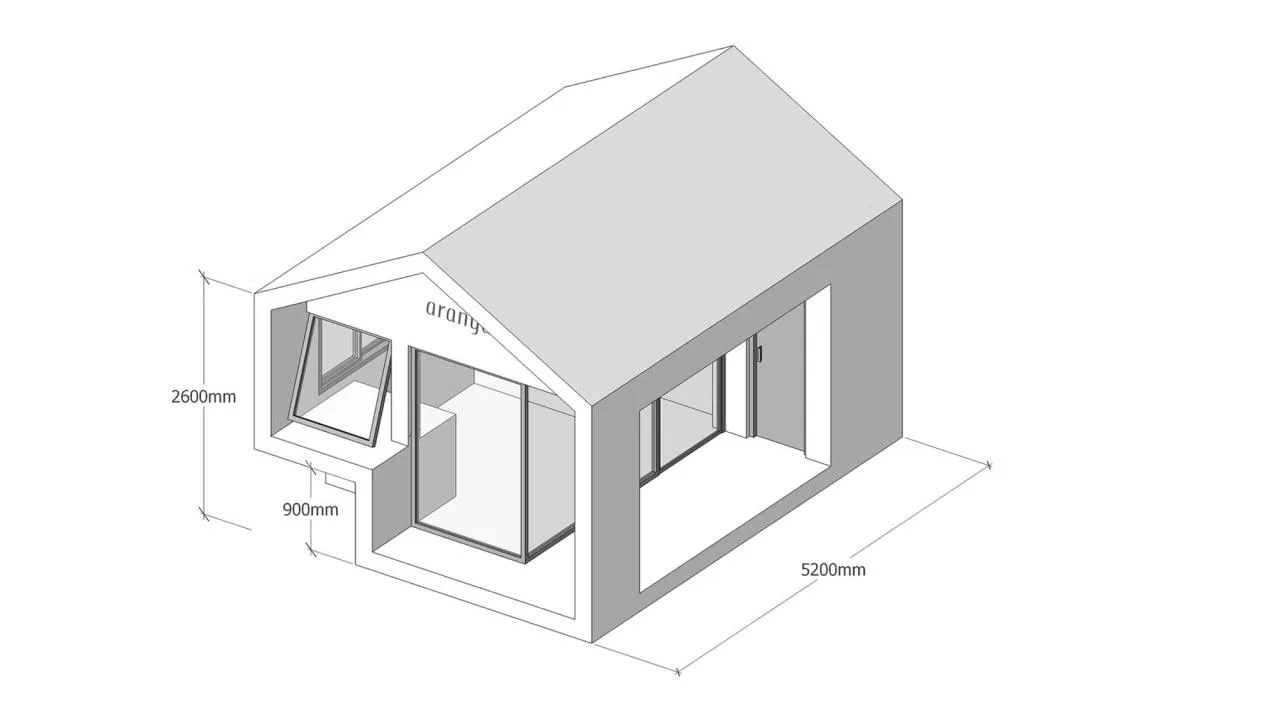
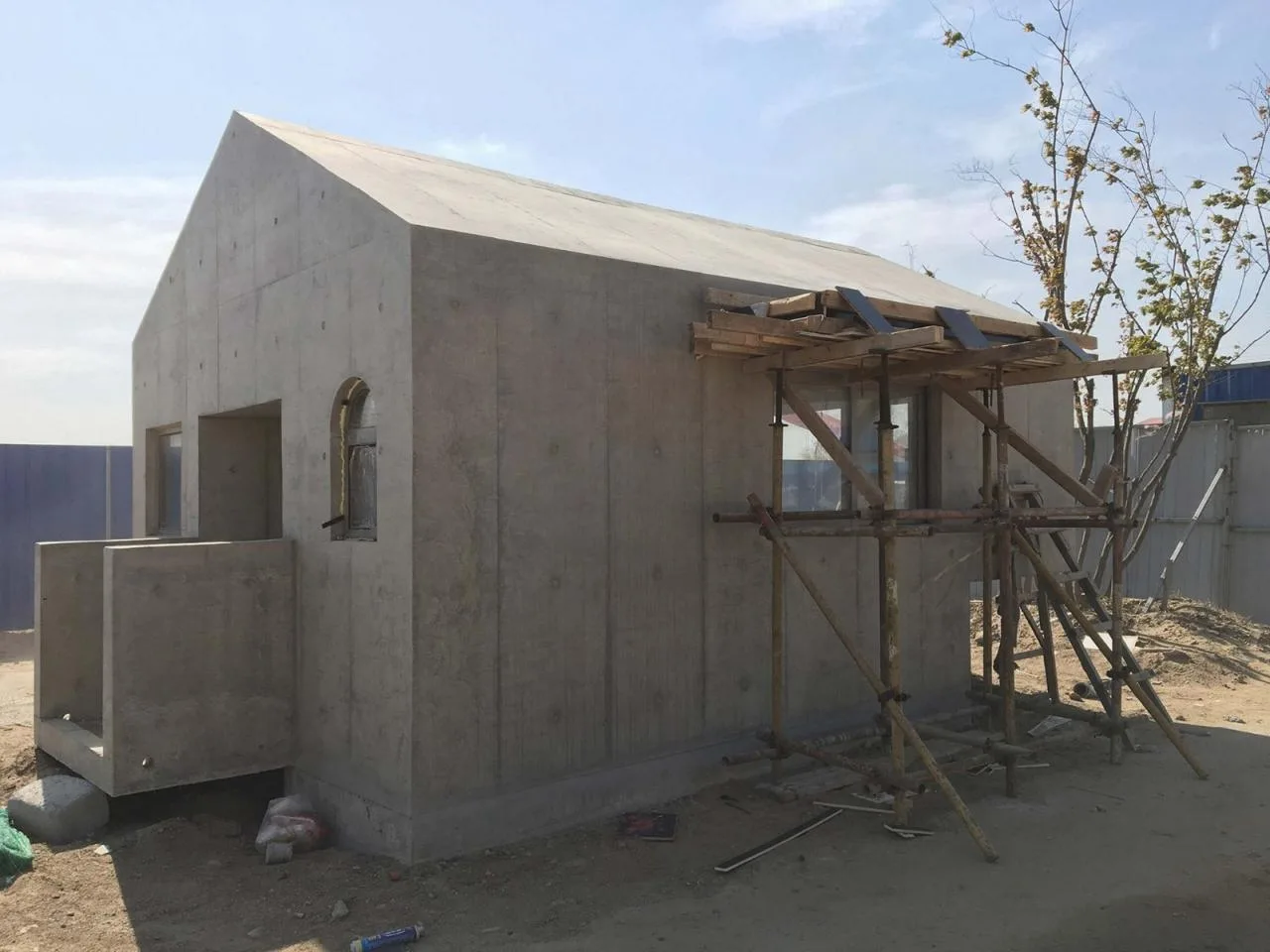
A large-scale concrete experiment was conducted at Anaya’s south gate using a conceptual guest room box. This sample, which can serve as a future gatehouse, revealed the difficulty of pouring on non-vertical and non-horizontal surfaces, especially the pointed roof section. After exploring prefabrication and other options, the pointed roof was replaced with a trapezoidal shape featuring a small flat surface. As a result, the kennel includes two roof types: one with a large flat roof and another with a small flat roof.
All concrete repairs, waterproofing, insulation, door and window samples, air conditioning louvers, and railings were tested on this full-scale model and monitored throughout the year-long construction phase.
Room Design
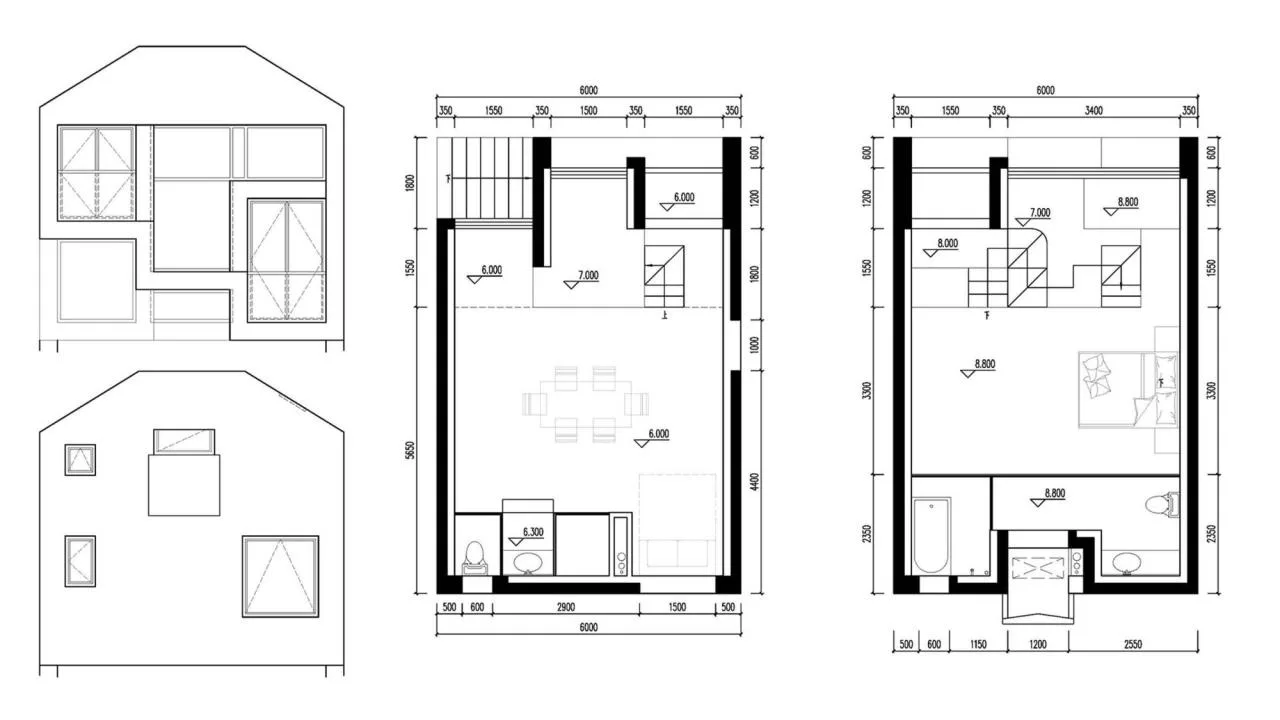
Each guest room box was initially limited to a standard 6 by 9-meter footprint. The 30 guest rooms are variations on four basic types, influenced by entrance orientation and exterior façade slope. Minor position and movement differences throughout the project led to additional unique designs.
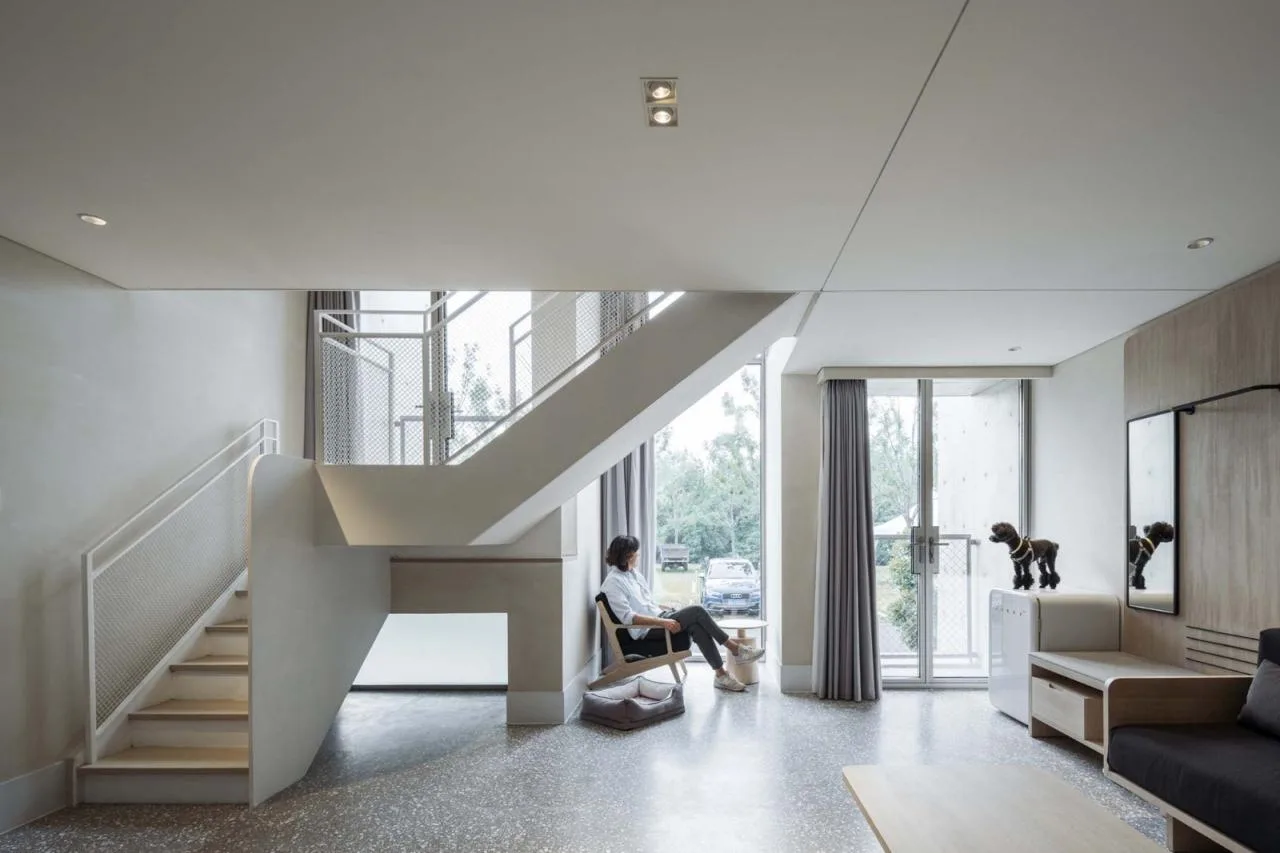
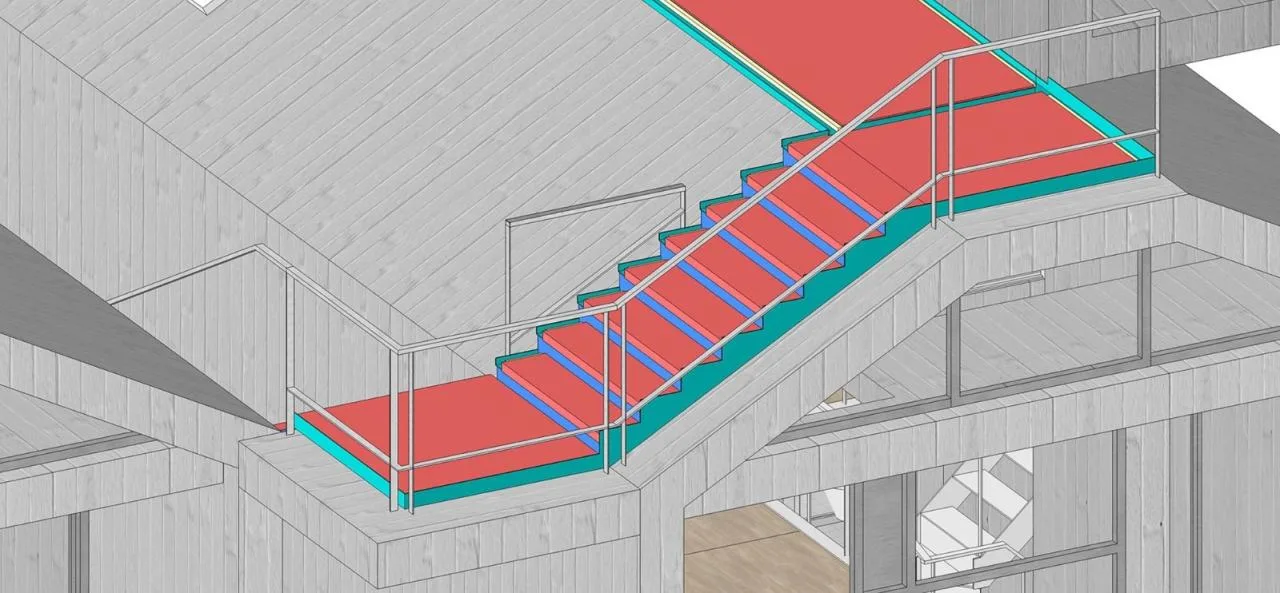
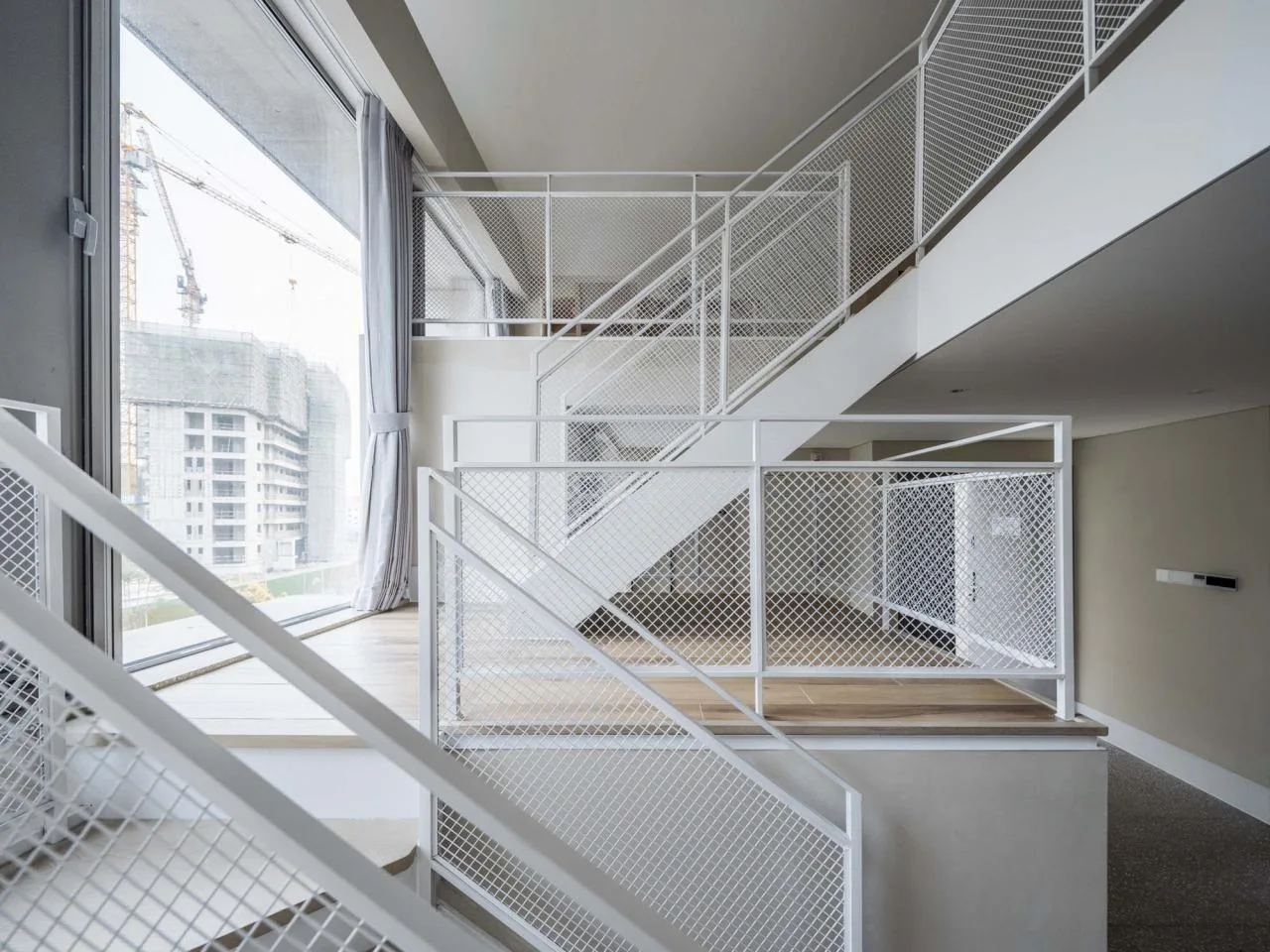
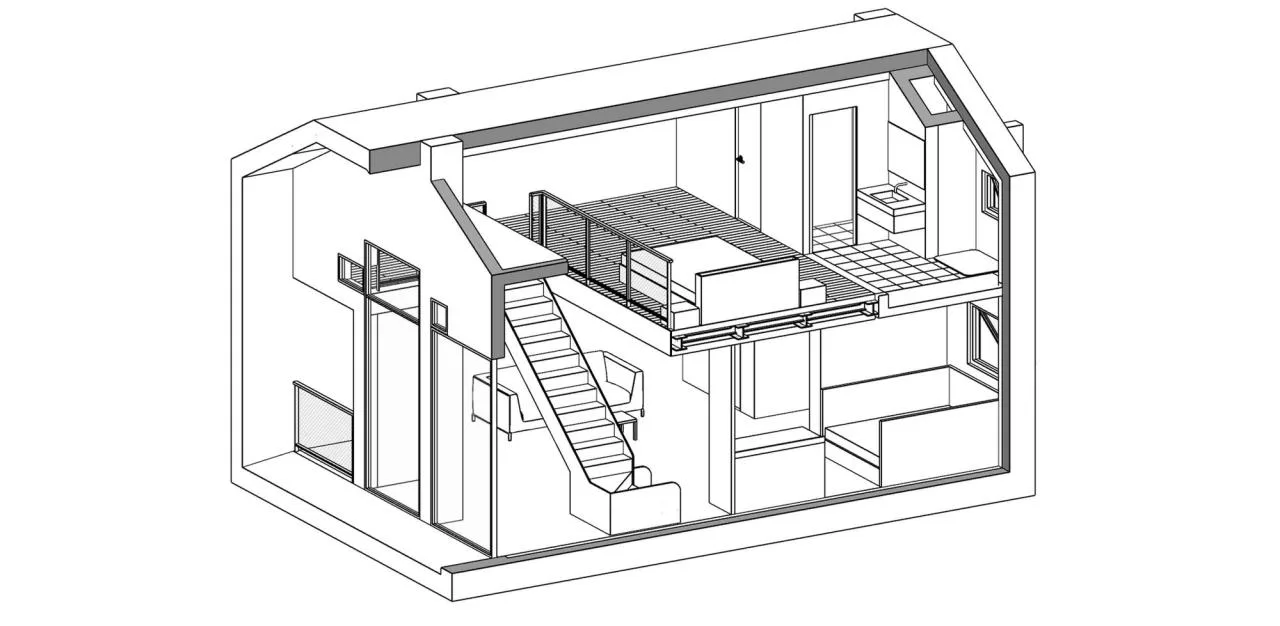
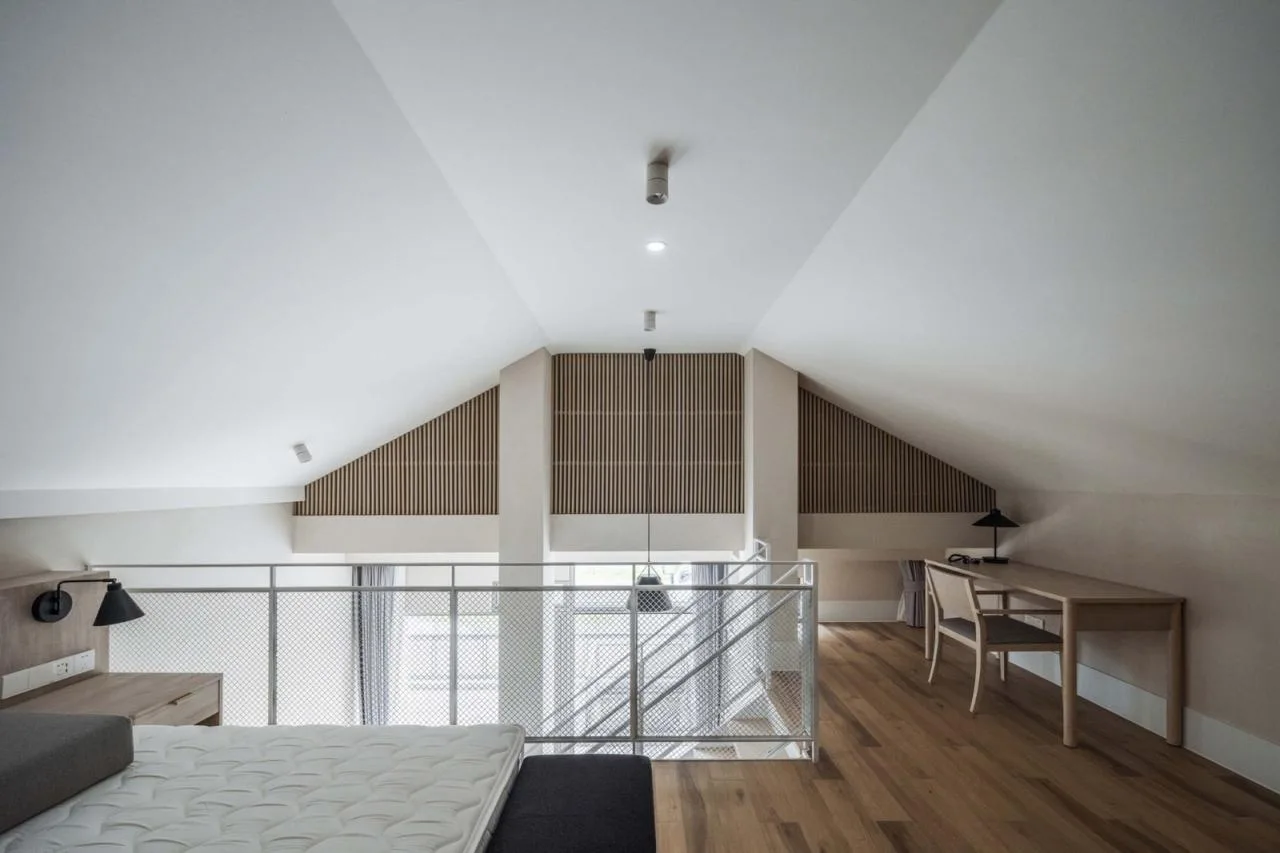
Outdoor stairs heavily influenced the indoor stair design, leading to stairs becoming central indoor features that connect multiple small spaces, providing enjoyable living areas for both people and their dogs.
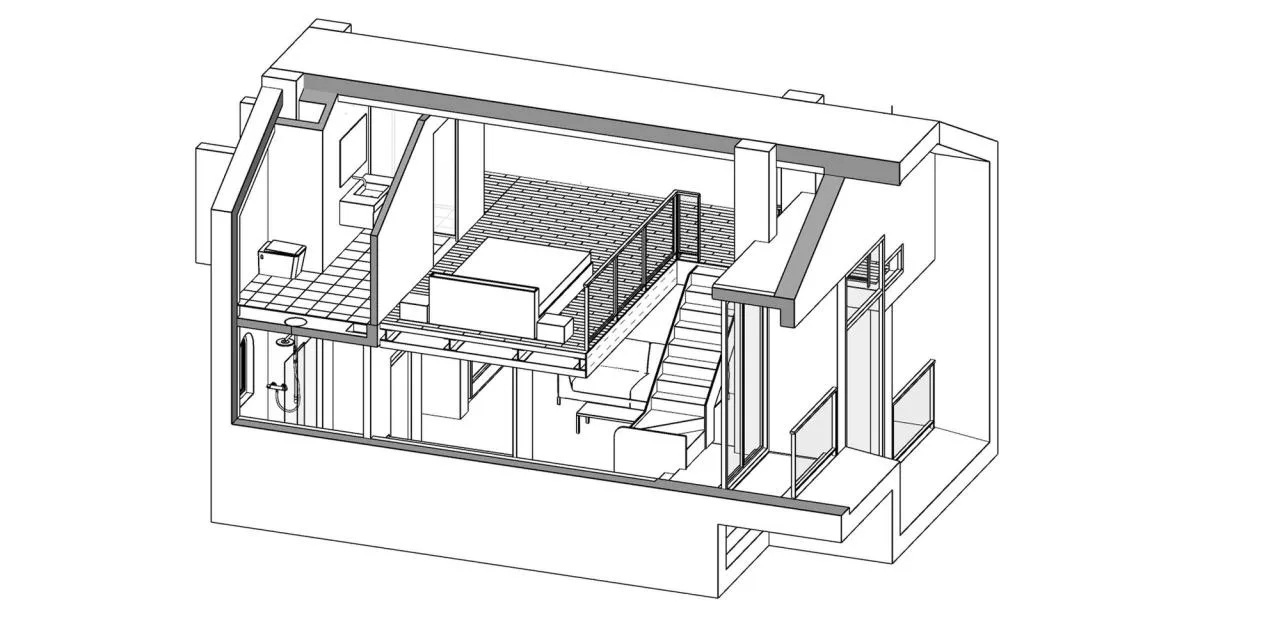
The bed placement faced a choice between side or central positioning, ultimately opting for the conventional side arrangement. Guest rooms offer a large bed upstairs and a tatami area downstairs, accommodating different family structures and human-dog relationships. Both floors include bathrooms, although roof slope adjustments required some on-site repositioning to ensure usability.
The evolution of exterior window design was complex. Initial plans featured full windows, later adjusted to staggered openings for curtain installation, and finally small windows within stepped solid walls to comply with a 2-meter fire separation requirement for upper outdoor stairs. This progression balanced energy efficiency, fire safety, cost, and practical use.
The windows feature triple glazing with two cavities of ultra-clear glass. Aluminum plate opening fans were designed to align with the 300mm exterior façade modularity.
Waterproofing plain concrete buildings with sloping roofs requires visual coherence between roofs and walls, raising the difficulty of roof waterproofing. Common waterproof membranes proved ineffective. The chosen method uses a crystalline permeable waterproofing agent applied to the exterior concrete, paired with internal insulation and roof slope. While this works well in southern climates, northern frost heave can cause concrete cracks, leading to waterproofing failure. Prompted by the project manager, new materials were explored.
After discovering transparent matte polyurea waterproof coating, extensive testing was conducted—from concrete samples to full-scale wall application on the security guard building. This innovative material, previously unused on exterior concrete walls, was selected for the entire concrete structure, applied in varying thicknesses.
This coating not only ensures waterproofing but also protects against the corrosive seaside atmosphere and dog urine. Polyurea application was scheduled after all concrete repairs and interior finishes were completed.
Roof construction began with less visible sections. Past experiences with polyurea yellowing are documented elsewhere. After completing silicone resin repairs, polyurea met the initial performance expectations.
For complex stair sections, safety concerns led to applying a layer of polyurethane waterproof coating before polyurea, followed by a protective mortar layer. Polyurea was then applied to form a continuous membrane, with stone finishes added afterwards. Additional touch-ups were done by hand to seal narrow grooves.
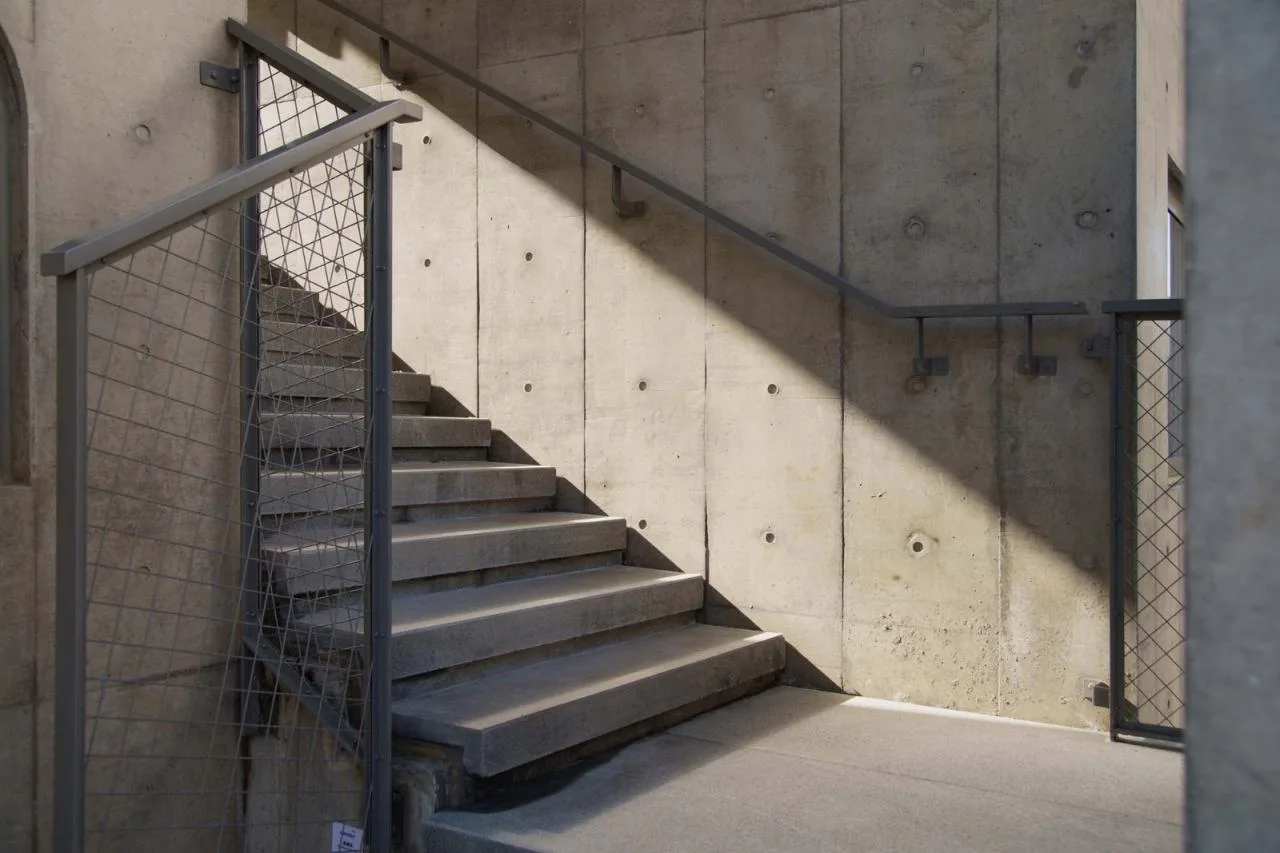
Railings, often overlooked, were carefully designed to avoid issues seen in previous government projects that used shiny stainless steel. Considering the coastal climate, brushed stainless steel with fluorocarbon spray coating was selected. To maintain the aesthetic of plain concrete, post-embedded parts were employed, with detailed drawings for each embedded component. Standardized railing sections reduced the risk of construction errors.
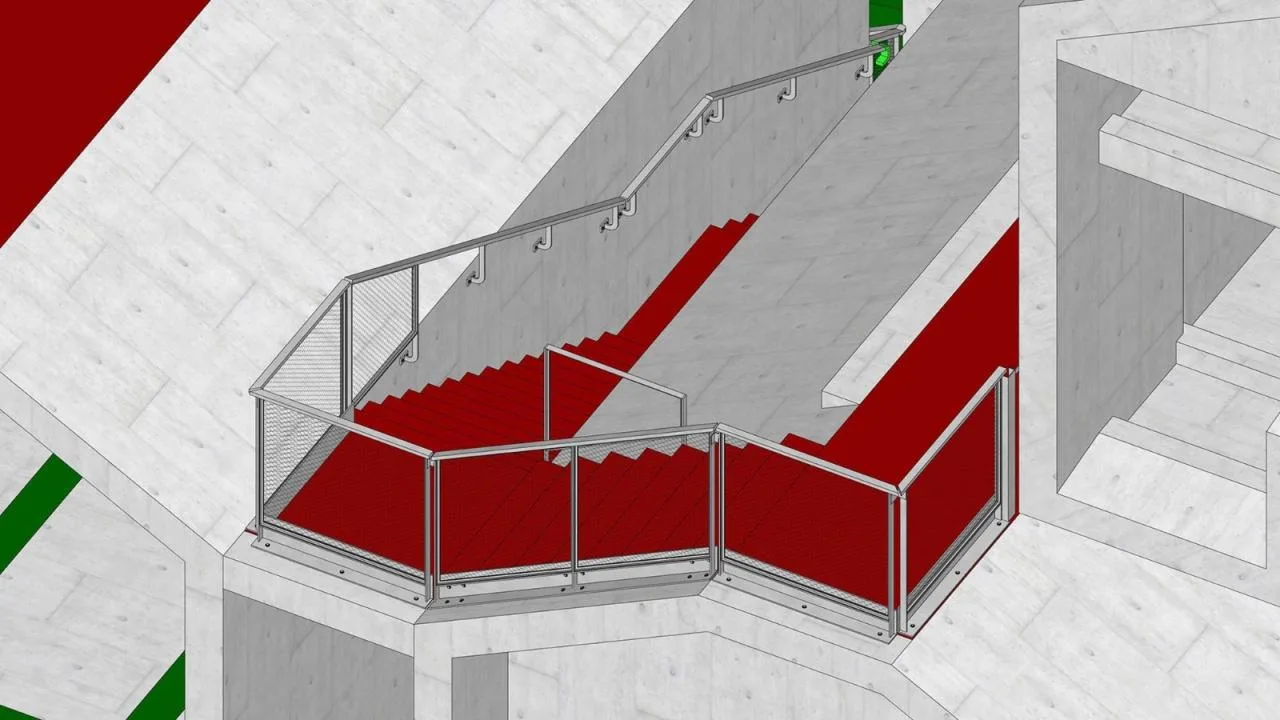
Additional features include stainless steel corrugated perforated panels to conceal air conditioning units, custom stainless steel expansion joint covers for plain concrete, small hardware corrections after completion, floor drains adjusted for paving elevation, and stainless steel exhaust vents matching the kennel’s style—purchased from a general contractor’s Taobao supplier. Despite outdated standard drawings lacking design sense, some unique details required the architect’s direct involvement.
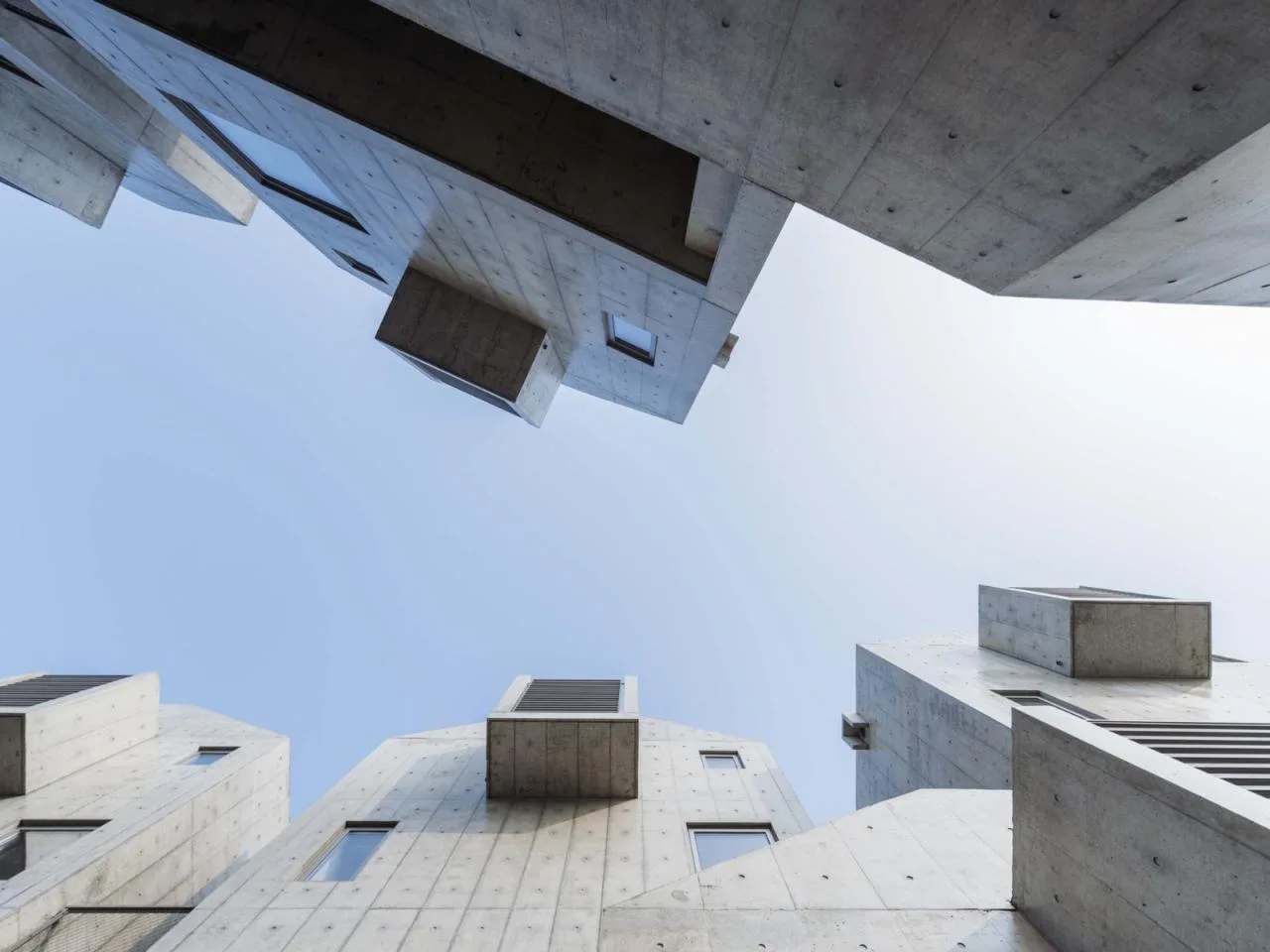
Upon finalizing the building’s presentation, lengthy discussions often arise about conceptual design, attempting to intersect with disciplines like anthropology, sociology, literature, and phenomenology. Frequently, these conversations stray from design itself, focusing instead on famous quotes and unrelated topics.
However, beyond concept, technical aspects of design deserve attention. The often tedious technical process forms the foundation of design, enriching and giving depth to solutions. Academic study requires both learning and technique; without technical discussion, architecture risks lacking substance. Architecture is a technical profession, where technology drives iterative development and generates beauty.
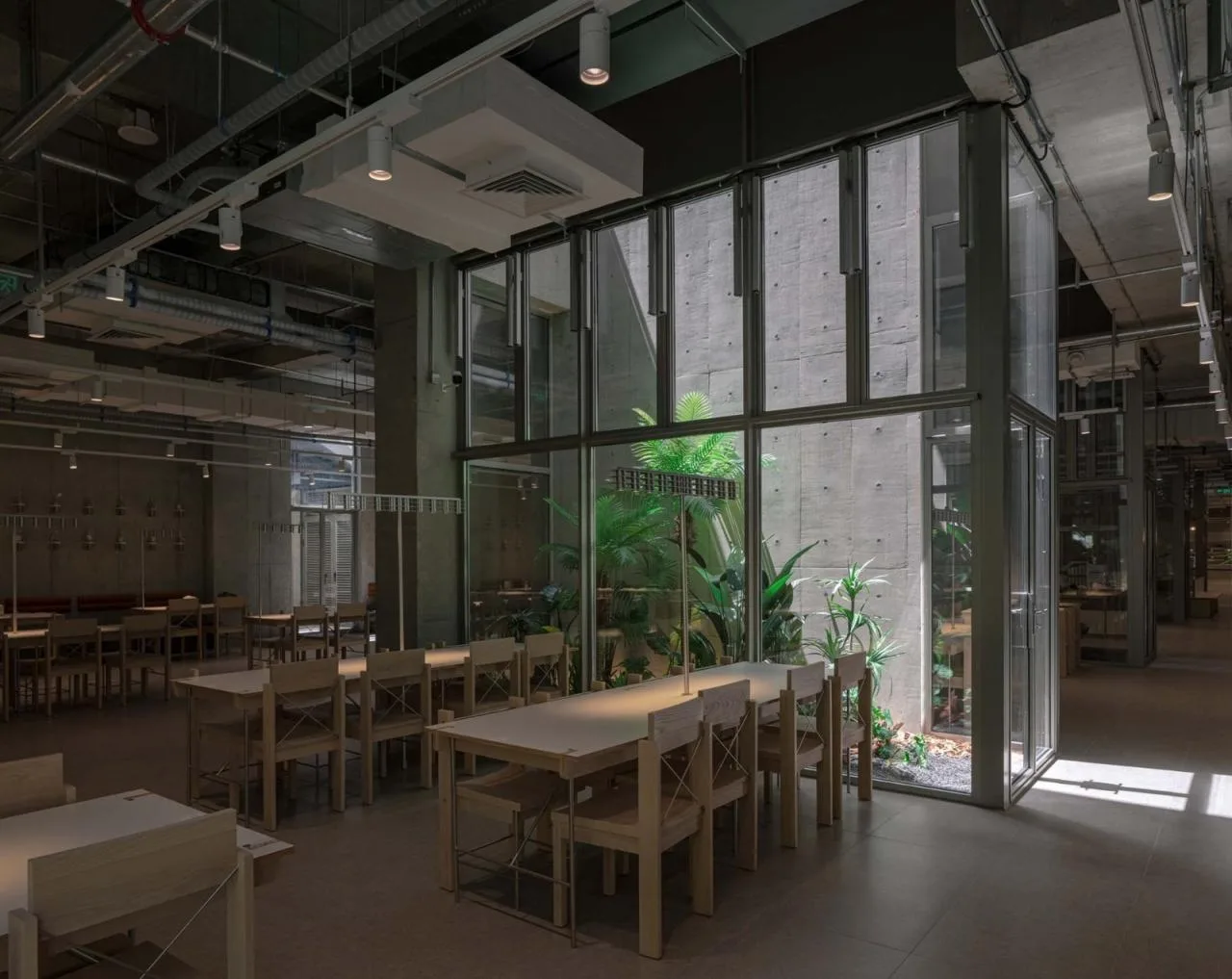
Construction is a collaborative effort involving clients, design institutes, and builders. Architects must acknowledge and appreciate their support, as without it, architects are mere artists. Architecture ultimately serves human use.
During the 2021 National Day holiday and the kennel’s trial operation, I traveled over 2,700 kilometers with my beloved old dog, spending five days at the Anaya kennel. From a user’s perspective, I reflected on the three years of design and construction. Both Danmeng and I are generally satisfied with the kennel’s design, construction, management, and operation.
Project Drawings
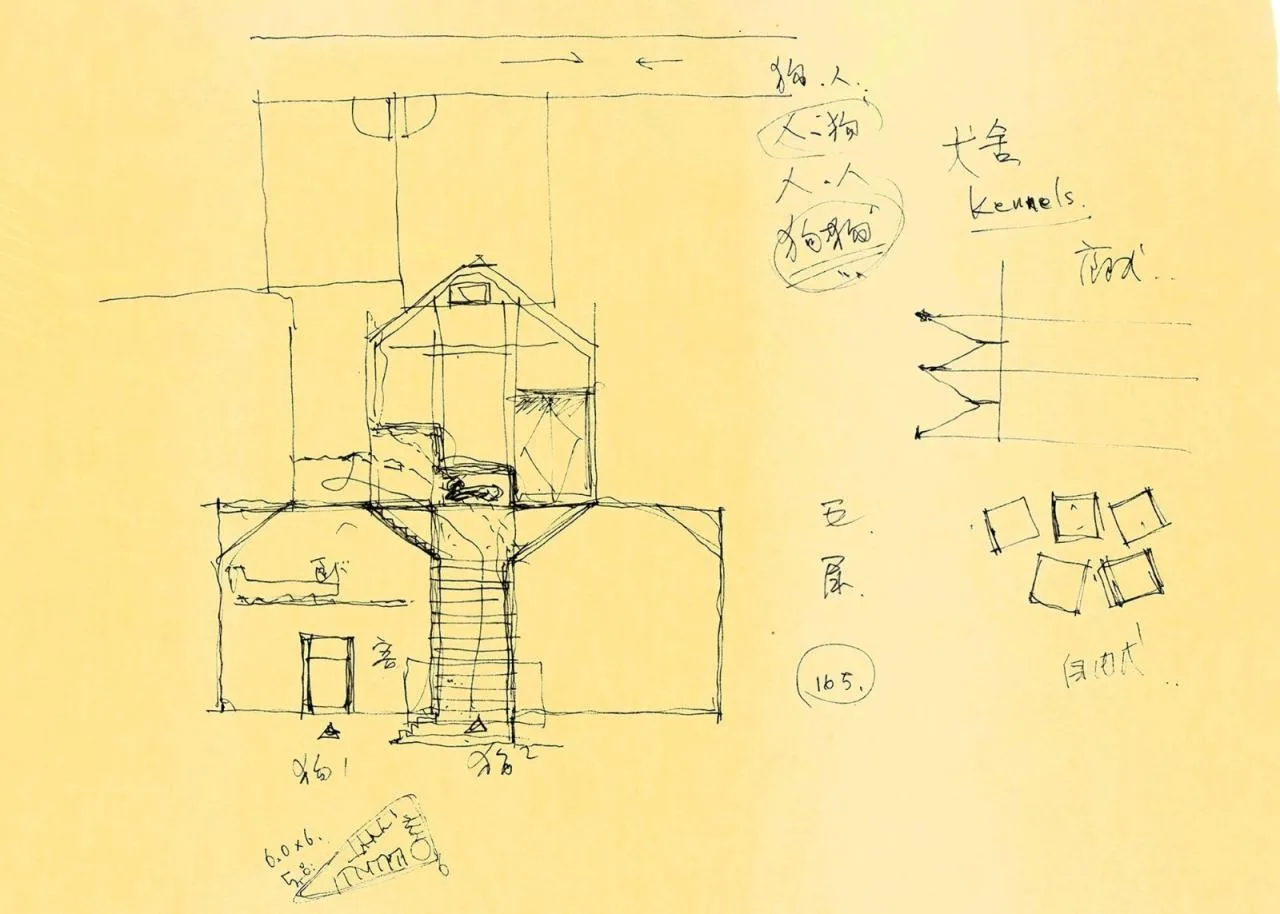
△ Hand-drawn sketch
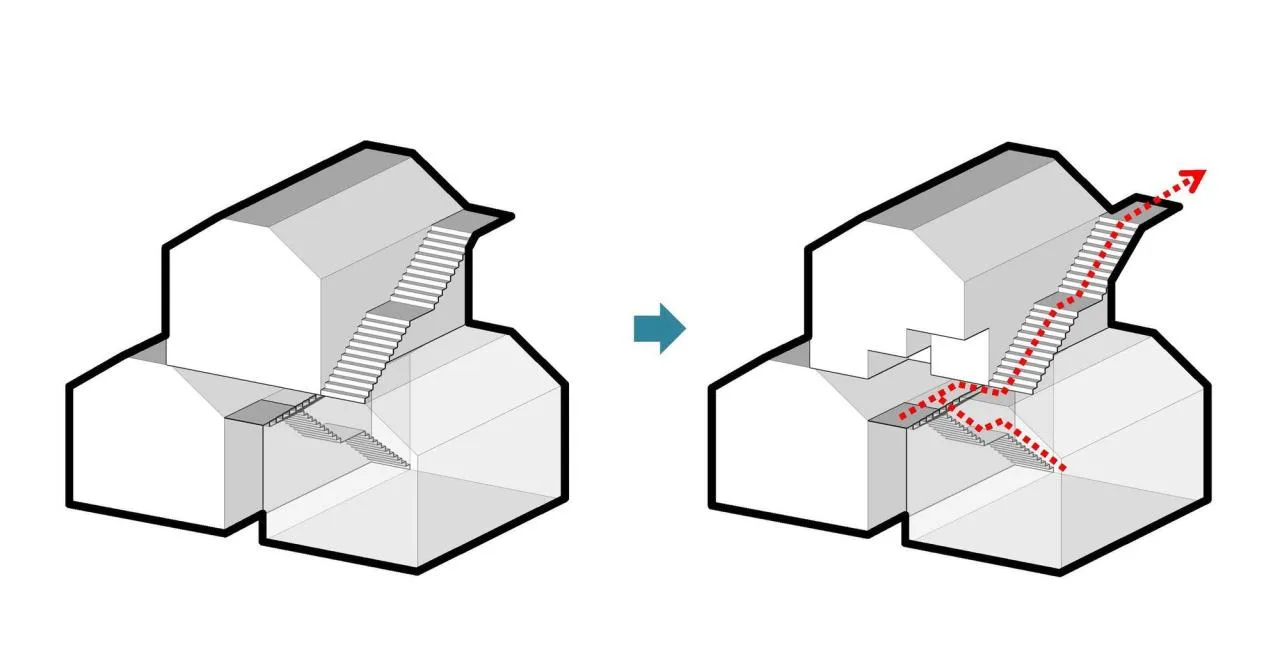
△ Traffic analysis diagram
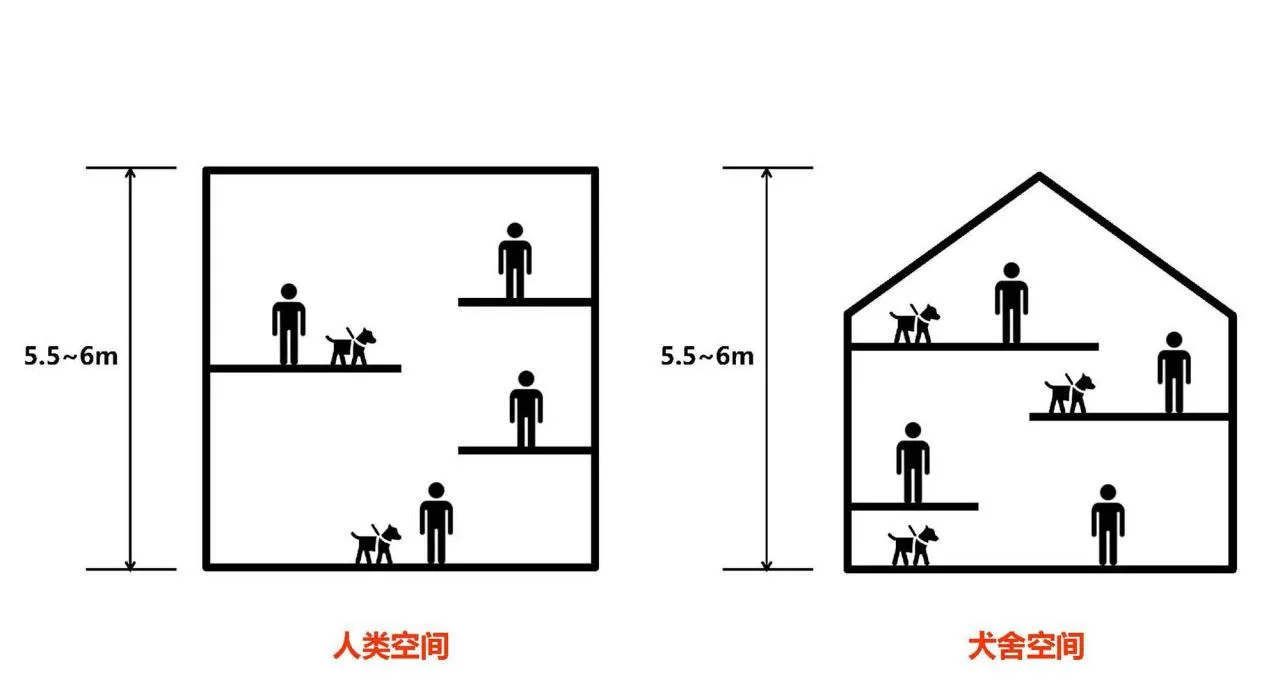
△ Spatial analysis diagram
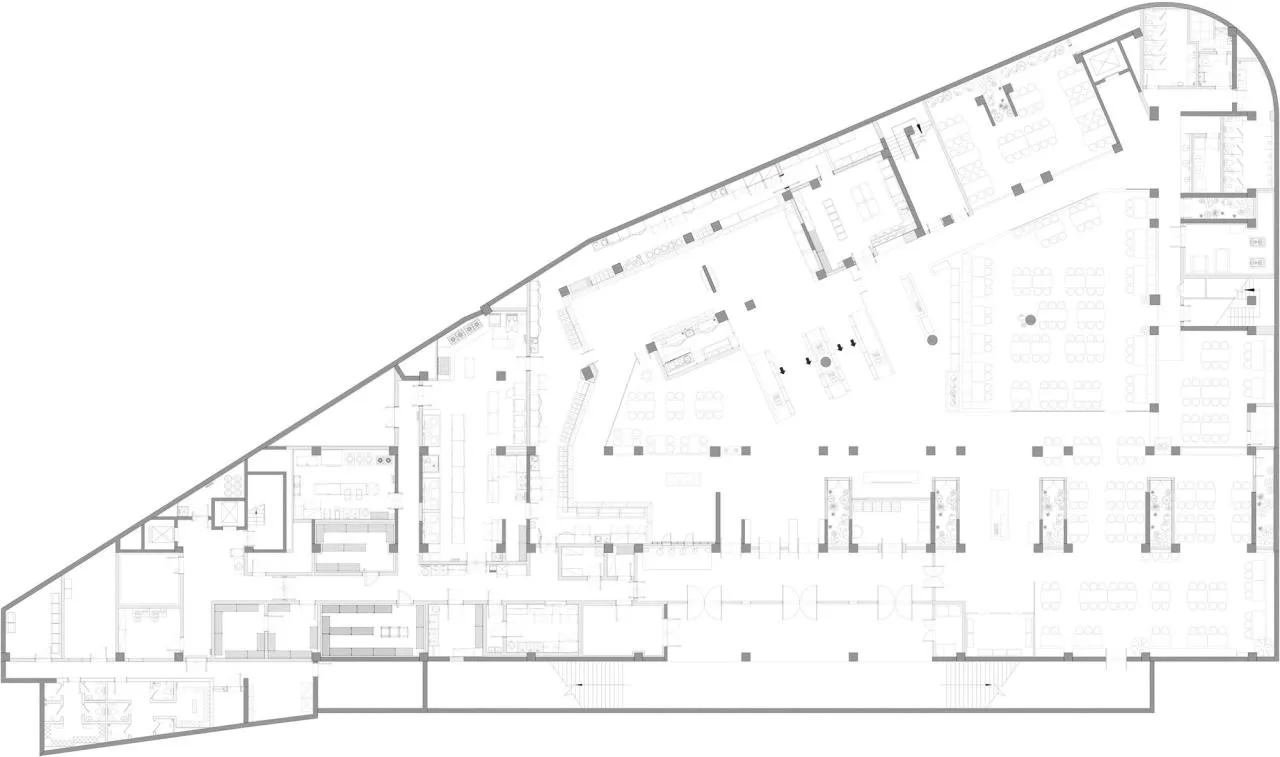
△ Overall plan
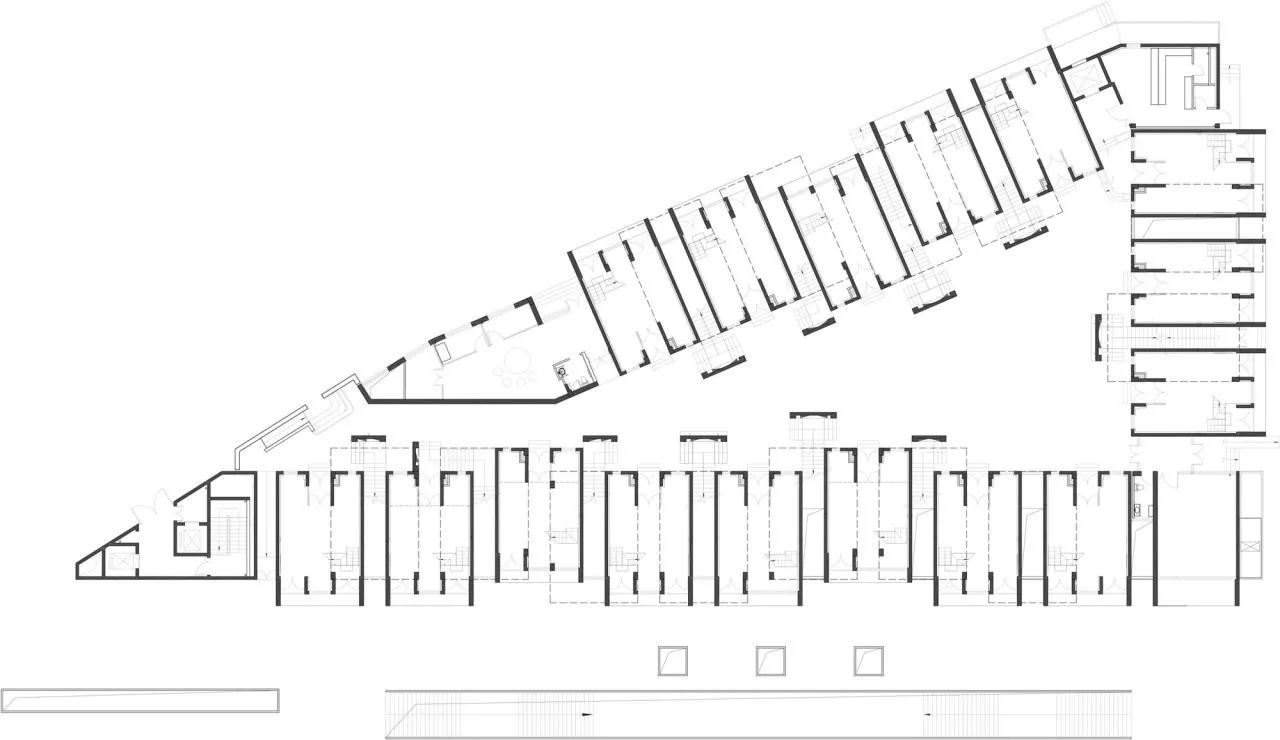
△ First floor plan
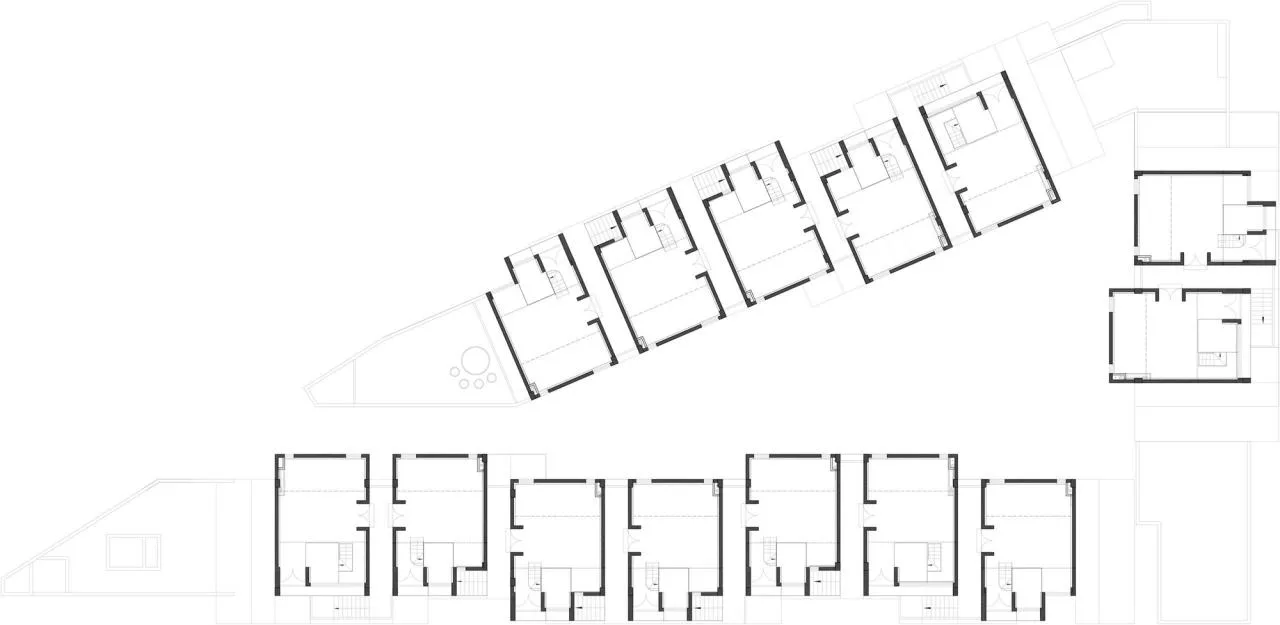
△ Second floor plan
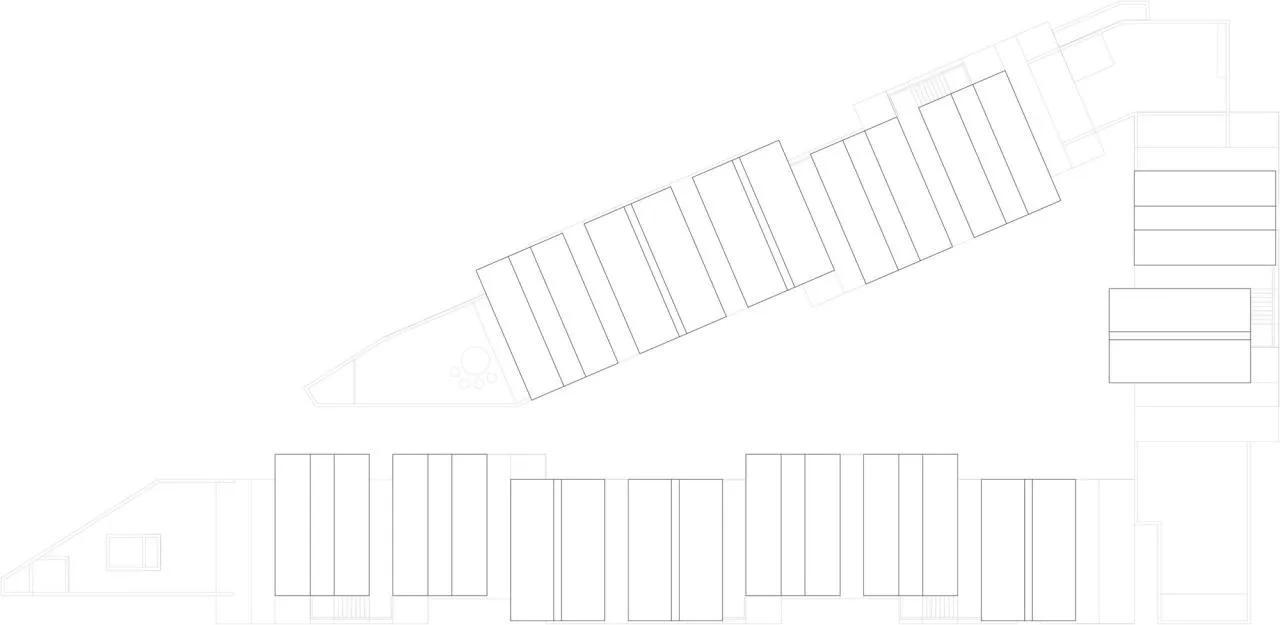
△ Roof plan
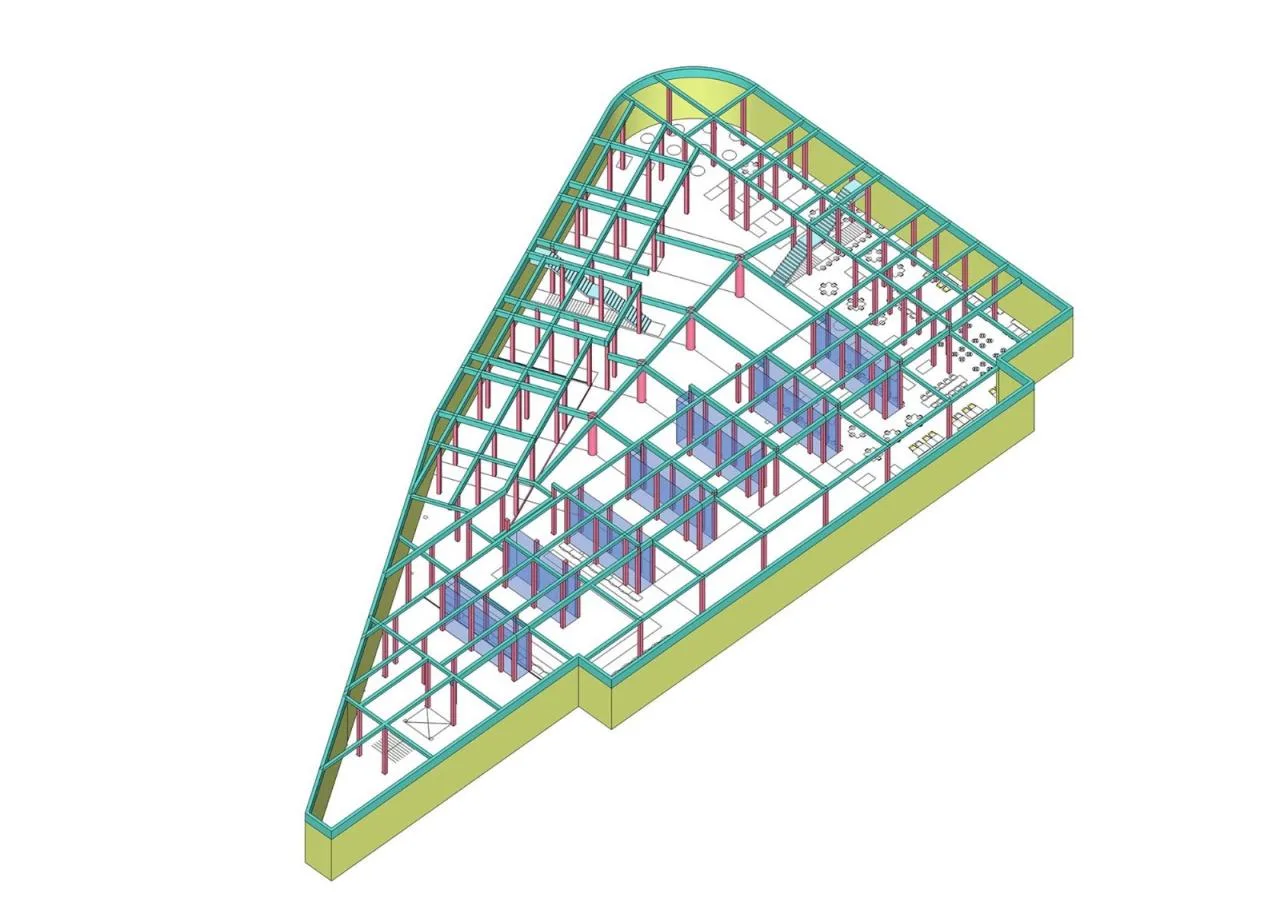
△ Basement structure
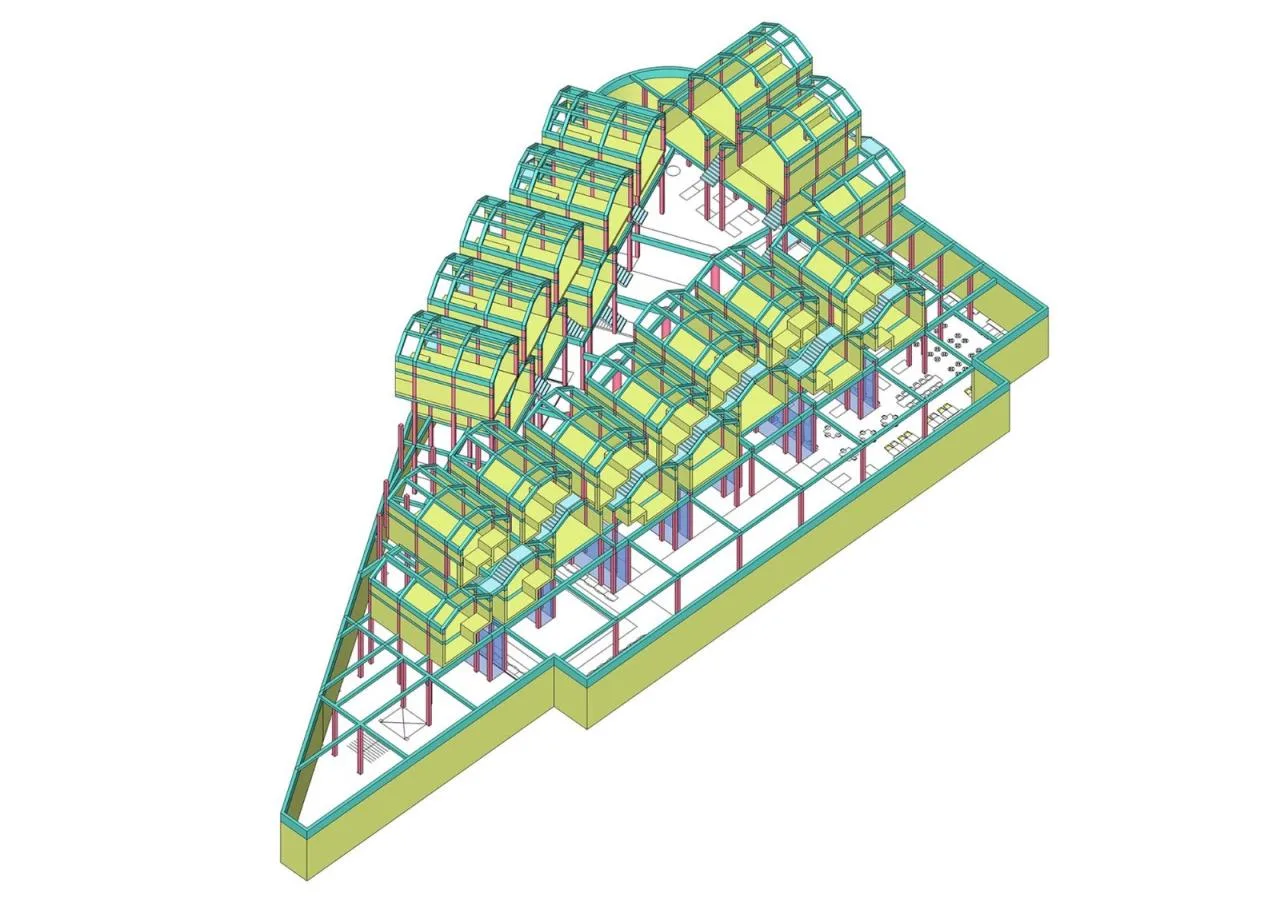
△ Overall structure
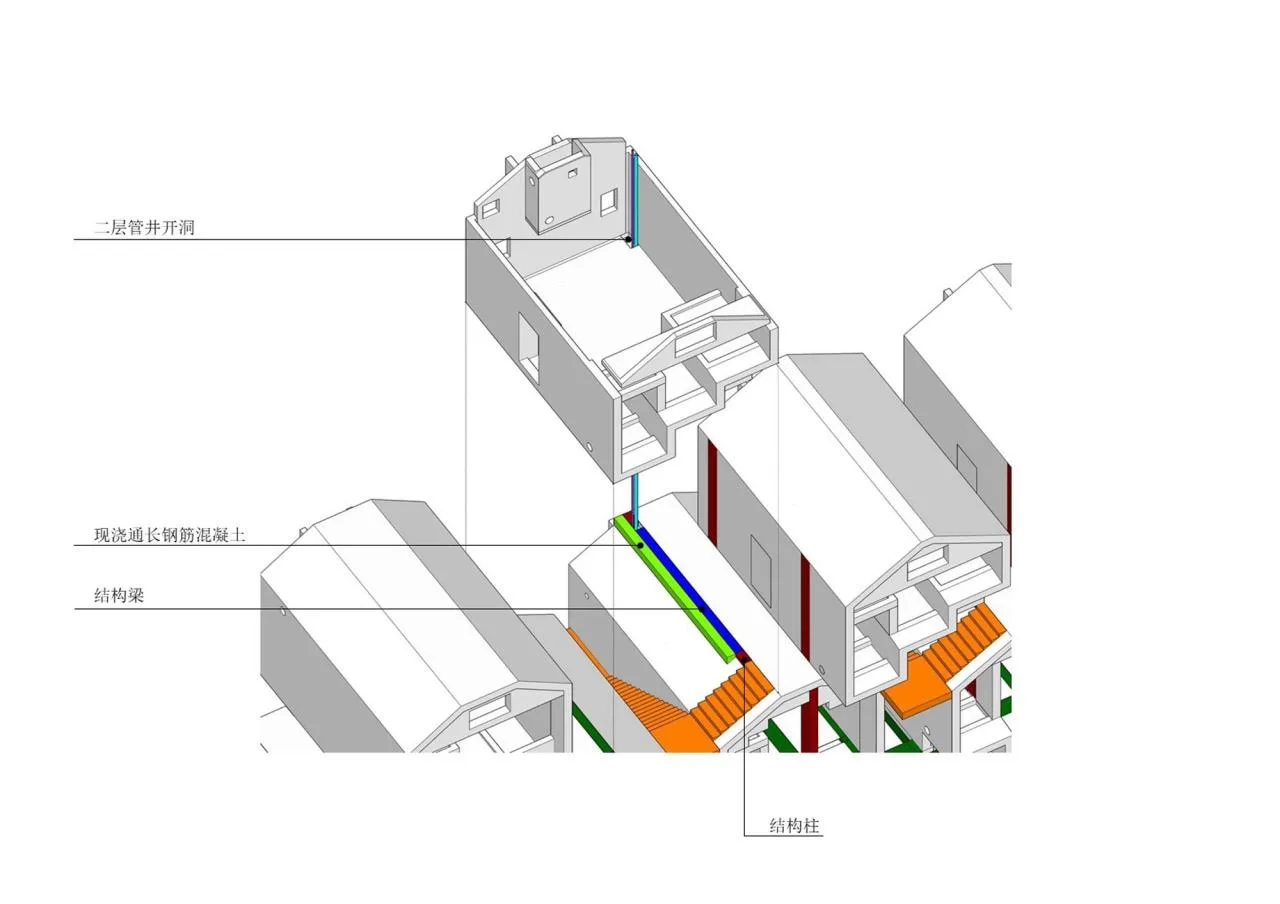
Schematic diagram of △ pipe well
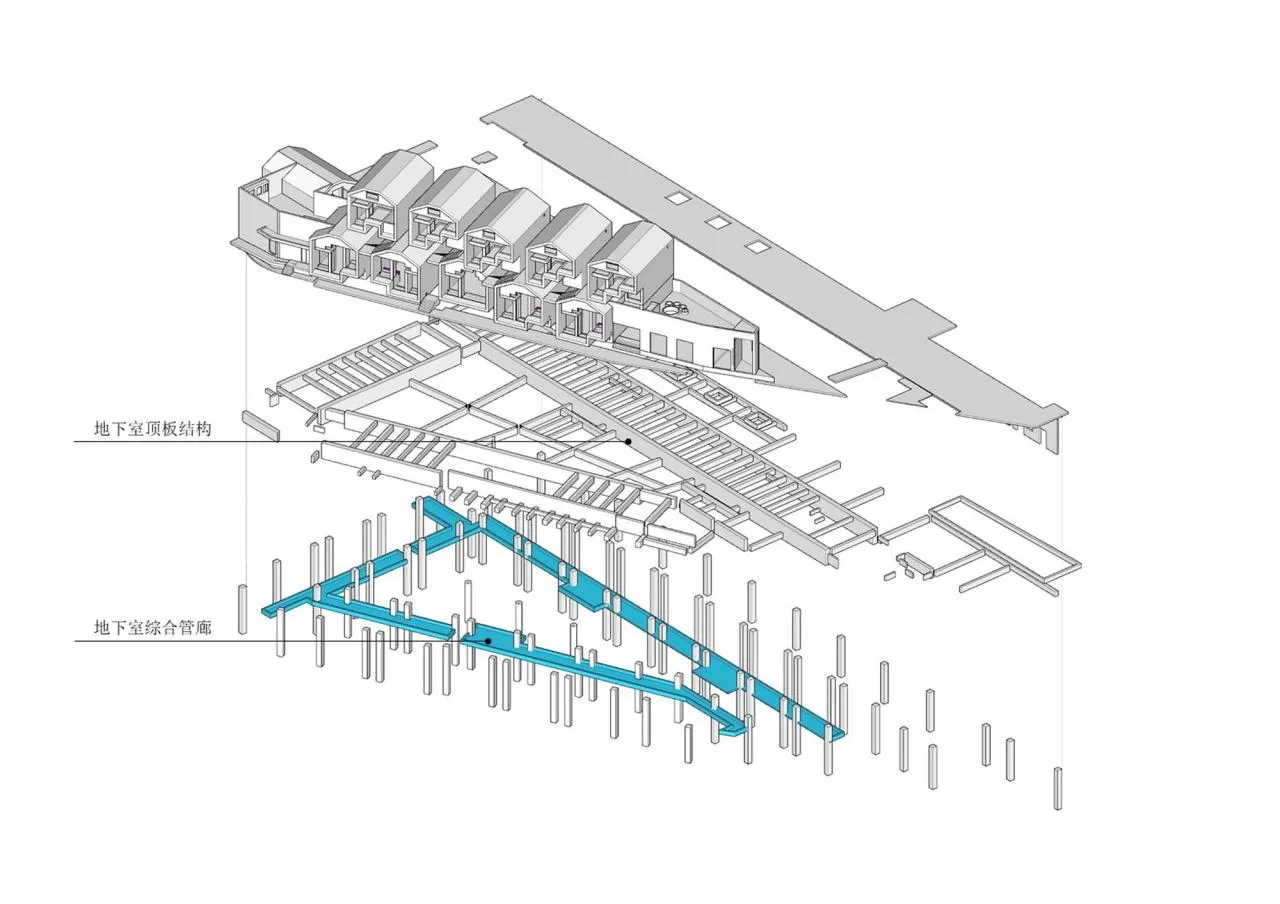
Schematic diagram of underground comprehensive pipe gallery
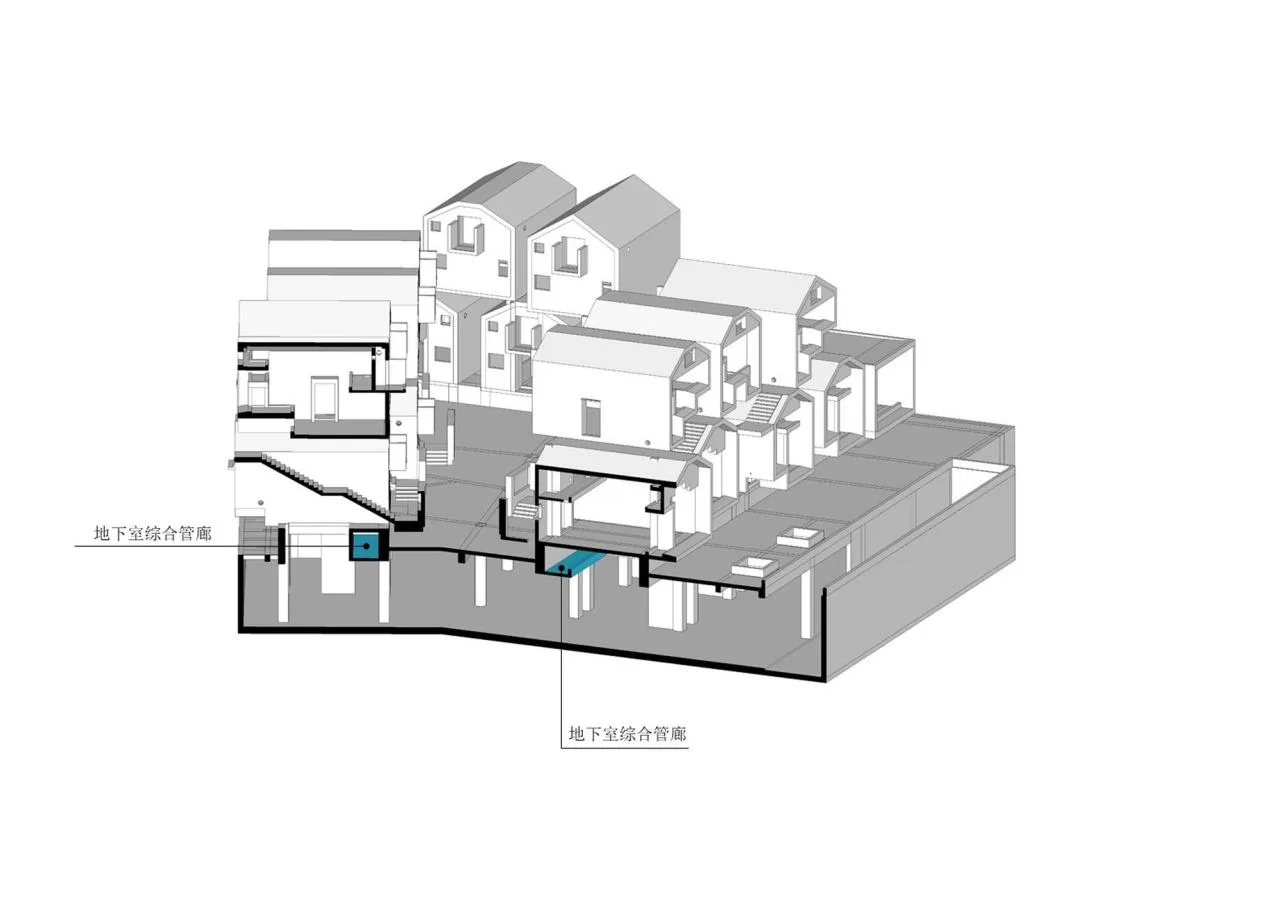
△ Underground comprehensive pipe gallery section
Project Information
Architectural Design: High-rise Building
Area: 4,682 m²
Project Year: 2021
Photographers: CreatAR Images, Wild Object, Zheng Huijin, Su Shengliang
Principal Architect: Zhang Jiajing
Design Team: Xu Wenbin, Zhang Qicheng, Xu Cong
Construction Drawing Design: Beijing Zhongwai Construction Architectural Design Co., Ltd., Chen Bin, Zhao Rong
Hotel Interior Design: Shanghai Dayun Space Design
Restaurant Interior Design: Mingyi Space Design
Lighting Design: Ruosi Lighting Design Co., Ltd
Landscape Design: Shenzhen Fanyu Jingzhu Landscape Architecture Co., Ltd
Exterior Wall Coating: Shenzhen Fanyu Jingzhu Landscape Architecture Co., Ltd
Location: Qinhuangdao, China















Must log in before commenting!
Sign Up