
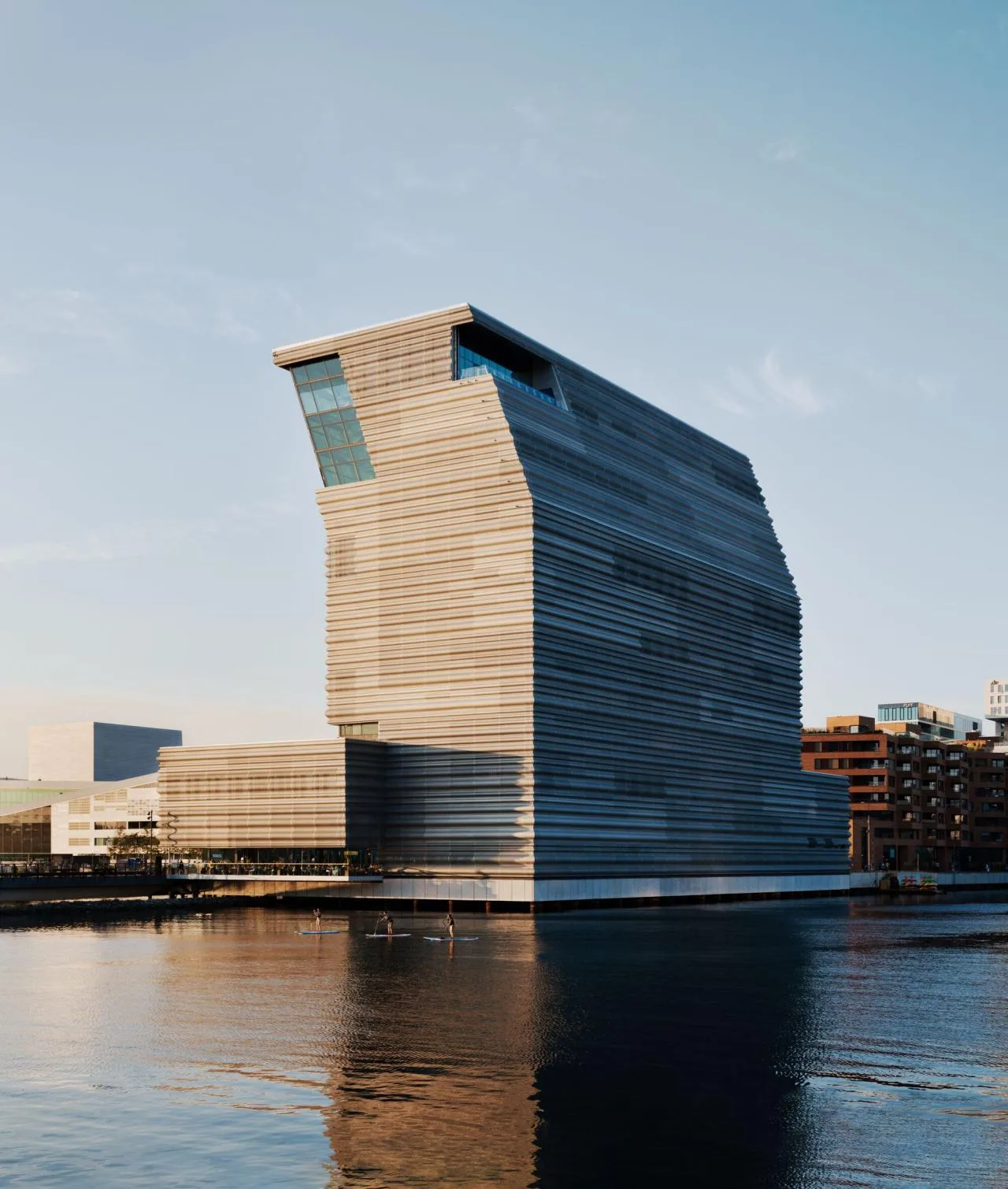
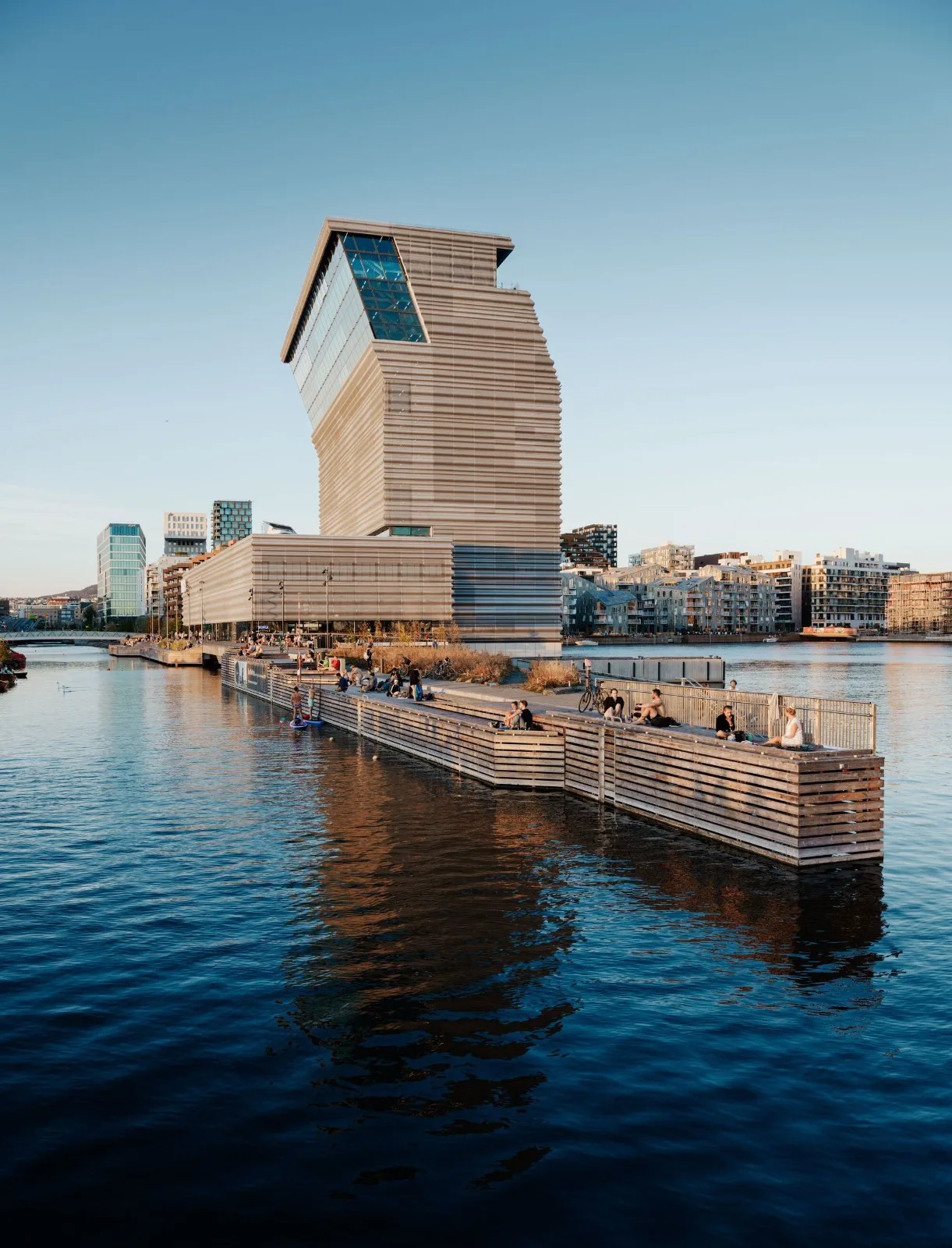
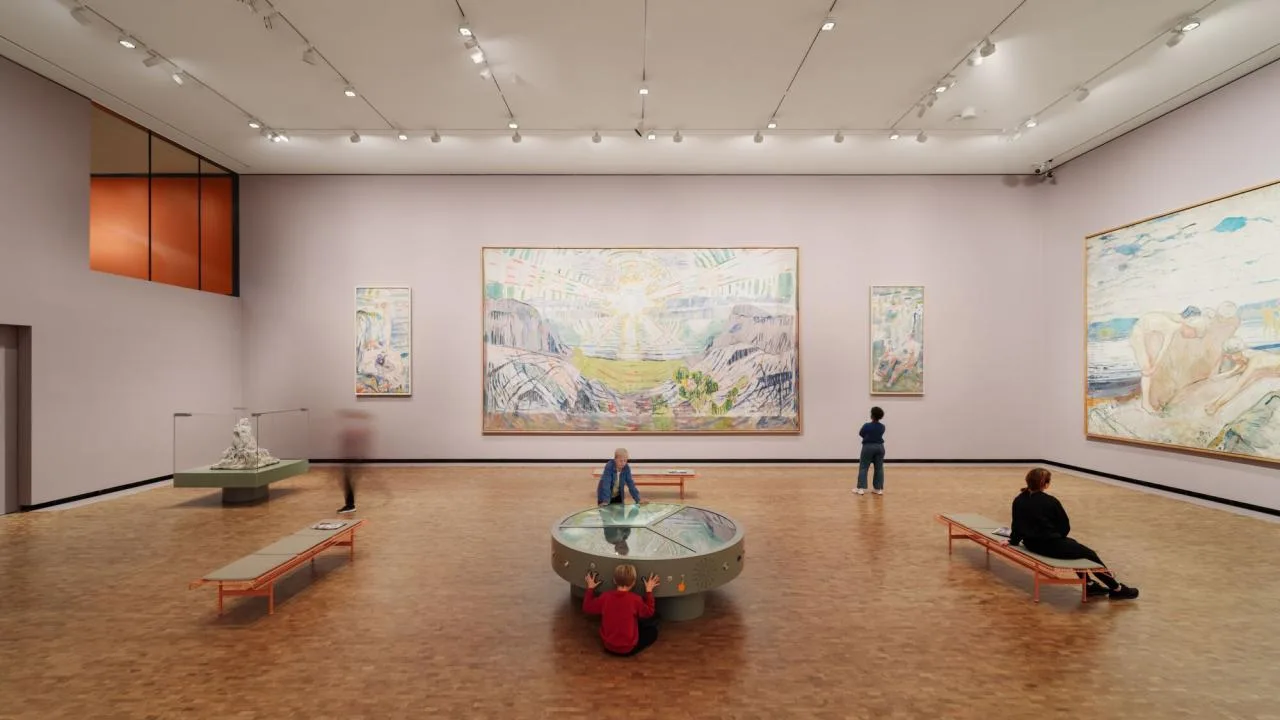
The future Munk Museum is more than just a space to preserve and display Norway’s cultural history and natural heritage. It embodies a new vision for contemporary museums, blending a vibrant urban presence with a deep sense of historical responsibility. Acting as a unifying community hub, the museum’s impact extends beyond Oslo to the entire country.
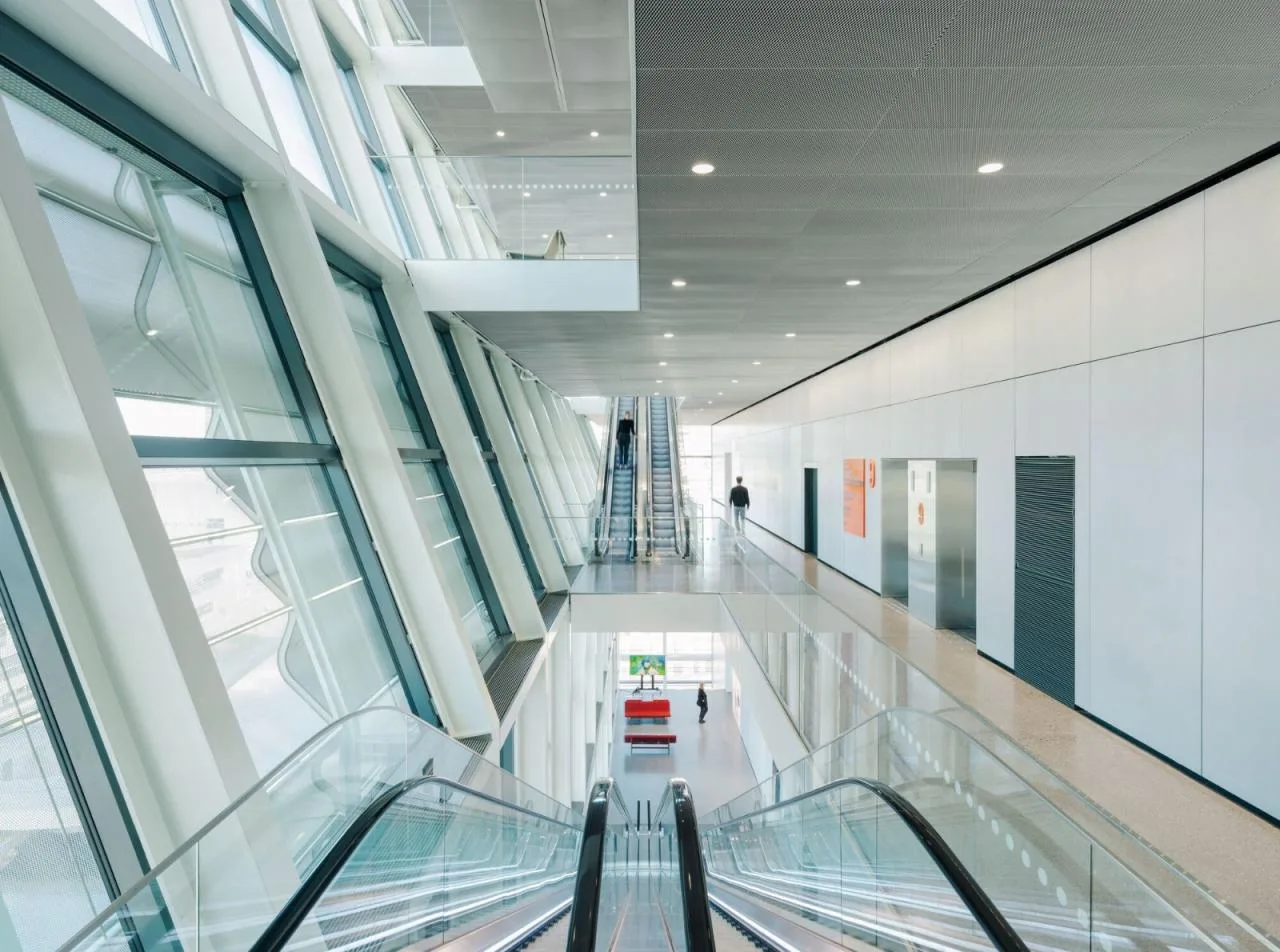
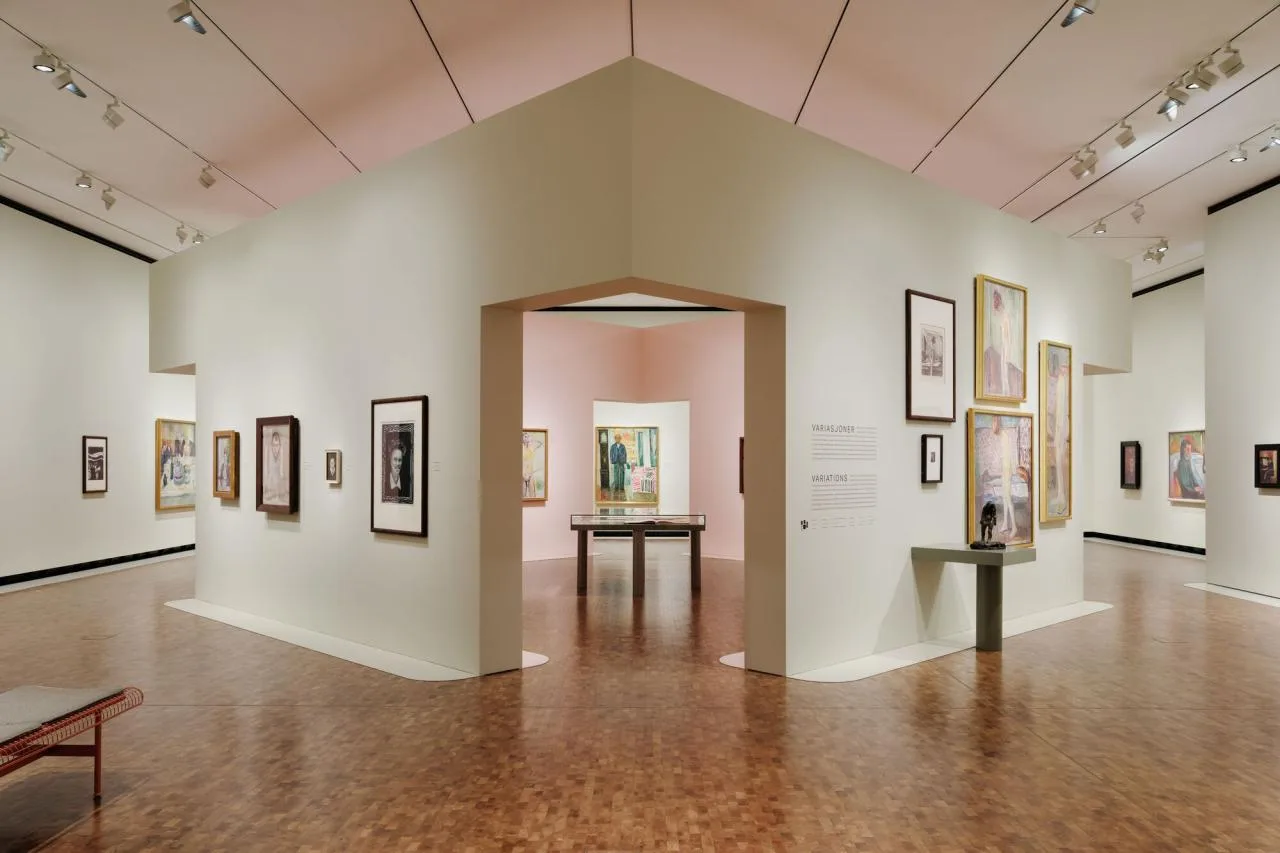
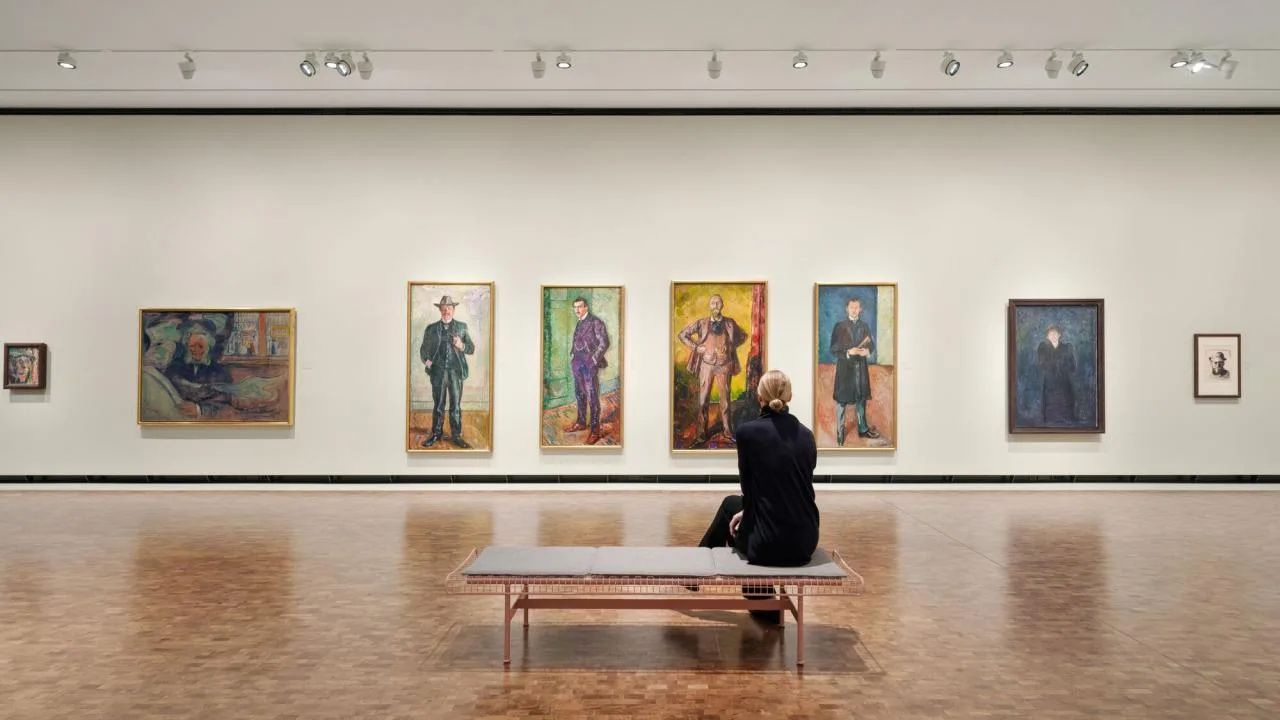
The museum’s ascending pathway links covered public spaces in the front hall, designed for entertainment, commerce, culture, and dining. This route features a rooftop terrace, observation deck, and club, all running parallel to the exploration of Edvard Munk’s works and highlighting different historical eras of Oslo.
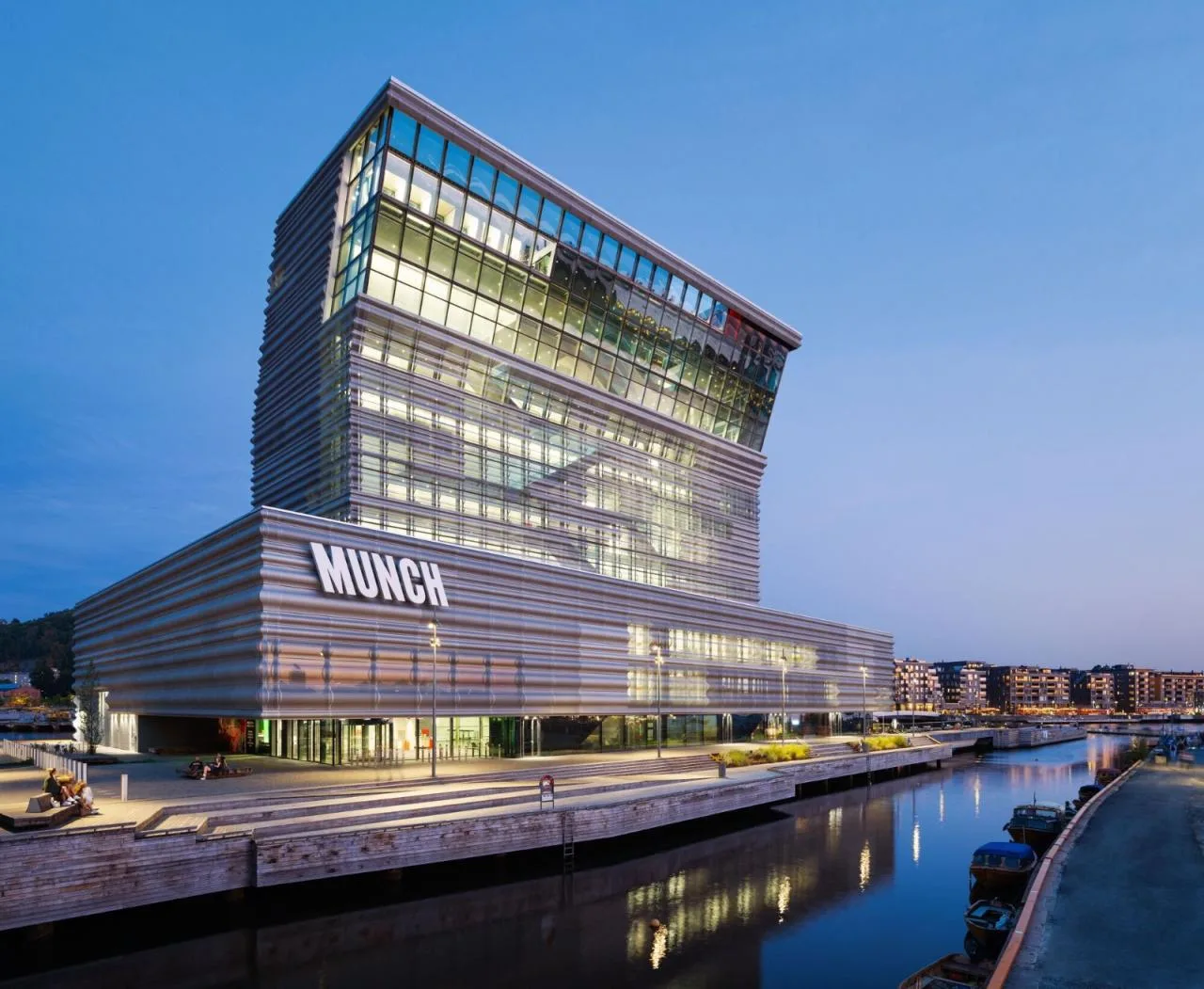
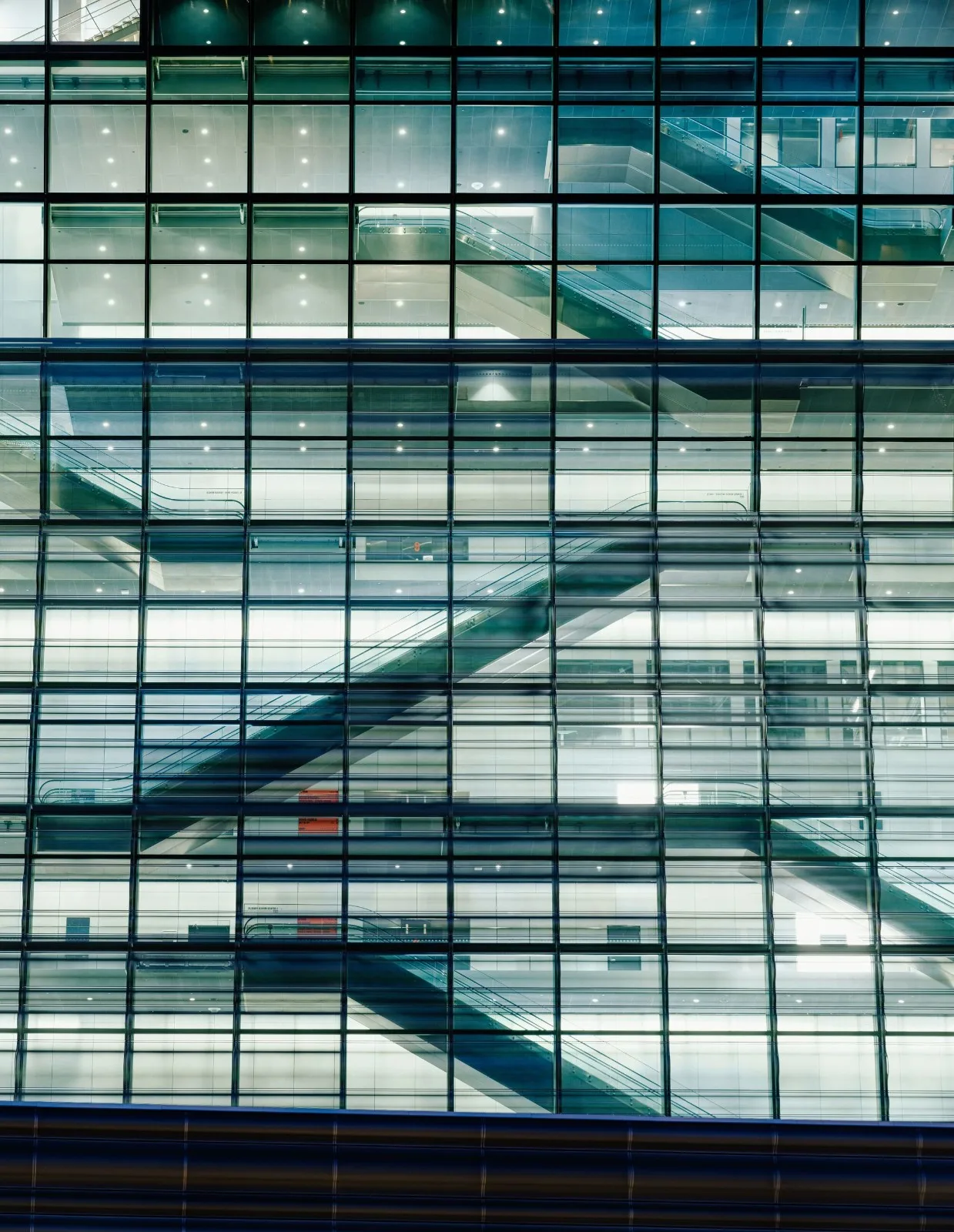
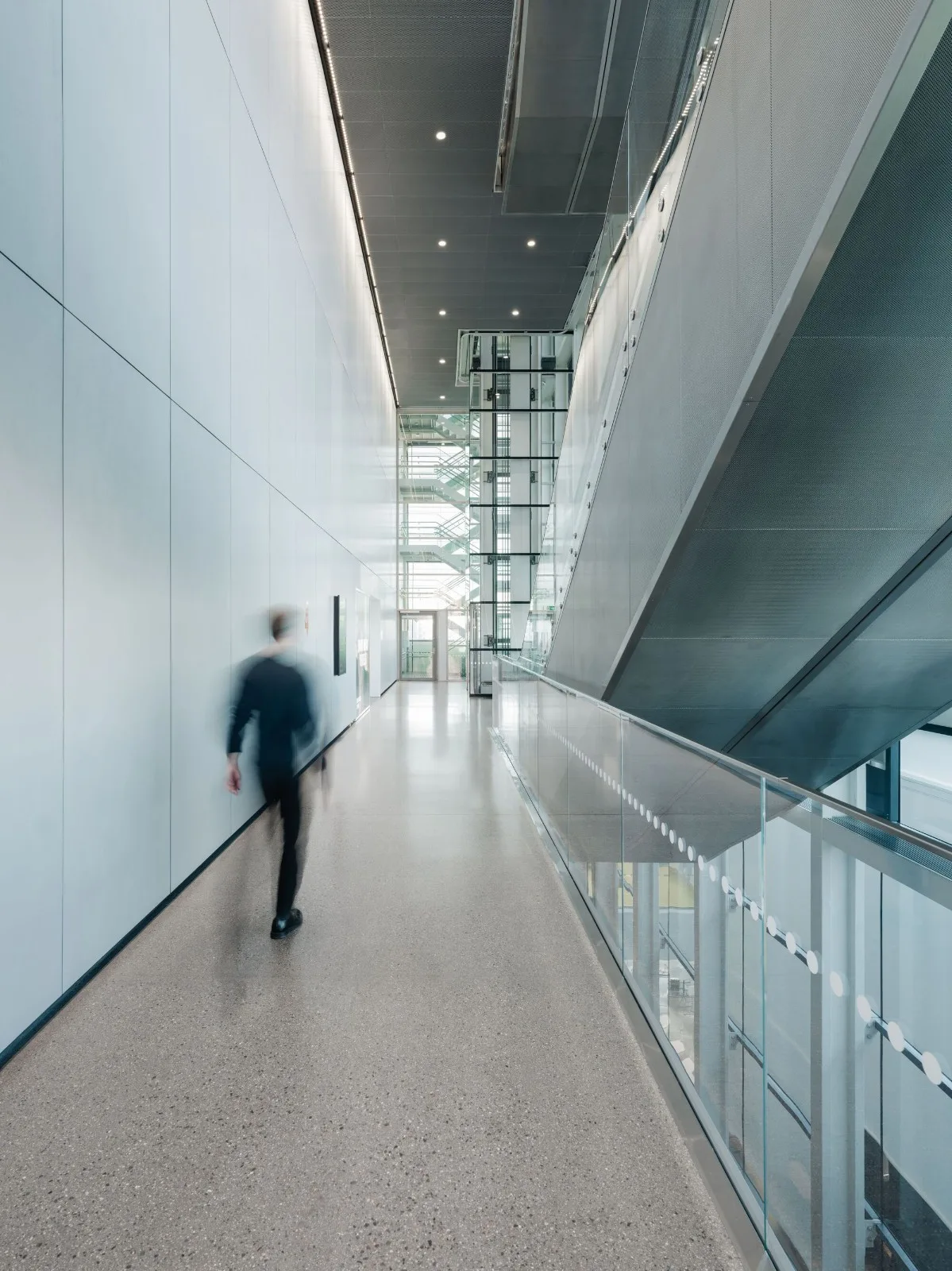
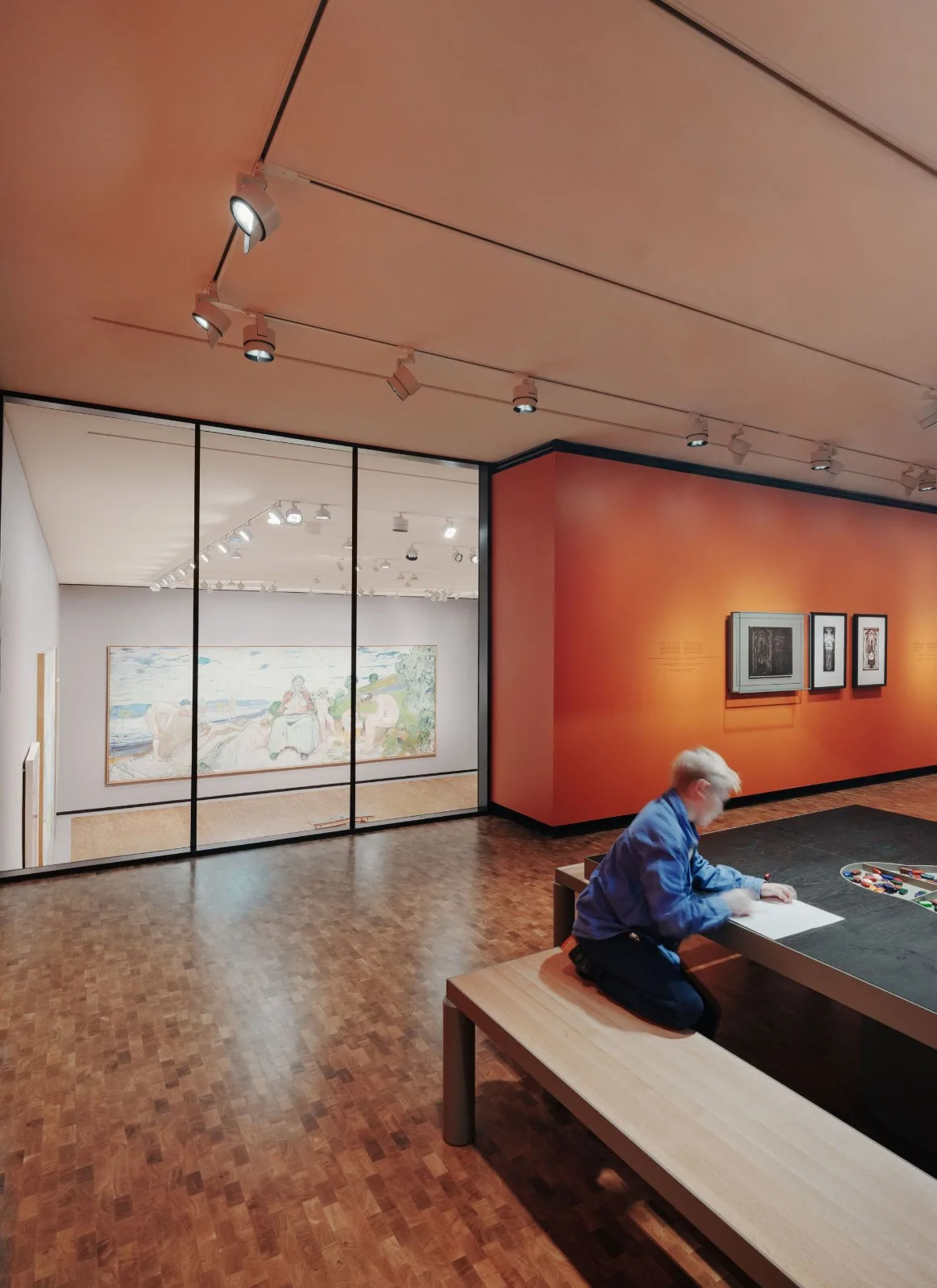
The museum embraces an unconventional vertical design concept, integrating public spaces and easily accessible areas as part of vertical circulation. Along this journey, visitors encounter a variety of facilities including restaurants, cafés, administrative offices, research libraries, and educational departments. This complexity surpasses traditional museum layouts, which typically separate exhibition spaces from hidden support areas managed by institutions.
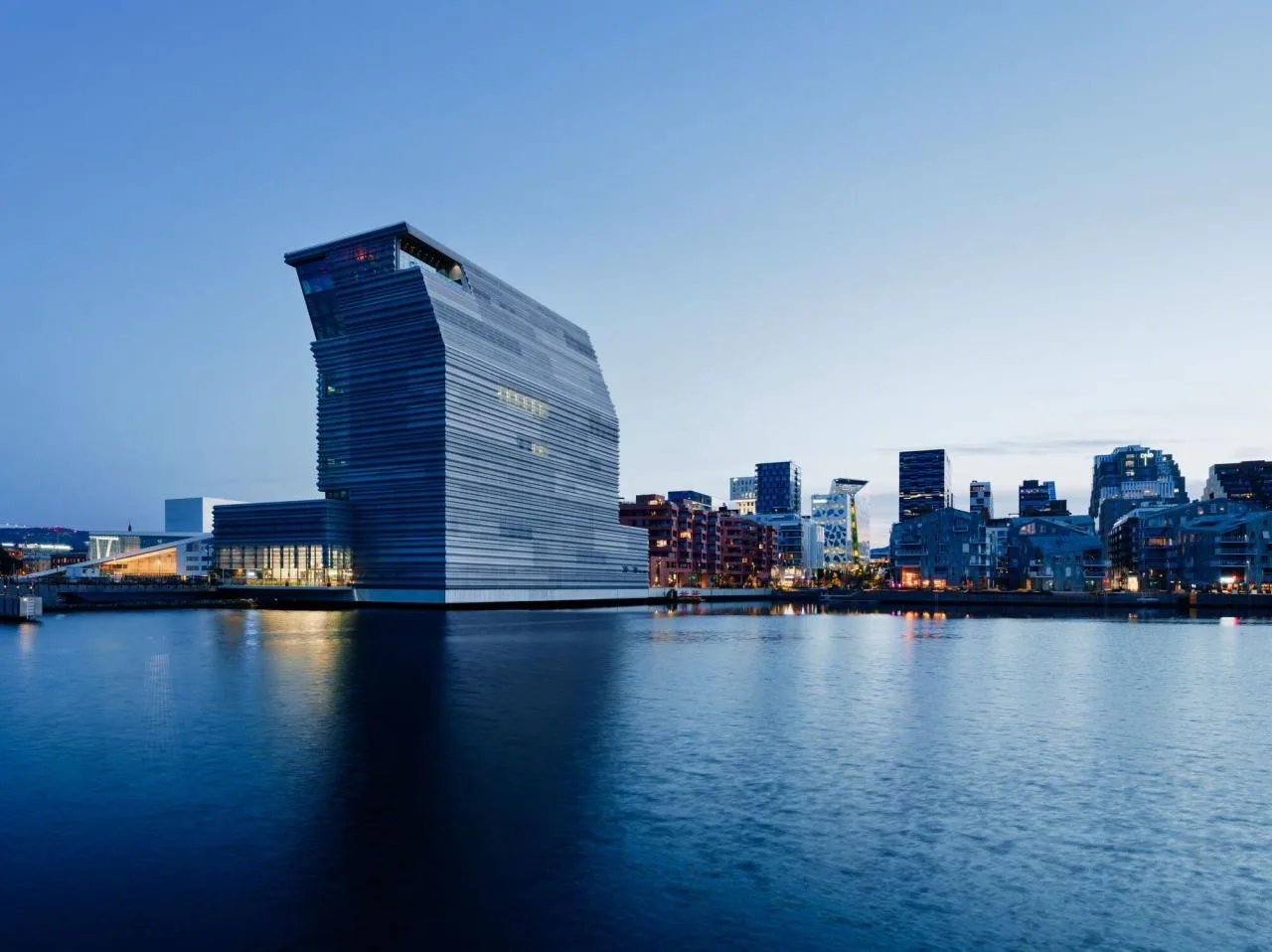 The building adheres strictly to energy efficiency and environmental protection standards, reflecting the high expectations of Norwegian society. Through integrated design and collaboration across structural, ventilation, and construction disciplines, the project aligns with passive house principles. The construction process emphasizes minimizing carbon footprint, sustainability, recyclability, and operational efficiency, positioning the building as an innovative experimental model.
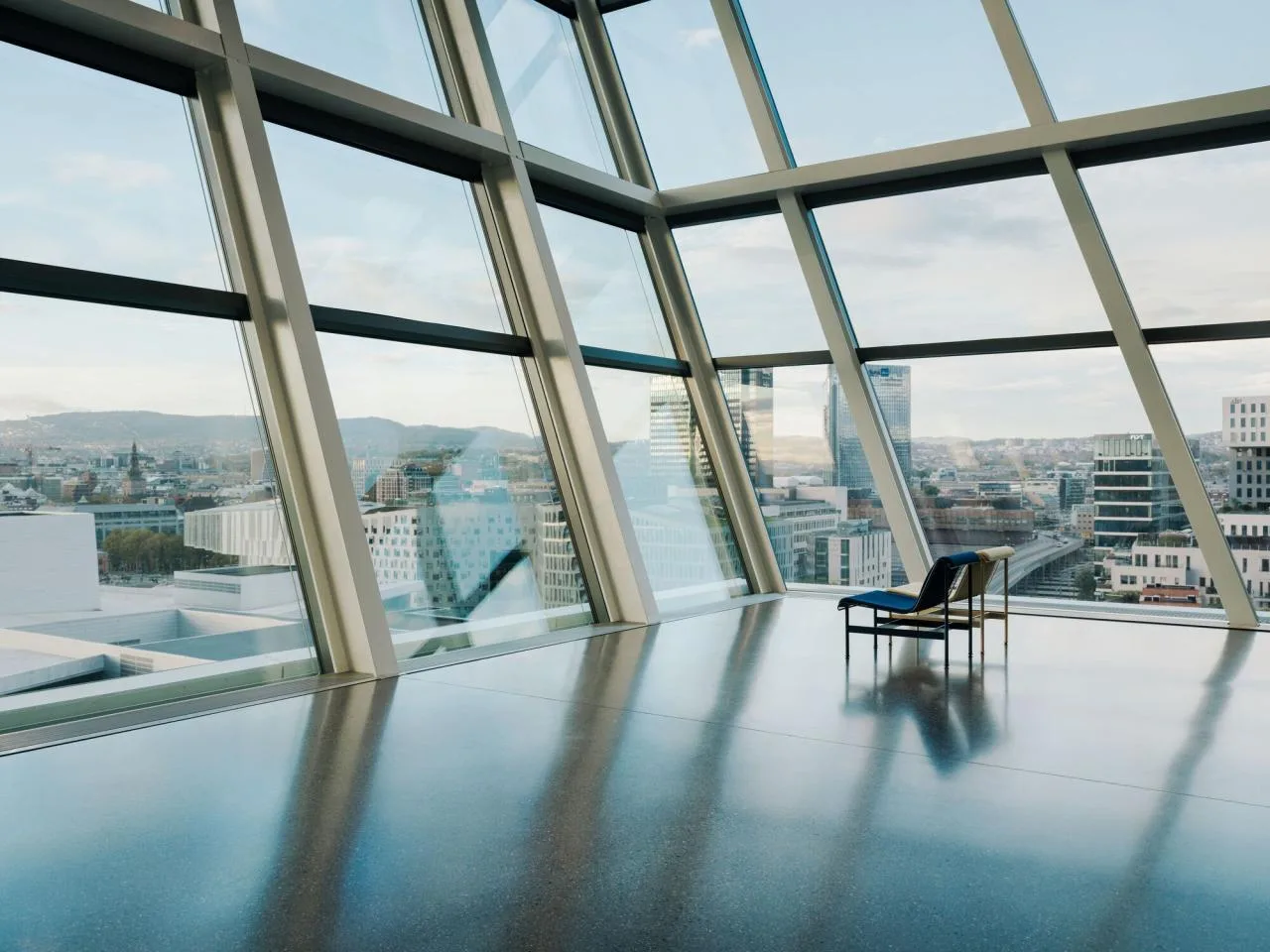
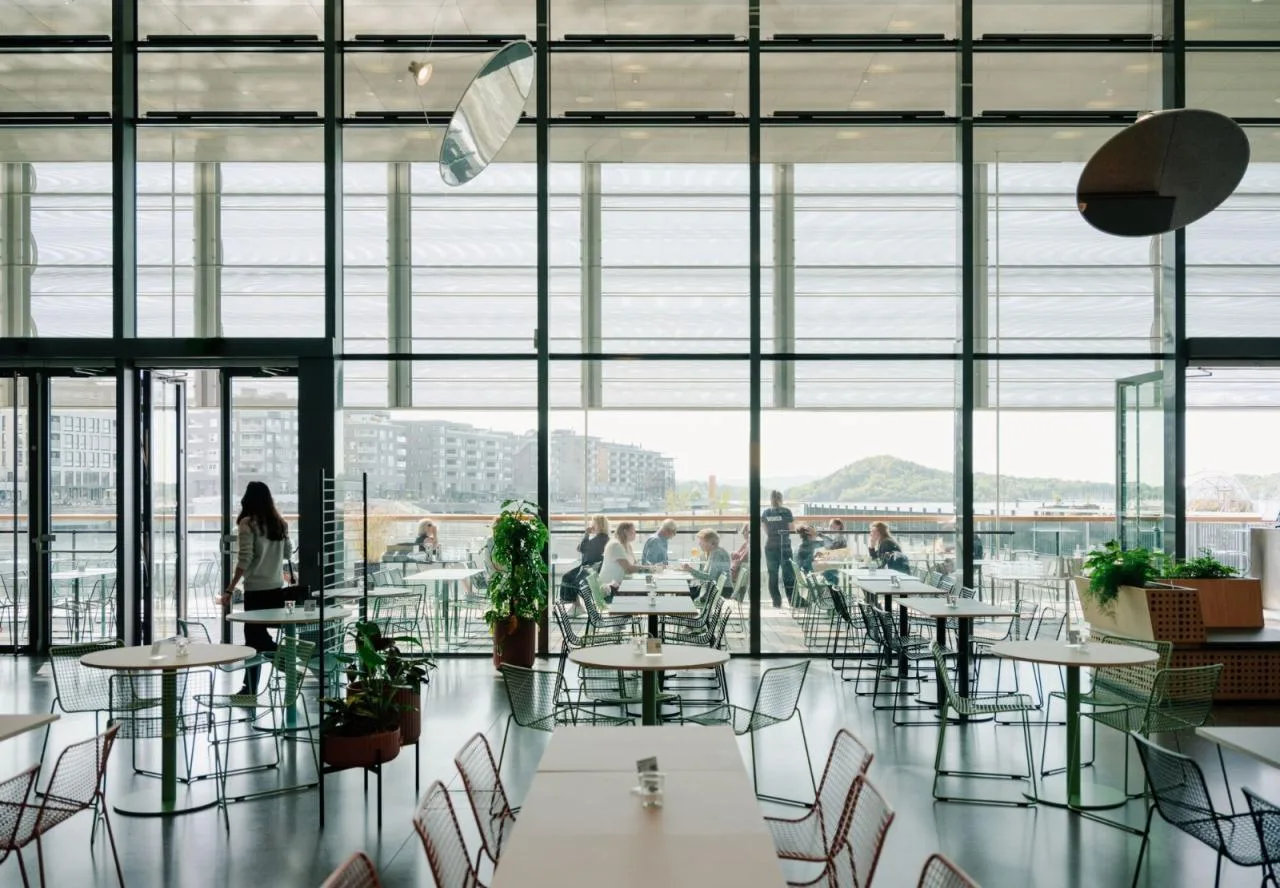
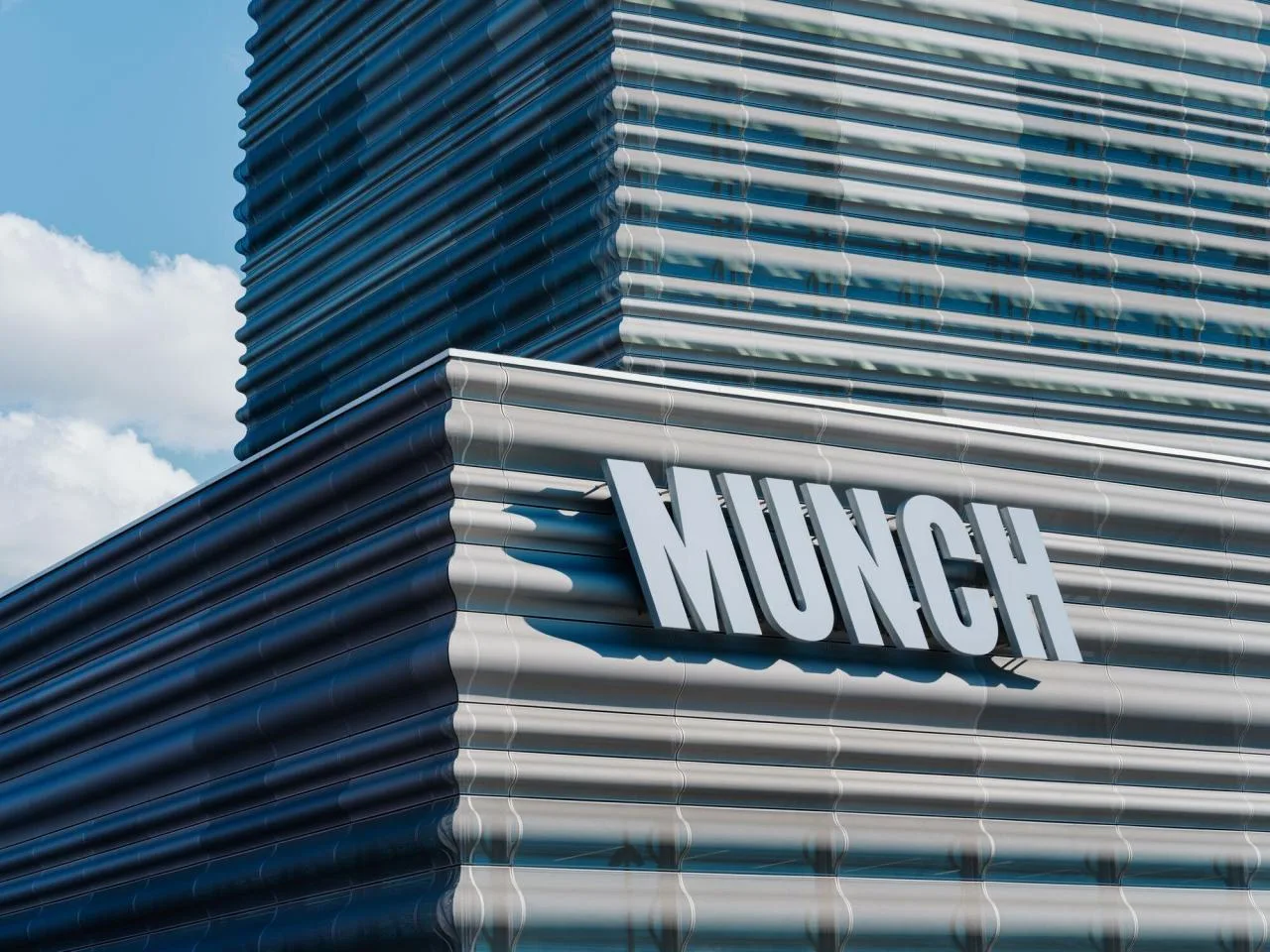
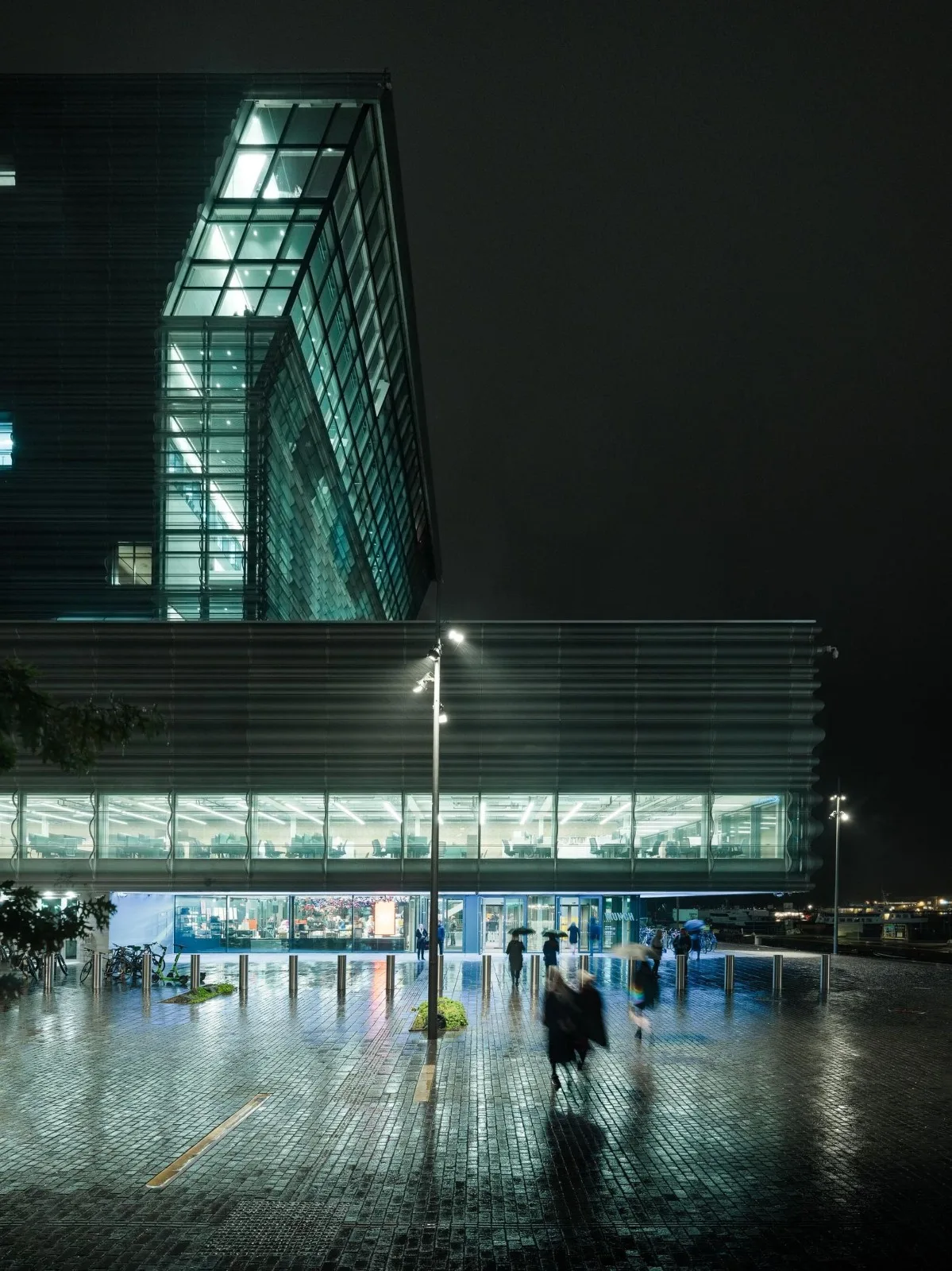
The facade is crafted from perforated aluminum panels with varying transparency levels, lending the building a mysterious, ever-changing character that reacts to Oslo’s subtle climate shifts. This dynamic facade creates distinct images throughout the day. Additional features include a 24-hour-operating large sliding element and the use of low-emission recycled concrete and steel, making the building a pioneer in multiple sustainability aspects.
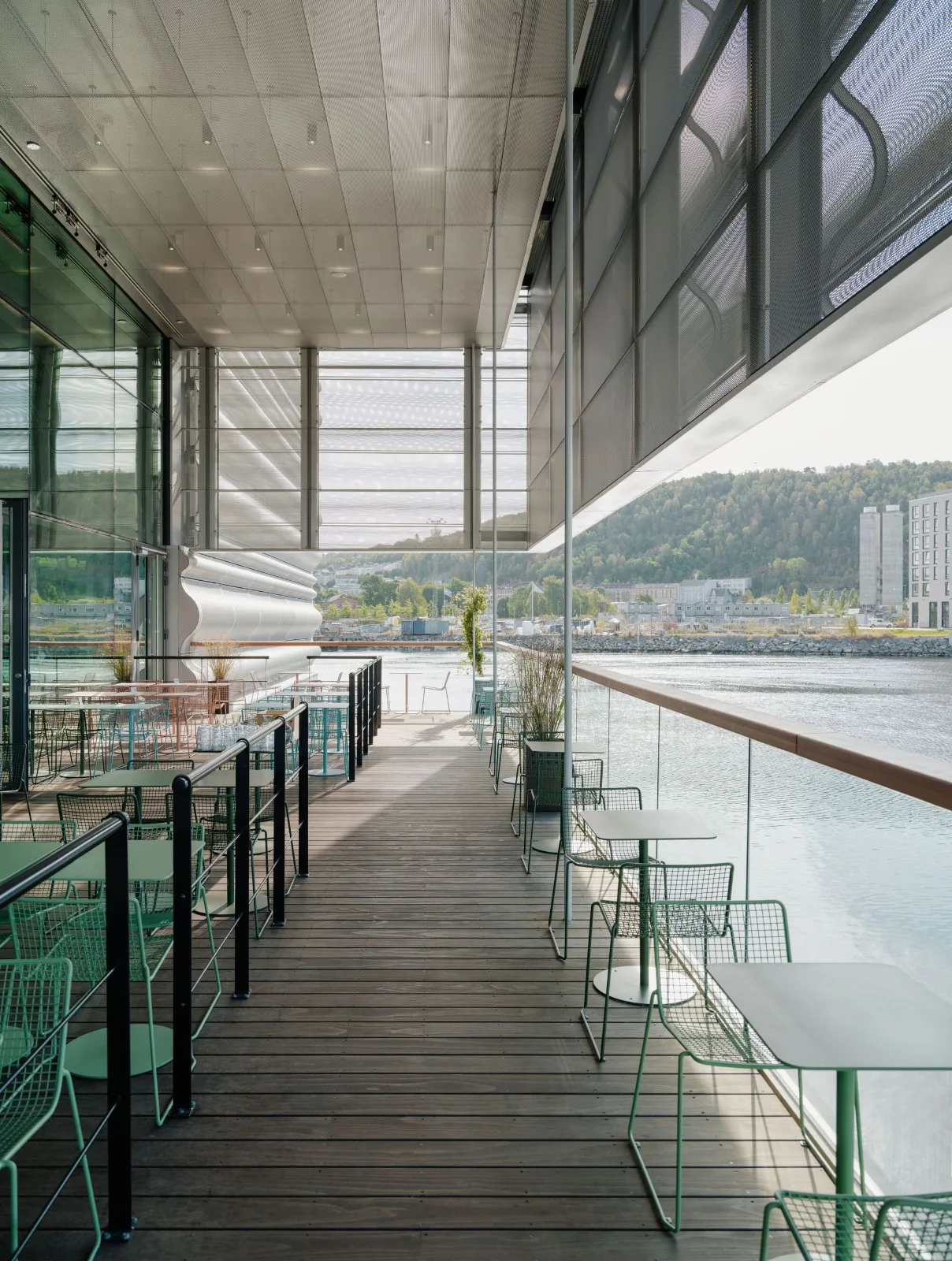
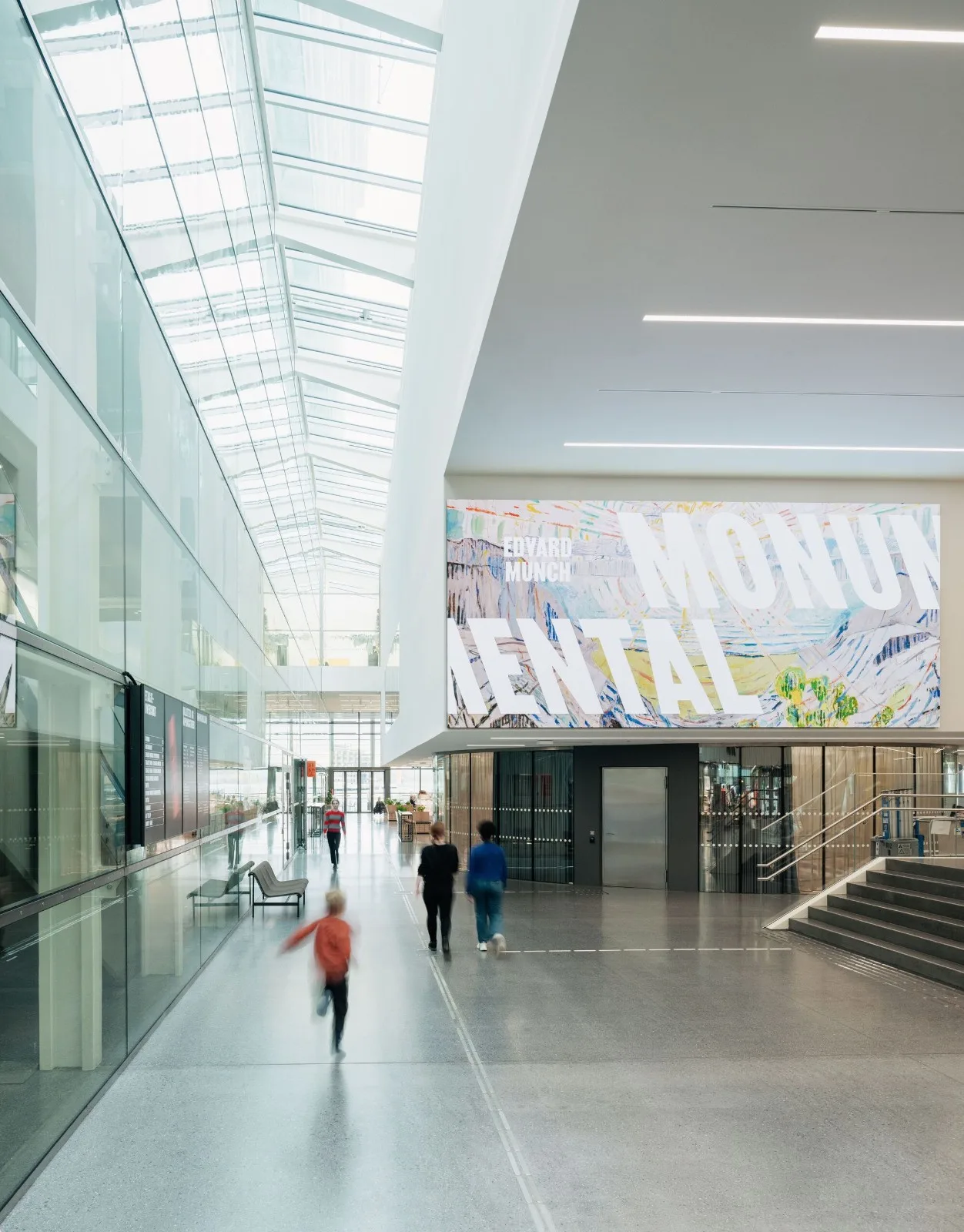
Scheduled to open in fall 2021, the new Munk Museum will serve as a lively contemporary cultural center. It aims to attract a diverse audience—including experts, students, tourists, and art lovers—through a variety of exhibitions and frequent events. The museum’s dynamic programming will refocus Oslo’s attention on its waterfront intersection with the fjords, revitalizing the city’s historic Viking port with cultural and social energy.
Project Drawings
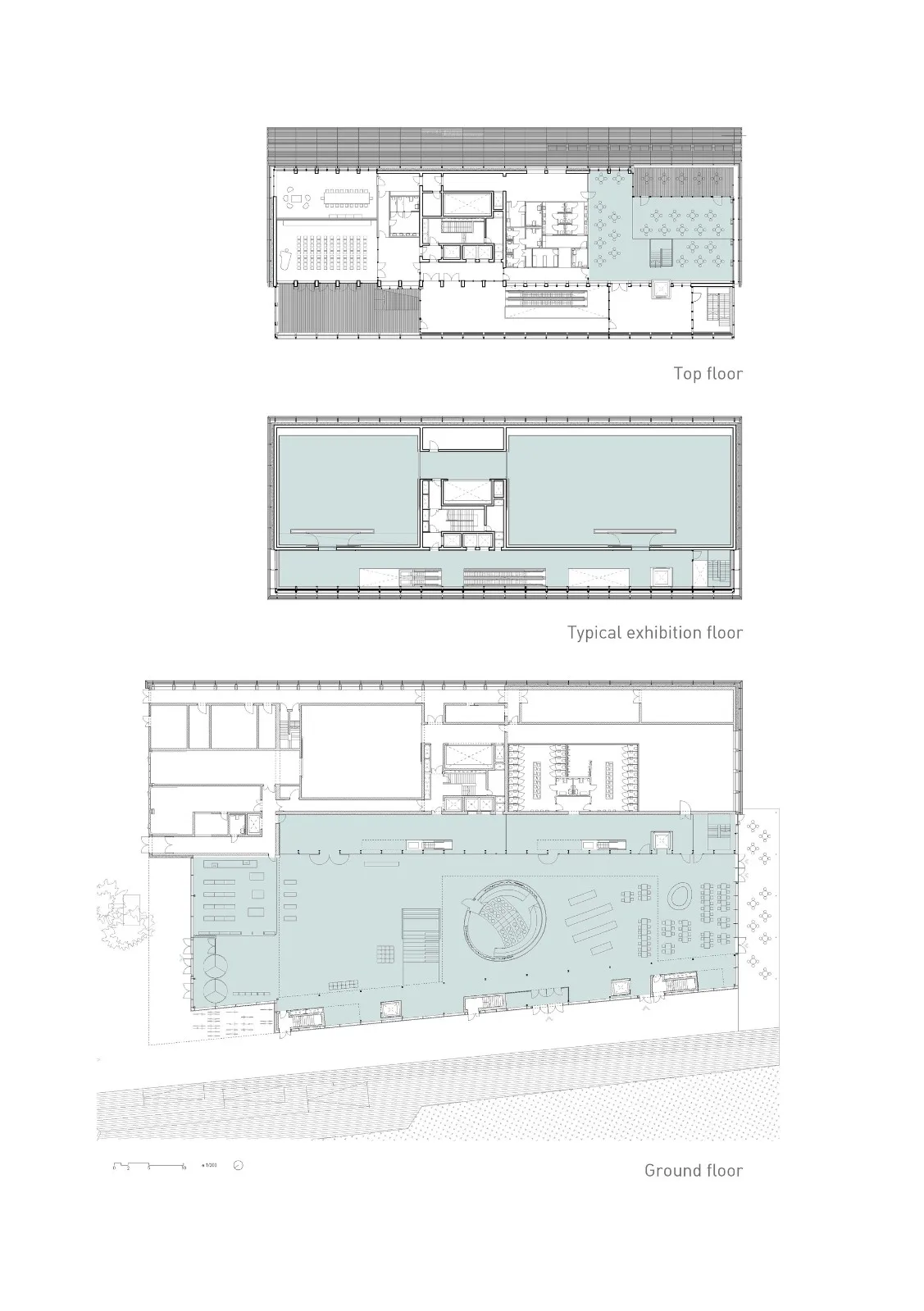
△ Plan View
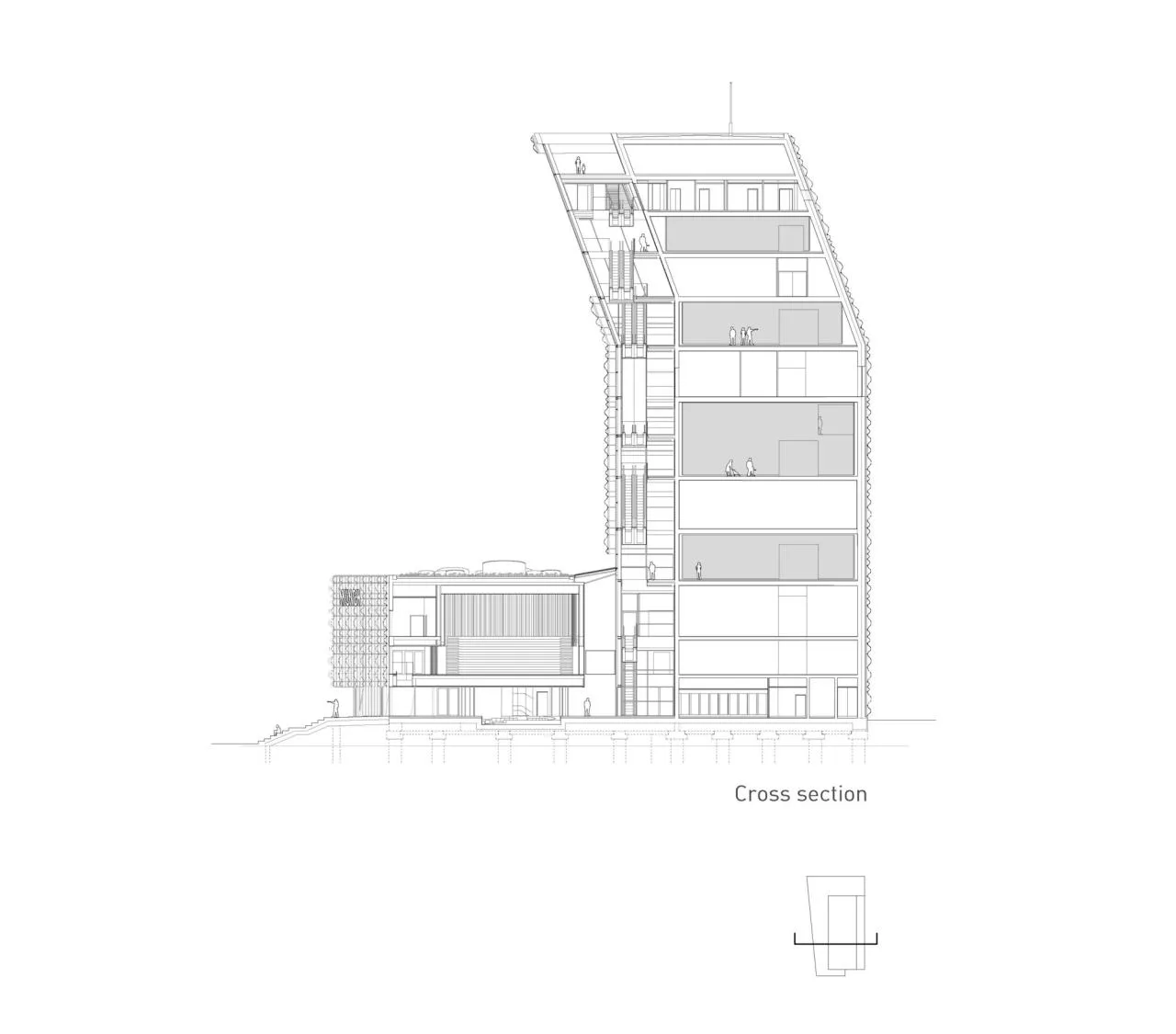
△ Section Diagram
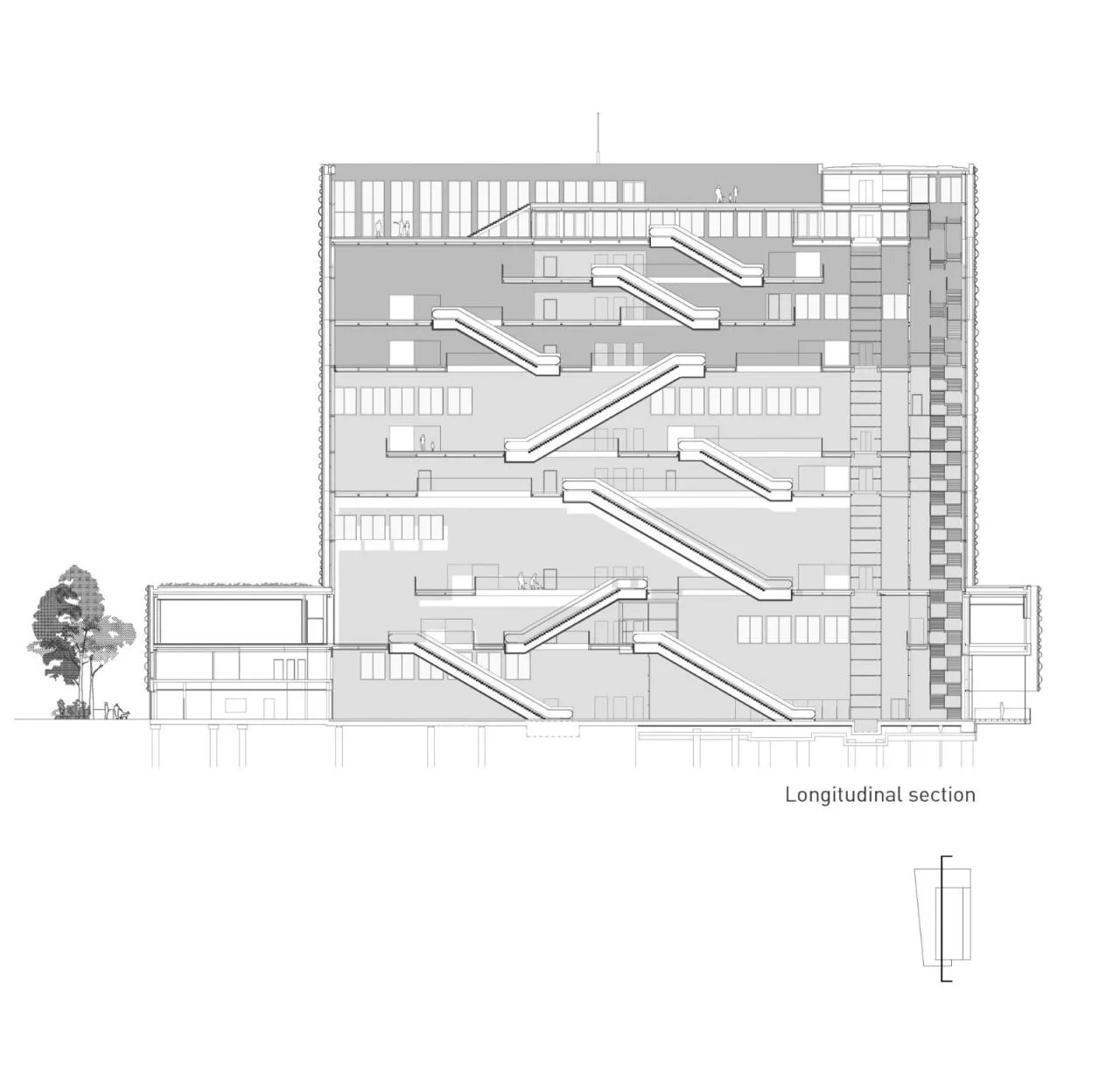
△ Section Diagram
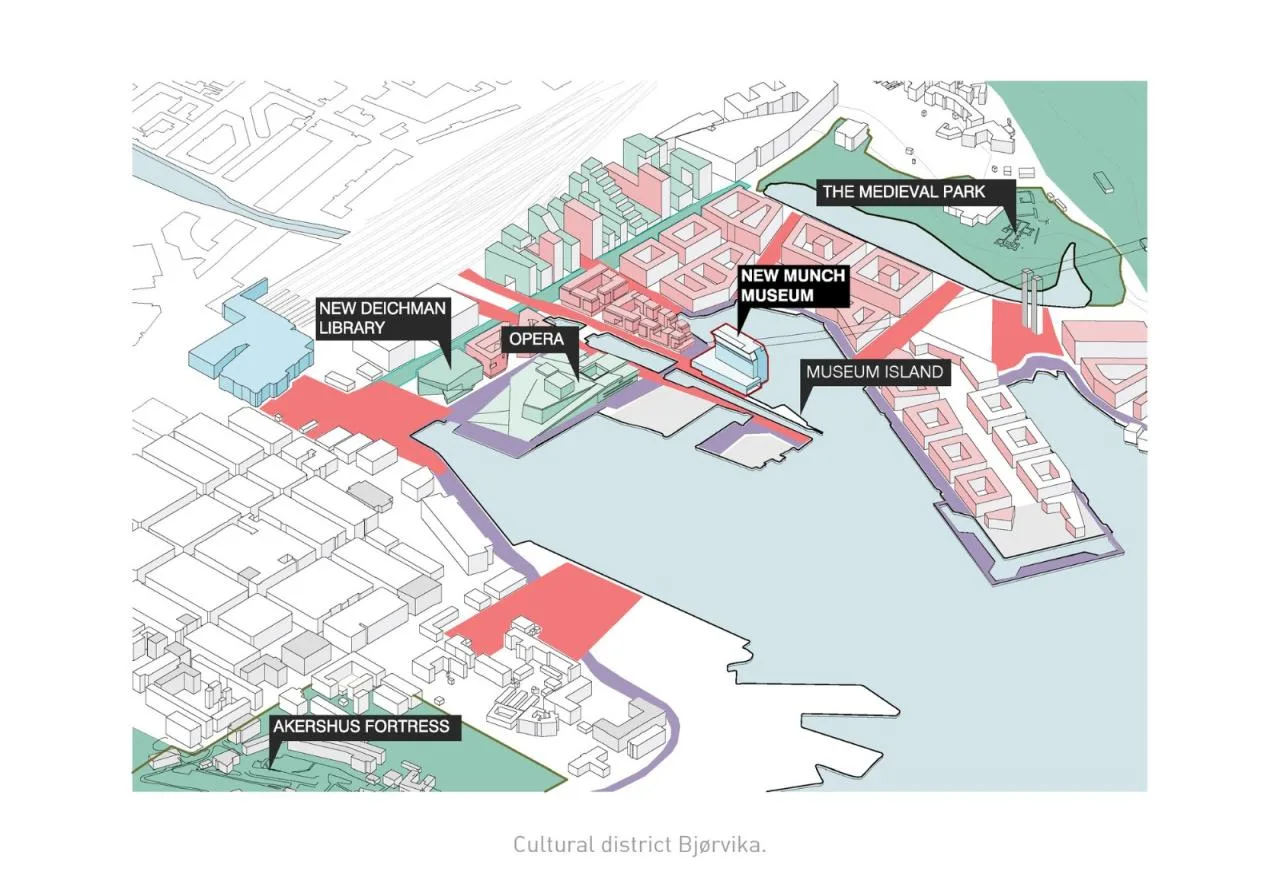
△ Location Analysis Chart
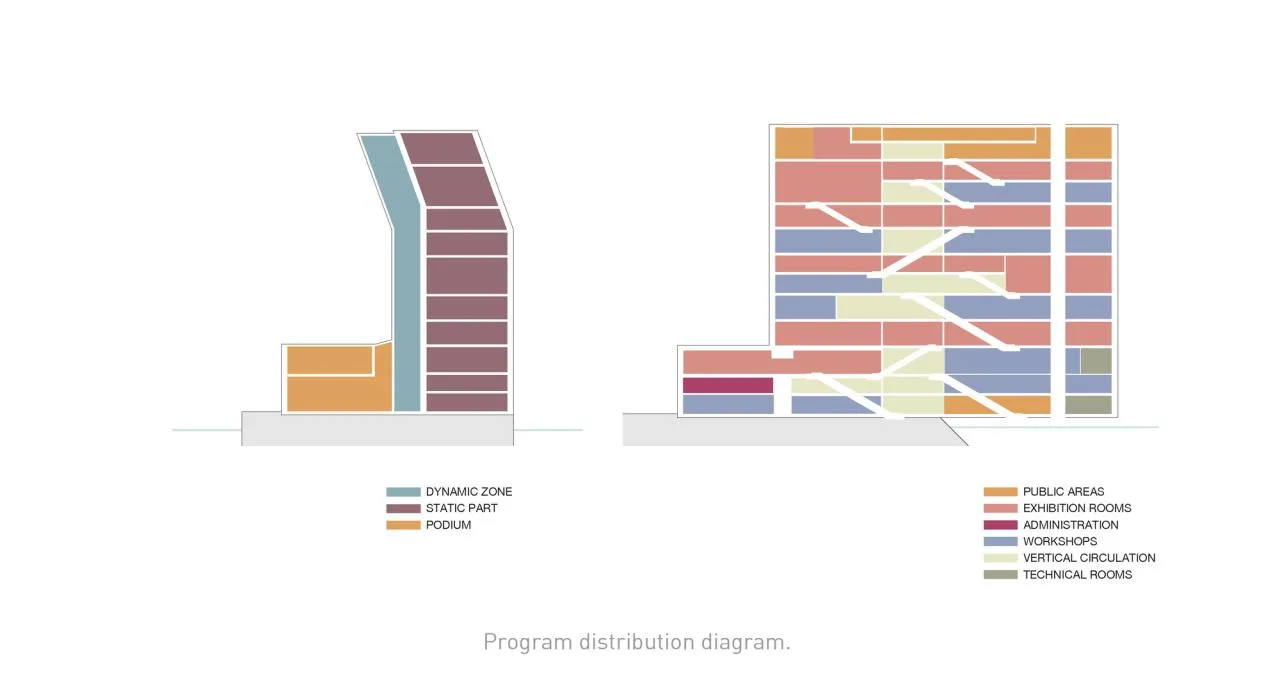
△ Functional Zoning Diagram
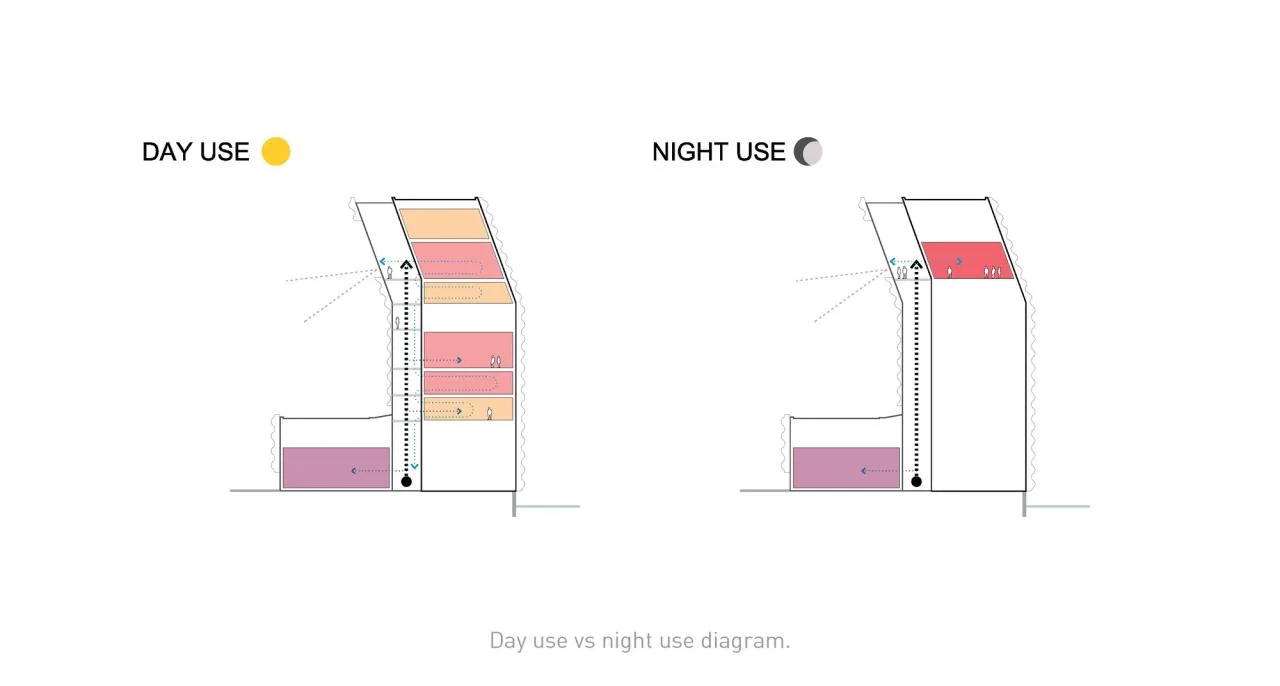
△ Analysis Chart
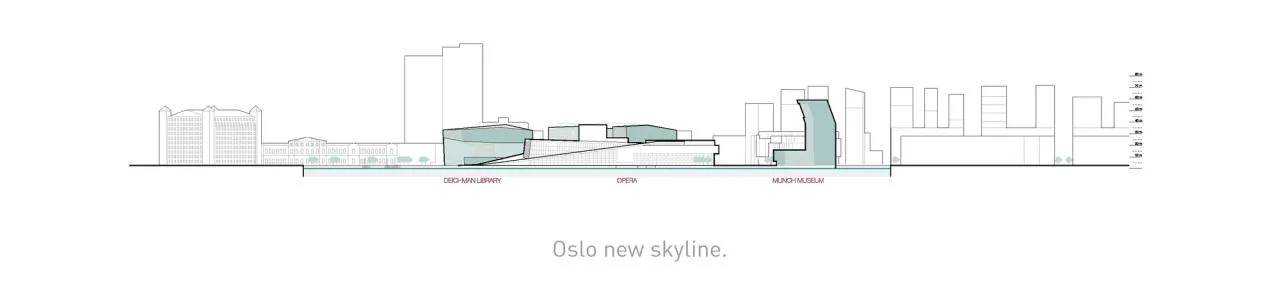
△ Skyline Map
Project Information
Architectural Design: Estudio Herreros
Project Year: 2021
Photographer: Einar Aslaksen
Manufacturers: Cembrit, Frapont, Lindner, Mutina, Vestre
Architects: Juan Herreros, Jens Richter
Clients: Oslo Community, Culture and Sports Building (KID)
Project Manager: Gonzalo Rivas
Project Team: Beatriz Salinas, Carlos Canella, Andrea Molina, Paola Simone, Carlos Ramos, Iván Guerrero, Ana Torrecilla, Alberto Sánchez, María Franco, Raúl García, Frank Müller, Víctor Lacima, Carmen Antón, Ramón Bermúdez, Margarita Martínez, Luis Berríos-Negrón, Spencer Leaf, Verónica Meléndez, Xavier Robledo, Ricardo Robustini, Paula Vega
Local Research: LPO Arkitekter
Architectural Facade Design: Bollinger+Grohmann, ARUP
Sustainability Consulting: Asplan Viak
Overall Project Coordination: Multiconsult, Hjellins Consult, Brekke & Strand Akustikk
ICT: Rambøll Norway
Location: Norway












Must log in before commenting!
Sign Up