
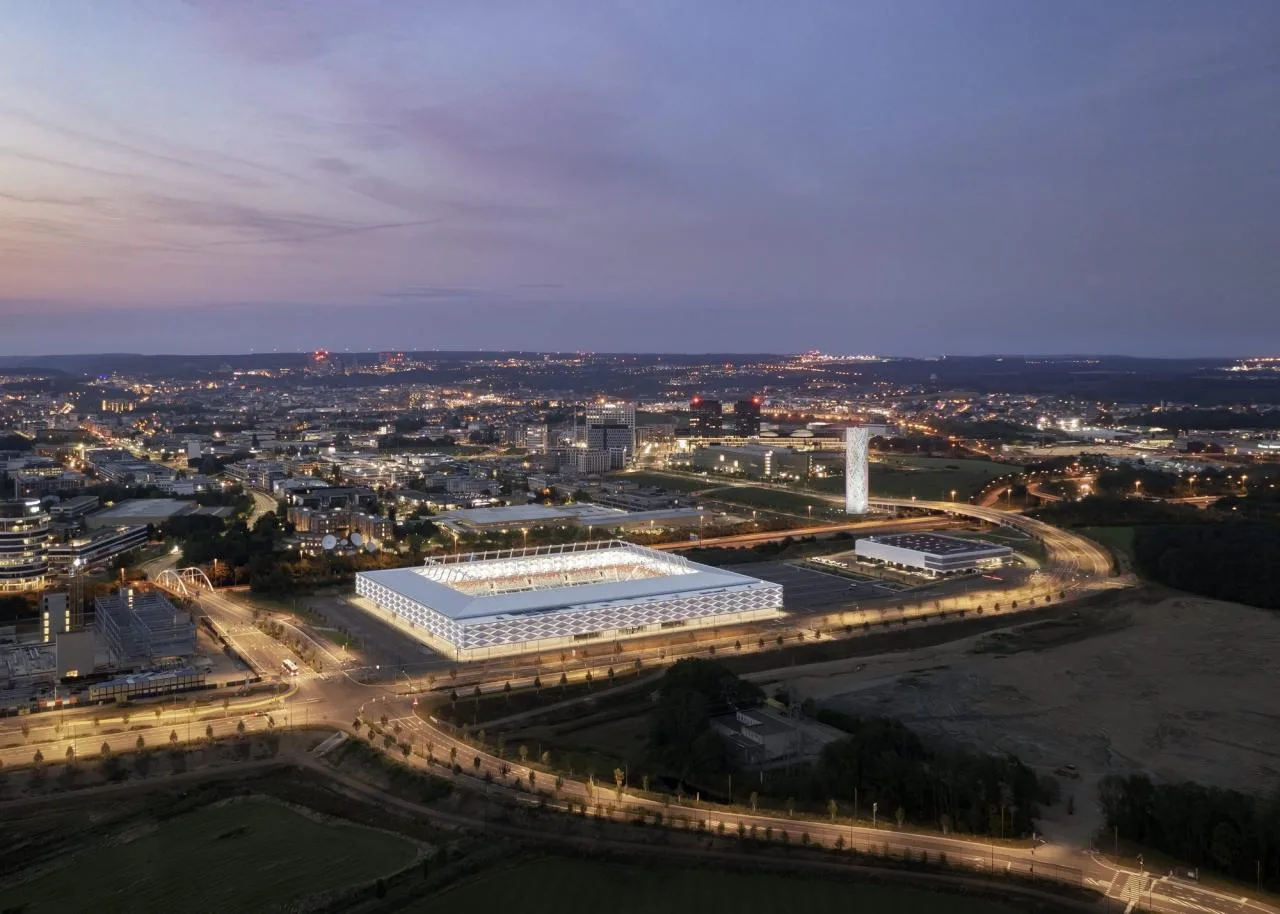
On September 1, 2021, the Luxembourg Football and Rugby Stadium hosted its inaugural official match during the 2022 World Cup qualifiers in Qatar, featuring a thrilling game between Luxembourg and Azerbaijan. This new stadium replaced the old structure in southern Luxembourg.
In 2016, the architectural design competition for the National Stadium of the Grand Duchy of Luxembourg attracted 25 entries. The German firm von Gerkan, Marg and Partner Architects (GMP Architects) emerged victorious, collaborating with the local Beng Architects Associés to bring the project to life.
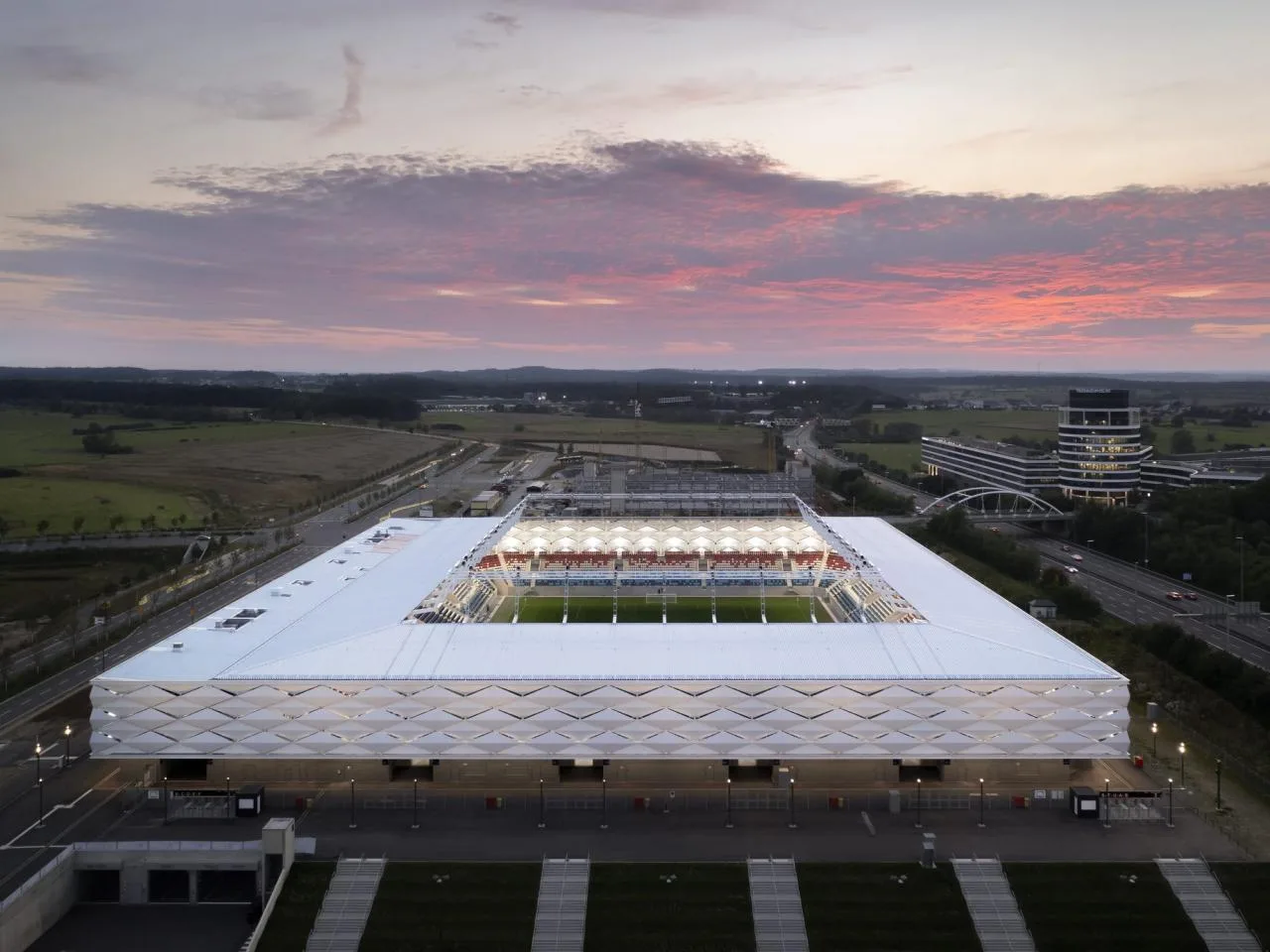
The project extends beyond the stadium itself, encompassing urban planning for an approximately 80,000 square meter site. The stadium is oriented east-west, bordered by the A6 highway to the north and a planned new highway and tram line to the south, creating a central transportation hub nearby. GMP Architects also designed a sunken parking facility and a new service building for the Luxembourg City Sports Service (Service des Sports).
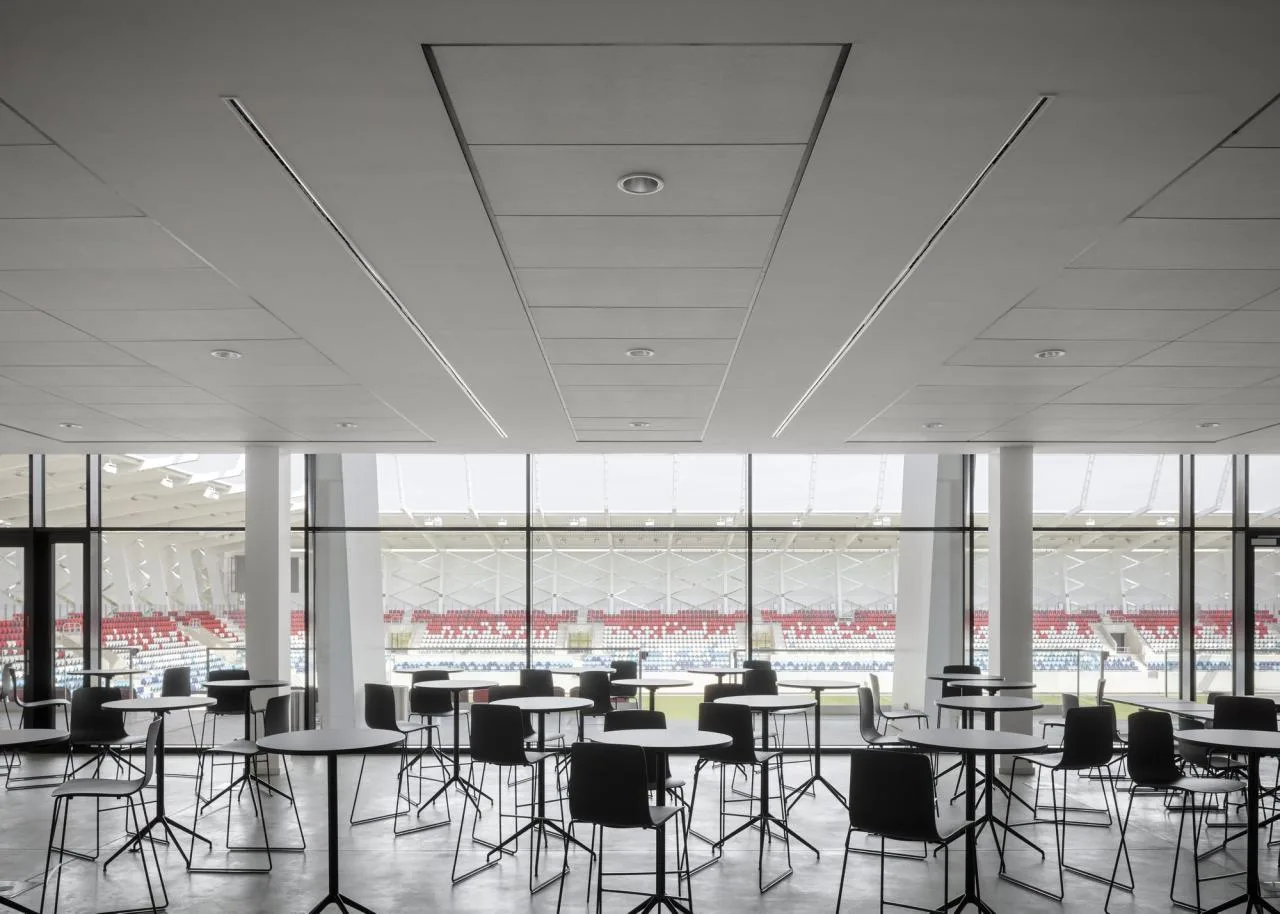
The stadium’s size and facilities conform to international standards, meeting UEFA’s elite Category IV requirements as well as the International Rugby Board (IRB) guidelines. Featuring an orthogonal layout, the stadium incorporates single-layer diagonal elements at the corners, with stands extending from the upper tiers down to the field edge. A dedicated building on the south side houses VIP reception areas, media facilities, and spaces for players and officials.
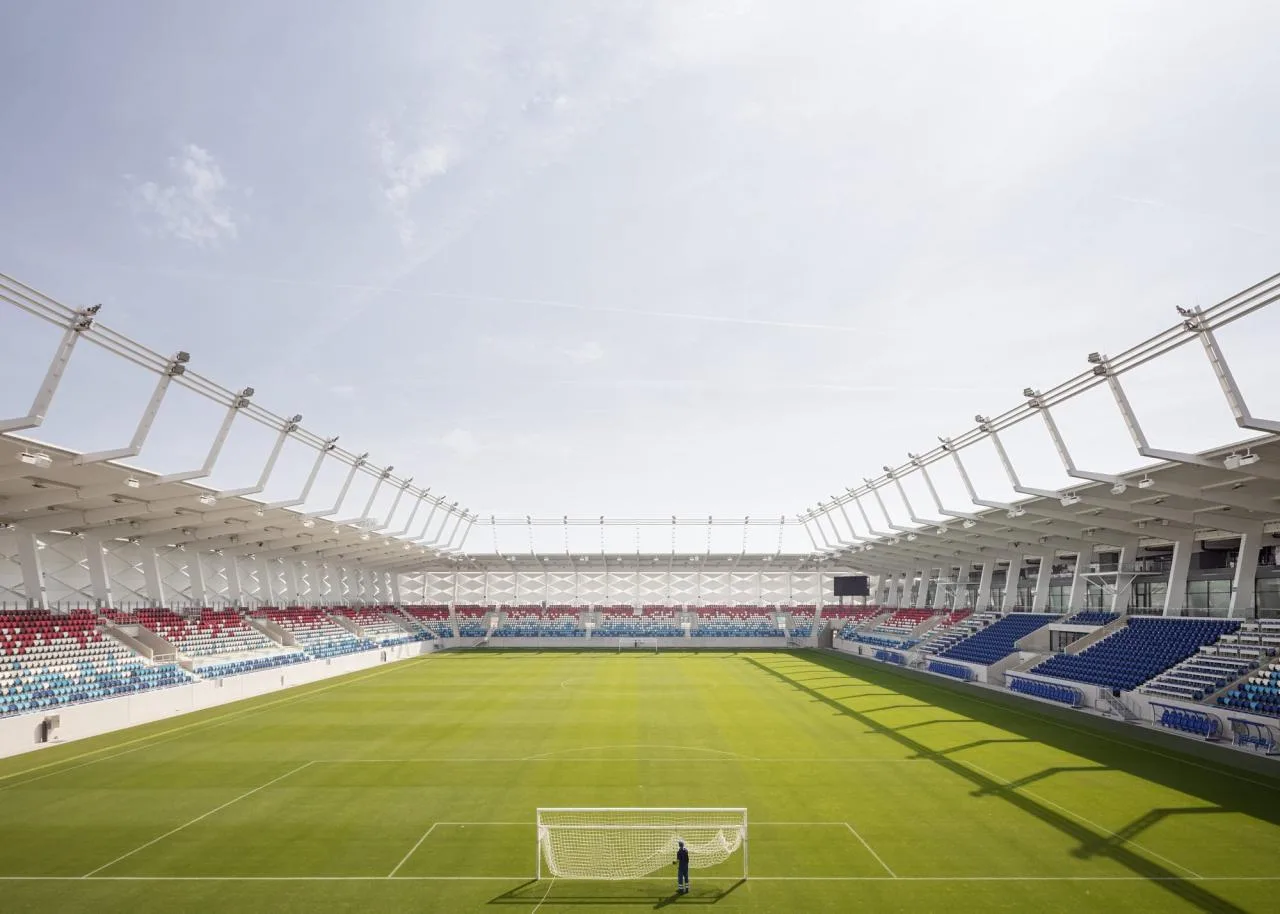
The main entrance faces the newly constructed Boulevard Kockelscheuer, featuring a passage that leads directly to the business lobby above, alongside media and multifunctional spaces that can operate independently during sports events. The grandstand roof’s structure consists of double-angle steel beam grids, tapered to express internal forces. These beams radiate from all sides of the stadium, supporting lighting fixtures that illuminate the entire venue from the highest point.
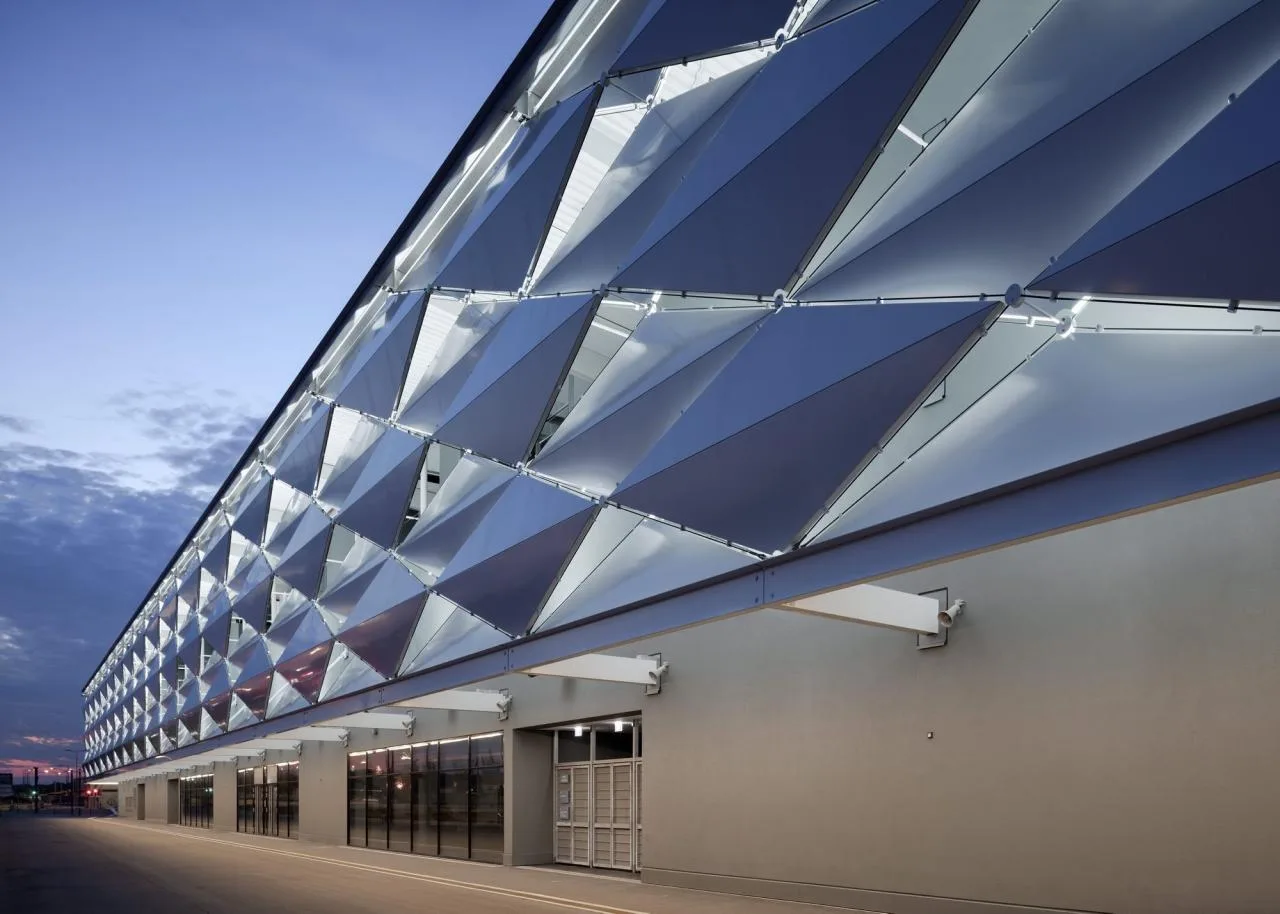
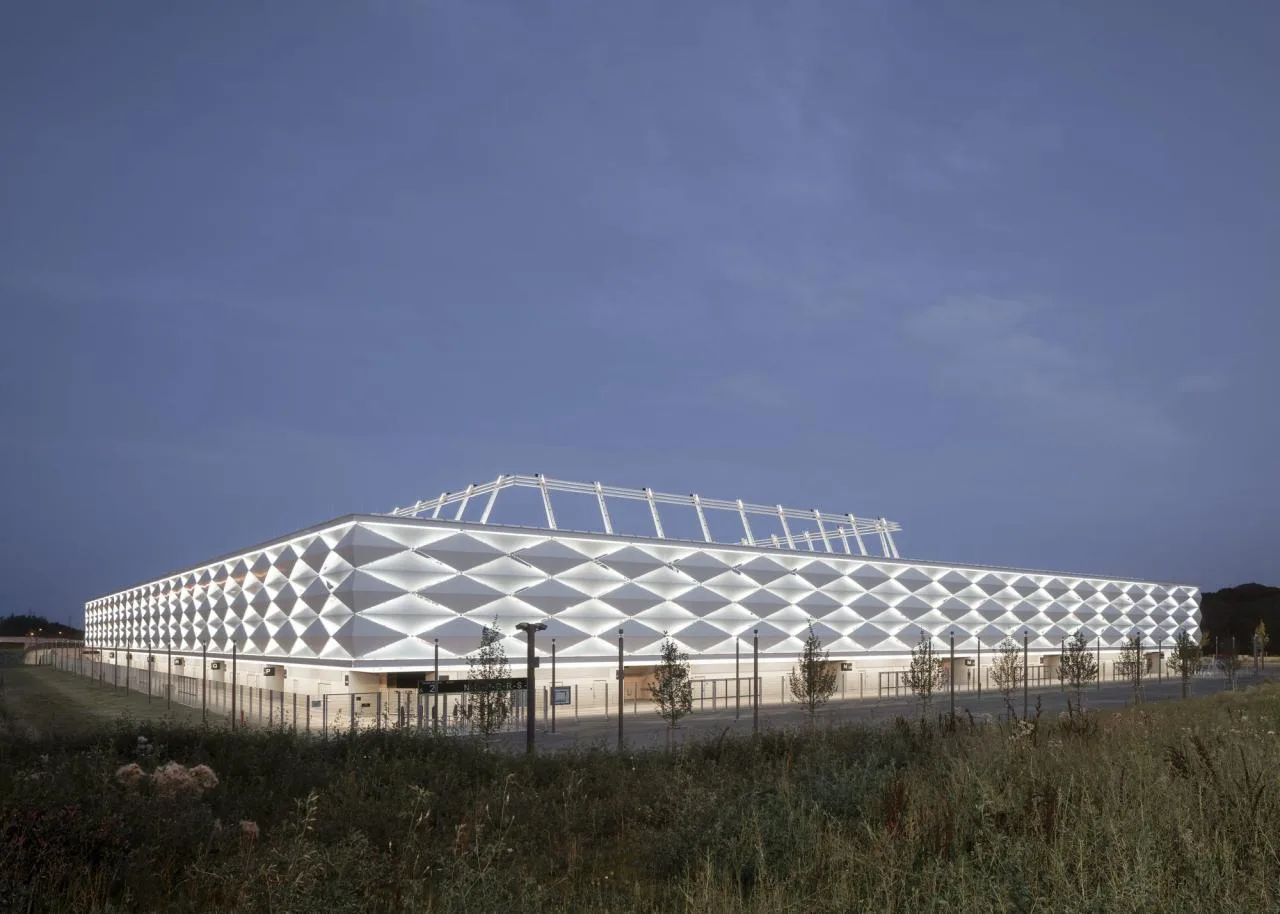
With a seating capacity of 9,900, the stadium is relatively modest by global standards. The design aims to evoke the intimate atmosphere of a smaller football ground while maintaining a strong presence within the cityscape. To achieve this, the architects created a unified façade featuring a simple geometric load-bearing structure combined with a distinctive diamond-shaped folded metal panel exterior.
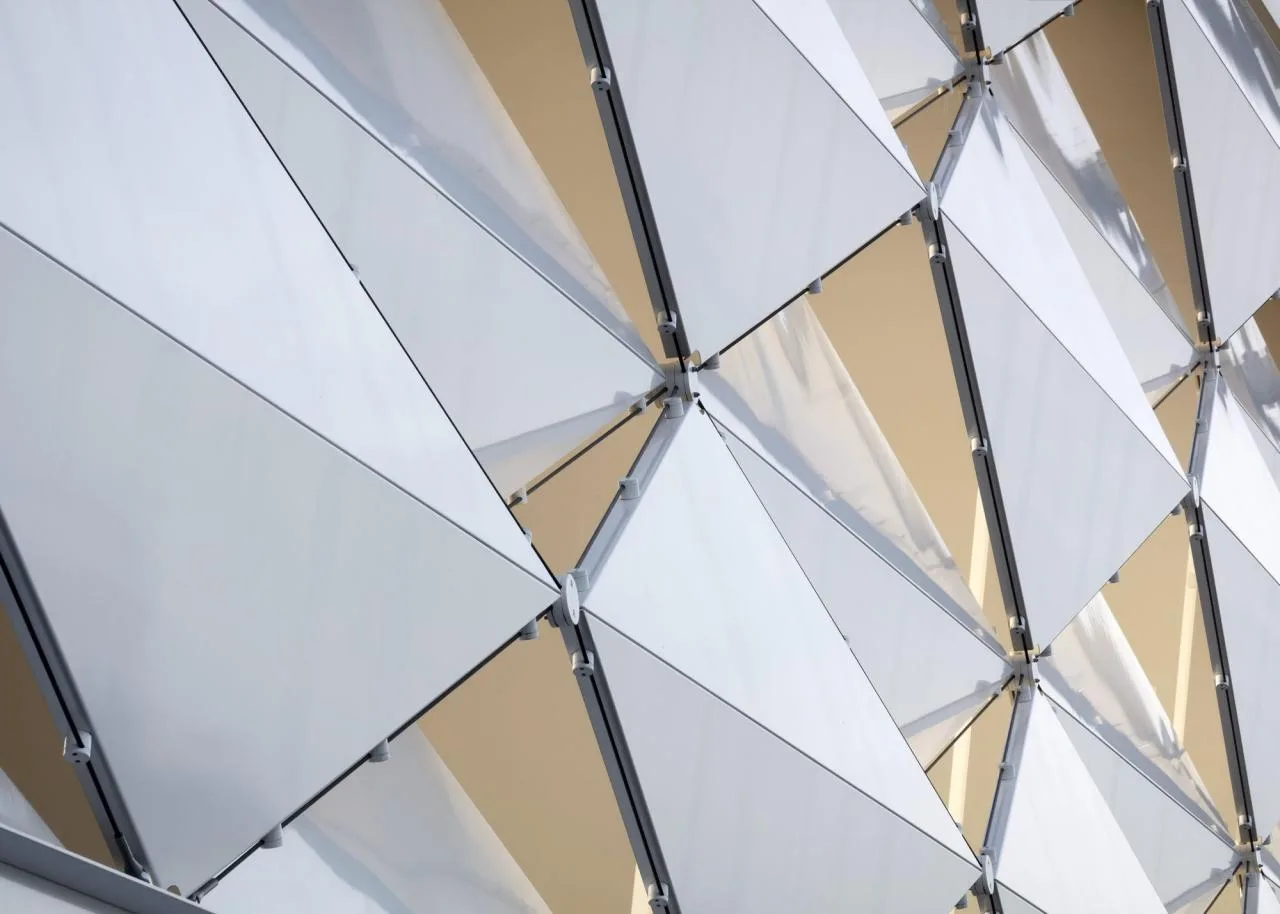
Additionally, lighting fixtures on the two upper floors highlight the stadium’s size and form, making it clearly visible from the outside. The stadium’s dynamic yet sculptural shape is showcased on this “exposed” site, catching the attention of visitors, pedestrians, and passing vehicles alike. At night, the illuminated façade and stadium lights create a radiant beacon that shines across the city.
Project Drawings
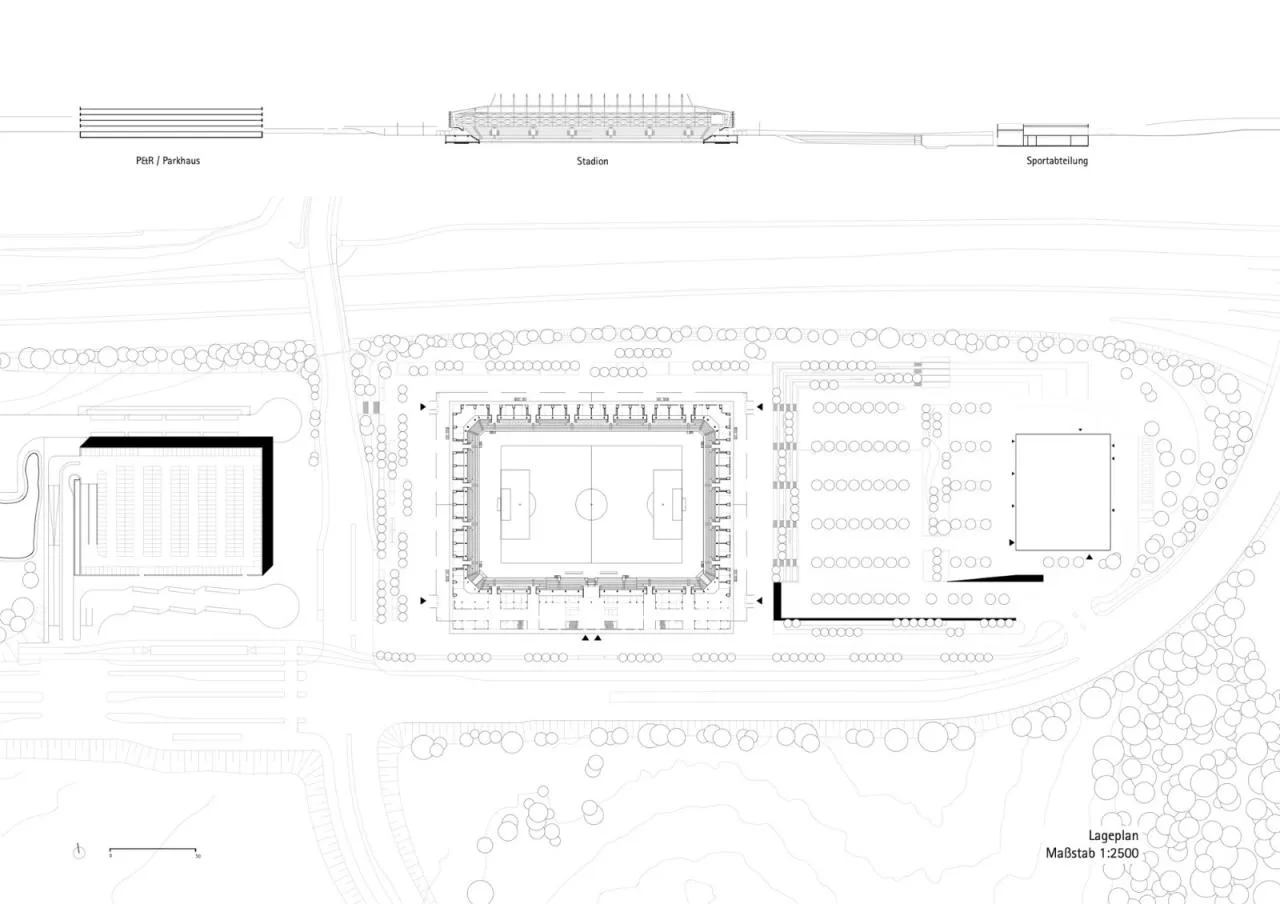
△ General layout plan
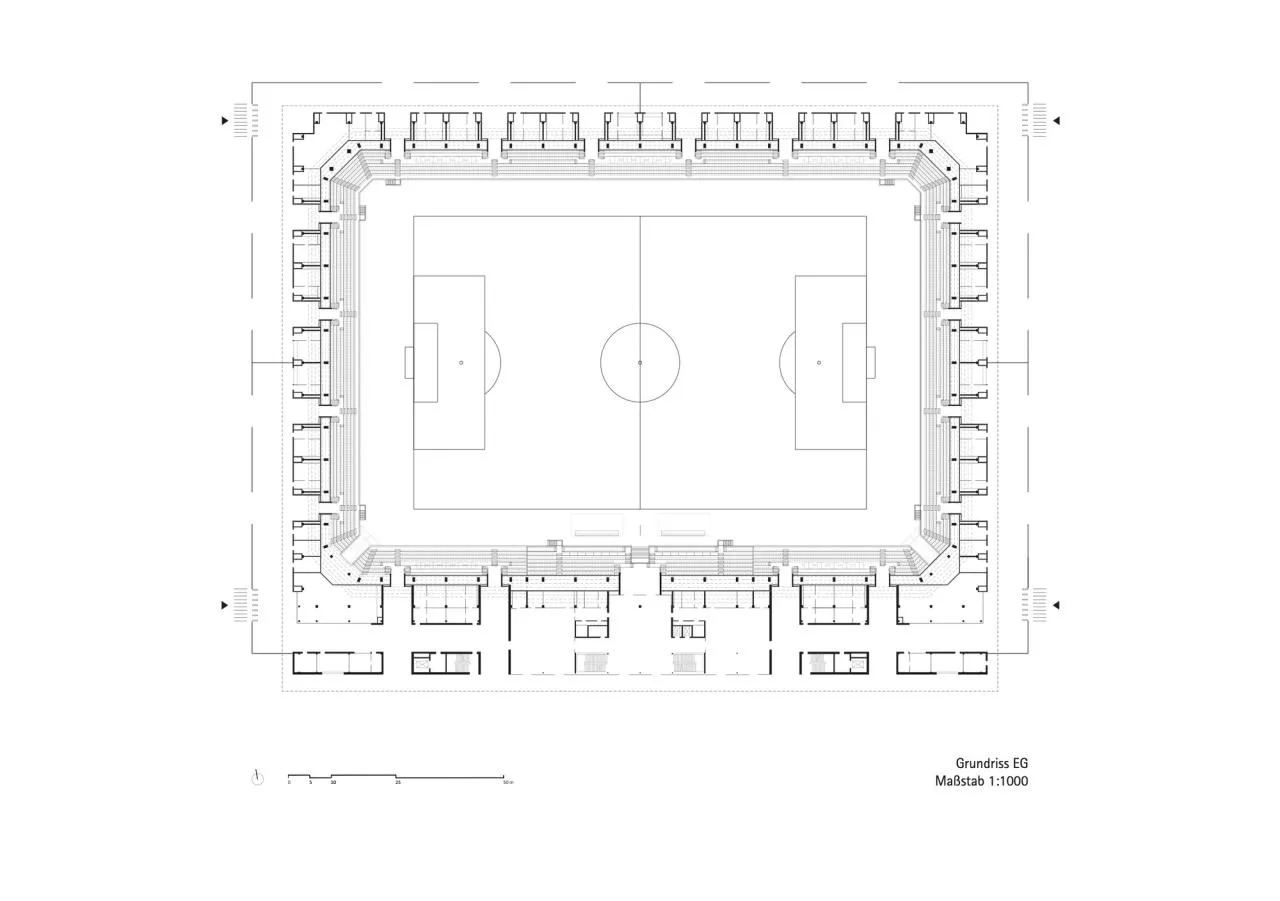
△ Plan view
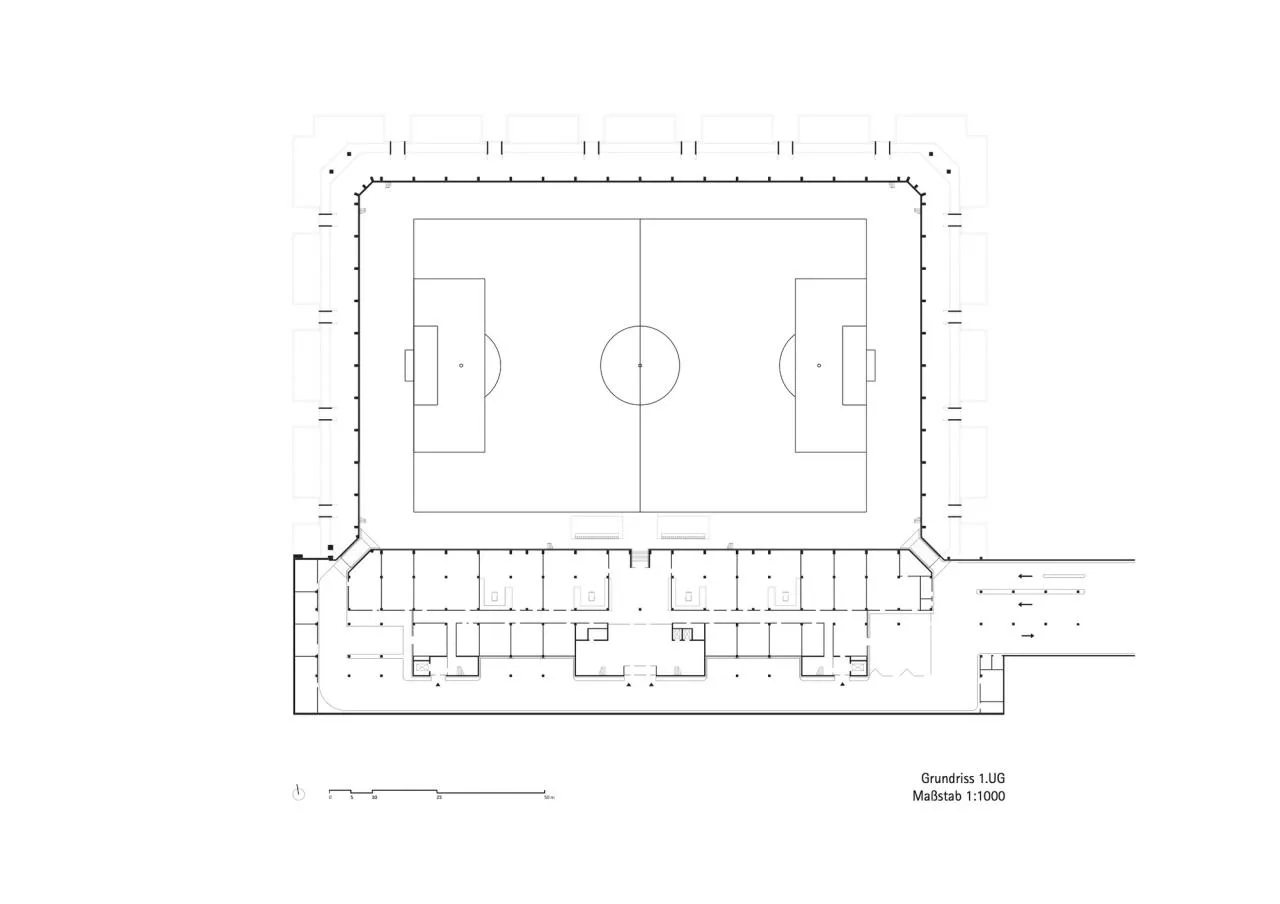
△ Plan view
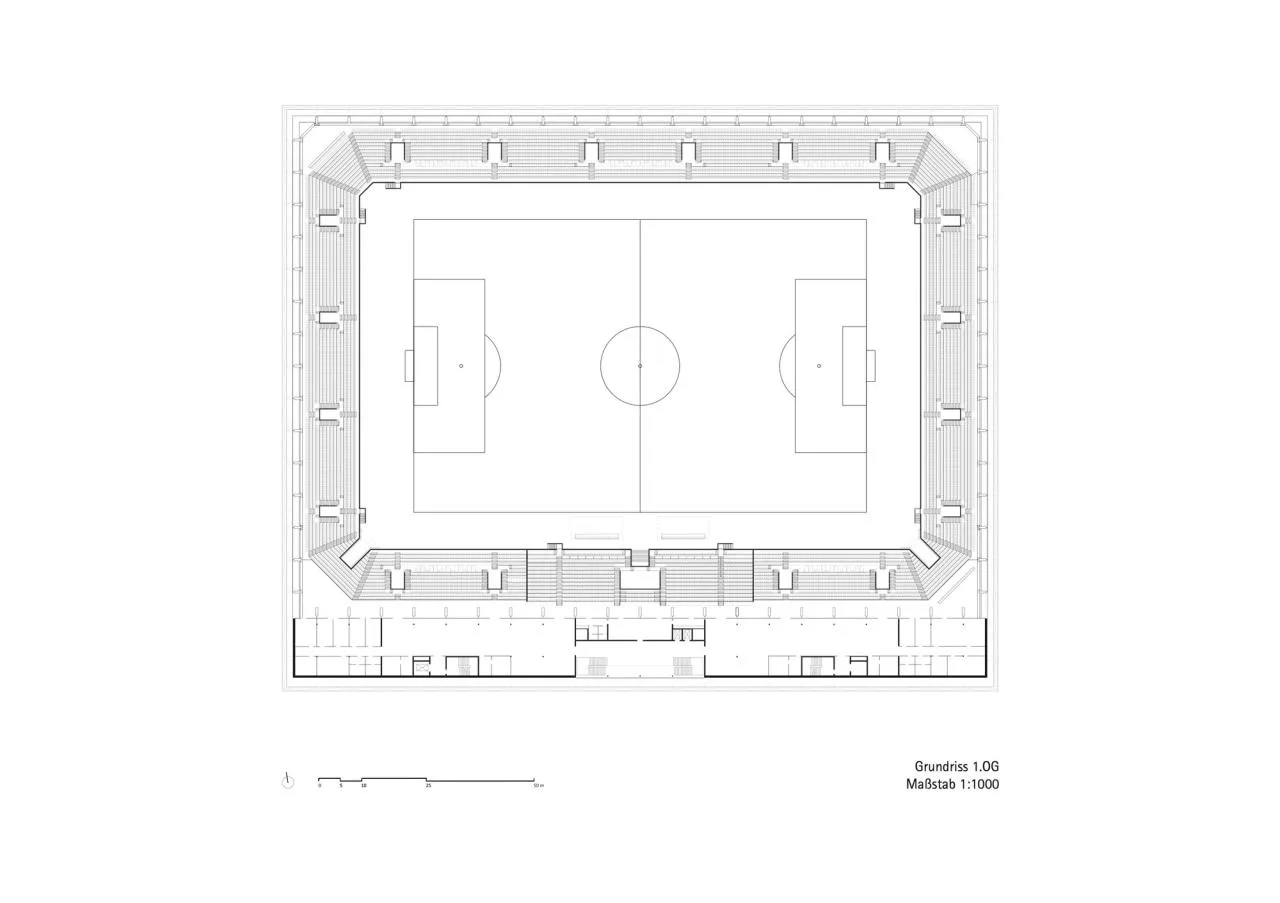
△ Plan view
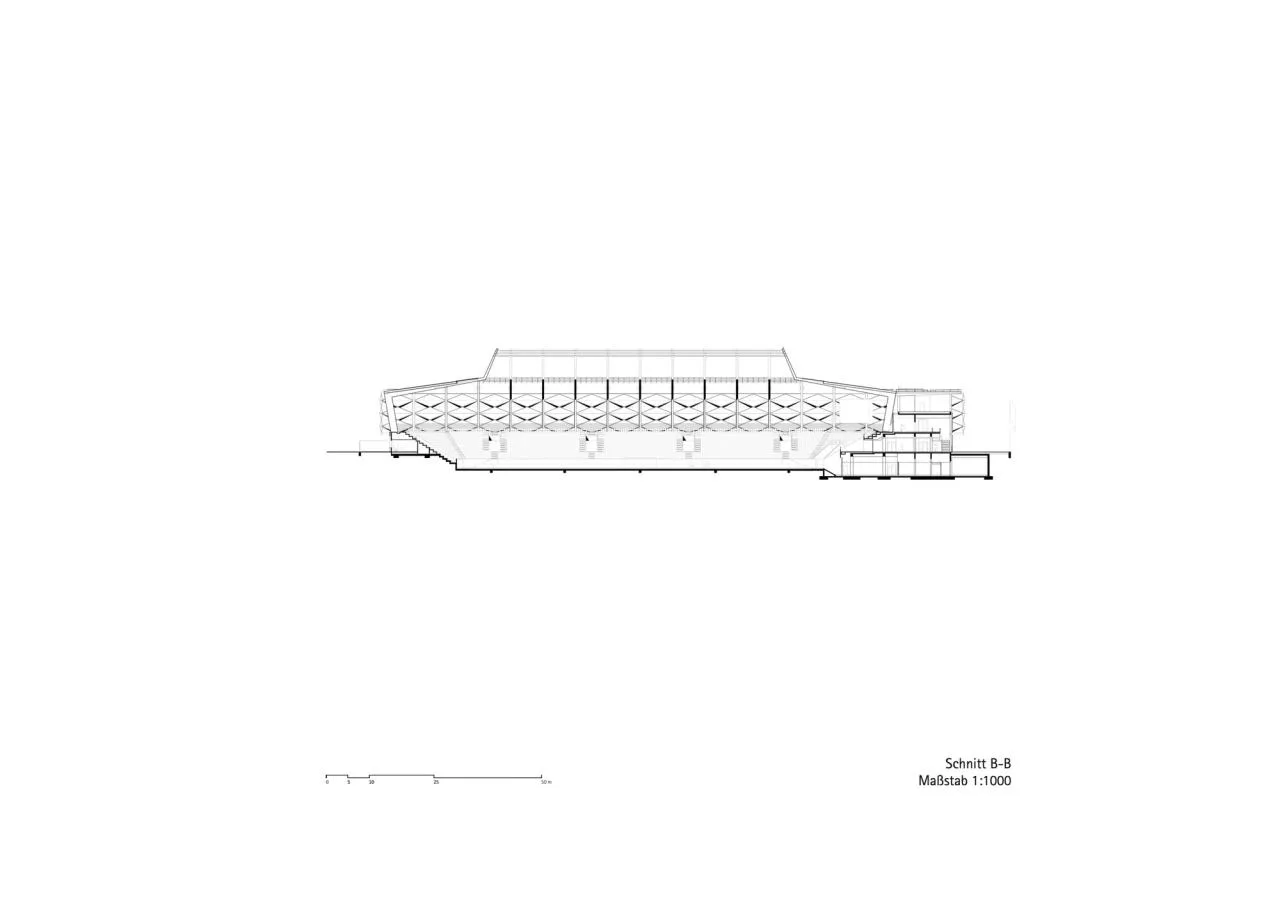
△ Section diagram
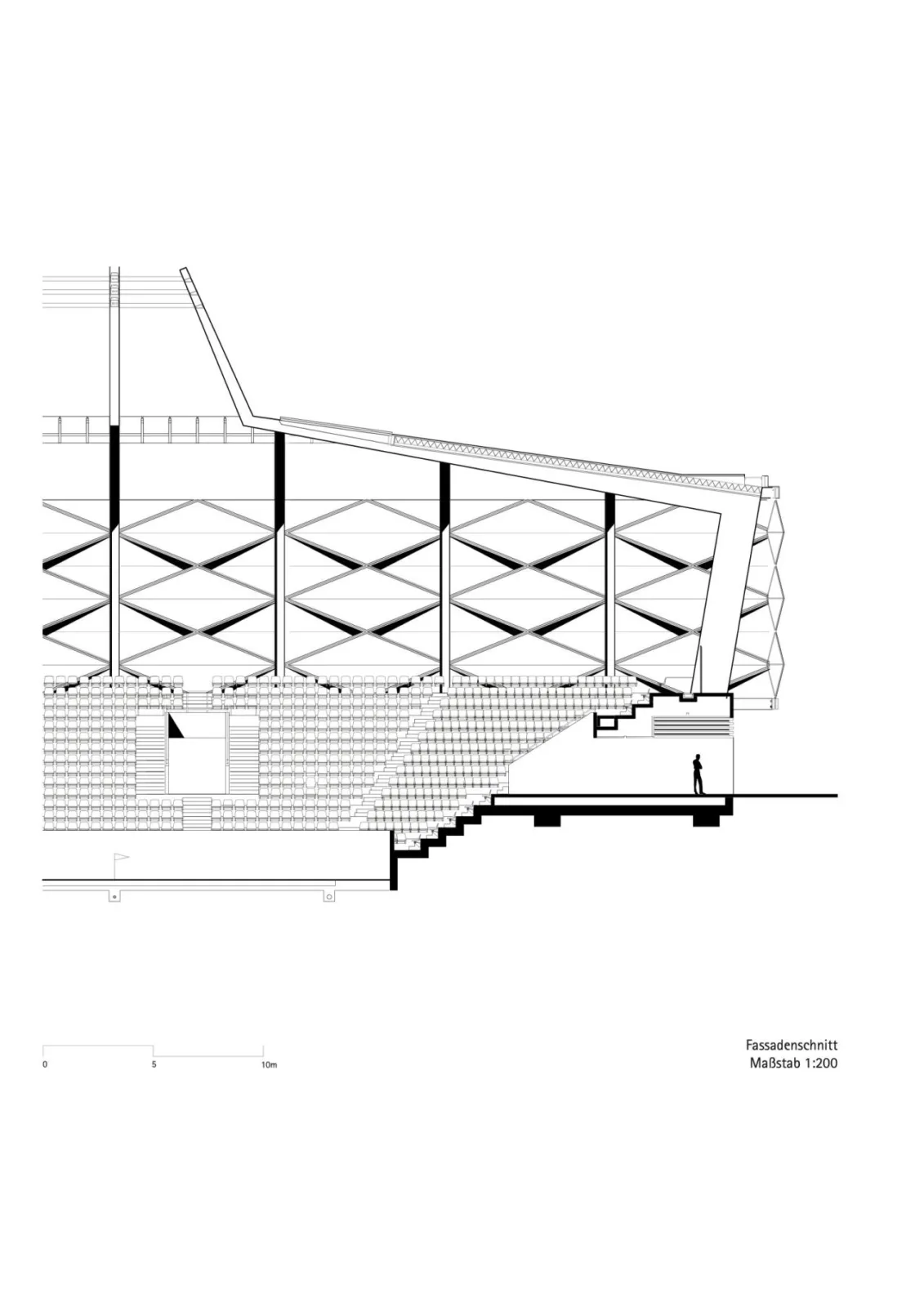
△ Node profile diagram
Project Information
Architectural Design: GMP Architecture Firm
Project Year: 2021
Photographer: Marcus Bredt
Design: Volkwin Marg, Christian Hoffmann, Jörg Greuel
Project Leader: Jörg Greuel
Design Team: Roman Hepp
Partner Designer: Beng Architects Associés
Media Technology: Graner+Partner, Bergisch Gladbach
Location: Luxembourg














Must log in before commenting!
Sign Up