
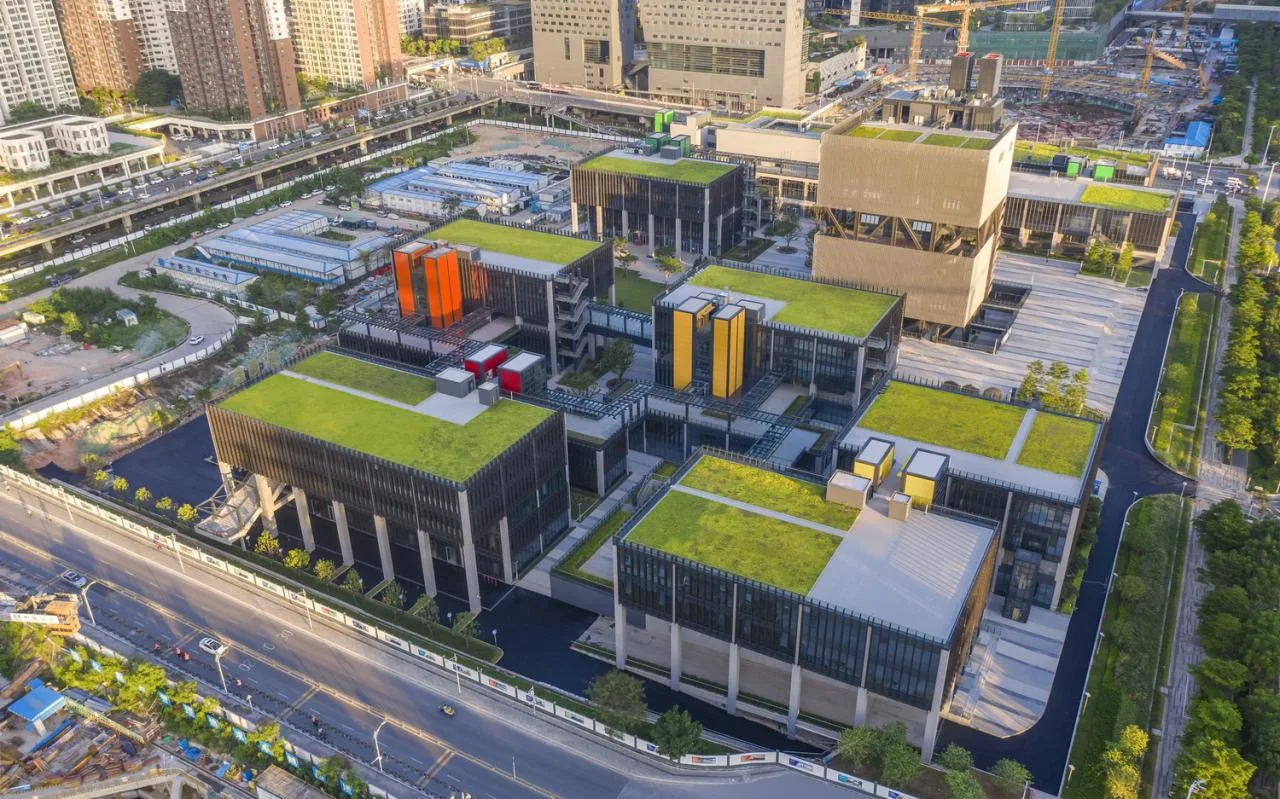
The Guangdong-Hong Kong-Macao Youth Entrepreneurship Zone is a key initiative by Qianhai to promote national strategic deployment and foster youth innovation and entrepreneurship within the Greater Bay Area. This project carries the historic mission of establishing Qianhai’s first Shenzhen-Hong Kong science and technology innovation collaboration platform, with a focus on accelerating industry development and creating a globally influential innovation hub for youth in the Greater Bay Area.
Invested, constructed, and operated by Qianhai Service Group Co., Ltd., the zone targets industries such as artificial intelligence, big data, life sciences and health, Internet of Things, blockchain, cloud computing, technology, culture, and creativity. It aligns with the directives set forth in the “Outline of the Development Plan for the Guangdong-Hong Kong-Macao Greater Bay Area,” aiming to expand innovation and entrepreneurship opportunities for youth from Hong Kong and Macao, and supports Shenzhen’s goal of becoming a globally influential center for innovation, entrepreneurship, and creativity, as outlined in official national policy documents.
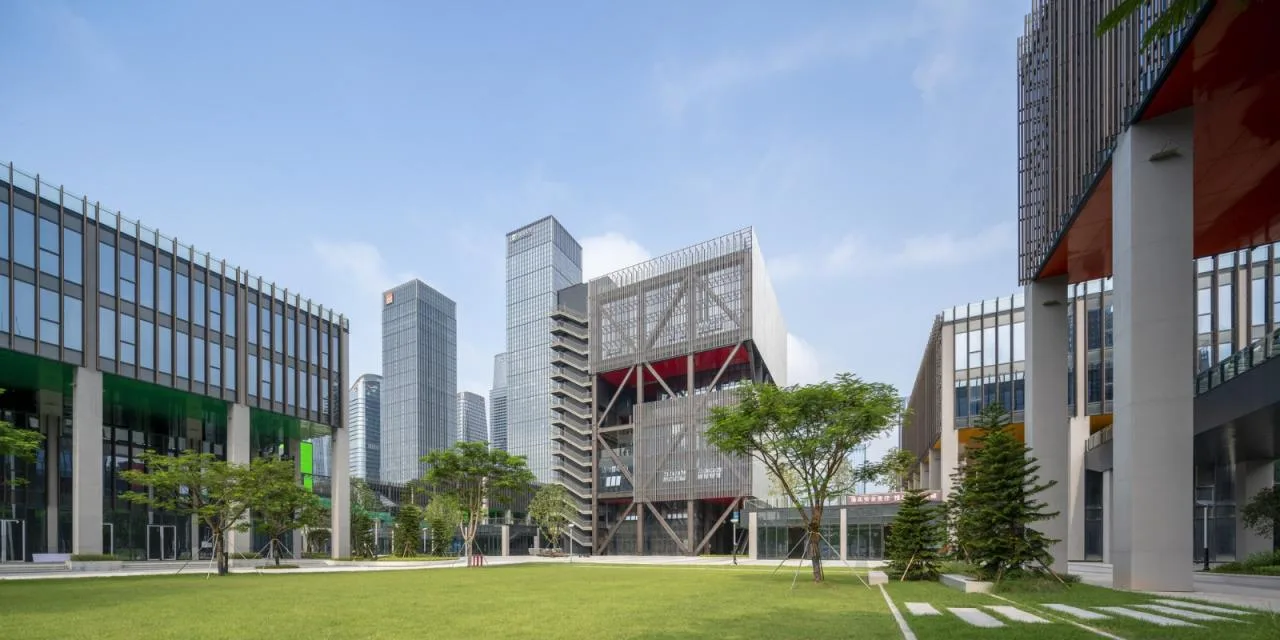
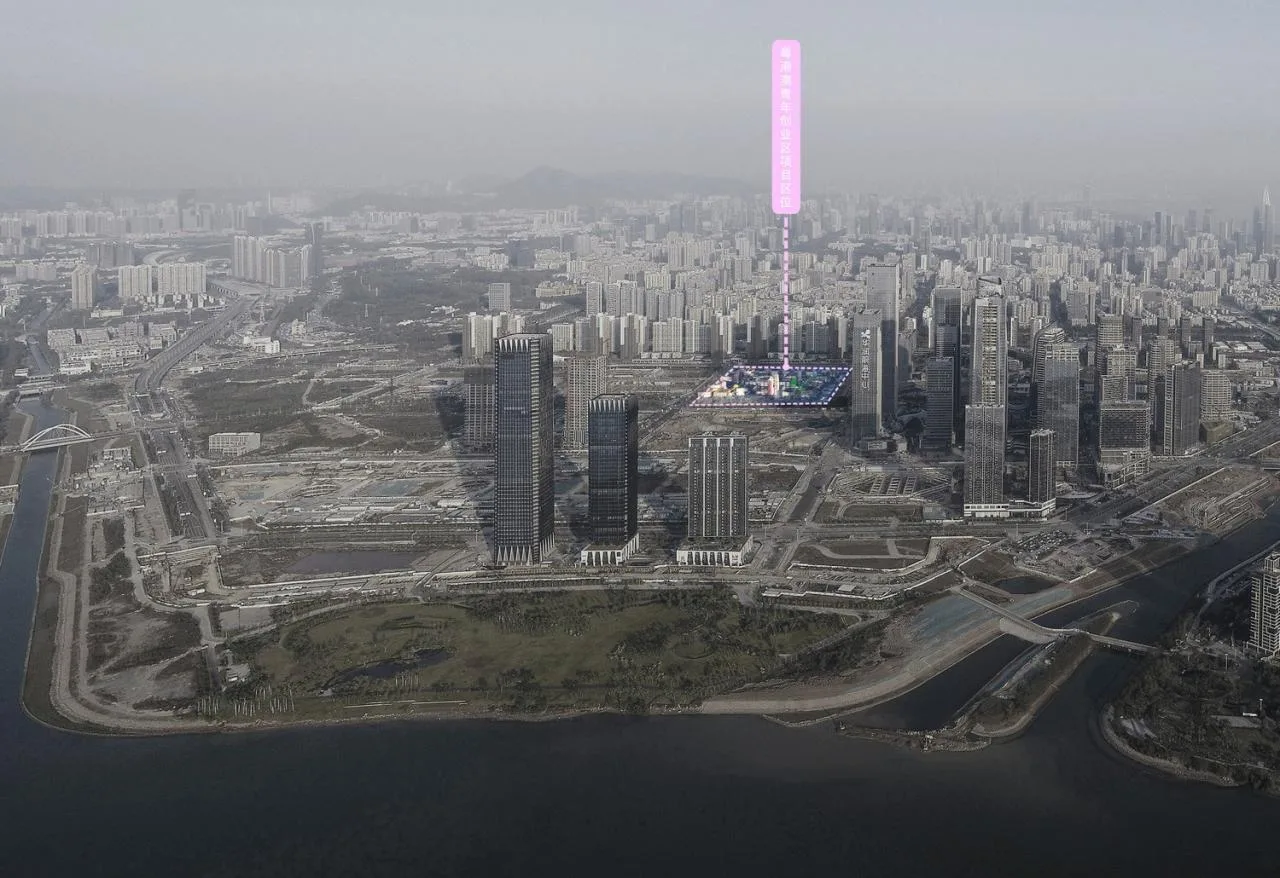
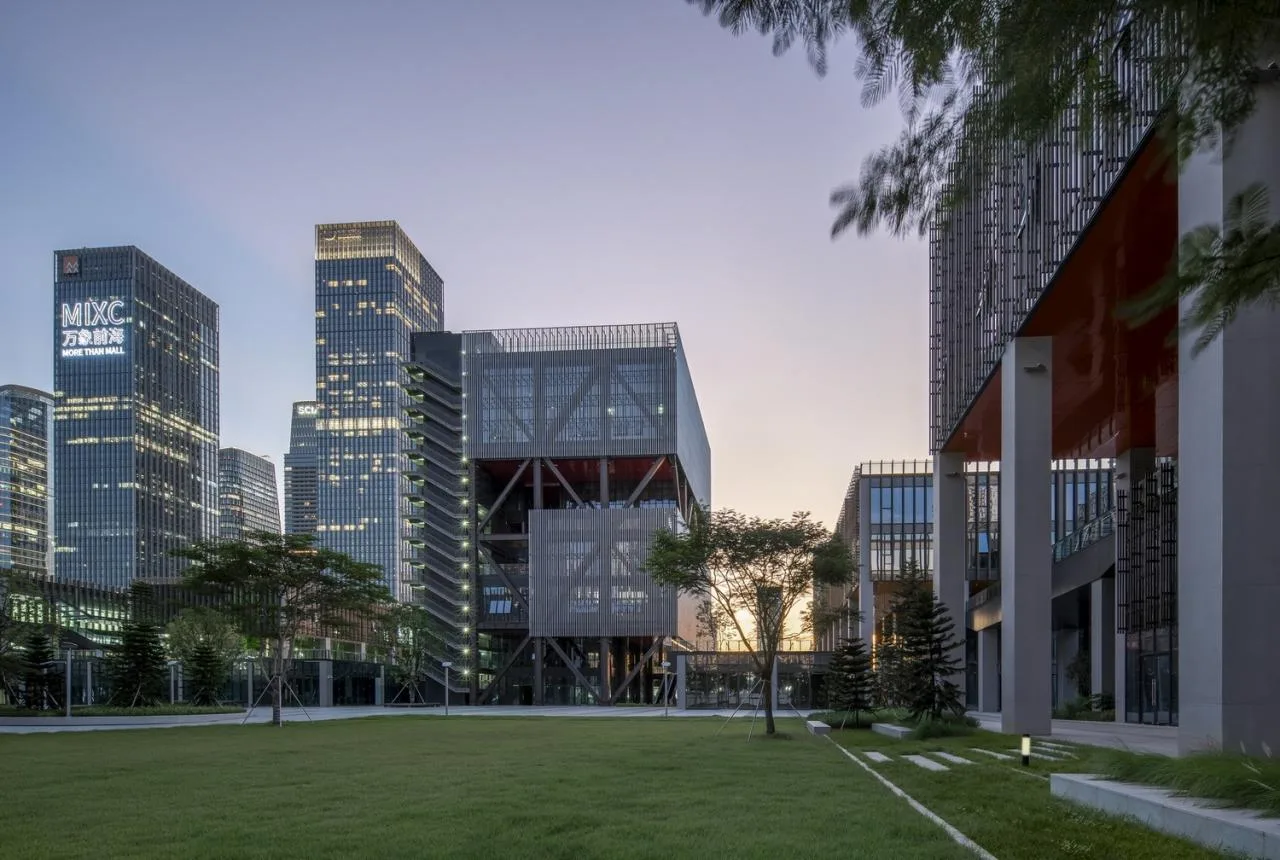
The coastal park establishes a seamless transition from land to sea, serving as an essential urban living room—a vital element of contemporary city life. Cultural facilities are strategically positioned along this urban living room, guiding visitors from the land toward the coastal walkway and marking the gateway to vibrant city life.
As a crucial connecting node, the Guangdong-Hong Kong-Macao Youth Entrepreneurship Zone embodies the artistic spirit of traditional Chinese landscape painting, embracing an open and diverse ethos. It fosters a natural and harmonious blend of “mountains,” “land,” and “flowing water,” invigorating the vitality of the urban living area.
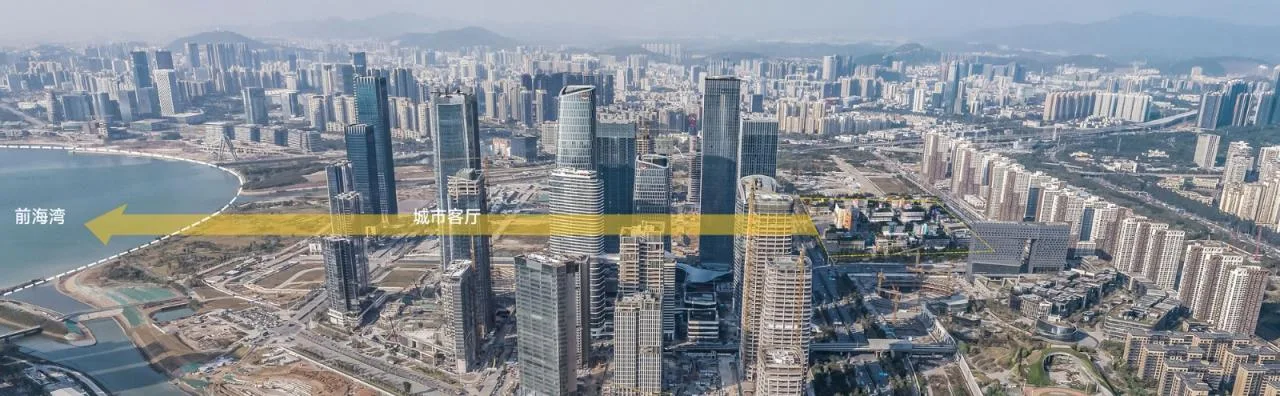
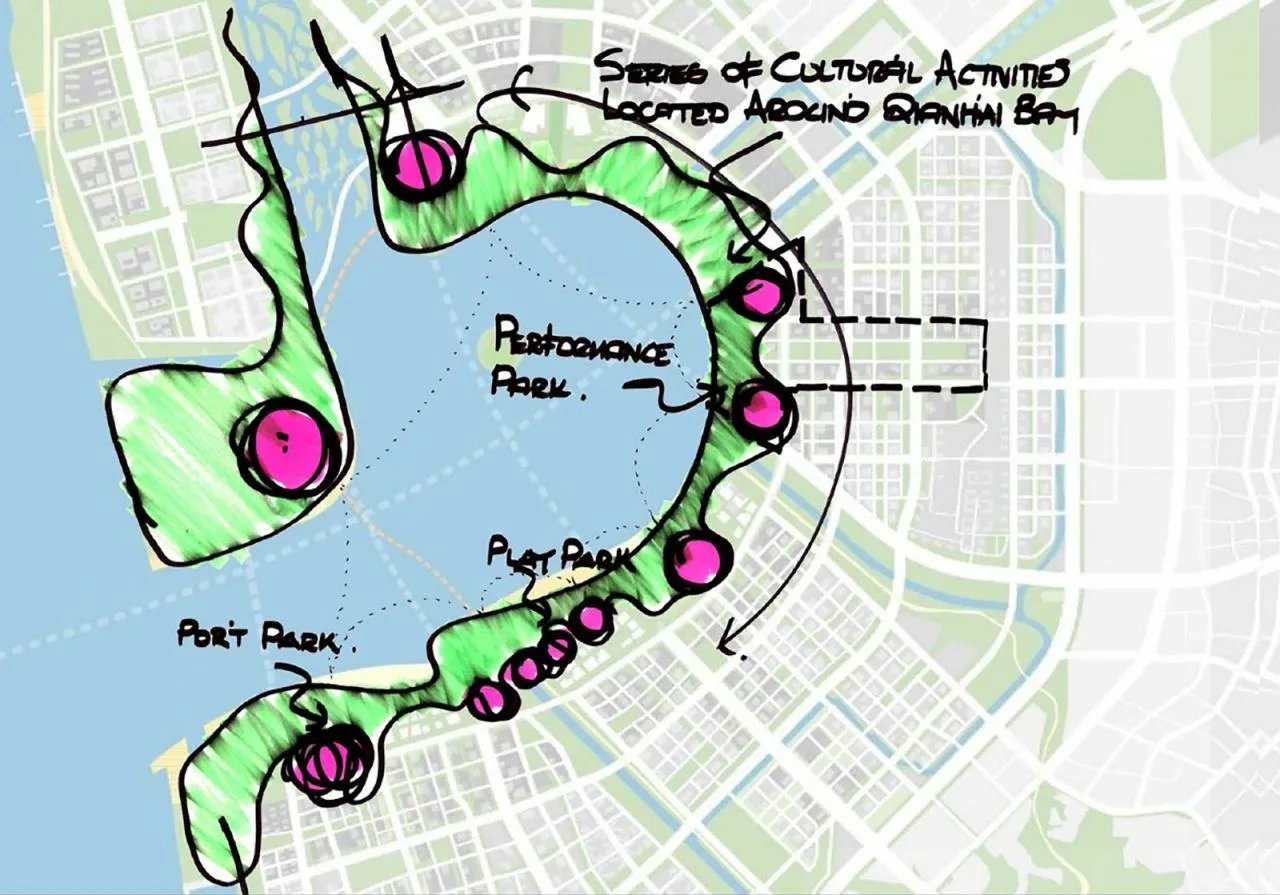
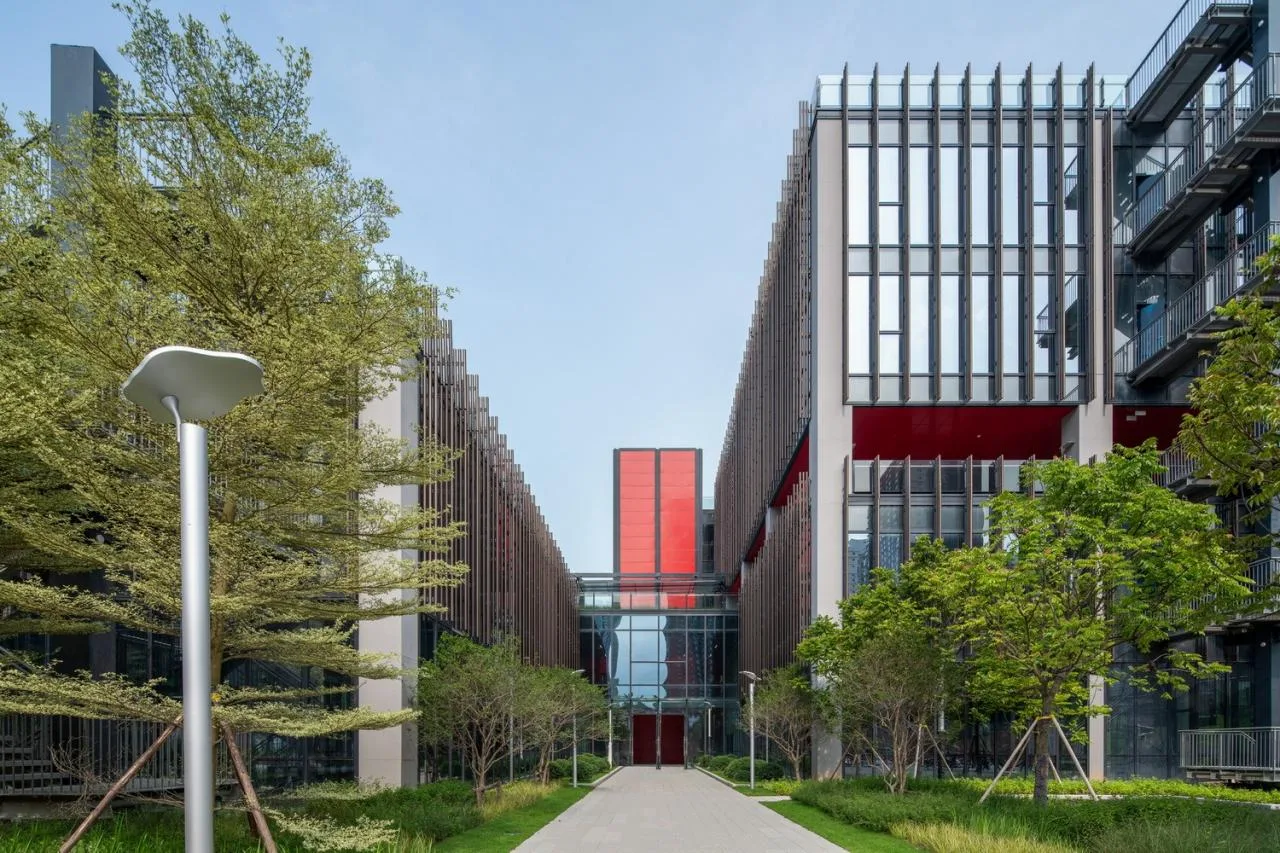
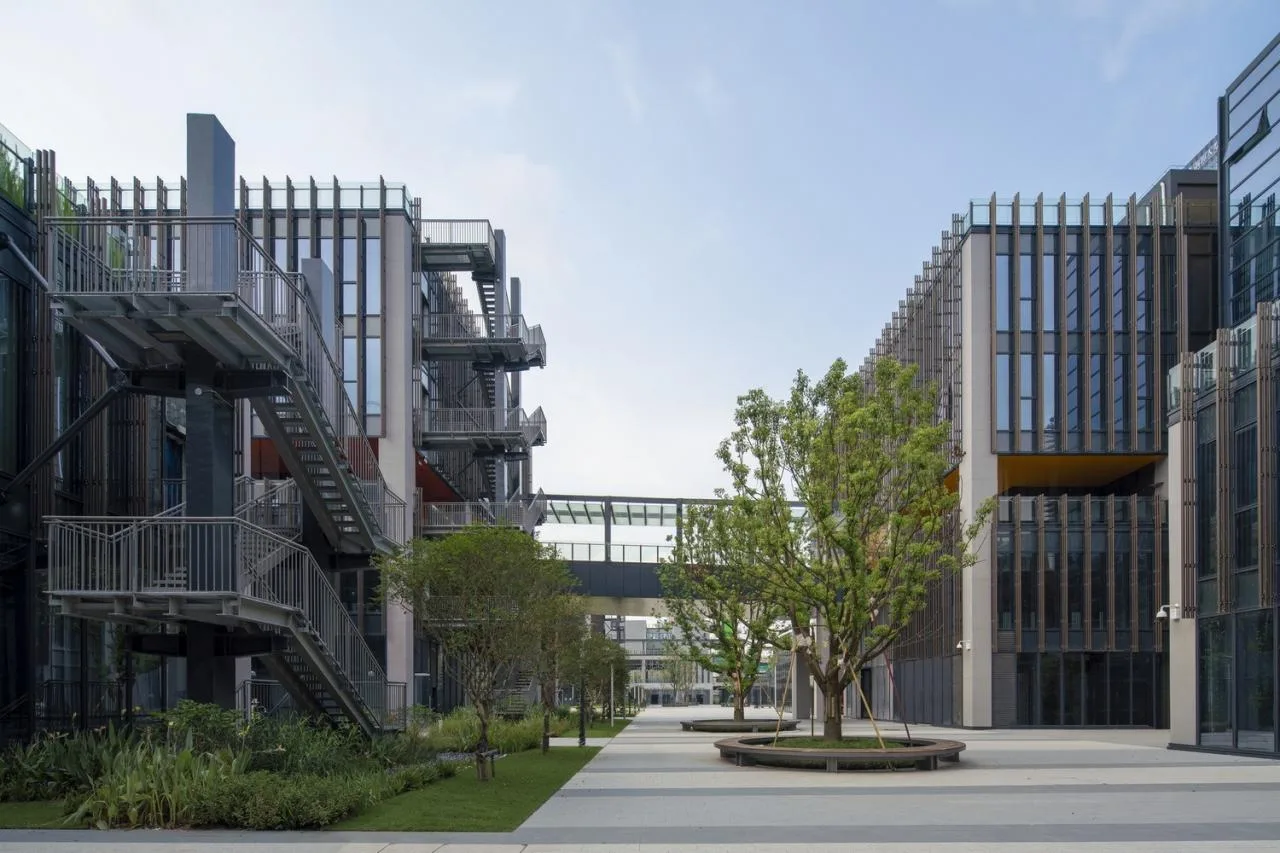
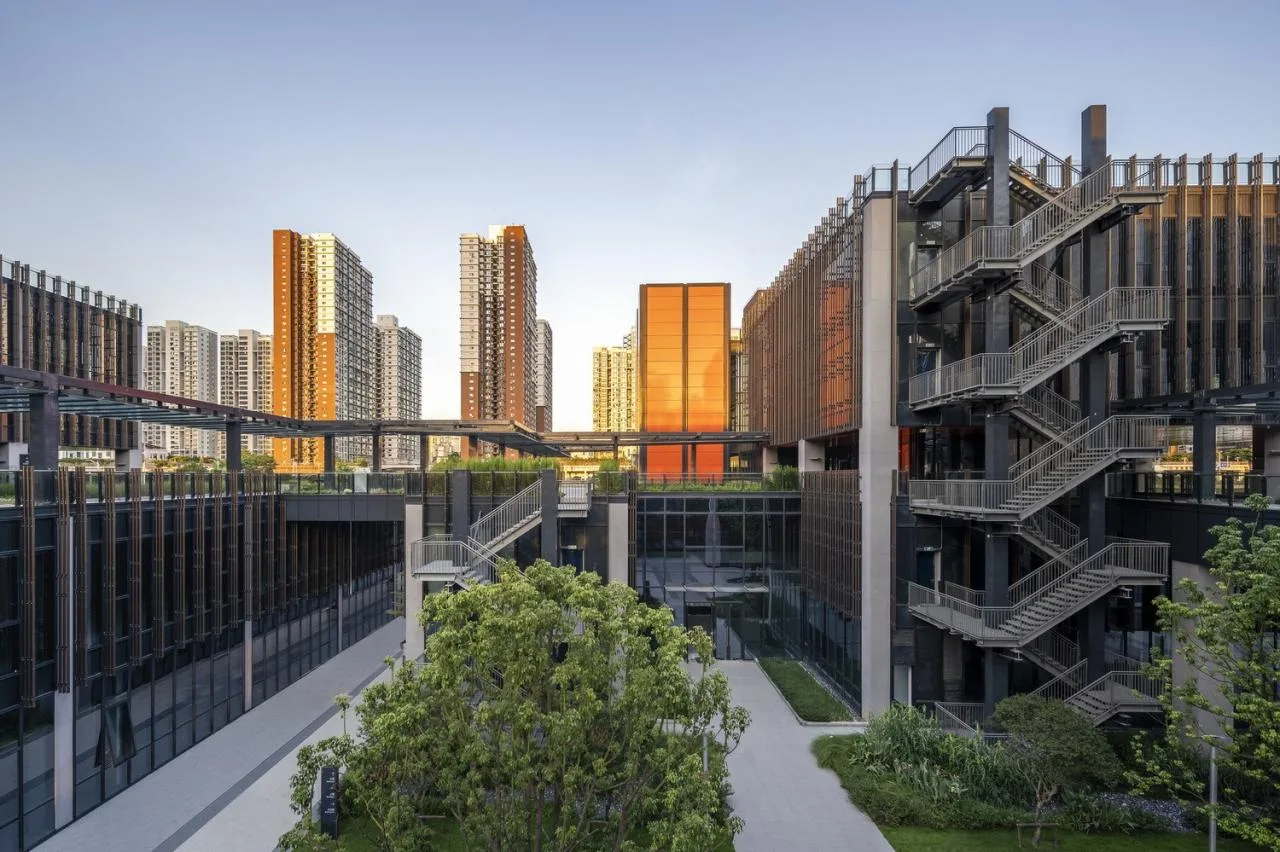
The park’s design draws inspiration from the urban planning of Chang’an City during the Tang Dynasty, introducing a modern “neighborhood system” block model that emphasizes transparency and open axis relationships. The layout also incorporates elements of Lingnan gardens, clustering buildings to enclose expansive gardens. This creates an interconnected and intimate network of spaces that evoke the essence of traditional Lingnan gardens interpreted through a contemporary lens.
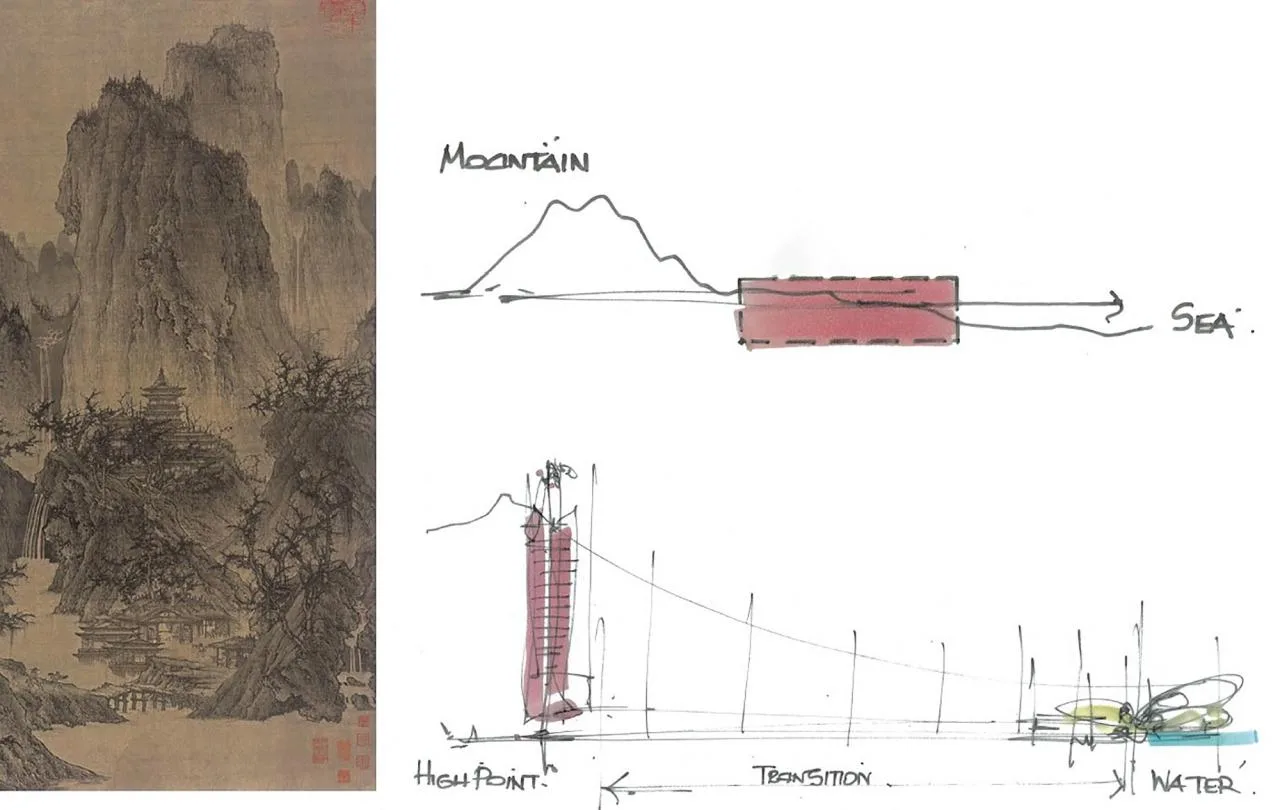
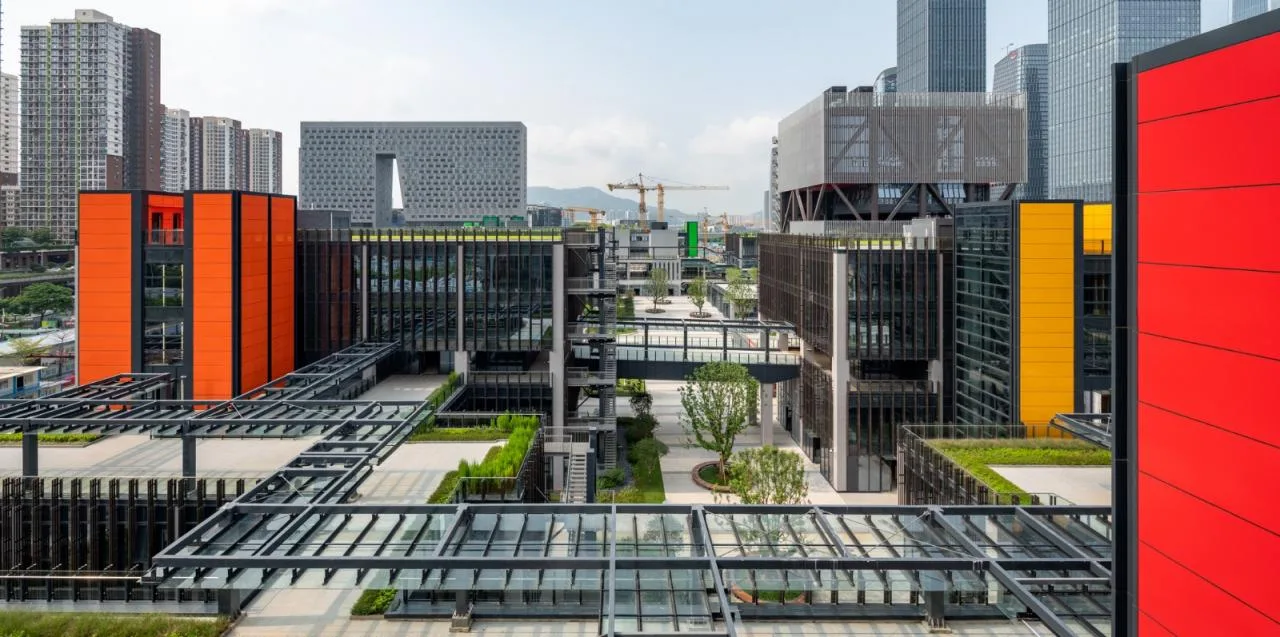
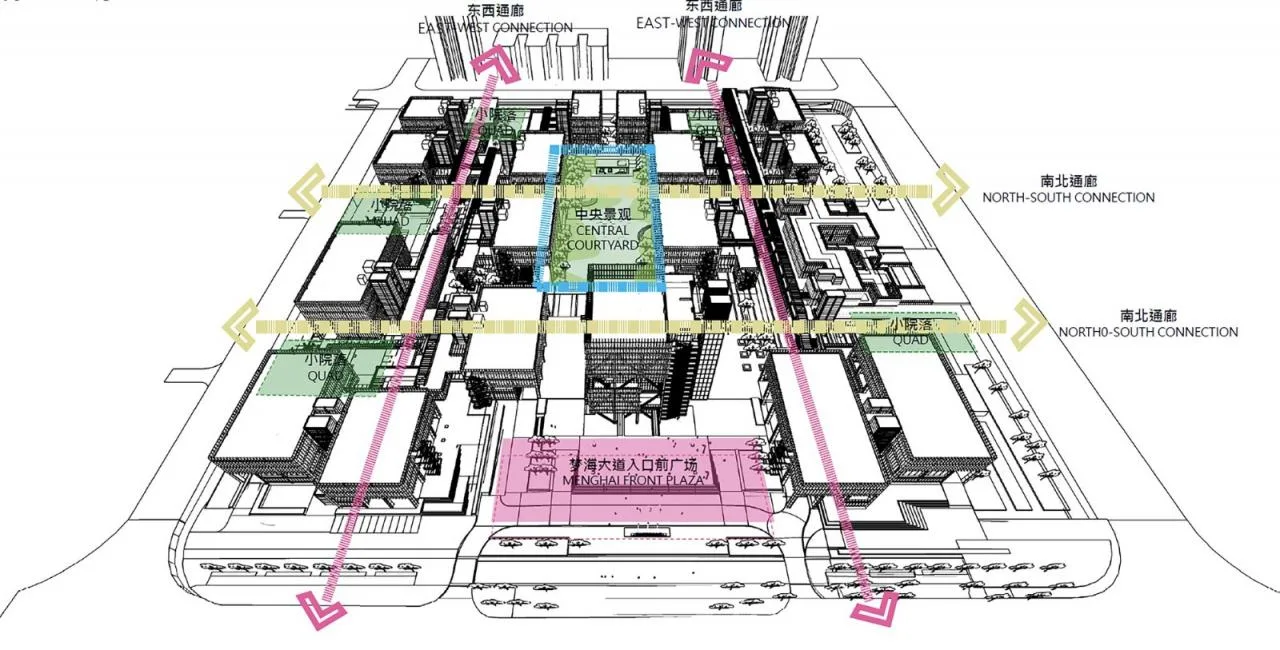
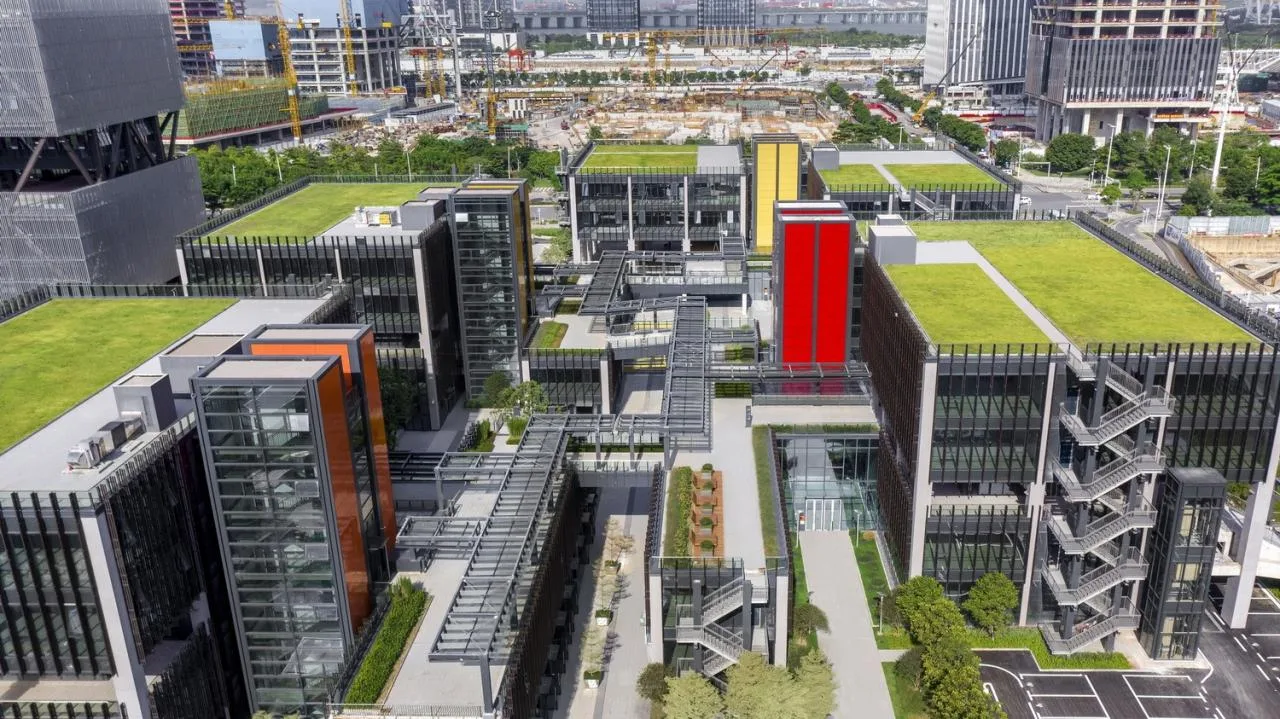
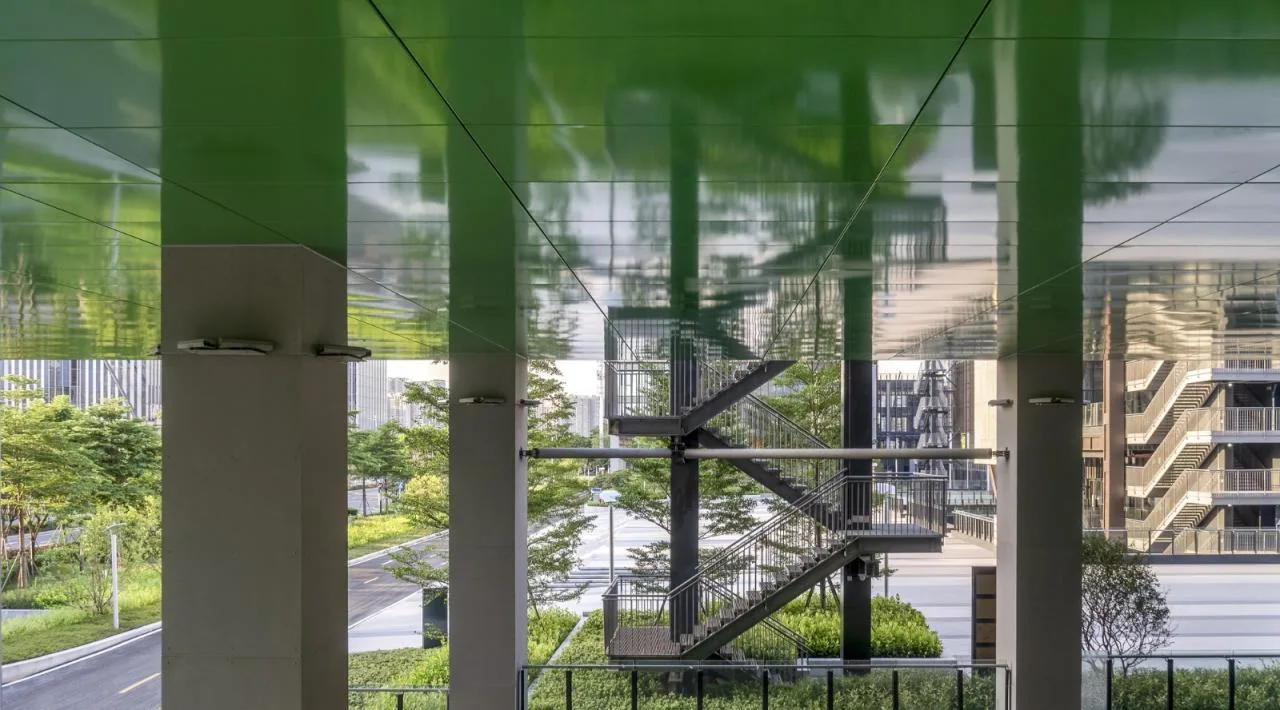
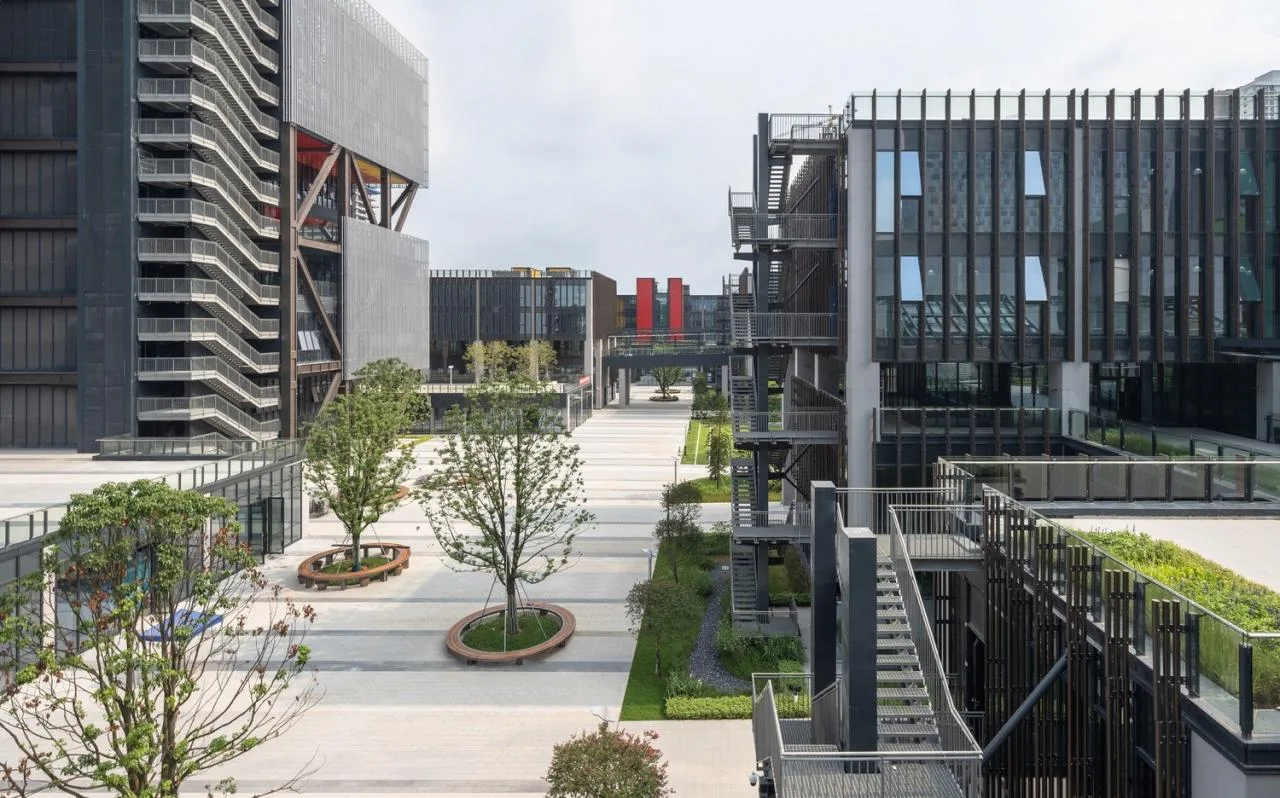
The park features a multi-level, three-dimensional pedestrian system—comprising surface, elevated, and underground pathways—that seamlessly integrates with the green spaces, connecting the entire site. This pedestrian network links with Qianhai’s broader three-dimensional pedestrian system, making the park a vital node within the city’s green pedestrian infrastructure. The park is designed to be highly accessible and shared.
Visitors can stroll along scenic corridors while enjoying the park’s natural beauty. Each building includes three floors equipped with elevated leisure spaces, offering diverse areas for employees to relax, interact, and collaborate. The aerial walkways extend outdoor access, blending work and lifestyle environments.
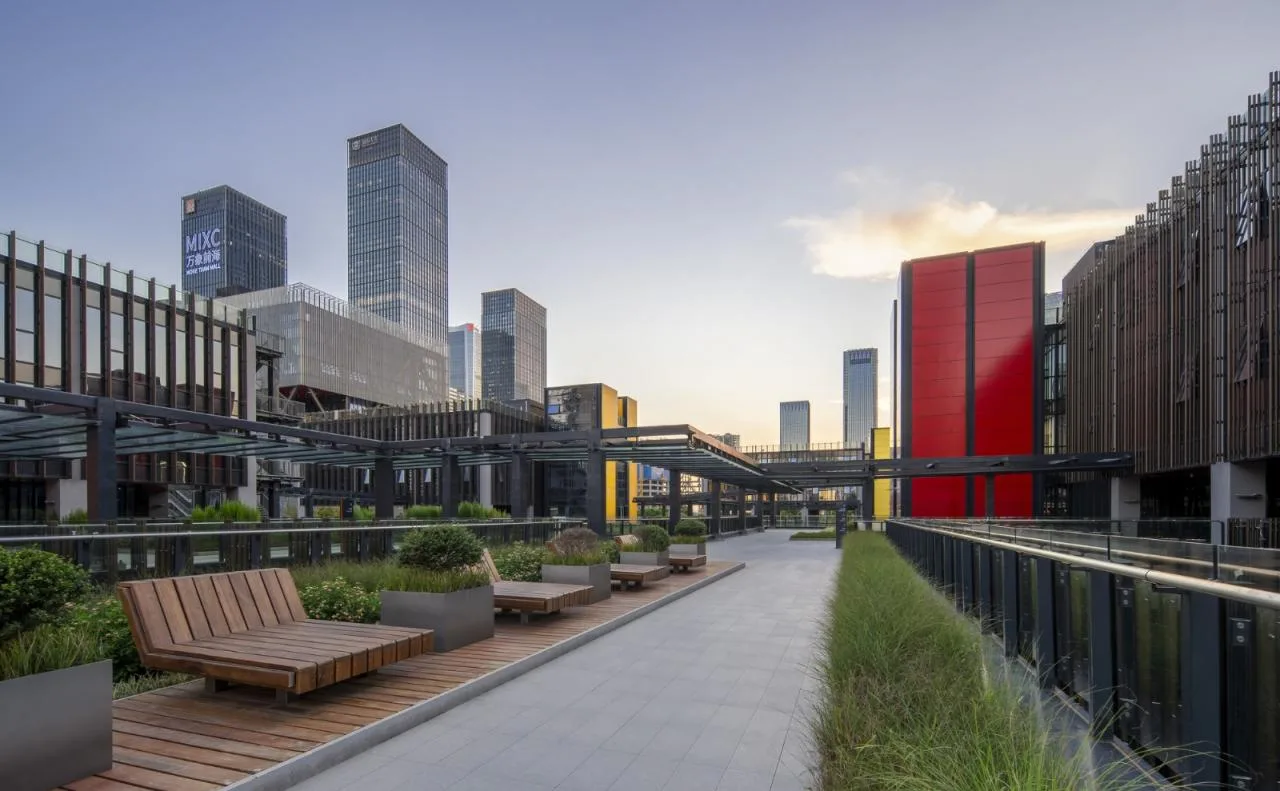
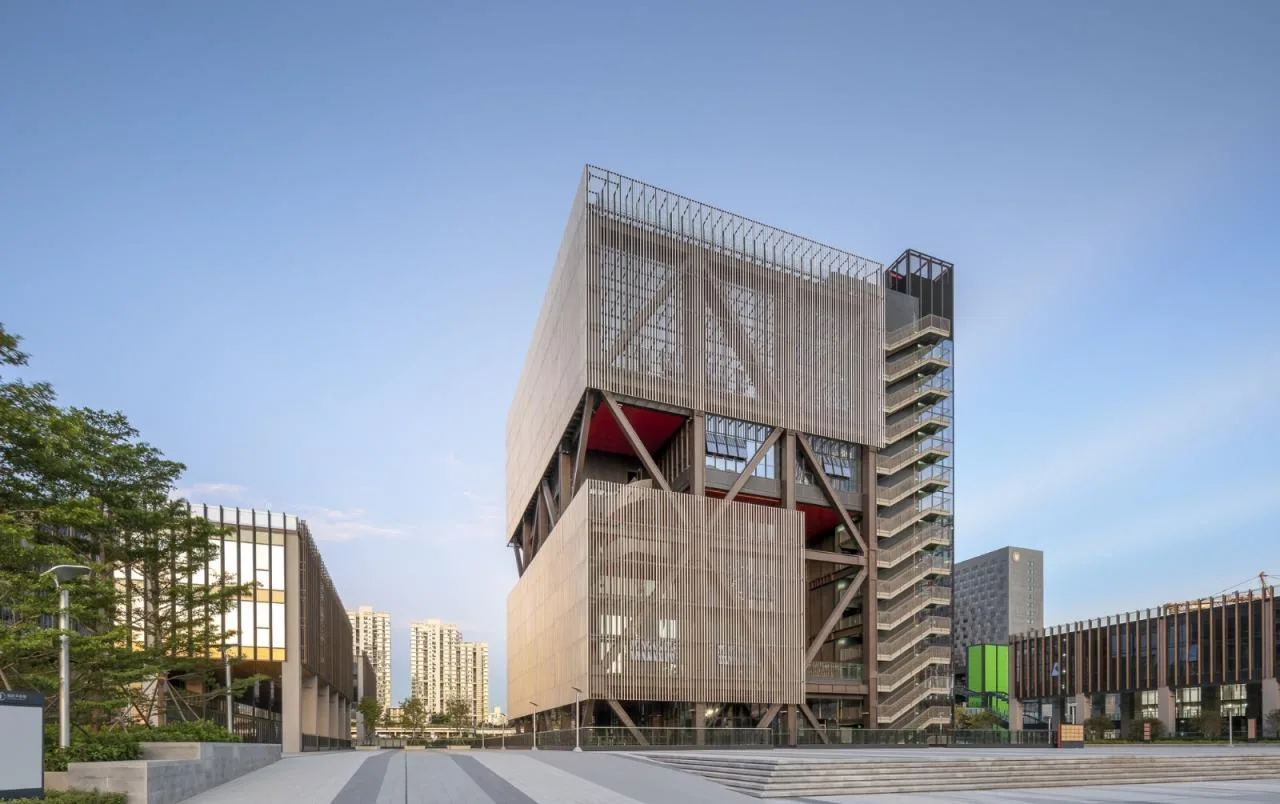
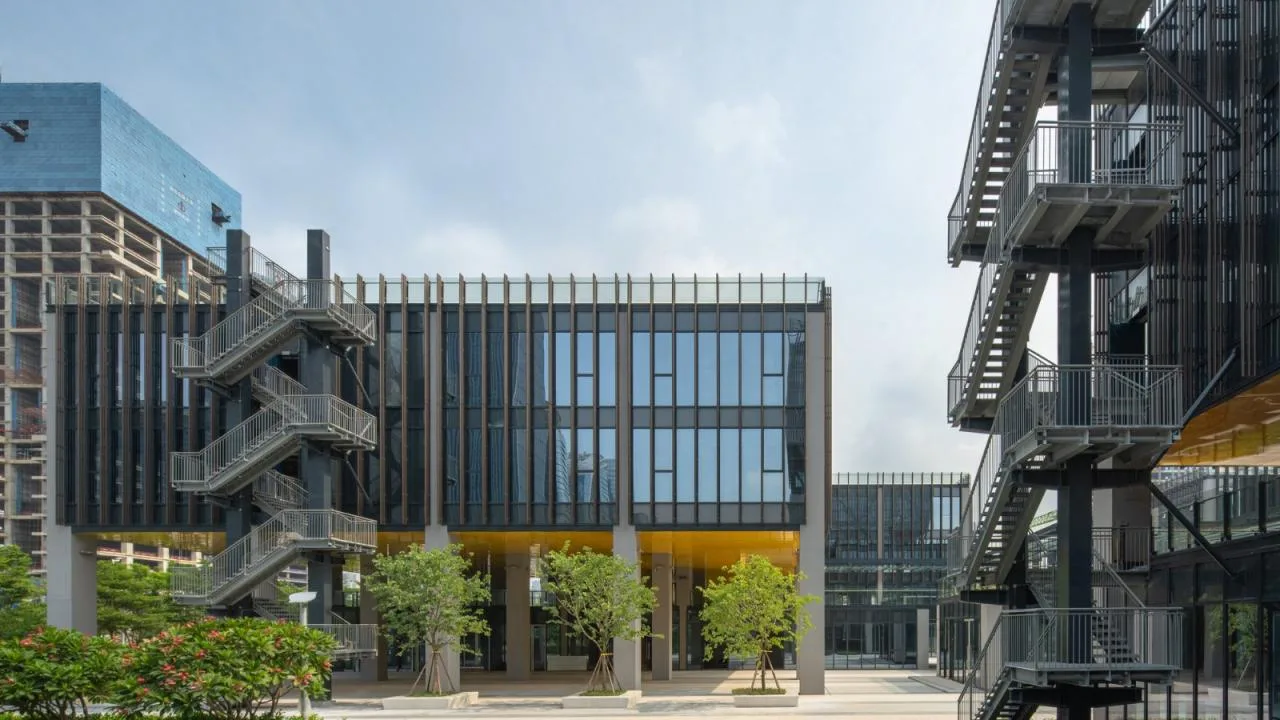
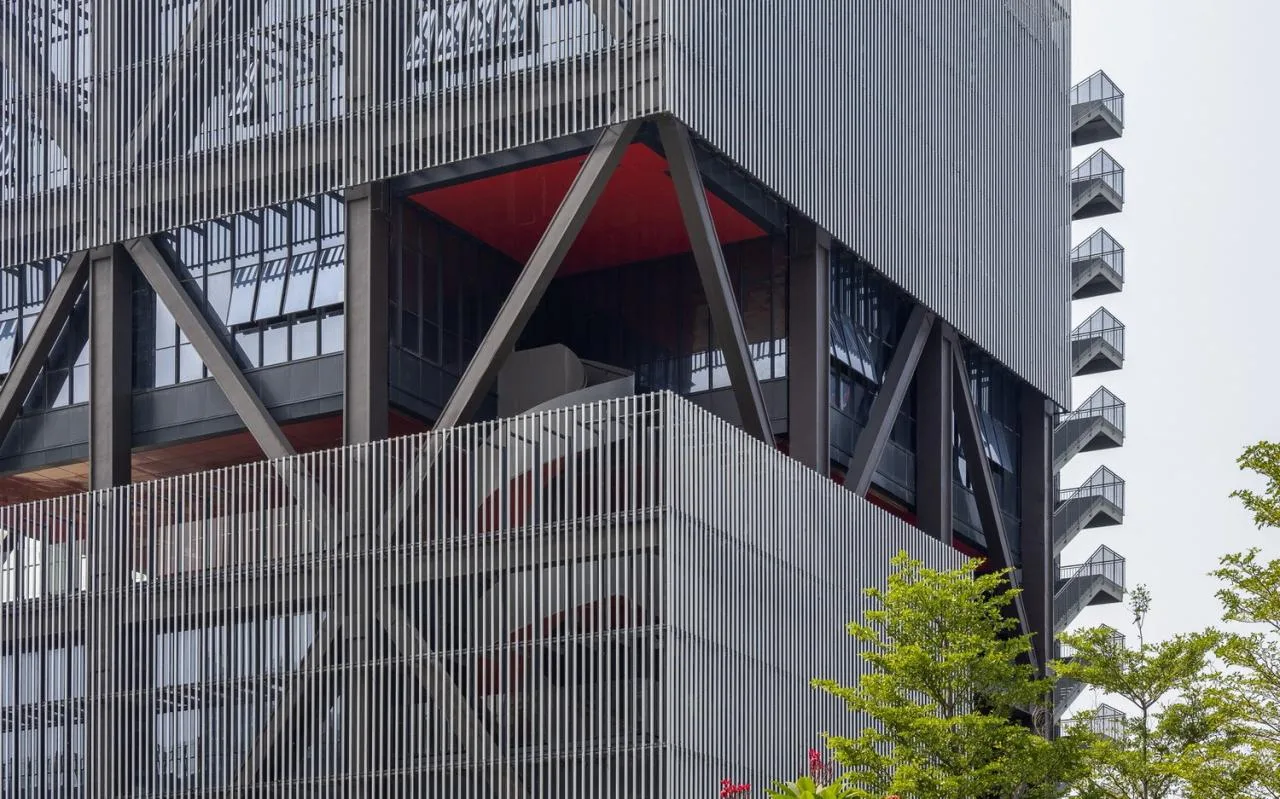
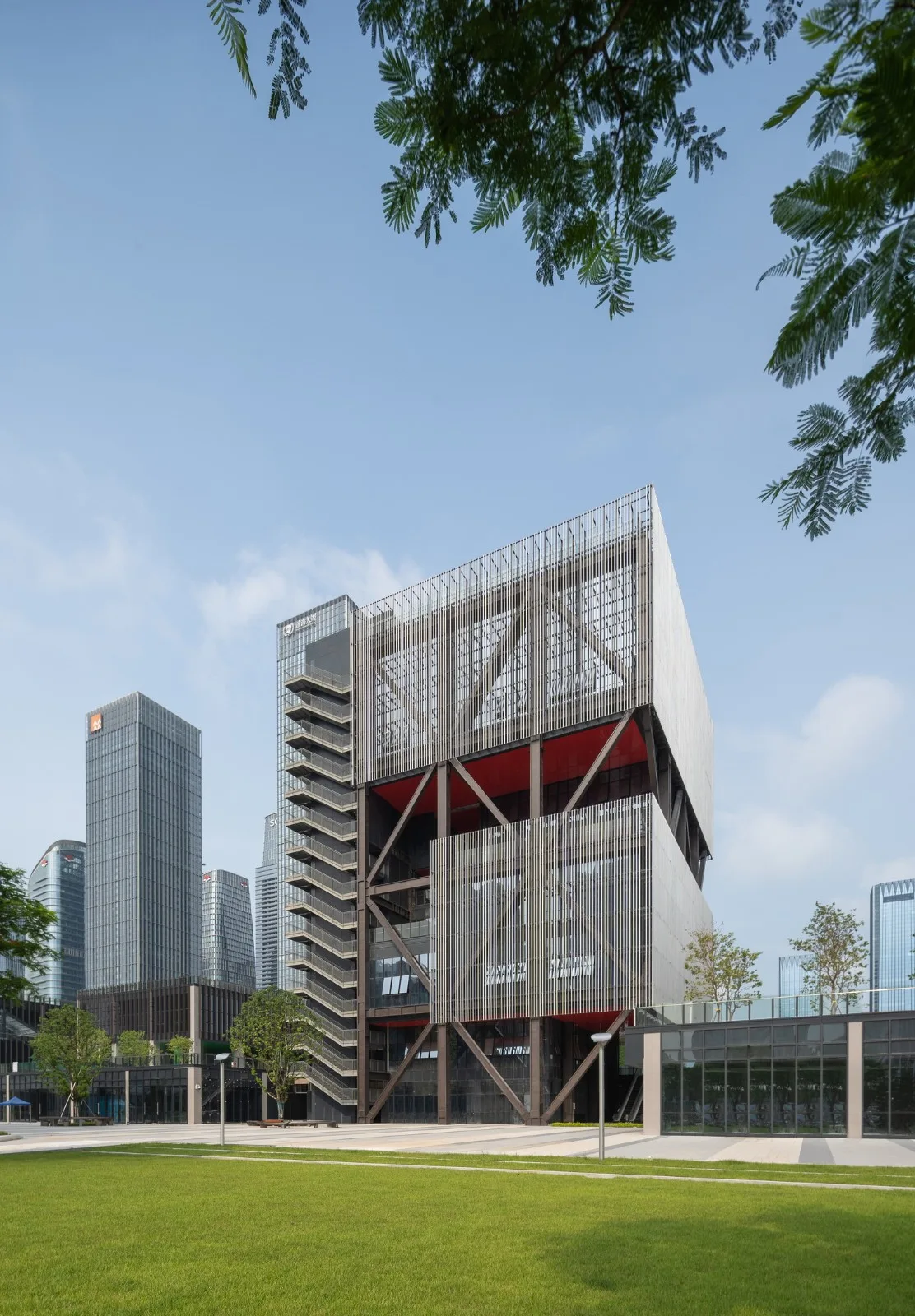
This 15-year land lease project embraces sustainable development throughout its entire building lifecycle. It utilizes prefabricated construction methods and features a steel structural frame. The “high-tech” architectural style reflects the park’s theme of youth entrepreneurship and operational characteristics.
Additionally, design elements from traditional Lingnan architecture—such as arcades, corridors, and water gardens—are incorporated to optimize the park’s microclimate, promoting green, eco-friendly, and energy-efficient environments.
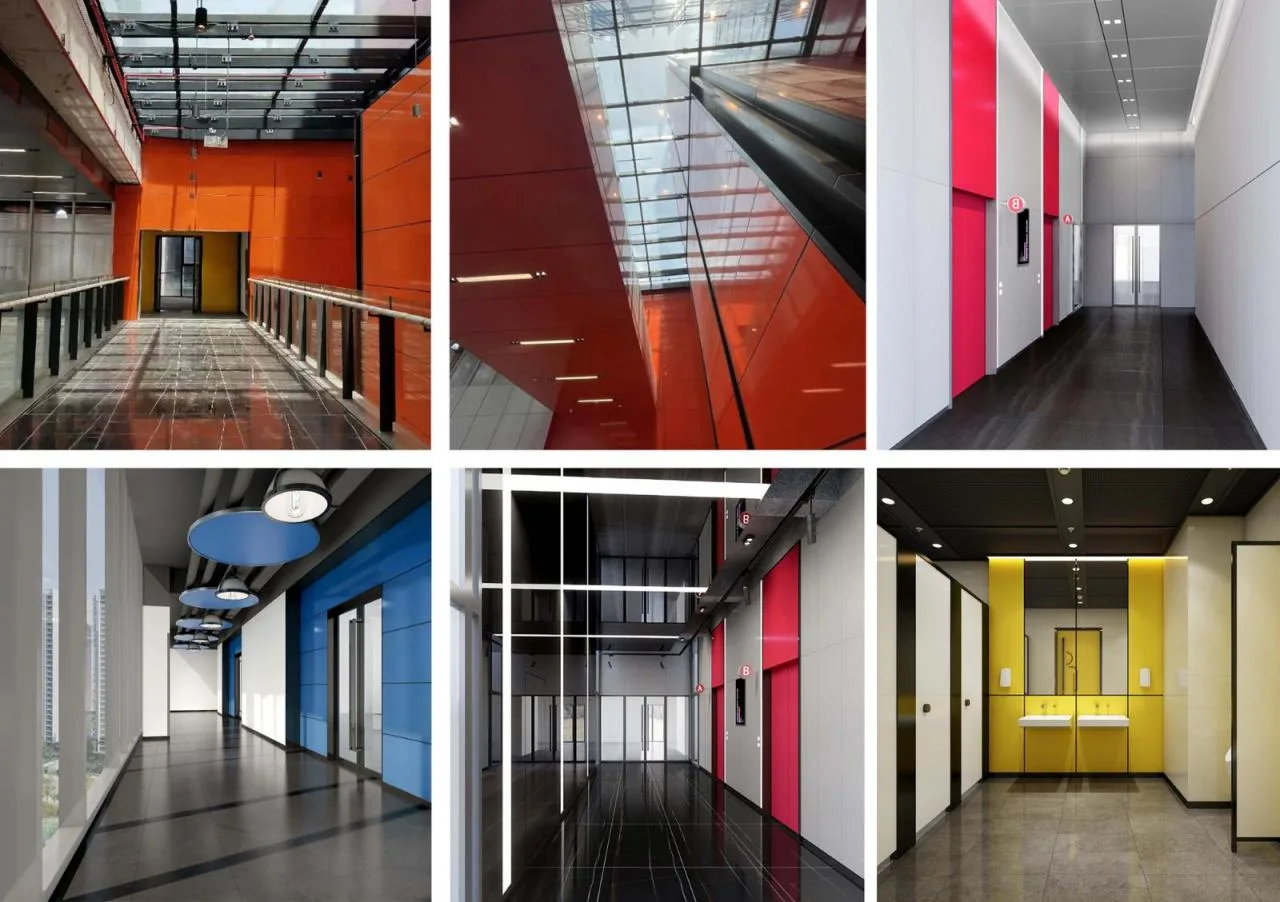
Project Drawings
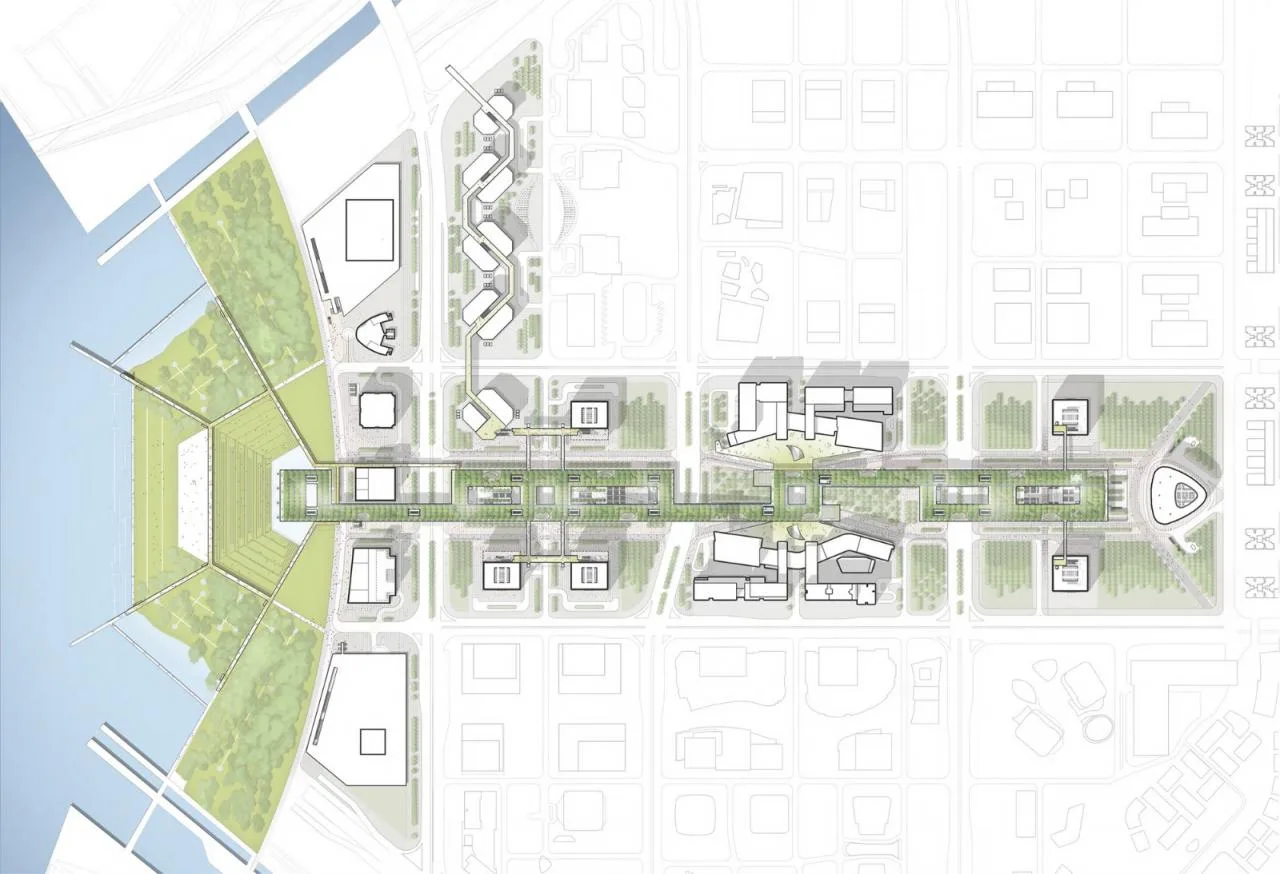
△ Axis General Plan
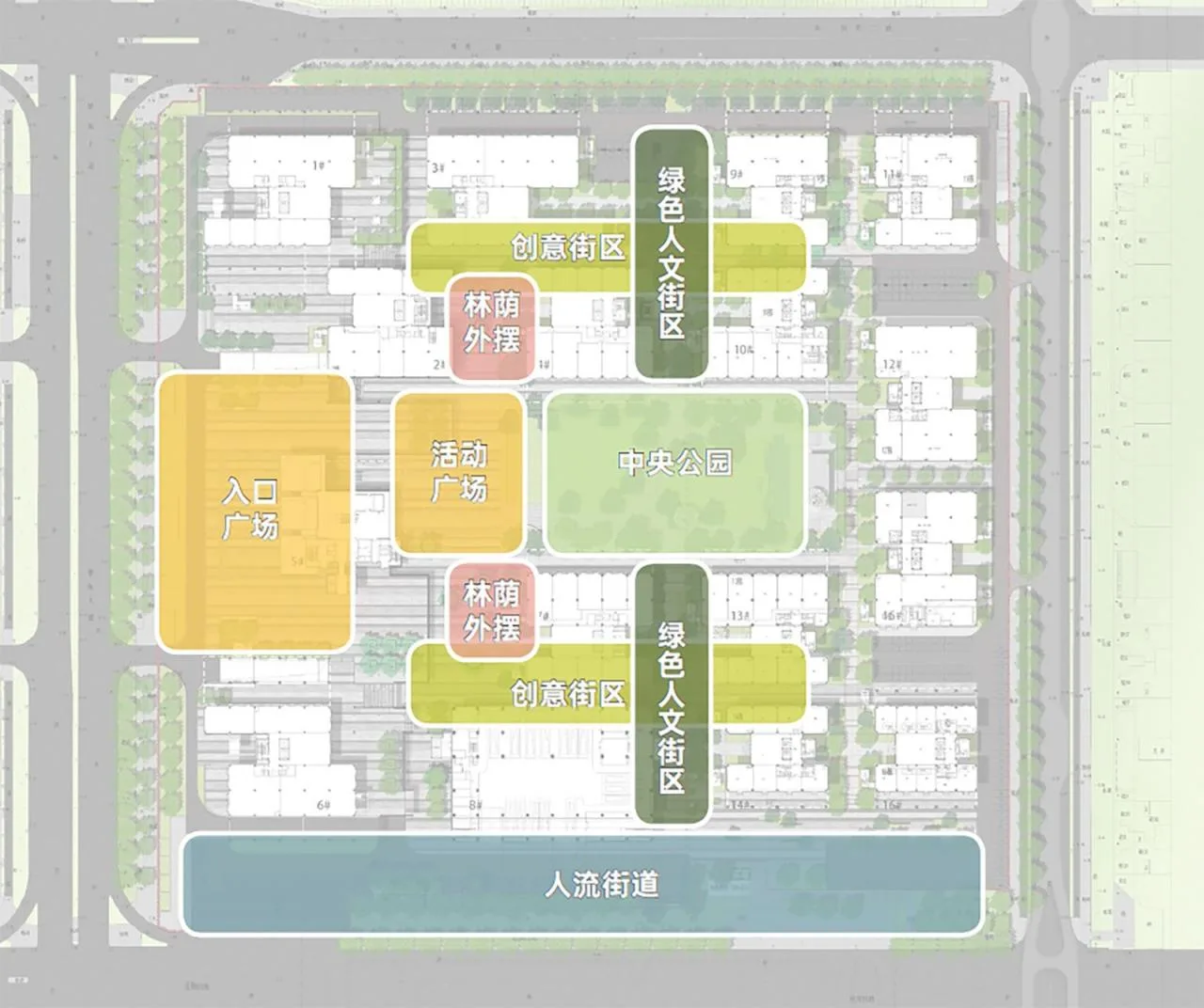
△ Functional Zoning Diagram
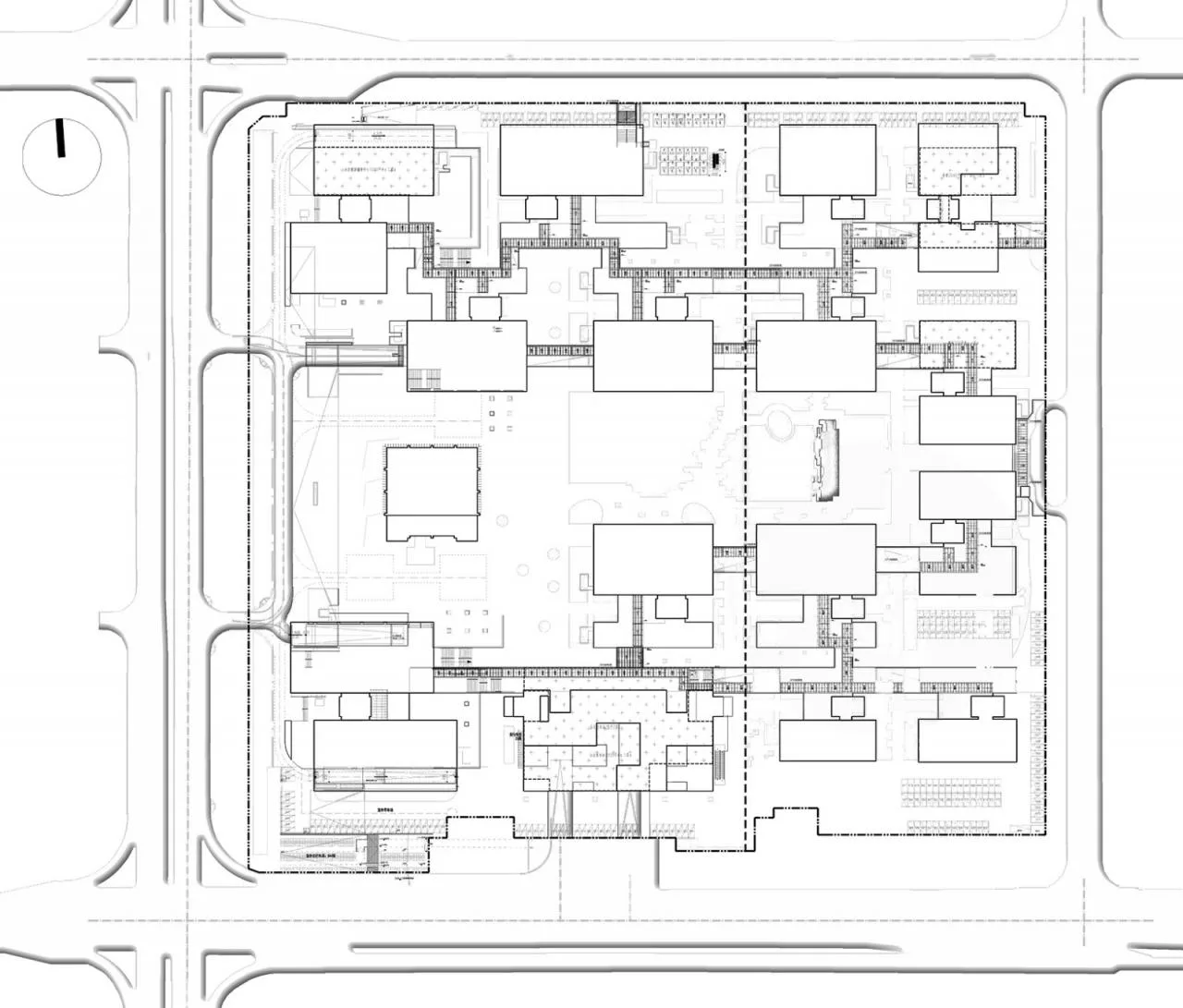
△ General Layout Plan
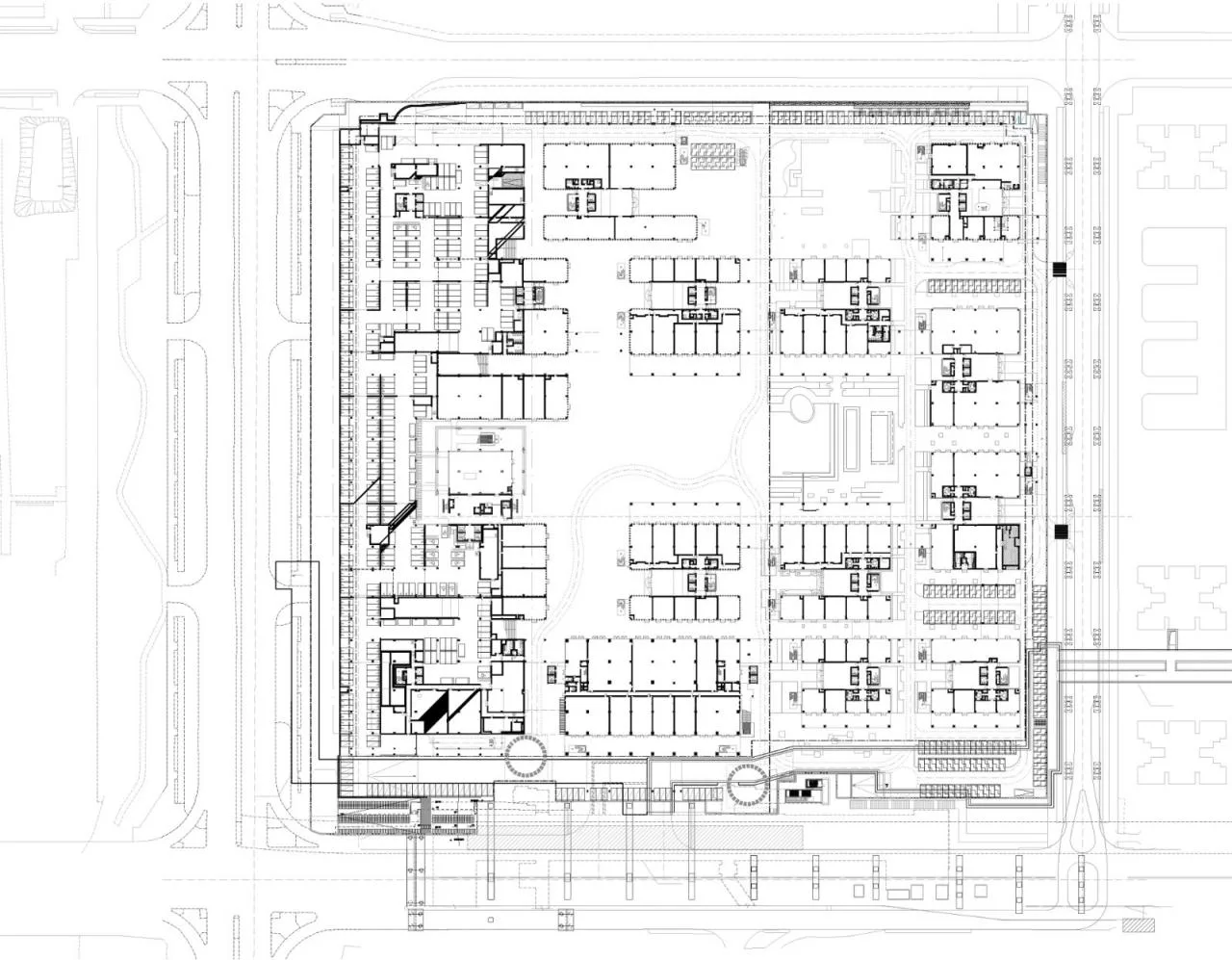
△ First Floor Plan
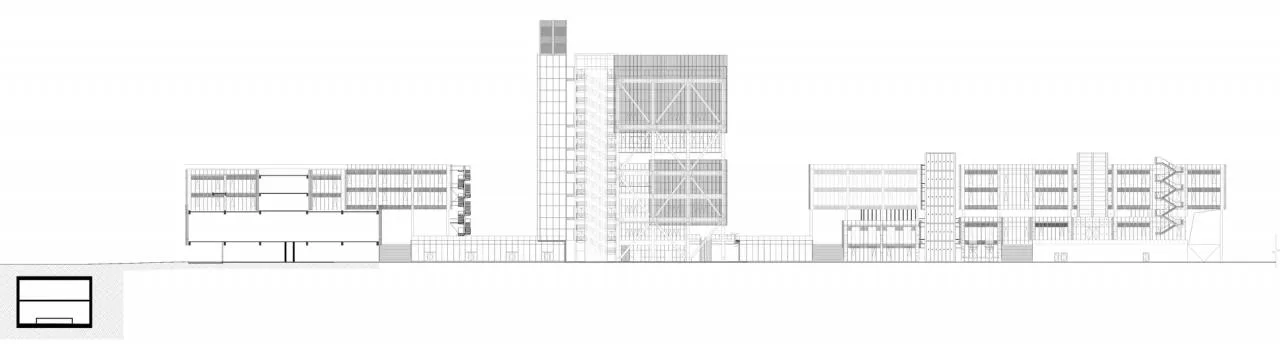
△ Elevation Drawing
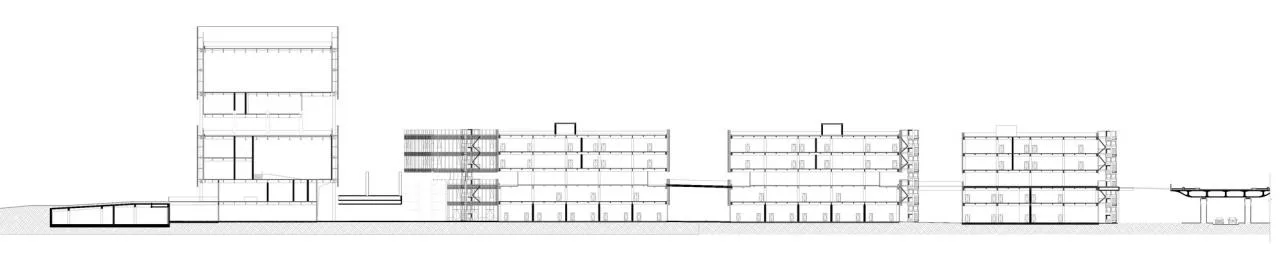
△ Section Diagram
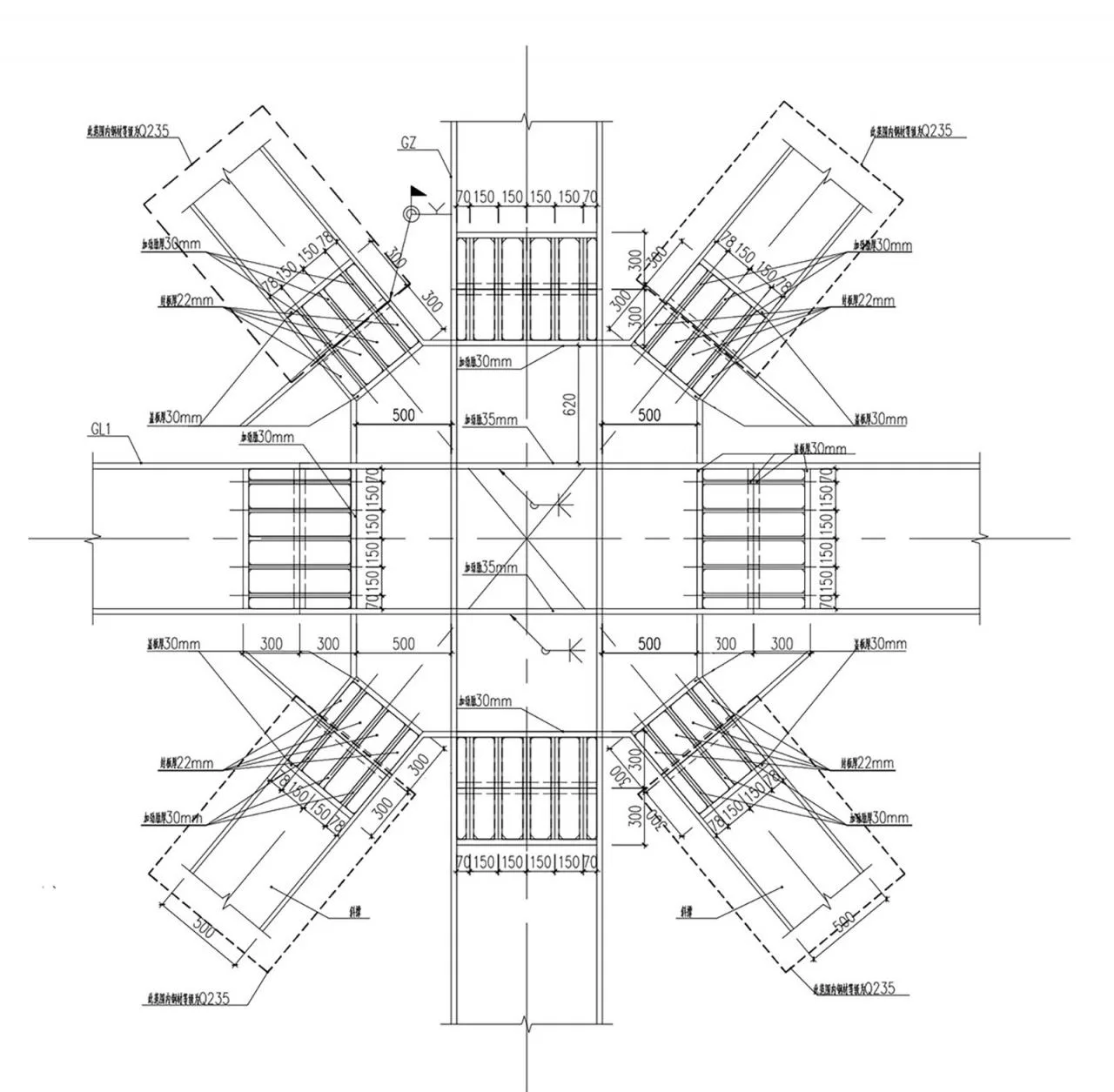
△ Structural Detail Drawing
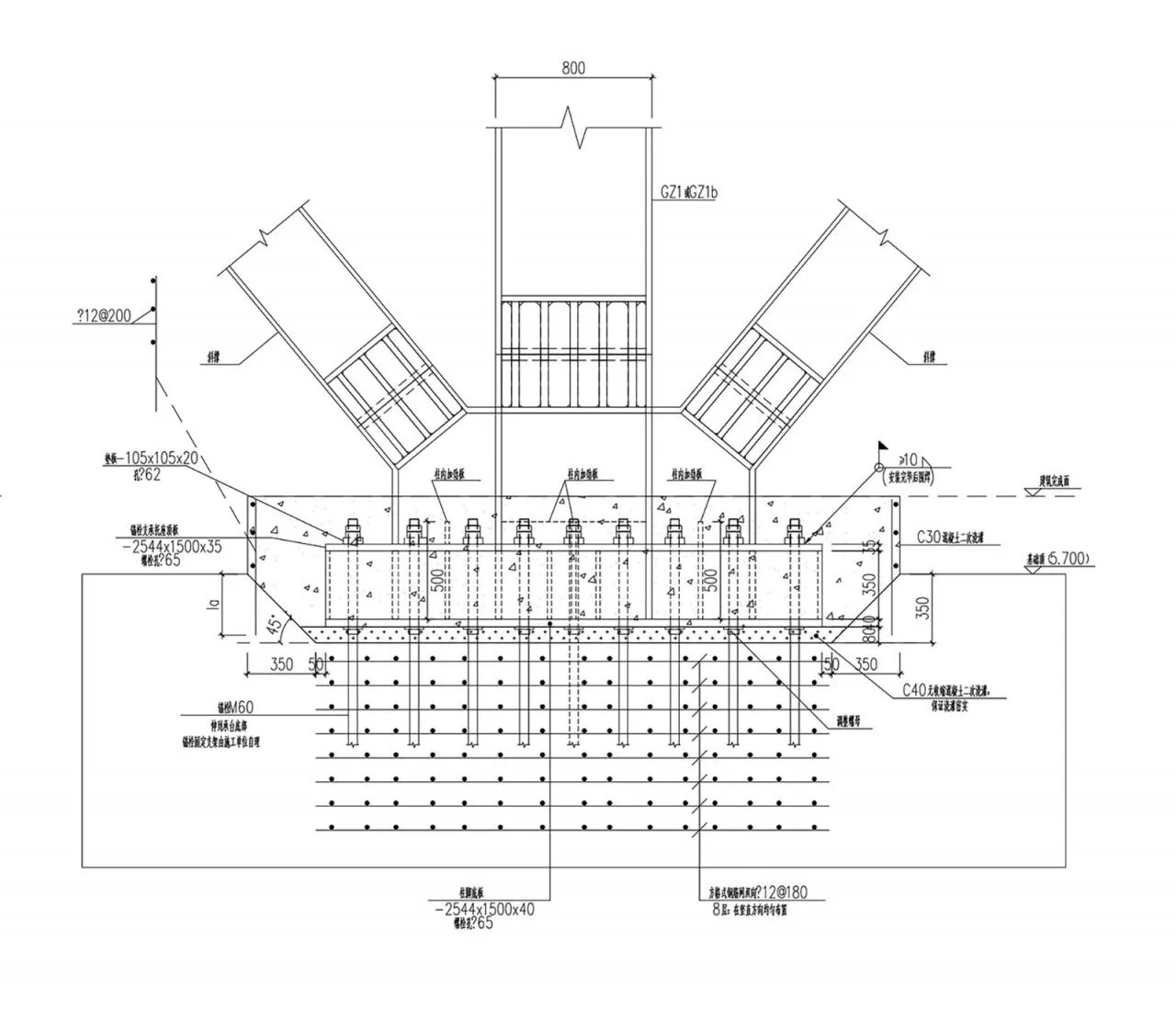
△ Structural Detail Drawing
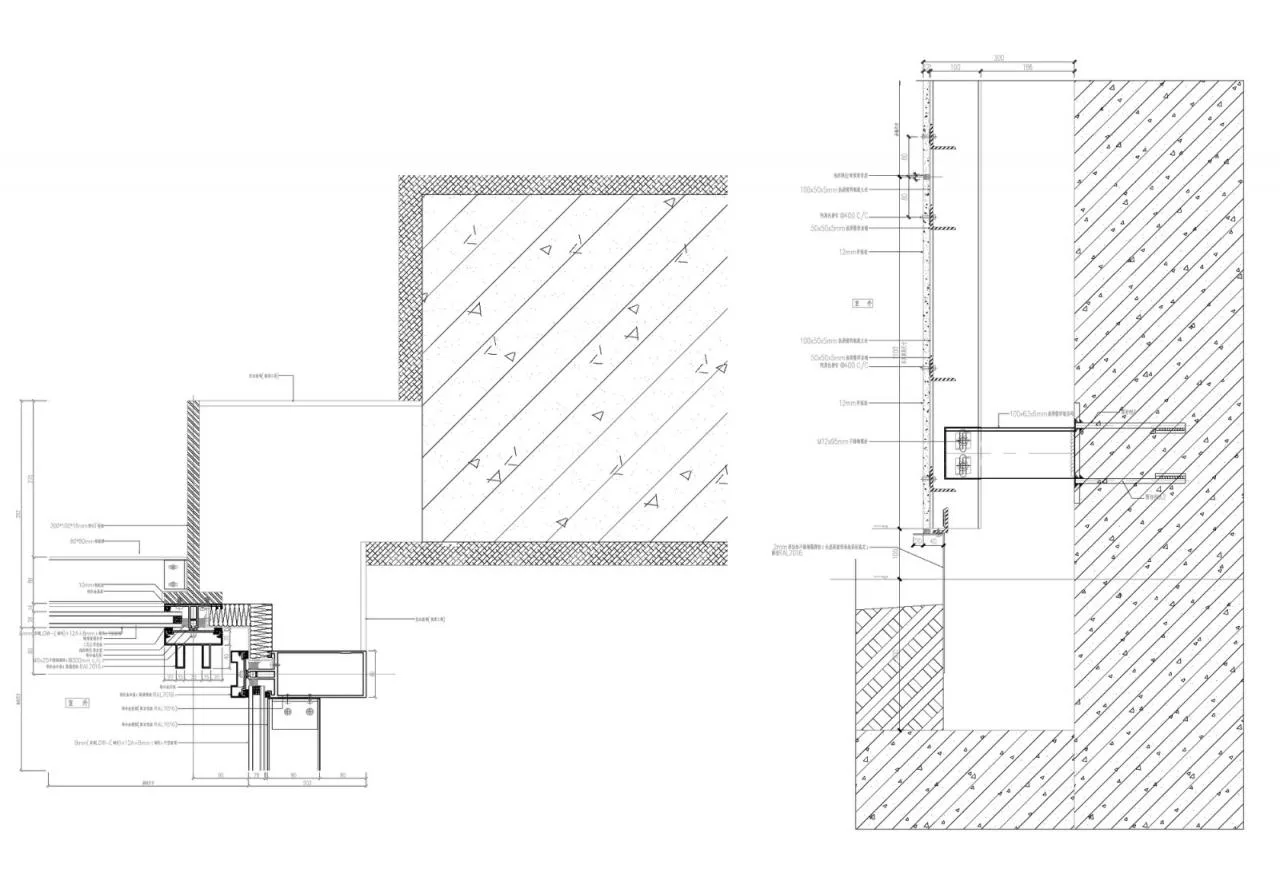
△ Structural Detail Drawing
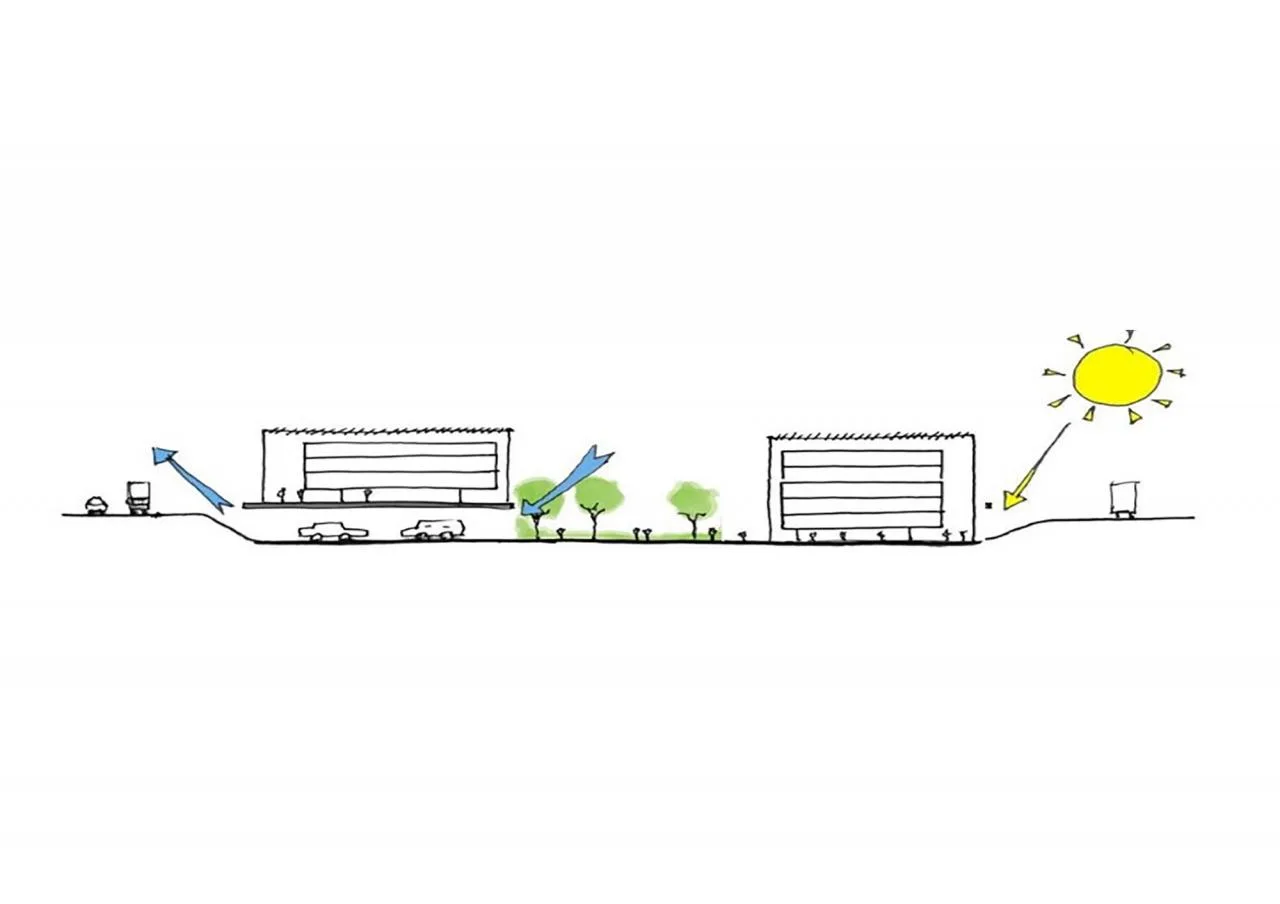
△ Analysis Chart
Project Information
Architectural Design: Huayi Design, Rogers Stirk Harbour + Partners
Area: 92,000 square meters
Project Year: 2021
Photographers: Zhang Chao, Canhui Luo
Principal Architect: Liu Xiaoliang
Project Managers: Chen Ribiao, Liu Xiaoliang
Architectural Team: Sun Yongfeng, Zhang Suming, Xu Zhou, Lin Xiaodong, Liu Qiong, Su Hengbo, Long Yan, Ma Guoxin, Yang Hong, Wang Huan, Zhang Ning
Structural Team: Zeng Deguang, Yu Xinchen, Zeng Huanran, Chen Dongliang, Gao Xiang, He Xiaoyi, Li Mingxian
Water Supply and Drainage Team: Gao Chunyan, Hu Jiawei, Wang Kexin, Wang Shenhe, Jia Yinan
Strong Electric Team: Liu Xiangqian, Chen Liuying, Li Zekun, Nie Lei
Weak Current Team: He Yan, Liu Xiangqian, Ke Wenbing, Shu Yang, Zhuang Xiangrong
HVAC Team: Wen Xuexin, Zhuang Hao, Chen Qian, Zhai Jiacong
Design Team: Benjamin Warner, Stephen Spence, Harjinder Singh, Francis Yuen, Jasmine Yue, Alba Fernandez Arias, Juan Carpio Sánchez, Marian San Emeterio, Dan Hanna, Christophe Dembinski, Pei Yi Lin, Lu-min Guo
Principal: Shenzhen Qianhai Service Group Co., Ltd., Zhonghai Real Estate (Construction Agency)
Construction Party: China Construction Third Engineering Bureau Second Construction Engineering Co., Ltd.
Landscape Design: Shenzhen Aoya Design Co., Ltd.
Interior Design: Shenzhen Midou Design Consulting Co., Ltd.
Location: Shenzhen, China















Must log in before commenting!
Sign Up