
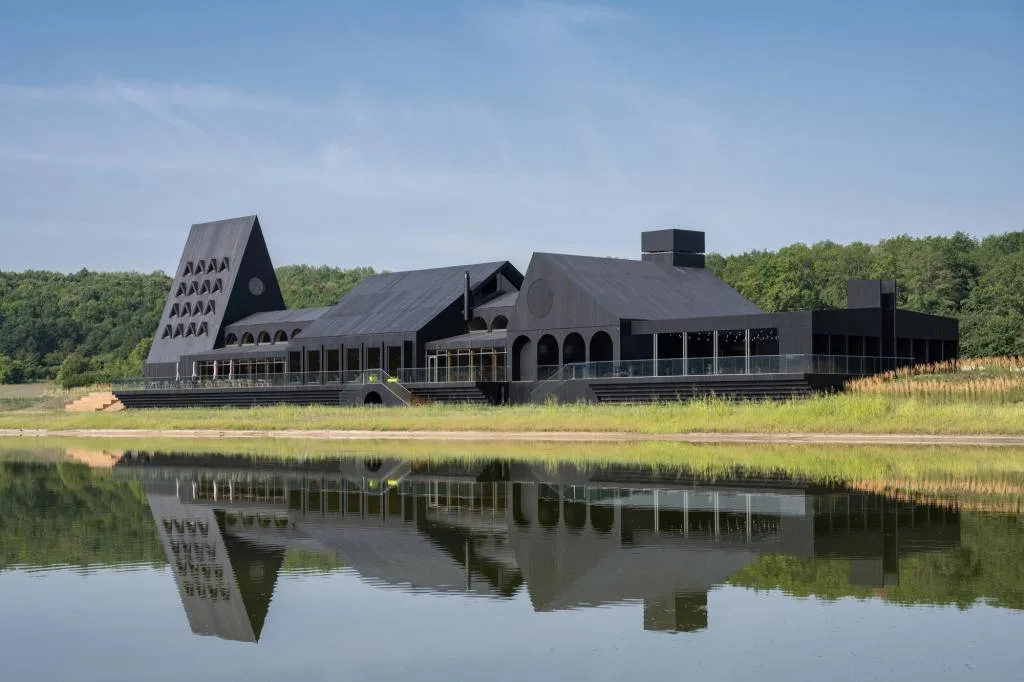
One of the main challenges facing modern architecture in Russia is the struggle to establish a distinct national identity. Russian architects often find themselves imitating international counterparts, resulting in a lack of ethnic character in contemporary projects. Many new developments, even when constructed in open fields, fail to acknowledge their place within the cultural fabric of the country.
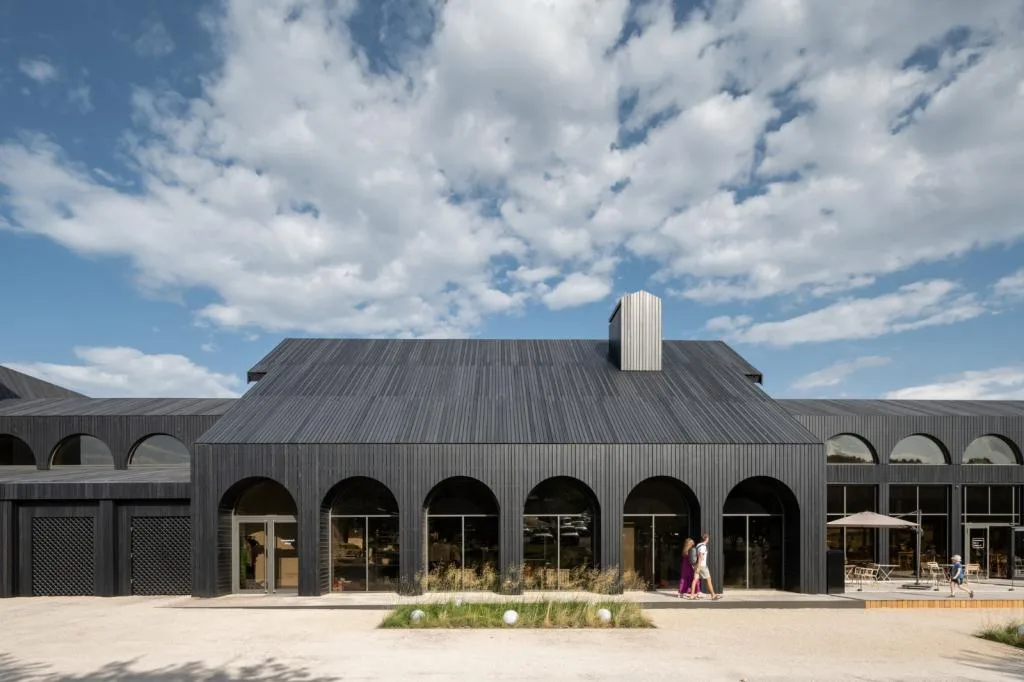
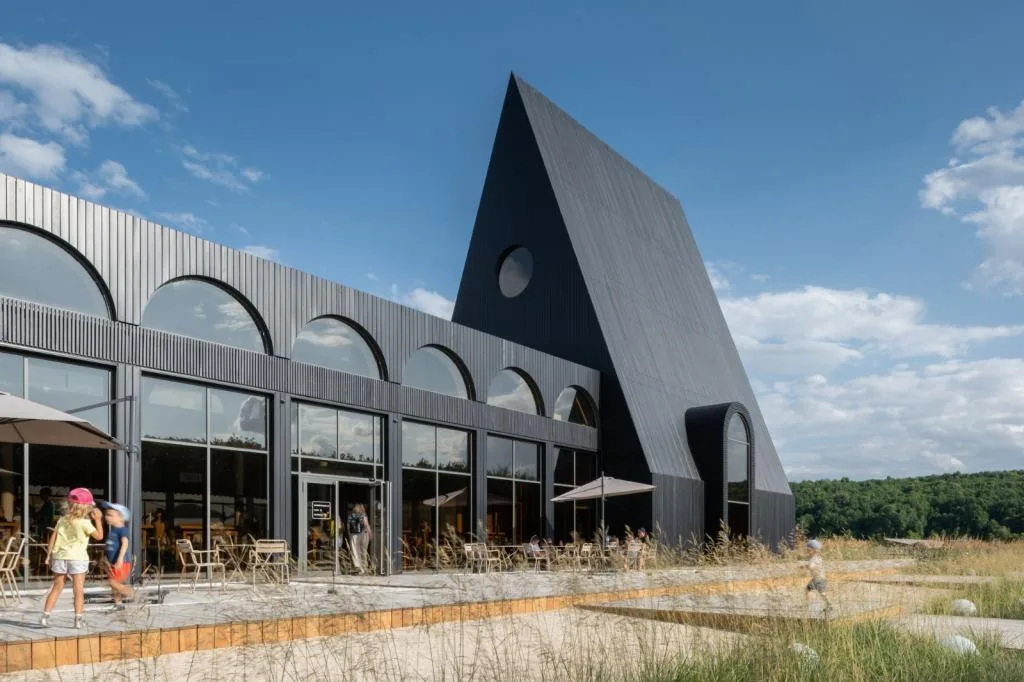
To address this, the Moscow-based Megabudka architectural bureau has developed a unique approach called the New Russian Style. This style emerges from thorough research and reflection on the cultural values and traditional architectural methods rooted in Russian ethnicity. Rather than creating artificial designs, it reinterprets these elements through a collaborative process involving many architects and designers. Over time, this approach is shaping a distinctive Russian architectural identity, balancing avant-garde international influences with traditional motifs. Here, avant-garde represents a pure international style, while tradition is expressed through bold, rough, and exaggerated woodcut-like forms.
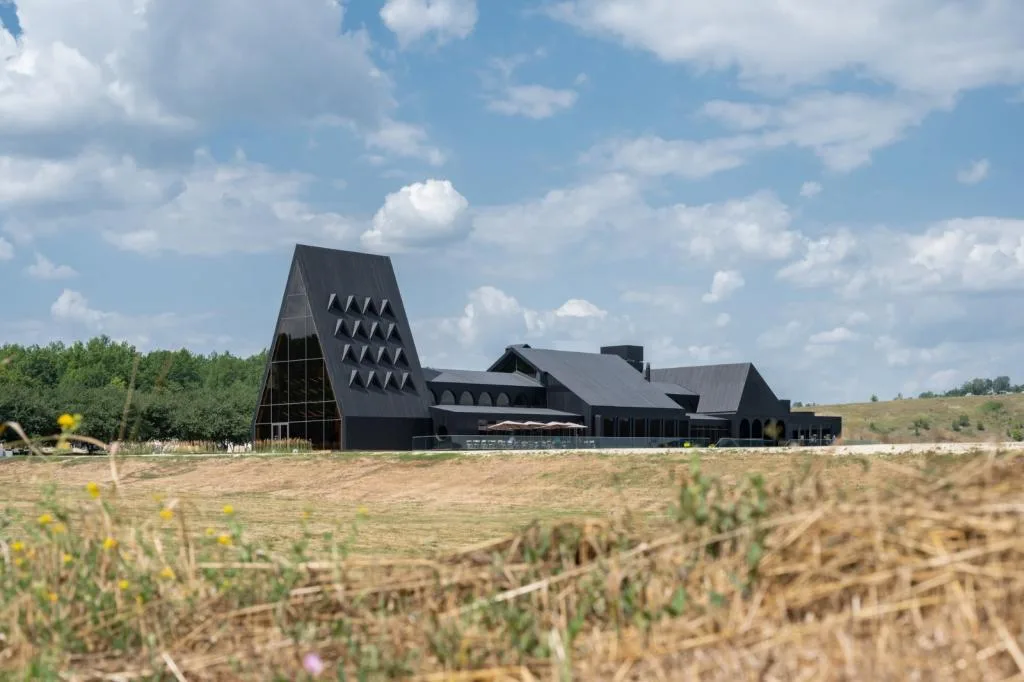
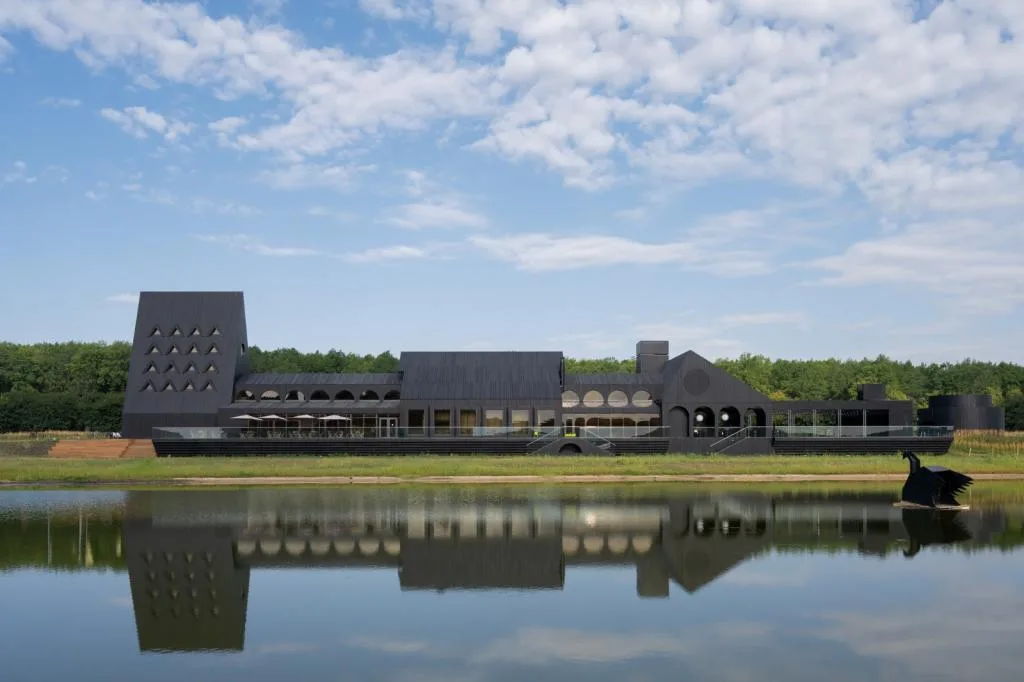
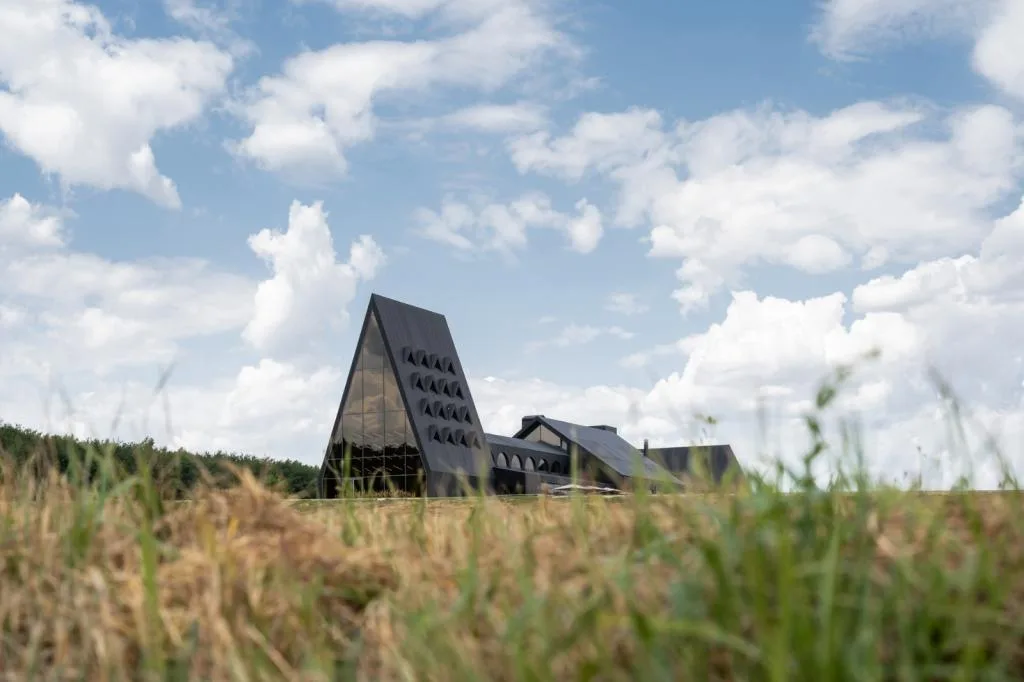
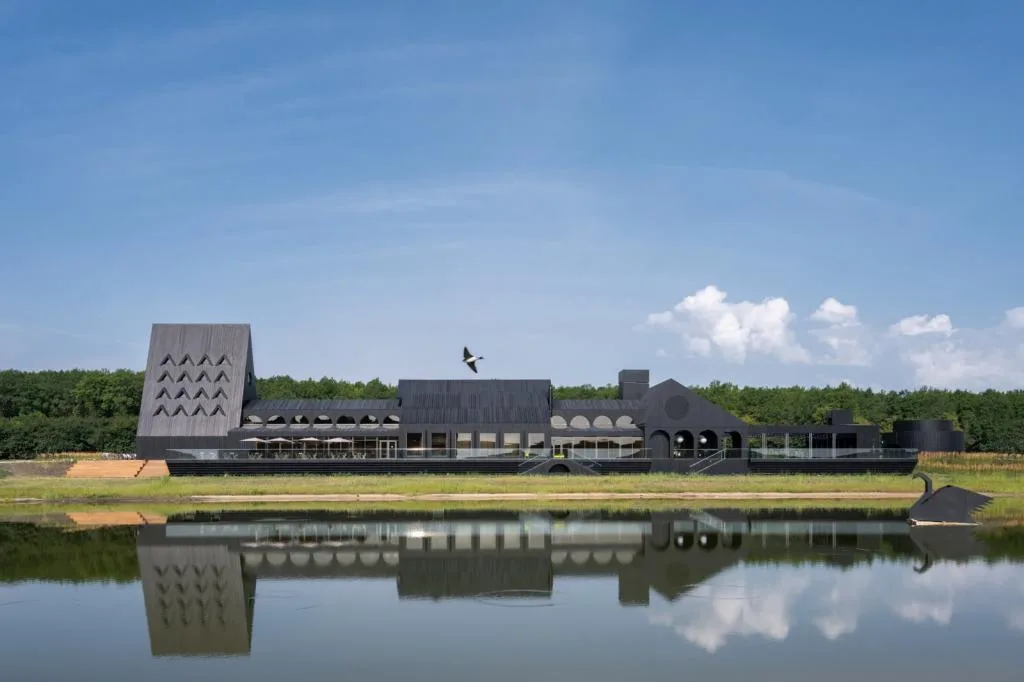
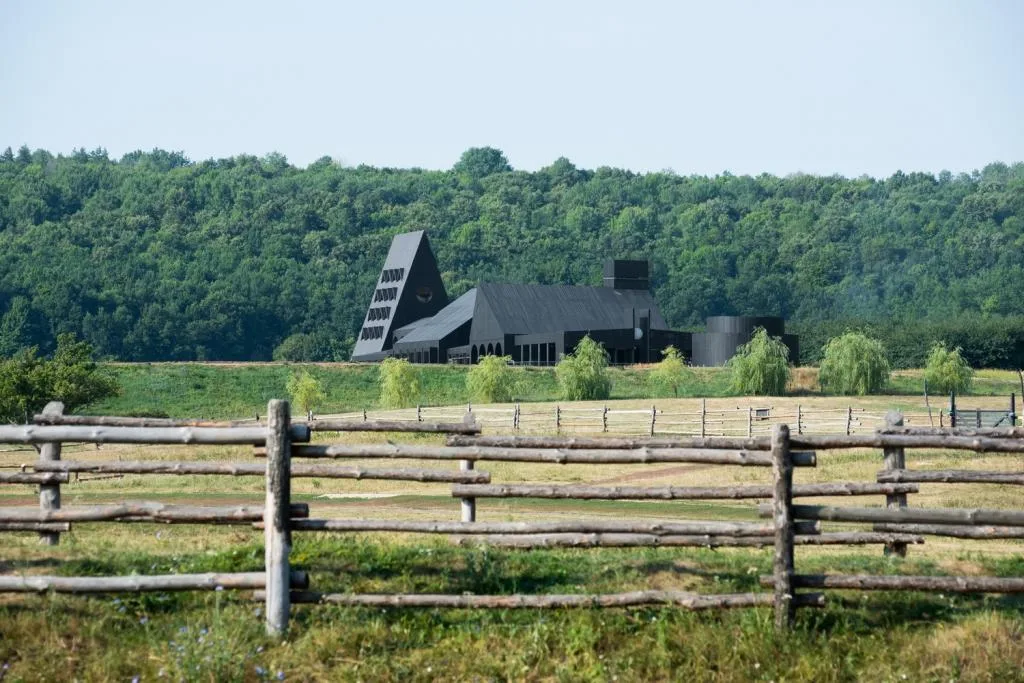
The bureau’s first project in this style is the Kudaikan Park Visitor Reception Center, located in the Kudykina Gora (Mountain of Kudyk) park near Lipetsk city. This project was developed in collaboration with the park owners over several years. The guiding principle was to “rethink national identity,” ensuring that all aspects—symbols, mascots, food, fonts, layout, and buildings—reflect a unified sense of identity before they are introduced into the park.
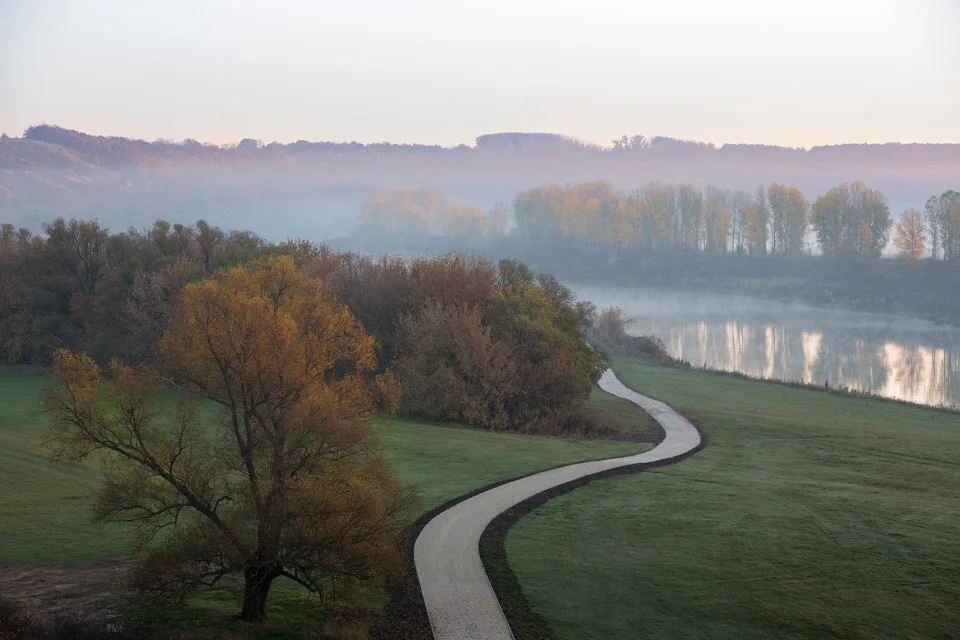
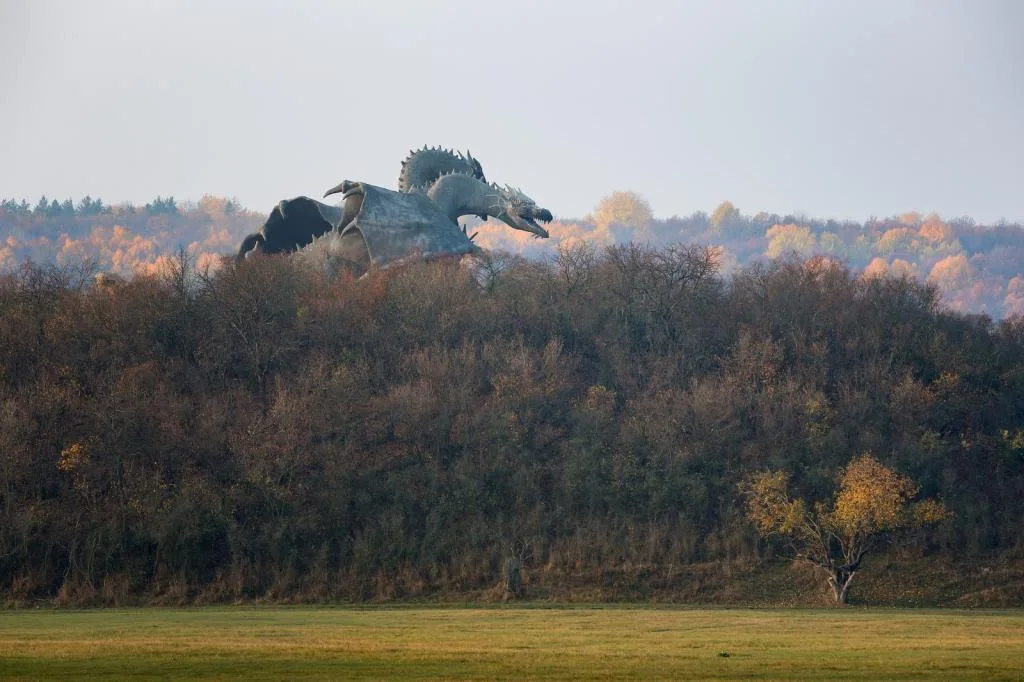
A key feature of the park is a circular trail that allows visitors to enjoy untouched natural landscapes as well as the park’s main attractions along the route.
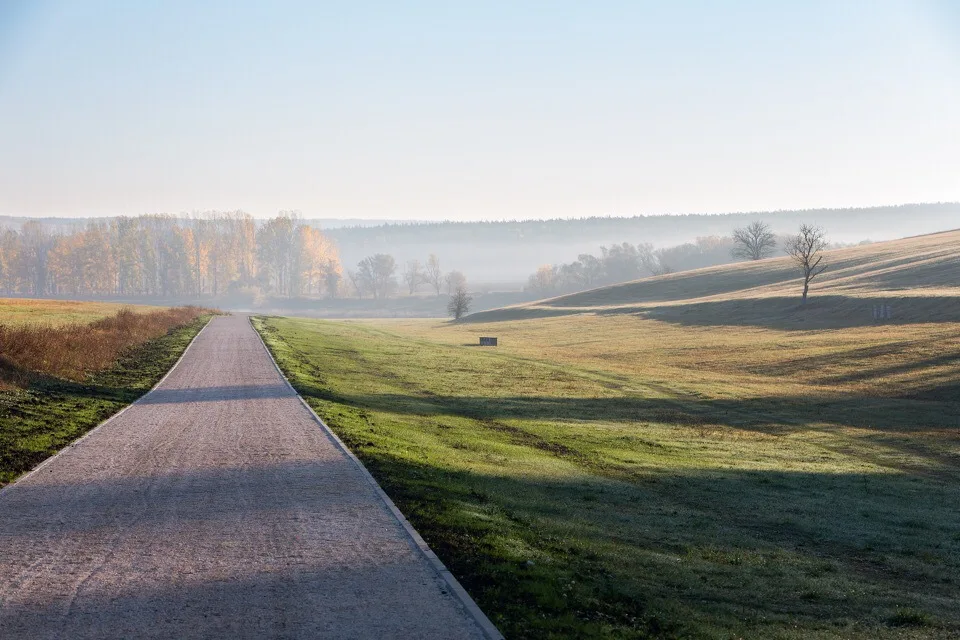
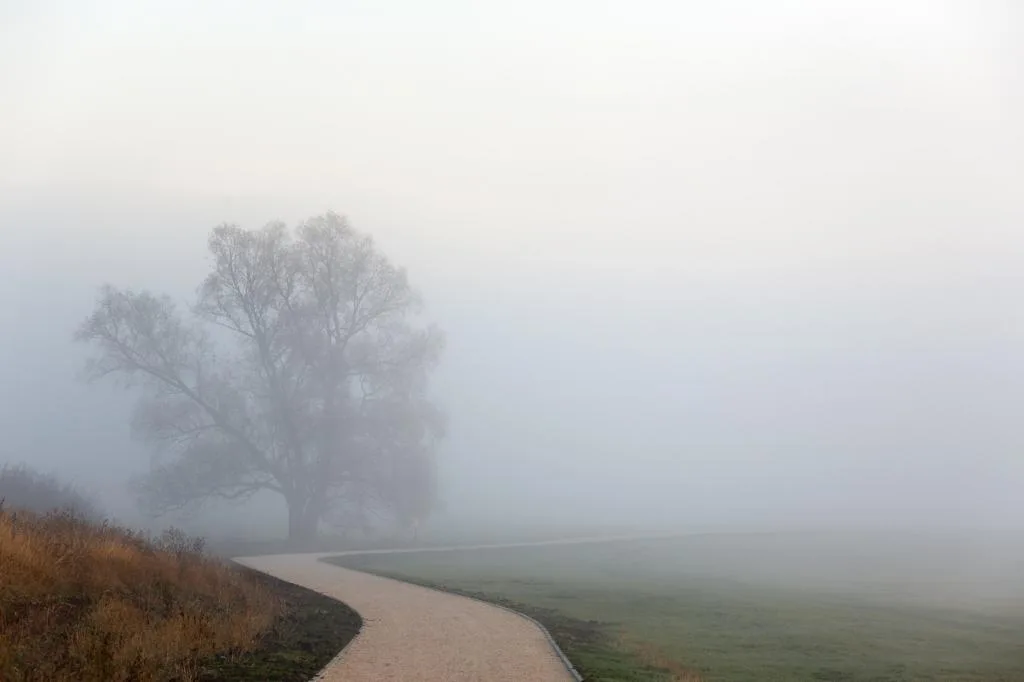
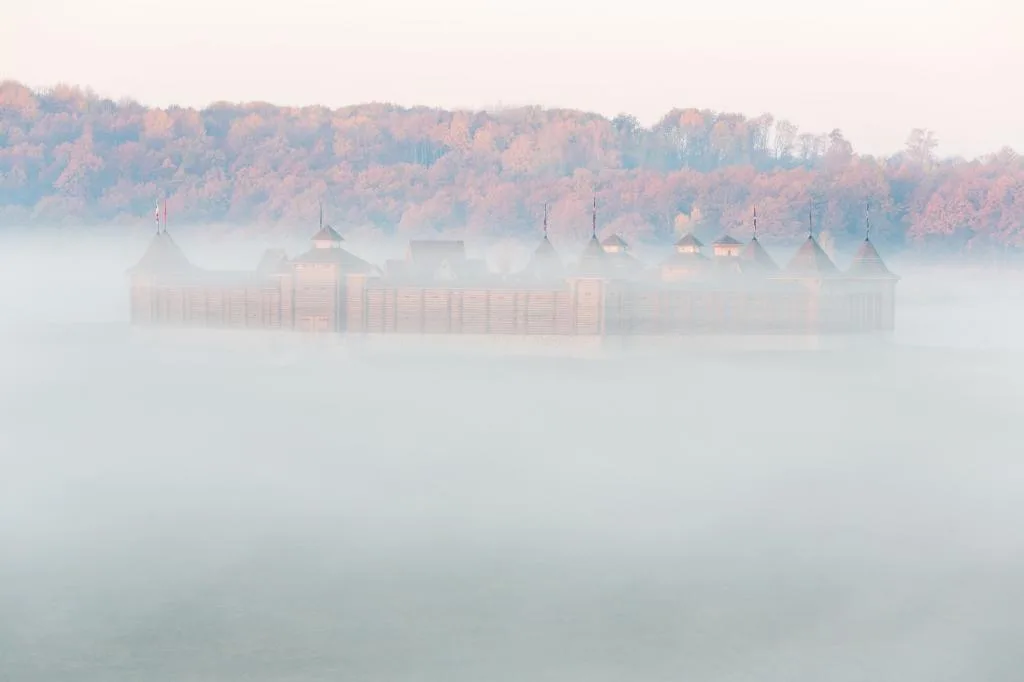
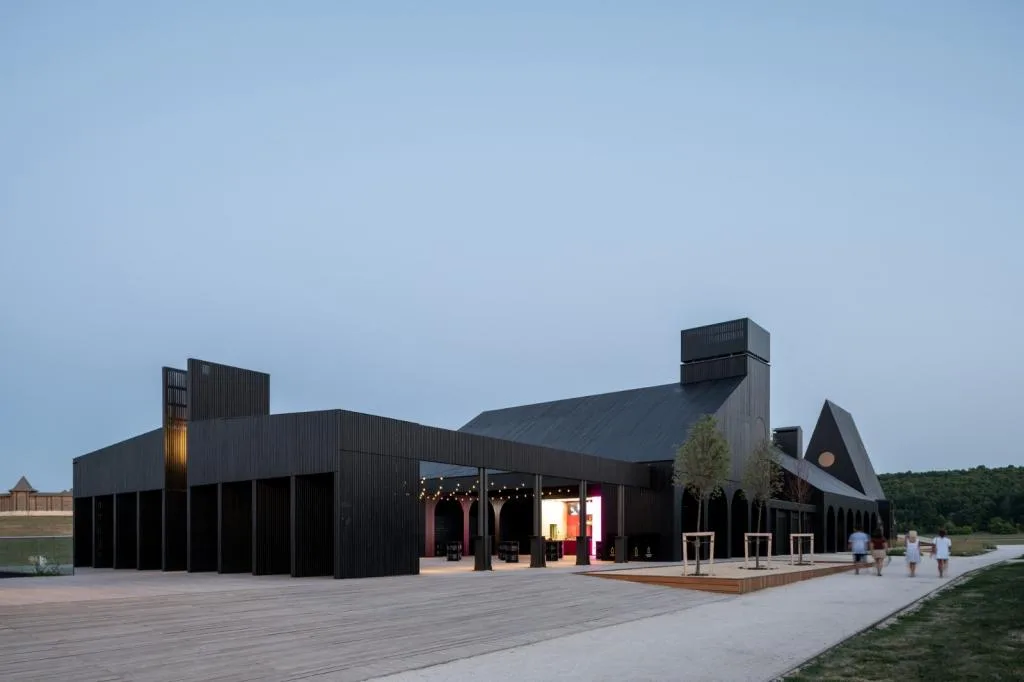
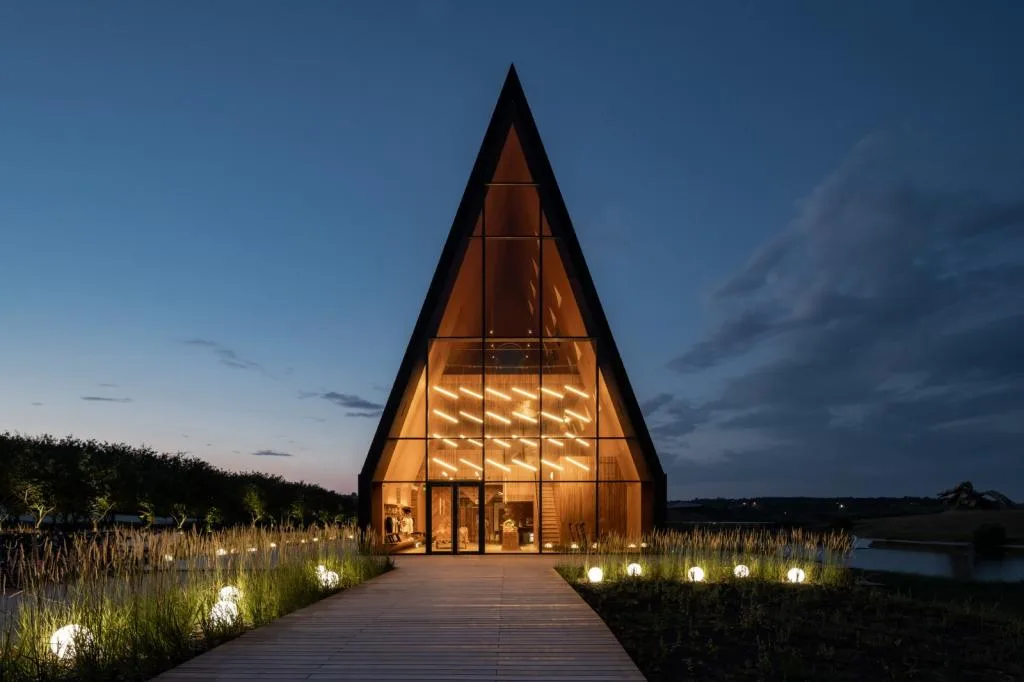
Upon entering from the public parking lot, visitors immediately face the reception center, which marks the start of the circular trail. The design guides visitors intuitively along their journey without requiring additional navigation aids. To enhance this experience, the first section of the building is oriented toward the expected flow of tourists. Additionally, the structure is offset from the park’s central entrance axis to preserve the view of the iconic Fortress building.
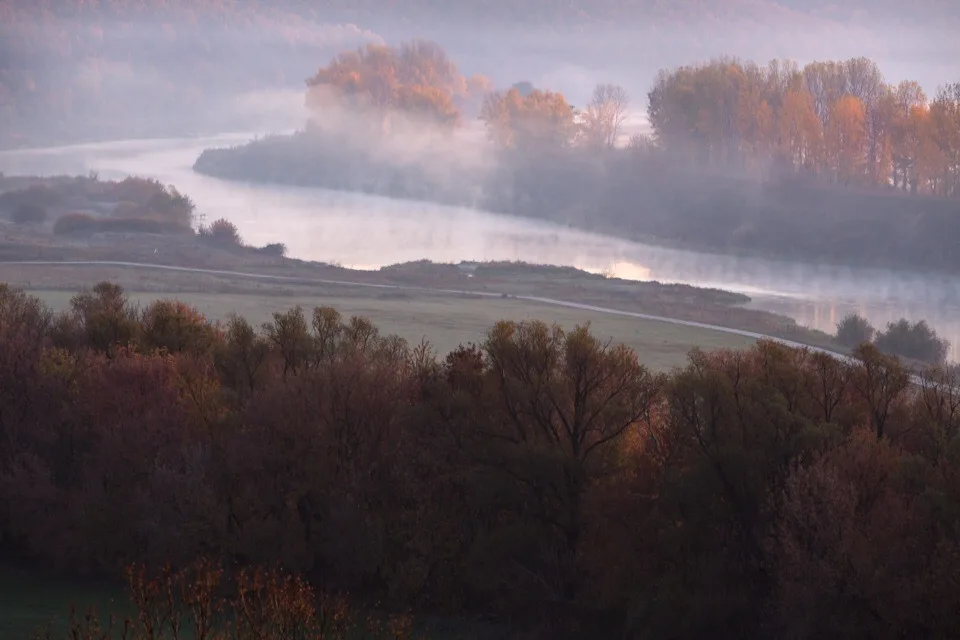
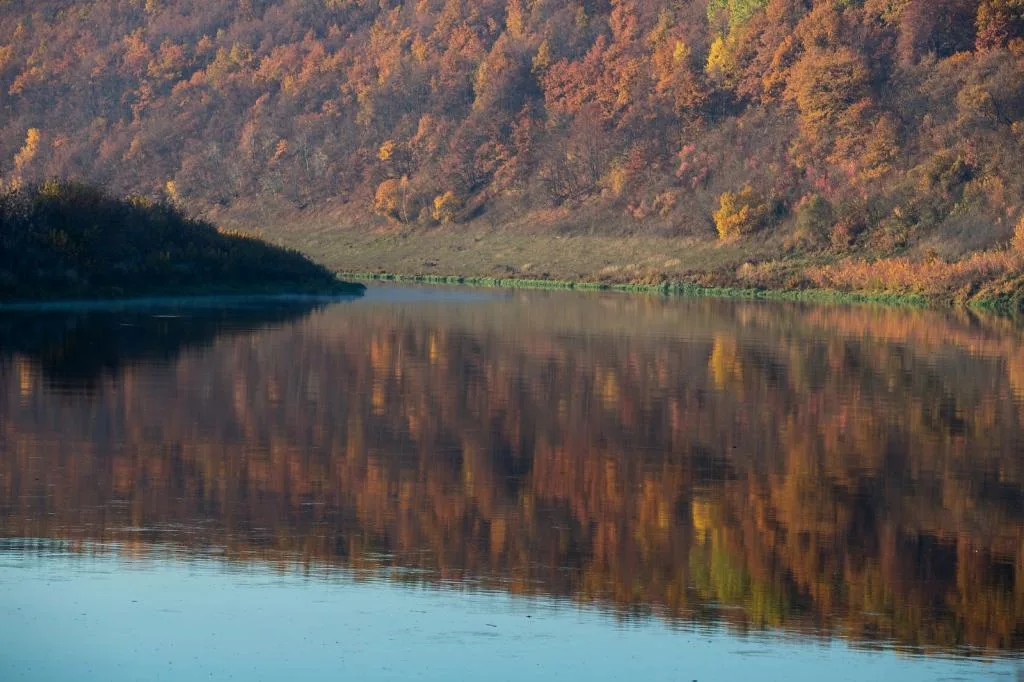
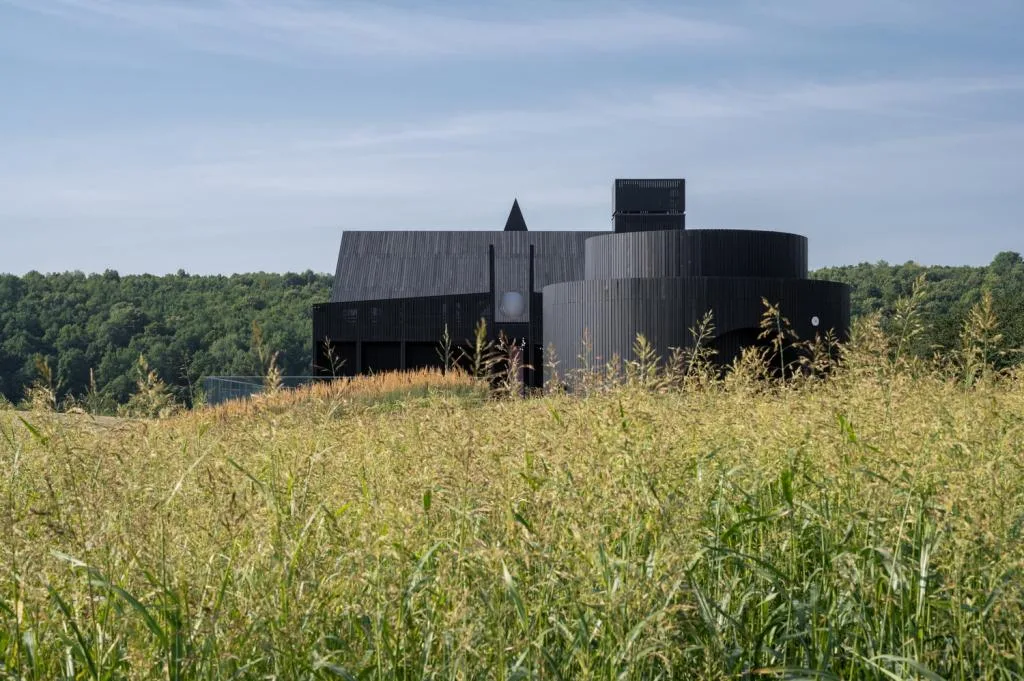
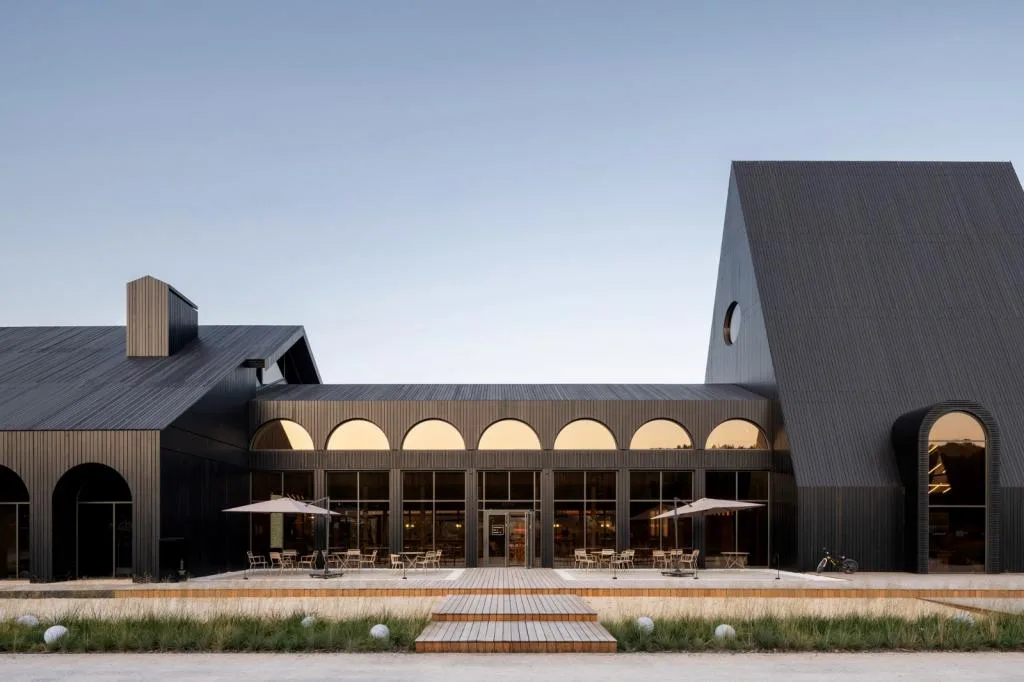
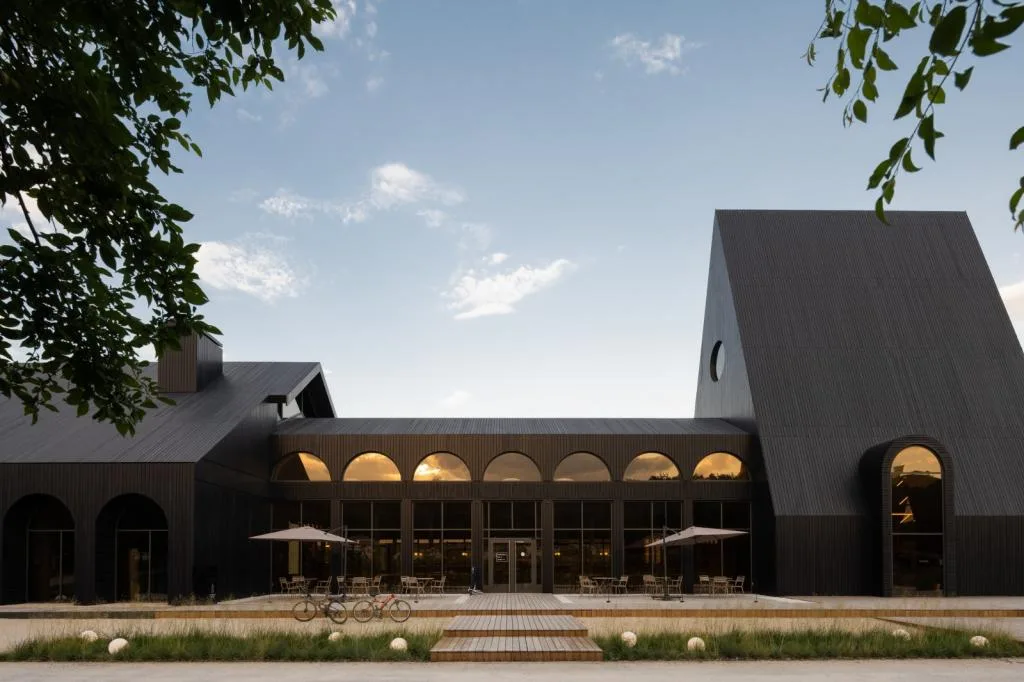
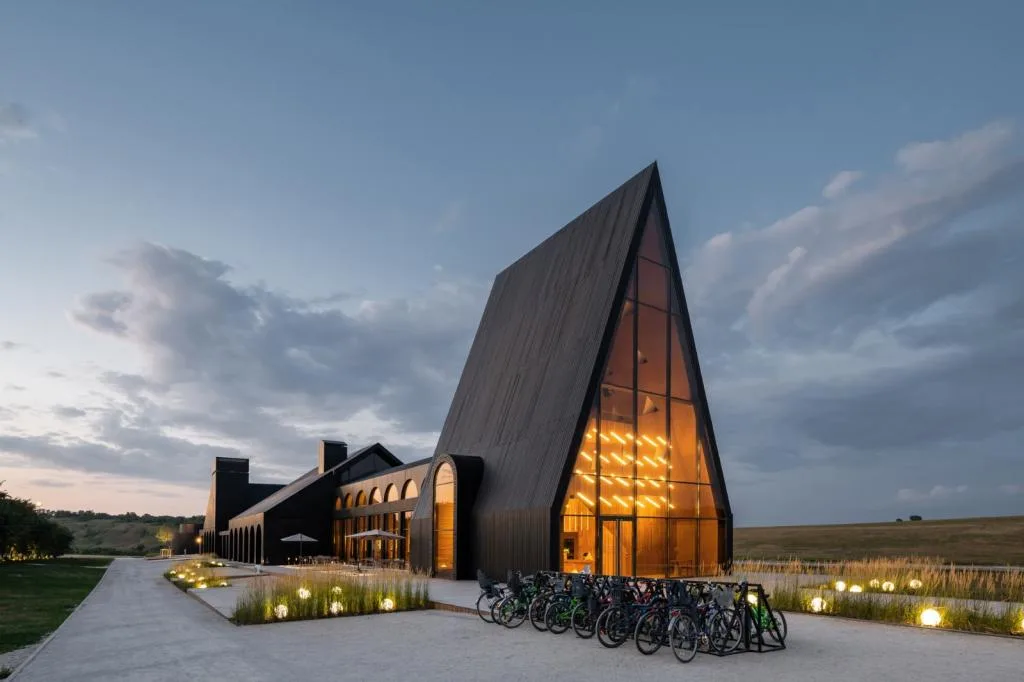
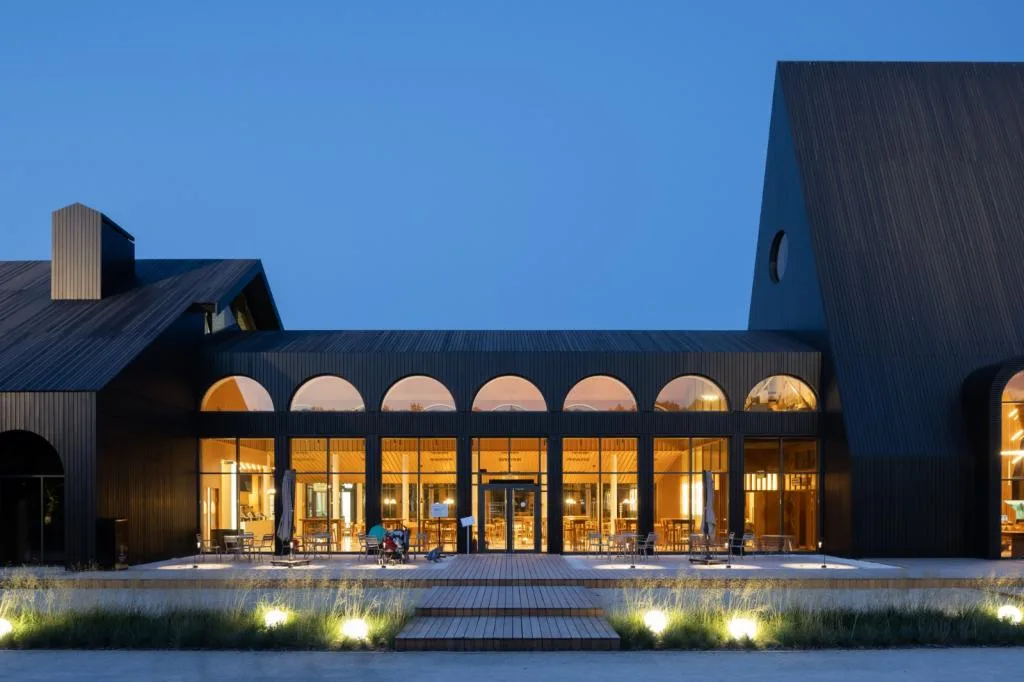
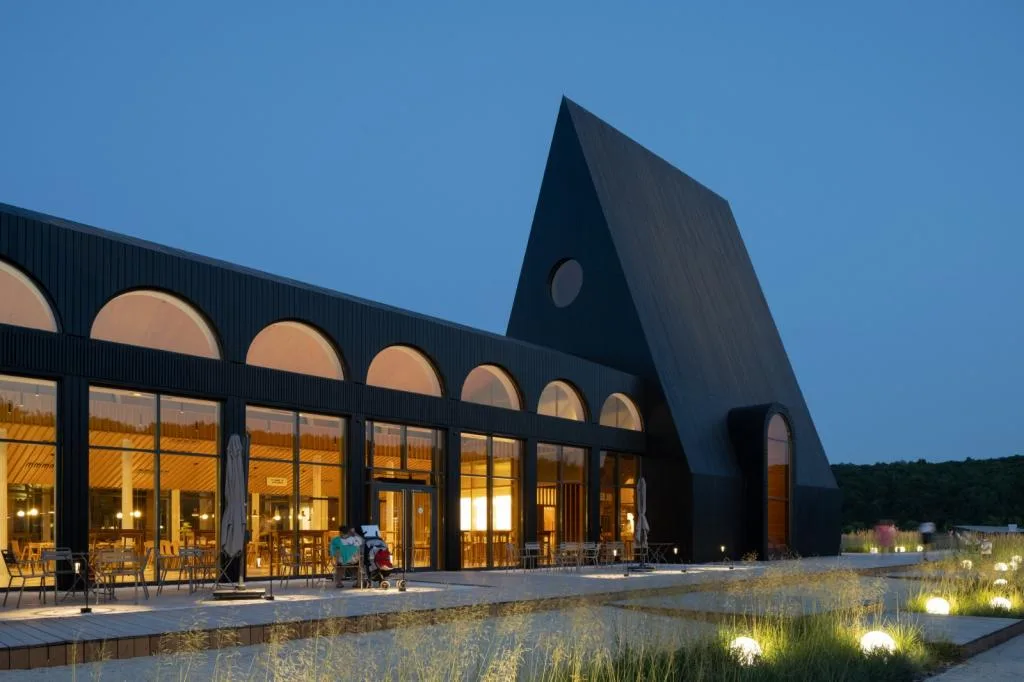
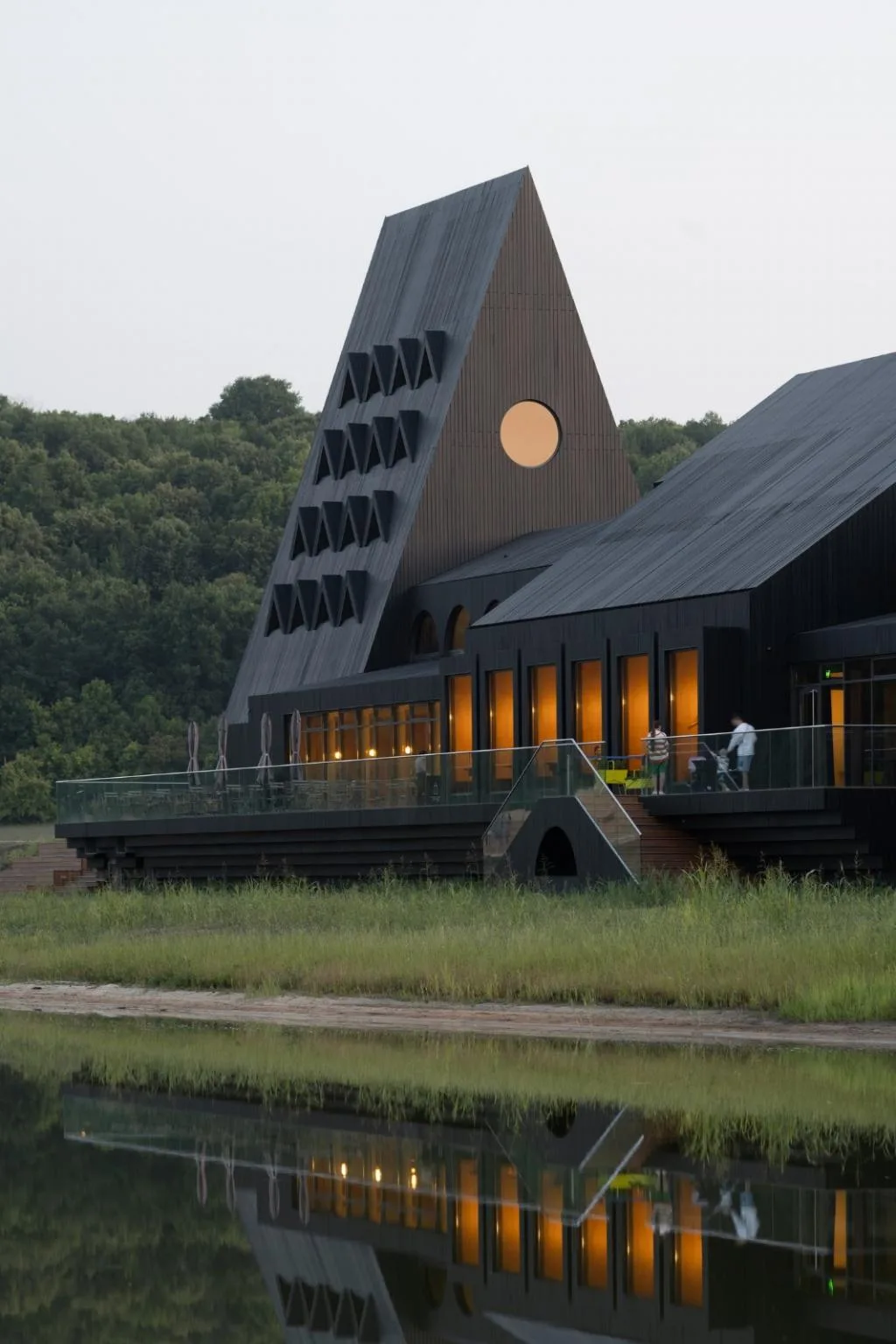
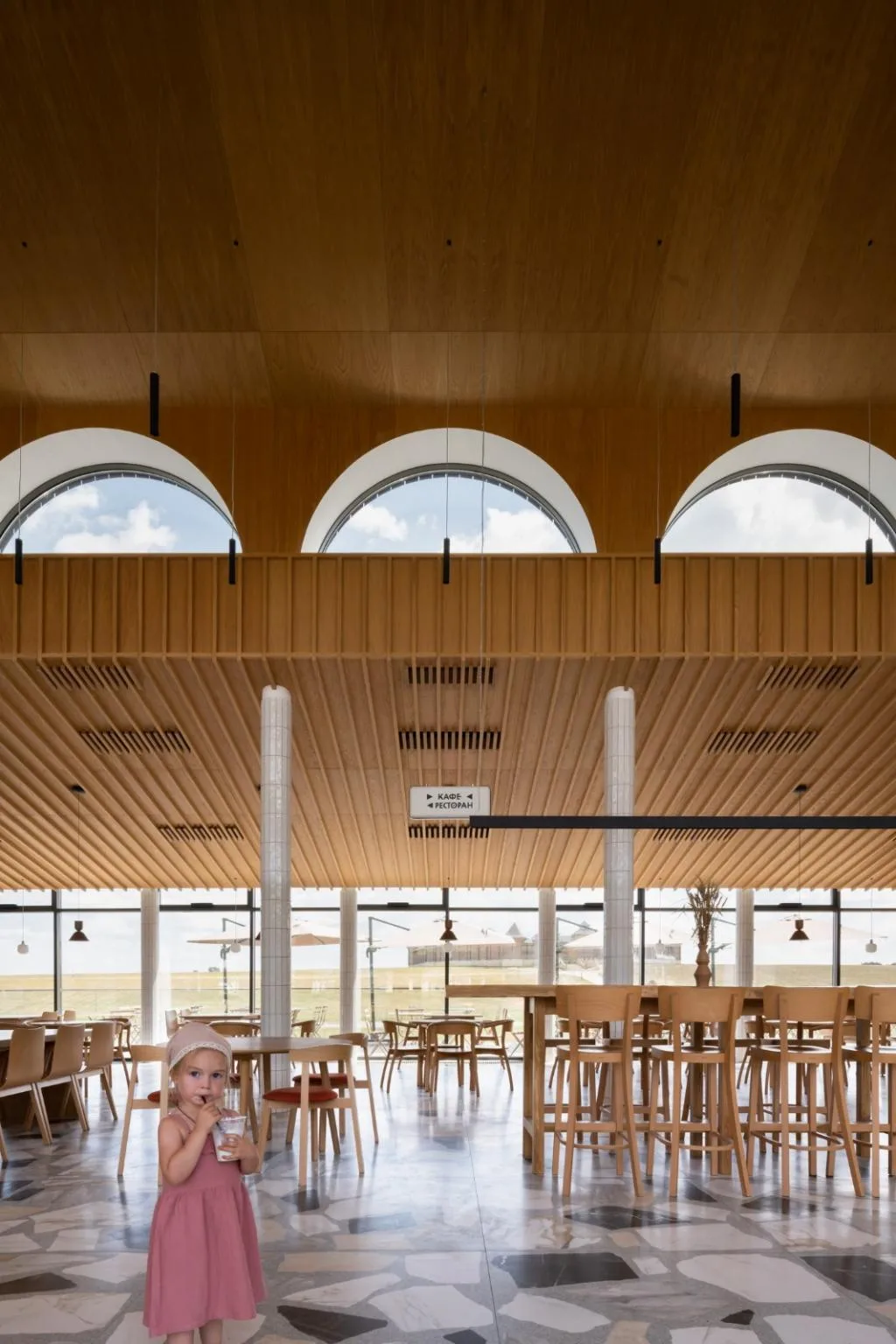
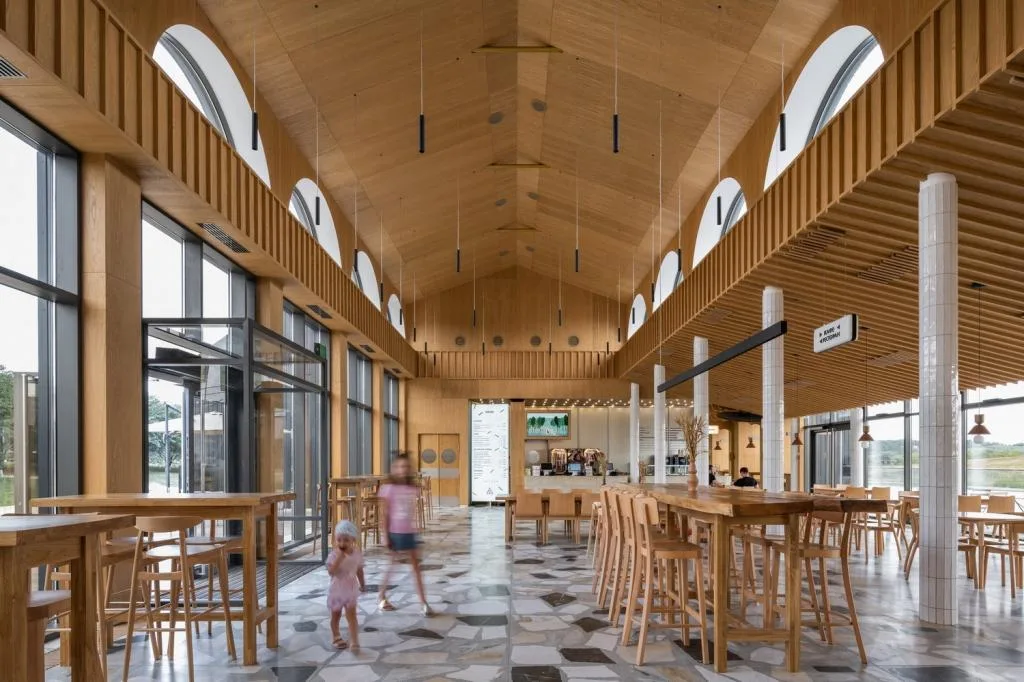
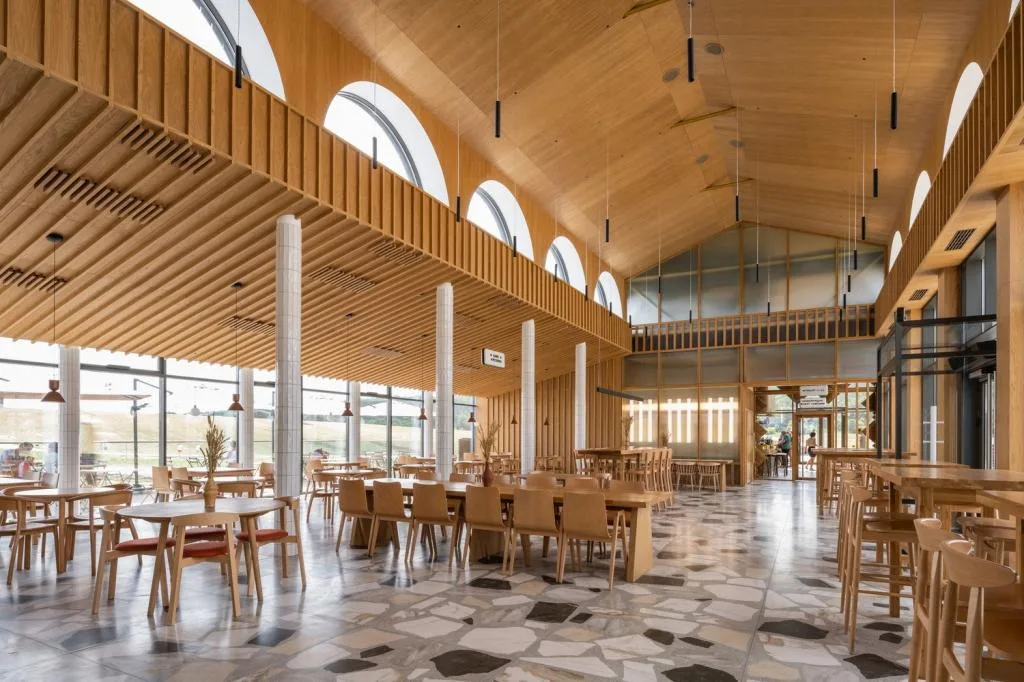
The building itself consists of several interconnected blocks of varying heights, each serving a specific function. This composition creates a welcoming street scale reminiscent of historic urban neighborhoods. Future phases will add multiple buildings with diverse functions adjacent to the reception center. The design and ownership team plan to carefully study visitor needs to ensure the complex evolves effectively over time.
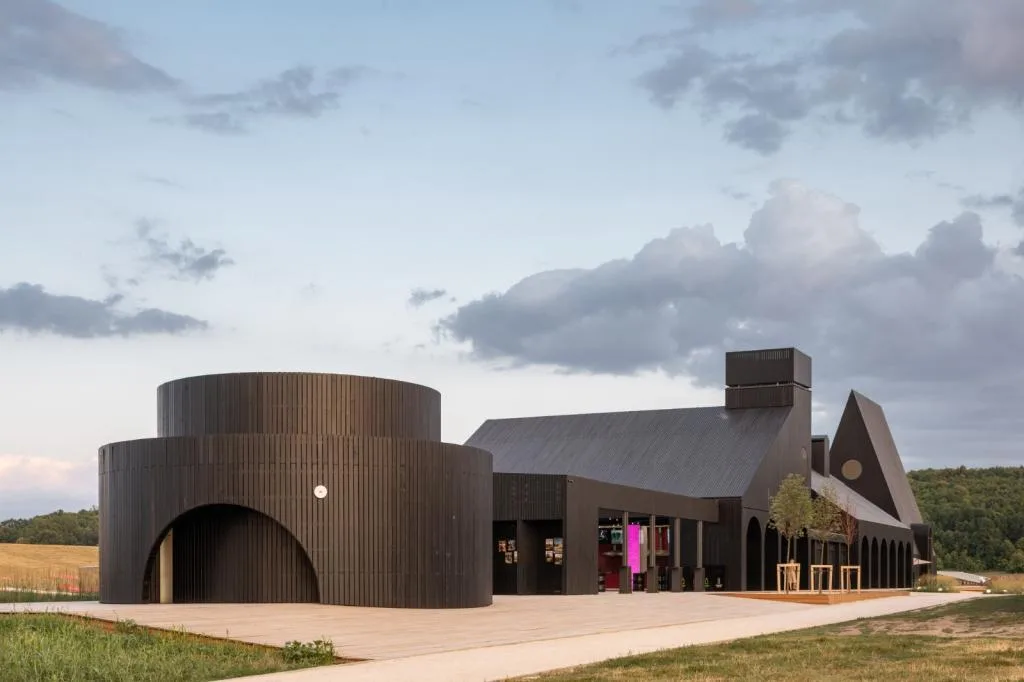
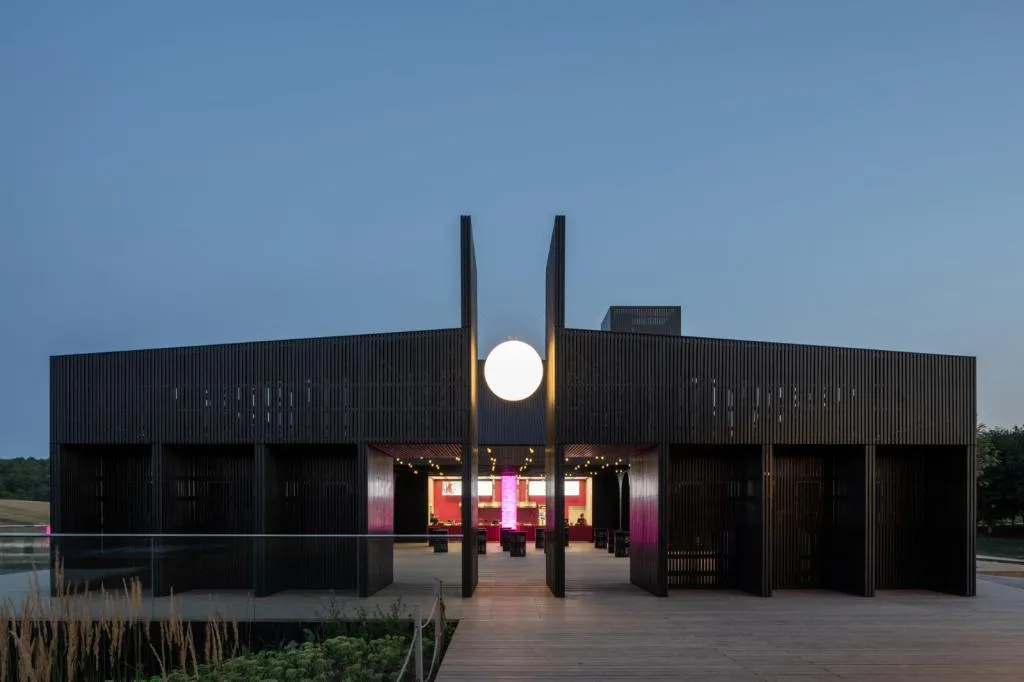
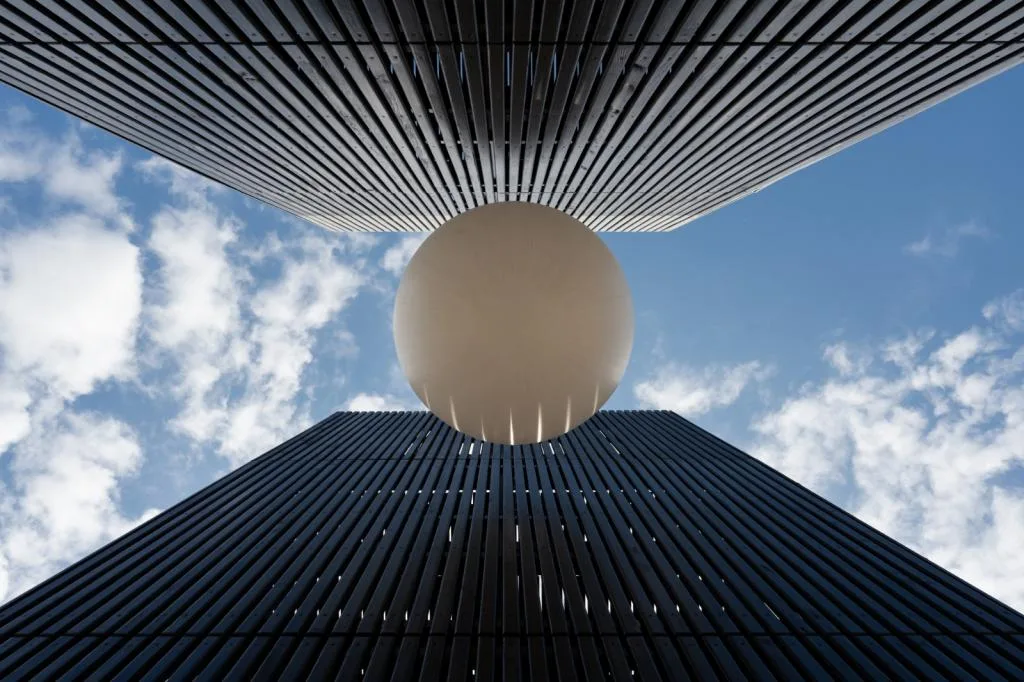
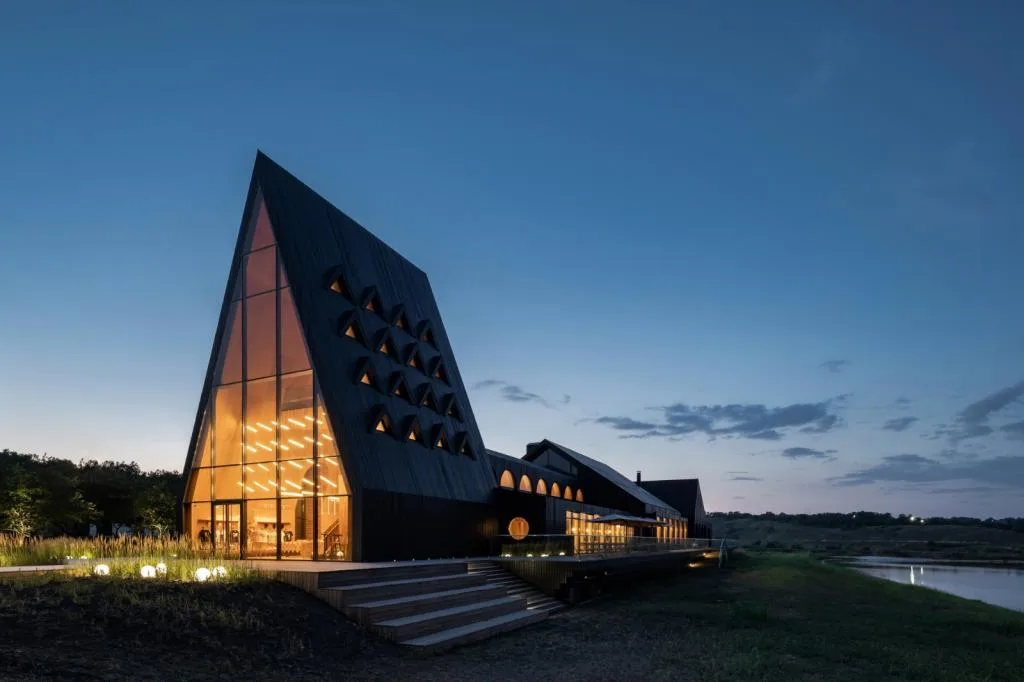
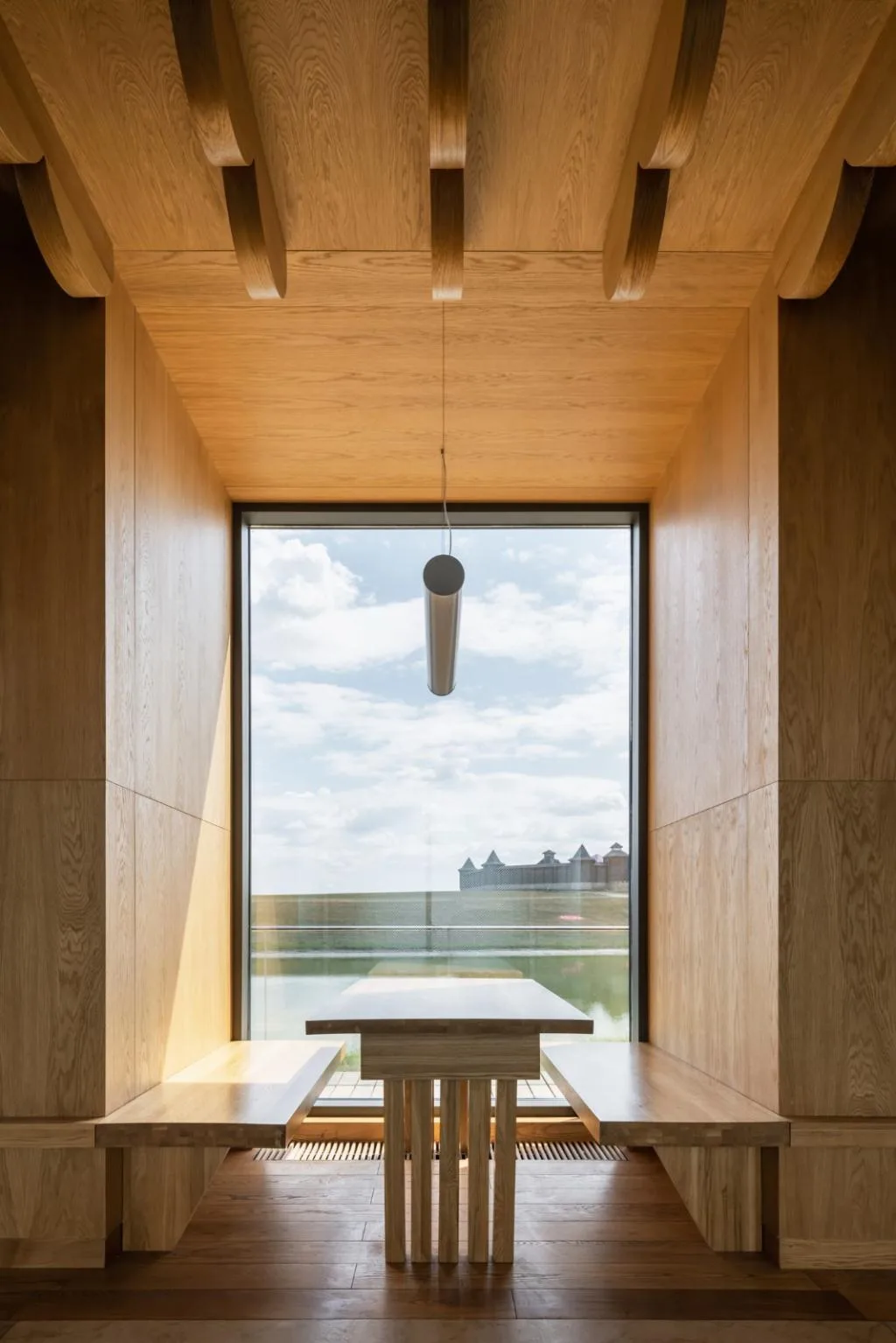
All the blocks rest on a shared base connected by a wooden rooftop platform. The elevated sections of the base house technical and storage facilities, some cleverly concealed behind the terrain. The platform serves as an observation deck, offering views of the pond, the park’s castle, and notable attractions like the fire-breathing sculpture of Gornichi, a hero from Russian folklore. The solid base extends beyond tall grasses, resembling a “Ladya,” a traditional small boat used by ancient Russians.
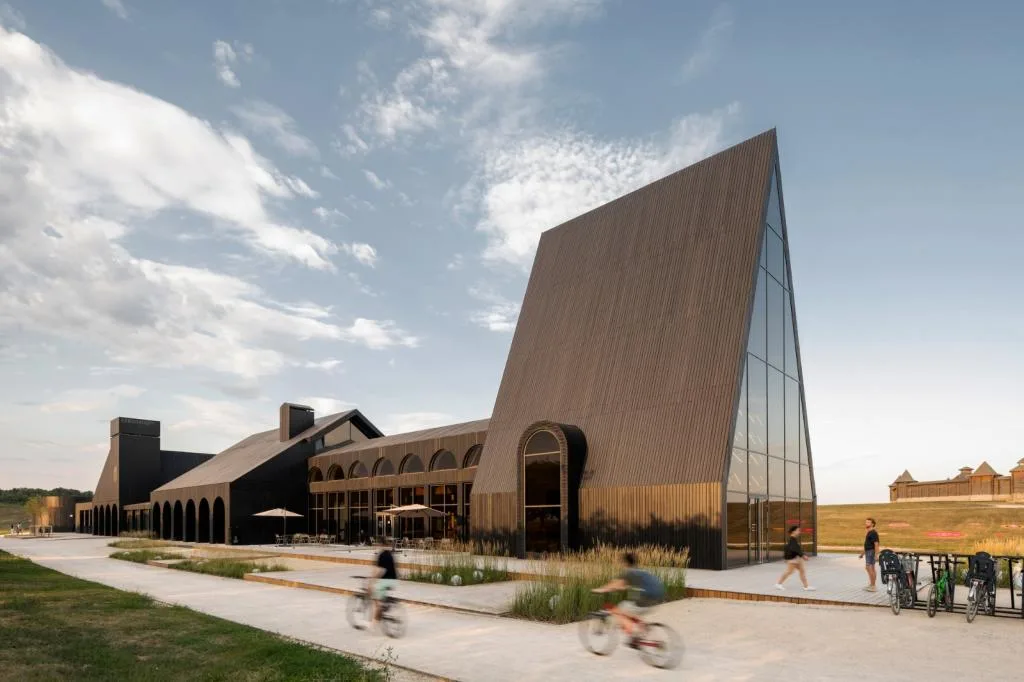
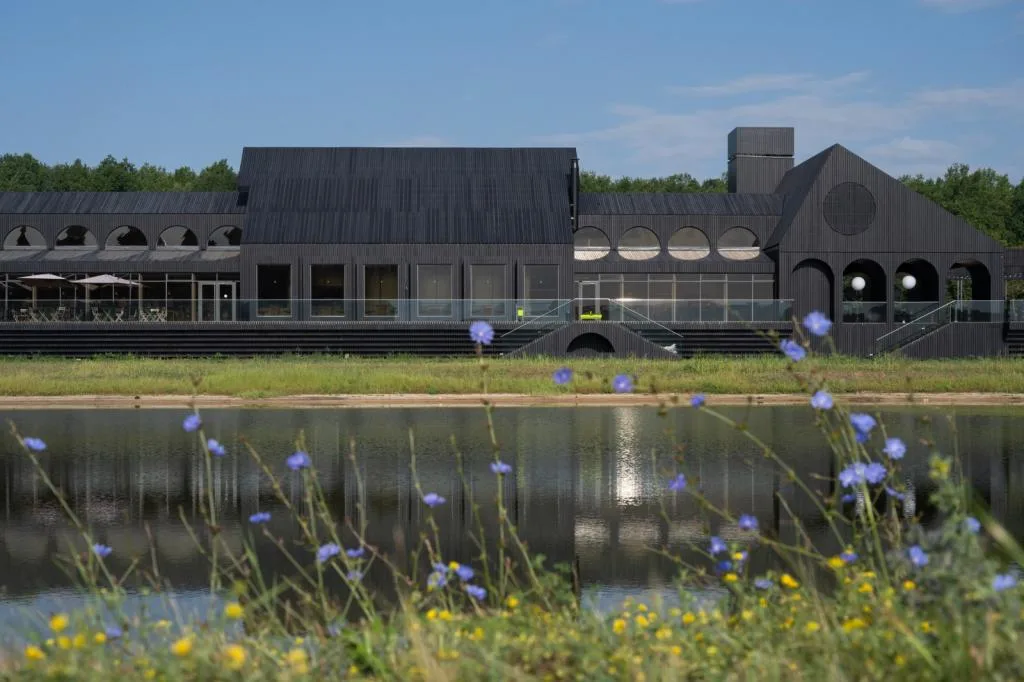
The building facade is clad in ebony wood, naturally darkened by sun exposure. This blackened wood represents the authentic color of Russian wooden architecture and remains consistent through seasonal changes. In winter, the structure contrasts dramatically with the snow, evoking an epic scene, while in warmer months it harmonizes with the surrounding forest trunks. The architectural techniques used reduce the formality of the building, making it feel integrated rather than commemorative.
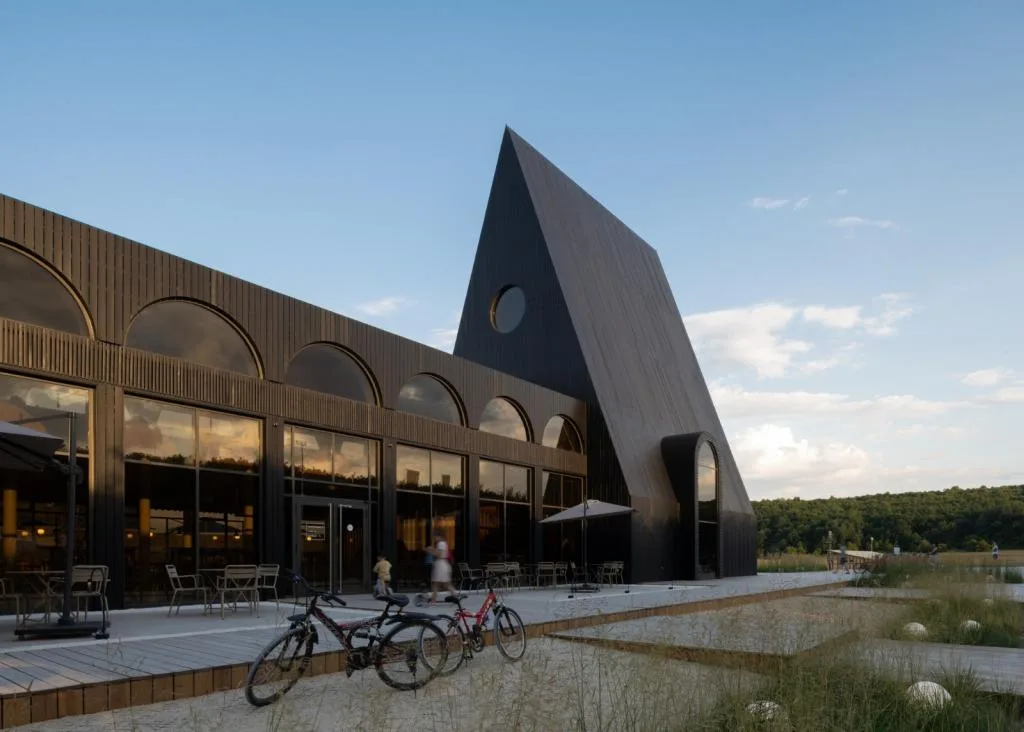
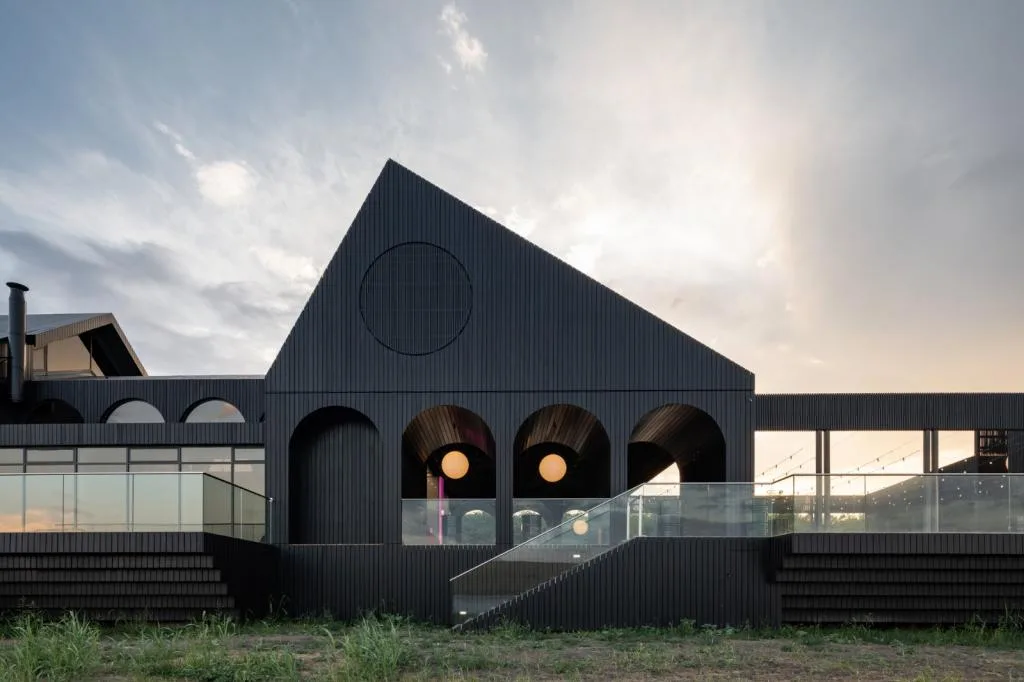
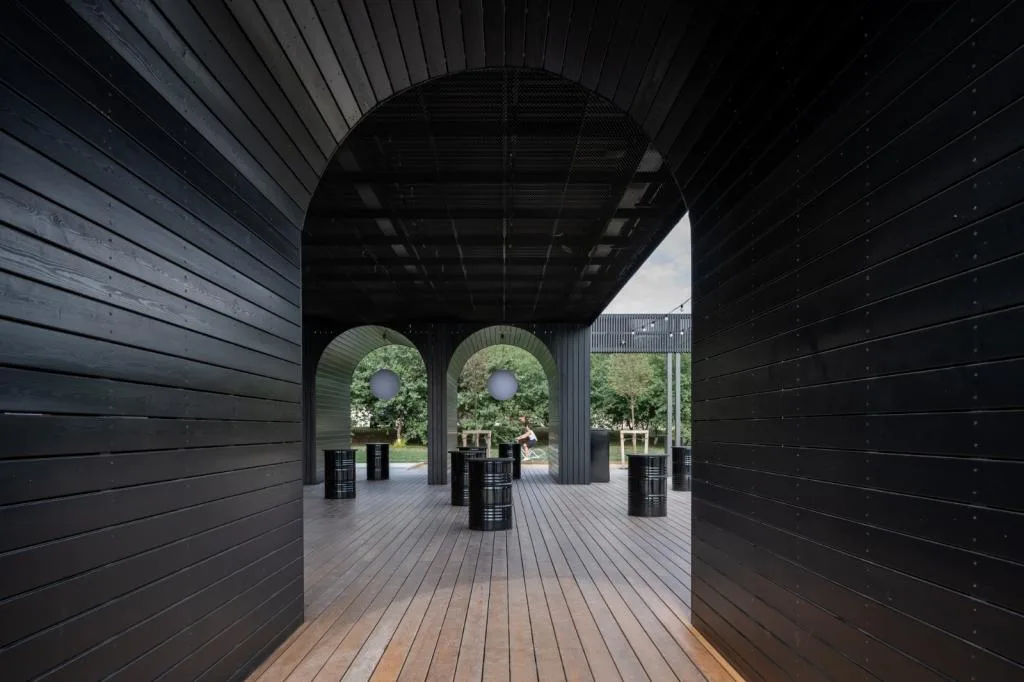
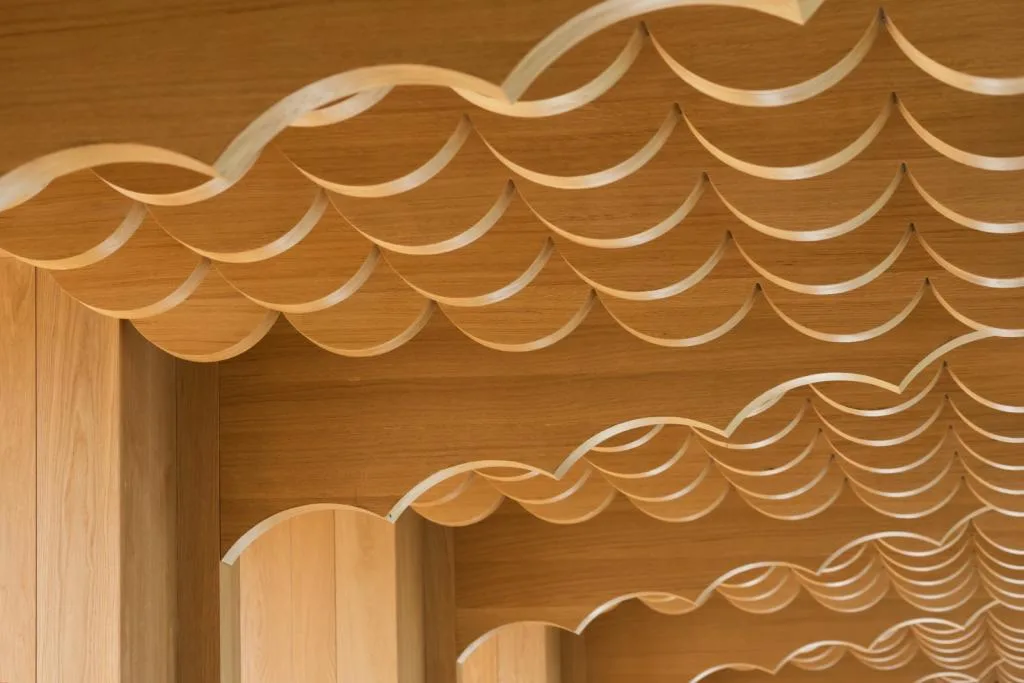
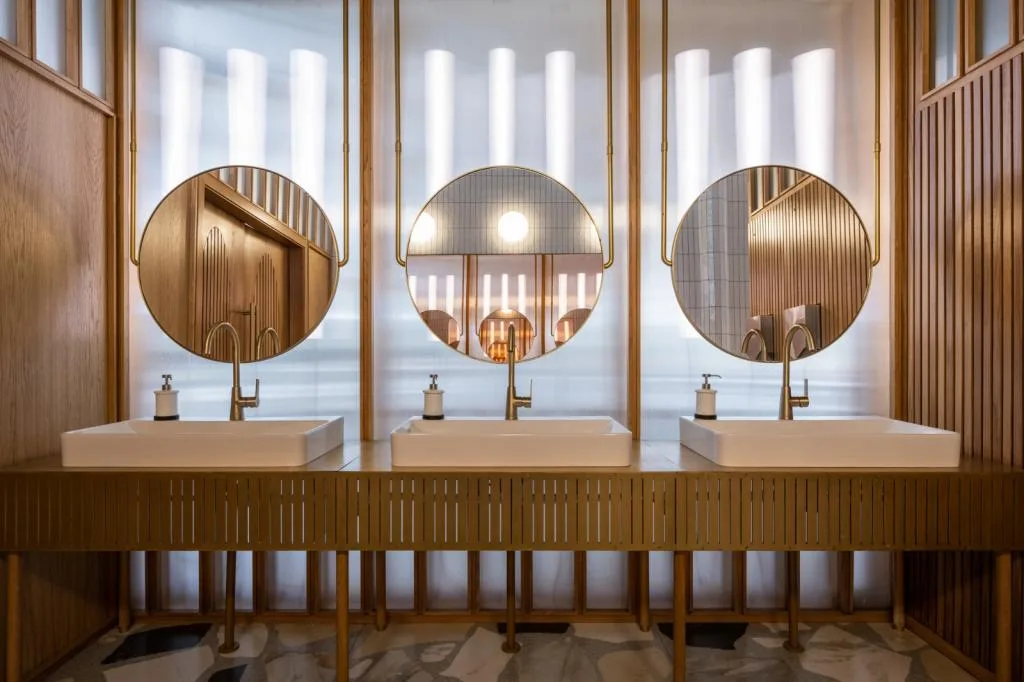
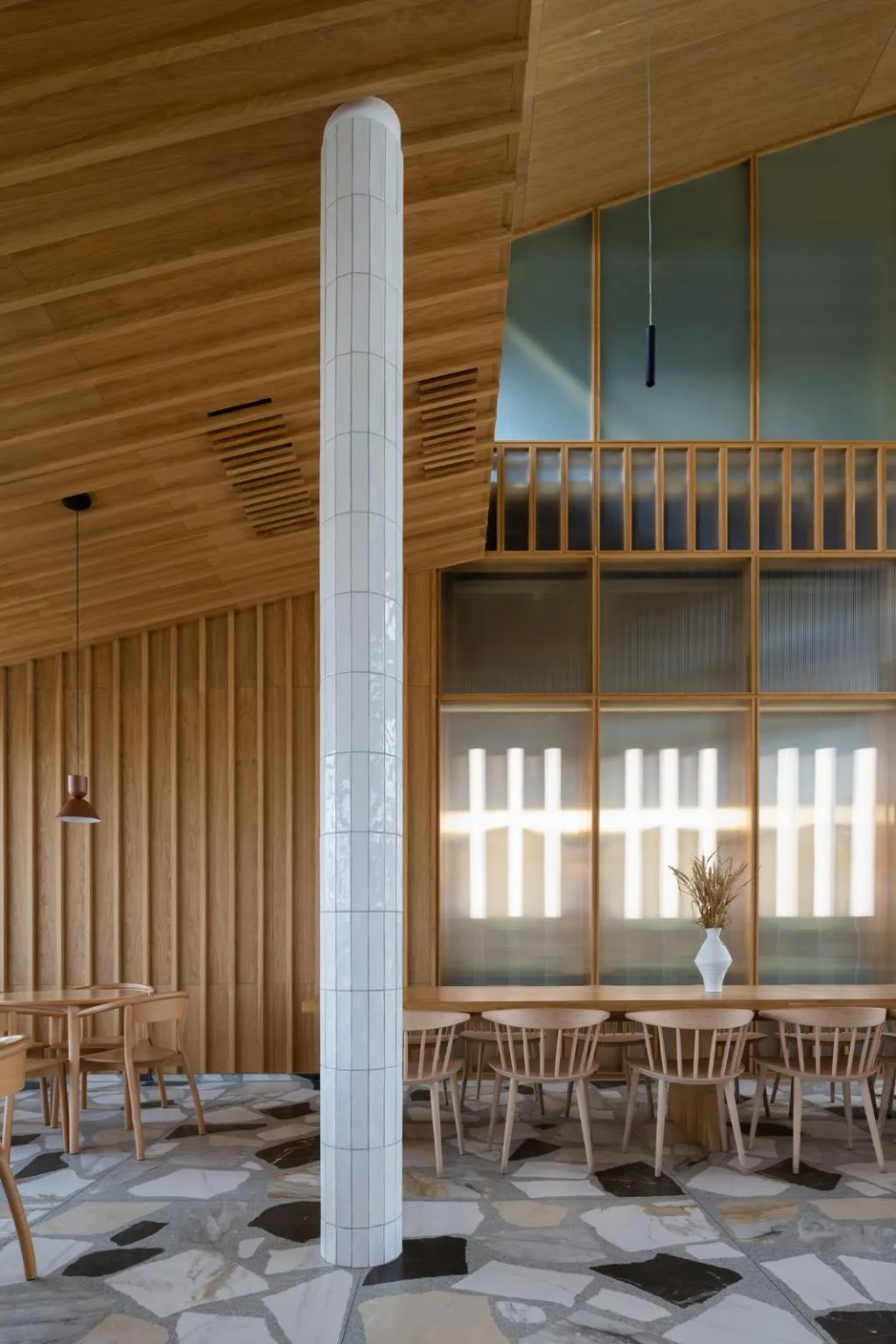
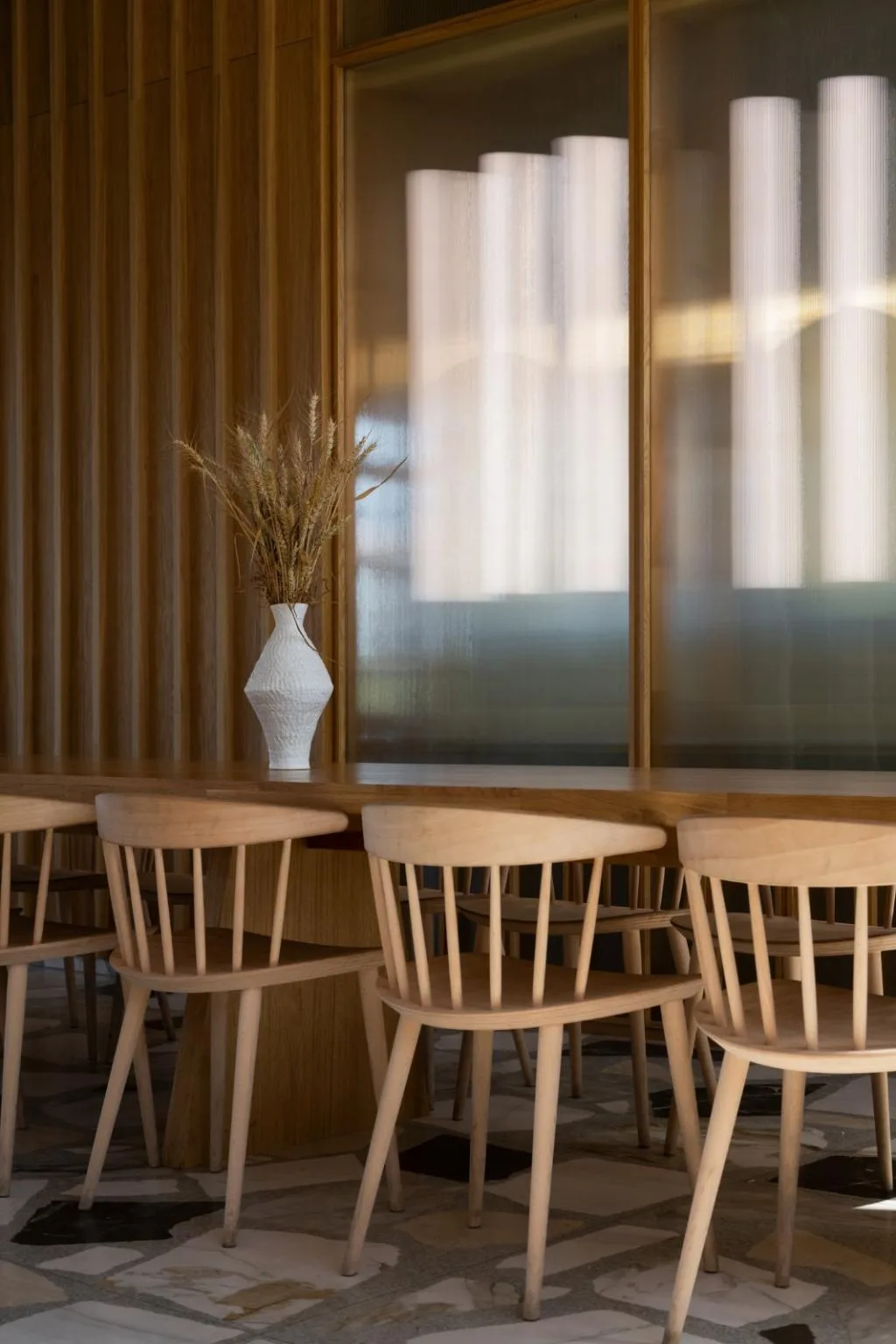
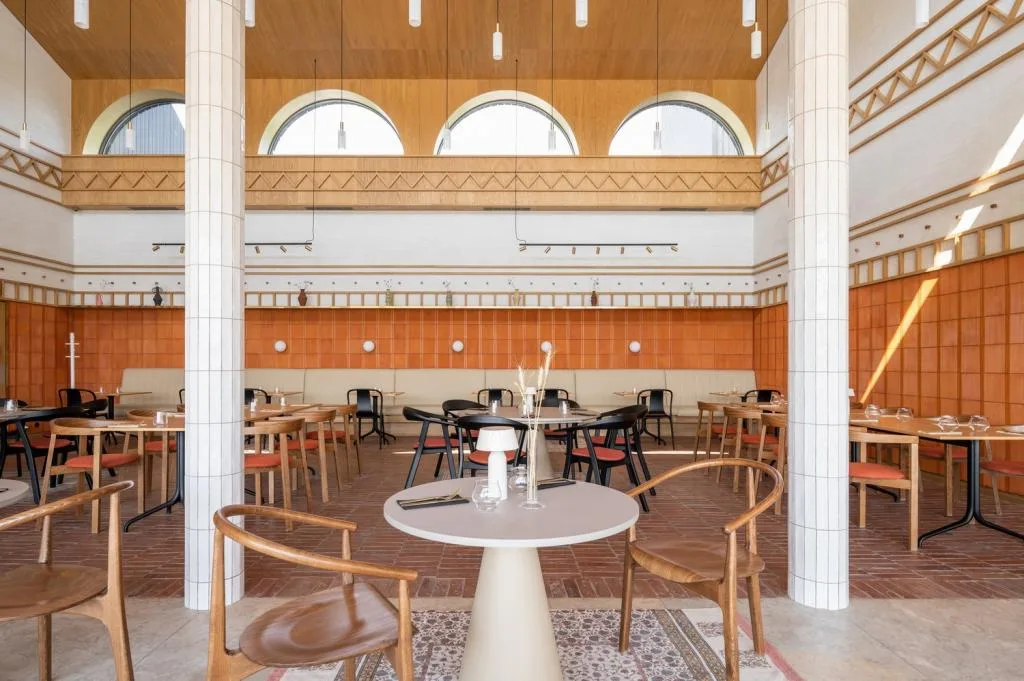
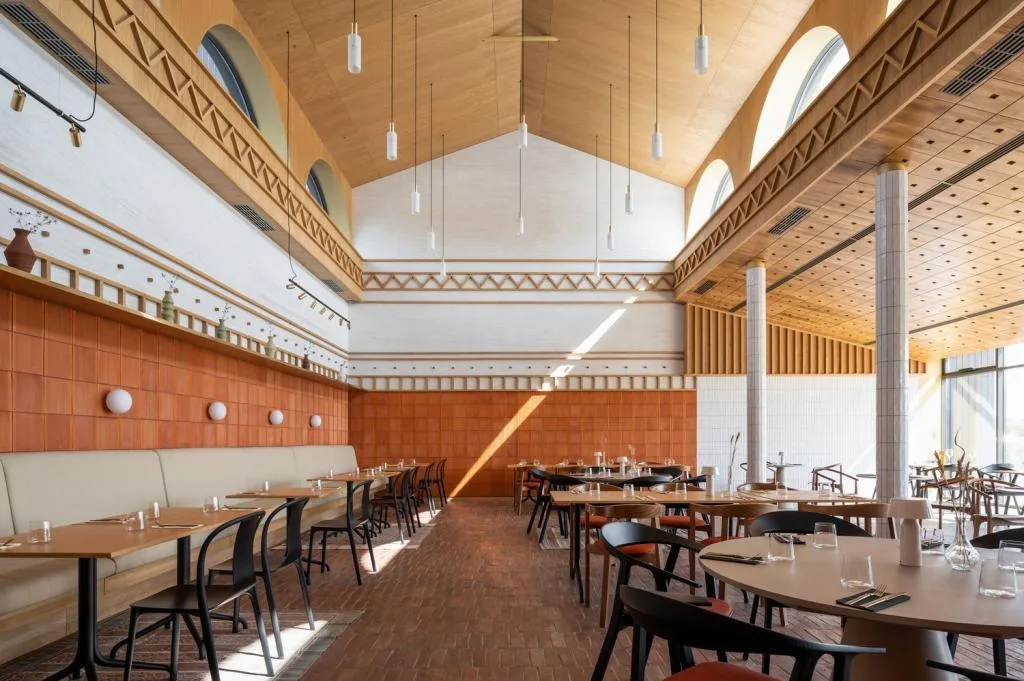
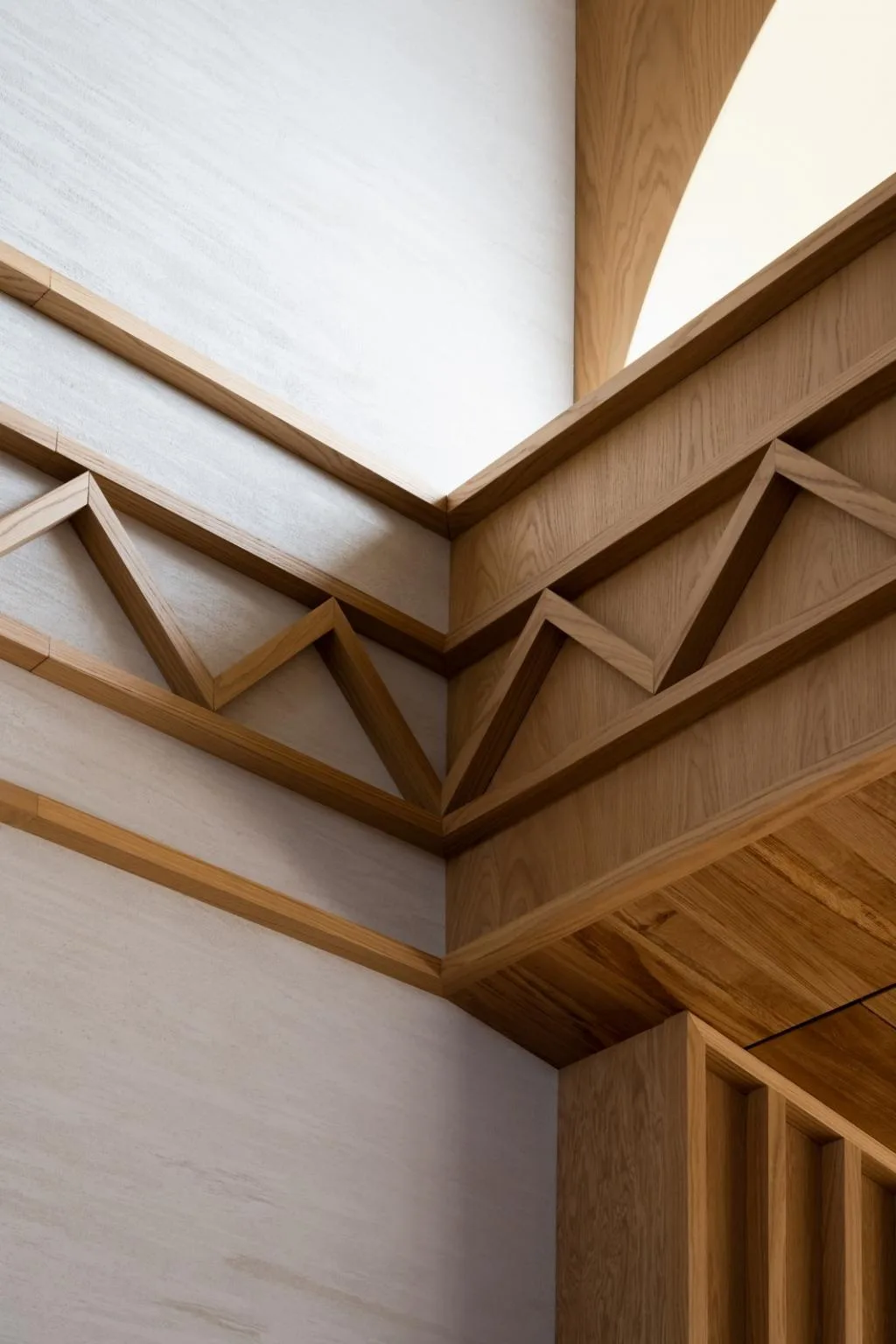
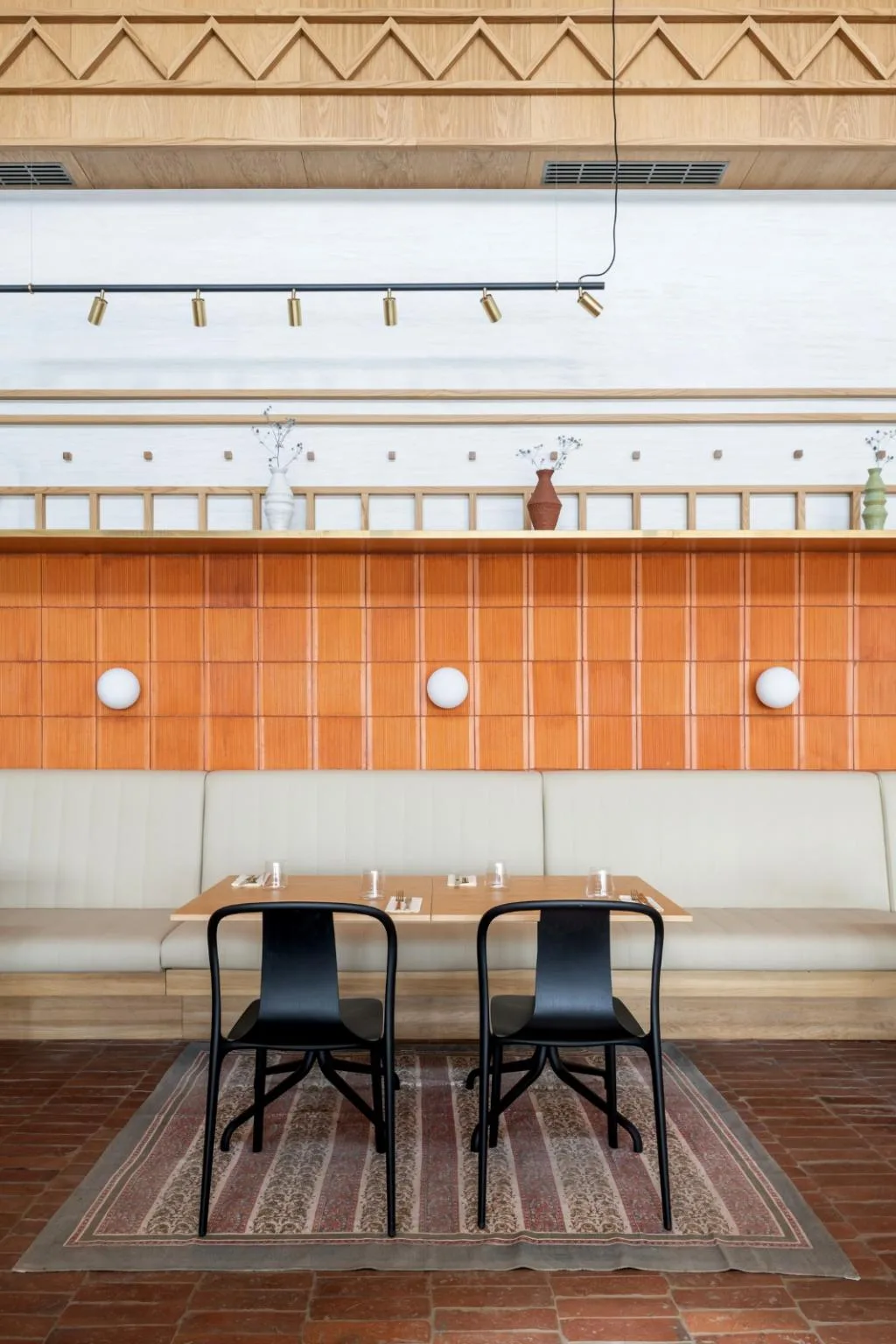
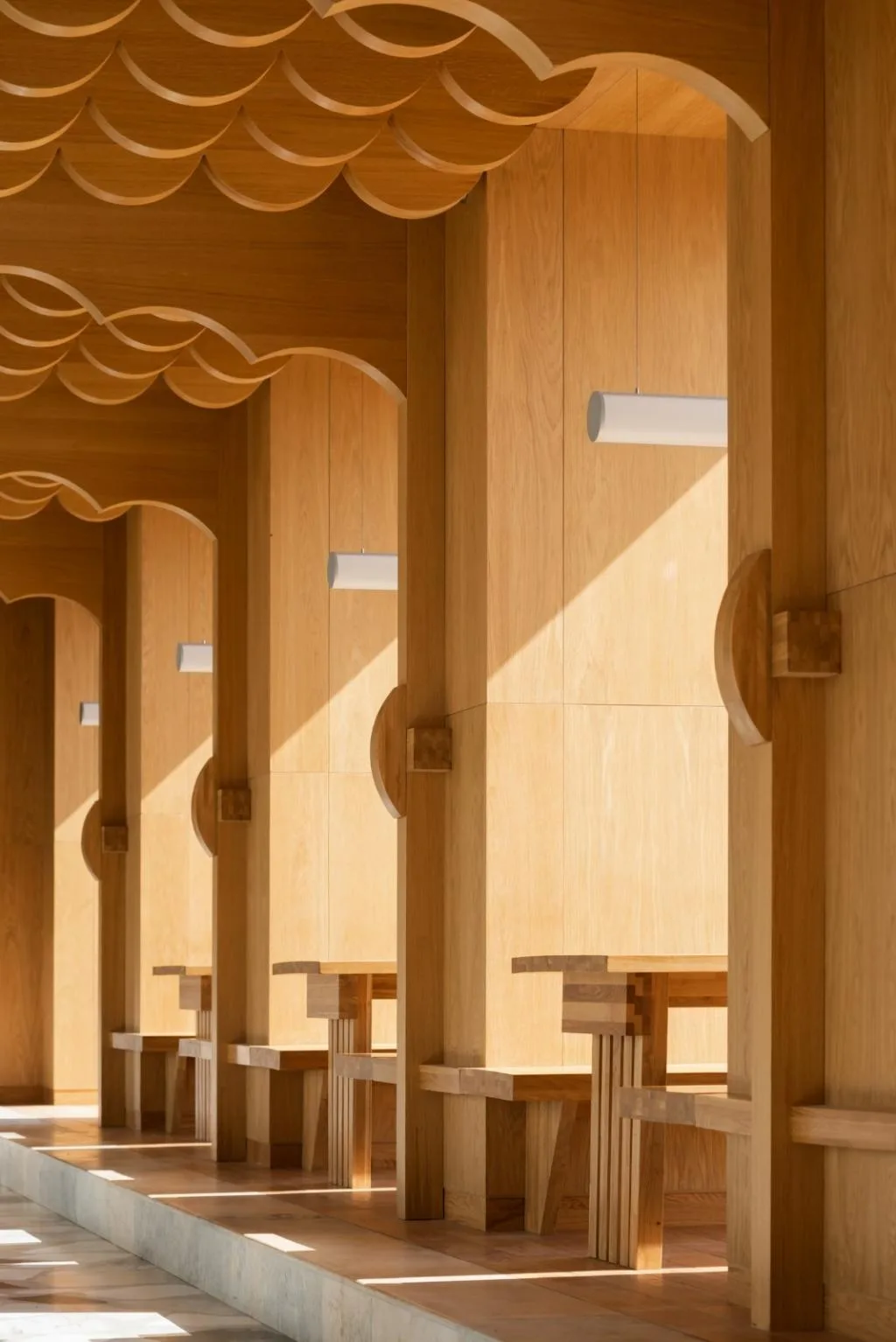
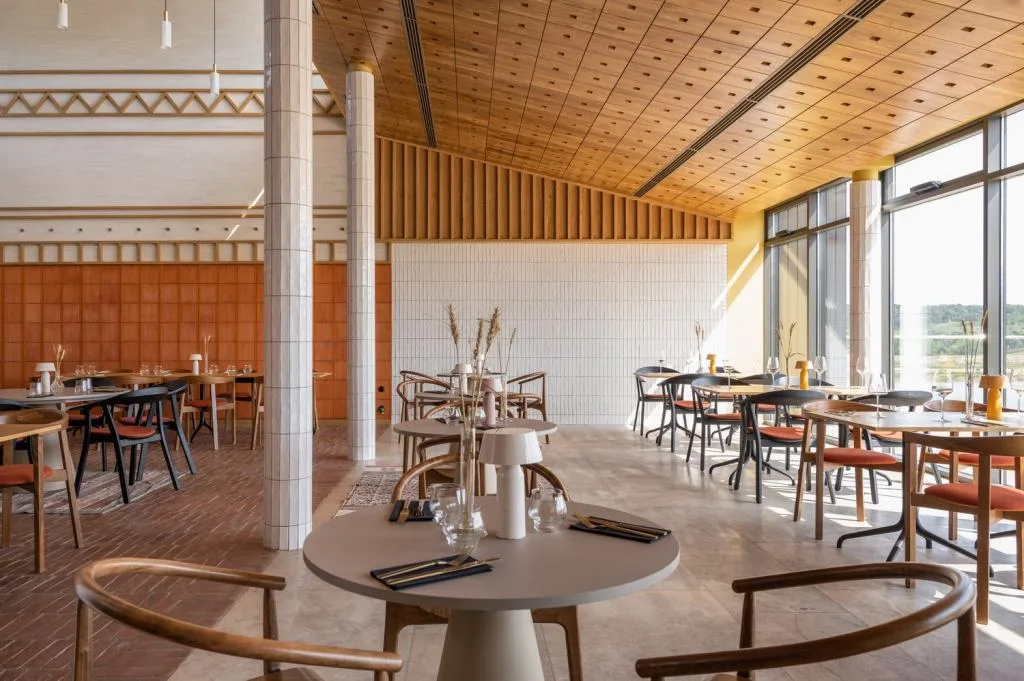
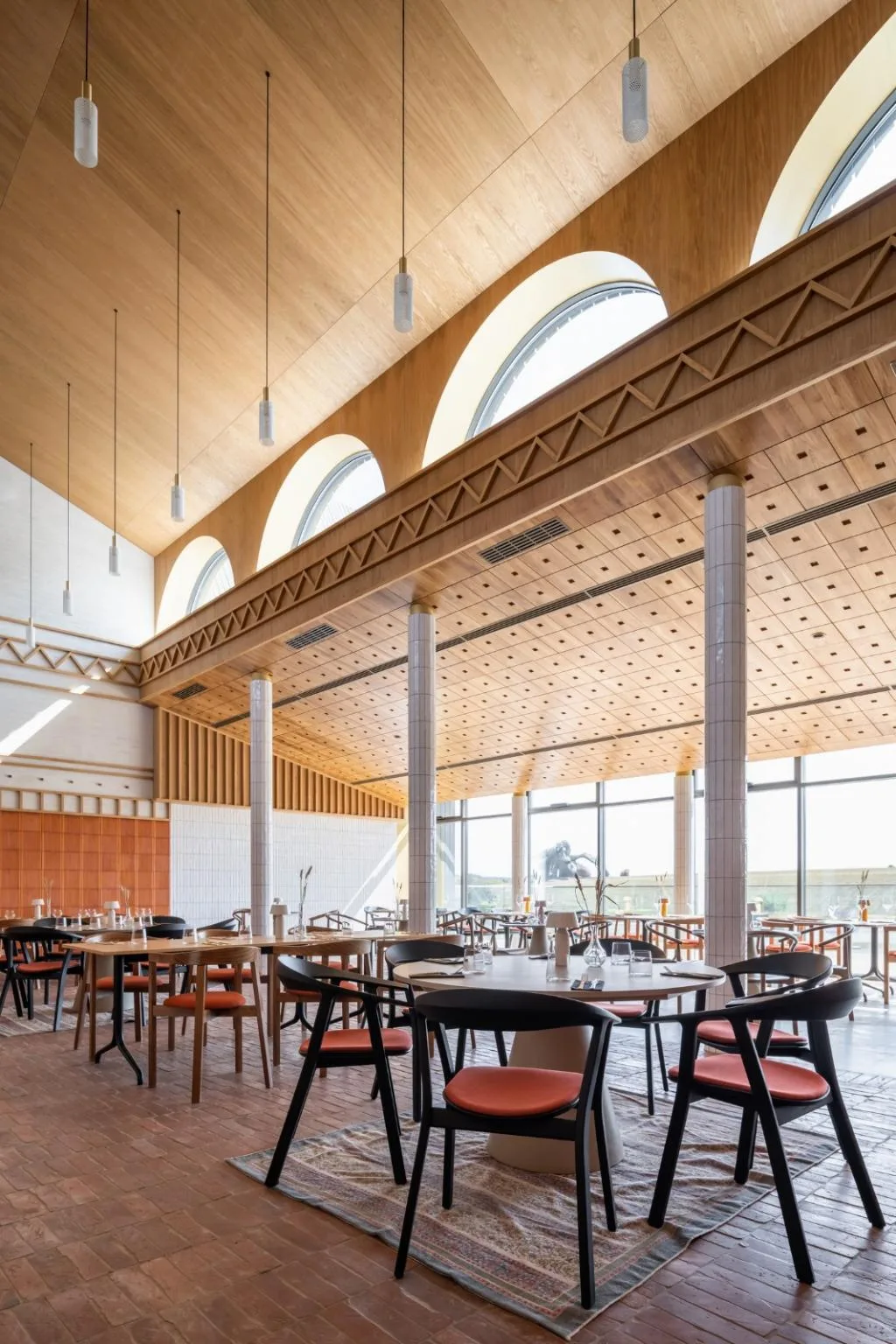
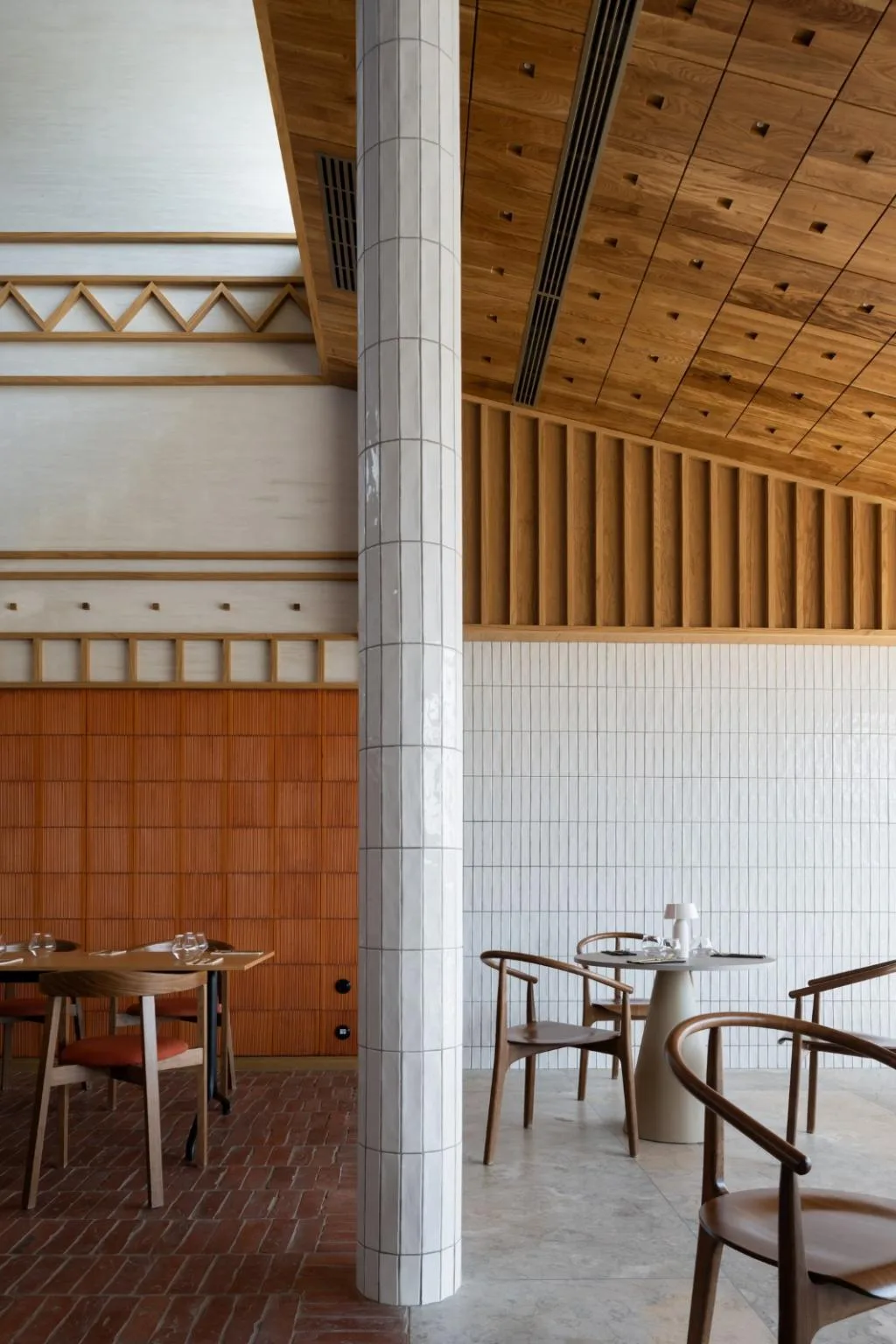
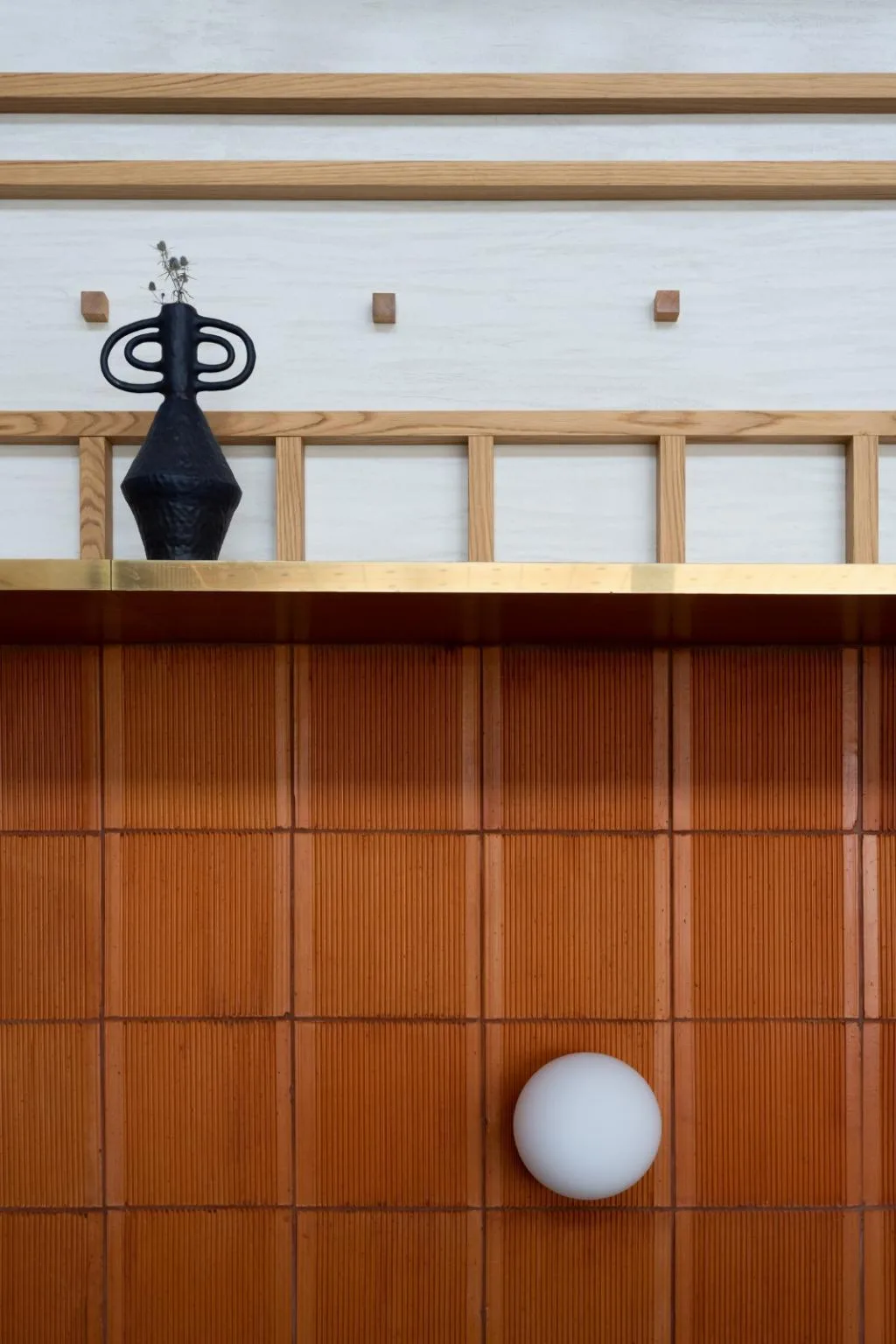
The architectural details, such as triangular windows, decorative grilles, varied wooden paneling techniques, and light, approachable proportions, all reinterpret the traditional Russian Izba wooden houses. The design also embraces the natural aging process of the wood, reflecting how a Russian farmer might gradually modify their home over time according to evolving tastes and needs.
Project Drawings
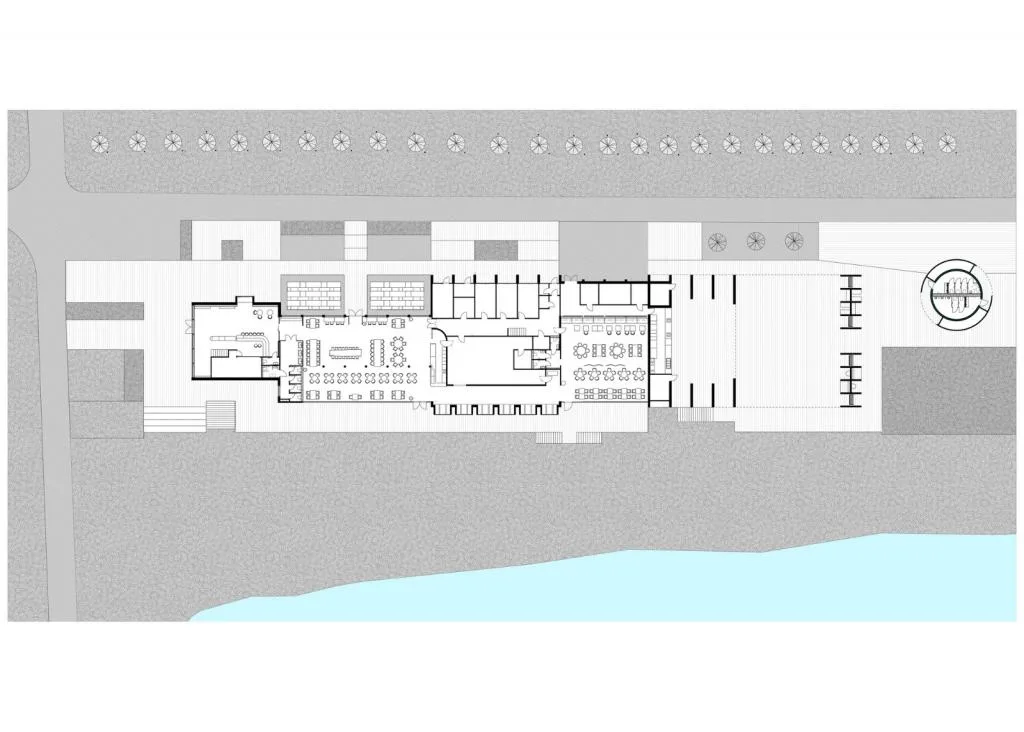
△ Plan View
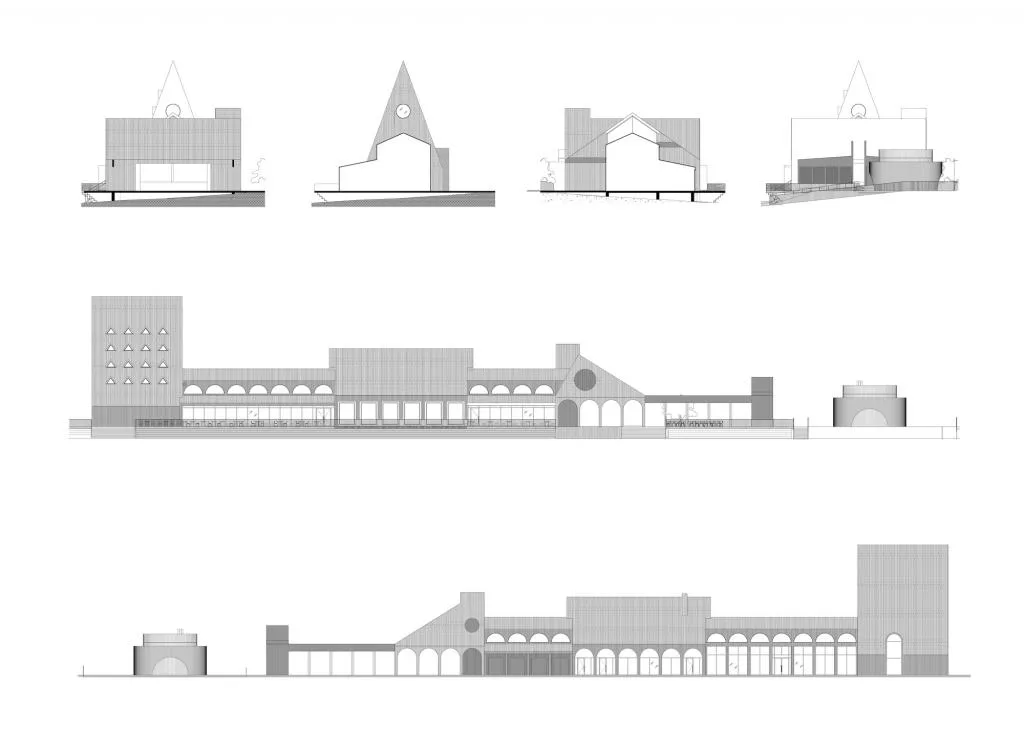
△ Elevation and Section Views
Project Information
Architectural Design: Megabudka
Area: 3,500 square meters
Year: 2021
Photographer: Ilya Ivanov
Lead Architects: Kirill Gubernatorov, Maria Vertinskaya, Artem Ukropov, Daria Listopad
Location: Lipetsk, Russia












Must log in before commenting!
Sign Up