
Sustainable development is a critical focus across industries worldwide. In architecture, leading firms continuously explore, research, and innovate practical solutions, providing valuable and visionary strategies for sustainable growth in modern architecture and urban environments. These efforts gradually paint an inspiring vision for the future of human habitats.
© CAA Architects
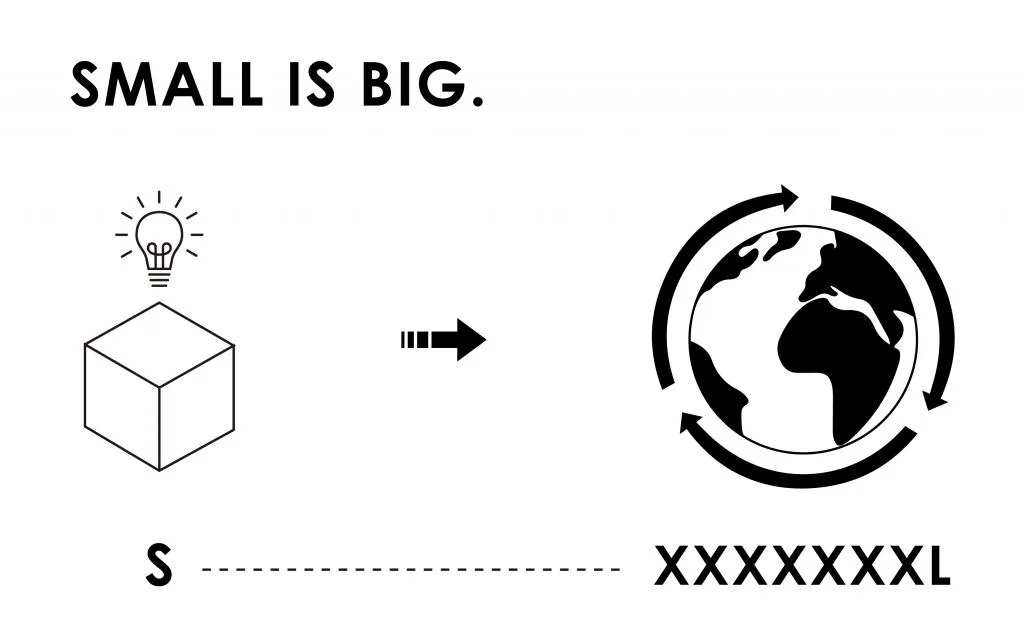
The phrase “Small is big” highlights the significance of small-scale projects in contributing to the broader global movement towards sustainable development and green, circular cities. By leveraging innovative design and technology, these small initiatives can expand into large-scale ecological urban systems aimed at achieving carbon neutrality.
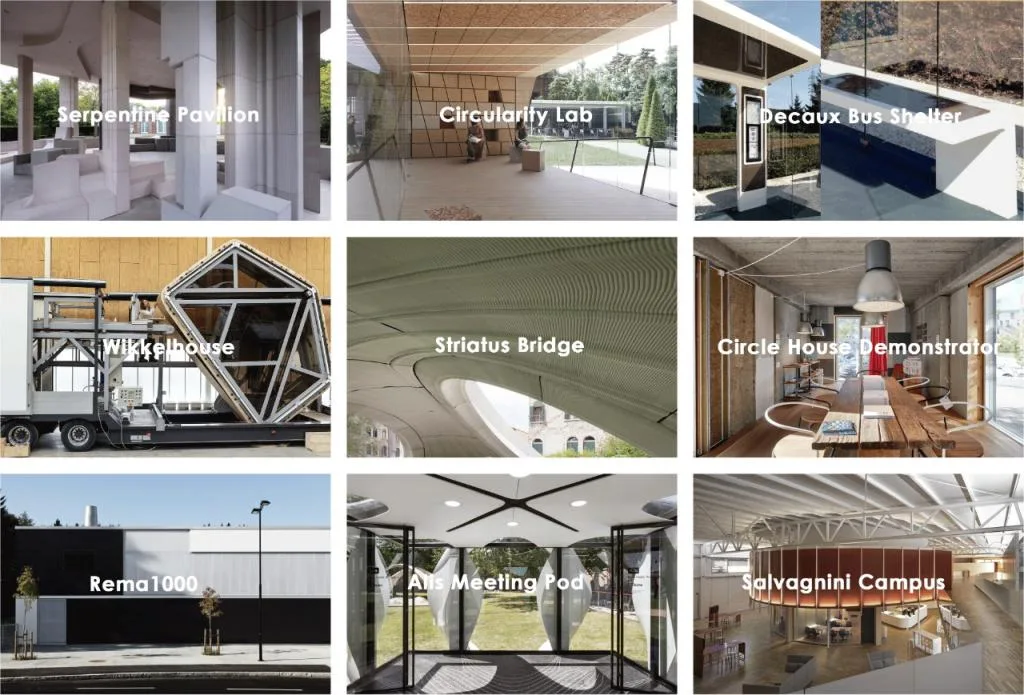
CAA LAB, the research and development arm of CAA Architecture, has compiled pioneering “small” projects from around the world. These projects may focus on eco-friendly materials, low-emission construction methods, or negative carbon technologies, all reflecting the larger trend of sustainable urban development.
Conference Cabin
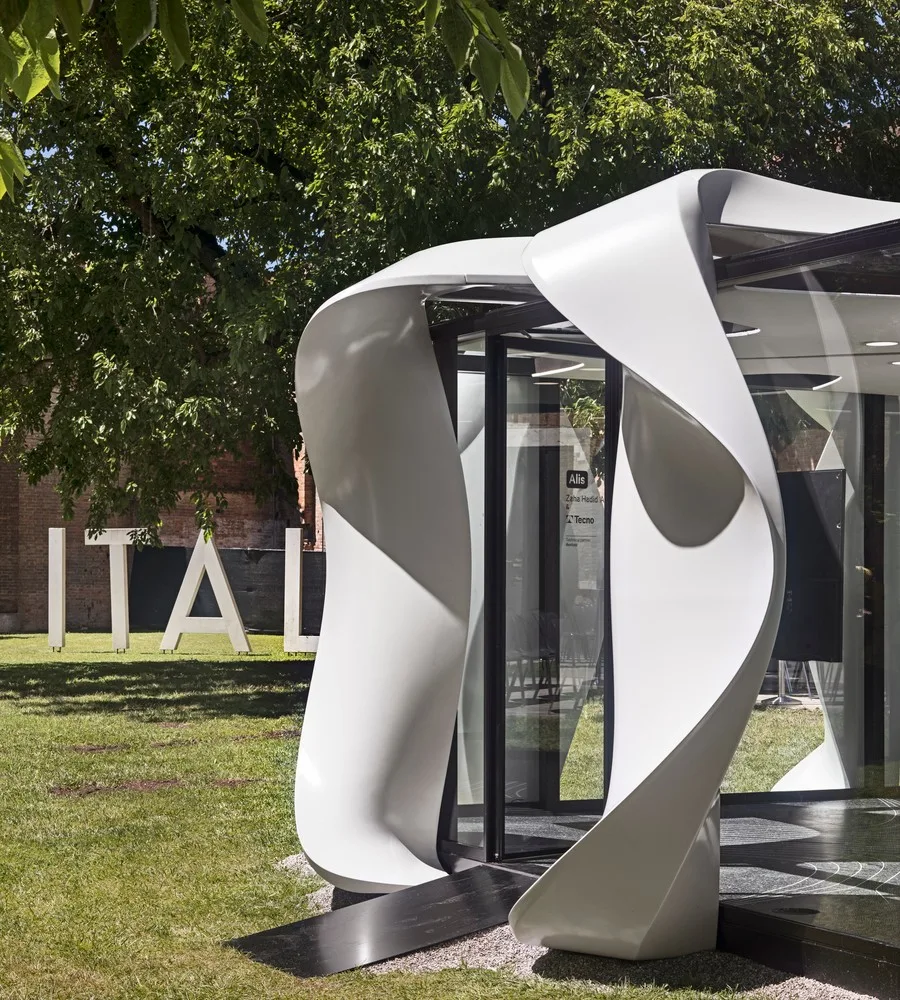
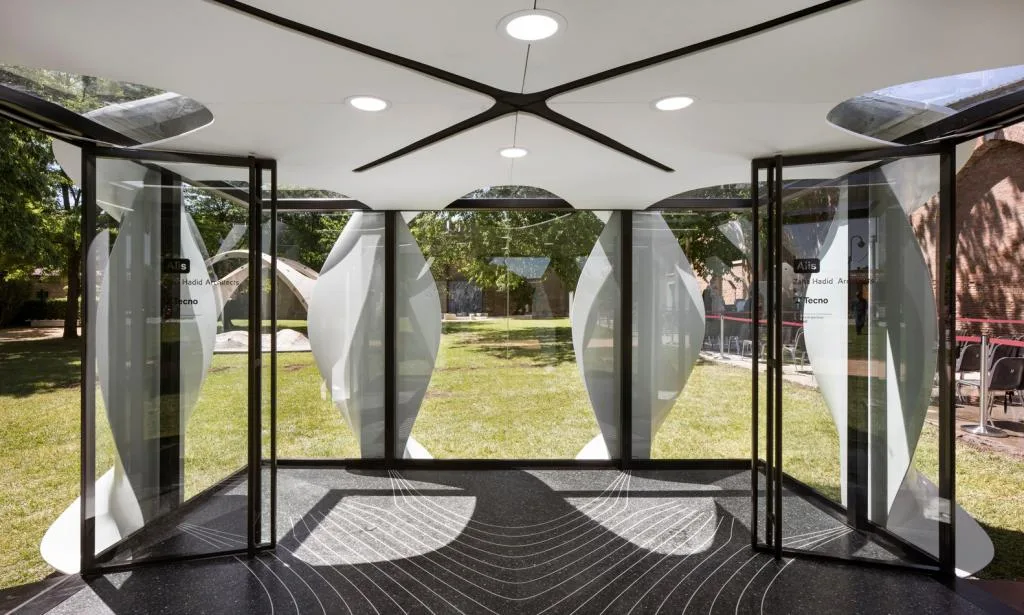
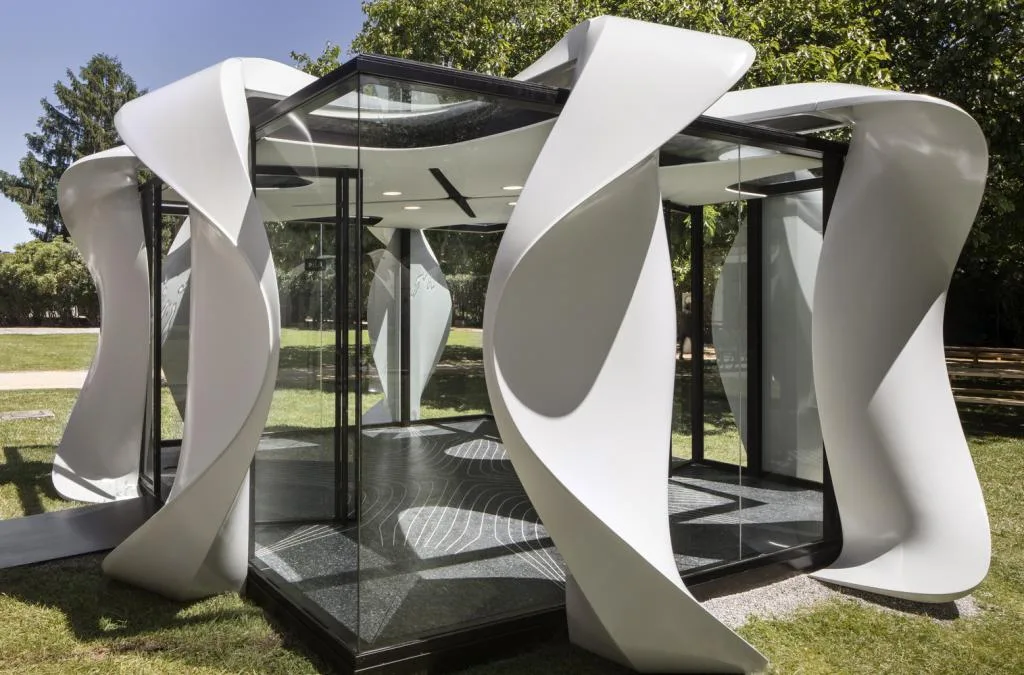
Alis Meeting Pod
Design Agency: Zaha Hadid Architects
Keywords: modularity, energy efficiency, 3D printing
© Alessandra Chemollo
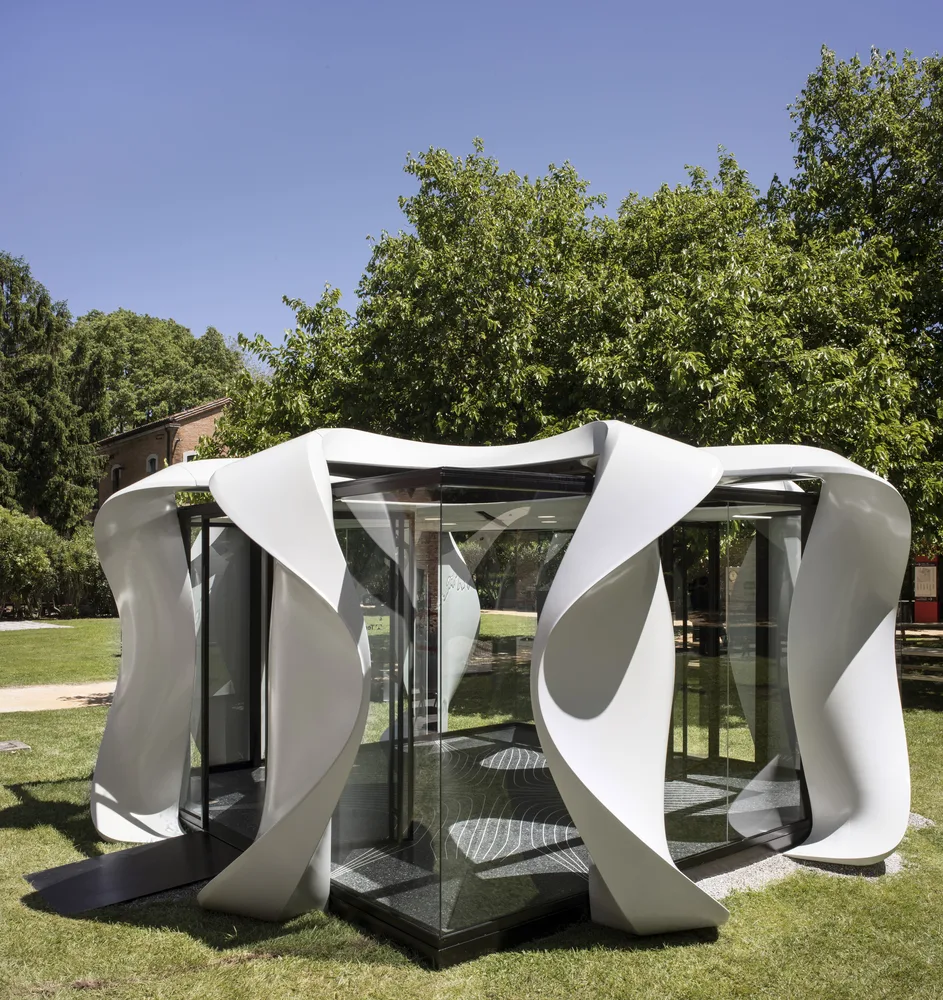
Zaha Hadid Architects designed the “High Performance Urban Ecological Installation” conference cabin Alis for the 2021 Venice Biennale. This project integrates architecture, engineering, and urbanism principles to deliver a low-carbon design that conserves energy and resources through an interdisciplinary approach. It redefines energy efficiency in the built environment and serves as a model for enhancing residential health and sustainability.
© Alessandra Chemollo
© Alessandra Chemollo
Constructed with advanced techniques such as 3D printing and CAD/CAM technology, the modular design of the Alis pod allows for easy disassembly, transport, functionality redefinition, and reuse in various configurations.
© Alessandra Chemollo
2020 Serpentine Gallery
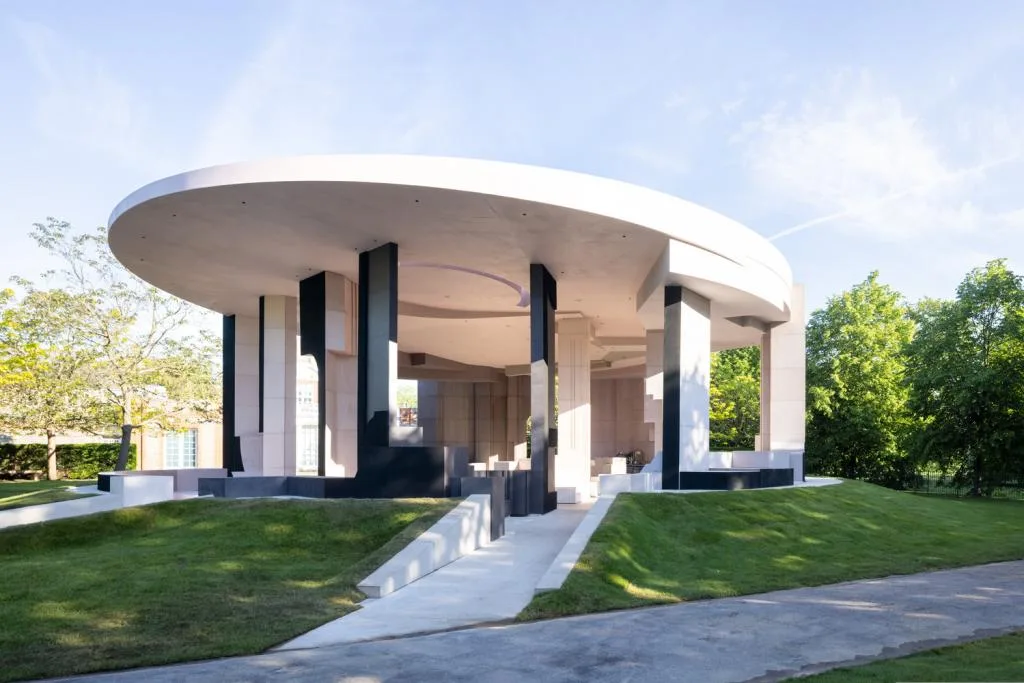
Serpentine Pavilion
Design Agency: Counterspace Studio
Keywords: construction waste, sustainable, negative carbon structure
© Leave BAAN
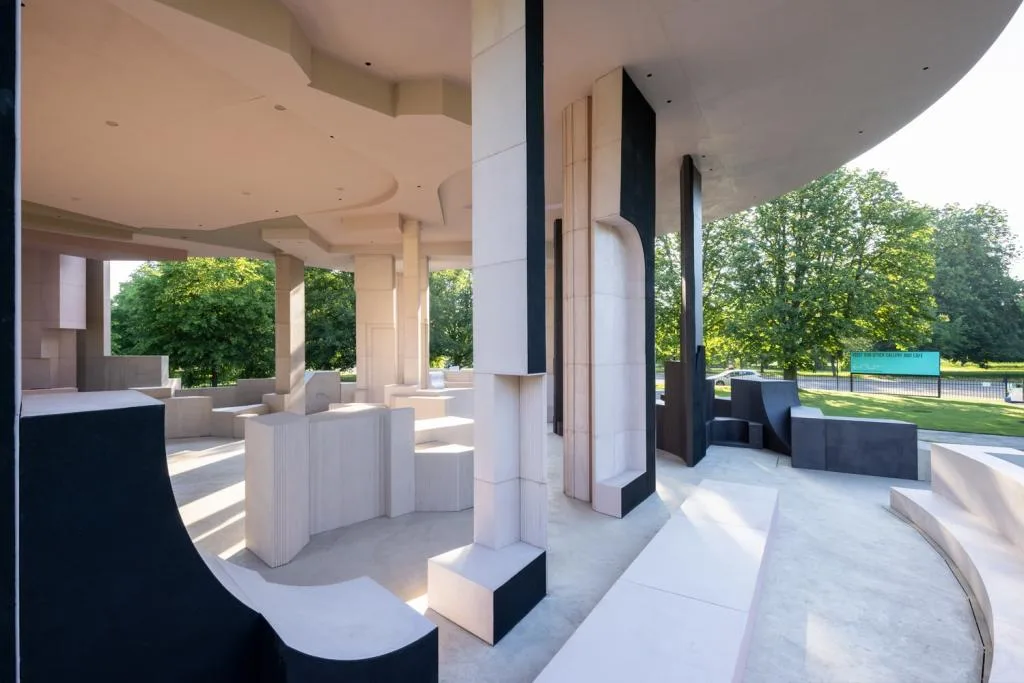
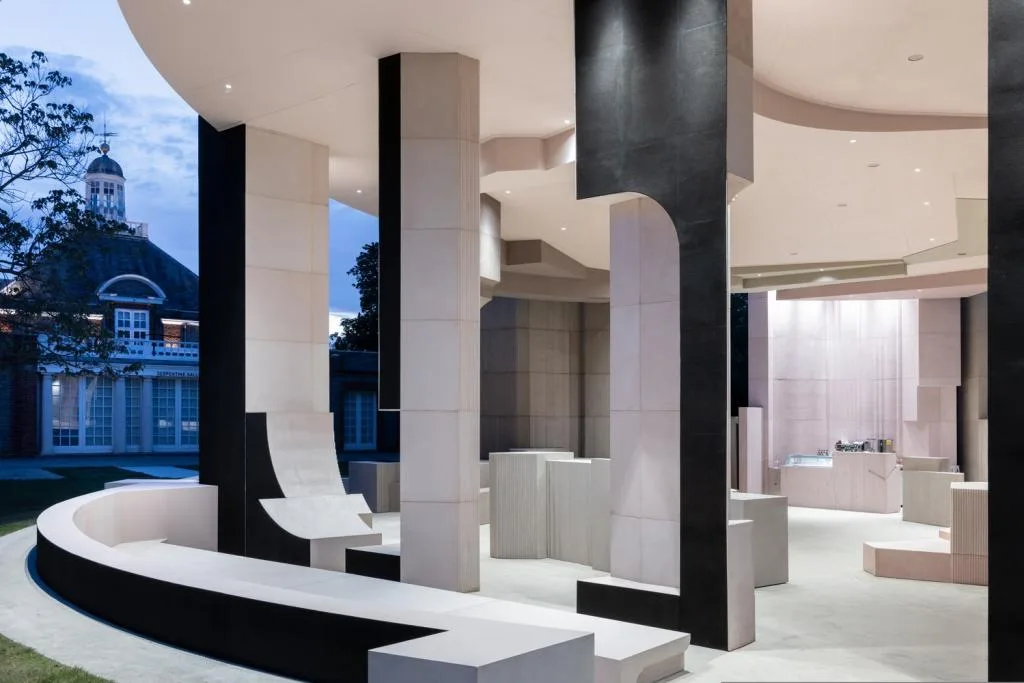
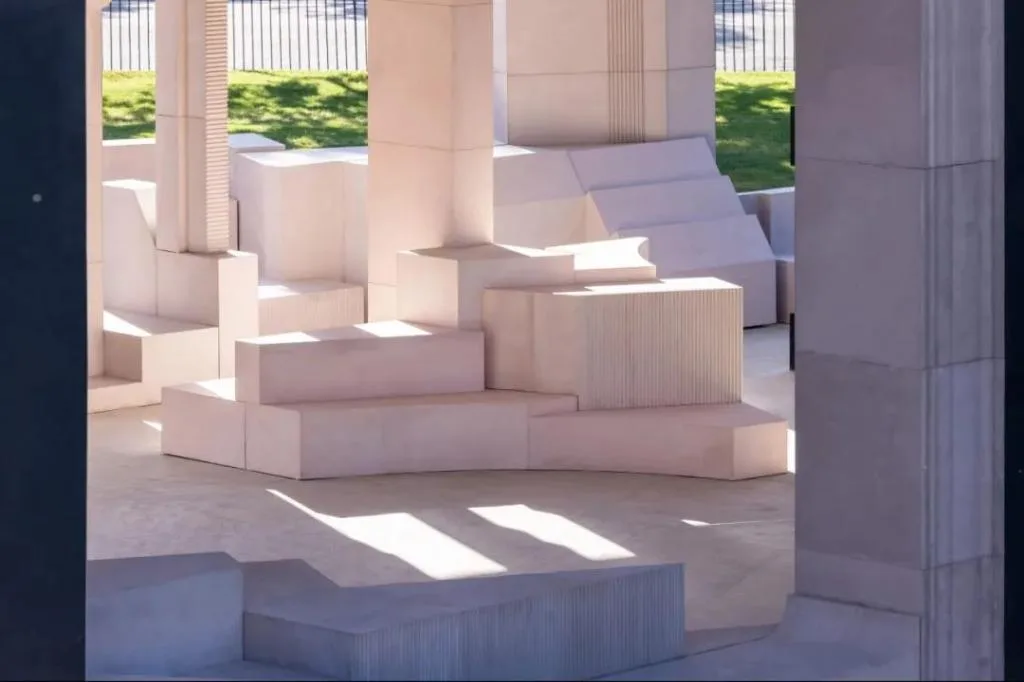
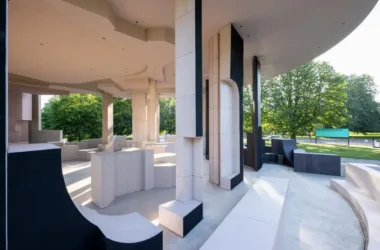
Counterspace Studio’s 2020 Serpentine Gallery Pavilion offers a sustainable design solution blending low and high technology. Based on interdisciplinary research and innovative construction techniques, it successfully removed 31 tons of carbon from the atmosphere, qualifying it as a negative carbon structure, according to architectural consultant AECOM.
© Leave BAAN
© Leave BAAN
The pavilion utilizes materials like cork and K-Briqs—a building material composed of 90% recycled construction waste without firing. Its carbon emissions are only a tenth of those from conventional bricks.
© Leave BAAN
Deke Bus Shelter
Decaux Bus Shelter
Design Agency: 3XN Architecture Studio GXN Team
Keywords: active surface, biocomposite materials, cleaning, decomposition
© 3XN Architects
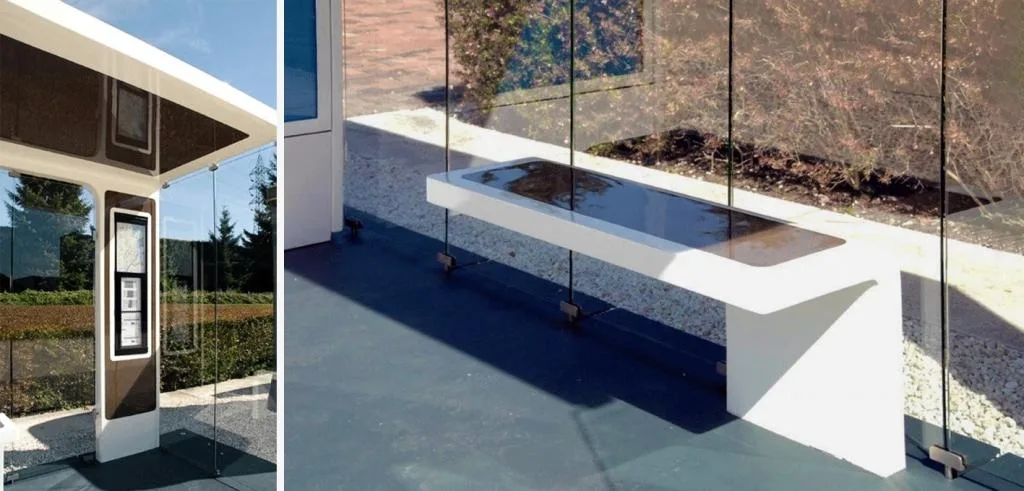
© 3XN Architects
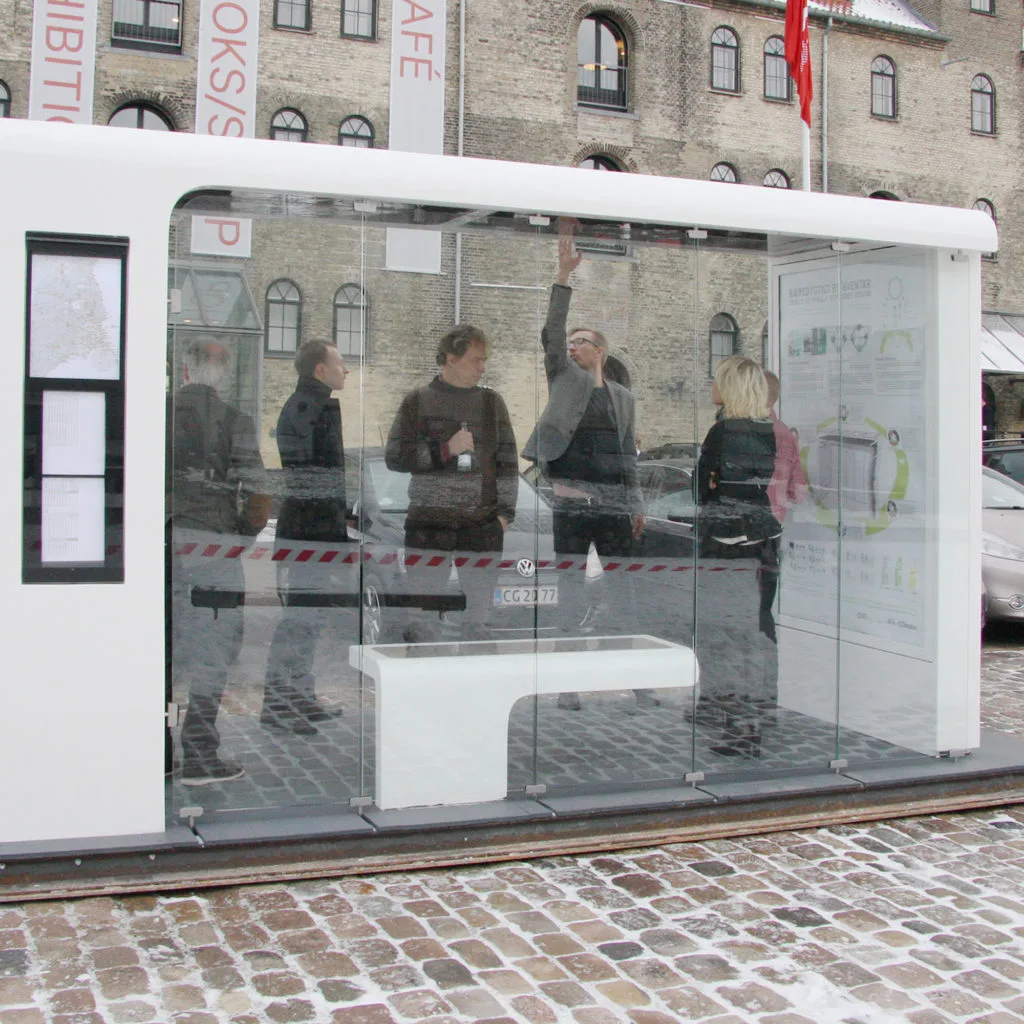
GXN’s sustainable bus shelter offers easy maintenance and simple manufacturing, featuring a tree-like surface that cleans urban air. Using active surface treatment, it breaks down harmful particles and employs biocomposite materials to reduce embodied energy by 50%.
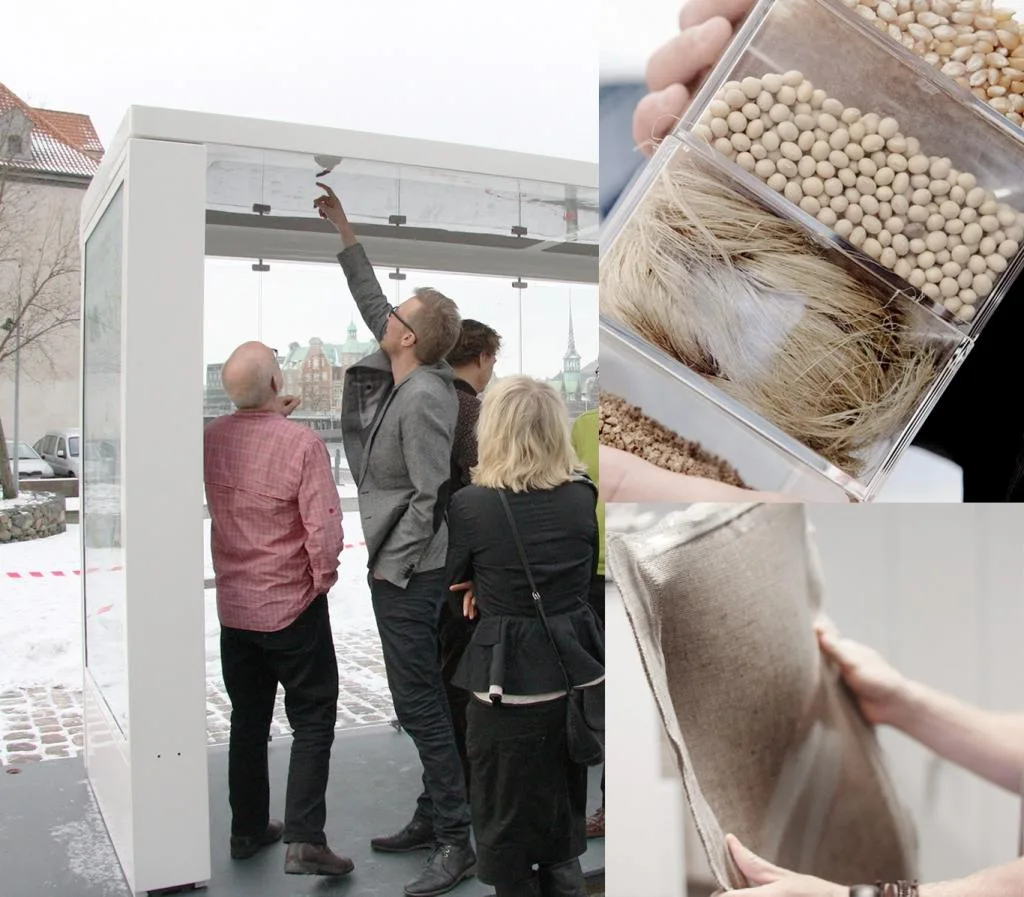
© 3XN Architects
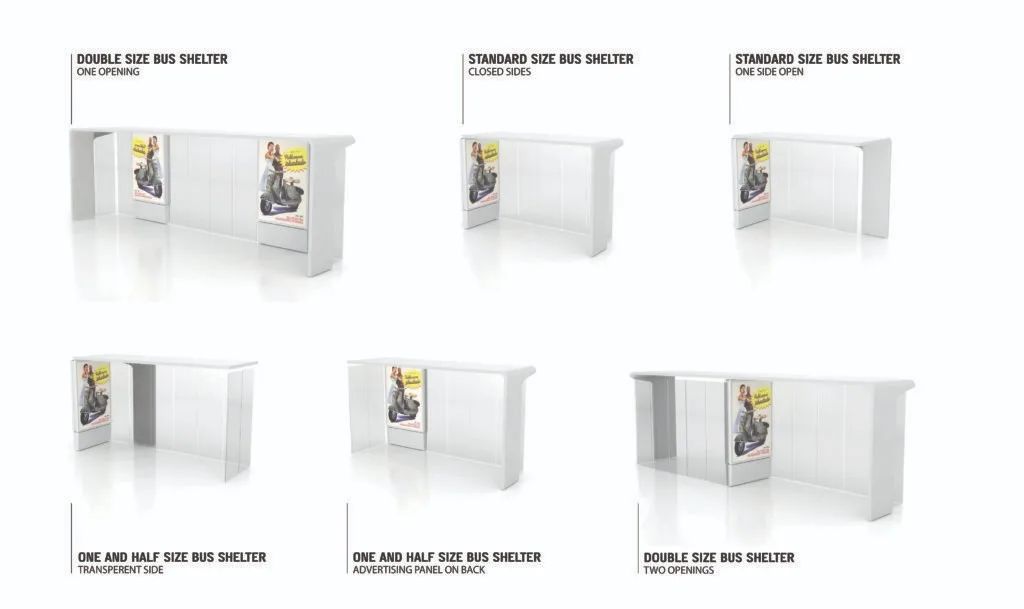
© 3XN Architects
The Deke Bus shelter purifies air equivalent to 20 square meters of green space in central Copenhagen, filtering pollution from 270 cars daily. Modular components provide design flexibility to adapt to different sites.
Sustainable Chain Supermarket Concept Store
Sustainable Concept Store System
Design Agency: Snøhetta Architecture Firm
Keywords: LED, recyclable rock wool, solar energy
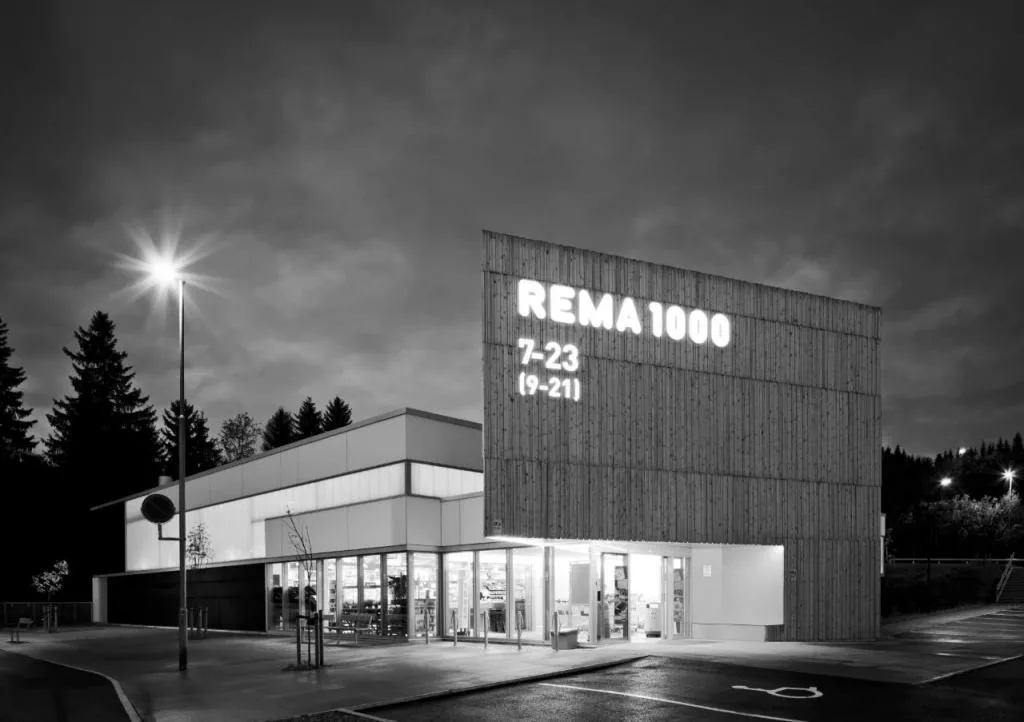
© Speed
Snøhetta’s Rema1000 sustainable concept store aims to reduce energy use by 30–50%, minimize environmental impact and operational costs, and optimize retail space, easing pressure on the environment while lowering expenses.
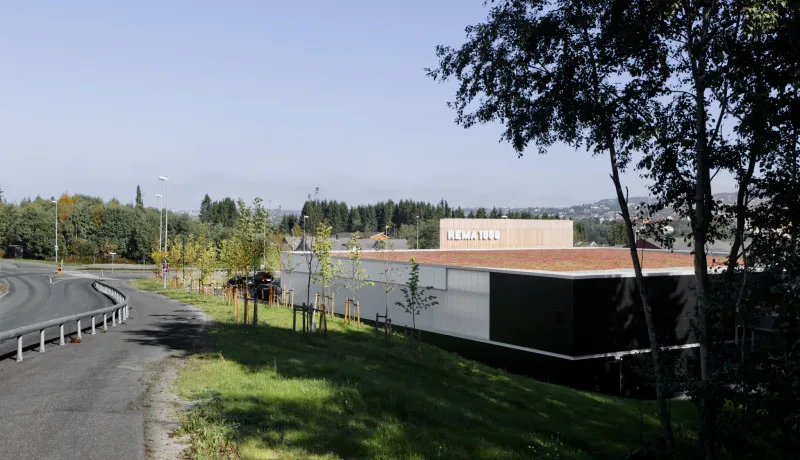
© Speed
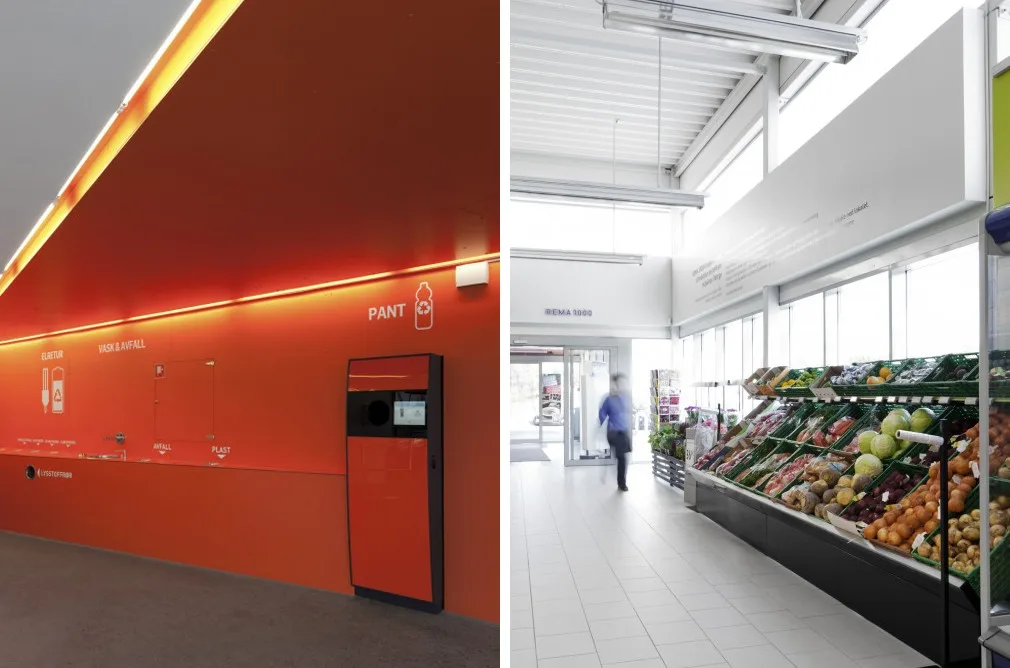
© Speed
The store balances social, economic, aesthetic, practical, and sustainable development by integrating green elements such as LED lighting, recyclable rock wool in roofs and walls, and solar-powered roofs.
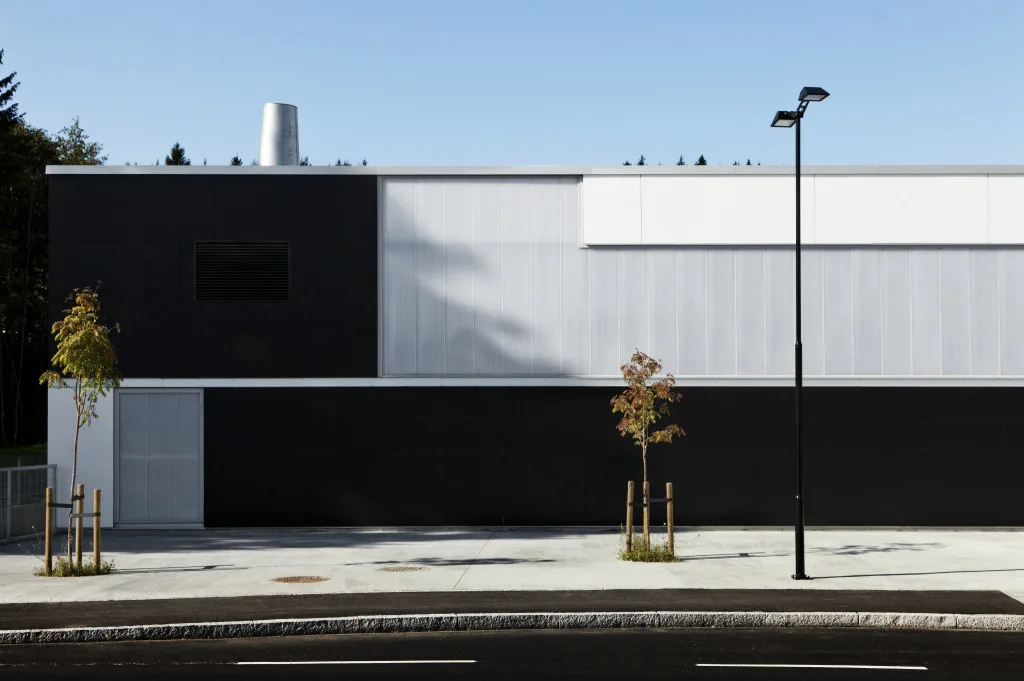
© Speed
Sustainable Exhibition Demonstration Space
Circle House Demonstrator
Design Agency: 3XN Architecture Studio GXN Team
Keywords: circular construction, sustainable development
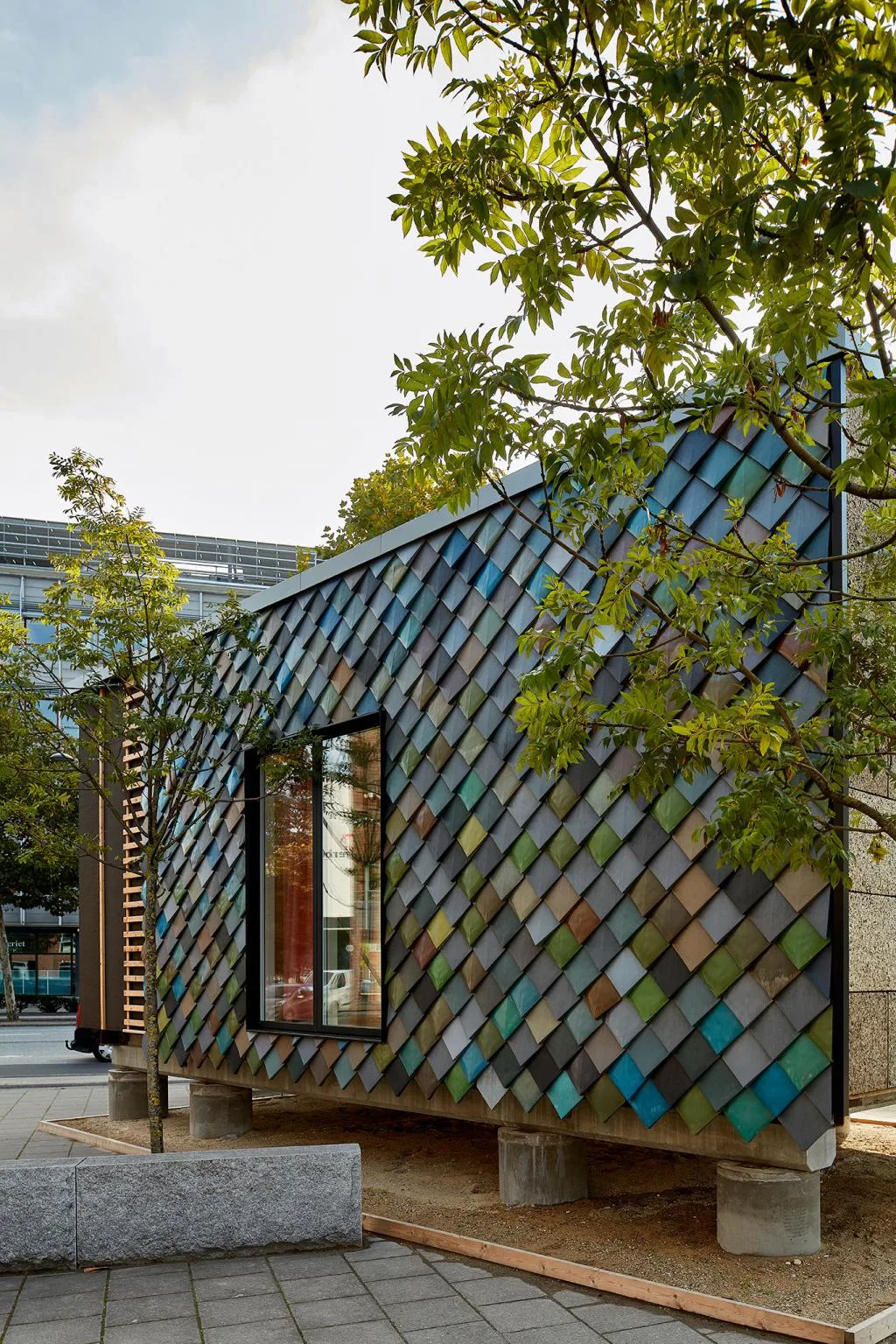
© 3XN Architects
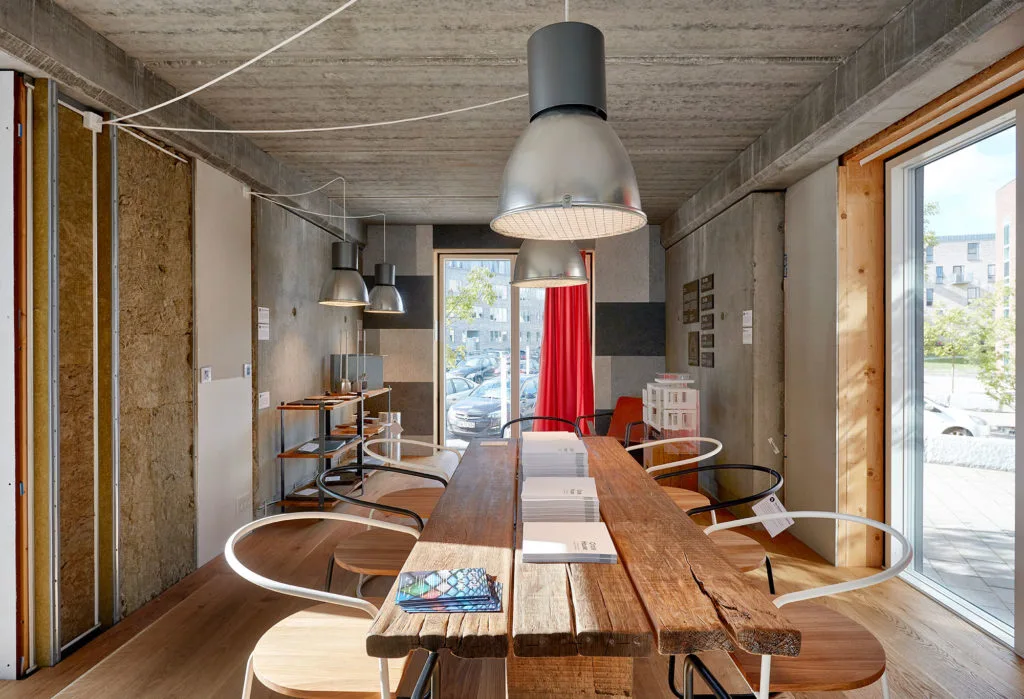
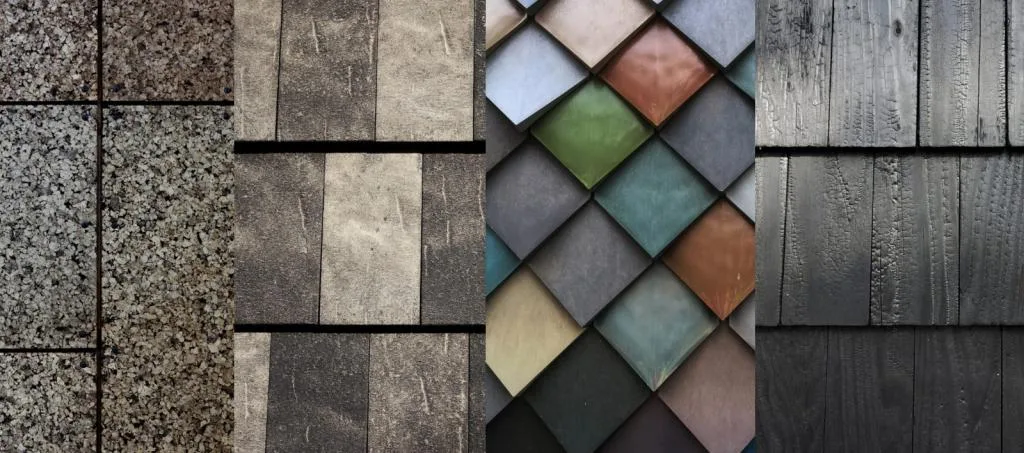
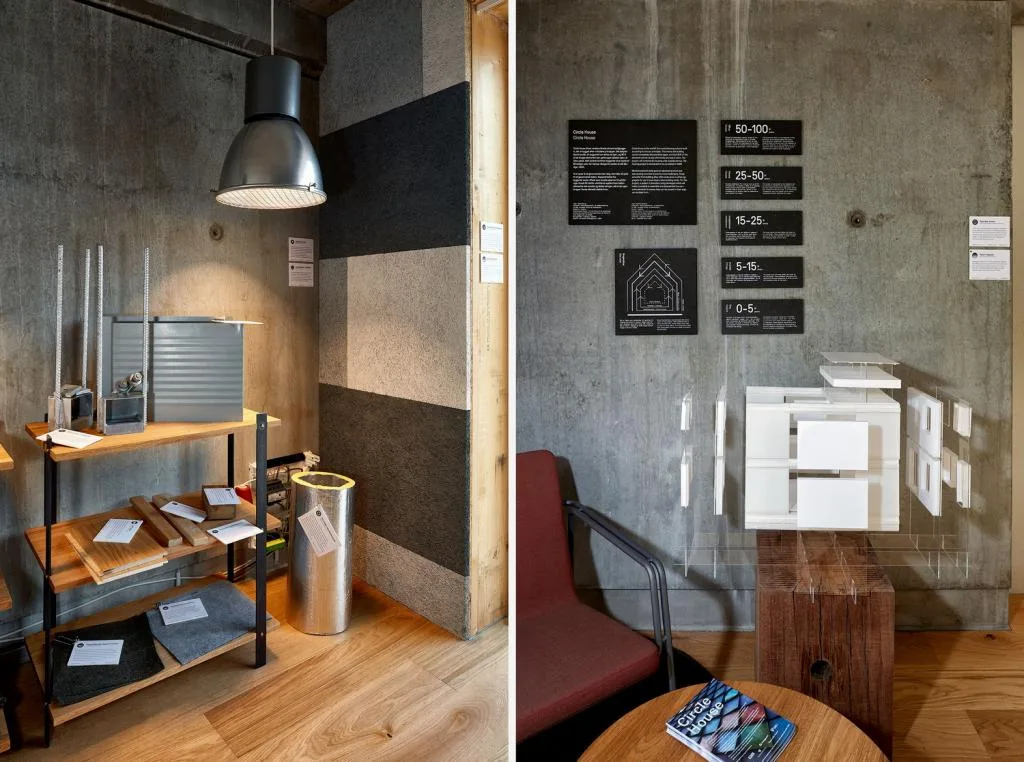
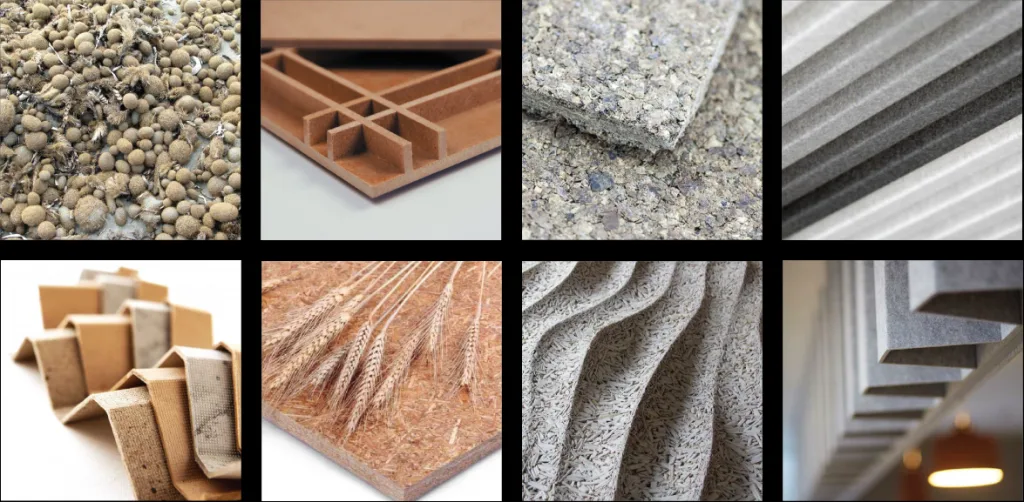
The Circle House Demonstrator is a full-scale model built on circular sustainability principles, serving as a conference and event venue. It also acts as an exhibition showcasing circular materials, products, and solutions, promoting sustainable and circular construction practices for the future economy.
© 3XN Architects
© 3XN Architects
This demonstrator details every level, material, and product used in the building, with accompanying descriptions, contact details, and website links to inspire practical implementation.
© 3XN Architects
Modular Cardboard House
Wikkelhouse
Design Agency: Fiction Factory Construction Company
Keywords: templated, cardboard, recyclable
© Fiction Factory
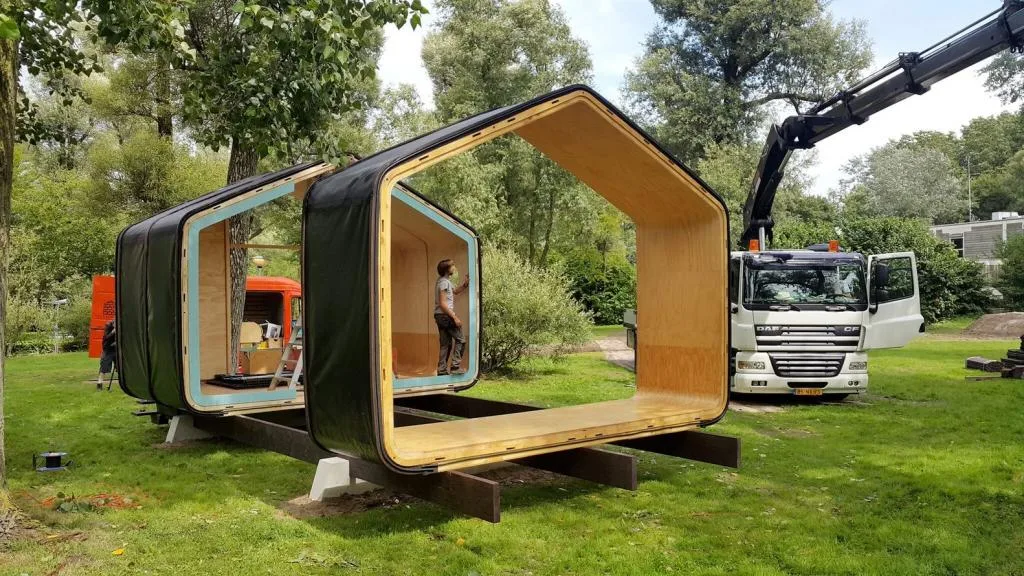
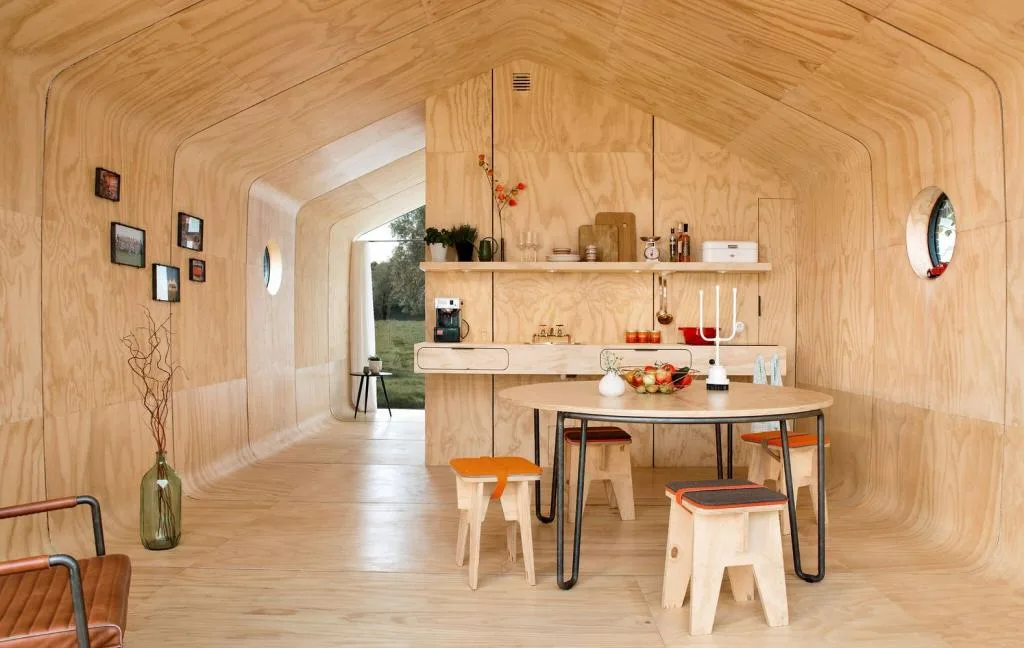
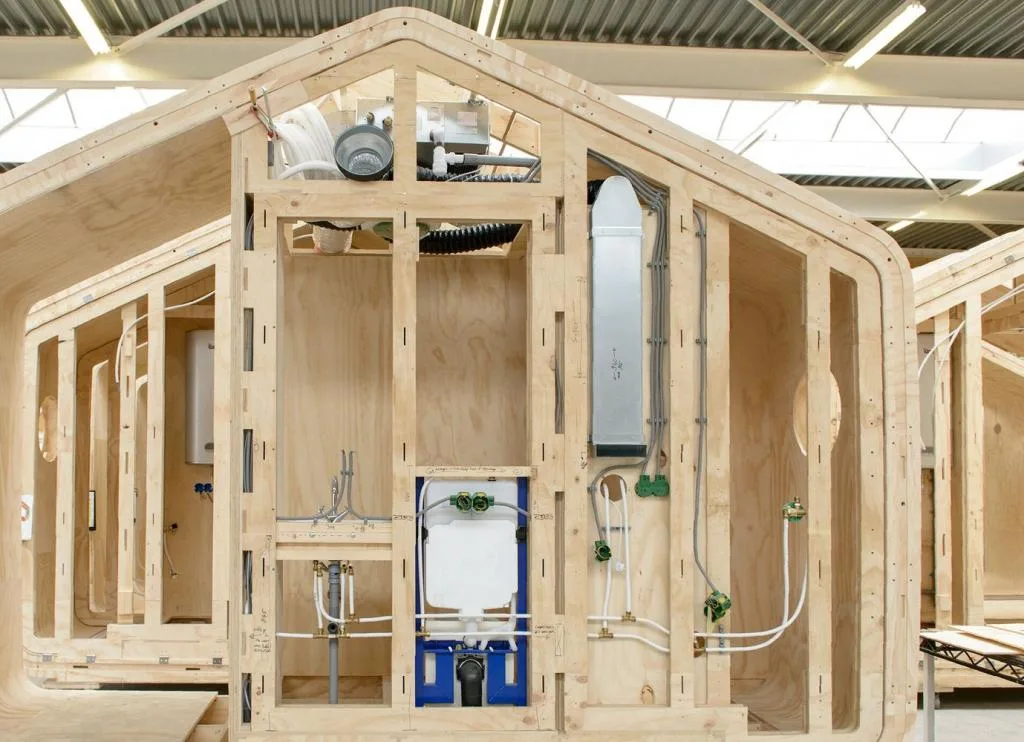
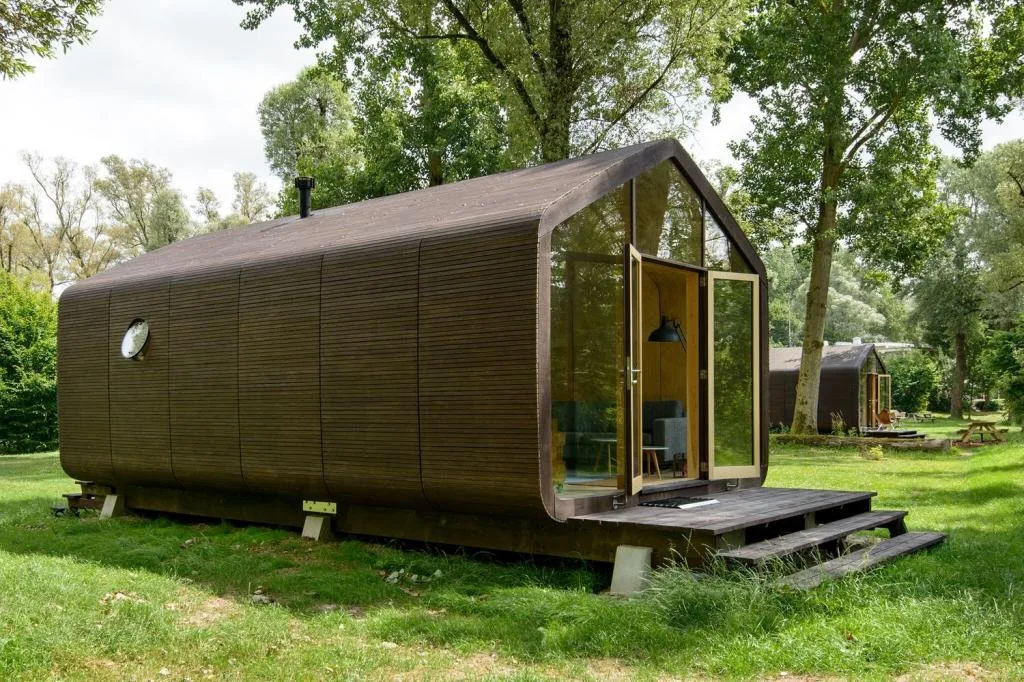
Fiction Factory developed the sustainable Wikkelhouse, a modular residential design using cardboard as the primary material. Customizable in size and function, it reduces environmental impact and is three times more sustainable than conventional homes. Each component is 100% recyclable and can be endlessly dismantled and reused.
© Fiction Factory
© Fiction Factory
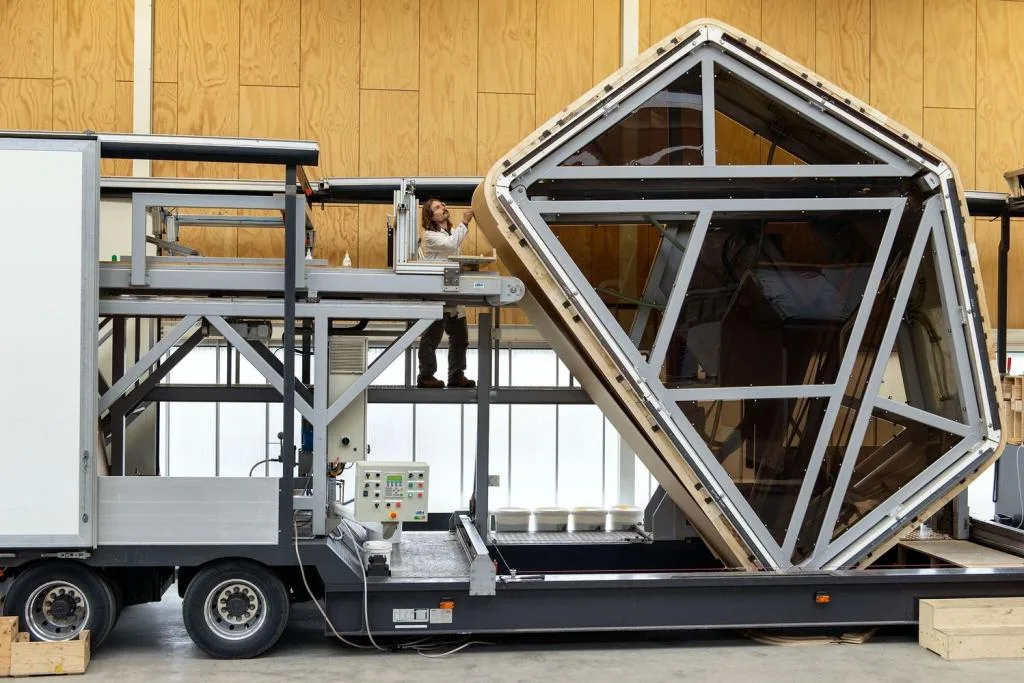
Wikkelhouse is constructed by continuously wrapping high-quality cardboard around a rotating house-shaped mold 24/7. The cardboard layers are bonded with eco-friendly adhesives for durability and insulation, while waterproof foil and wooden boards form the final protective layer.
© Fiction Factory
© Fiction Factory
Circular Design Center
Circularity Lab
Design Agency: GXN team from 3XN Architecture Firm
Keywords: circular design, circular economy
© 3XN Architects
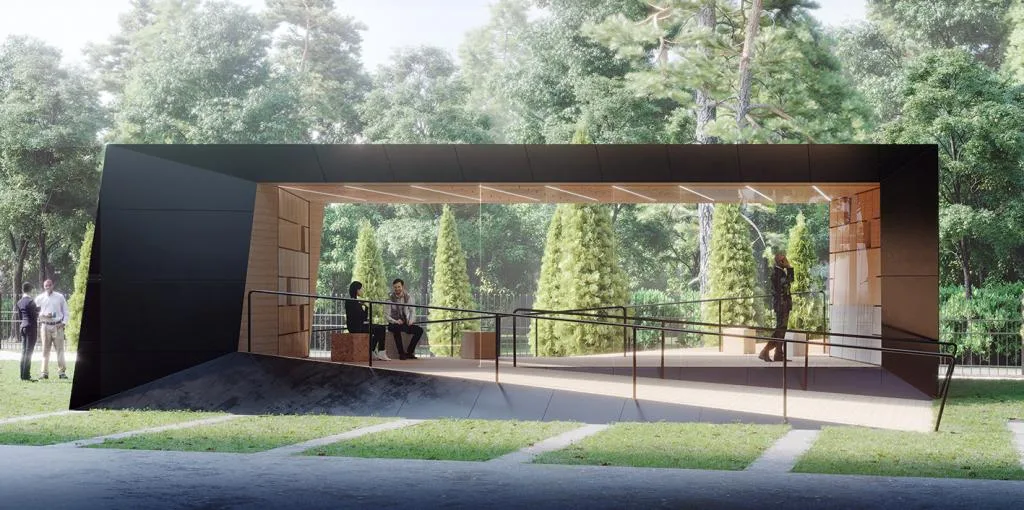
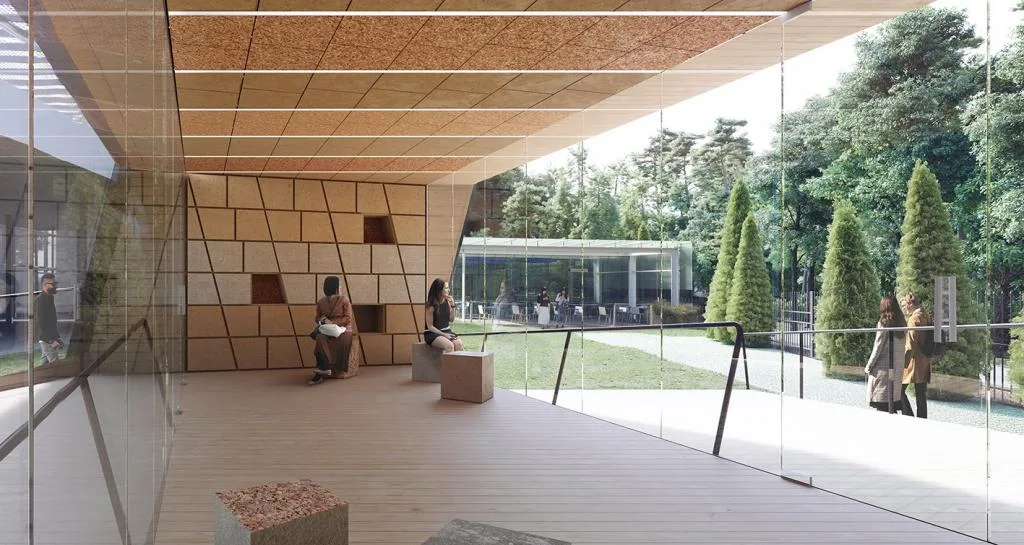
The Circularity Lab explores circular design in the built environment, showcasing circular economy principles in an accessible way. It aims to enhance quality of life, enrich human experience, and foster a future of sustainable coexistence through collaboration.
© 3XN Architects
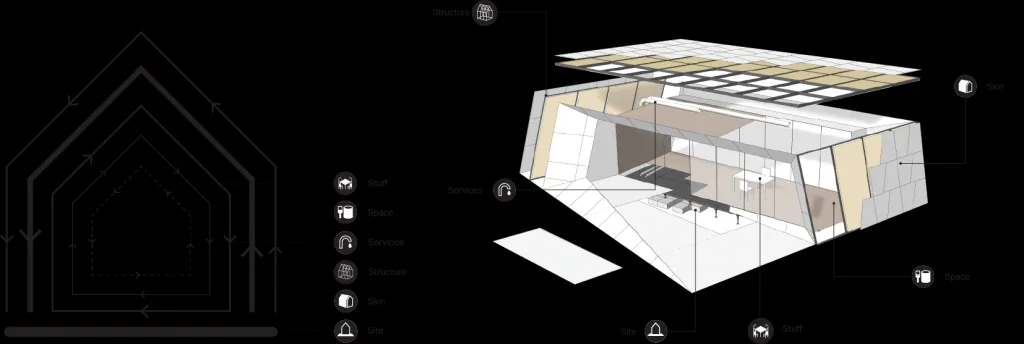
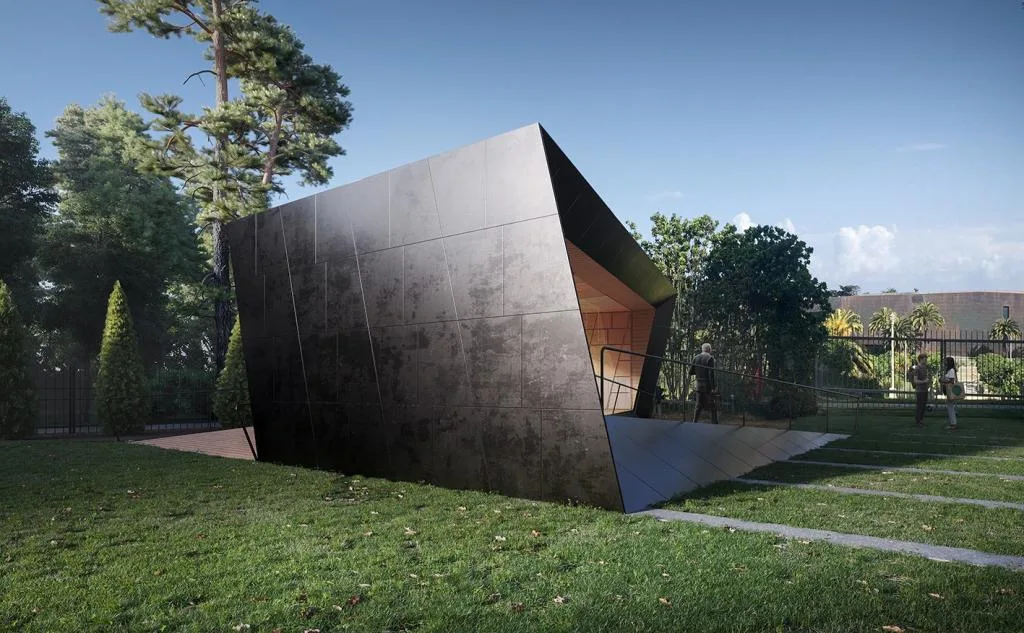
The lab’s design features stacked and twisted frames, with all parts prefabricated and assembled onsite. Its external extension framework functions not only as an exhibition space but also as a public venue for events.
© 3XN Architects
© 3XN Architects
© 3XN Architects
Dismantled Campus
Salvagnini Campus
Design Agency: Traverso Vighy Architecture Firm
Keywords: disassembly and recycling, reversibility, prefabricated structure
© Traverso-Vighy Architects
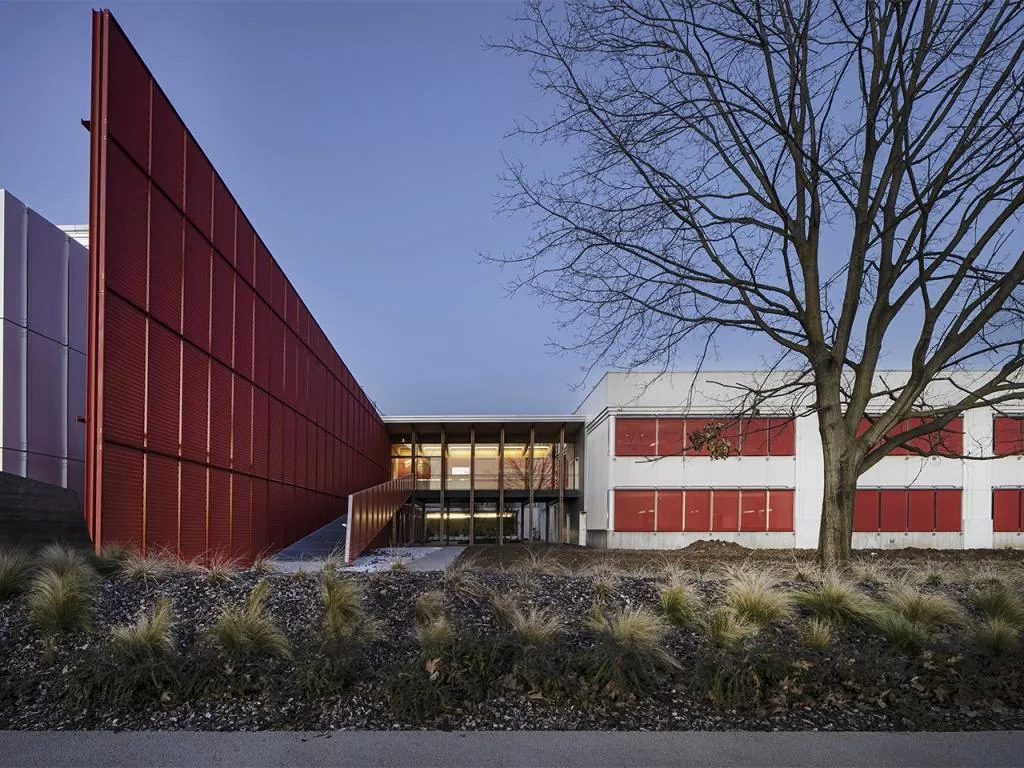
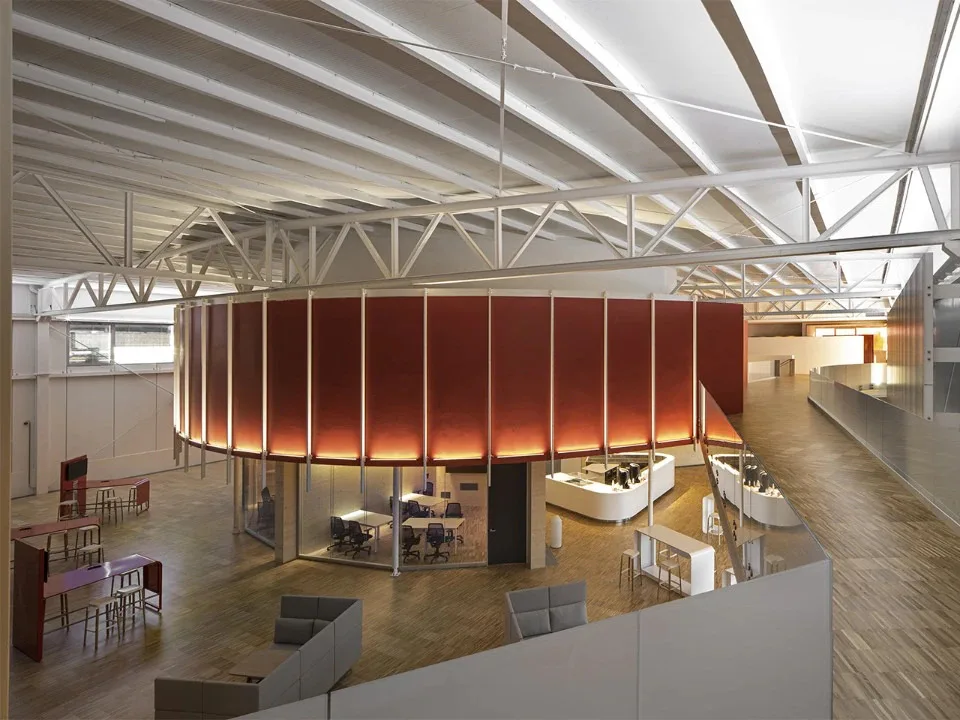
The Salvagnini campus is an industrial regeneration project that employs digital and lightweight design and construction methods. It combines traditional materials like steel, wood, and glass with sustainability concepts centered on resource economy and reversibility.
© Traverso-Vighy Architects
© Traverso-Vighy Architects
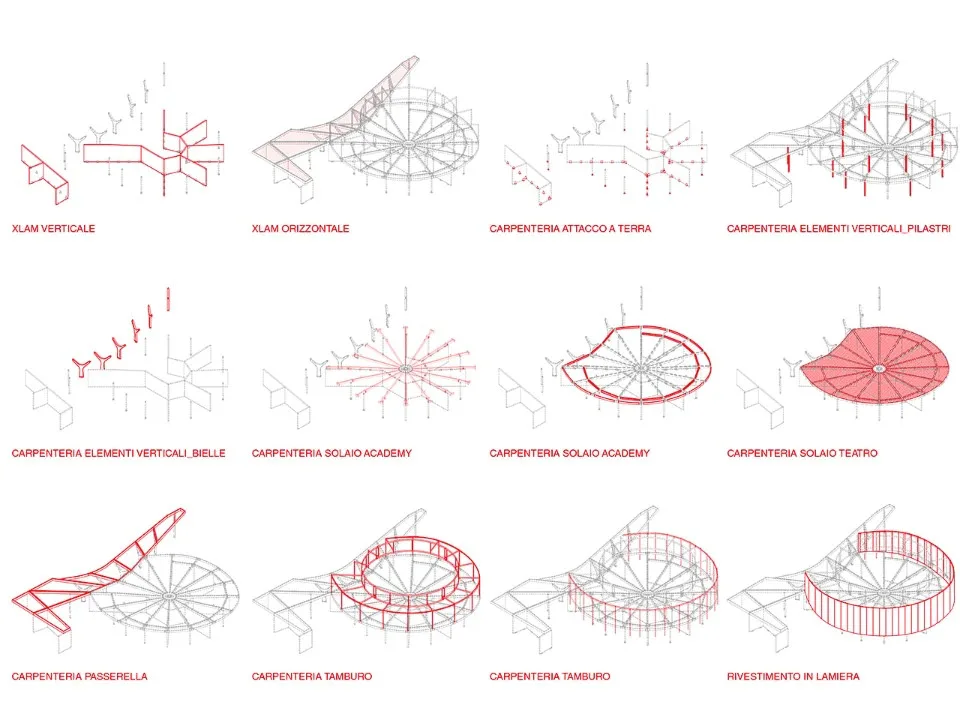
This prefabricated modular building focuses on resource efficiency. Each dry-assembled component is digitally produced using laser-cut metal plates, tubular profiles, CNC Xlam panels, and textile construction. The system is designed for complete disassembly and recycling at the end of its lifecycle.
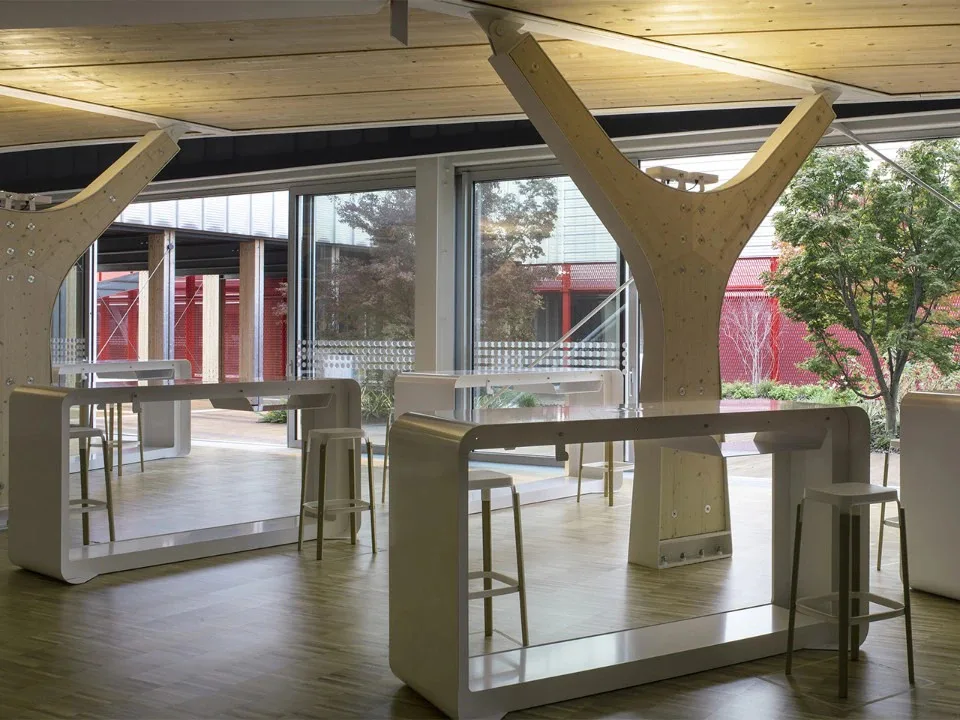
© Traverso-Vighy Architects
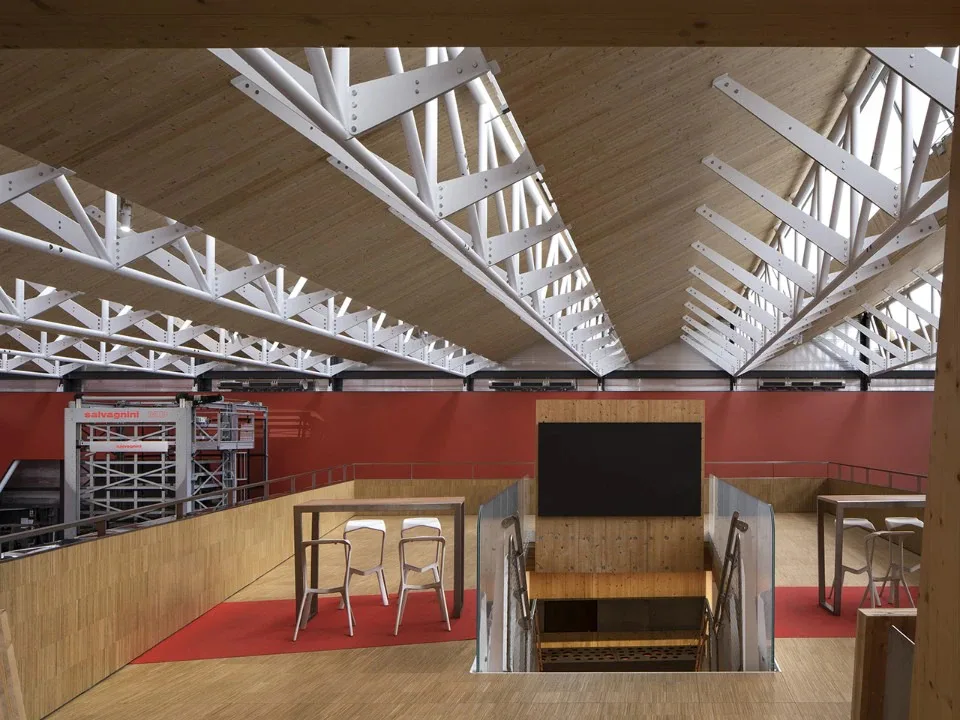
© Traverso-Vighy Architects
Masonry Arch Bridge
Striatus Bridge
Design Agency: Zaha Hadid Architects
Keywords: 3D printing, concrete arch bridge, dry assembly
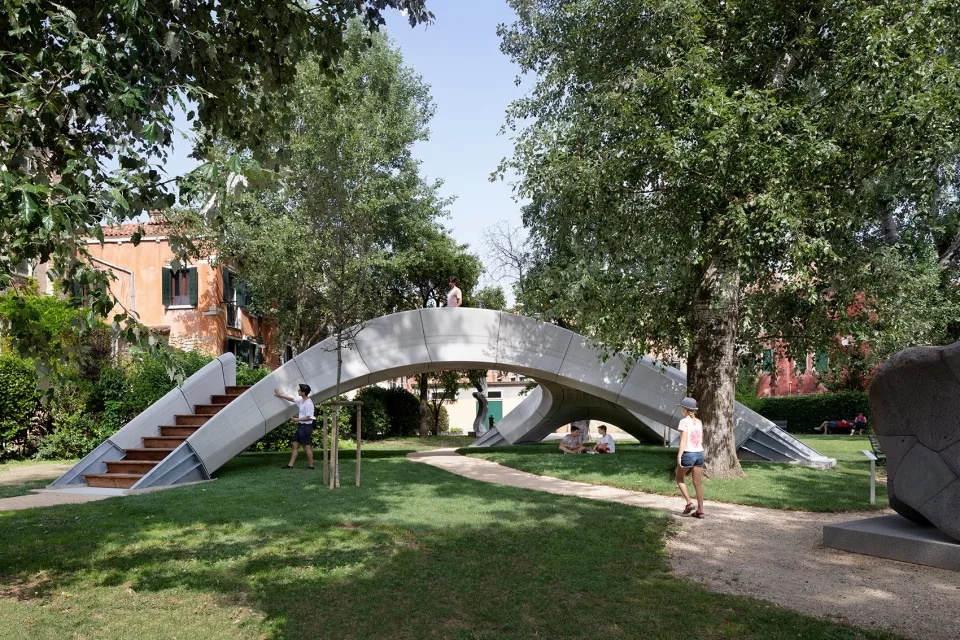
© naaro
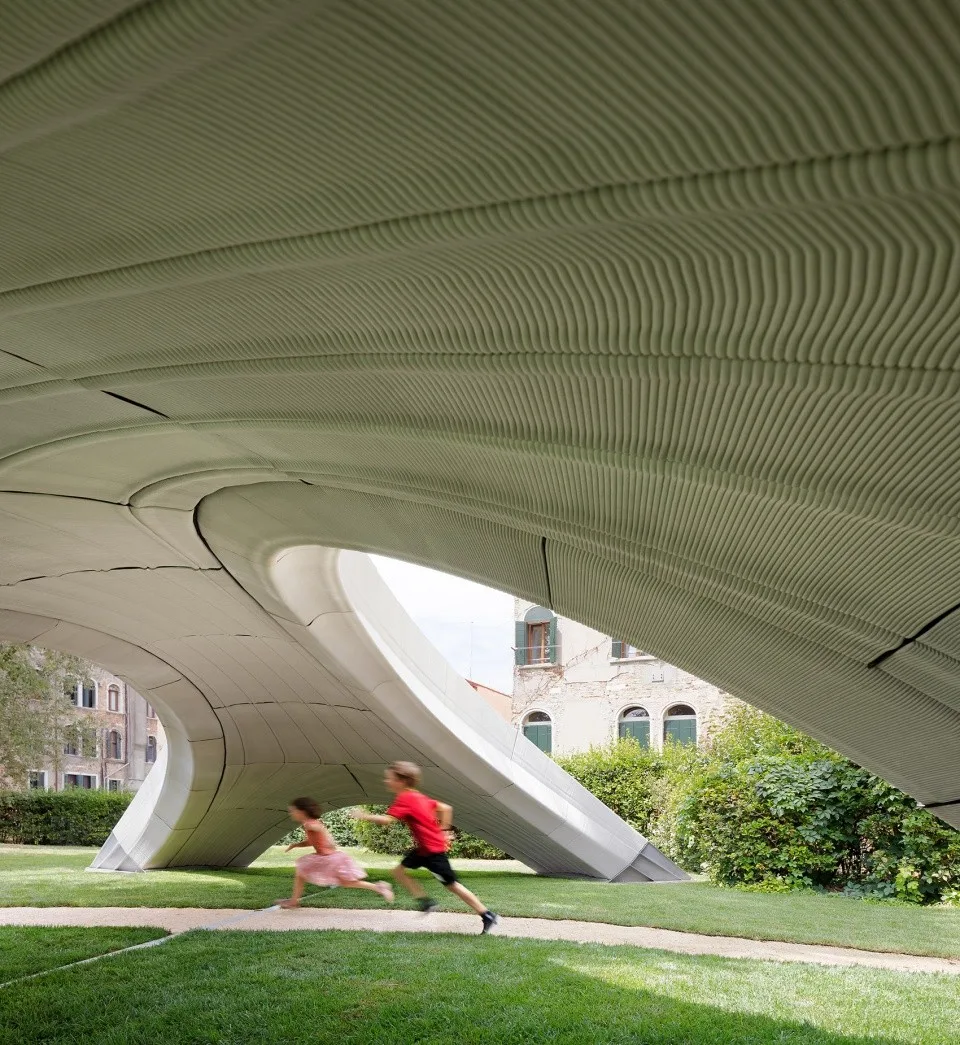
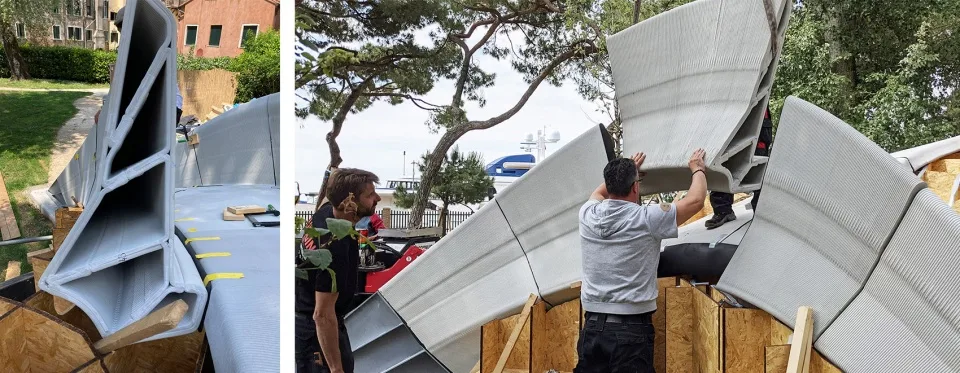
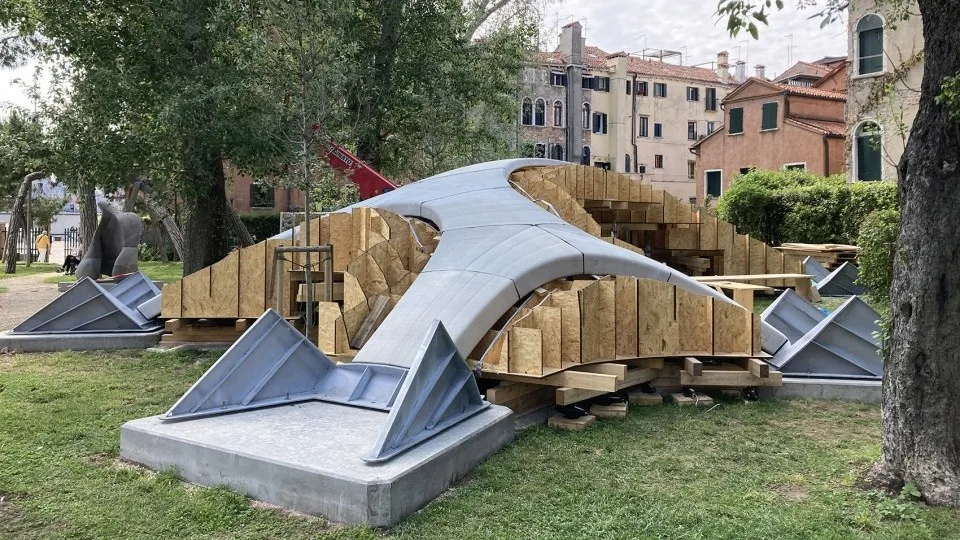
Striatus is the world’s first arch-shaped unreinforced masonry pedestrian bridge made from 3D-printed concrete blocks, designed by Zaha Hadid Architects. It features a well-considered structure, transparent manufacturing methods, and eco-responsibility. The circular design embodies the 3R sustainability principles: Reduce, Reuse, Recycle, while significantly cutting costs.
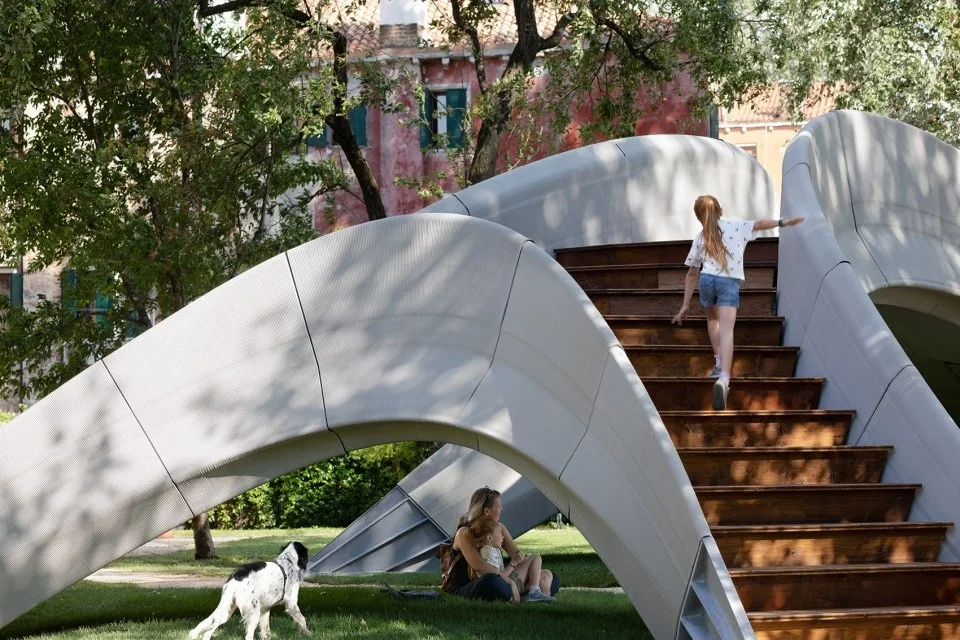
© naaro
© naaro
By placing materials only where needed, Striatus reduces environmental impact. It uses dry assembly without steel bars or adhesives, allowing repeated installation, disassembly, reassembly, or repurposing—demonstrating circular sustainability in concrete structures.
© naaro
© naaro
These examples demonstrate how economic growth, design innovation, and technological advances enable the use of advanced materials and methods in construction. This reduces environmental pollution and resource waste, addressing global resource and environmental challenges, and promotes green, circular development.
Though experimental and “small” in scale, these projects offer innovative, practical strategies that pave the way for sustainable development of future human habitats and cities. Small is big—let’s embrace and practice this together!
Learn more about CAA LAB related content:
[CAA LAB | Future Human Habitat] Mars, here we come!
CAA LAB | Sustainability | Green Future












Must log in before commenting!
Sign Up