
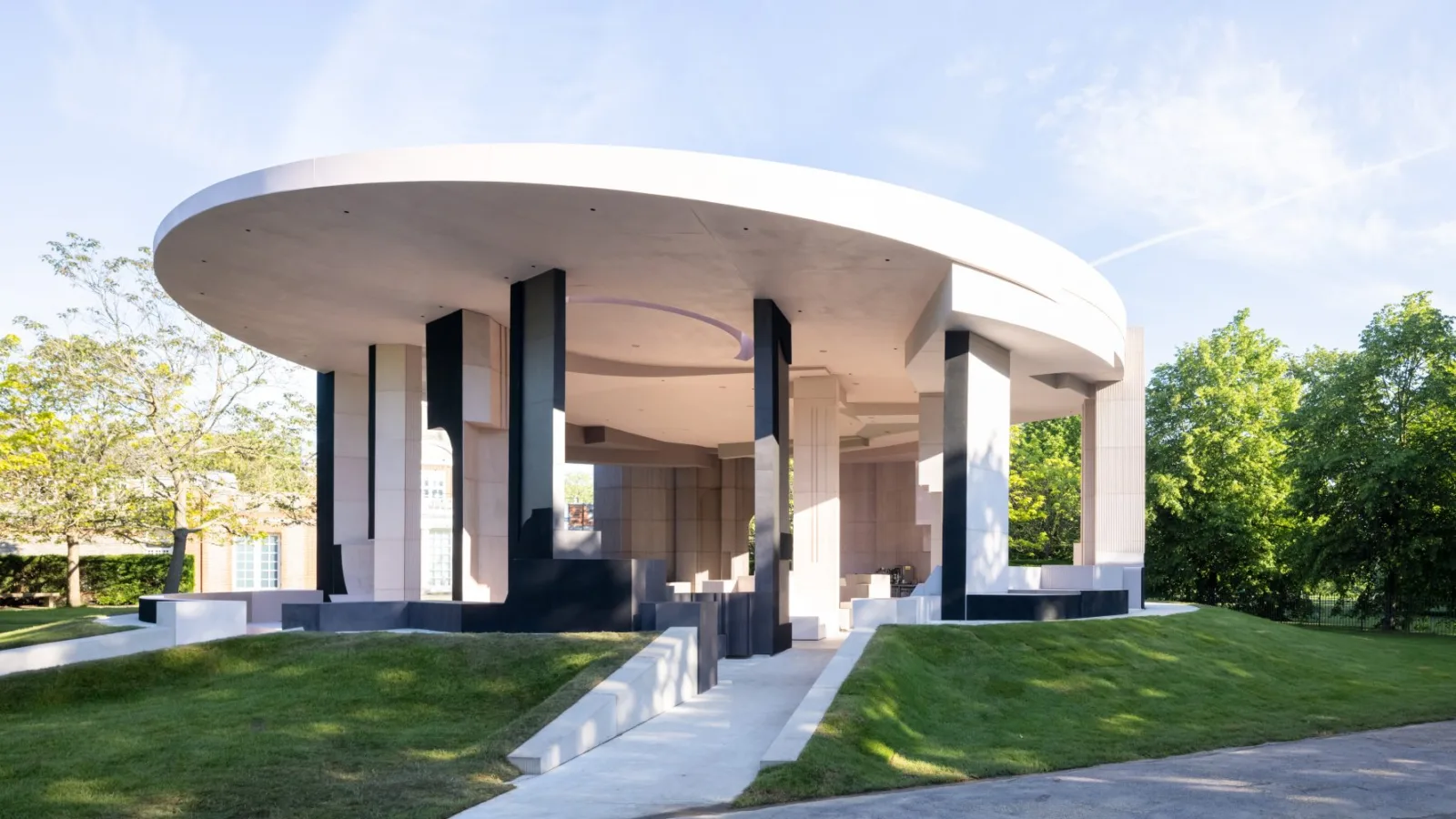
The 20th Serpentine Gallery Pavilion was designed by Counterspace, based in Johannesburg, and led by Sumayya Vally. As a TIME100 Next List honoree, Vally is the youngest architect ever commissioned for this prestigious international architectural project.
“Smooth, elegant, and radical” – Financial Times
“A cultural melting pot inspiring elegant visuals.” – Time
“Full of ideas.” – The Telegraph
“One roof encompasses the entire city.” – The Guardian
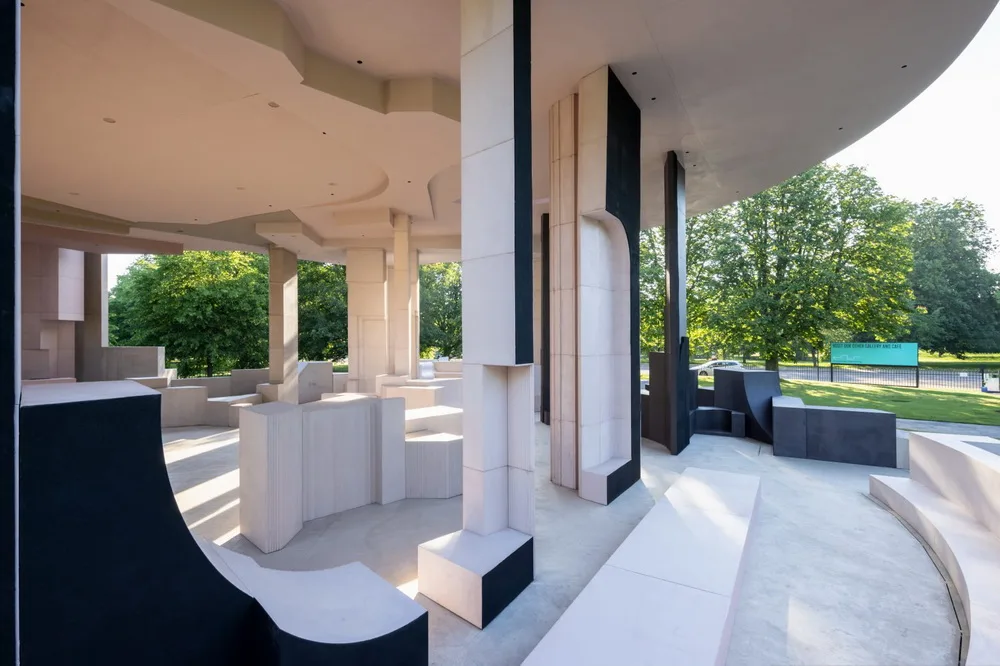
The pavilion’s design draws inspiration from both historical and contemporary spaces of gathering, organization, and belonging across various London neighborhoods significant to diverse and cross-cultural communities. These include Brixton, Hoxton, Tower Hamlets, Edgware Road, Barking and Dagenham, and Peckham. Responding to some erased or informal urban spaces, the pavilion pays tribute to locations that have preserved community culture, whether existing or forgotten.
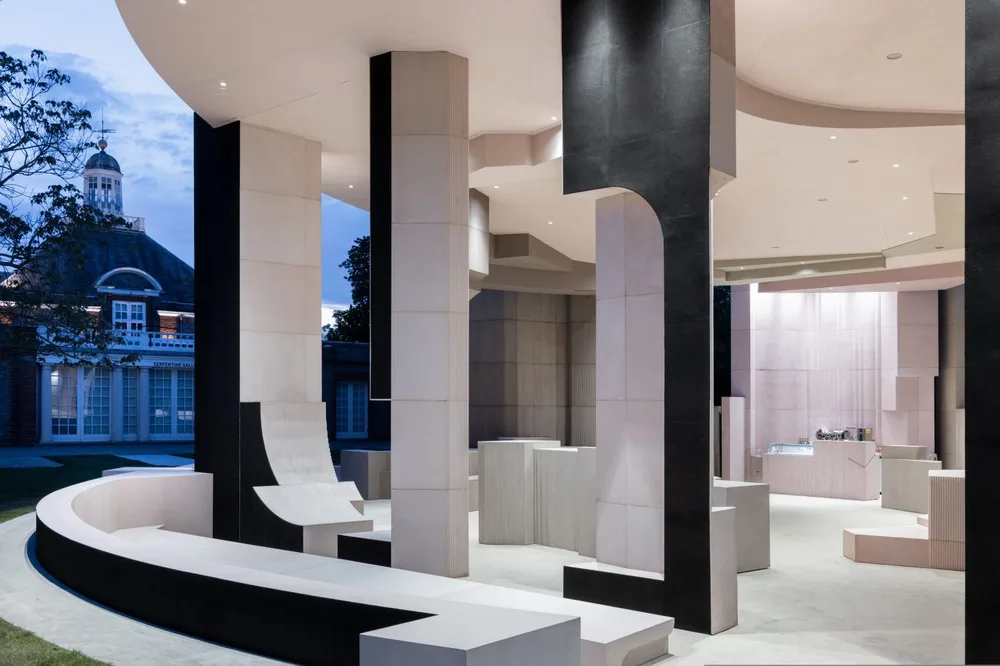
This includes some of the city’s earliest mosques, such as the Fazl Mosque and East London Mosque, as well as cooperative bookstores like Centerprise and Hackney. Entertainment and cultural venues referenced include The Four Aces Club on Dalston Lane, Mangrove Restaurant, and the Notting Hill Carnival.
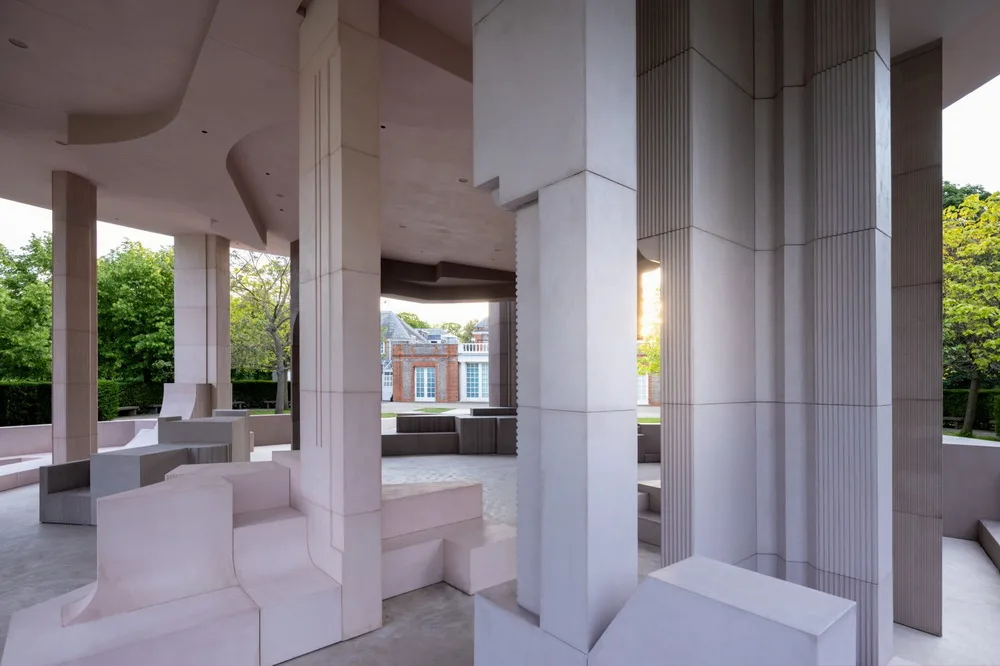
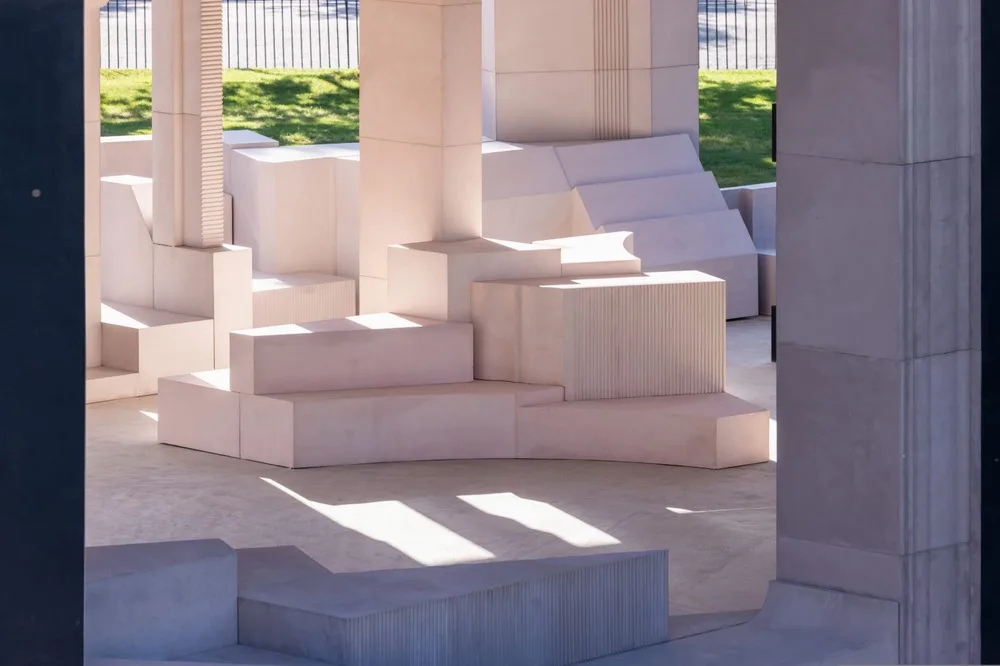
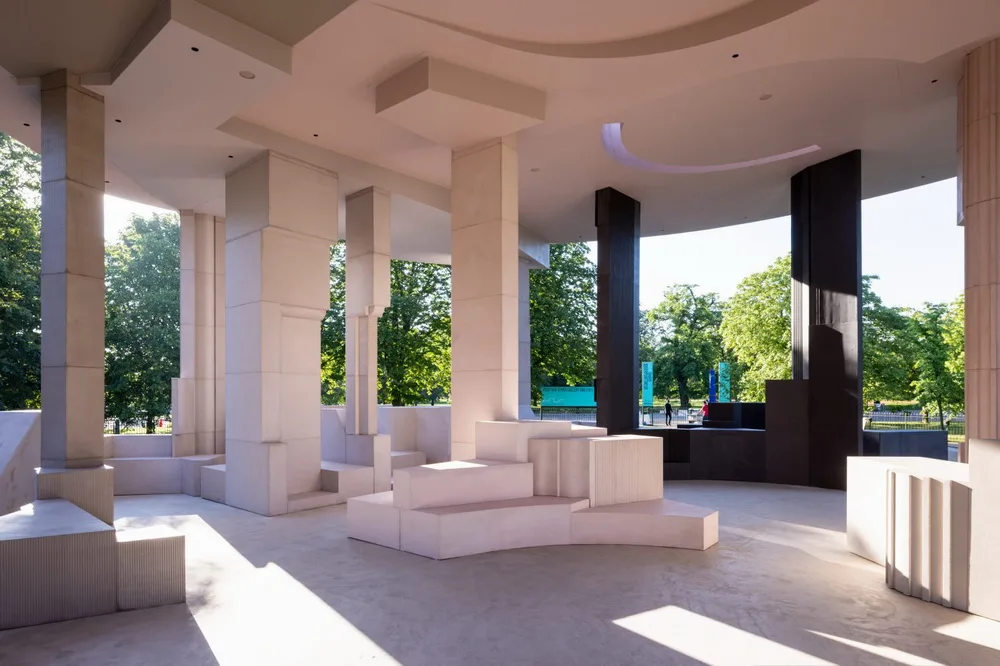
The pavilion’s form results from abstracting, layering, and assembling elements from both typical and atypical London architecture, transforming the city’s architectural language into the pavilion’s structure within Kensington Gardens. These intersecting forms create a new communal space inside the pavilion. Constructed from recycled steel, cork, and wood finished with microcement, the pavilion features textures and pink and brown tones directly drawn from London’s architectural palette, designed to respond dynamically to changing light conditions.
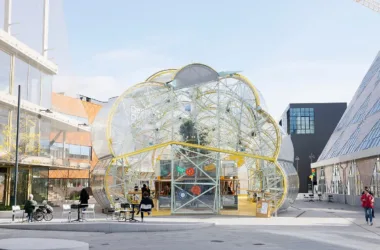
For the first time in the pavilion’s history, four “fragments” were introduced, placed within partner organizations whose work inspired the pavilion’s design. These include New Beacon Books in Finsbury Park, one of the first Black-owned publishers and booksellers; The Tabernacle in Notting Hill, a multifunctional venue and community center; The Albany Arts Centre in Deptford; and the newly established Becontree Forever Arts and Cultural Centre at Valence Library in Barking and Dagenham, created this year to honor the UK’s largest council housing estate.
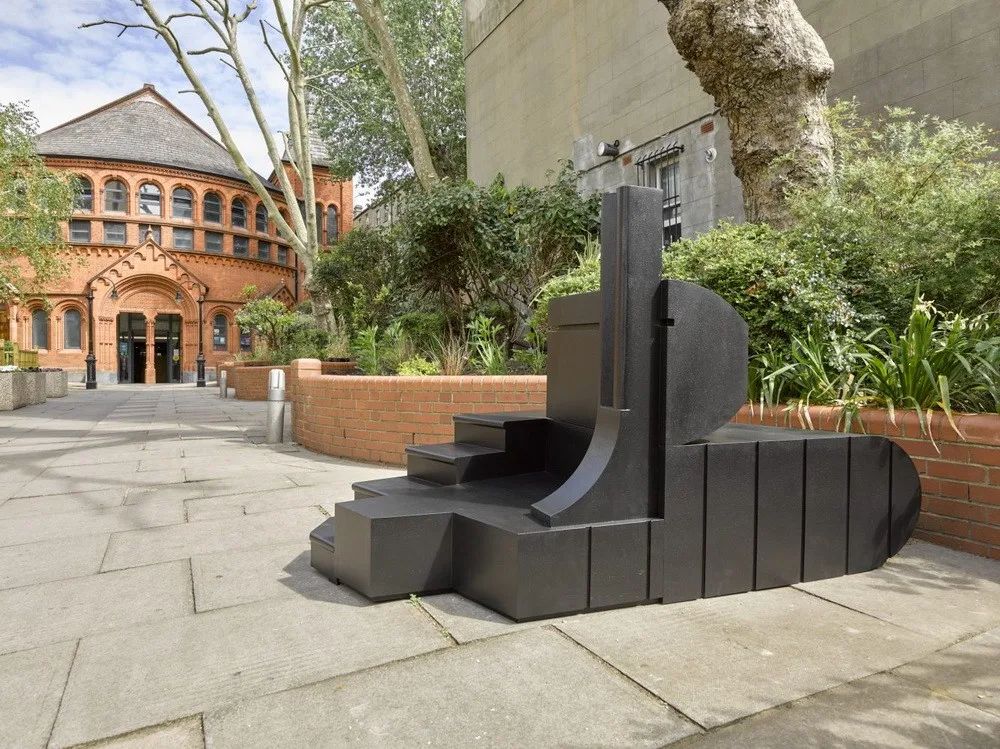
△ 2021 Serpentine Gallery The Tabernacle Fragment © Counterspace Photo: George Darrell
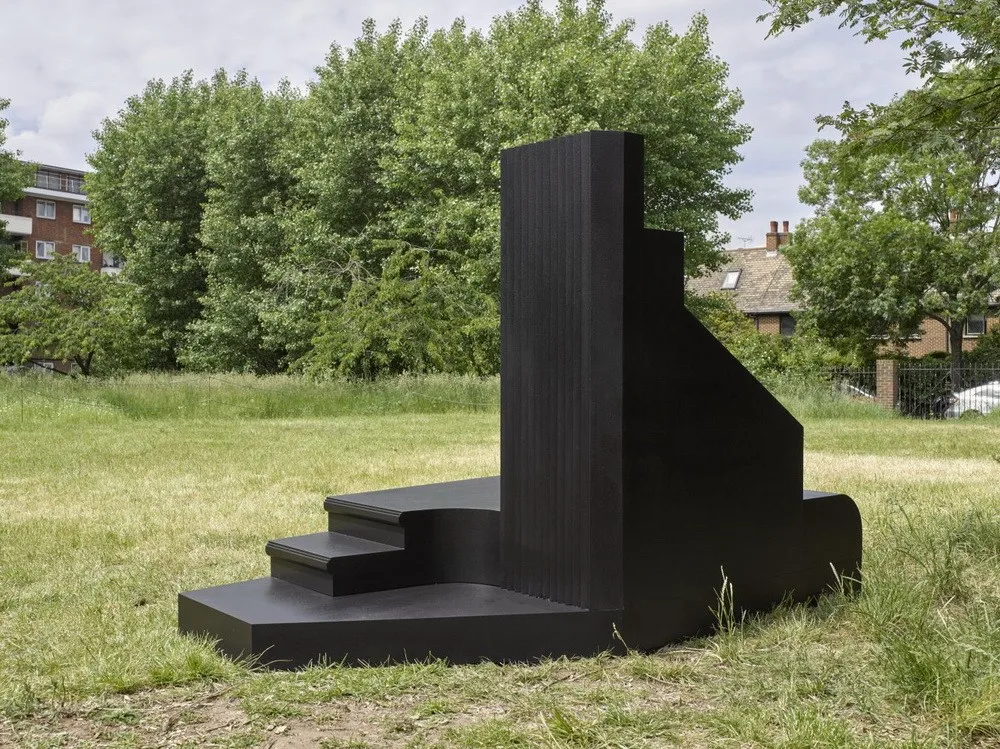
△ 2021 Serpentine Gallery The Albany Fragment © Counterspace Photo: George Darrell
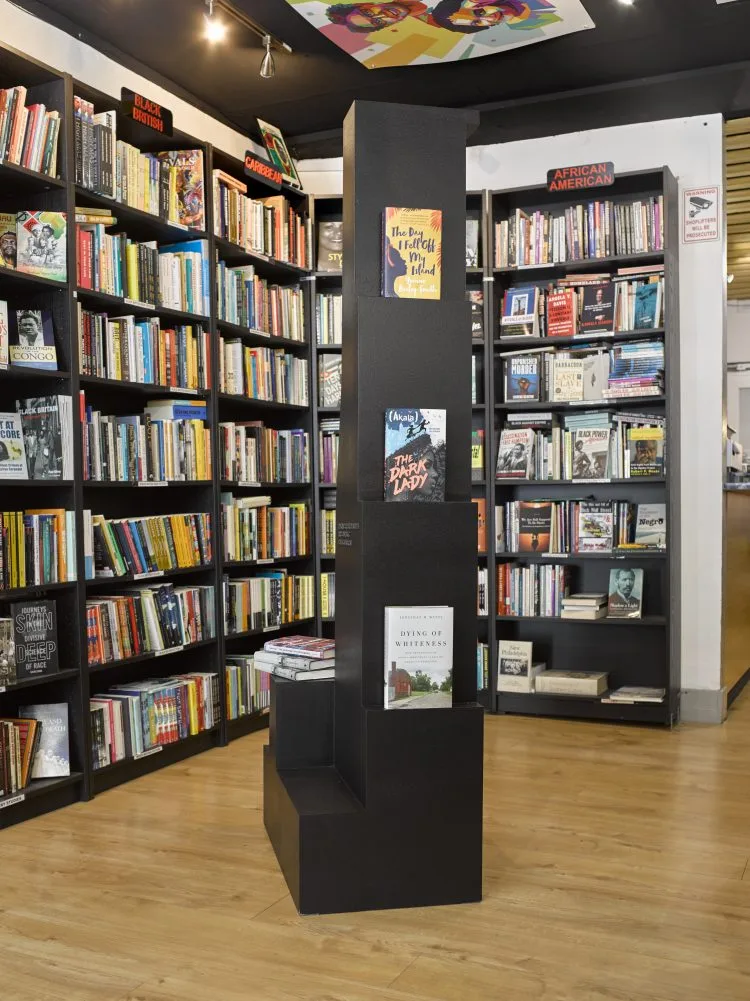
△ 2021 Serpentine Gallery New Beacon Books Fragment © Counterspace Photo: George Darrell
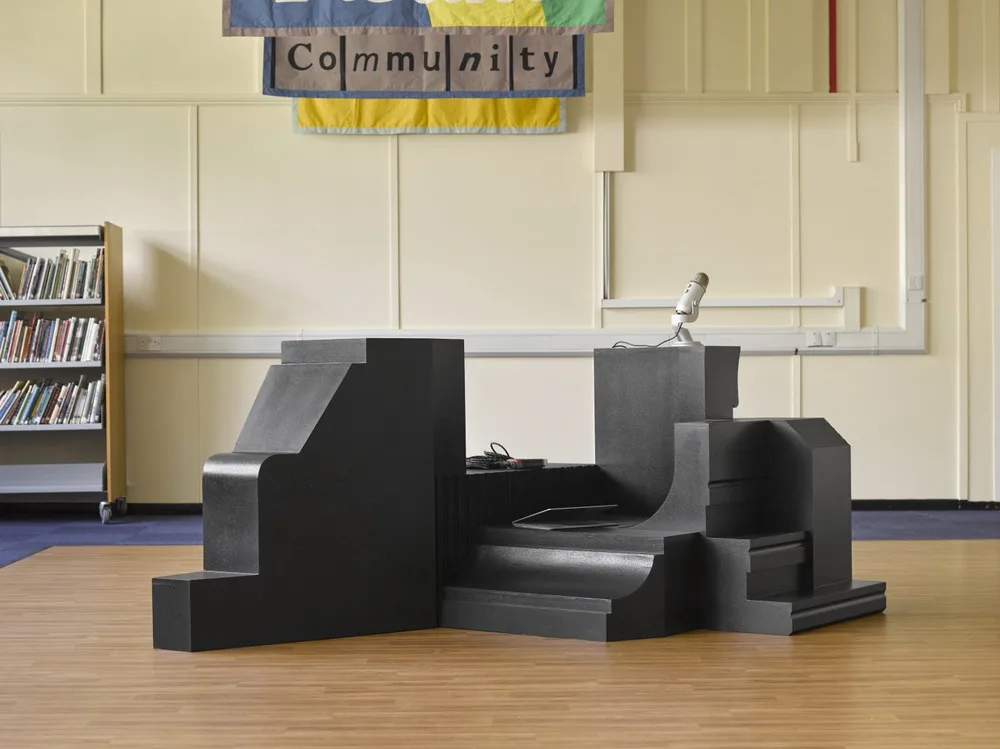
△ 2021 Serpentine Gallery Valence Library Fragment © Counterspace Photo: George Darrell
These fragments not only support the daily operations of their respective organizations but also honor and provide venues for the communities they have served over the years. This approach represents a decentralization in architecture, ensuring diverse voices are reflected in the design. These elements extend into every corner of the city and embody the core principle of the pavilion’s design.
Since its inception, the pavilion has become a permanent venue for Serpentine’s live programs. This year, it will host a special sound installation titled “Listening to the City,” featuring artists such as Ain Bailey and Jay Bernard. This program connects visitors with the stories and sounds of selected London neighborhoods.
The design process also embraces the development of more equitable, sustainable, and imaginative institutional frameworks. This is exemplified by the creation of the “Support Structures for Support Structures” initiative—a funding and scholarship program dedicated to supporting London artists engaged with community culture.
Sumayya Vally of Counterspace shared her thoughts on the design:
“My practice, as well as this pavilion, centers on amplifying and collaborating with diverse voices from different histories. I am deeply interested in themes such as identity, community, belonging, and collective gathering. The past year has brought these themes into sharper focus, allowing me to reflect on the incredible generosity of the community, which continues to be integrated into the pavilion. This process has also enabled us to extend the pavilion’s lifespan, expand its scope, and explore non-physical aspects beyond its physical existence. During periods of isolation, these efforts have strengthened the pavilion’s commitment to ongoing collaboration. I look forward to continuing this exchange with the Serpentine Museum’s civic education team and our partners, now and into the future.”
Serpentine’s artistic director Hans Ulrich Obrist and CEO Bettina Korek, alongside consultants Sir David Adjaye OBE, Professor Lesley Lokko, and David Glover, as well as the Serpentine team—including Julie Burnell (Director of Architecture and Construction) and curator Natalia Grabowska—selected this year’s architects.
The Serpentine Pavilion 2021 is proudly supported by Goldman Sachs for the seventh consecutive year.













Must log in before commenting!
Sign Up