
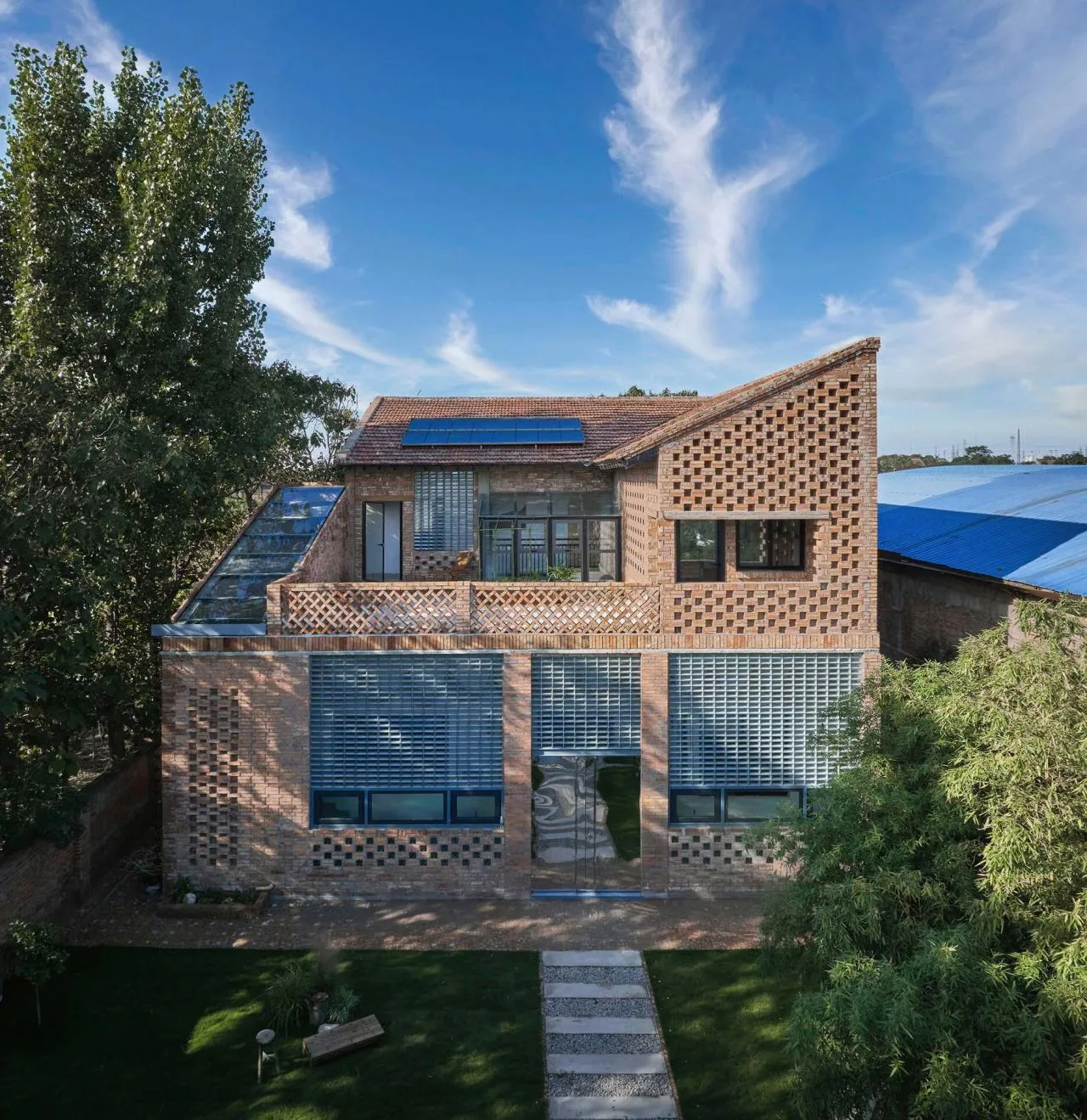
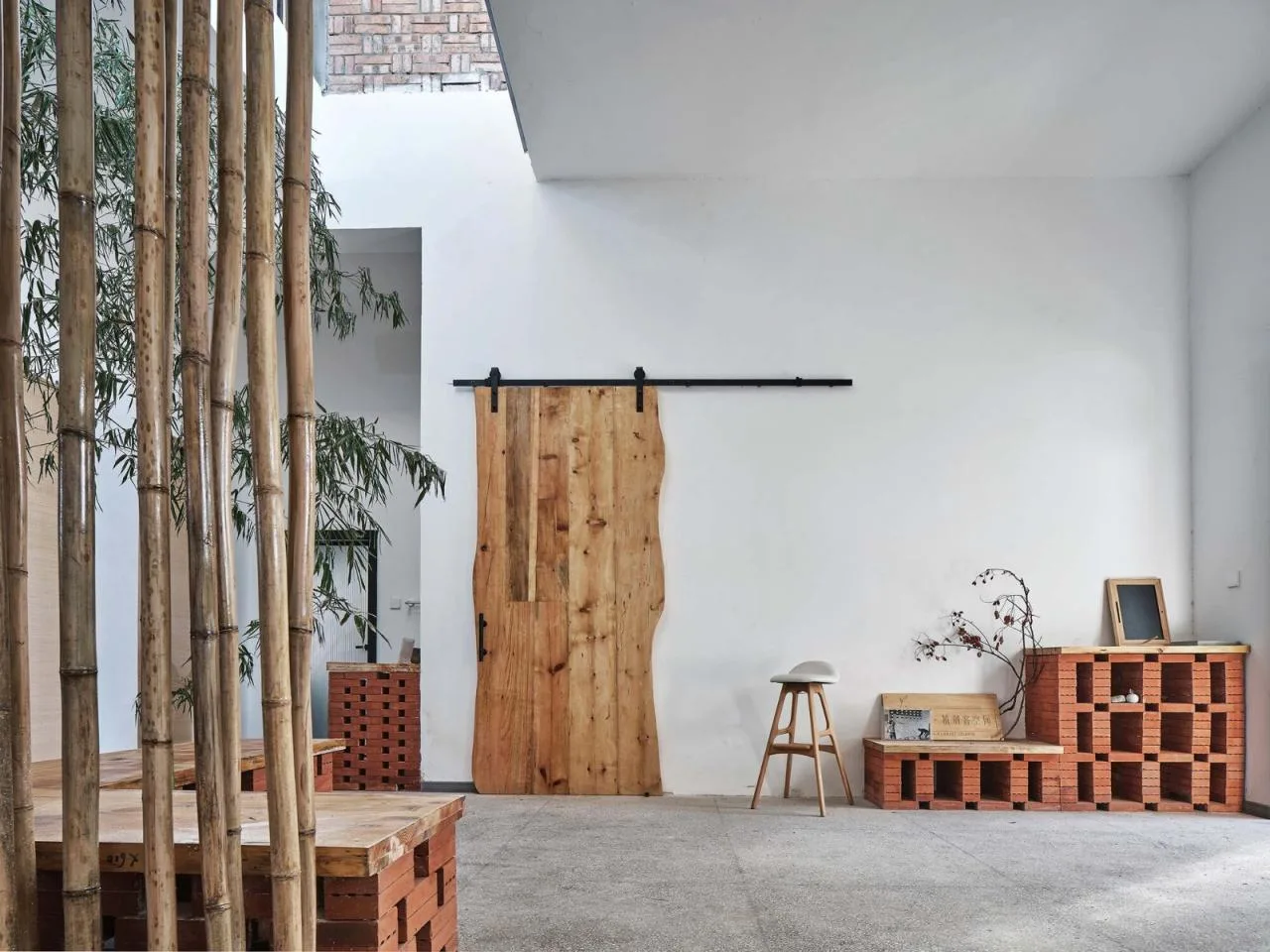
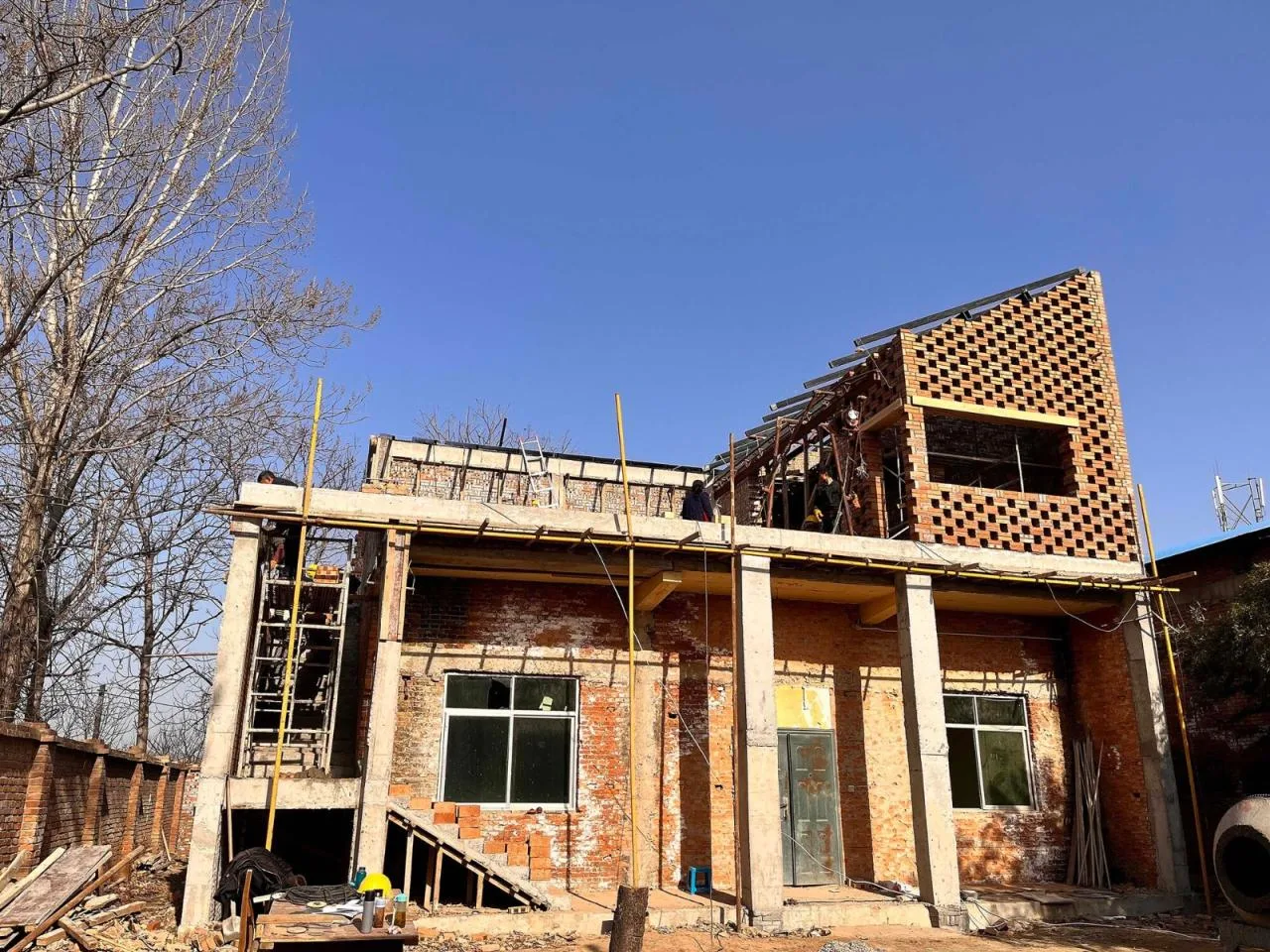
This residential renovation project is located in Bayi Village, Gushi Town, Linwei District, Weinan City, Shaanxi Province. Originally constructed around 2000, the building is a single-story, flat-roof structure with masonry walls, internal ring beams, and structural columns. Structural safety inspections confirm that the building meets current regulatory standards. However, prolonged vacancy has led to issues such as roof water leakage, poor indoor ventilation and lighting, and mold on interior walls.
The owner aims to renovate and expand the residence by adding functional spaces, continuing the traditional Guanzhong sloped roof style, preserving courtyard greenery, and controlling construction costs.
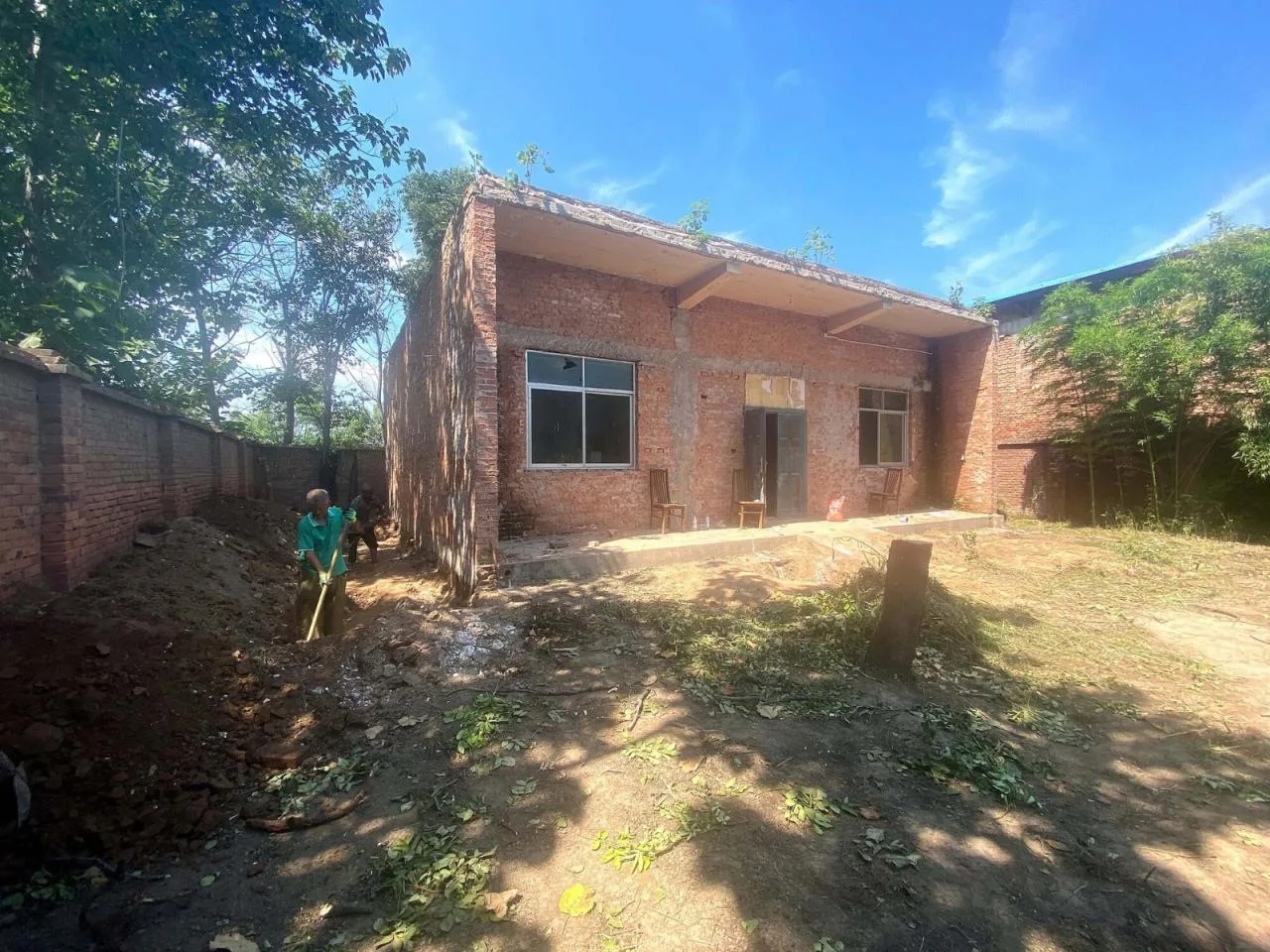
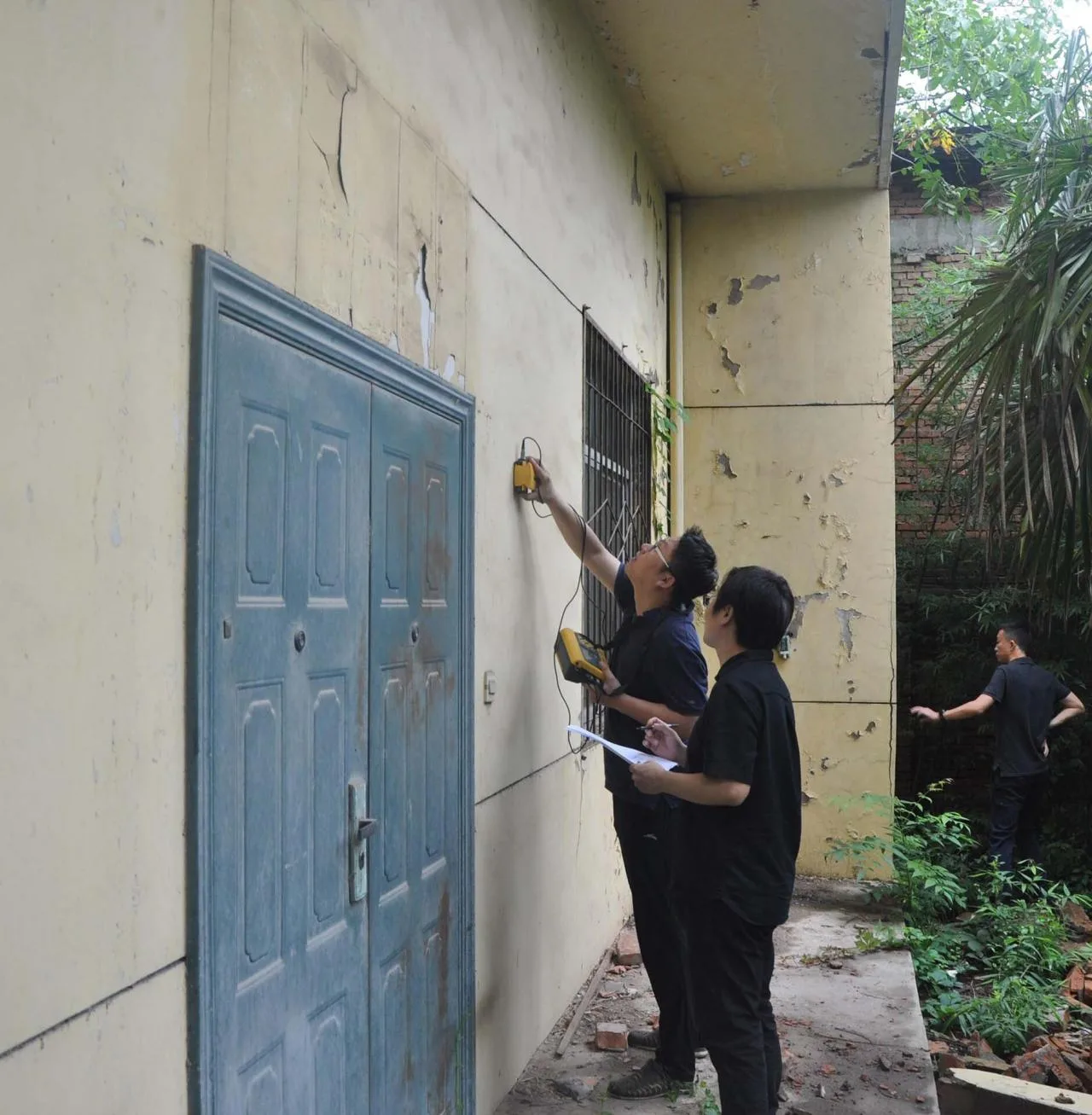
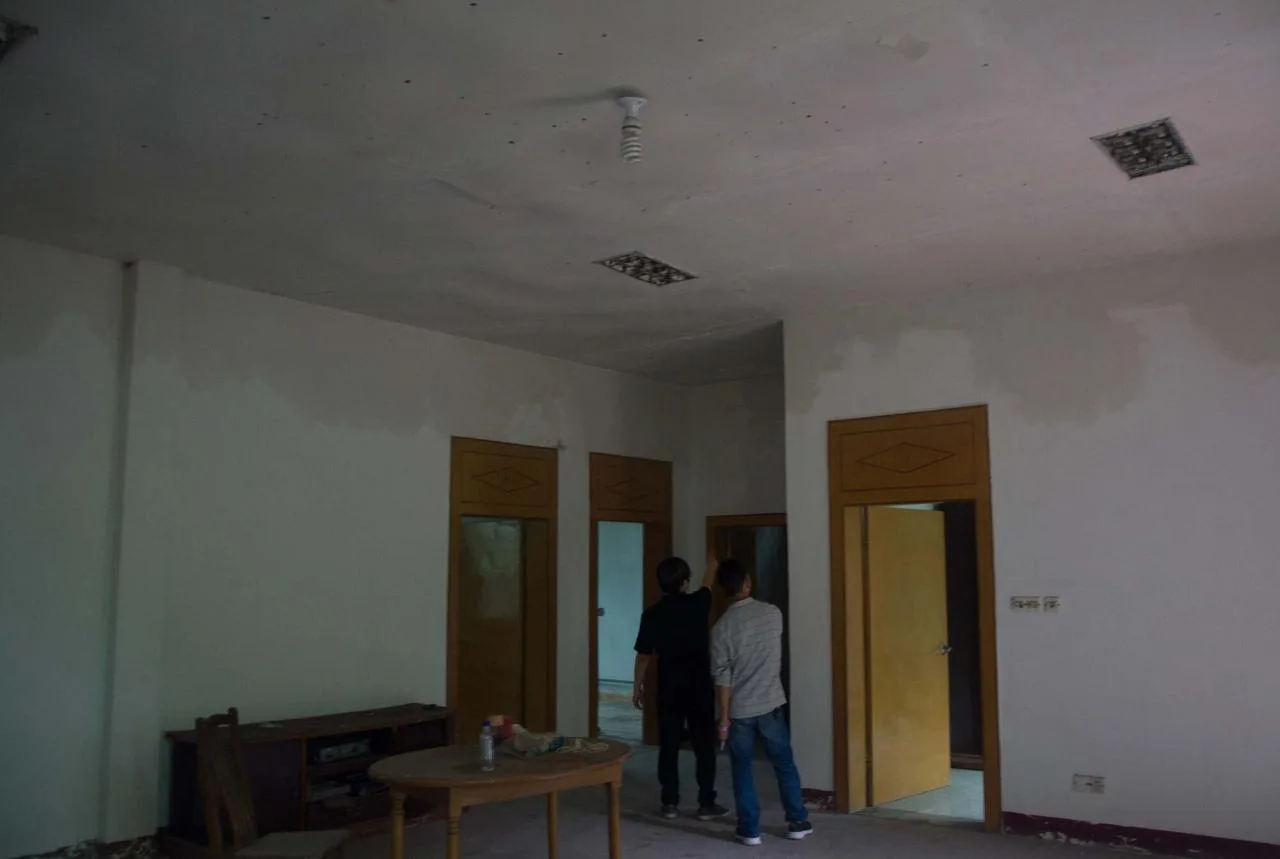
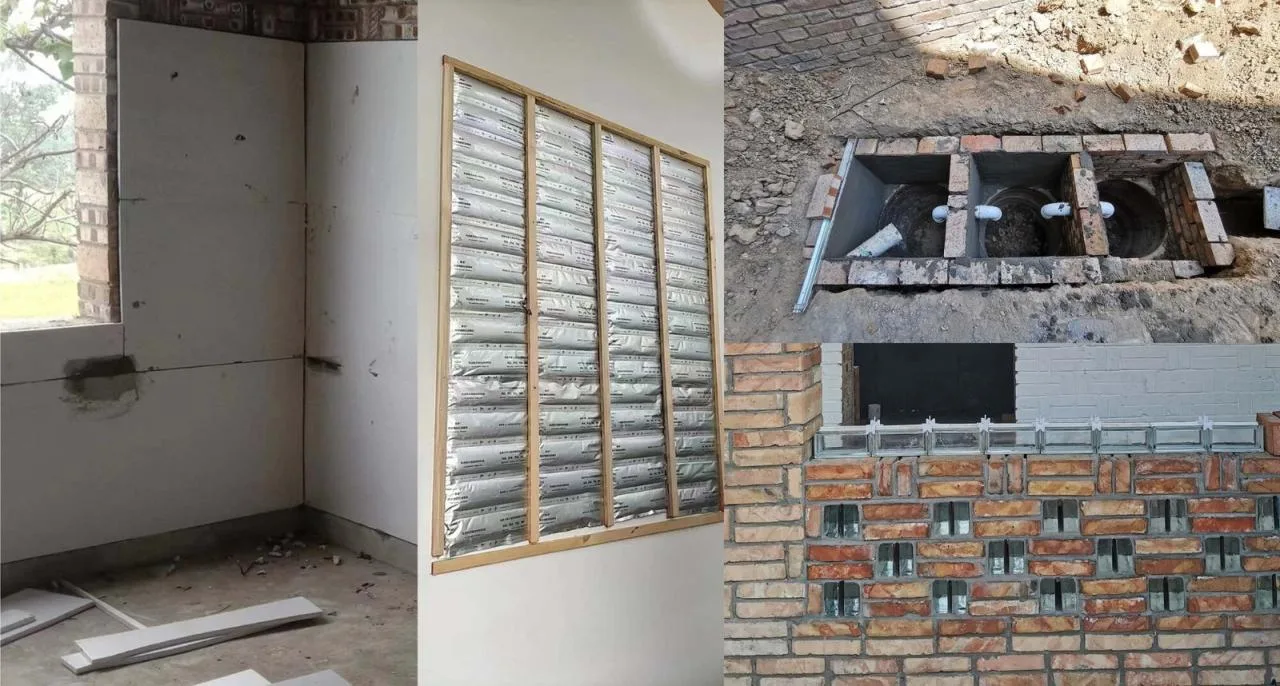
The updated design strategy includes a thorough inspection of the existing structure and an understanding of its internal characteristics. The renovation follows principles of safety, adaptability, and cost efficiency. The second floor employs a hybrid “masonry + frame” structure, mainly masonry with ring beams and structural columns for enhanced stiffness. The glass brick wall is supported by a reinforced concrete frame allowing flexible spatial divisions. The roof features a lightweight steel structure with a purlin system, reducing overall weight, topped with machine-made red tiles.
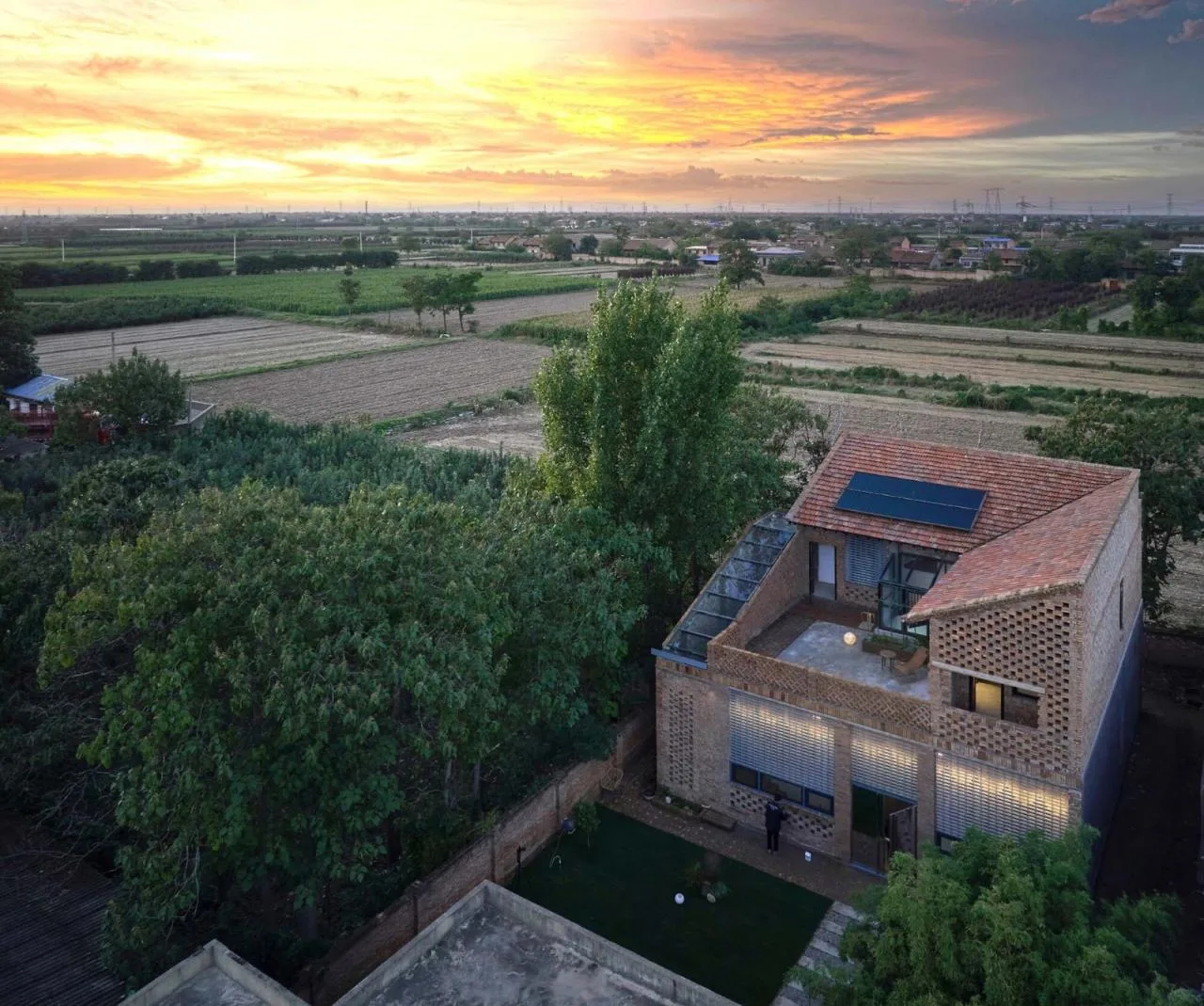
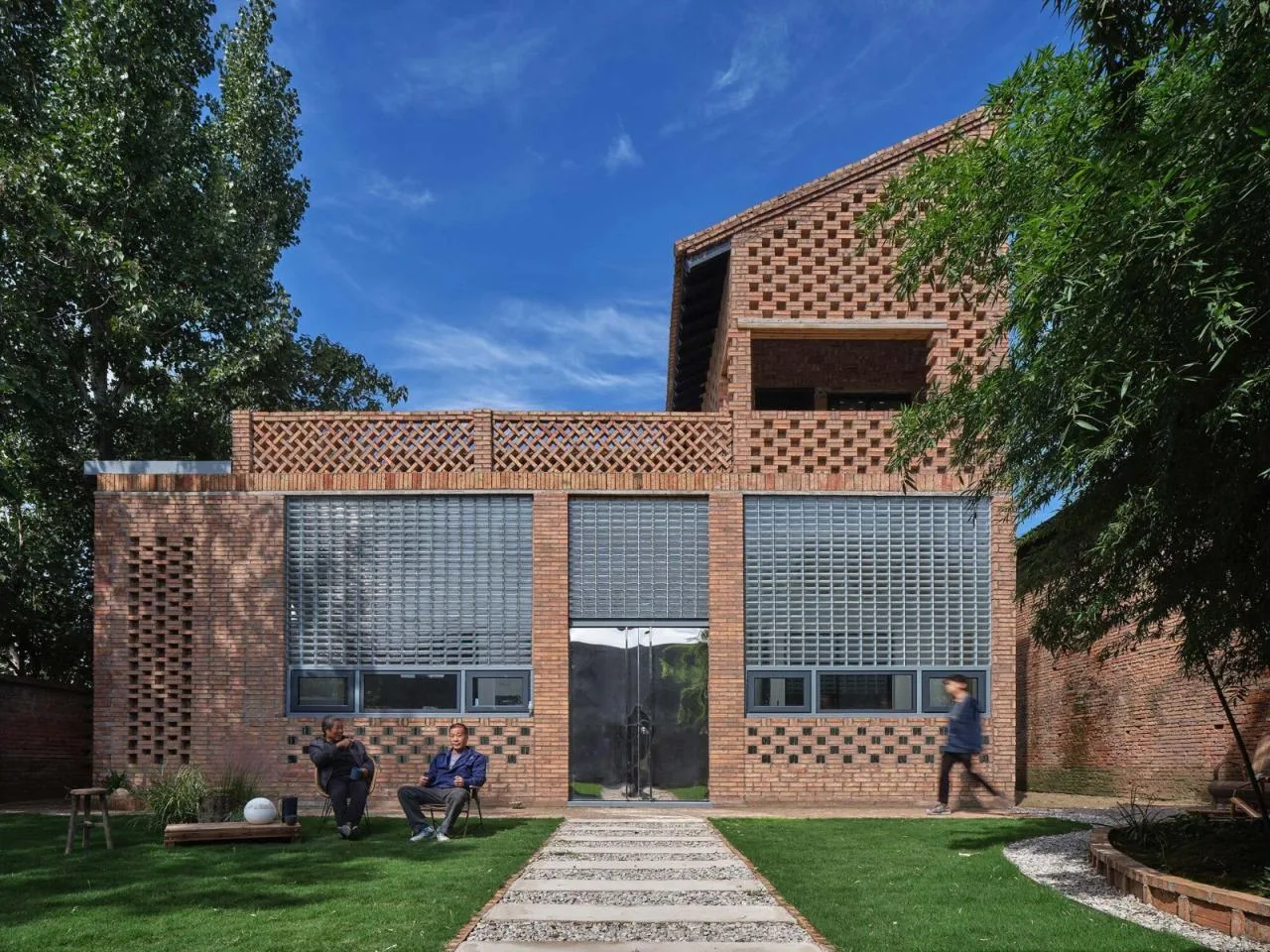
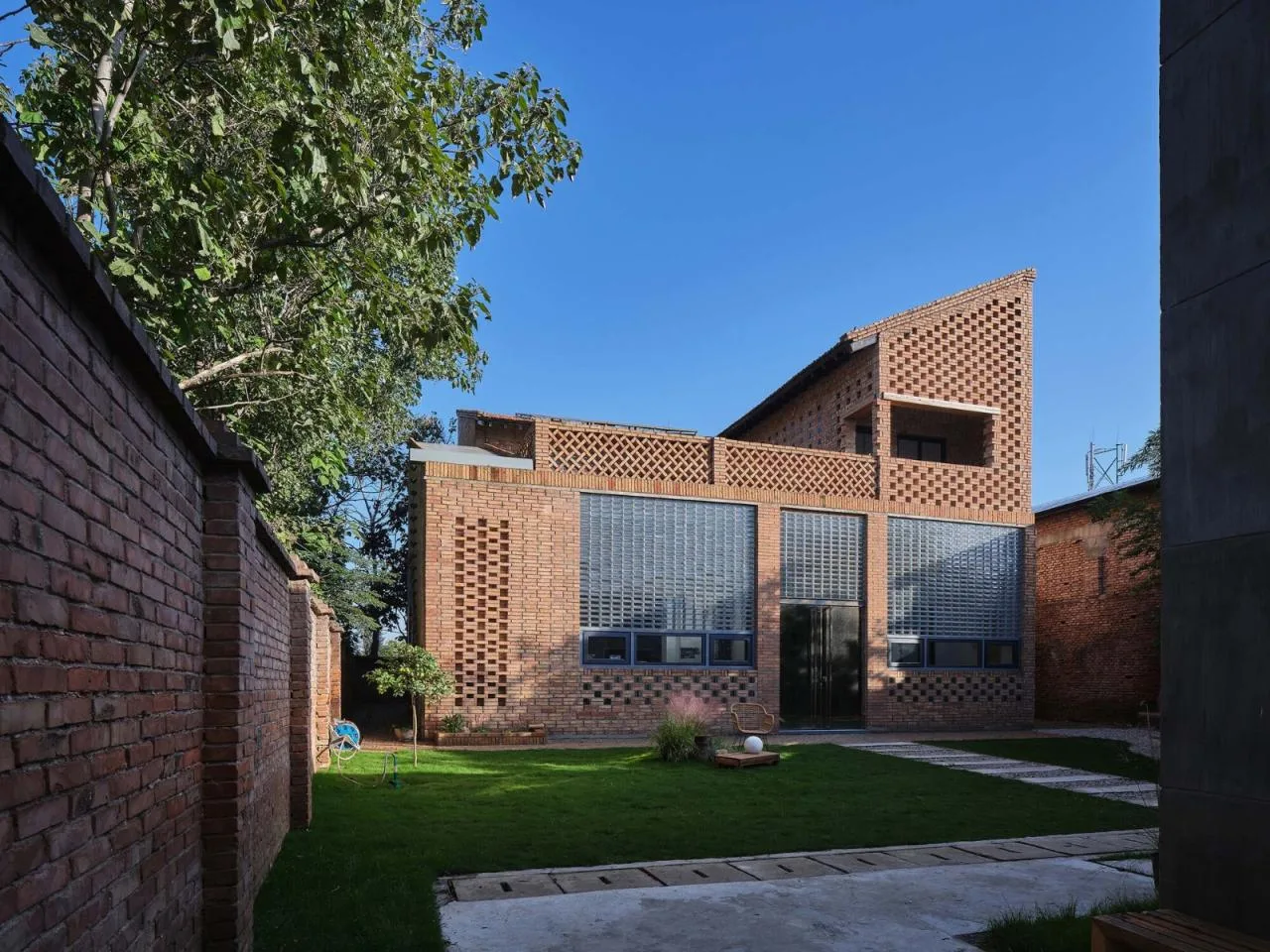
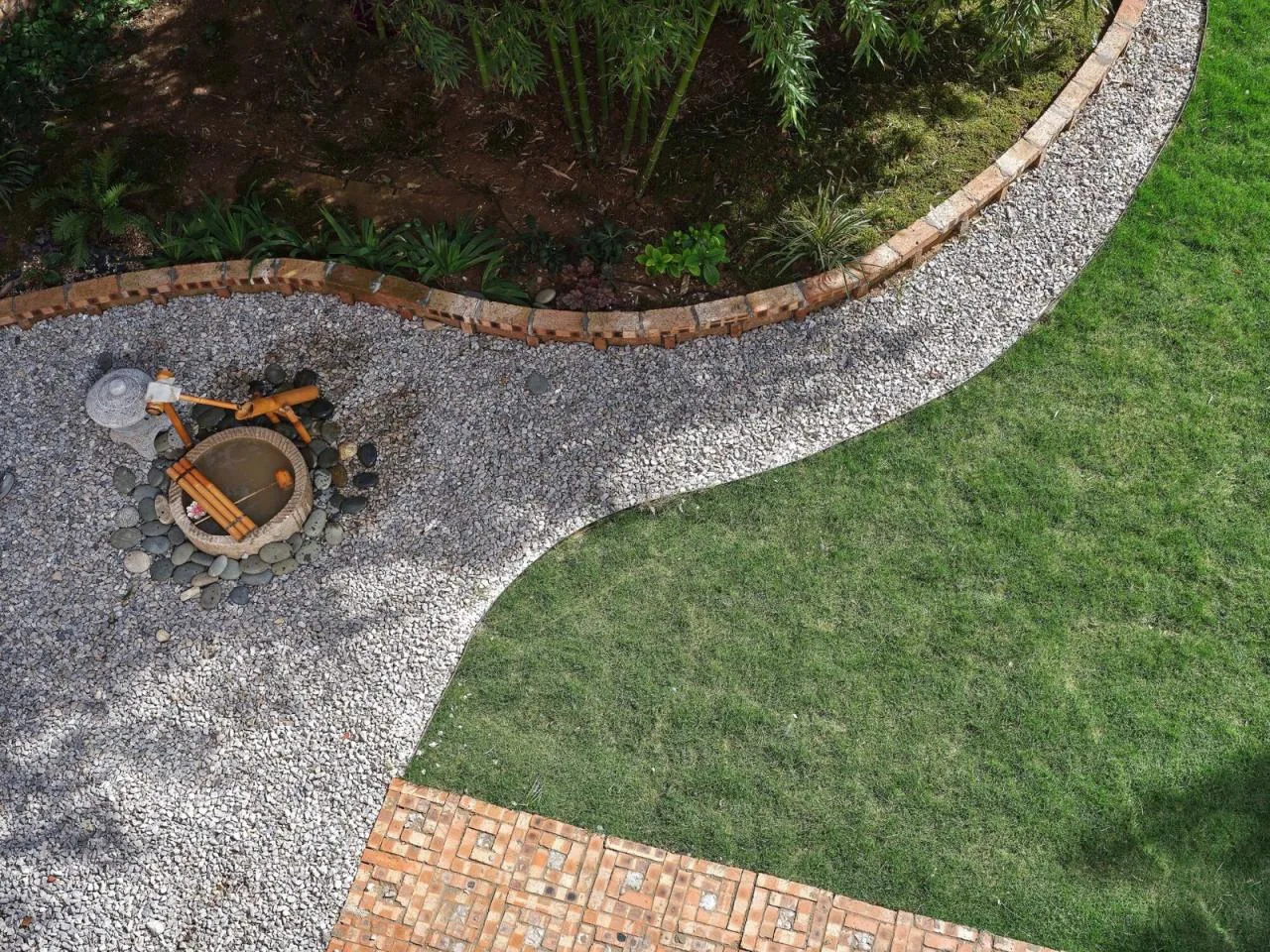
The spatial layout improves the distribution between the gatehouse and main house, dividing the homestead from south to north into three courtyards: front, middle, and back. The front yard acts as a buffer zone between the residence and the national highway, accommodating parking and crop planting. The central courtyard serves as the main living area for daily rest, entertainment, and viewing. The backyard is designated for storage and equipment well installation.
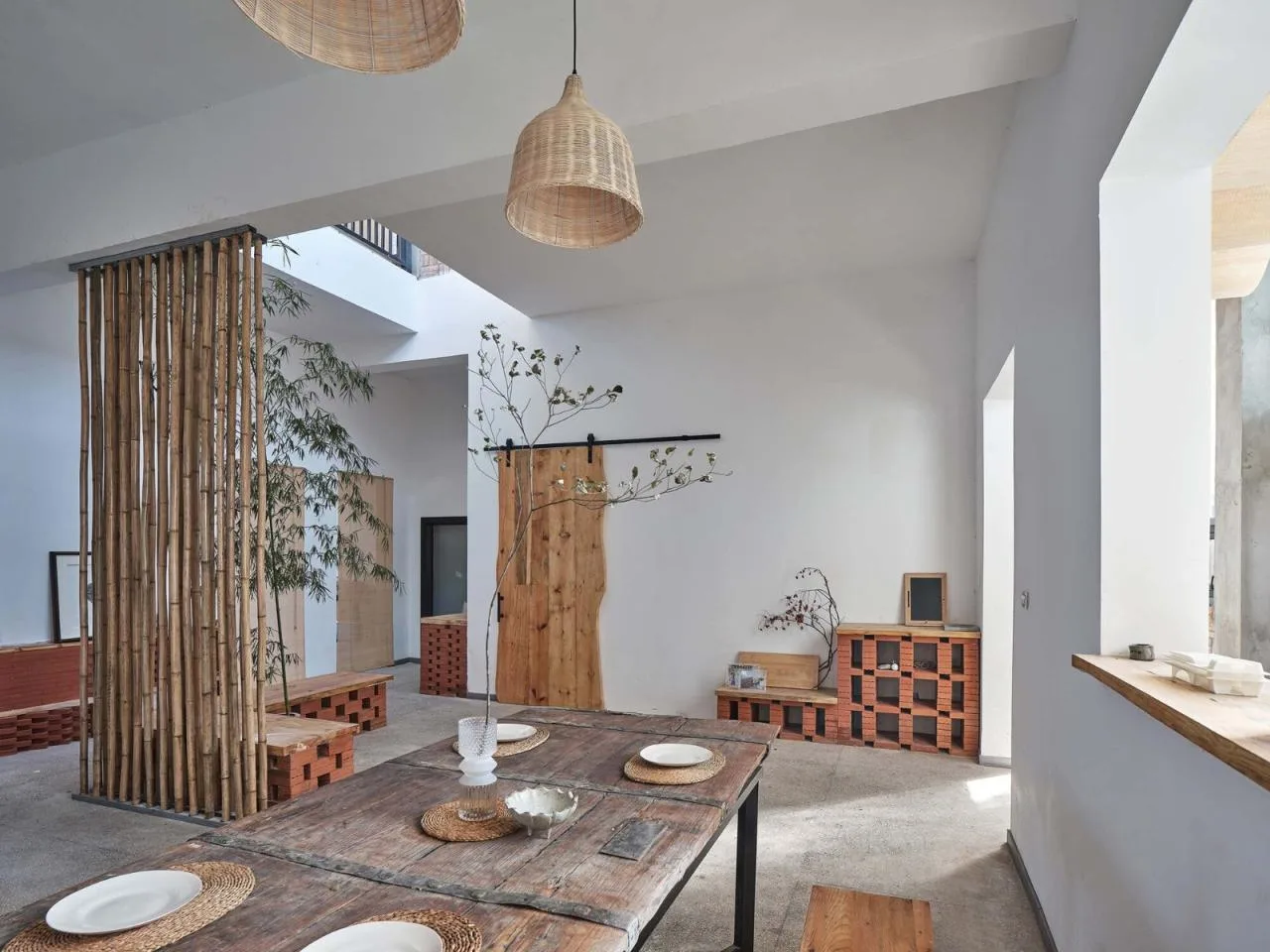
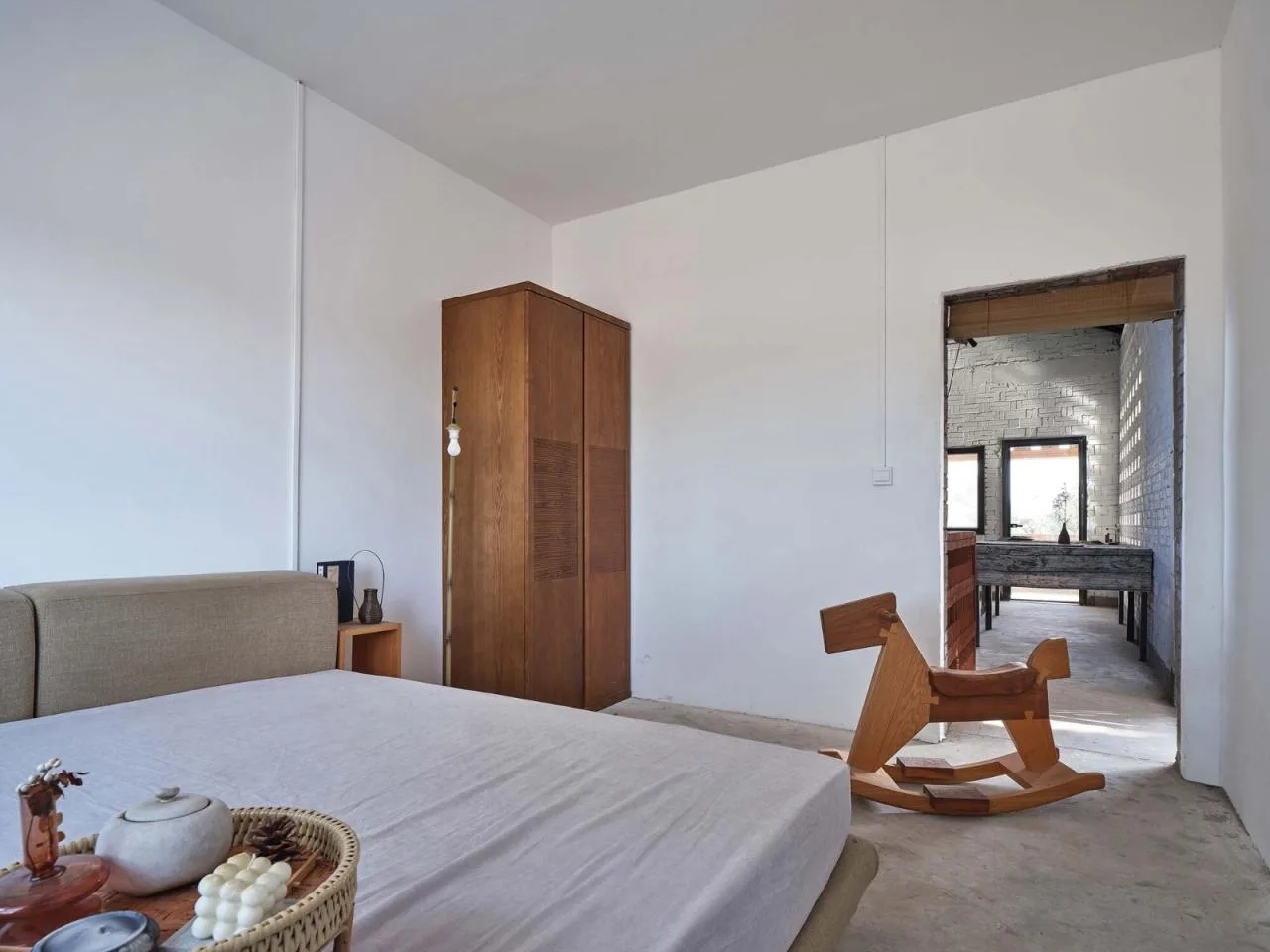
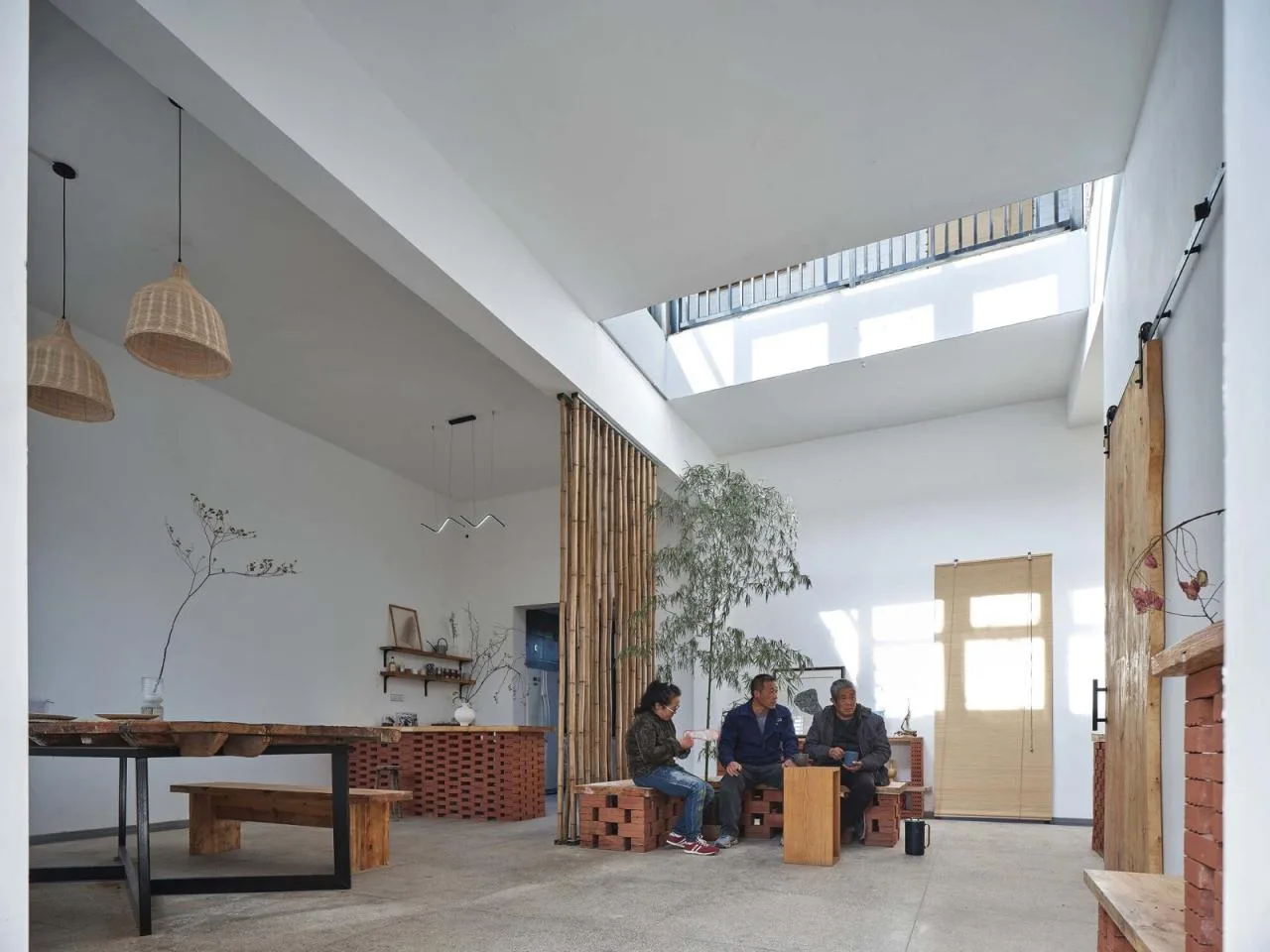
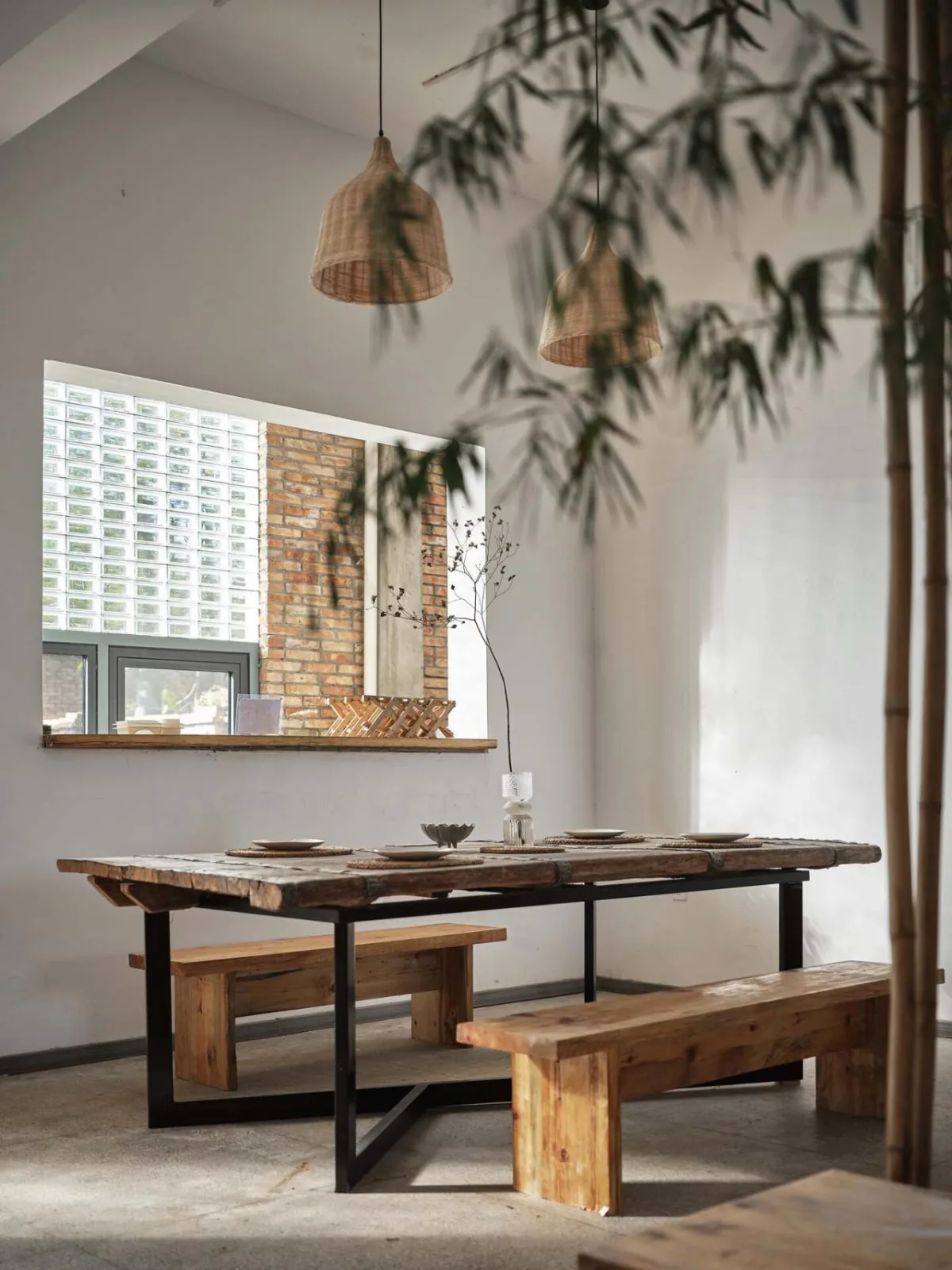
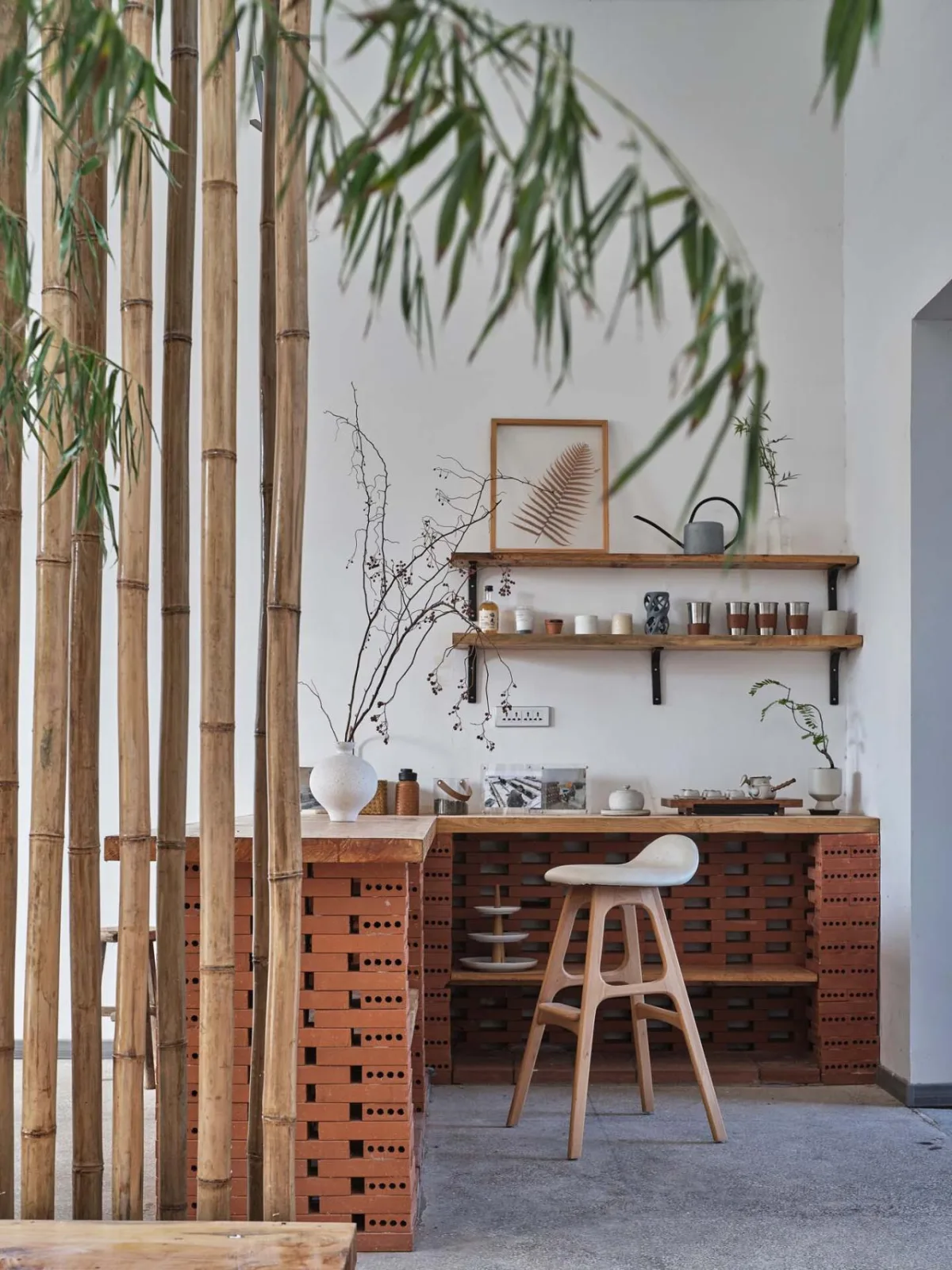
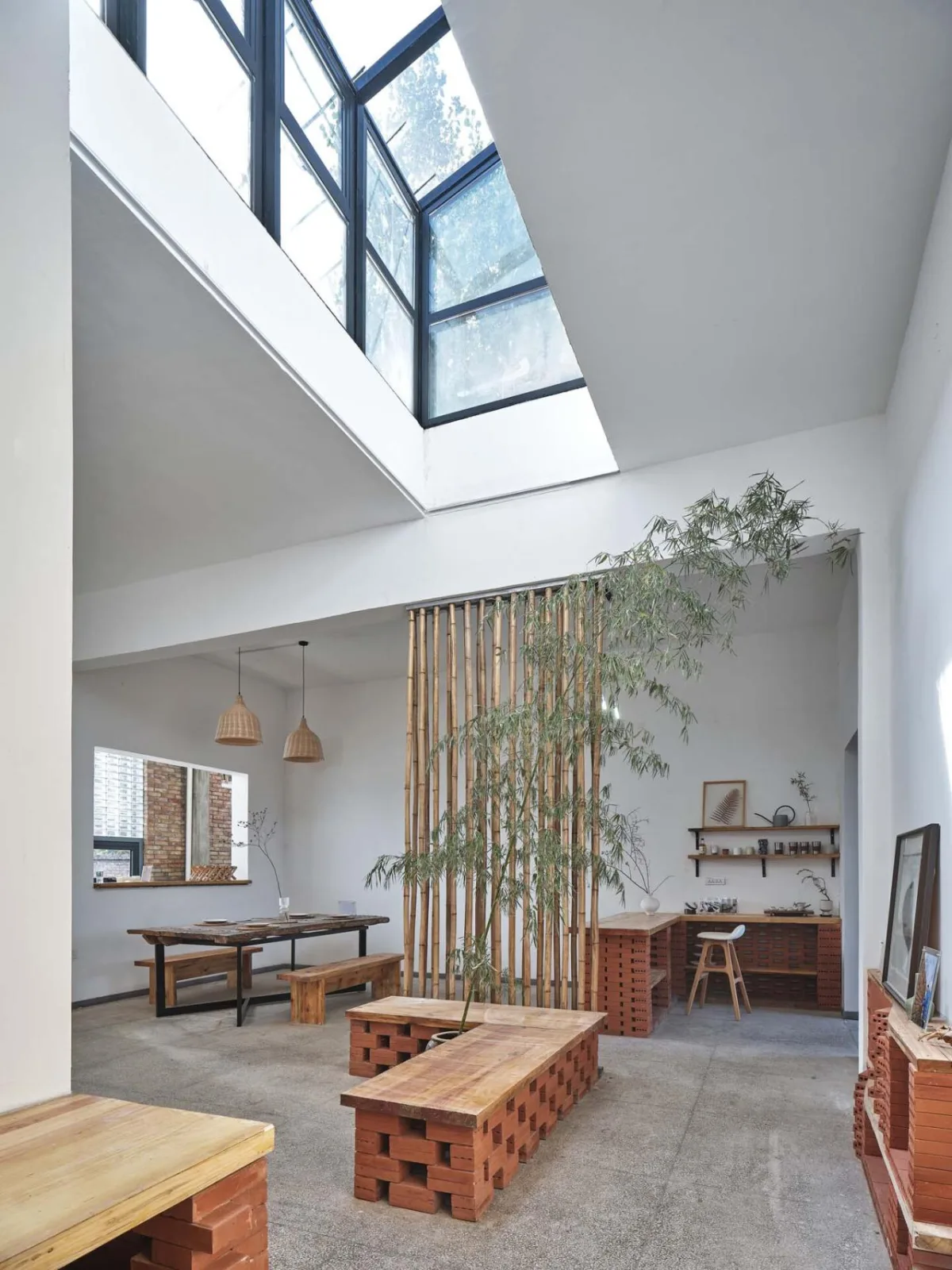
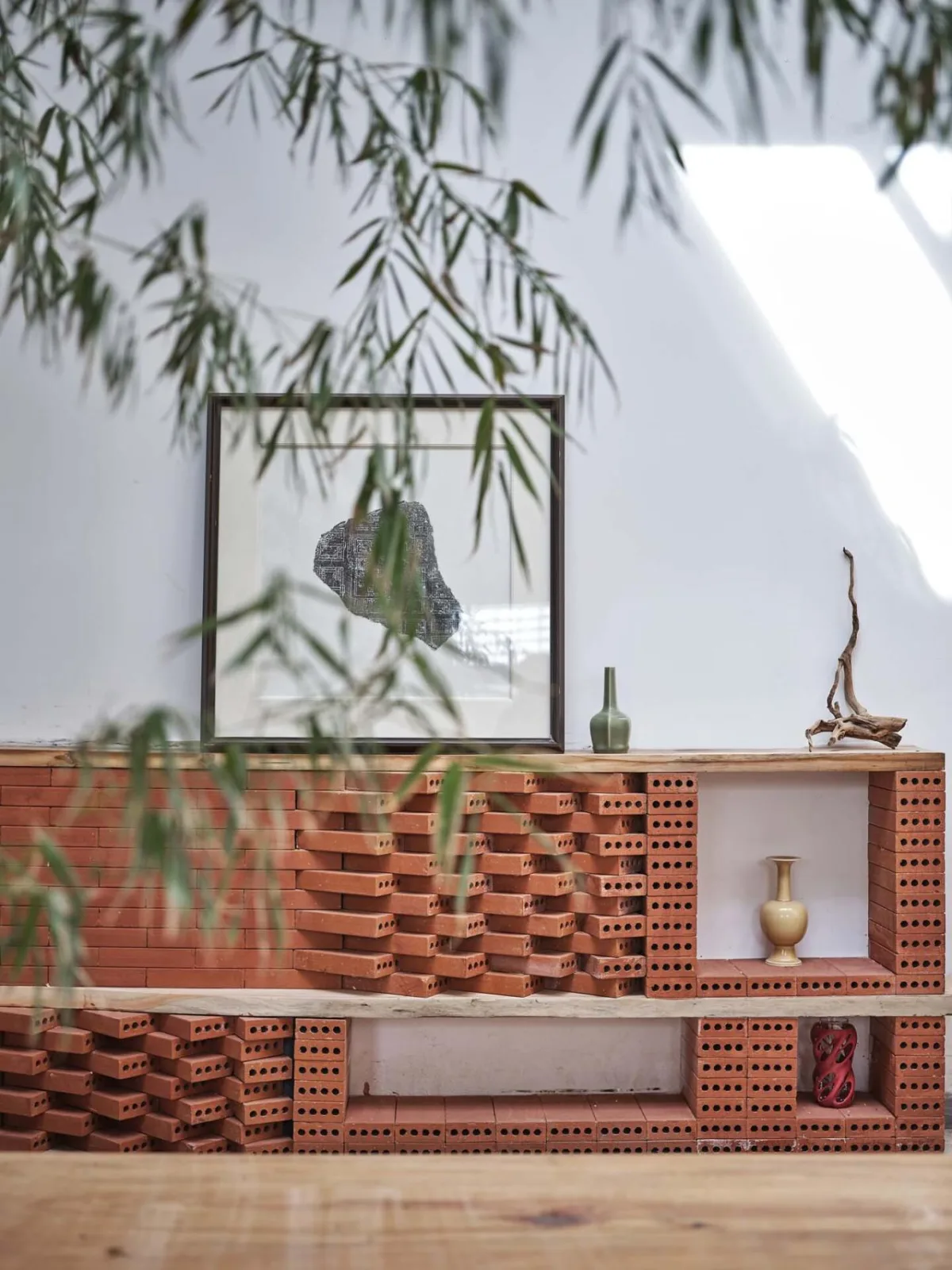
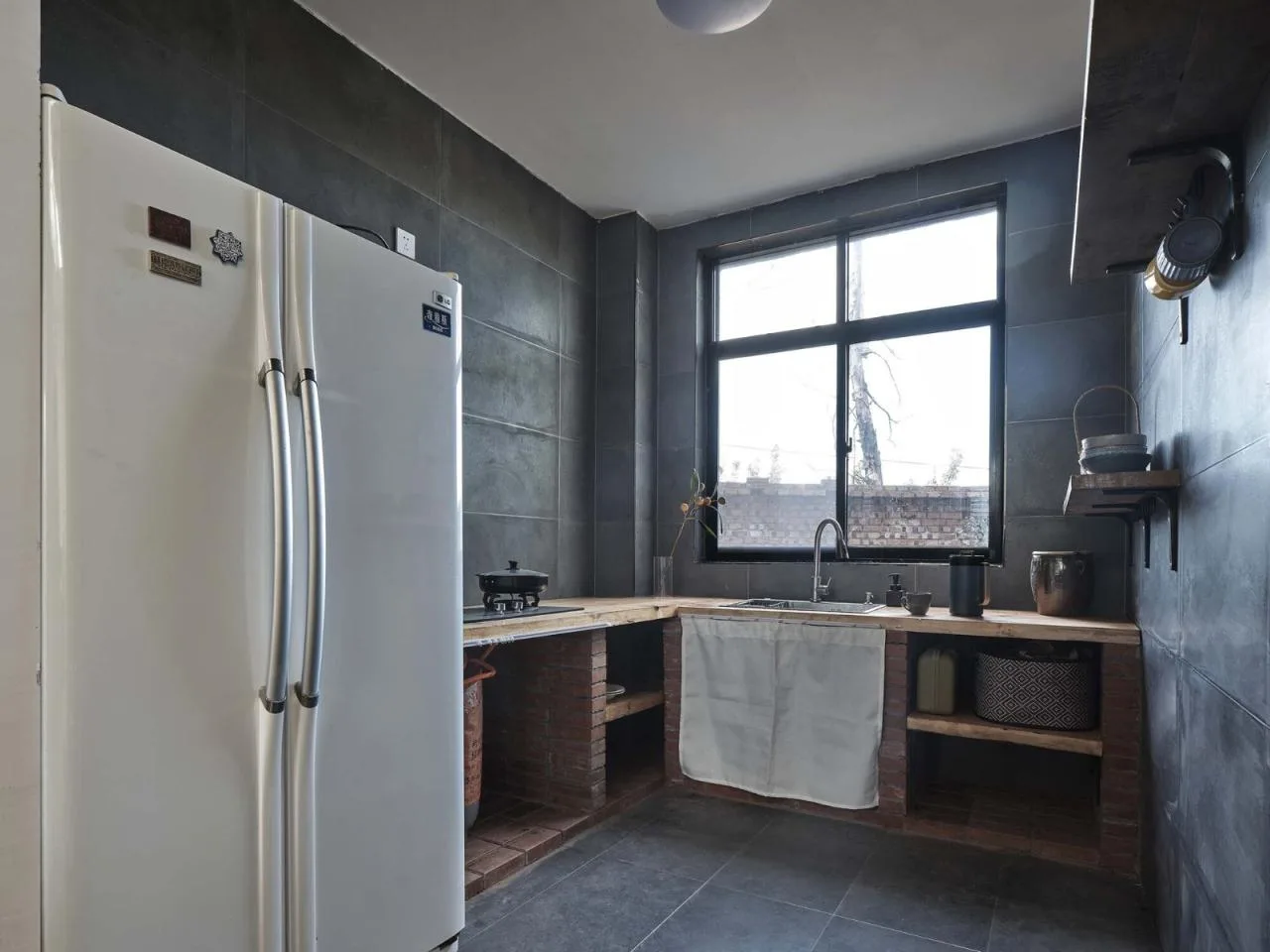
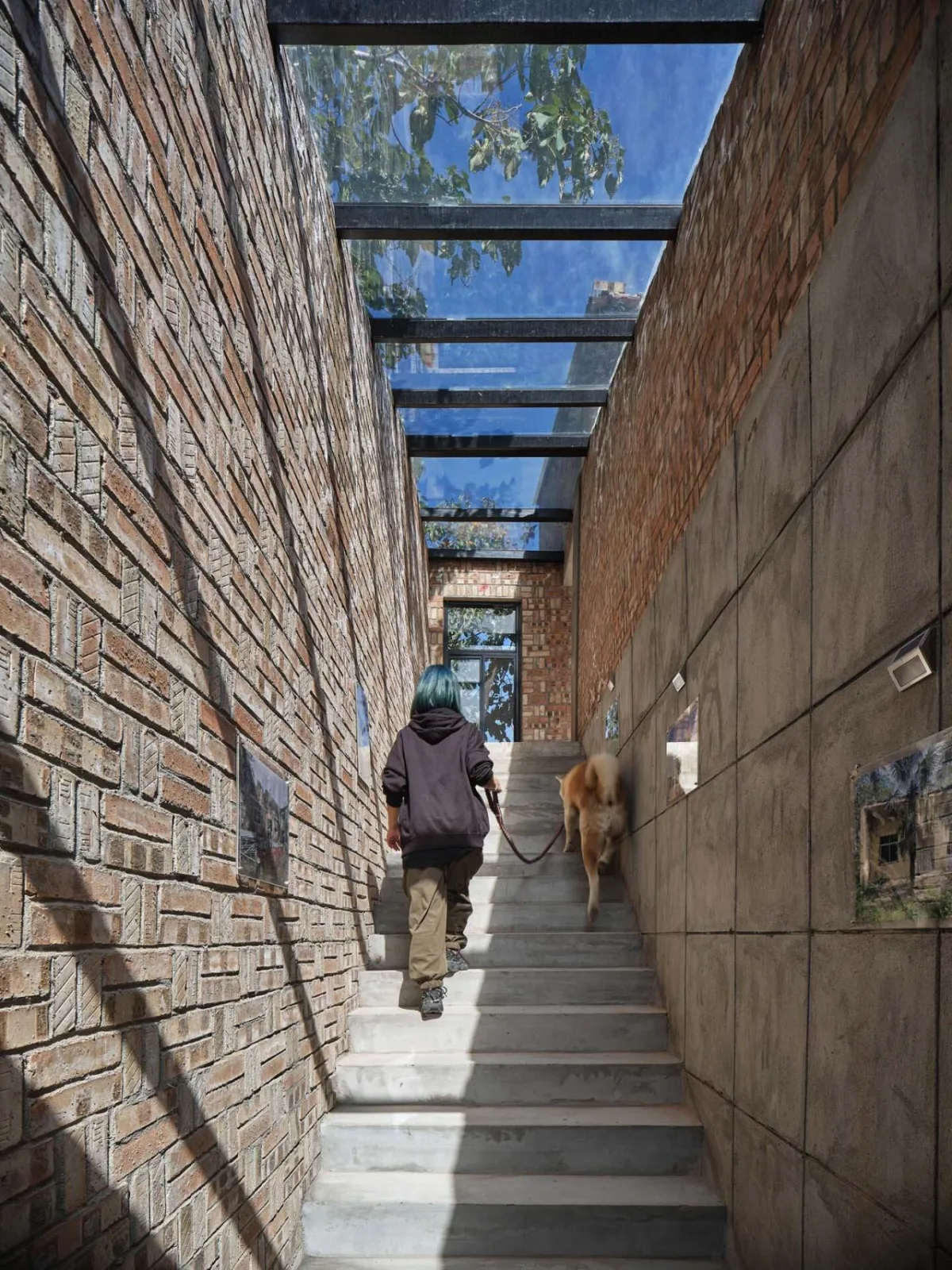
The renovated two-story living room features a centralized layout with circulation spaces surrounding functional areas. The first floor includes a south-facing entrance and a sunny corridor, with the living room, dining area, and bar counter located centrally. Ventilation and lighting shafts enhance natural light and airflow indoors. Bedrooms, bathrooms, and kitchen are positioned on the east and north sides respectively. A straight staircase on the west side provides vertical access to the second floor, which expands the living space.
The second floor is arranged in an L-shape around an outdoor terrace, aligning with the logic of the floors below. The east studio doubles as a second living room, opening onto a south-facing balcony and terrace. This outdoor terrace offers excellent views and a relaxing space overlooking the courtyard and countryside. Solar photovoltaic panels installed on the south-facing sloped roof supply the residence’s daily electricity needs.
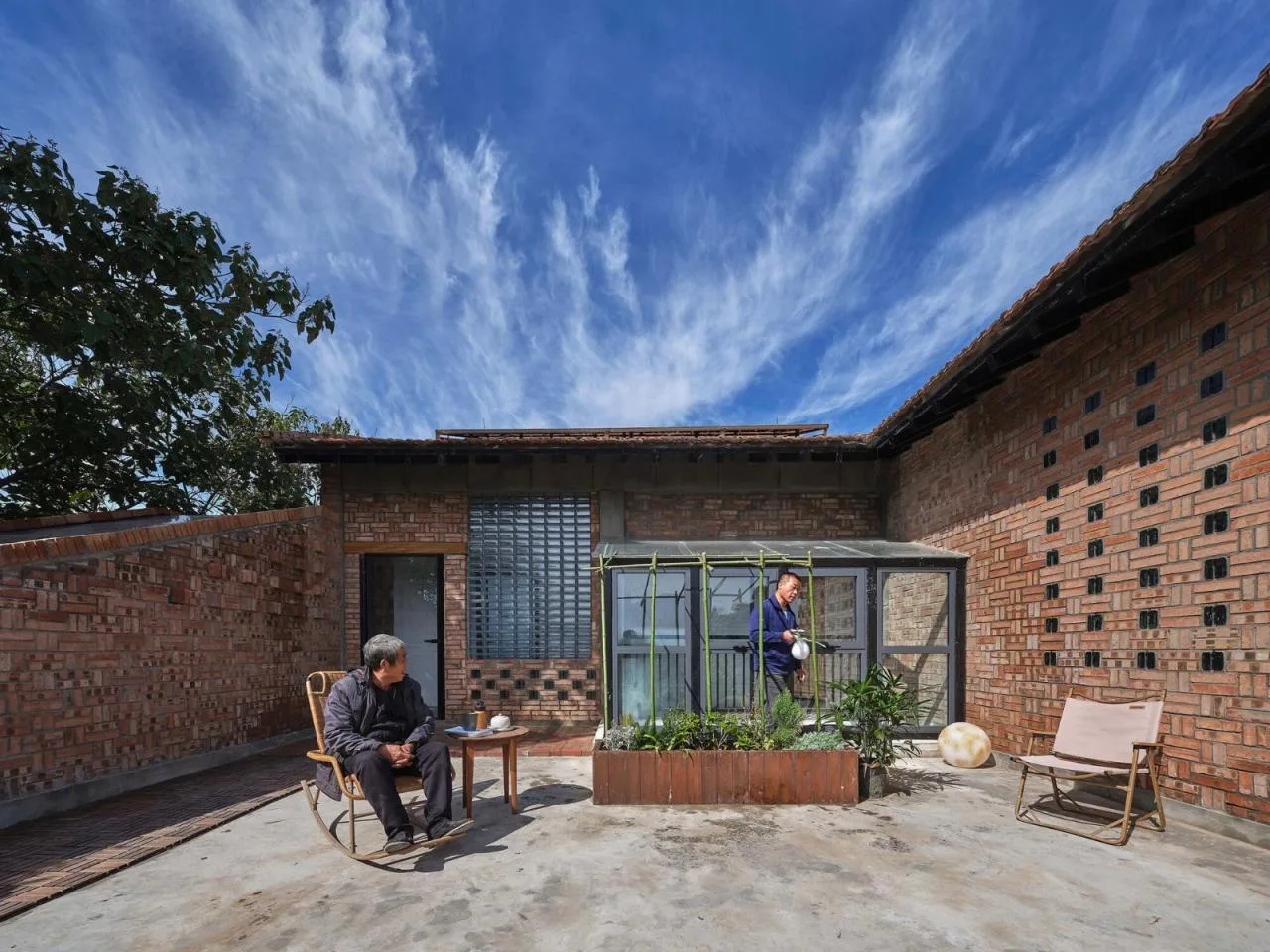
Green technology plays a vital role in enhancing ecology, environment, and residents’ quality of life. The glass brick house focuses on adapting modern green technologies to improve rural residential livability, especially considering natural factors such as wind, sunlight, and water, as well as seasonal climate changes.
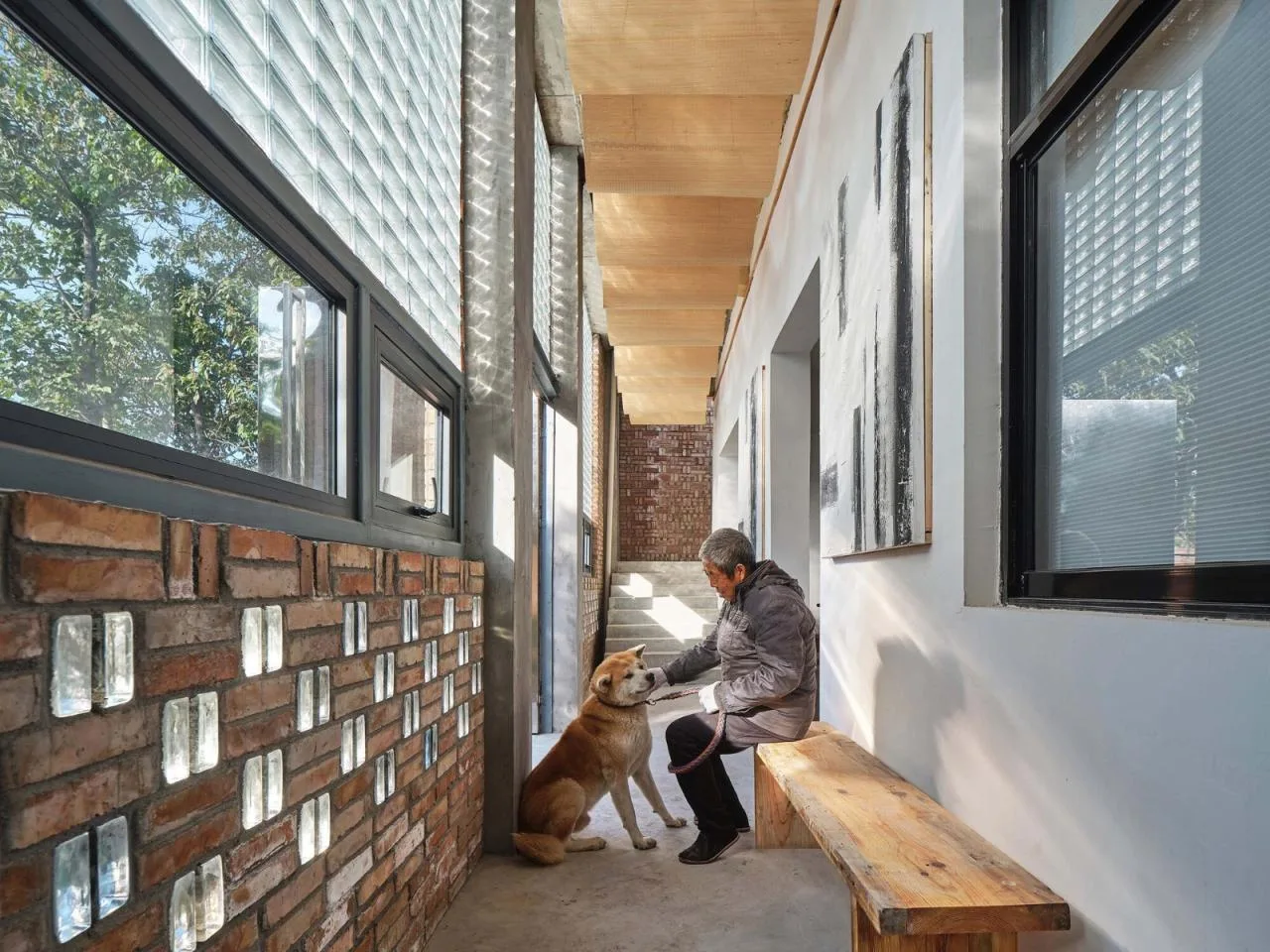
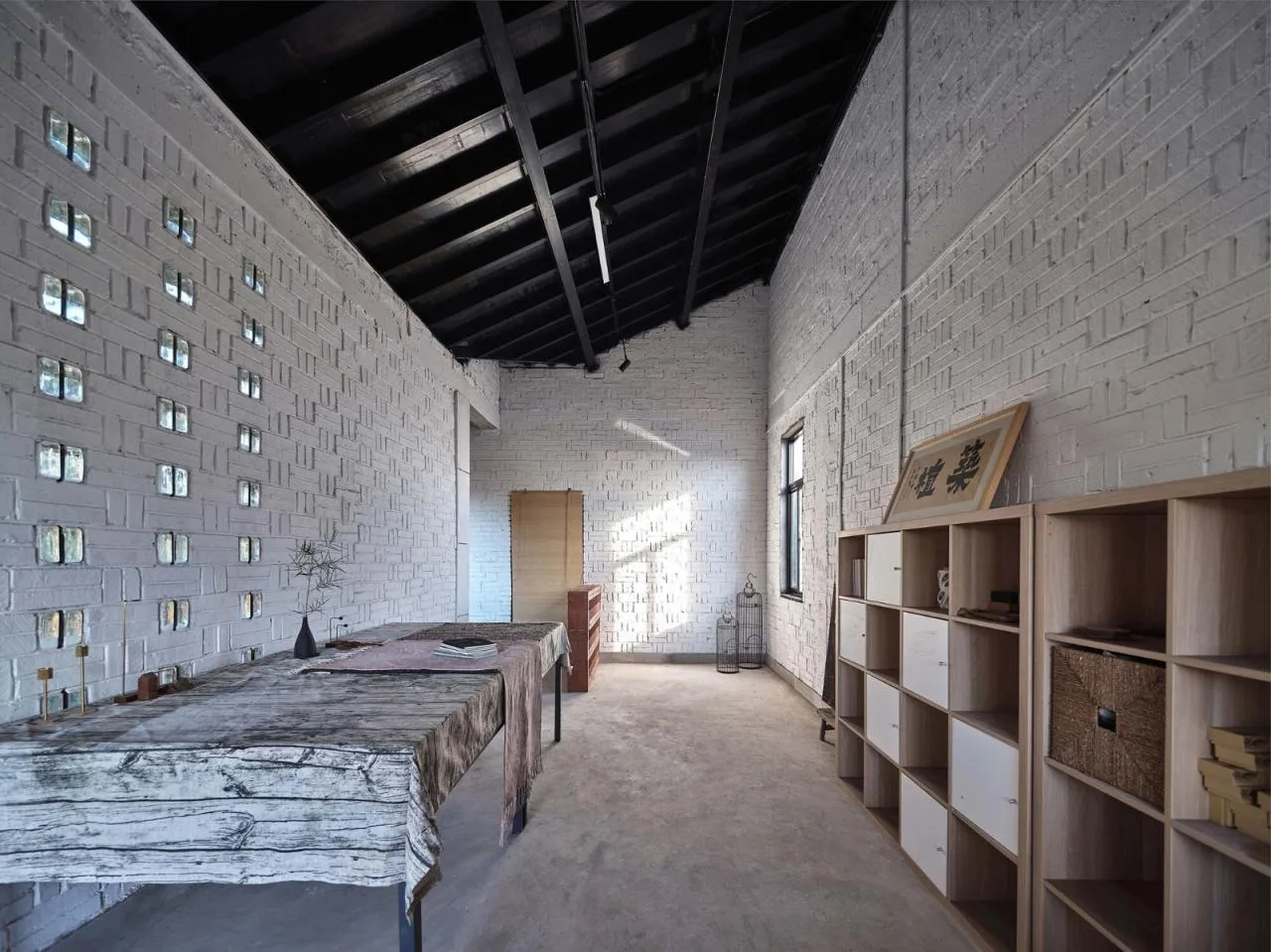
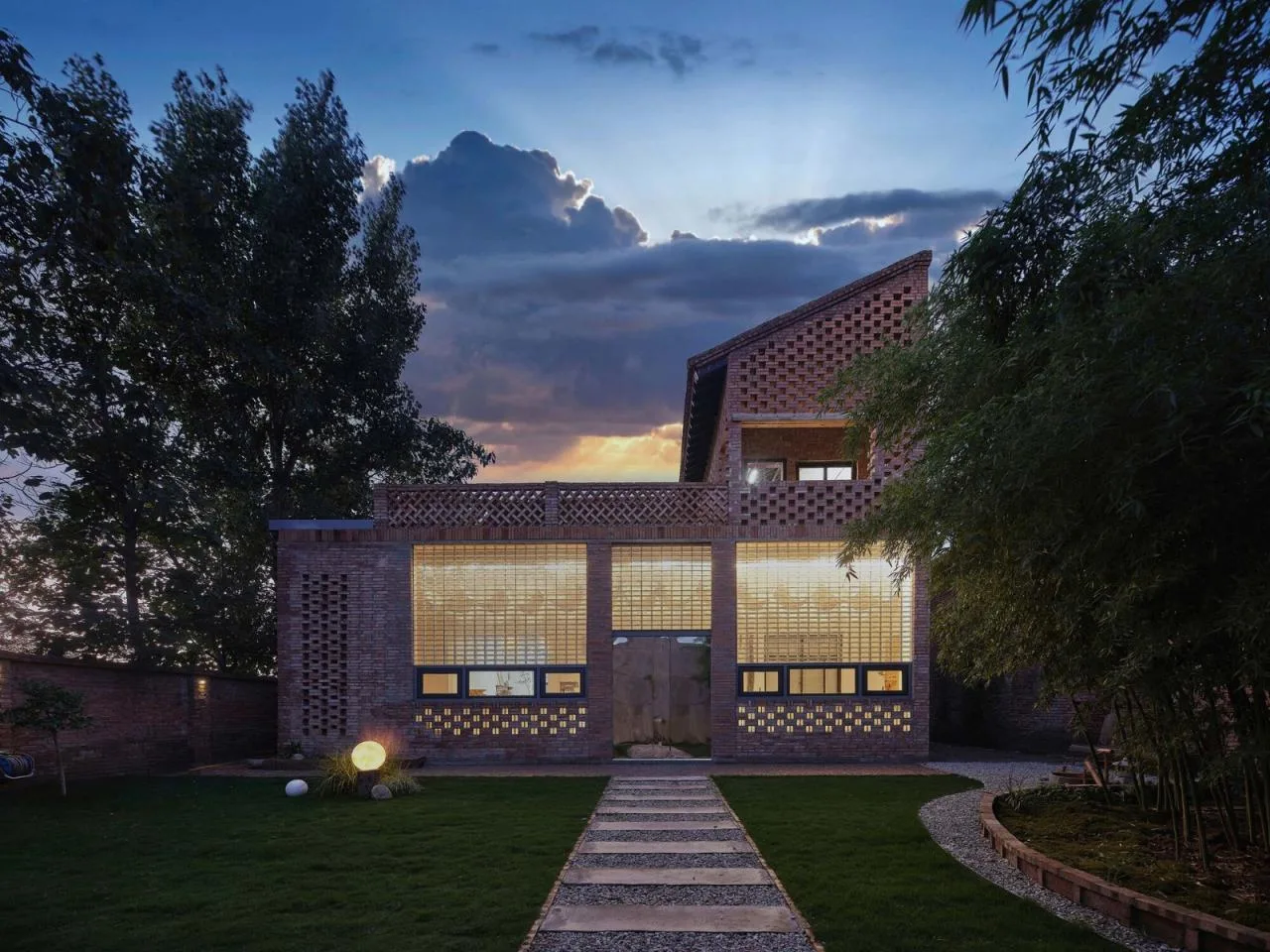
For lighting and ventilation, the south-facing sunroom features large areas of hollow glass bricks and long strip windows to maximize daylight. Portions of the original upper floor slabs were removed above the living room to add ventilation shafts, enhancing light penetration and natural airflow driven by thermal pressure. Exterior windows use broken bridge aluminum alloy frames with Low-E insulated glass, carefully controlling opening sizes to allow summer ventilation while sealing in winter against cold winds.
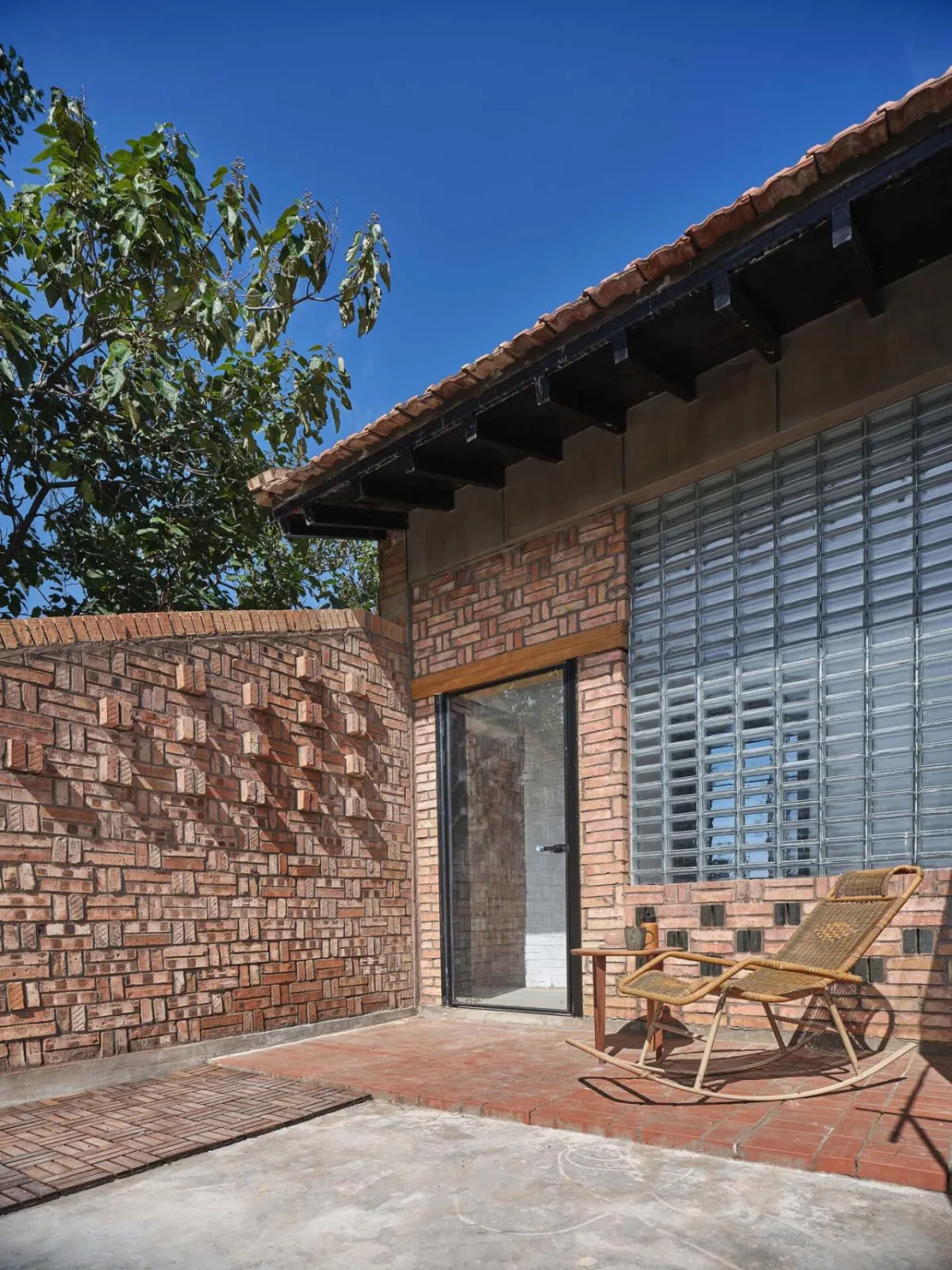
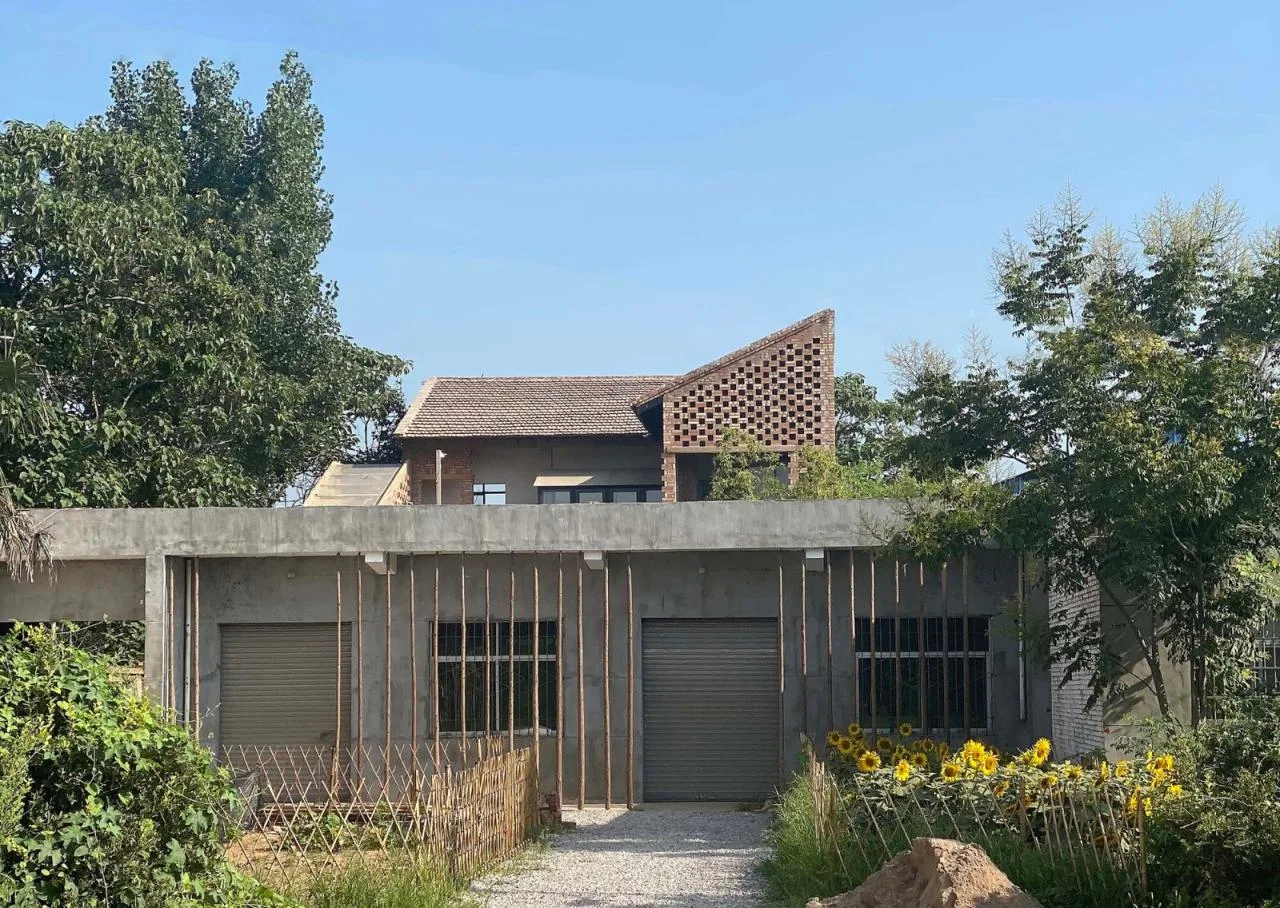
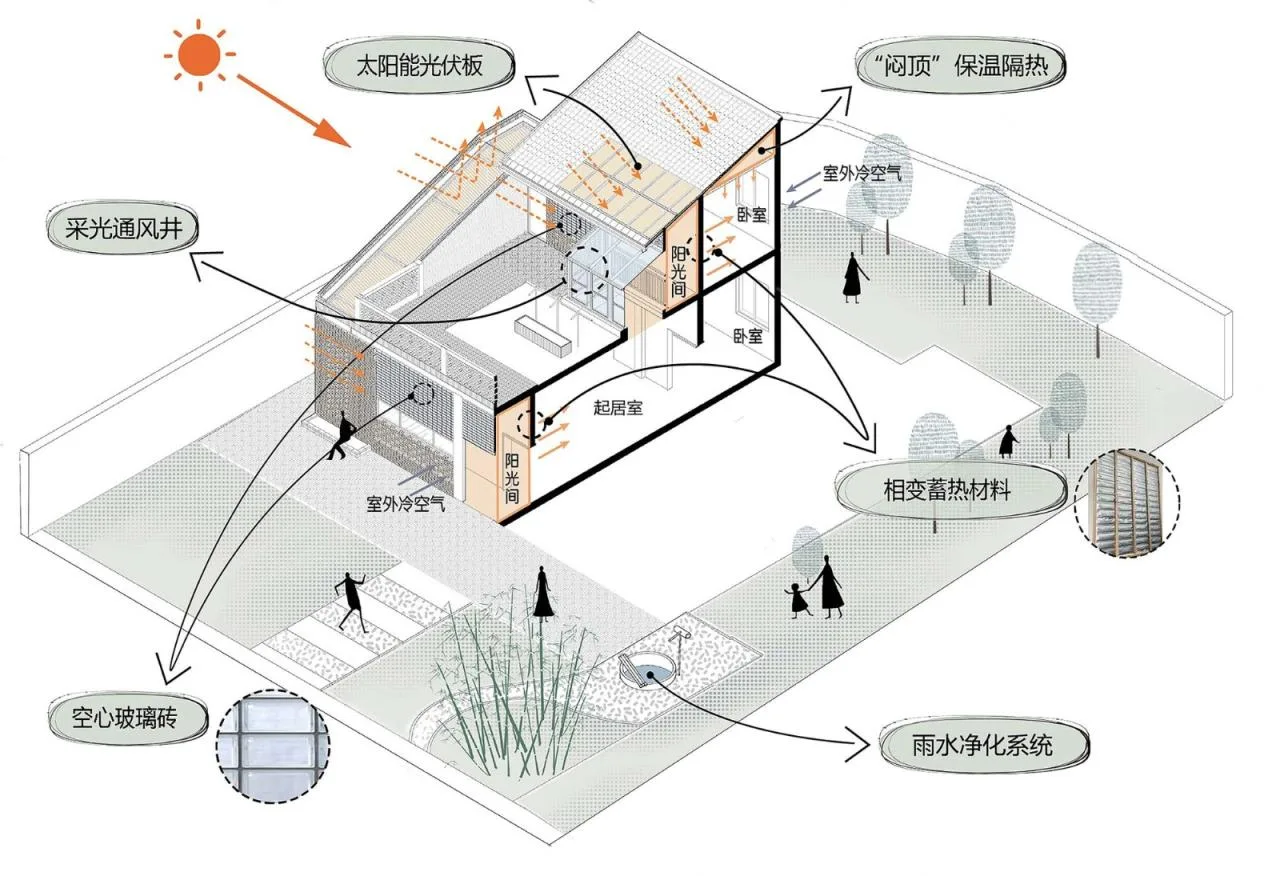
To address noise reduction and sound insulation, bedrooms on both floors are located on the northern side, away from the noisy 108 National Highway to the south. A sunroom acts as a spatial buffer on the south side. The exterior south wall uses hollow glass bricks, known for excellent sound insulation and high light transmission, effectively reducing noise.
For thermal insulation, the roof maintains the traditional “stuffy roof” form typical of Guanzhong dwellings, which acts as a climate buffer during winter and summer, helping to insulate the main living spaces. A south-facing sunroom incorporates high-performance phase-change thermal storage materials on its walls to absorb heat during the day and release it gradually at night. Interior insulation is applied to the bedroom and living room walls to meet thermal requirements. Solar photovoltaic panels power indoor graphene heating systems, achieving zero-carbon heating for the entire home.
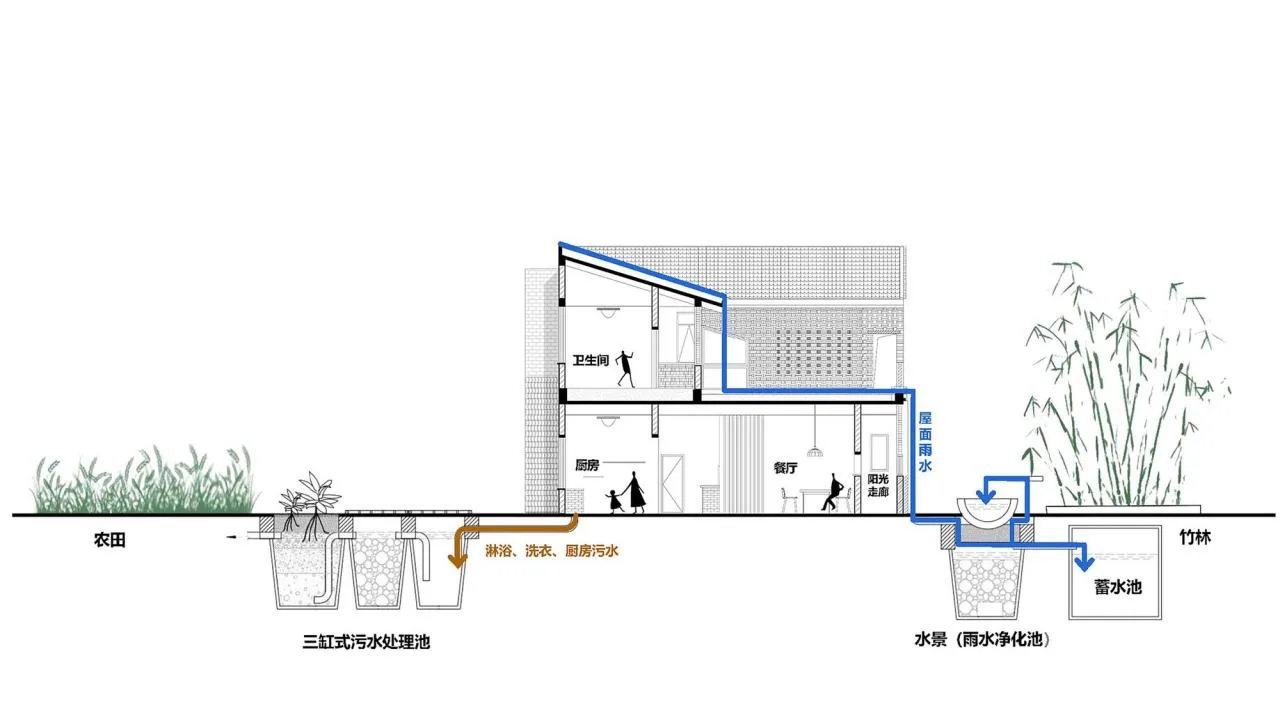
Water management is a key concern due to Guanzhong’s limited water resources. A rainwater purification system is installed on the east side of the central courtyard, integrating with water features and directing purified rainwater into a reservoir for irrigation and landscaping.
Indoor bathrooms connect via pipelines to three septic tanks located on the east side of the backyard, where ecological wetlands treat the wastewater before releasing it into farmland to the north. Domestic wastewater from showers, laundry, and kitchens is channeled to a three-tank sewage treatment system on the backyard’s west side. After purification, this water is discharged into the front yard reservoir for farmland irrigation.
This new rural housing model uses cost-effective technologies suitable for economically disadvantaged rural areas, investing resources to enhance overall housing function and performance. It holds great significance for renovating and upgrading existing rural homes in northwest China.
Traditional settlements and rural homes are characterized by their site selection, orientation, layout, spatial arrangement, building materials, and structural techniques. These aspects embody local customs and experiences in creating comfortable living environments in harmony with nature.
The Bayi Village glass brick house project emphasizes local context, materials, innovation, and technology from design through construction. It blends traditional construction methods with modern architectural spatial design principles, while preserving and adapting the original material structure and systems. This approach creates a new model for Guanzhong local housing, moving progressively towards modernity and sustainability through experimentation and demonstration.
Project Drawings
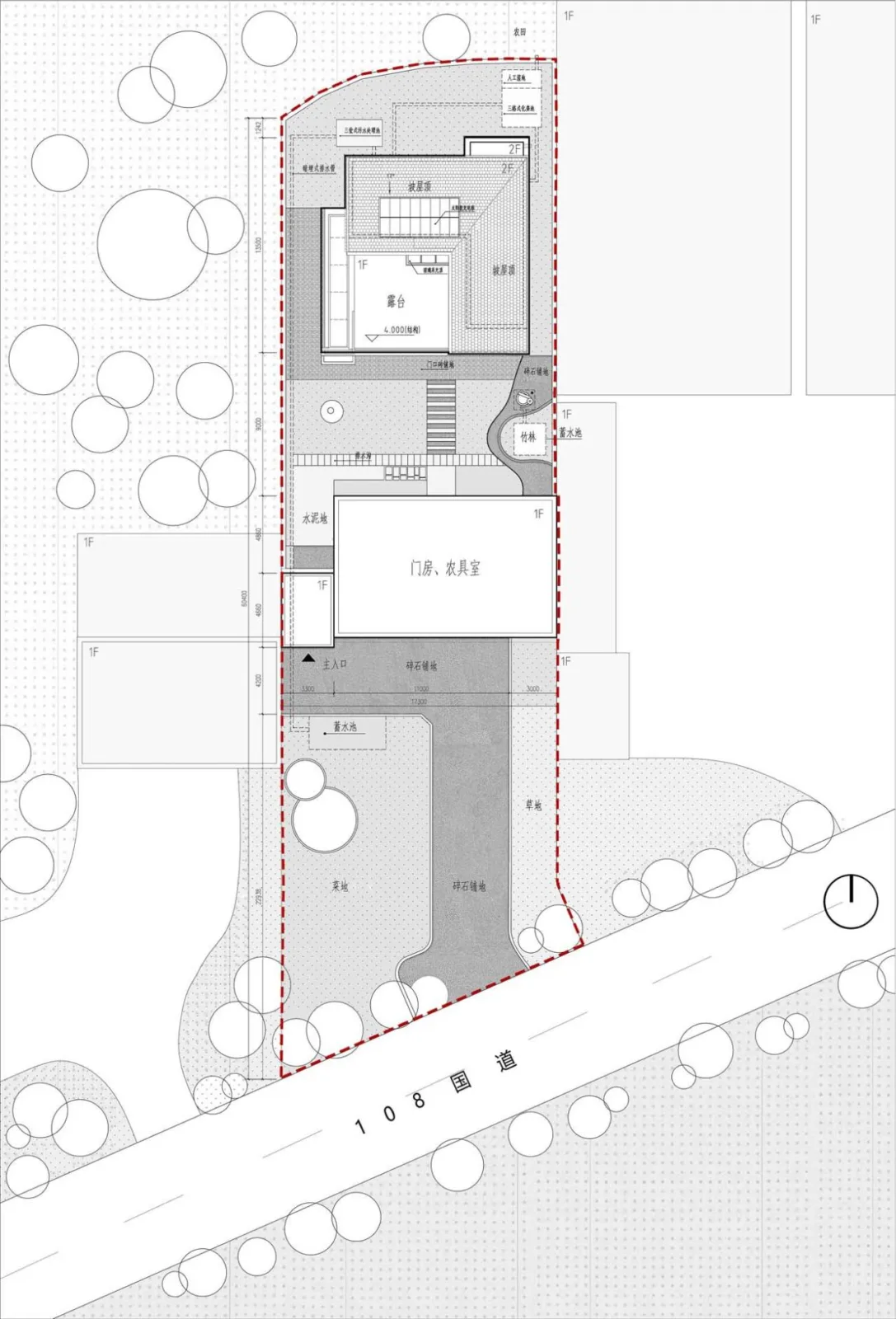
△ General Layout Plan
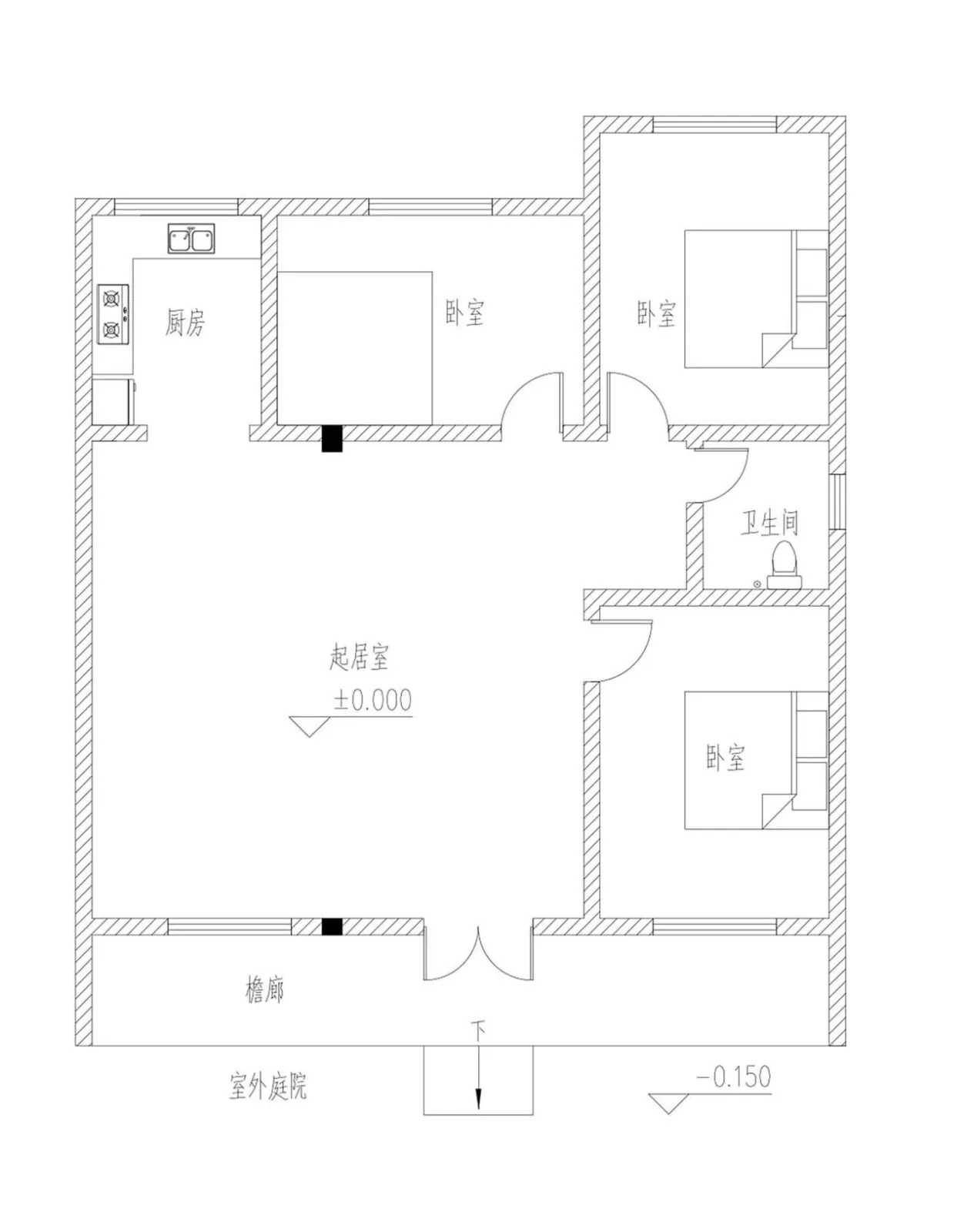
△ Original Floor Plan
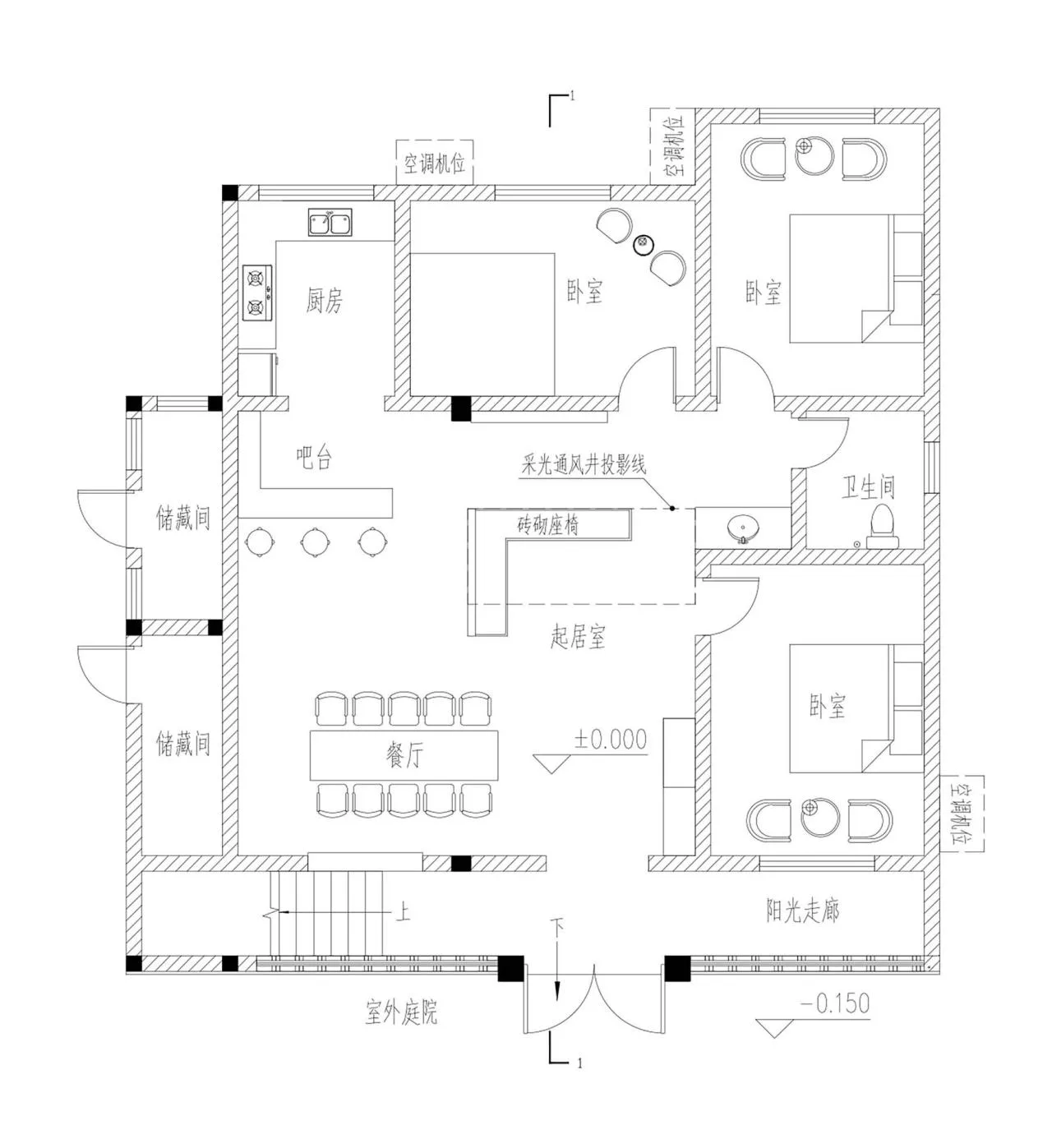
△ First Floor Plan
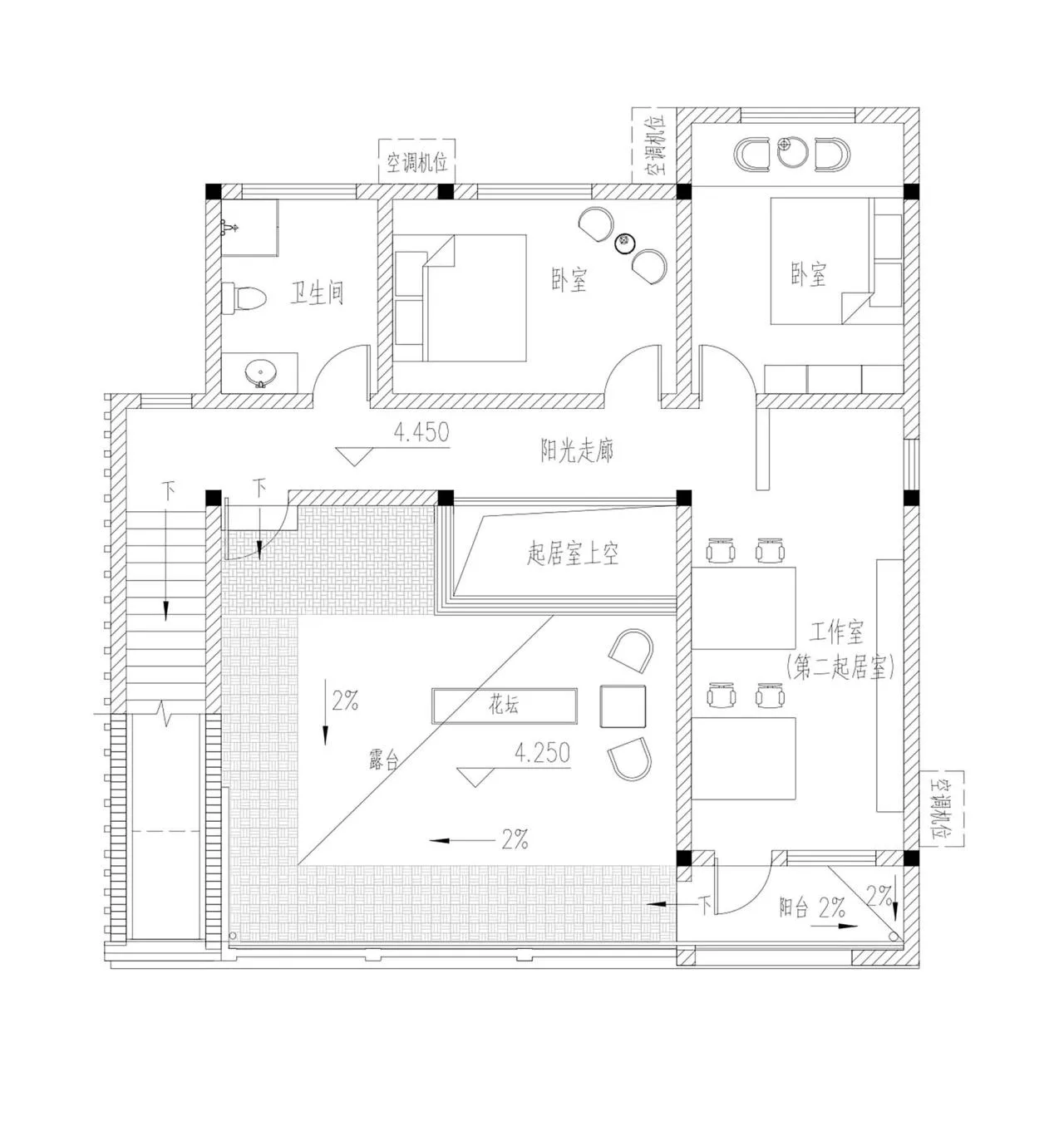
△ Second Floor Plan
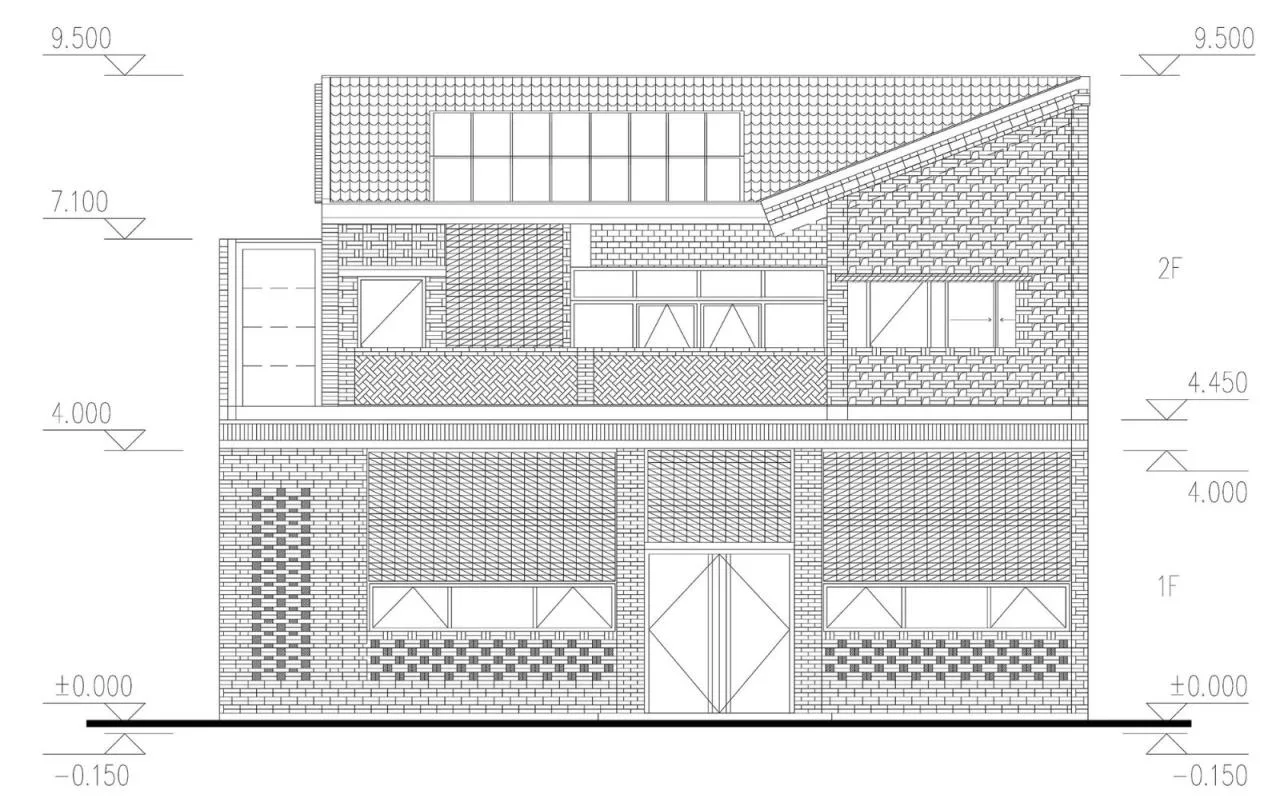
△ Elevation Drawing
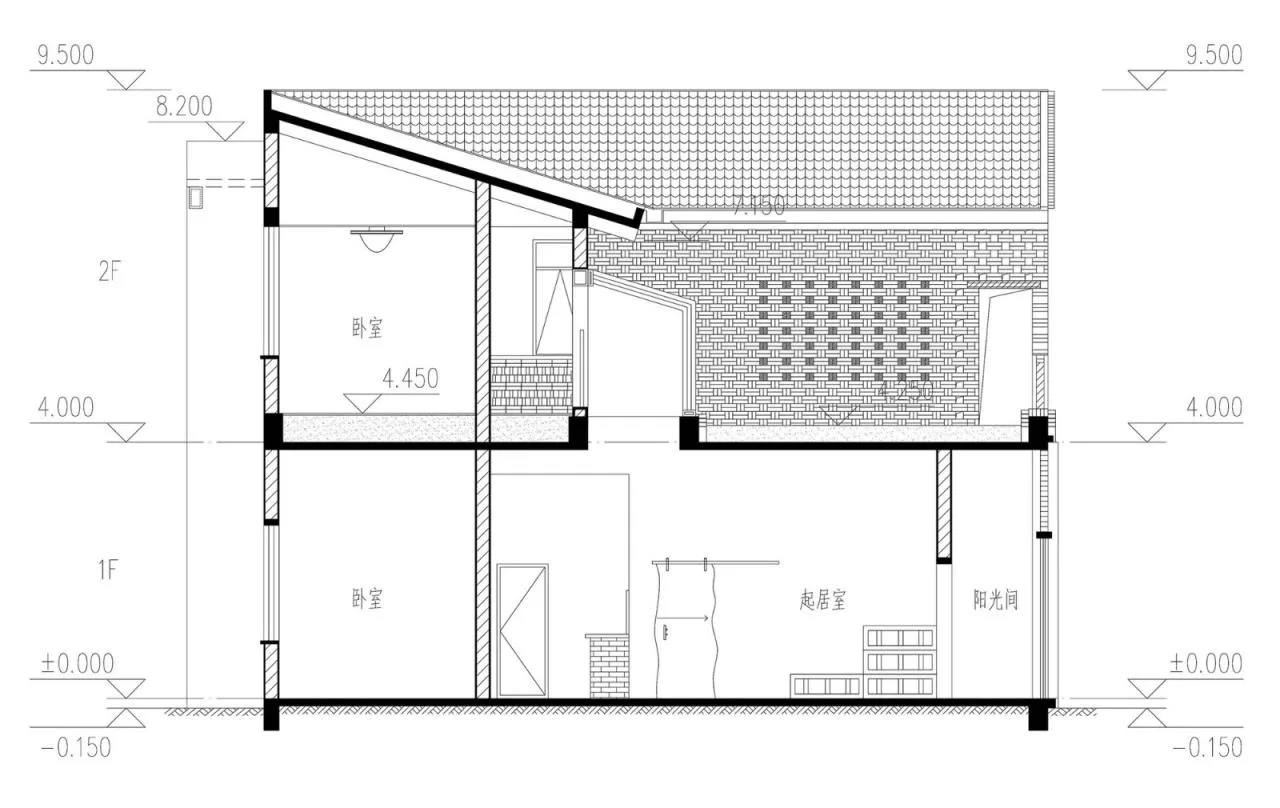
△ Section Diagram
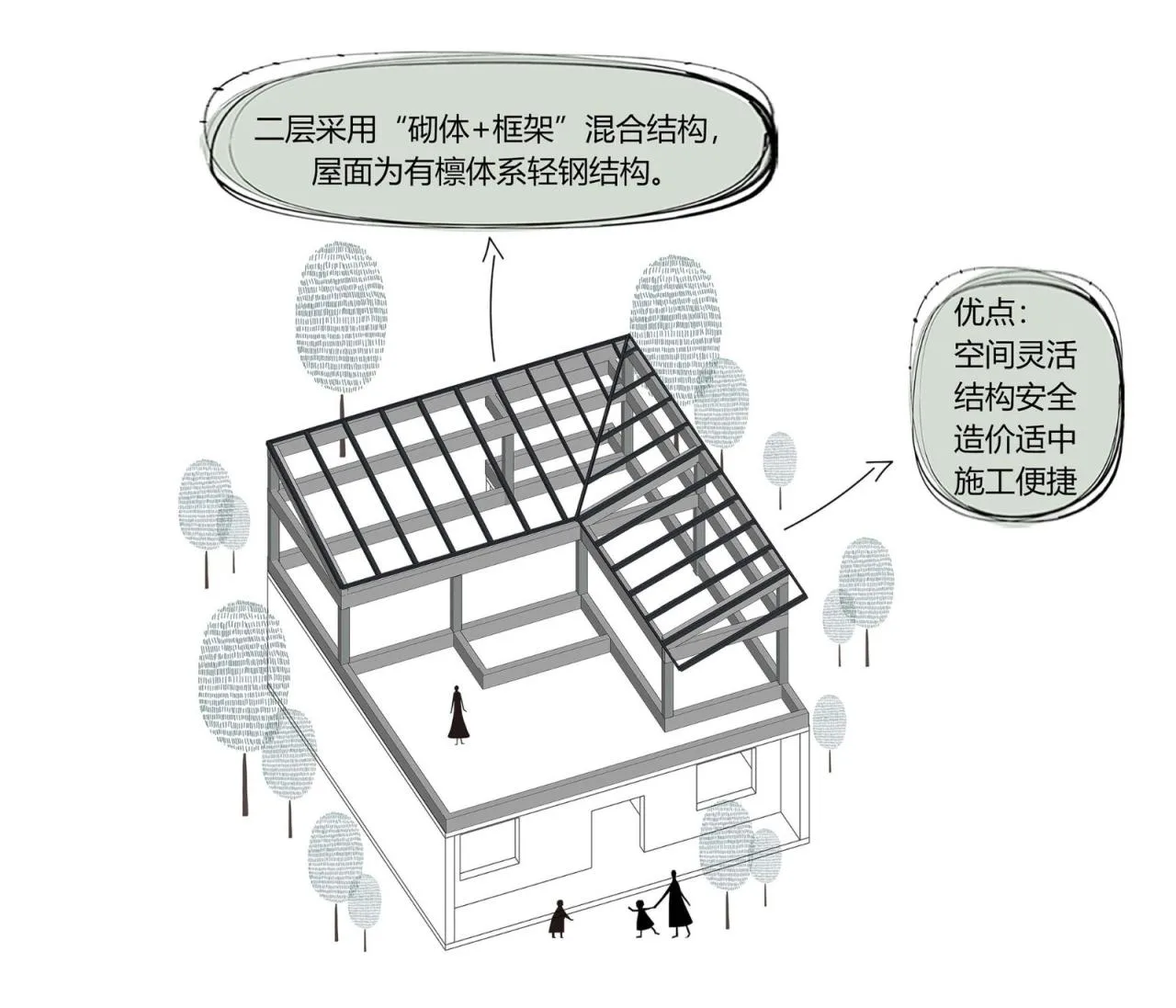
△ Analysis Chart
Project Information
Architect: Architectural Design and Research Institute of Xi’an University of Architecture and Technology
Area: 400 square meters
Project Year: 2021
Photographer: Zhang Xiaoming
Lead Architects: Gao Bo, Wang Yiqiong
Design Team: Gao Bo, Wang Yiqiong, Li Zhimin, Zhang Hua, Xu Yi, Shang Luxuan, Wang Xiaojing, Meng Qingmin, Xu Fangyuan, Zheng Yifan, Wang Lu, Wang Weizheng, Zhang Qiao, Zhai Xin, Wang Xiaojie, Yang Runpeng, Yang Zan, Bi Xinya, Wang Yumeng, Xu Jinghua, He Sijing, Shi Chufan, Wang Zilun, Yu Haoran, Li Xiao, Li Ruiwen, Gao Ziyu, Li Donghao, Zhou Chenxi, Liu Kunqi
Principal: Li Lianping
Location: Weinan City















Must log in before commenting!
Sign Up