
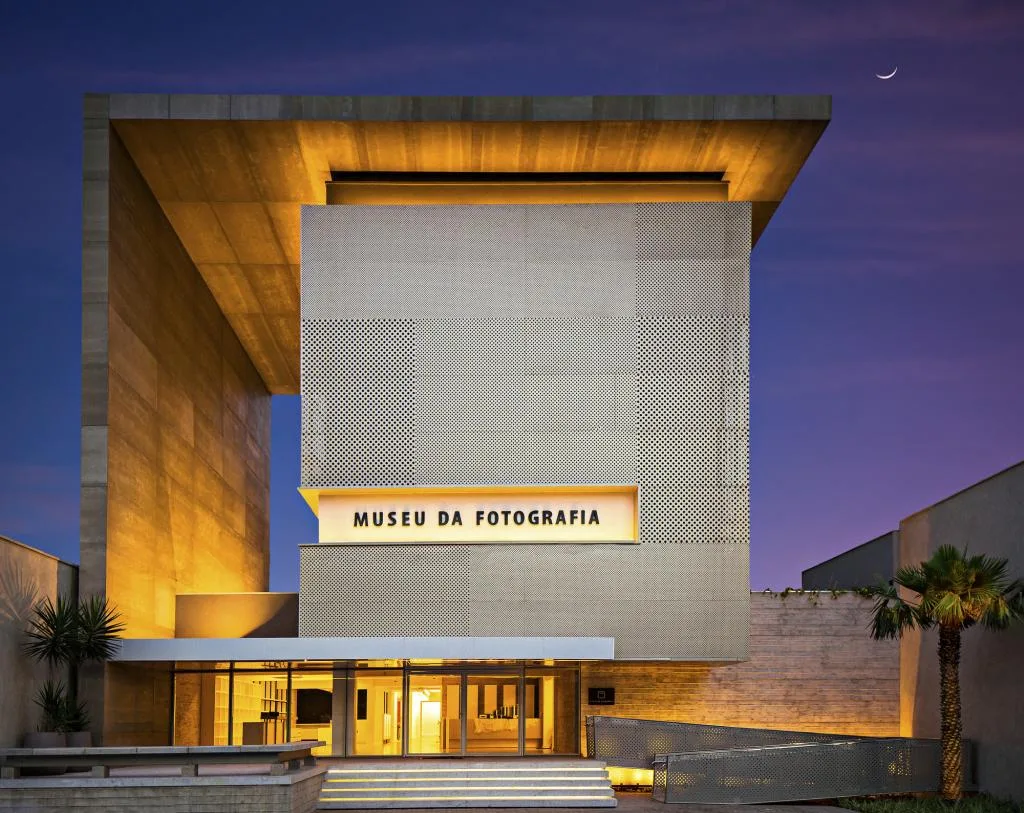
Designing a new home for one of Brazil’s largest photography collections presents a unique challenge. Until now, this remarkable archive has remained largely out of public view. Taking on this project means presenting this historical record with great responsibility.
The collection features over 2,000 works by renowned photographers such as Steve McCurry, Henri Cartier-Bresson, and Marcel Gautherot. It also shares space with leading contemporary artists including André Liohn, Claudia Andujar, Rosângela Rennó, among others.
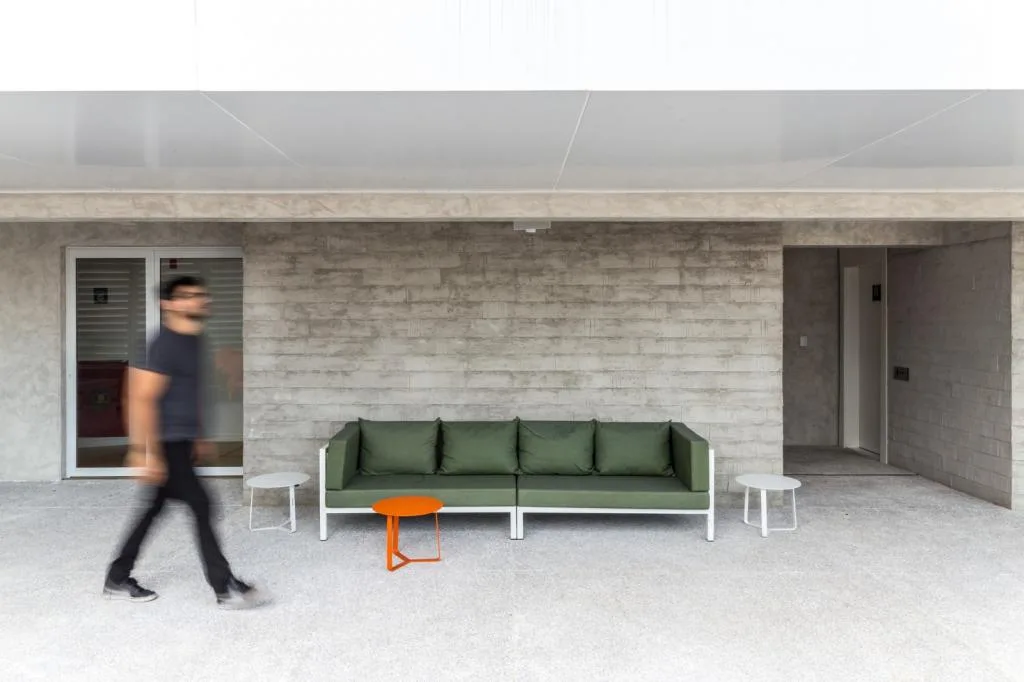
The core of the project is an existing building spanning approximately 2,000 square meters, situated in the Varjota neighborhood of Fortaleza, the capital of Ceará state in Brazil. Varjota is known for its vibrant social scene, renowned cuisine, and serves as an important gathering spot for the local community.
The original building was the headquarters of the Brazilian American Society (IBEU), an English language school. However, it faced several issues: uneven spans, low ceilings, small windows, poor accessibility, and a lack of street engagement on the facade. As a result, the renovation began by demolishing the building down to its structural framework and exterior walls.
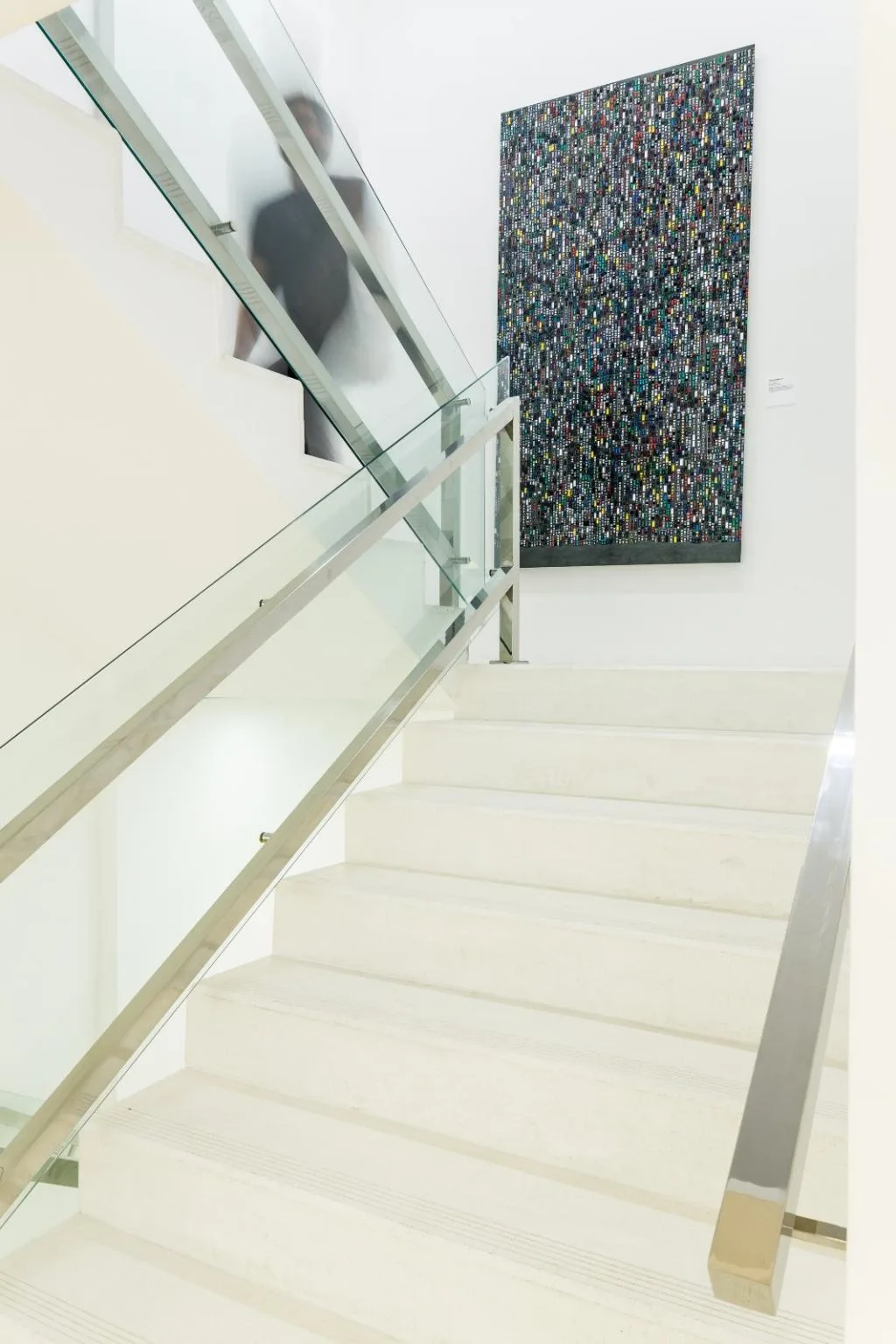
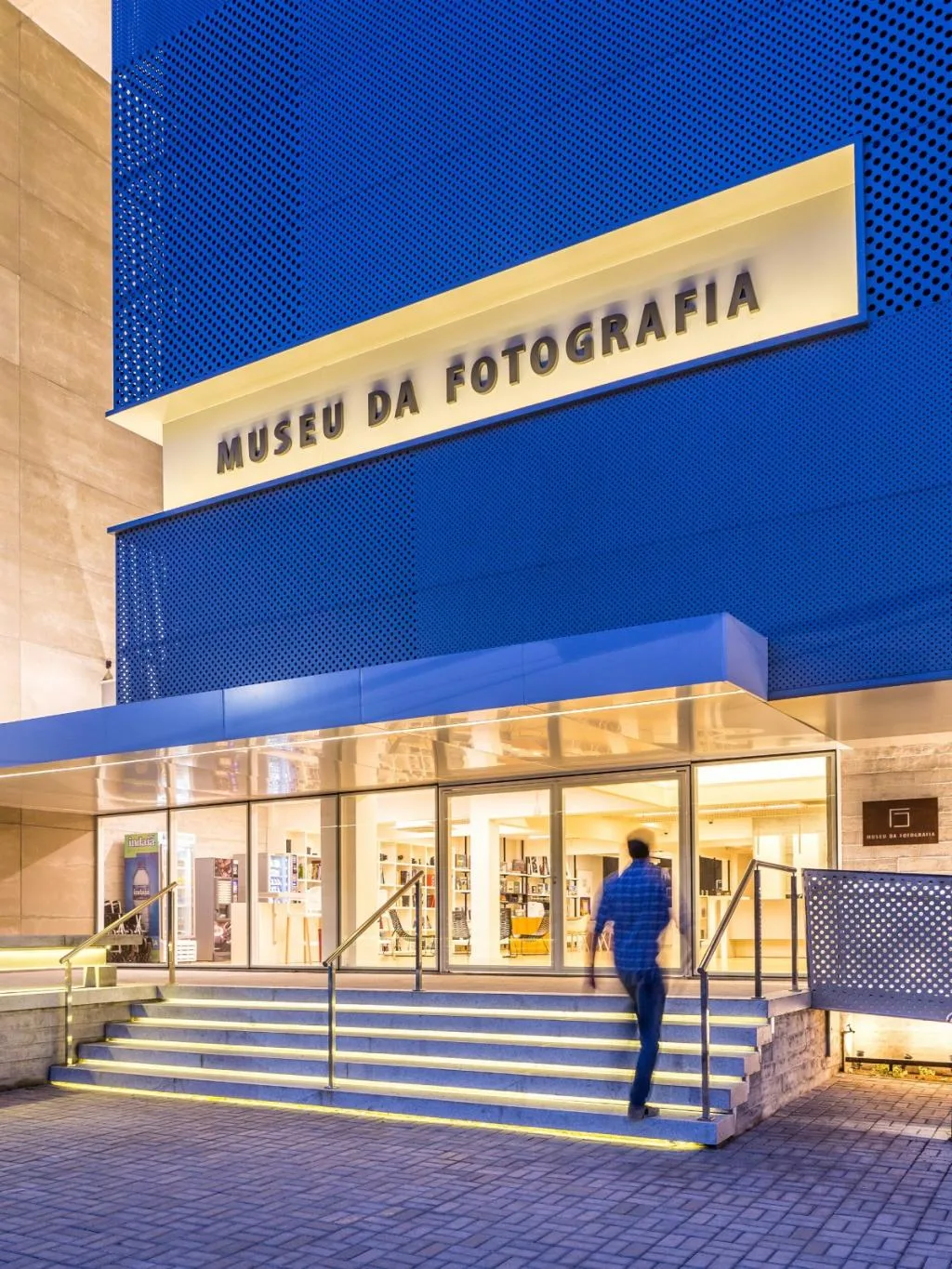
The building now consists of five floors. A graceful staircase defines the main entrance axis of the museum, complemented by a barrier-free ramp sculpted to harmonize with the exterior walls. This ramp forms a blank space within a small plaza, which is planted with typical trees from the semi-arid region of Northeast Brazil, adding regional character to the building’s serious volume.
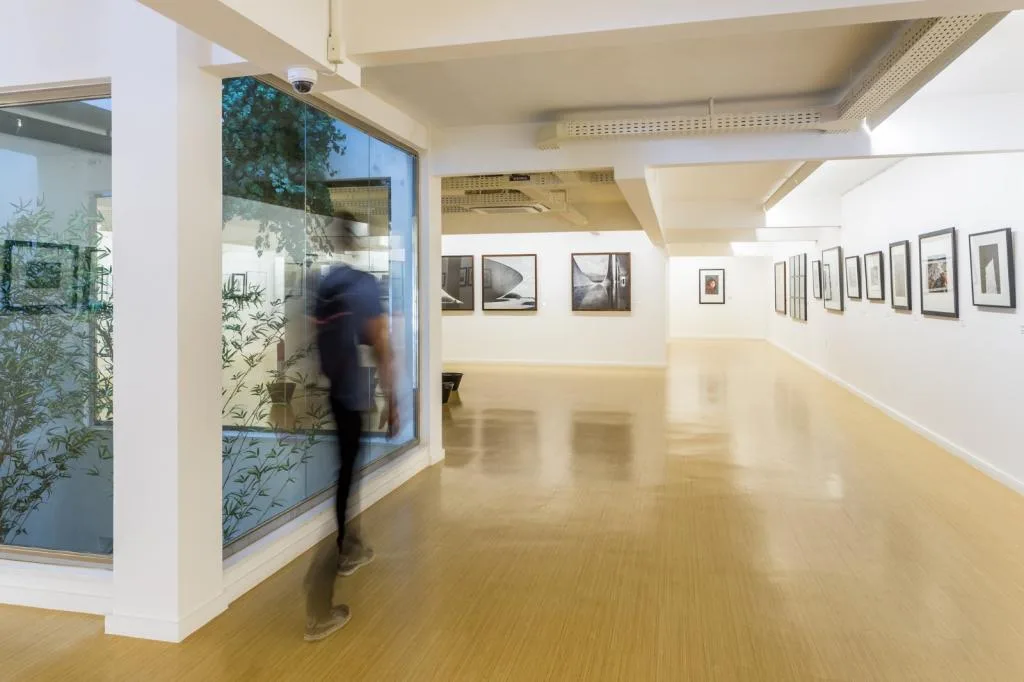
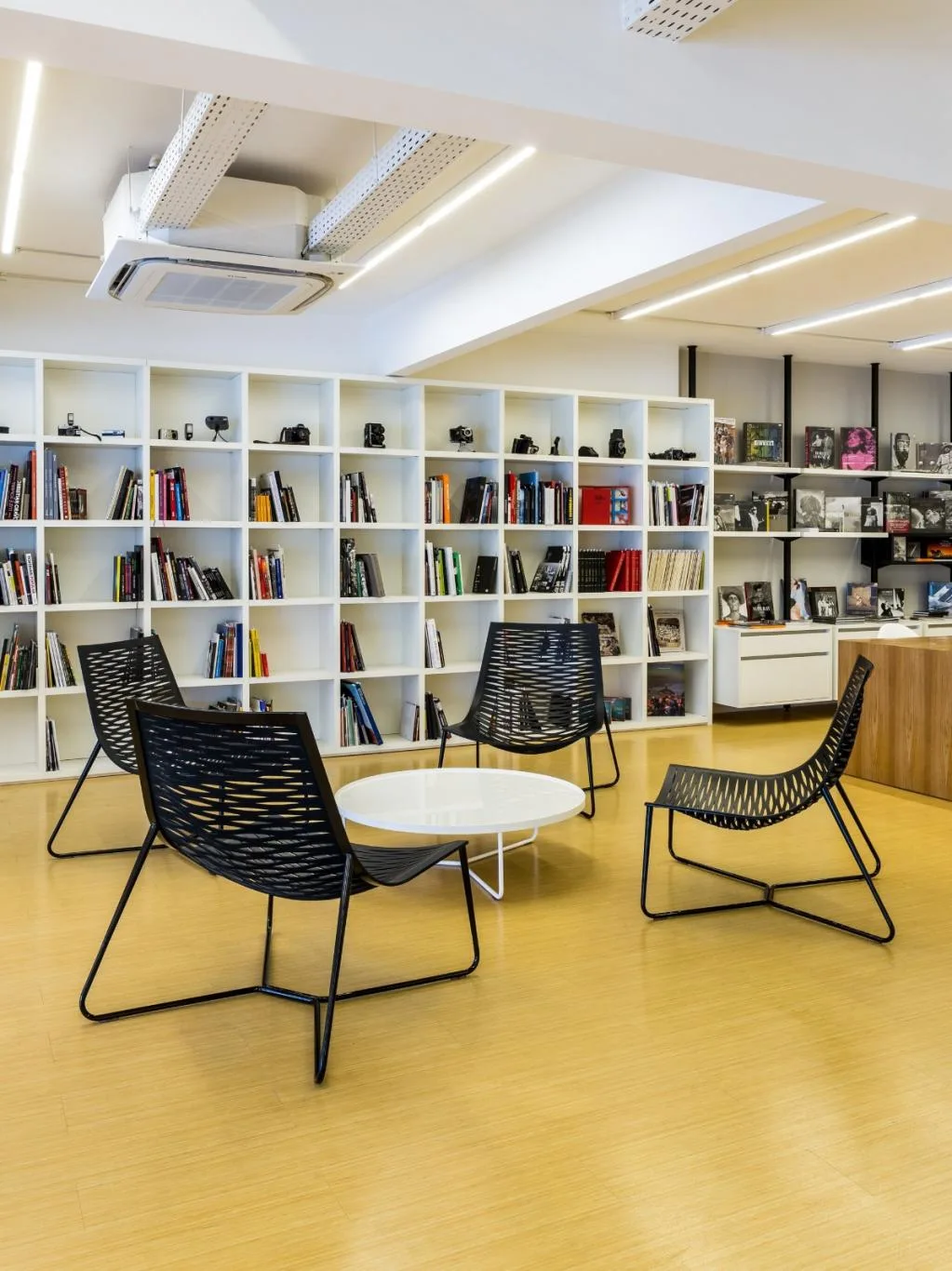
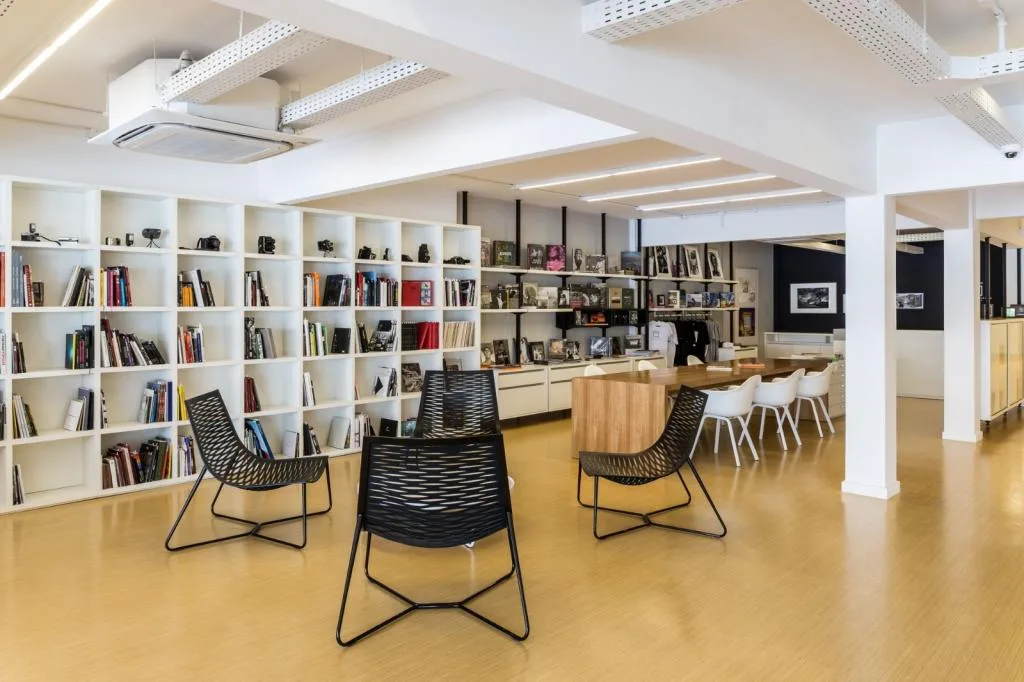
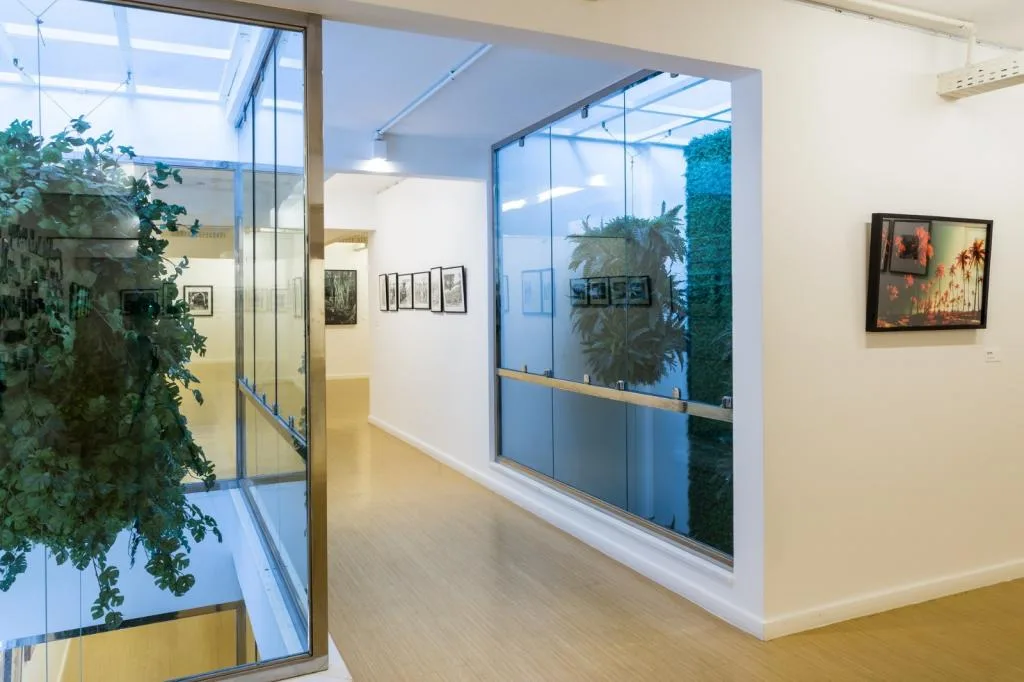
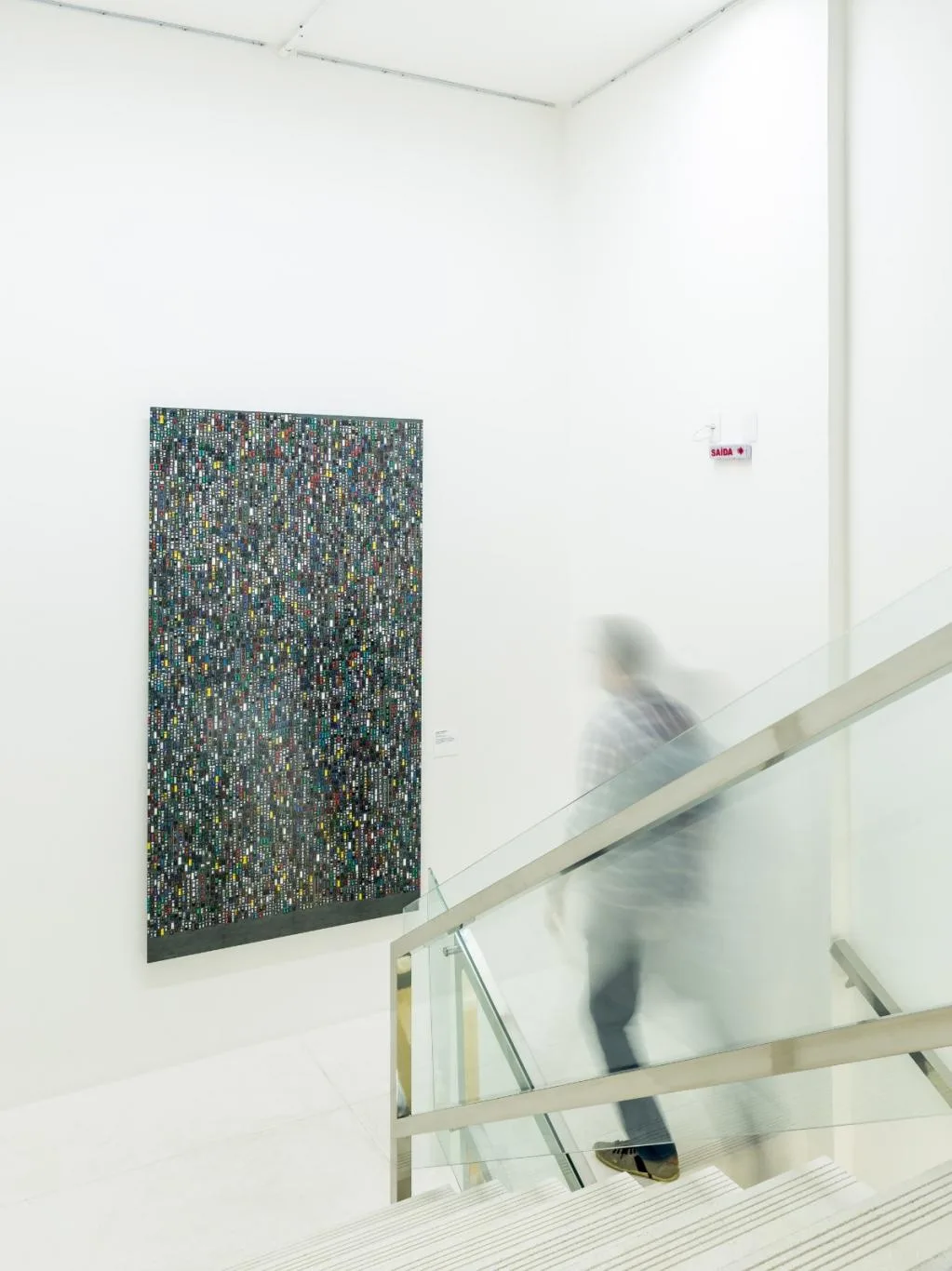
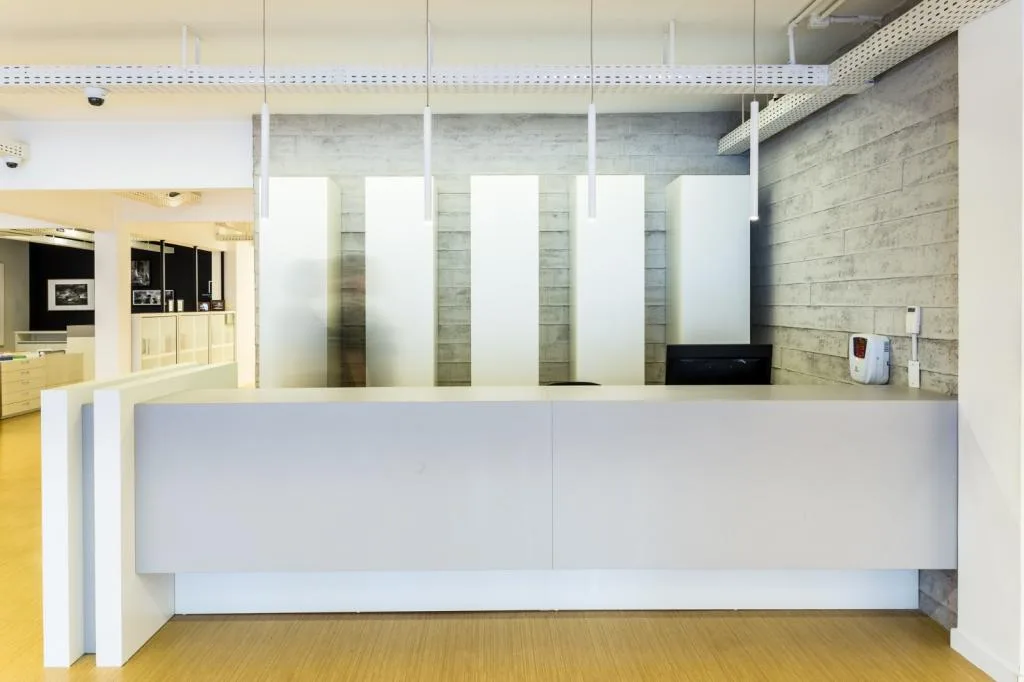
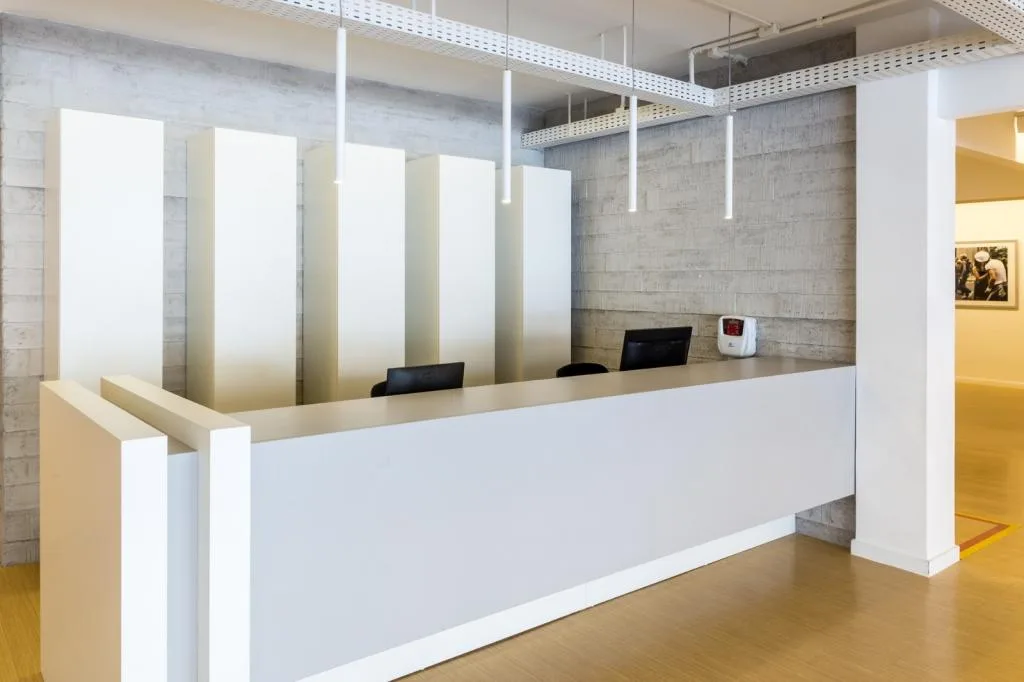
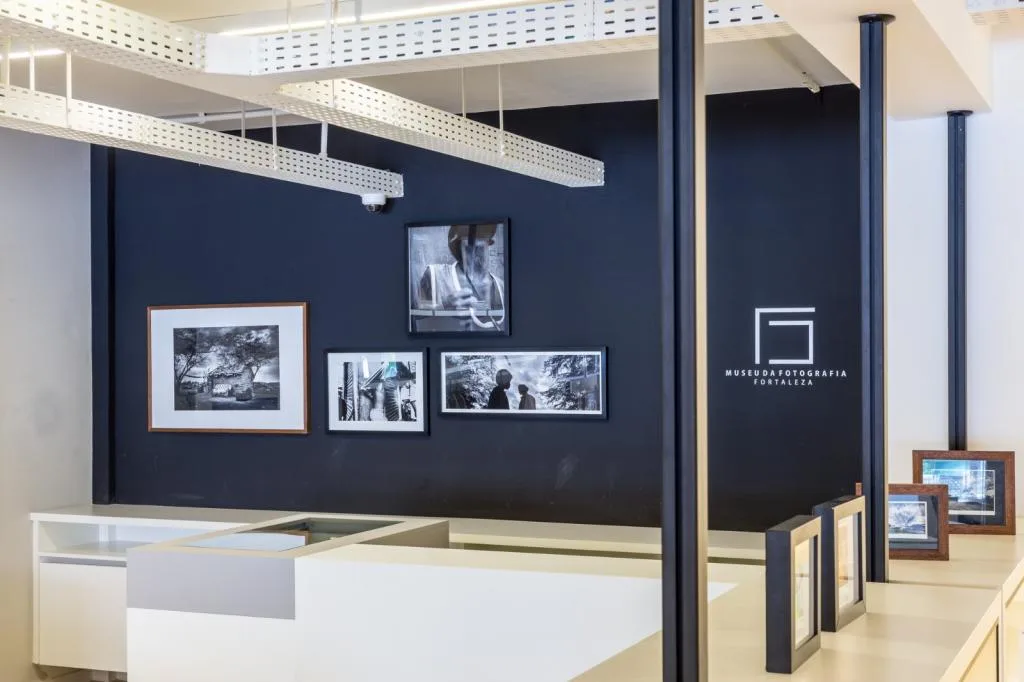
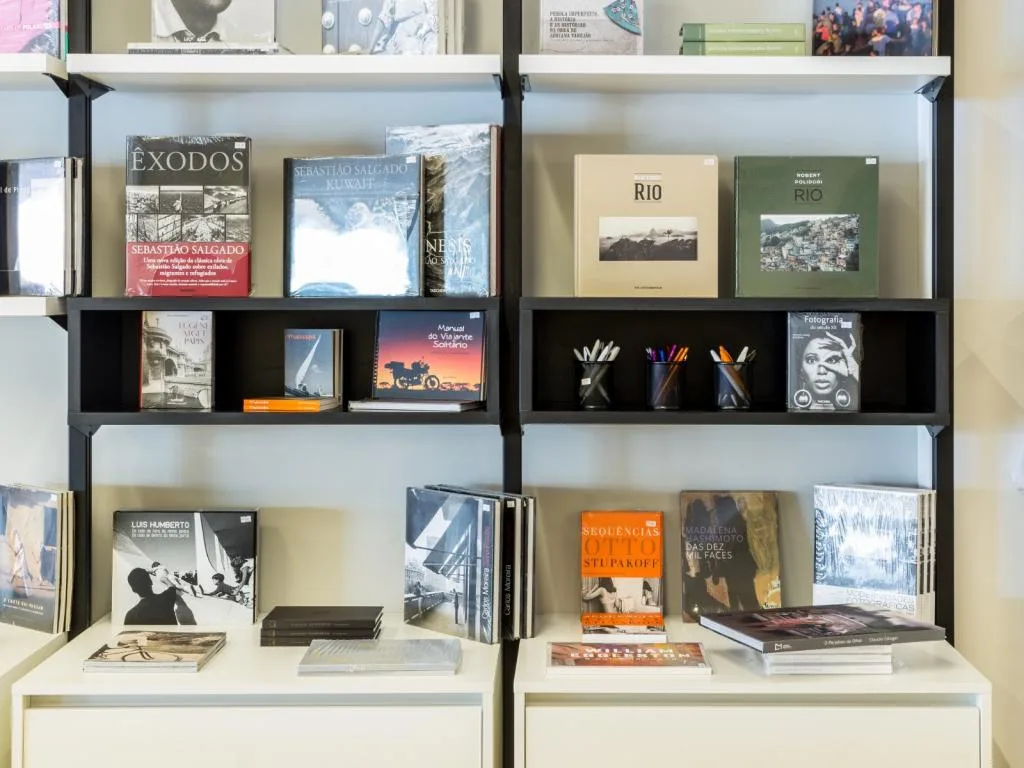
The ground floor houses the lobby, a versatile area combining a café, library, shops, and restrooms, as well as a temporary exhibition space. Permanent exhibitions occupy the first and second floors, with a consistent floor plan on both levels. While the exhibition spaces maintain a solemn atmosphere, a comfortable vertical garden in the corridor offers a visual respite, serving as a transition between exhibitions.
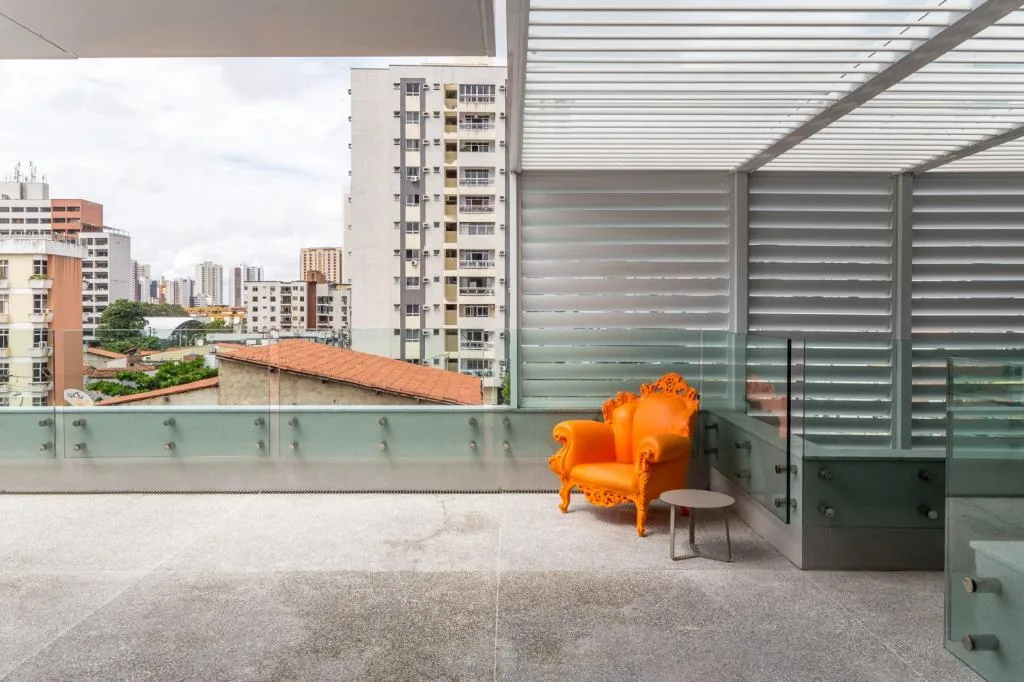
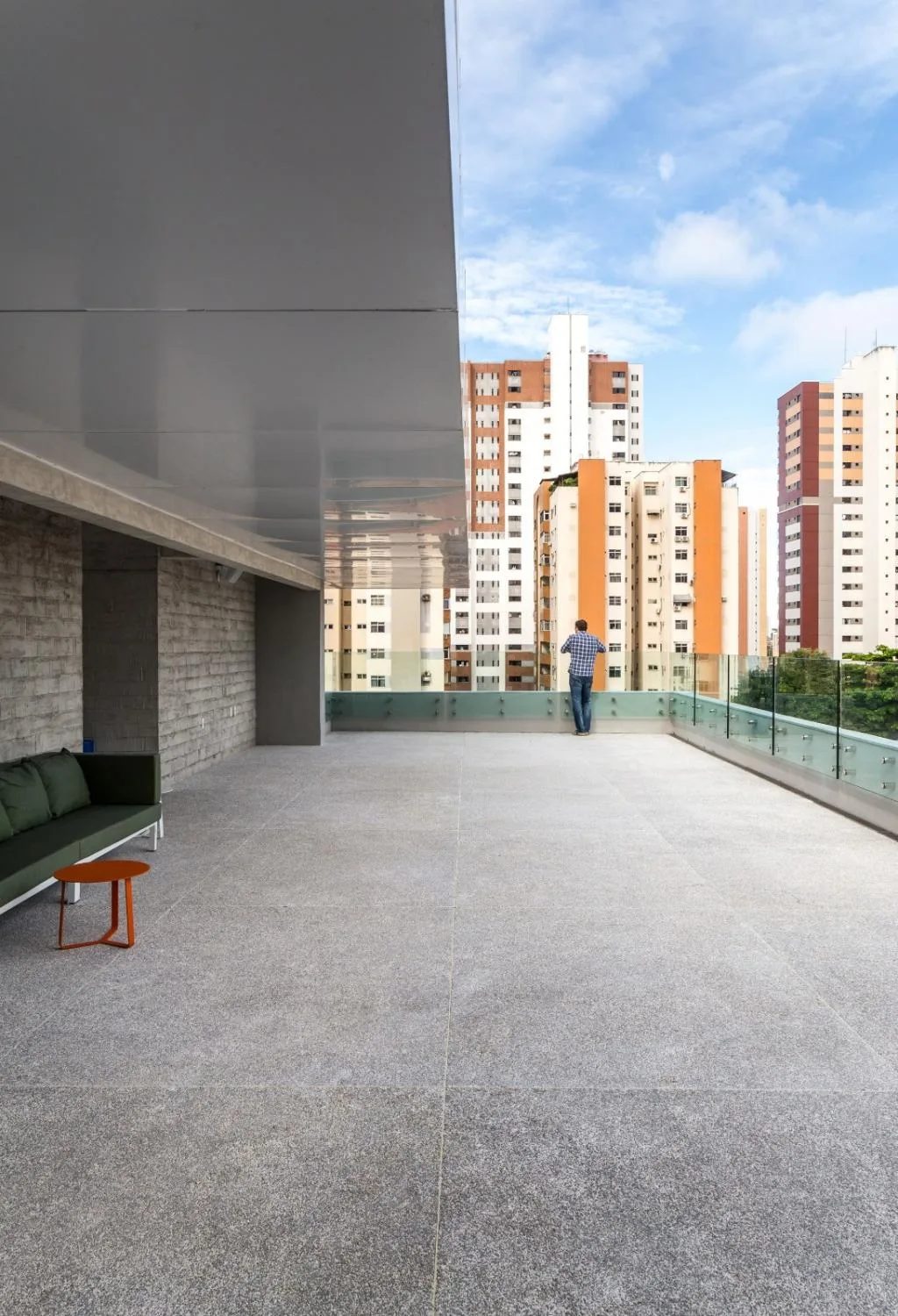
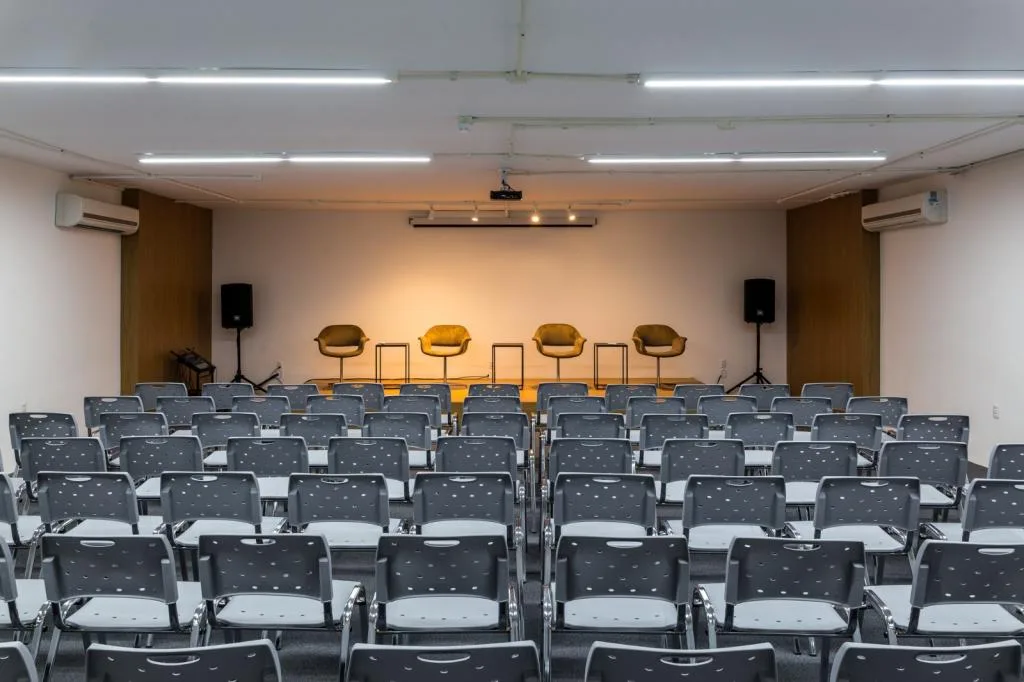
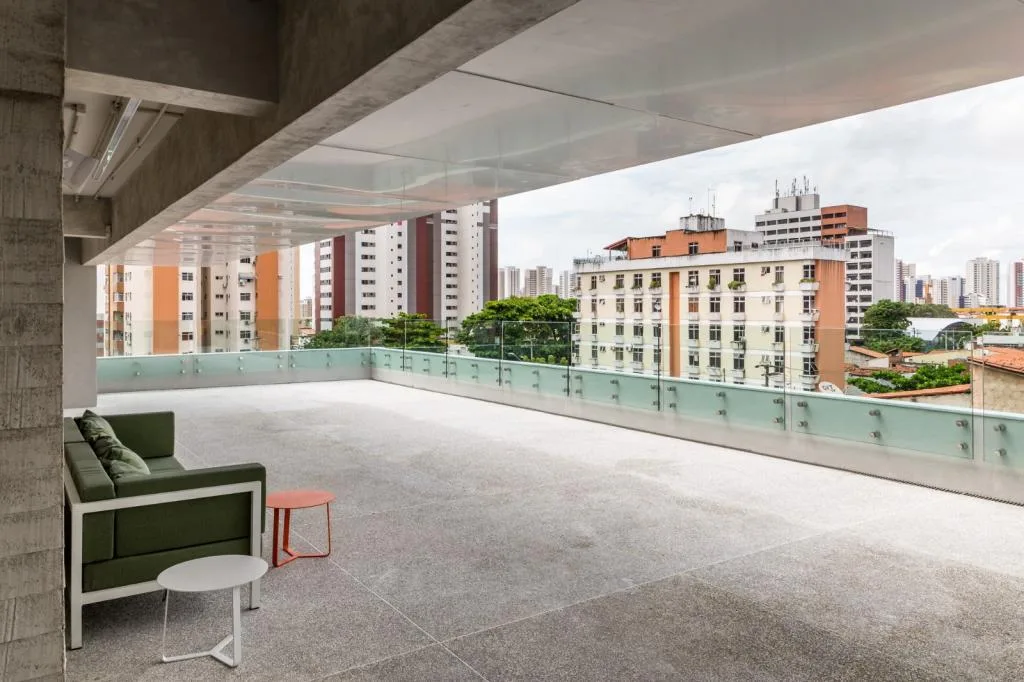
The third floor features a semi-outdoor terrace with panoramic city views, alongside a multipurpose room designed for events, workshops, and lectures. All logistical and support facilities, including a technical room for collection storage, are located in the basement.
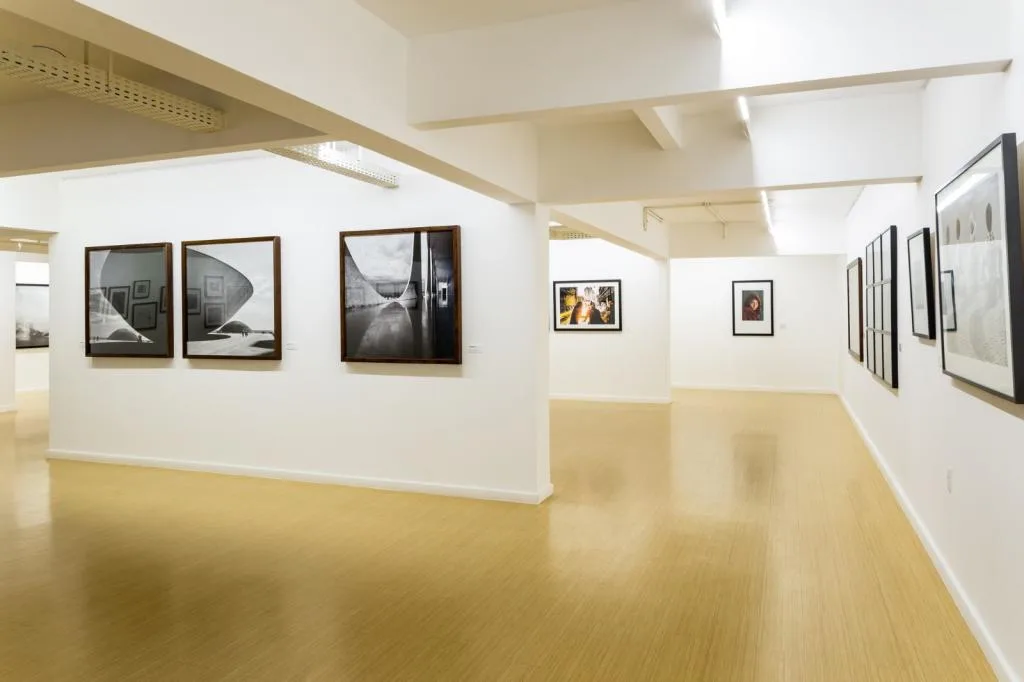
One of the key design considerations was controlling natural light within the building, crucial for preserving the exhibits and maintaining the quality of the museum environment. Most original windows were sealed, except for the atrium, which was preserved. A walkway was added above the atrium, enhancing visual interaction and expanding the limited linear circulation route.
The gypsum ceiling was removed entirely to increase ceiling height. The complex network of existing beams was coordinated with exposed cable trays, accommodating lighting, climate control, and electrical conduits within the space.
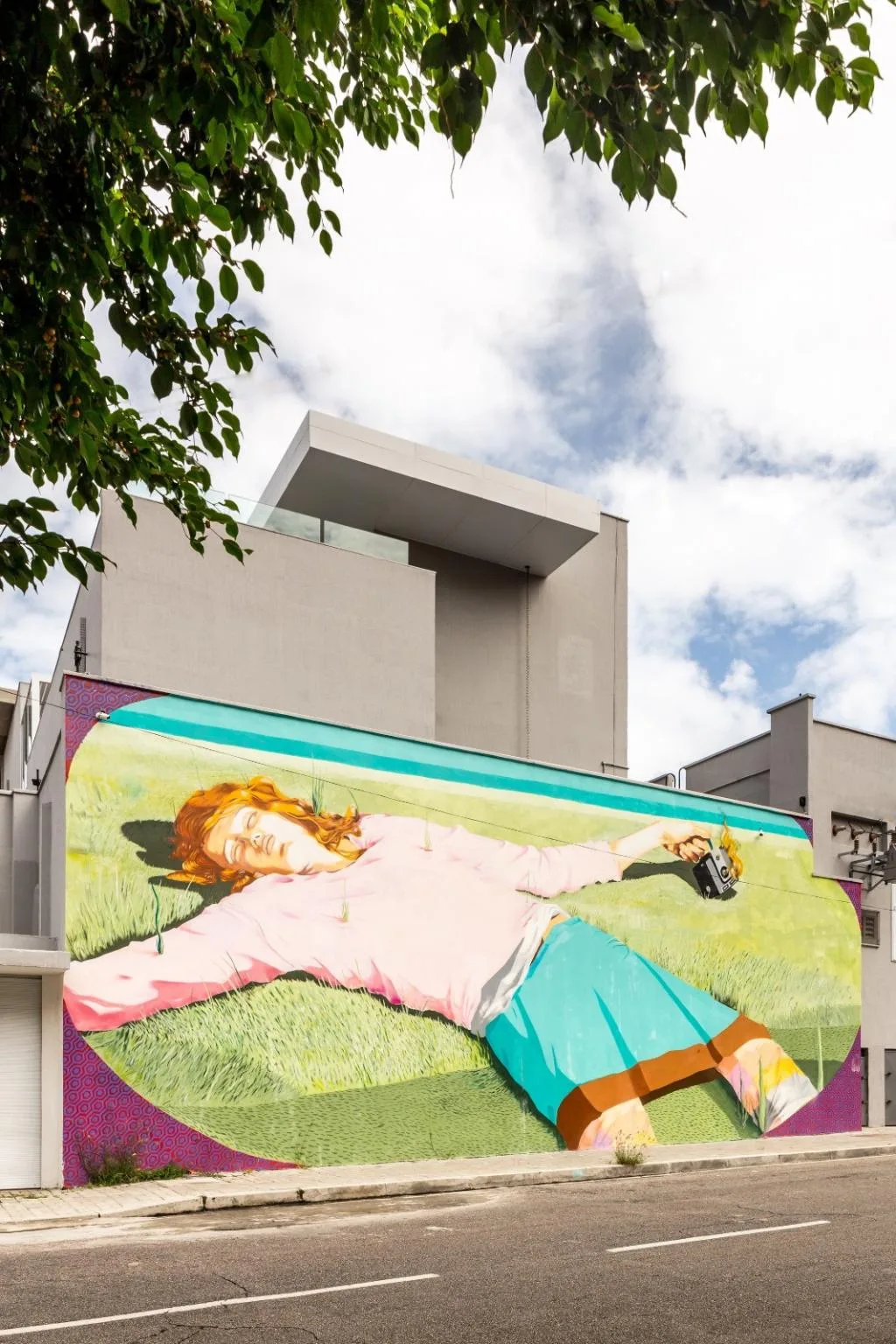
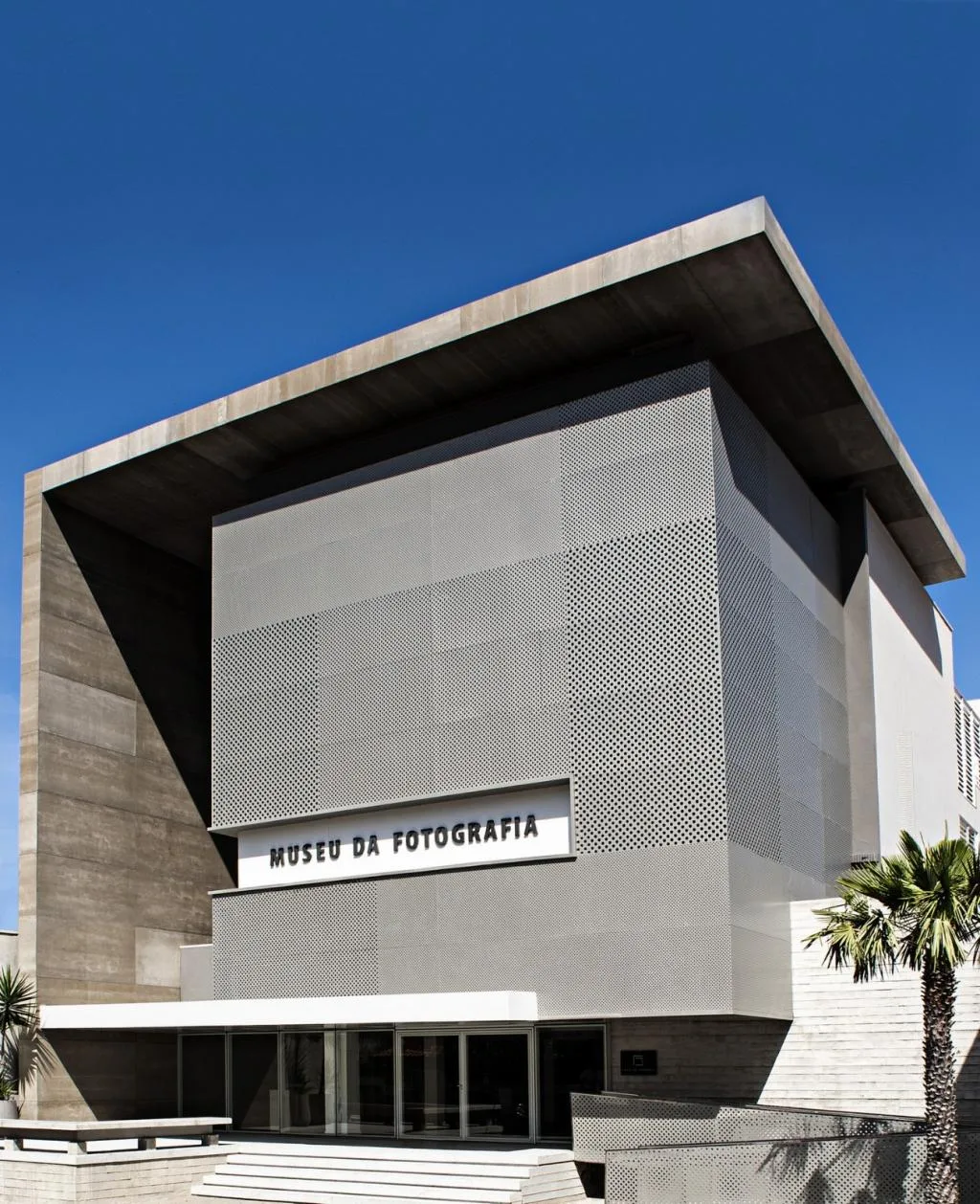
One of the most exciting aspects of the renovation is the transformation of the building’s facade. While the original design featured cantilevered blocks representing the upper floors, the overall composition was lacking. Visual obstructions also hindered a full view of the building from the sidewalk.
The redesign emphasizes the cantilevered blocks as primary exterior elements, complemented by a ventilated metal facade and a coating of perforated aluminum composite panels (ACM). This approach reduces the intense heat from Fortaleza’s afternoon sun and adds visual dynamism through varying perforation sizes, creating a mosaic effect.
At the top of the facade, two decorative stone tiles enhance the design. A smaller tile shades the main entrance and allows for glass elements that soften the building’s opacity. A larger L-shaped tile extends gently over the structure, achieving an ideal balance in the composition.
The goal of this project was to create a contemporary building that communicates form and materiality through the analysis of volume, evoking a sense of permanence and solemnity. The distinctive proportions of the facade leave a lasting impression, easily remembered by all who see it.
Project Drawings
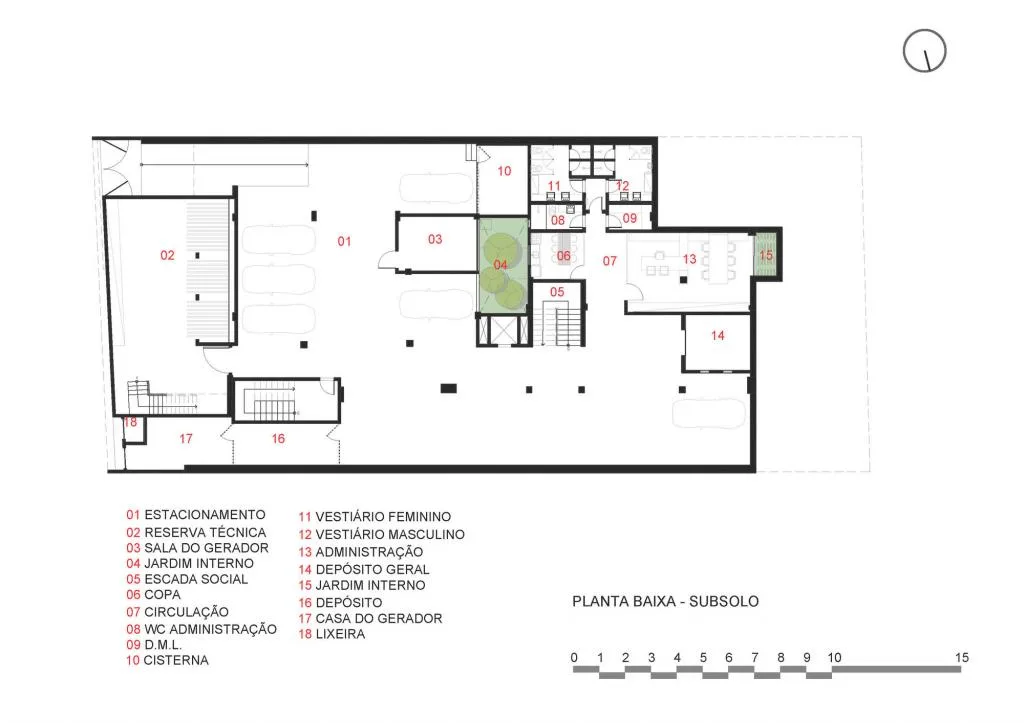
△ First Floor Plan
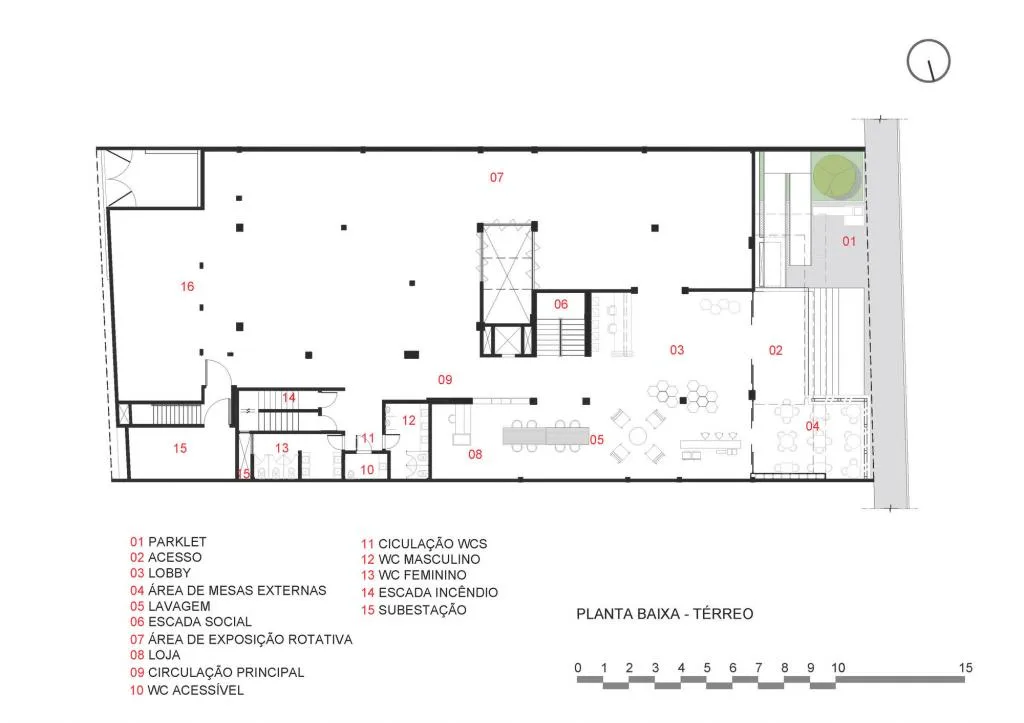
△ Second Floor Plan
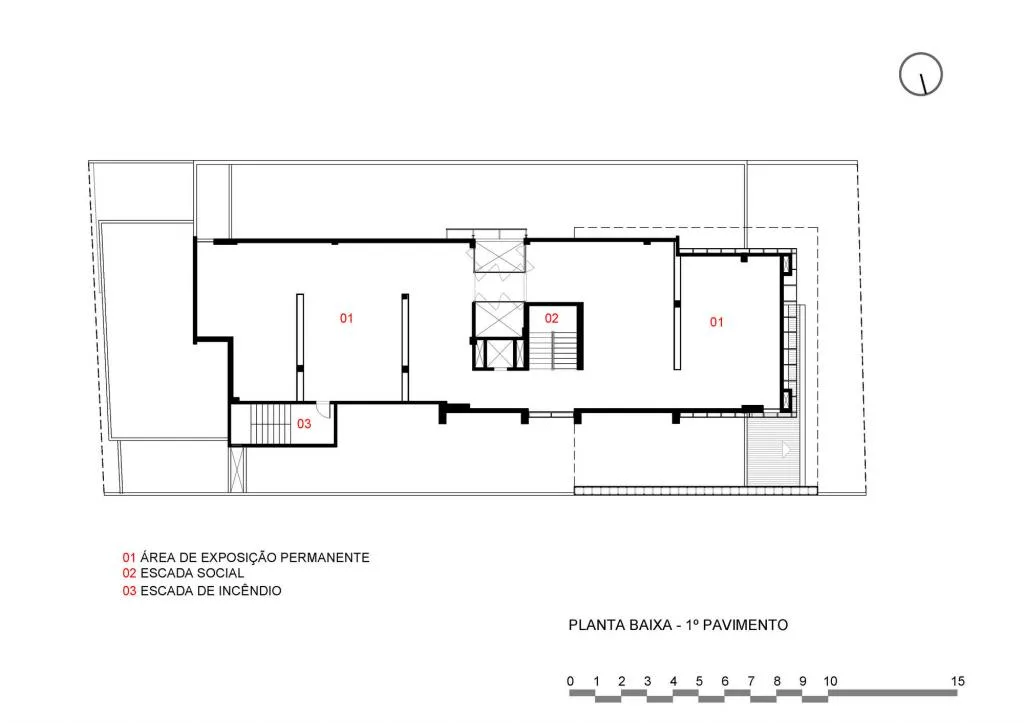
△ Third Floor Plan
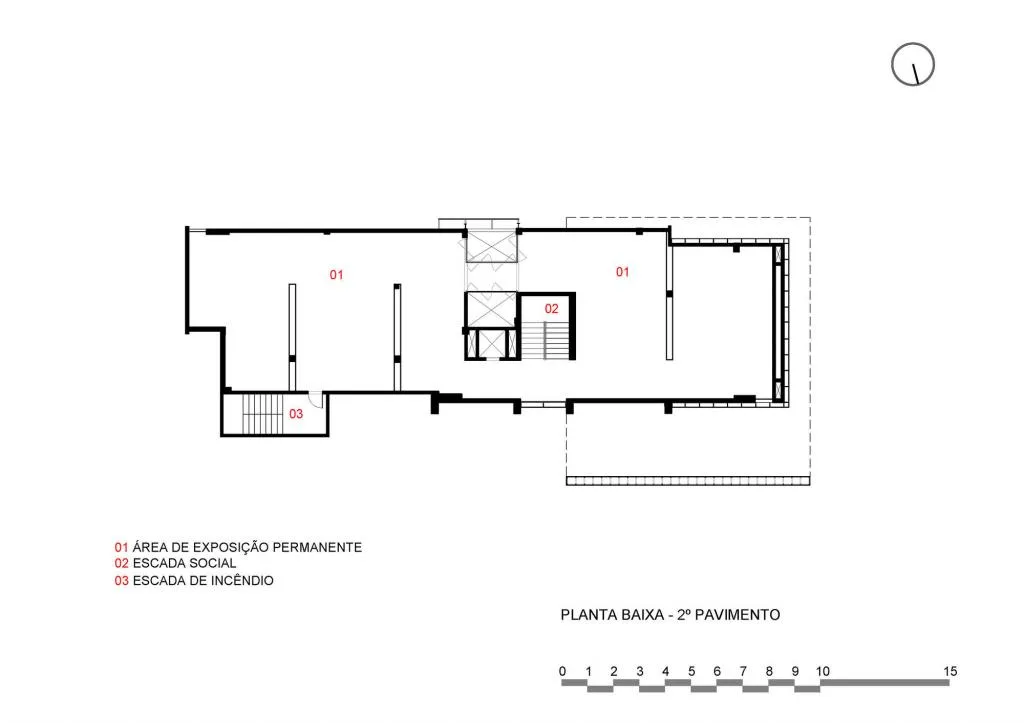
△ Fourth Floor Plan
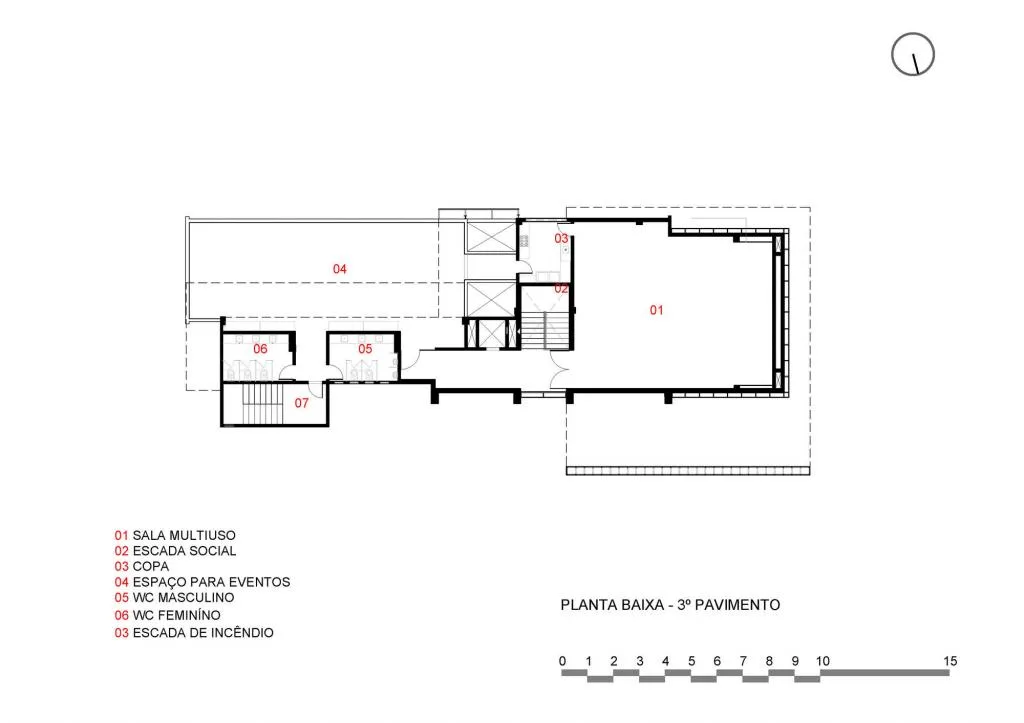
△ Fifth Floor Plan
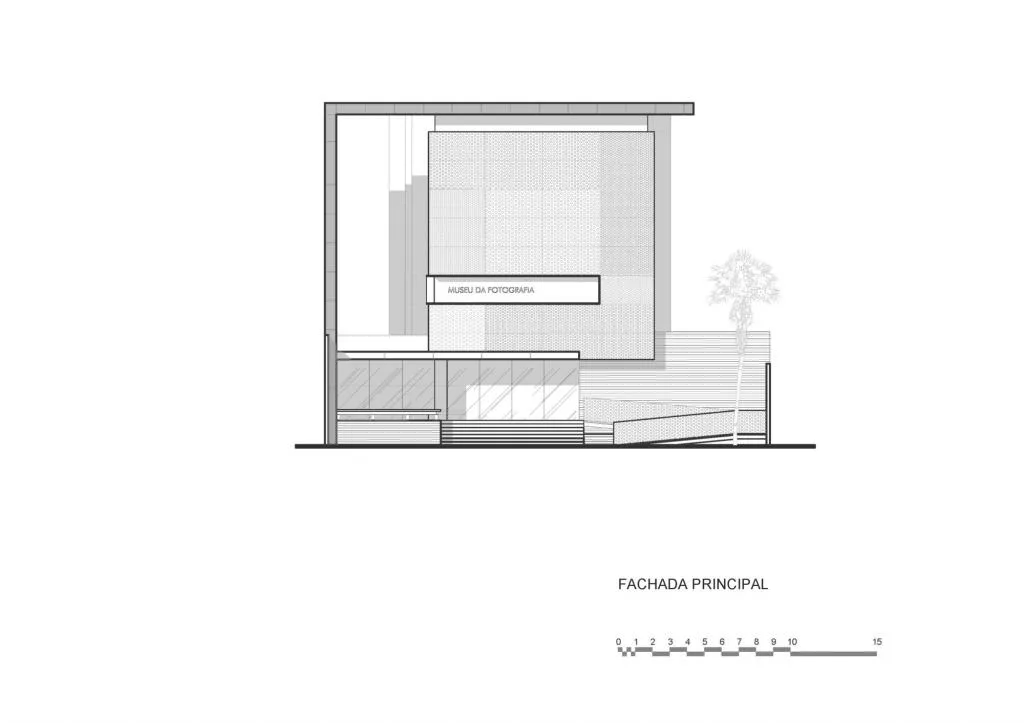
△ Elevation Drawing
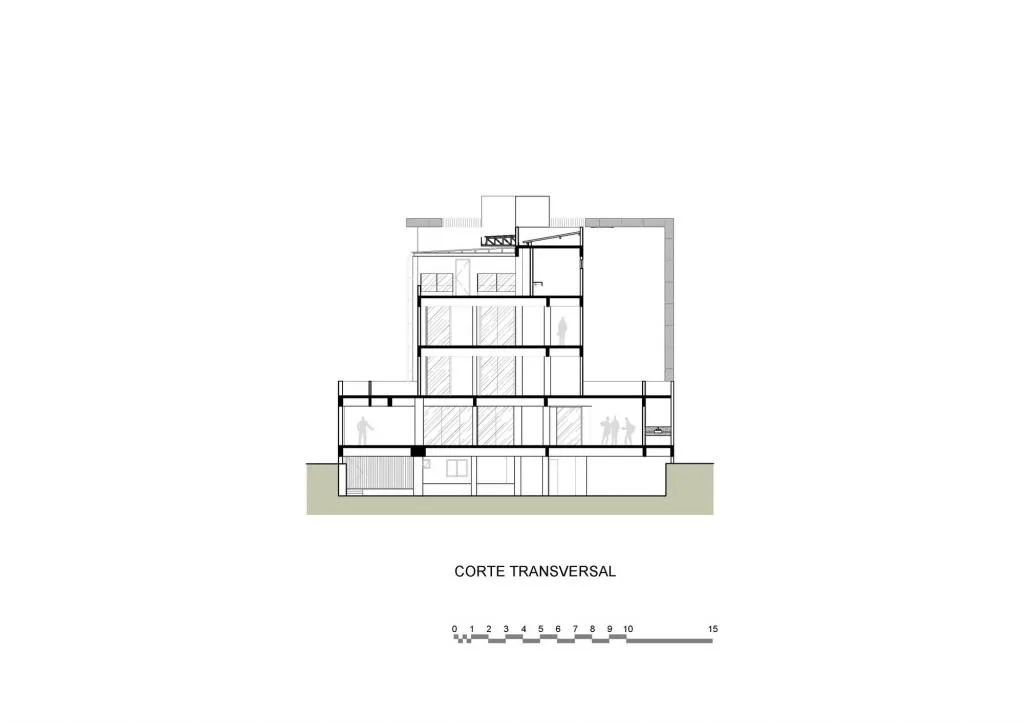
△ Section Diagram
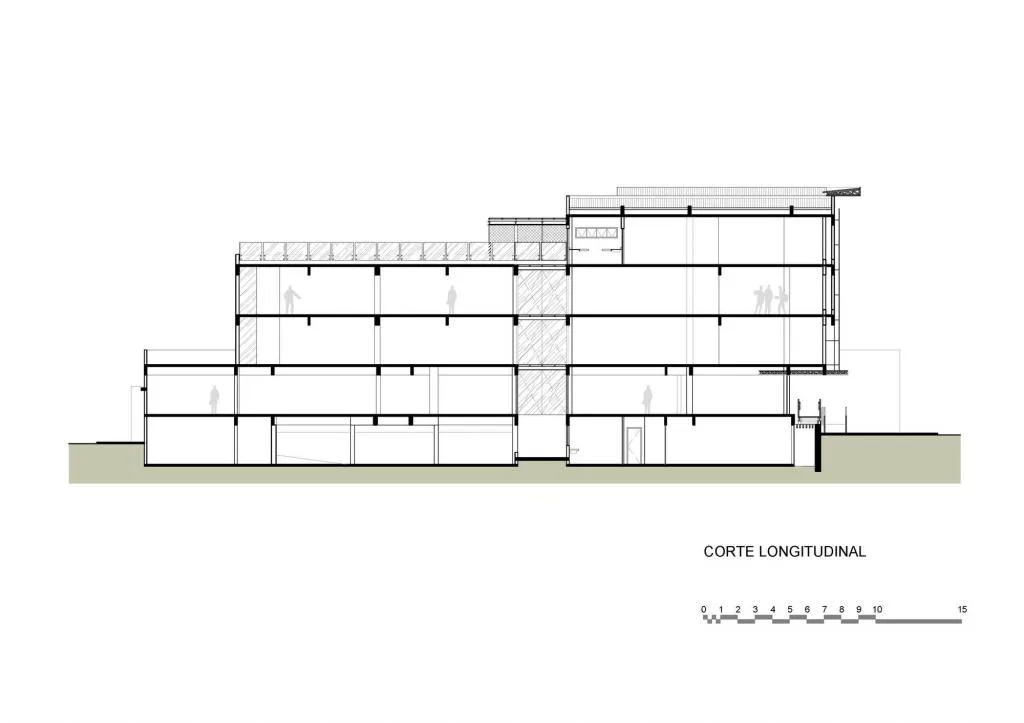
△ Section Diagram
Project Information
Architectural Design: Marcus Novais Arquitetura
Area: 1,940 square meters
Project Year: 2017
Photographers: Celso Oliveira, Igor Ribeiro
Suppliers: Aluminum stairs, metal structure, ACM facade, custom and planned furniture
Initiators: Marcus Novais, Lucas Novais
Lead Architects: Yuri Praça, Thiago Baêtas
Project Team: Fernando Araújo, Daphny Xavier, Renato Oliveira, Andrinne Araújo, Marcela Craveiro
Regulatory Authority: Ivo Mesquita
Equipment Installation: Prediais UTP Engenharia
Air Conditioning: Pedro Cumaru
Lighting Design: Studio IX
Contractor: Simpex
Location: Varjota, Fortaleza, Brazil












Must log in before commenting!
Sign Up