
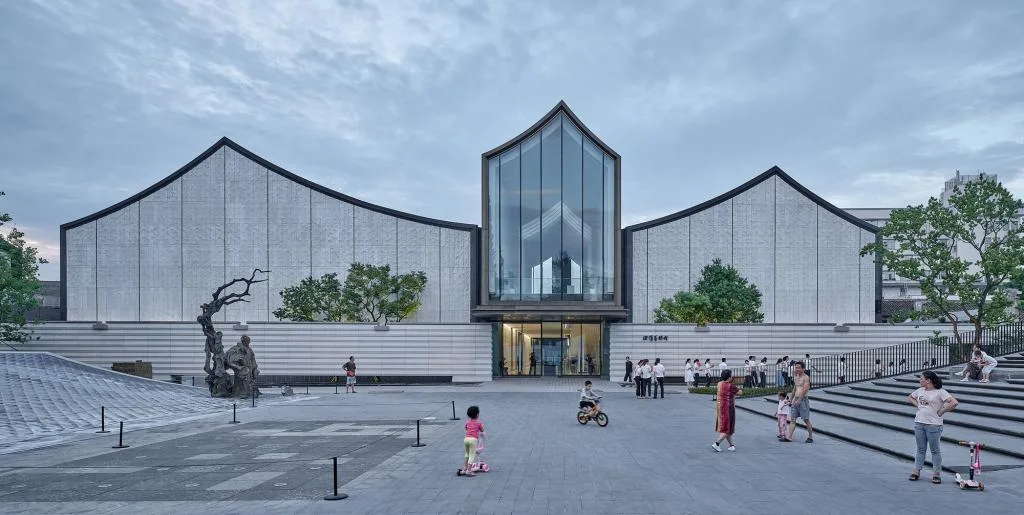
The Xu Wei Art Museum and Qingteng Square are pivotal components of our urban renewal project in the historic city of Shaoxing. They serve as key elements within the “Seeing Qingteng Again” initiative. As the main venues for the “500th anniversary of Xu Wei’s birth and the opening ceremony of Xu Wei’s hometown,” these spaces officially opened in May 2021.
From the initial site survey, the conceptual design for the art museum took shape. Inspired by the architecture and landscaping of the Qingteng Bookstore, the project proposes landmark public cultural buildings as part of the ongoing urban renewal. Our goal was to create a new spatial expression that bridges the surrounding traditional residential buildings with contemporary art exhibition spaces requiring large volumes. This approach explores the theme of “modernity within a historical context.”
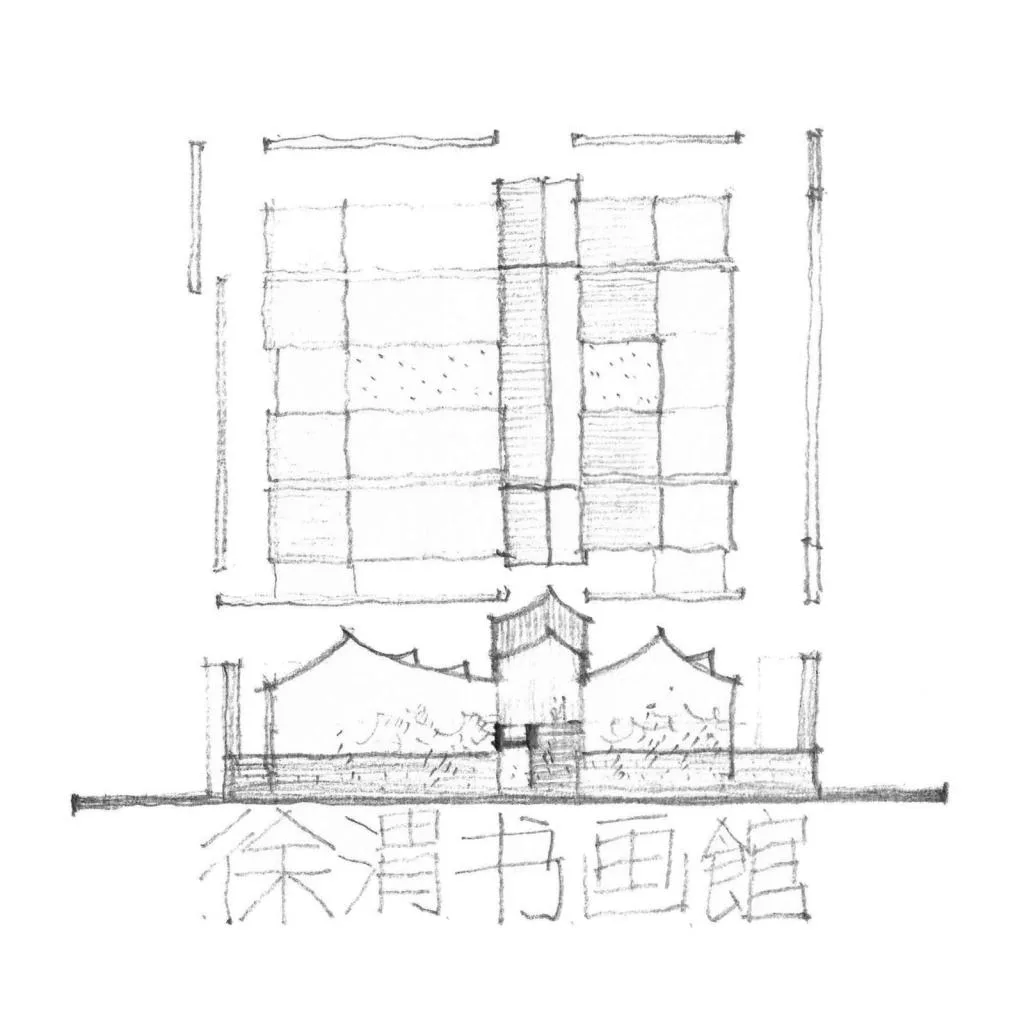
△ Design draft drawing
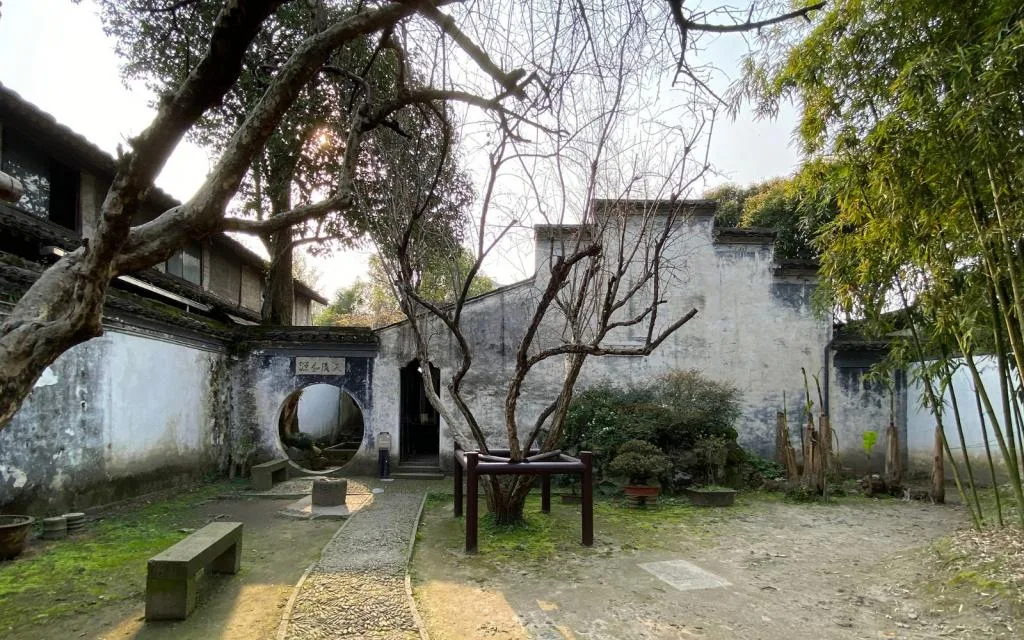
Xu Wei’s former residence, the Qingteng Bookstore, is a perfectly sized, elegant space marked by freeform composition and a rich literary atmosphere © ACRC
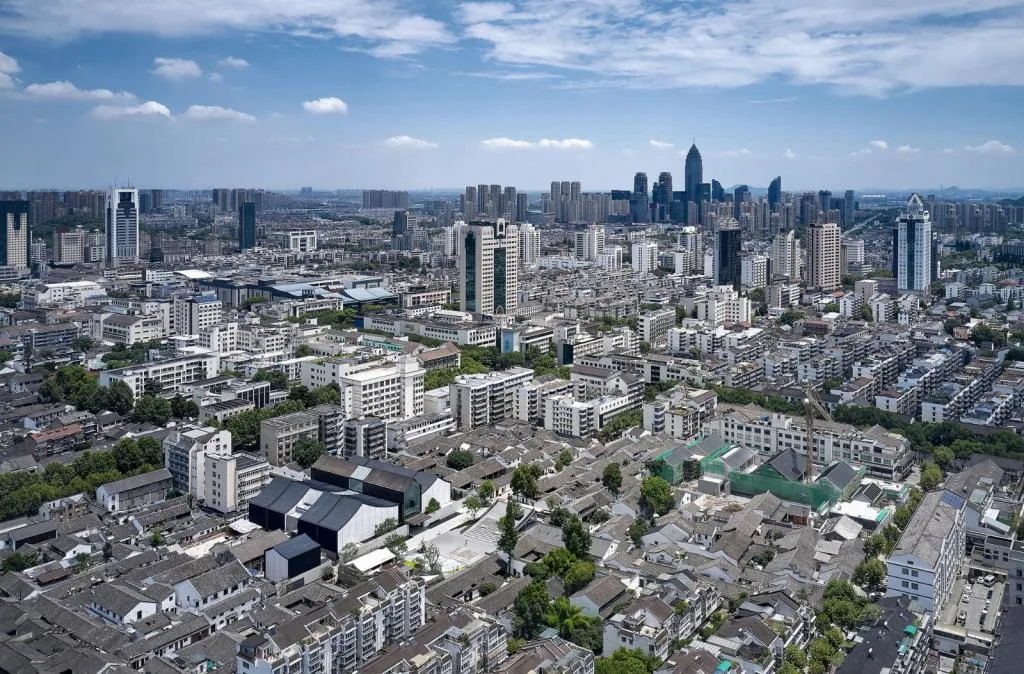
Overlooking the Xu Wei Art Museum, the architectural texture of the surrounding small-scale traditional residential buildings is clearly visible © Lei Tan Tan Tan
The Xu Wei Art Museum, located on the former site of the Shaoxing Machine Tool Factory, lies north of Xu Wei’s former residence and centrally within Houguan Lane. Our design draws inspiration from the factory’s large spatial layout, adopting an “unequal-sided zigzag slope” form featuring five vertical entrances and three horizontal folds. The two floors on either side house the main exhibition spaces, while the middle span connects vertically to the five entrances: the ground floor is a north-south oriented foyer, and the second floor contains a shared hall and a small lecture room. These upper and lower shared spaces act as hubs connecting the exhibition halls on both sides.
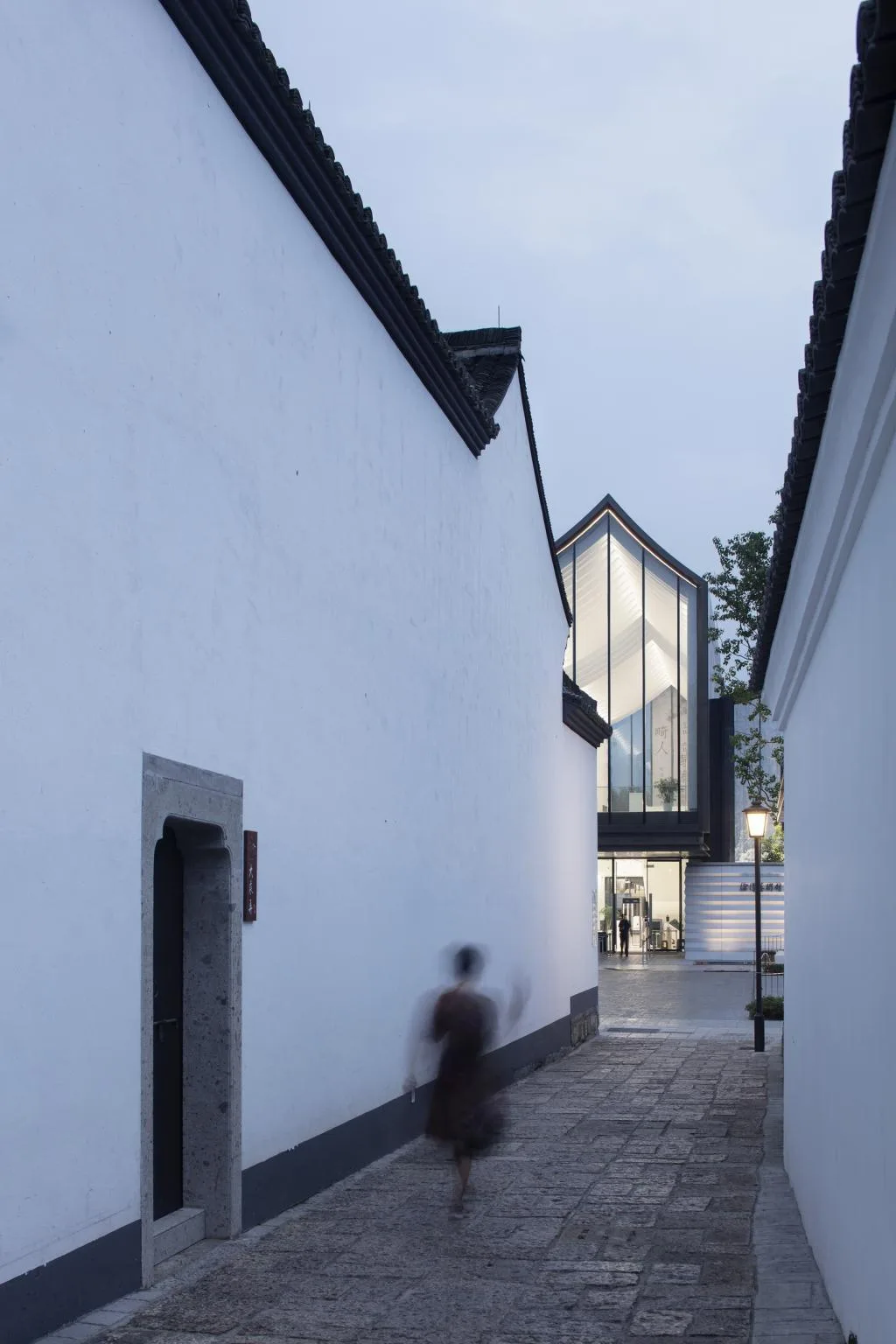
View from the northern end of Dacheng Lane, looking towards the Xu Wei Art Museum from Qingteng Bookstore’s direction © Jafar
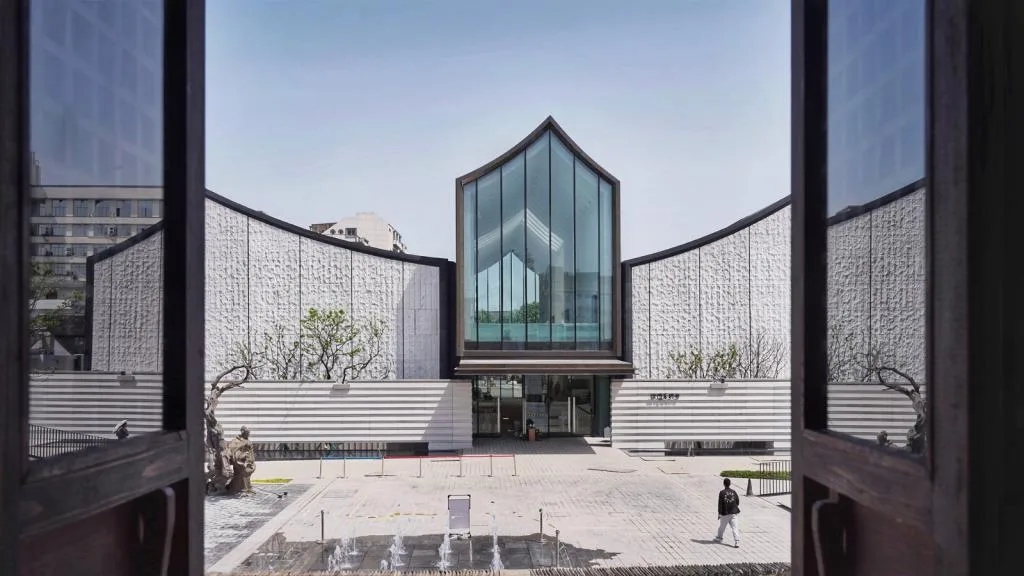
The unequal zigzag slope with three horizontal folds softens the feeling of alienation in this large-scale space © Zhang Chenfan
We incorporated internal courtyards on different levels along the east and west sides. These courtyards effectively divide the exhibition halls’ volume, enhance indoor transparency, and offer visitors additional outdoor viewing and leisure opportunities through garden elements like rocks, waterfalls, and greenery.
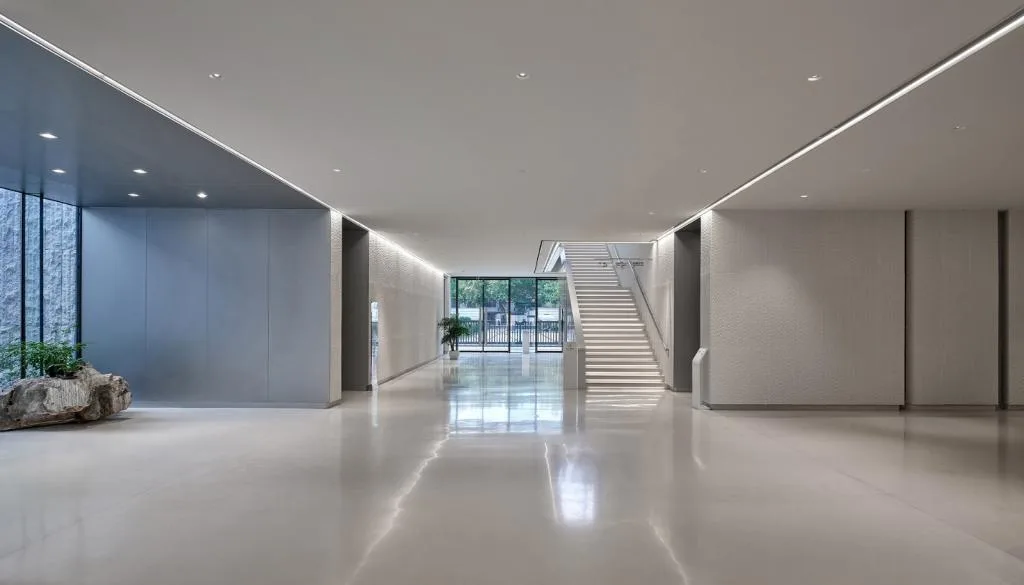
The transparent ground floor connects exhibition halls and auxiliary functions on both sides, linking the north and south squares seamlessly © Lei Tan Tan Tan
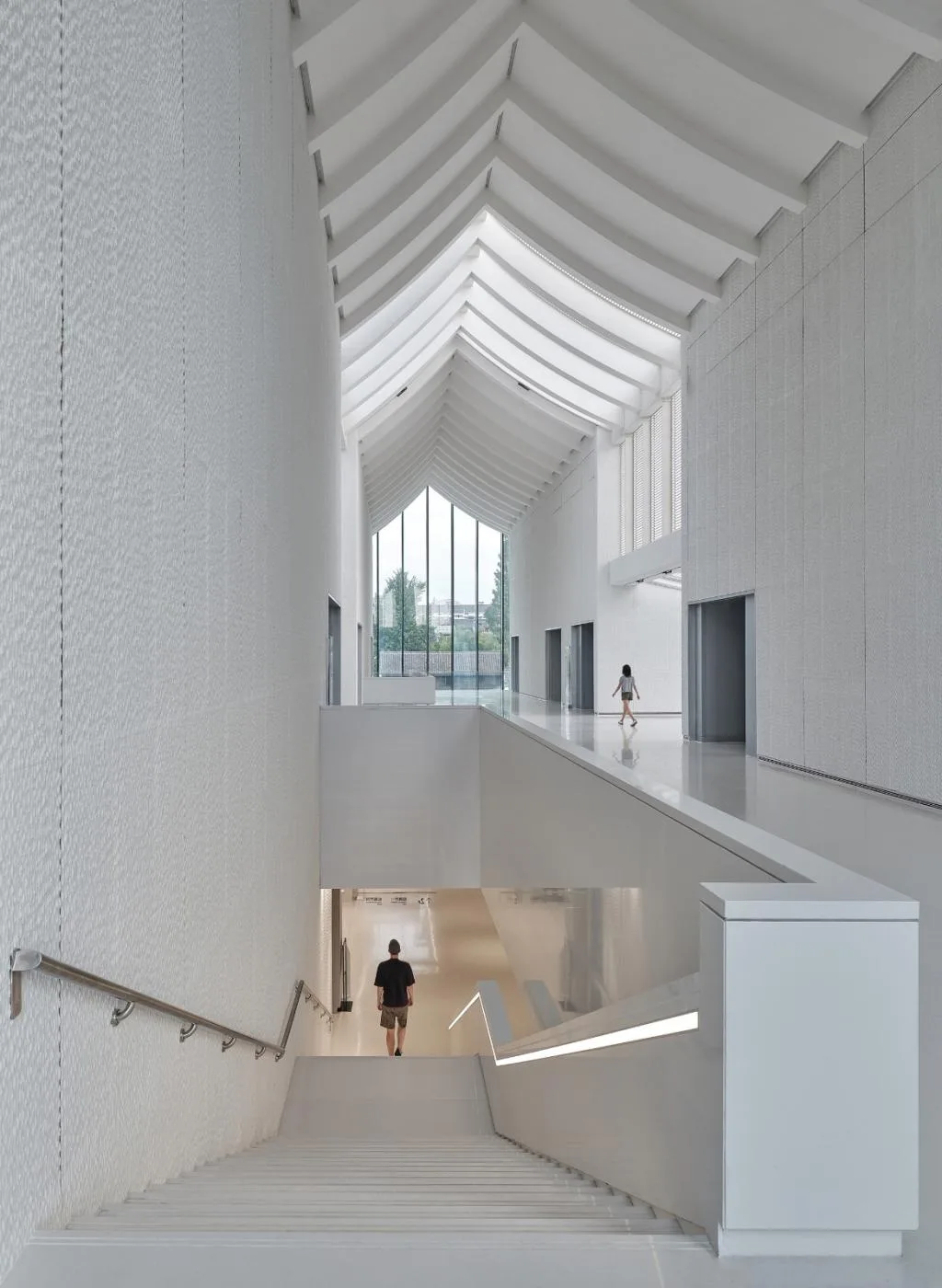
The second-floor atrium offers versatile spaces for relaxation, gathering, viewing, and photography © Lei Tan Tan Tan
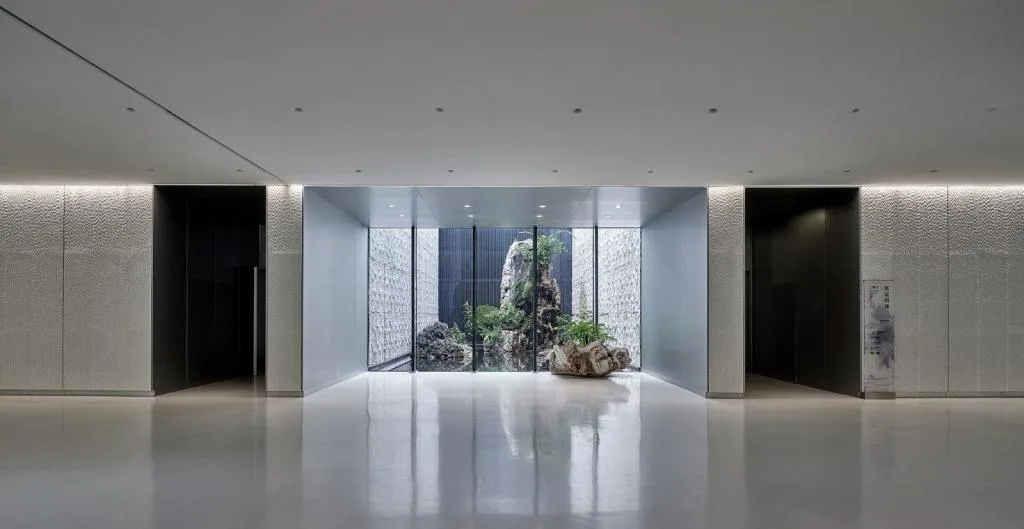
The main courtyard on the first floor, facing west, is primarily designed for viewing © Lei Tan Tan Tan
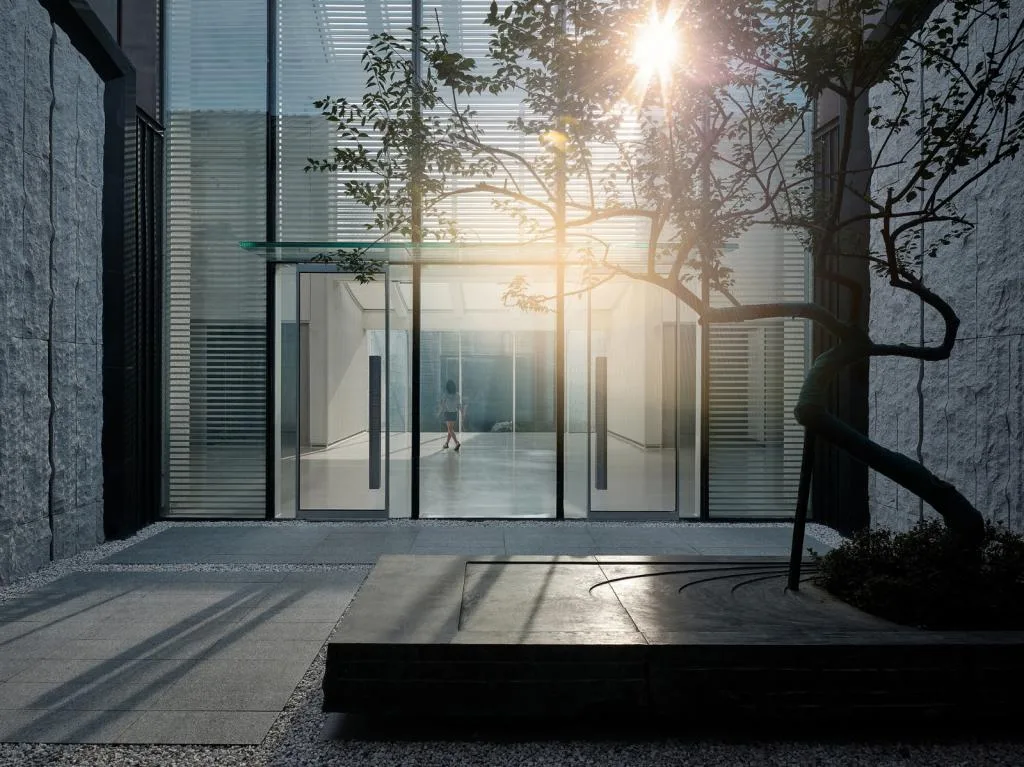
The east-side courtyard on the second floor provides an outdoor leisure space for the lecture hall © Lei Tan Tan Tan
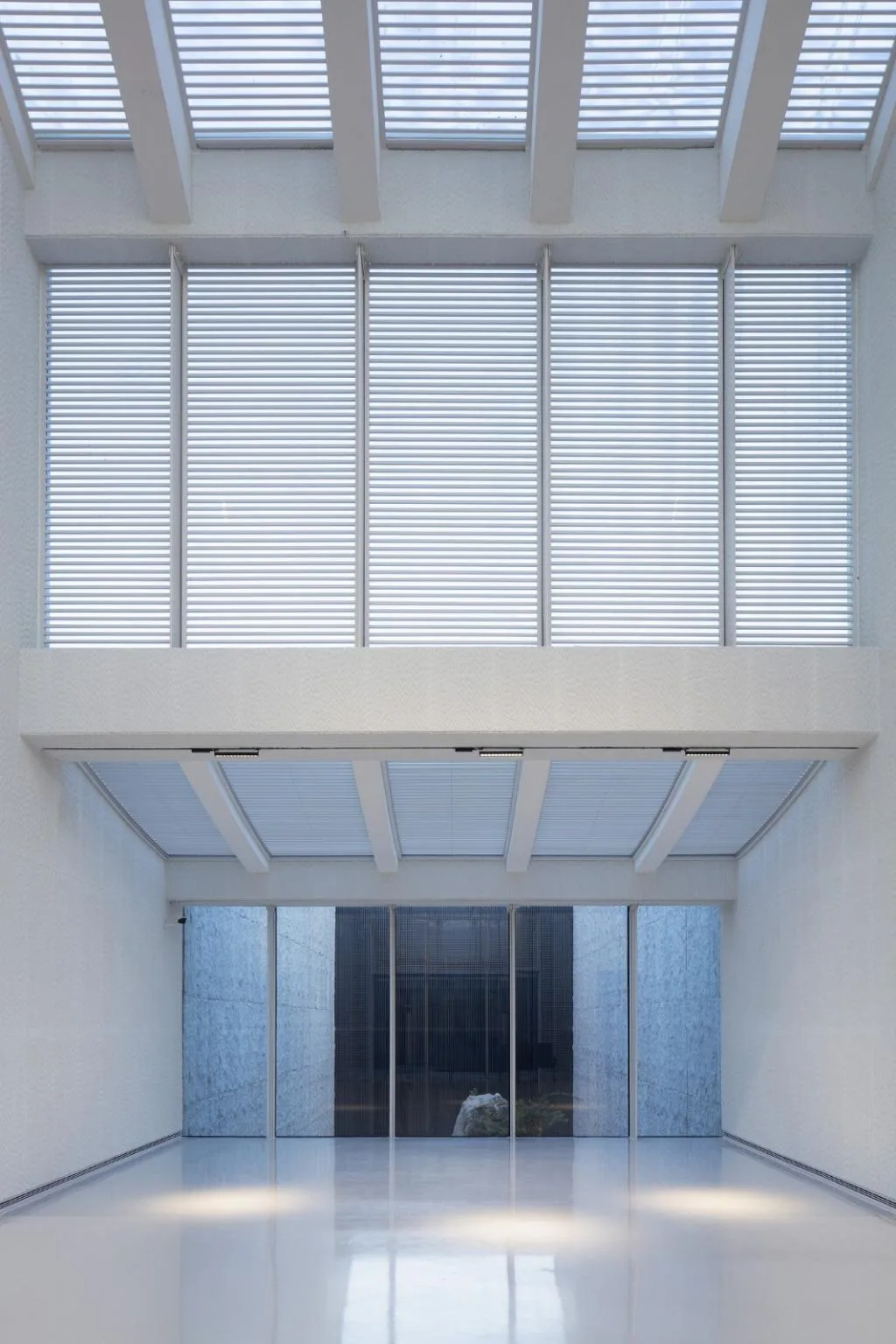
The lecture hall also serves as a visual landmark for visitors on regular days © Jafar
Beyond spatial design, the contemporary interpretation of Shaoxing’s traditional style is evident in the careful material selection. The black metal texture flows from the roof along the zigzag slope, terminating at the second floors on the east and west sides. White granite solid walls cover the upper floors along the north-south axis. The first floor’s four sides are recessed, featuring a repeating horizontal herringbone slope pattern. Curtain walls are locally tailored by function and module, with gray granite and glass unified to achieve a cohesive aesthetic. The overall building presents Shaoxing’s characteristic black, white, and gray palette, punctuated by blank spaces and a distinctive triple-fold zigzag slope outline, evoking a contemporary landscape ethos.
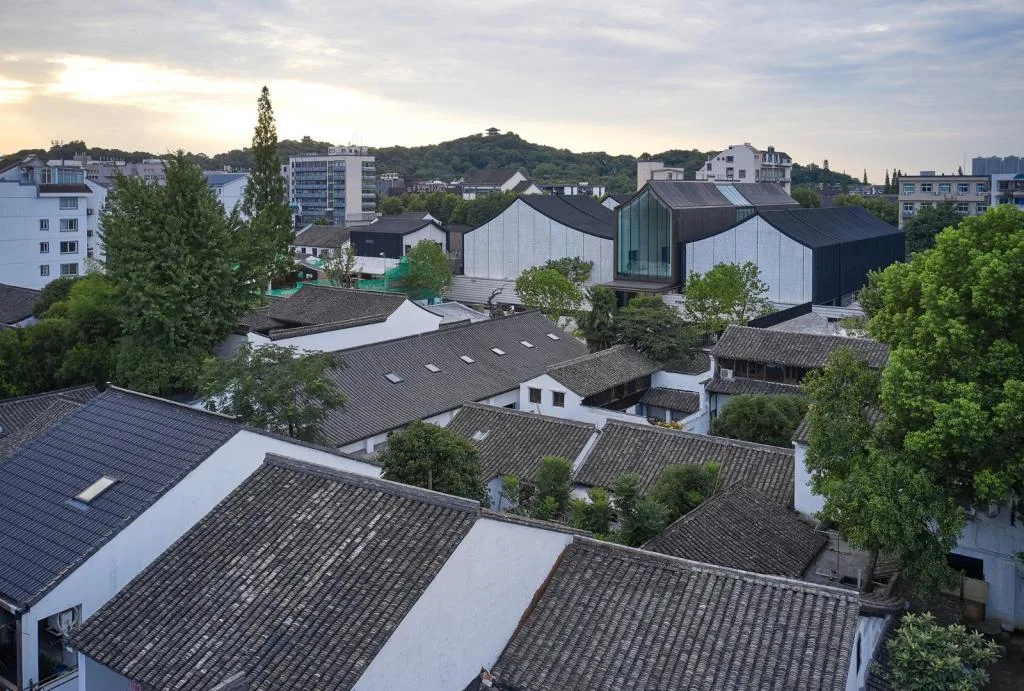
The black, white, and gray palette seamlessly integrates the Xu Wei Art Museum into the surrounding built environment © Lei Tan Tan Tan
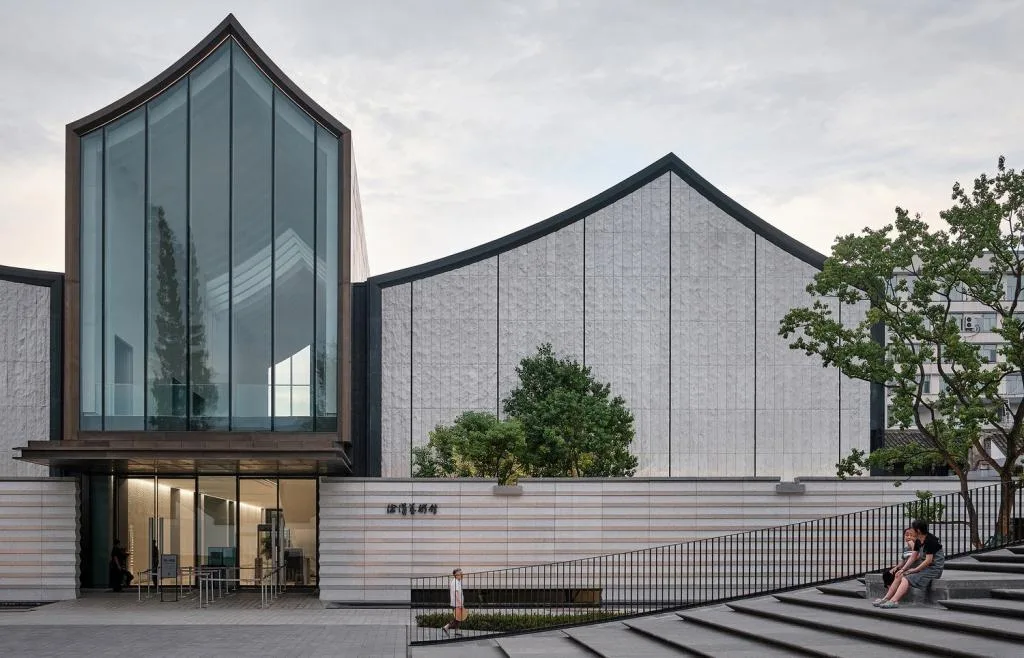
The building’s two-story north-south volume features granite walls resembling the textures of mountains and water © Lei Tan Tan Tan
We intentionally preserved the old walls on the east and north ends of the former machine tool factory, contrasting with the museum’s transparent glass curtain walls and white stone panels, allowing time to create a dynamic tension within the space.
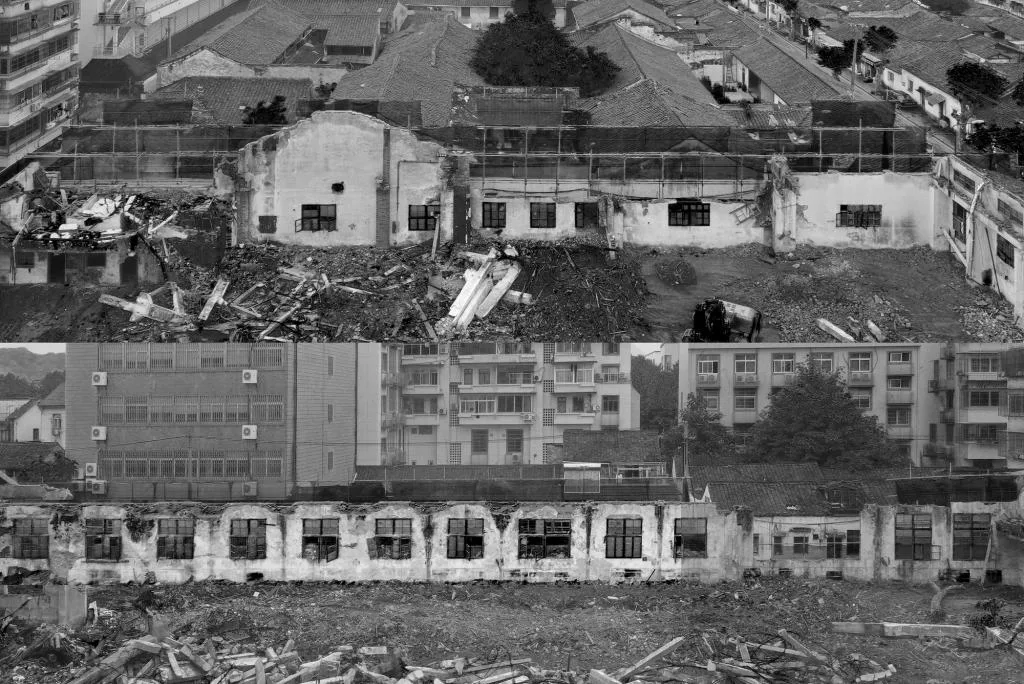
Preserved old wall of the machine tool factory during construction © ACRC
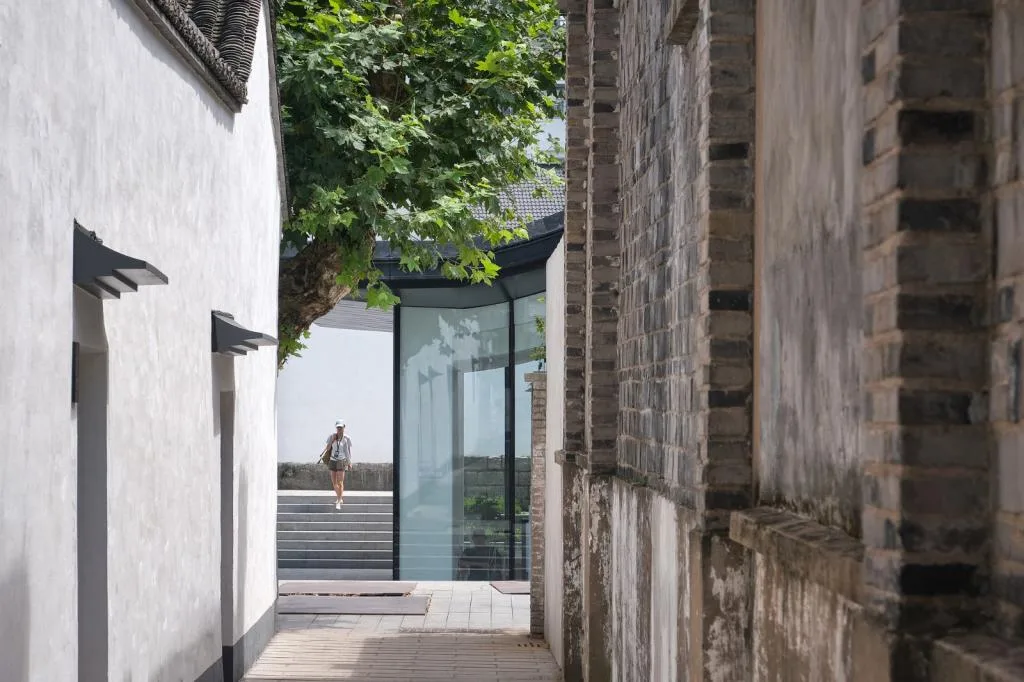
View of the old wall and surrounding residences, with the sunken Qingteng Square (tourist center) visible © Lei Tan Tan Tan
Qingteng Square, located south of the site, acts as a connective space between the art museum to the north and the Qingteng Bookstore to the south. It creates an inviting atmosphere at the front of the complex and serves as a social hub for visitors. The square mirrors the museum’s design logic, featuring two herringbone slope structures on the east and west sides: one large and one small. The western side is slightly elevated to enclose the square, while the eastern side rises subtly to conceal the tourist center beneath the slope, taking advantage of local terrain subsidence.
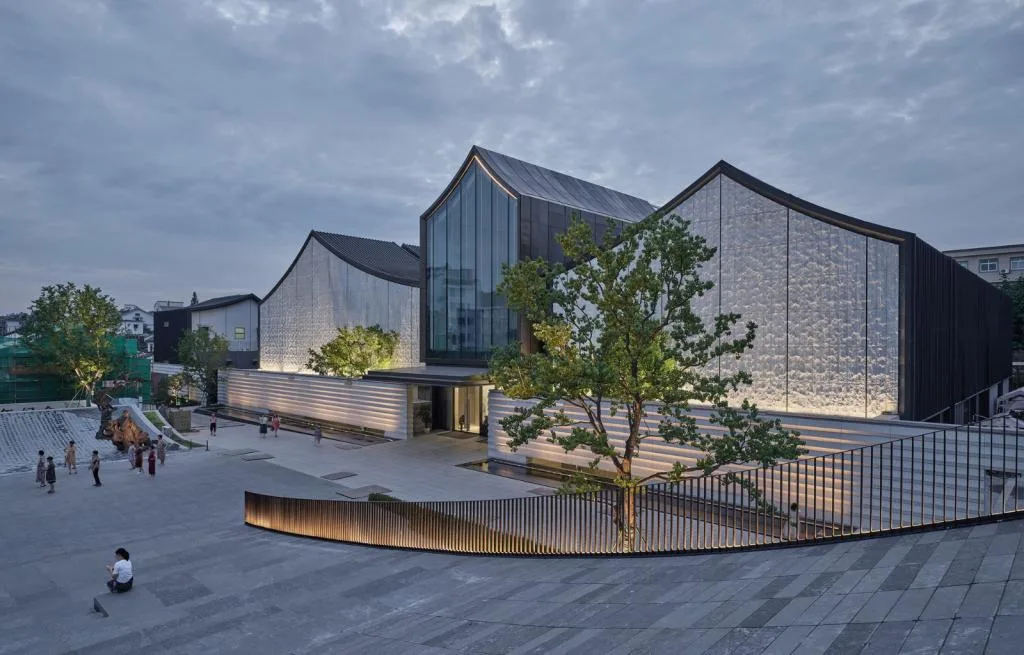
△ Two herringbone slope structures—one large, one small—flank the square © Lei Tan Tan Tan
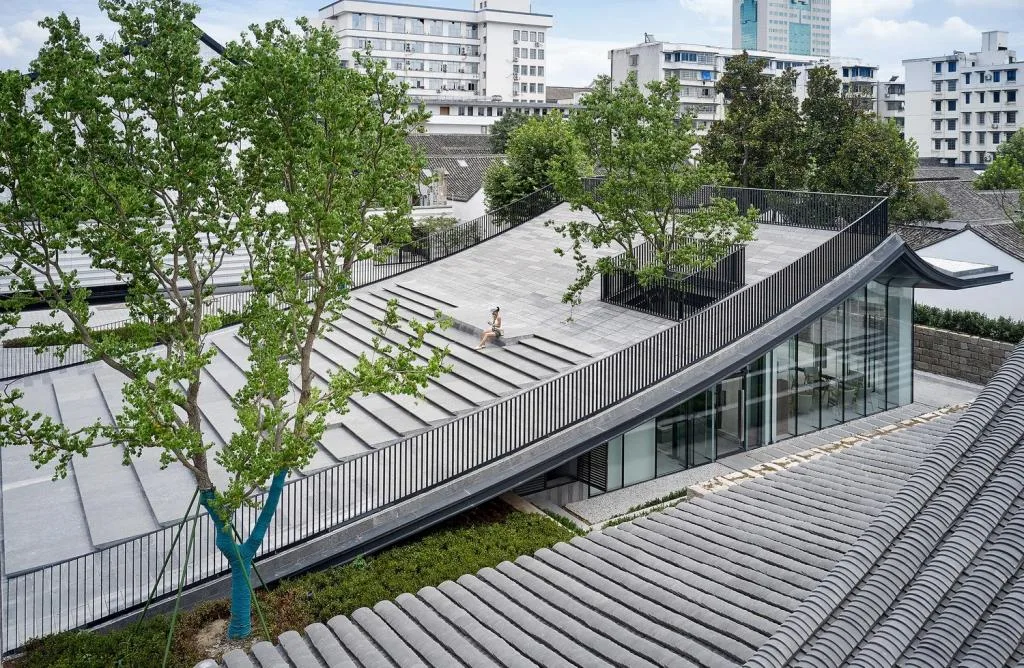
The tourist center is cleverly hidden beneath the zigzag slope landscape © Lei Tan Tan Tan
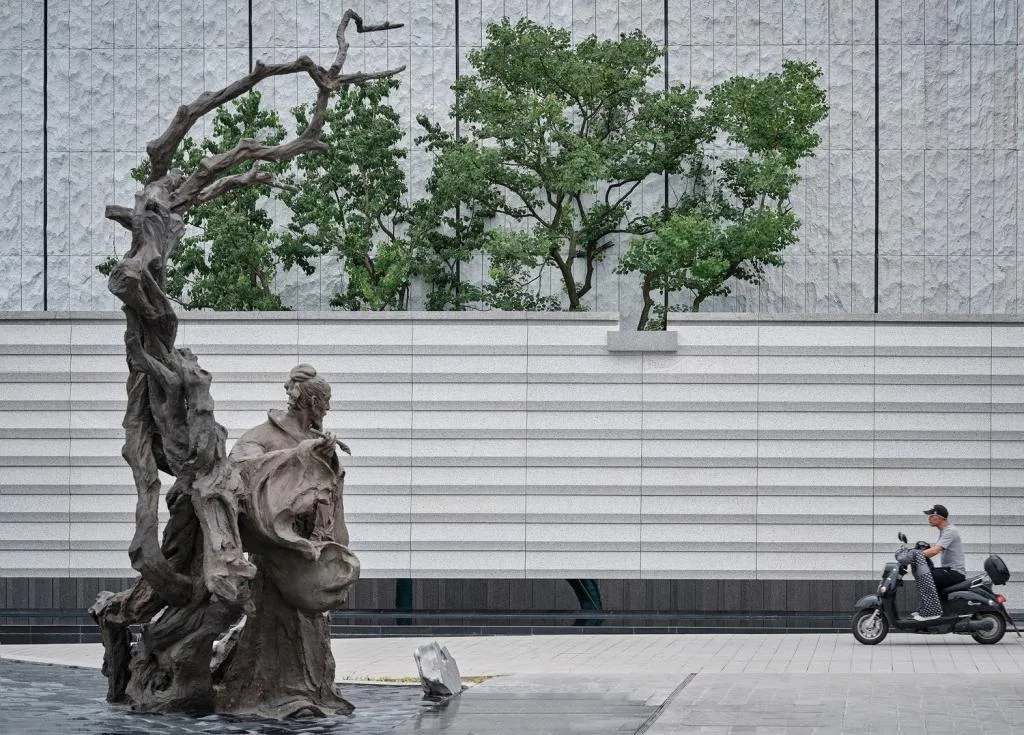
The statue of Xu Wei stands prominently on the southwest side of the art museum © Lei Tan Tan Tan
The square is paved in dark stone, with a flowing water feature created by the west slope. At its northeast corner stands the original “Xu Wei” statue, making it the visual centerpiece of the square and the museum’s outlook. The stepped eastern slope serves as an ideal gathering spot and seating area for audiences.
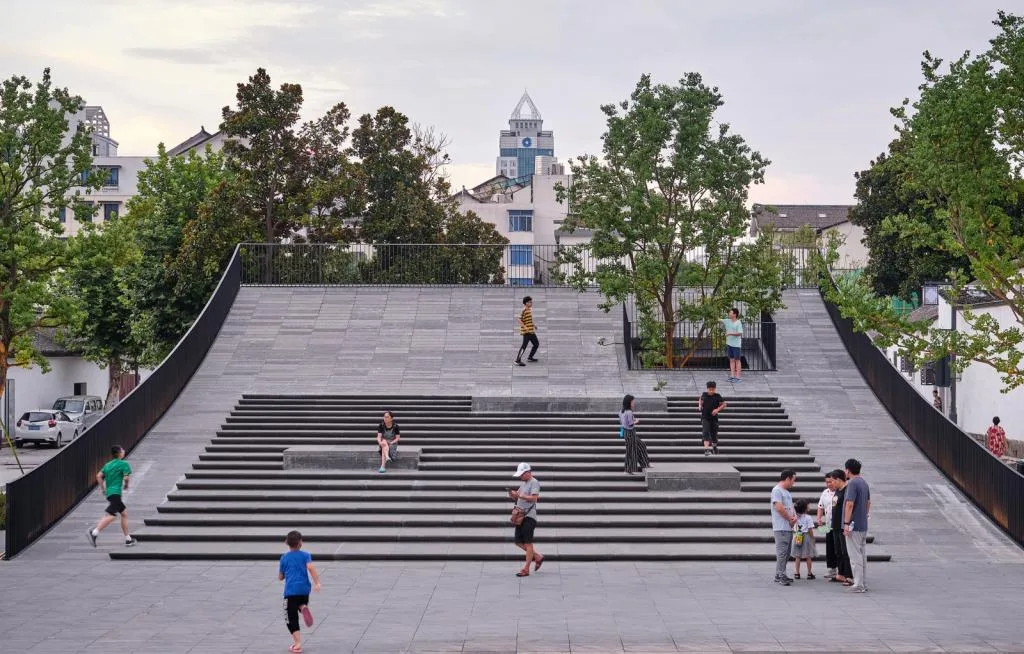
The gently rising slope forms a theatrical stage for the city © Lei Tan Tan Tan
Using the spatial technique of “viewpoint transformation,” the design achieves a continuous flow of perspectives that shift dynamically. This creates a unified spatial experience that blends architecture and landscape, embodying the “landscape spirit originating from Jiangnan.”
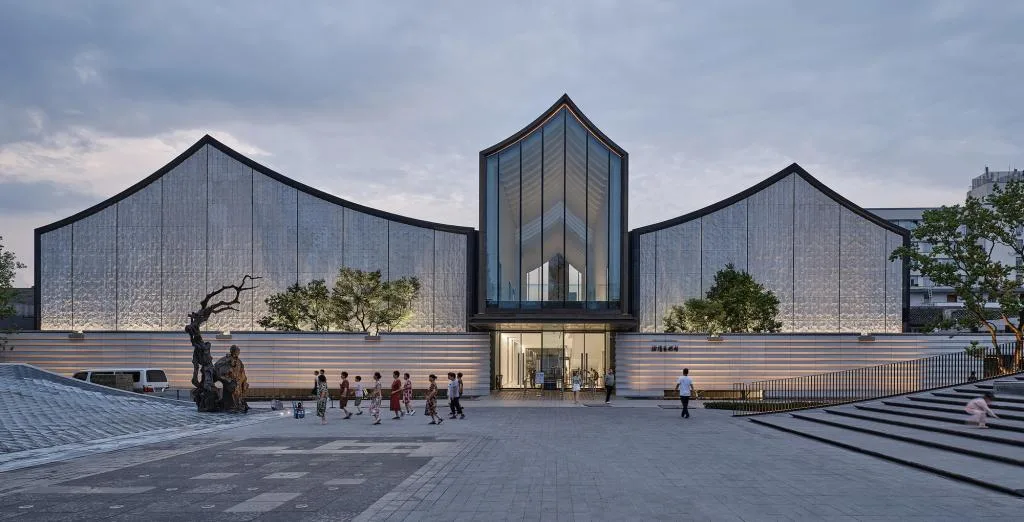
Xu Wei Art Museum at dusk © Lei Tan Tan Tan
Public Art Spaces Within the Community
As urban renewal and historic preservation gain momentum, we aim to express through design how contemporary public art spaces can engage with ancient city culture, integrate into citizens’ lives, and contribute to the vision of a “future traditional community.” This project enhances local living quality and injects new vitality by metaphorically lifting the corner of a roof and rediscovering green vines.
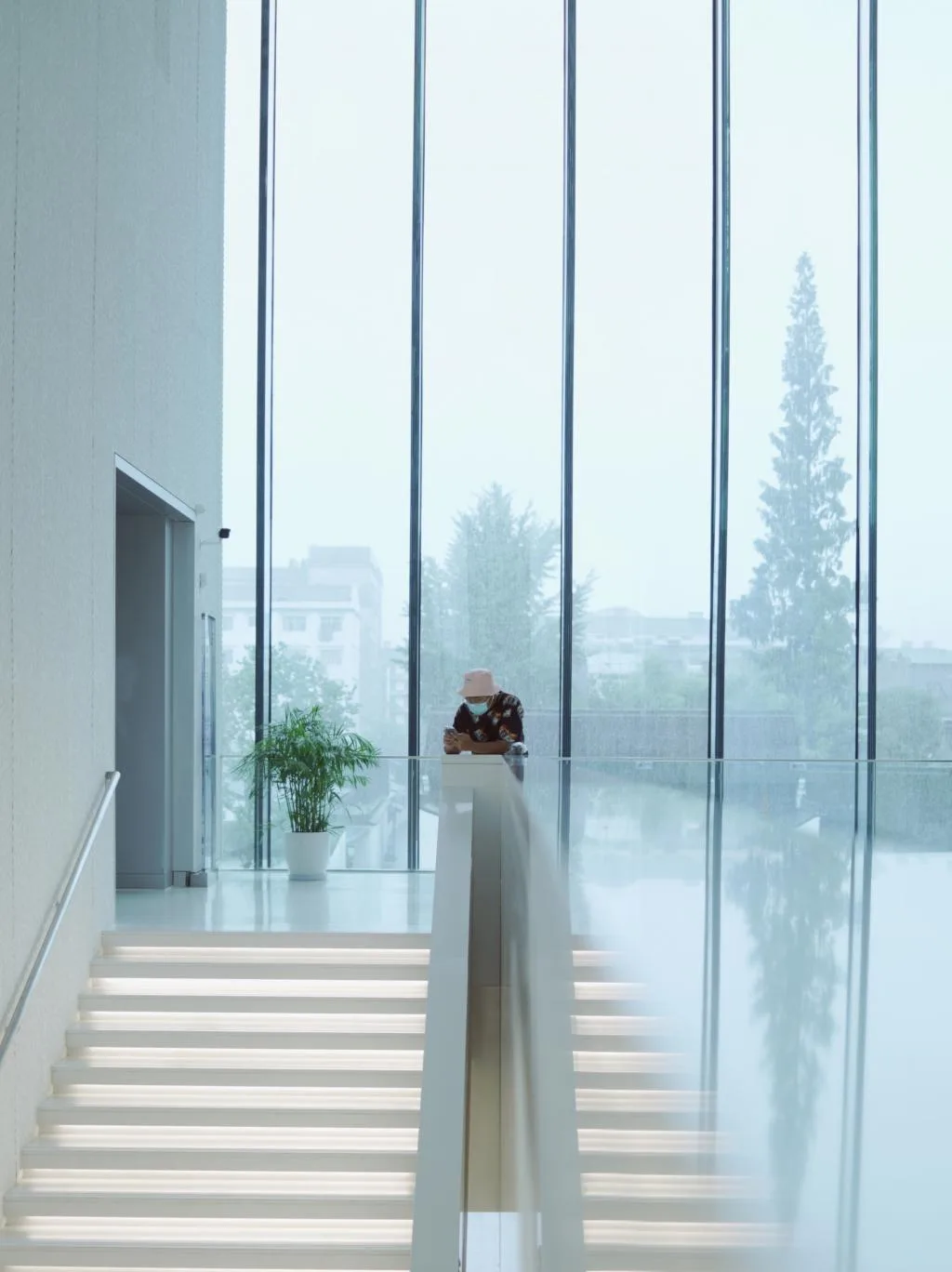
The north-south curtain wall on the second floor connects with the ancient city’s texture, making the evolving urban landscape part of the museum’s display © Jiang Lanlan
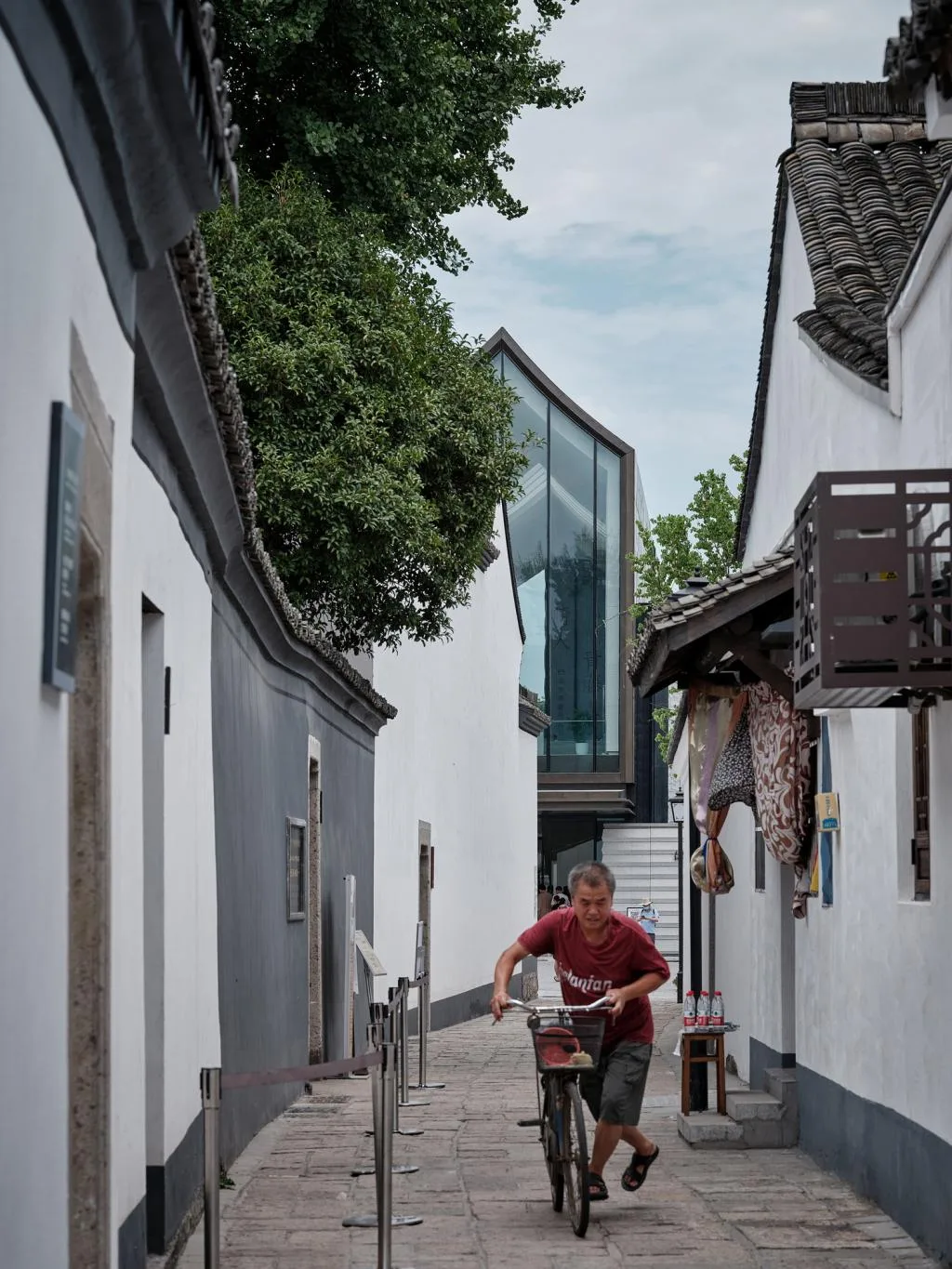
The Xu Wei Art Museum is gradually becoming an integral part of local community life © Lei Tan Tan Tan
Xu Wei, known for his wild and spontaneous ink splatters, has become a natural cultural symbol. Our role is to elevate this creative spirit and build a broad landscape that embraces madness while remaining accessible, thought-provoking, and ultimately, a functional building.
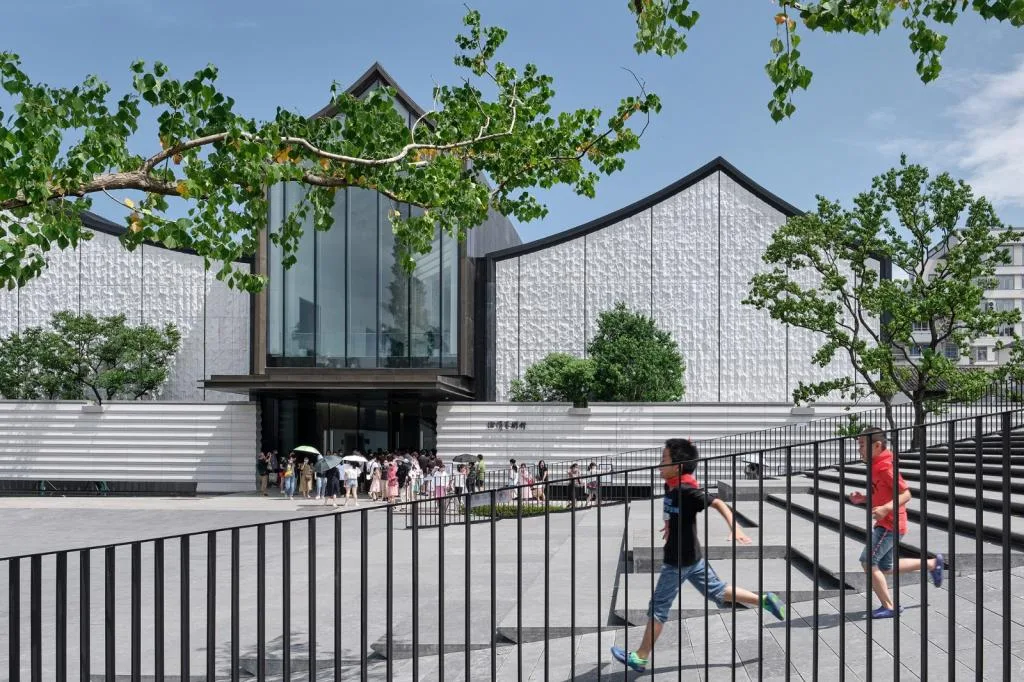
Visitors queuing to enter the Xu Wei Art Museum © Lei Tan Tan Tan
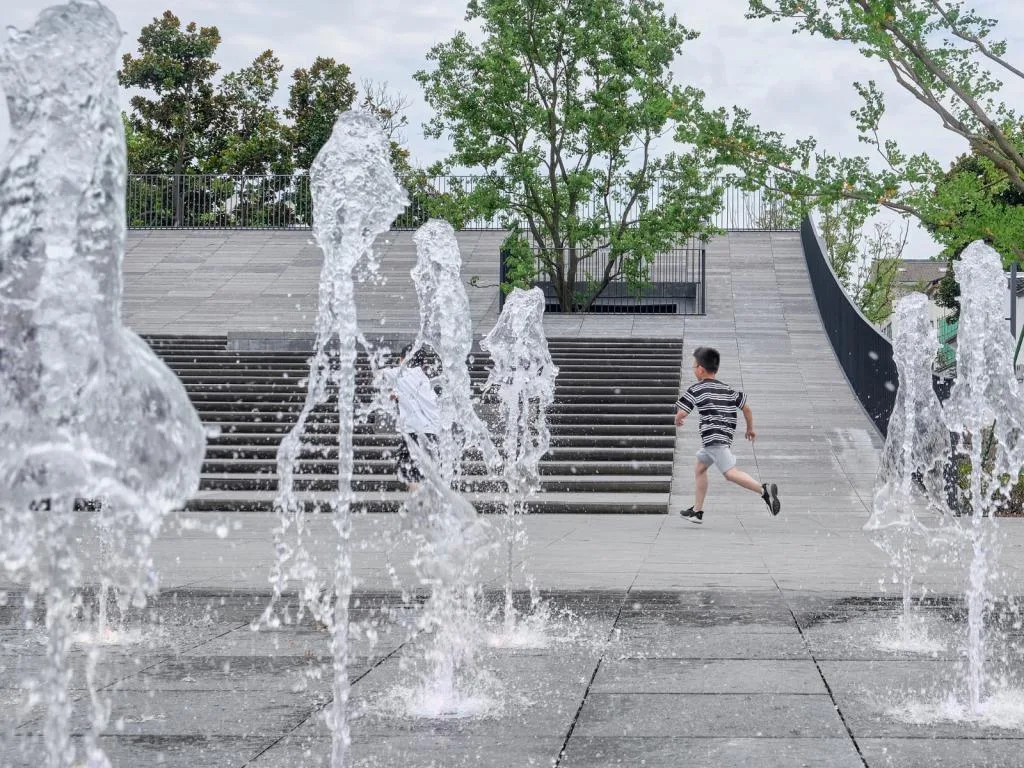
Water features at Qingteng Square © Lei Tan Tan Tan
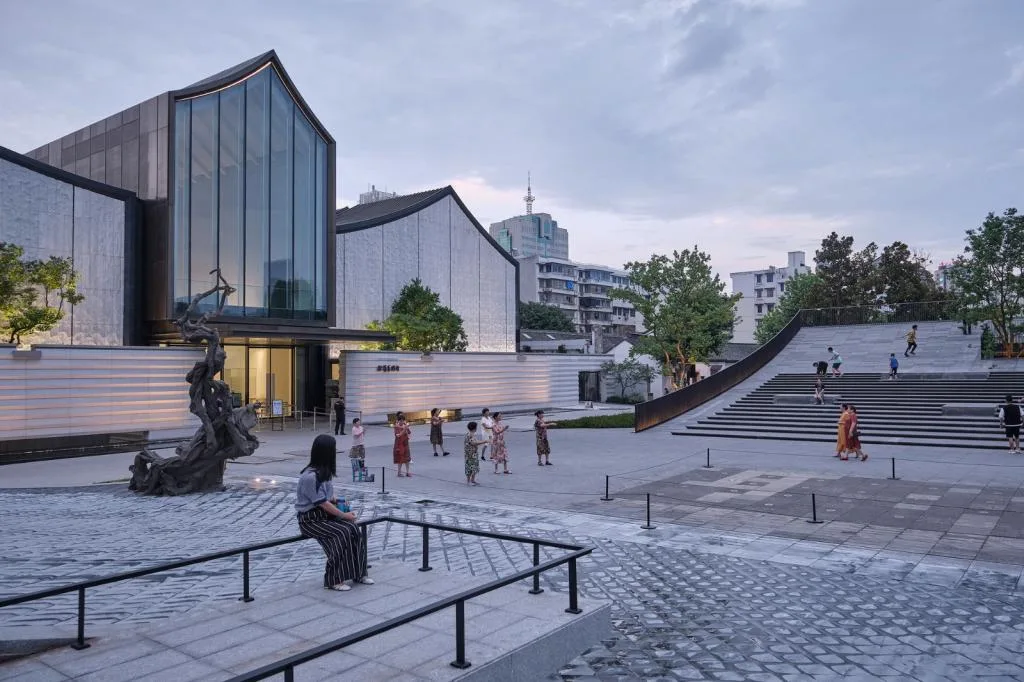
△ Qingteng Square in use after completion © Lei Tan Tan Tan
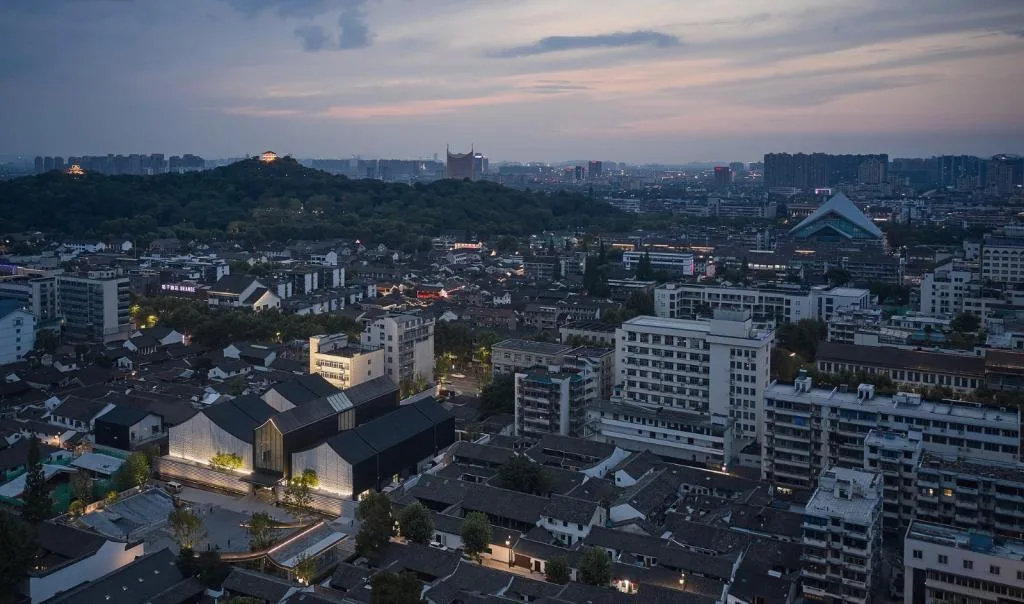
Xu Wei Art Museum illuminated at night © Lei Tan Tan Tan
Project Drawings
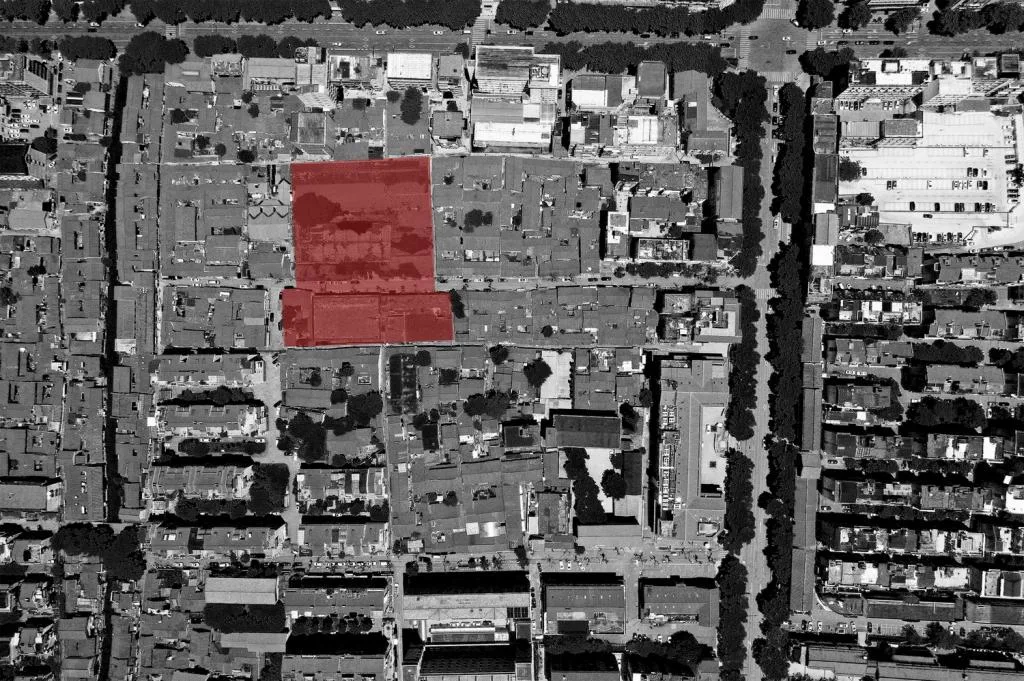
△ Location diagram
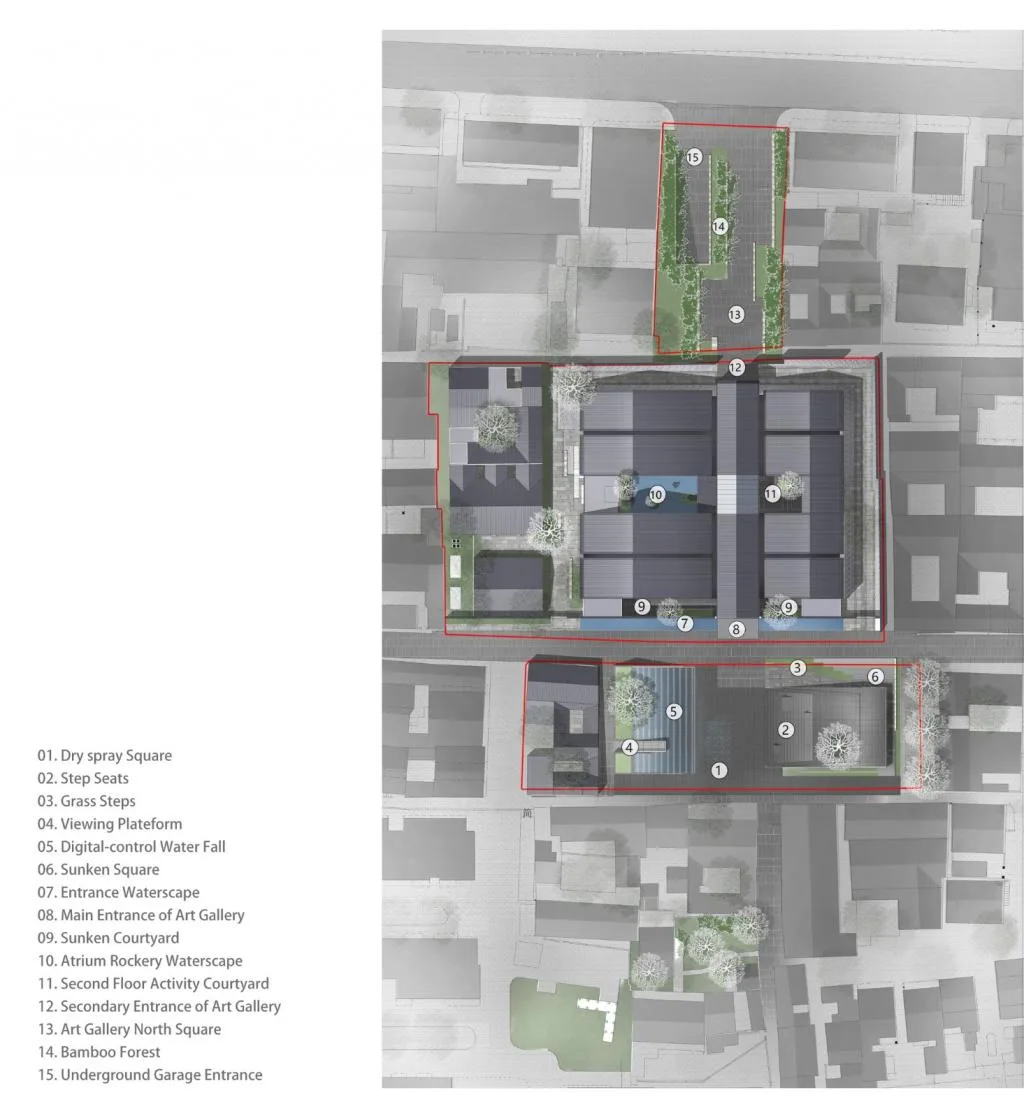
△ Location map
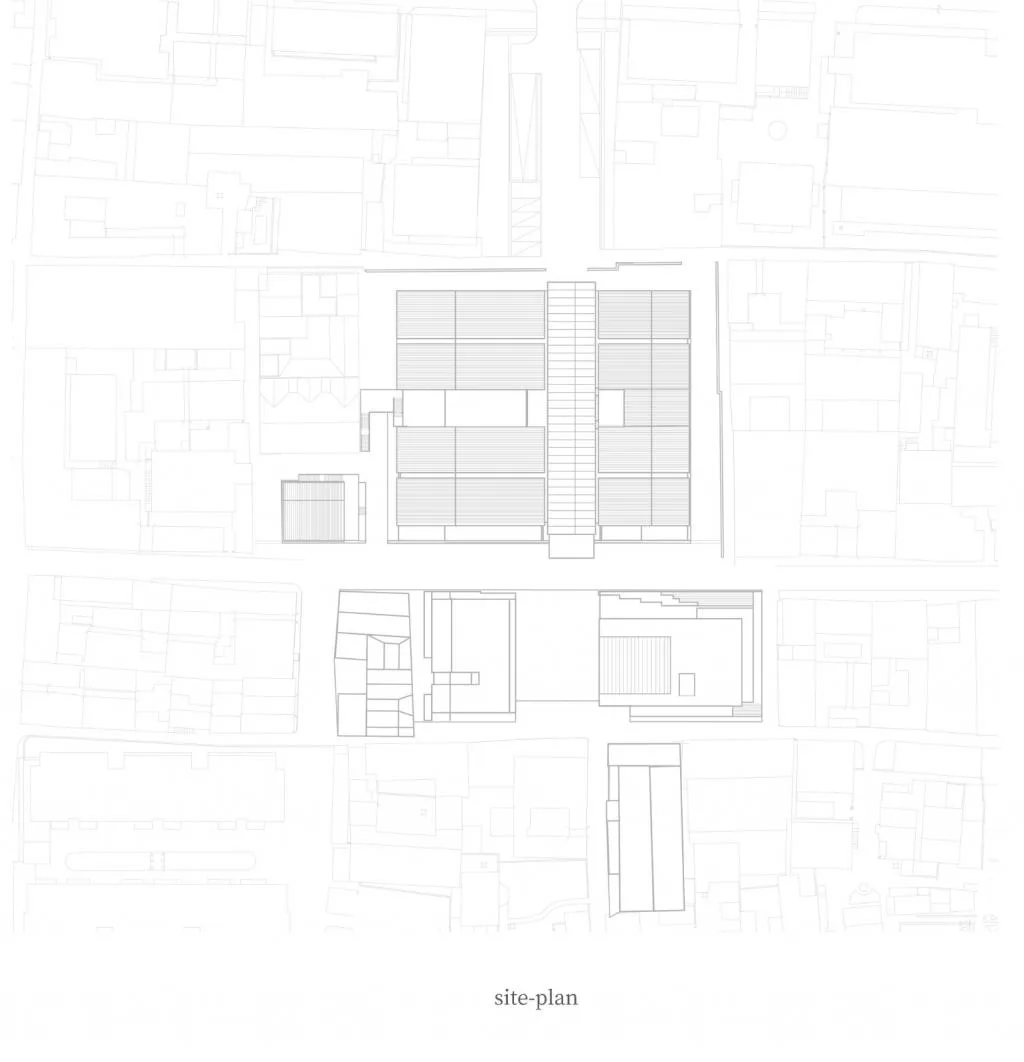
△ General layout plan
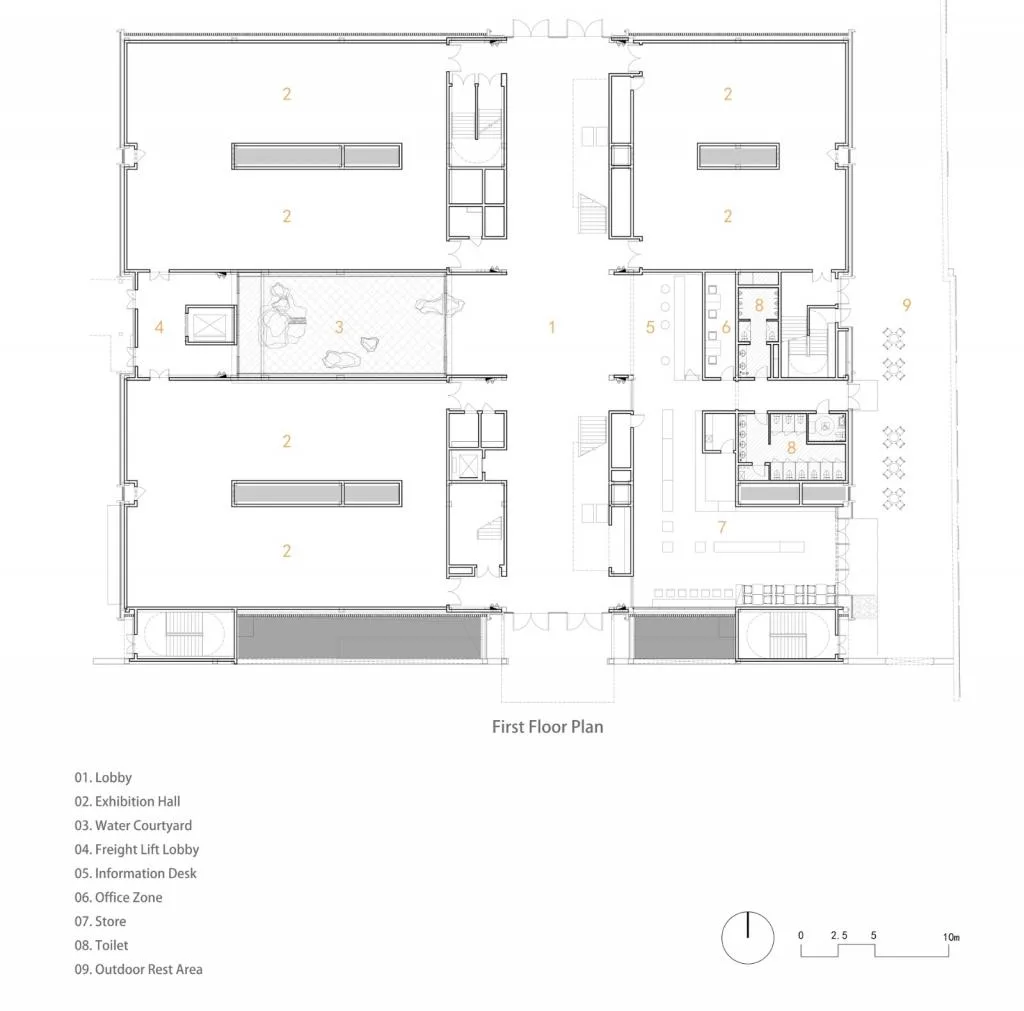
△ First floor plan
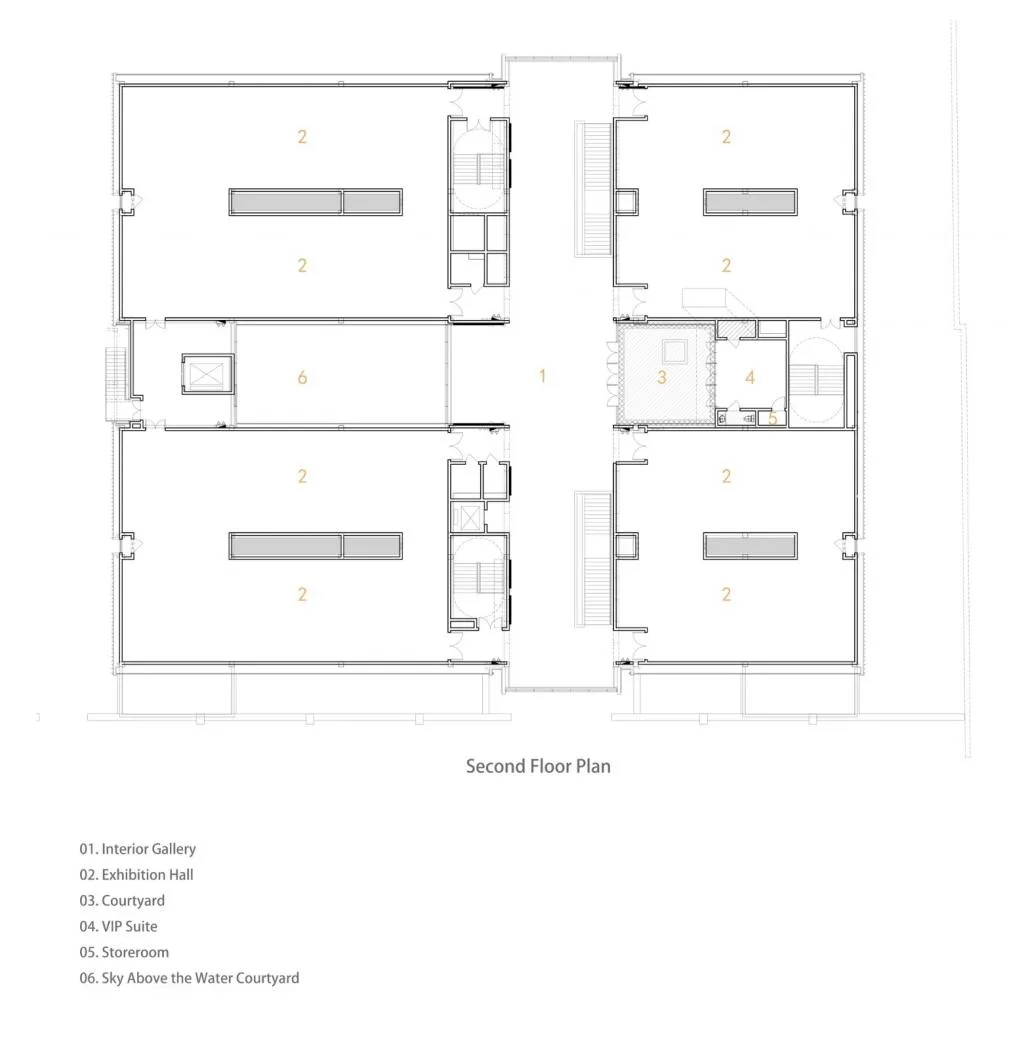
△ Second floor plan
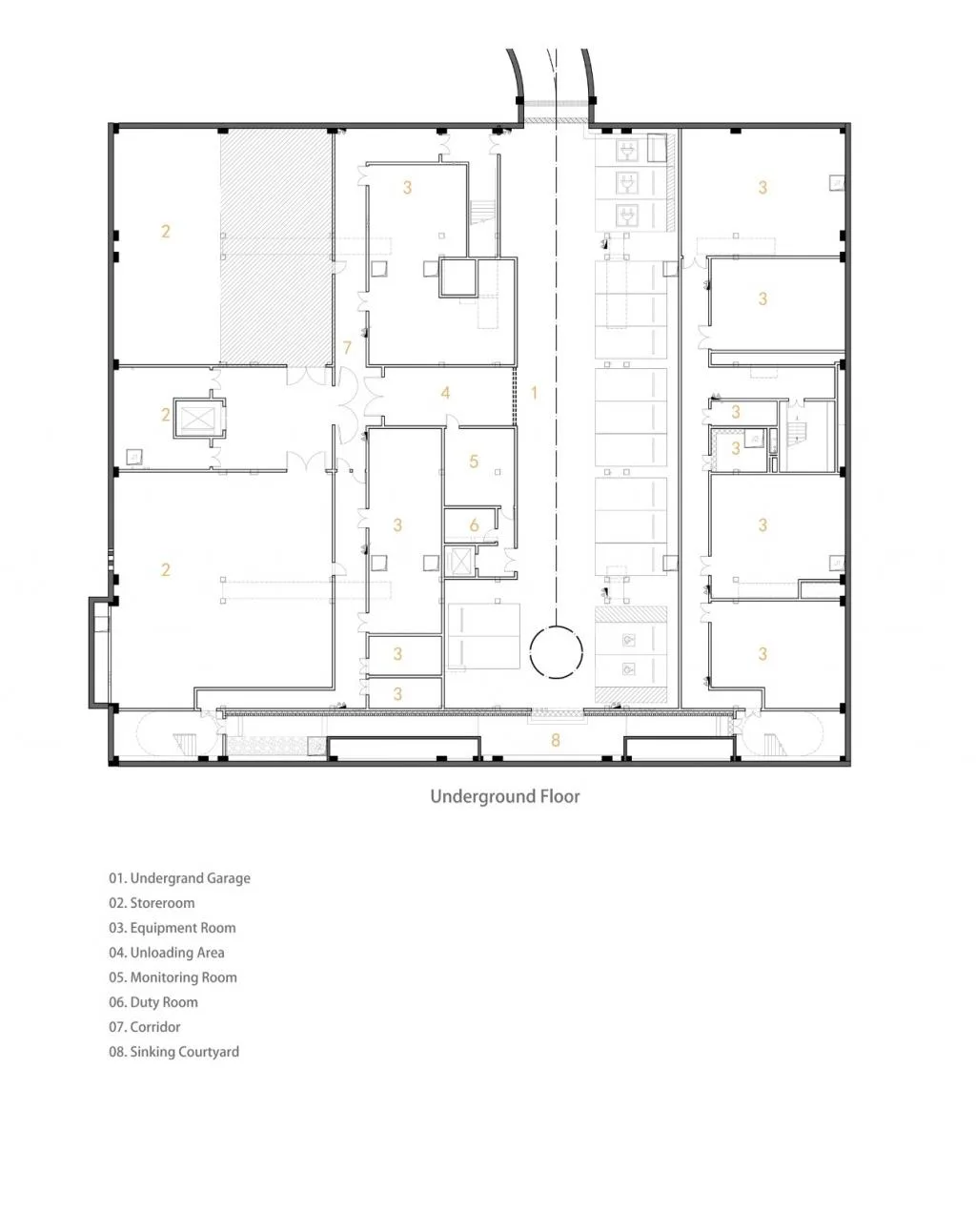
△ Underground floor plan
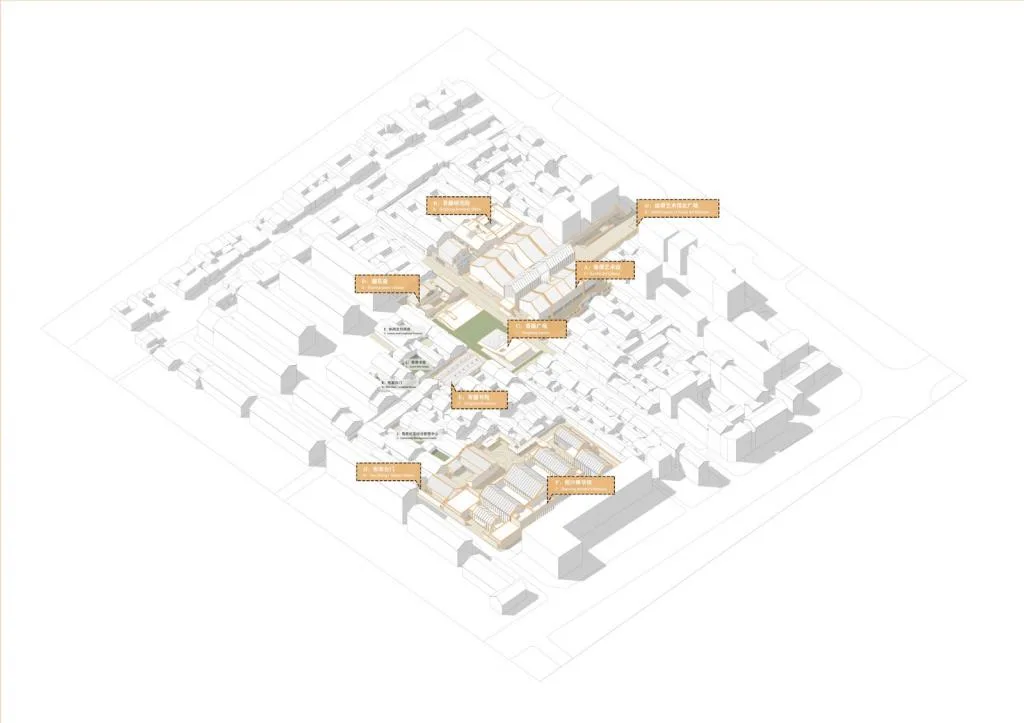
△ Analysis chart
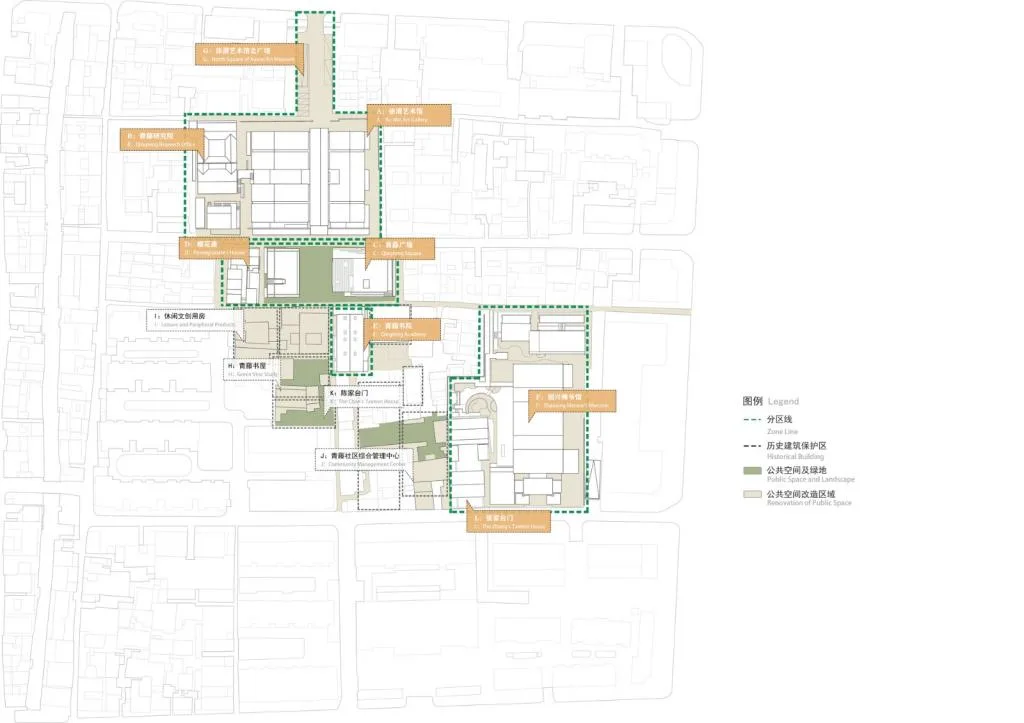
△ Analysis chart
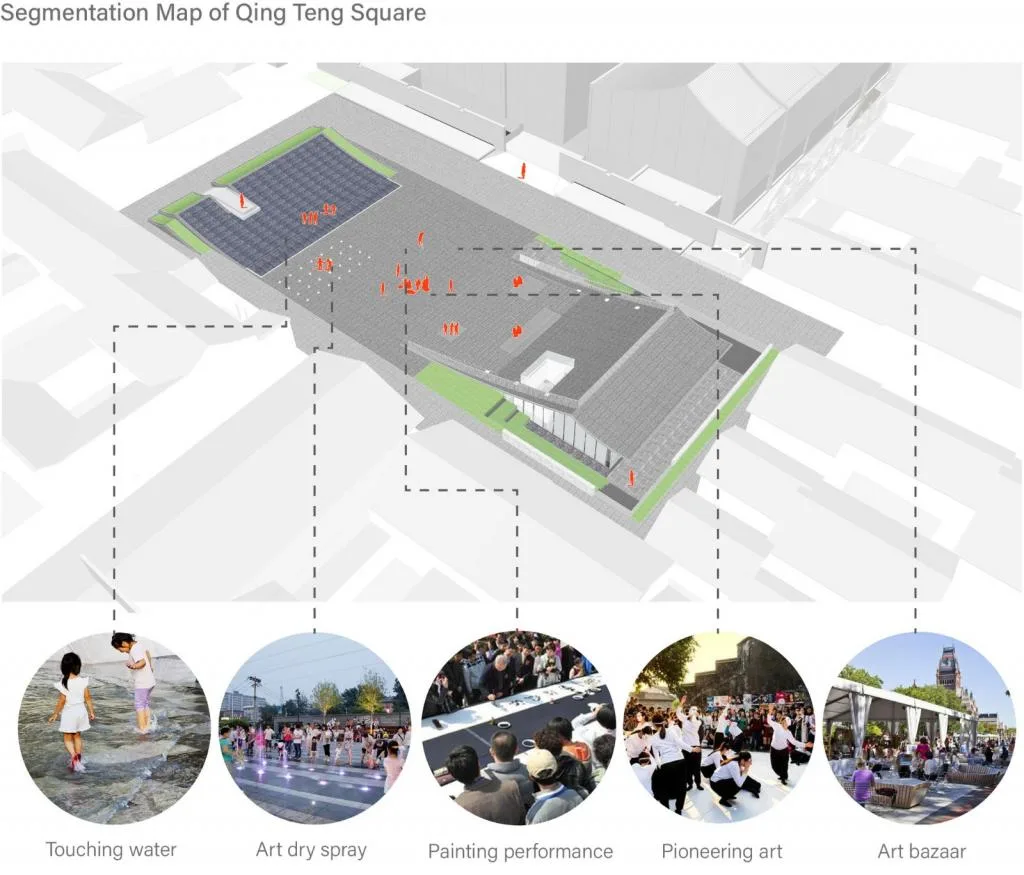
△ Analysis chart
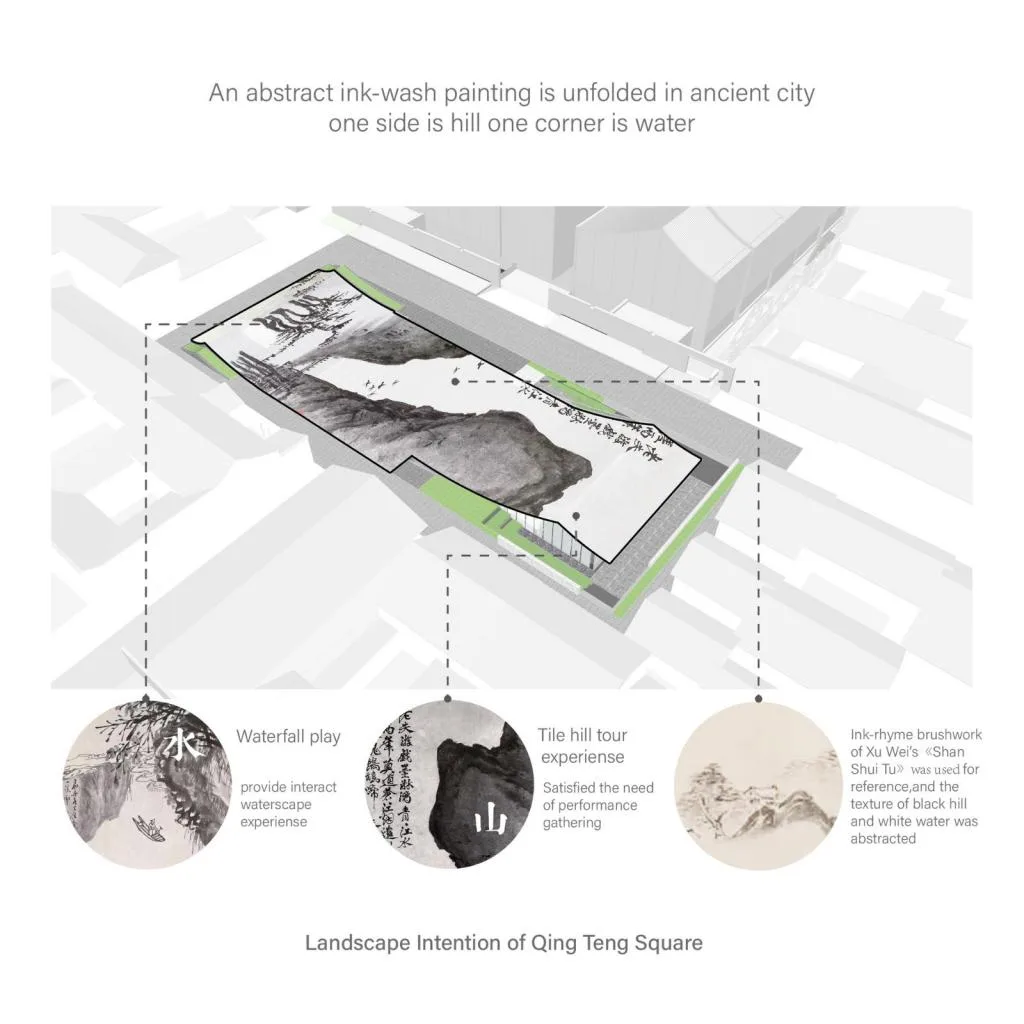
△ Analysis chart
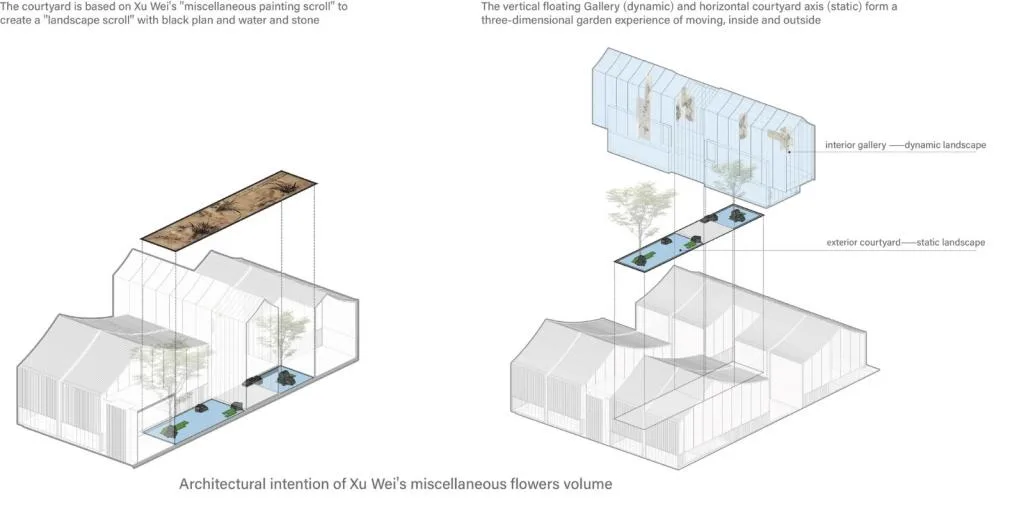
△ Analysis chart
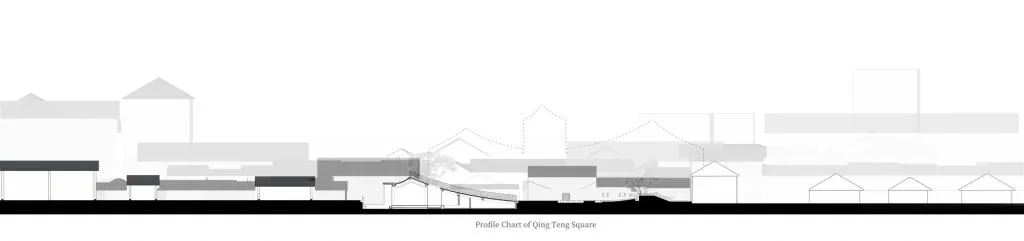
△ Section diagram

△ Section diagram
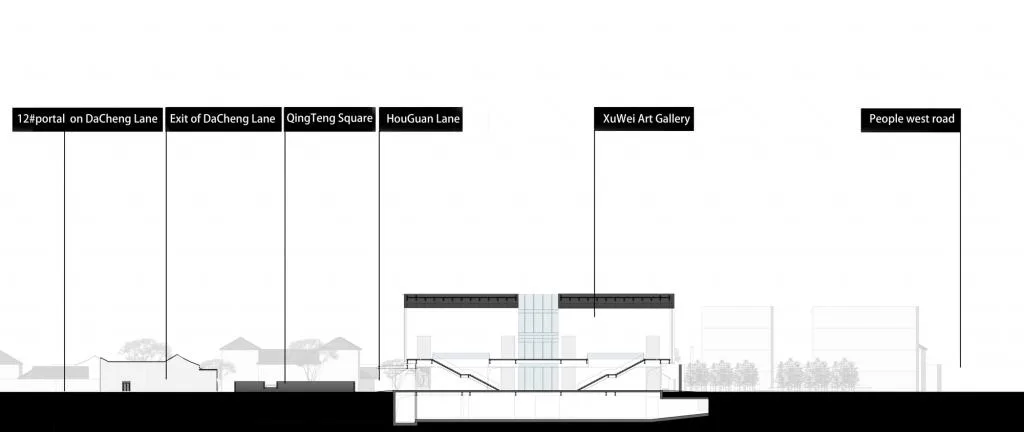
△ Section diagram
Project Information
Architectural Design: UAD-ACRC
Area: 8,504 m²
Project Year: 2021
Photographers: Lei Tantan, Fang Jia, Lanlan Jiang, Chenfan Zhang
Lead Architect: Hu Huifeng
Design team: Hu Huifeng, Jiang Lanlan, Zhang Chenfan, Han Lifan, Zhu Jinyun, Li Pengfei
Structural Design: Zhang Jie, Chen Xu, Lv Junfeng, Ding Ziwen, Shen Zeping, Chen Xiaodong
Water Supply and Drainage Design: Yi Jiasong, Shao Yuran
HVAC Design: Pan Dahong, Li Yongmei
Electrical Design: Zhang Wei, Yu Liang, Du Zhizhi
Electrical/Weak Current Design: Lin Hua, Ye Agile, Yang Guozhong
Landscape Design: Wu Weiling, Wang Jietao, Wu Di, Zhu Jing, Ao Dandan, He Ying, Lin Teng
Interior Design: Chu Ran, Liu Wanlin, Wang Junzheng, Mei Wenbin
Exhibition Design: Zhao Tongqing, Liang Shuang, Chen Wei, Huang Shiyan, Sun Xiaotong
Lighting Design: Wang Xiaodong, Zhao Yanqiu, Fu Dongming, Feng Baile, Wu Xuhui
Curtain Wall Design: Shi Jiqiang, Wang Juneng, Duan Yuzhuang, Zhang Jie
Excavation Enclosure Design: Xu Quanbiao, Zeng Kai
BIM Design: Zhang Shunjin, Ren Wei, Yan Yitao, Wang Qibo
Committee: Fang Chaojun, Wang Qing, Miao Sai, Bei Sijia, Li Yanqi, Li Chen
Construction Party: Zhejiang Qinye Construction Group Co., Ltd.
Client: Shaoxing Cultural Tourism Group
Partners: Zhejiang Xingrui Curtain Wall Decoration Engineering Co., Ltd., Palace Museum Press, Guangdong Jimei Design Engineering Co., Ltd. Joint Venture
Location: Shaoxing, China















Must log in before commenting!
Sign Up