
“I hope my works are complex, like a box that captures time—a place where people can experience memories of the past, the freshness of the present, and the possibilities of the future as they enter.” – Liu Weibing
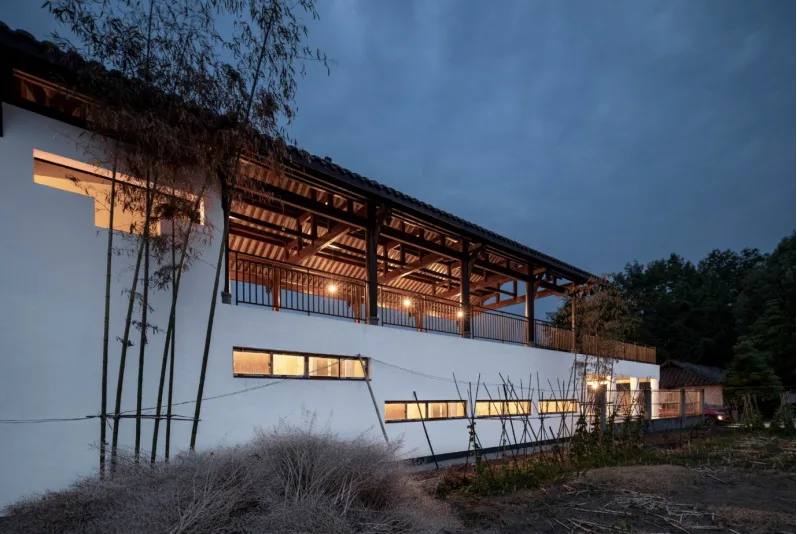
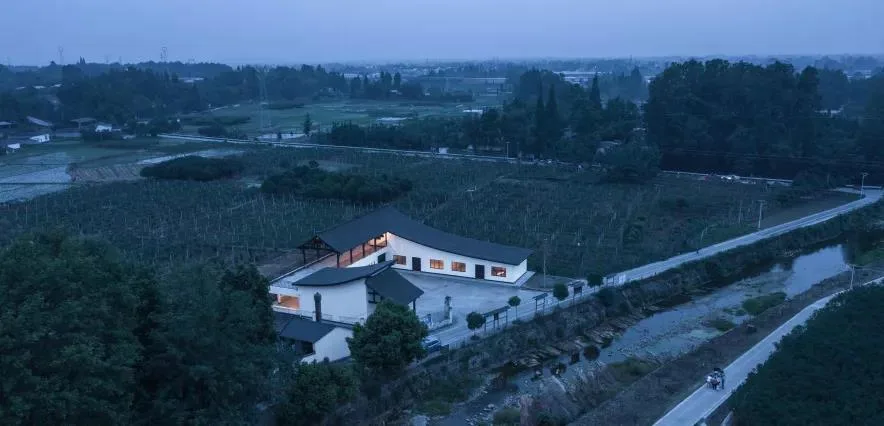
The 17th Jingrui Science and Technology Award, presented by the Ministry of Science and Technology of the People’s Republic of China, honors Nanxi Yao for its innovative renovation of existing buildings. This project applies a full lifecycle design concept and advanced green building analysis.
A Unique Carrier of Nostalgia
Nanxiyao is a World Cultural Heritage village activity center located 5 kilometers north of the Dujiangyan Irrigation Project, nestled at the foot of Danfeng Mountain in the Longmen Mountains at 31° north latitude. Nearby lies the famous Prajna Temple, an ancient Tang Dynasty site hidden within the mountains. Crystal-clear waters flow gently from the mountain streams into Chengdu through the Nanxi River, surrounded by lush forests and bamboo groves.
“Worship Dujiangyan Irrigation Project and seek Qingcheng Mountain.”
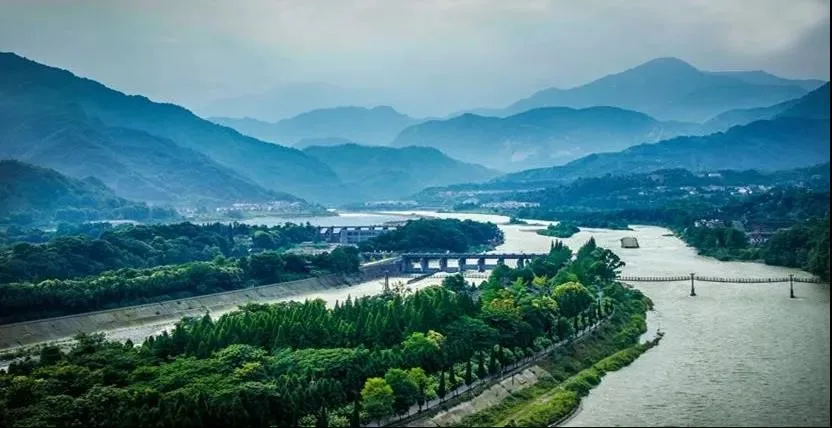
The millennia-old Dujiangyan Irrigation Project, which irrigates the Chengdu Plain, has nurtured a unique regional Taoist culture, the habitat of giant pandas, and western Sichuan Linpan settlements. These local residential communities are rare cultural carriers of nostalgia worldwide—natural village forms that have endured thousands of years in the Shu region. Here, Sichuan cuisine, Sichuan opera, and Sichuan embroidery flourished. Notable figures such as Ai Wu, Sha Ting, and Ba Jin also emerged from this region. Nanxi Yao exemplifies the typical courtyard house of the Western Sichuan Plain settlements.
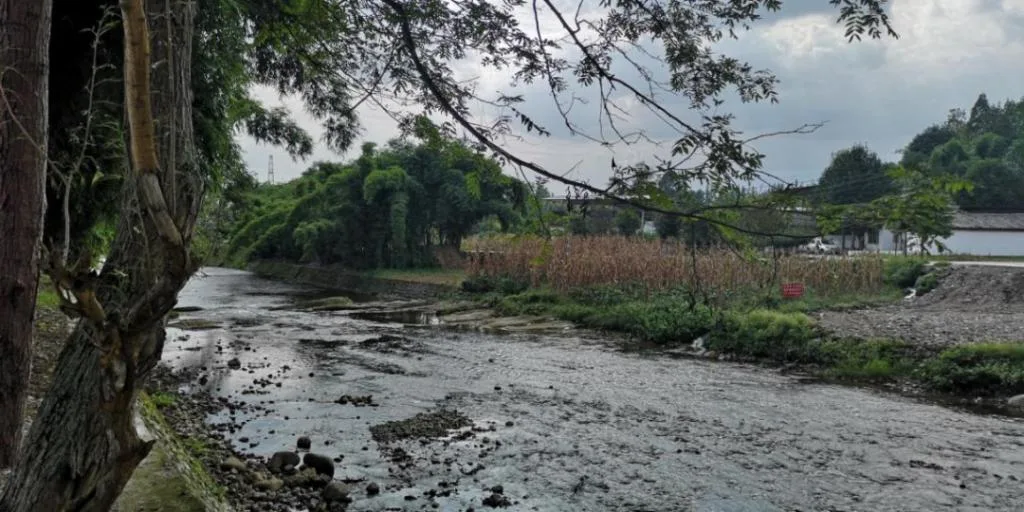
▲ Crystal-clear Nanxi River water
Two Historical Landmarks
This area is rich in history. During the War of Resistance Against Japan, it served as the Chinese Youth Air Force School, where Bai Xunxi and Li Jishen sent their sons for training, holding onto hopes for national salvation. After the founding of the People’s Republic of China, the site became a public primary school serving local children.
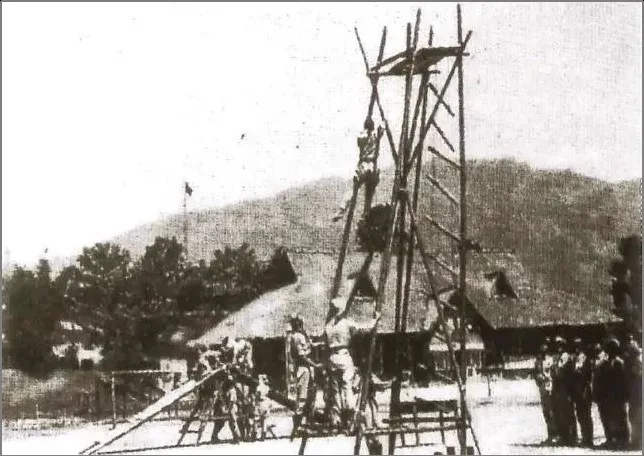
▲ Chinese Youth Air Force School during the Anti-Japanese War
Following the reform and opening up, the school relocated, and the building transformed into a community activity center where villagers gather to discuss, enjoy tea, watch outdoor movies, and play mahjong. However, as urbanization accelerated, the old building gradually fell into disuse due to its low height, humidity, and lack of comfort. Still, the site remains a cherished communal memory for the indigenous community.
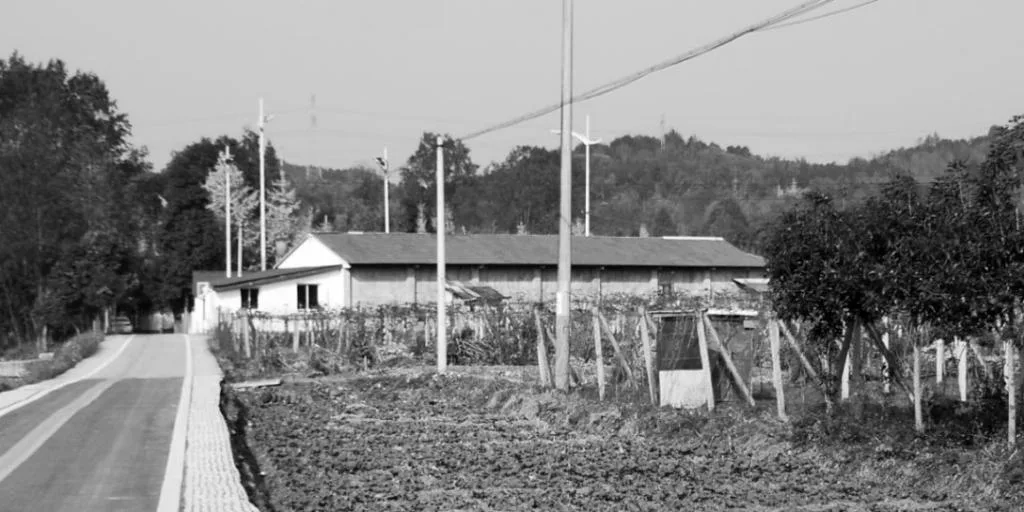
▲ “Nanxi Yao” before renovation
Humanistic Aesthetics of Western Sichuan
A local saying in Chengdu claims, “Beauty lies in simplicity.” Traditional Linpan dwellings employ affordable small green tiles, clay bricks, and readily available cedar wood. Their walls are modestly finished with white paint, reflecting the light and echoing the agile, relaxed character of Chengdu’s residential architecture.
All traditional Western Sichuan buildings harmonize with their environment throughout their lifecycle, producing no waste. They not only avoid environmental harm but also maintain ecological balance. This traditional technique embodies the philosophy of “harmony between heaven and man, the way of nature,” akin to modern passive architectural principles, conforming to natural ecosystem laws and coexisting peacefully within them.
The renovation of Nanxi Yao embraces these qualities in terms of humanistic aesthetics and material use.
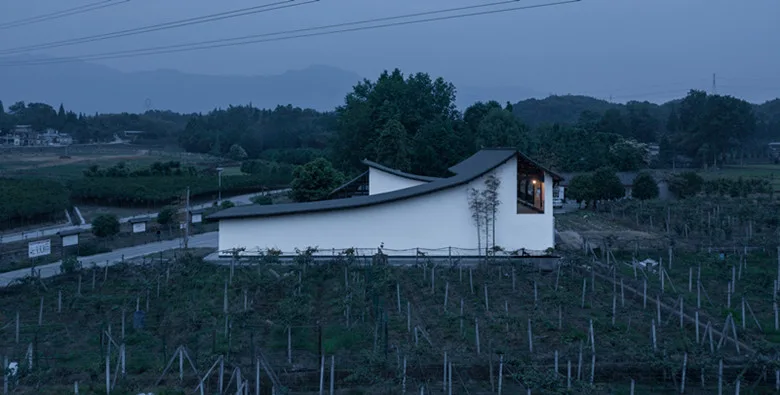
▲ Contemporary Expression of Chinese Ink Painting – Realistic View of the South Facade of “Nanxi Yao” (The original low-rise bungalow now features an extended horizontal, undulating roof that resonates with the distant Danfeng Mountain)
Innovation and Advancement in Four Scientific Fields
The design preserves the original site and the characteristic concave layout of the single-story farmhouse courtyard through renovation and thoughtful modifications.
By applying a bioclimatic architectural strategy and using IES green building analysis software, the project simulates the thermal environment, assessing the influence of local dominant wind directions and sunlight on the courtyard, along with variations in indoor air quality. Breaking free from the limitations of traditional enclosed courtyards, it explores additional living spaces suited to the subtropical humid climate, such as air vents, bridges, and eaves, improving the thermal environment and creating a comfortable microclimate.
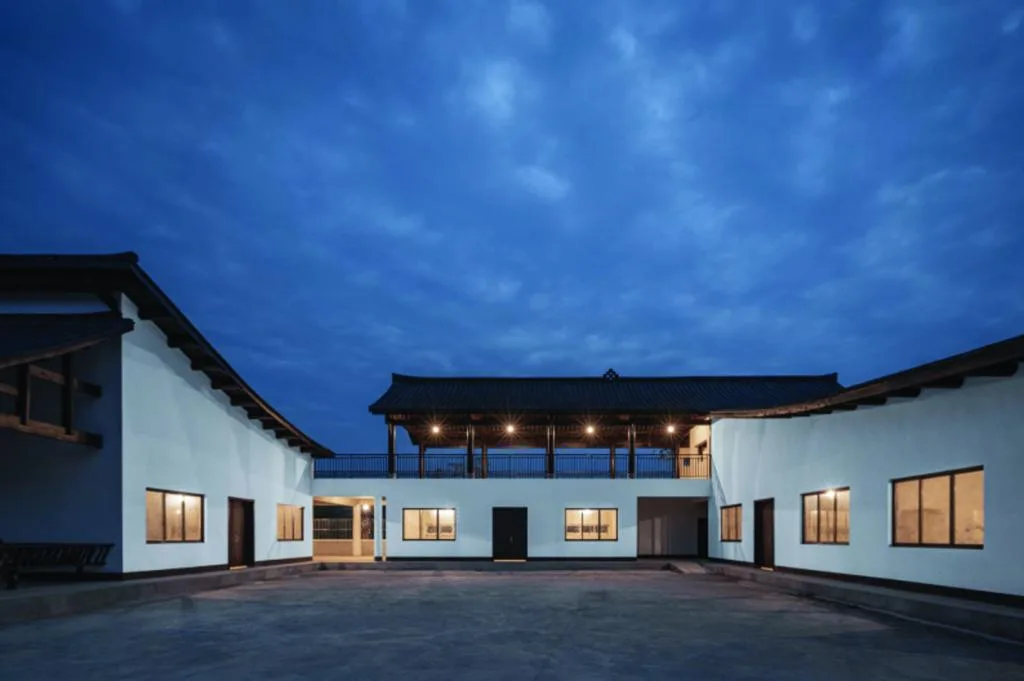
▲ Organic Renovation of Nanxi Yao
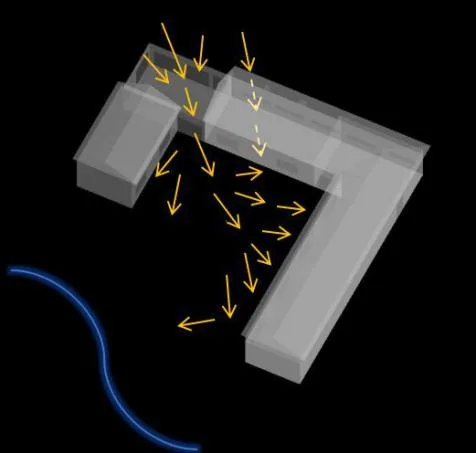
▲ Simulation Analysis of Dominant Wind Flow
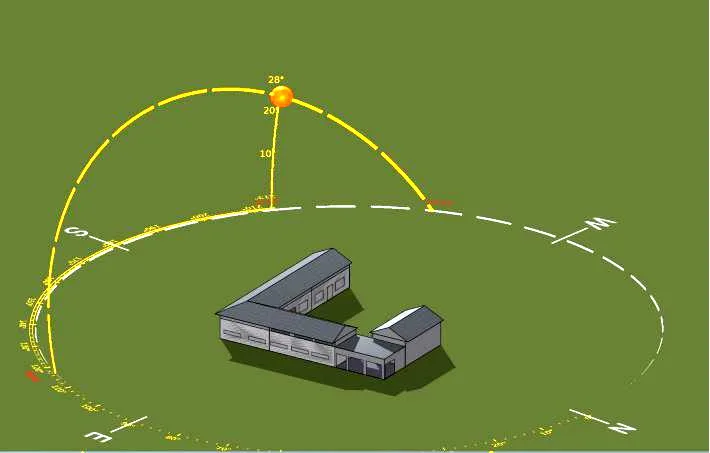
▲ Dynamic Simulation of Solar Path
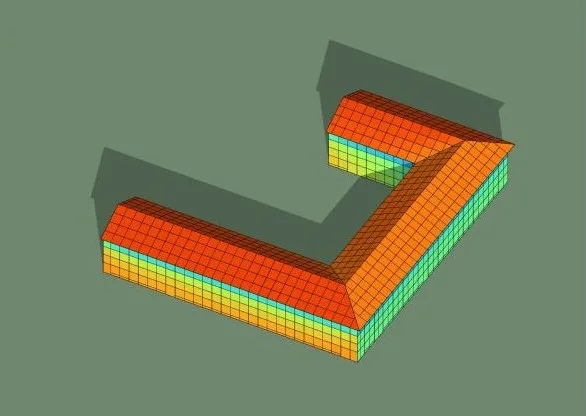
▲ Dynamic Simulation of Solar Thermal Radiation
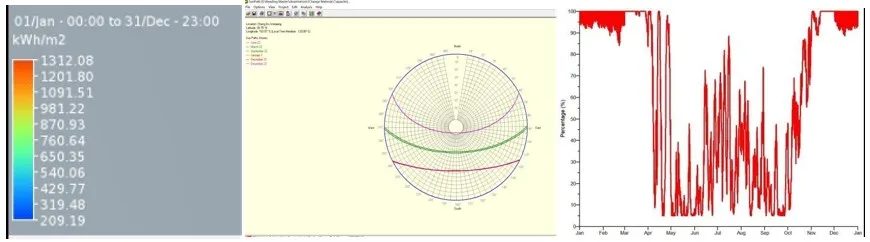
▲ Dynamic Analysis of Solar Radiation, Remote Solar Path Map of Nanxi, and Statistical Data on Indoor Thermal Comfort
By creating digital simulation models with various enclosure materials, the project conducts a scientific analysis of energy consumption and environmental indicators. This approach explores the intricate relationships between courtyard and building space modifications, material differences, and the impacts of wind, water, soil, and vegetation on environmental quality. This enables a scientific comparison of indoor environmental outcomes resulting from different renovation methods applied to the same site. Based on these insights, architectural renovations are designed, innovating methods for updating traditional courtyards.
Annual Energy Consumption Comparison Table of “Nanxi Yao” Against National and Local Standards Under Different Enclosure Materials and Scenarios
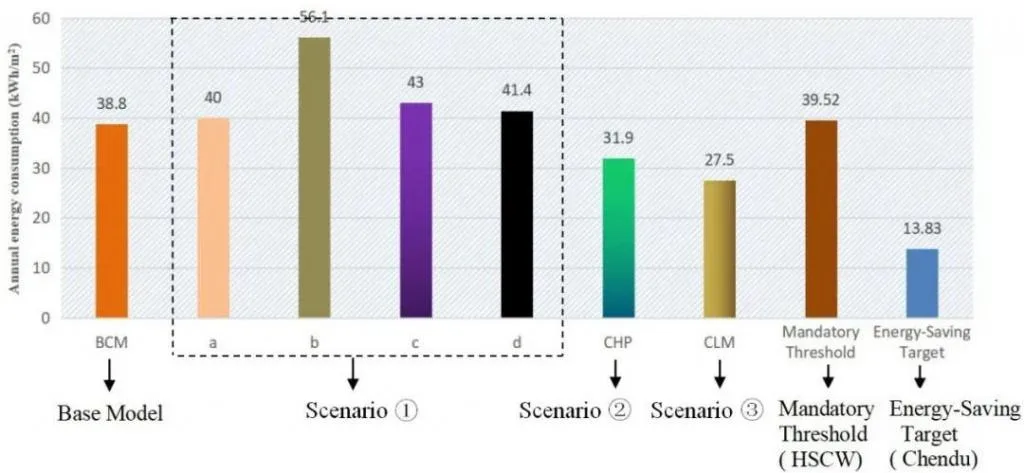
▲ Annual Energy Consumption Comparison Table of “Nanxi Yao” with National and Local Standards for Various Enclosure Structures and Scenarios
The lower colonnade at the northeast corner of the concave courtyard aligns with the dominant north-northeast wind. The building’s sloped roof rises to the north, creating a wind flow pattern that is lower on the east side and higher on the west. This design guides natural wind into the courtyard via the overhead wooden corridor on the roof, directing airflow toward the southwest building before exiting through a gap in the courtyard’s wall facing Nanxi.
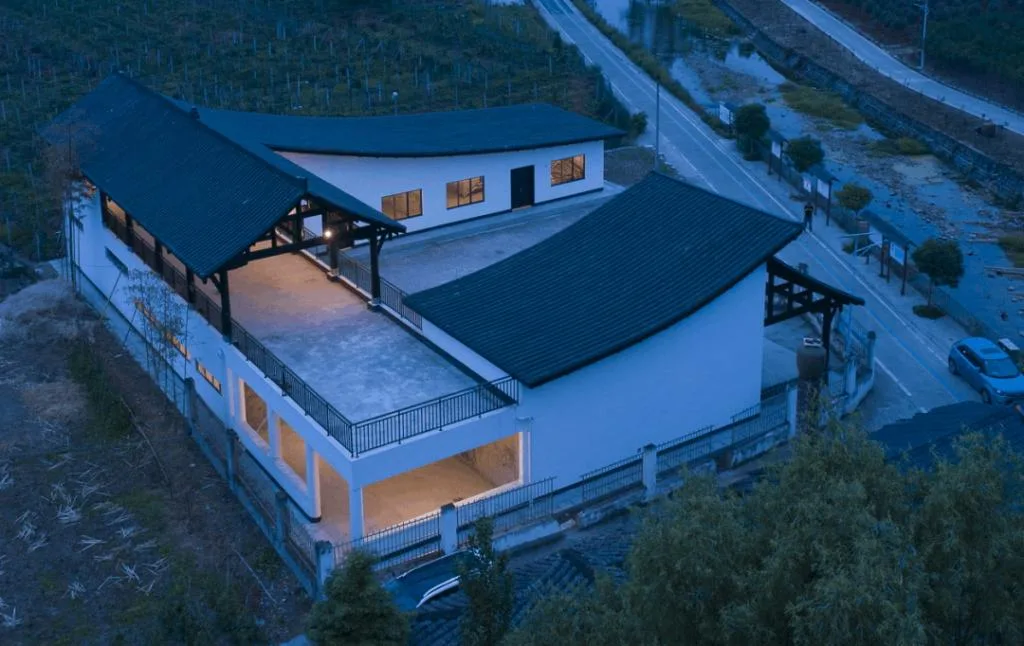
By expanding indoor spaces and adding new areas, the design maintains the typical concave rural courtyard layout while increasing usable living areas. To reduce the enclosed feeling, colonnades in some sections serve as semi-indoor spaces for cooling and relaxation.
The entire courtyard ensures fresh indoor air without relying on energy-intensive air conditioning. It effectively removes excess humidity and heat, creating a comfortable living environment for the villagers.
▲ Traditional gray space added to the east facade (the renovated village center now features terraces, eaves, pavilions, and open interiors)
The addition of eaves, pavilions, and roof bridges along the mountain walls not only creates innovative gray spaces but also enhances the heat capacity of the building’s external enclosure. This provides effective buffering for heat exchange between indoor and outdoor spaces.
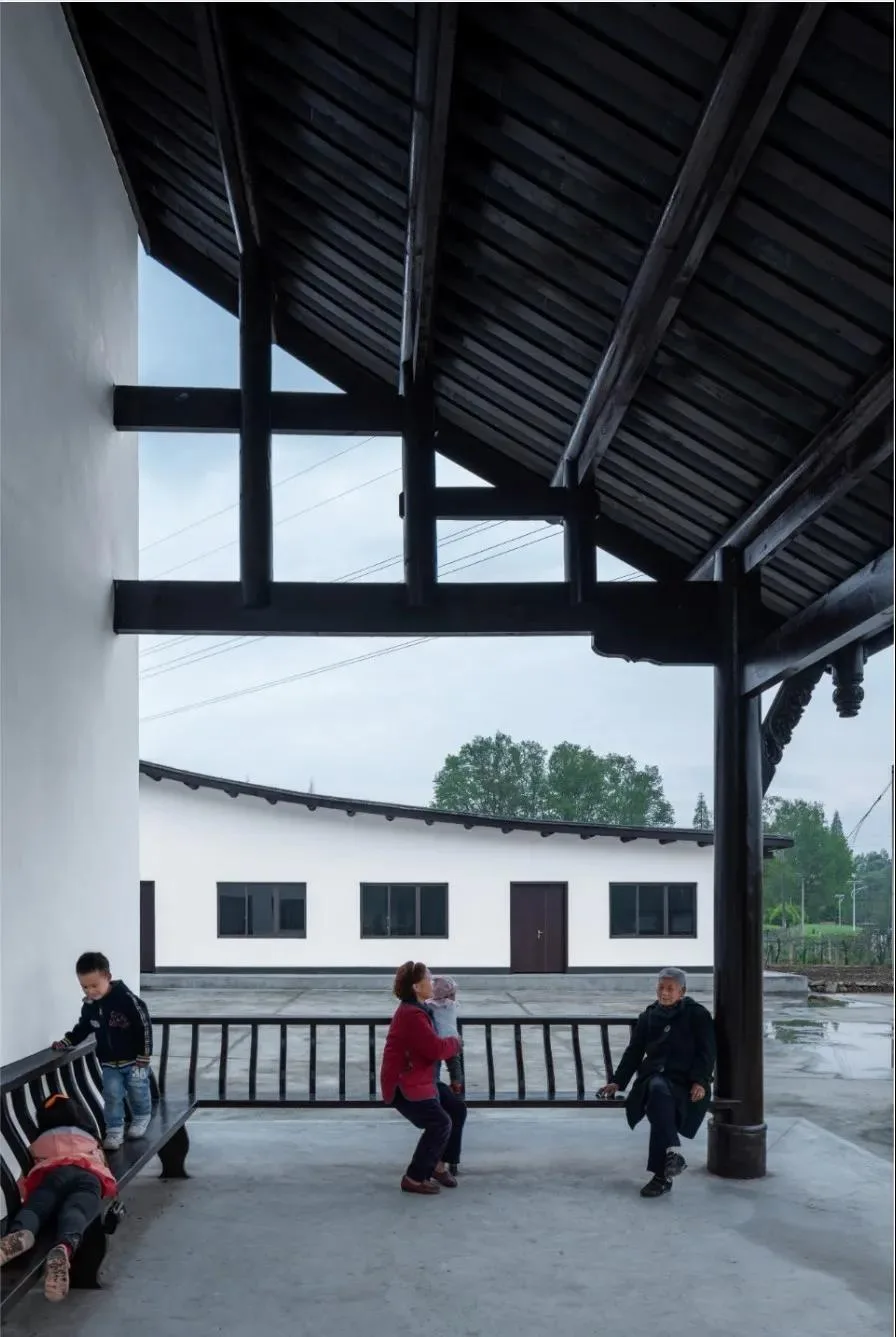
The creatively designed overhead corridor bridge on the eastern roof offers an unprecedented semi-indoor experience, allowing residents to climb high, enjoy the mountains, and sip tea under the eaves. The transparent roof corridor effectively mitigates the humid and hot Sichuan climate.
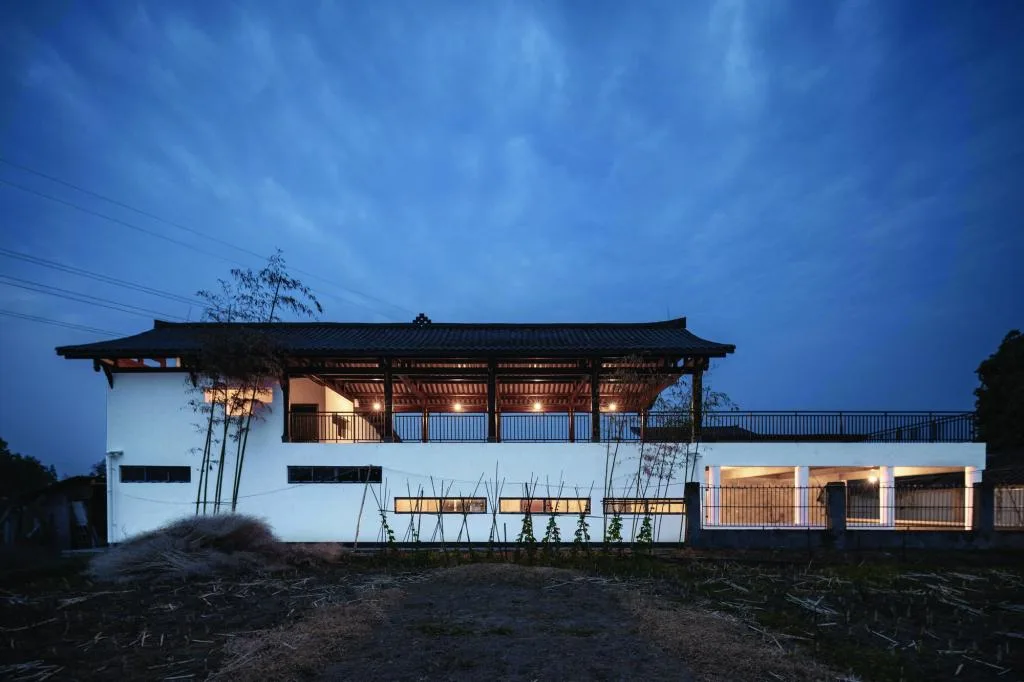
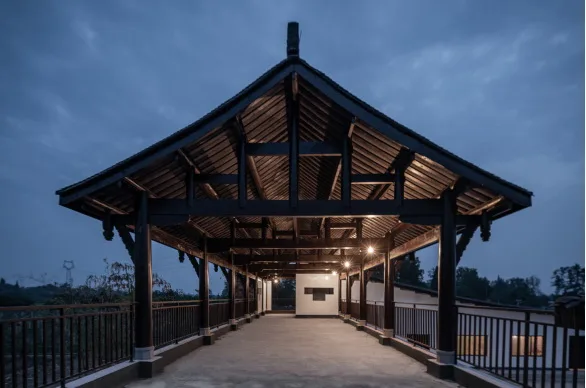
The wooden corridor added to the roof follows the typical Western Sichuan eave corridor design.
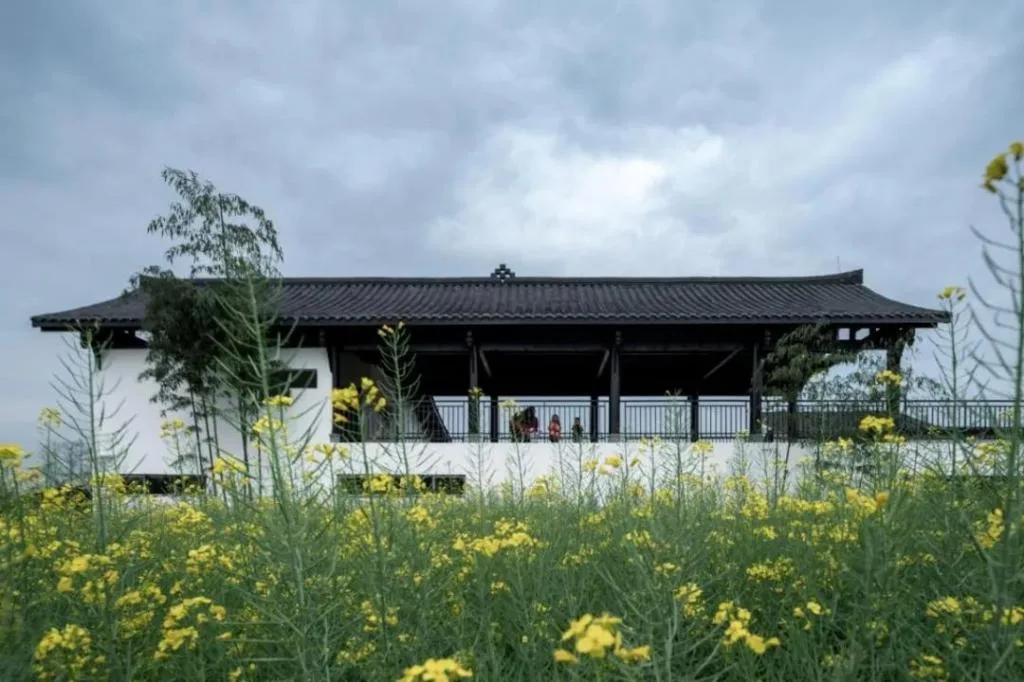
Through moderate updates that enhance adaptability and the full use of scientific environmental analysis combined with traditional passive energy-saving design strategies, Nanxi Yao has improved residential thermal comfort affordably. It significantly reduces building energy consumption, serving as a model of humanistic and environmentally sustainable development within the current major rural construction strategies of the Chuanxinpan settlement in Chengdu.
Project Drawings
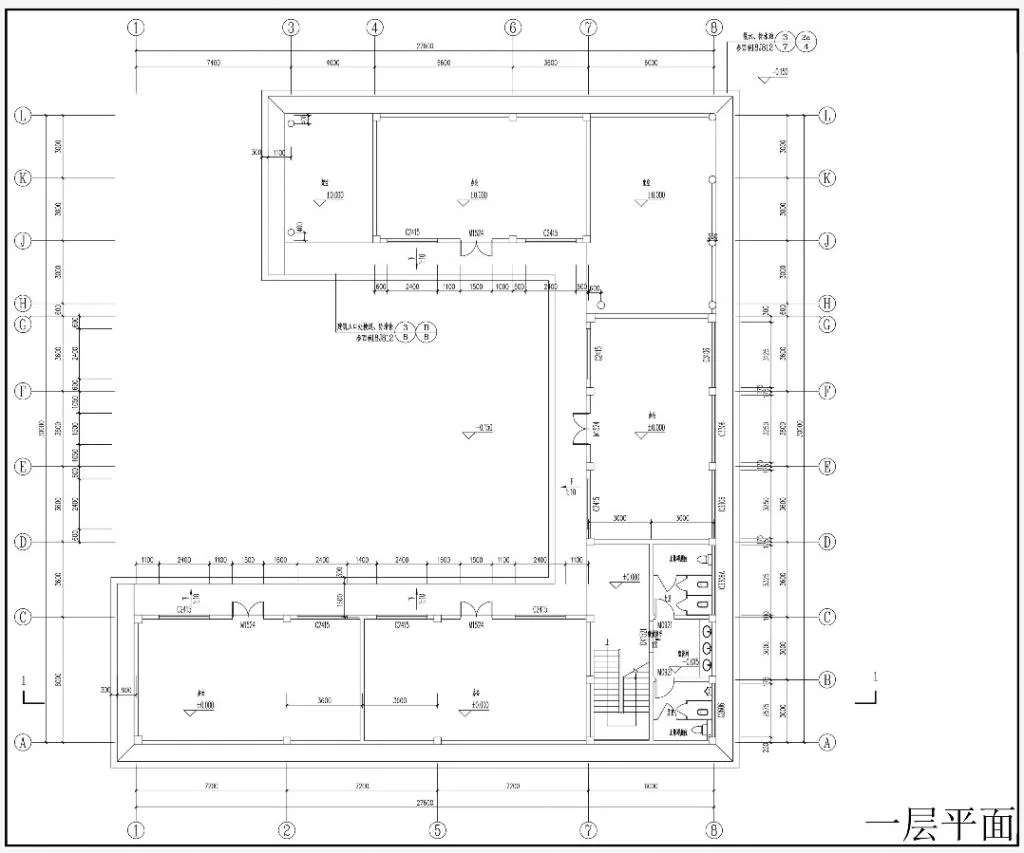
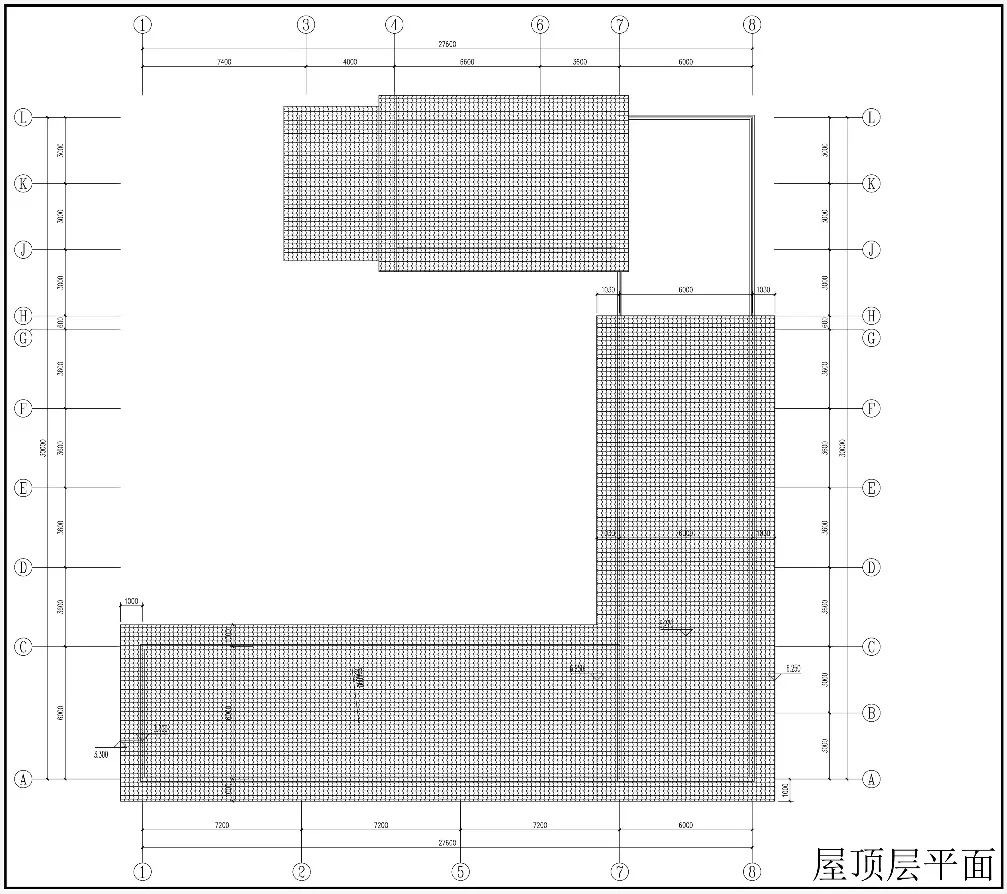
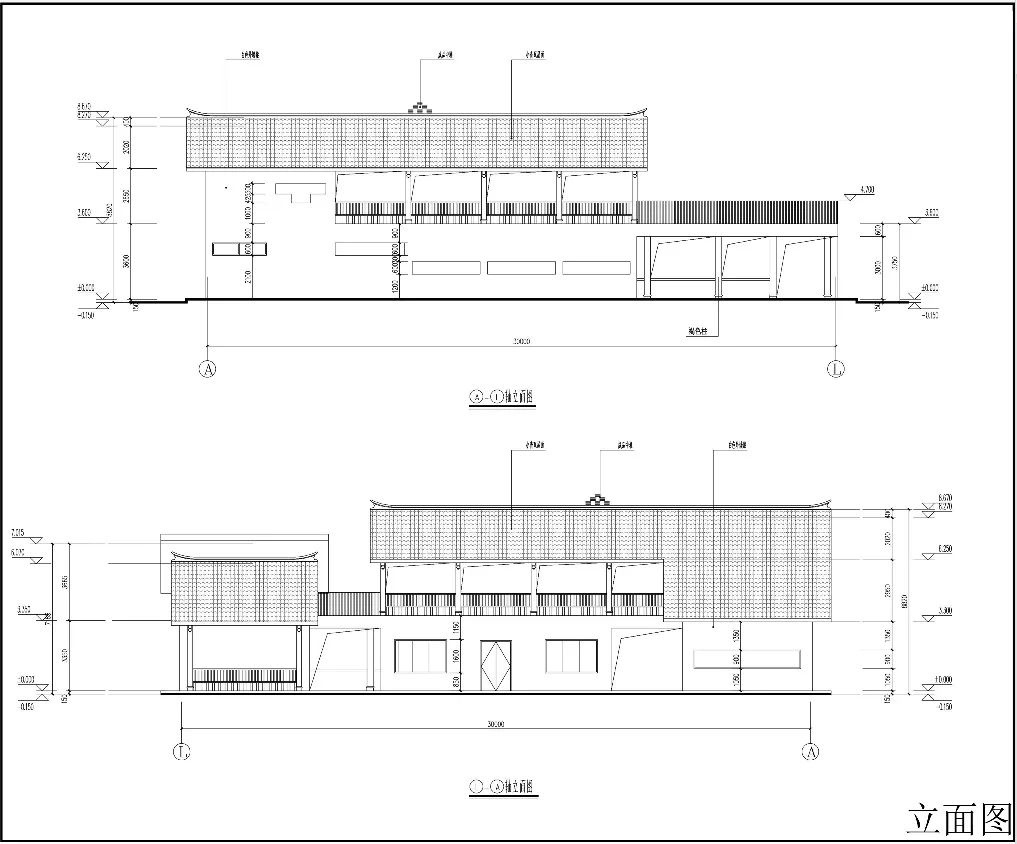
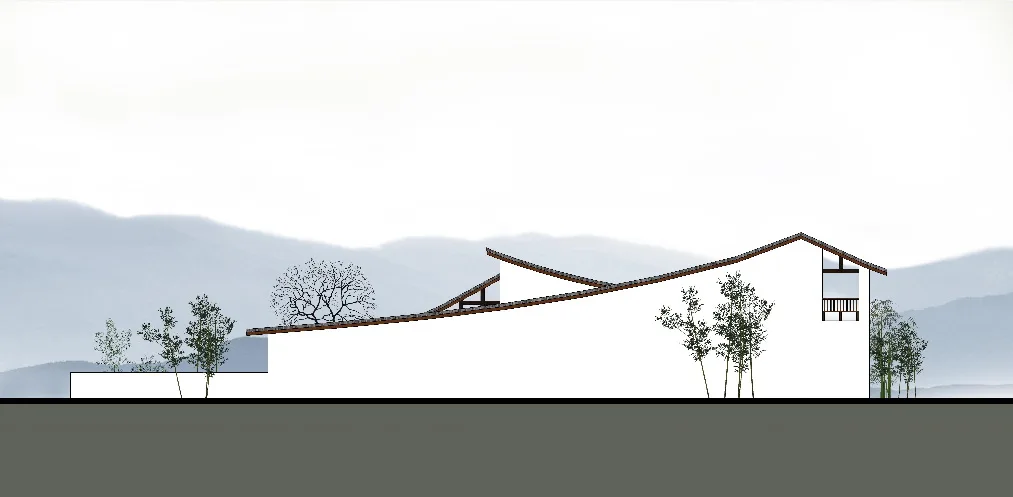
▲ South Elevation View
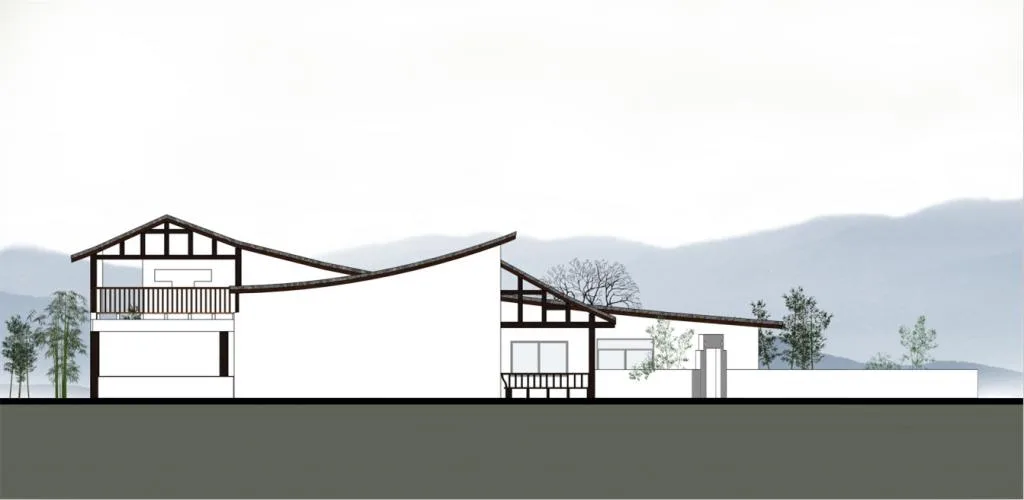
▲ North Elevation View
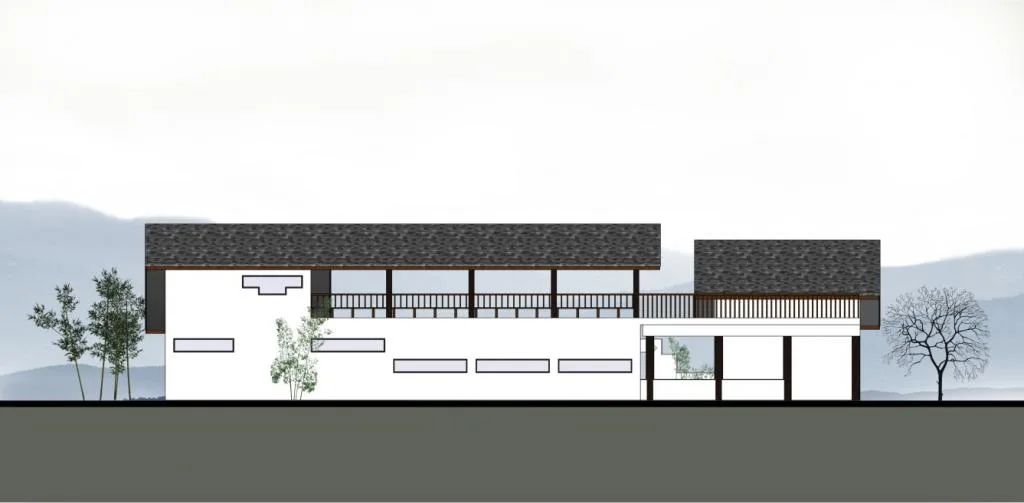
▲ West Elevation View
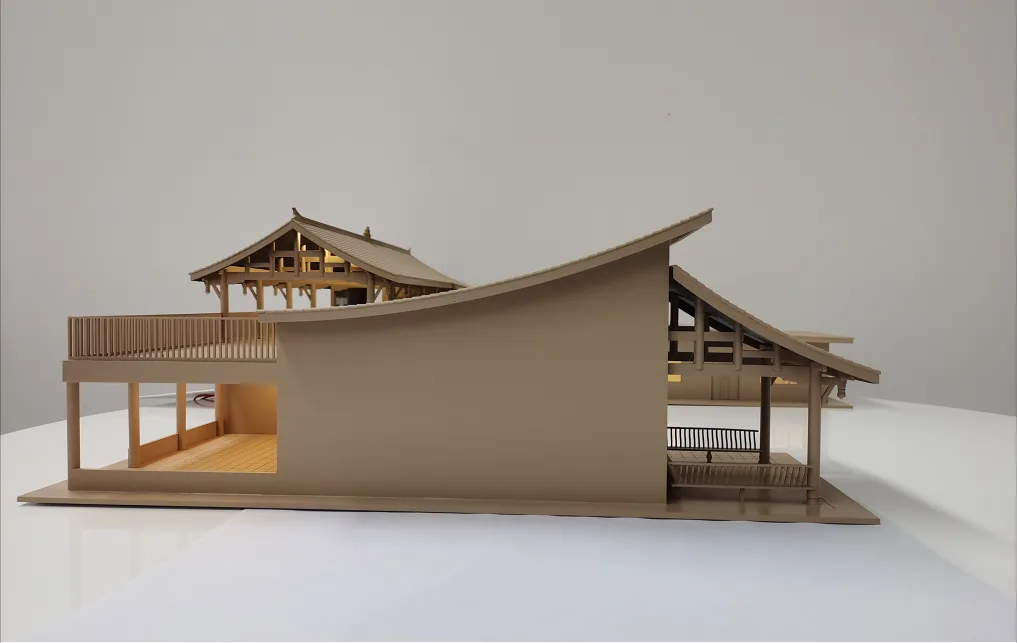
▲ Model Diagram
Project Information
Architectural Design: Sichuan David Architectural Design Co., Ltd
Area: 467.62 square meters
Project Year: 2020
Photographer: He Zhenhuan
Lead Architect: Liu Weibing
Owner: Puyang Town People’s Government, Dujiangyan Irrigation Project City
Structural Design: Sichuan Dawei Architectural Design Co., Ltd
Construction: Ganzi Chengfa Construction Engineering Co., Ltd
Location: Nanxi Community, Puyang Town, Dujiangyan Irrigation Project City















Must log in before commenting!
Sign Up