
Abstract: This article provides an overview of BIM implementation at Tencent’s Beijing headquarters. A follow-up article will detail the practical applications of BIM in project scheduling, quality control, safety management, on-site operations, and business administration.
Currently, the construction unit leading the project is recognized as a top innovator in China’s construction technology sector among the three bureaus.
This content is shared in two parts. Today’s focus is on the general status of BIM use at Tencent’s Beijing headquarters. Tomorrow’s article will explore how BIM is applied specifically in managing project progress, quality, safety, site operations, and business processes. Those interested in BIM and future construction technologies are encouraged to read on.
Due to the limited availability of BIM case studies, this material is especially valuable!
What is BIM?
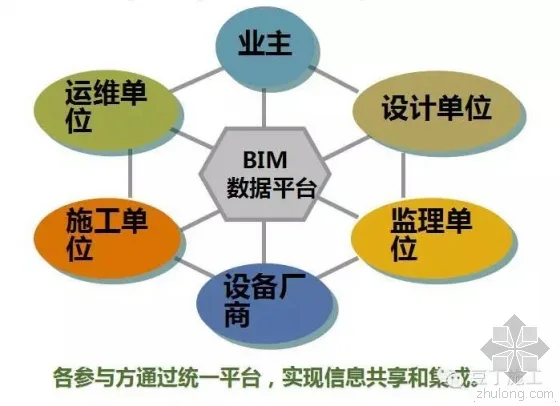
BIM refers to the process of creating and utilizing digital models throughout the design, construction, and operational phases of engineering projects.
It stands for:
Building Information Management
Building Integrated Management
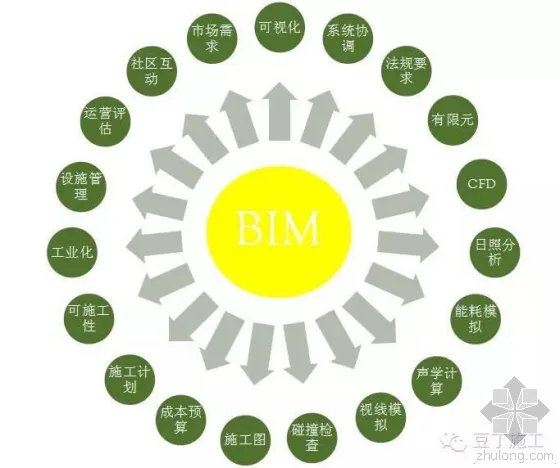
The Value of BIM
· The Importance of 3D Modeling
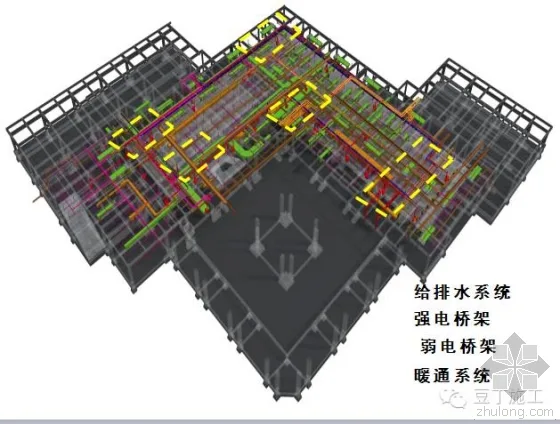
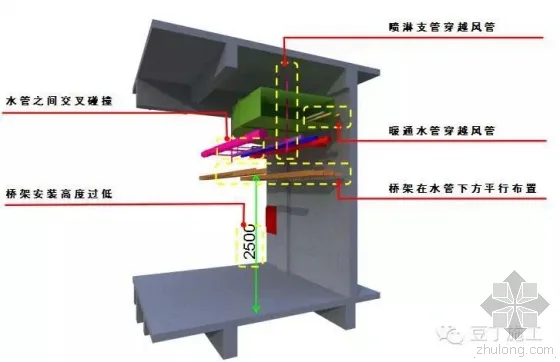
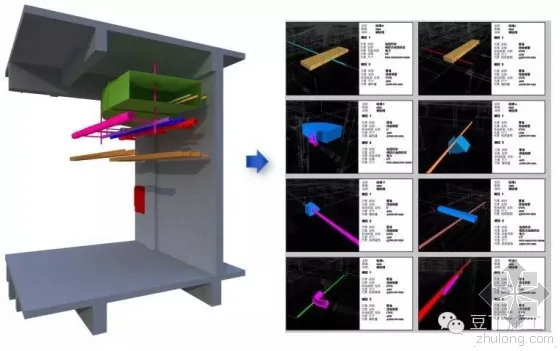
· Integration
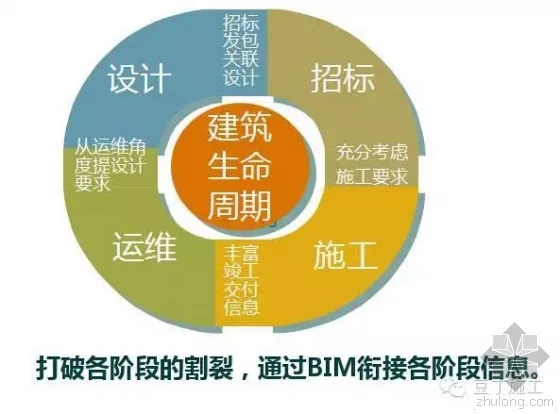
1. Project Overview
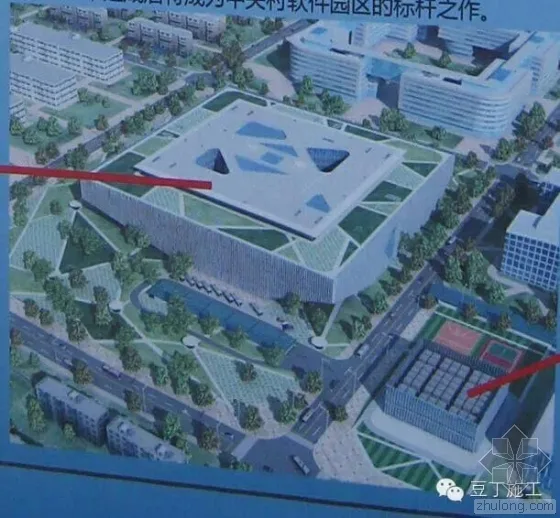
The Tencent headquarters complex includes a main building and an energy center sub-building. The total constructed area spans 334,386 m², with 175,746 m² underground, integrating office spaces, research facilities, conference areas, parking garages, and civil defense functions.
Architectural Rendering
1.2 Engineering Characteristics and Challenges
1. The building features three underground floors with varying heights: 3.8m for the third, 3.95m for the second, and 7.45m for the first underground floor. The foundation pit reaches approximately 17.7 meters deep. Above ground, there are seven levels with floor heights ranging from 4.95m to 6m. The total height is 36 meters. The concrete slabs vary in thickness, with a maximum of 500mm, and many large-scale formwork support areas exist due to the varying floor heights.
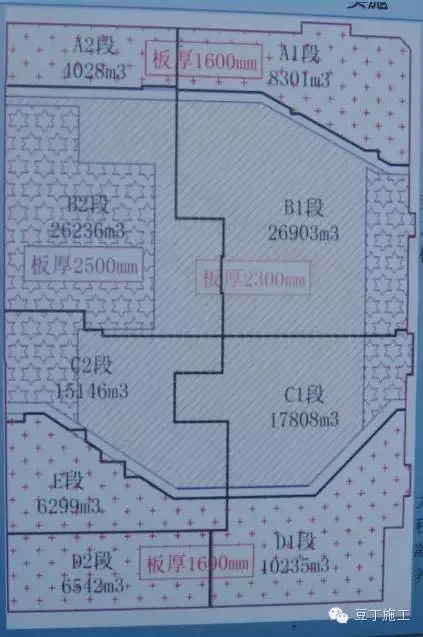
2. The foundation base plate involves a massive 130,000 m³ of concrete, with thicknesses of 2.5m, 2.3m, and 1.6m respectively. The concrete grade is C40P8. The building footprint measures 203.6 meters east-west and 284.5 meters north-south. The foundation slab is segmented into 9 construction sections, supported by a specialized super-long structure expert review meeting.
Foundation slab large volume concrete flow sections
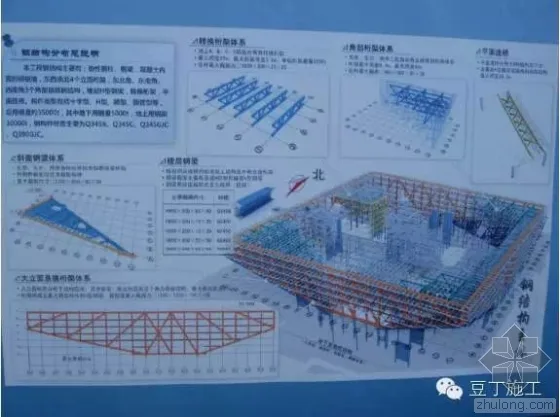
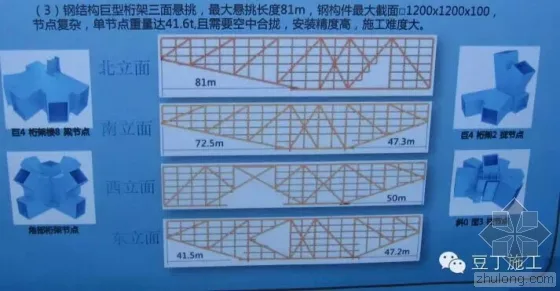
3. The steel structure features a giant cantilevered truss extending on three sides, with a maximum cantilever length of 81 meters and node weights up to 41.6 tons. This requires aerial installation, high precision, and poses significant construction challenges.
Steel Structure Model
Detailed Giant Truss Drawings
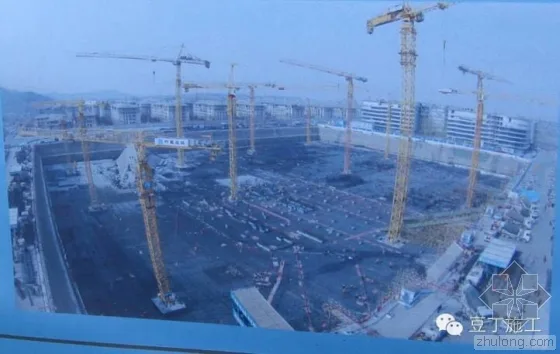
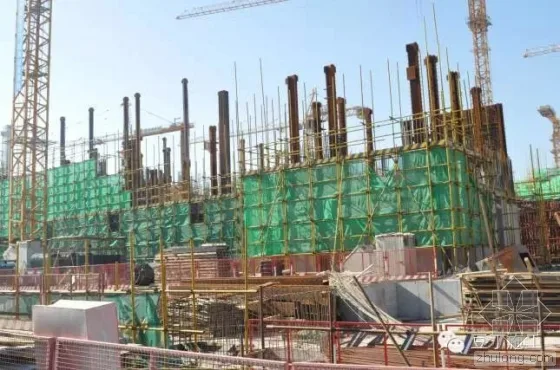
On-site photos
2. BIM Application
2.1 Project BIM Management System
1) Organizational Structure
The project has established a dedicated BIM management department composed of a 10-member professional team specializing in civil engineering, steel structure, MEP, curtain walls, and interior finishing. Each contractor department includes BIM specialists, and subcontractor BIM teams are incorporated into the general contractor’s BIM management system. The structure is led by the project chief engineer and coordinated by the BIM management department, encompassing all departments and subcontractors.
2) System Development
The BIM Management Department has created a unified system detailing responsibilities, procedures, and training plans for BIM personnel. This includes BIM meeting protocols and subcontractor management systems to ensure consistent objectives, clear roles, and standardized practices.
2.2 BIM-Based General Contracting Management
1) Comprehensive BIM Model Creation
The BIM Management Department sets modeling standards and association rules. Individual disciplines develop BIM models incorporating schedules, technical parameters, and business data. These are integrated into a comprehensive BIM model encompassing all professional and management information.
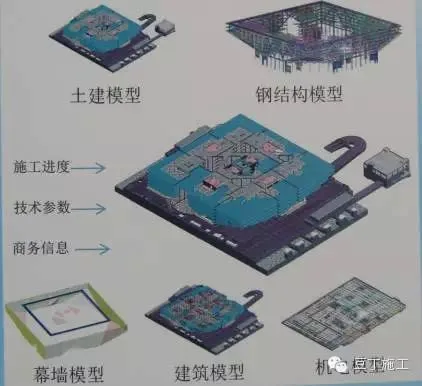
2) 4D-BIM Collaborative Platform
Leveraging the comprehensive BIM model and progress timelines, a 4D-BIM platform connects all construction stakeholders. This enables real-time information exchange, dynamic and visual construction management, and supports multi-party collaboration over network platforms to facilitate BIM-driven general contracting management.
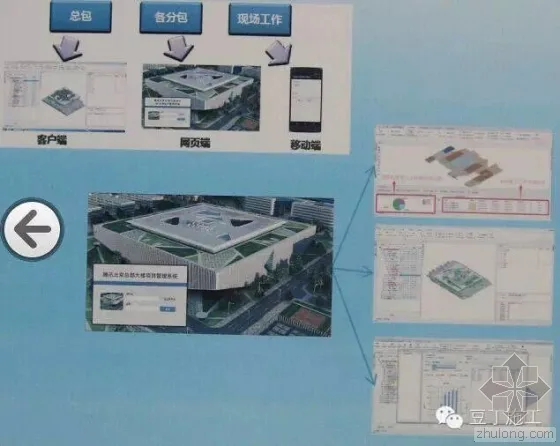
3) 4D-BIM-Based Contracting Management
(1) Schedule Management:
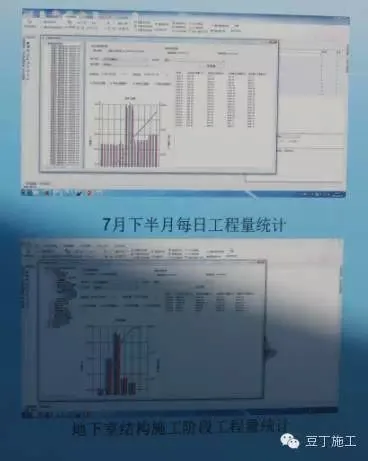
By linking the BIM model with the project schedule, functions such as schedule simulation, comparative analysis, critical path identification and alerts, lag and pre-task analyses, and automated weekly/monthly progress reports are realized. This allows effective schedule control across various subcontractors.
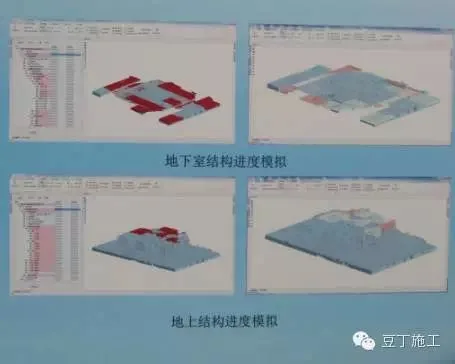
(2) Subcontractor Coordination:
The 4D-BIM system operates as an integrated platform involving multiple parties and devices. Subcontractors input progress plans, actual progress, resource usage, and process acceptances via a web interface. The system automatically synthesizes and analyzes this data, supporting the general contractor’s management and decision-making.
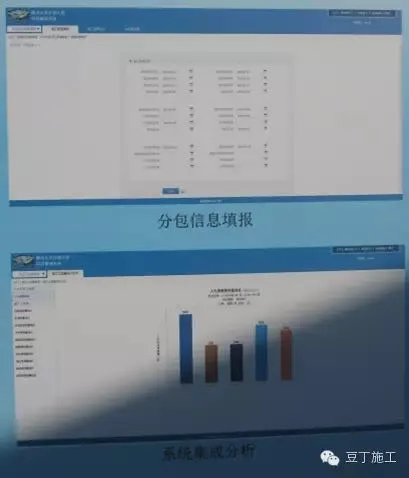
(3) Public Resource Management:
The system models tower cranes, construction roads, temporary buildings, and utility connection points, linking them to the project schedule. Parameters define usage units by stage and time, allowing subcontractors to query and request changes efficiently.
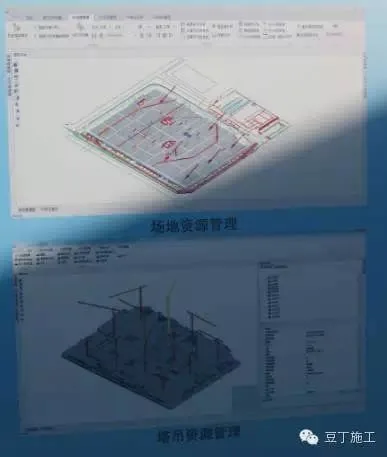
(4) Document Management:
The 4D-BIM system facilitates online circulation and review of documents between subcontractors, general contractors, supervisors, and owners. Relevant documents — including drawings, photos, and meeting minutes — are linked to specific engineering components or schedule nodes, enabling quick access to unstructured information.
(5) Business Management:
The platform calculates resource consumption for any schedule node or component grouping and compares it against actual investment, enabling cost control and management.
2.3 BIM-Based Technical Management
1) Coordination Drawing Review and Optimization
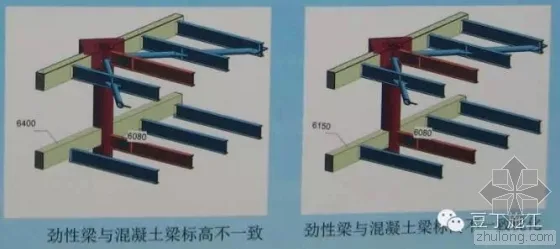
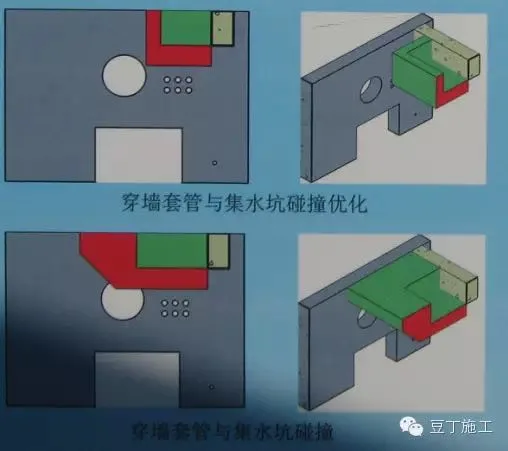
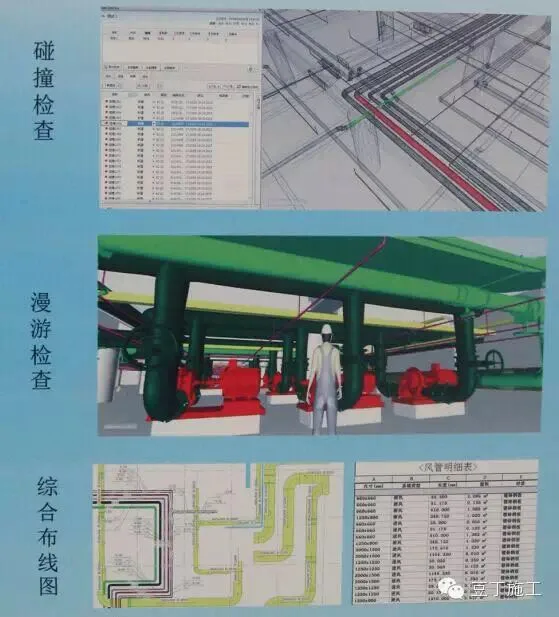
BIM modeling enables thorough drawing review, quickly identifying issues such as unclear component dimensions, incorrect elevations, and inconsistencies between detailed drawings and floor plans, especially for complex structures. Integrated models allow collision detection to identify clashes or design conflicts among disciplines.
During the review process, the model serves as a communication platform for discussions with the owner, designers, and supervisors, facilitating intuitive and rapid problem resolution.
Collision Detection and Optimization
2) BIM-Based Deepening Design
(1) Complex Node Detailing
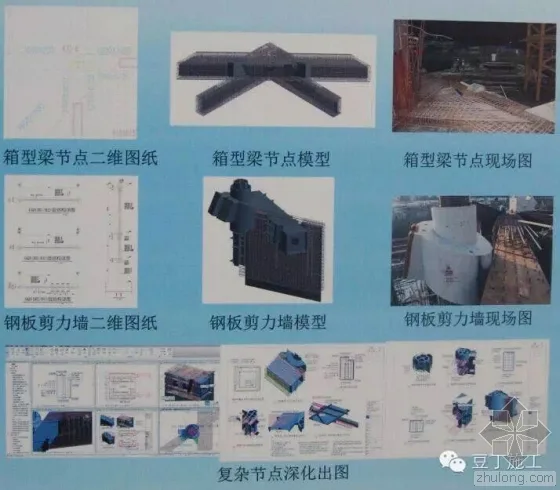
For complex nodes such as large cross-section steel beams and steel plate walls with dense reinforcement, two-dimensional plans are converted into three-dimensional visual models using Revit software. Reinforcement arrangements are optimized through collision gap analysis to facilitate on-site construction.
(2) Discipline-Specific Deepening Design
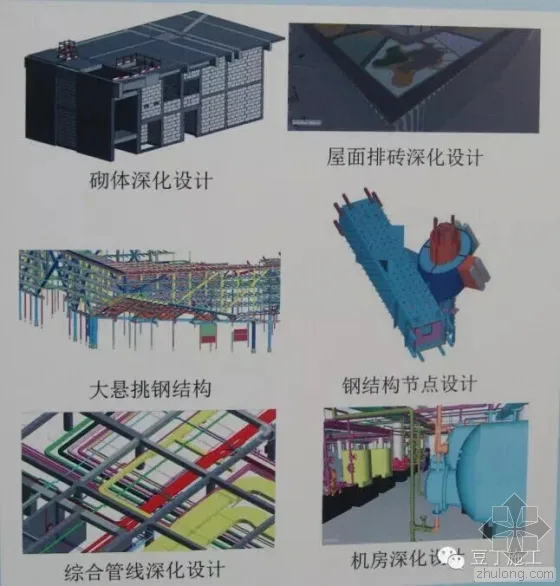
During detailed design across disciplines, BIM models are developed concurrently with consistent naming conventions, standardized rules, and complete data to support integration and collision detection by the general contractor. Each discipline leverages BIM to optimize designs and highlight details.
(3) Comprehensive Deepening Design
The general contractor integrates and collision-checks detailed design models submitted by each discipline, coordinating with subcontractors to revise and optimize models based on collision reports. Process simulations and walkthroughs are conducted in Navisworks to ensure design quality.
3) Construction Simulation
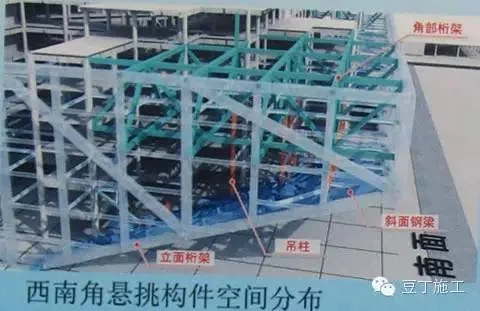
Key construction elements such as project organization, installation of large cantilever steel structures, concrete columns, and tall formworks are visually simulated and analyzed. This validates feasibility, animates construction sequences, and provides clear visual explanations.
Construction Simulation of Key Elements 1
Construction Simulation of Key Elements 2
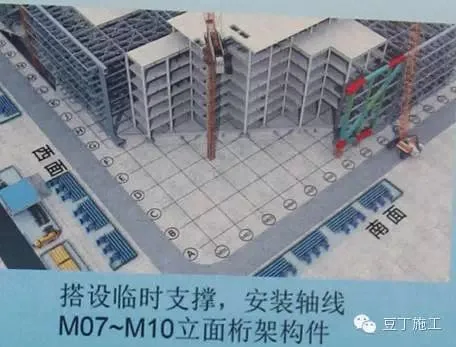
Construction Simulation of Key Elements 3
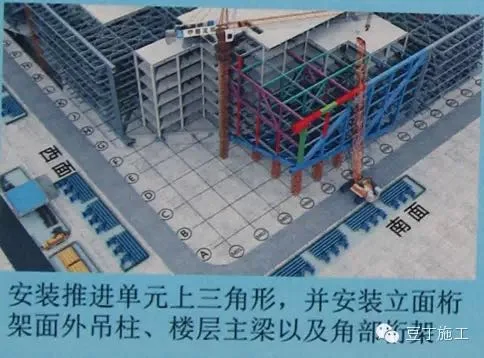
Construction Simulation of Key Elements 4
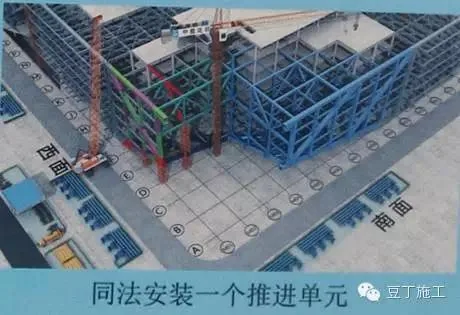
Construction Simulation of Key Elements 5
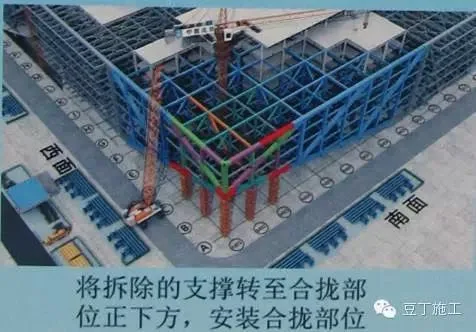
4) Paperless Construction
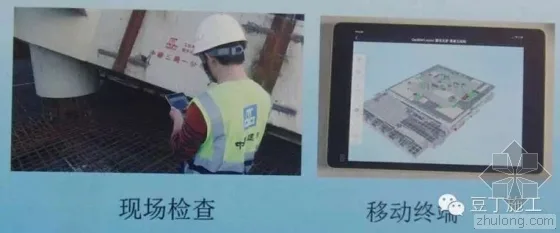
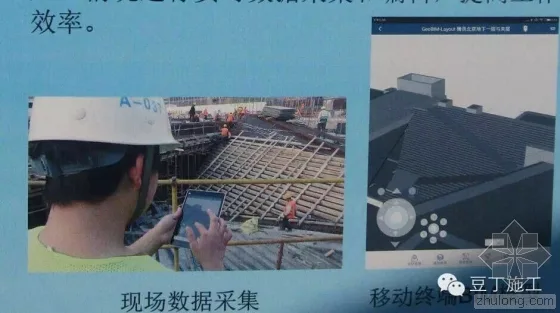
Project managers are equipped with mobile devices containing BIM models, construction specifications, node samples, and process simulation videos for convenient on-site access.
These devices also allow real-time data collection and editing regarding construction progress, greatly enhancing efficiency.
On-Site Inspection Using Mobile Device
Data Collection with Mobile Devices














Must log in before commenting!
Sign Up