
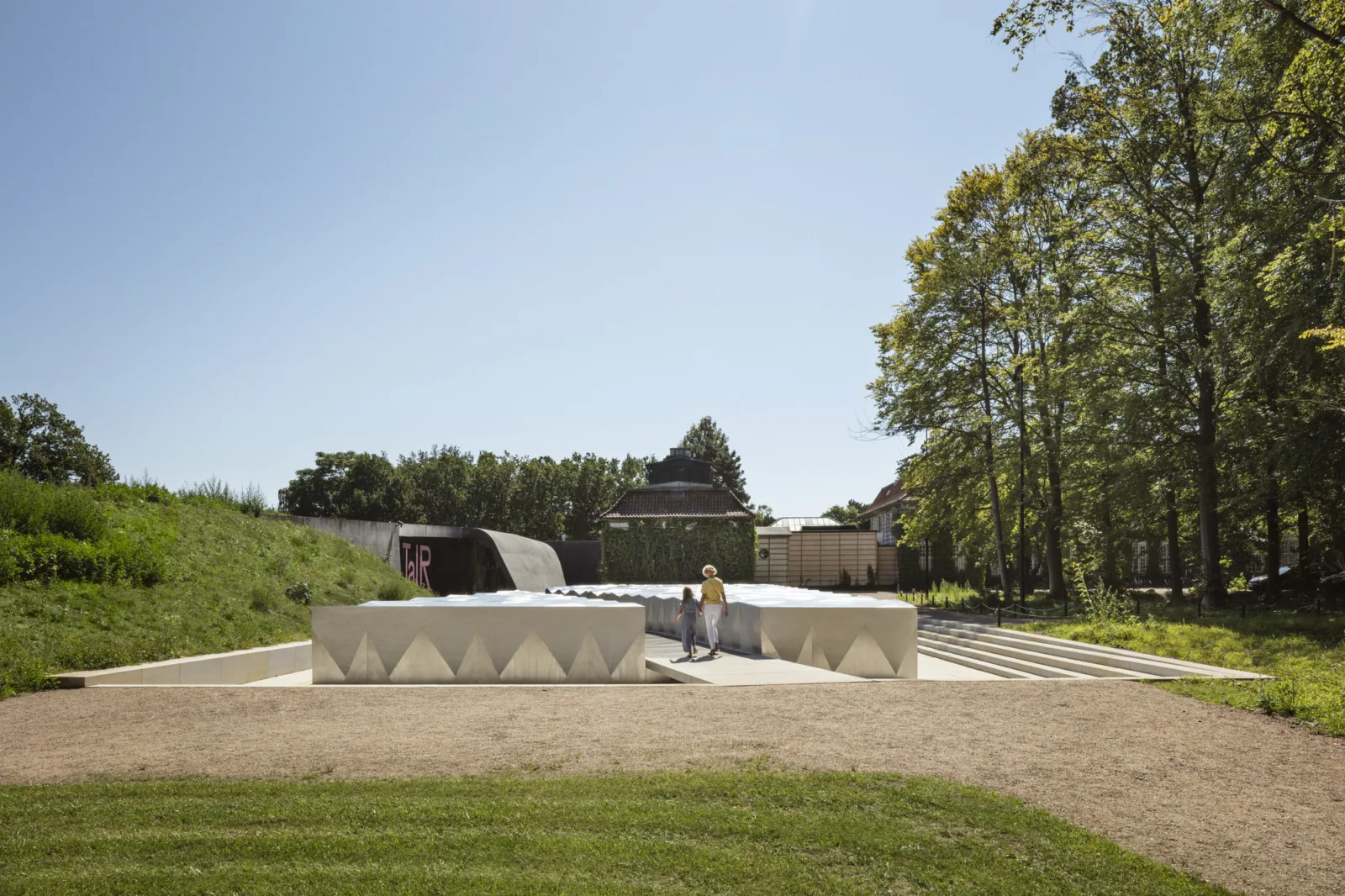
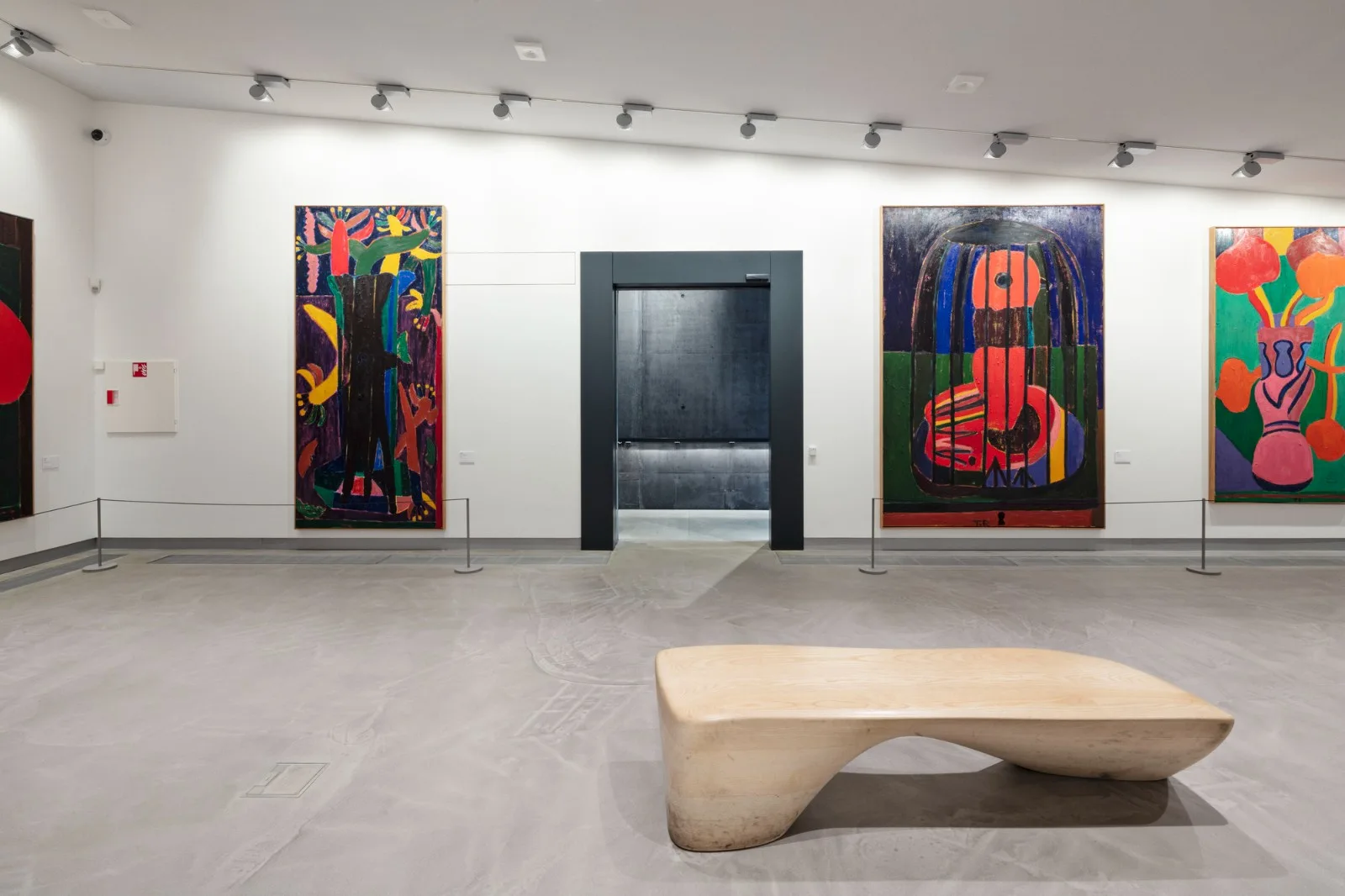
Located in Jægersborg Dyrehave, just north of Copenhagen, this museum holds the most extensive collection of French and Danish art from the 19th to early 20th centuries in the Nordic region. Originally a neoclassical three-wing rural mansion from World War I, the museum was expanded in 2005 by Zaha Hadid with a 1,150 square meter addition featuring glass and black lava concrete.
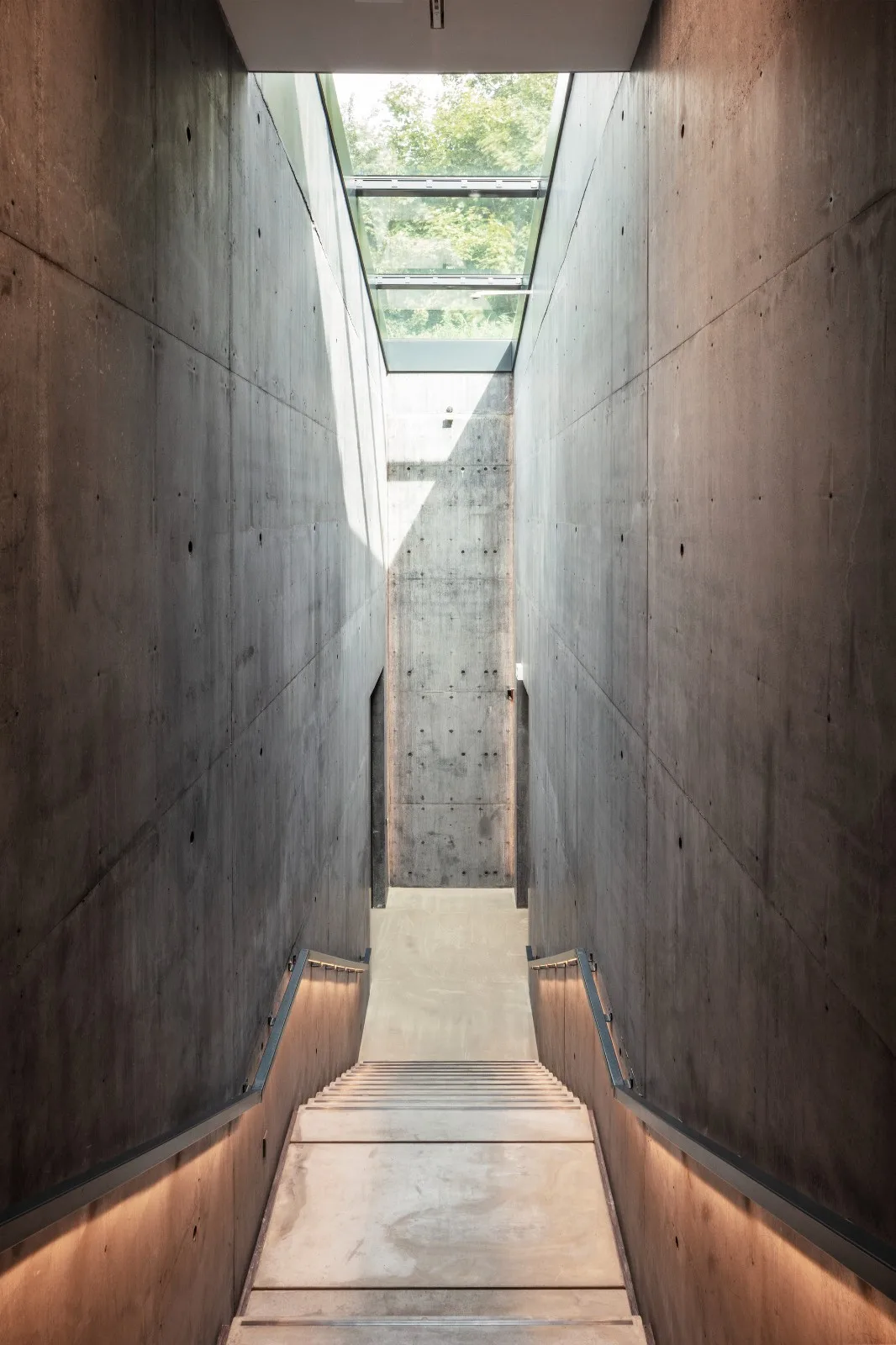
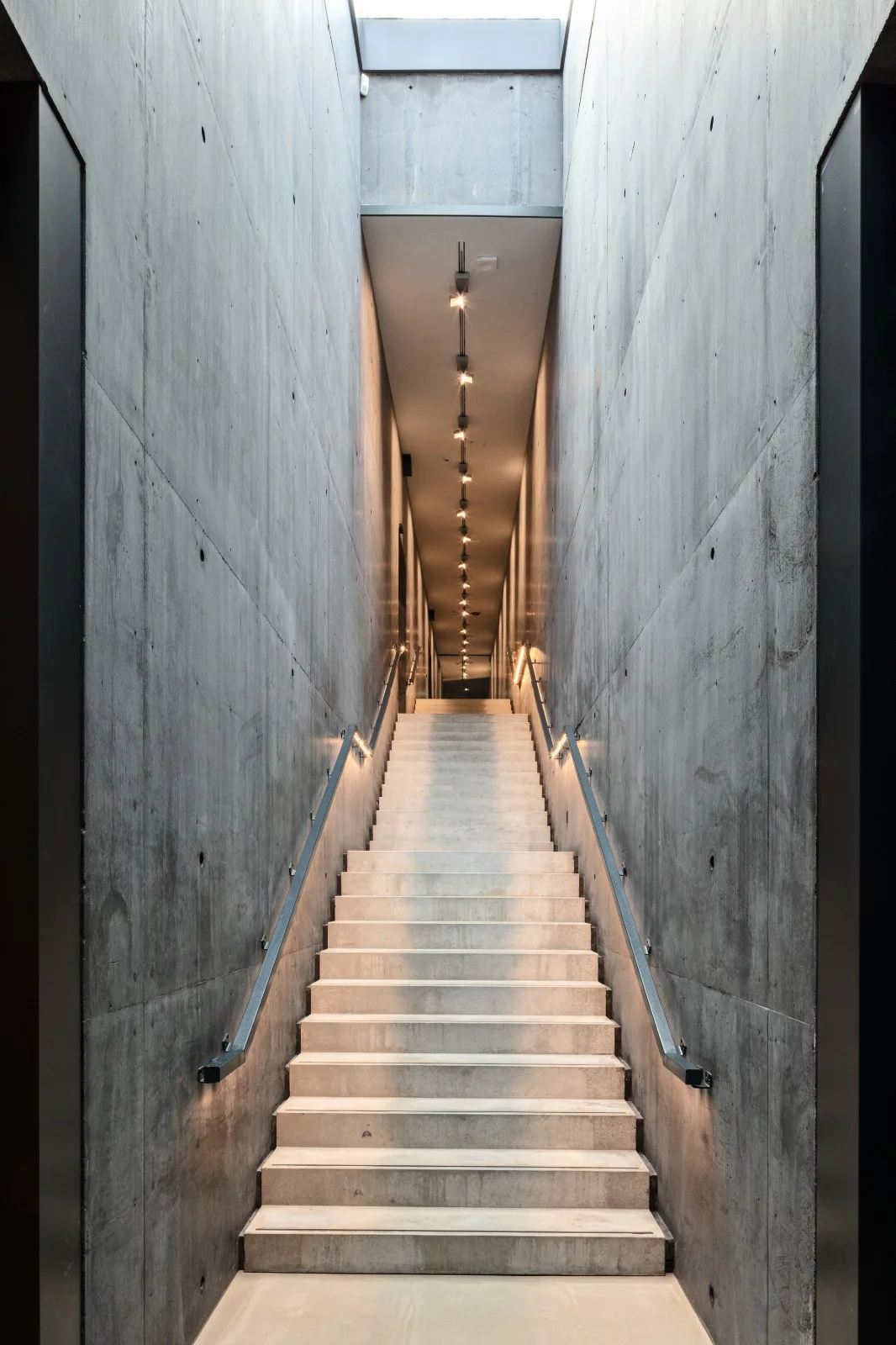
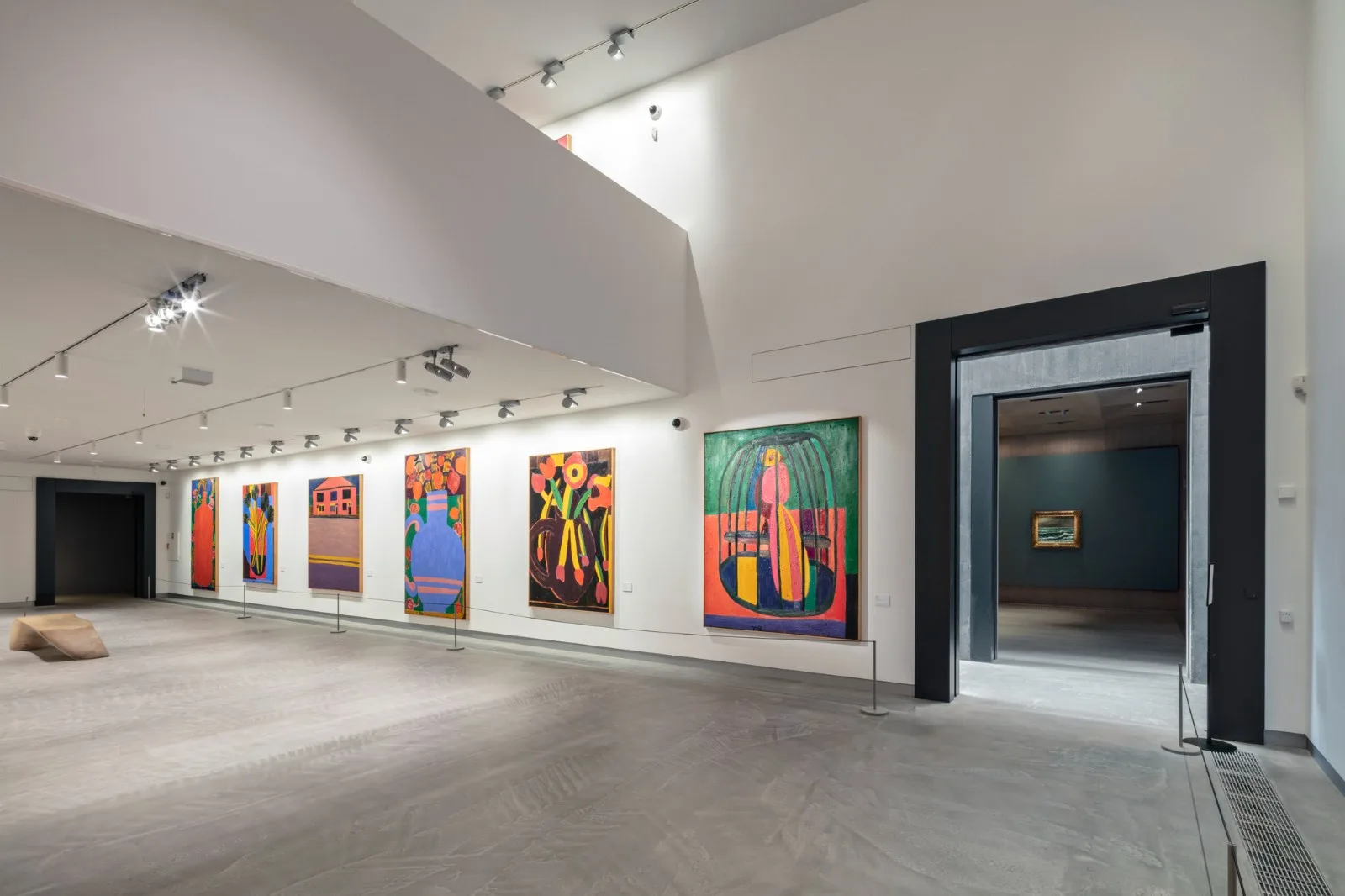
Snøhetta’s design primarily focuses on an underground expansion. By excavating part of the landscape, it creates a seamless pathway connecting the museum to the surrounding parks and gardens. This new subterranean space links Zaha Hadid’s special exhibition area with the museum’s permanent collection. The expansion includes five new underground galleries: two extend the special exhibition space designed by Zaha Hadid, while three are dedicated to permanent displays of French Impressionist paintings—one of the museum’s highlights.
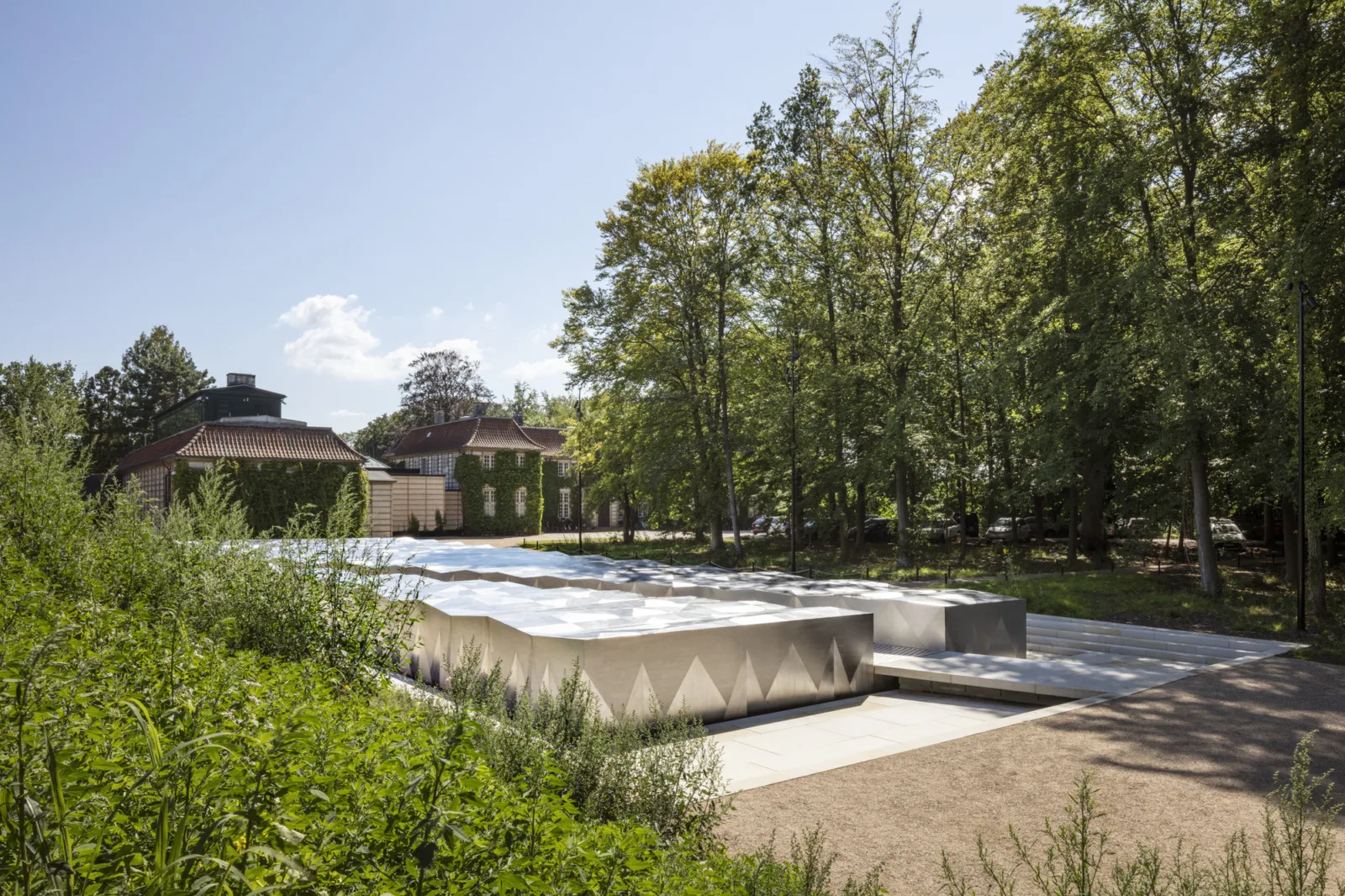
Thanks to innovative and subtle design approaches, the expanded section offers visitors a fluid experience, allowing them to wander effortlessly between the museum’s treasured art collections and the lush surrounding gardens. The project adheres to the highest international standards for exhibition design and art preservation, ensuring a comfortable, intuitive, and engaging museum visit.
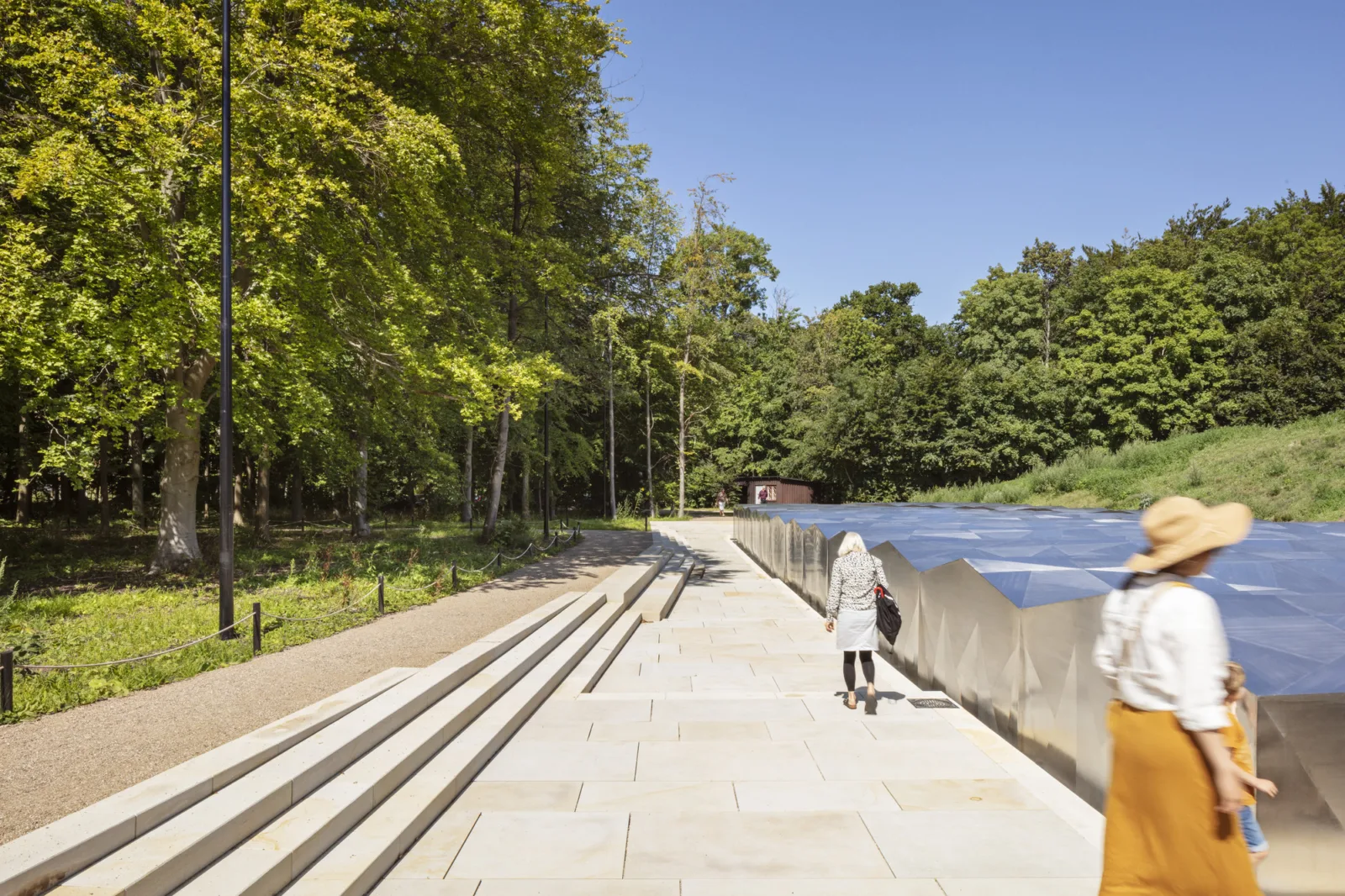
Light Play
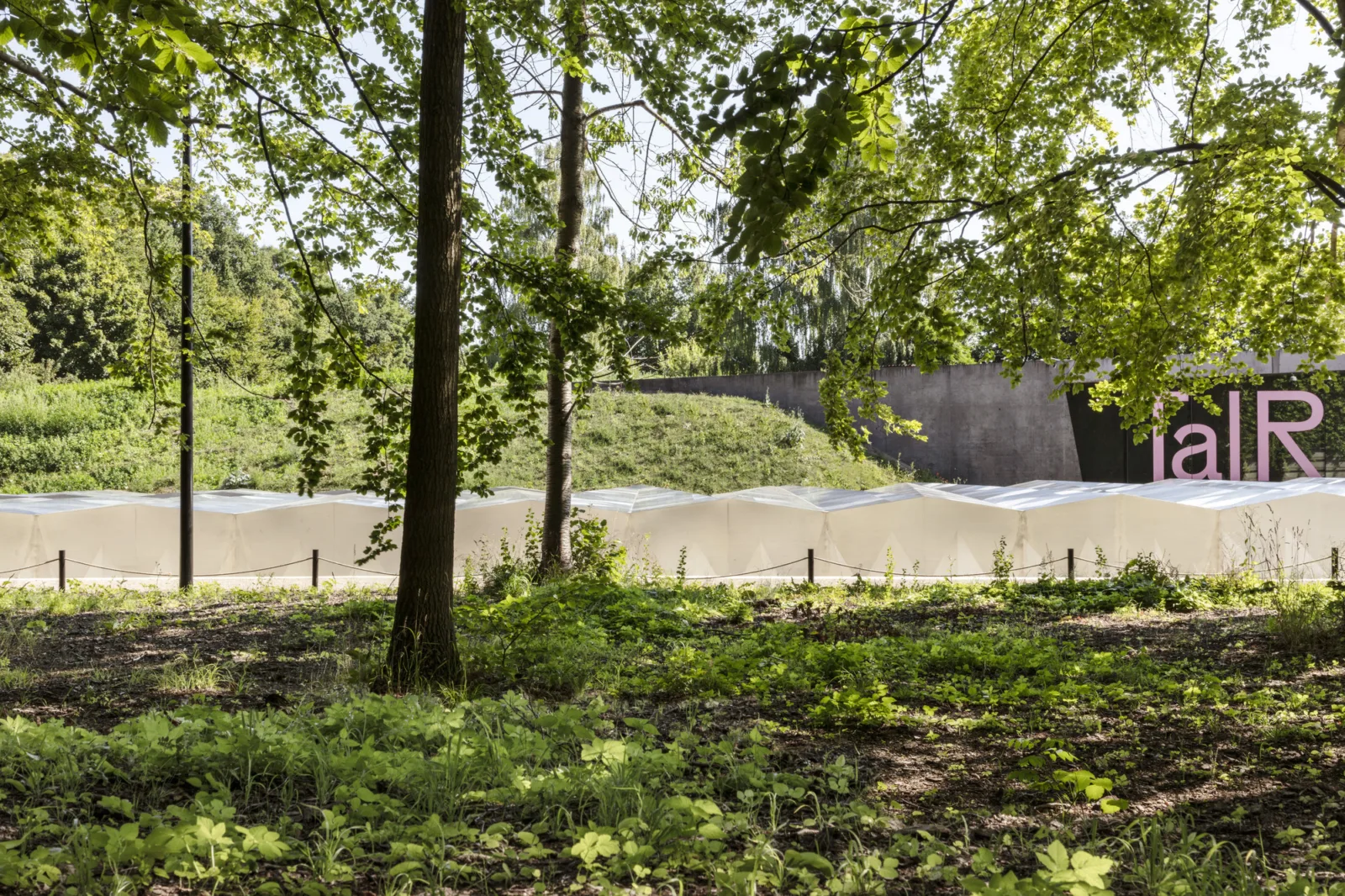
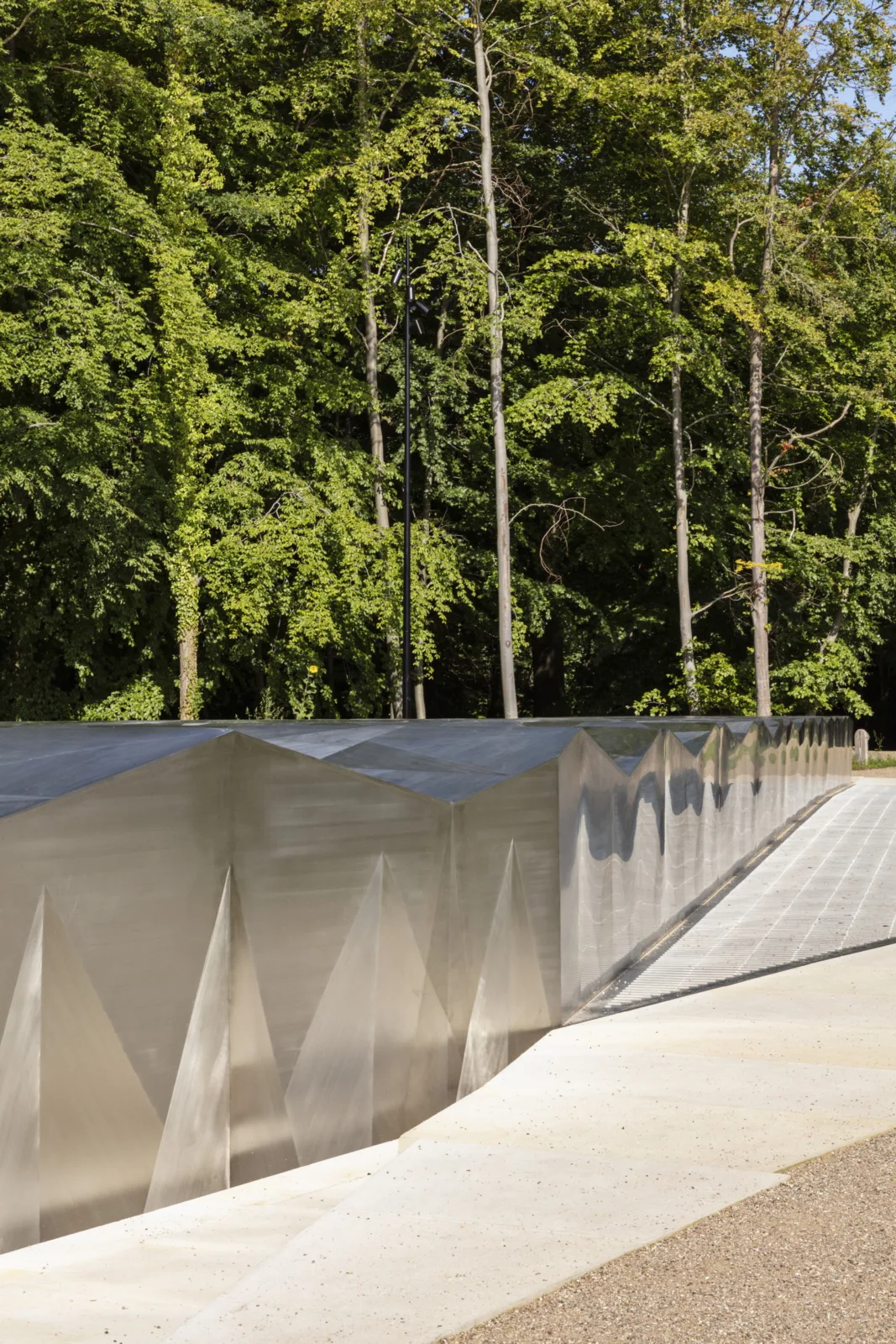
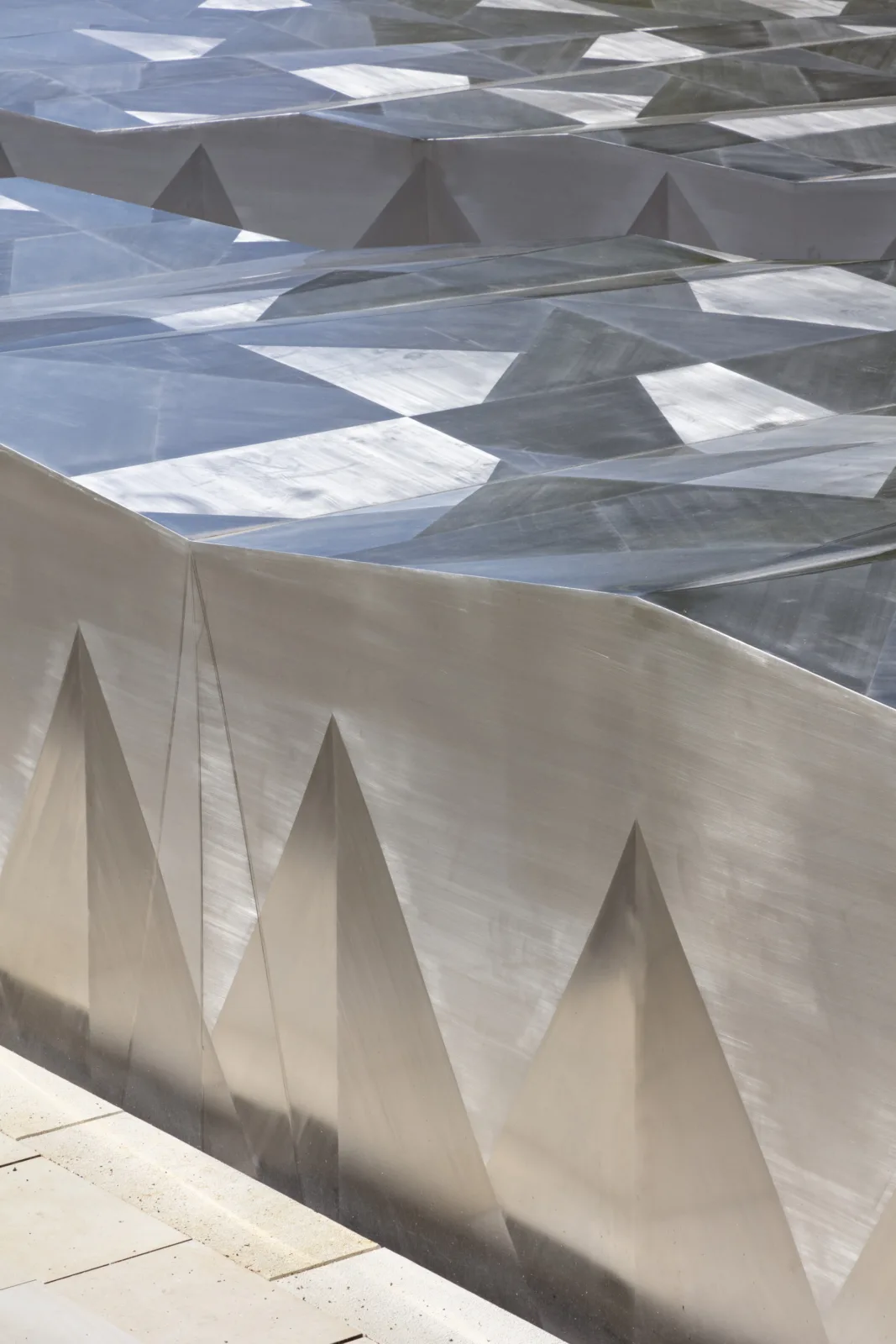
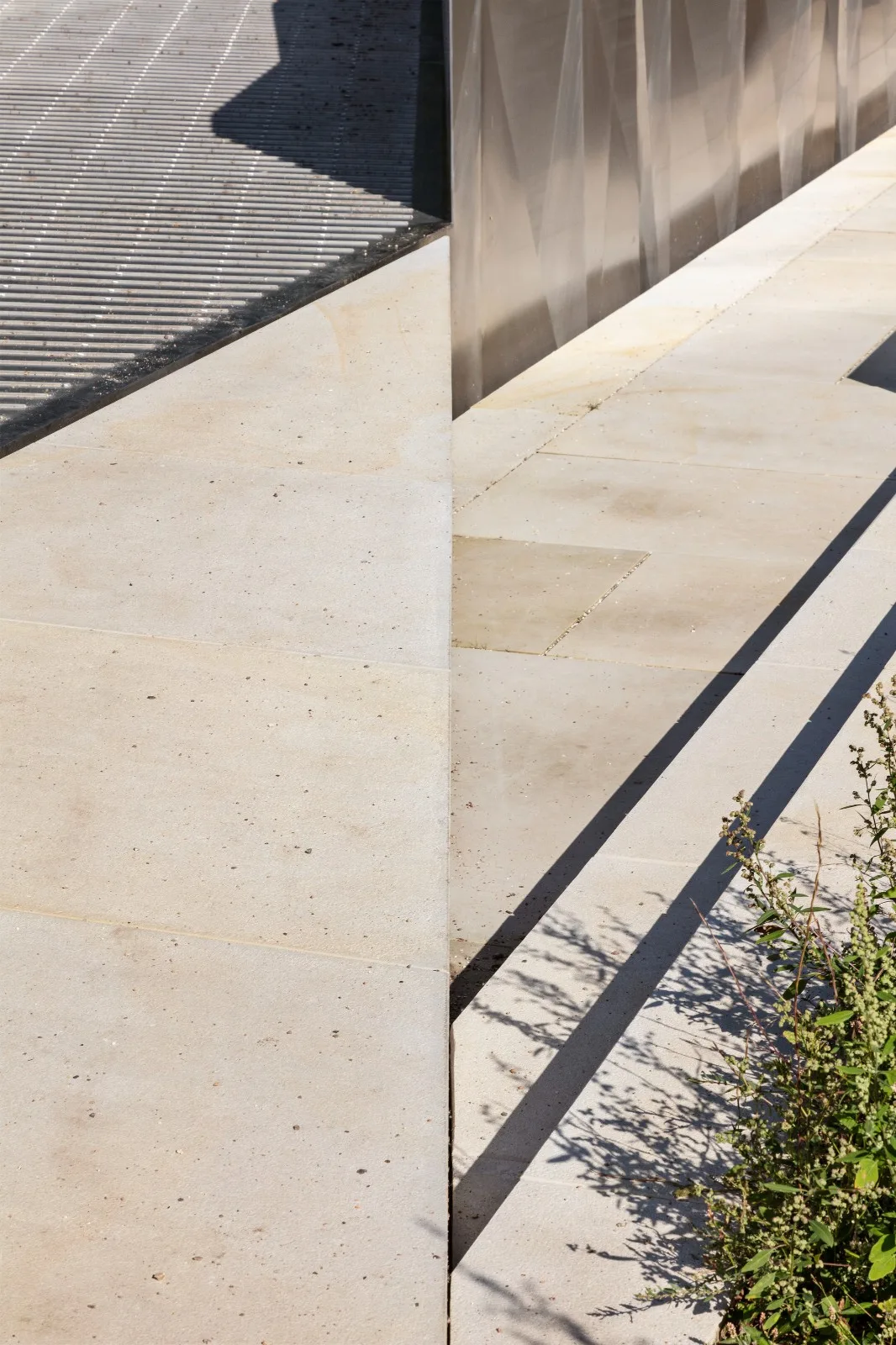
The three main exhibition areas are visible from the outside, featuring a monolithic steel-clad sculptural structure that looks like a hidden treasure unearthed during excavation—hence its name. This sculpture gleams strikingly against the museum’s landscape, with varied sectional designs and polished finishes on different surfaces, creating unique light and shadow effects that shift throughout the day and across seasons.
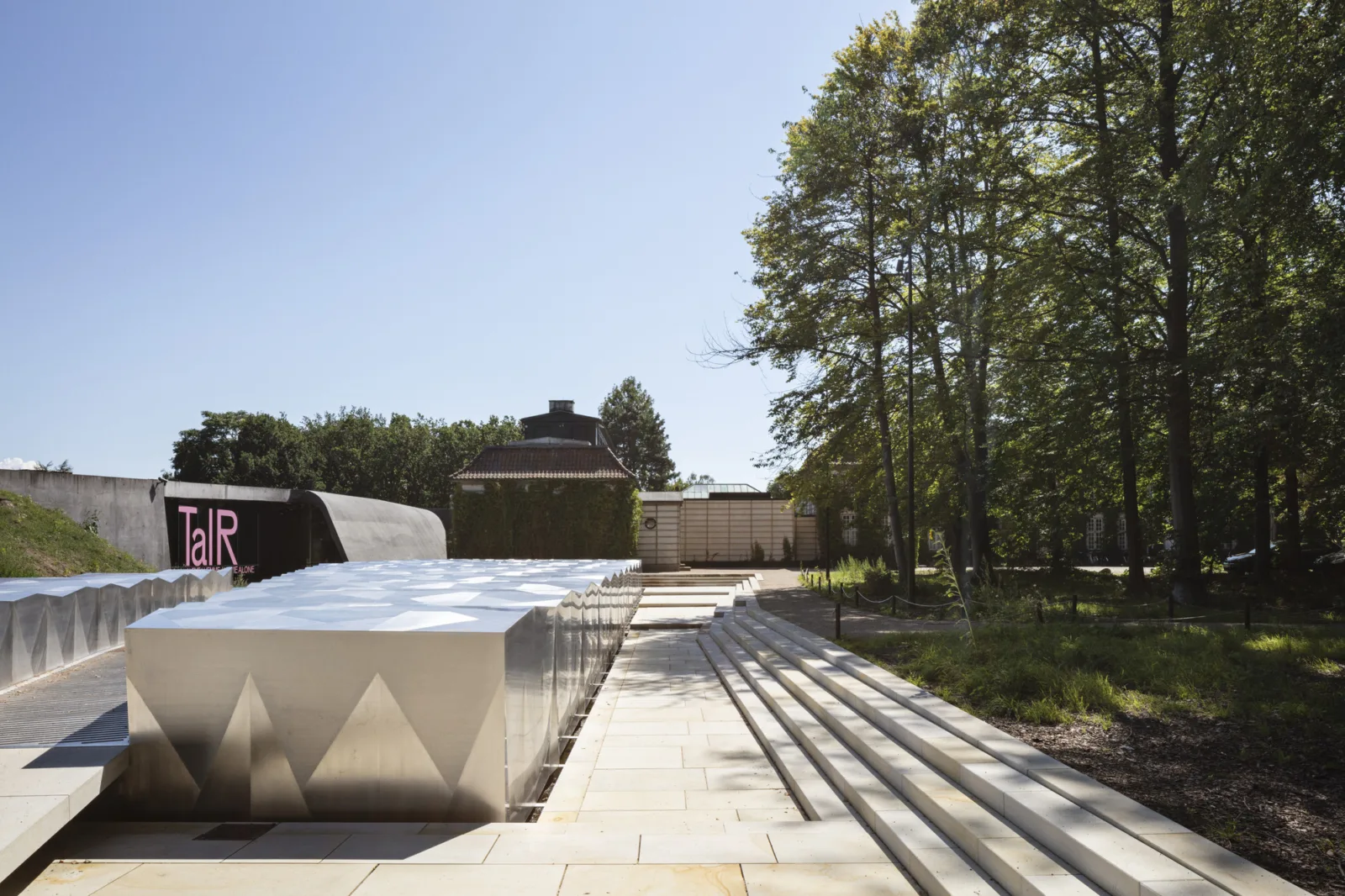
The concept of Himmelhaven (Paradise Garden) draws inspiration from the Impressionist era’s “trompe l’oeil” effect. By expanding the outdoor area and manipulating natural light, it highlights the timeless impressions left by artists like Manet, Monet, Degas, and Renoir on canvas. The design employs a diagonal cut through the existing landscape, guiding visitors directly to the main entrance of Zaha Hadid’s 2005 expansion. This diagonal cut also acts as a bridge, linking the entrance with the courtyard.
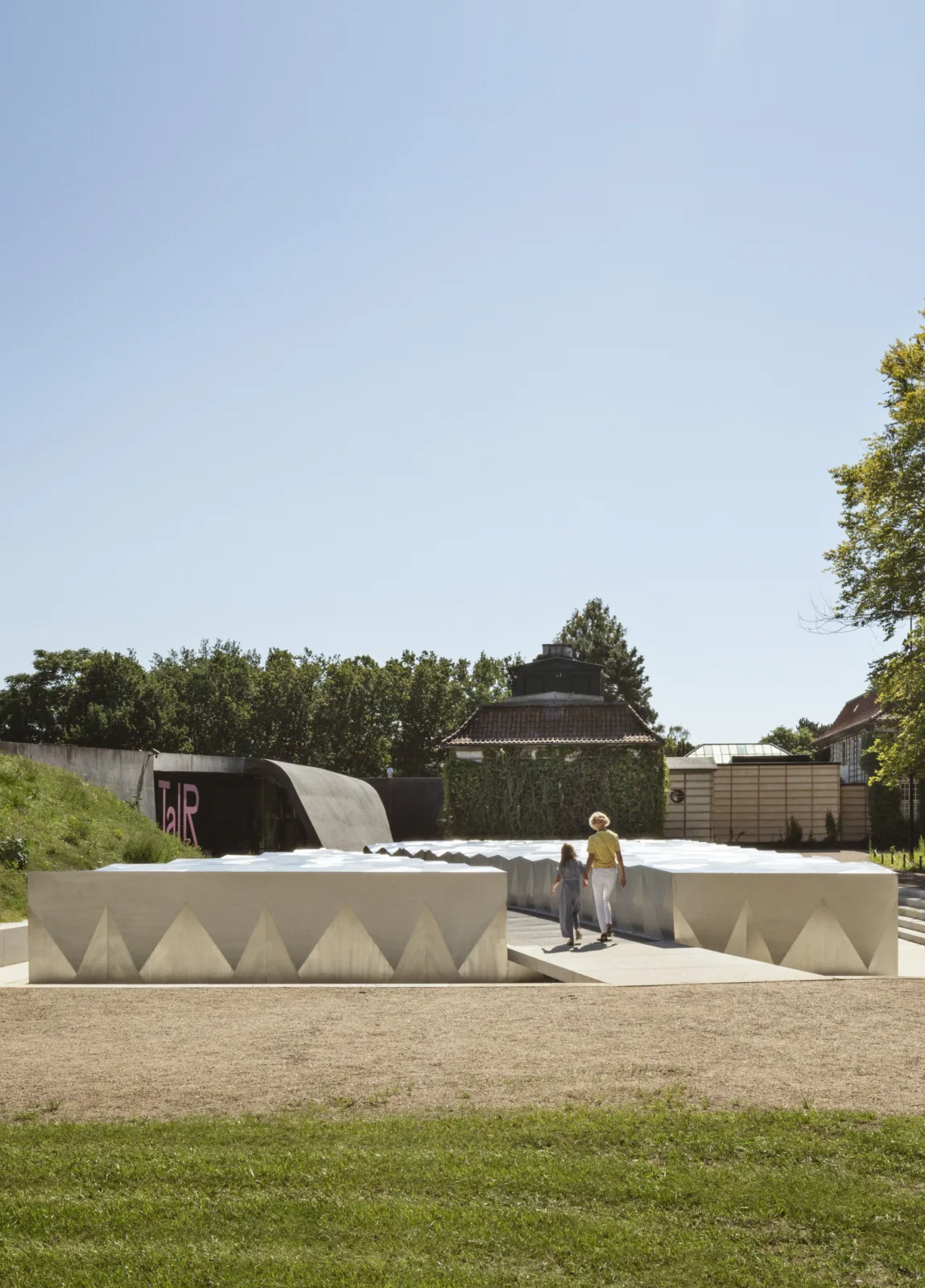
The sensation of Himmelhaven emerging from the landscape is enhanced by semi-sunken mini atriums surrounding the site. These spaces combine integrated lighting and seating areas, inviting visitors to relax while enjoying the century-old park vegetation. Referred to by the architect as the “third flowerbed,” this design continues the existing landscape language, weaving together the English garden and French rose garden motifs represented by fallen leaves within the museum grounds.
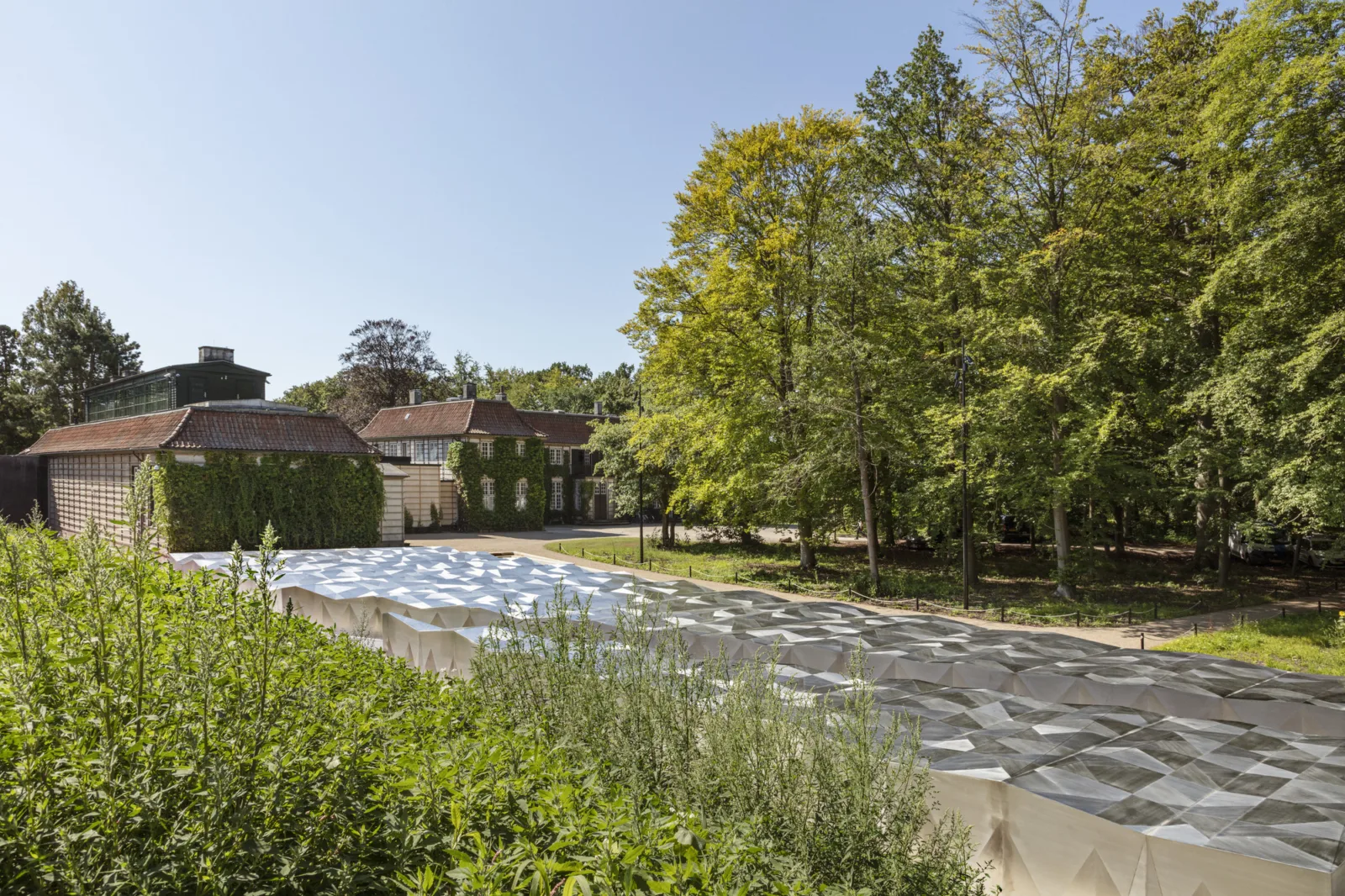
During construction, Snøhetta’s landscape team took great care to preserve the existing park, ensuring the expansion proceeded with surgical precision. The design made subtle adjustments to the Zaha Hadid expansion: flower meadows were planted on the hillside; selective excavation took place; and two underground exhibition halls inspired by Zaha Hadid’s style were connected to the 2005 extension.
Jewelry Box
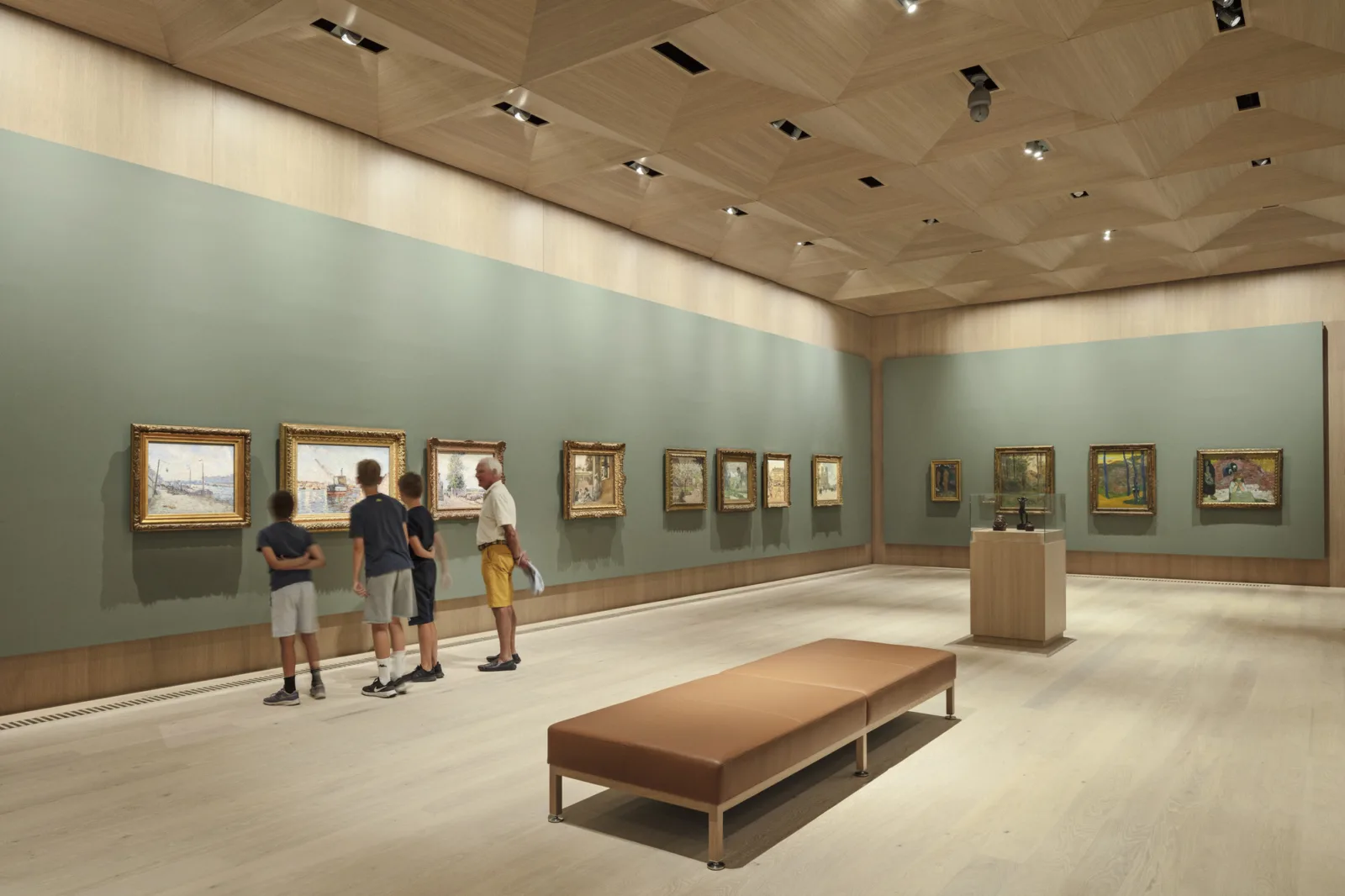
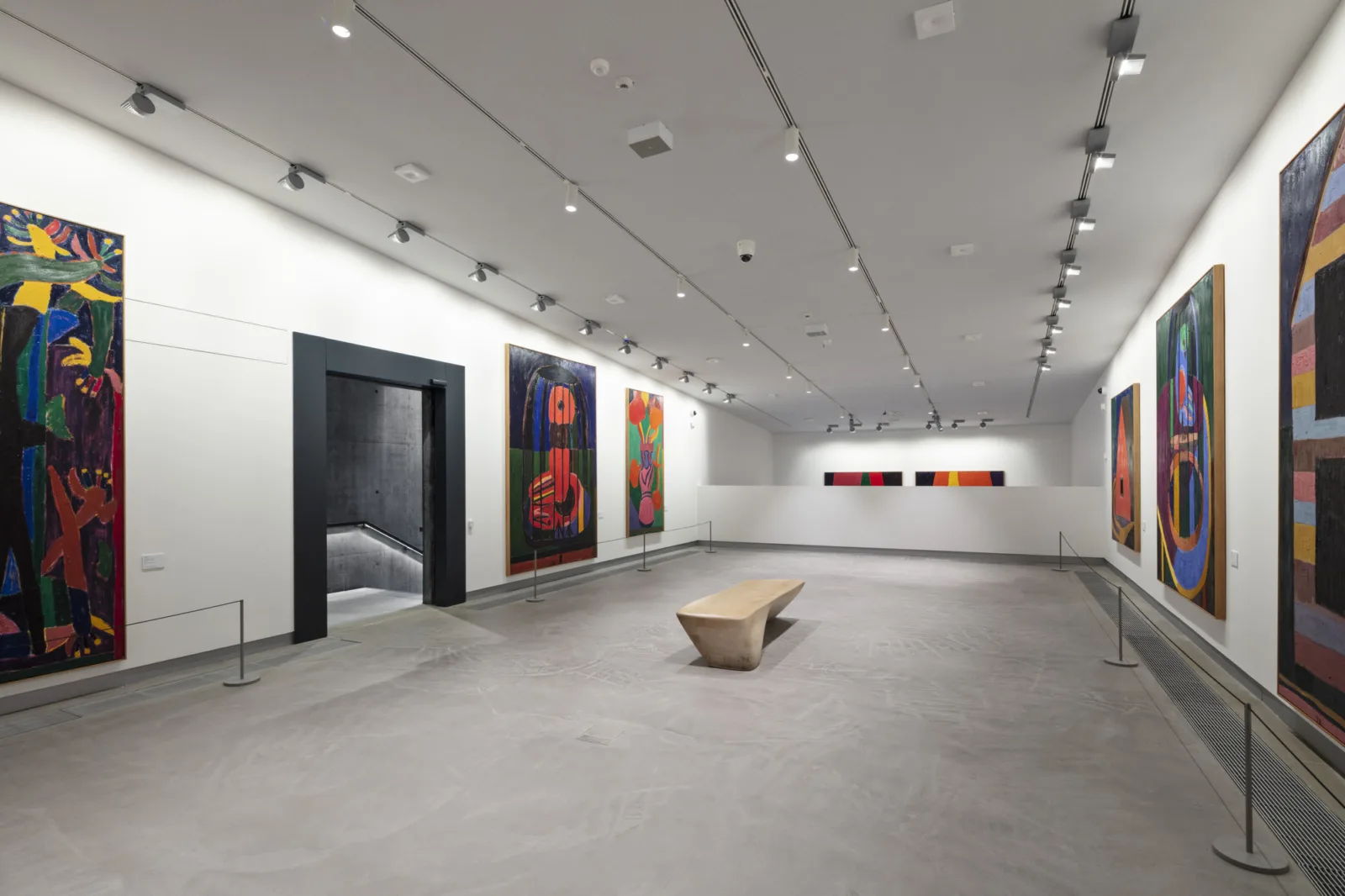
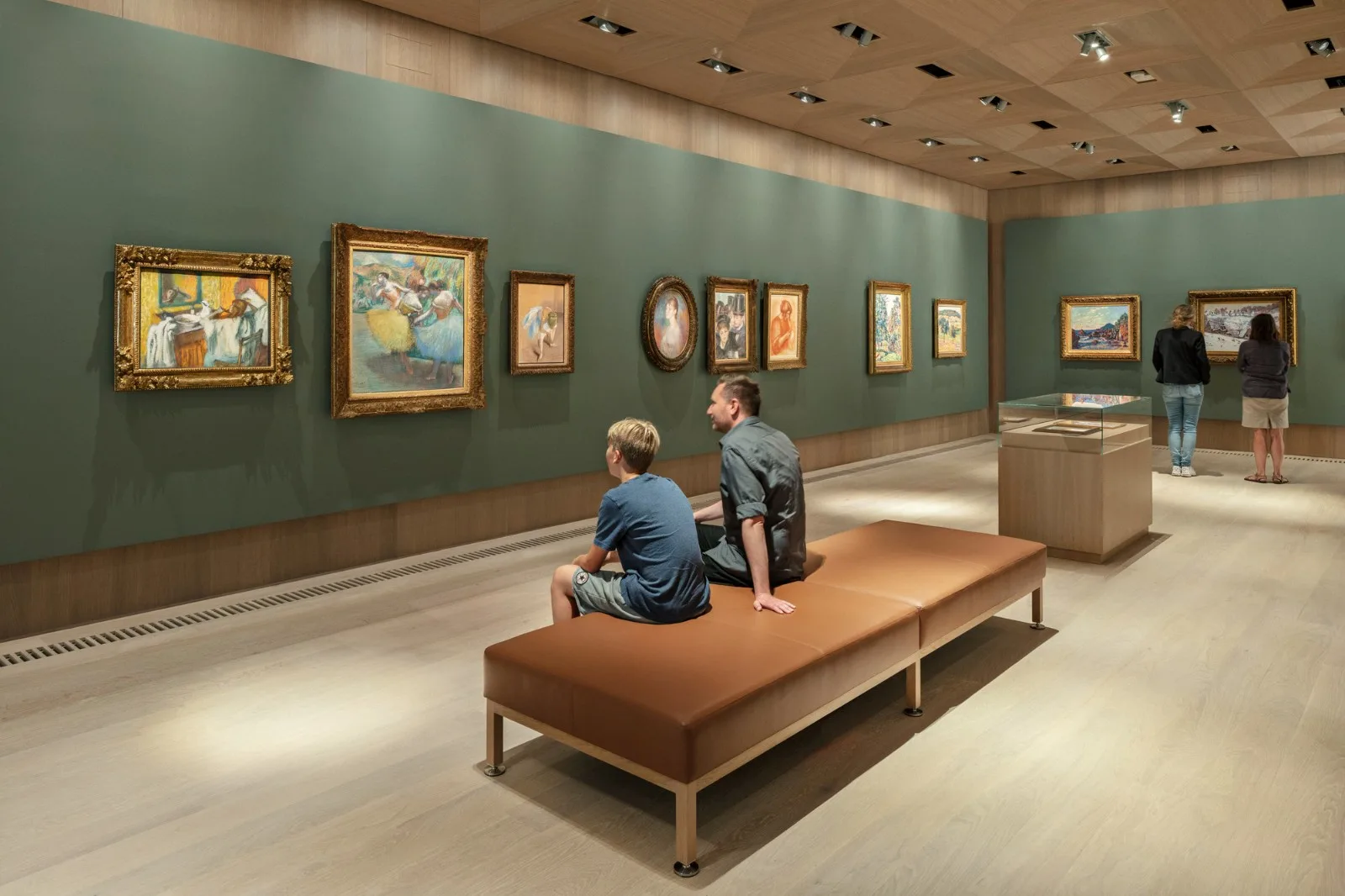
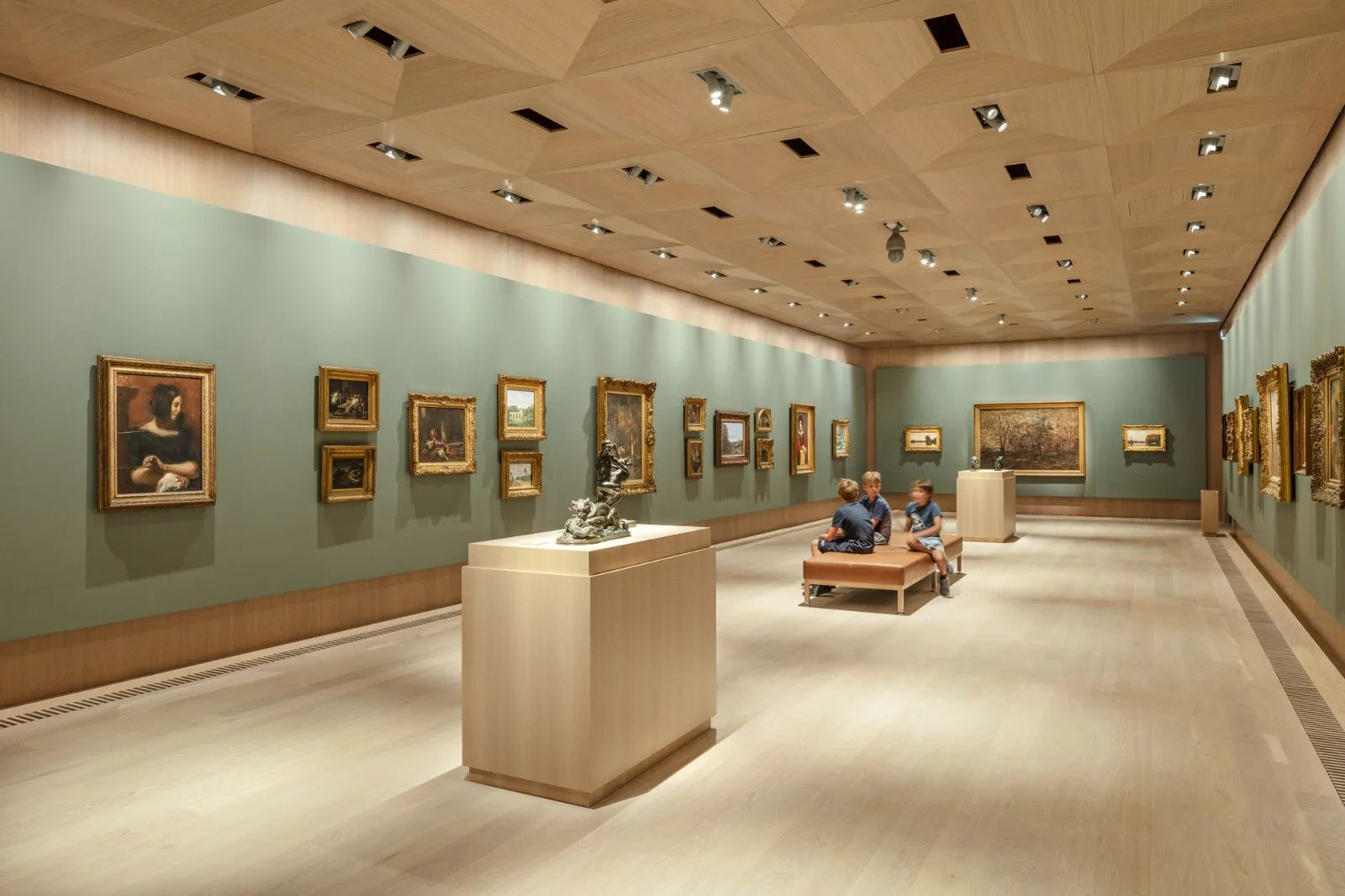
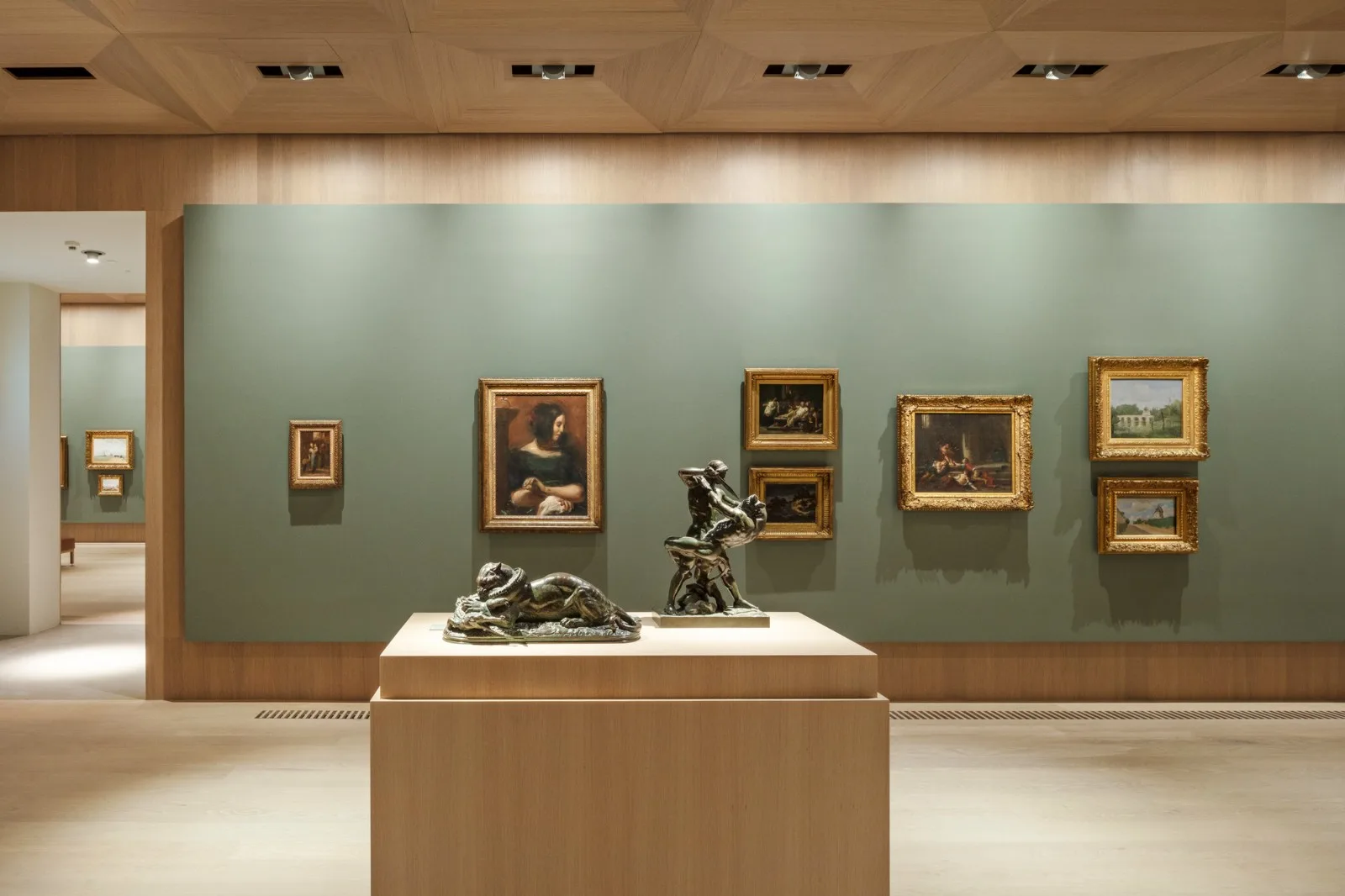
The two adjacent expansion areas continue the dark concrete aesthetic of the Zaha Hadid section, while the three smaller galleries showcasing Impressionist art feature a lighter color palette. The exhibition halls were designed collaboratively with the museum, combining oak flooring with walls and ceilings to create a bright, organic, and warm atmosphere. Walls are fitted with gypsum boards that allow for easy exhibit changes and color adjustments. Oak veneer box ceilings with integrated lighting provide a seamless and harmonious environment, directing attention squarely onto the artwork.
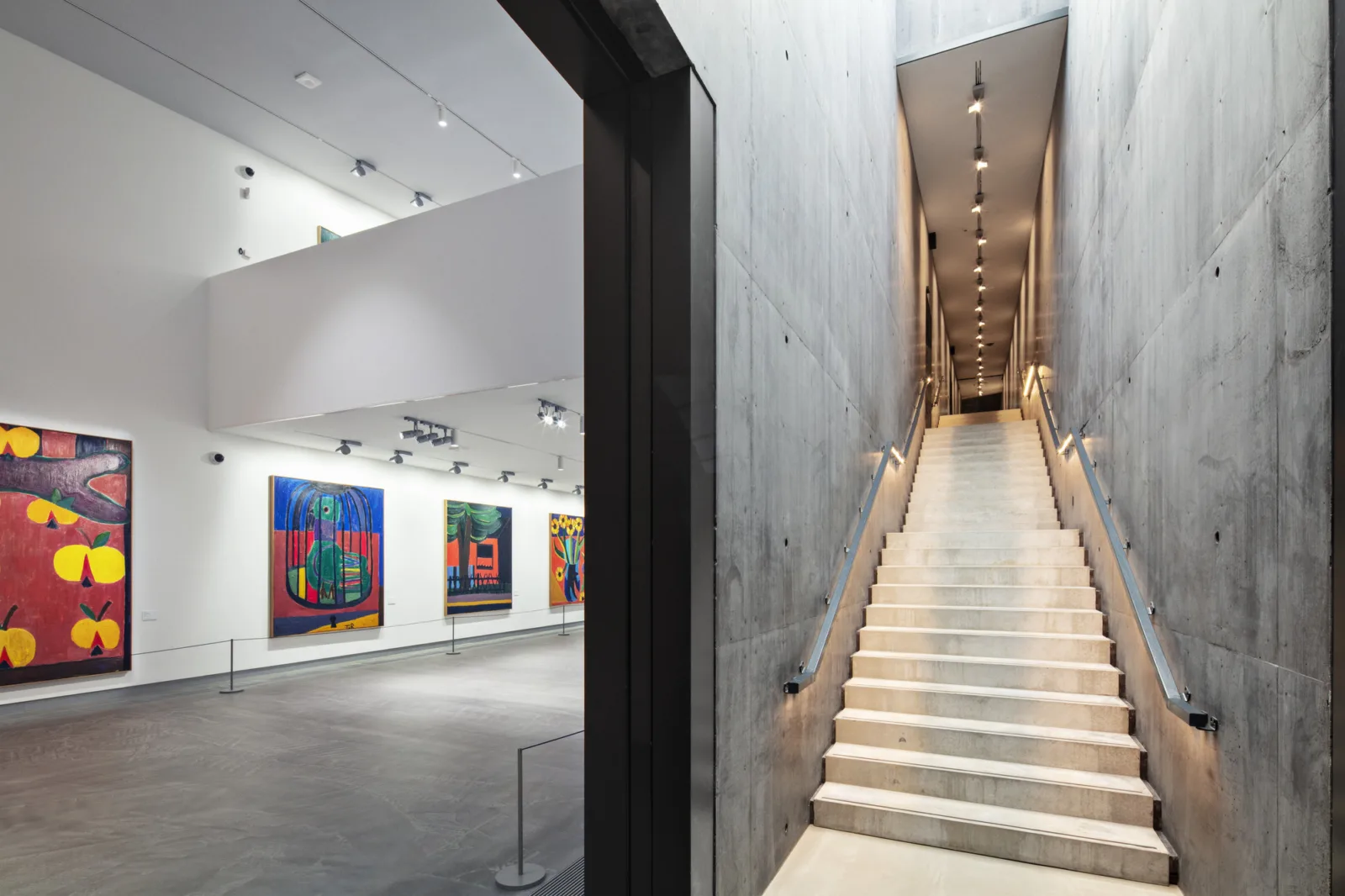
Inside, the exhibition halls contrast with the subtly reflective steel exterior walls by offering a cozy, soft ambiance—akin to a classic vintage jewelry box, where a hard metal shell encases a velvet-like interior lining.
Snøhetta’s design thoughtfully maximizes natural light within the galleries, whether visitors are exploring Zaha Hadid’s expanded section or the permanent displays and winter garden in the original building. The sunroom design creates a smooth transition between spaces, providing a generous buffer zone that guides visitors comfortably from one exhibition to the next.
Snøhetta’s expansion is both subtle and impactful, blending harmoniously with the existing environment while respecting the museum’s plants, architecture, history, and contemporary elements. It reflects the architect’s vision of time and space, carefully integrating every part of the museum to offer visitors a continuous, comfortable, and immersive exhibition experience.
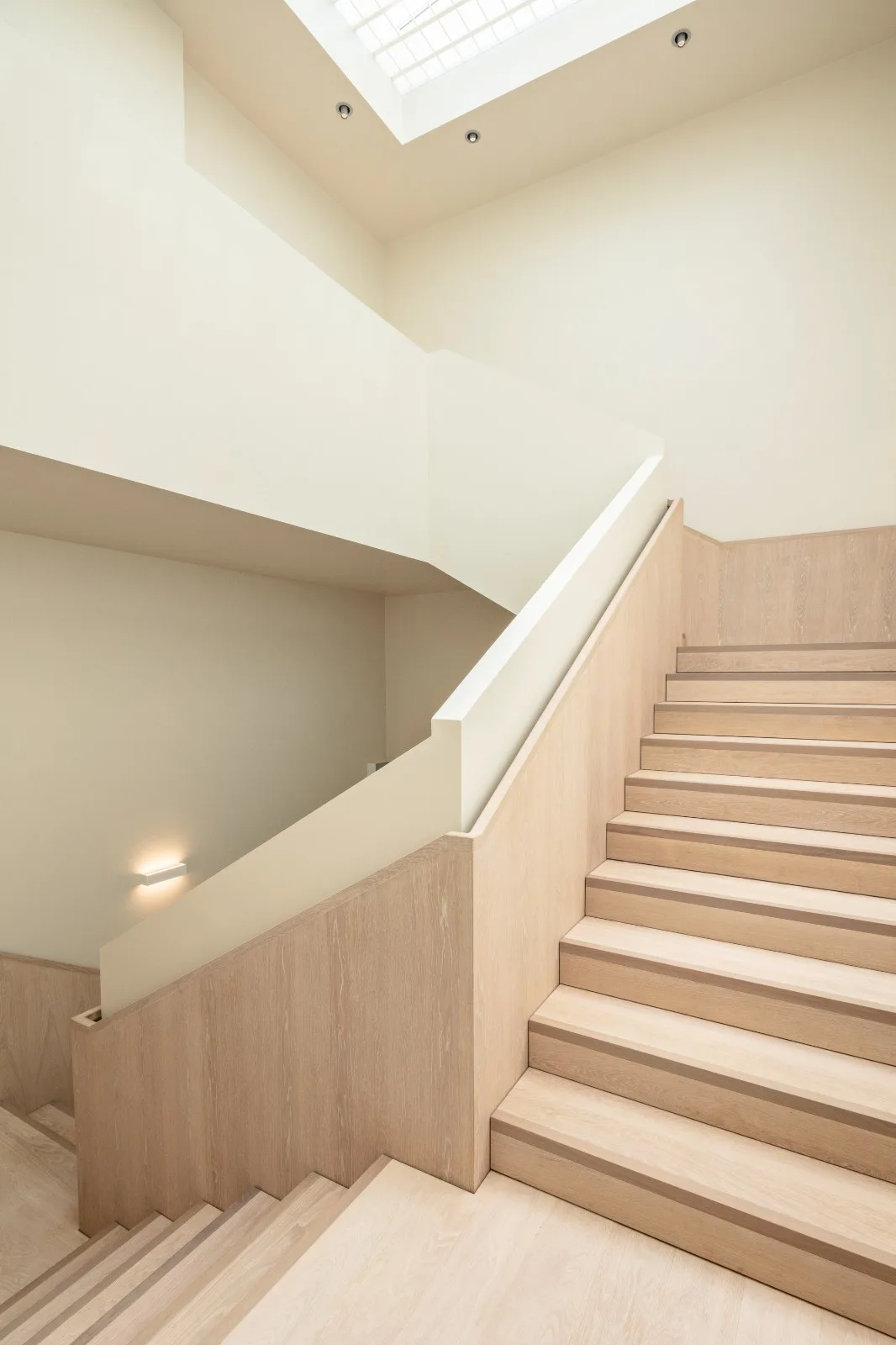
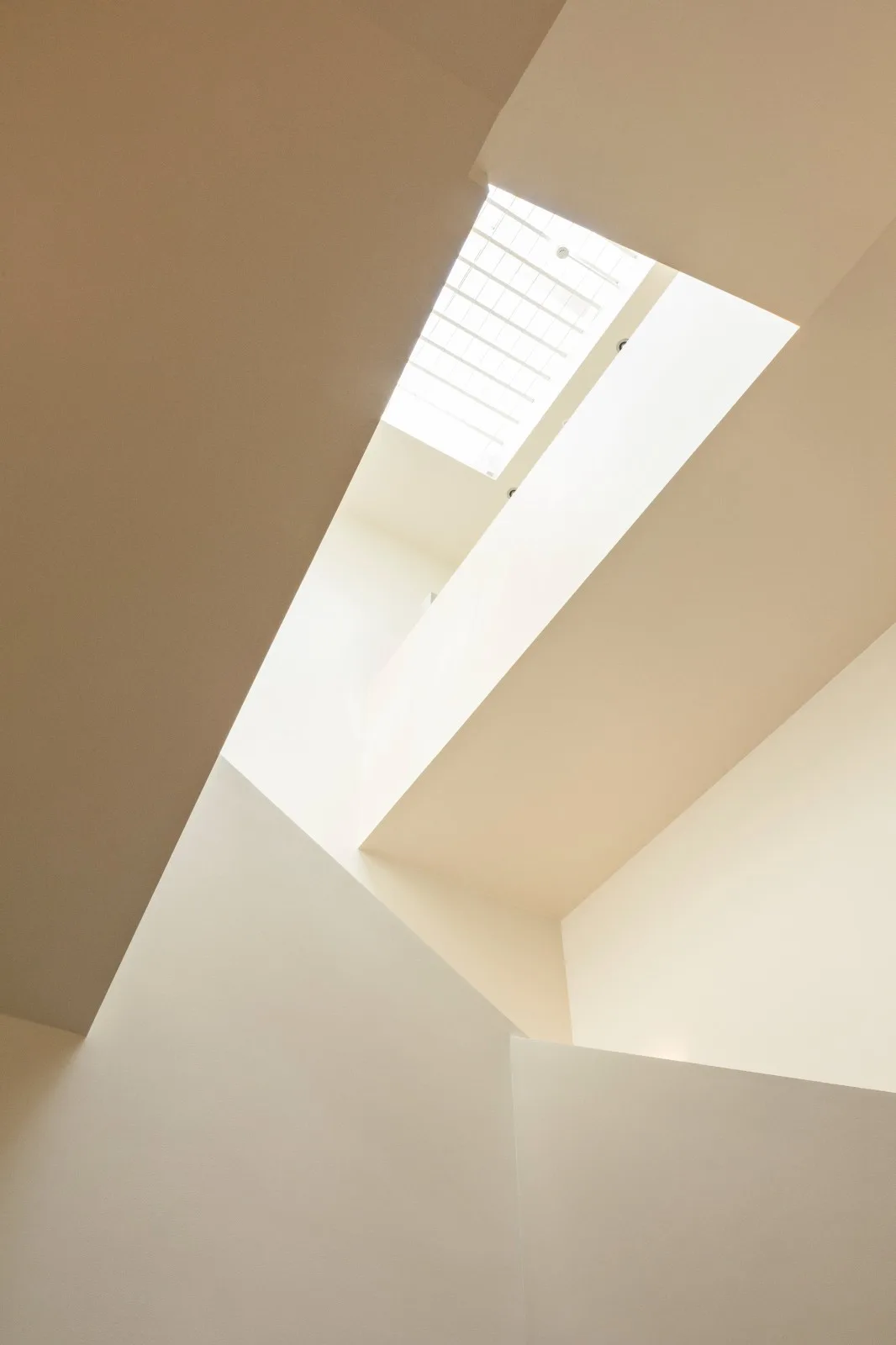
Project Drawings
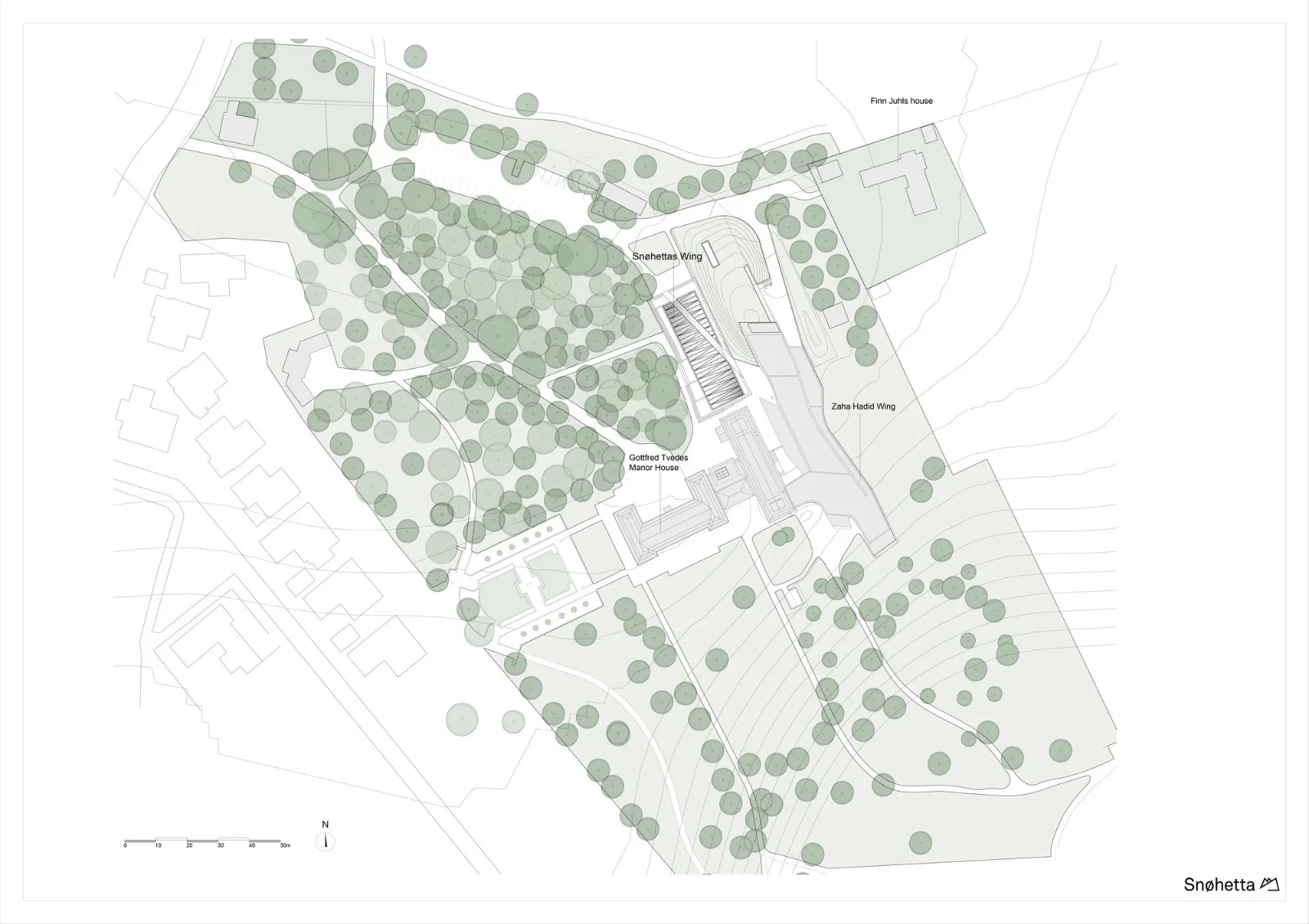
△ General Layout Plan
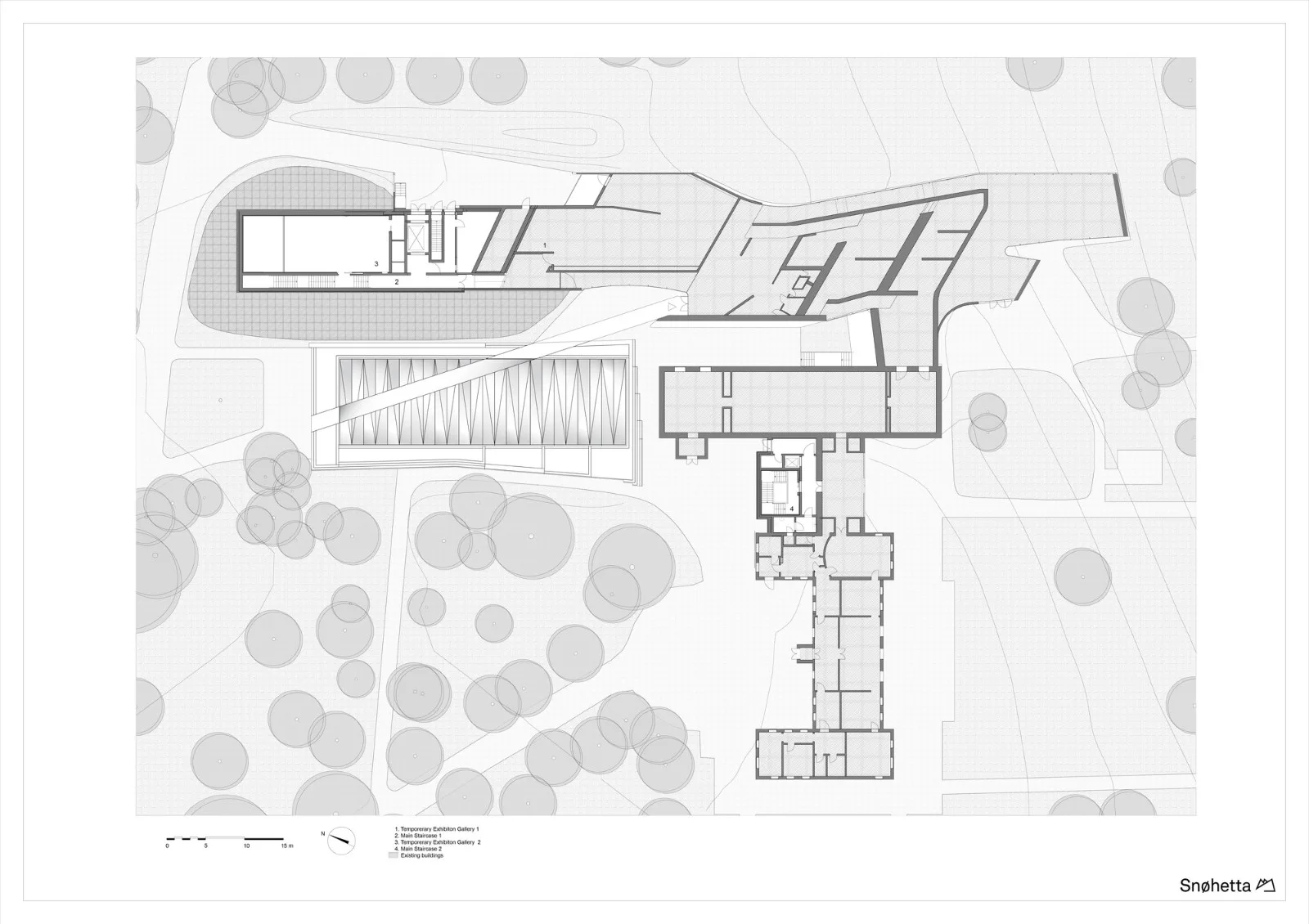
△ Plan View
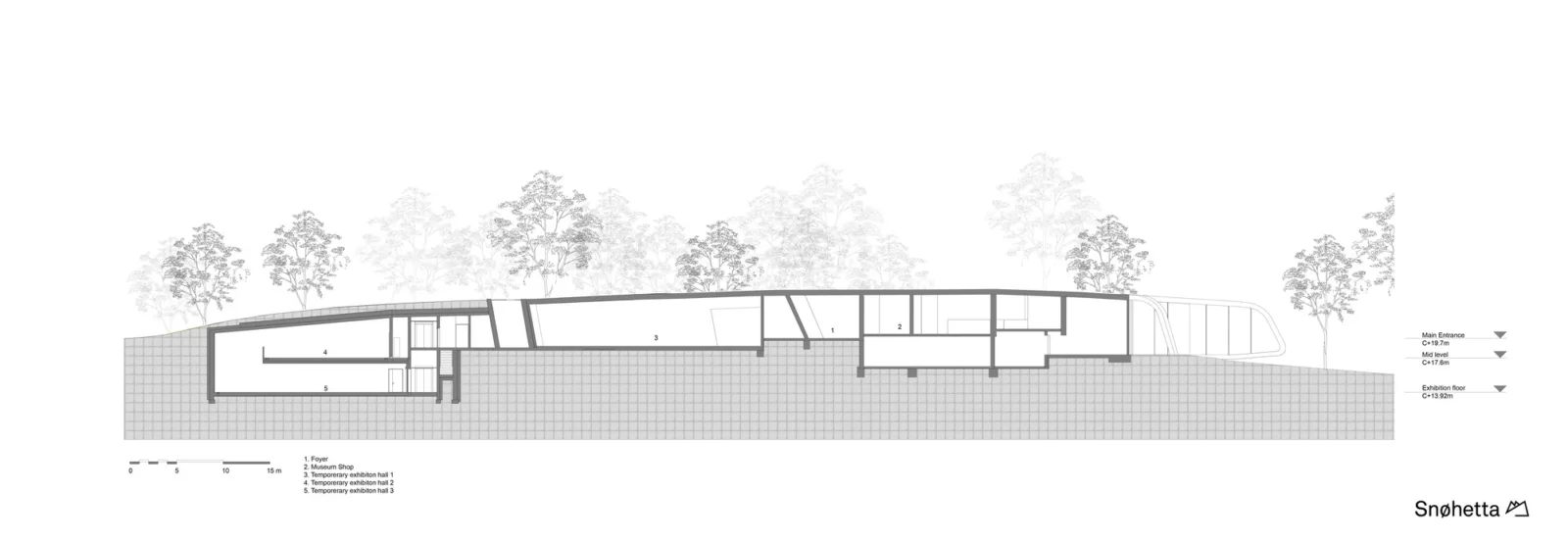
△ Section 1
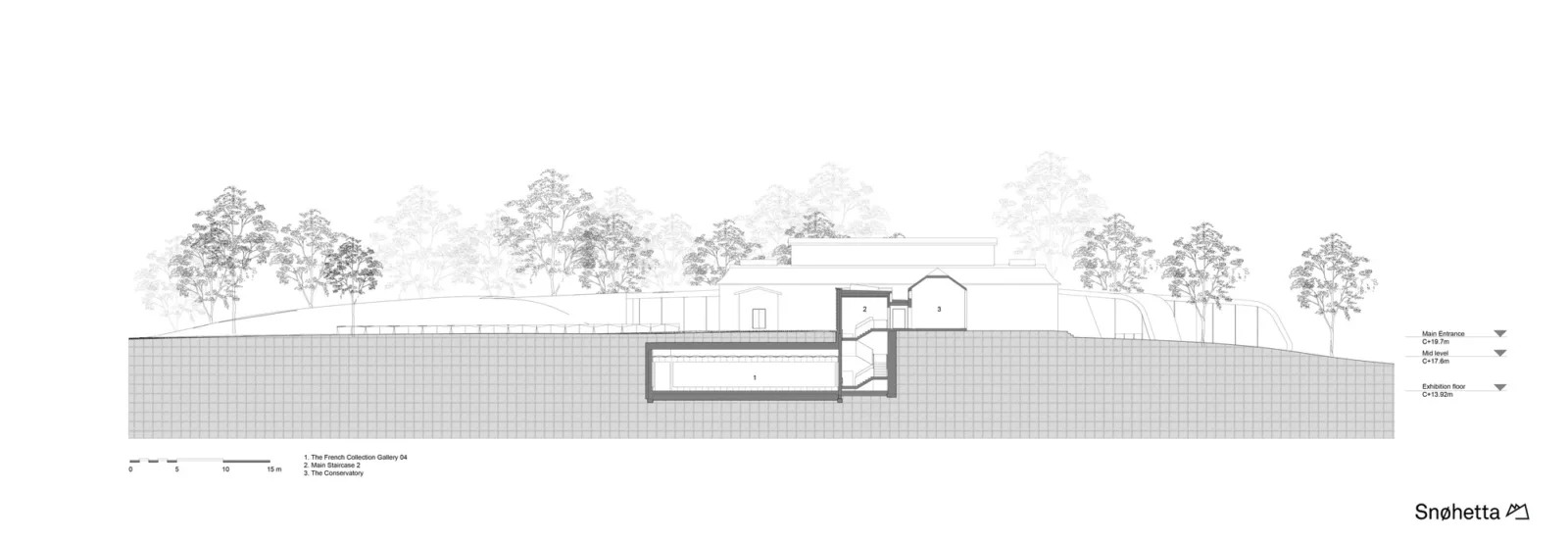
△ Section 2
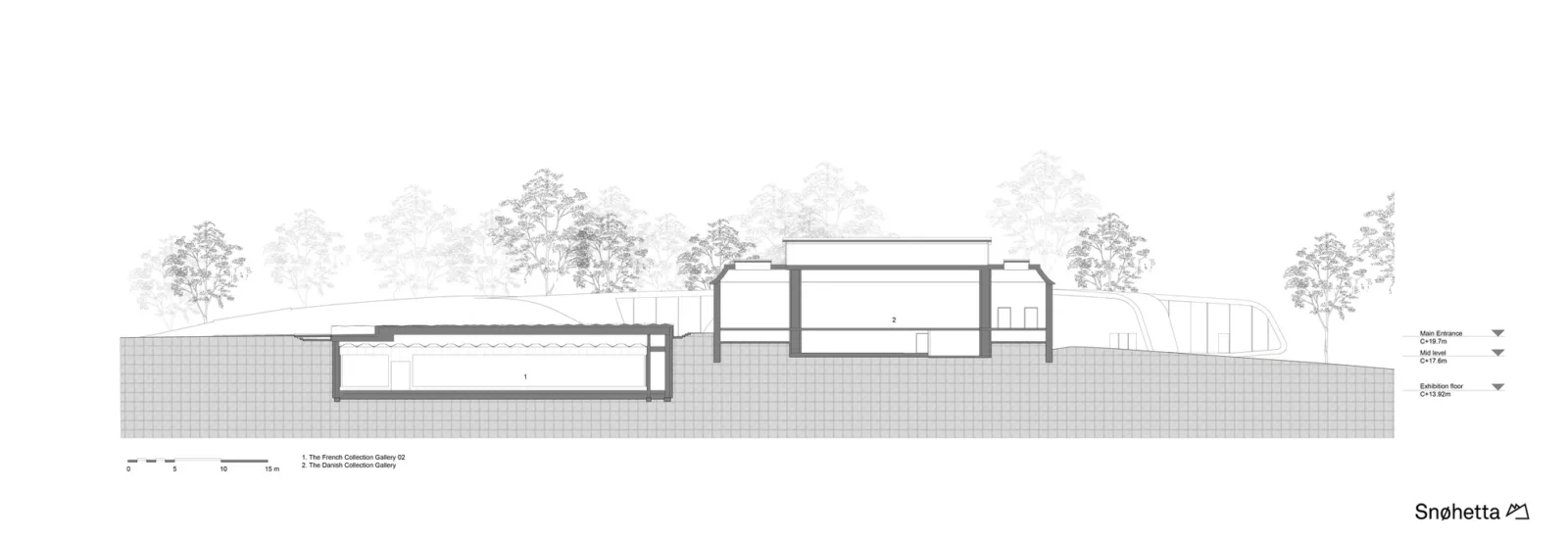
△ Section 3
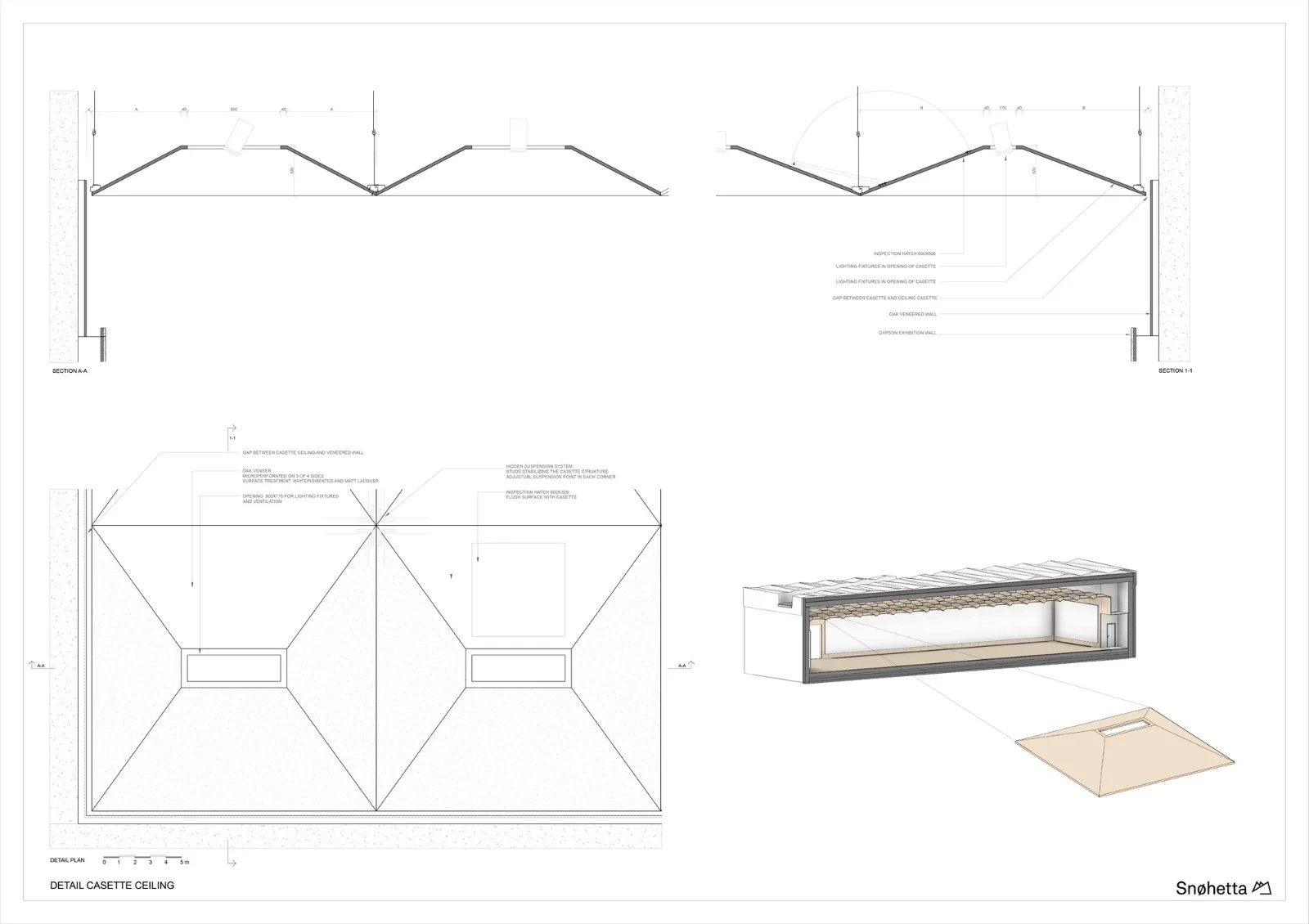
△ Structural Detail Drawing
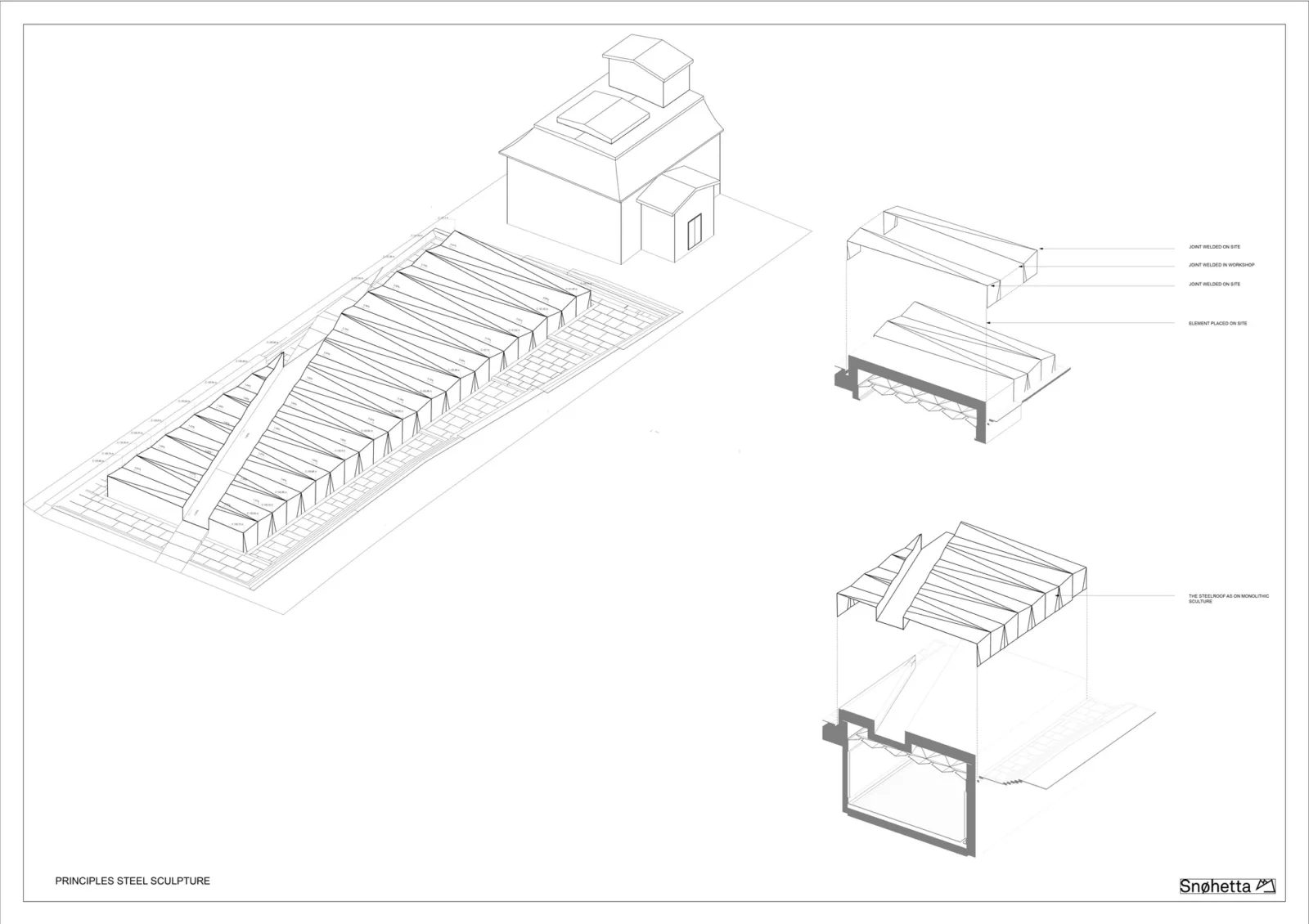
△ Structural Detail Drawing
Project Information
Architectural Design: Snøhetta
Project Year: 2021
Photographer: Laura Stamer













Must log in before commenting!
Sign Up