
Editor’s Note: This sericulture park project, located in southern Mexico, is distinguished by its interwoven and staggered block arrangement. Architects have the flexibility to expand or contract the interior spaces within each block based on their function. For visitors, the diverse division between indoor and outdoor areas offers an engaging and exploratory experience.
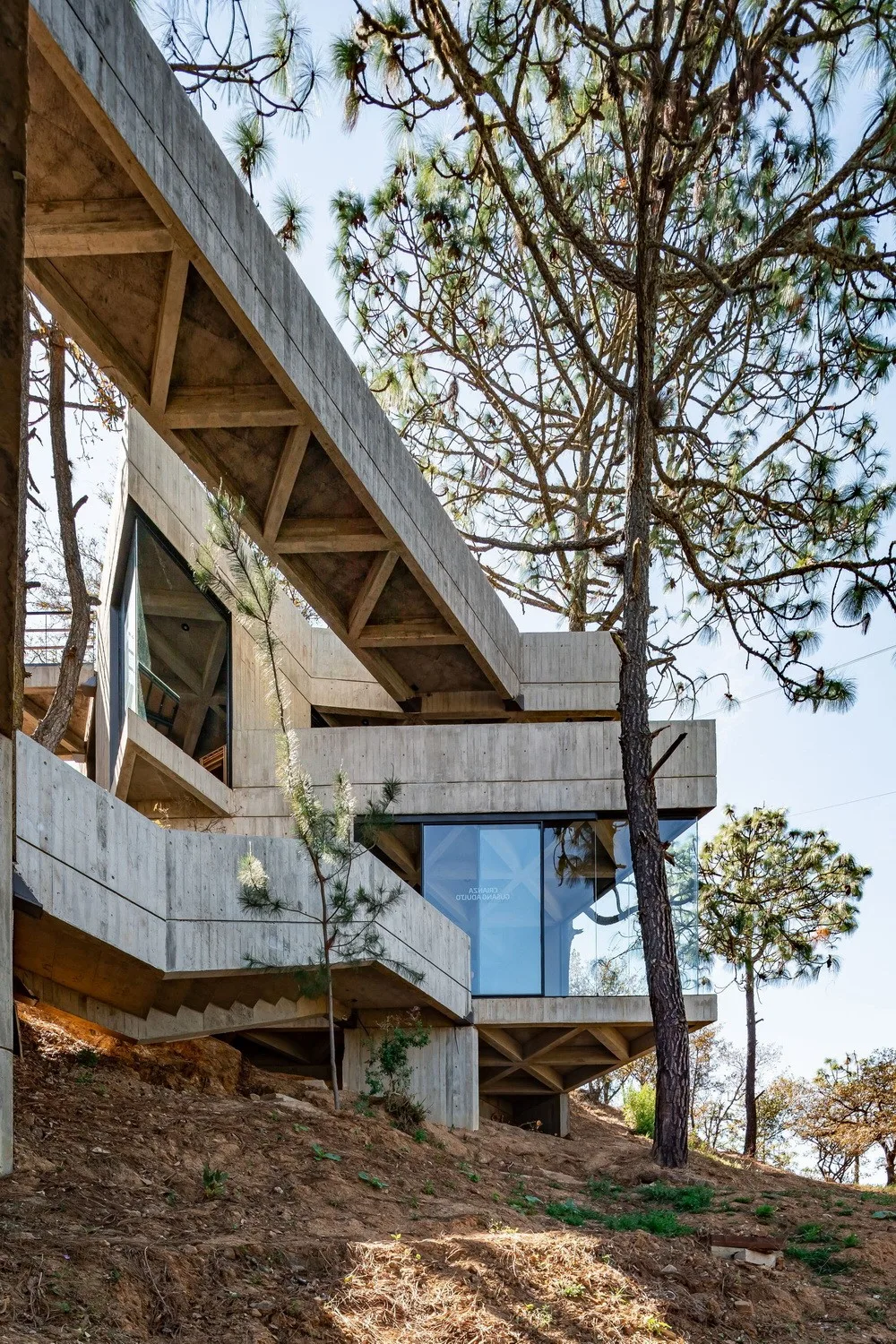
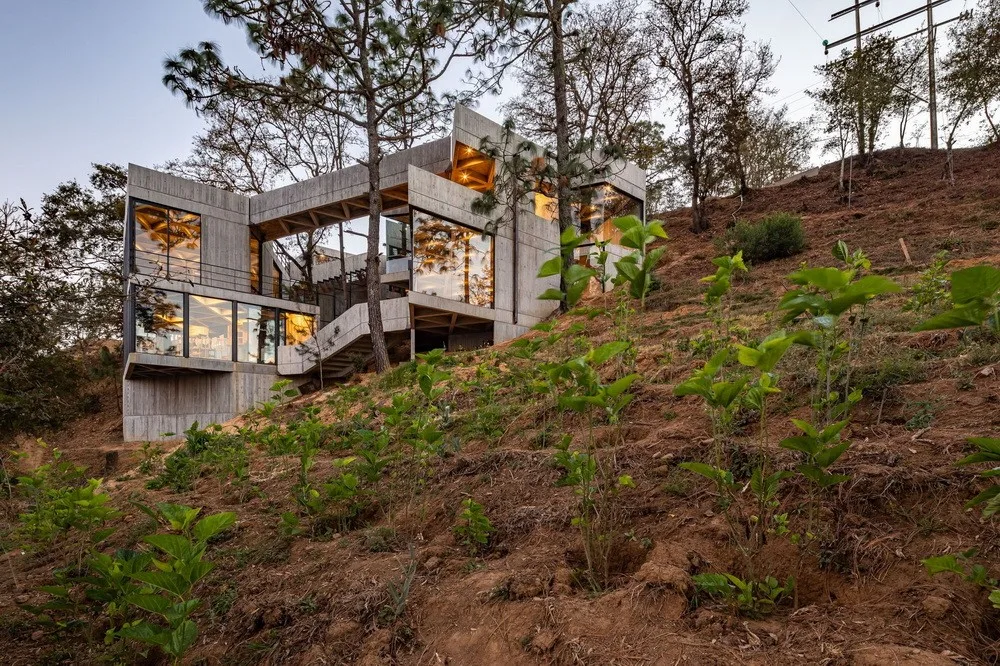
The design concept began by integrating the San Pedro Cajonos community’s needs with the silk production requirements of Oaxaca’s Sierra Norte mountain range. Given the uneven terrain, each block was strategically positioned and shaped, resulting in two distinct spatial patterns: building platforms intersecting vertically or diagonally.
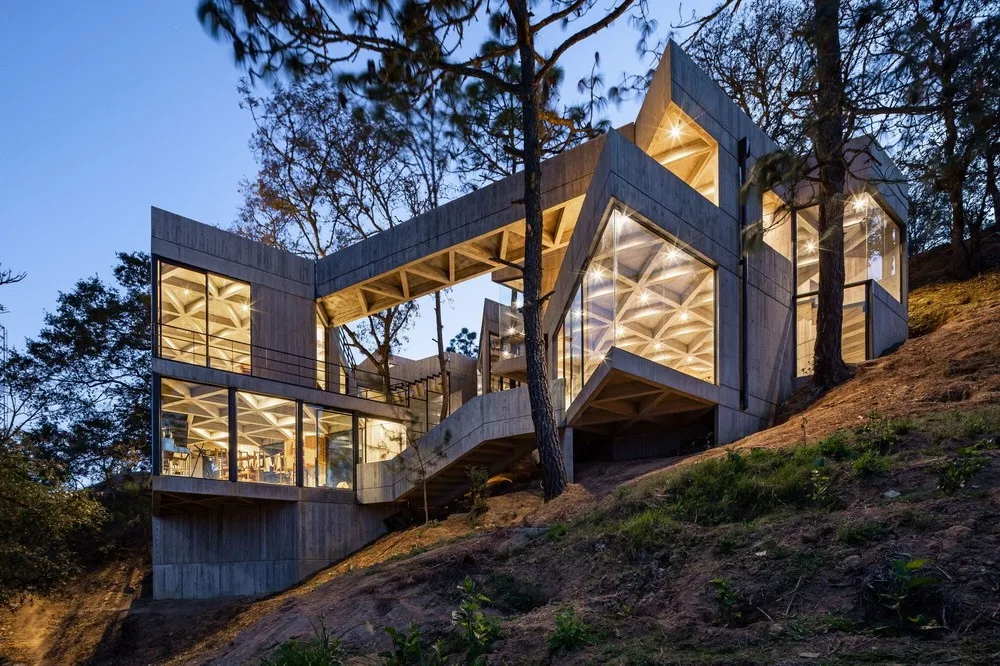
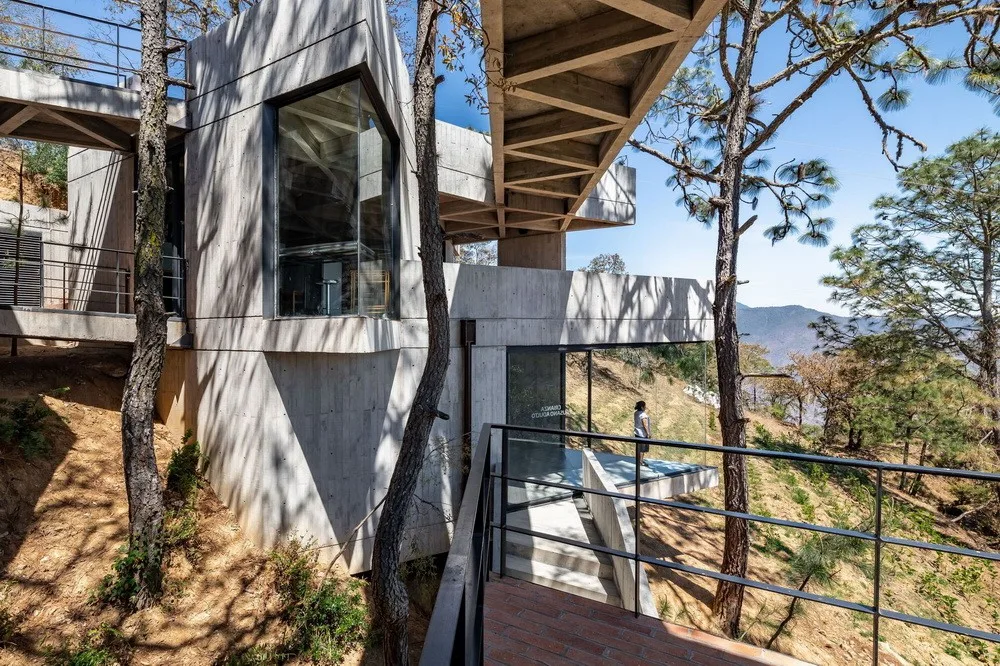
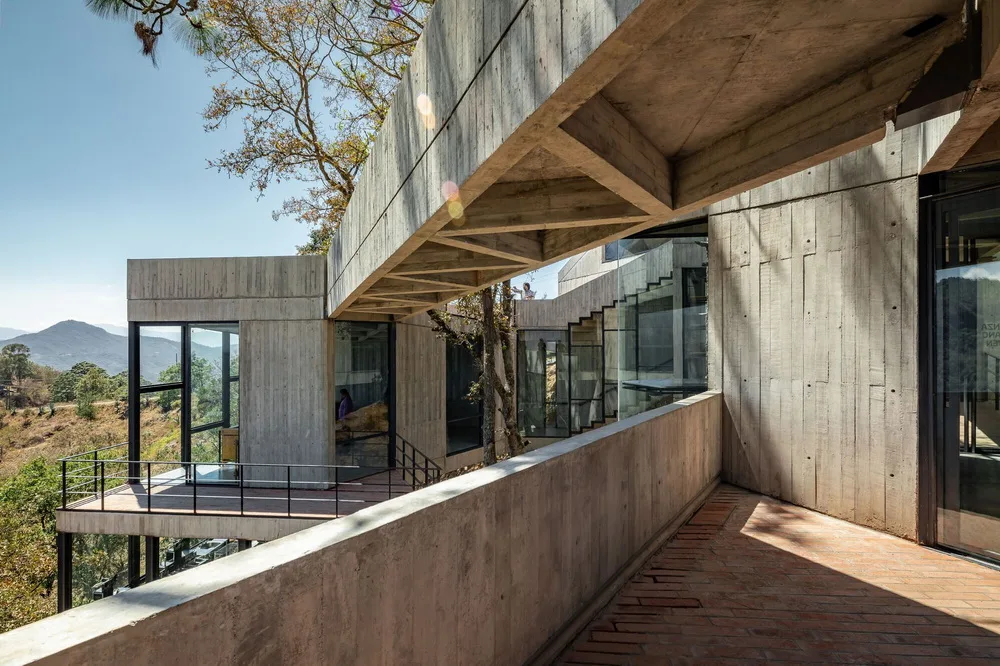
The architectural design aims to connect various platforms through a series of ramps without disturbing existing trees. The architects emphasize the relationship between indoor and outdoor spaces by utilizing the gaps between platforms, creating landscape nodes that provide smooth transitions between areas with distinct characteristics and climates.
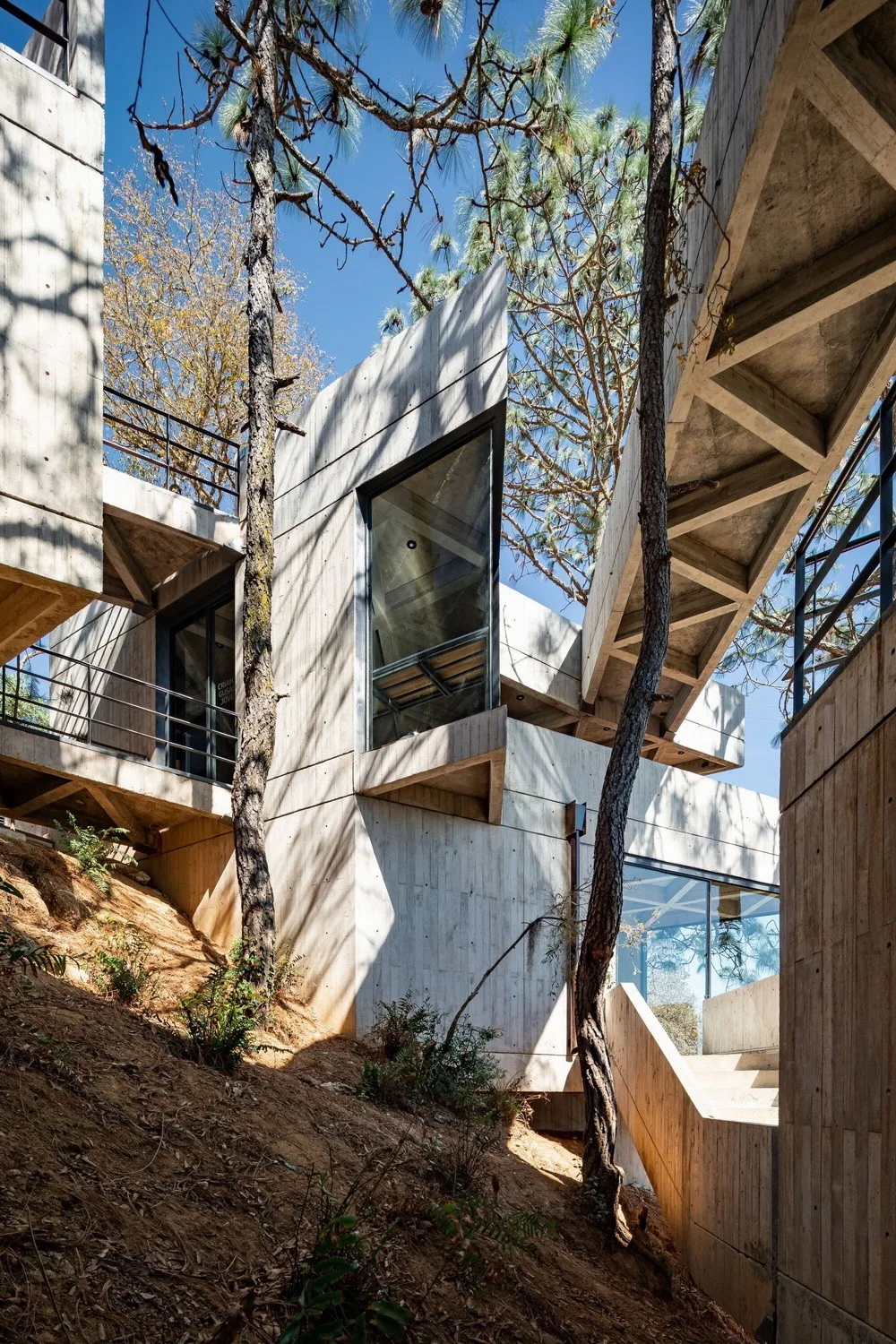
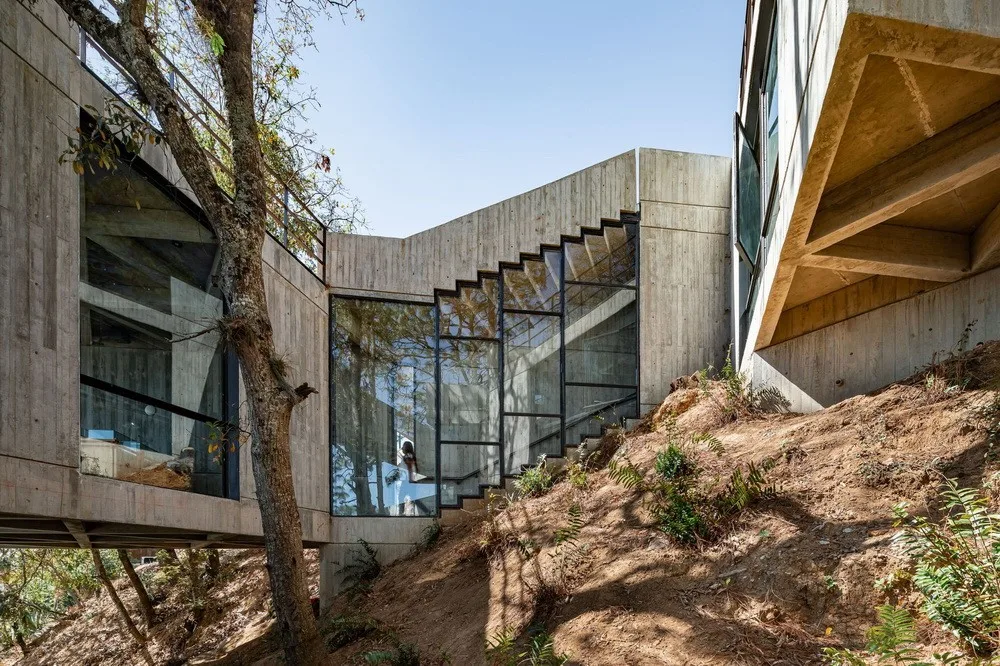
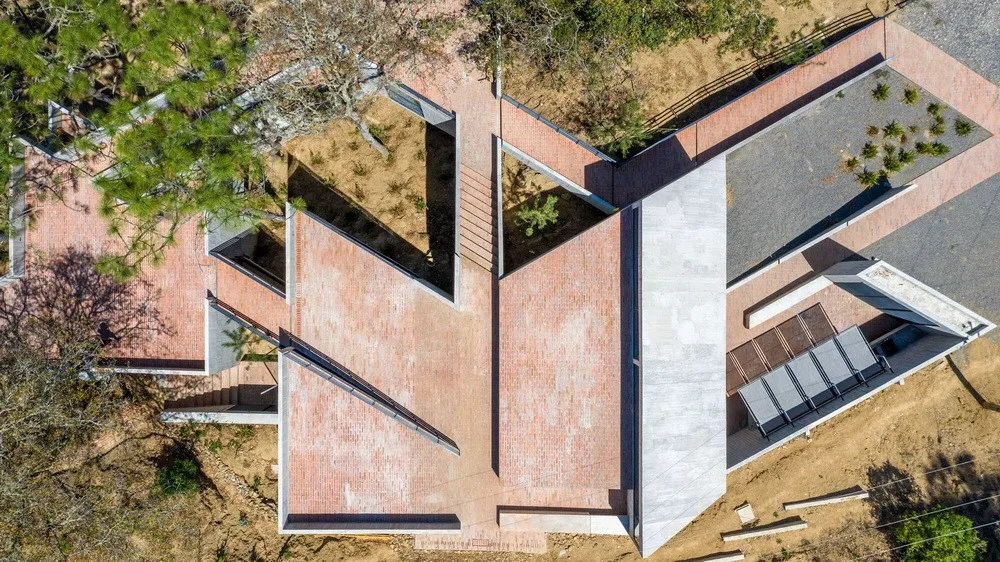
The irregular blocks situated on the slope form a triangular network across the site, enabling a flexible and functional division of spaces. Architects can adapt the internal dimensions to best suit each function, creating a series of “boundaries” inside and outside the buildings that generate dynamic tension between spaces and blocks.
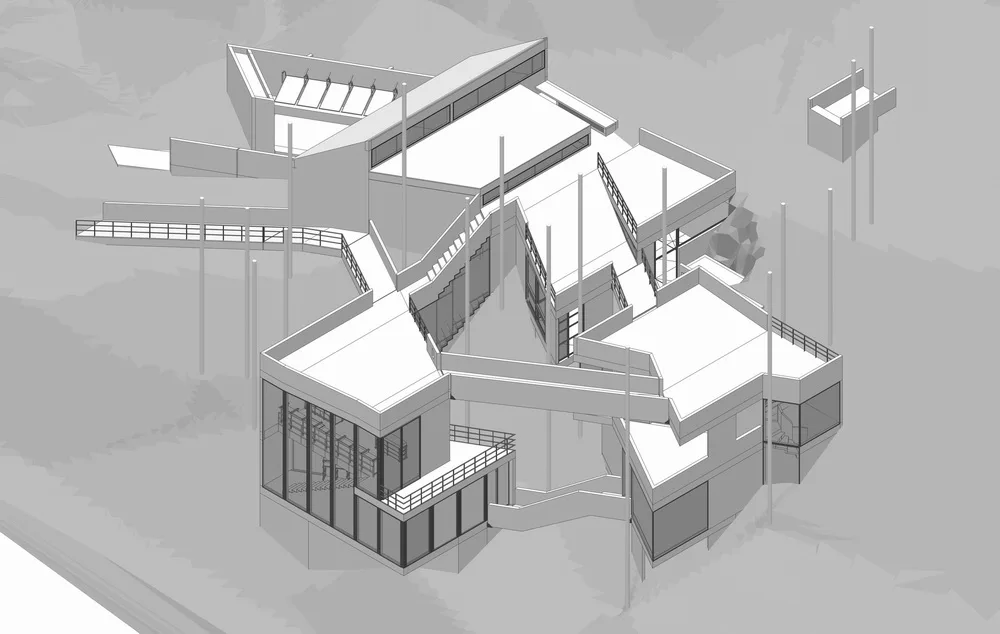
△ Axonometric diagram
The project’s success also stems from the thoughtful selection of materials. Materials correspond directly to the architectural functions, forming a structural network that spans spacious areas while incorporating “light gaps” between blocks to enhance transparency.
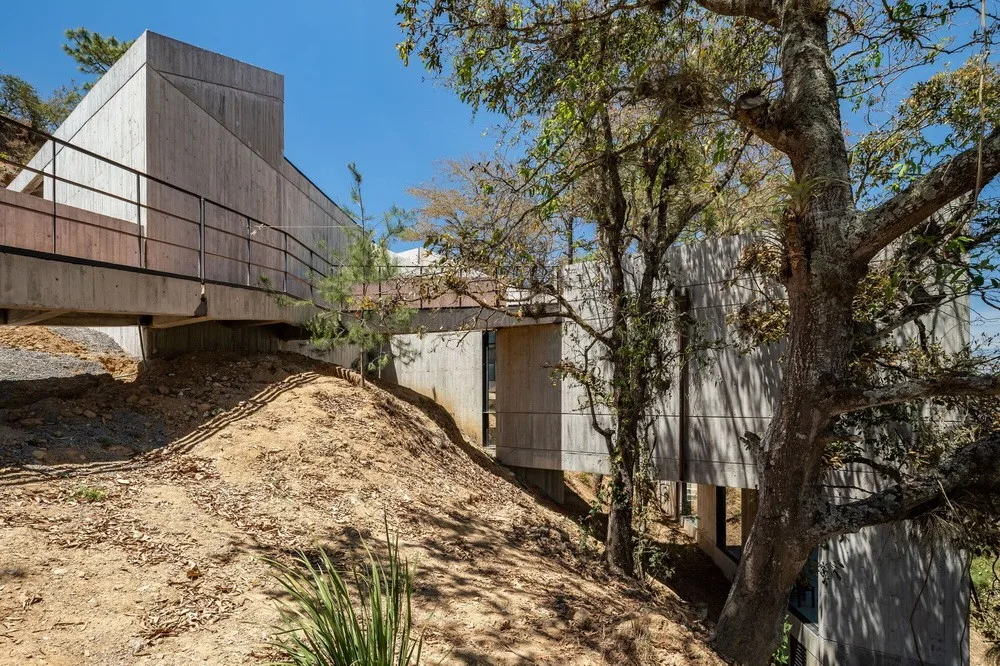
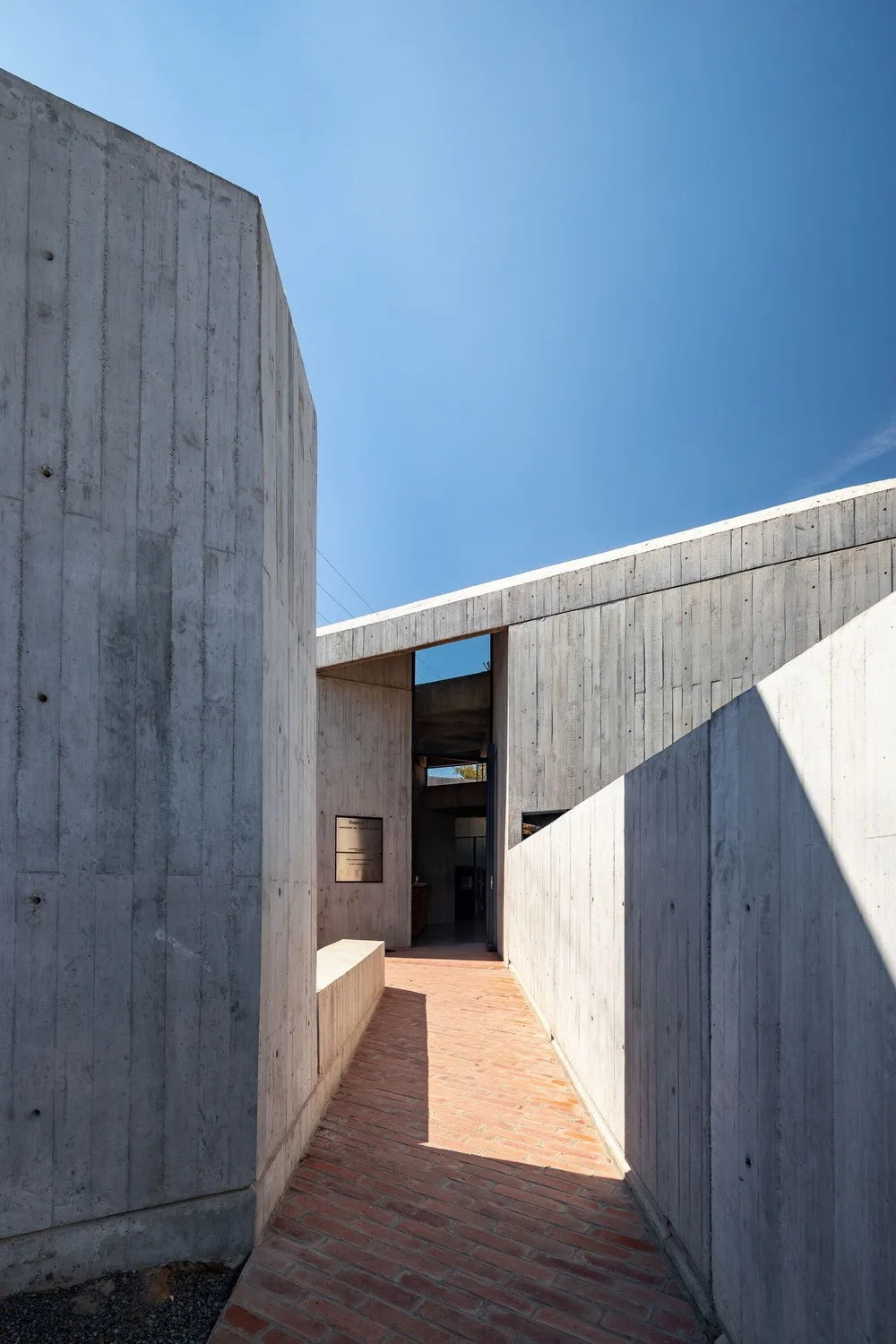
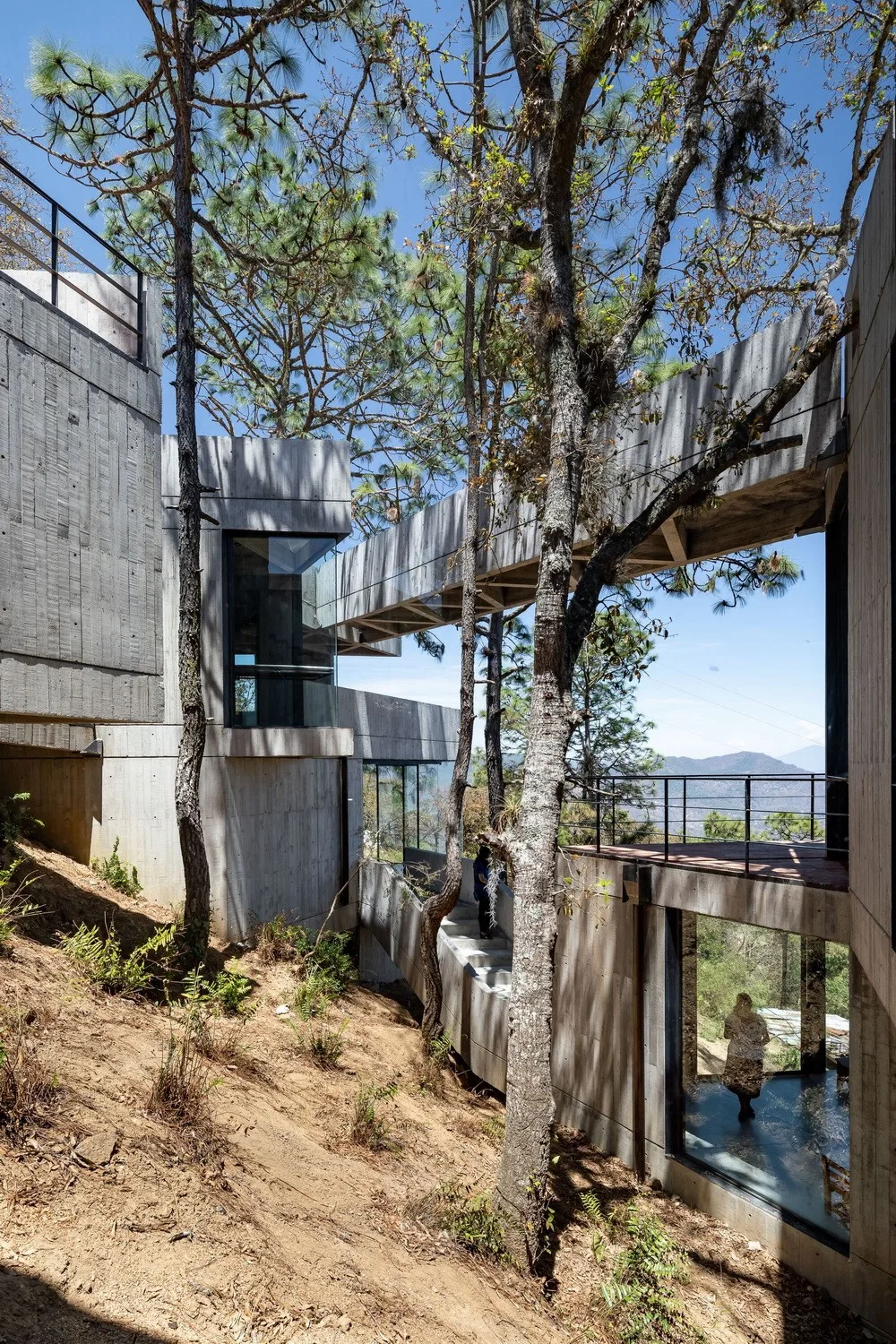
Moreover, the materials evolve over time. As a public building, low-cost maintenance is essential, and the aging concrete naturally blends the structure into its environment.
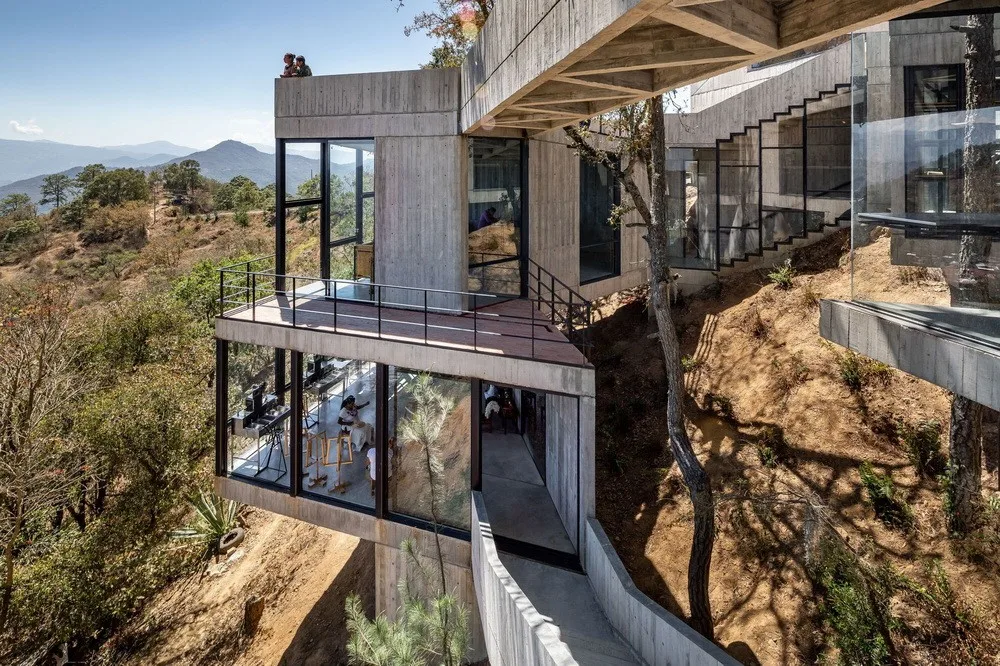
The pedestrian walkway consists of a narrow brick path guiding visitors to the entrance, which then transforms into a ramp leading to the rooftop terrace.
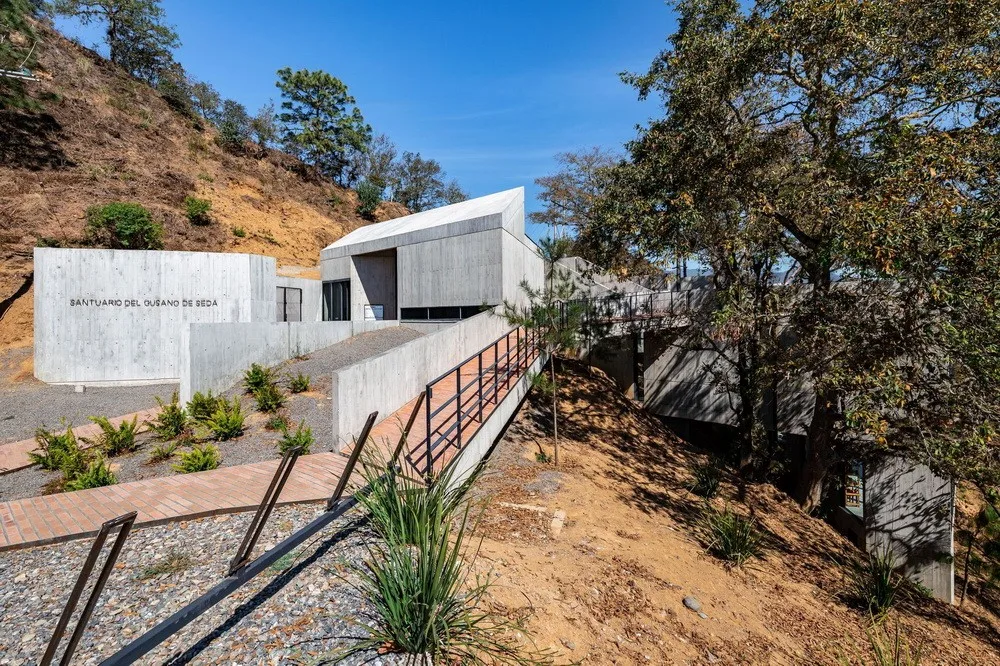
Interior ramps ensure accessibility for disabled and elderly visitors, allowing them to explore historical artifacts of their ancestors while observing the initial stages of sericulture.
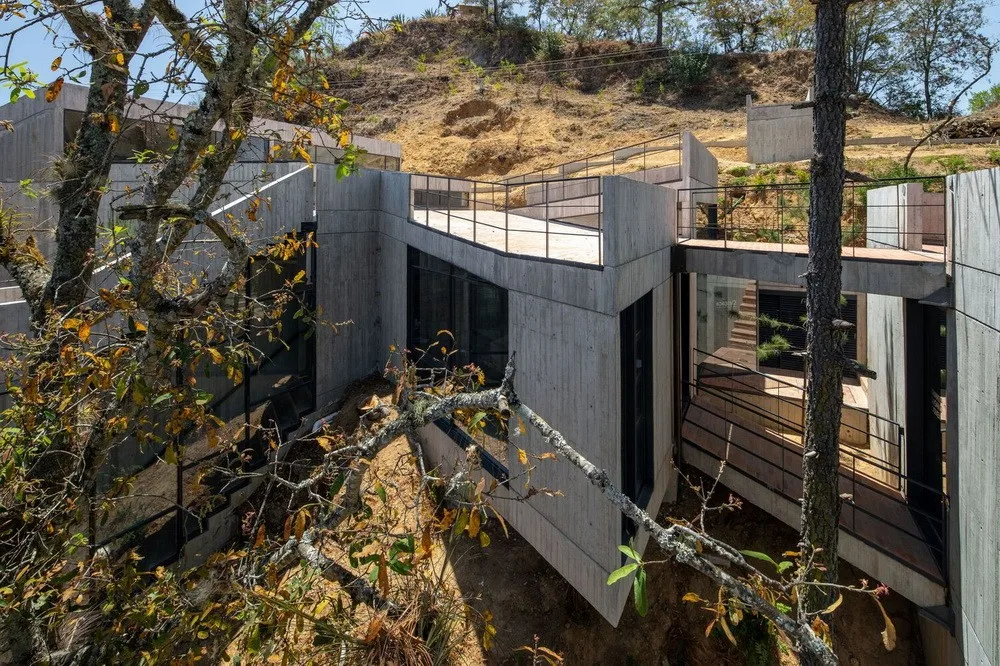
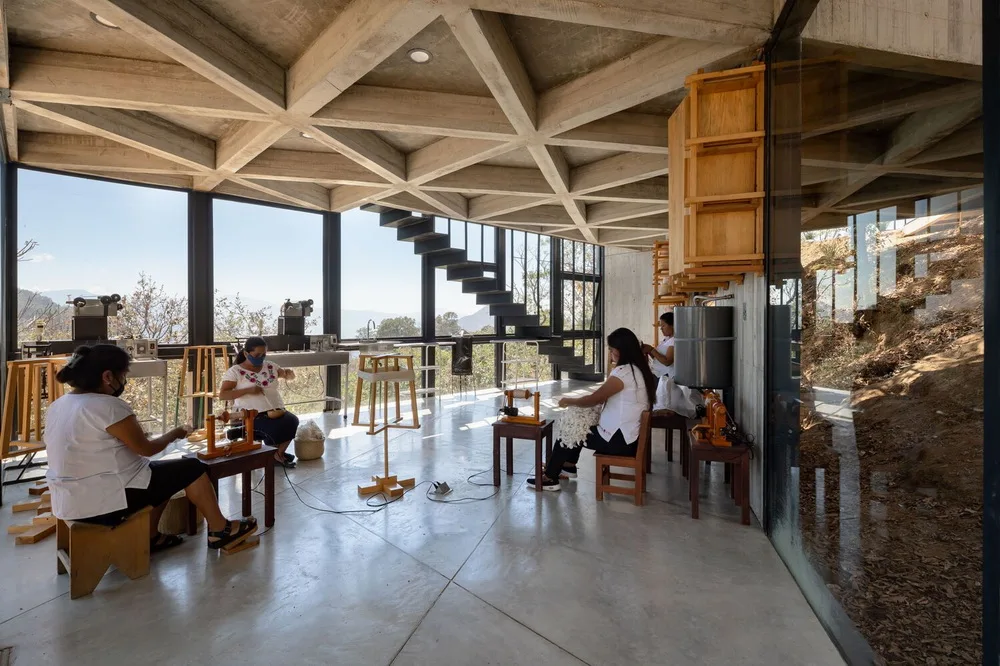
The roofs of various spaces are interconnected by bridges and sloped roofs, creating elevated pathways that weave through the site’s canopies. This design offers visitors sweeping views of the Notte Mountains and the surrounding landscape.
Technical Drawings
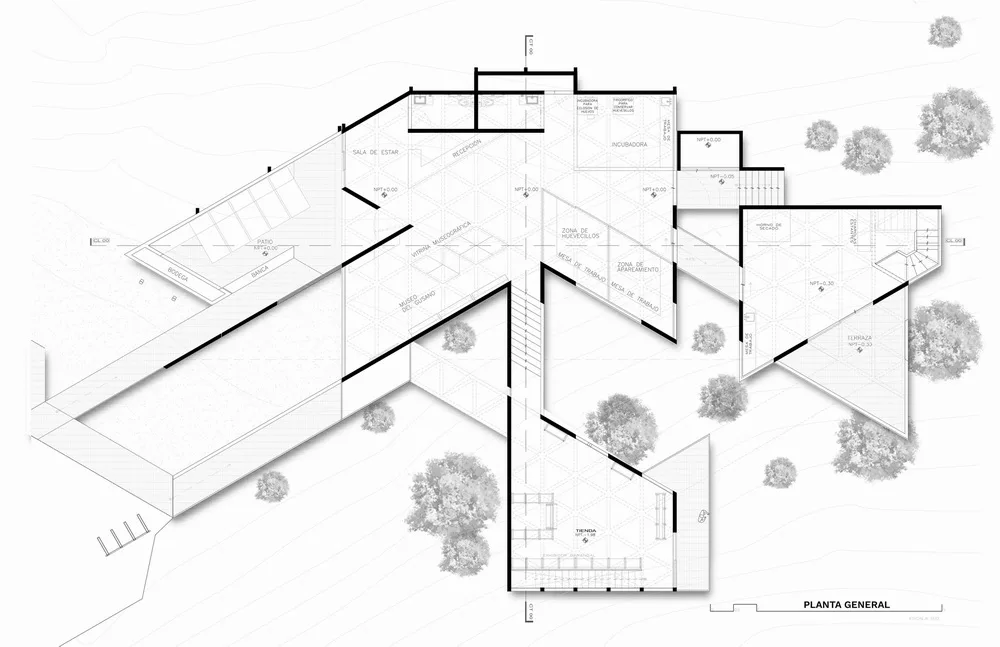
Overall Plan
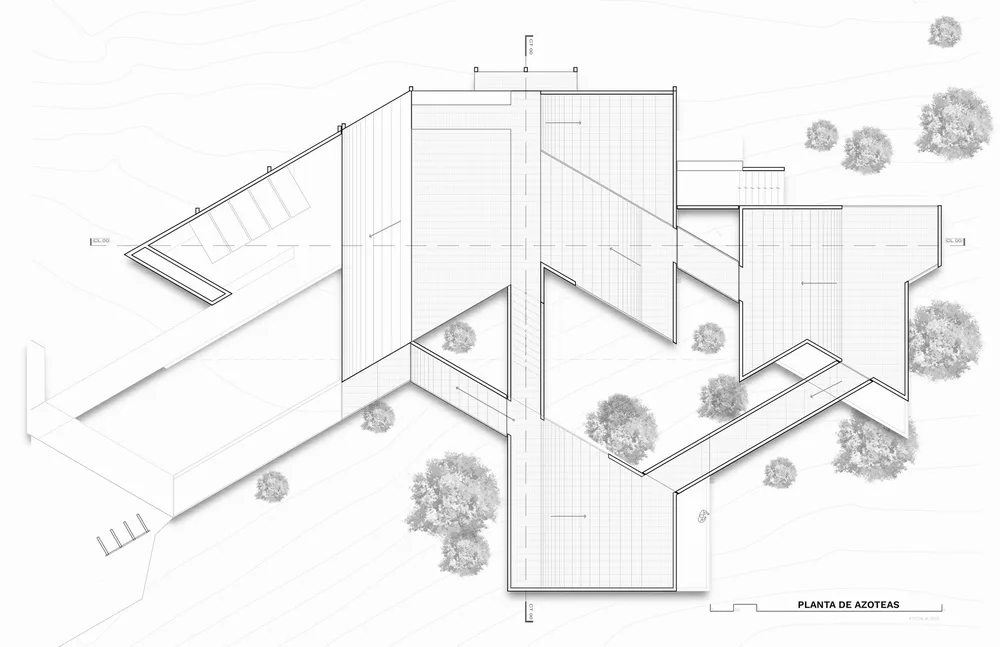
△ Roof Plan
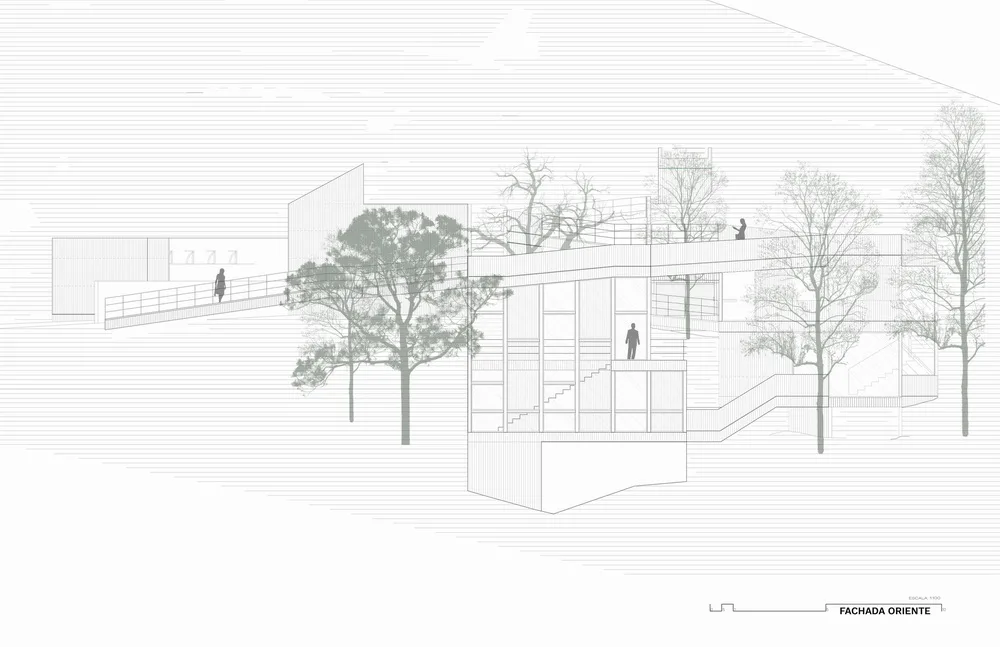
△ East Facade
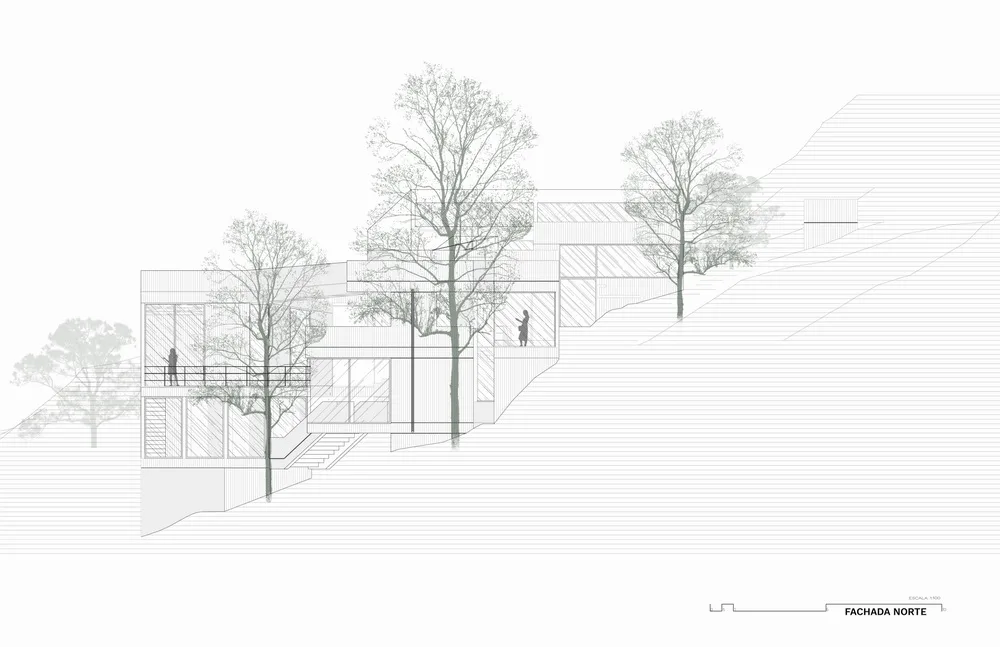
△ North Facade
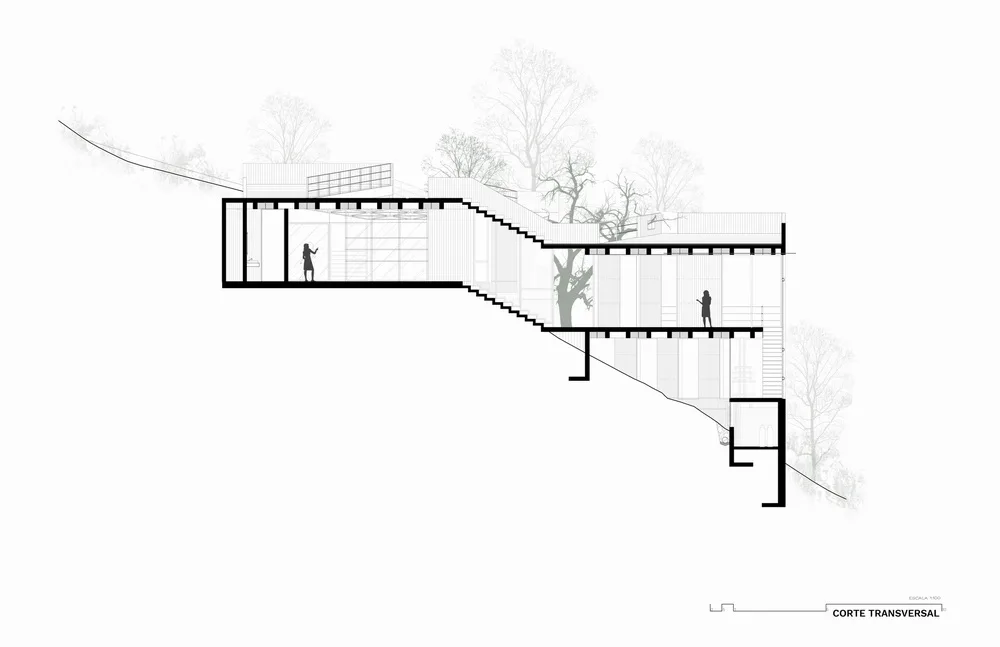
△ Longitudinal Section
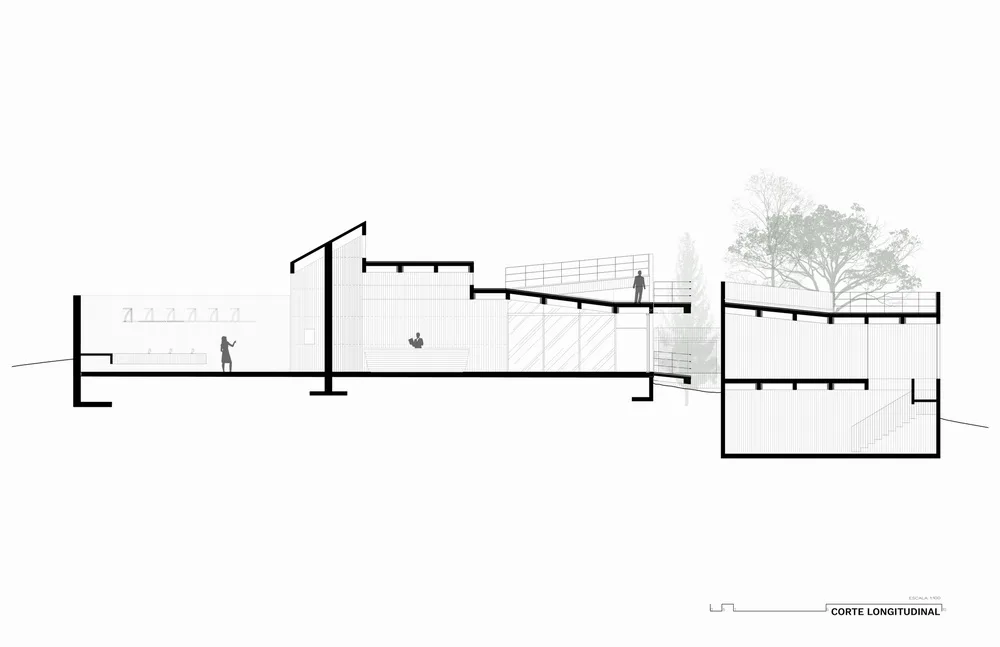
△ Cross Section
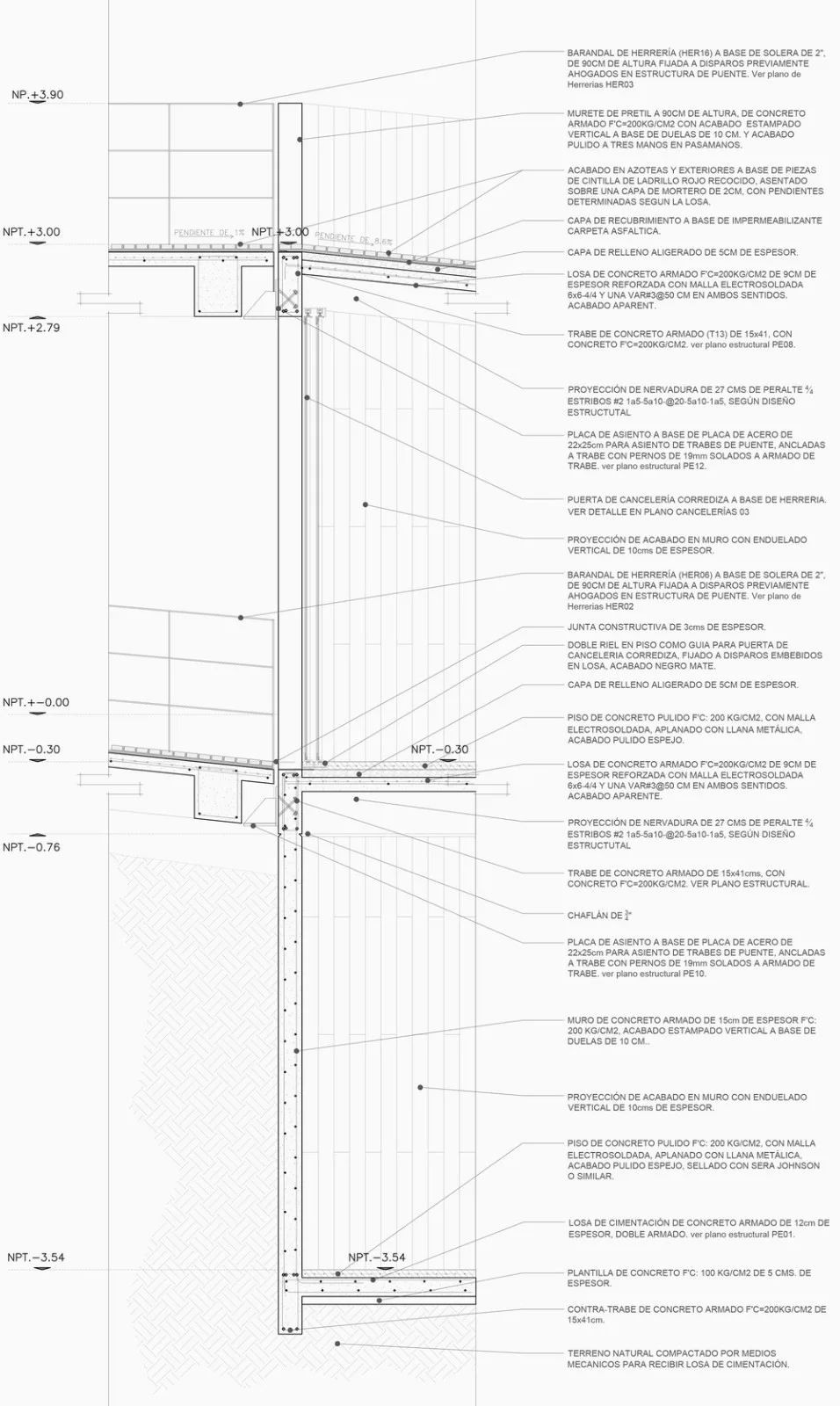
△ Construction Details
Project Information
Architectural Design: LAMZ Arquitectura
Area: 593 m²
Manufacturers: Adobe Systems Incorporated, AutoDesk, CHOVATEK, Cemex, Chaos Group, DuPont, Fester, GRAPHISOFT, Helvex, Lincoln, S.L. LIGHTING, Tecnolite, Trimble Navigation, Tuboplus
Lead Architect: Luis Alberto Martínez Zúñiga
Design Team: Jehú Pinacho Reyes, Josué Pacheco Santiago, Eduardo García Pérez, Alejandro Santiago Méndez, Fernando Ruiz García, Christian Emilio Hernández Aquino, Eduardo Hernández Núñez, Nancy Gonzales Santos
Owner: Oaxaca State Government
Engineer: Ing. Juan Pablo Acevedo Pérez
Partners: Manuel Salvador Copca, Yurik Kifuri, José Ángel Herrera
City: San Pedro Cajonos
Country: Mexico












Must log in before commenting!
Sign Up