
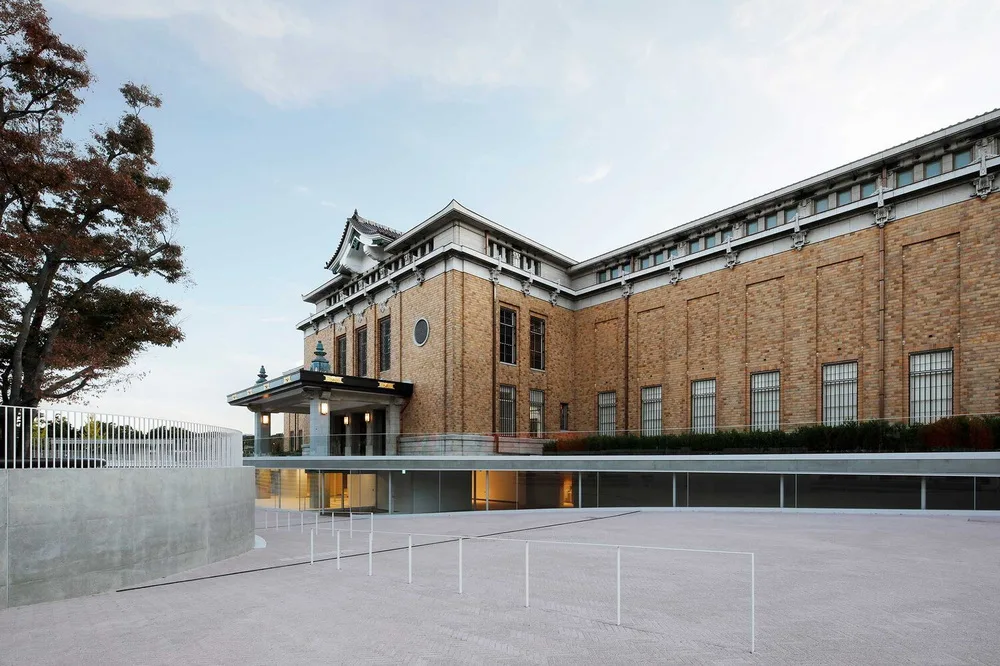
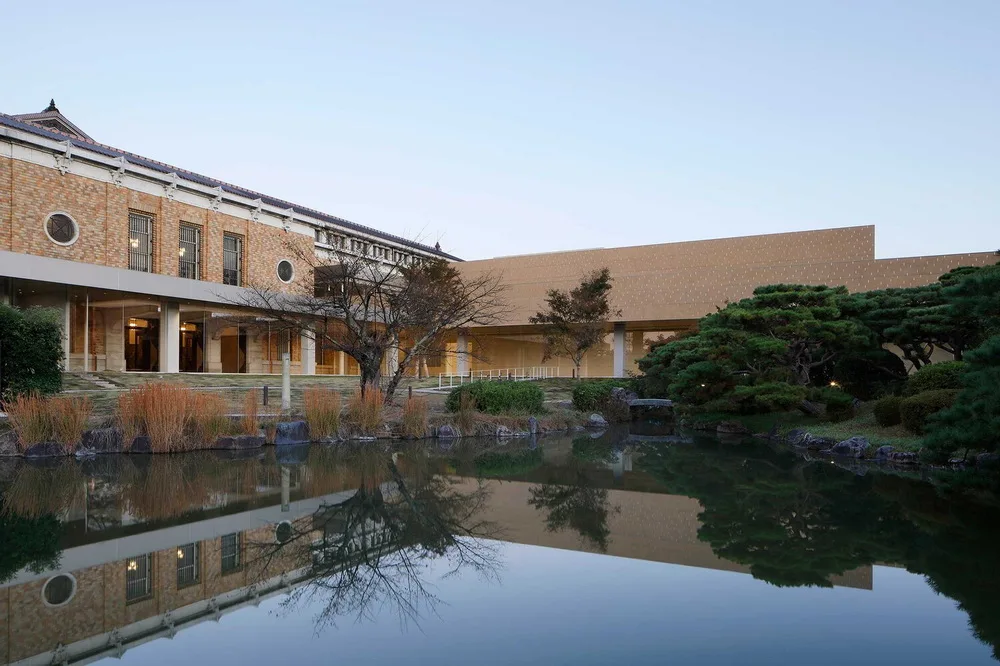
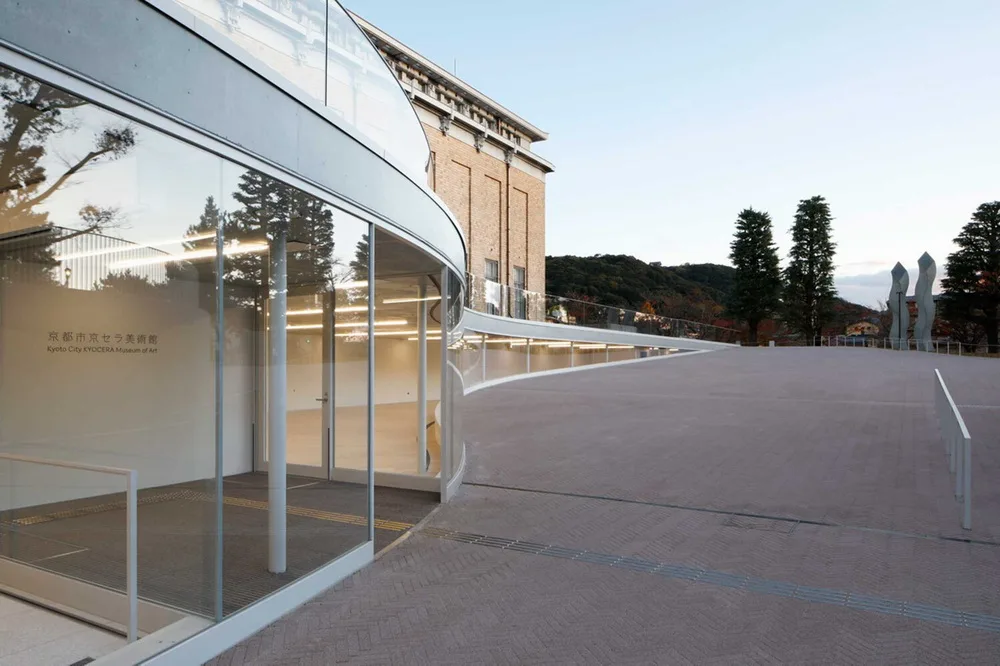
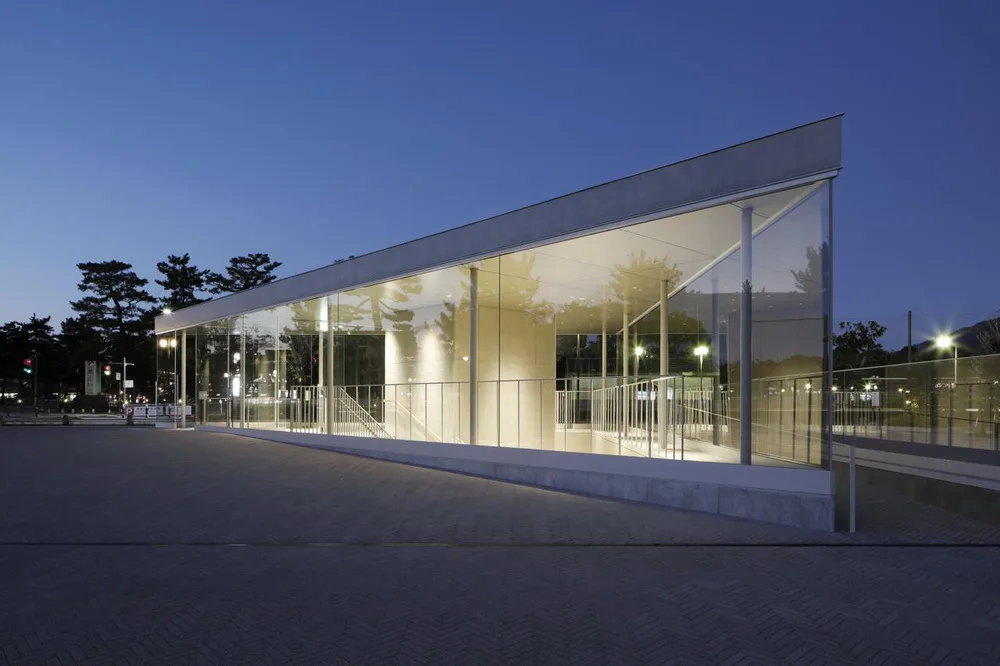
The Kyocera Art Museum in Kyoto is soon to reopen after a three-year renovation, blending modern design elements with its rich traditional heritage. Its transparent, ribbon-shaped flowing facade, cubic modern gallery, and glass triangles emerging from the ground may seem unconventional features for a history museum, but they mark a thoughtful balance between past and present.
©Takeru Koroda
The museum’s predecessor was the Kyoto City Museum of Fine Arts, one of Japan’s oldest public museums. The renovation was led by Japanese architects Jun Aoki, now the museum’s director, and Tezzo Nishizawa.
©Takeru Koroda
©Takeru Koroda
Reflecting on his visit to the original museum five years ago, Aoki said, “I felt that this museum, built in 1933, is a space very well suited for contemporary art.”
©Takeru Koroda
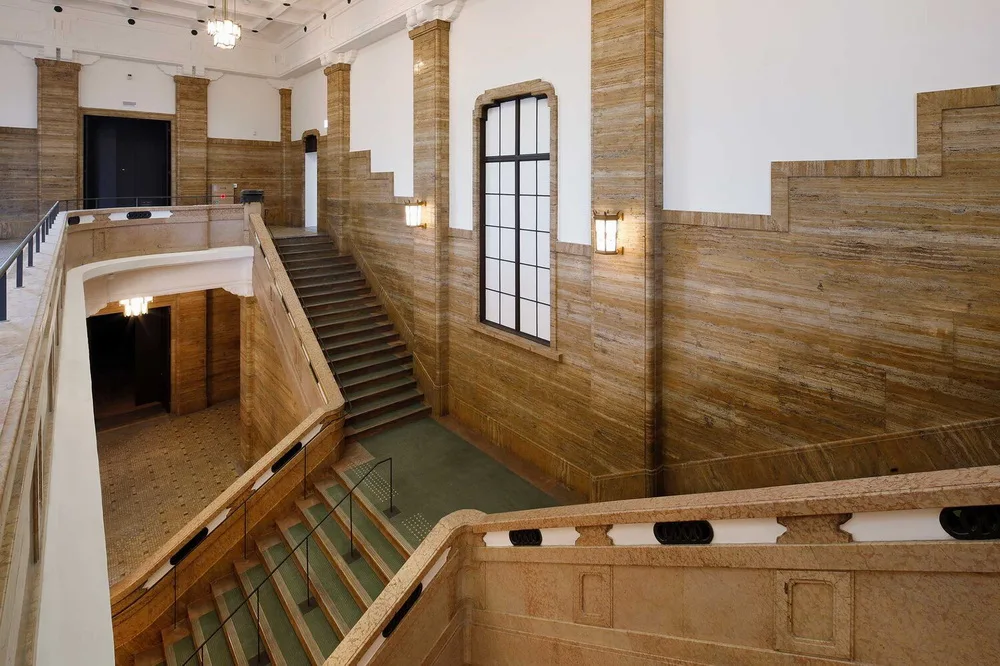
He added, “I didn’t think it was necessary to alter the spatial qualities inside the museum or change its exterior, as it has existed in people’s memories for decades. When planning the renovation, I chose to preserve the museum’s original style and space rather than introduce a completely new design.”
©Takeru Koroda
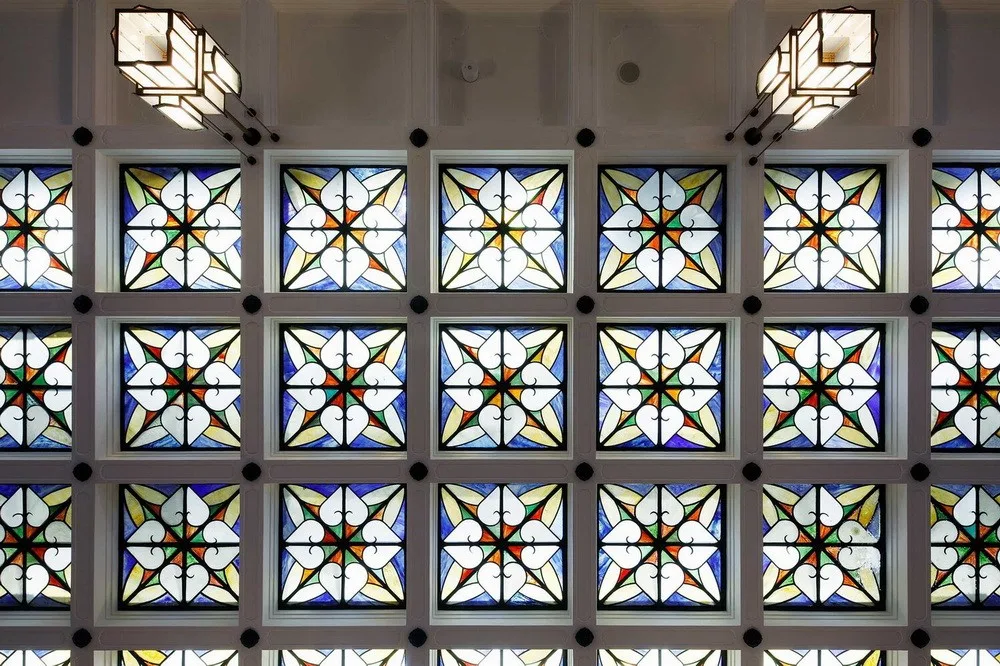
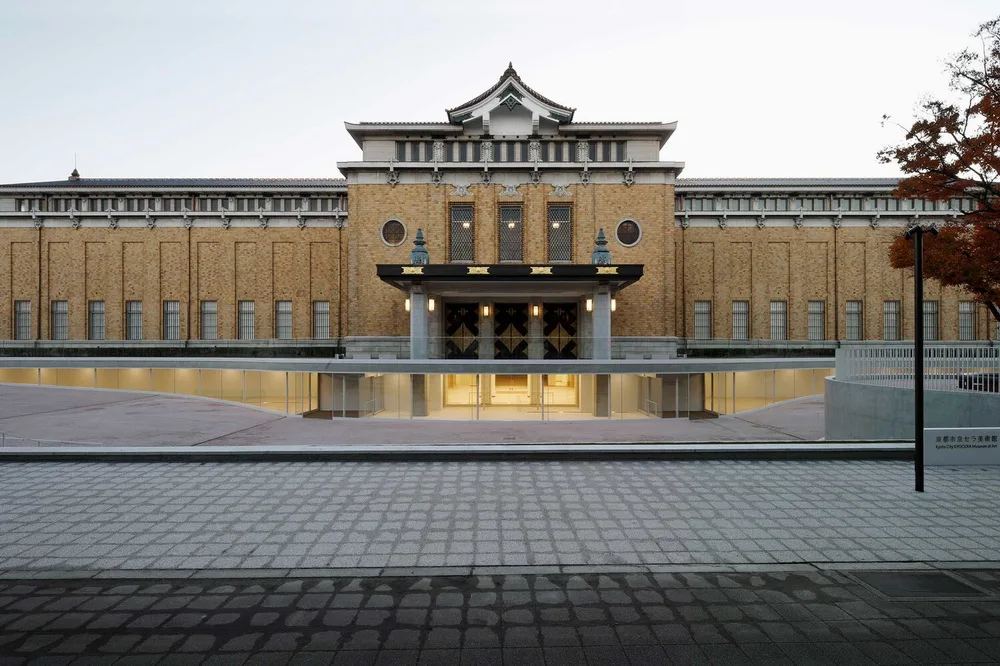
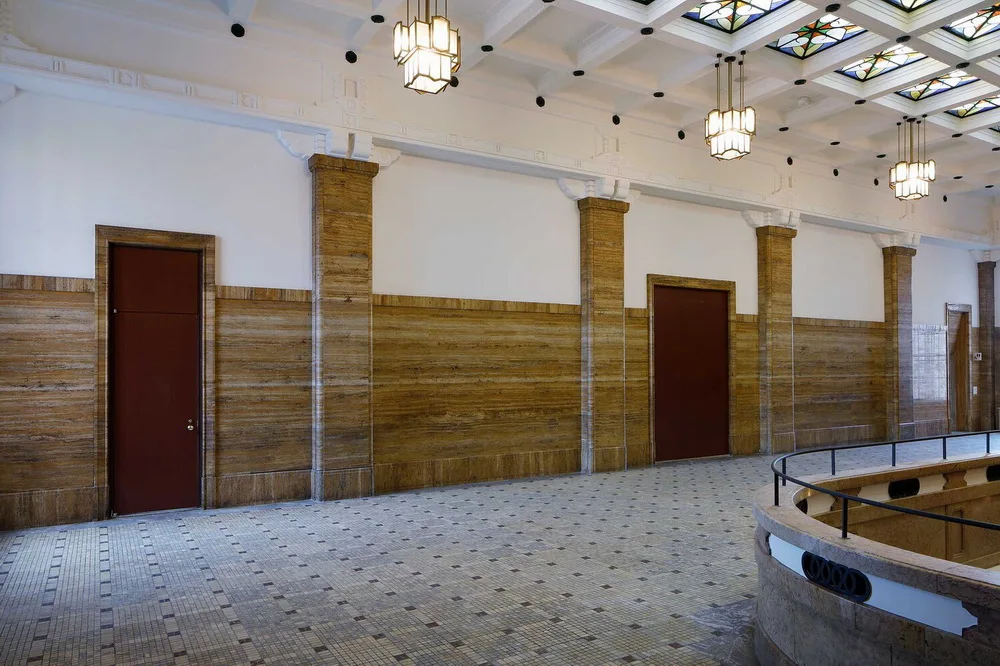
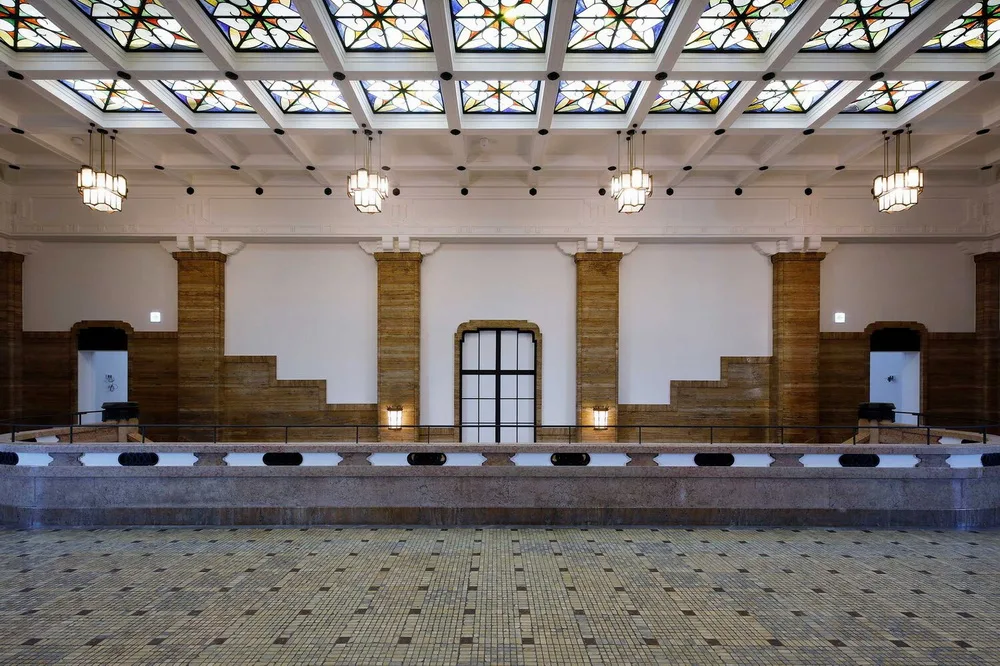
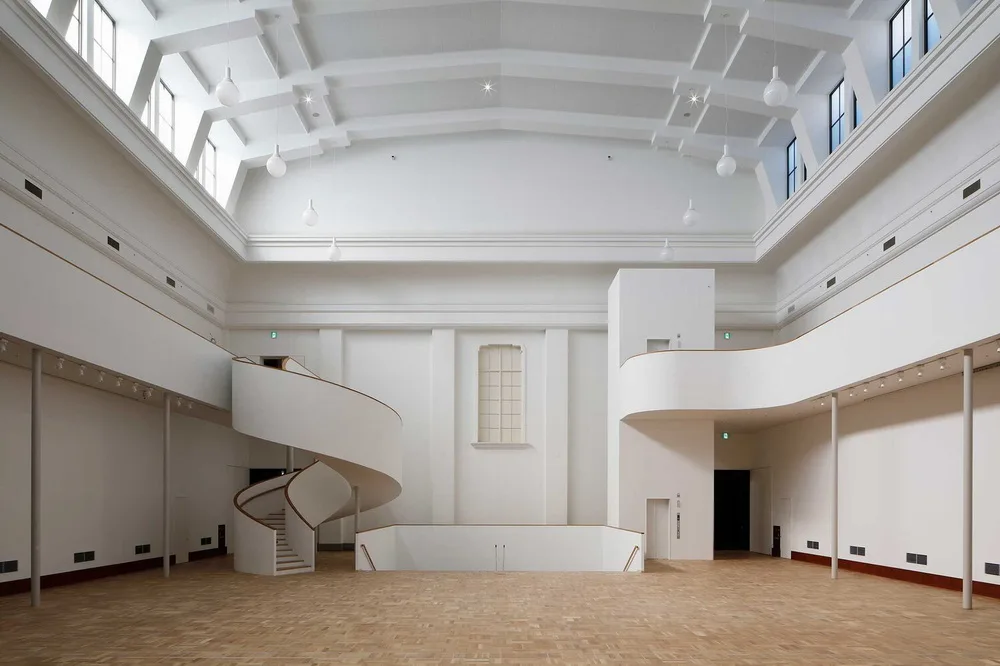
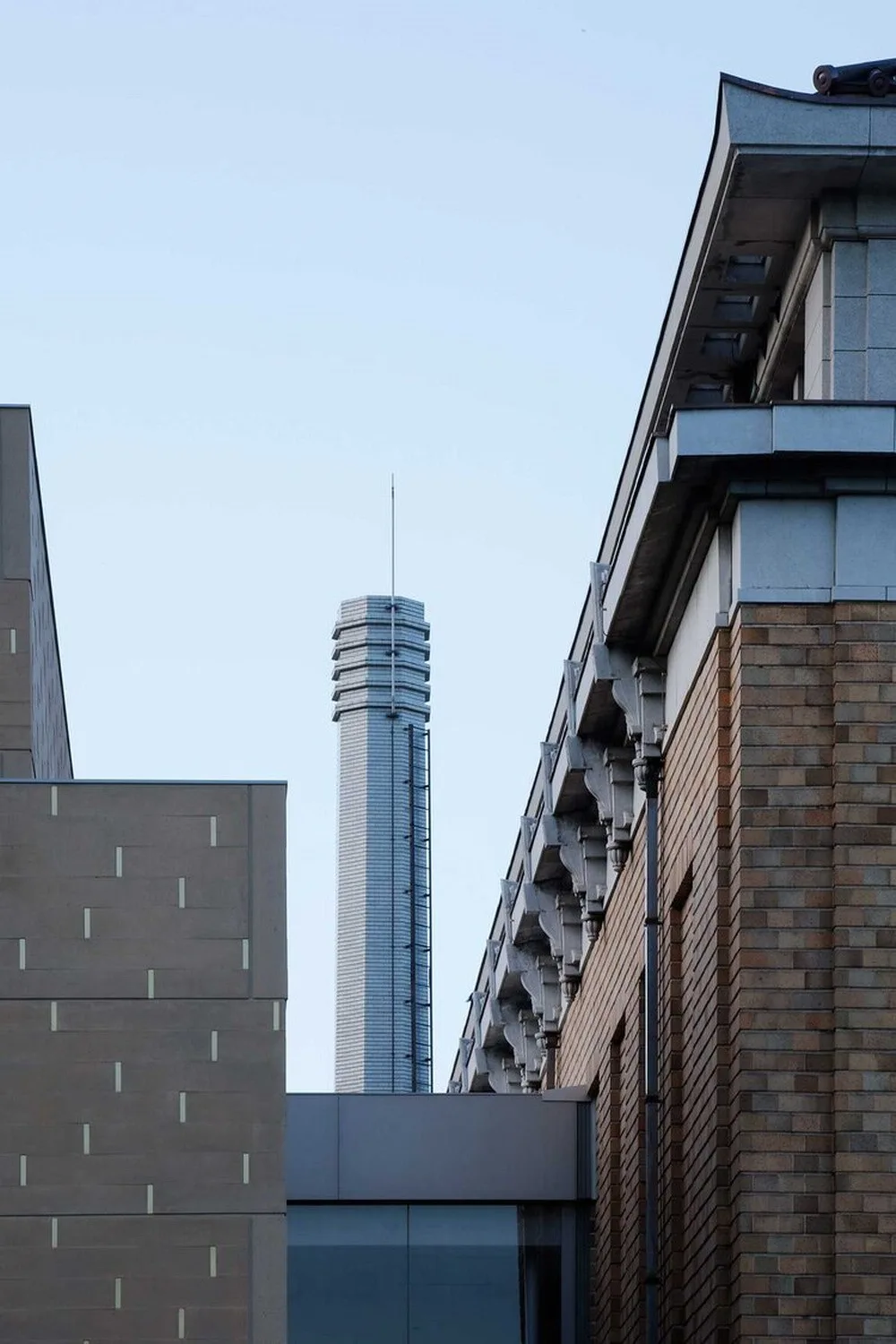
The final outcome is a seamless blend of old and new. The building’s original imperial crown style (teikan) remains intact, featuring neoclassical brick walls beneath traditional Oriental tile roofs. Inside, rich details like tiled floors, stone staircases, and marble accents have been preserved.
At the same time, the carefully restrained contemporary design has brought this museum, which houses 3,600 pieces of Kyoto art, into the 21st century.
©Takeru Koroda
©Takeru Koroda
©Takeru Koroda
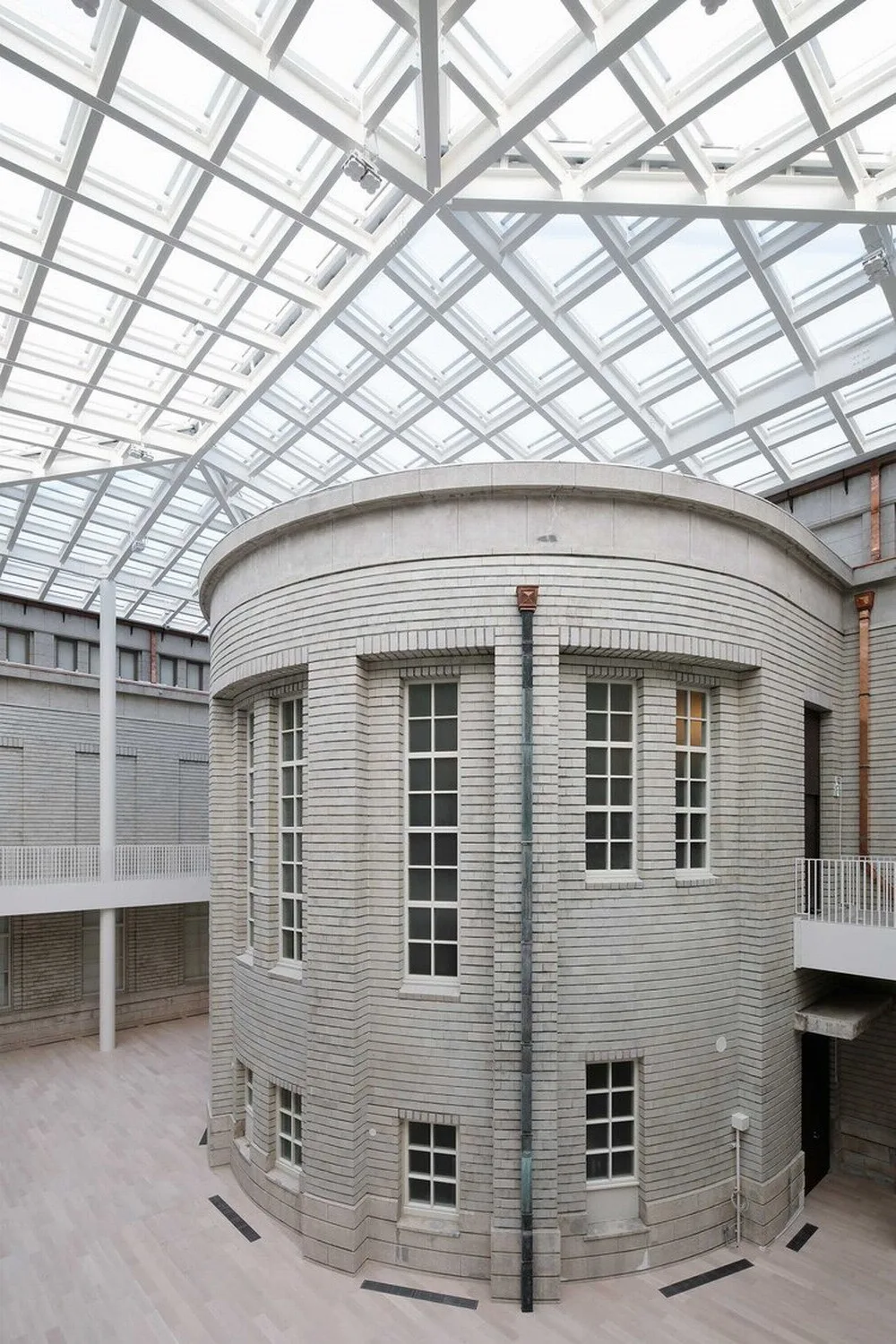
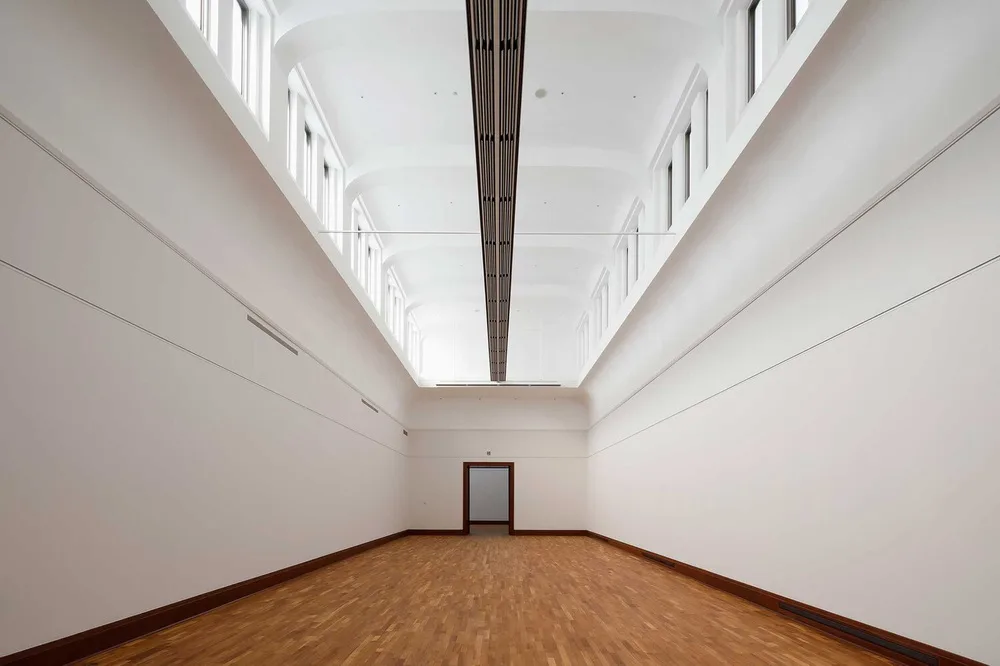
Key features include a transparent glass ‘ribbon’ that flows organically along the building’s lower facade, creating a bright entrance area that houses a café and shop. The central hall was elegantly renovated in white, featuring high ceilings and spiral staircases.
Additionally, glass-sided ‘triangles’ protruding from the ground provide unique exhibition spaces for emerging artists.
©Takeru Koroda
©Takeru Koroda
©galeriemagazine.com
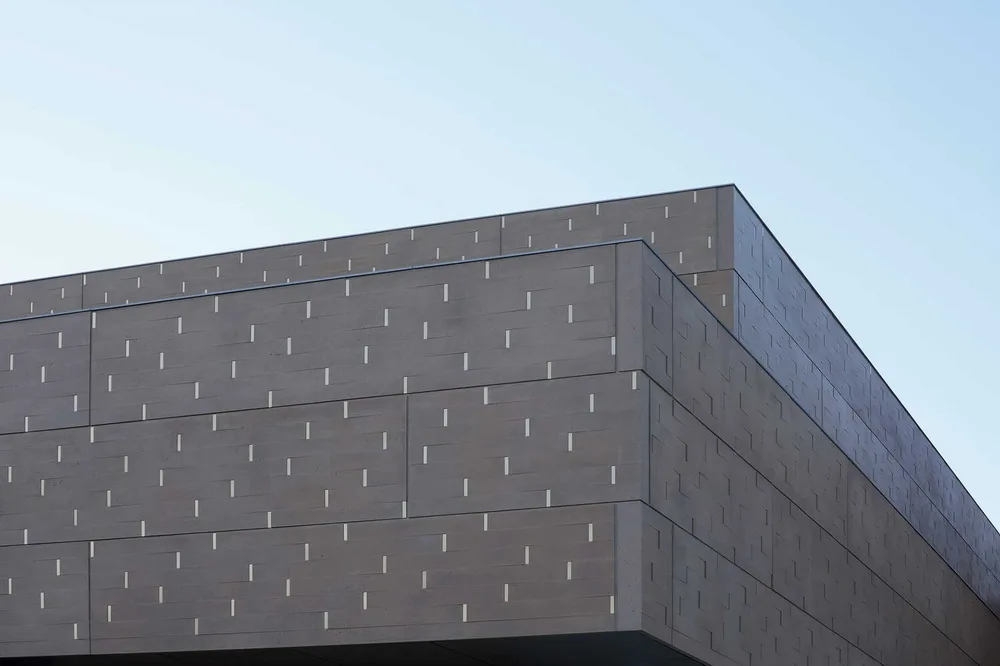
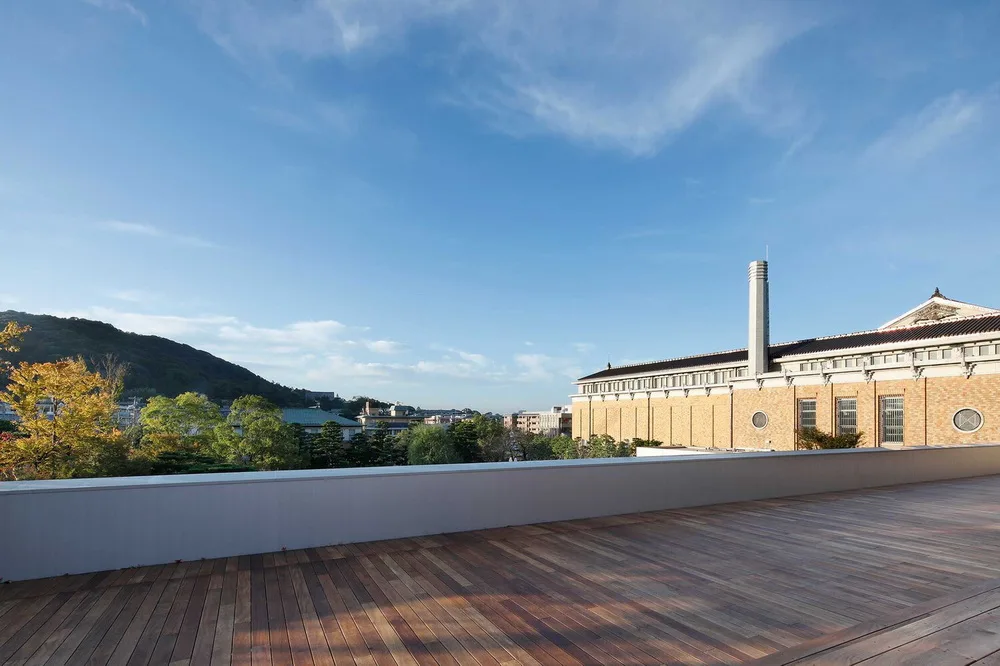
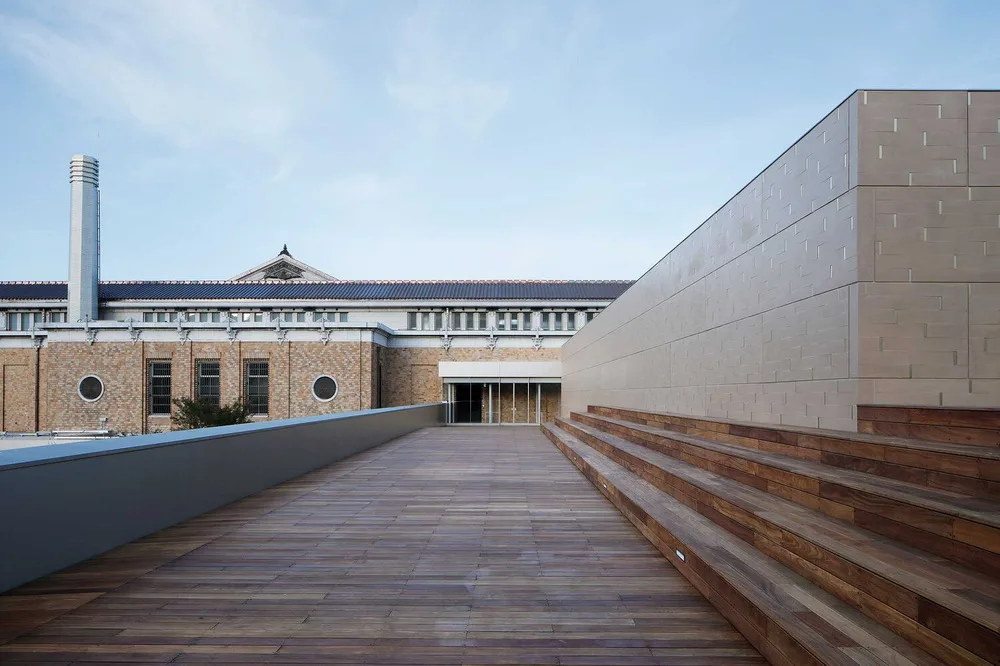
Perhaps the most ambitious addition is the Higashiyama Cube, a sleek corner building dedicated to contemporary art. Its minimalist concrete slab facade is accented with champagne-colored metal panels, topped with a rooftop terrace that offers views of seasonal trees and ponds within a Japanese garden.
©Takeru Koroda
©Takeru Koroda
Aoki explained, “I specifically designed the Higashiyama Cube so that, from a distance, it appears to be part of the original building, but upon closer inspection, its distinct character is evident.”
©Takeru Koroda
©Takeru Koroda
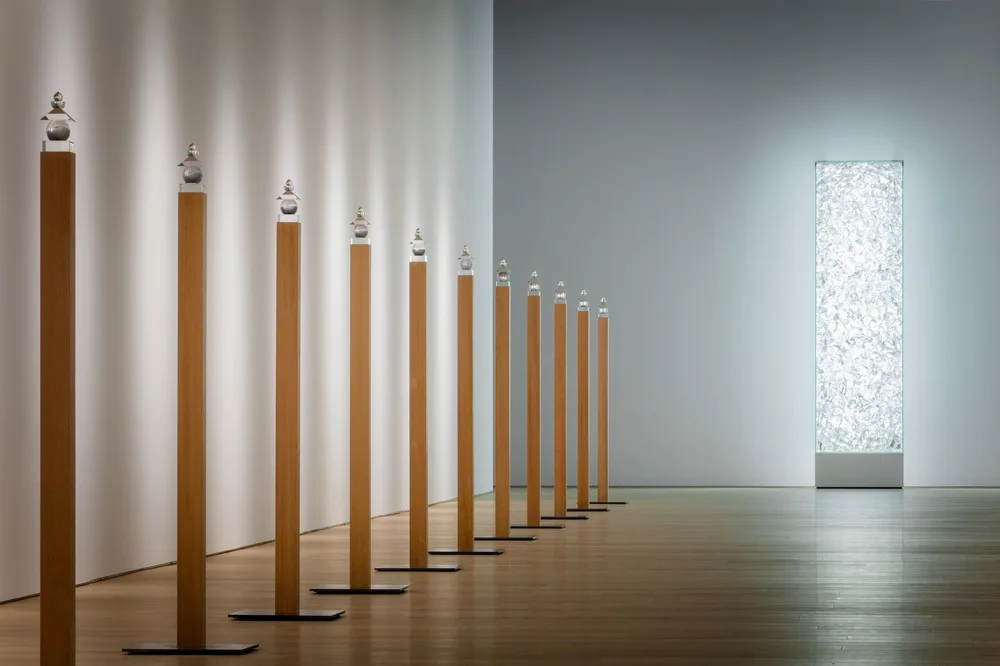
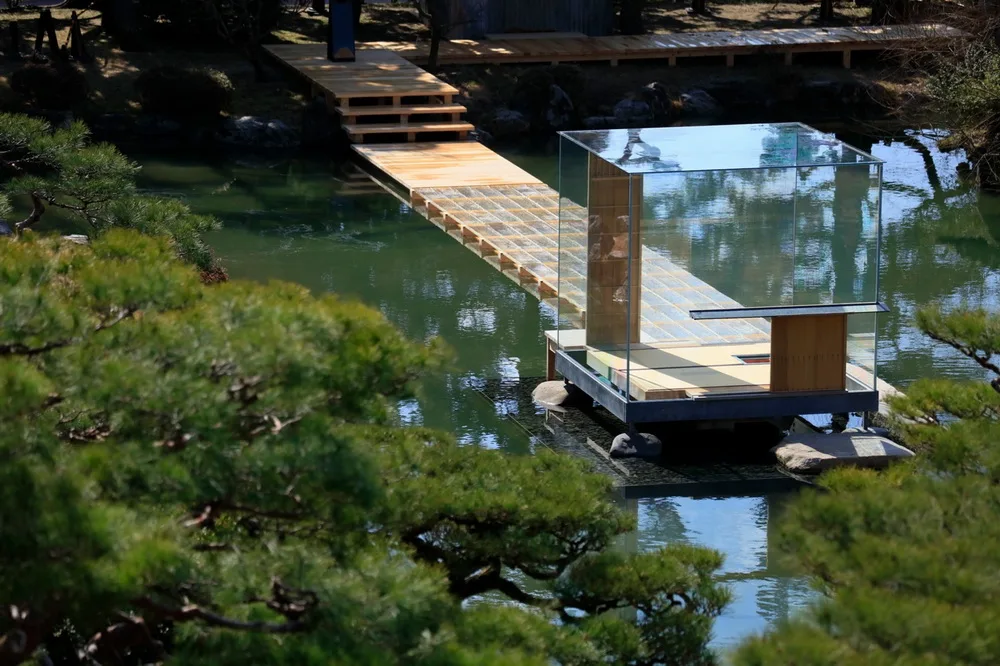
The exhibition program is equally diverse, spanning from classical to modern works. The inaugural exhibition features 250 years of Kyoto art masterpieces alongside Hiroshi Sugimoto’s atmospheric POST VITAM, including his Glass Tea House Mondrian floating on a nearby pond.
©galeriemagazine.com
©galeriemagazine.com
As Aoki summarized, “Our goal is to create a space where everyone can enjoy a variety of experiences according to their own preferences. We want to avoid crafting a single, rigid environment for visitors.”
©Takeru Koroda












Must log in before commenting!
Sign Up