
We have finally reached a milestone: the Zero Waste Center in Kamikatsu town is now complete. We first learned about this project over a year ago, and the town’s efforts are already showing promising results, with execution surpassing expectations.
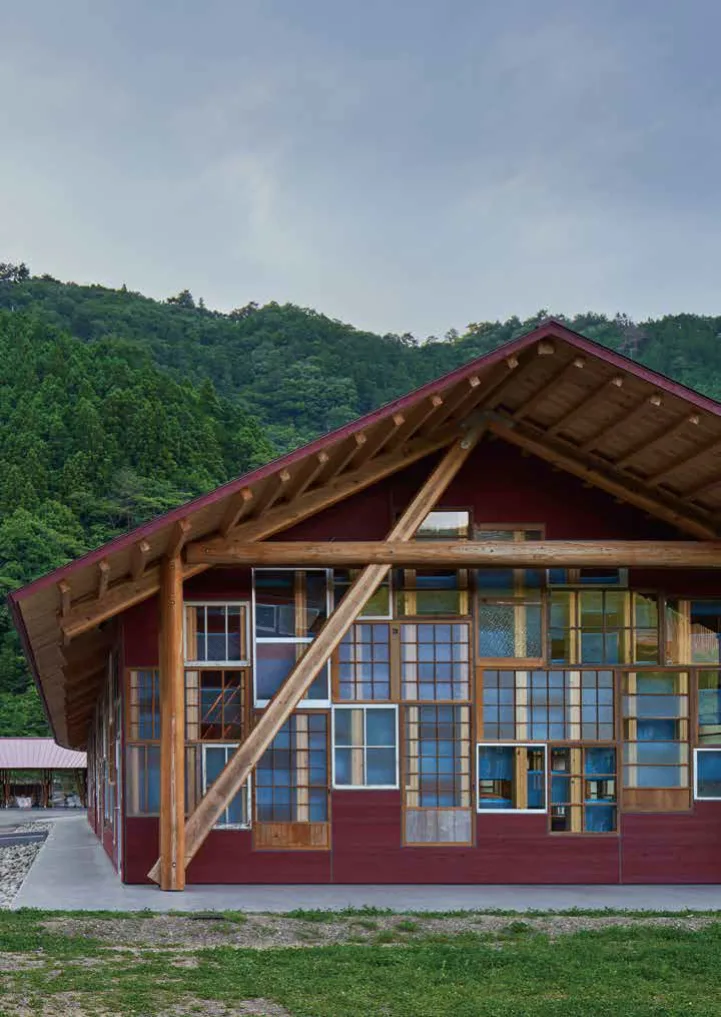
©aji.or.jp
Why Zero Waste? Why is the Heart So Important?
To inspire new ideas, people need a powerful symbol to rally behind. The Zero Waste Center represents Kamikatsu’s commitment to becoming a zero waste town. It’s more than just a place for residents to sort their waste—it serves as a community hub where staff provide guidance and support. Here, people exchange ideas and solutions, strengthening Kamikatsu’s dedication to zero waste.
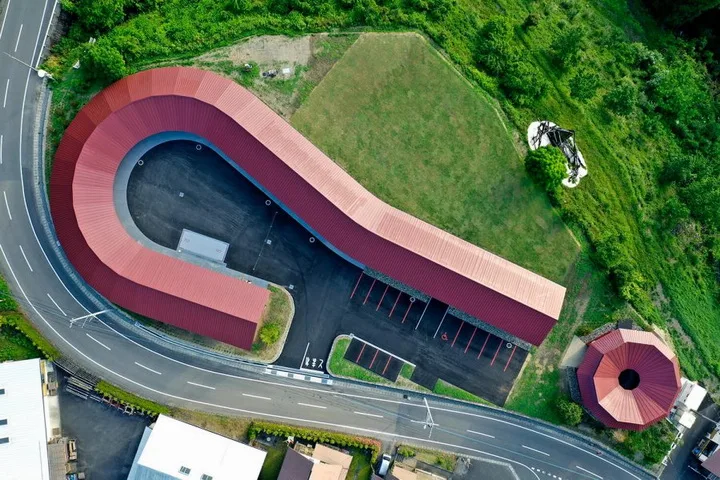
△ Aerial view © transit-web.com
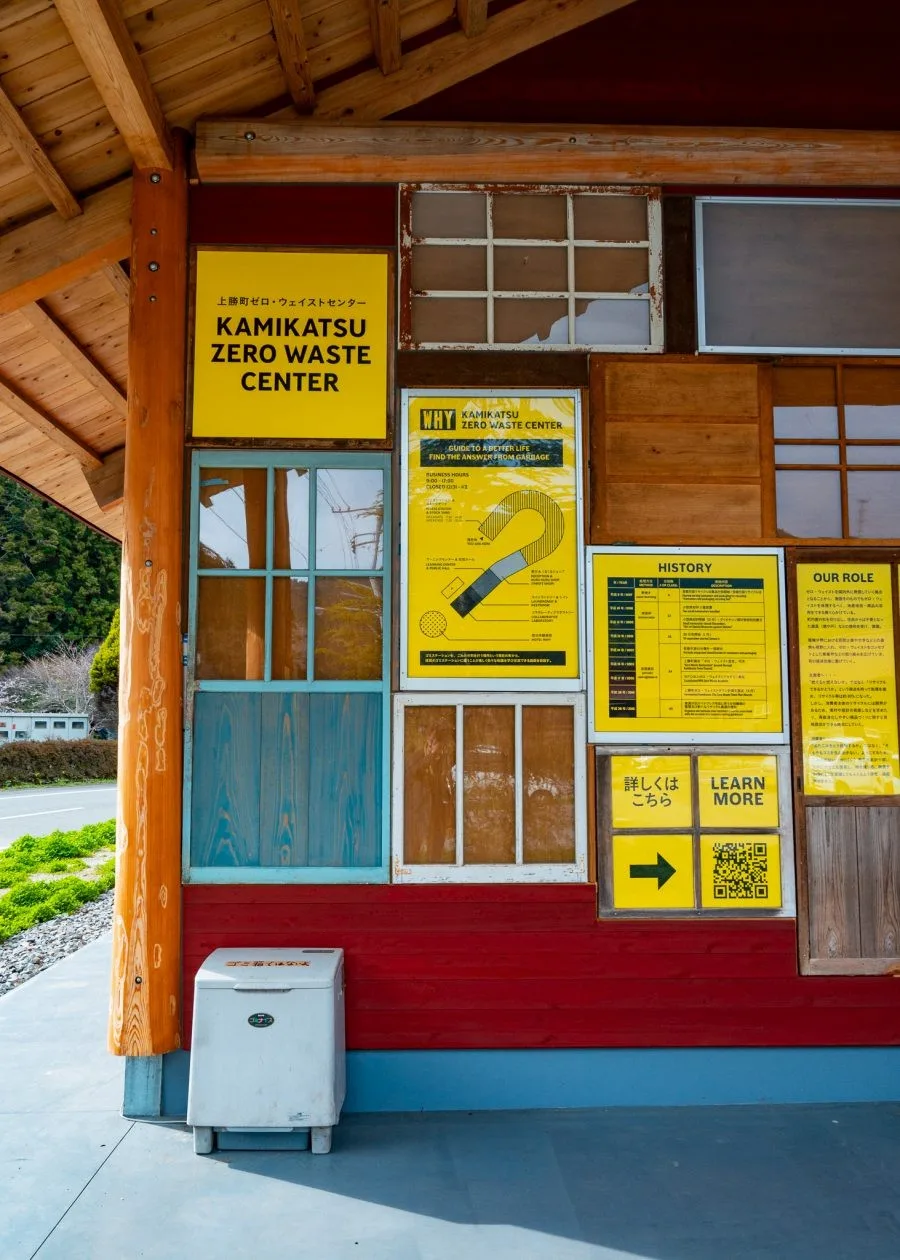
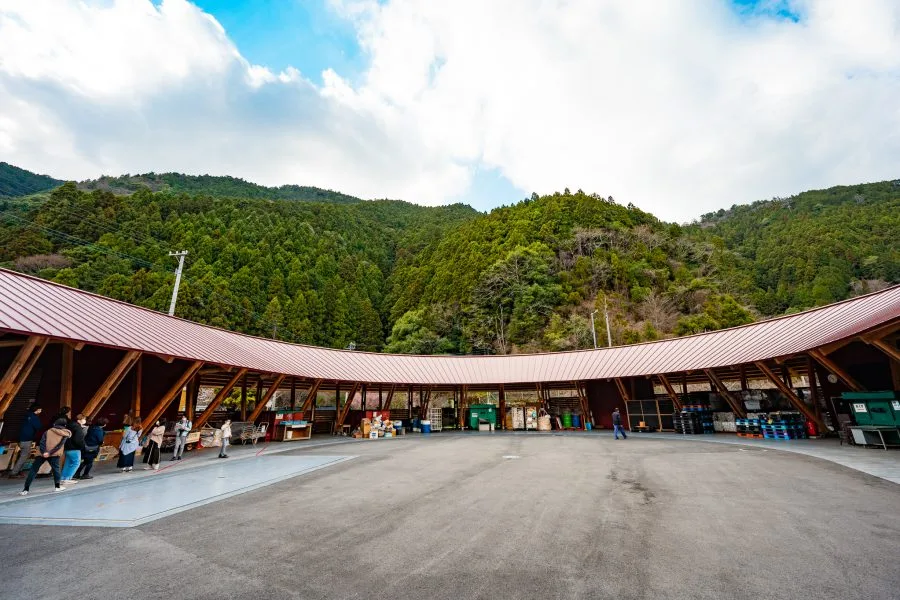
It’s no accident that Kamikatsu’s zero waste center is called “WHY.” It serves as a constant reminder to question our habits: Why do we buy things? Why do we use them? Why do we throw them away? And why do businesses sell them? The question mark-shaped design of the center thoughtfully embodies this mindset.
Recycling Center, Joint Laboratory, and Hotel WHY
The WHY building consists of six main zones, plus two large additional spaces: a parking lot and an open area for events at the back. The first two zones demonstrate how value is recovered from waste through sorting, storage, and reuse.
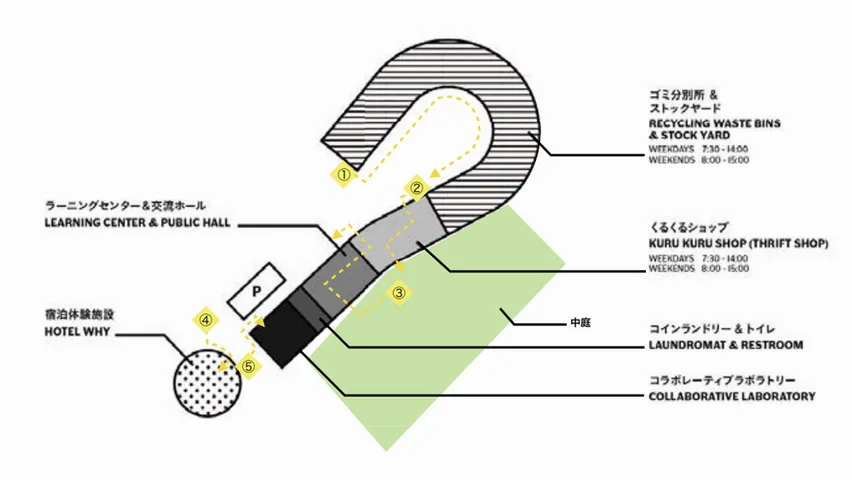
△ Partition Diagram © transit-web.com
The first area is where the magic happens. Residents drive in and deposit their waste at the top of the building. Kamikatsu continues to sort garbage into 45 different categories, each with clearly labeled bins. Staff members are present to offer guidance and education.
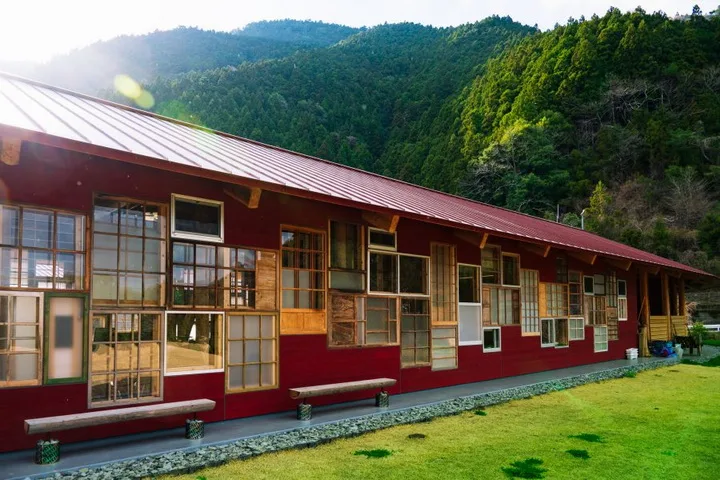
©setouchitrip.com
Notably, there is no unpleasant odor here—just the fresh scent of the surrounding forest. Waste is cleaned on site to remove food residue, stains, and oils. Food waste is not brought here but is instead composted by residents.
Waste Sorting as Both a Social and Personal Responsibility
Sorting waste into 45 categories may seem daunting at first, especially for those unfamiliar with the process. However, with the support of WHY and a better understanding of the products we use, sorting becomes intuitive. This insight can also influence future purchasing decisions.
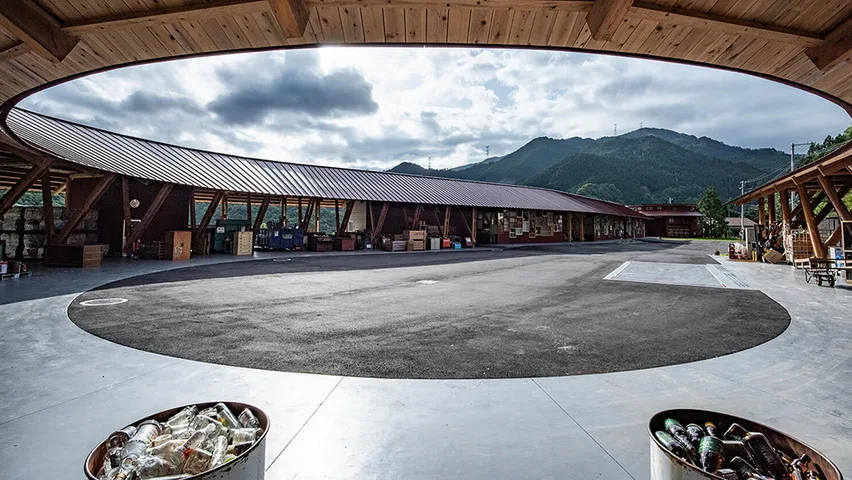
△ From the material yard to outside. Trucks stop here to collect and transport sorted waste, giving materials a second life through reuse © transit-web.com
Each category features informational posters indicating whether recycling it generates revenue for Kamikatsu (like metal parts) or represents a cost (like plastic packaging). The posters also explain where each type of waste is sent. For instance, metal bottle caps are transported to Tokushima’s prefabrication yard to be turned into new metal products. This transparency helps citizens understand the impact of their waste on their town and country.
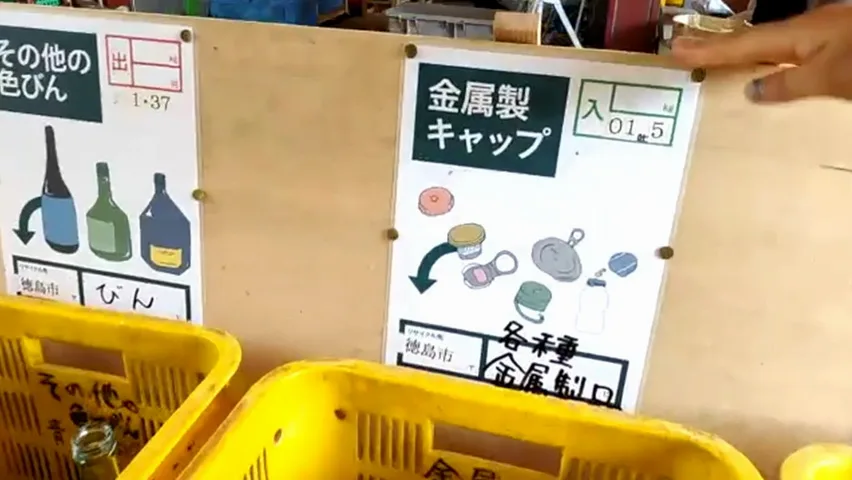
The waste disposal process in Kamikatsu is highly transparent, motivating citizens to recycle and reuse items responsibly © transit-web.com
Kurukuru Store: Kamikatsu’s Recycling Shop
Not all waste is recycled. Moving forward from the top of the building, you’ll find the former Kurukuru Shop, Kamikatsu’s recycling store.
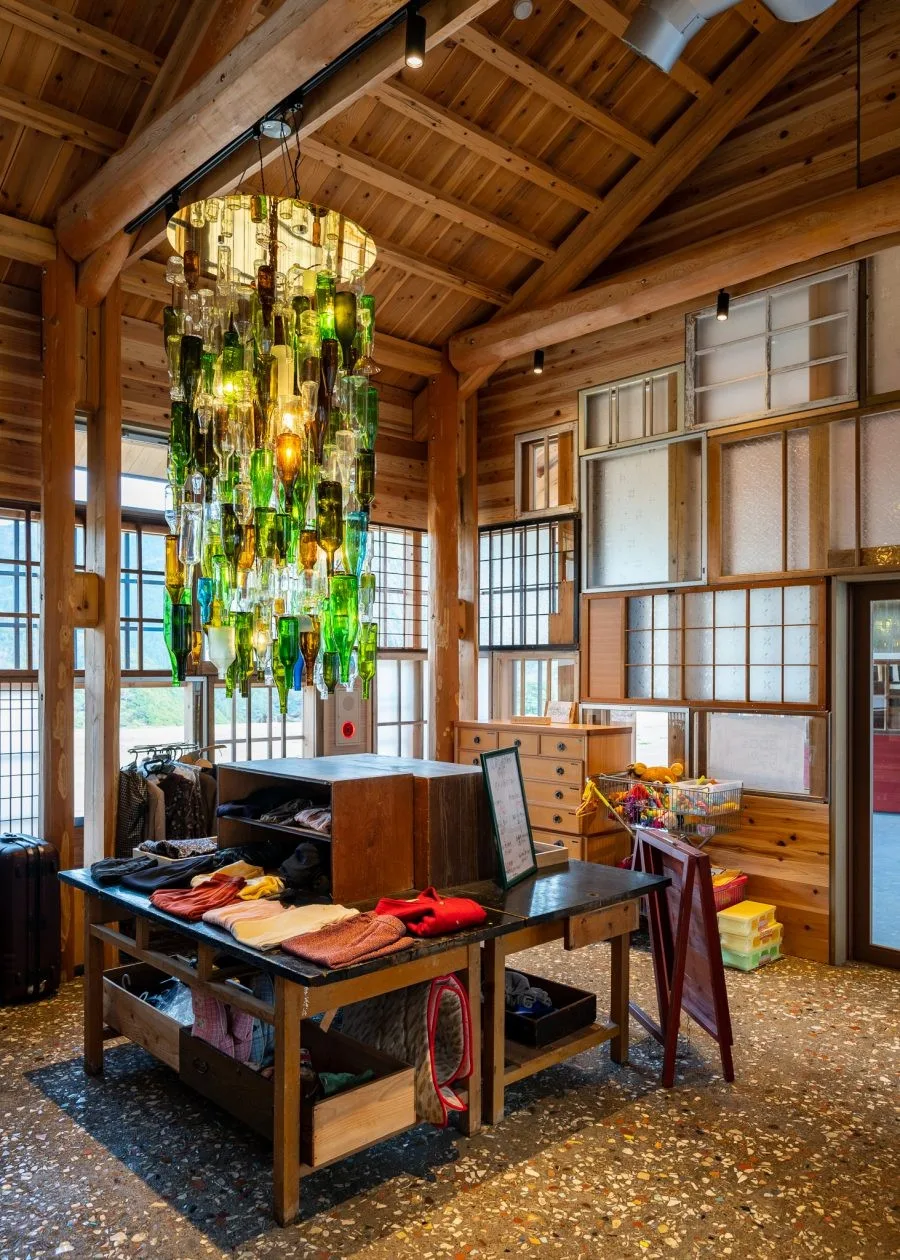
An outdoor area displays second-hand items such as baby strollers, kitchenware, and home décor, free for residents to take. When taking items, residents weigh them on provided scales and record the details in a ledger, helping staff track reused products annually. Indoors, cleaned items like carpets and clothing are available for those needing more care.
©setouchitrip.com
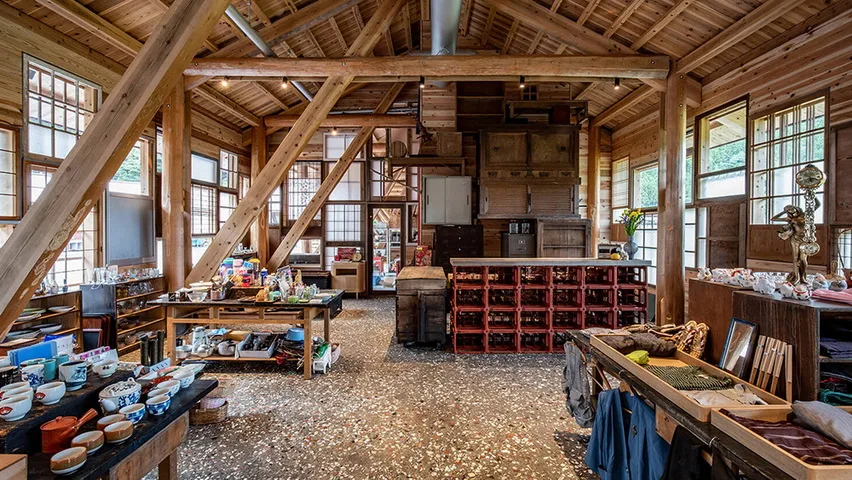
The interior is known for its cleanliness, thoughtful design, and natural atmosphere © transit-web.com
Activity Hall and Shared Workspace
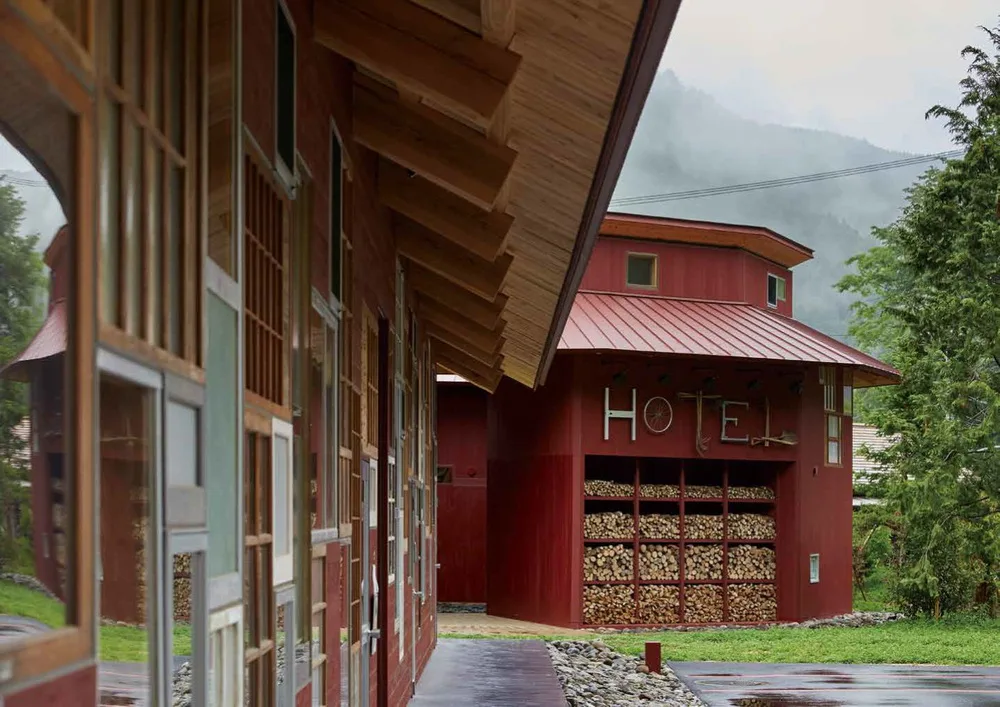
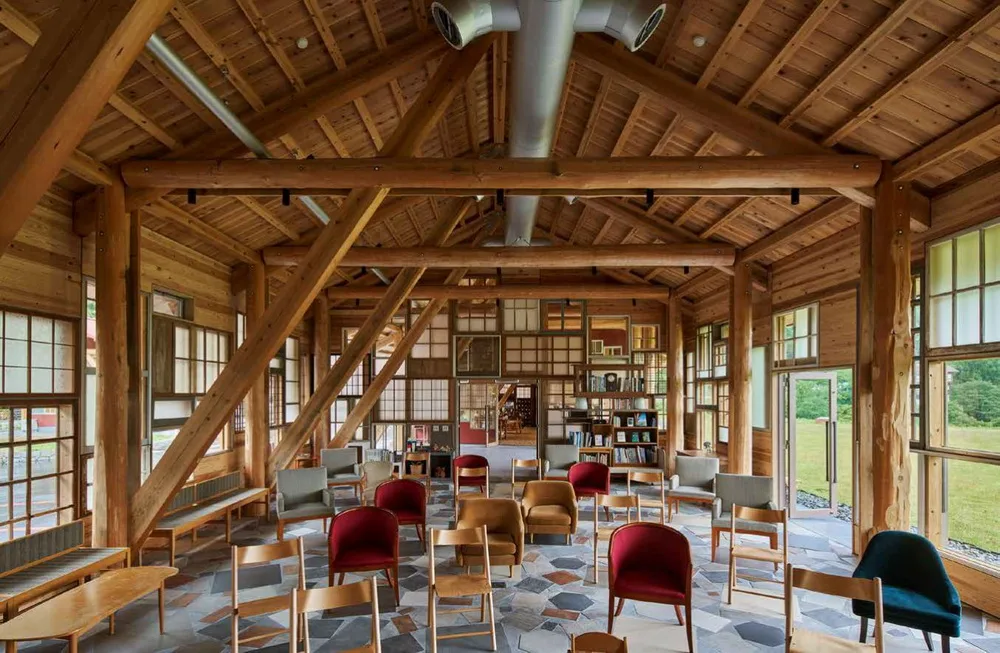
Continuing past the Kurukuru store and the outdoor area, you reach the learning center and public hall—a community space equipped with a kitchen, seating, and a children’s corner stocked with used toys and books for Kamikatsu’s youth. Beyond the restroom and self-service laundry at the back lies the collaborative laboratory, which serves as a shared workspace for interested individuals.
©aji.or.jp
©aji.or.jp
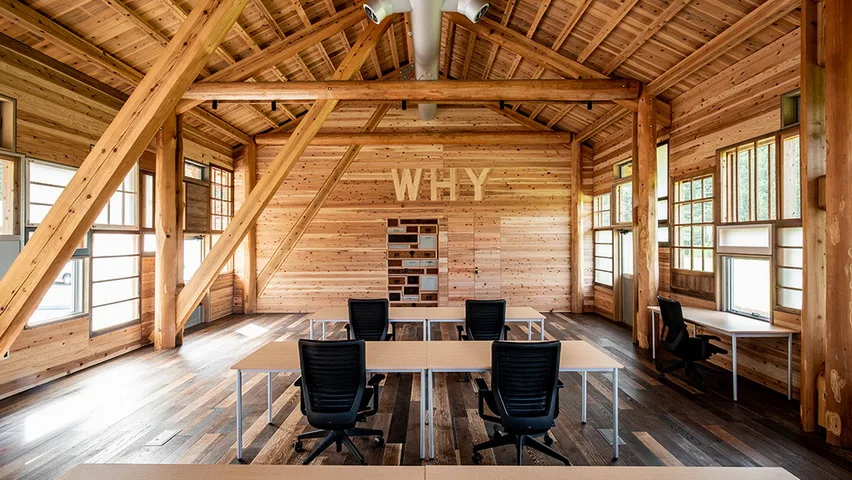
△ Collaborative laboratory and co-working space at WHY; the word “WHY” encourages us to reflect on the impact of our actions, even at work © transit-web.com
The hotel and facilities are not designed for profit but to welcome those interested in Kamikatsu’s waste management. They have attracted inquiries from abroad, offering a place for environmentalists, organizations, schools, and curious visitors to learn at Japan’s zero waste hub.
©setouchitrip.com
Kamikatsu Hotel WHY
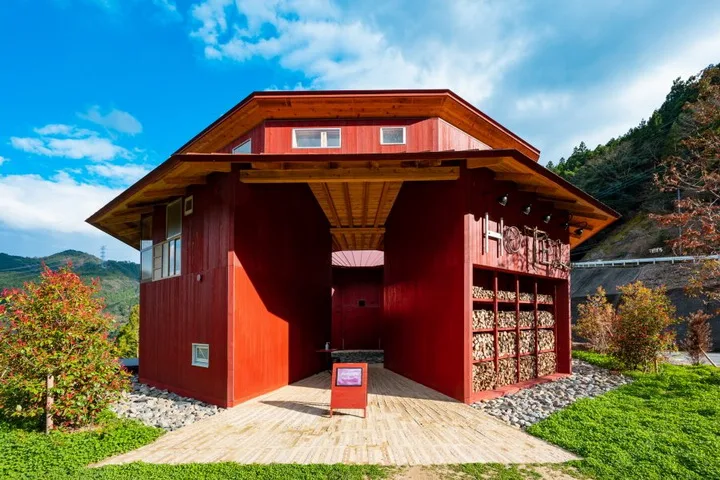
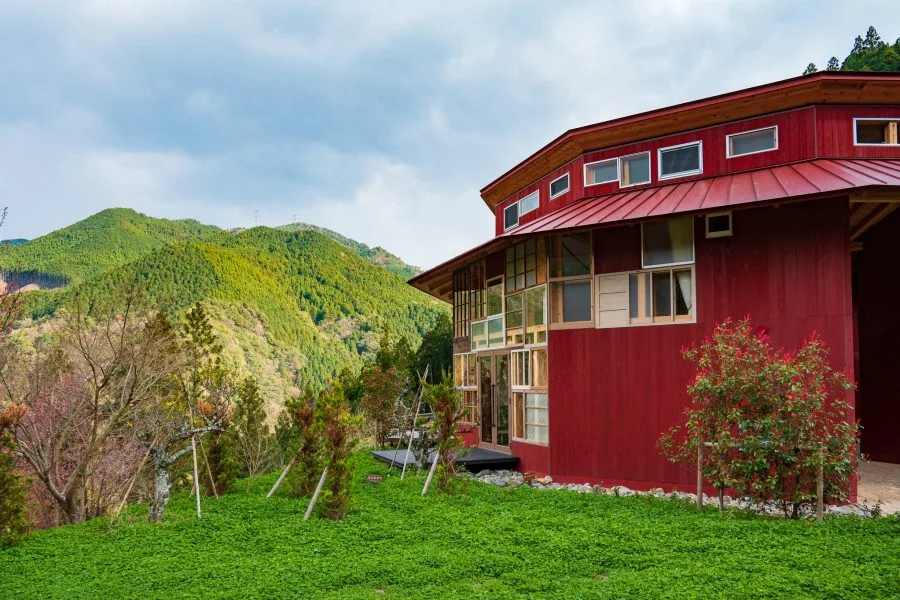
At the opposite end of the structure is the WHY Hotel, featuring four rooms accommodating 2 to 4 guests each (two beds on the first floor and two on the second). Its simple design exudes tranquility, with a circular central space seamlessly integrated with natural surroundings.
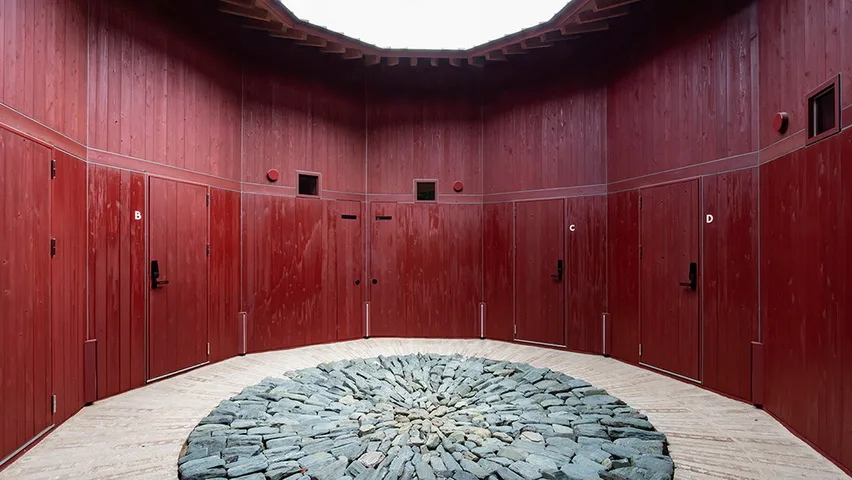
△ Entrance of Zero Waste Hotel WHY © transit-web.com
Eco-friendly amenities are shared among roommates to minimize waste. Guests actively participate in the zero waste mission, for example, by shredding soap flakes for personal use and taking leftovers home.
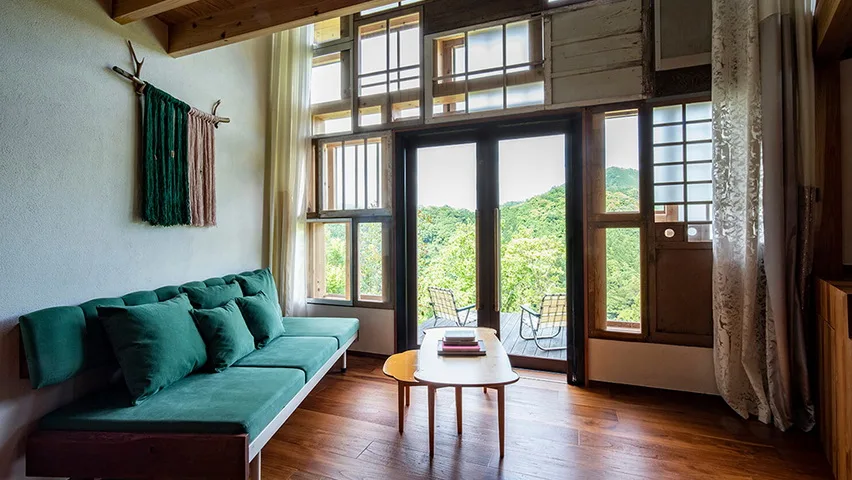
△ Mountain View Room © transit-web.com
The hotel maintains strong partnerships with local businesses. For instance, breakfast is sourced from a nearby café, and curtains are produced in collaboration with a local factory.
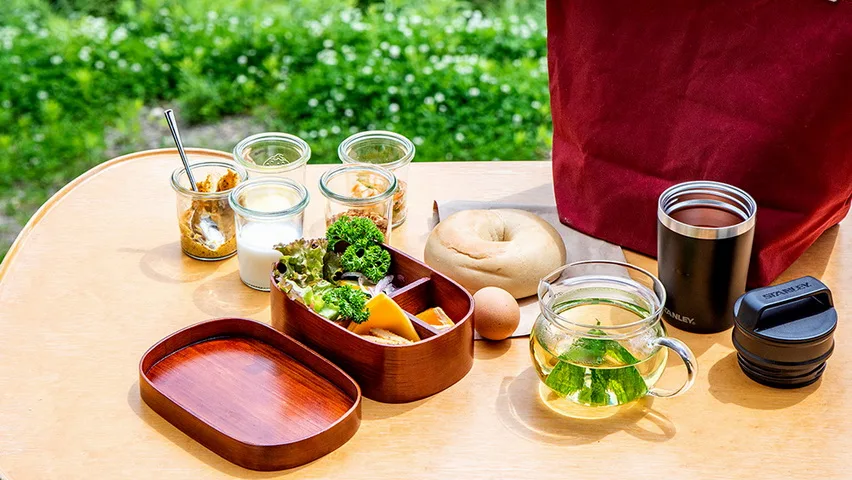
△ Collaborating with local enterprises to deliver breakfast directly to guests © transit-web.com
Remarkable 20%
Kamikatsu’s journey toward zero waste serves as a model for sustainable consumer behavior in Japan. While the goal is to reach 100% zero waste this year, there are known challenges.
Currently, Kamikatsu boasts an 80% zero waste rate, which is impressive. The remaining 20% consists of non-recyclable items like baby diapers, hygiene products, disposable warmers, complex multi-material products, and silicone bags combined with candy wrappers.
©setouchitrip.com
This remaining 20% represents a challenge not only for Kamikatsu but for communities worldwide. Possible solutions include developing advanced recycling technologies capable of separating complex materials or designing products that are easier to manage at the end of their lifecycle.
For the Future of Our Children: Zero Waste
While WHY is designed to attract environmentalists and manufacturers, Kamikatsu also prioritizes the future generations.
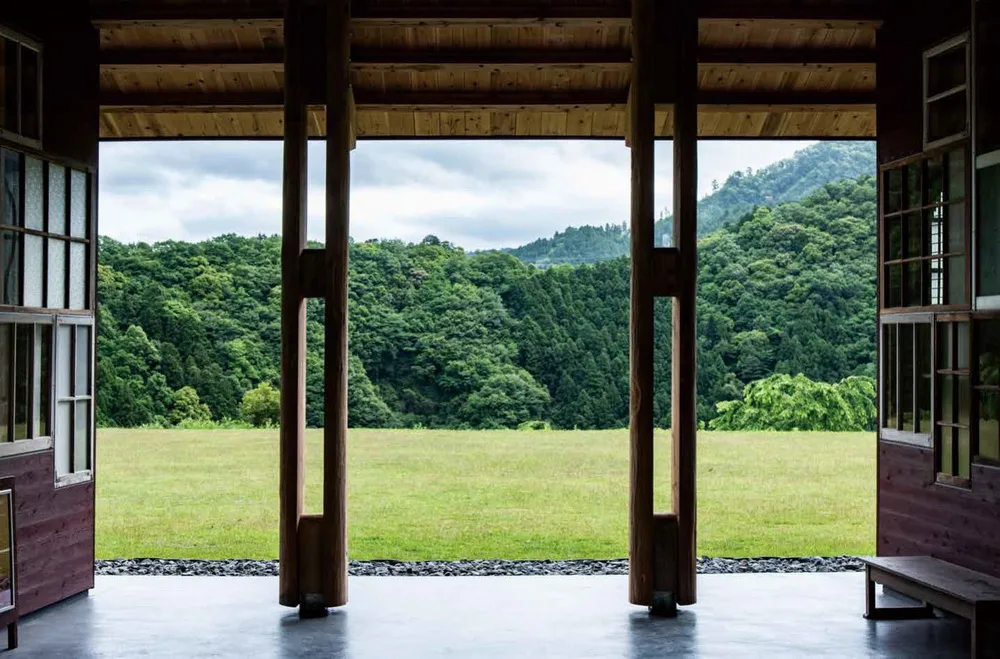
©aji.or.jp
Children growing up in Kamikatsu are immersed in a zero waste lifestyle. They develop a deep understanding of the products they use and become skilled at sorting waste. For them, zero waste is simply the norm. This foundation allows them to take pride in growing up in such a community.
©setouchitrip.com
©setouchitrip.com
Ultimately, this is a goal we should all aim for: to take pride in creating a waste-free future for our children by embracing a lifestyle with minimal environmental impact. In the face of the climate crisis, simple measures like banning plastic bags are insufficient. Kamikatsu’s commitment to zero waste offers a powerful model to follow, and the WHY center will continue to guide our path forward.












Must log in before commenting!
Sign Up