
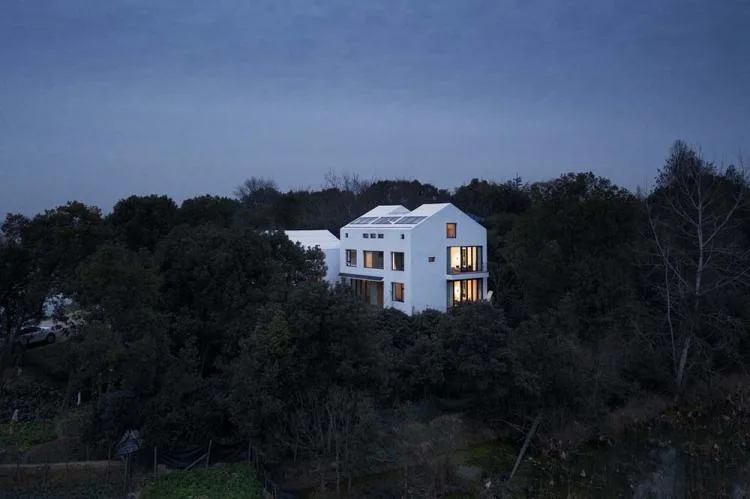
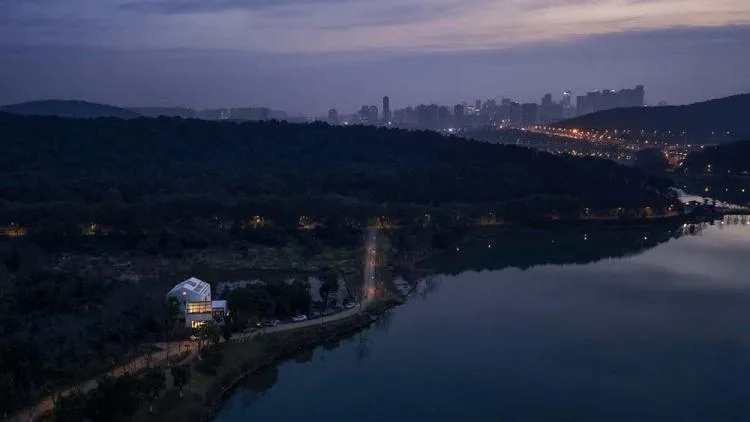
The story begins with the Donghu Greenway, a remarkable trail stretching over one hundred kilometers through Wuhan, a city of more than ten million residents. This path winds through mountains, lakes, bamboo groves, and cherry blossoms, weaving between polders and fields. From the elevated road leading from the station to the site, the bustling, crowded atmosphere of this sprawling metropolis is unmistakable. Fortunately, the once jarring contrast of “one city at a time” has vanished at this location, allowing Wuhan’s identity as a “city of lakes and rivers” to flourish once again.
Building a Home
It’s difficult to recall our first impressions of the two old houses on the site, but during the winter of 2018, the morning mist over Donghu Lake, the withered lotus roots, and the thriving spruce trees of the village left lasting memories. Over the course of more than ten visits, the sounds of birds and frogs, the green bamboo, tender lotus roots, and fishing nets silhouetted at sunset gradually assembled like puzzle pieces, forming a vivid vision of the “Luanshe” project.
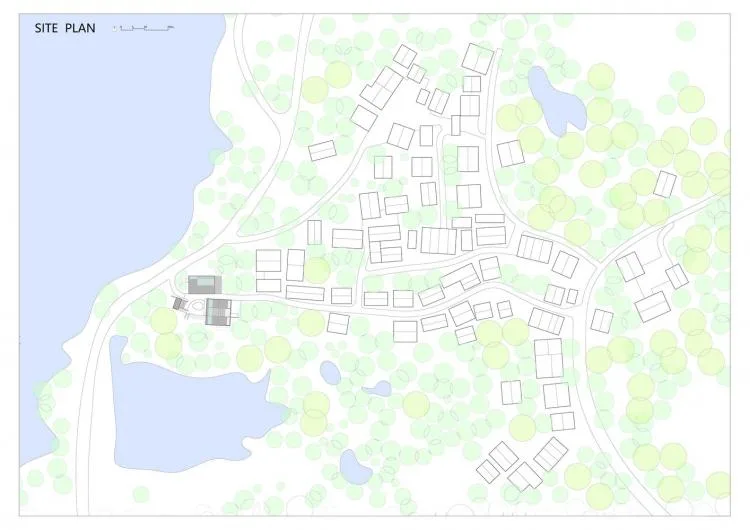
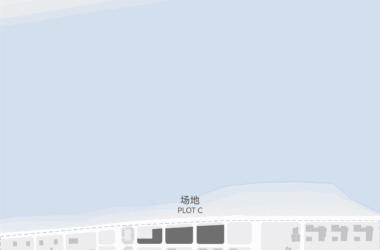
△ General layout plan
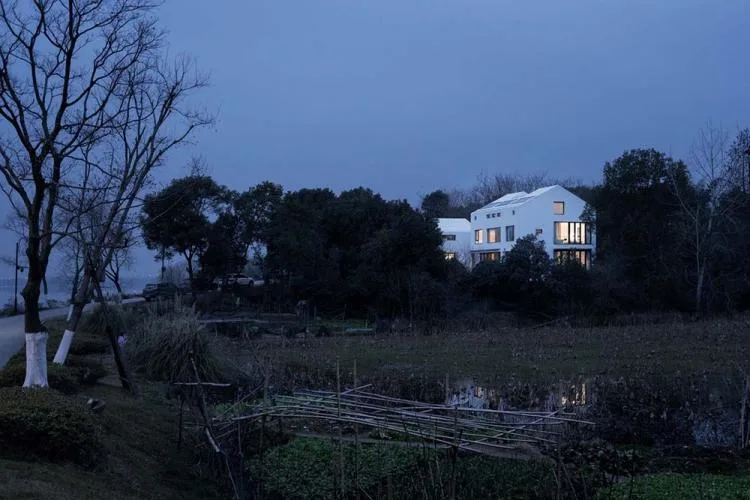
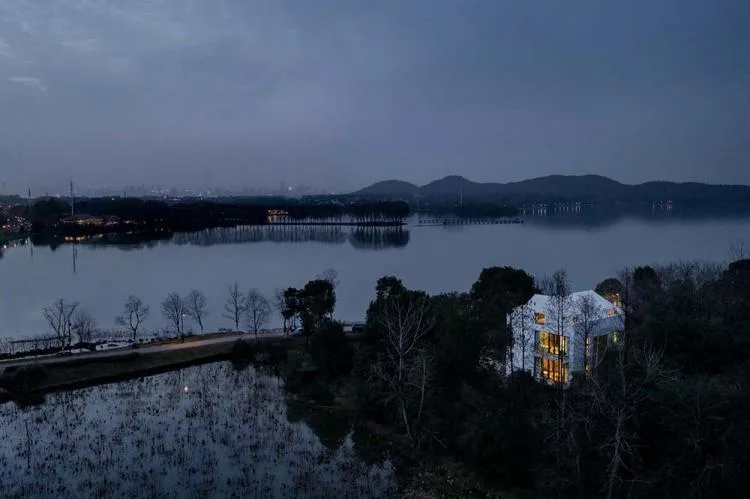
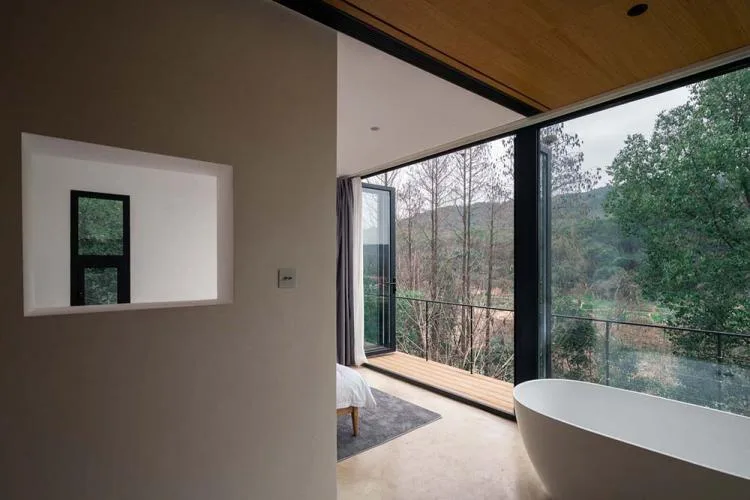
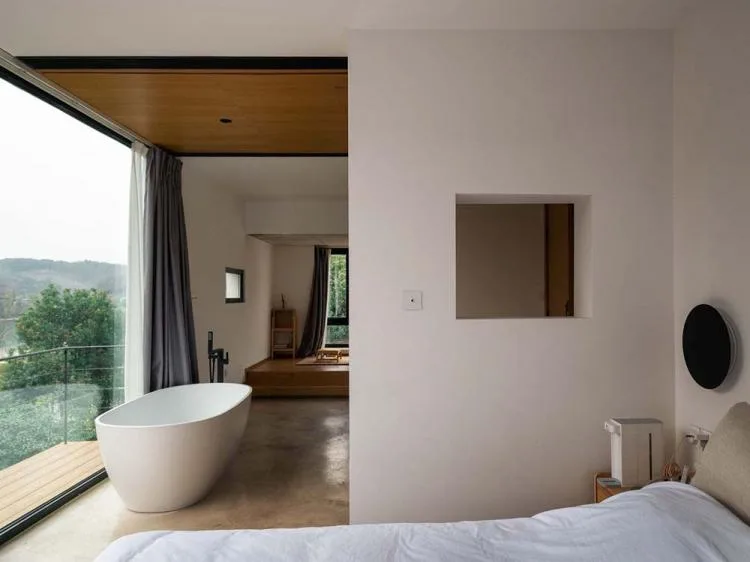
For city dwellers trapped in the confines of “civilization,” this natural setting is undeniably captivating. Our innate connection to nature stirs a deep longing to return to simpler surroundings. Yet, for us, design goes beyond merely framing a scenic view. We believe “the most beautiful scenery is people.” Therefore, our goal was not only to introduce the landscape but also to attract visitors and foster a variety of activities within the space.
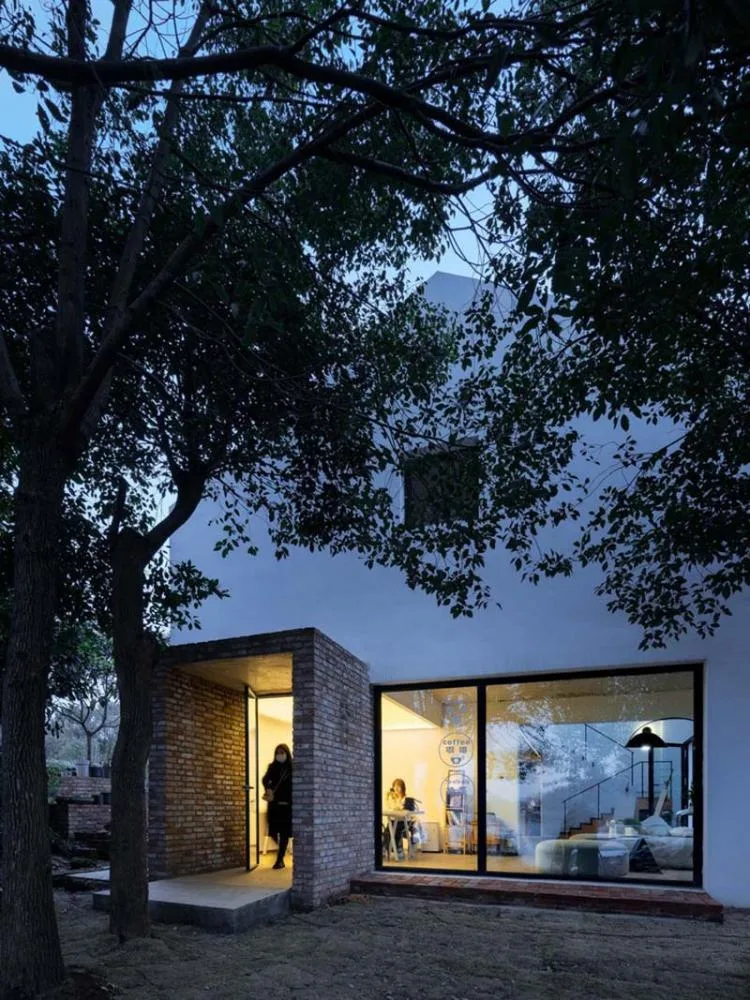
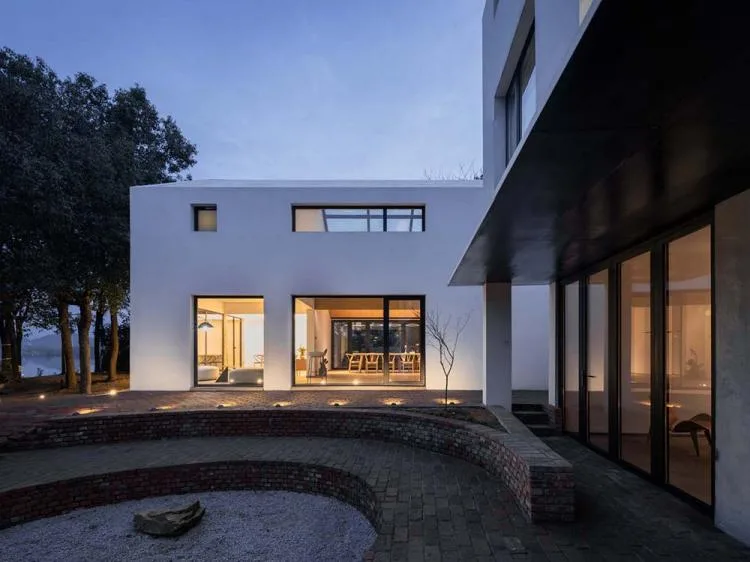
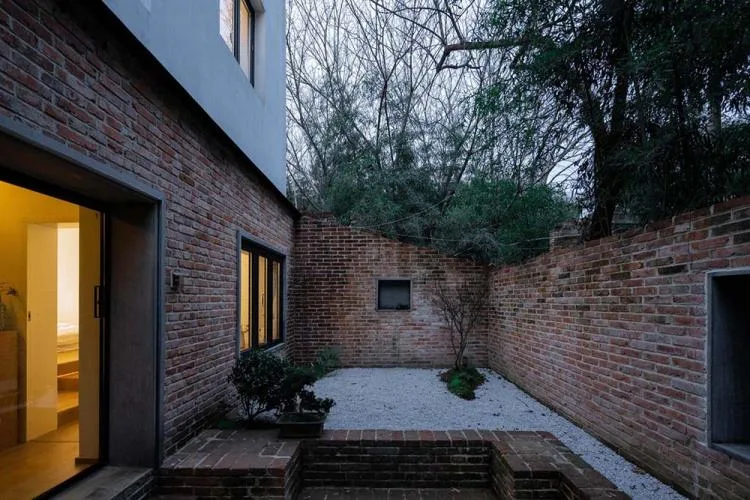
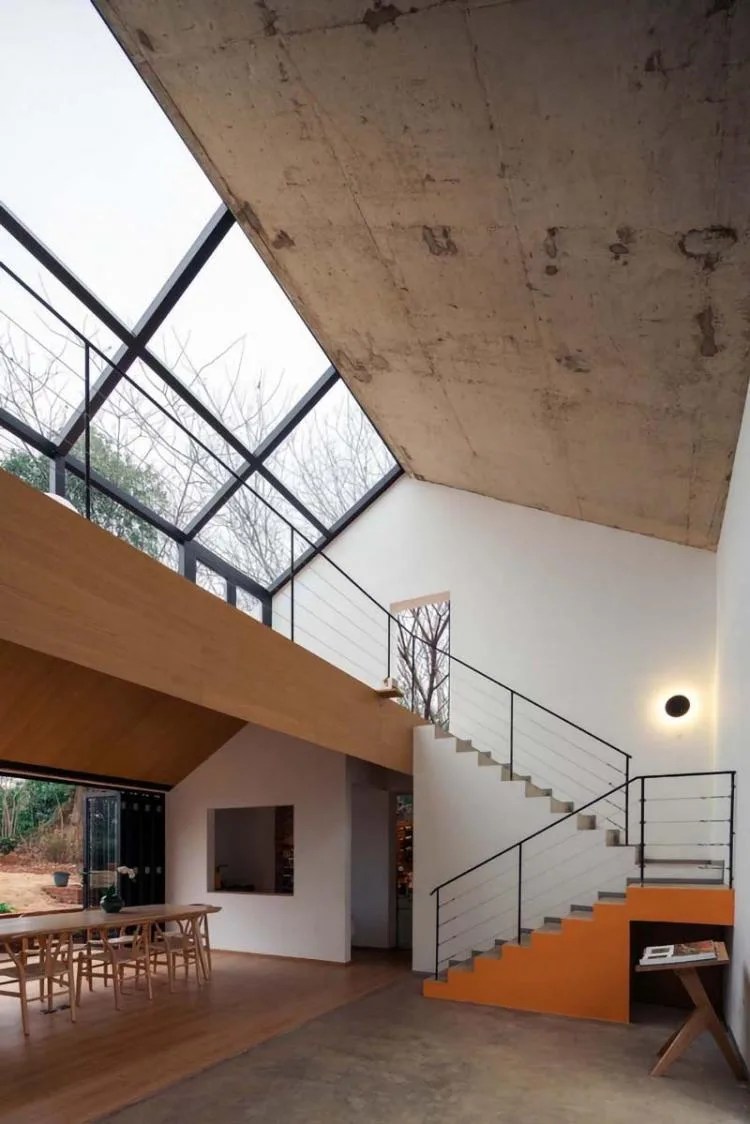
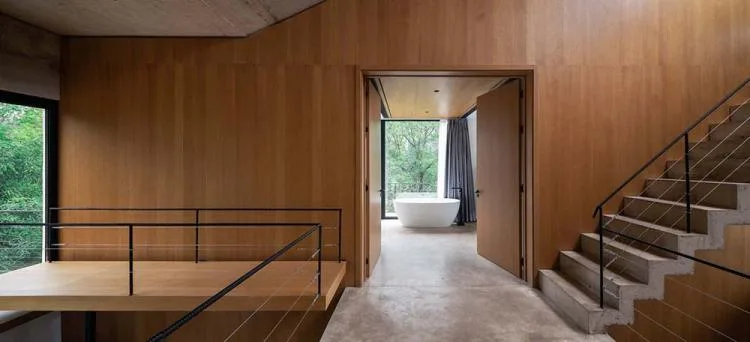
Choosing to dedicate more than half of the indoor area to public activities rather than exclusively offering guest rooms was a bold decision. However, the steady stream of visitors after completion confirms its success. Although rural regulations required preserving the original building’s external form, the interior spaces have been enriched significantly.
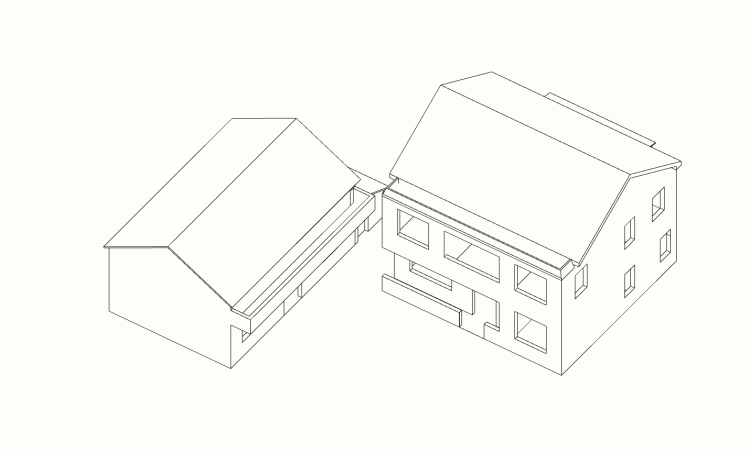
△ Analysis chart
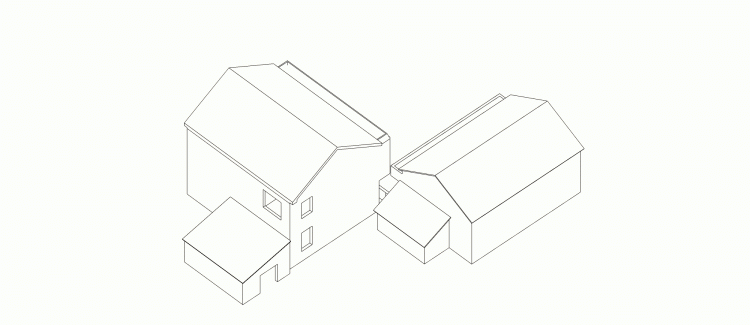
△ Analysis chart
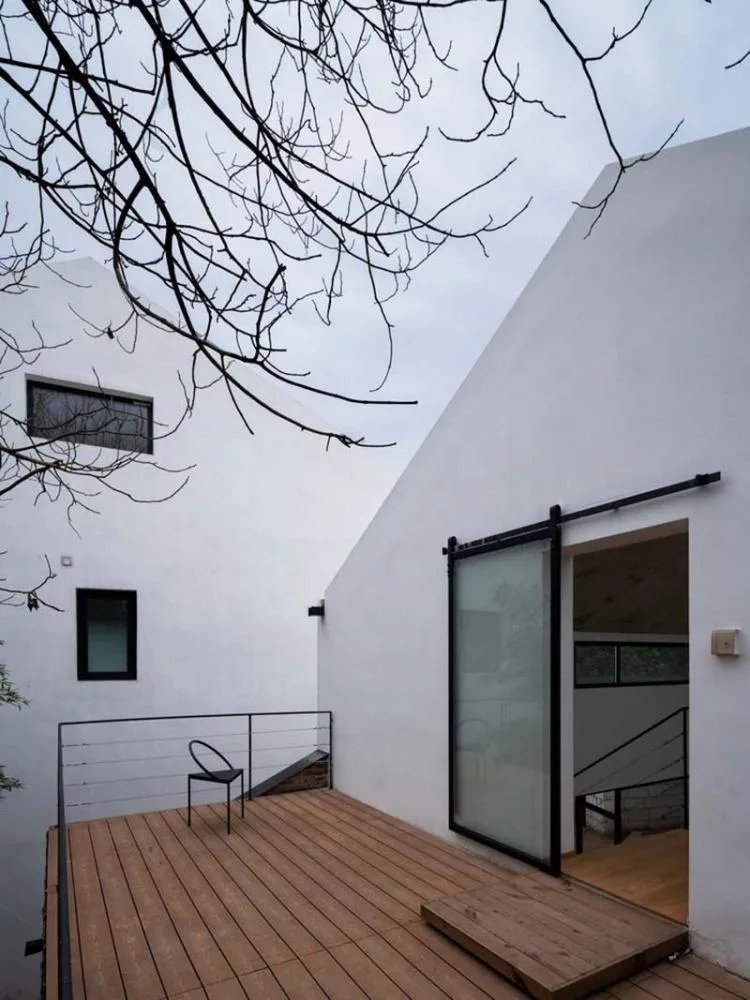
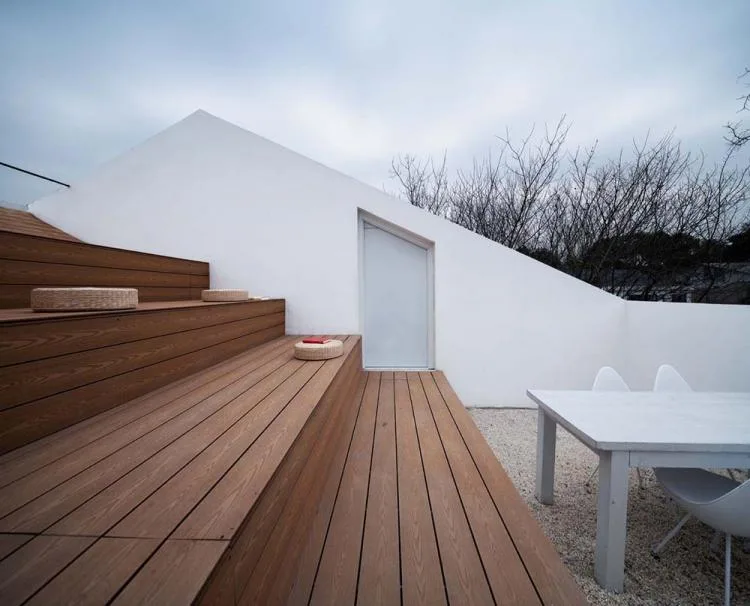
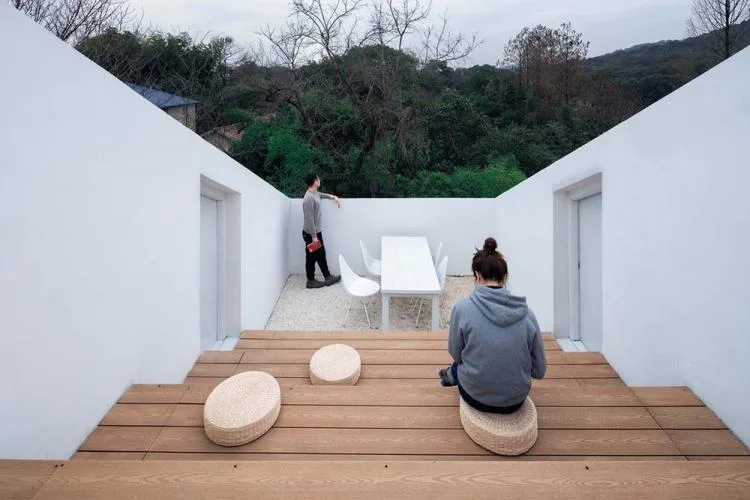
Ascending the Heights
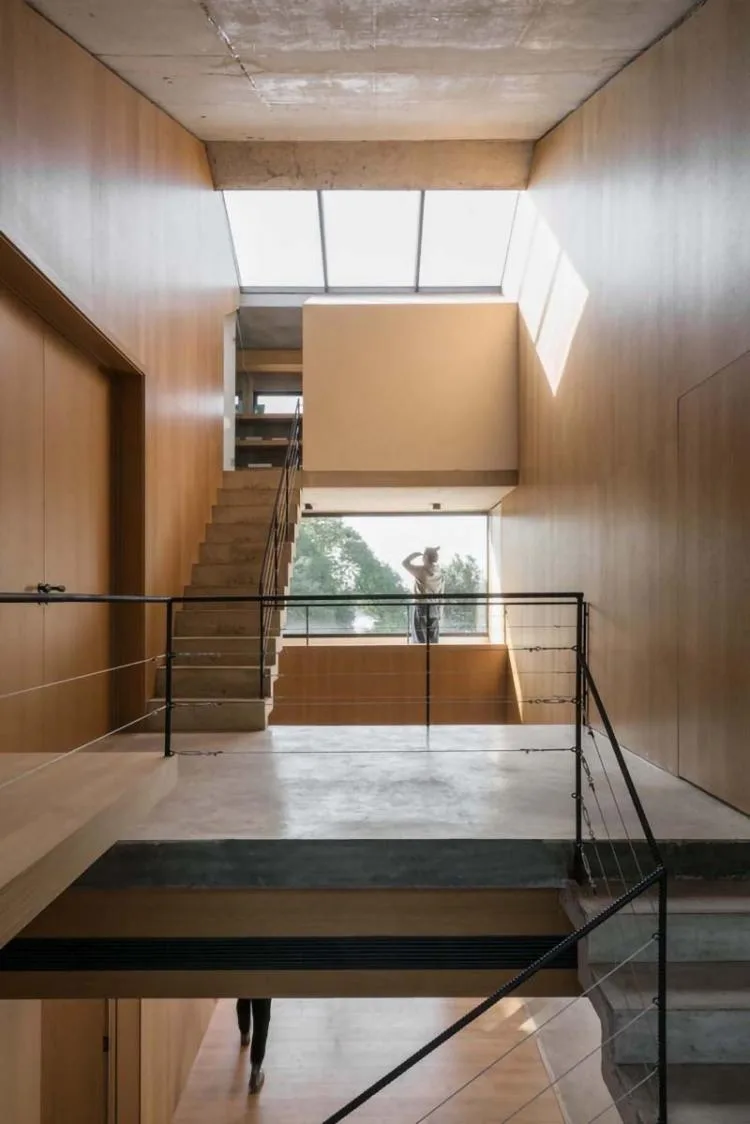
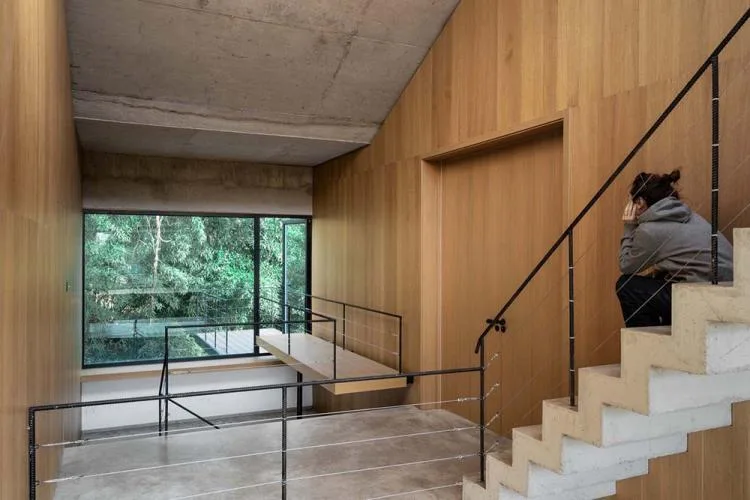
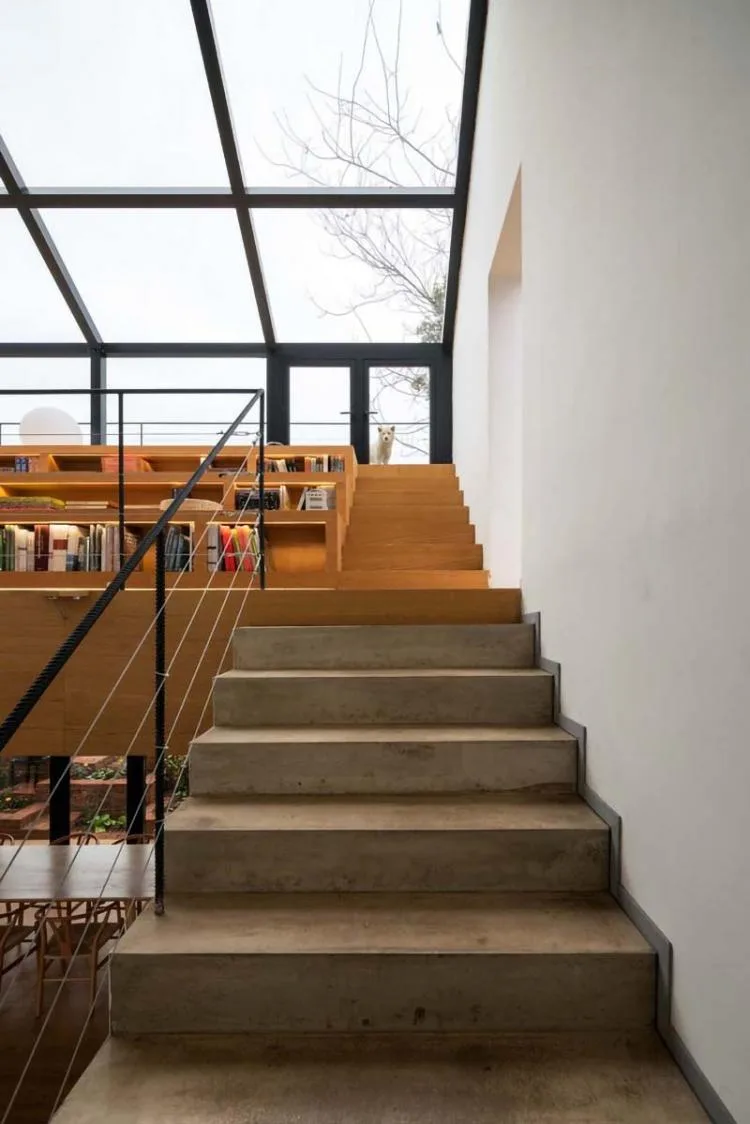
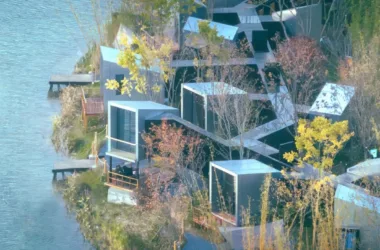
How do visitors experience the “mountains, forests, lakes, and marshes” beneath the open and lofty roof? Inspired by the experience of climbing Wuhan’s hills and echoed by the Northern Song Dynasty landscape painting “Qing Luan Xiao Si Tu,” the design incorporates pavilions, towers, water pavilions, thatched cottages, and plank bridges scattered across the hills. These elements capture the essence of traditional Chinese artistic landscapes, creating spots known as “Cen Luan” and “Zhong Tai” where visitors pause and reflect. Historically, the term “Luan” described winding, connected small hills, and the phrase “Ascending the Stone Luan gives a distant view” inspired the name “Step House.”
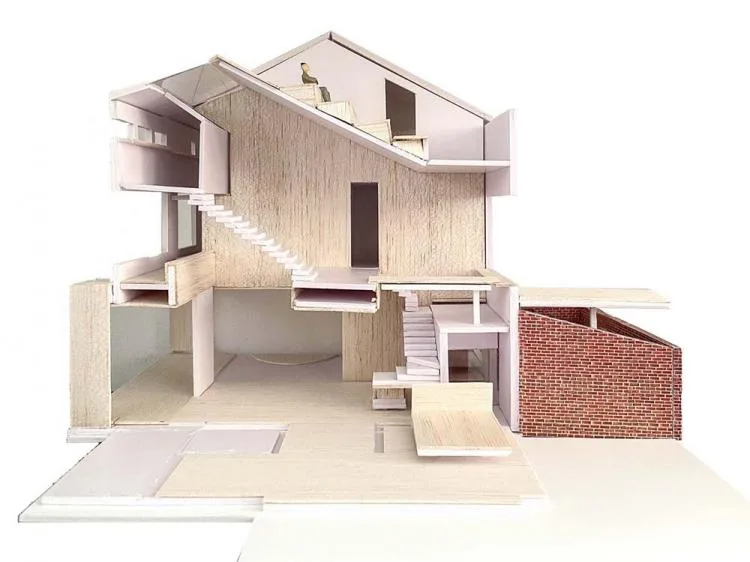
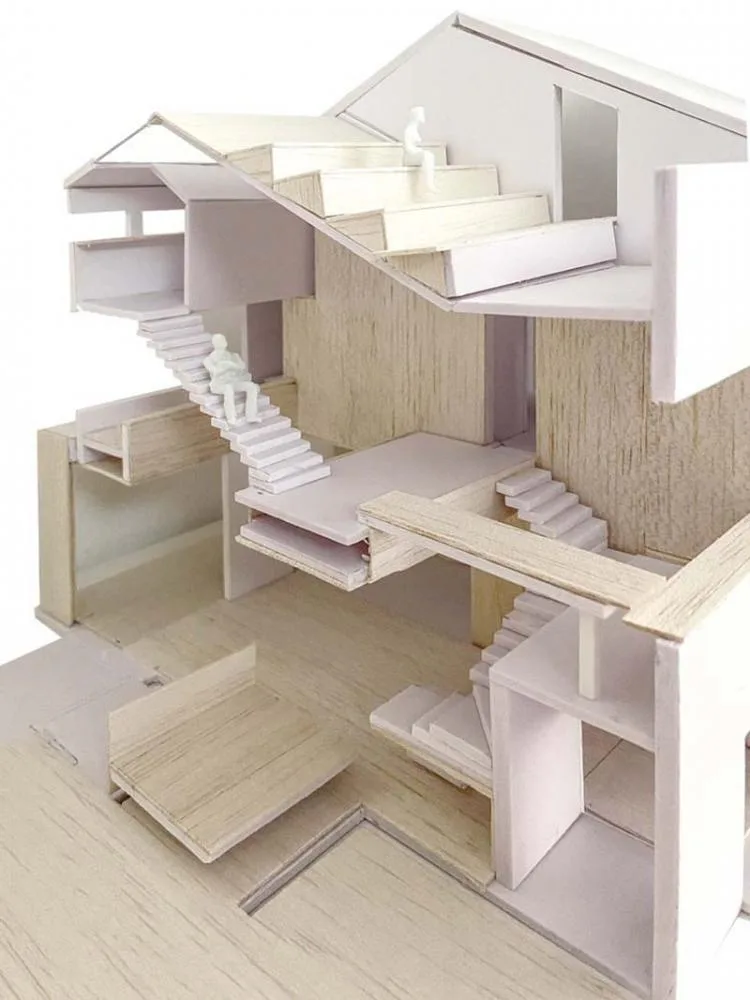
△ Model
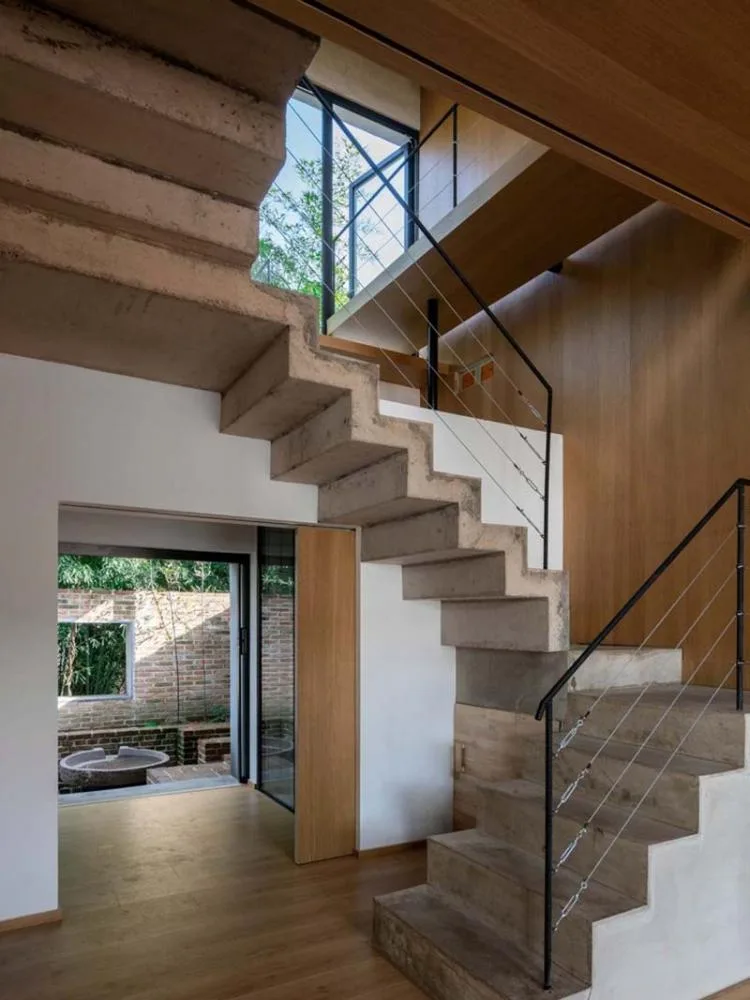
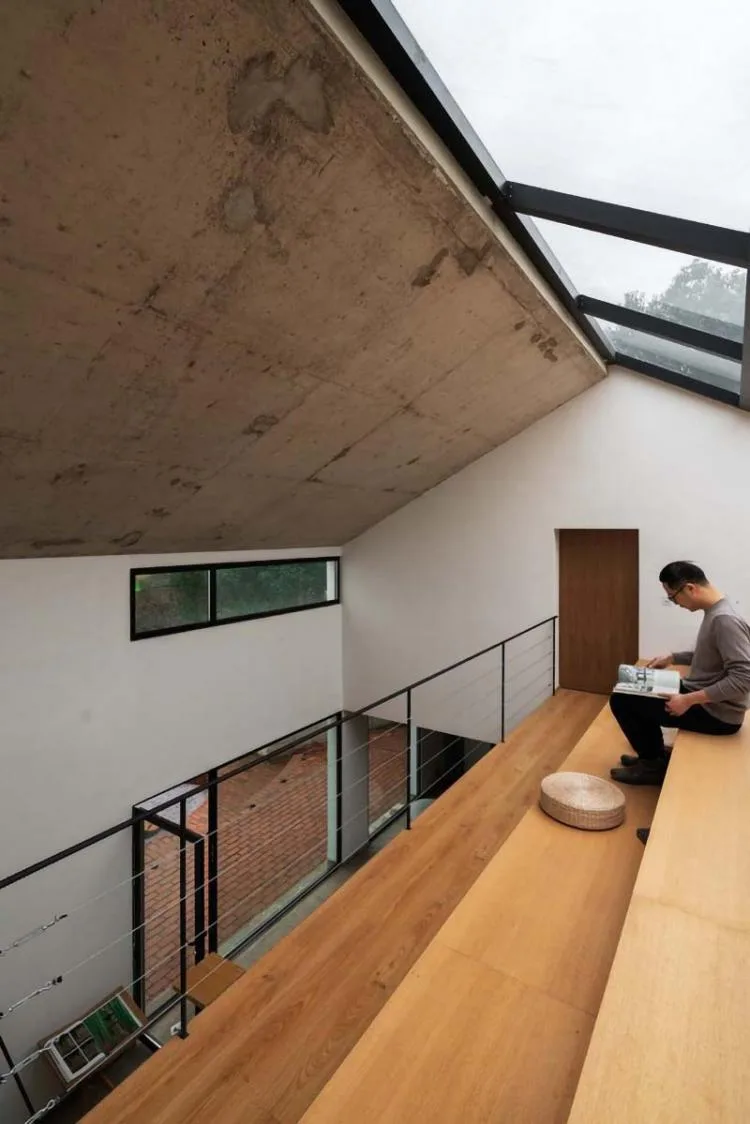
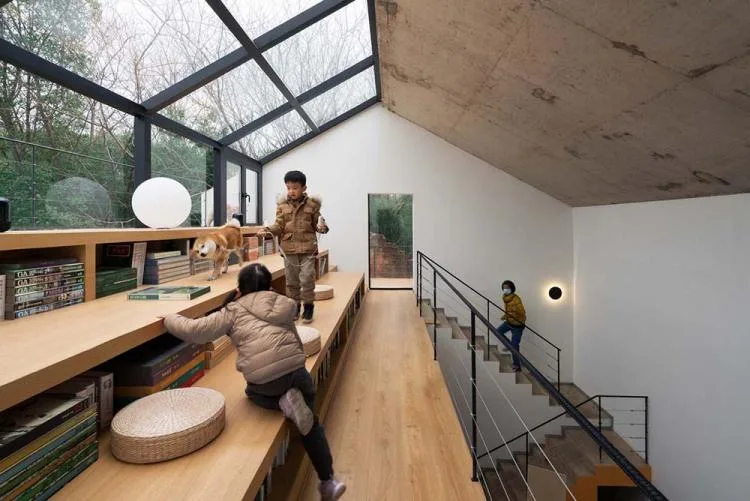
Gathering Materials
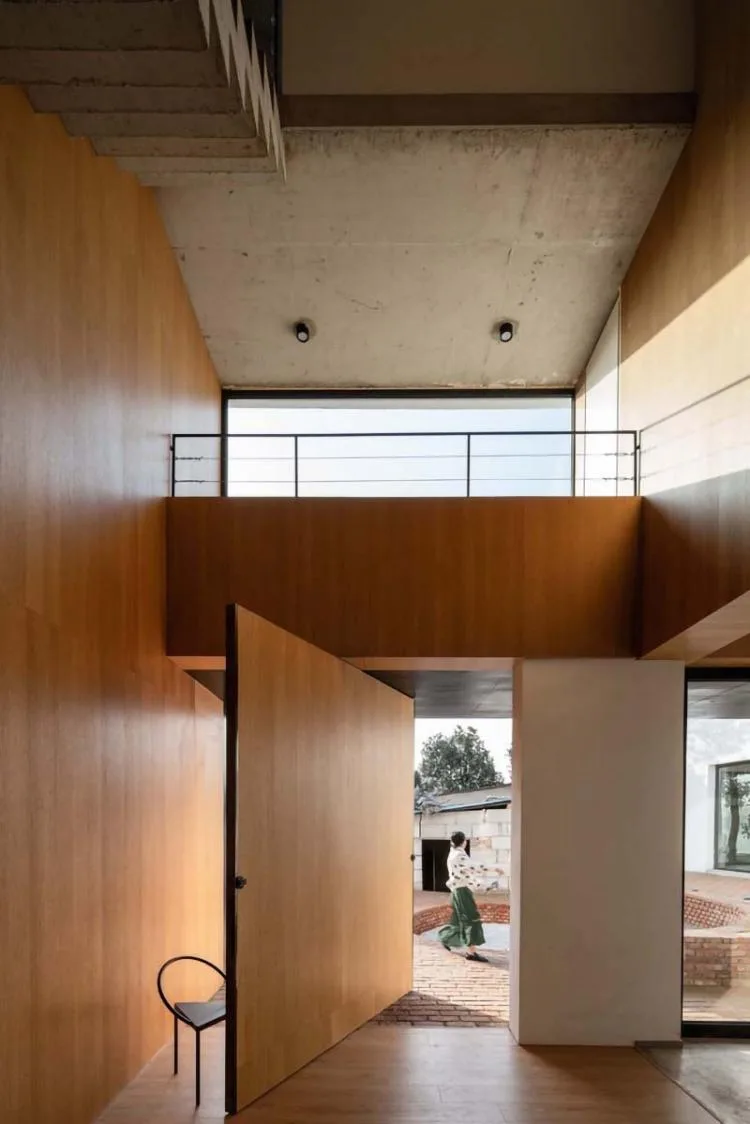
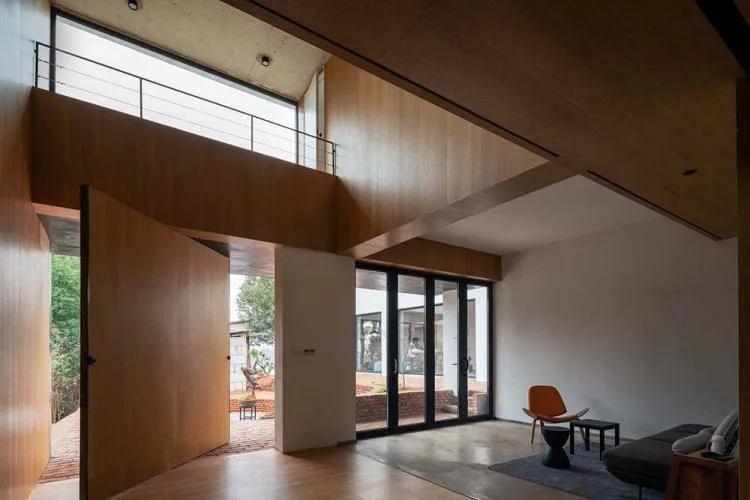
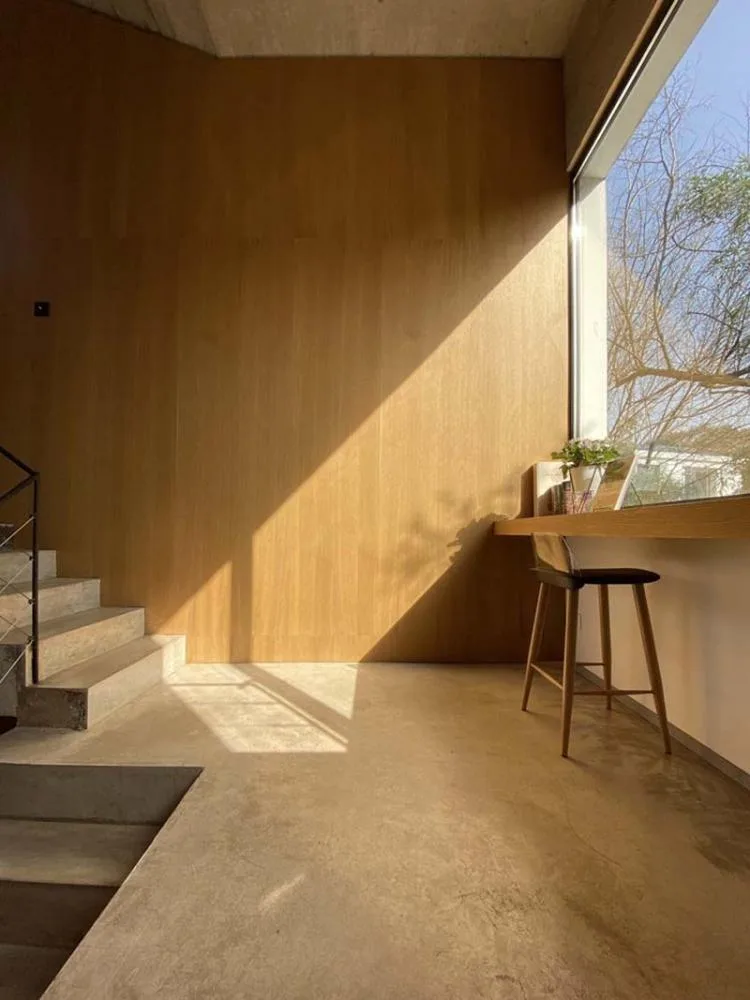
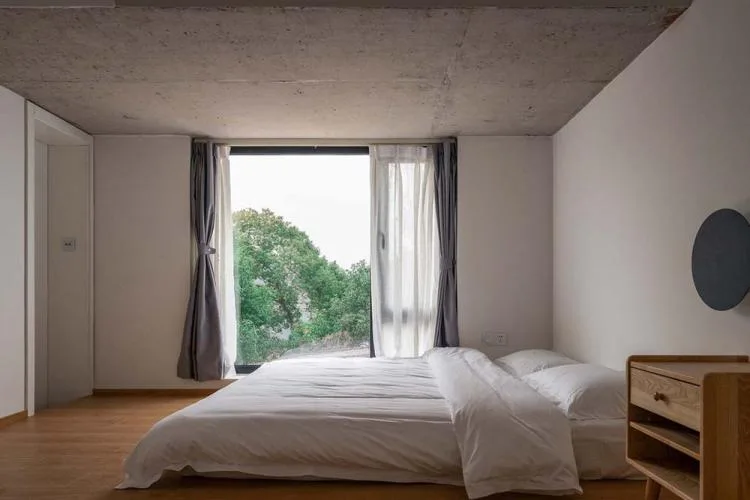
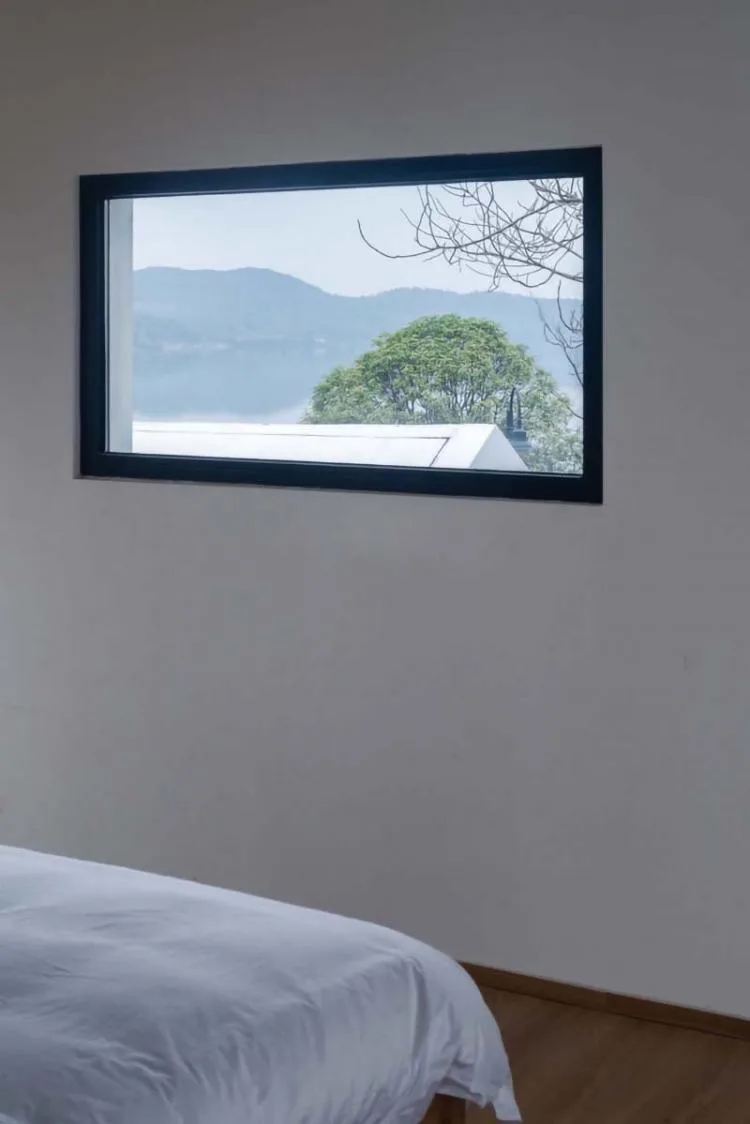
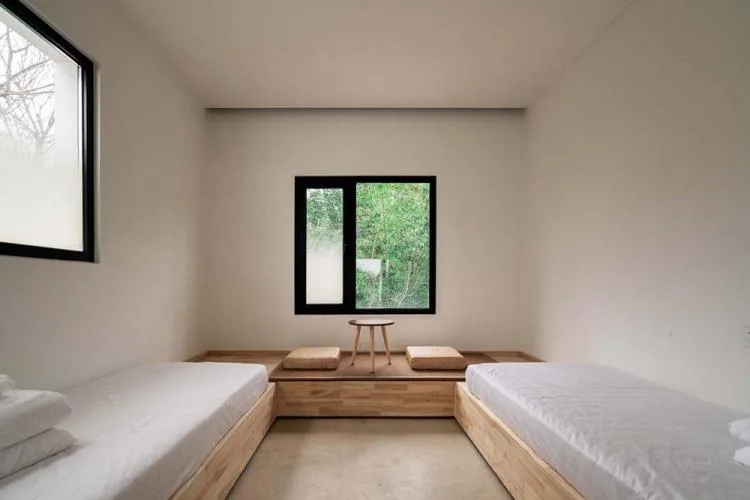
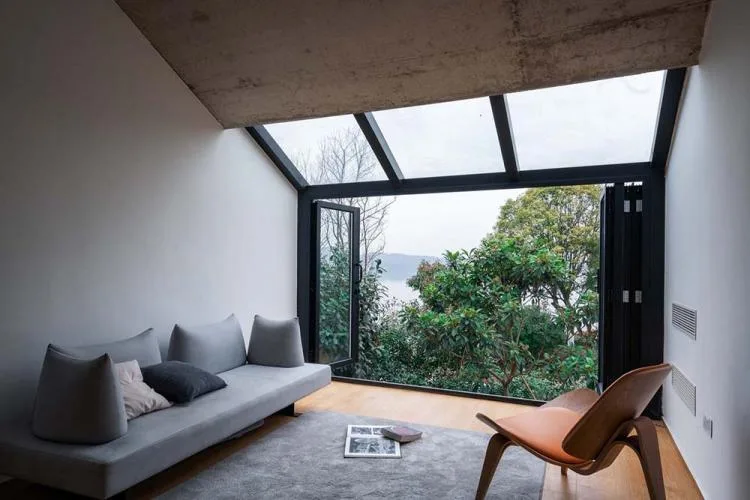
Sunlight warmly welcomes visitors through the doorway, casting moving patterns on the walls and leaving delicate spots of light that invite contemplation. In the morning, gentle sunlight streams through the east-facing window overlooking the bamboo grove, with tree shadows dancing gracefully. In the afternoon, the west-facing side bathes in warm sunshine, creating a romantic atmosphere for watching the lake.
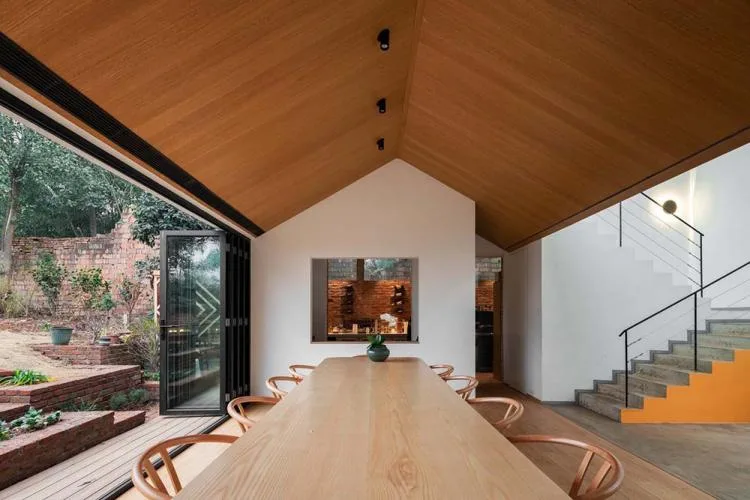
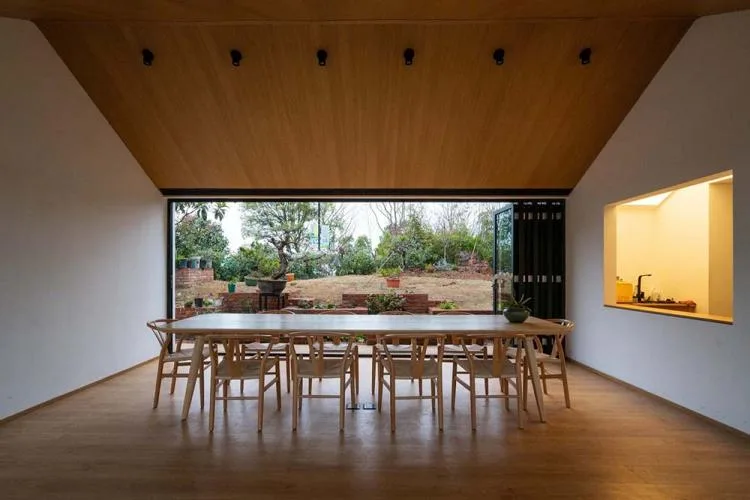
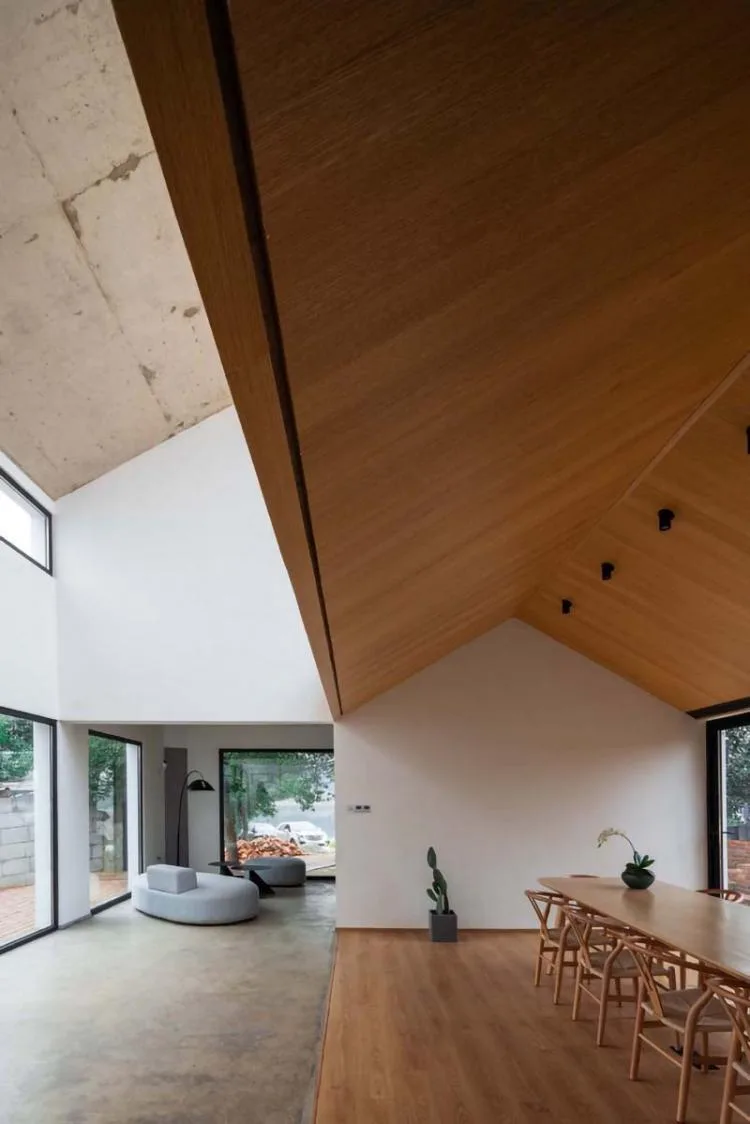
Over the past year, Wuhan faced the challenge of the novel coronavirus, but the city quickly resumed its rapid pace. People, long confined to their homes, are now returning one after another. What Luanshe aims to embrace most deeply are the rich emotions that linger beneath the vibrant city life. The pandemic has prompted continuous reflection on the meaning of happiness: a simple life, joyful reunions, and the bittersweet “modern nostalgia” that repeatedly retreats yet easily returns.
Technical Drawings
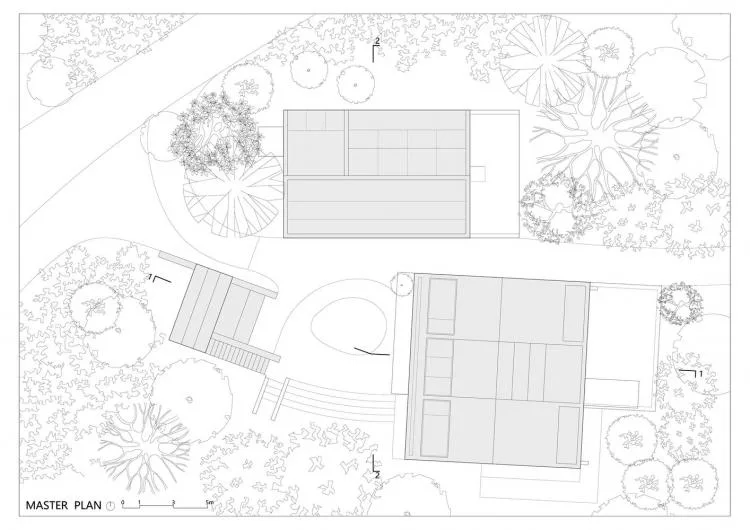
△ General layout plan
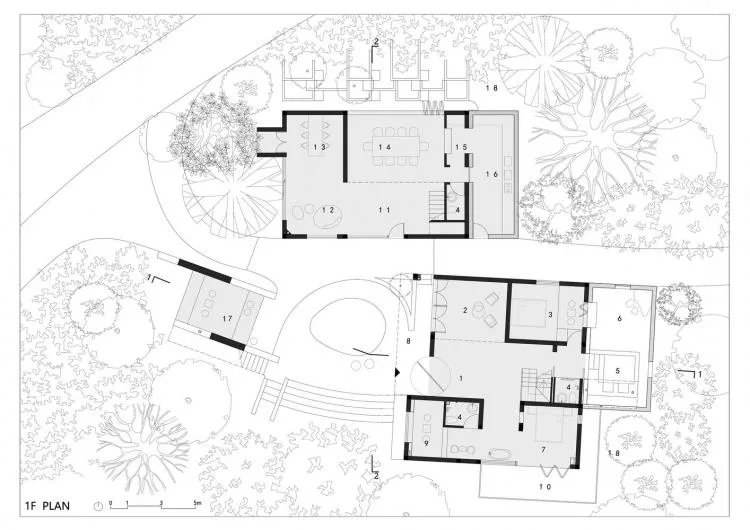
△ First floor plan
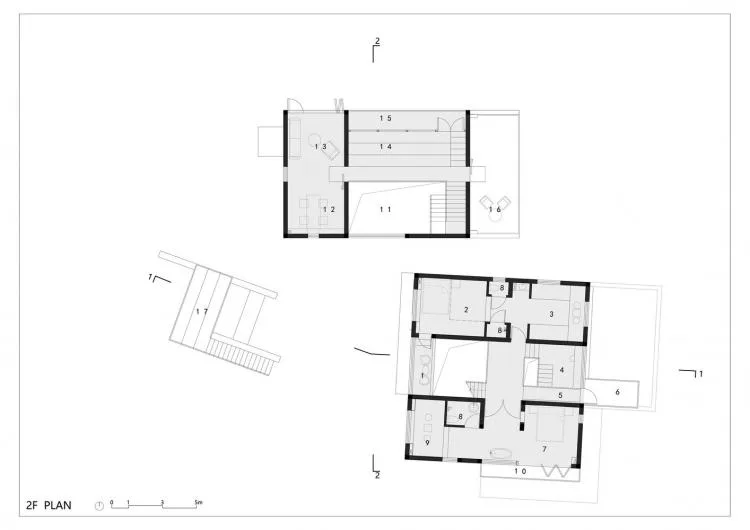
△ Second floor plan
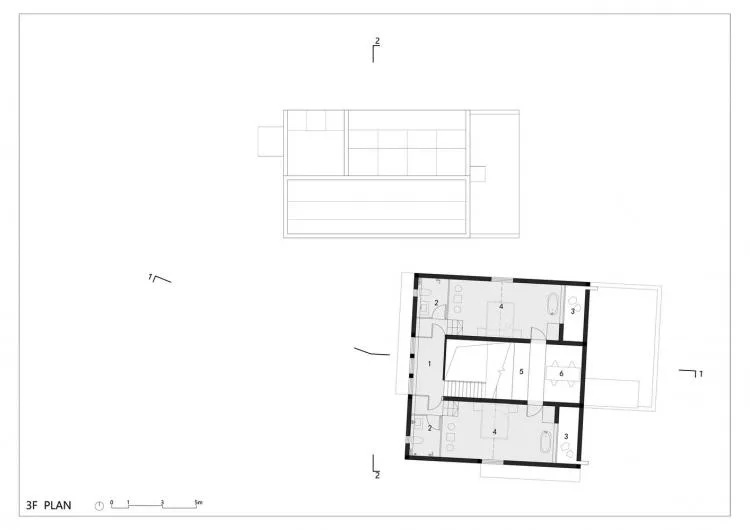
△ Third floor plan
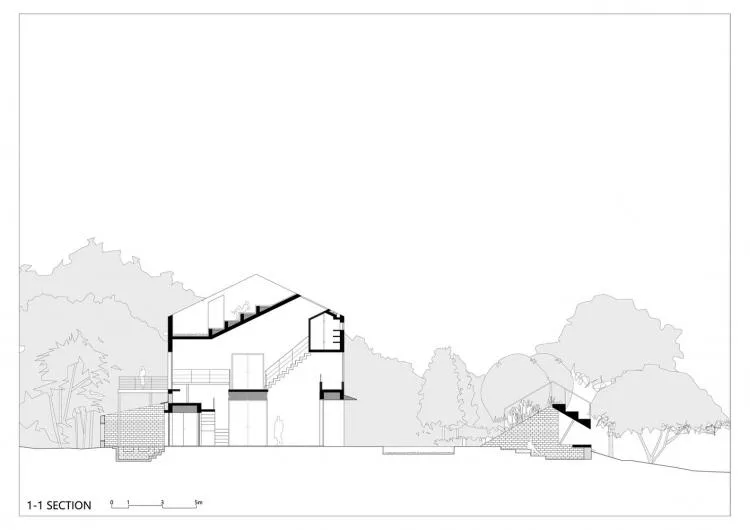
△ Section diagram
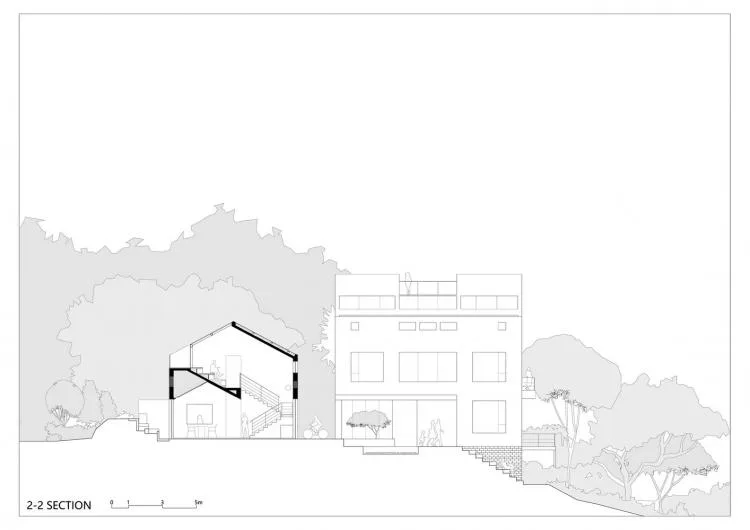
△ Section diagram
Project Information
Location: Wuhan, China
Architectural Design: Wang Chong Studio
Area: 500m²
Year: 2021
Materials: Chuangxiang Plastic Wood Board, Keding Board, Nippon Paint
Architectural and Interior Design: Wang Chong
Construction Team: Wang Chong, Huang Zaixin, Huang Liyu, Chen Yanpei
Design Consultants: Ye Xianfeng, Lin Yu
Photography: Zhu Yumeng












Must log in before commenting!
Sign Up