
KANVA Architecture Firm emerged as the winner in the global design competition hosted by the Montreal Living Space Research Institute.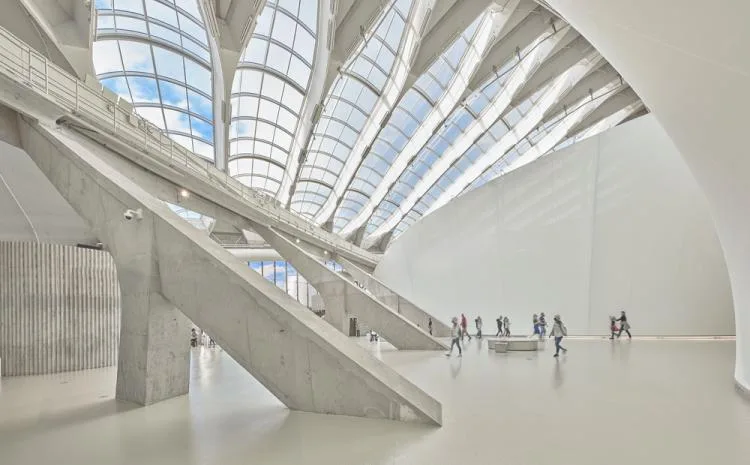
The architects aimed to create an immersive spatial experience that connects visitors with the science museum, utilizing innovative bio dome technology to bring this vision to life.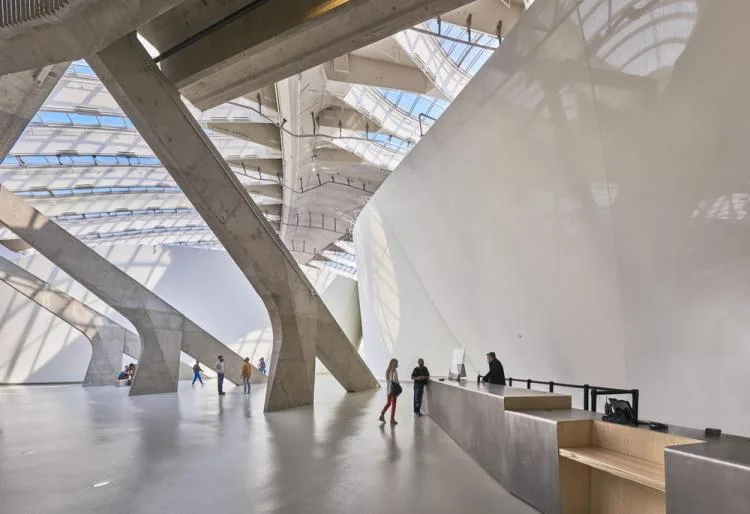
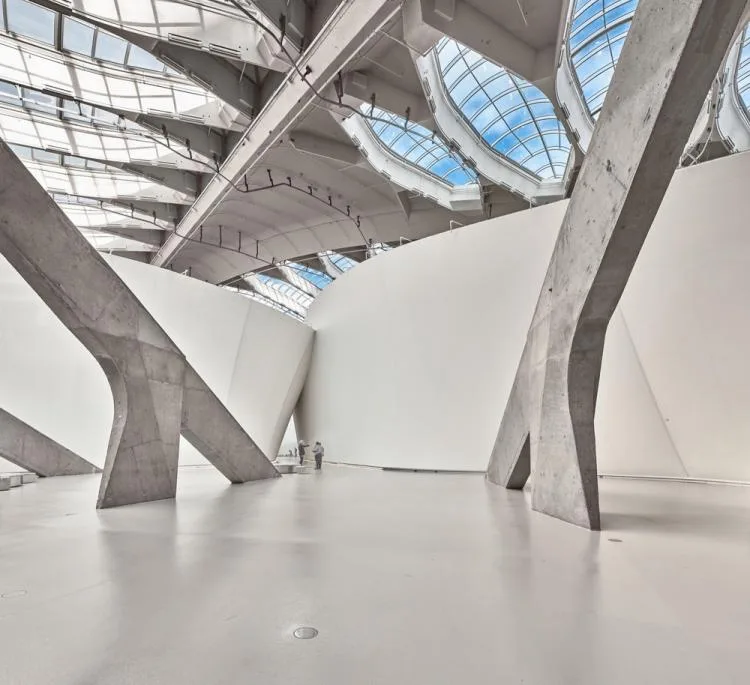
Choosing bio dome technology also responds to the pressing issue of climate change, aiming to embody complex reflections on the natural environment within the spatial design.
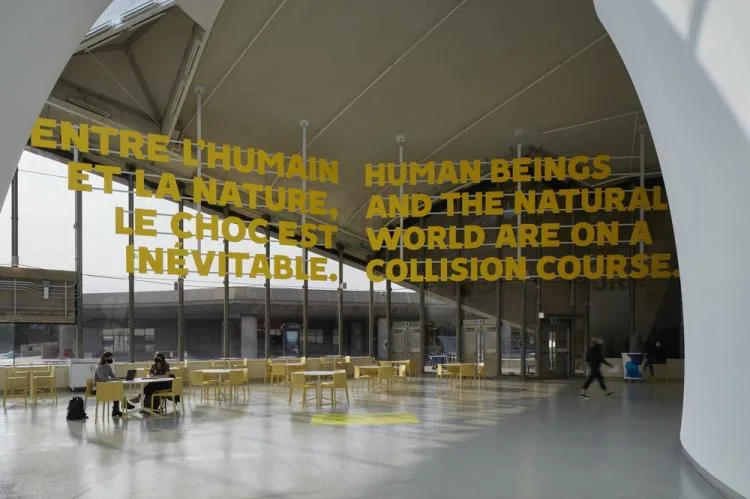
During the initial design phase, KANVA carried out in-depth research and careful analysis of this complex building.
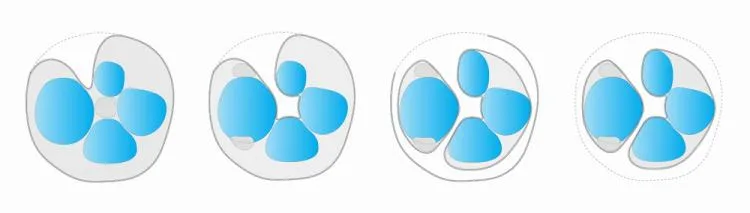
The architects envisioned the building as a living organism — an ecosystem intertwined with complex machinery — to emphasize the thematic content within the space.
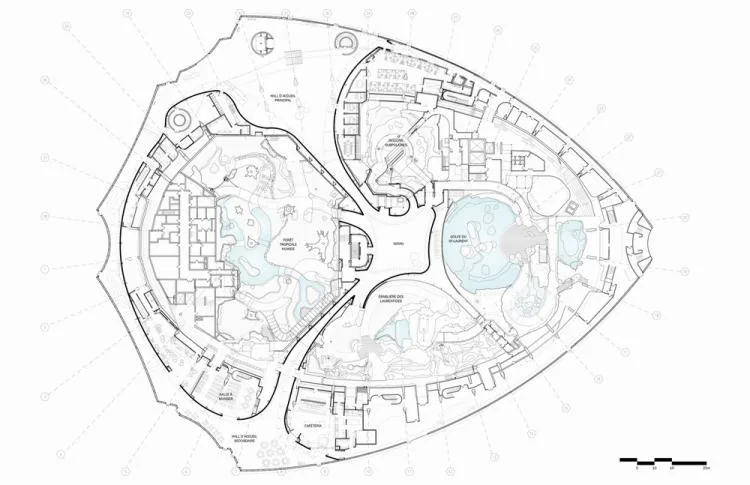
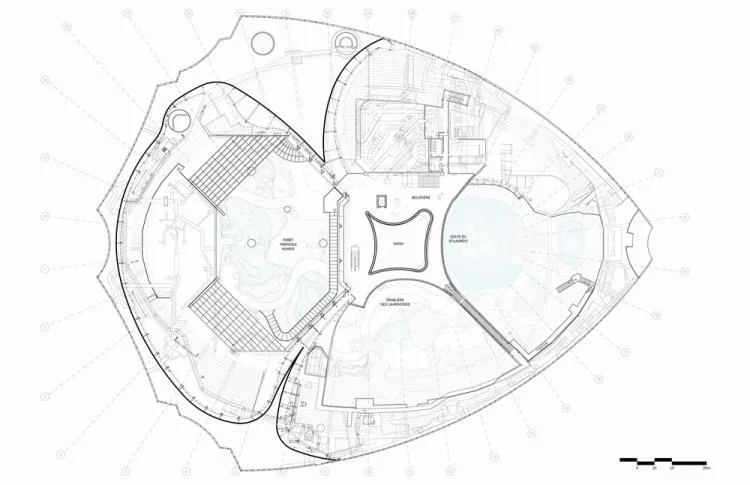
Recognizing the project’s global significance, the architects emphasized meticulous attention to detail throughout the spatial design process.
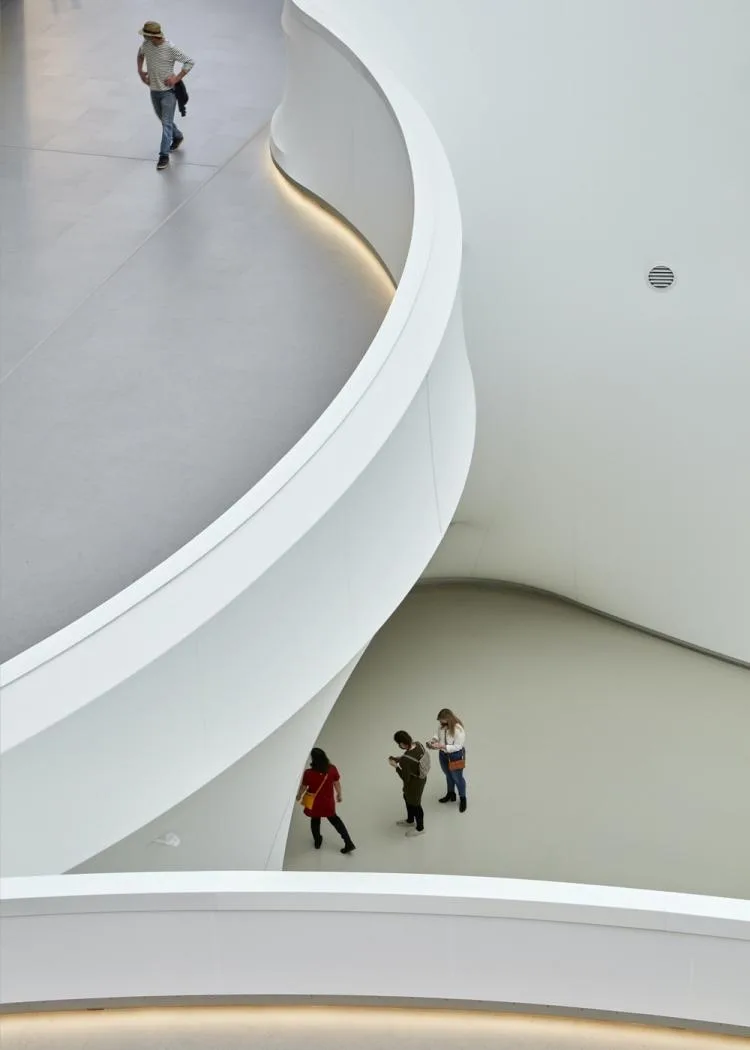
To fully realize their vision, the team sought diverse perspectives and expert guidance throughout the design development.
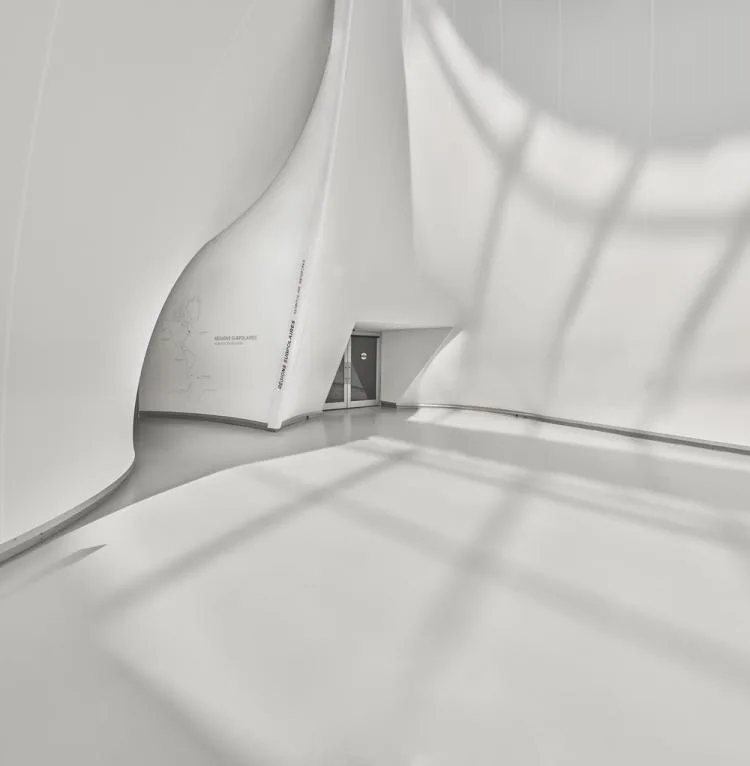
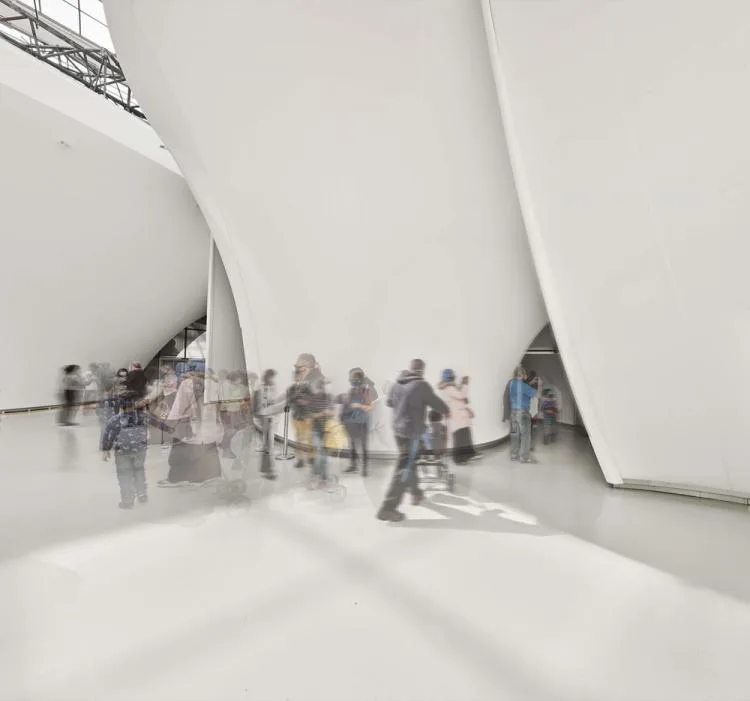
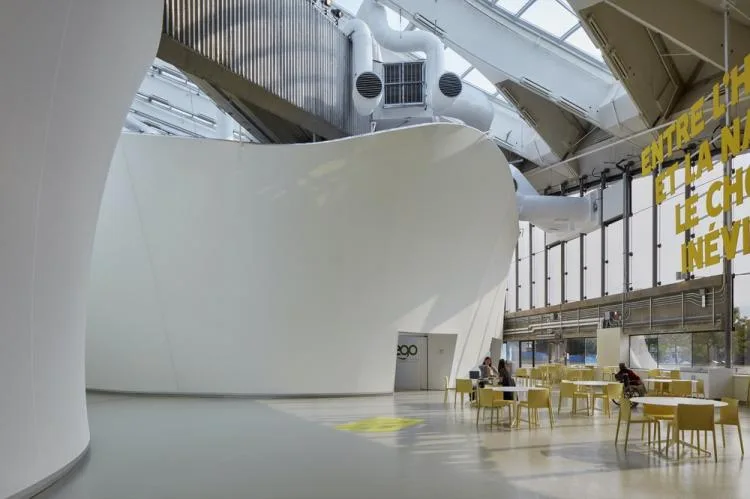
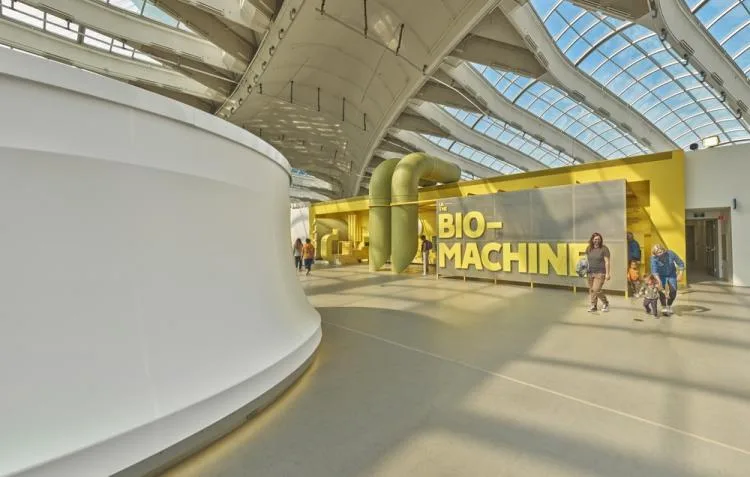
The architects prioritized intervention methods that would preserve and enhance the existing architectural heritage, ultimately blending historic and modern elements. This approach allows visitors to immediately experience the dialogue between old and new spaces upon entering the museum.
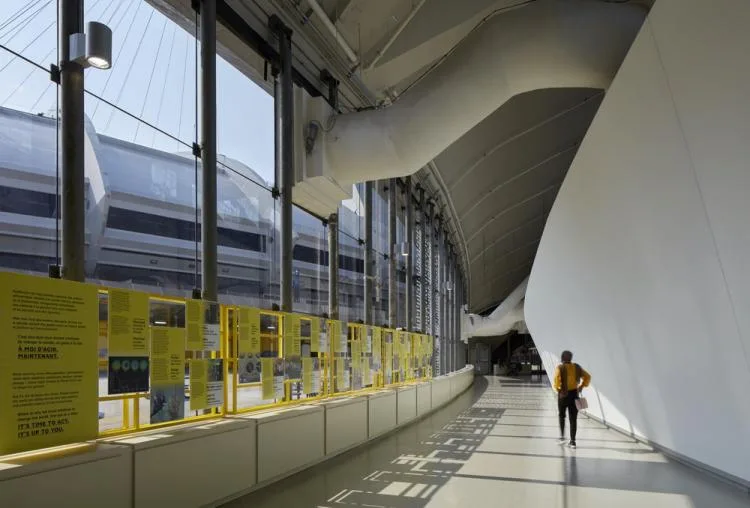
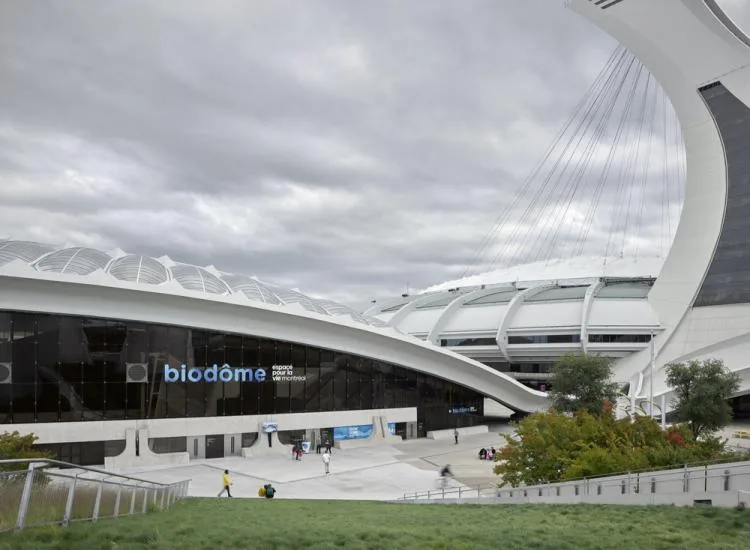
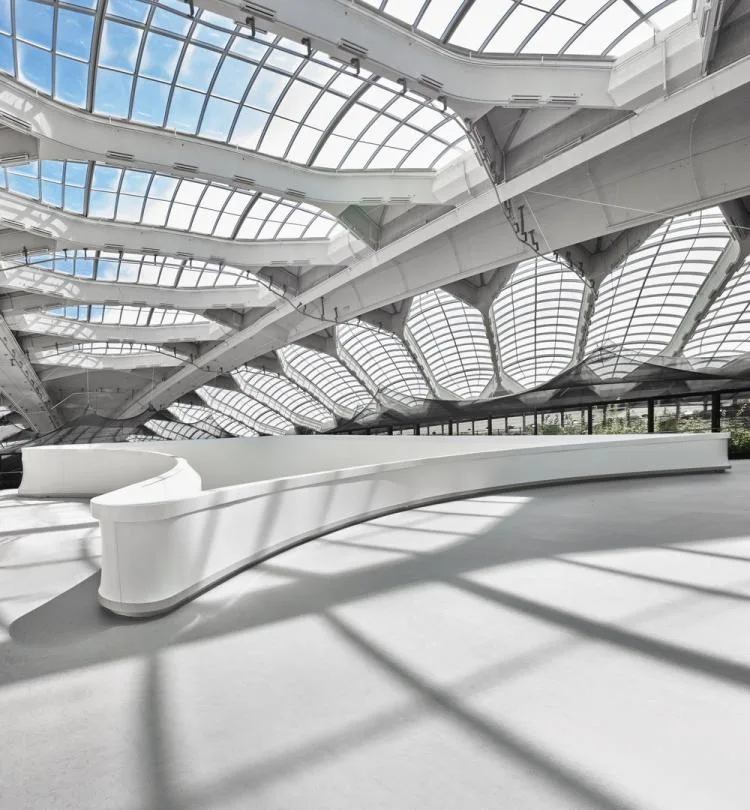
While preserving the existing ceiling, the design incorporates numerous large skylight panels facing the original roof, flooding the interior with natural light.
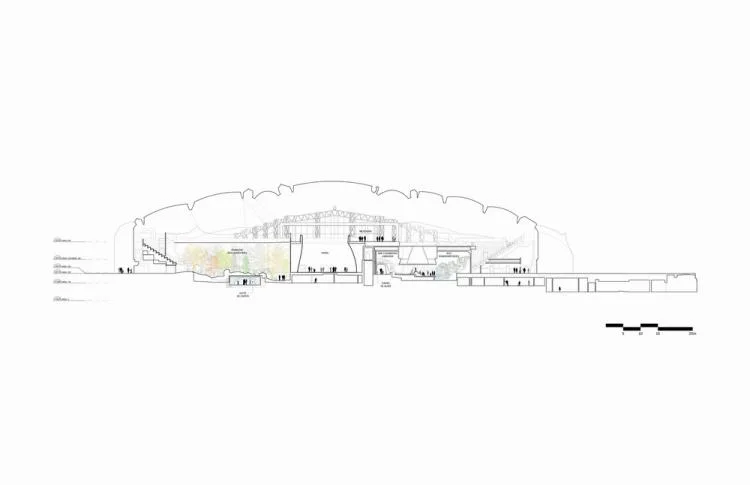
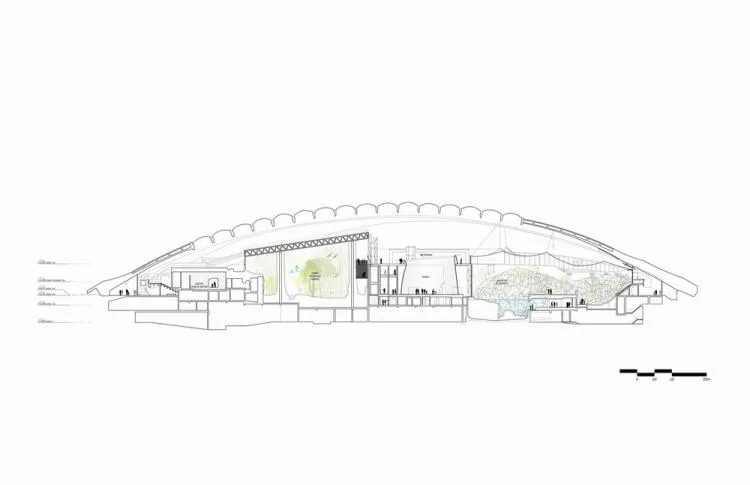
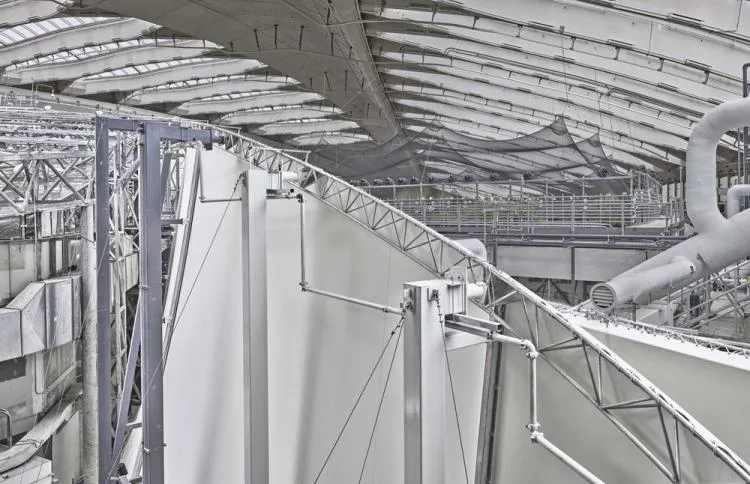
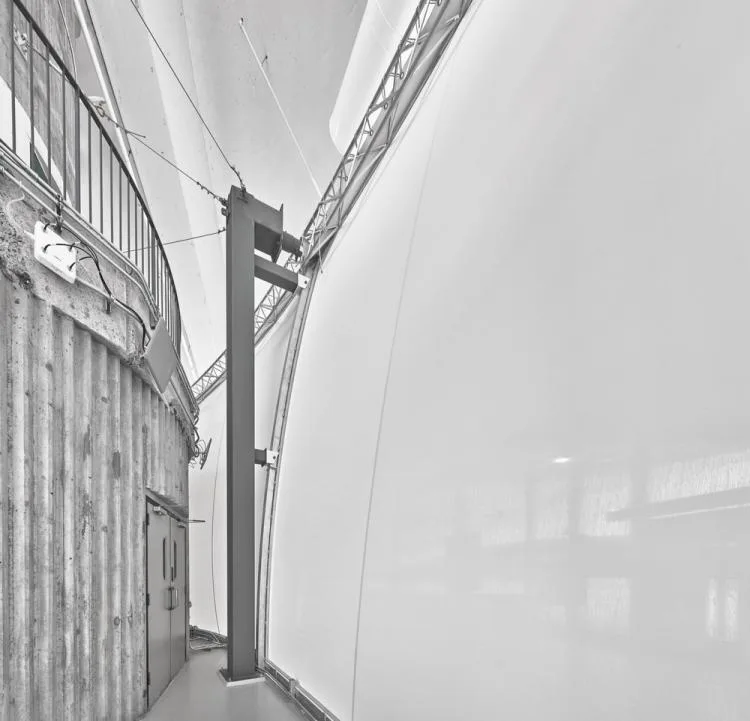
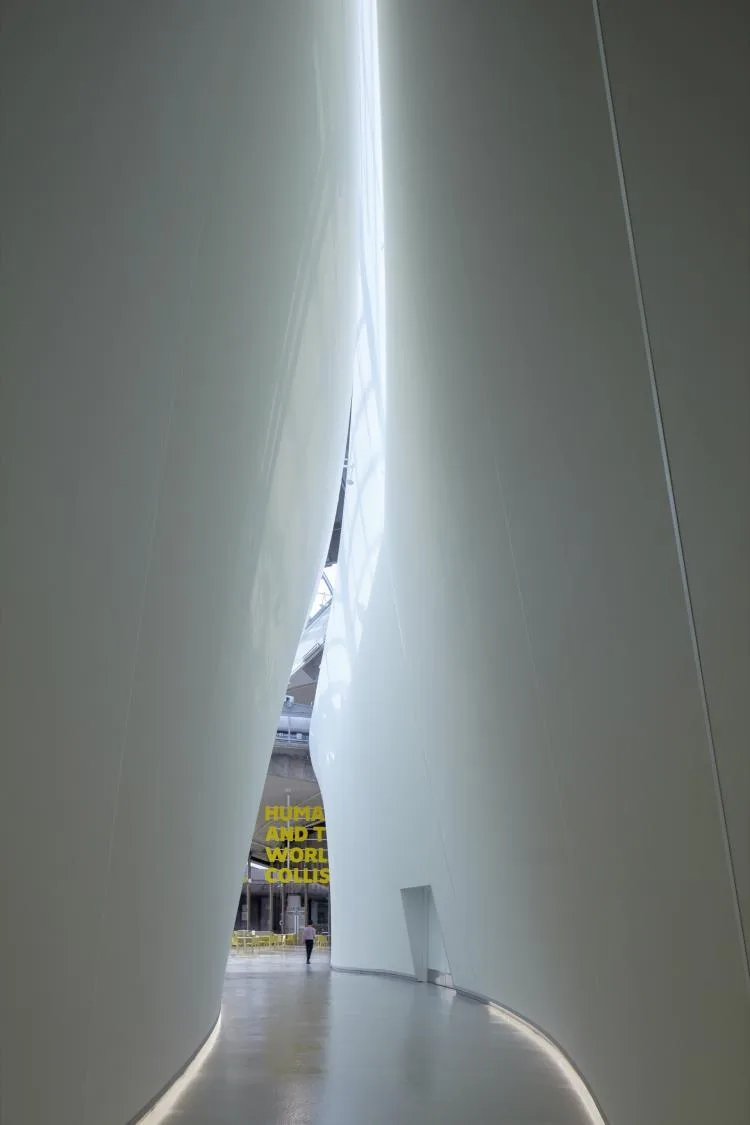
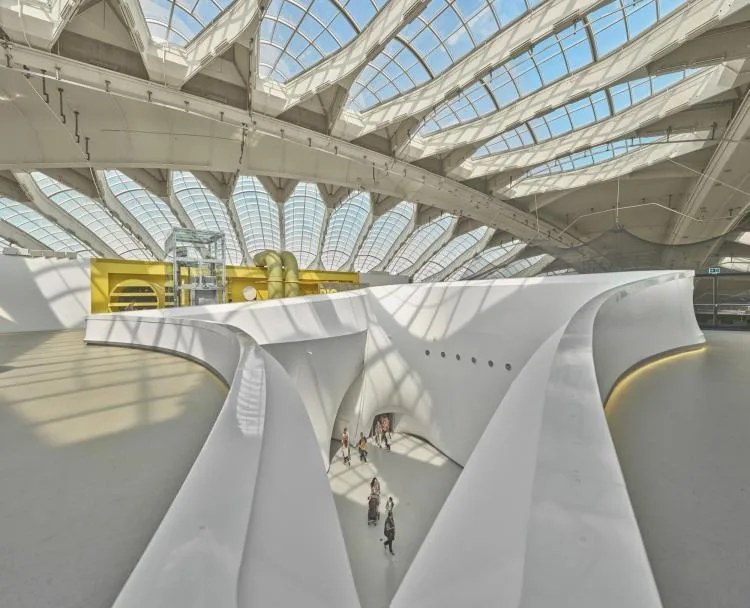
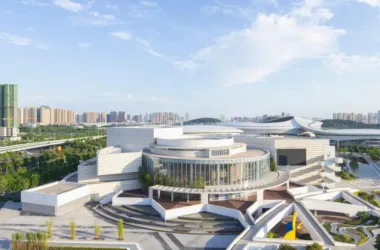
Additionally, the architects created a custom parametric architectural skin exclusively for the museum. This prefabricated, pure white structure not only highlights the project’s advanced structural engineering but also serves as a local landmark.
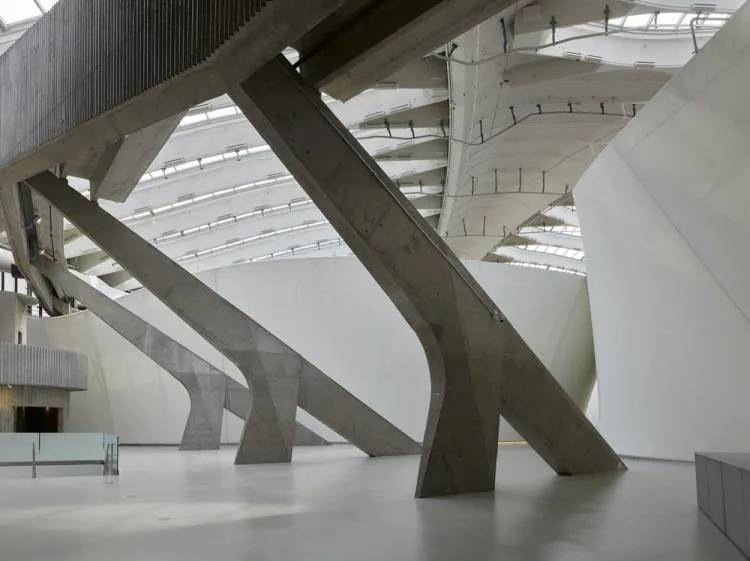
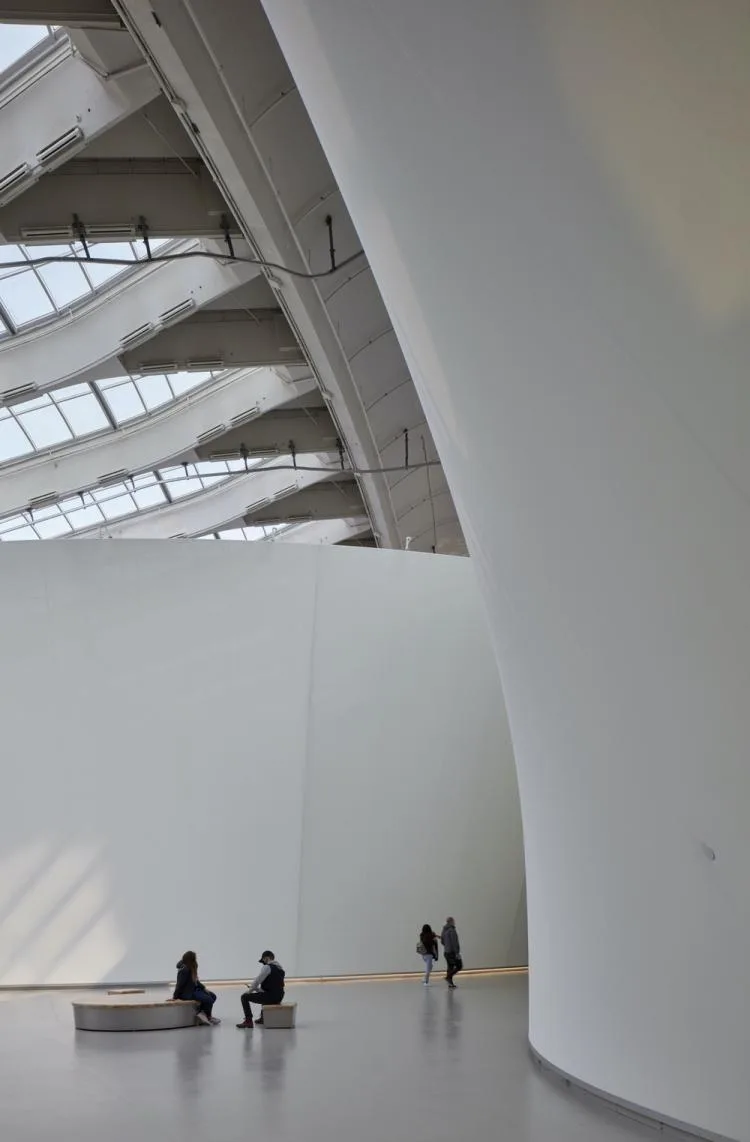
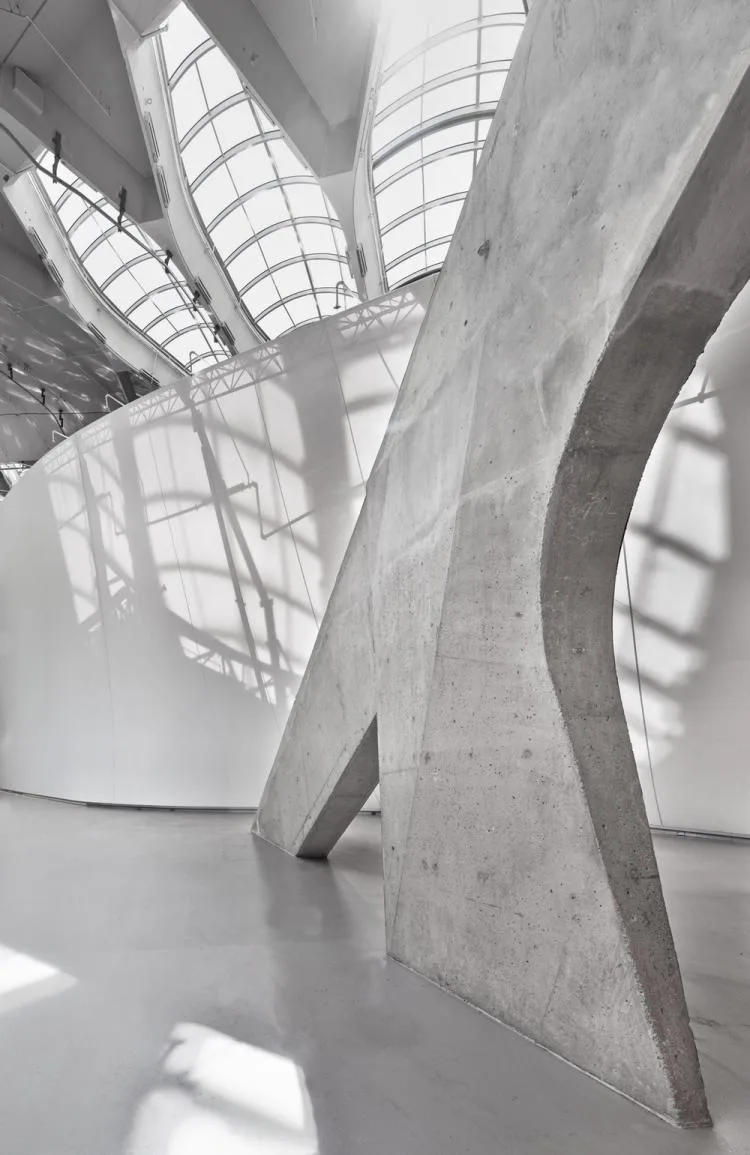
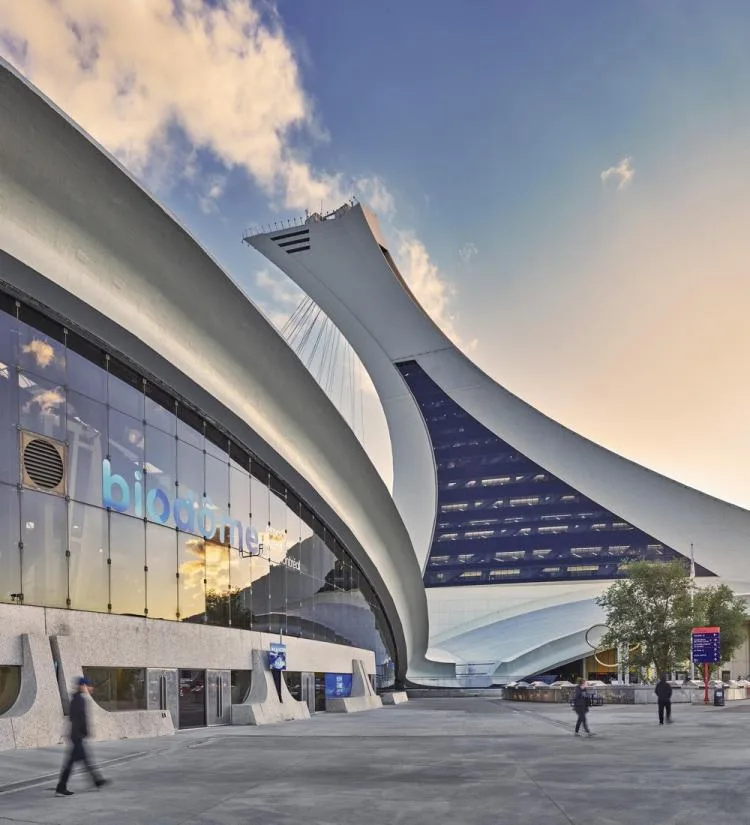
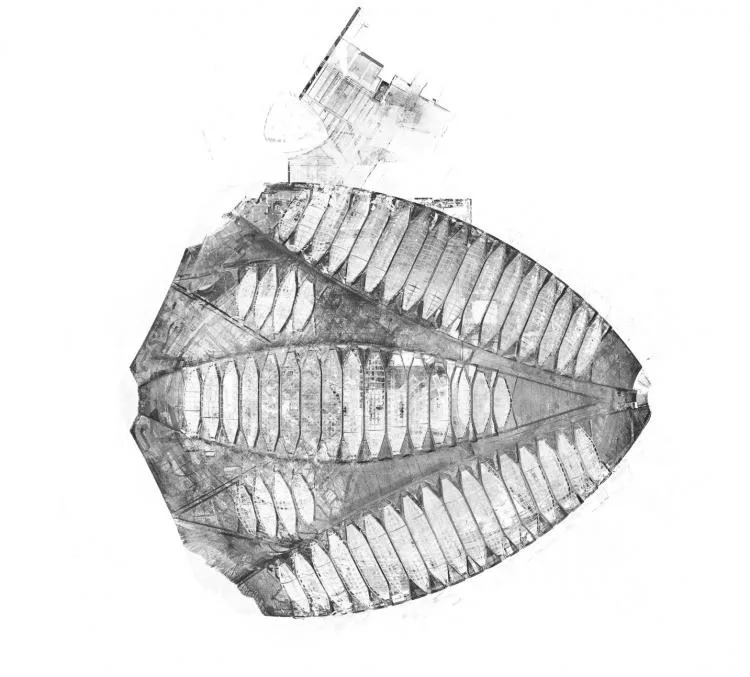
The architect exercised precise control over this skin, combining bending, cantilever, and triangular beam techniques to securely attach it to the main steel structure. The design also includes allowances for on-site adjustments to ensure smooth assembly.
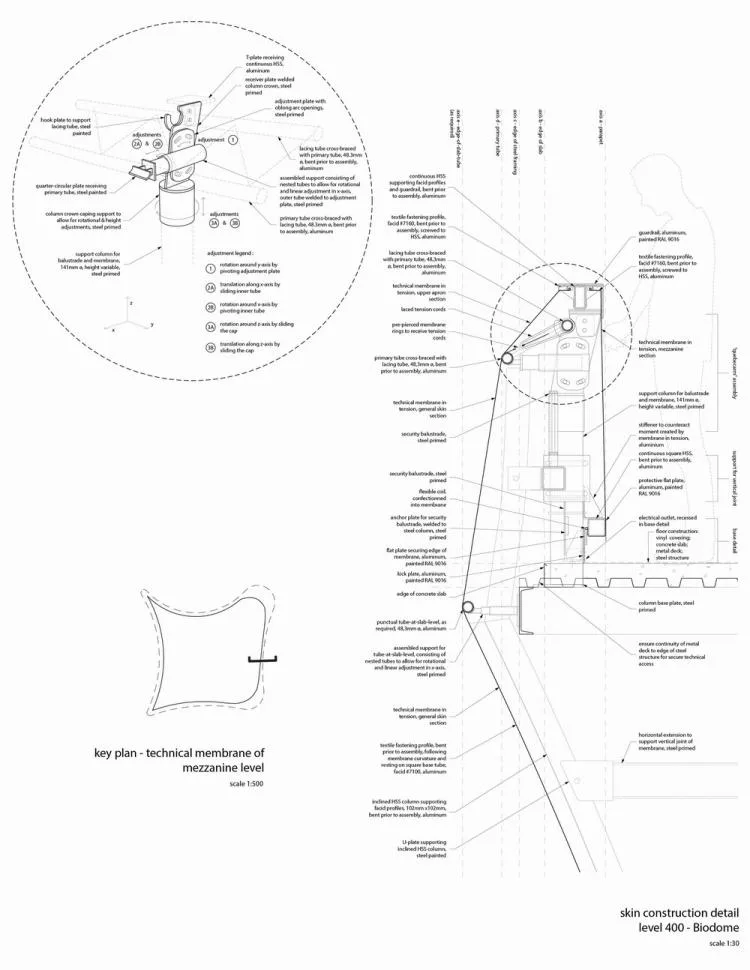
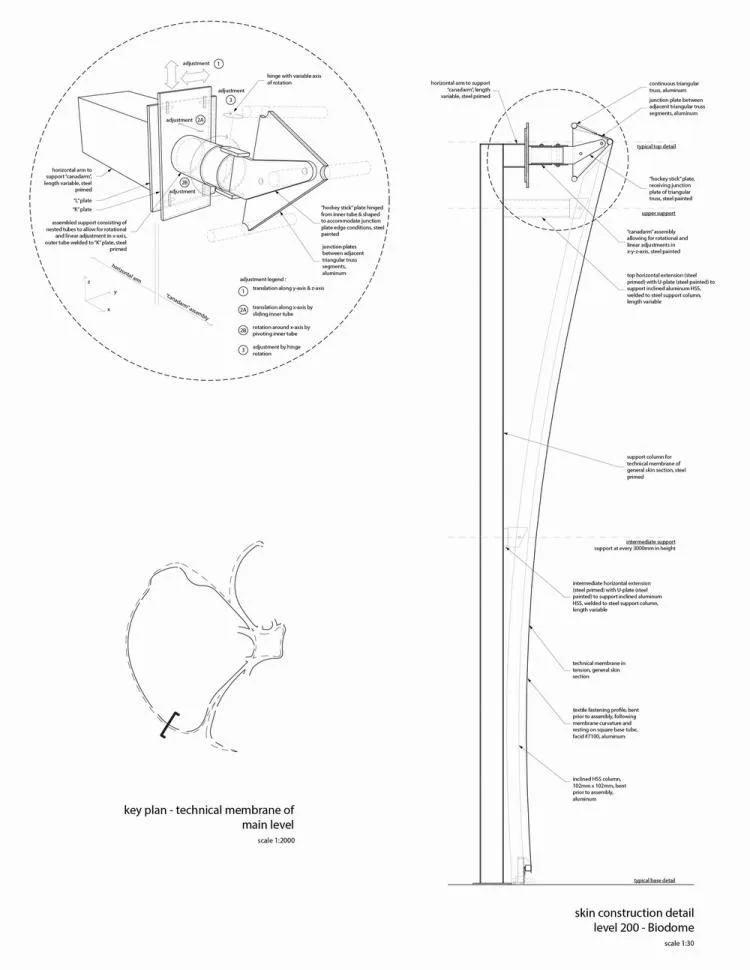
This semi-transparent parametric skin complements the giant skylight panels, together creating an atmosphere of serenity and boundlessness.
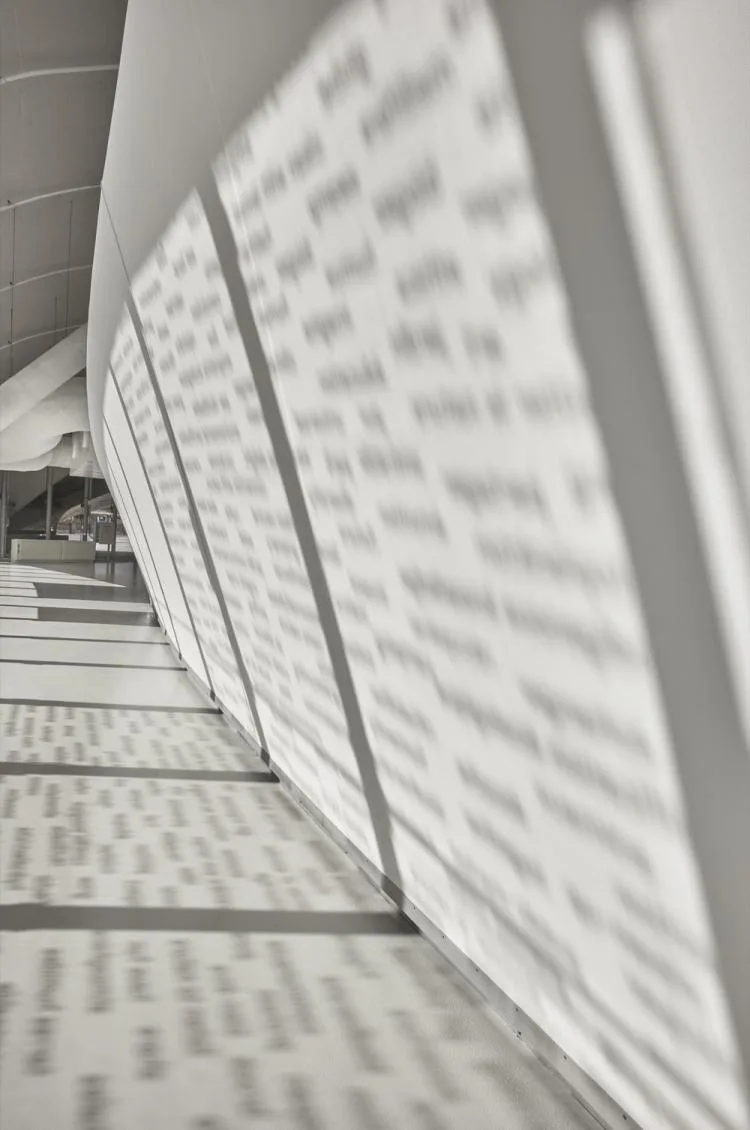
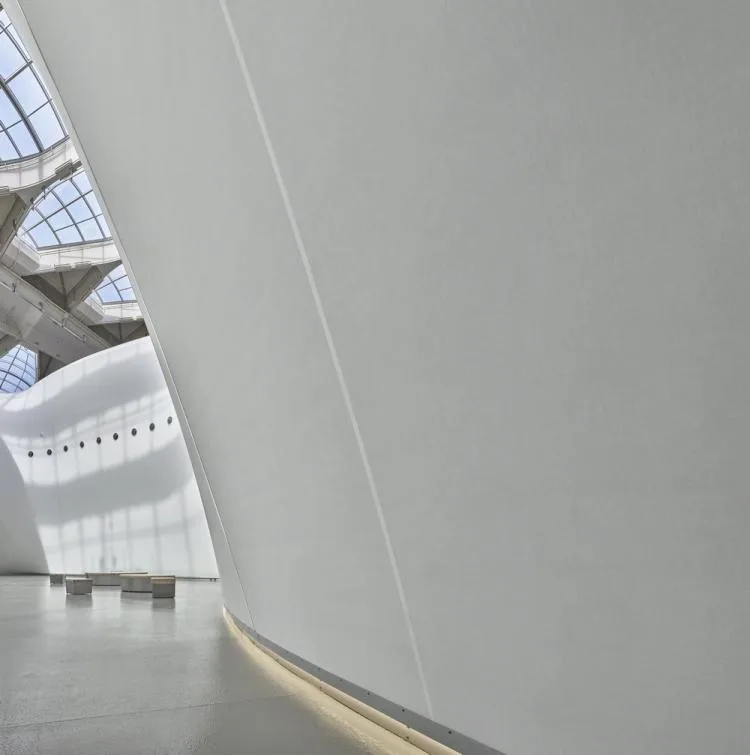
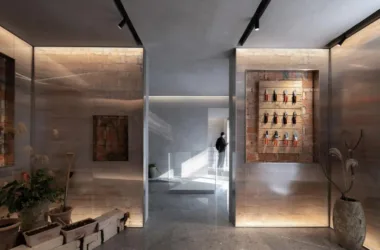
The design also carefully controls auditory, olfactory, and tactile spatial elements to create a rich, multidimensional sensory experience within the museum.
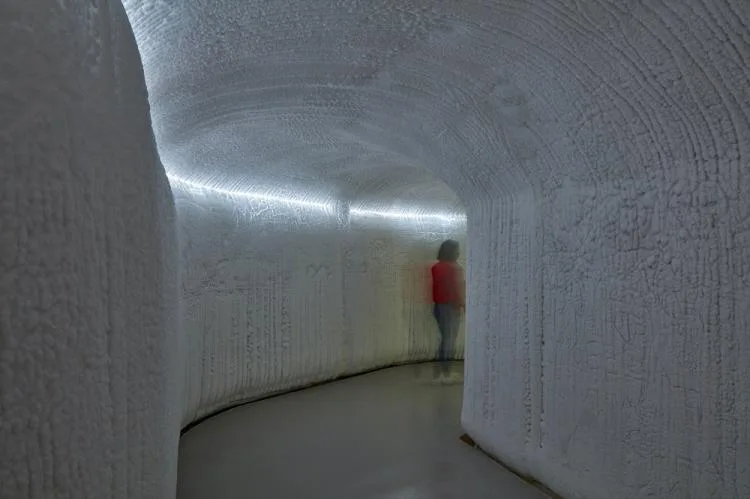
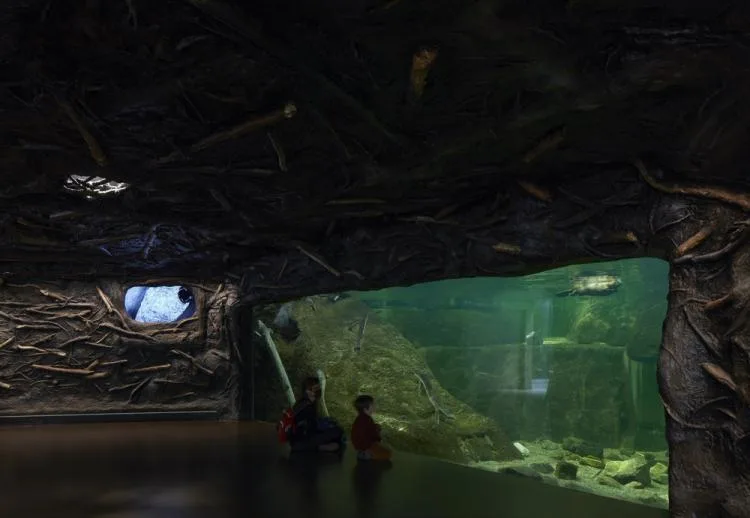
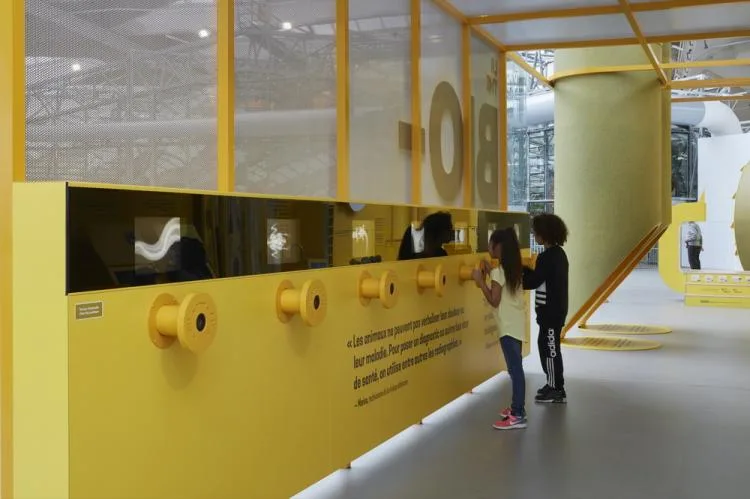
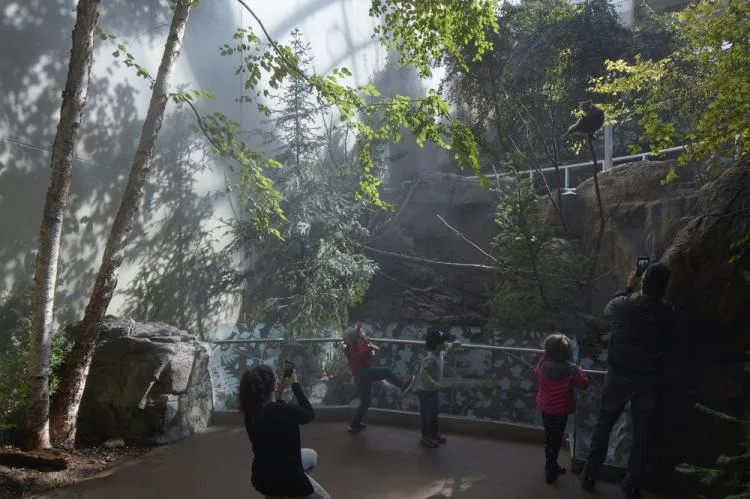
After passing through the iconic parametric skin at the entrance, visitors walk along a 10-meter-long corridor leading to the museum’s core area.
Within this central zone, visitors can explore five distinct ecosystems: tropical rainforests, the Lawrence Maple Forest, St. Lawrence Bay, Antarctic Islands, and the Labrador Coast.
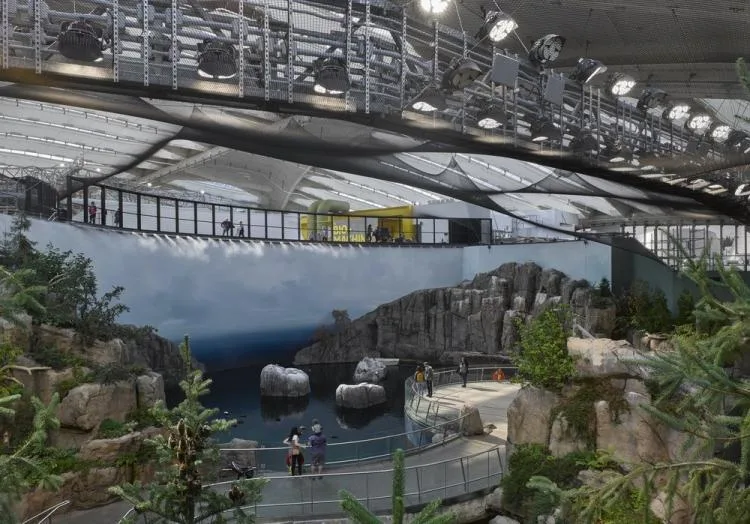
Rami Bebawi, partner and project leader at KANVA Architecture Firm, stated, “Through the design of the biological dome, we aim to reconnect people with their environment. Over the six-year design process, we have gained invaluable knowledge and a clearer vision and confidence for the firm’s future projects.”
Project Information
Architectural Design: KANVA
Area: 15,000 m²
Project Year: 2020
Photographers: Marc Cramer, James Brittain
Manufacturers: 3M, Barry, Béton projeté M.A.H. inc., Goodfellow, Reynolds Polymer Technology, Serge Ferrari, Sollertia
Collaborative Concept Architect: Tudor Radulescu
Project Architect: Rami Bebawi
Project Management: Minh Giao Truong
Skin Design: Olga Karpova
Project Collaboration: Azad Chichmanian












Must log in before commenting!
Sign Up