
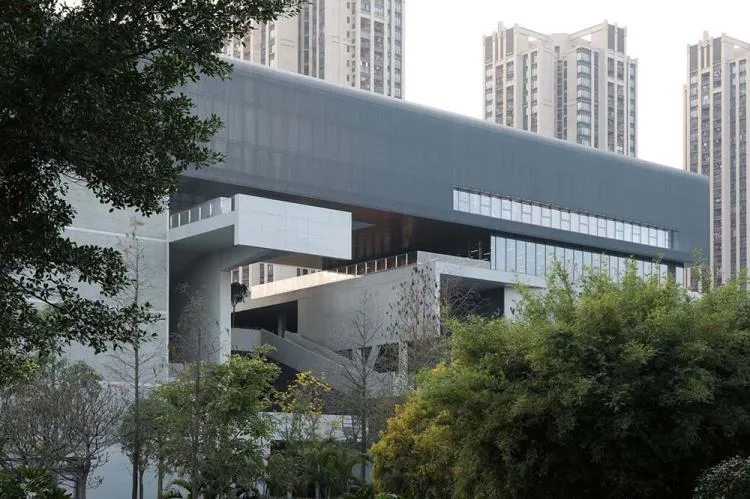
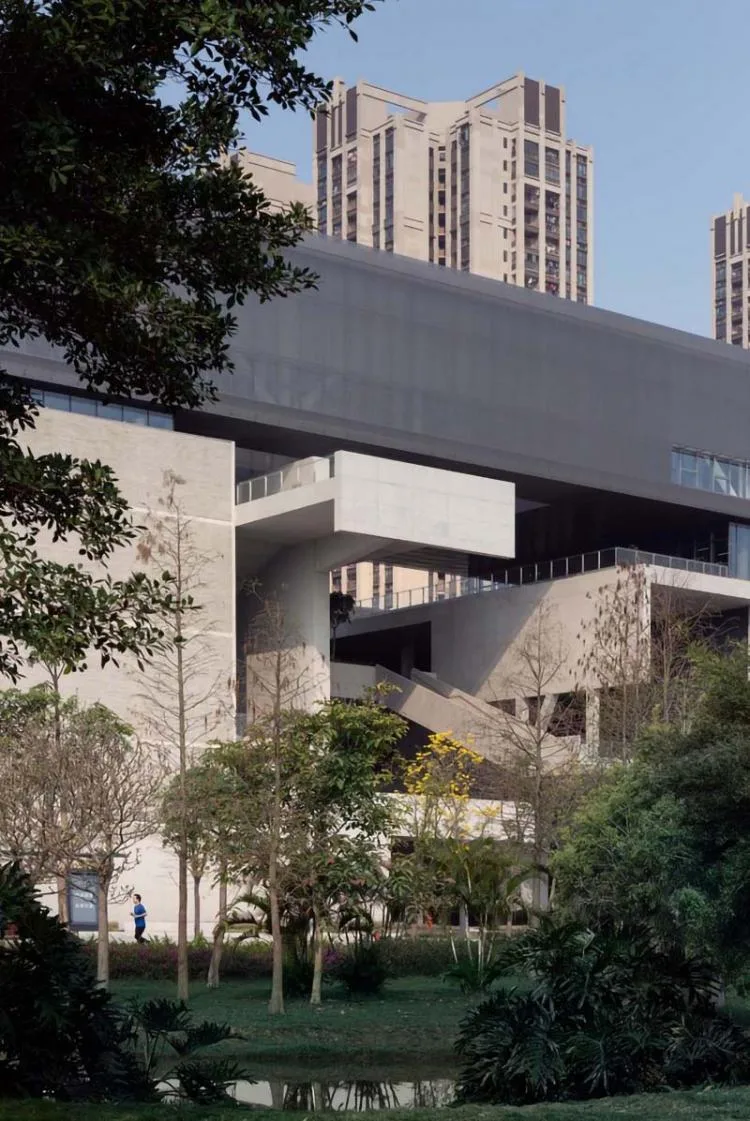
The Shenzhen Pingshan Art Museum project originated from an international design competition held in early 2013 called “Pingshan Cultural Settlement.” Our consortium, consisting of Direct Architecture, Urban Practice, Open Architecture, and Shenzhen Oubo Design, participated in this competition. The event was hosted by the Pingshan New District Management Committee, organized by Shenzhen Merchants Real Estate, and overseen by the Shenzhen Municipal Planning and Land Resources Commission. Out of the eight shortlisted teams, our consortium ultimately won first place.
In our winning proposal, we critically examined the landmark public cultural buildings emerging in new Chinese cities during urbanization. Responding to the traditional architectural form of mega-structures that often felt detached from the scale and daily life of the city, we aimed to create a new spatial type. Our goal was to explore how contemporary cultural and artistic spaces can integrate seamlessly into the ongoing urban fabric, connecting culture and art more closely with citizens’ everyday lives.
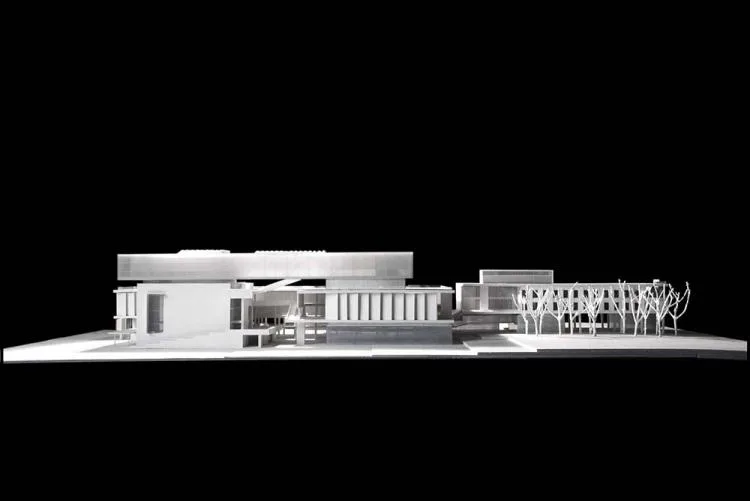
△ Art Museum Model
The Pingshan Cultural Settlement incorporates three main functions: an art museum, a grand theater, and a library. Our overall design strategy involved breaking down the expansive 74,000 square meter site into smaller, independent volumes representing specific functional units. These volumes overlap vertically, creating a dynamic three-dimensional spatial system.
We implemented an elevated design on the ground floors of the three main buildings, linking them with a continuous two-story mega-structure running south to north. This structure houses shared functions within the settlement. Visitors can freely explore floating platform levels and expansive green roofs, moving effortlessly between buildings with different uses. At certain points, the stacked volumes penetrate the large connecting structure, forming vertically scaled landmark features.
Additionally, through thoughtful landscaping and shading design, we ensured the outdoor public spaces are well-adapted to Shenzhen’s subtropical climate, providing comfort for various activities.
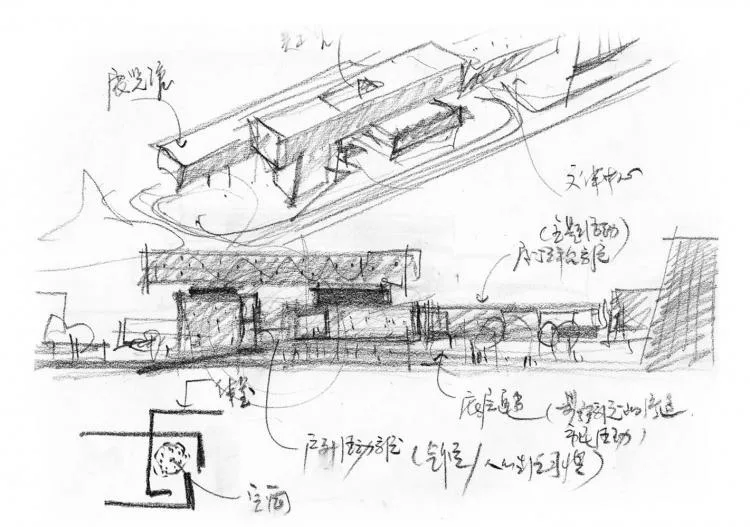
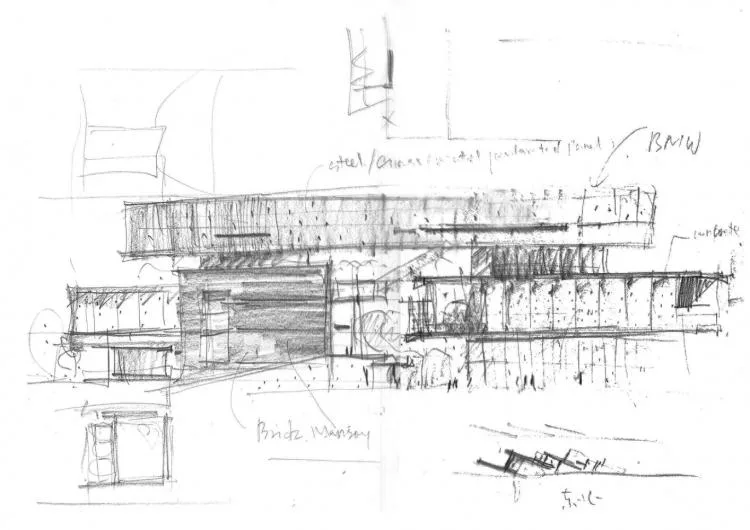
△ Manuscript
This concept was quite avant-garde, challenging the traditional notion of “high-end” cultural architecture and rejecting the alienating scale often created by mega-structures. After receiving first place from the expert review panel, our proposal was recommended to the local government. However, due to practical challenges and differing opinions among supervisory authorities, the design underwent over six months of adaptation from the conceptual phase to the final presentation. Despite significant adjustments, the core spatial logic of the competition proposal was largely preserved within the art museum site.
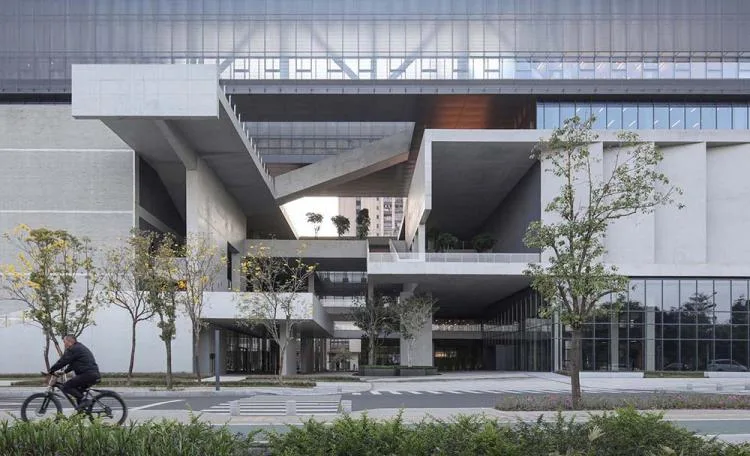
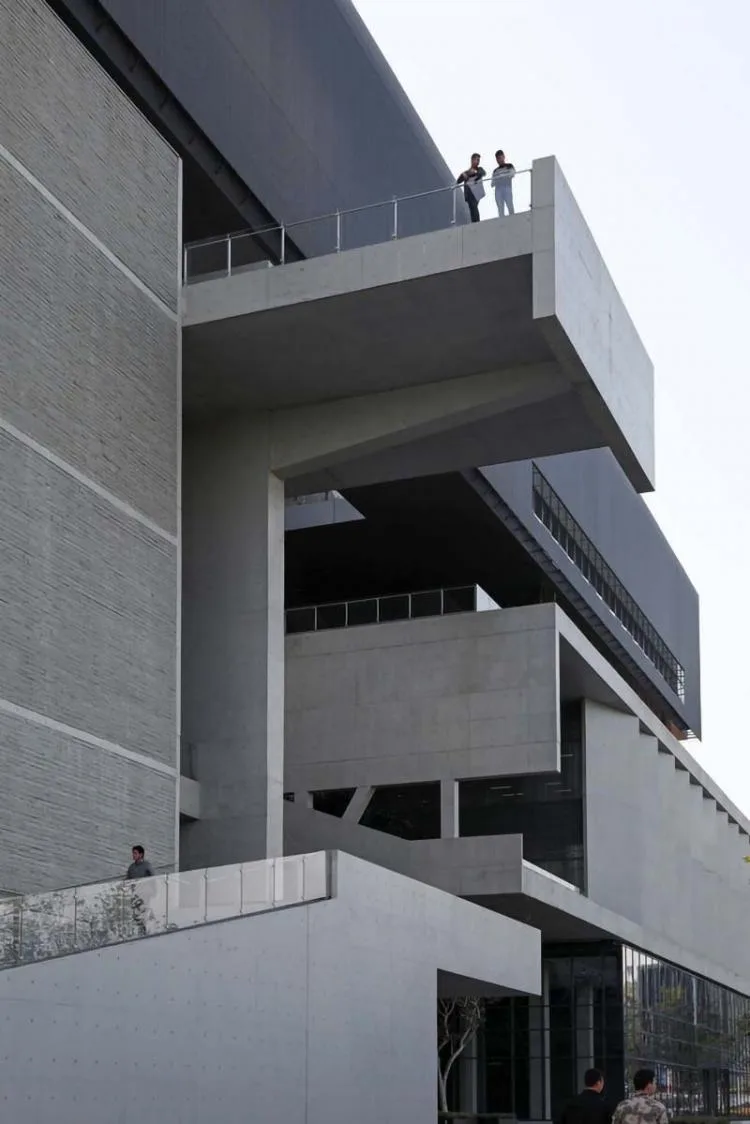
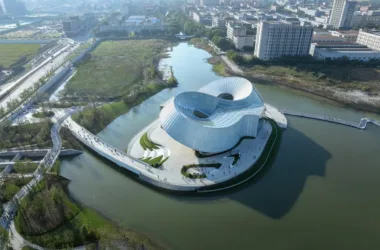
The Pingshan Art Museum is situated at the edge of an urban transformation zone, bordered by a dense residential area to the west and a large urban park to the east. The elongated site runs north-south, and the museum is aligned parallel to this boundary. In our spatial design, we fragmented the museum’s functions vertically, dispersing them across multiple levels.
This three-dimensional stacked structure creates a multi-layered public platform system that allows permeability and openness throughout the building. This avoids the traditional centralized mass that blocks urban circulation, while the elevated ground floor maintains the continuity of the city’s block experience within the museum itself.
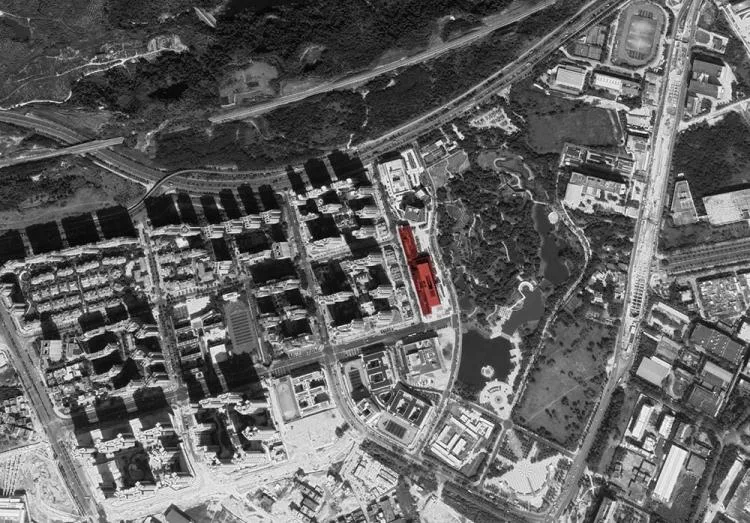
△ Location Map
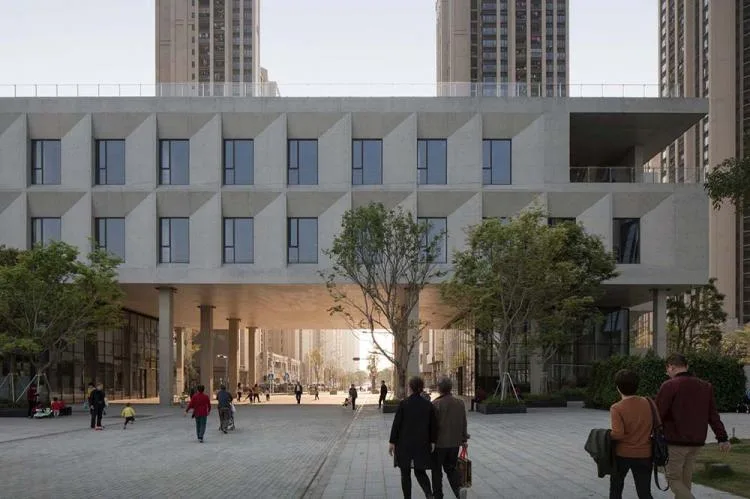
The main entrance is located on the ground floor, integrating daily commercial spaces to foster a lively atmosphere within the museum complex. We envisioned the museum as a space that remains accessible beyond regular exhibition hours, allowing residents and visitors to pass through it at any time—from residential neighborhoods to the city park or by strolling up the stairs.
The circulation path extends from the first floor to an elevated second-floor platform, guiding visitors towards the museum’s lobby and adjacent commercial areas.
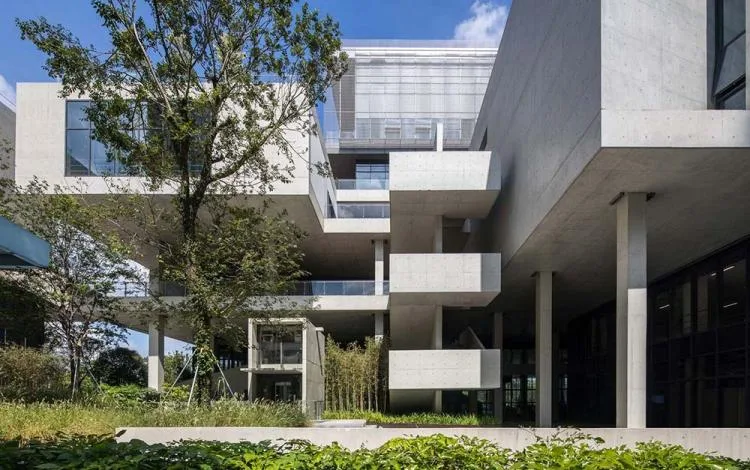
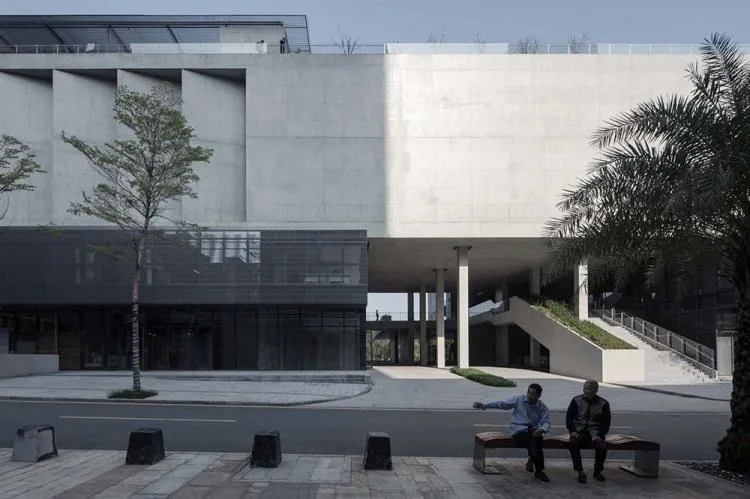
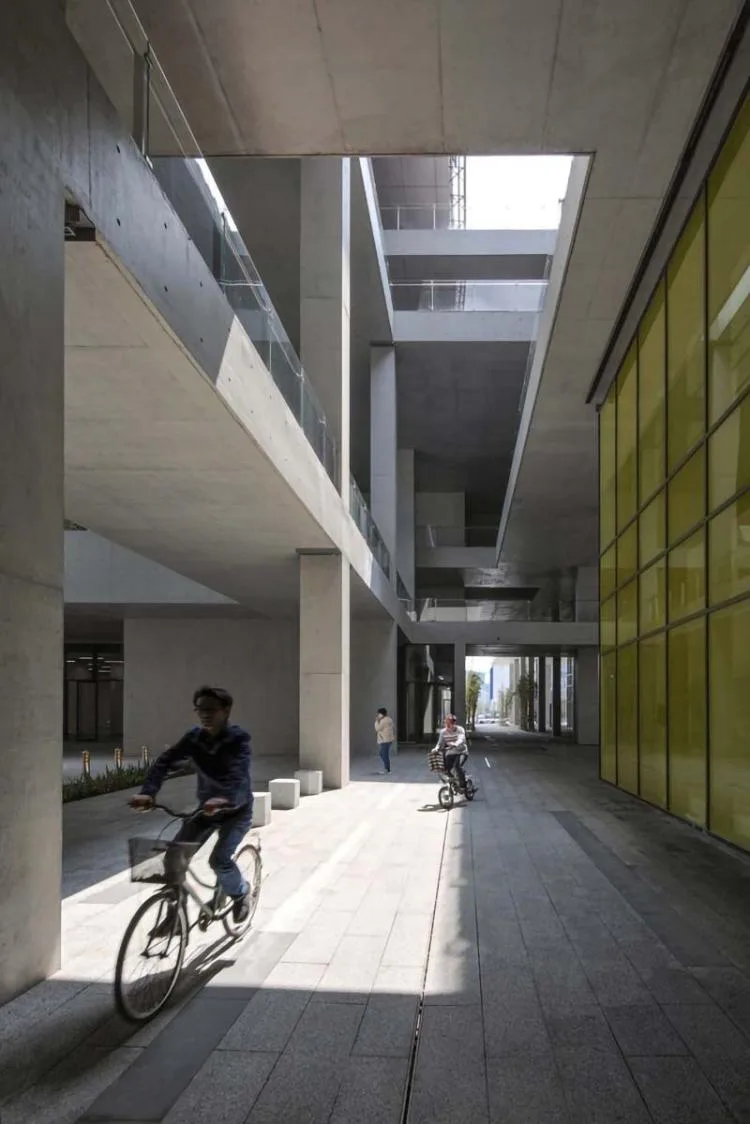
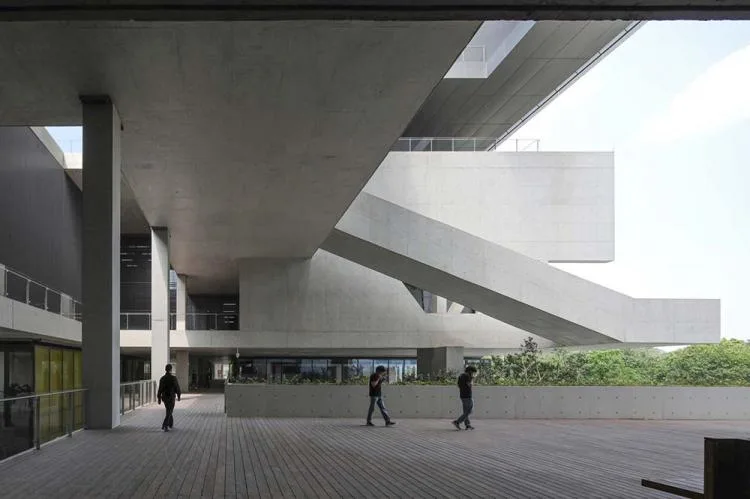
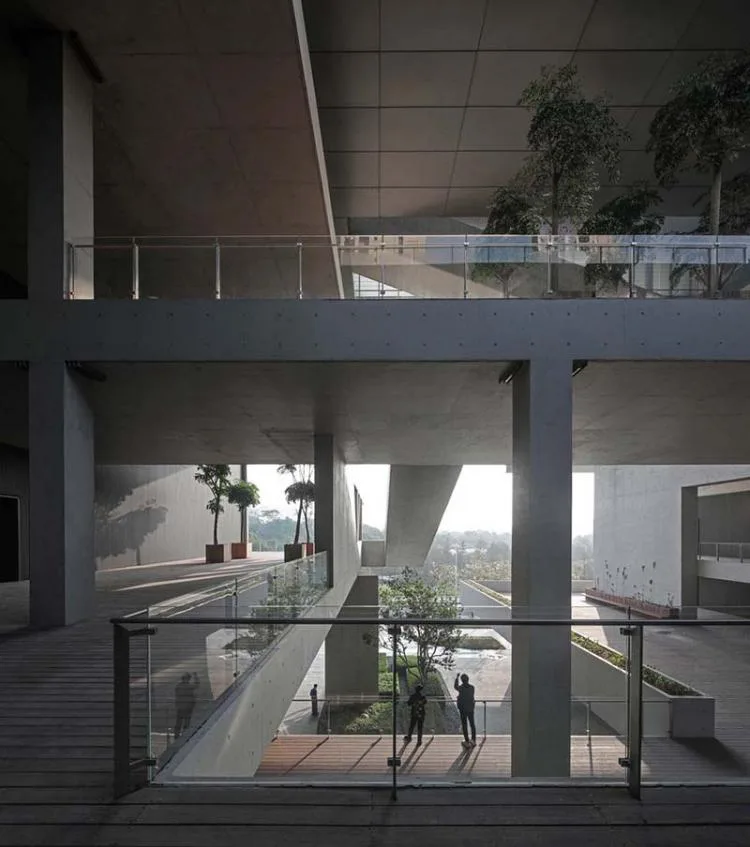
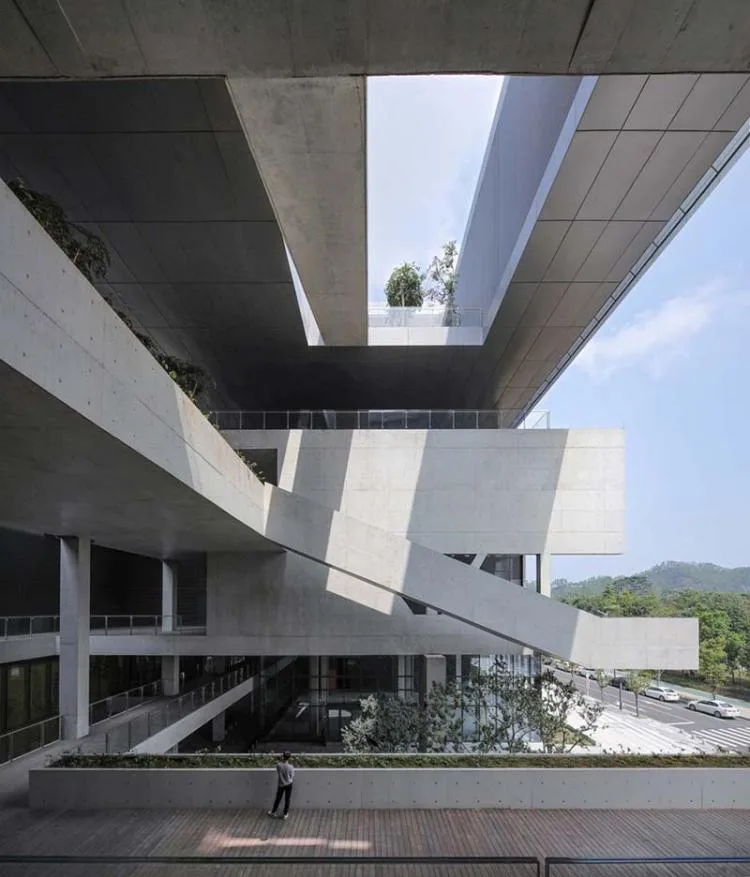
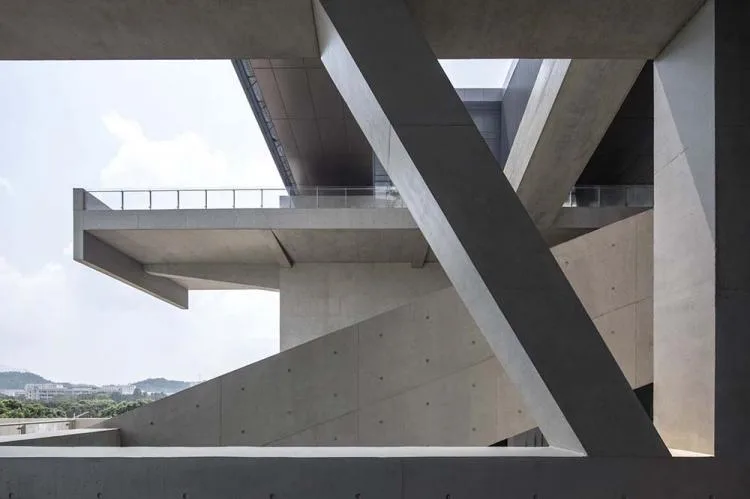
Unlike traditional indoor circulation paths in art museums, we designed an outdoor three-dimensional public platform system above the second floor that connects various exhibition spaces, interspersed with trees. This design takes advantage of Shenzhen’s warm and rainy climate with abundant sunlight, providing natural ventilation, shade, and shelter. It also maximizes visitors’ views of the adjacent city park.
Our vision is for the art museum to draw visitors from both sides of the site, becoming an active public interface that blends daily urban life with nature, generating a new public space dynamic that connects the city to its natural surroundings.
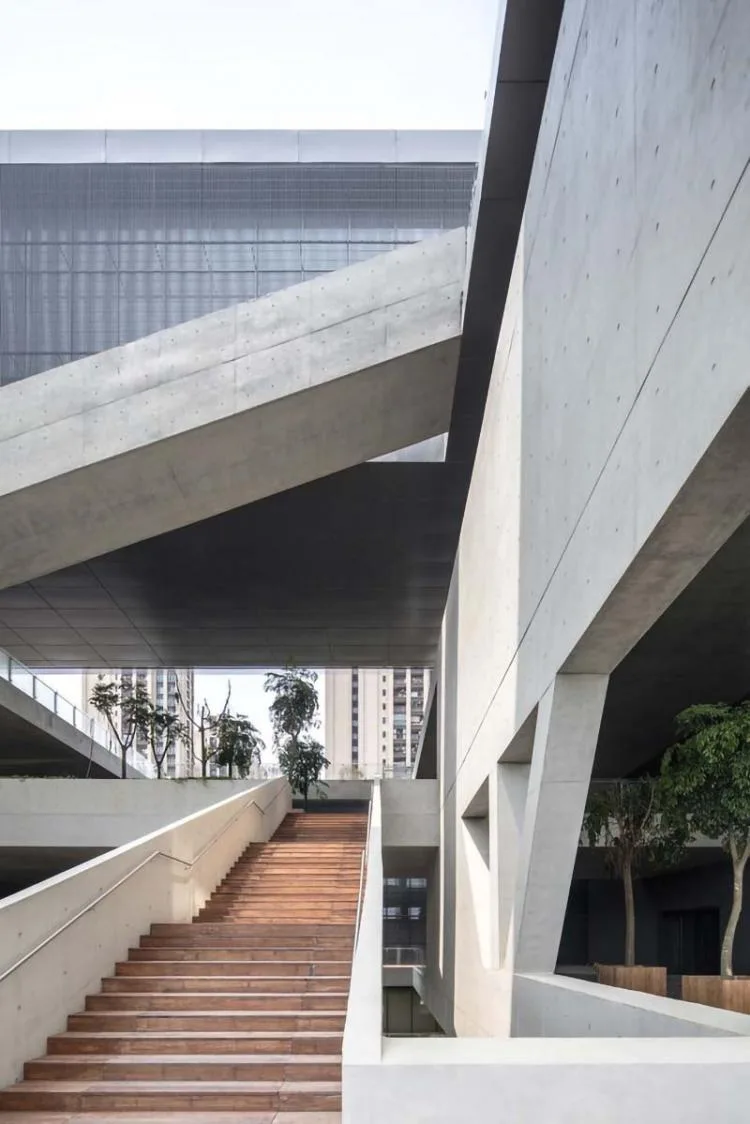
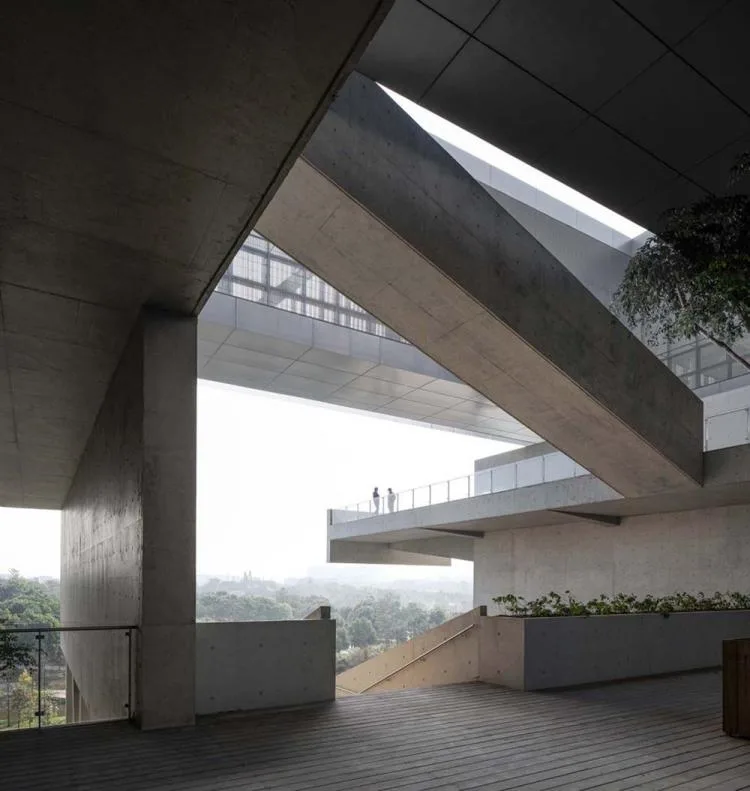
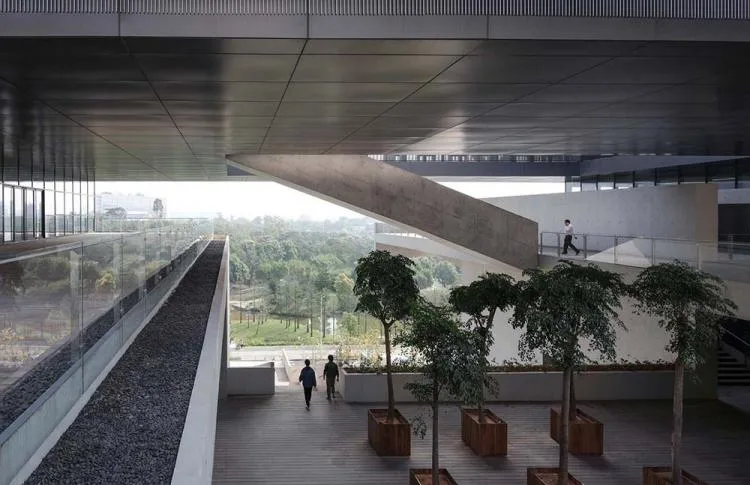
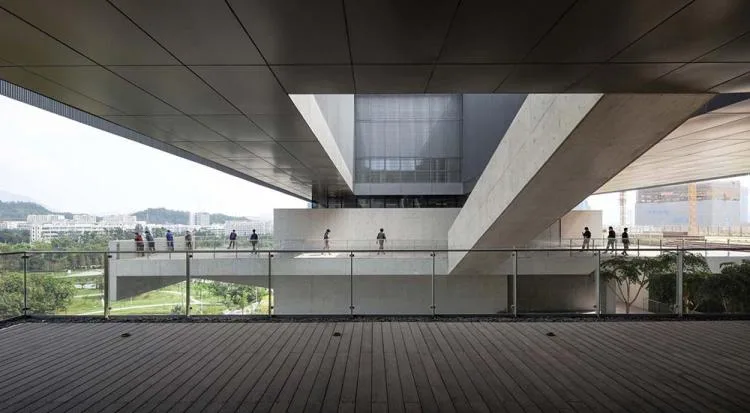
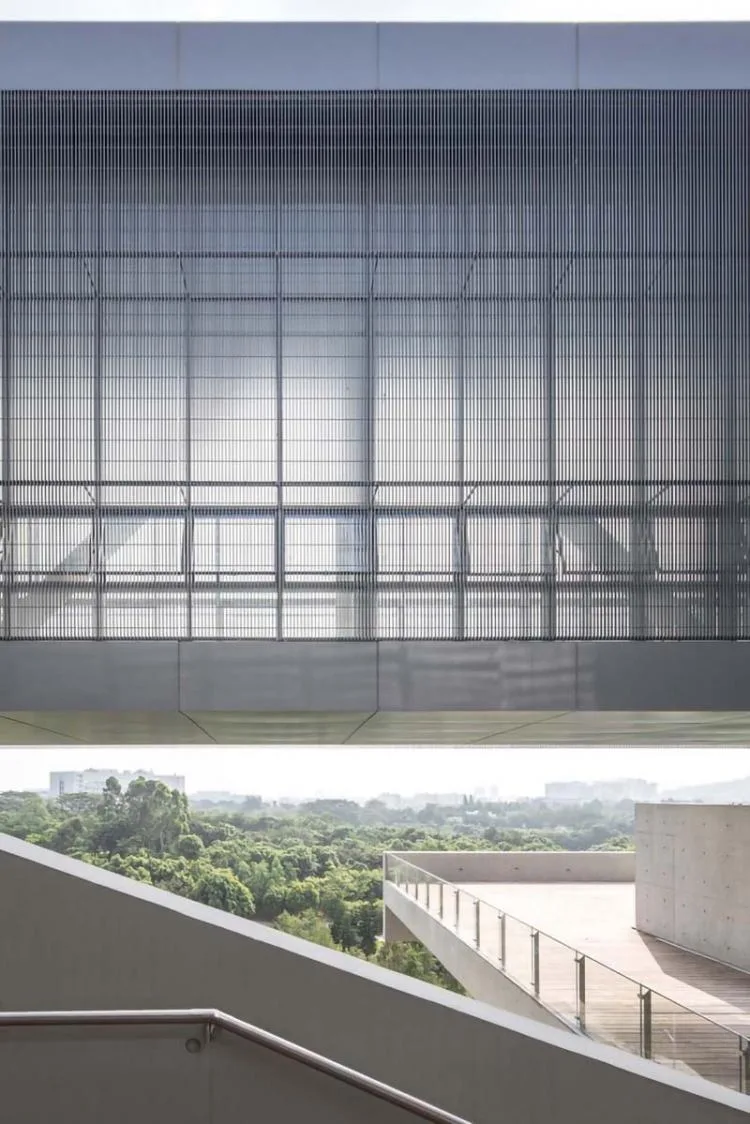
Completed in early 2019, the Pingshan Art Museum has garnered significant attention from local government and stakeholders. Alongside the Grand Theater and Library, it has become a cultural landmark in Pingshan. We view these buildings not only as spatial urban icons but also as influential centers for social and cultural engagement. The architectural and cultural energy generated here continues to radiate throughout Shenzhen and across China.
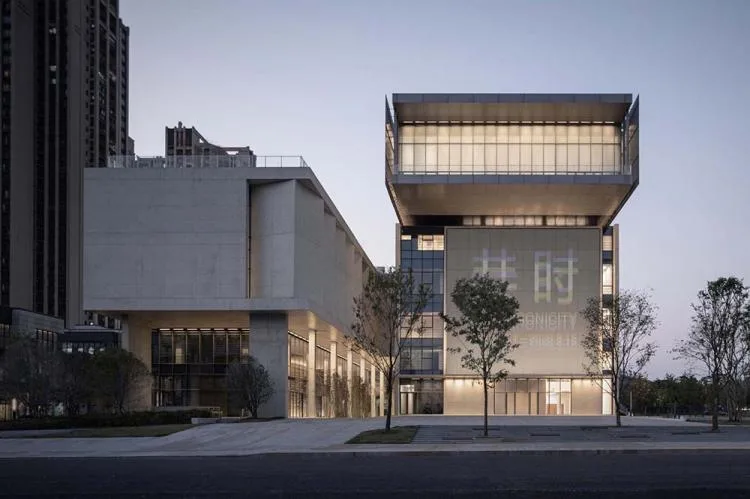
In March 2019, the museum hosted its grand exhibition, “Unknown City – Contemporary Architectural Installation Image Exhibition in China,” curated by Zhang Yuxing, Ye Cheng, and Han Jing. This event attracted hundreds of architects nationwide. In May 2019, Liu Xiaodu, founding partner of Urban Practice, took on the role of museum director, spearheading a series of influential exhibitions including the “2019 Annual Exhibition of Pingshan Art Museum,” “Nine Story Tower: The Magic of Space and Vision,” along with other ongoing and medium-scale exhibitions such as “Agree – People in Chinese Gardens,” “Muse, Yu Gong and Compass,” and community public art projects like “Statue of Pingshan – 40th Anniversary Celebration of Shenzhen Special Economic Zone.”
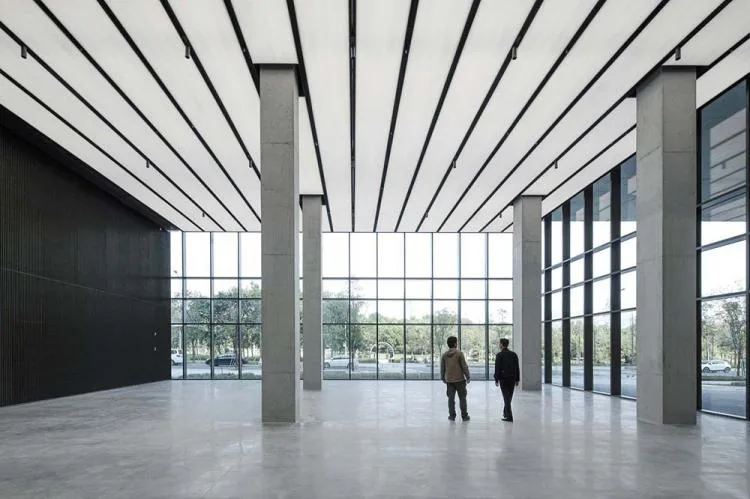
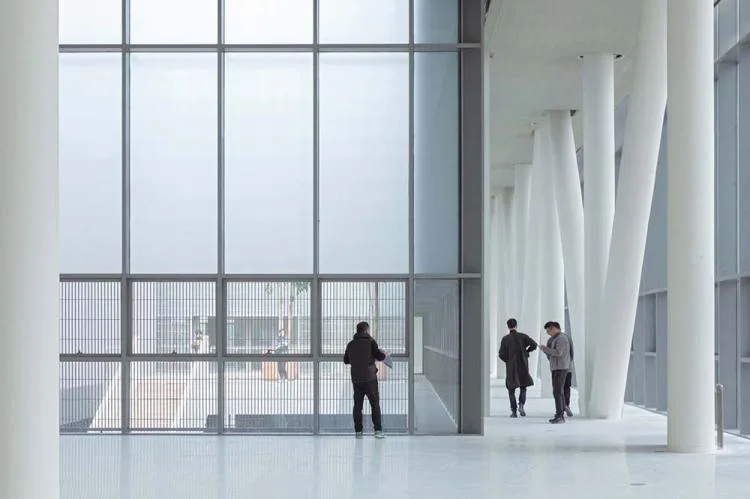
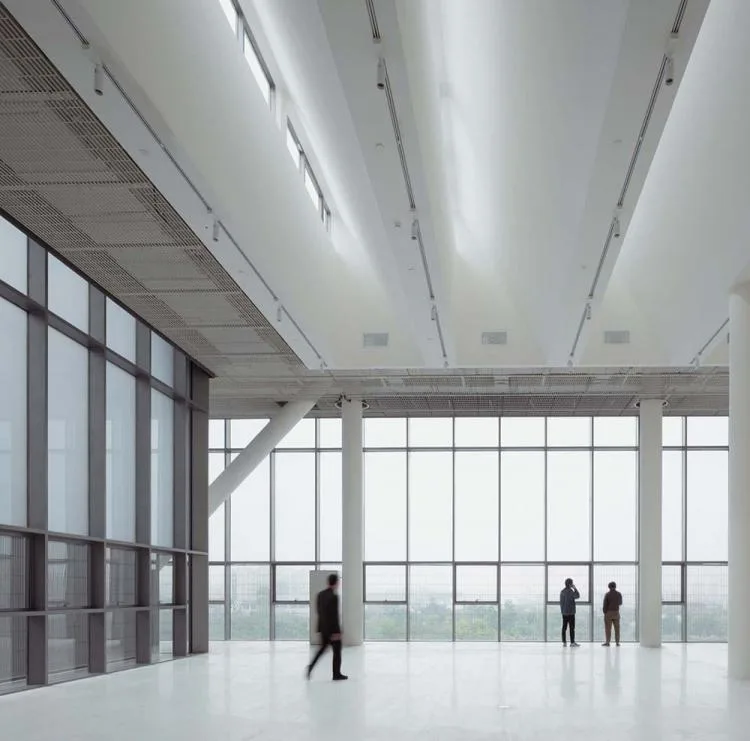
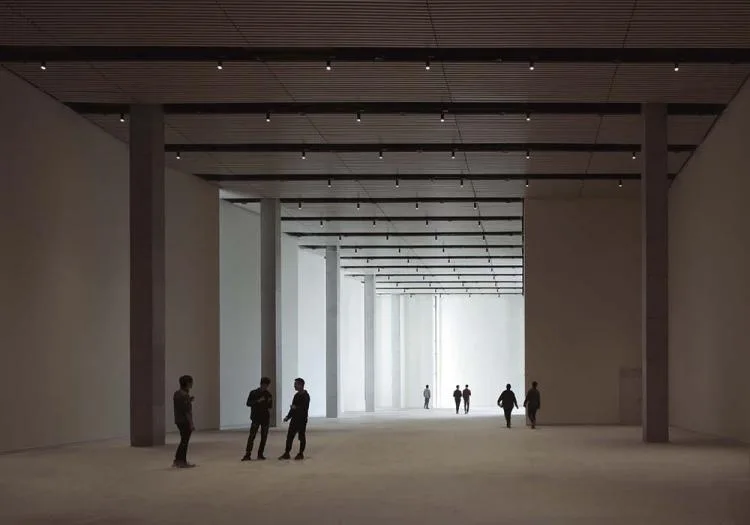
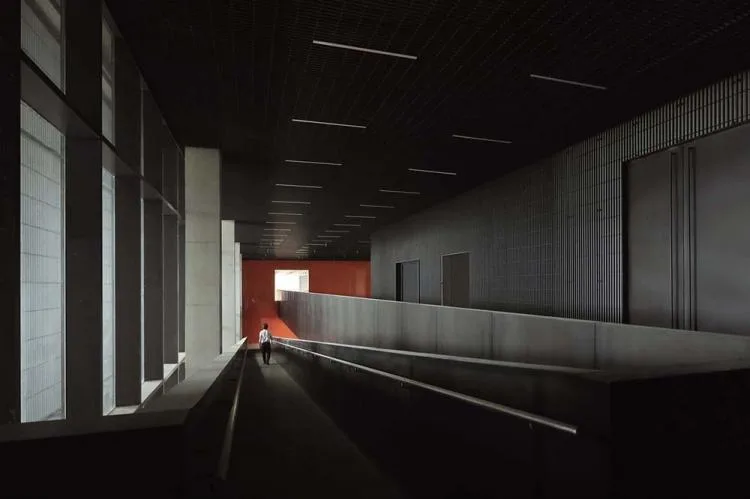
We believe that an art museum’s sustainability depends not only on its architecture but also on its operational model and continuous cultural output. In this regard, Pingshan Art Museum is fortunate. A strong cultural building must combine excellent spatial quality with a meaningful relationship to its urban context and continuously deliver vibrant cultural content to become a true cultural engine.
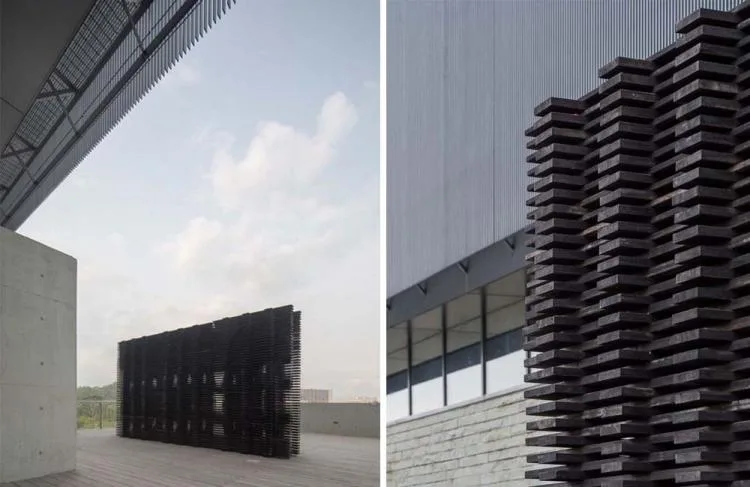
Technical Drawings
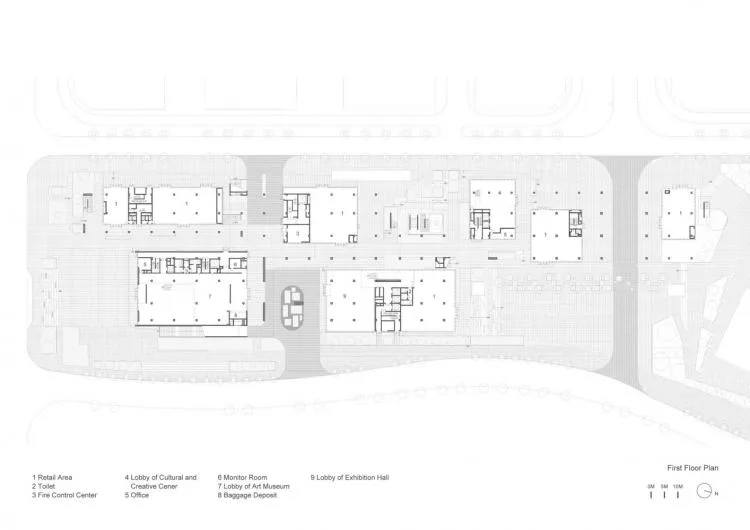
△ First Floor Plan
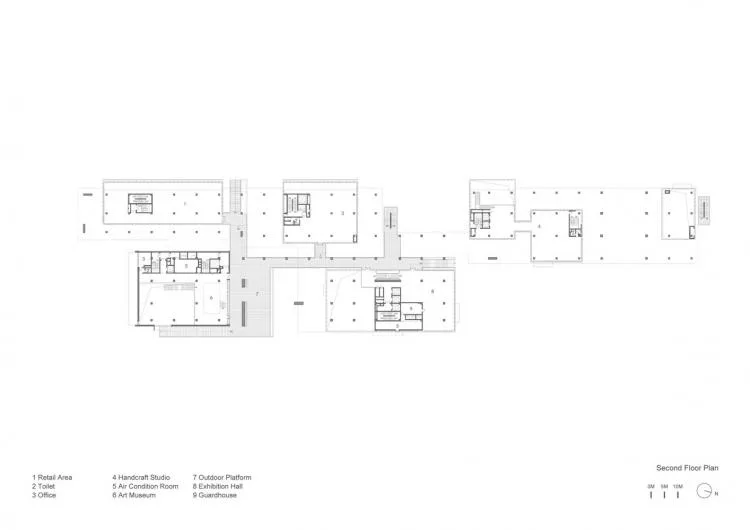
△ Second Floor Plan
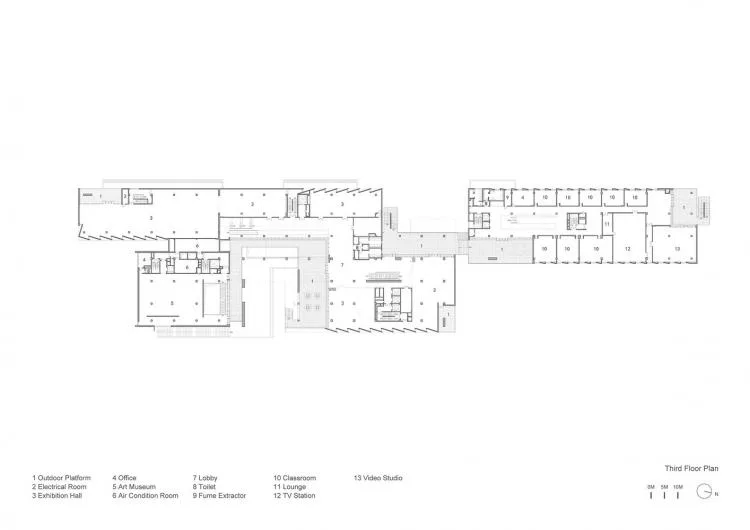
△ Third Floor Plan
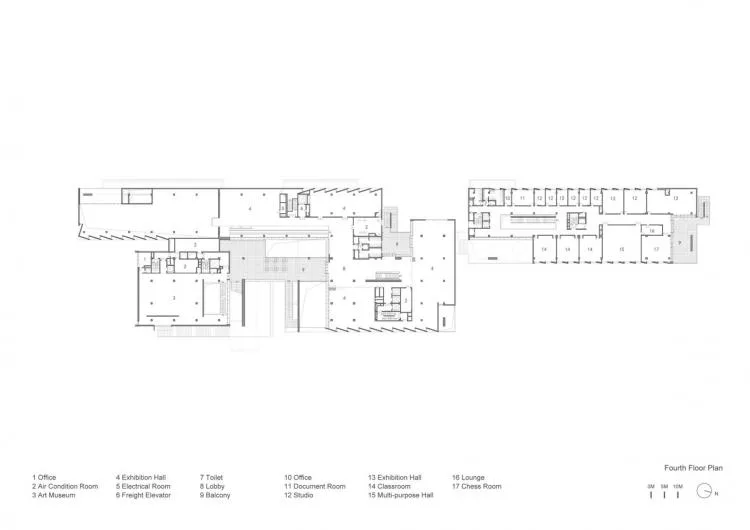
△ Fourth Floor Plan
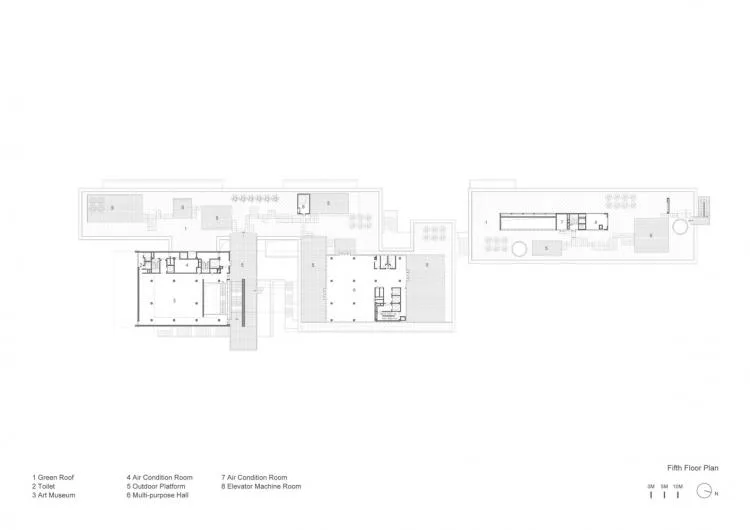
△ Fifth Floor Plan
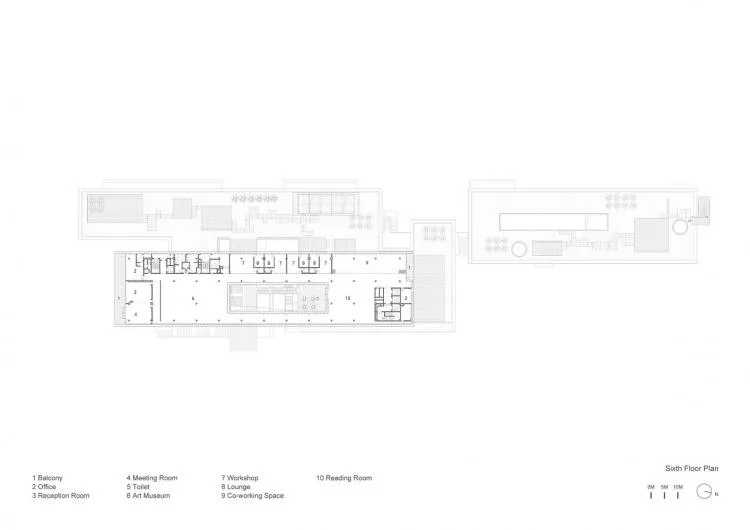
△ Sixth Floor Plan
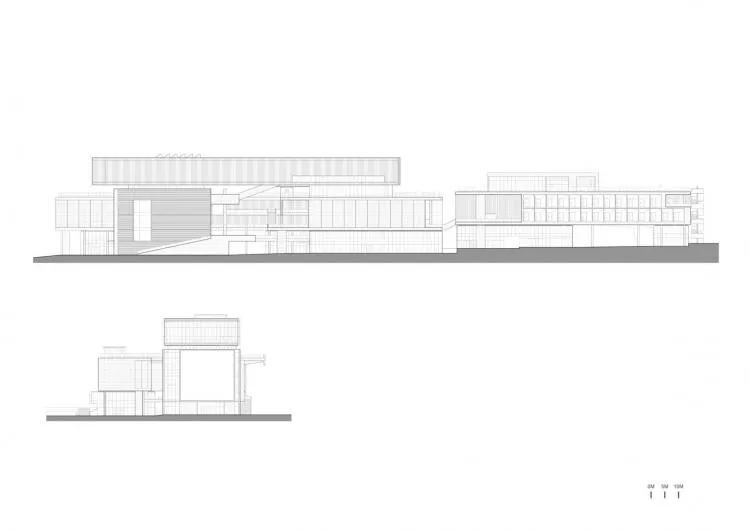
△ Elevation Drawing
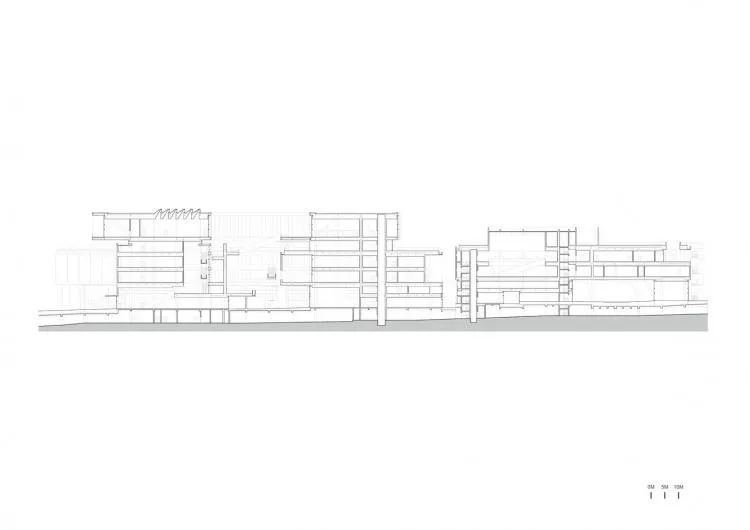
△ Section Diagram
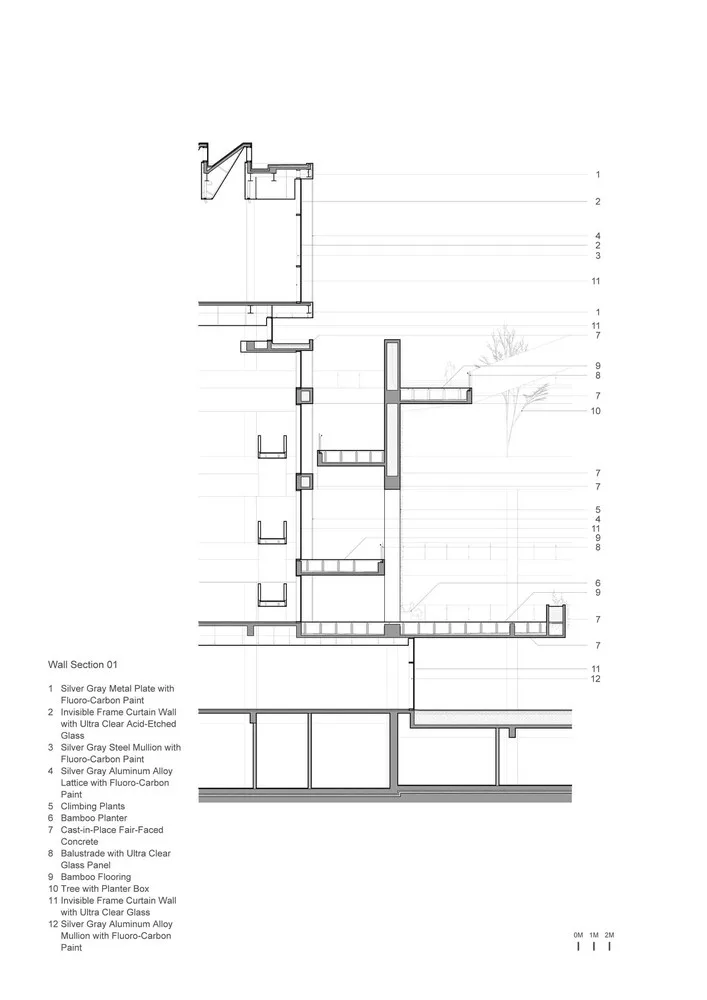
△ Wall Section 1
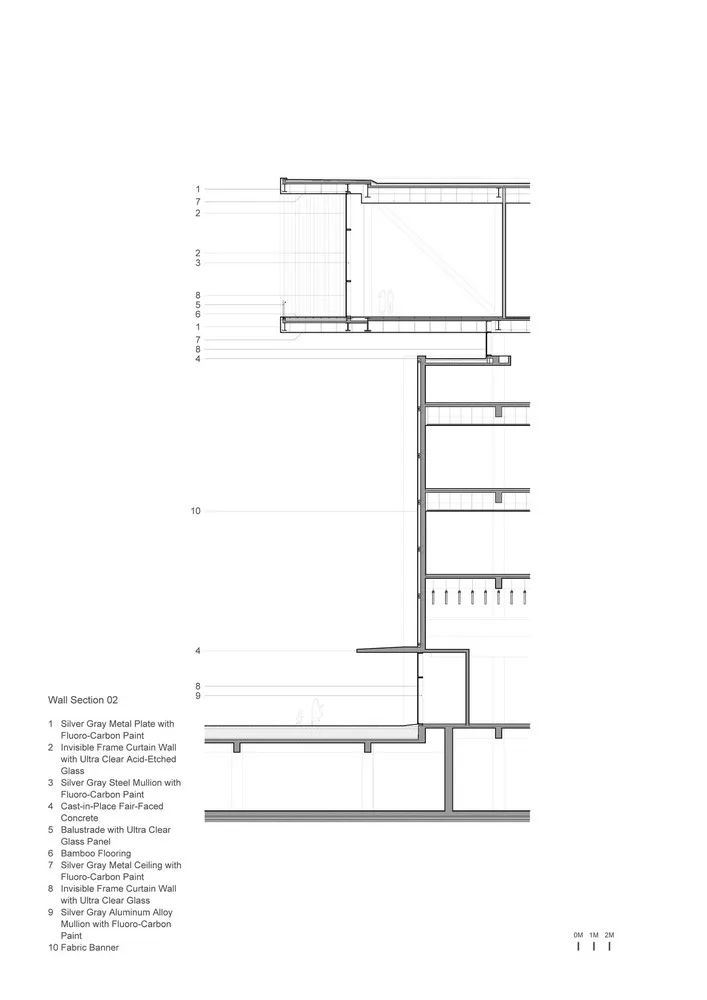
△ Wall Section 2
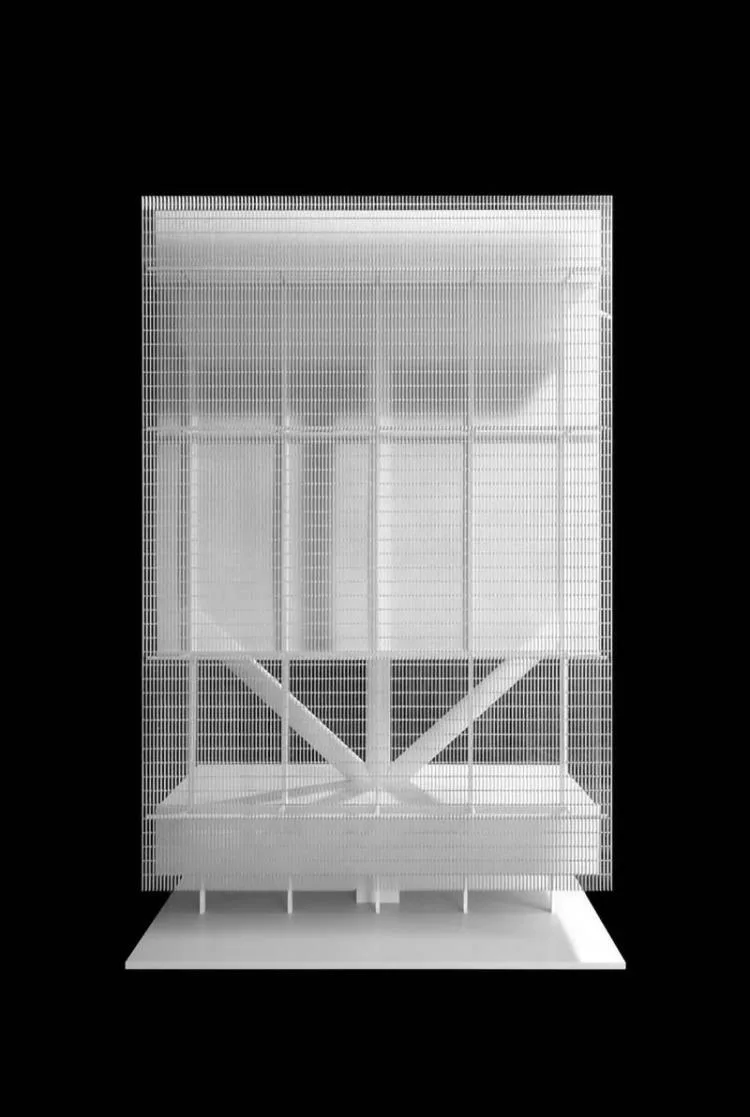
△ Wall Section Model
Project Information
Project type: Museum
Project location: Shenzhen, China
Architectural design: Straight Building
Area: 47,269 m²
Project Year: 2019
Lead Architect: Dong Gong
Project Architects: Han Yue, Zhang Peng, Li Jinteng
Resident Architects: Li Jinteng, Yu Guangli (on-site intern)
Design Team: Ma Xiaokai, Sun Dongping, Zhao Liangliang, Kong Xiangdong, Lin Yixuan, Wu Jiadai, Liu Yun, Zhang Nana, Liu Yinyi
Collaborative Design Institute Architect: Ding Rong
Collaborative Design Institute: Liu Zhenfeng, Wu Zhigang, Ding Baojie
Structural Design: Zou Guoqiang, Yi Zhijiang
Mechanical and Electrical Design: Huang Yu, Liao Xiaohua, Xu Shaoliang, Lu Tingwan, Luo Rongcan, Zhang Hong, Qi Xiaowei
Landscape Design: Zhu Jie, Zhang Changrong, Shu Long, Feng Ming
Lighting Consultant: Wang Dongning, Sun Xiaolei
Curtain Wall Design: Zhang Wangming, Cheng Chao, Sang (Guests)
Owner: Pingshan District People’s Government, Shenzhen
Construction Agent: Shenzhen Merchants Real Estate Co., Ltd
Competition Planning, Supervision, and Organization: Shenzhen Municipal Commission of Planning and Land Resources
Collaborative Design Institute: AUBE Architecture Urbanism Building Engineer
Photographers: Su Shengliang, Zhang Chao












Must log in before commenting!
Sign Up