
Key considerations include:
- How buildings interact with the urban environment both indoors and outdoors;
- Designing interior spaces based on human visual perception and behavior;
- Design and implementation of folded roof panels.
Competition Theme
Centered on “travel” and “accommodation,” this competition explores travel needs and residential behaviors through comprehensive site analysis. It integrates natural environment, cultural experience, and cultural exchange to establish a strong connection between residential spaces and users. The focus lies on creating core residential areas and public communication spaces within hotel-type public buildings situated in living environments.
Award-Winning Project and Authors
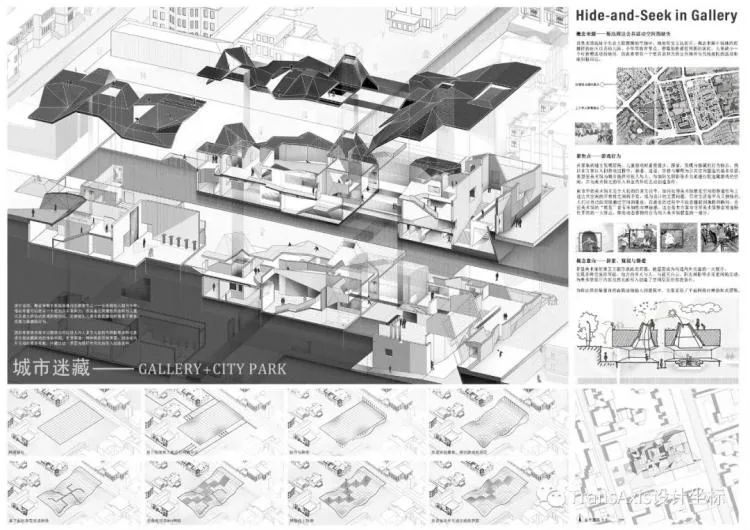
Design Brief
This project was completed during the second semester of the pandemic in the third year of university. The theme focuses on designing an “Art Museum+” within a historic district. This longstanding task in third-year undergraduate studies at Tianjin University aims to:
- Strengthen the process from conceptual design to spatial execution;
- Master the spatial design characteristics of art museums, managing complex functional zoning and circulation;
- Address the relationship between buildings and complex urban environments, including historical districts, from spatial and social life perspectives;
- Develop an understanding of urban space integration.
Site Information
The Wudao area lies in Tianjin’s Heping District, bounded south by Chengdu Road, north by Machang Road, east by Xikang Road, and west by the intersection of Machang Road and Nanjing Road. Covering 1.28 square kilometers, it features over 2,000 garden-style houses reflecting diverse national architectural styles from the 1920s and 1930s.
The site is located between Hebei Road and Hunan Road within the historic Wudao cultural block. Notable surroundings include the Xiannong Courtyard to the north, an intact lane-style structure preserved for 88 years, and the protected former residence of Ma Zhanshan from the 1930s in the northwest corner. The area is rich in residential and notable historic homes, deeply rooted in cultural heritage.
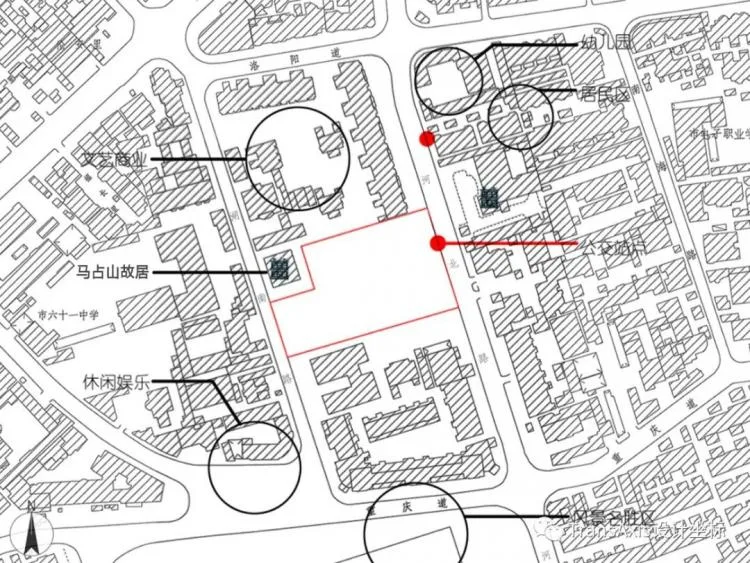
The design guidelines specify a total building area of 3,500 square meters (±5%), a maximum height of 12 meters, a building density under 40%, and a minimum 60% street line continuity along Hebei Road to the north. No continuity requirements apply on the west side, but building height must not exceed Ma Zhanshan’s former residence. The program includes public spaces, exhibition halls, offices, auxiliary rooms, and self-designed areas. The project aims to clearly express functional and spatial organization, highlight architecture’s relationship with the city, and incorporate appropriate structure, materials, and technologies.
Design Process
Step 1: Site Understanding and Design Intent
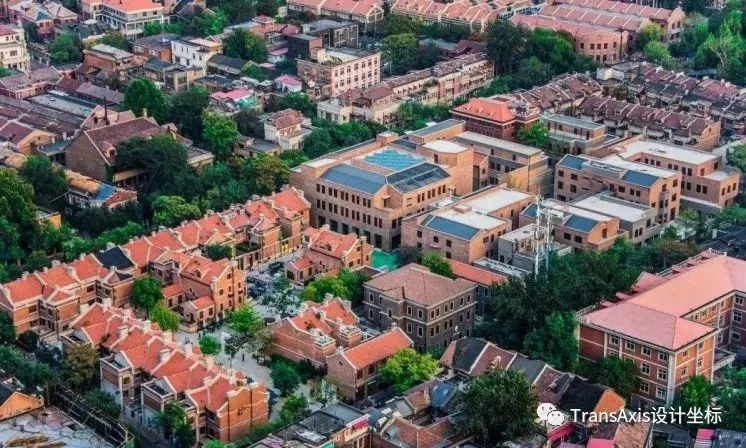
Though site visits were impossible during the pandemic, prior walks through Fifth Avenue and provided site data helped build a mental framework of the area.
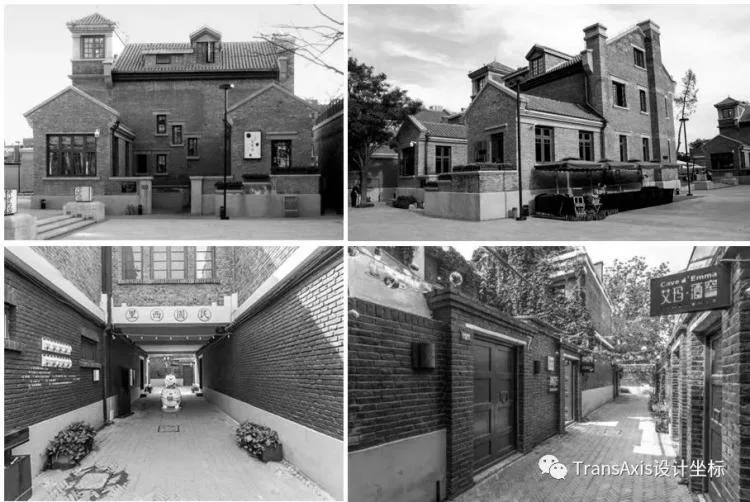
△ Photos showing the current conditions around the site
Analysis reveals that the neighborhood’s strong historic character and street crowding during peak hours contribute to tension between residents and tourists. Dense housing and numerous nearby schools limit public leisure spaces for locals.
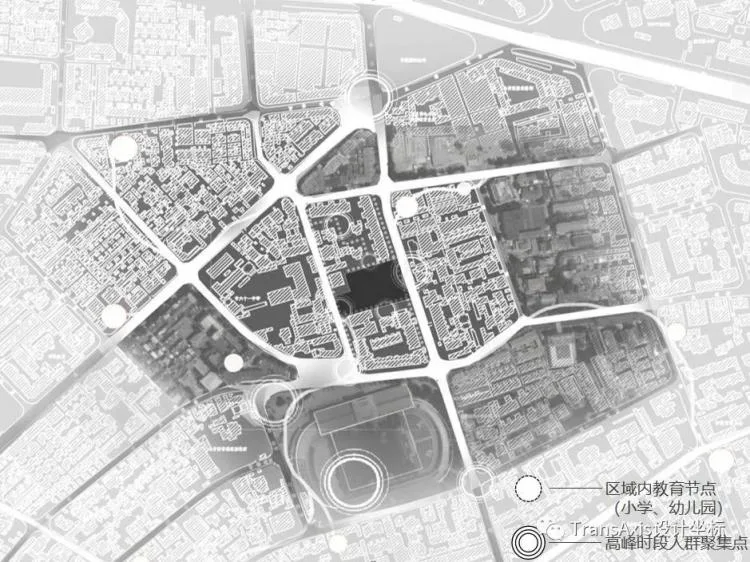
△ Node Analysis Diagram
My goal is to create a welcoming “urban living room” that blends humbly into the existing environment. The building aims to supplement surrounding urban functions while introducing a playful architectural language to enliven the area.
However, I also value emotional connection beyond rational analysis. Initially, I focused less on strict architectural boundaries or urban interfaces, prioritizing instead the experiential relationship between people and space. For exhibition buildings like art museums, visitor experience is paramount.
Imagining myself strolling along Fifth Avenue, I envision locals exploring the historic district with their children—walking, chasing, and discovering the charm of every narrow alley.
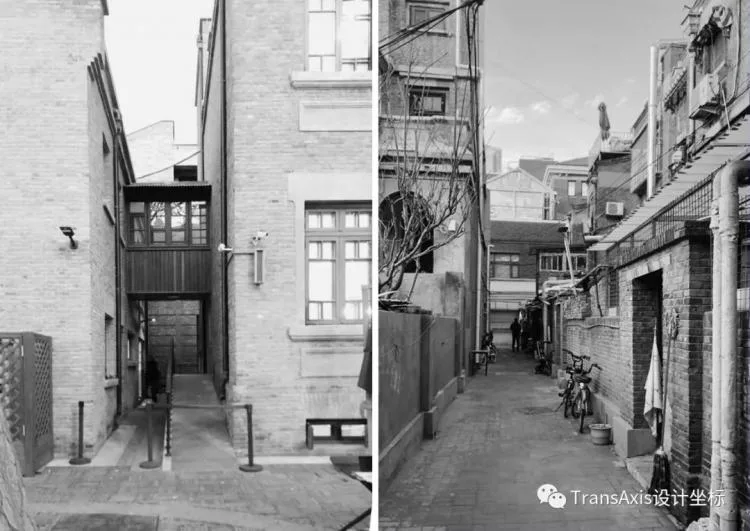
△ Narrow alleys within the Fifth Avenue block
The design intention draws from these behaviors of exploration, discovery, and hiding, shaping the building form accordingly.
Step 2: Spatial Intent and Form Development
To realize this intent, the design emphasizes the roof interface, crafting it as a distinctive element that promotes multiple forms of interaction while channeling natural light into the exhibition halls.
The spatial intent diagram illustrates this concept, envisioning visitors playing hide-and-seek with elements like the sky, shadows, clouds, birds, and passing people, both inside and outside the building. This interaction invites visitors to slow down and connect deeply with the neighborhood’s history.
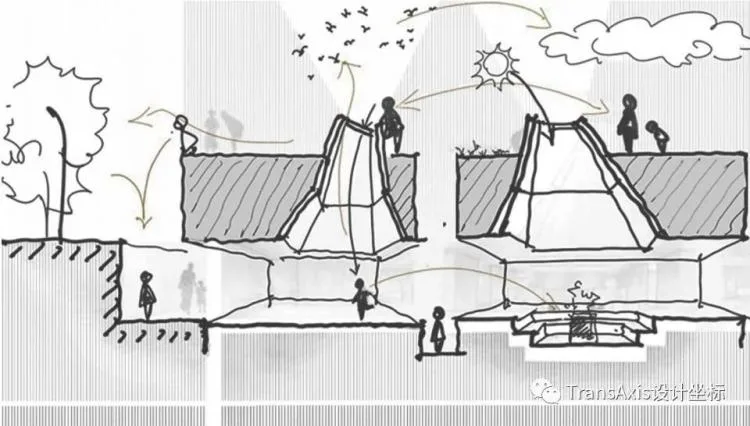
△ Spatial Intent Map
Through skylights and roof openings, outdoor participants can glimpse into the museum’s exhibition spaces, enhancing the connection between urban and museum environments.
The form also responds rationally to site conditions. The crowd flow from Xiannong Courtyard to the north and adjacent roads influences the building’s shape. After several iterations and rejection of an initial self-centered plan, I developed eight conceptual models.
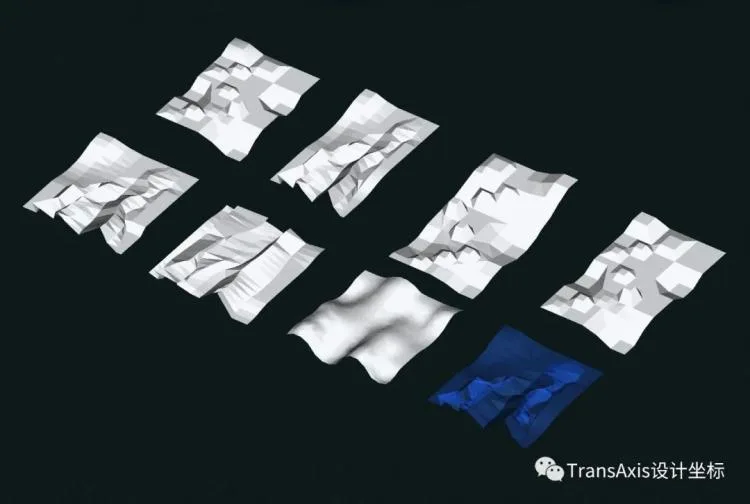
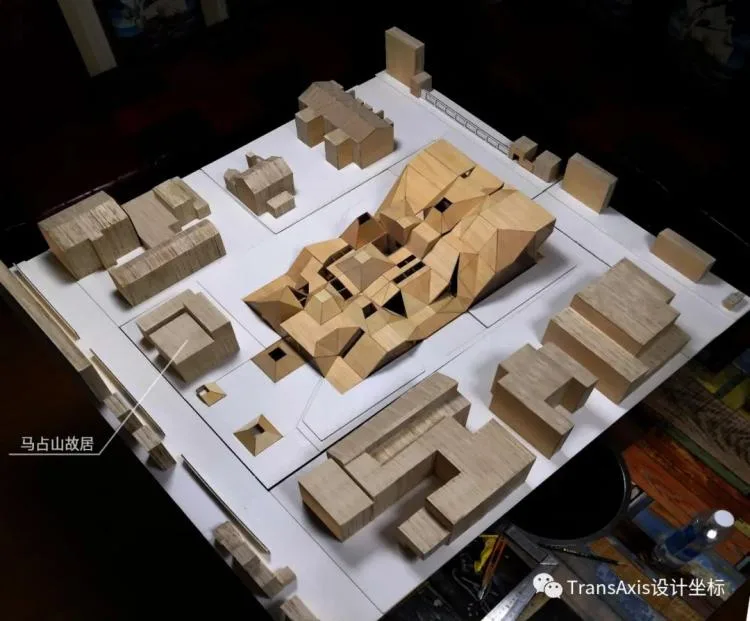
The final form uses a planar grid stretching logic. The base plan aligns with the city’s existing interfaces, divided into grids analyzed by pedestrian flow. Blocks are raised or lowered to shape the museum’s roof and position main and secondary entrances.
Adjacently raised grids along flow paths create a communicative roof interface, shaping the overall museum form.
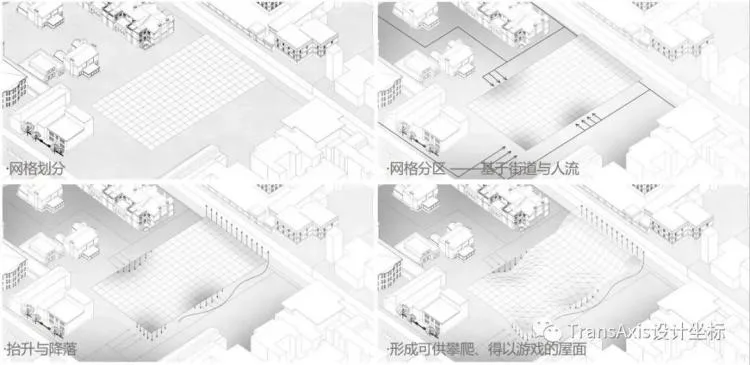
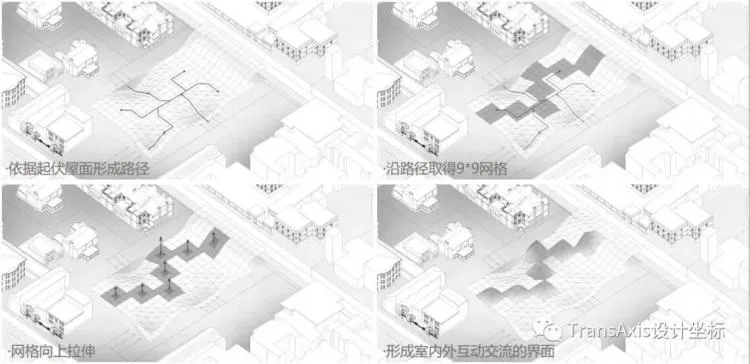
△ Form generation schematic
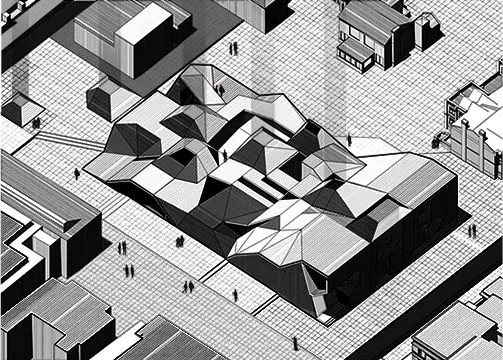
To further engage the urban interface, the design extends the undulating grid westward towards Ma Zhanshan’s residence. This creates a gently descending form, blending the museum with surrounding public spaces and forming a “landscape” within the historic district.
This approach also visually connects the museum to Ma Zhanshan’s former residence and extends the vitality of Xiannong Courtyard into the base and beyond.
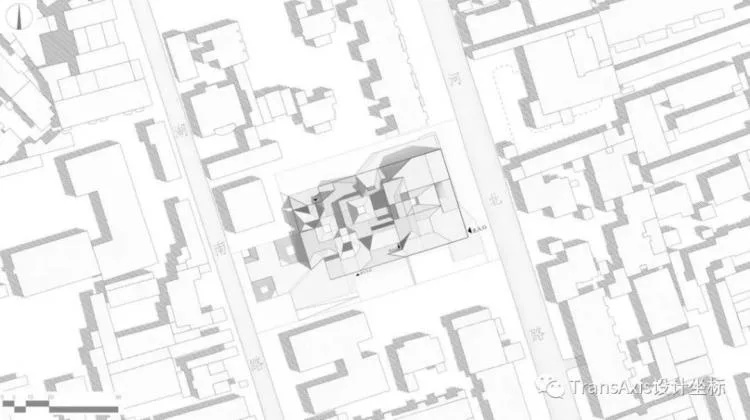
△ General layout plan
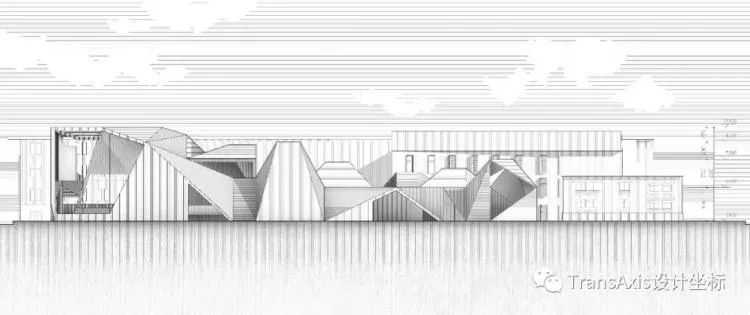
△ North elevation (view from Xiannong Courtyard side)
The overall form, shaped by site perception and problem analysis, connects the building to its neighborhood through its external interfaces. The museum’s west volume slopes gently, blending into the urban fabric and softening the boundary between architecture and environment.
This design respects the historic Ma Zhanshan residence while supporting the infiltration and continuation of public activity spaces nearby. The next design step focuses on internal spatial organization to reinforce synergy between interior spaces and the neighborhood.
Step 3: Internal Space Configuration
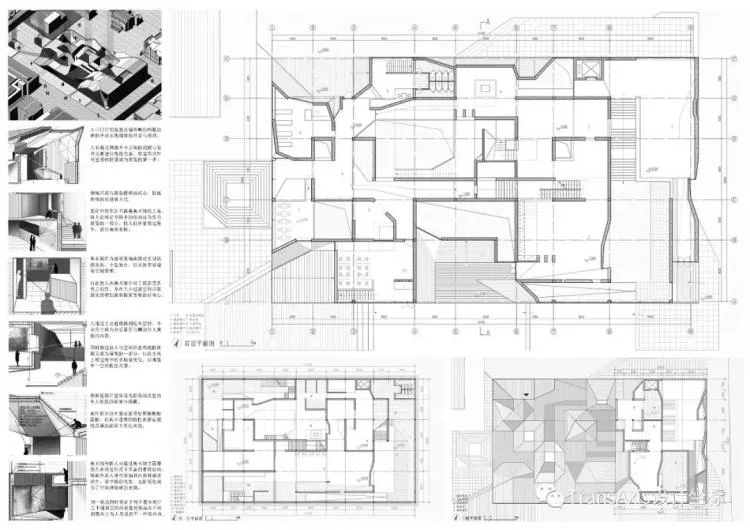
The internal layout follows roof zoning and overall form, crucial for linking interior and exterior spaces. Functional blocks are organized based on spatial possibilities created by the form.
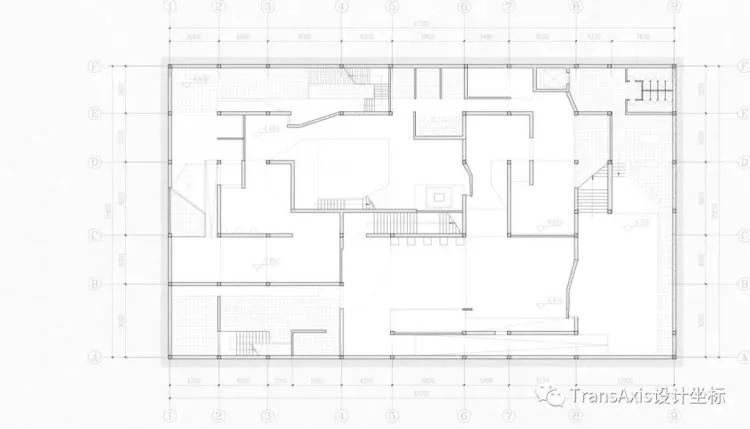
△ Basement floor plan
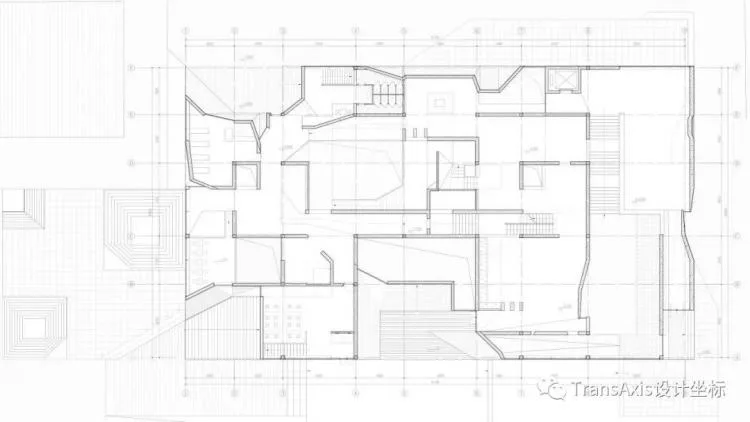
△ First floor plan
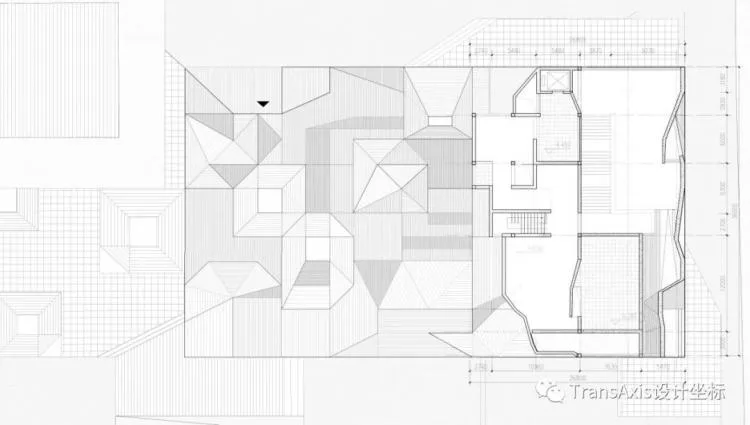
△ Second floor plan
Office and auxiliary spaces cluster in the southwest corner, while exhibition halls and public areas occupy the remaining zones. The secondary entrance sits on the roof northwest of the main entrance diagonal, facilitating smooth and unrestricted roof circulation.
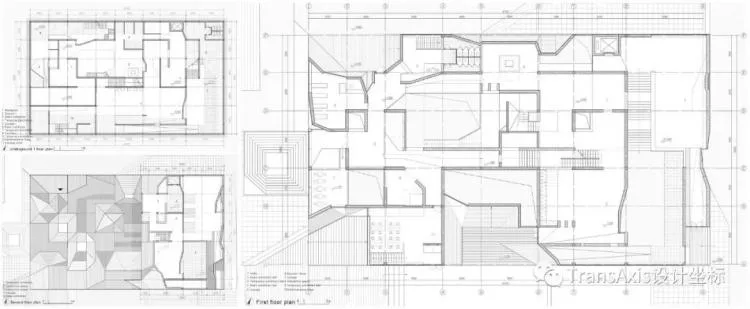
△ Functional diagram
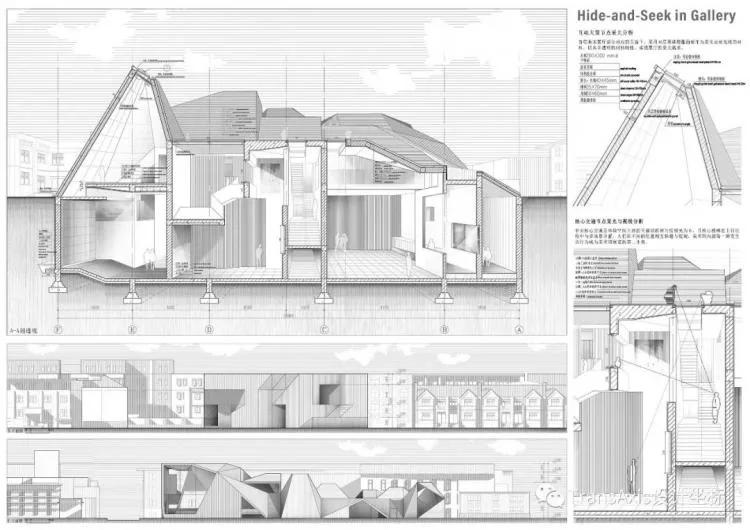
The exhibition path follows the functional zoning controlled by the form. The exhibition halls form an independent system linked by a central circulation core (see below section). Along this route, walls open, close, and fold around courtyards and skylights, blending atmospheres on the north and south sides.
This design creates shifts in scale and light that affect visitors’ psychological experience, supporting the concept of “exploration, discovery, and hiding.”
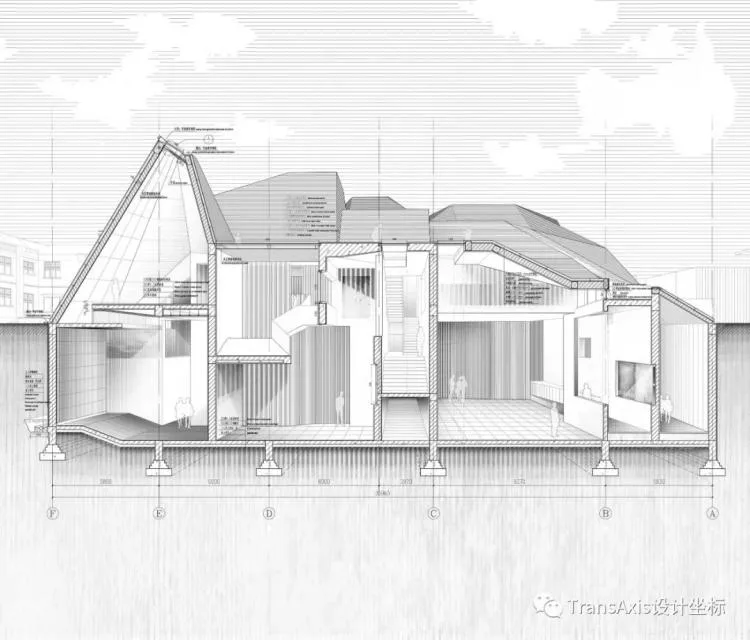
△ Sectional perspective
This concise and unified spatial manipulation refines the design intent by shaping visitor experience and emotional response.
Visual analysis includes:
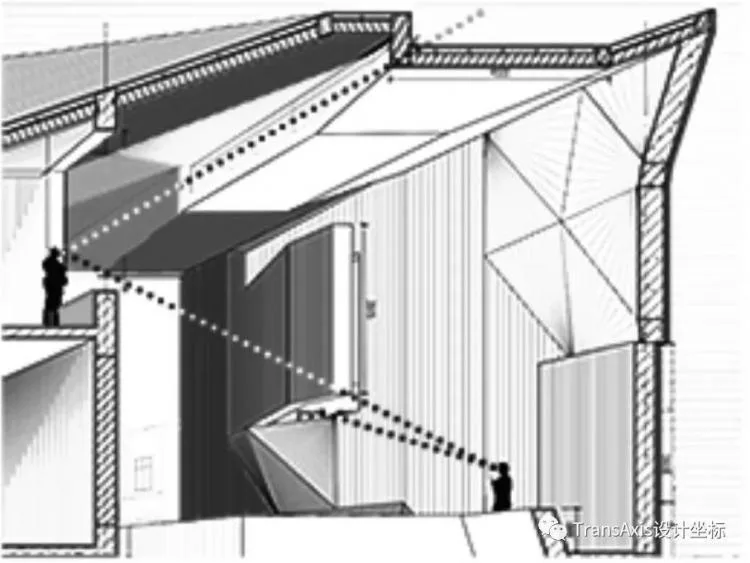
The entrance hall’s roof and walls extend the grid pattern, with wall openings modulating sightlines.
Visitors interact with outdoor elements through these openings, framing exterior views as the initial exhibition experience.
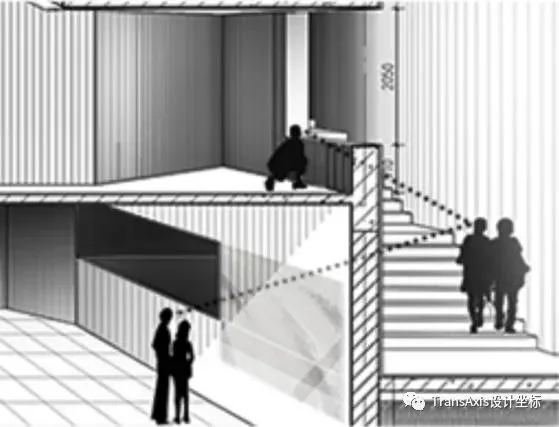
Large side wall openings and steps break traditional exhibition viewing, integrating visitor activity into the artwork and allowing shifting roles during the experience.
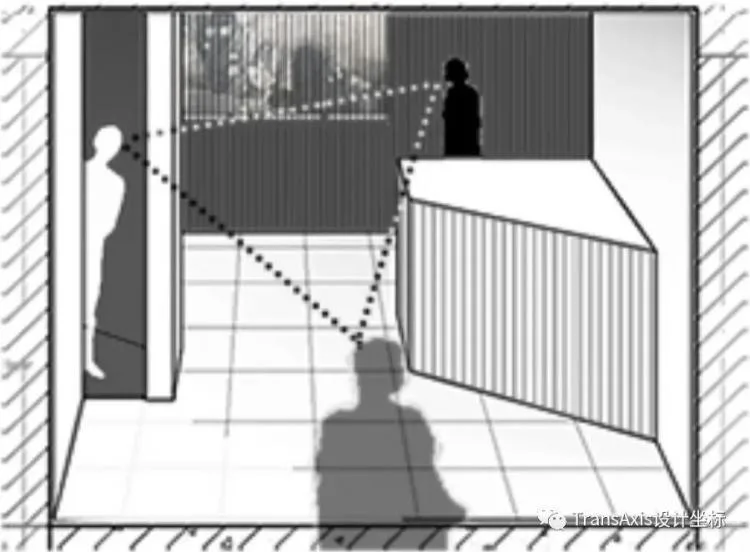
The main exhibition hall uses staggered walls, small booths, and narrow ramps to encourage active engagement and curiosity through subtle lighting.
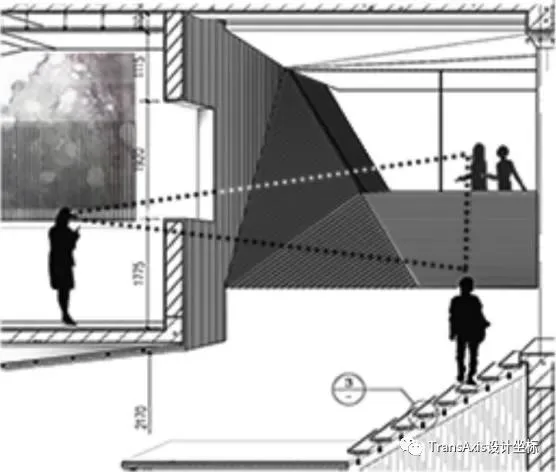
Ascending the main staircase to the mezzanine, visitors become visible subjects observed by others, turning the stairwell into a dynamic exhibition scene that enriches the spatial hierarchy.
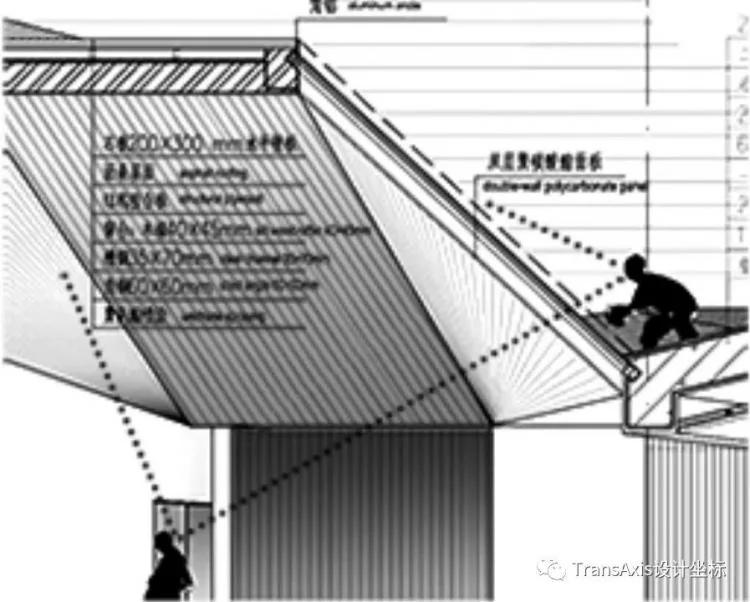
Slanted roofs and open windows create dynamic light and shadow flows, blending indoor and outdoor views. Skylights employ double-layer polycarbonate panels that soften light while maintaining semi-transparency.
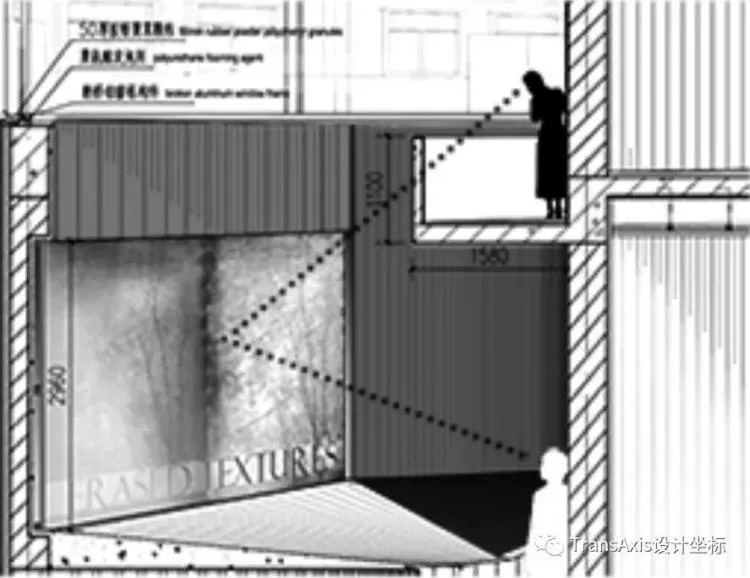
Visitors outside can observe lively exhibition activities through the museum’s facade. The same exhibit appears in two main halls at different heights, providing varied perspectives.
During the Best 16 defense, I presented internal renderings and model photos rather than visual analysis charts. I described the spatial experience along the exhibition route, from entry to exit, as follows:
This journey explores mystery and the unknown. Entering the main entrance, a narrow, dim slope contrasts with light from a nearby window, igniting curiosity.
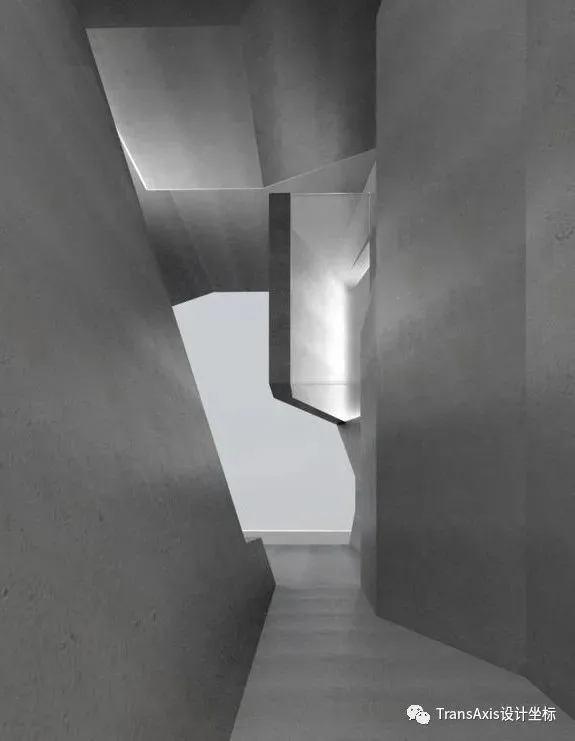
Walking down a long staircase, I glimpse varied windows casting faint light on high walls, hinting at countless secrets.
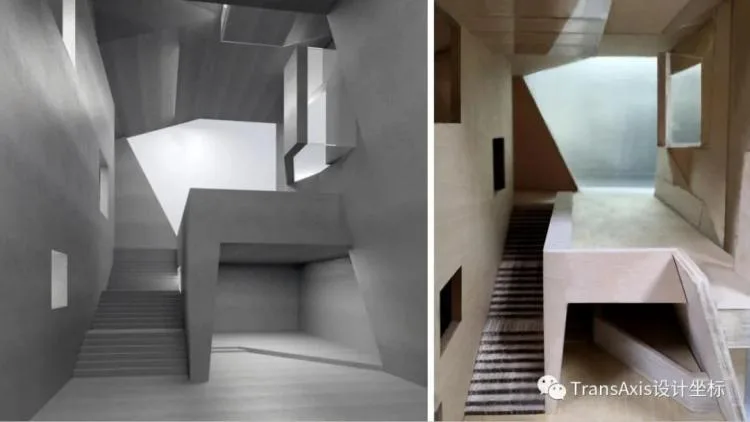
Entering the first exhibition hall, shadowy cracks formed by moving walls reveal fleeting figures and cultural exhibits.
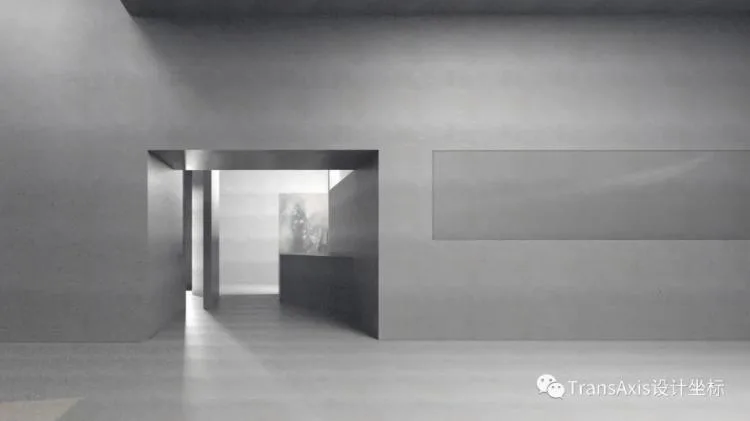
Looking back, dancing light filters through double-layered roofs as a stranger peers from a corner.
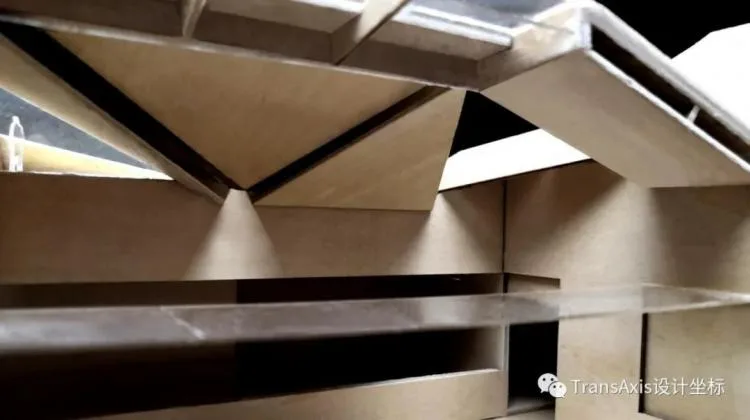
Hurrying away via a winding path, I ascend to the second floor exhibition. Along the way, stories of light and people unfold, with unexpected greetings through small elevated windows sparking my eagerness to explore further.
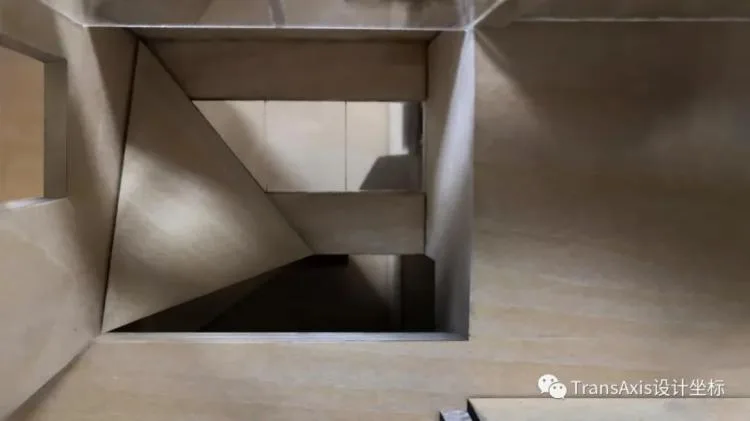
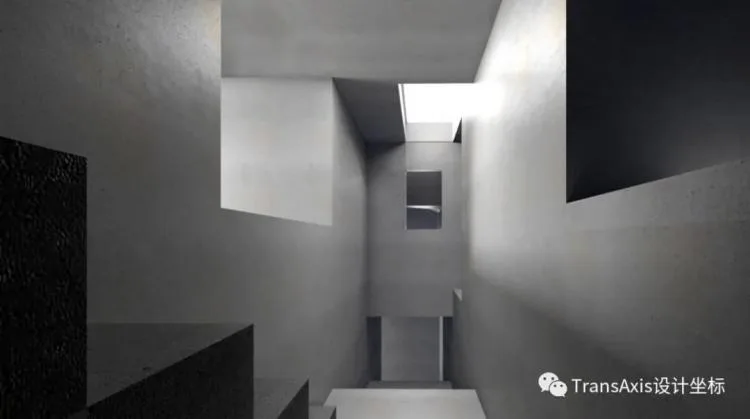
In a small courtyard, blue sky and diffused light illuminate concrete walls, creating a tranquil, intimate atmosphere that feels uniquely mine.
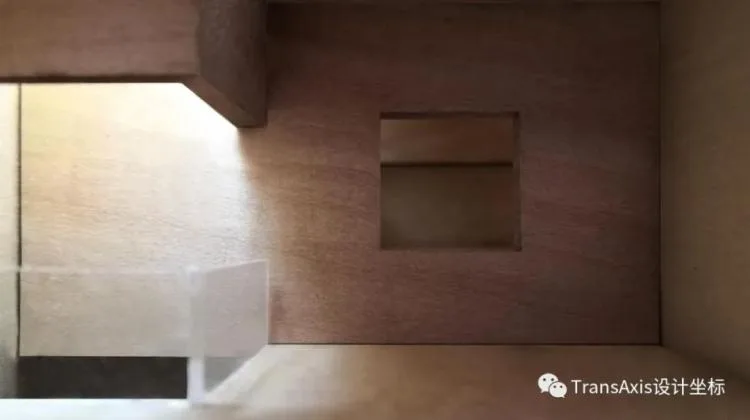
The displayed history and mysteries around each corner invite continuous exploration and discovery.
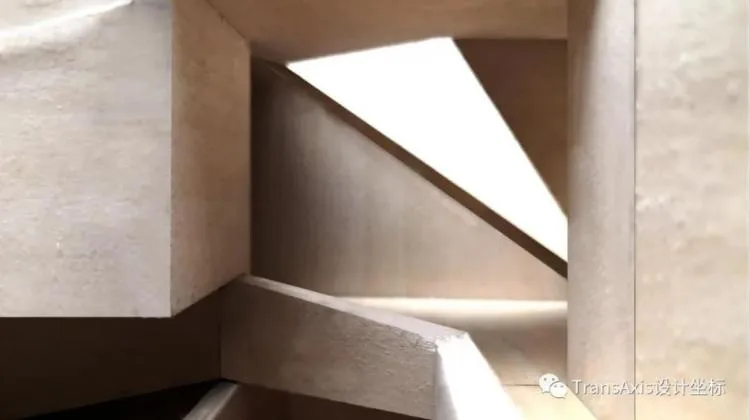
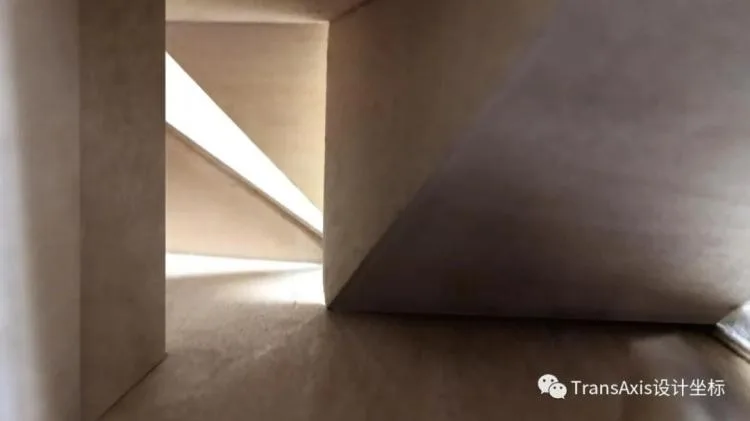
Looking back, a child points to clouds and birds seen through a skylight, sharing their world interpretation with parents. These winding skylights symbolize the ever-changing world within each visitor’s mind.
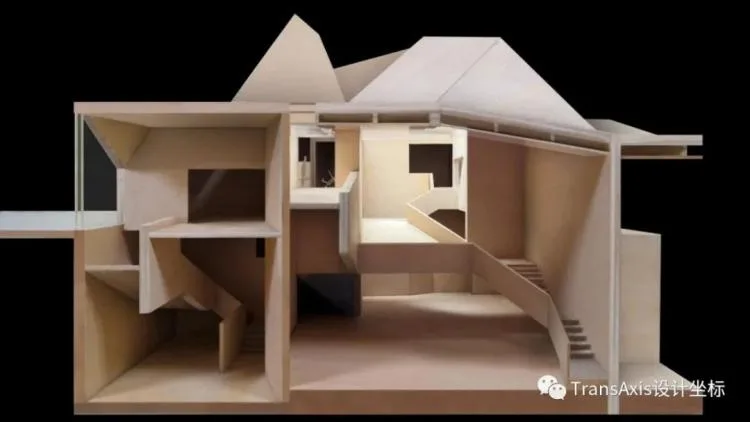
Approaching a second-floor window, I realize I have become the mysterious subject observed through the high walls and openings, aware that every pause or movement is watched and interpreted.
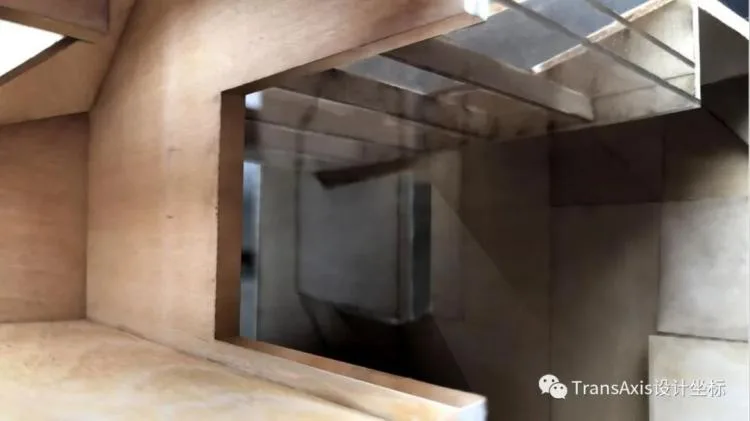
In a dim corner, a hint of empty space sparks my imagination of the outside world. I step out, eager to glimpse the stories unfolding beyond the skylights.
This exhibition presents a slice of history, with uncertainty around each corner creating a playful hide-and-seek environment between concrete elements and natural textures. —END
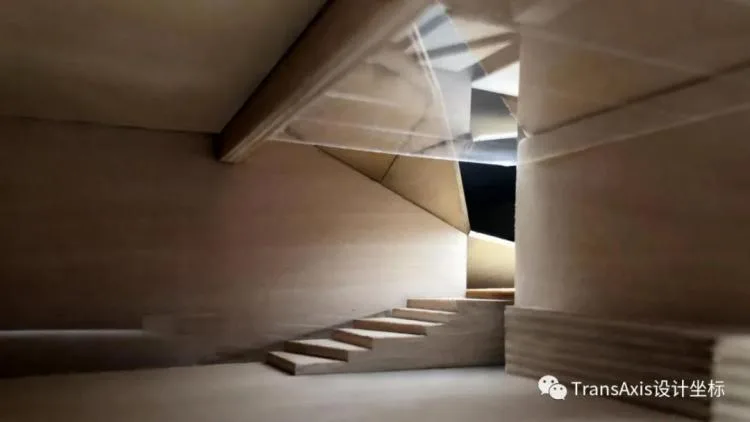
The internal design approach emphasizes the connection between interior and exterior spaces, focusing on visitor emotions and experiences to link activity, imagery, and form.
Exhibits are defined by walls, openings, and skylights, creating a journey filled with exploration and mystery. Visitors outside witness the exhibitions and unique spaces illuminated under skylights, while the undulating folded roof maintains spatial continuity.
Light filters dynamically through roof gaps, enriching the exhibition’s atmosphere over time.
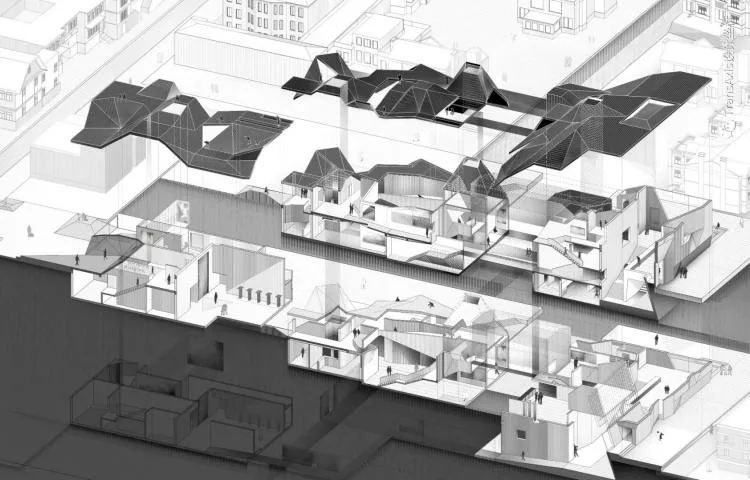
△ Axis and measurement analysis diagram
Step 4: Materials and Construction
To optimize natural lighting, skylights are positioned in circulation and interactive areas, allowing light to refract and reflect within spaces.
Natural light is prioritized for exhibition halls. Semi-transparent polycarbonate panels soften and diffuse light to protect exhibits. The lower structure employs reinforced concrete, while the roof uses steel construction. Connections between roof beams and glass are finished with bent galvanized steel plates.
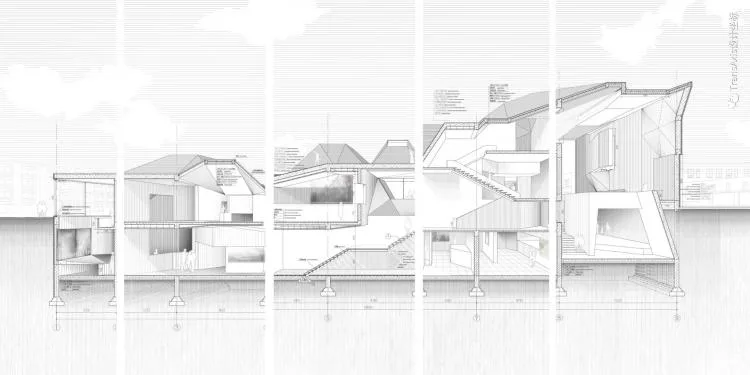
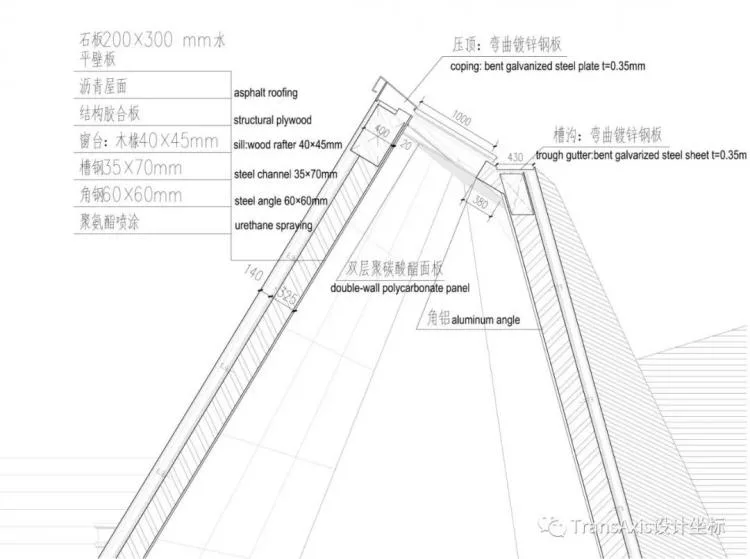
Step 5: Expression and Reflection
The final design presentation includes black and white line drawings that abstractly combine sectional paths with roof perspectives. These diagrams illustrate the internal-external spatial relationships and circulation logic, while incorporating interior perspectives to convey conceptual ideas.
As an art museum embedded in a historic district, the design navigates the tension between the museum’s spatial atmosphere and the openness of public spaces by directing daily activities into specific zones. Unintentionally captured unique moments form the foundation of the museum’s mysterious and enigmatic ambiance.
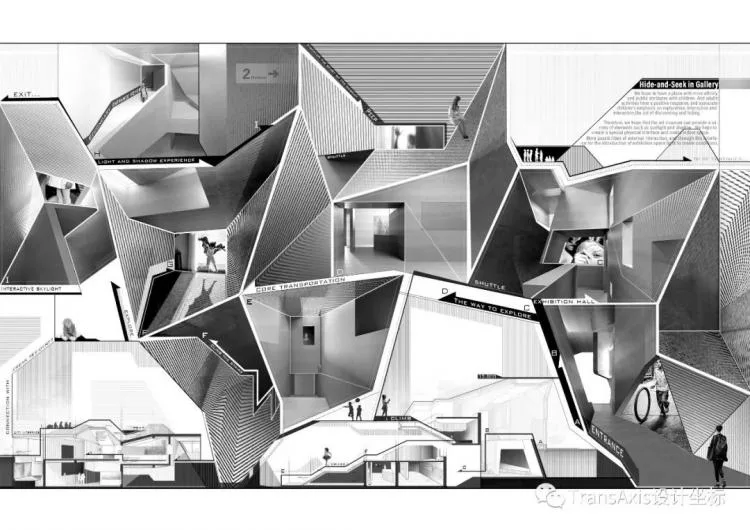
Special thanks to Professor Xin Shanchao for guidance and encouragement during the project’s challenging phases. I had the privilege of following Professor Xin for all four junior-year projects, an intense yet rewarding experience.
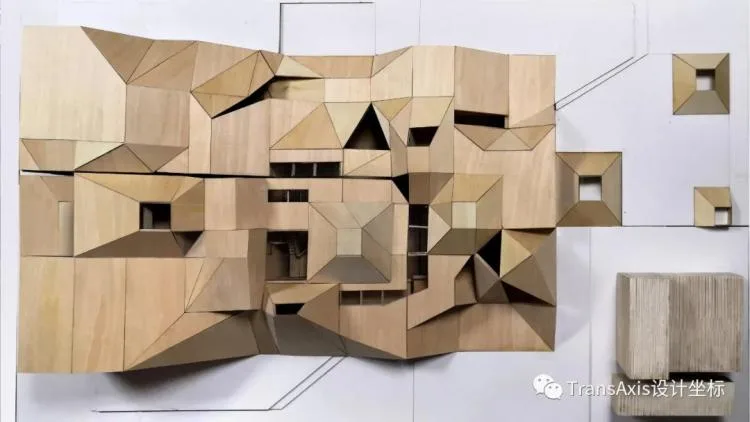
This design marks a departure from previous work by focusing on integrating activities, imagery, and form. I also experimented with line-drawing styles for expression. I am grateful to my LHM classmate who helped build the physical model over a week, compensating for the inability to create one during the pandemic semester.
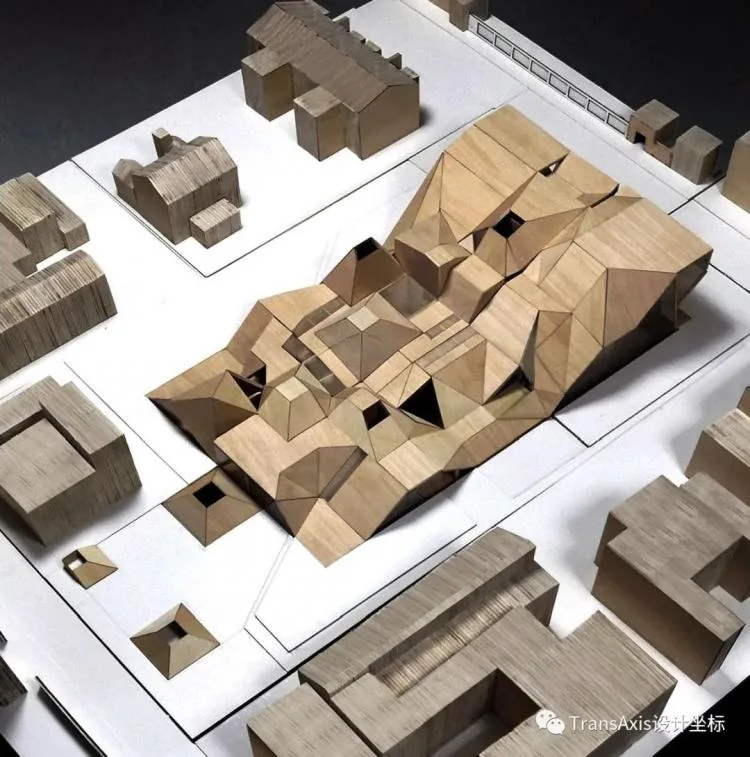
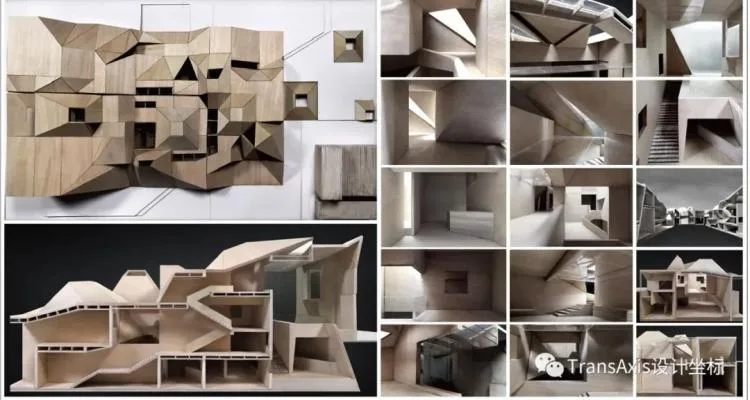
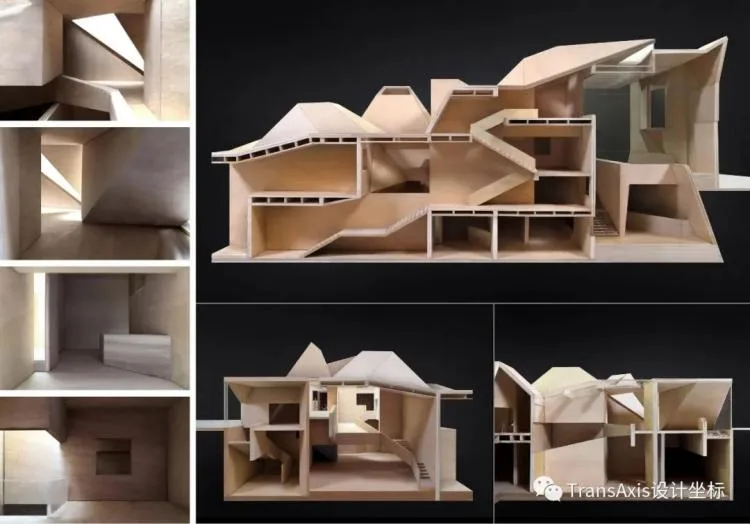
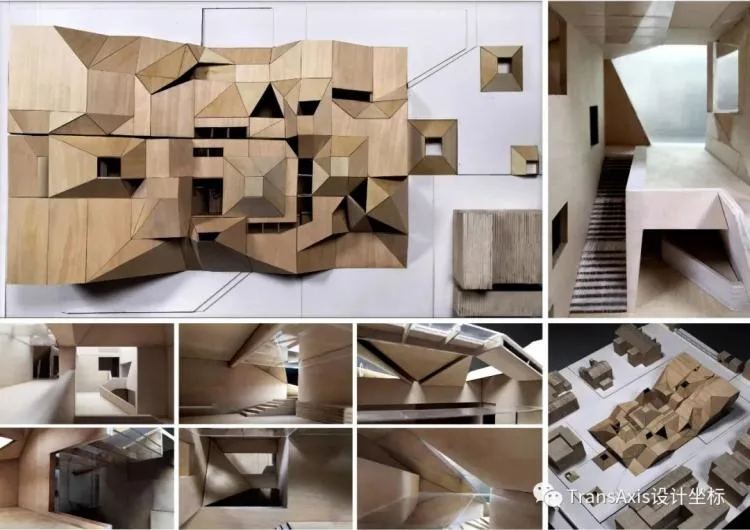
△ Model photos
Despite many imperfections, I appreciate the constructive criticism from faculty and judges during the final rookie competition defense. Notably, the second-floor exhibition flow causes some congestion at small traffic nodes, forcing visitors to choose routes in tight spaces. I also overlooked seasonal impacts and sun angles, which could better define light and shadow shaping in exhibitions.
This art museum project spanned my junior and senior years and, though imperfect, served as a valuable learning experience. I welcome further feedback and corrections.
More High-Quality Work Interpretations
Please proceed to Topic – High Quality Student Works (click the text to jump)

Archcollege Long-term Author Recruitment
Manuscript fees range from 300-1000 RMB per article, with an annual best work bonus of 10,000 RMB.
For more information, please leave a message via the website backend or add WeChat: JZXY-YZ












Must log in before commenting!
Sign Up