
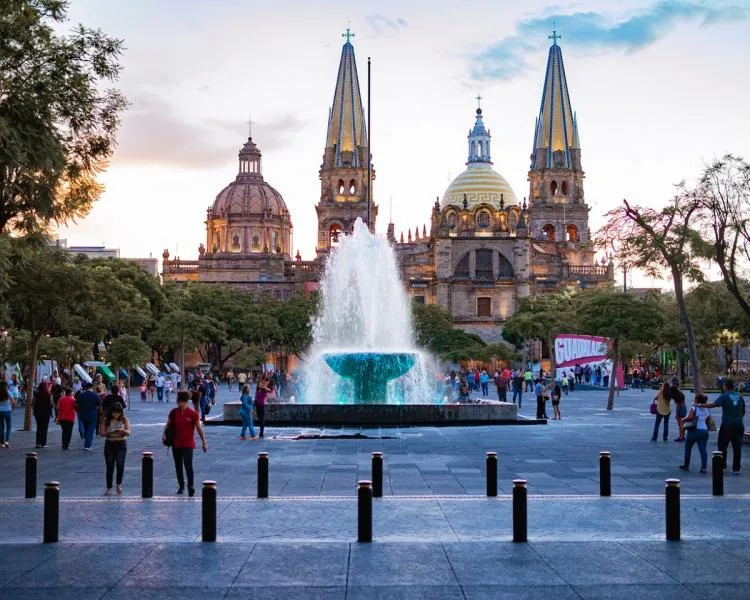
Guadalajara, founded in 1542, is Mexico’s second-largest city and a vibrant representation of the nation’s culture and identity. The city is home to over a hundred historic buildings spanning various periods, styles, and religious traditions.
In mid-2020, CRTKL unveiled the design for Guadalajara Airport’s Terminal 2. Since late 2019, the firm has been delivering comprehensive design services for the project, including architecture, interiors, landscaping, and signage. The design not only fulfills the terminal’s functional requirements for the modern era but also pays homage to Guadalajara’s rich cultural heritage from a local perspective.
Looking ahead, airport design is evolving beyond mere transportation hubs. Future airports will become dynamic, immersive spaces that offer passengers unique and memorable experiences.
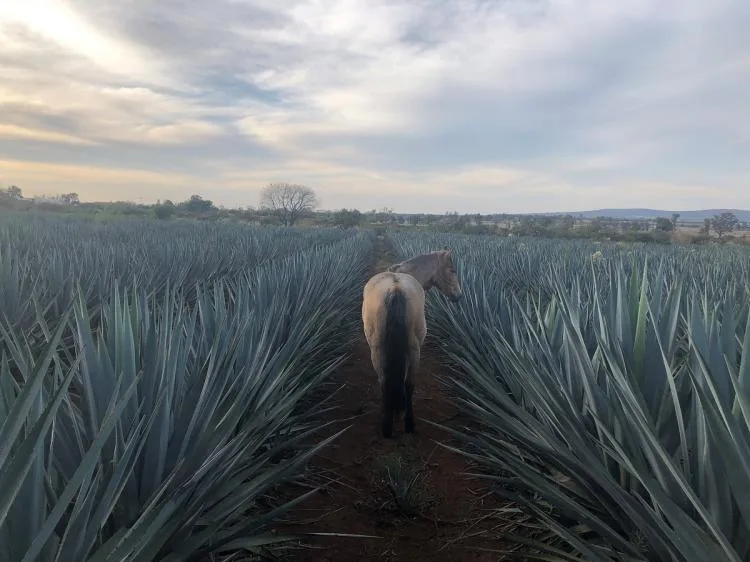
Guadalajara is famously known as the birthplace of tequila. This iconic Mexican spirit is produced exclusively from blue agave plants cultivated in the region, making it the finest and most precious variety of tequila in the country.
01
Tequila and Eagle: Concept and Spatial Layout
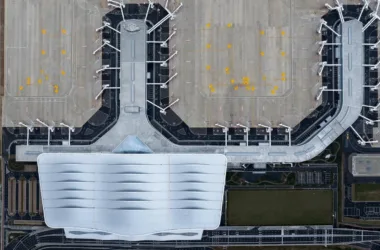
At the project’s outset, CRTKL deeply explored Mexico’s historical context and cultural identity, which greatly influenced the design of Terminal 2. The terminal’s needle-shaped linear form is inspired by the agave plant—a large evergreen herb native to the Americas, used for producing tequila and medicinal purposes. This plant holds strong regional significance. The terminal’s overall flow and spatial experience are inspired by the Mexican eagle, symbolizing freedom and grace. From arrival to departure, passengers experience a journey akin to an eagle soaring smoothly and effortlessly over the landscape of South America.
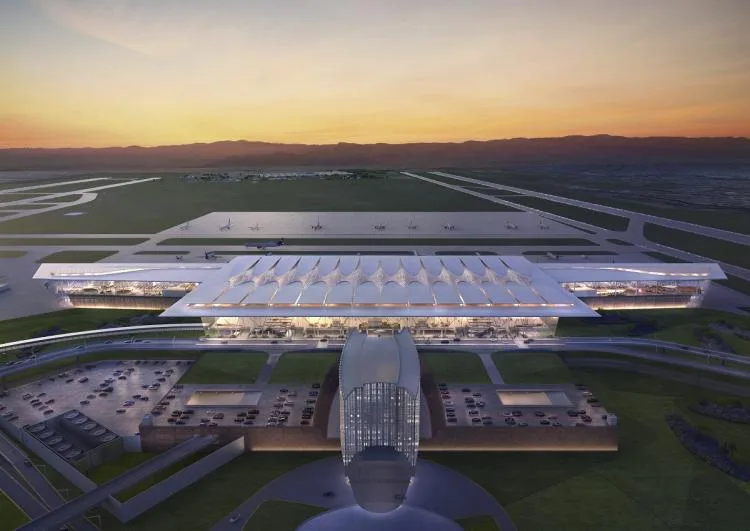
The expanded Terminal 2 features a 50-meter span for each boarding gate, enabling efficient and smooth passenger flow for multiple flights. Its narrow, elongated layout complements Guadalajara’s natural canyon landscape and maximizes natural sunlight penetration throughout the terminal.
Terminal 2 is located close to the existing Terminal 1 and features complementary architectural forms to facilitate easy passenger movement between terminals while maintaining a harmonious visual environment. The site also includes a hotel, parking facilities, public activity spaces, and dedicated airport airside areas for staff, ensuring efficient use of all amenities. Transportation accessibility is prioritized, with remote boarding gates centrally located to reduce walking distances and convenient facilities throughout the terminal to streamline passenger boarding.
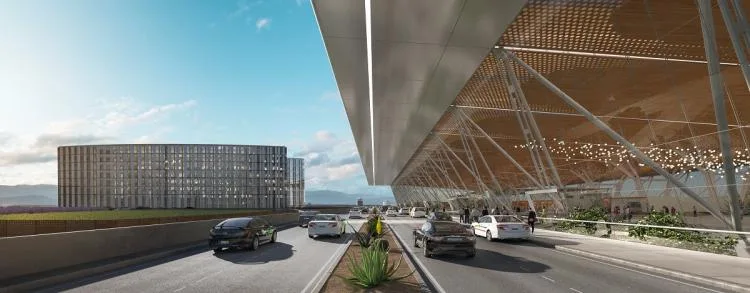
Vertically, Terminal 2 is organized across three floors with clear functional zones:
- First floor: baggage claim, welcome hall, and connections to remote boarding gates;
- Second floor: arrival level featuring arrival halls, pedestrian bridges, and luggage screening;
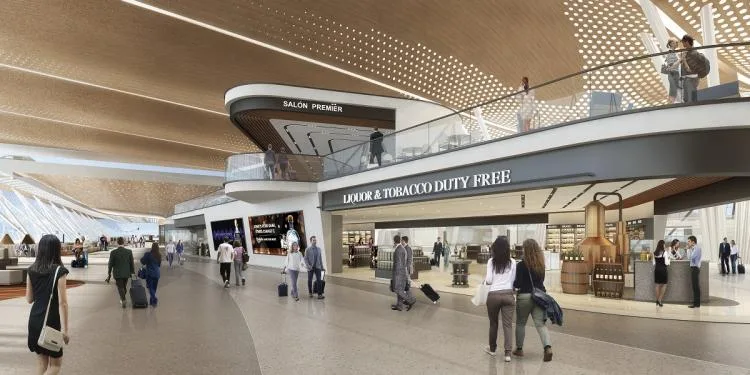
- Third floor: departure level offering boarding, security checks, and amenities such as duty-free shops, restaurants, fitness centers, prayer rooms, and children’s areas to enhance passenger comfort.
The design aims to provide all travelers passing through Guadalajara Airport with a seamless and relaxing experience upon arrival.
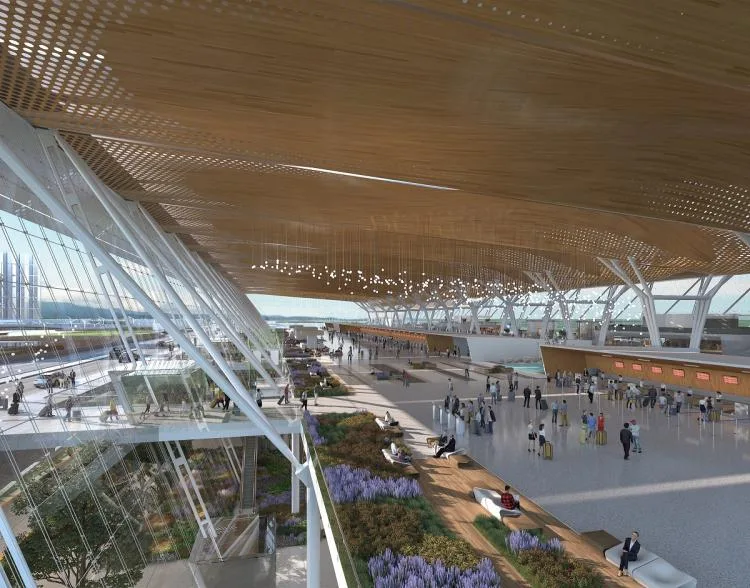
02
Wave Wood Roof Structure: A Localized Architectural Expression
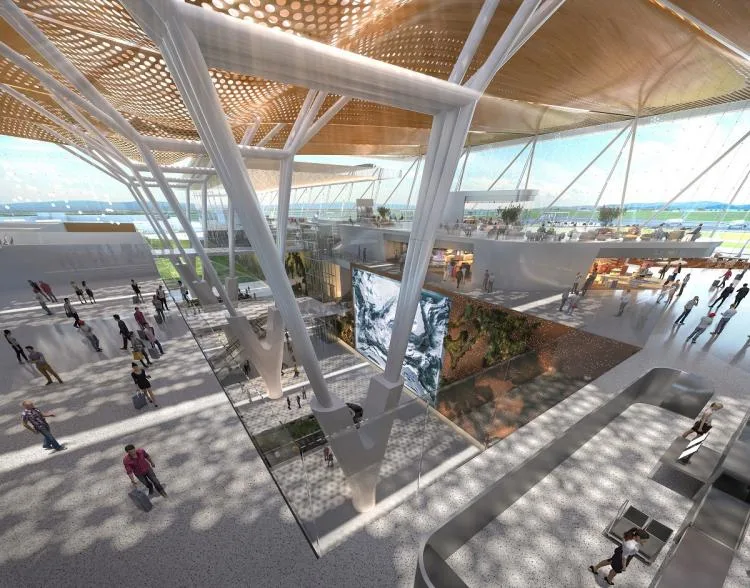
The wavy wooden roof of Terminal 2 immediately captures visitors’ attention, embodying a tactile, flowing form. Hundreds of small perforations in the roof filter sunlight softly throughout the bright white interior, providing ample natural light while reducing glare. Three-story-high white columns, subtle gray terrazzo floors, translucent glass walls, abundant native greenery, and warm wooden ceilings combine to reflect Guadalajara’s local climate and landscape characteristics through natural materials and design techniques.
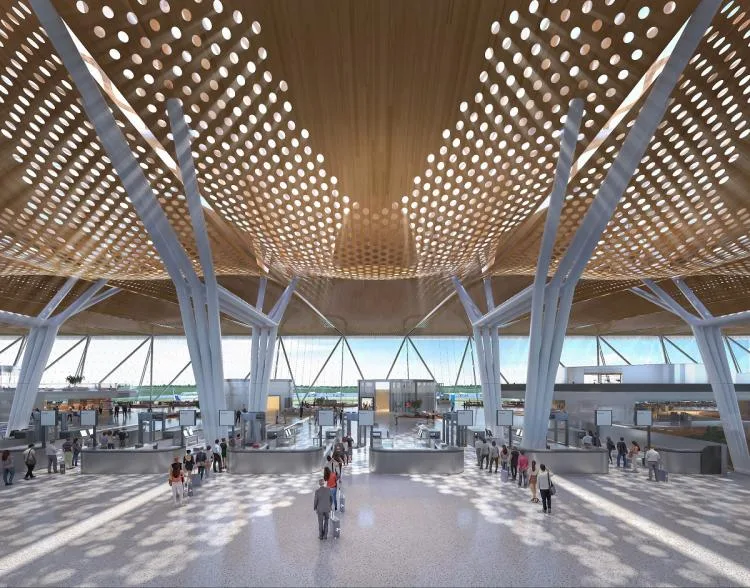
Terminal 2’s design centers around five key concepts: immersion, surprise, attraction, welcome, and comfort. Guadalajara’s vibrant urban form, vivid colors, expansive landscapes, and passionate community inspired CRTKL to integrate the city’s unique features, local craftsmanship, and cultural spirit into every detail of the terminal’s design.
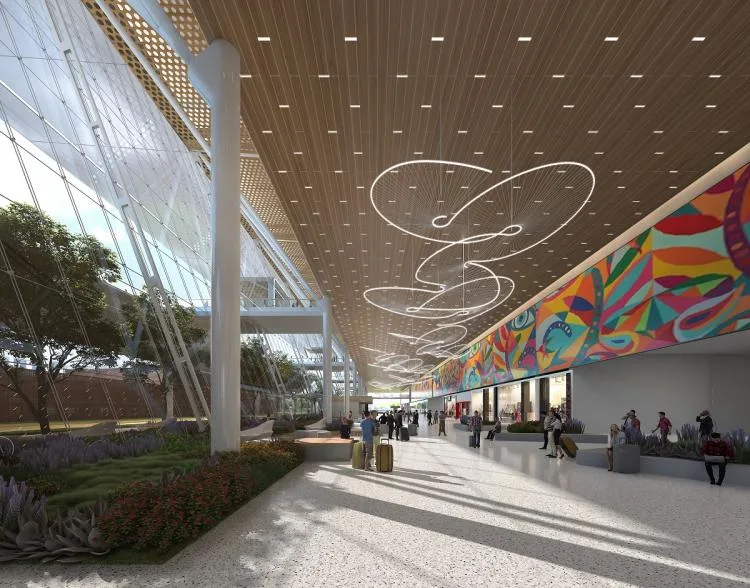
Known as the “Soul of Guadalajara,” the design captures the local spirit through architecture, interiors, and landscape lighting, creating spaces that invite relaxation, exploration, and community. The design embraces four experiential elements: locality, smooth flow, welcome, and sustainability. Upon arrival, passengers are guided through a cohesive and harmonious design language that smoothly transitions them through each area of the terminal.
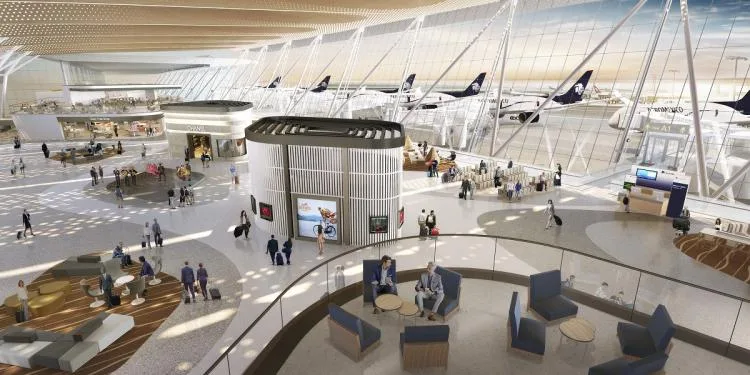
The transparent glass corridor bridge enhances the passenger experience by allowing more time for farewells and offering panoramic views inside and outside the airport—from security checkpoints to boarding gates.
Terminal 2 is also a showcase of smart building technology, seamlessly integrating responsive systems for optimal user comfort. Its all-weather ventilation and self-regulating cooling adapt to changing conditions, while modular building components are designed for easy upgrades and future expansion.
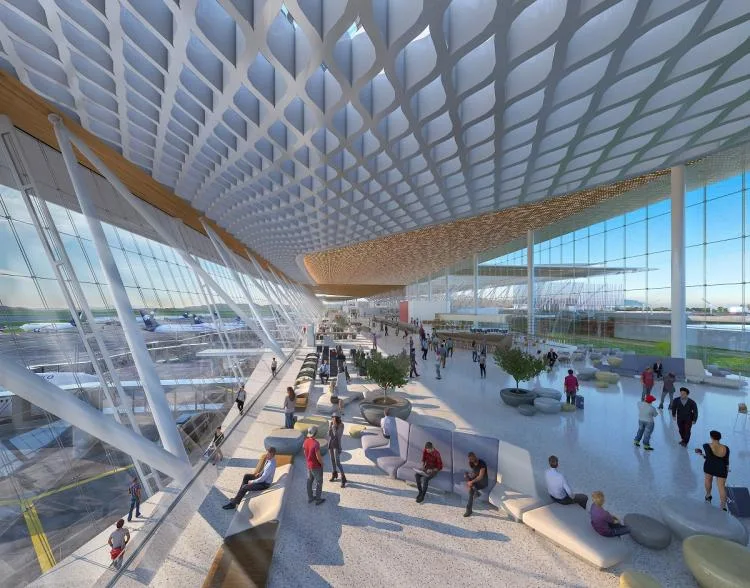
03
Creating a Net Zero Terminal: Sustainable and Energy-Efficient Design
Terminal 2 aims to be a leader in environmental performance, targeting a dramatic reduction in carbon emissions. It is projected to emit only 2,814 tons of CO₂ annually—a stark contrast to the average 30,188 tons from comparable medium-sized terminals. This reduction is equivalent to planting approximately 2,800 trees each year.
The terminal incorporates multiple green strategies, including solar panels, natural lighting, ventilation, shading, energy-efficient cooling systems, high-performance mechanical equipment, and advanced building management systems, all working together to minimize energy consumption and achieve net zero status.
(*Note: Net zero buildings produce as much renewable energy annually as they consume.)
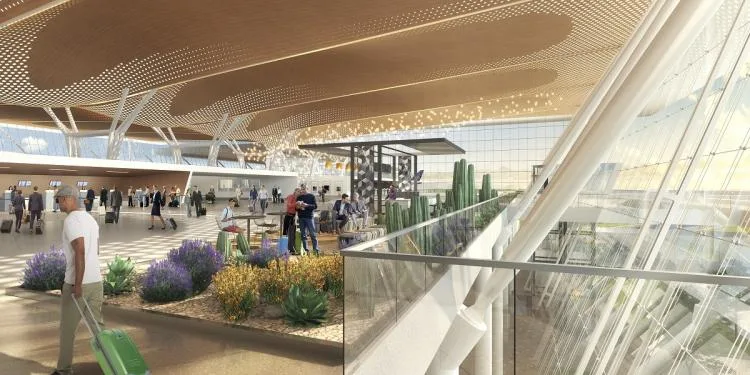
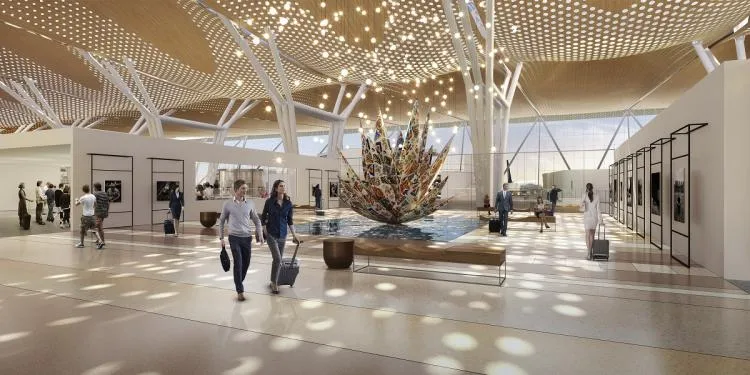
The interior design emphasizes human-centered comfort throughout the passenger journey. Upon entering the departure hall, travelers are greeted by lush local greenery, blurring the boundary between indoors and outdoors. En route to security, passengers pass through an open art gallery showcasing rotating exhibitions by Guadalajara artists, immersing travelers in local culture before departure. Beyond security, a spacious area features multimedia art walls presenting local landscapes and artistic creations, creating a relaxing and visually engaging environment.
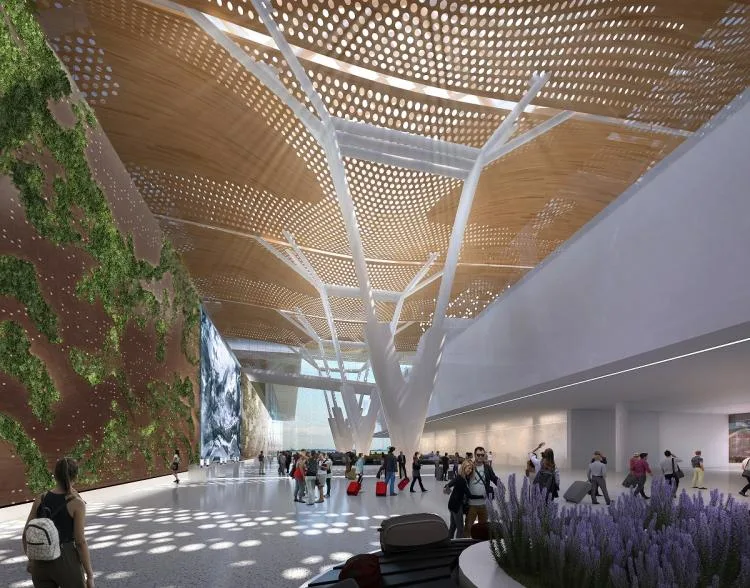
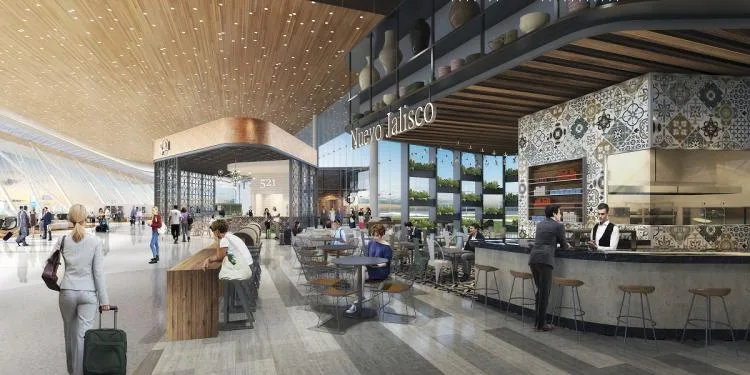
The waiting area offers a variety of thoughtfully designed spaces: a VIP lounge combining privacy with visual interaction, a duty-free shop featuring local crafts and specialties, a dining area with authentic South American cuisine, and a children’s play zone themed around “tequila fields.” Every corner is infused with creativity and cultural references, enriching the passenger experience.
In light of recent global health concerns, the design team has incorporated features such as contactless facilities and social distancing measures to ensure passenger safety during the pandemic.
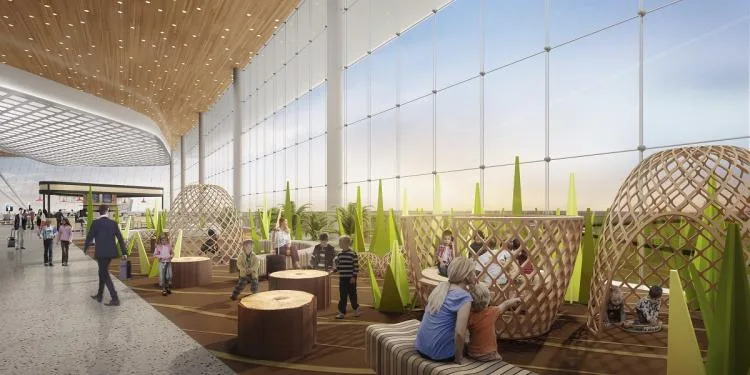
Children’s Play Area Inspired by “Tequila Fields”
By analyzing Guadalajara’s cultural background and evolving functional needs, the design embraces the passenger experience as its core. Drawing inspiration from tequila and sustainability, Terminal 2 aims to be a clean, net zero airport, delivering a comprehensive upgrade across architecture, interiors, and landscapes. By 2031, the airport is expected to double its passenger capacity, setting a benchmark for future airport terminal designs worldwide.
Project Location | Guadalajara
Services | Architectural, Interior, Landscape, and Signage Design












Must log in before commenting!
Sign Up