
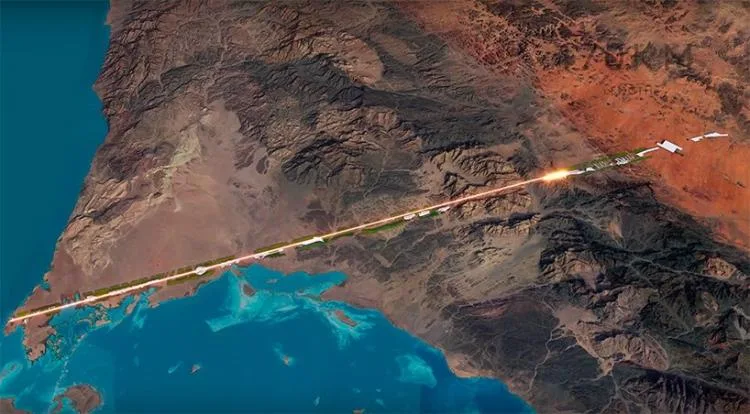
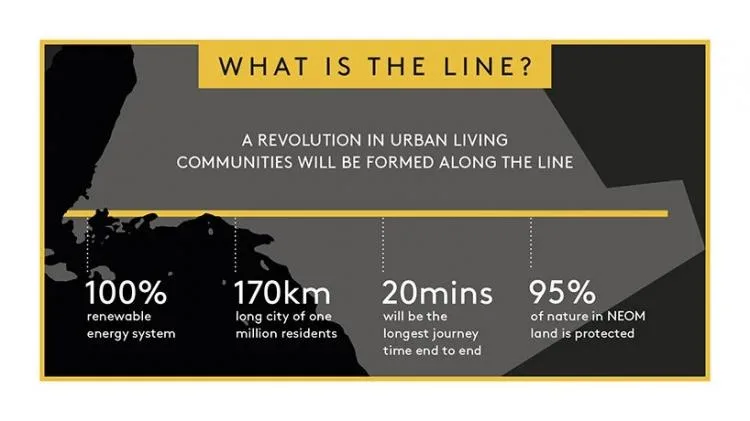
Saudi Arabian Crown Prince Mohammed bin Salman recently unveiled plans to construct a 170-kilometer-long zero-energy pedestrian city designed to house one million residents.
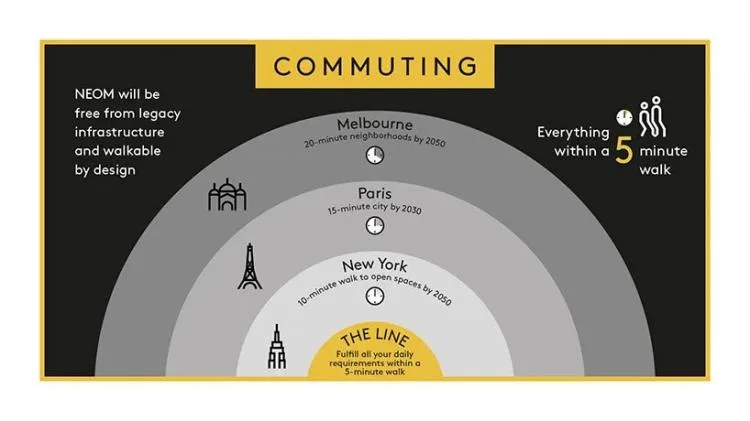
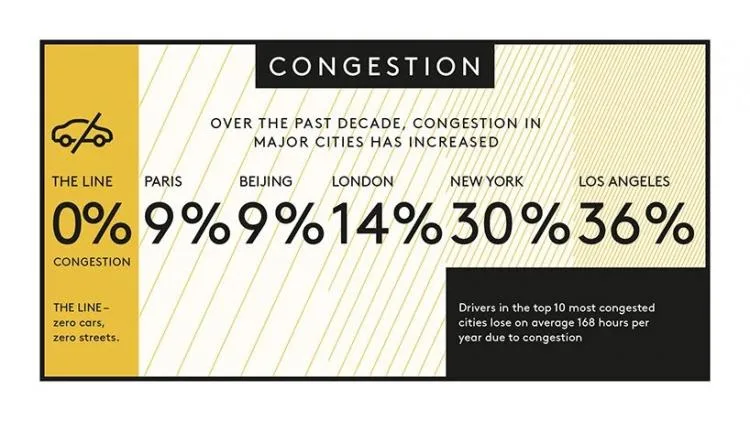
This innovative linear city will feature no cars or streets, ensuring that every resident lives within a five-minute walk of essential infrastructure.
In a video announcement, Crown Prince Mohammed bin Salman described “The Line” as a “civilizational transformation that puts people first.”
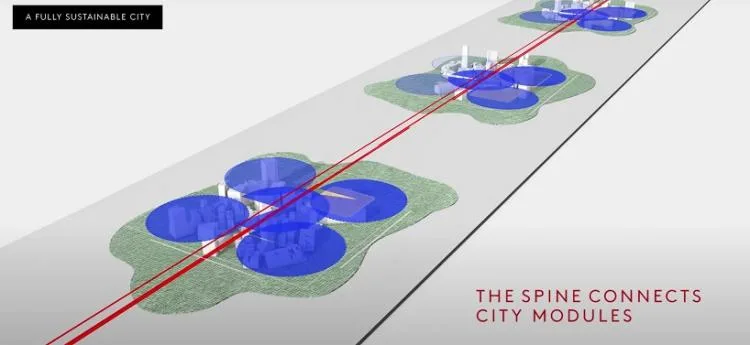
The 170-kilometer super city will be composed of interconnected communities called “urban modules,” linking the Red Sea coast to northwestern Saudi Arabia.
“The Line” will be part of the $500 billion Neom project — a fully automated region spanning Saudi Arabia, Jordan, and Egypt — powered entirely by renewable energy to drive sustainable urban development.
“The Line” Will Have No Cars or Streets
Ben Salman, Chairman of Neom’s Board of Directors, confirmed that construction on “The Line” will begin in the first quarter of 2021.
The city will operate without cars or roads, with all residents able to access their daily needs within a five-minute walk.
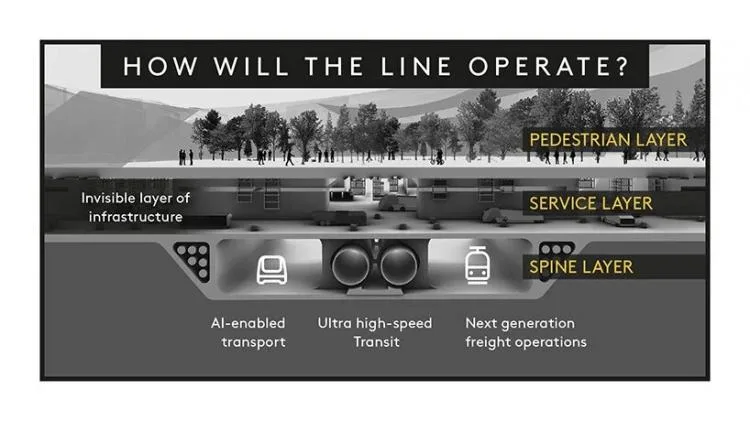
According to official announcements, high-speed transportation, public utilities, digital technology, and logistics will be seamlessly integrated into dedicated spaces hidden within layers beneath “The Line.”
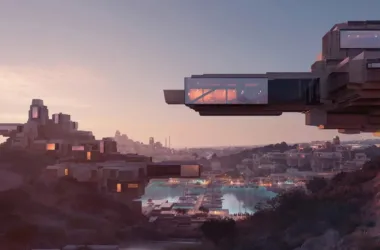
Conceptual designs reveal AI-driven transportation vehicles, with subways and high-speed freight transit running underground. At street level is the pedestrian zone, below which lies the underground infrastructure “service layer,” and further below, the transportation “spine layer.”
The “spine” will connect various communities within the city, which is designed to accommodate one million people along its 170-kilometer stretch. Developers envision travel from end to end taking no more than 20 minutes.
Ben Salman emphasizes that this project addresses major issues such as pollution and traffic accidents.
“By 2050, commuting times will double,” he stated. “Due to rising carbon dioxide emissions and sea levels, one billion people will be forced to relocate. Ninety percent of the global population will breathe polluted air.”
He further questioned, “Why do we sacrifice nature for development? Why do seven million people die annually from pollution? Why do one million lose their lives every year in traffic accidents?”
AI-Guided Community
Transportation within the city will be AI-driven and managed through extensive data analysis. Developers describe “The Line” as a “perceptible” community powered by artificial intelligence, enabling systems to continuously learn and enhance daily living.
Approximately 90% of the available data will be utilized to improve infrastructure, a significant increase compared to the typical 1% data usage in current smart cities.
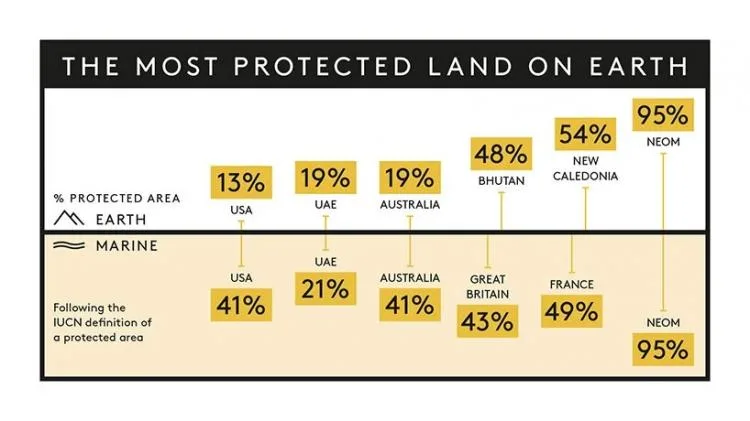
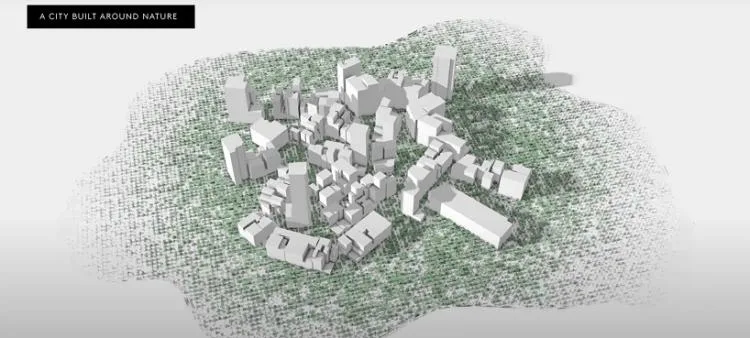
Buildings will be carbon positive and powered by clean energy. Neom states that the design of “The Line” will protect 95% of the land in the Neom area, which lies along a crucial trade route.
Established in 2017 as part of Saudi Arabia’s Vision 2030, Neom aims to diversify the economy and reduce reliance on oil. The region will host more robots than people and generate electricity through solar panels and wind farms.
In 2018, following the murder of journalist Jamal Khashoggi, British architect Norman Foster announced a temporary pause on the project during a Neom board meeting.
Image source: Neom












Must log in before commenting!
Sign Up