
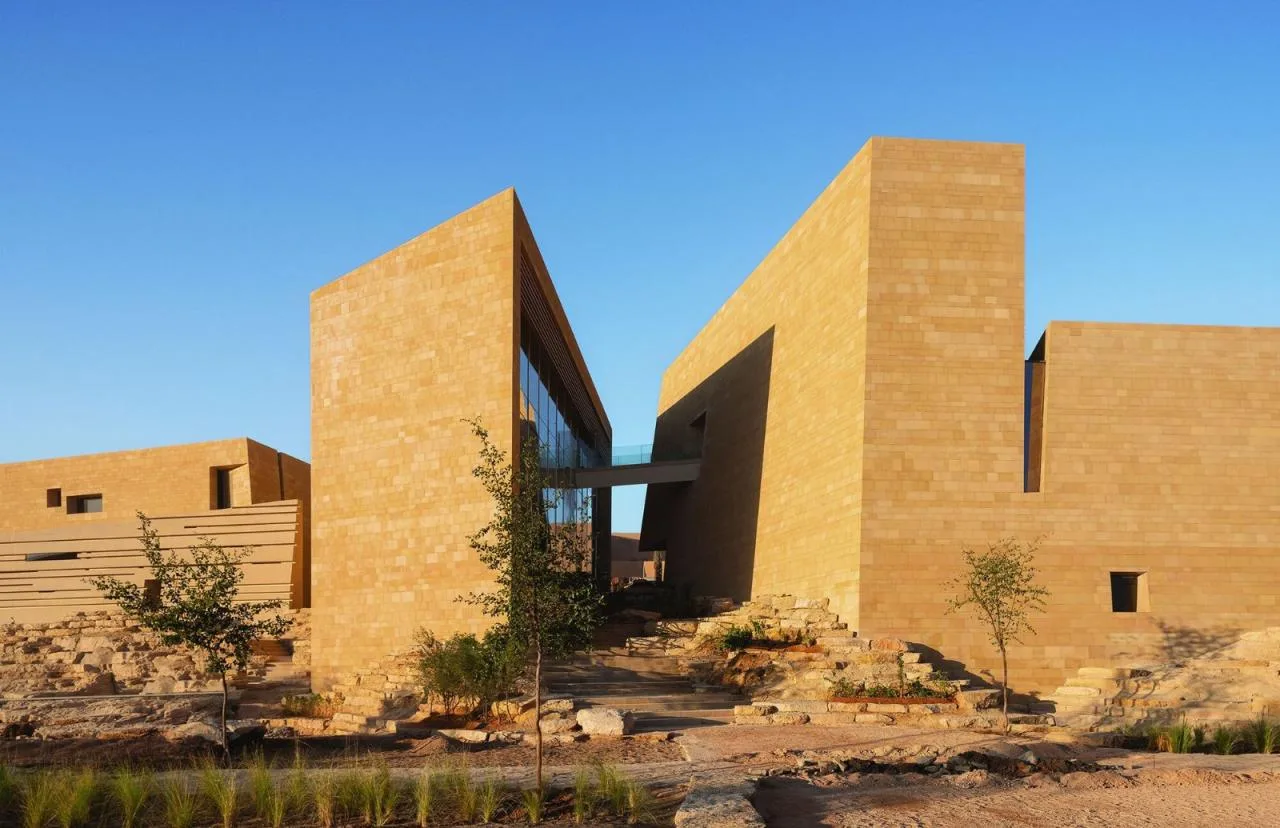
On November 25th, the “Diriyah Future Art Center” in Riyadh—the Gulf region’s first museum dedicated exclusively to digital art—will officially open. The grand opening features the large-scale exhibition Art Must Be Human: Perspectives of Artificial Intelligence in Visual Art, curated by Jerome Notres, and will welcome guests from around the world. Designed by the Italian architectural firm Schiattarella Associates, this building marks the first public project under Saudi Arabia’s ambitious “Vision 2030” initiative, which aims to drive economic, cultural, and social transformation in the coming years.
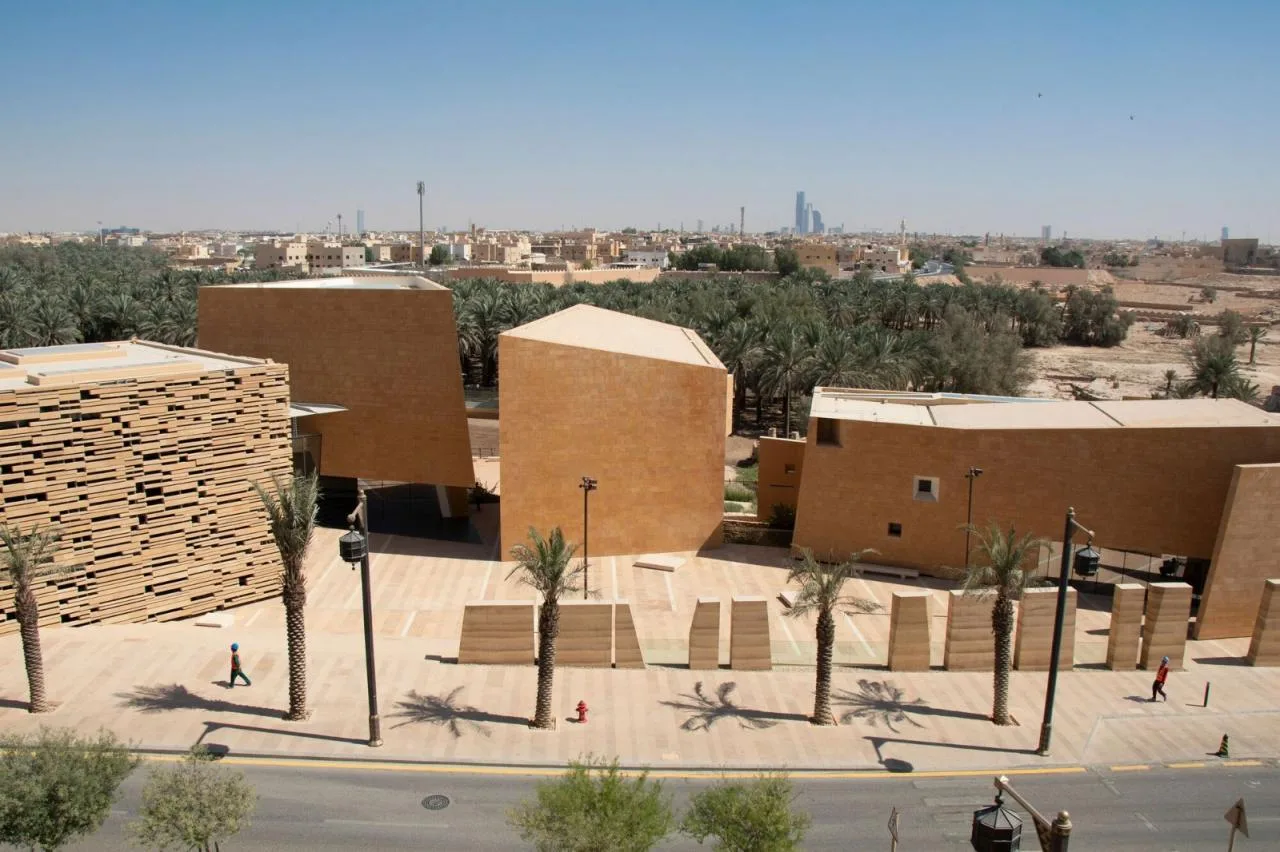
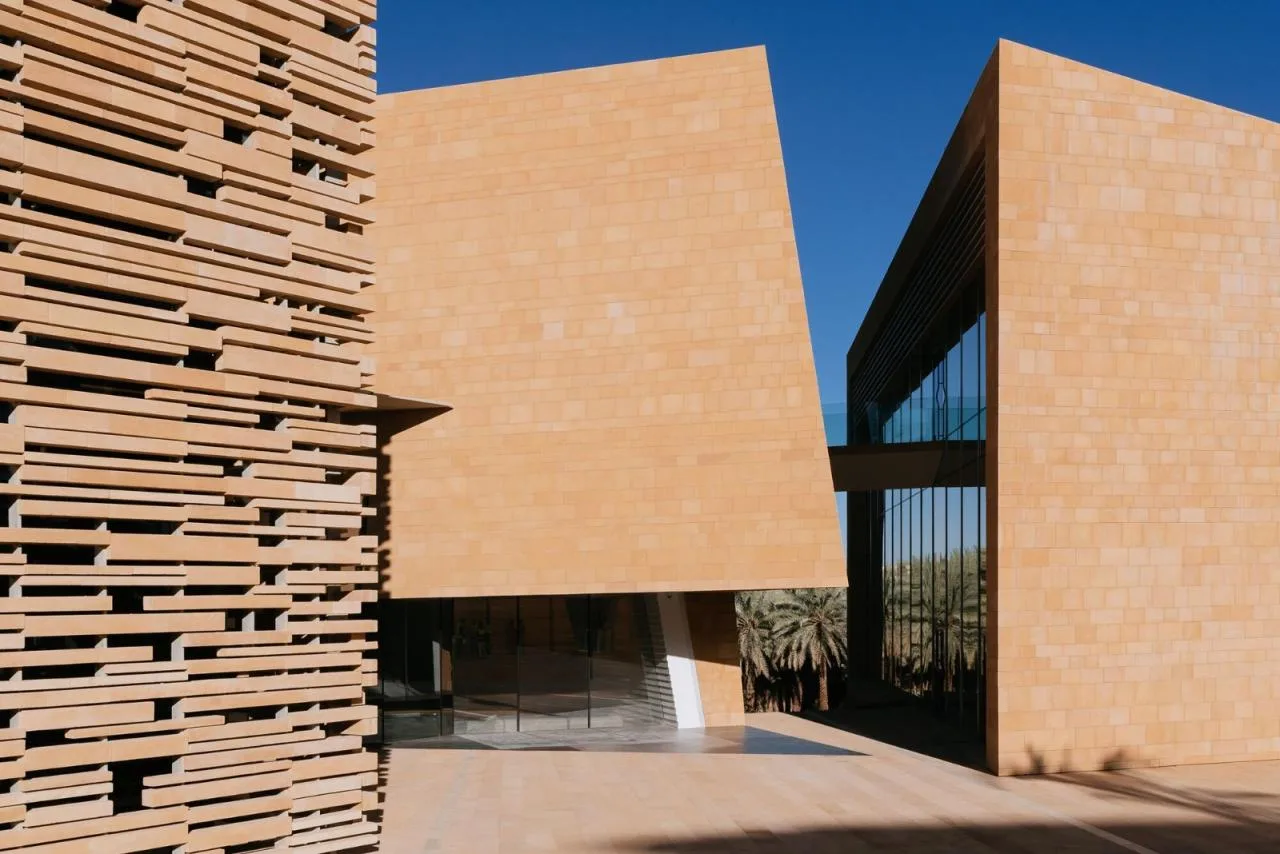
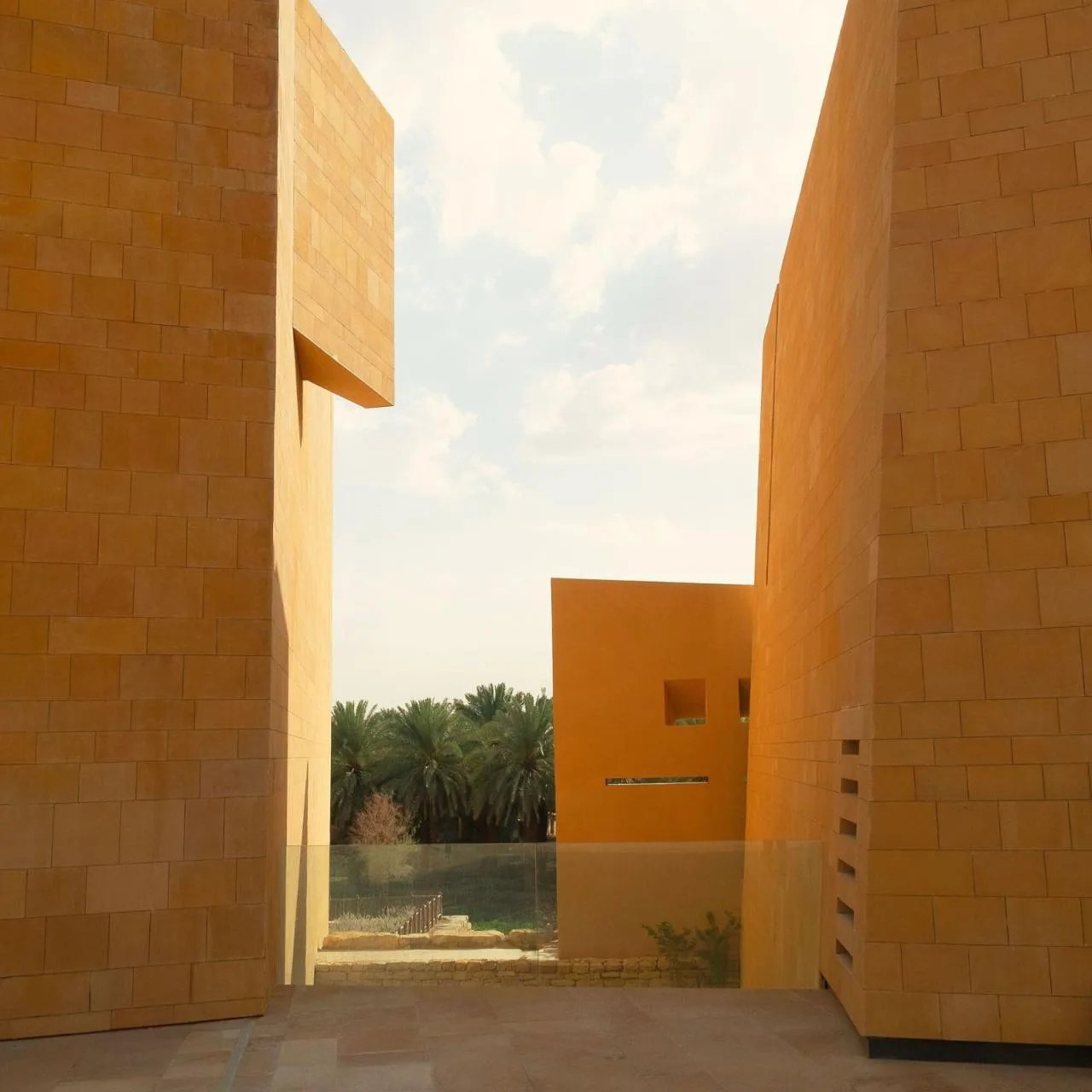
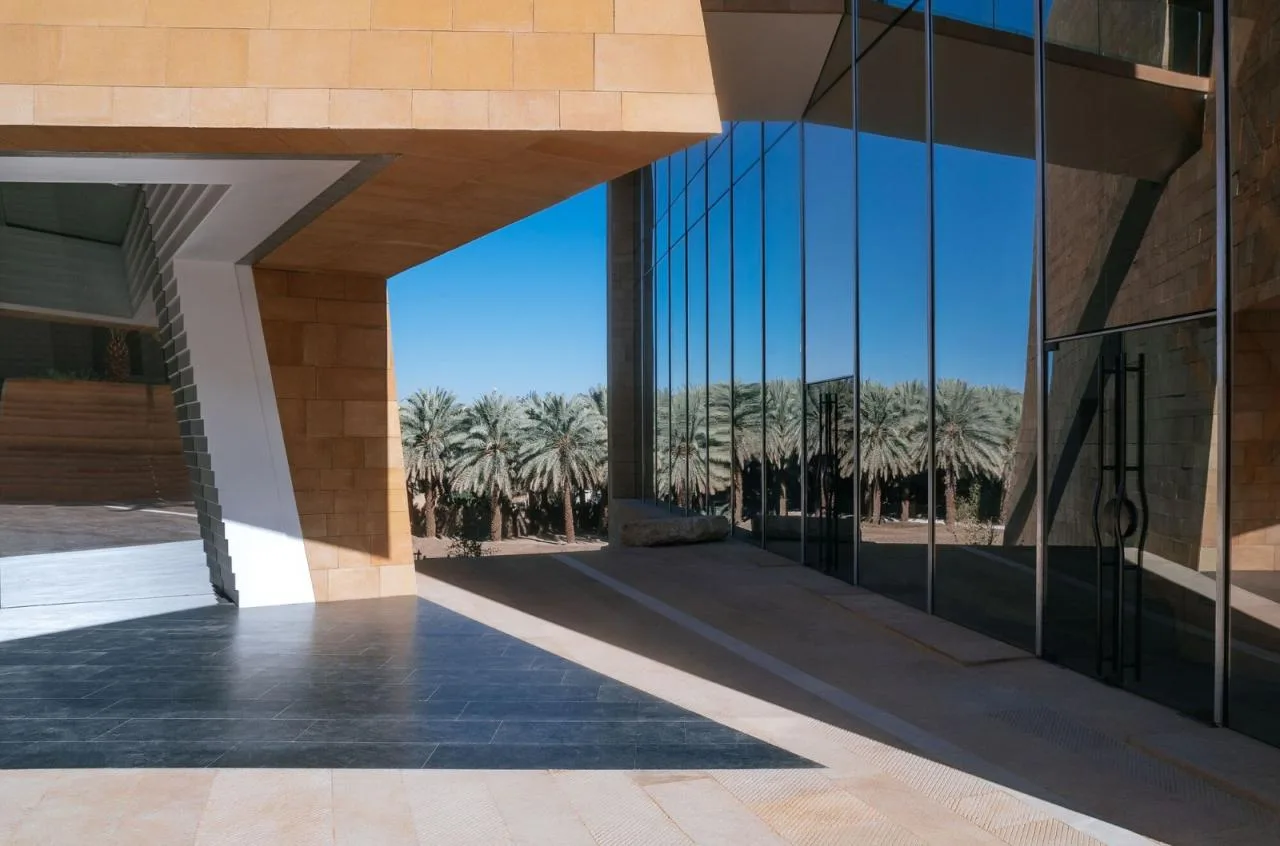
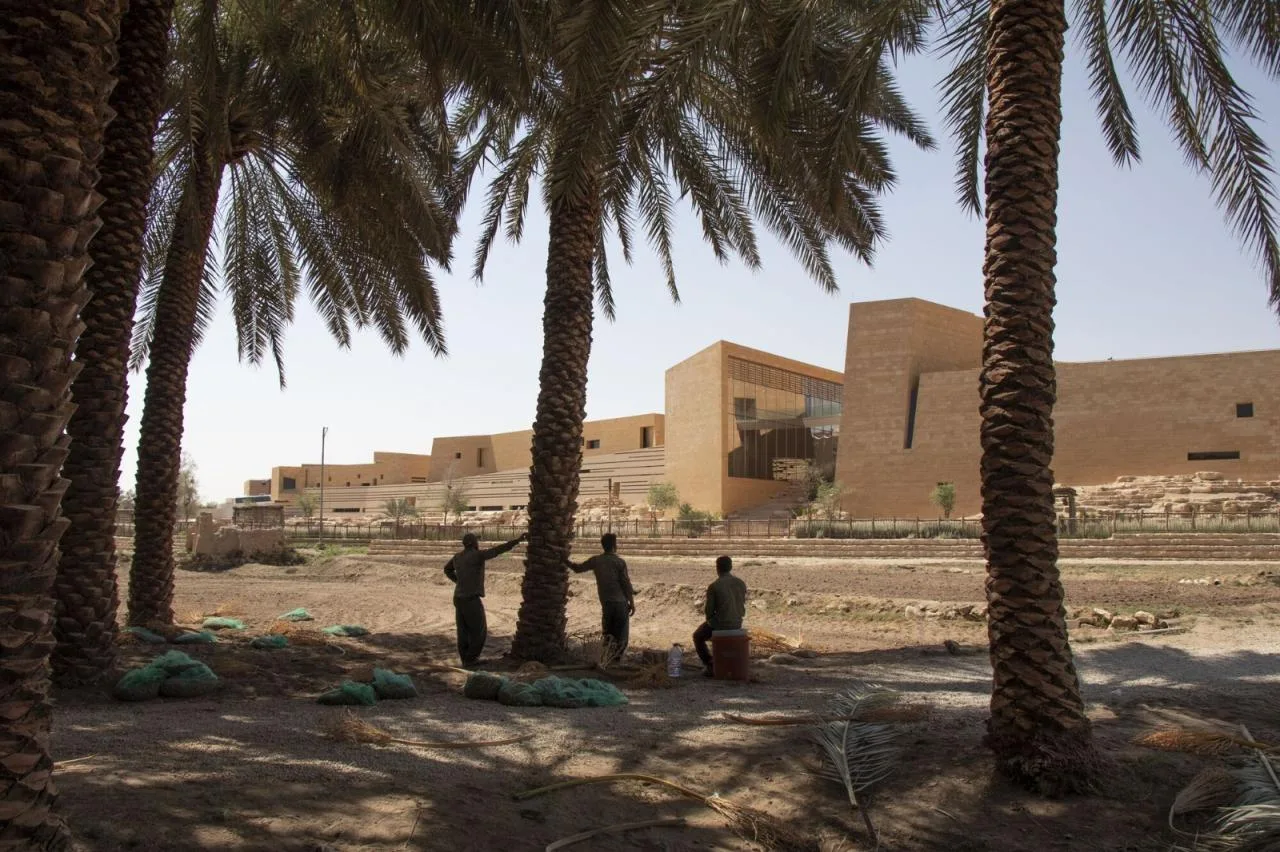
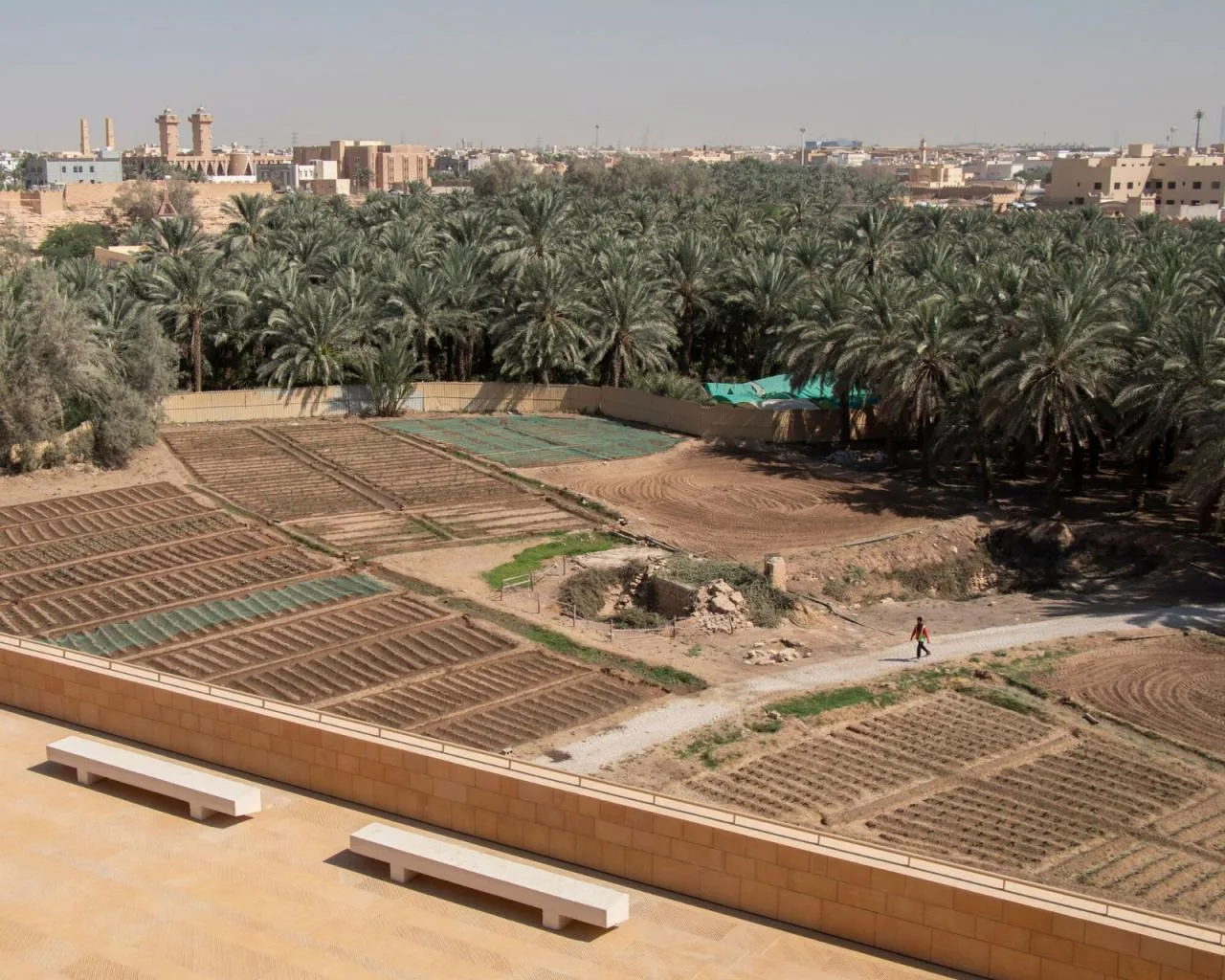
Located on the northern edge of Riyadh’s desert and adjacent to the UNESCO World Heritage Site of Turaif Ancient City, this contemporary building occupies a historically significant site. Turaif is the ancient capital of the Najd Desert region and one of the Arabian Peninsula’s most important archaeological landmarks. The Diriyah Future Art Center, initiated by the Saudi Ministry of Culture and designed by Schiattarella Associates, spans 12,000 square meters. It encompasses studios, exhibition halls, research labs, artist residences, auditoriums, and specialized centers for new media and digital language training.
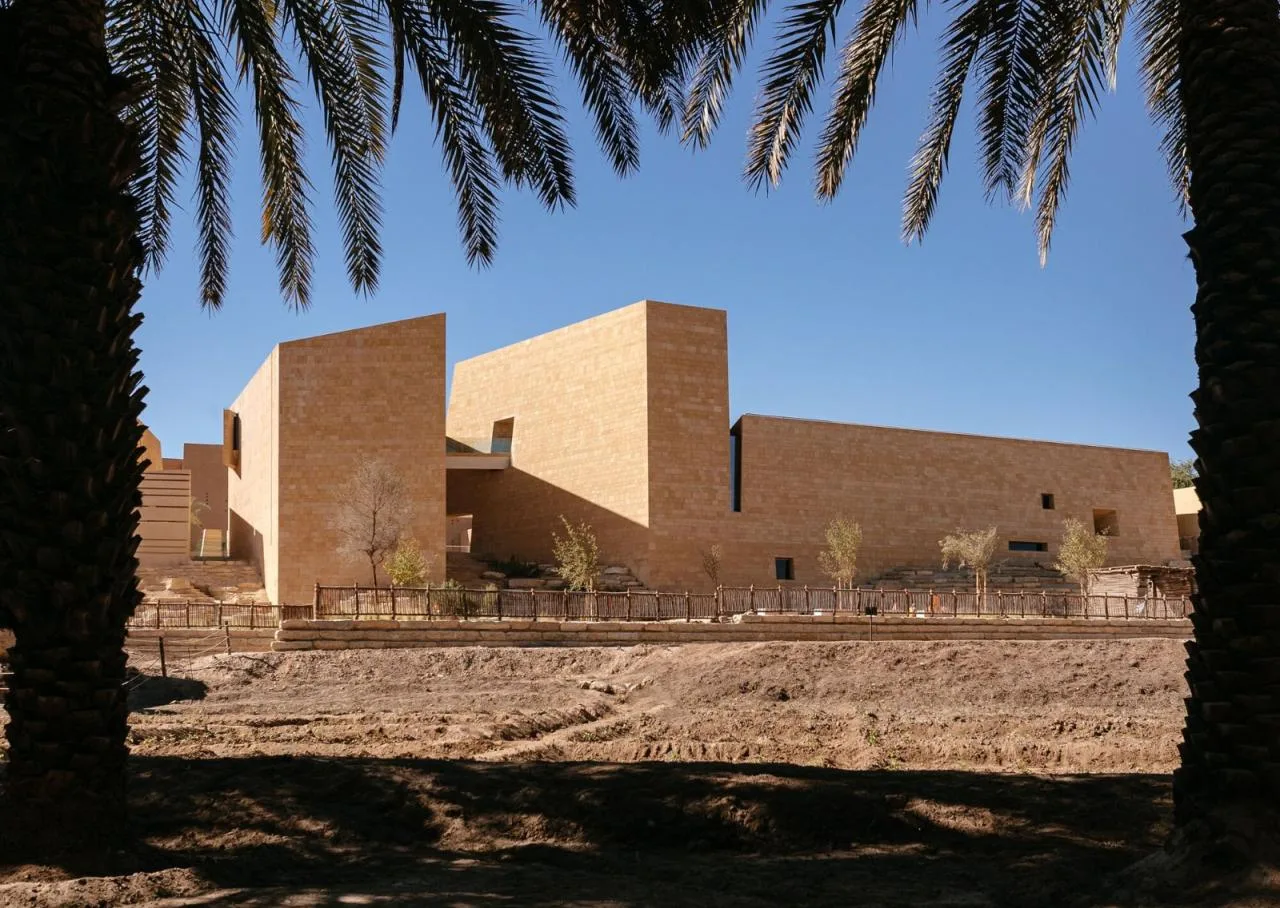
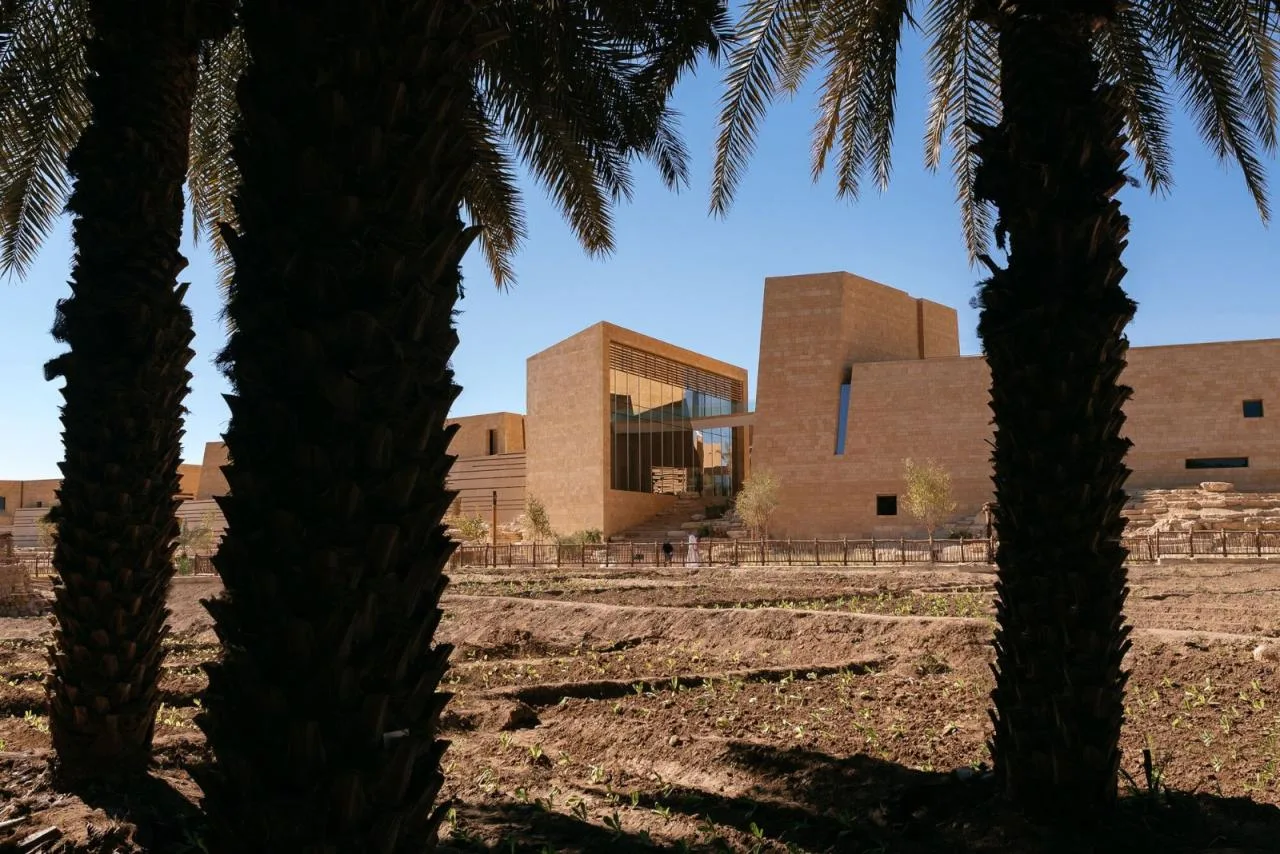
The museum reflects the design philosophy of Schiattarella Associates, an Italian architectural firm founded by Amedeo, Andrea, and Paola Schiattarella. Active across Europe and Saudi Arabia, this Rome-based firm specializes in cultural public spaces, emphasizing urban design, restoration, and research to serve community and cultural interests. The project represents a forward-looking dialogue between contemporary architecture and the heritage and traditions of the Uchihara region. The architects explain, “We aim for architecture to feel as if it has grown organically from the earth. Our design philosophy is to use natural values to create a contemporary language that resonates deeply with its location.”
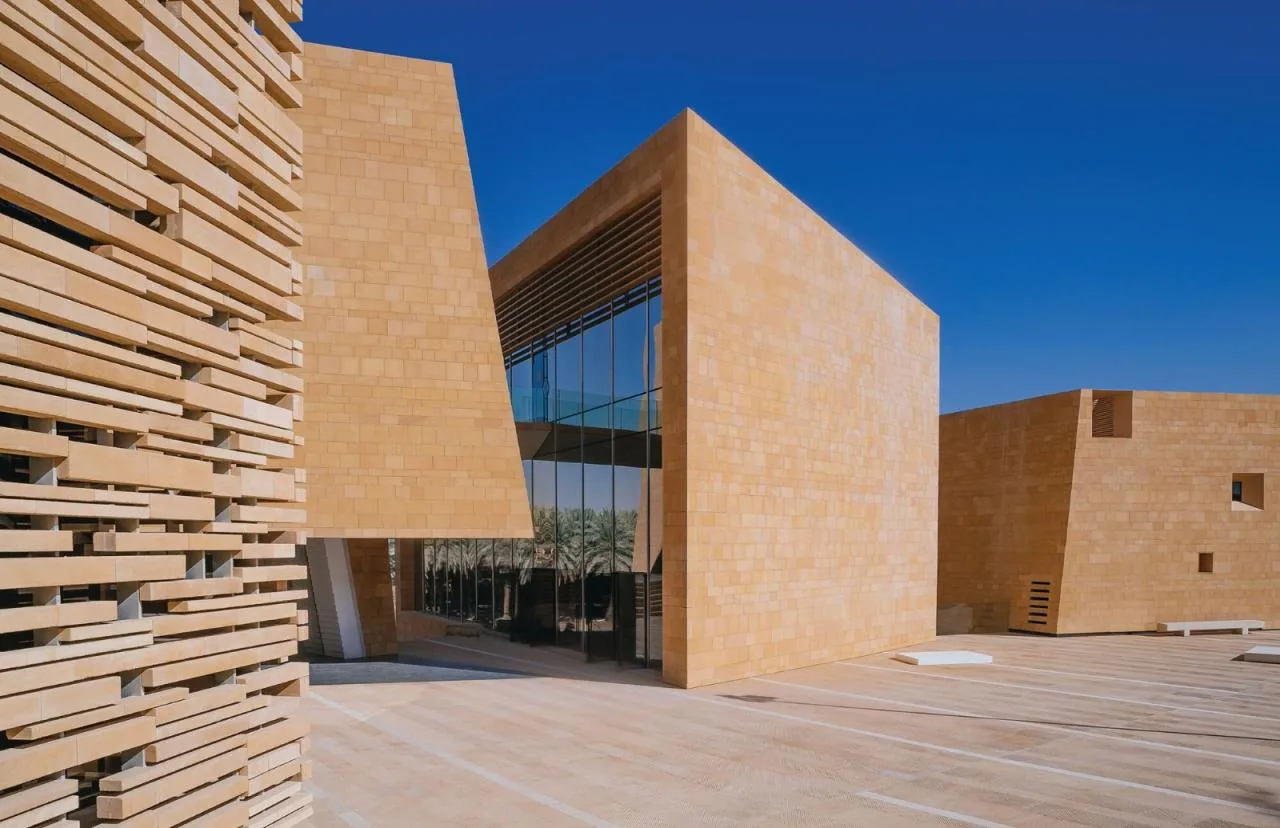
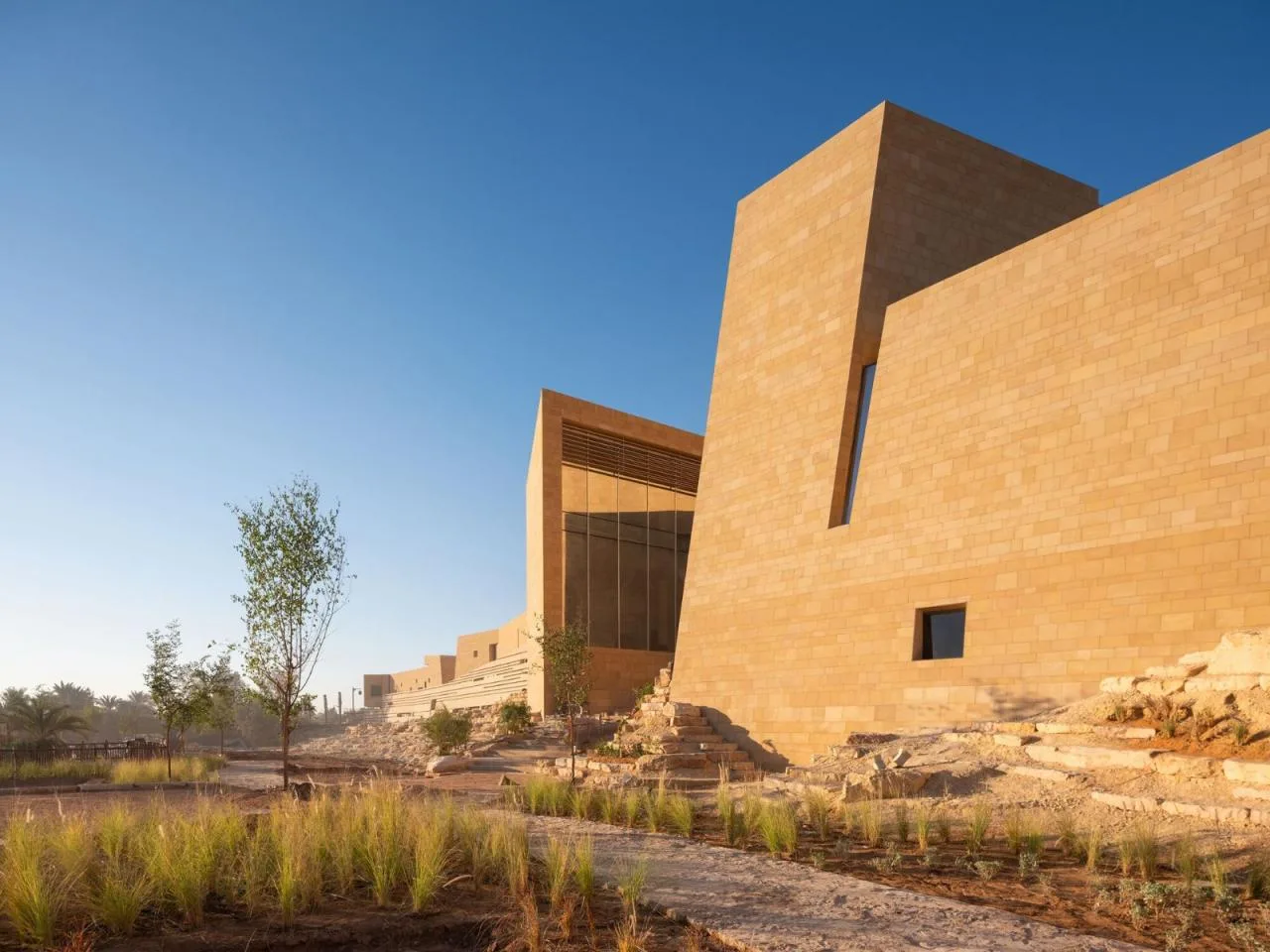
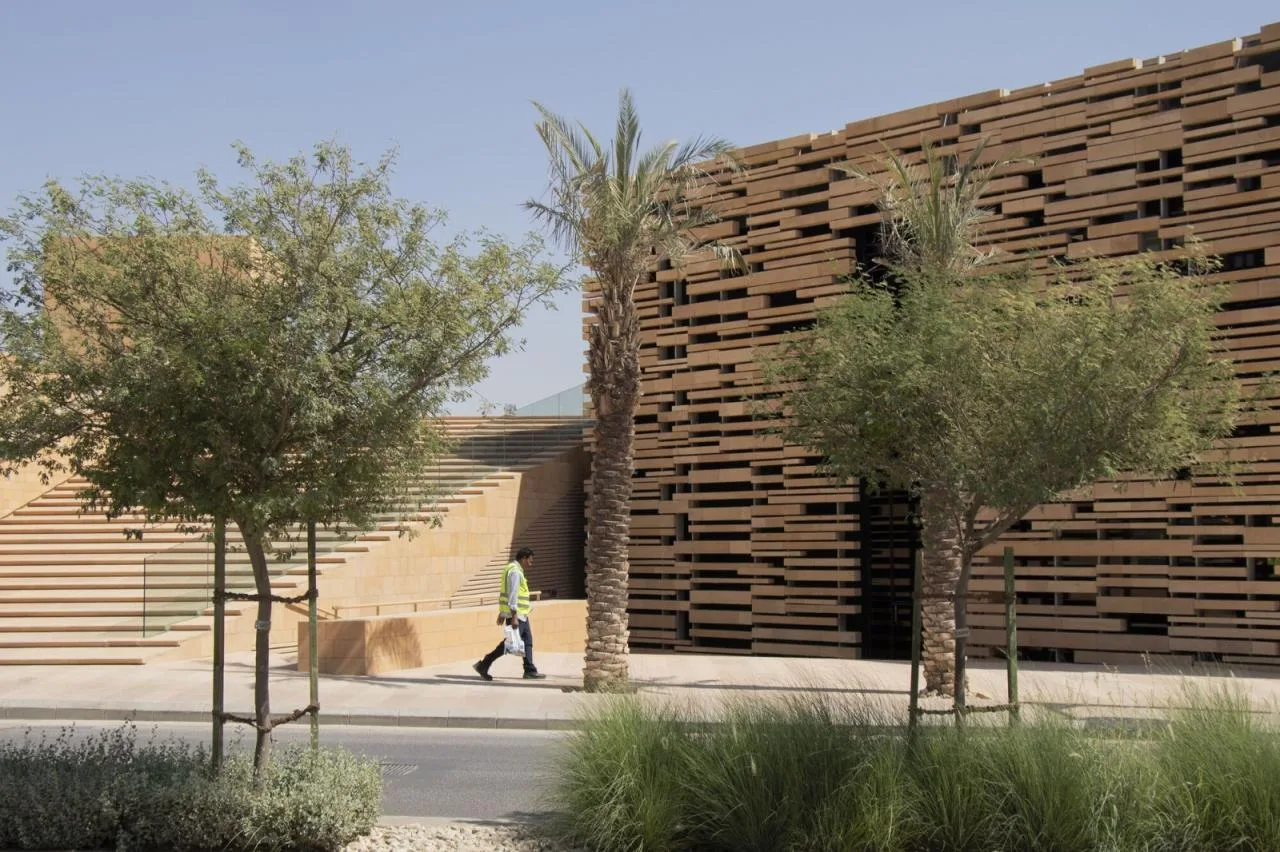
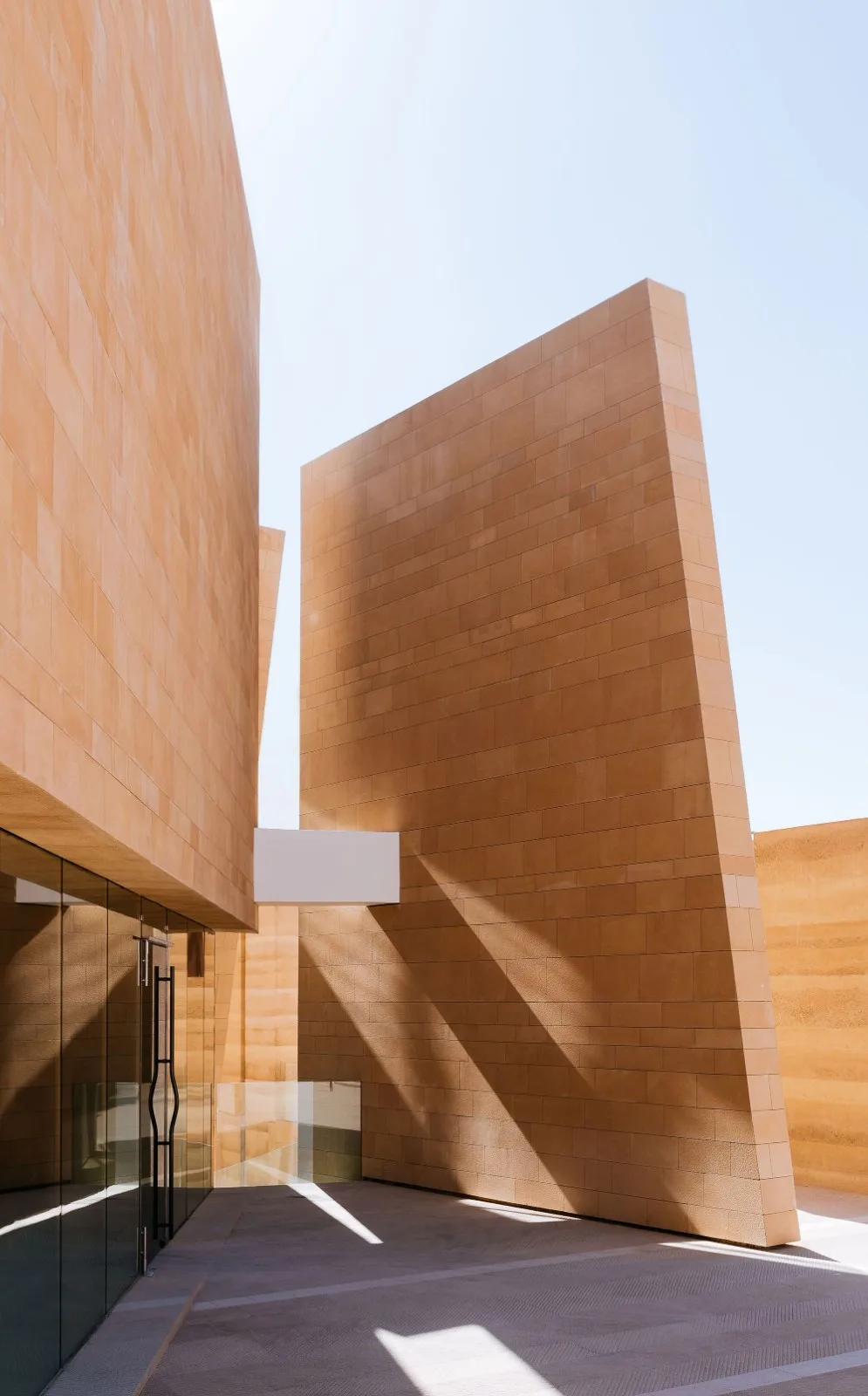
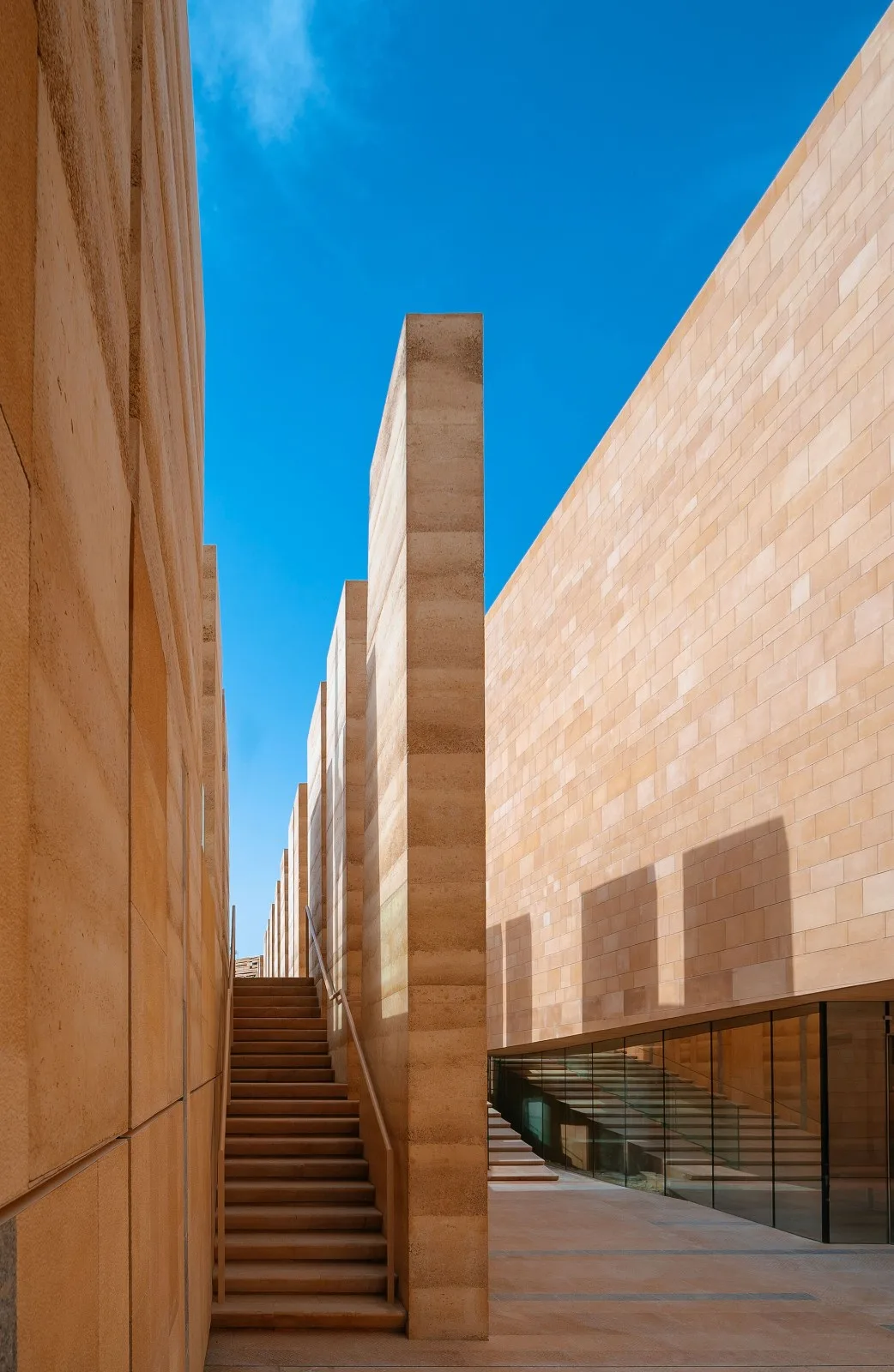
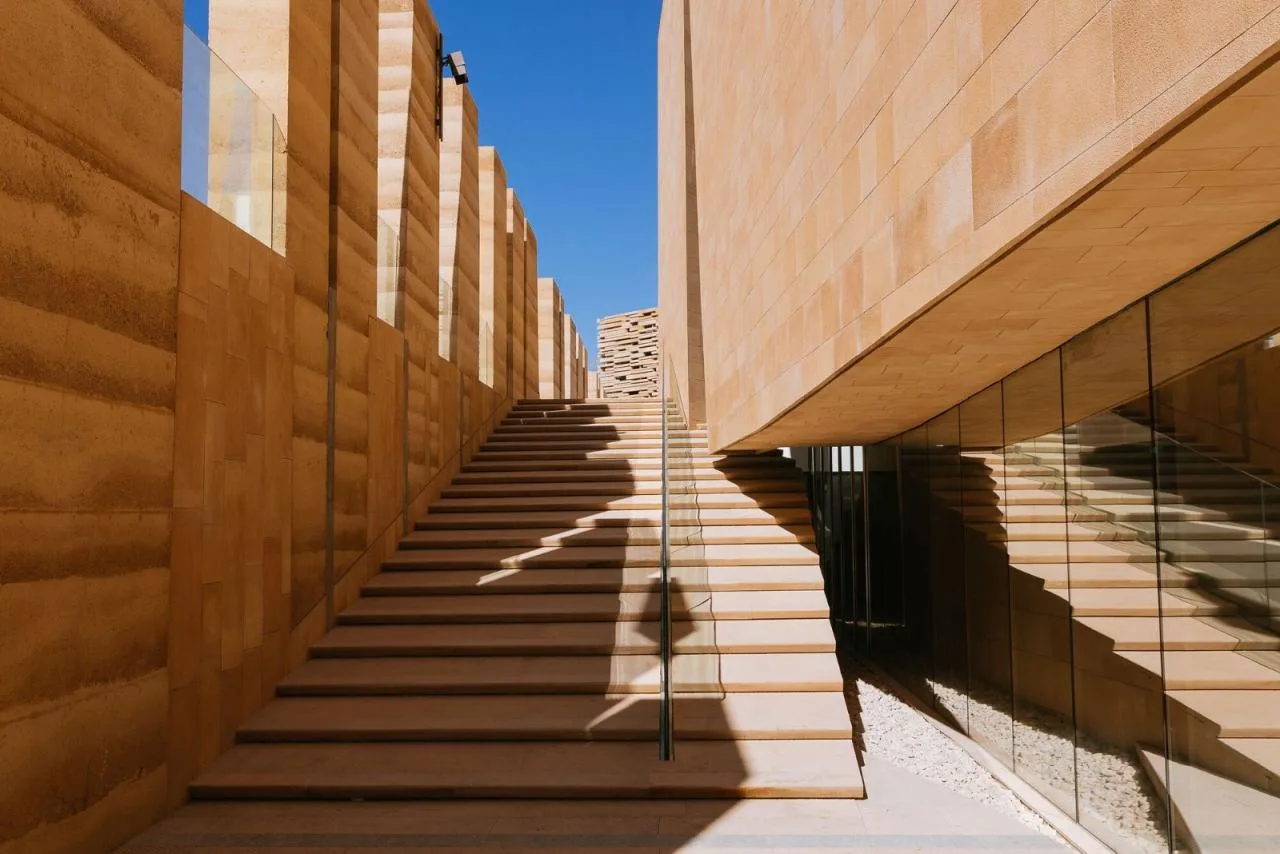
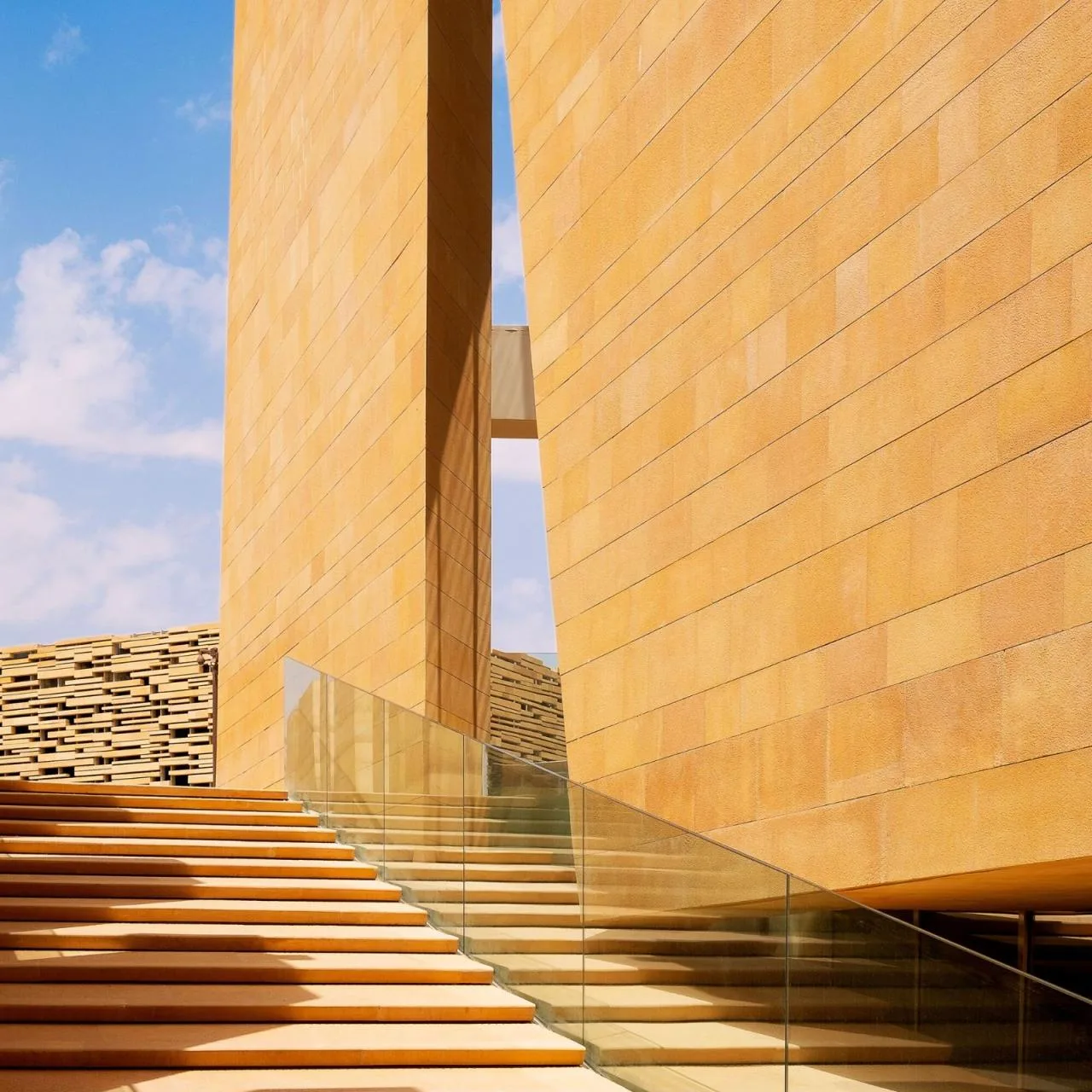
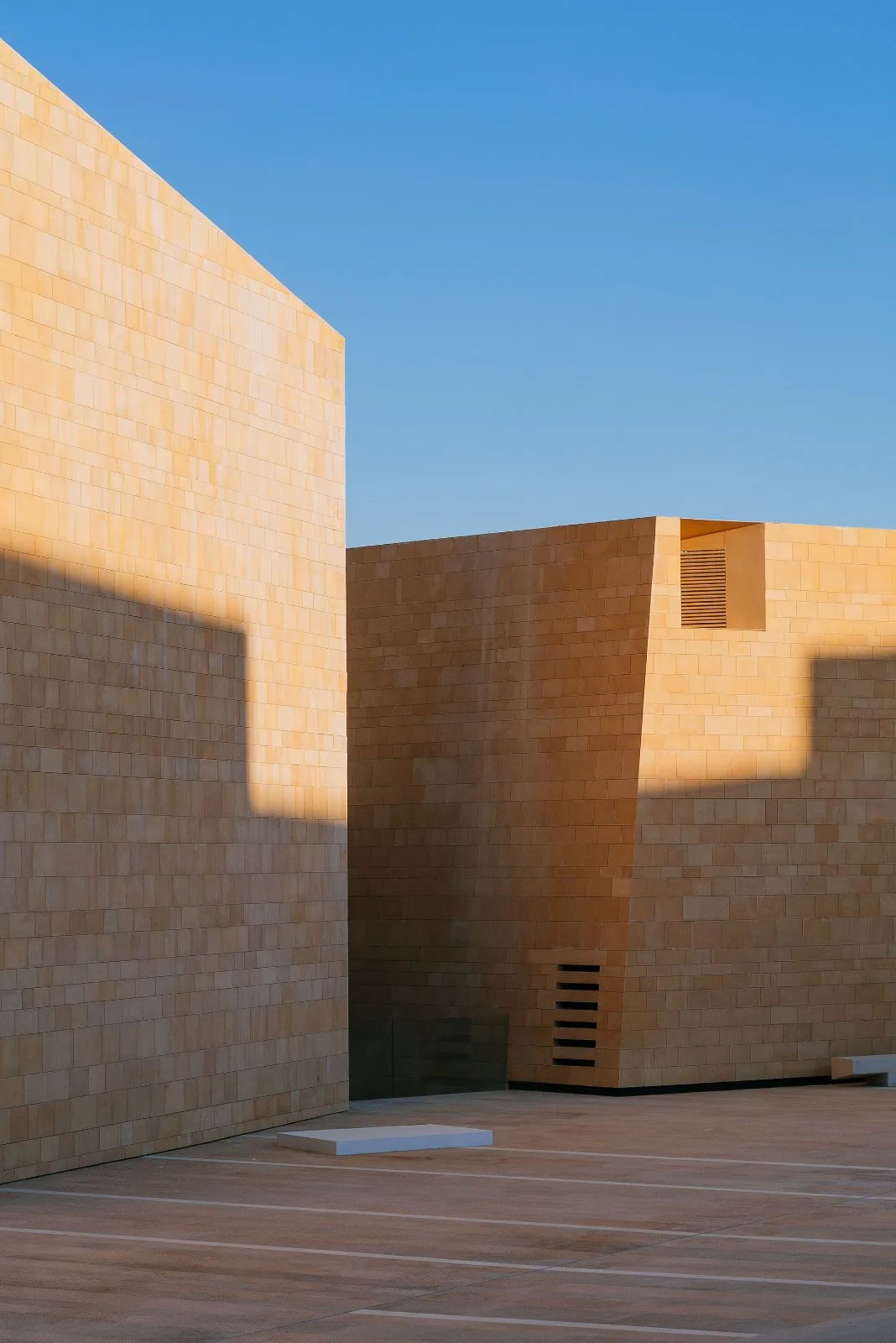
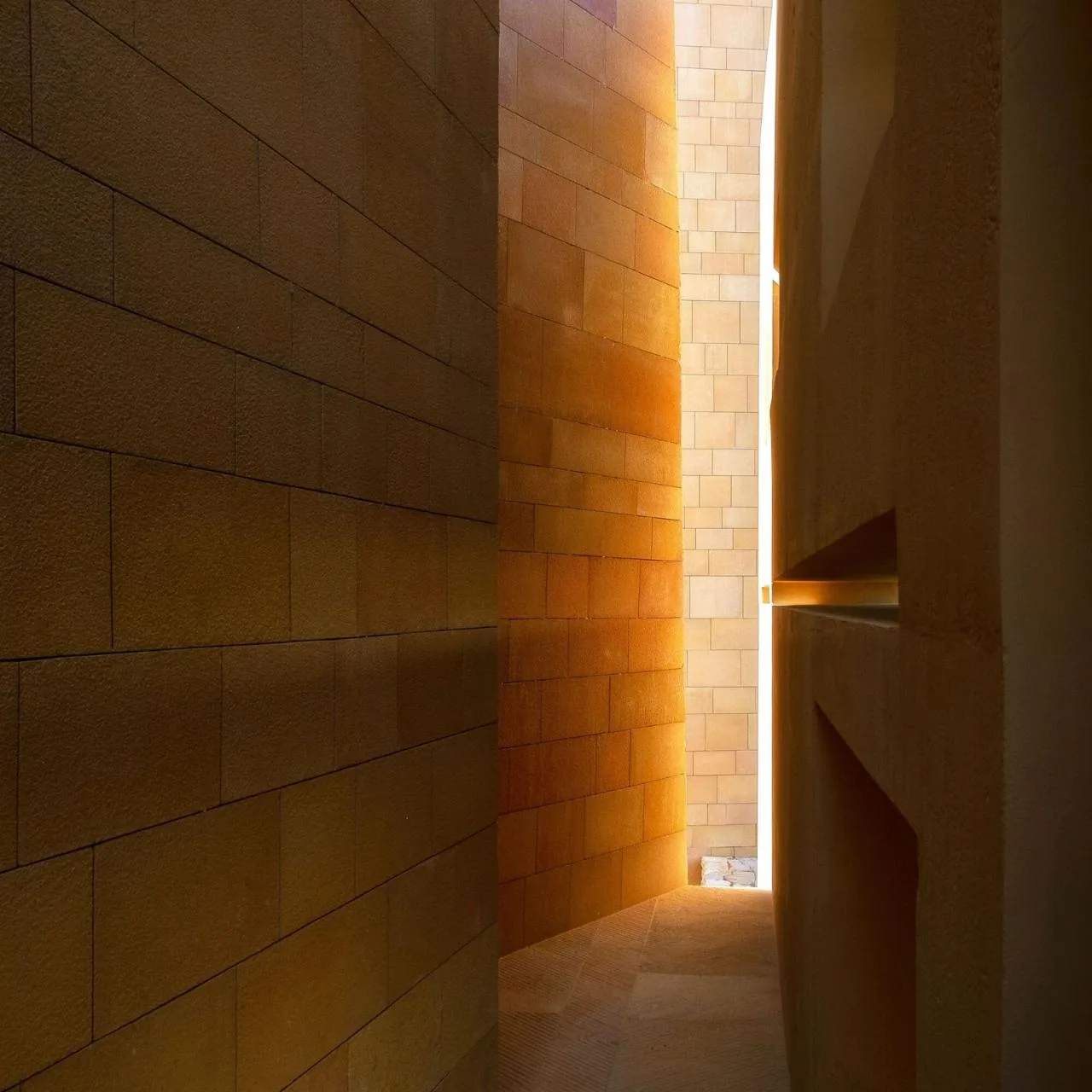
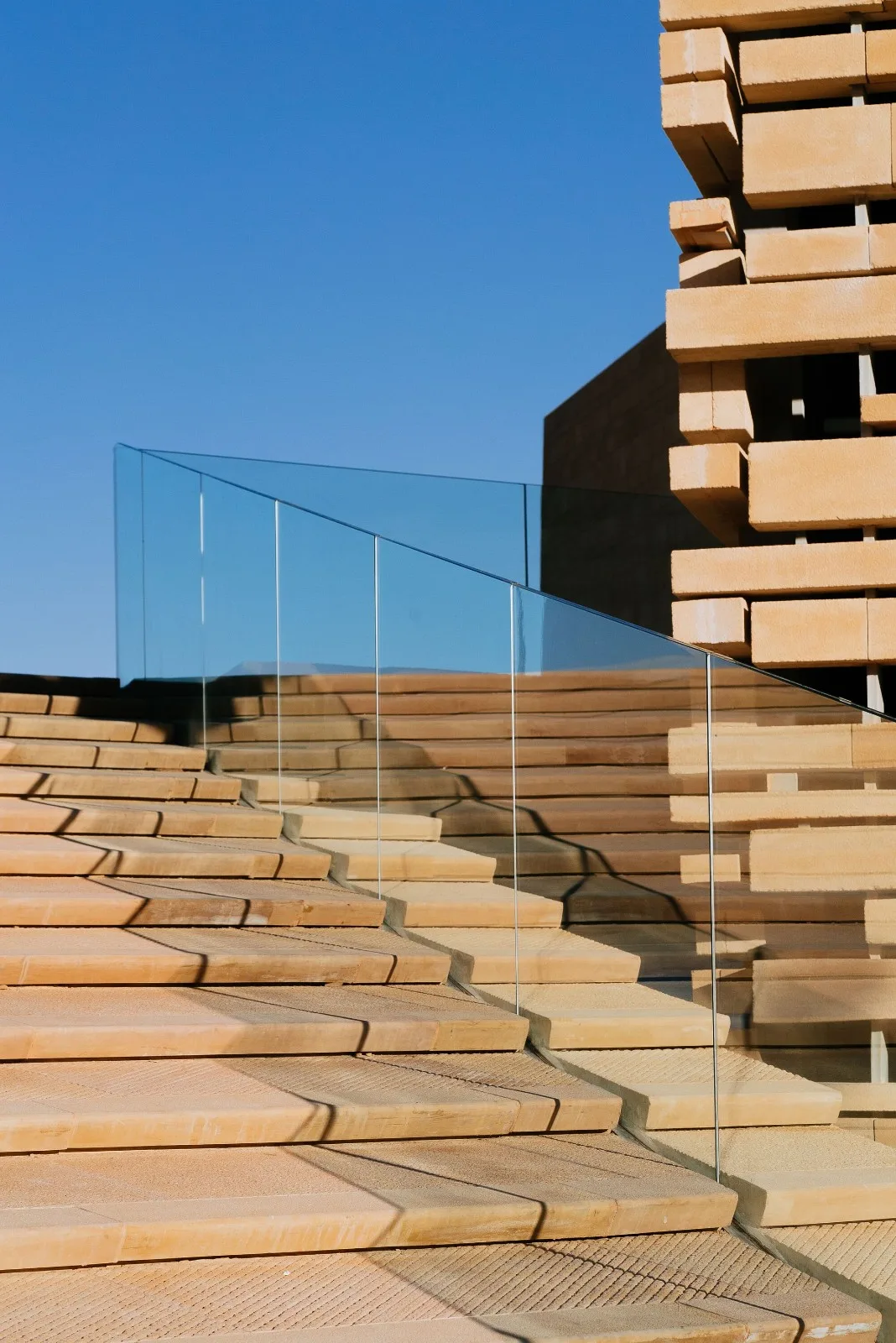
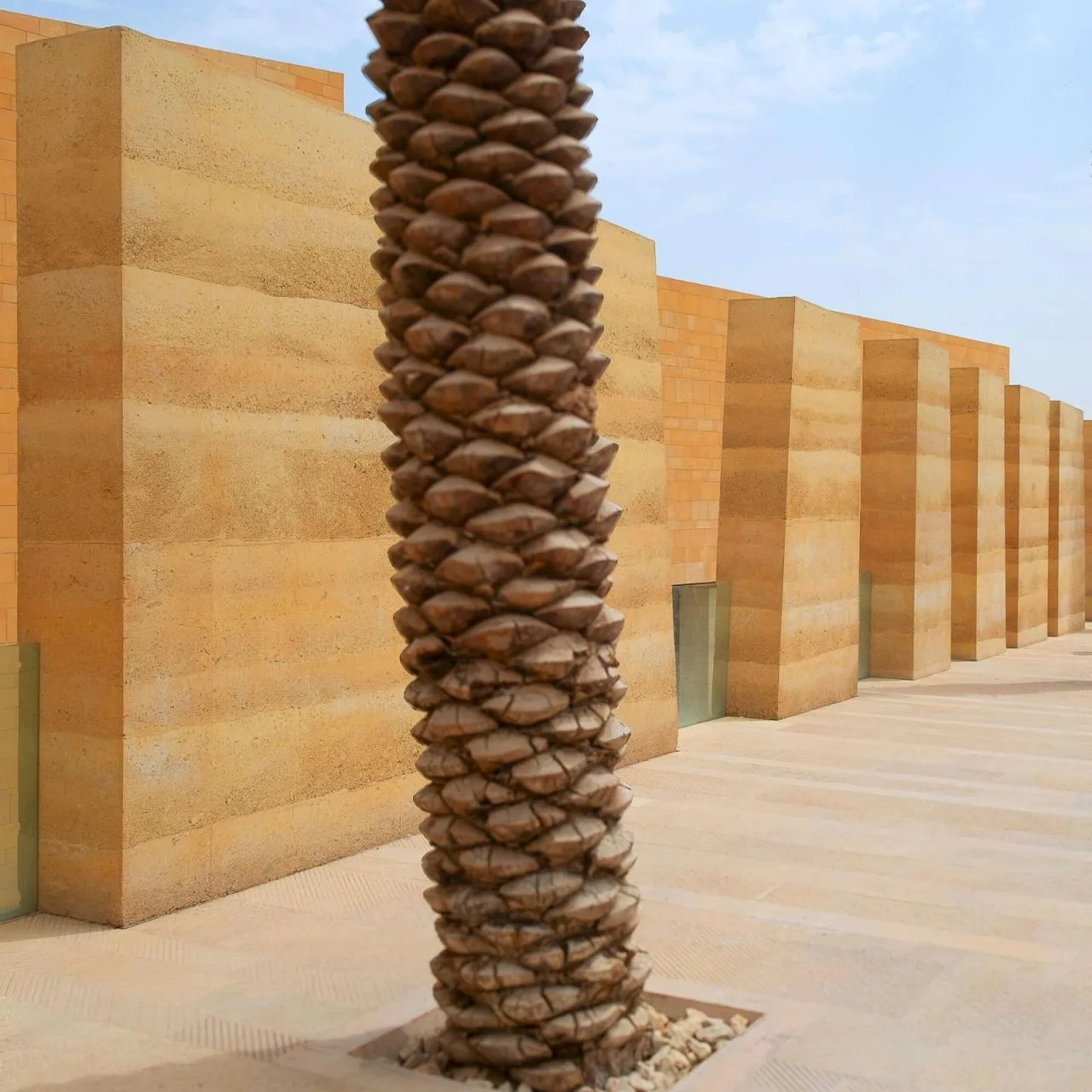
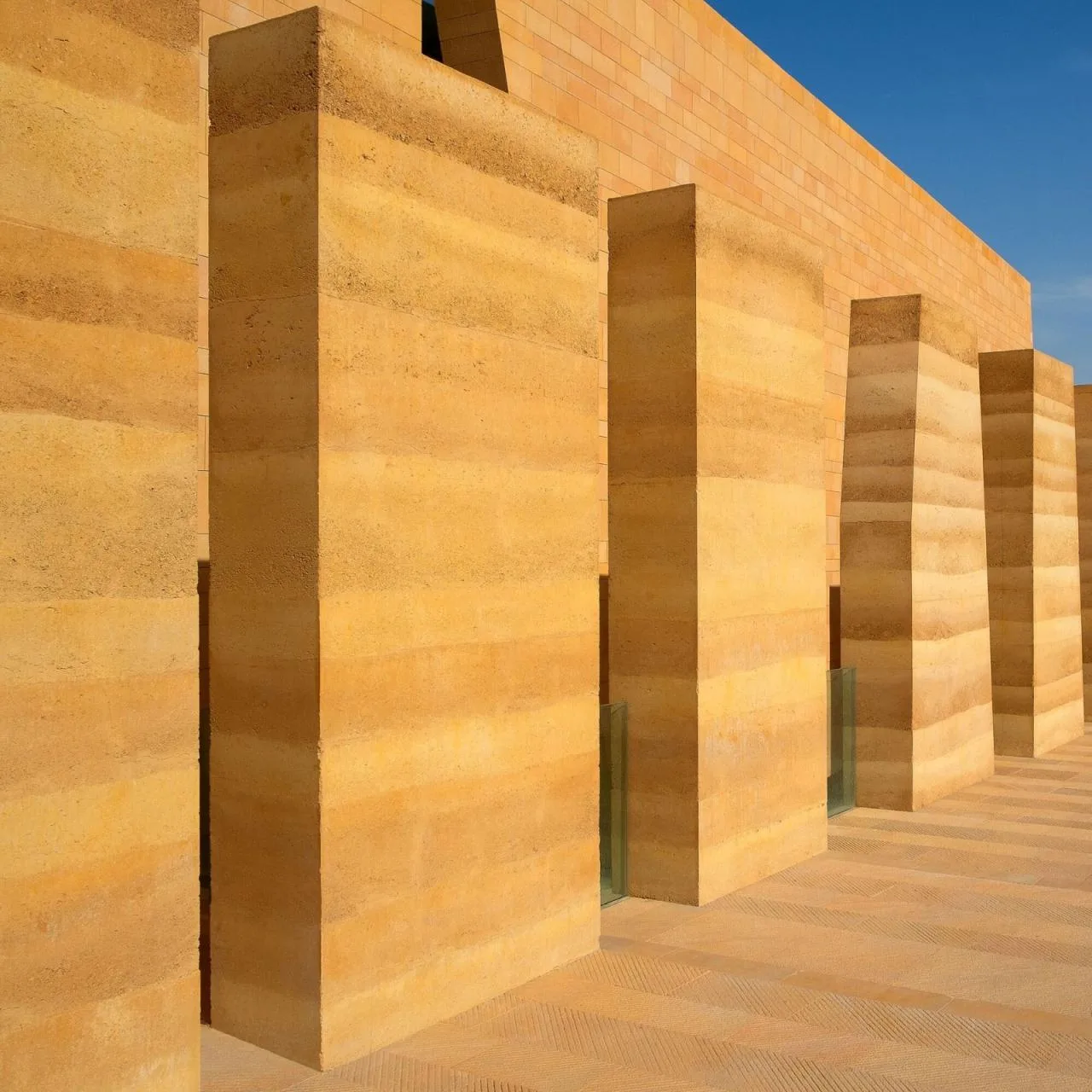
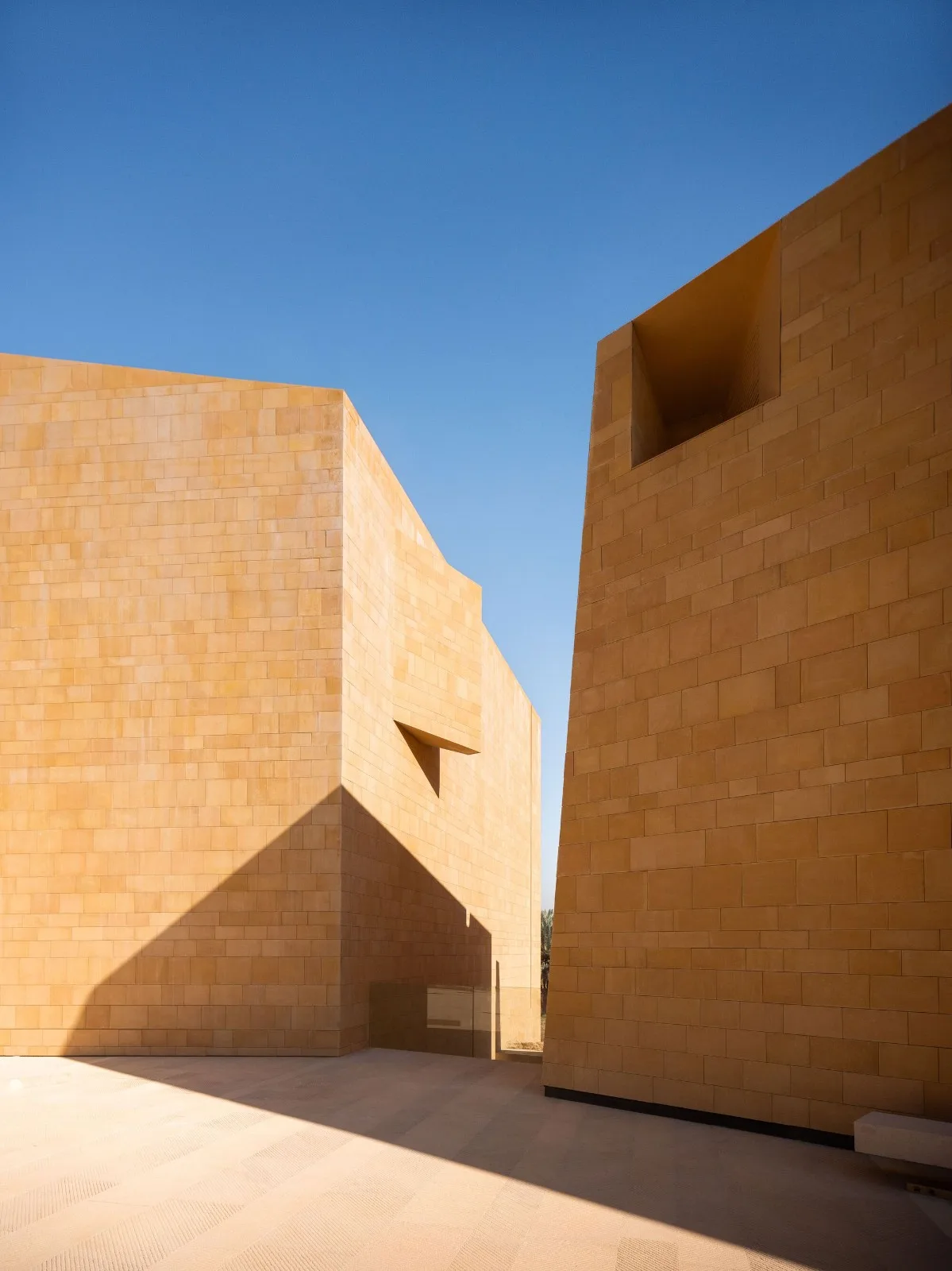
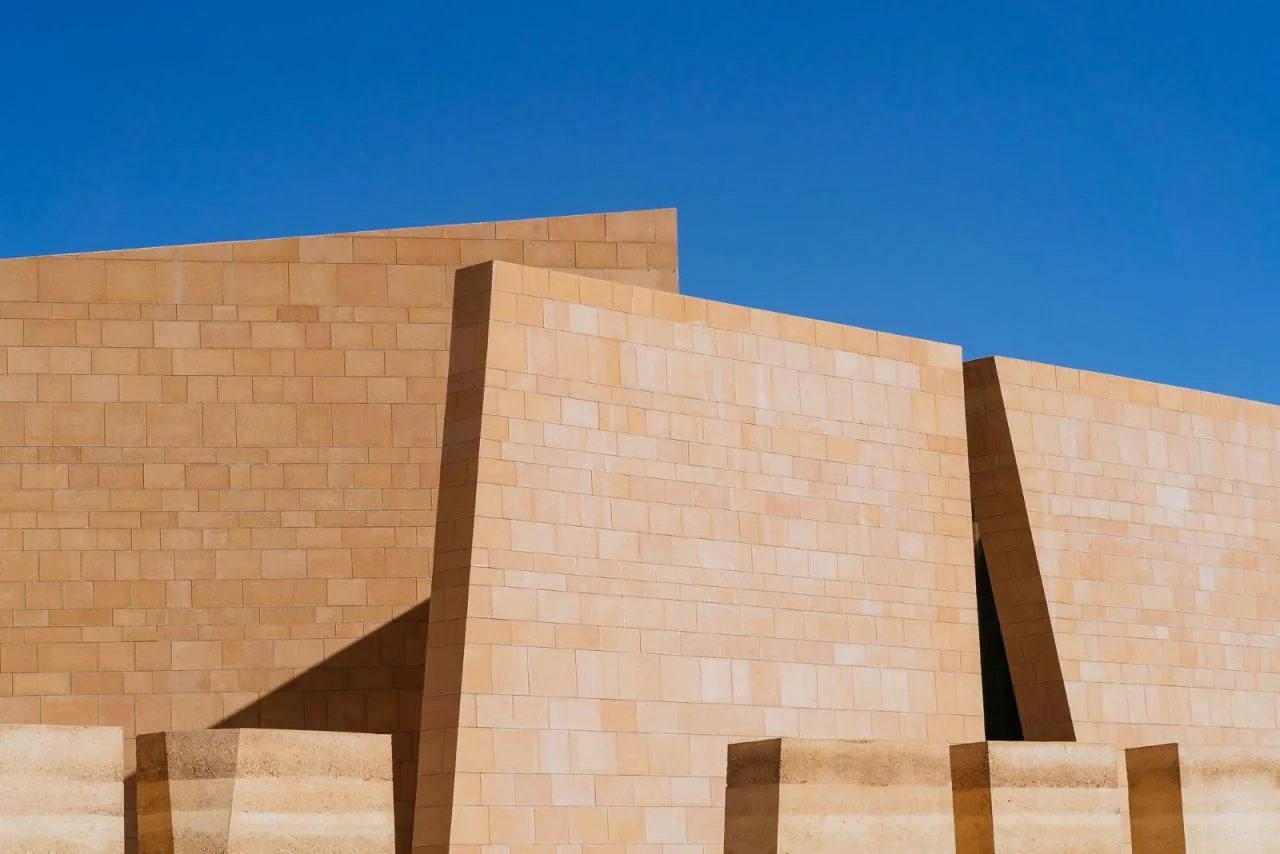
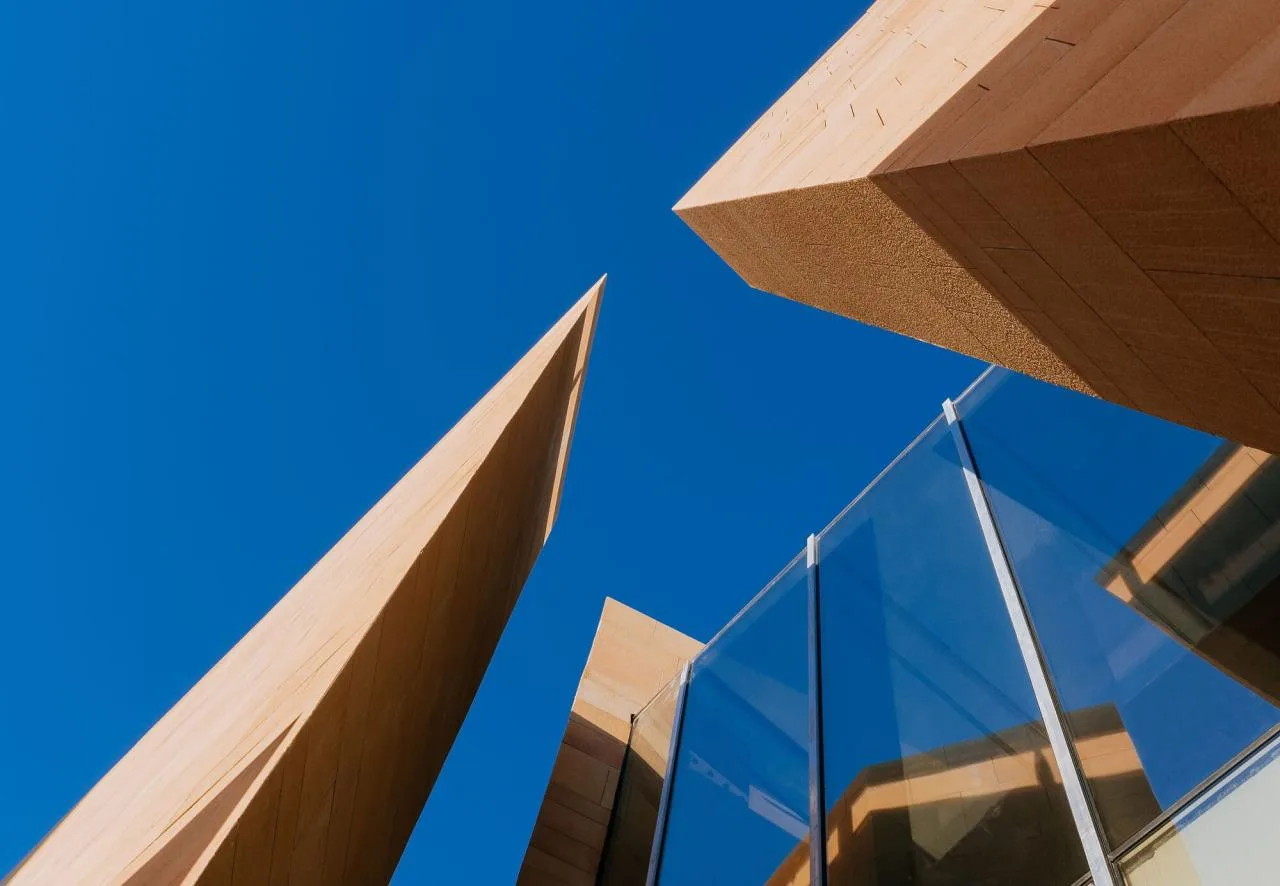
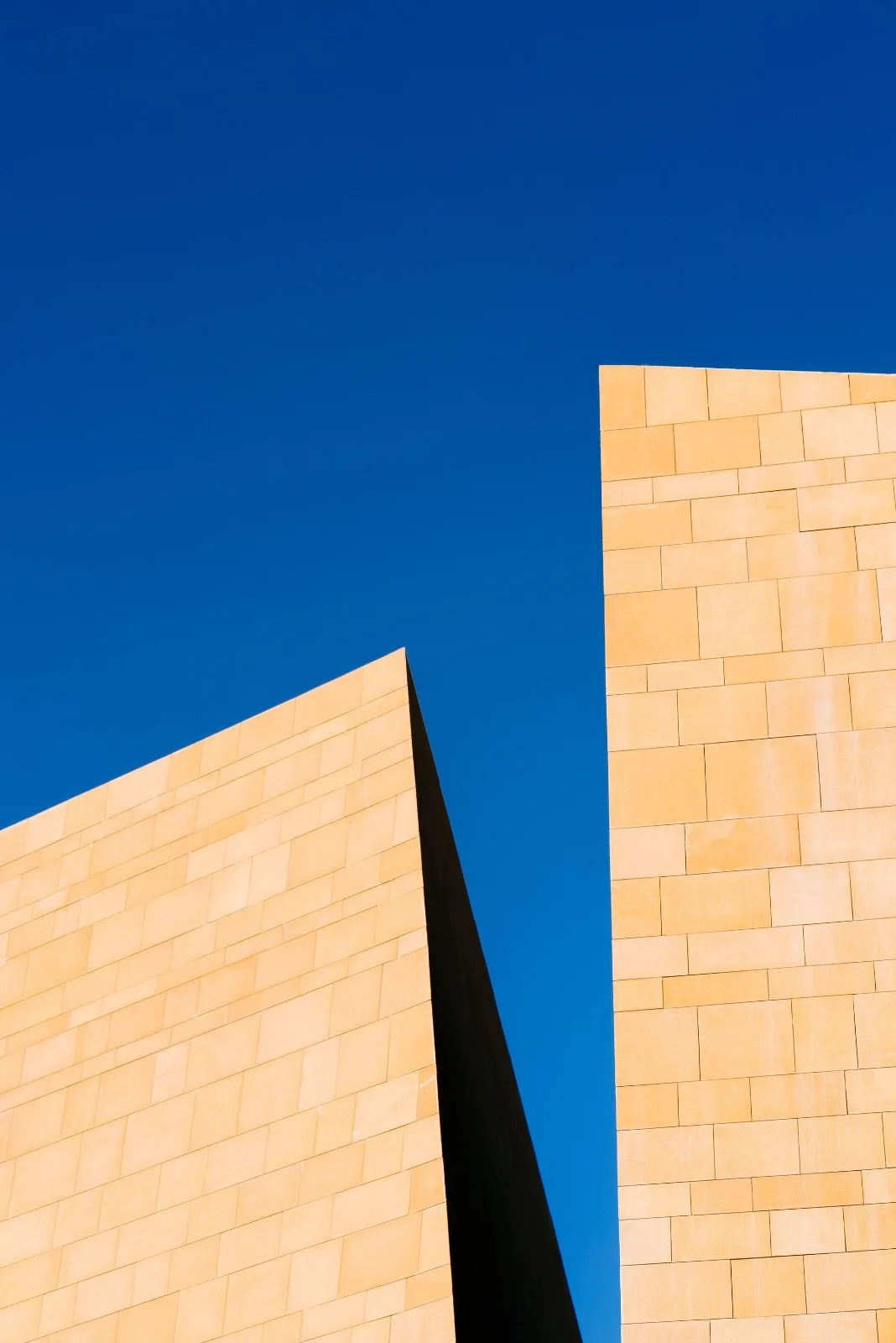
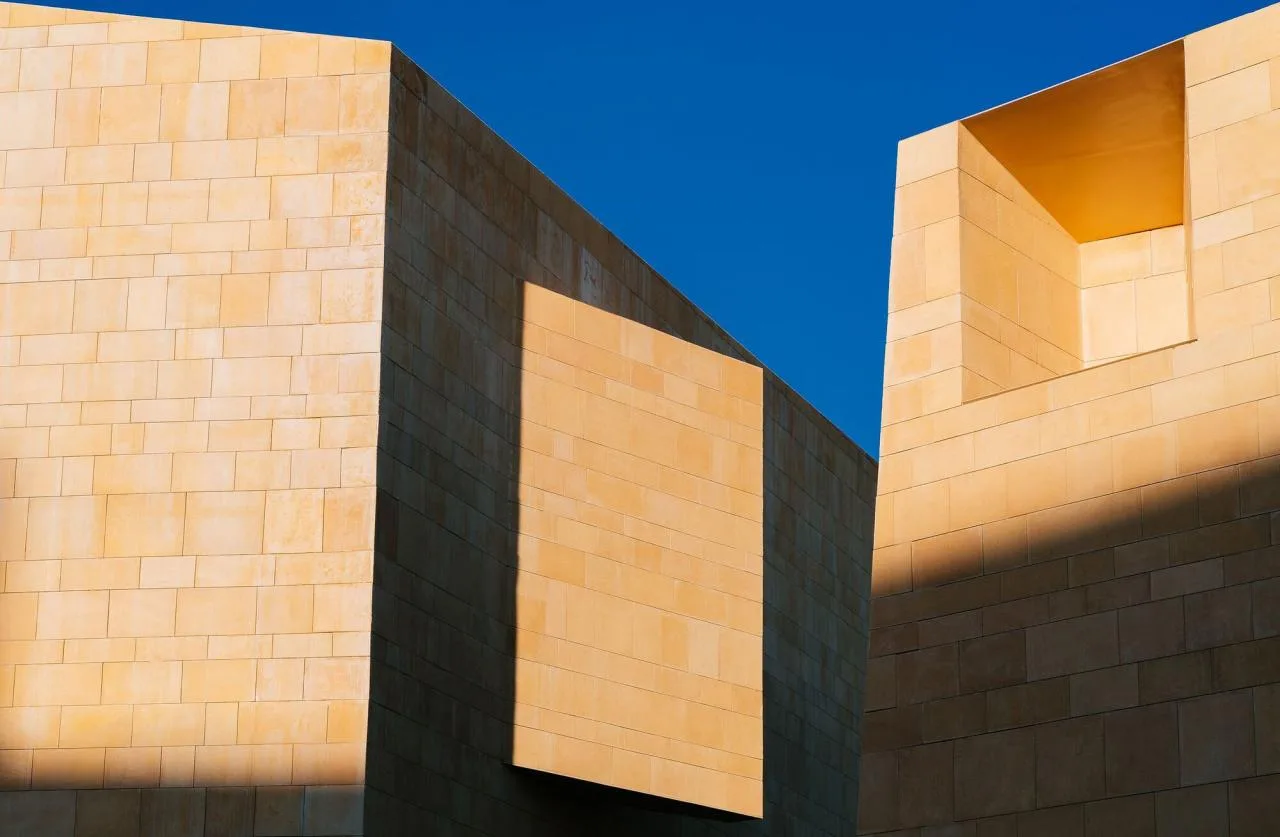
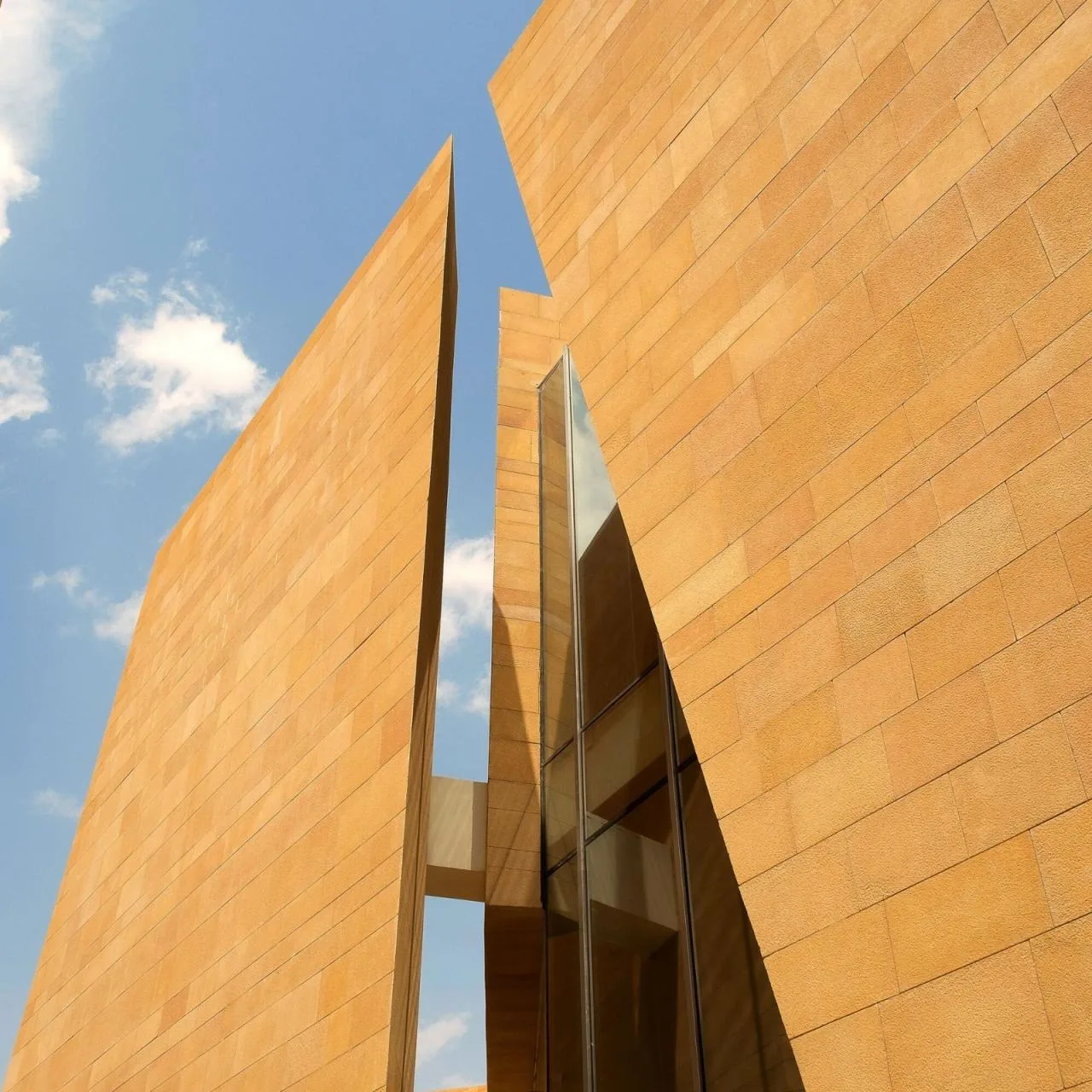
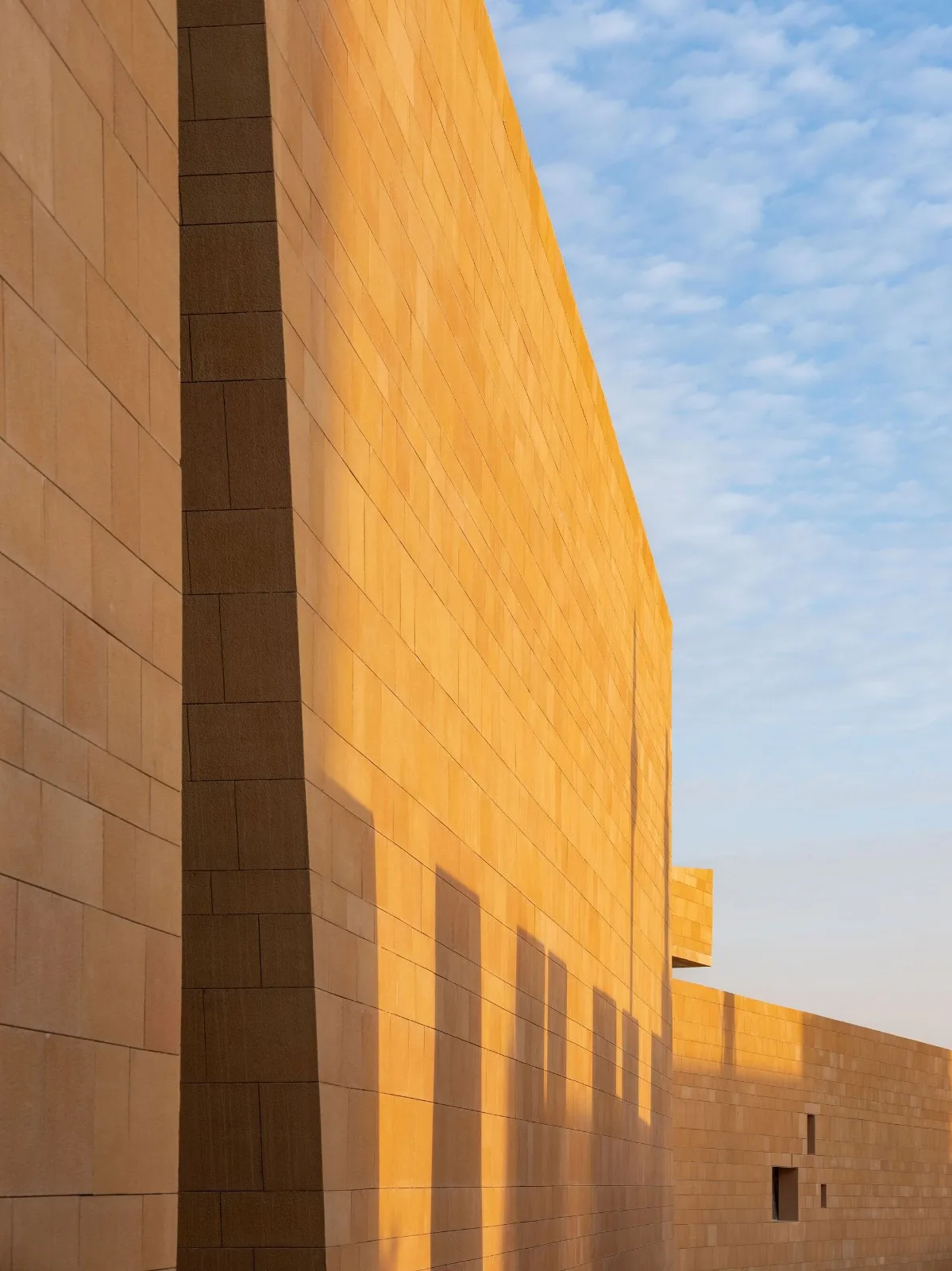
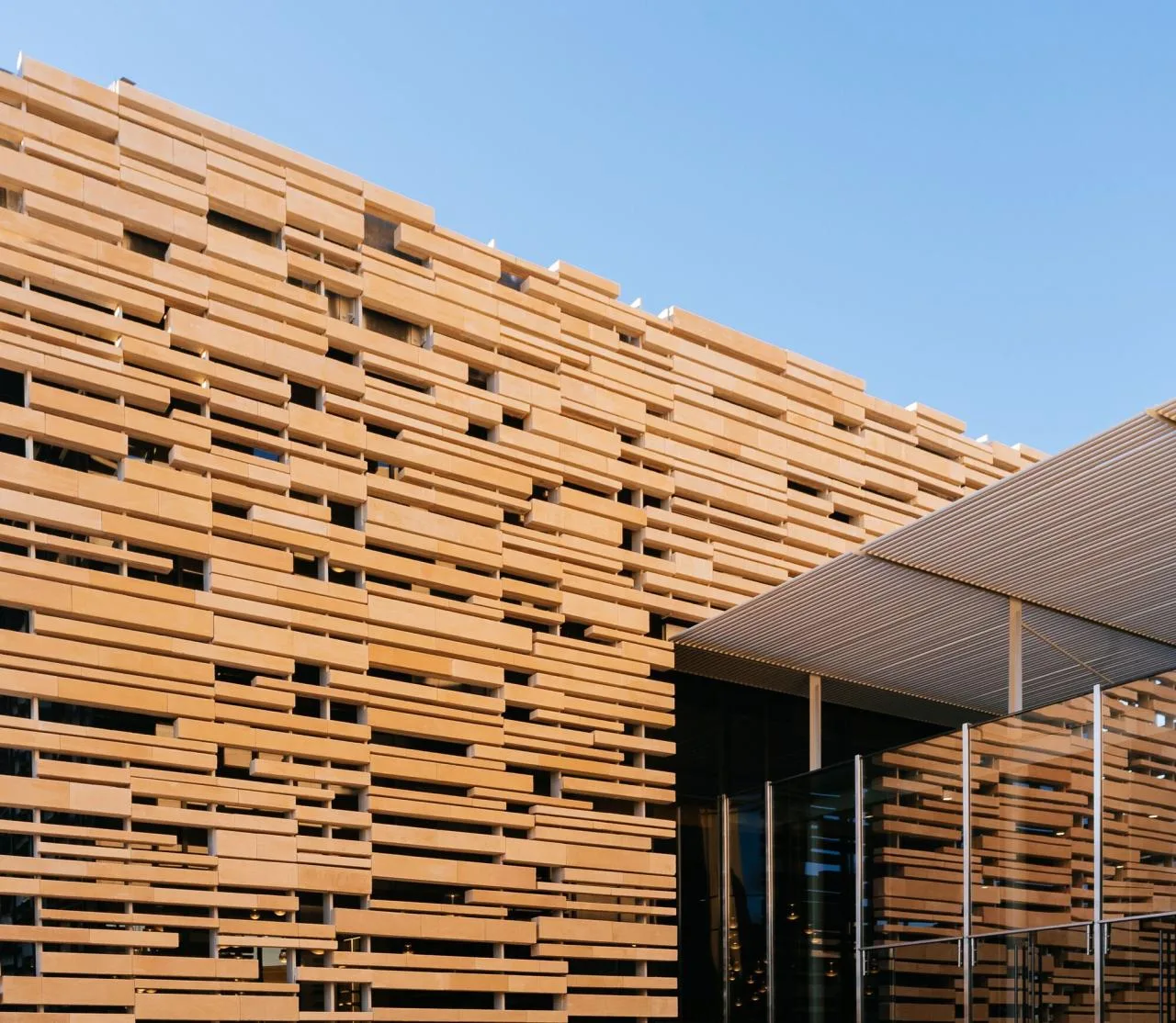
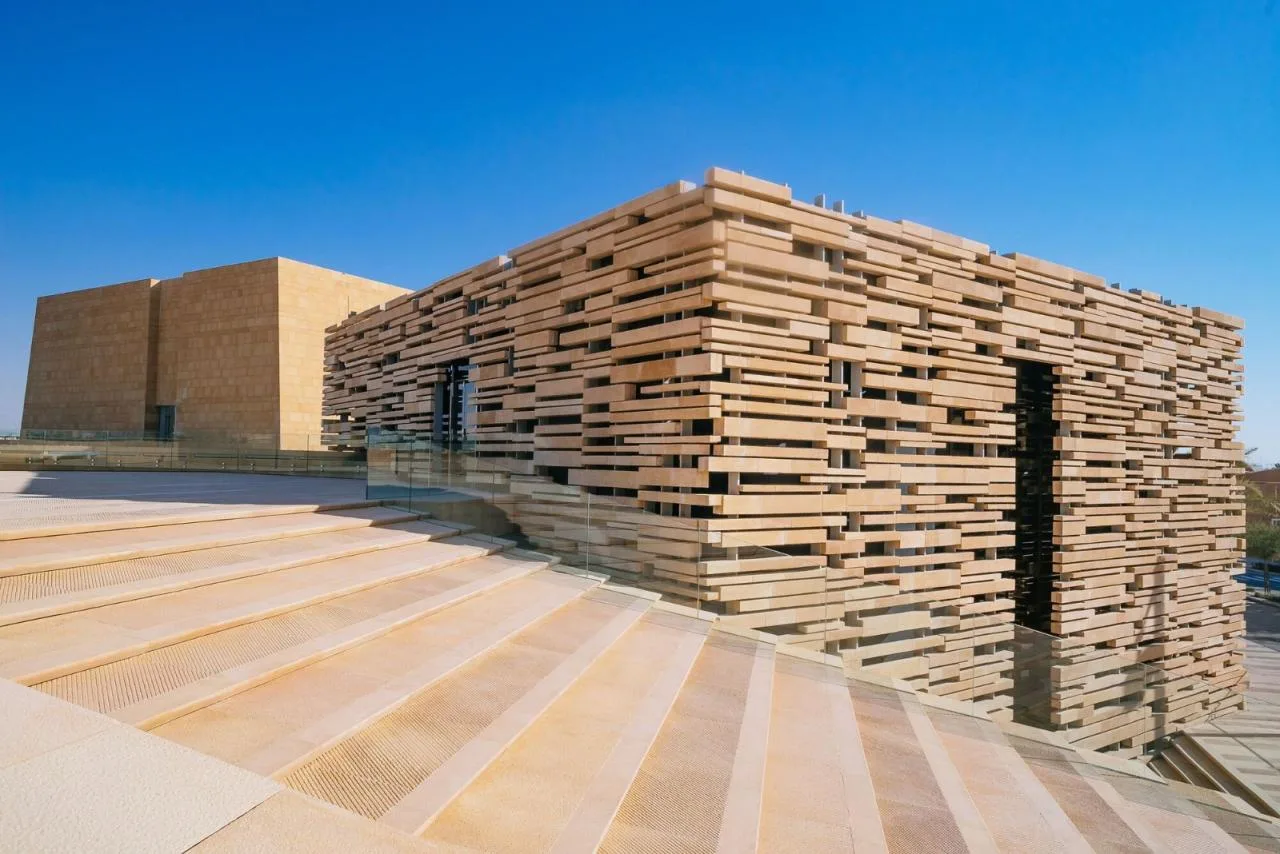
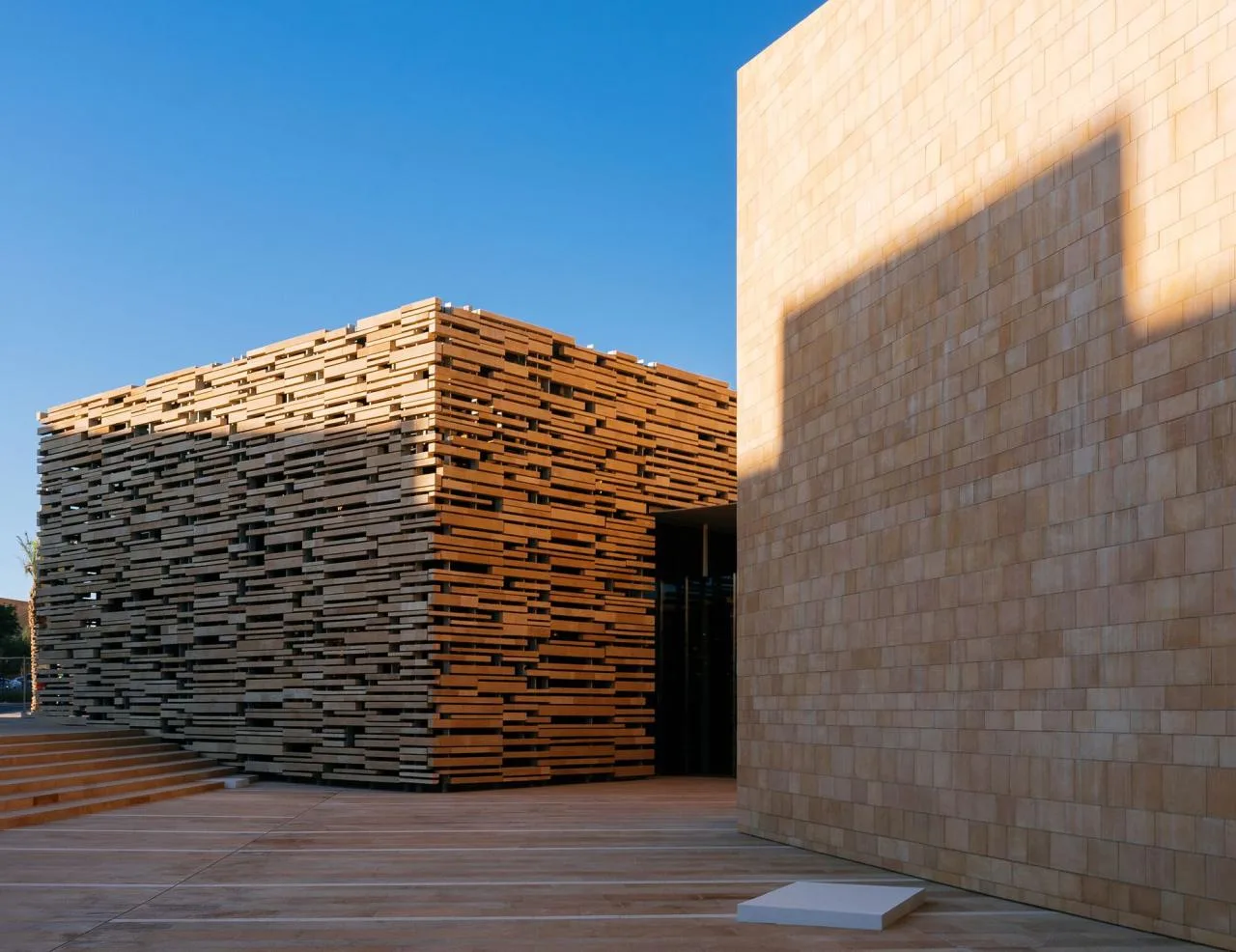
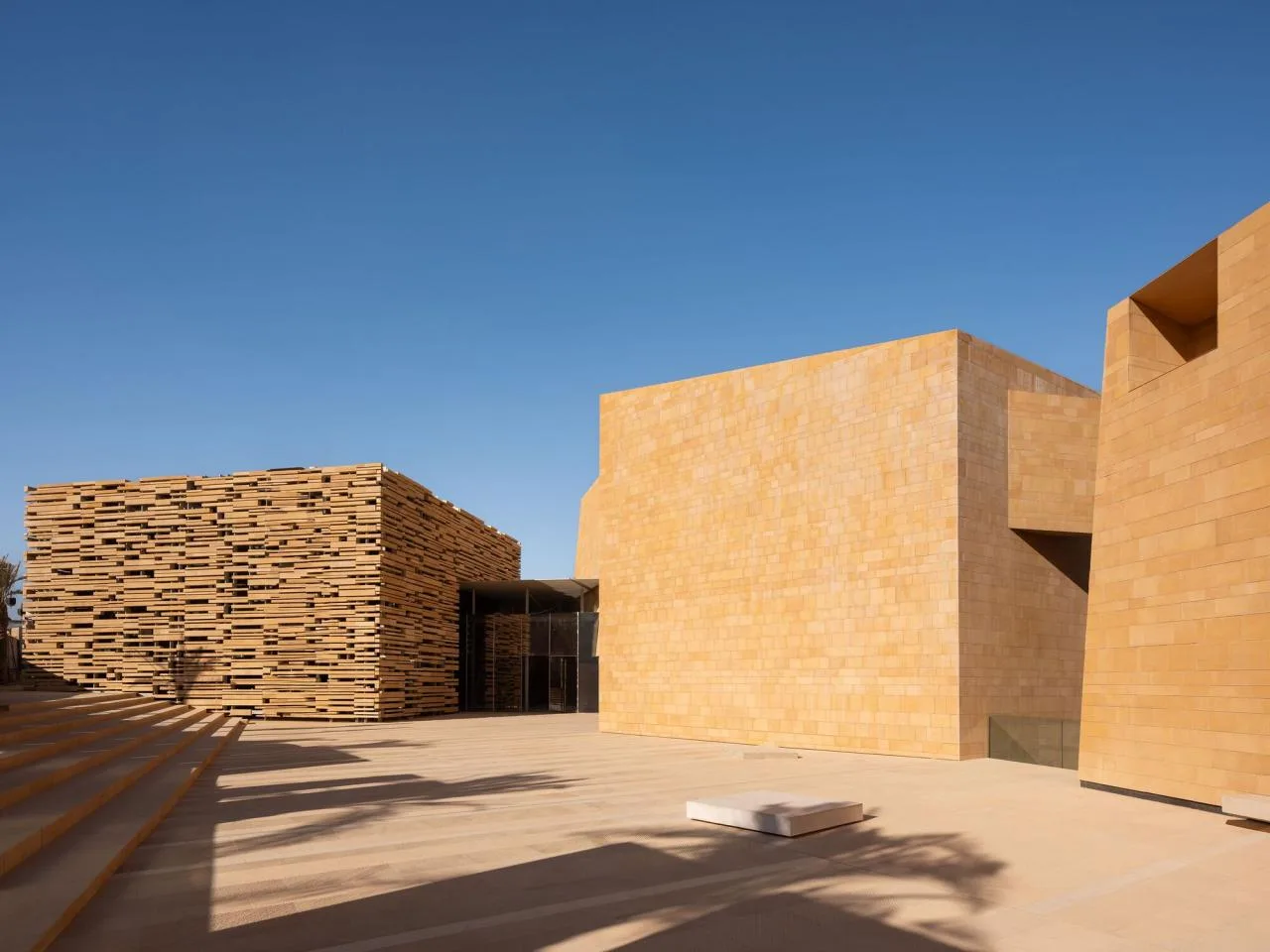
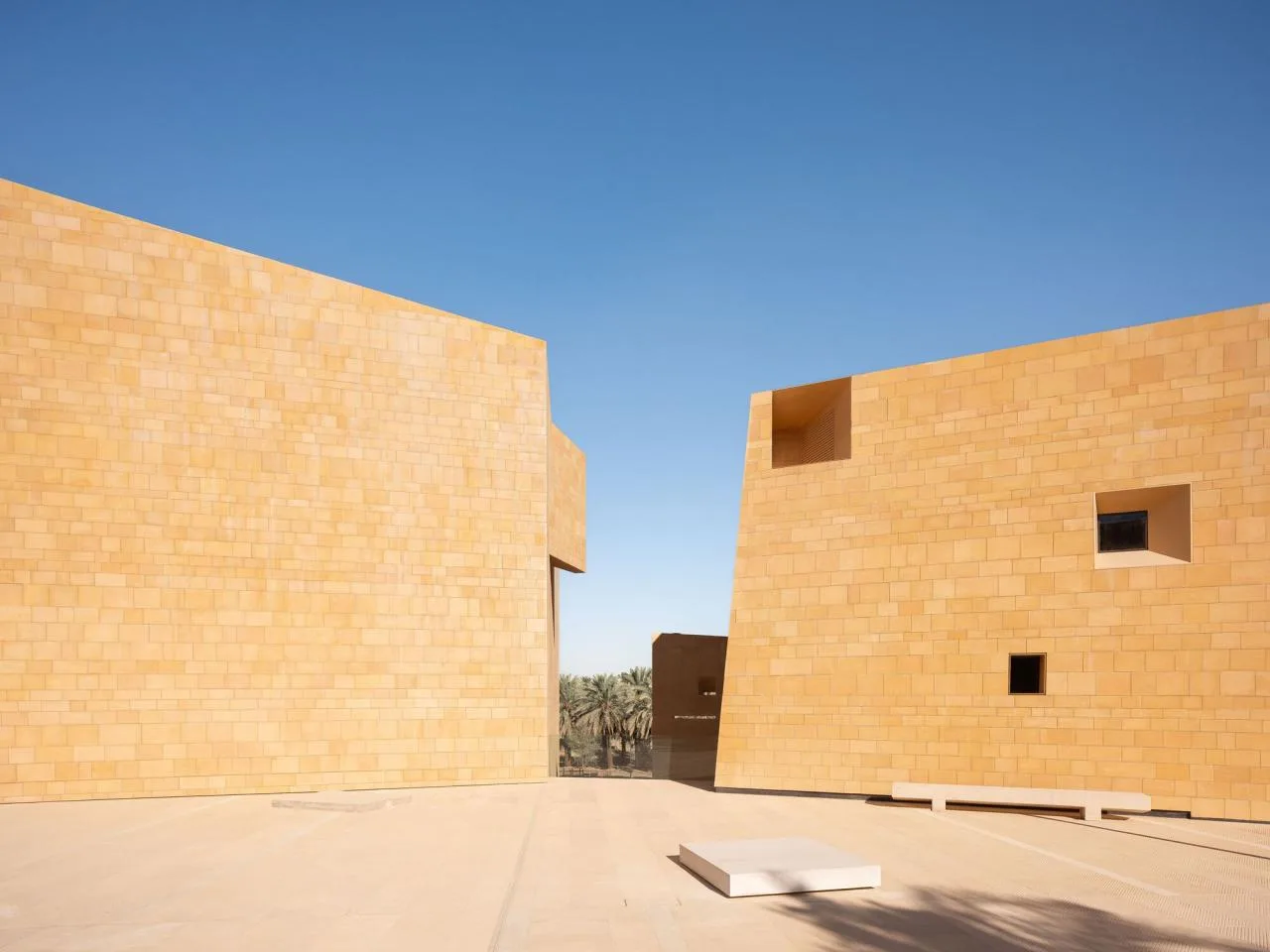
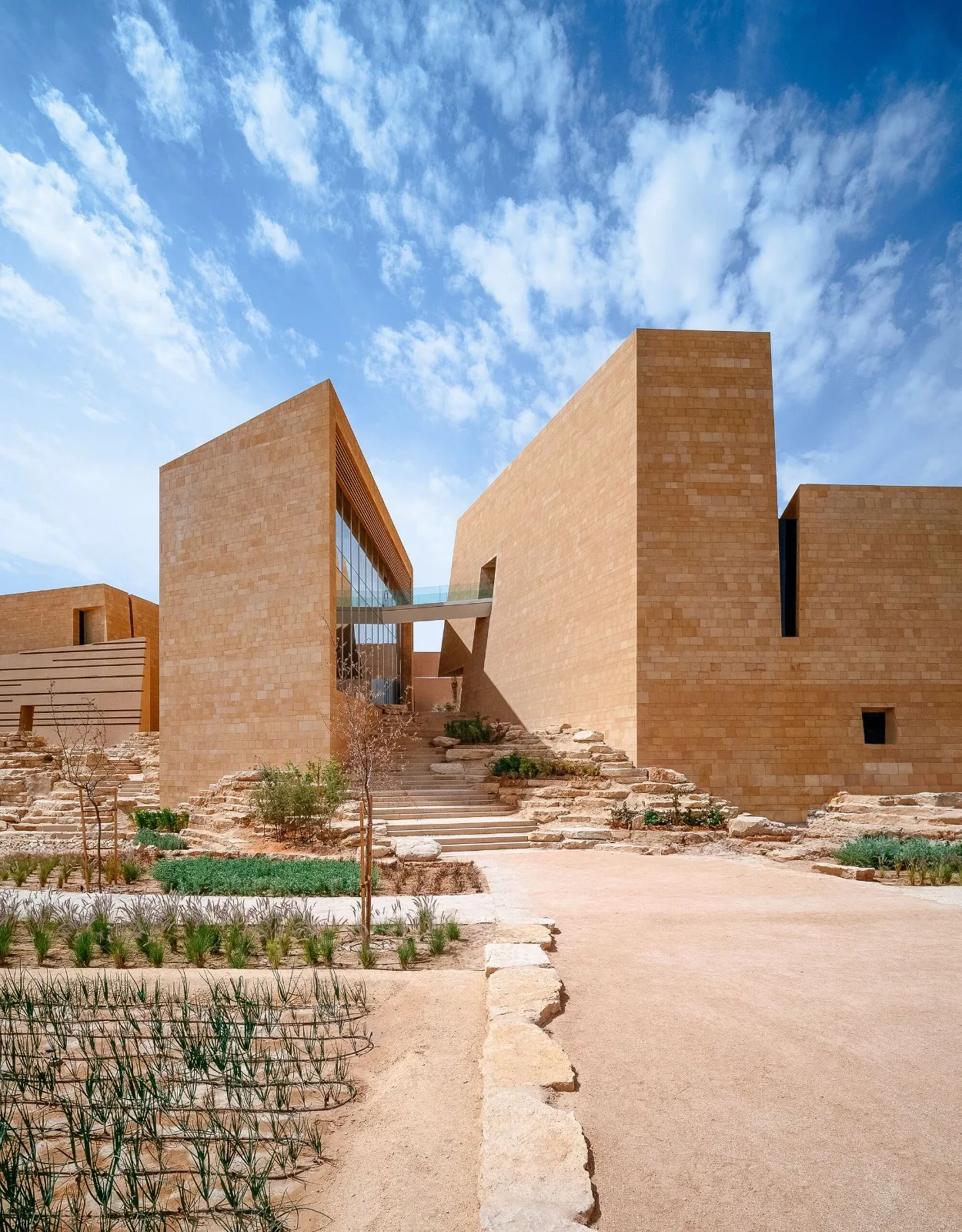
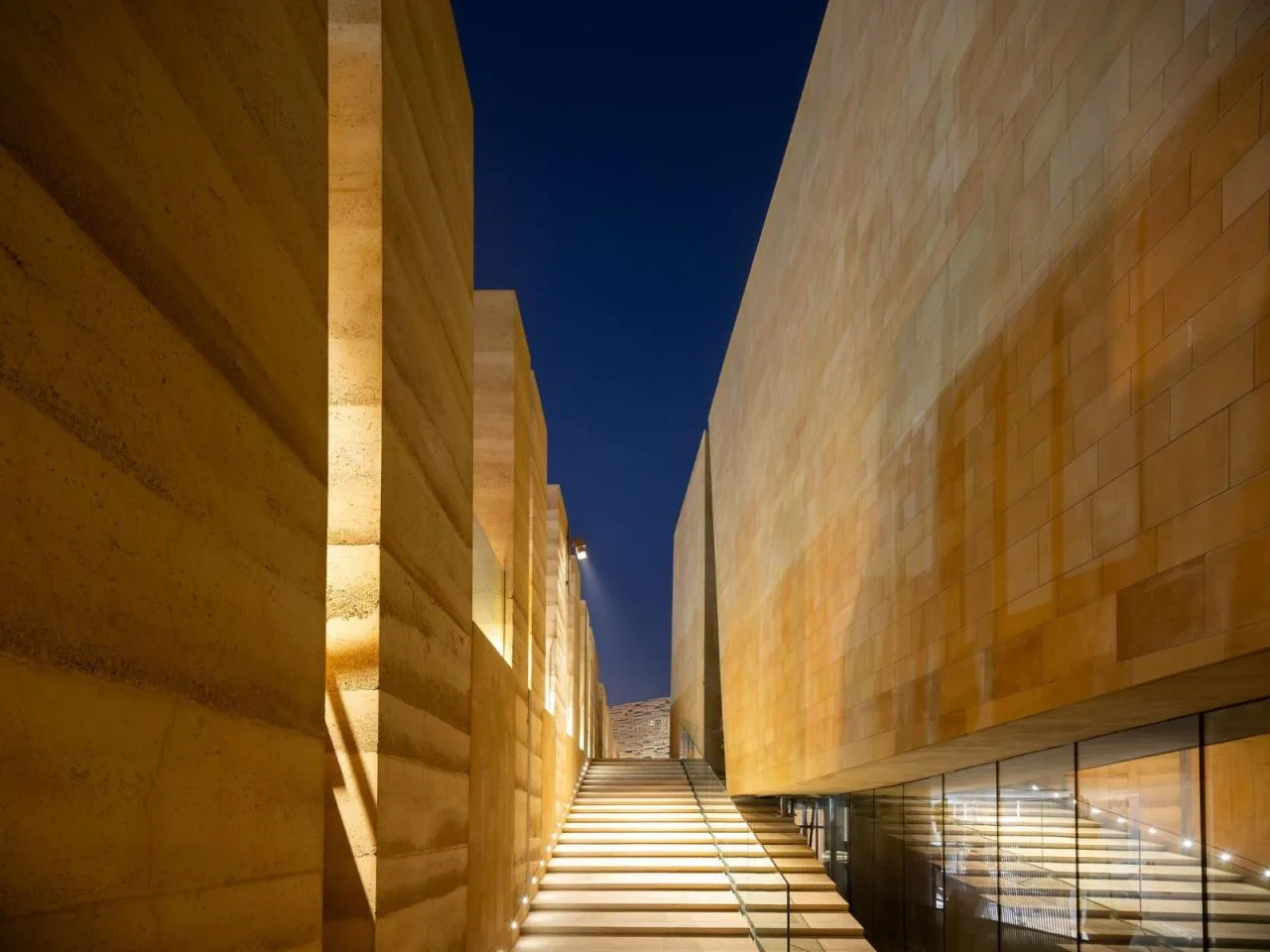
The Diriyah Future Art Center is not a single compact structure but a series of slender, distinct architectural volumes extending horizontally along the Hanifa Valley Ridge—an agricultural depression in the desert plateau. The design reconnects the urban and agricultural landscapes of the Hanifa Valley, aiming to restore harmony between architecture and nature. Narrow, deep passages alternate with open spaces to provide cooling shade, reflecting the traditional Uchi architectural style of the region. This “tailor-made” approach targets clear architectural and cultural goals.
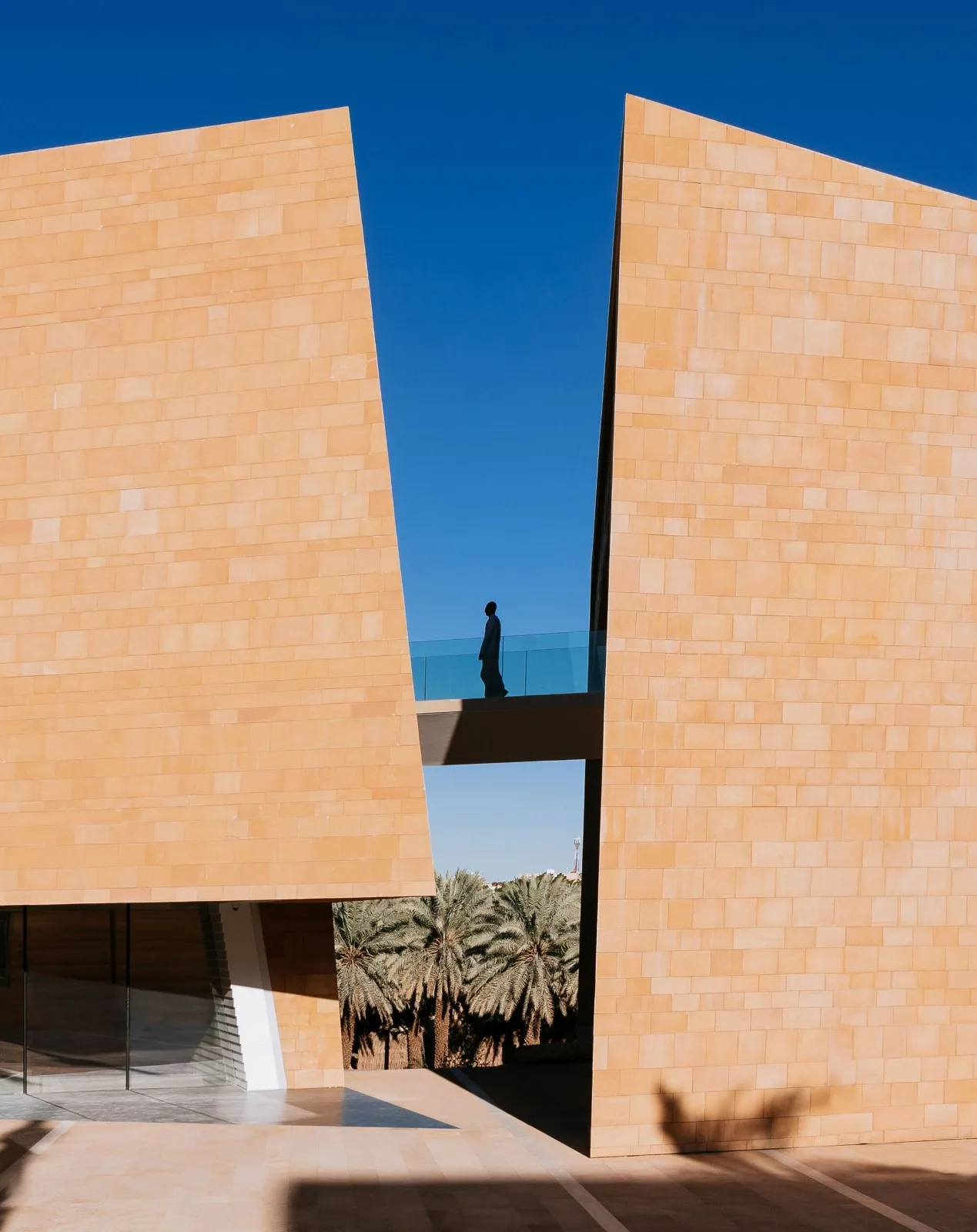
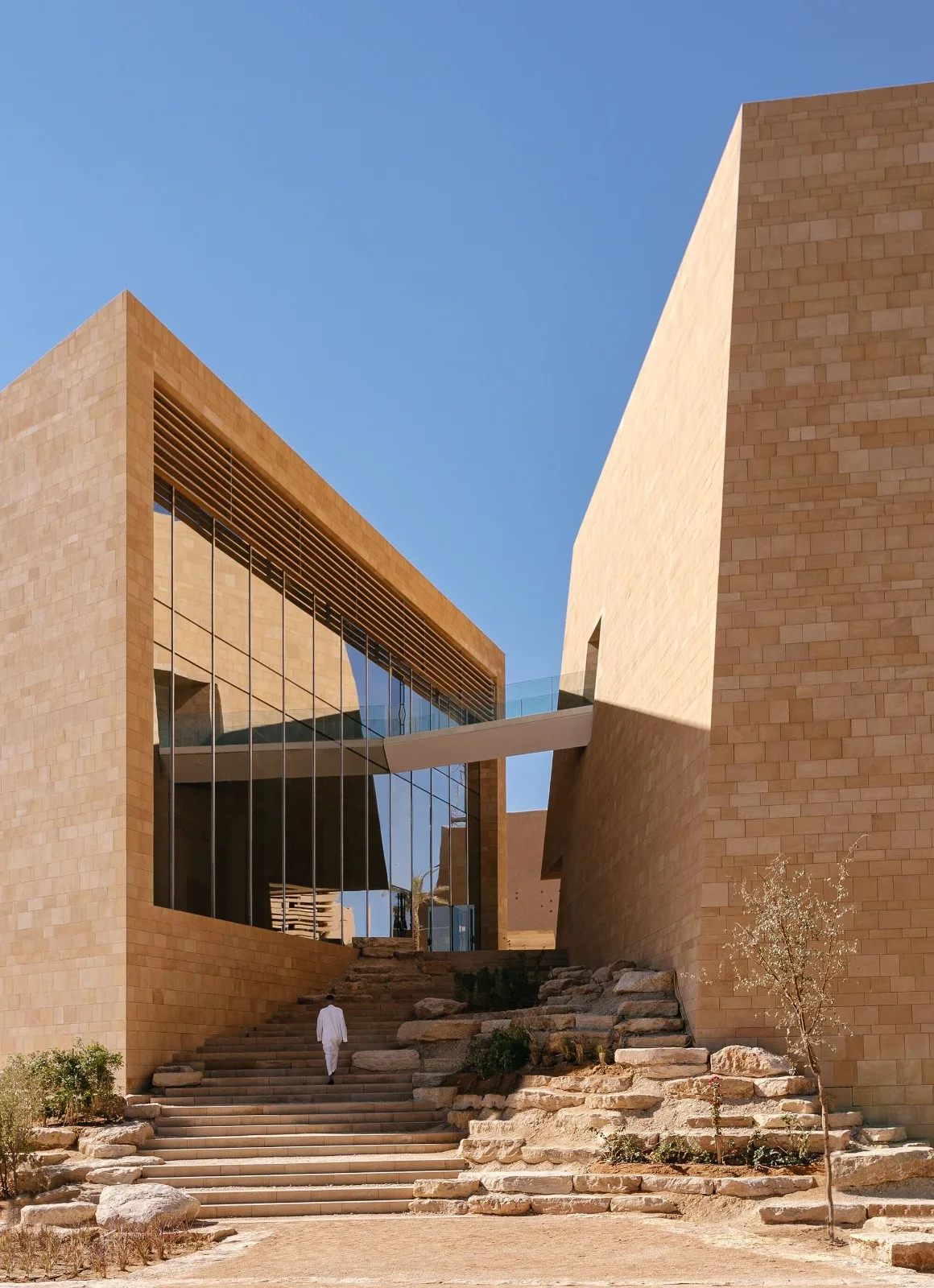
This project is a boundary-pushing initiative. As Amedeo Schiattarella explains, it starts from valuing diversity and exploring the unique features and specific characteristics of each place.
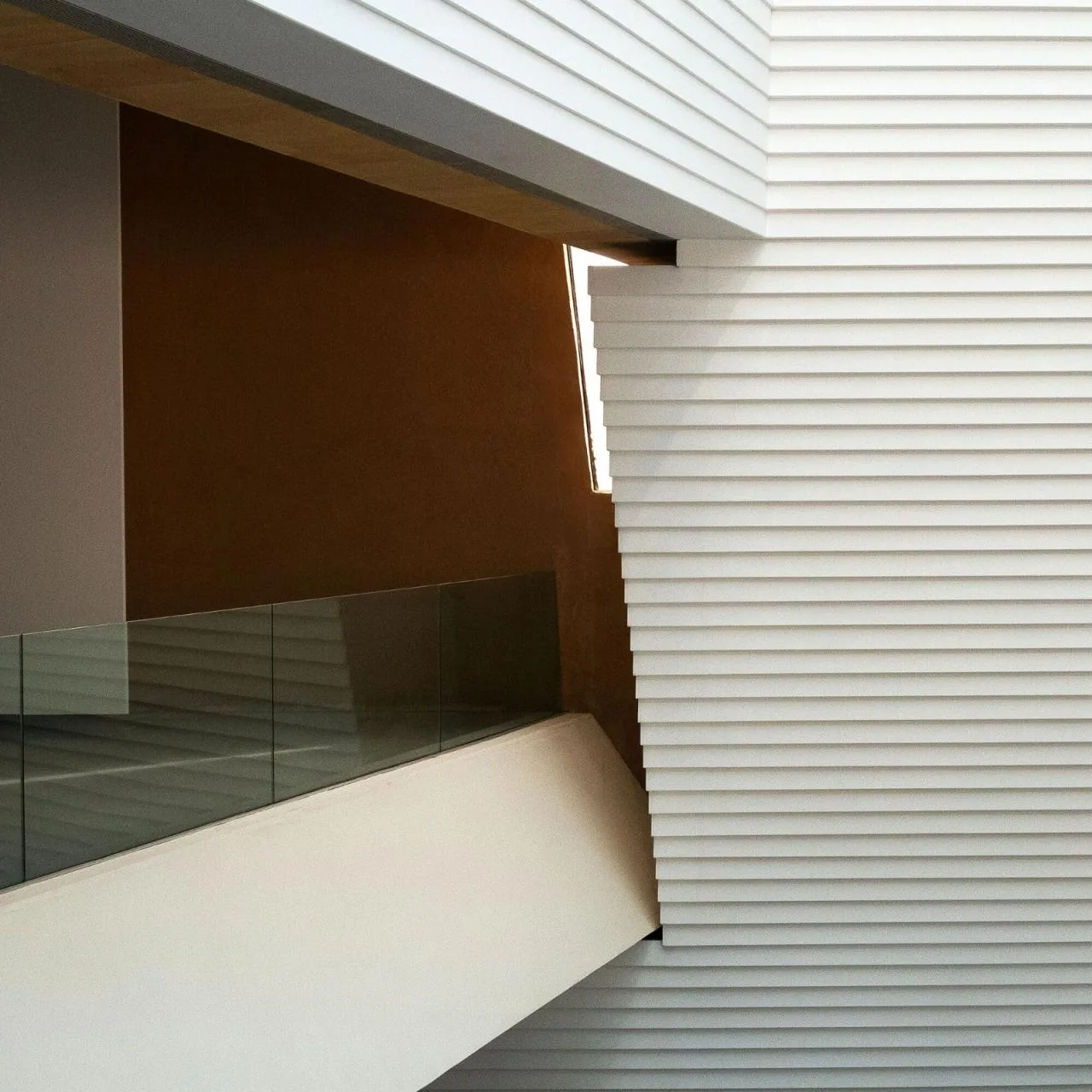
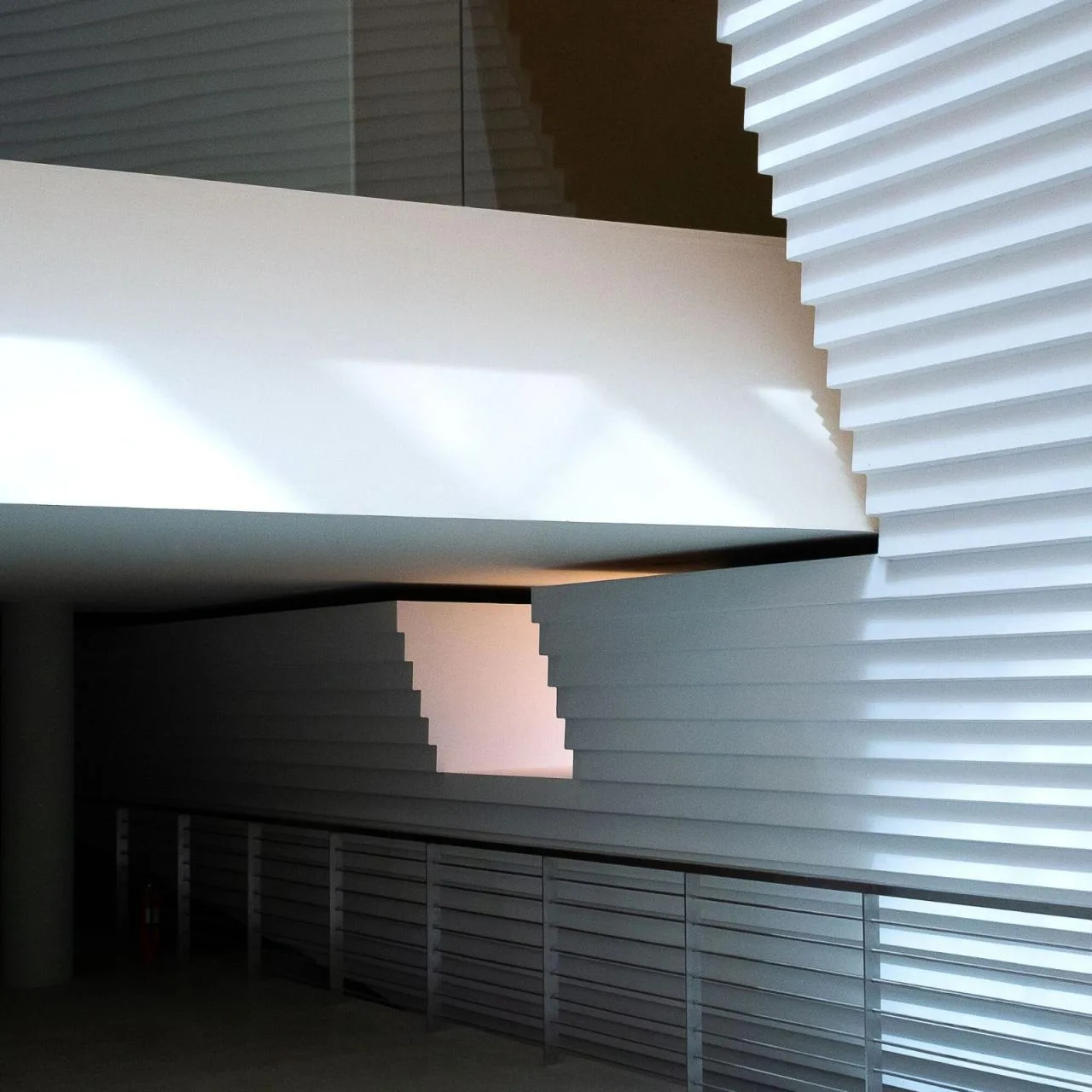
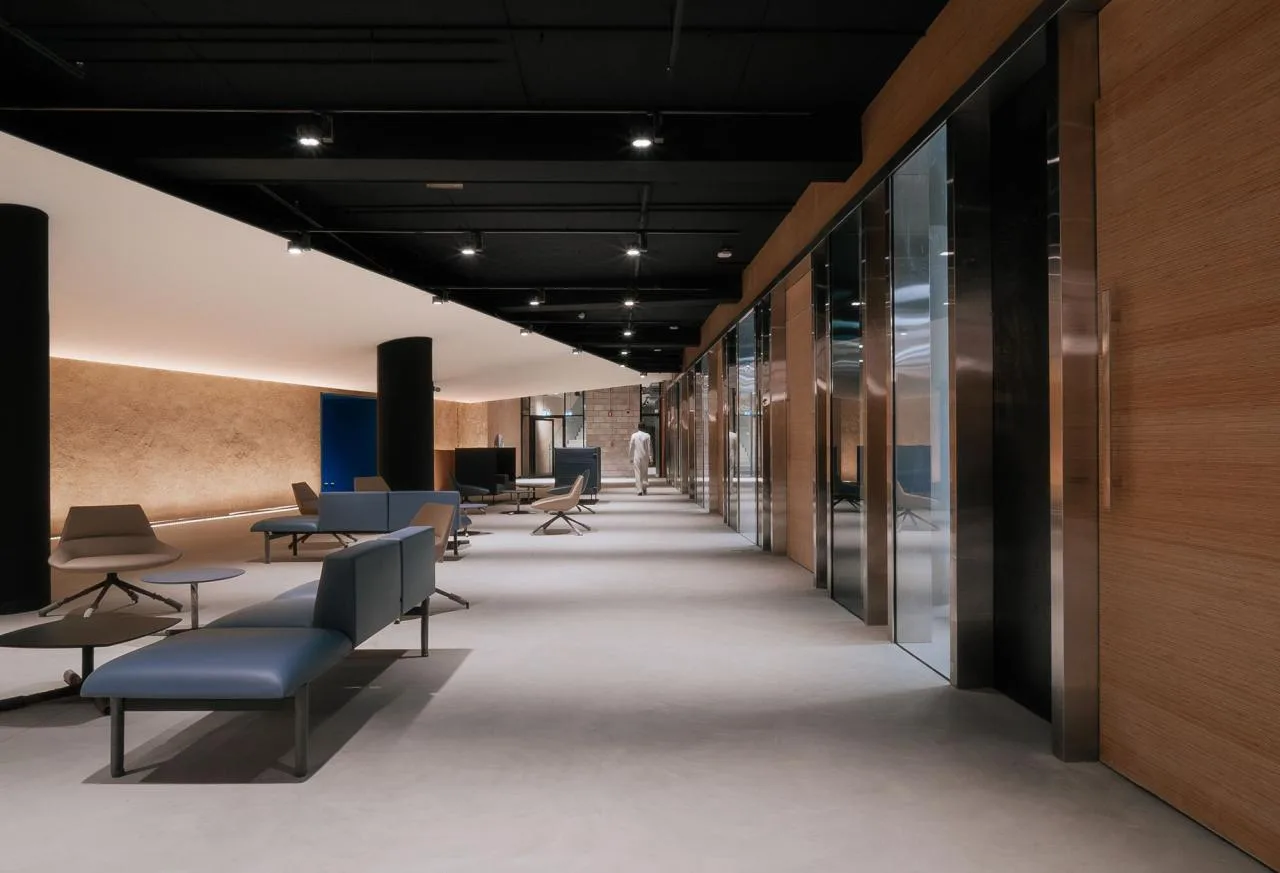
The Diriyah Future Art Center’s architecture embodies research, innovation, and nature-based solutions, achieving zero waste in line with desert traditions. It makes use of site-specific conditions, materials, and knowledge to efficiently meet diverse needs through its form and spatial layout. This contemporary project addresses the challenge of creating new humanistic dimensions on historically rich land.
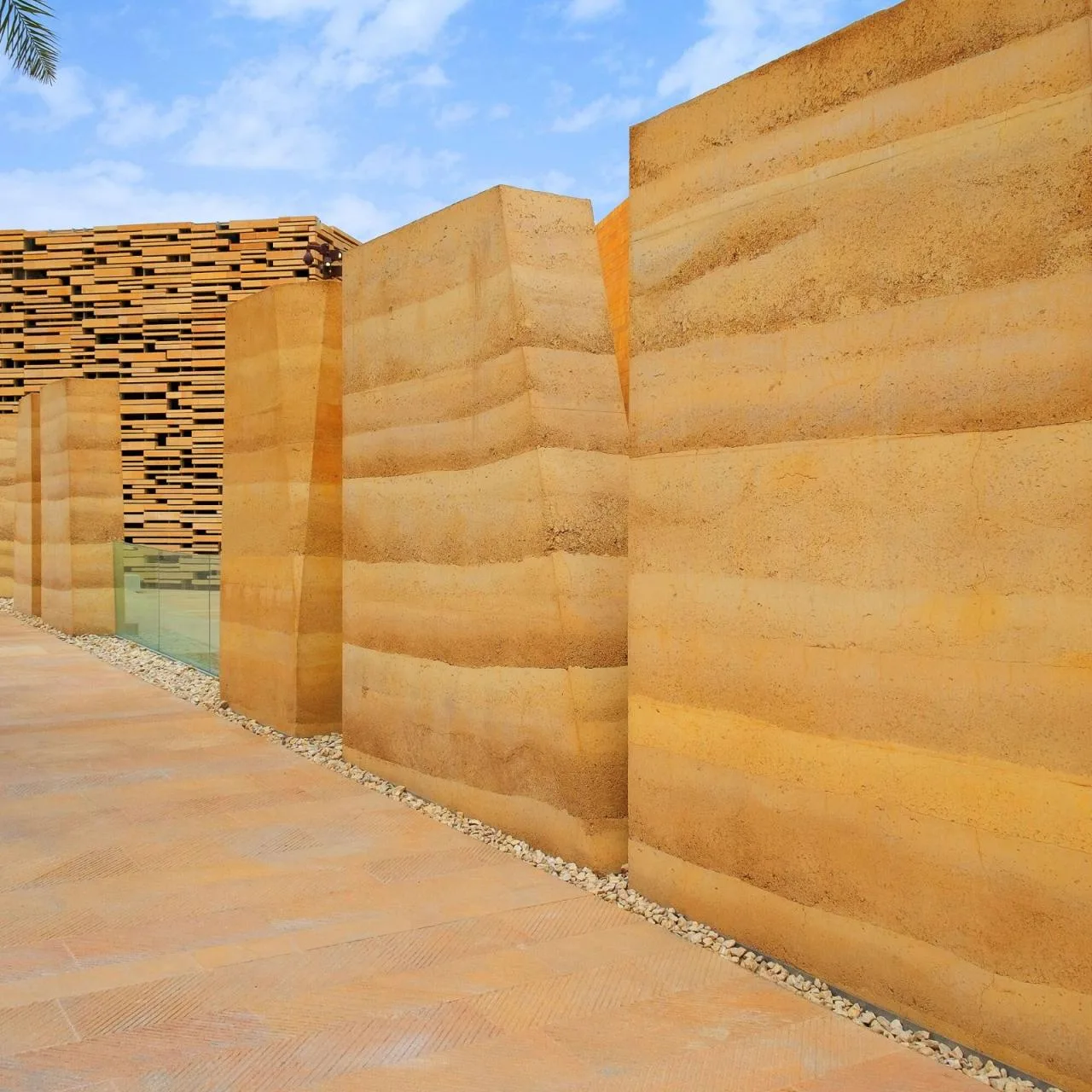
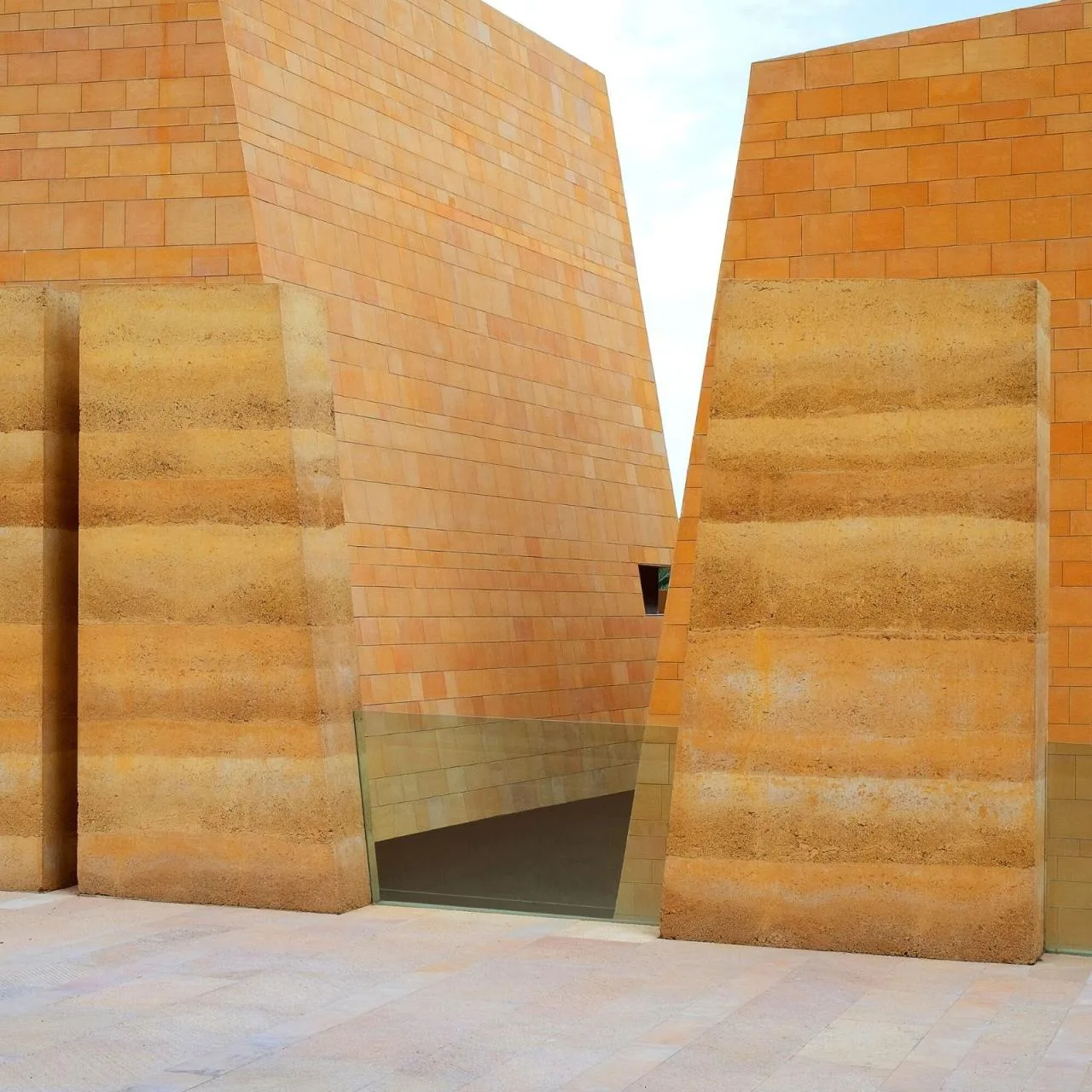
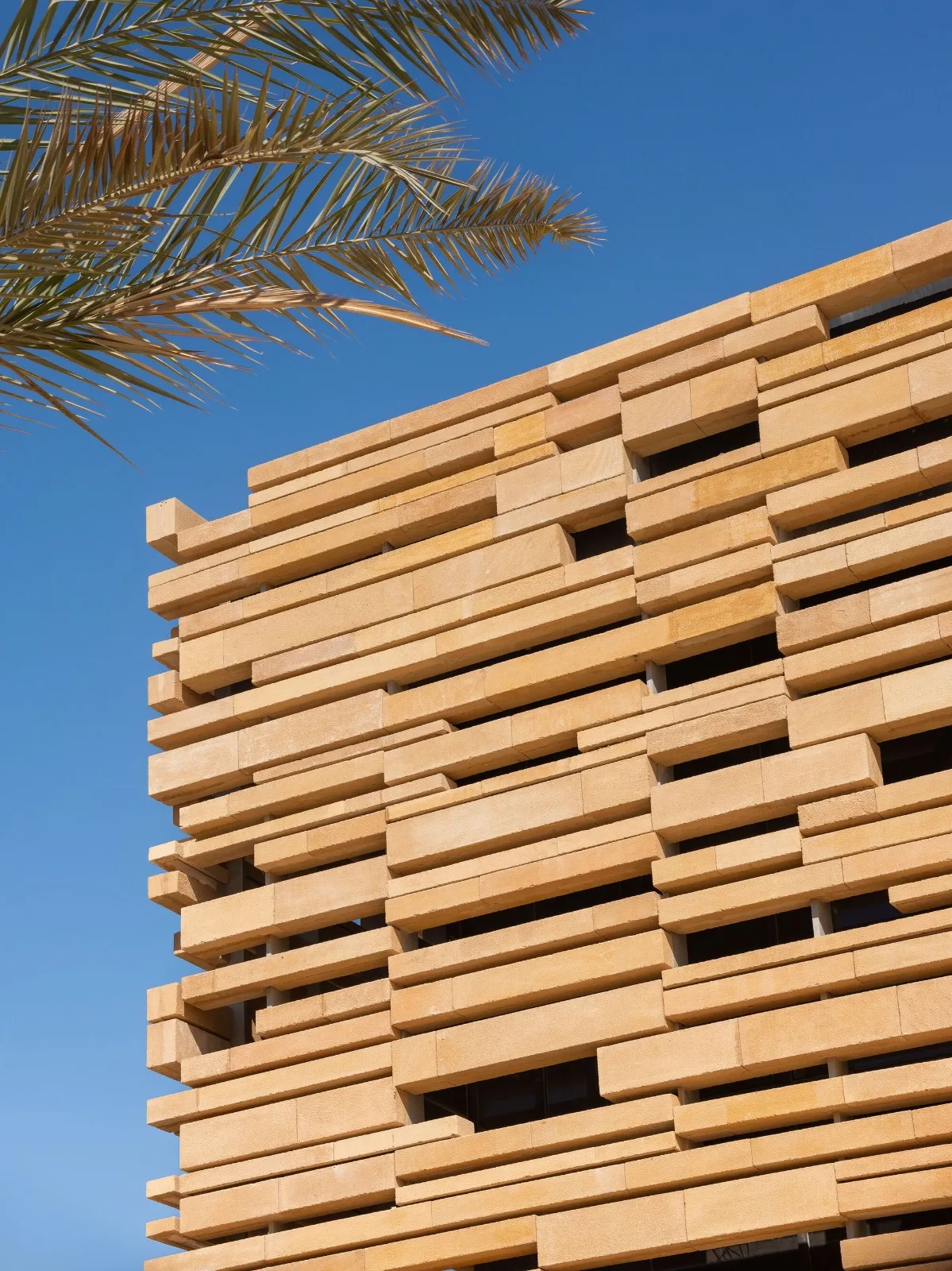
The tradition of Neizhi, or desert architecture, utilizes building materials sourced directly from the site, such as stone, raw soil, and plaster. This results in a strong material continuity between the earth and the structure. The spaces between building volumes evoke the narrow streets and small squares typical of ancient settlements.
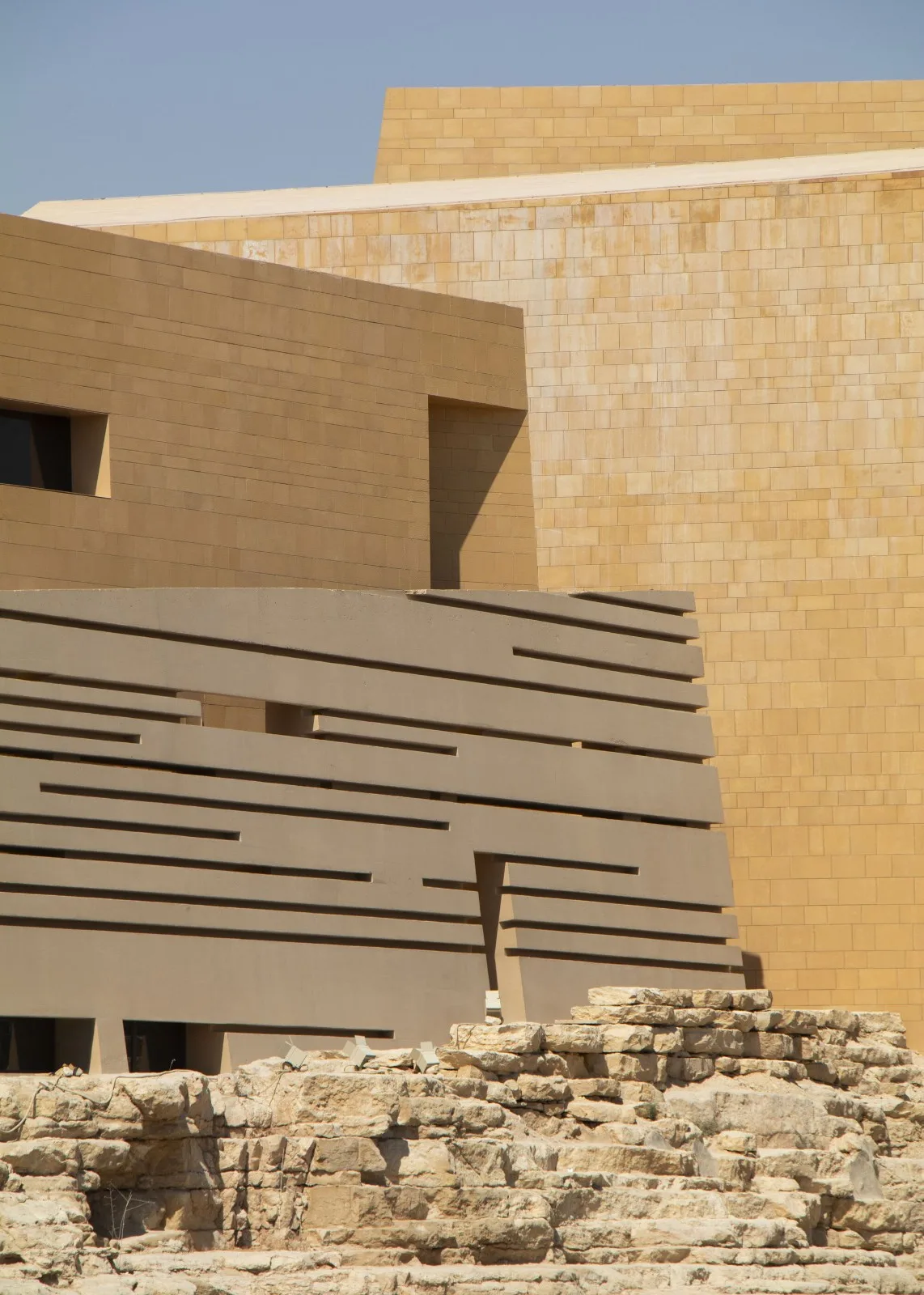
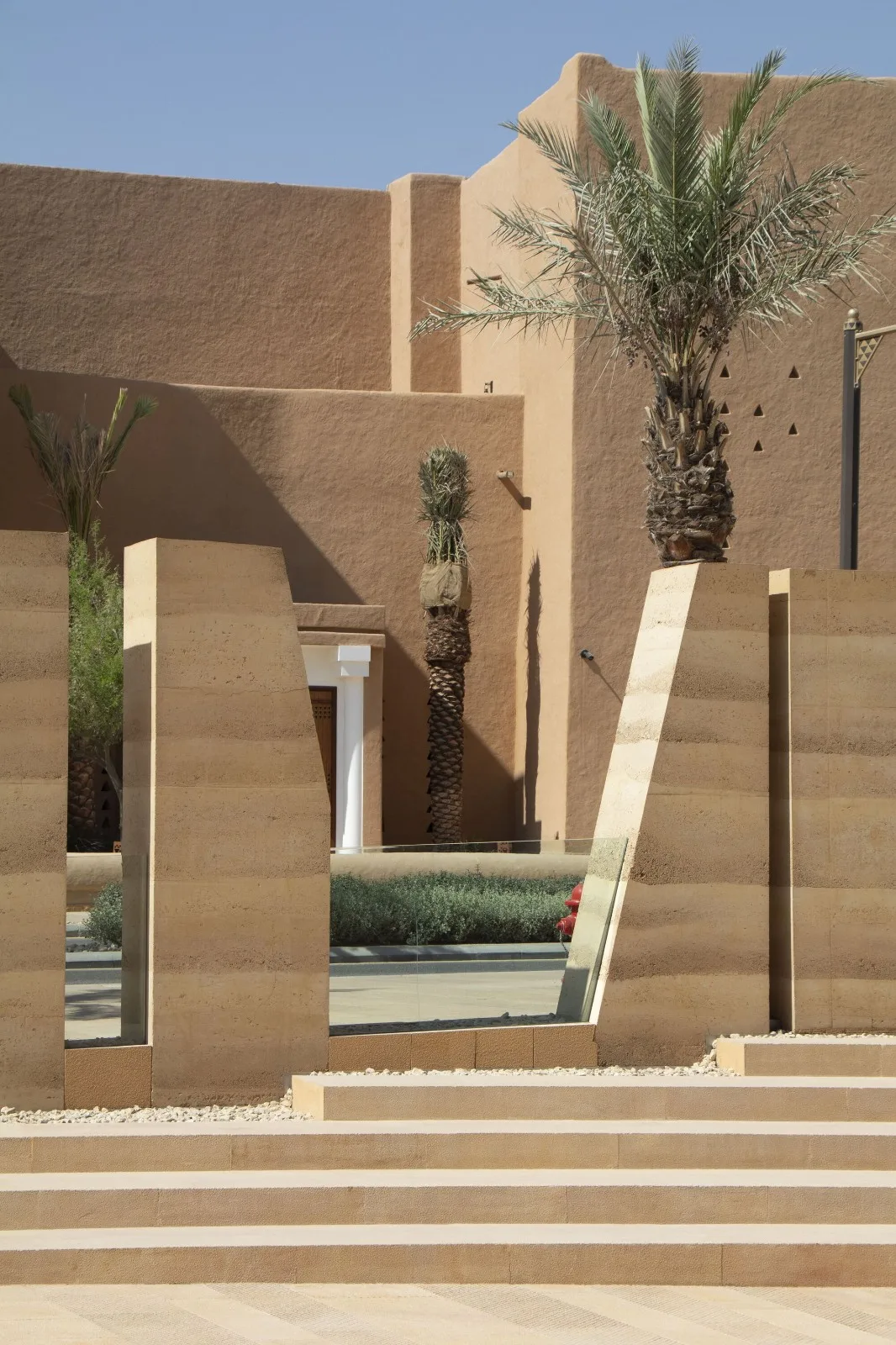
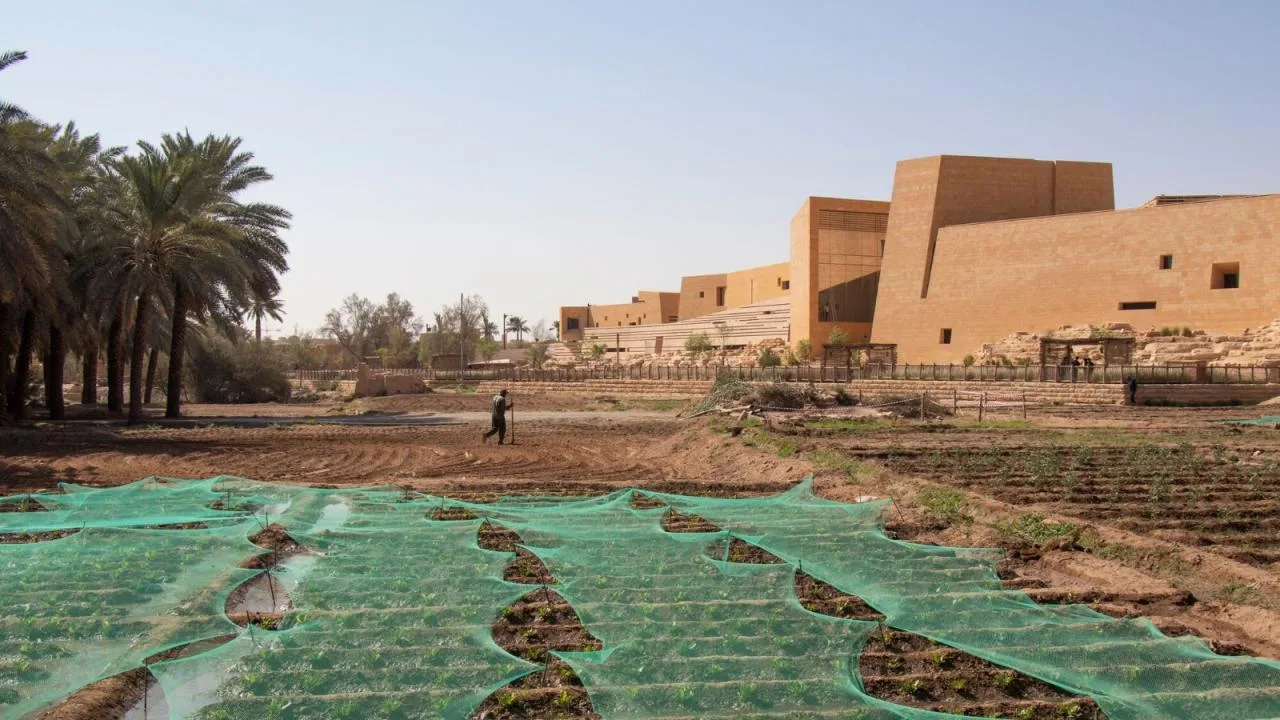
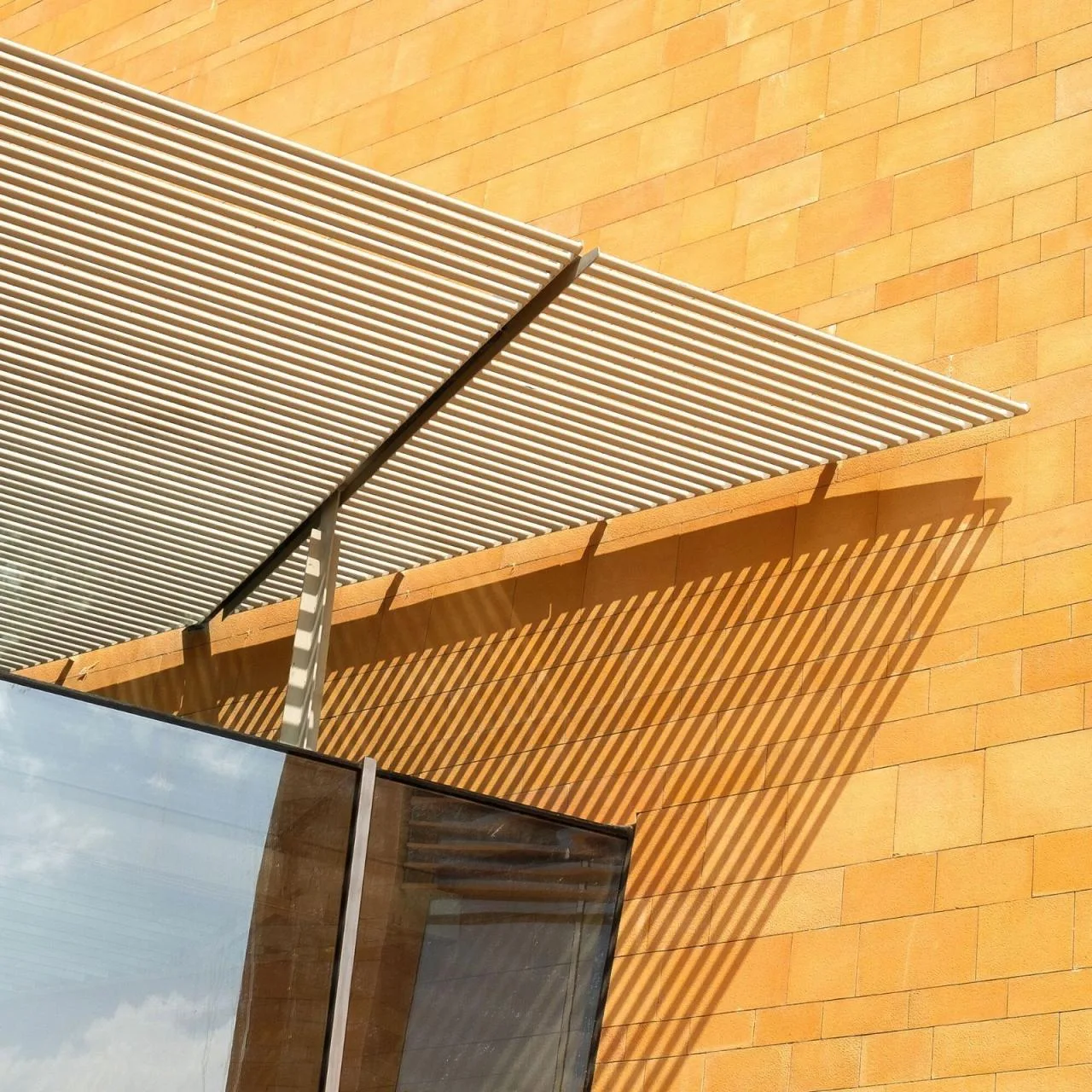
The design aims to create compact shaded areas that promote air circulation, reducing temperature and protecting pedestrians from sunlight and heat. Ventilation channels open toward the Hanifa Valley, a more humid zone, enhancing natural cooling. Sustainability principles were fully integrated, optimizing sunlight exposure and ensuring energy efficiency through geothermal cooling and rainwater harvesting and reuse.
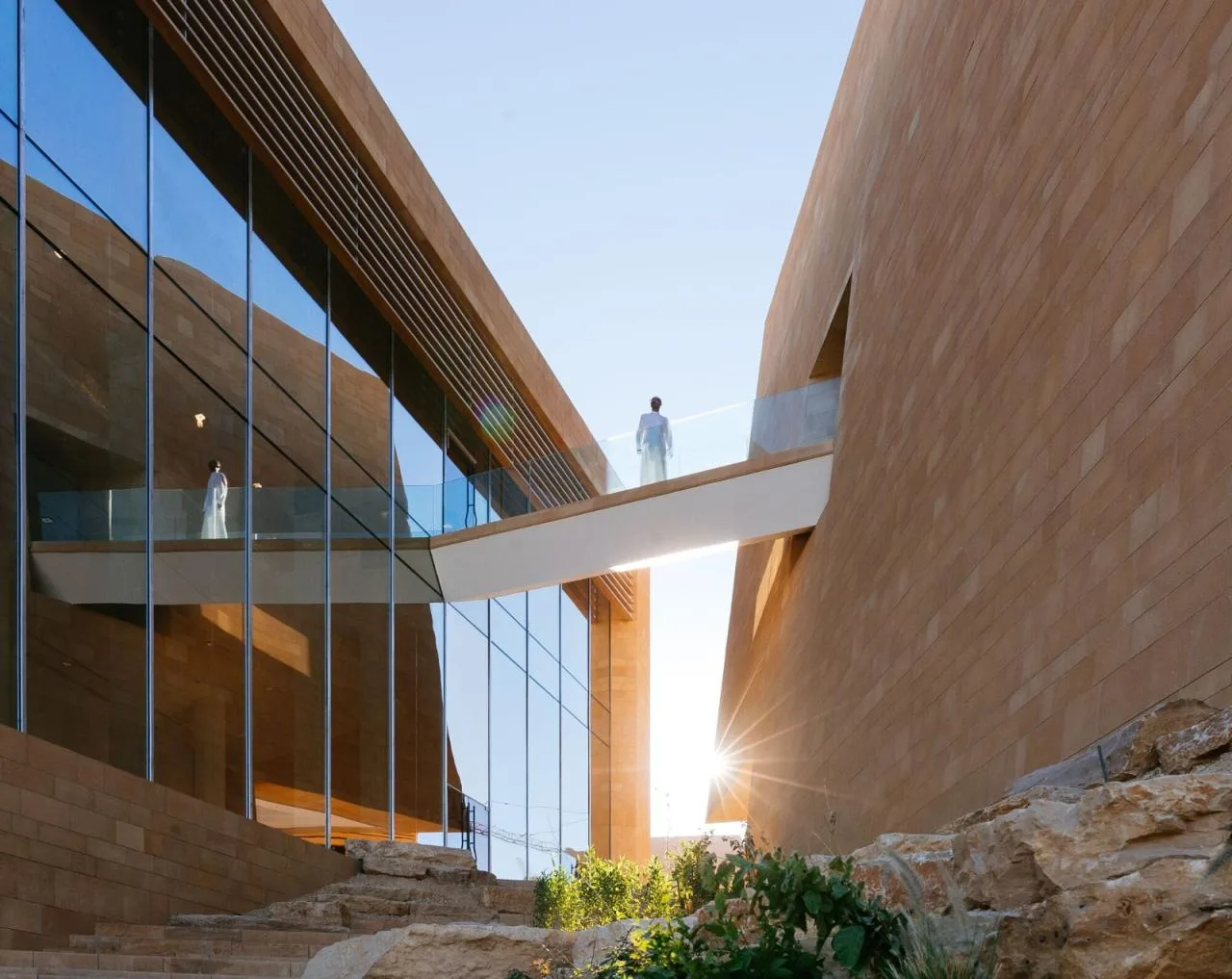
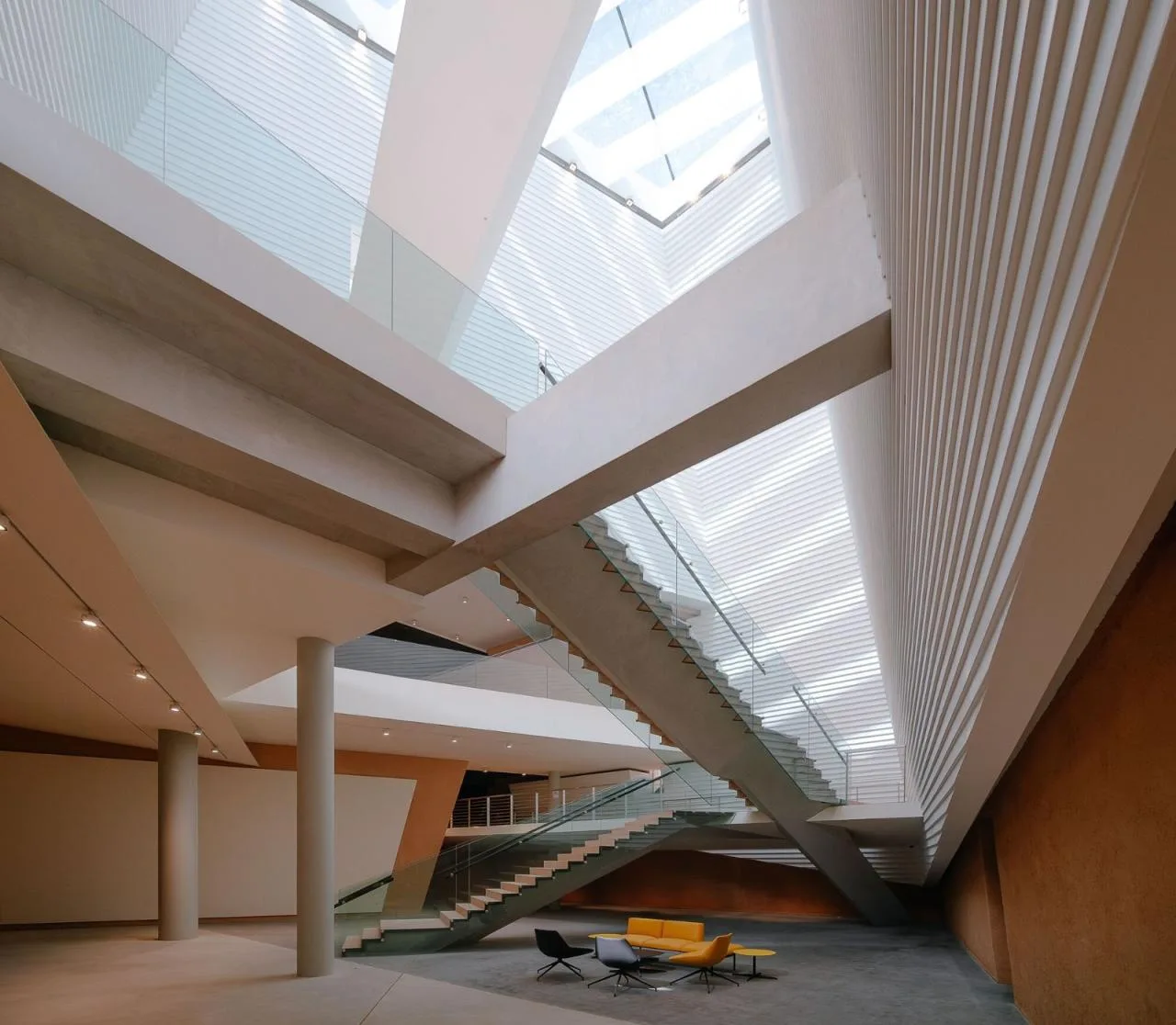
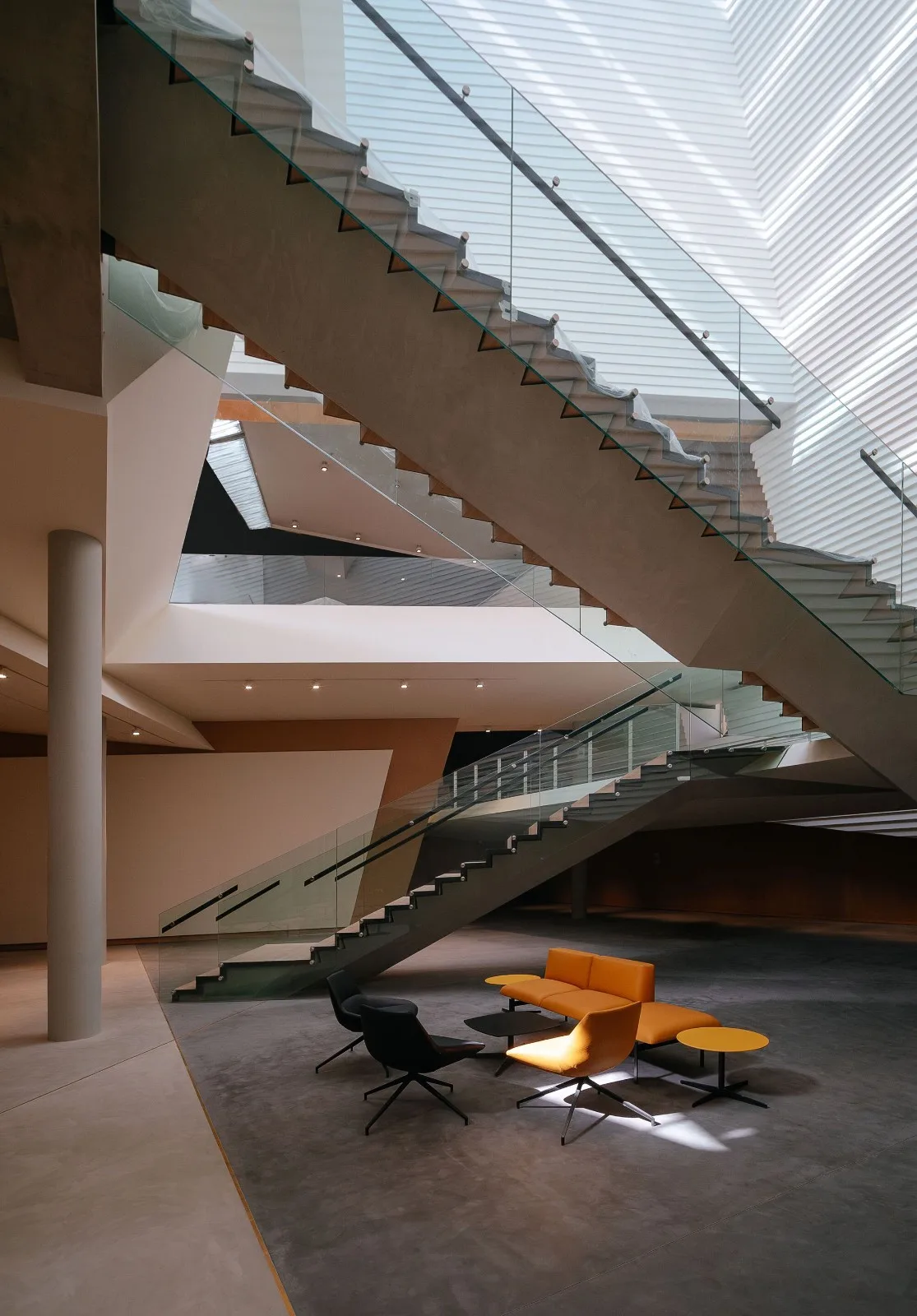
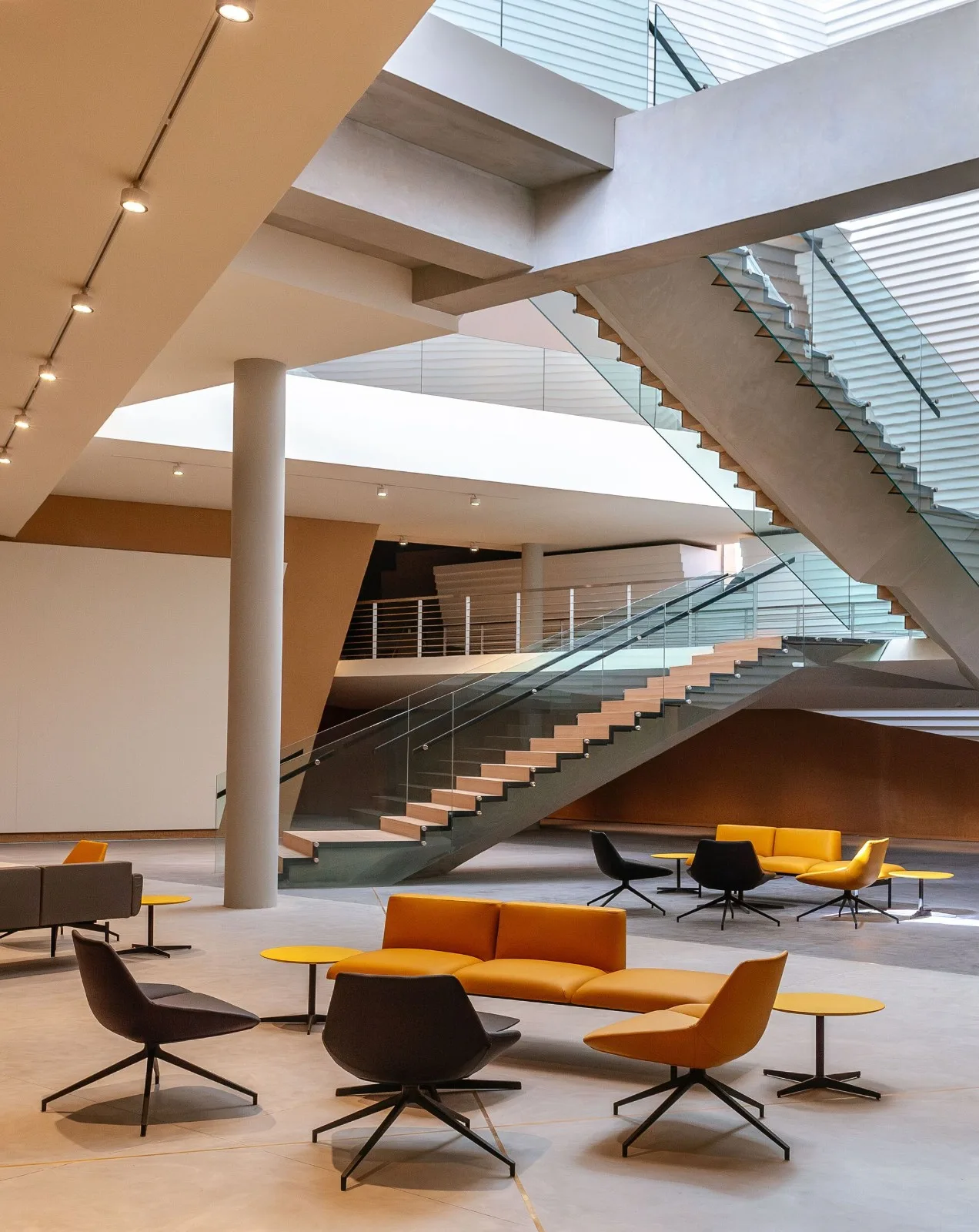
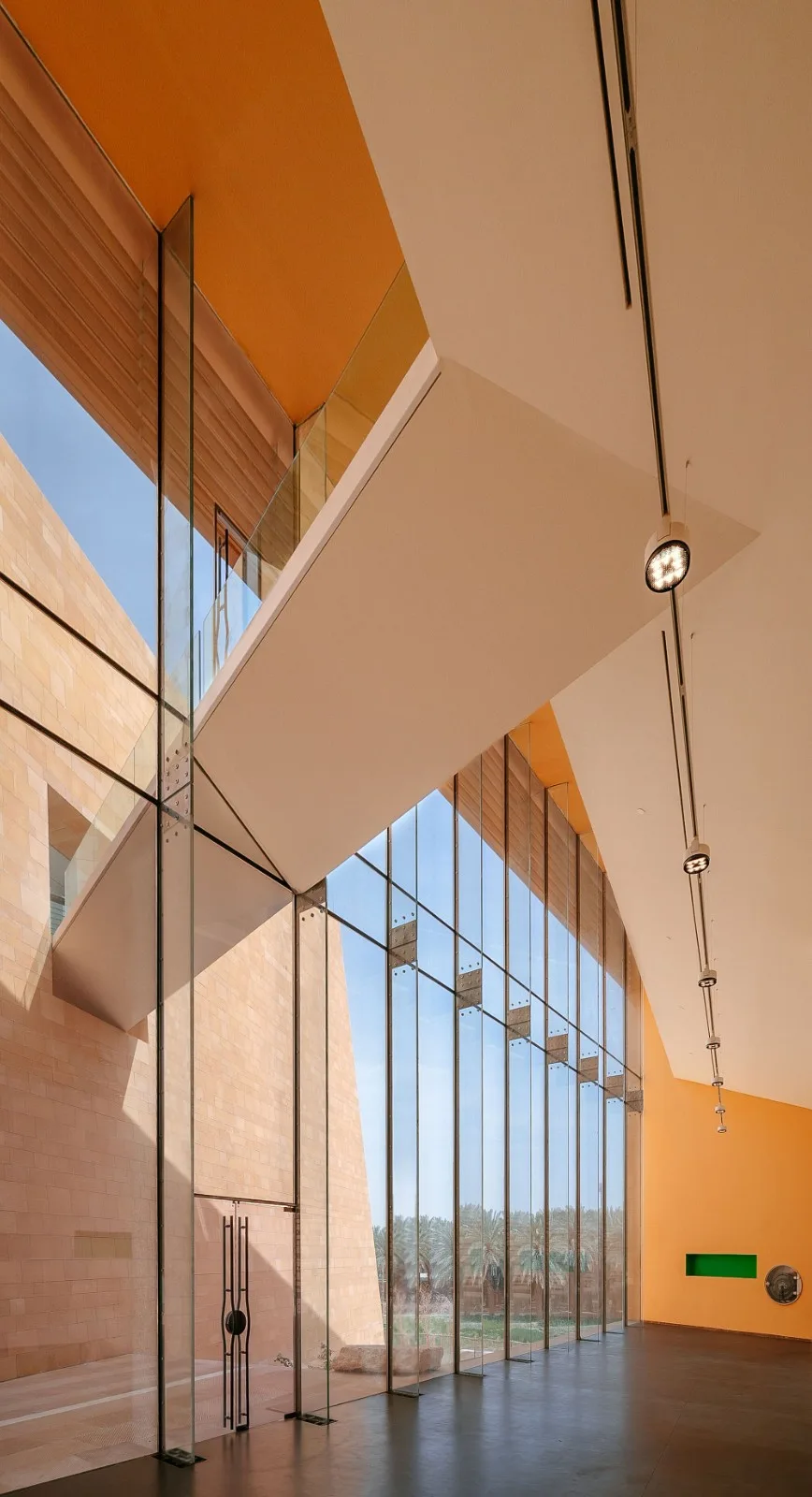
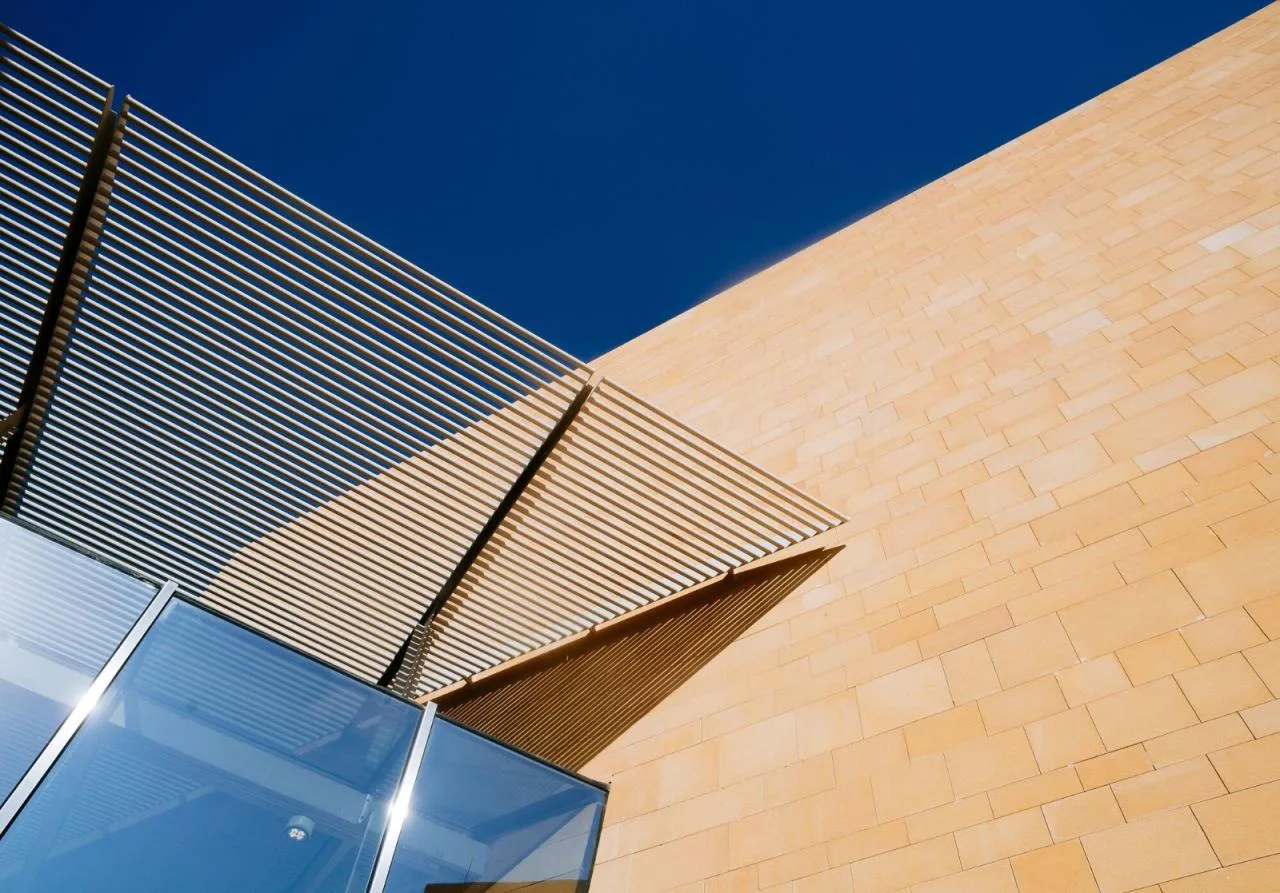
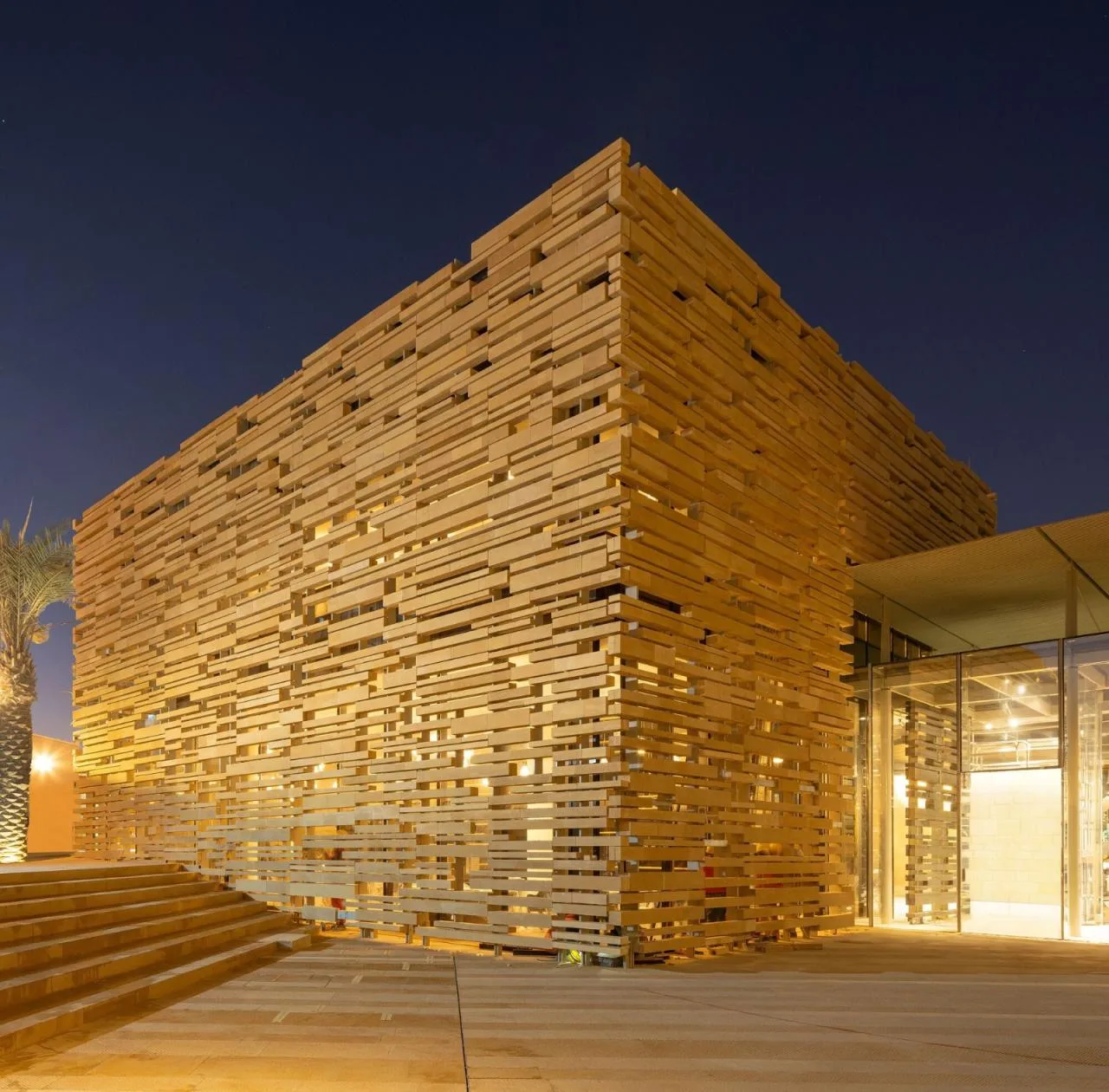
Interior design, led by Paola Schiattarella, incorporates local materials such as mud ash and Riyadh stone—a solidified sand that captures the desert’s resonance under sunlight. The café features modern wooden lattice windows (mushrabiya), reminiscent of wind-carved stone walls. This secondary layer of the building’s skin allows light to filter through, creating intricate patterns of light and shadow indoors—offering visibility without compromising privacy.
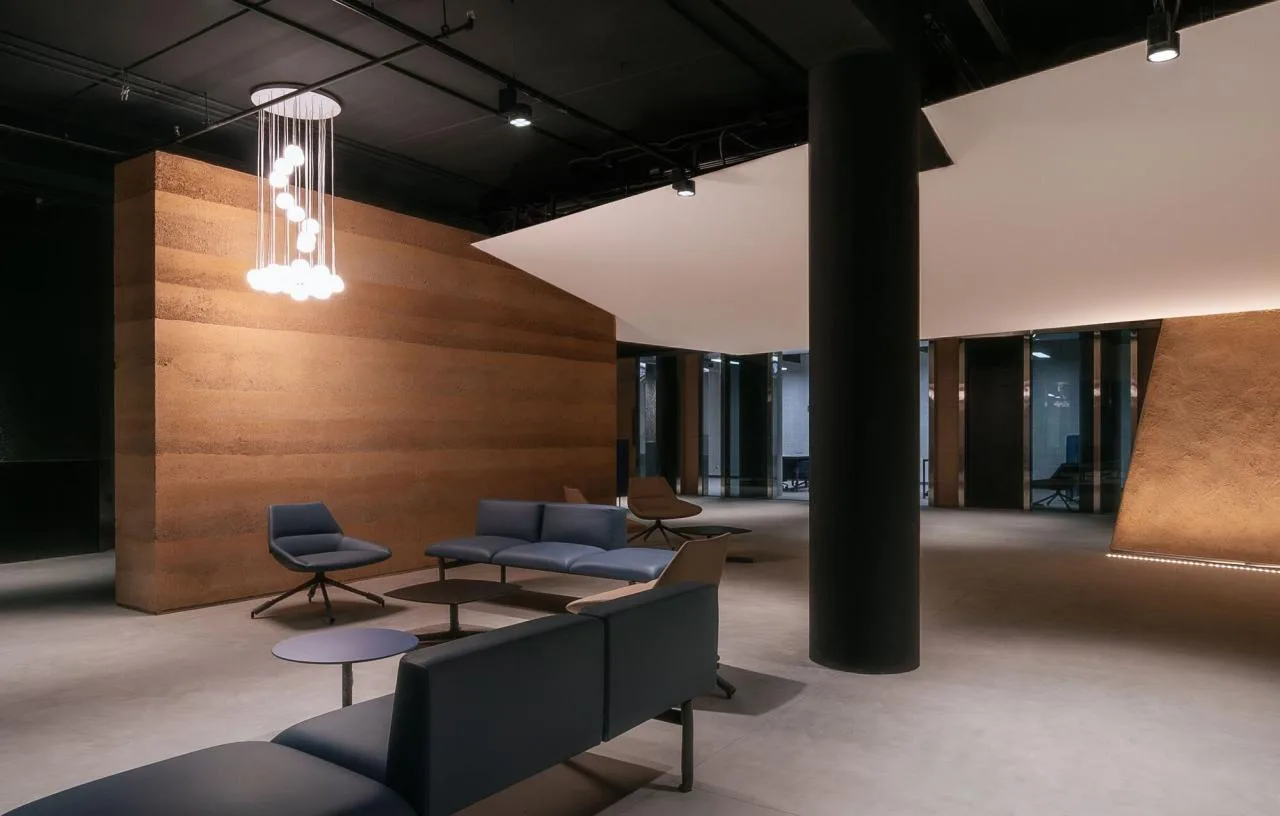
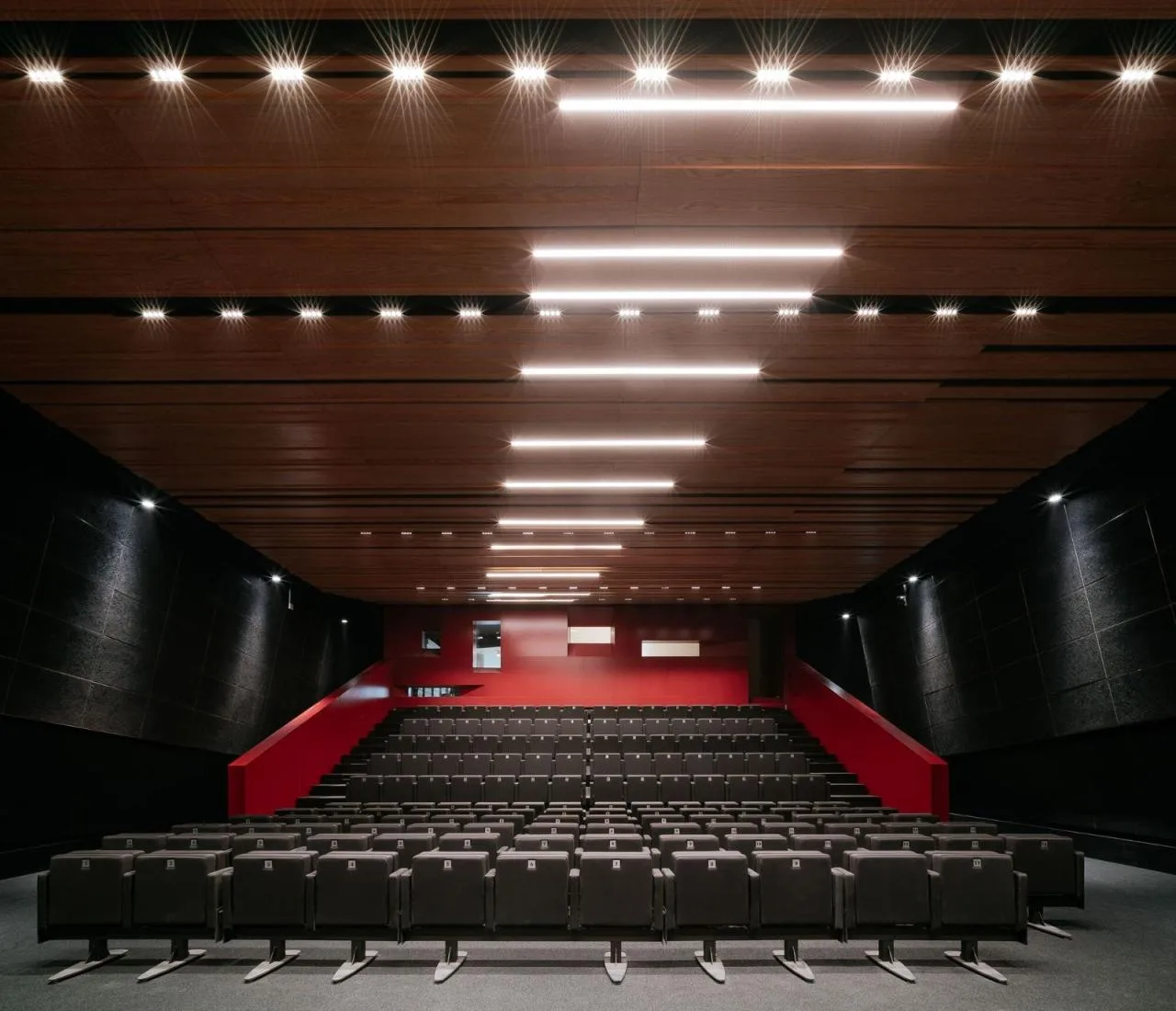
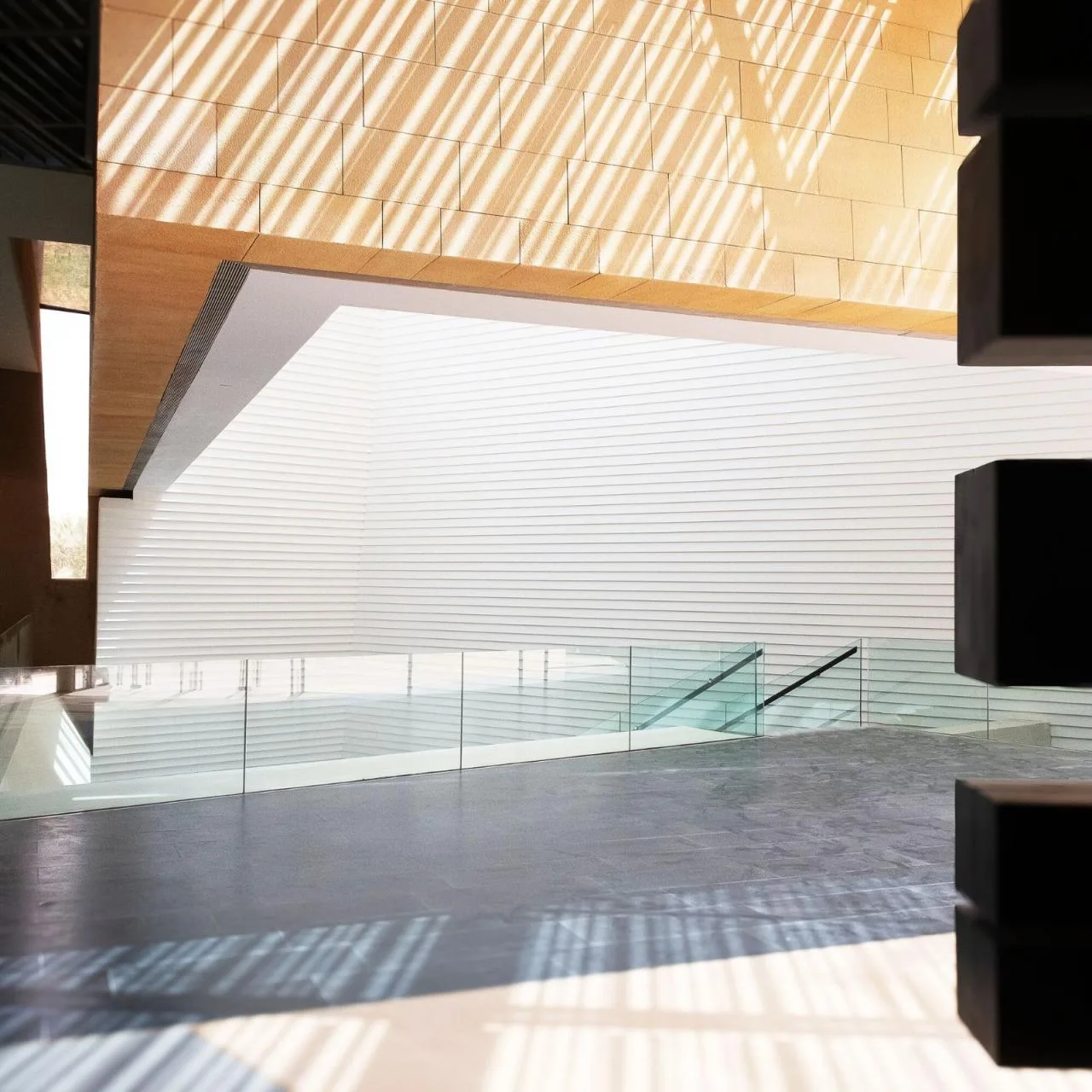
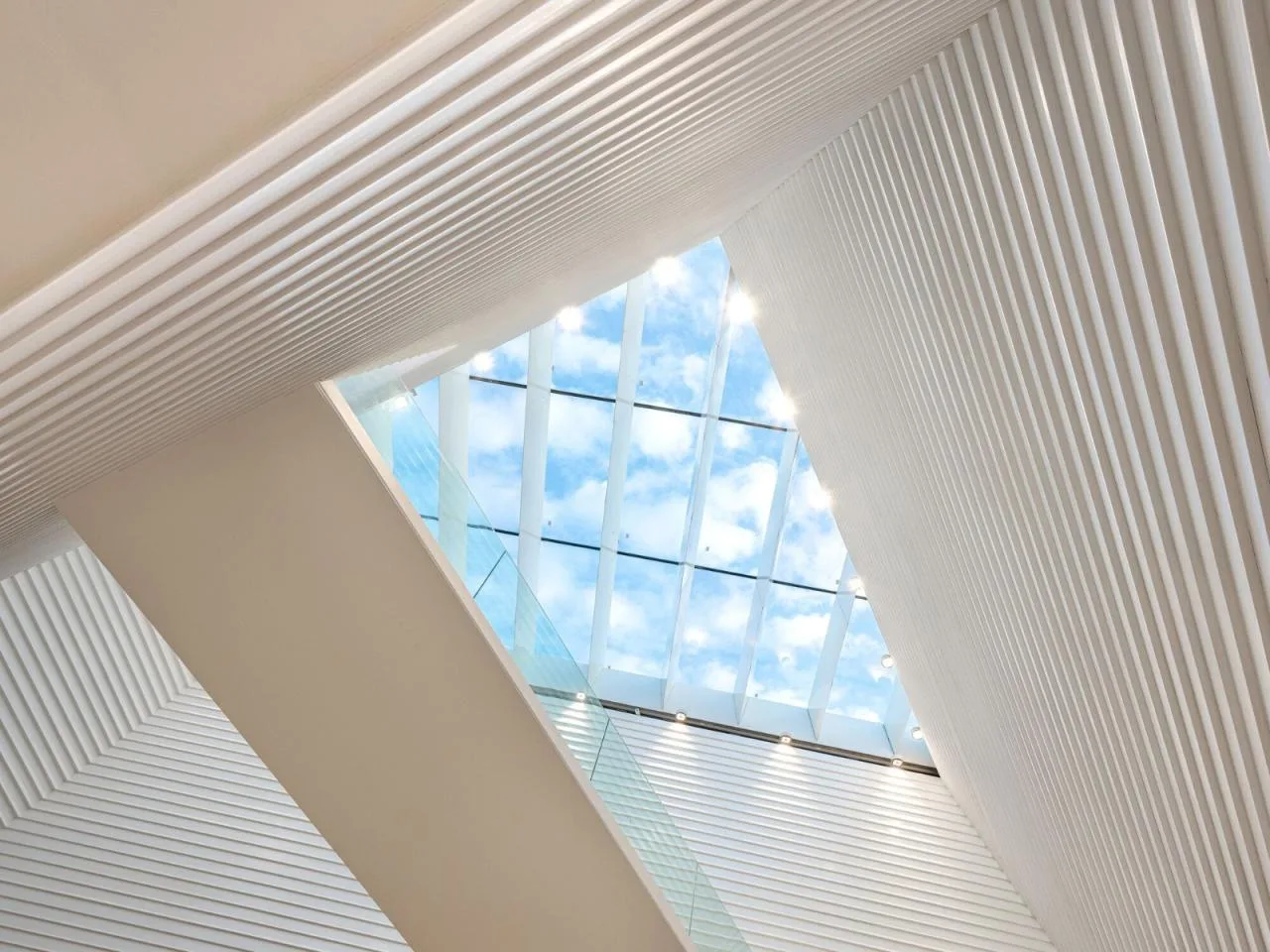
Modern and innovative materials such as steel, glass, and cement are balanced with rare wood accents in the Saudi interior design. At the heart of the underground space lies a spacious open area serving as a gathering spot for artists. Natural light floods this space through a large, bell-shaped skylight, allowing sunlight to penetrate deeply.
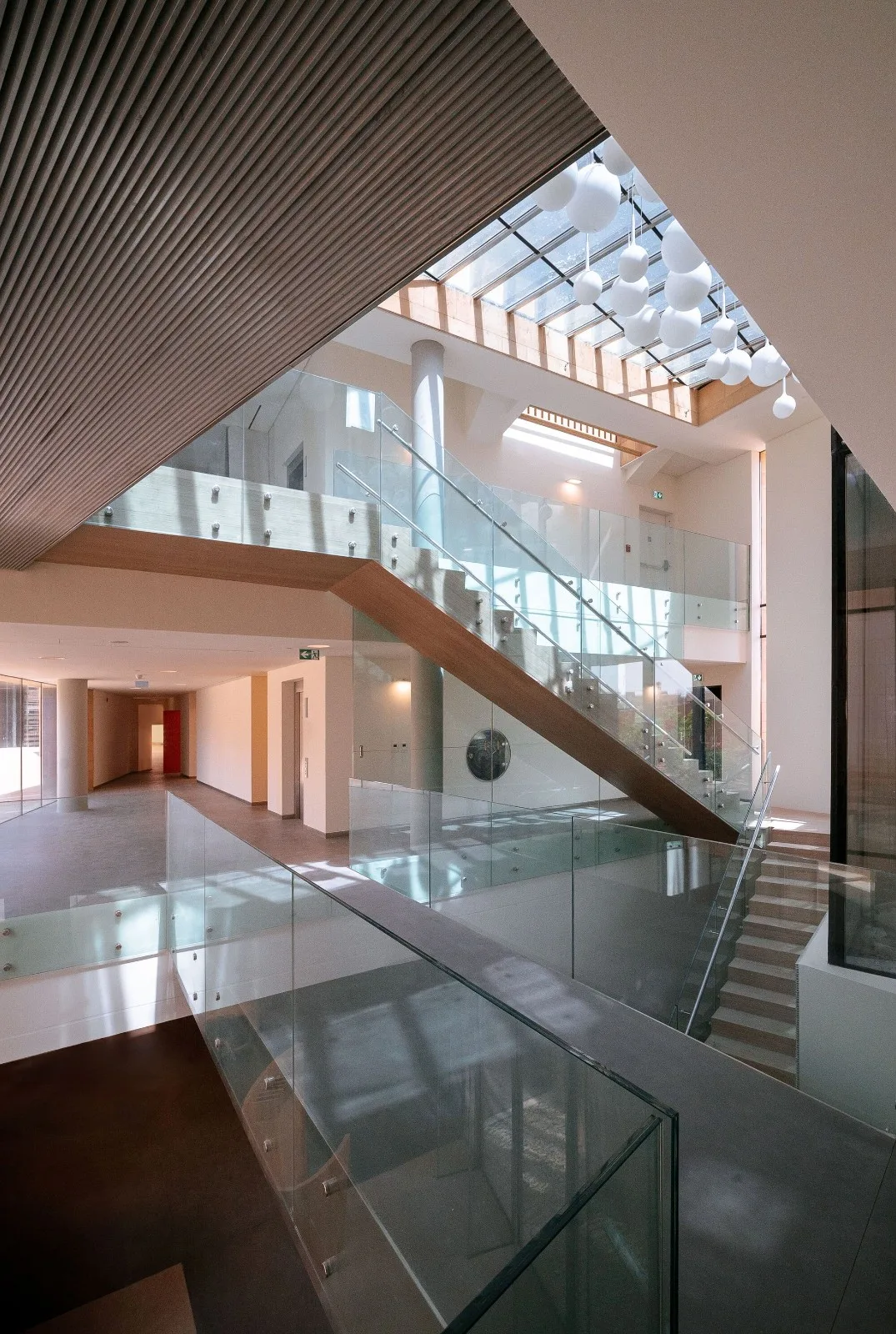
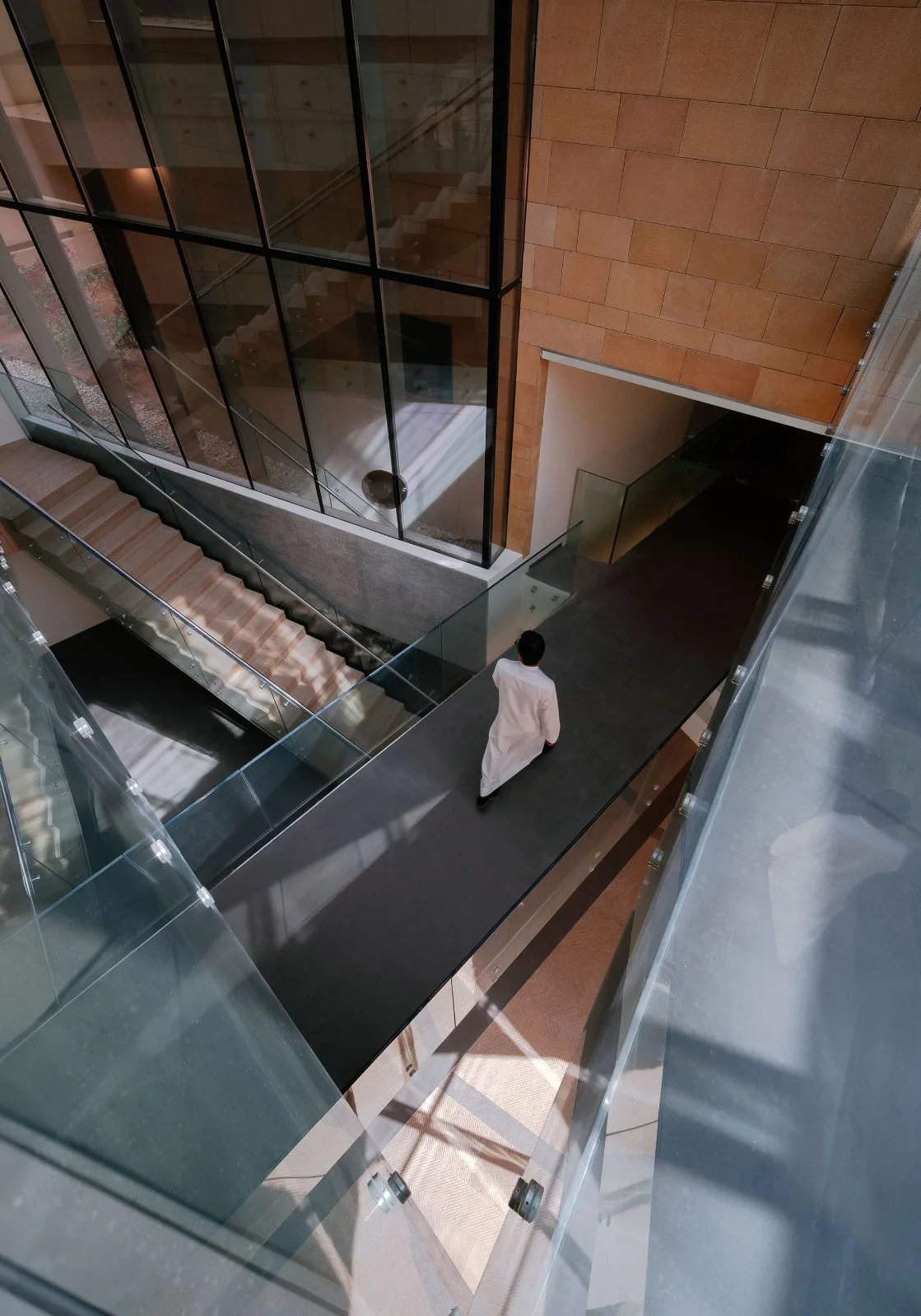
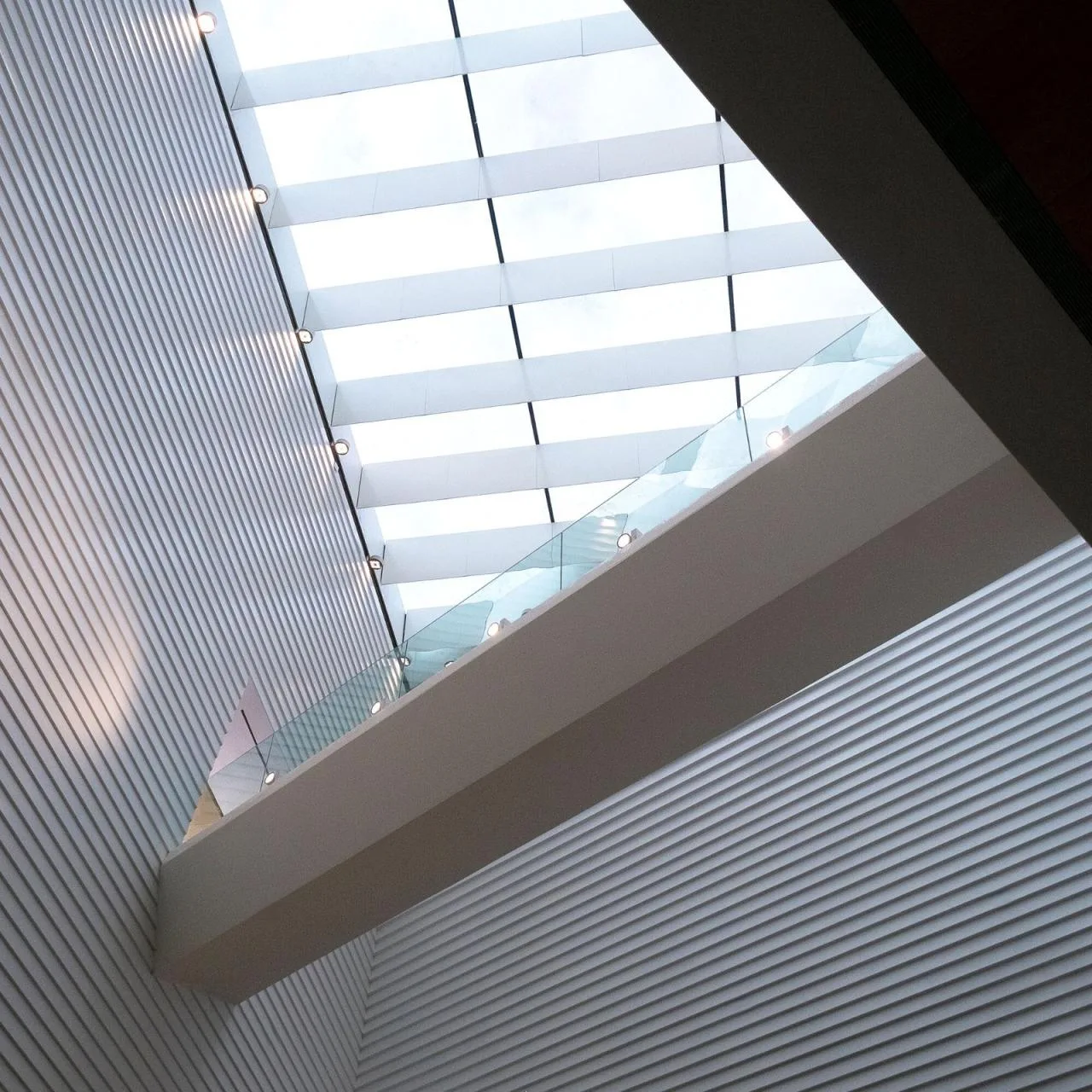
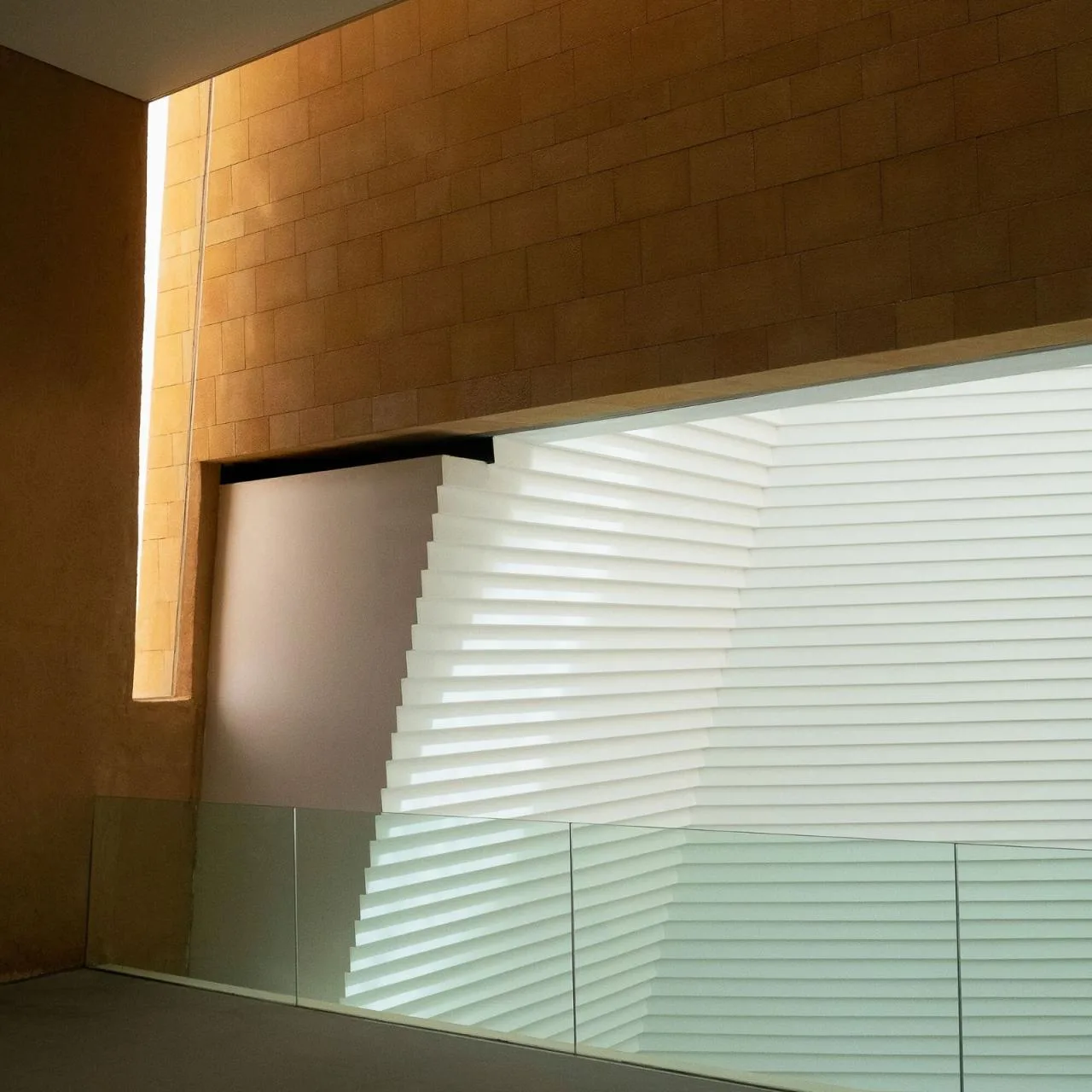
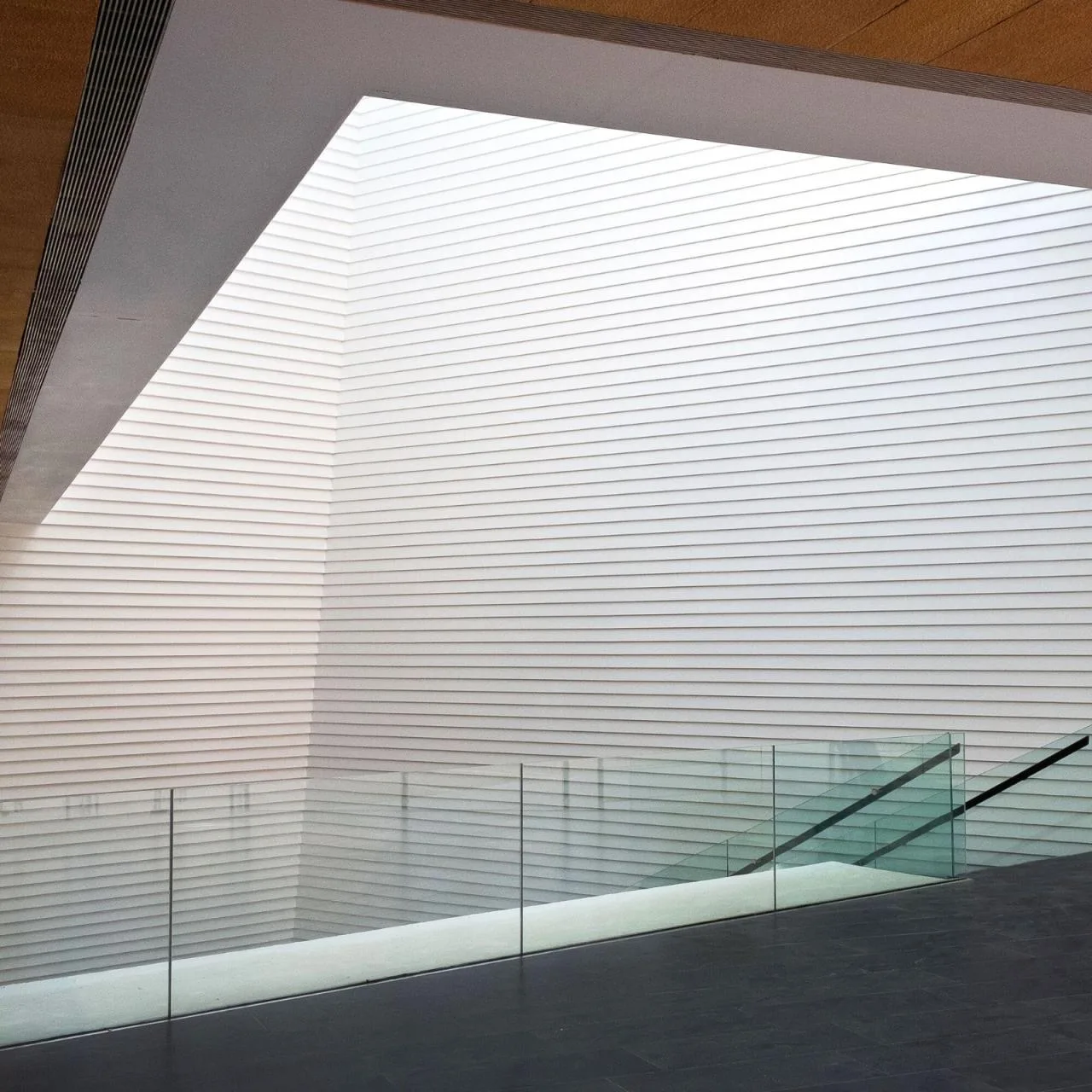
Schiattarella Associates’ Architectural Vision: “Our buildings focus on natural, human, and cultural values, which are dynamic and ever-changing. Each project is unique, irreplaceable, and influenced by randomness. At the same time, architecture must harmonize with geometry. Our expertise lies in coordinating the precision of mathematical structures with the unpredictability of context. Like the Diriyah Future Art Center, our designs employ geometry to dynamically organize complexity, embracing contradictions as the essence of architectural vitality.”
Project Drawings
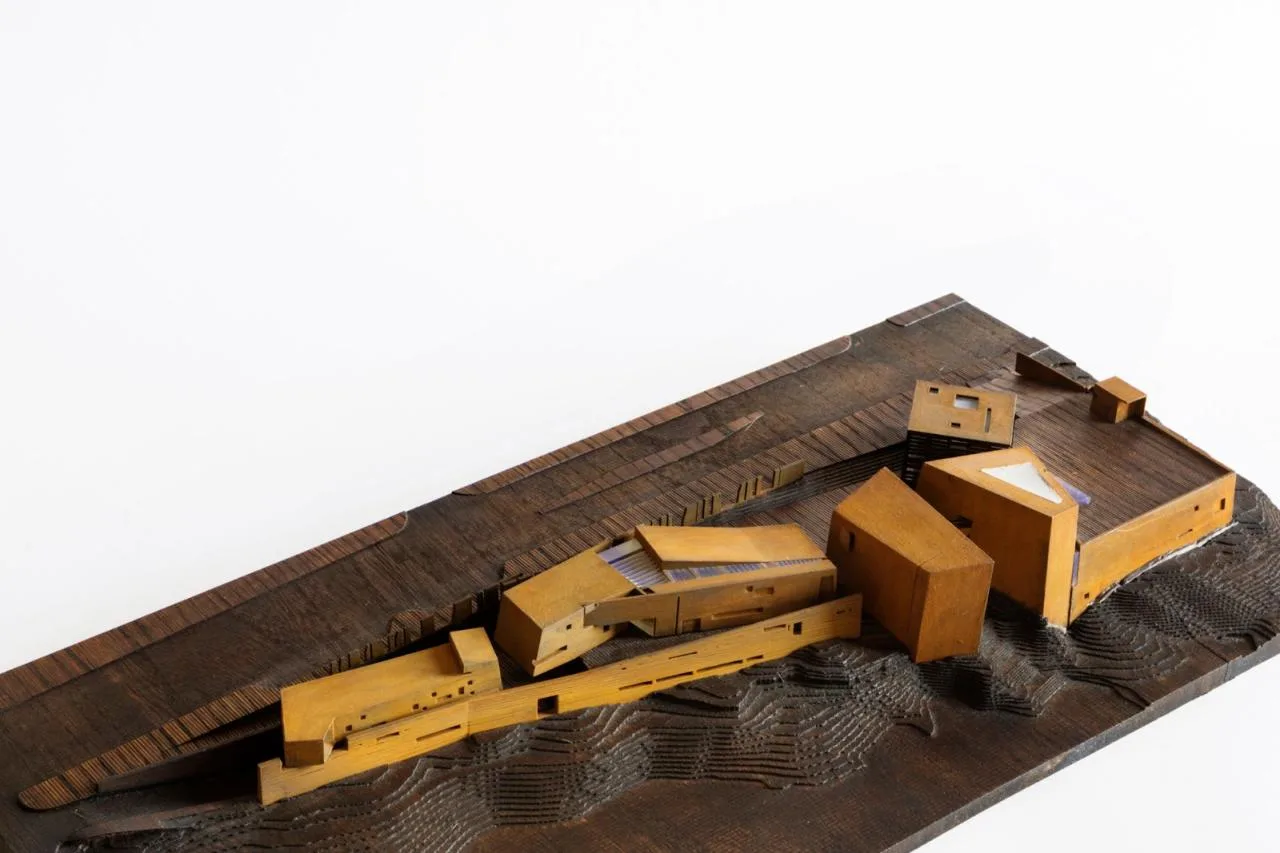
△ Model Diagram
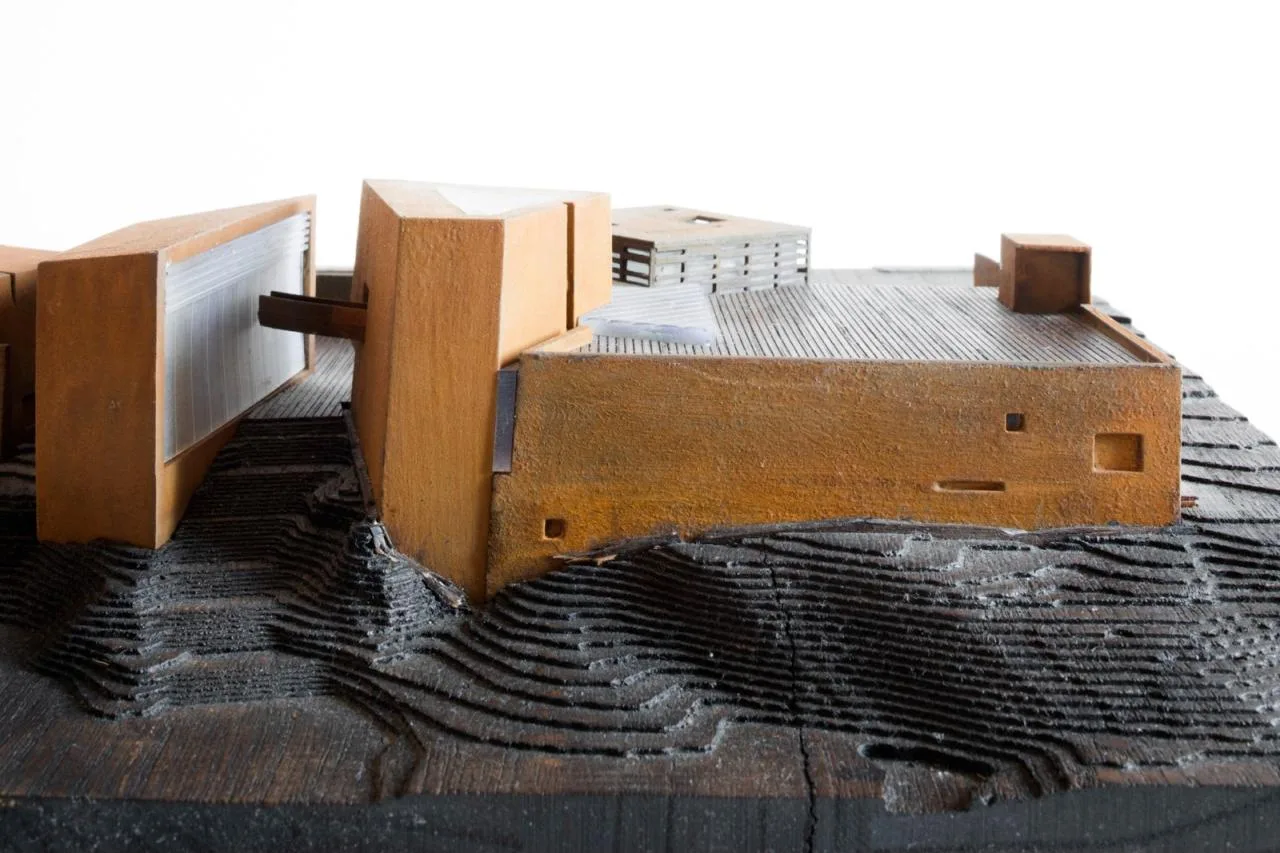
△ Model Diagram
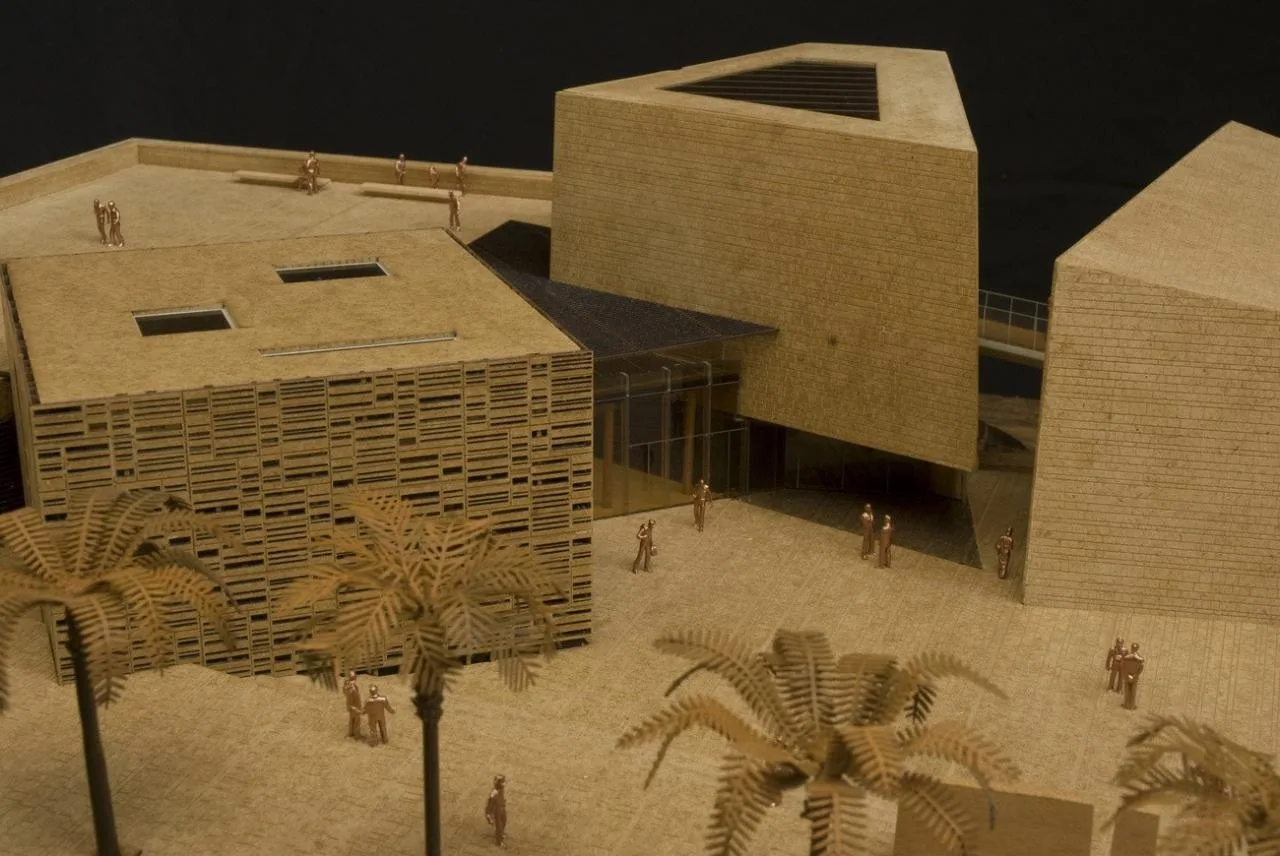
△ Model Diagram
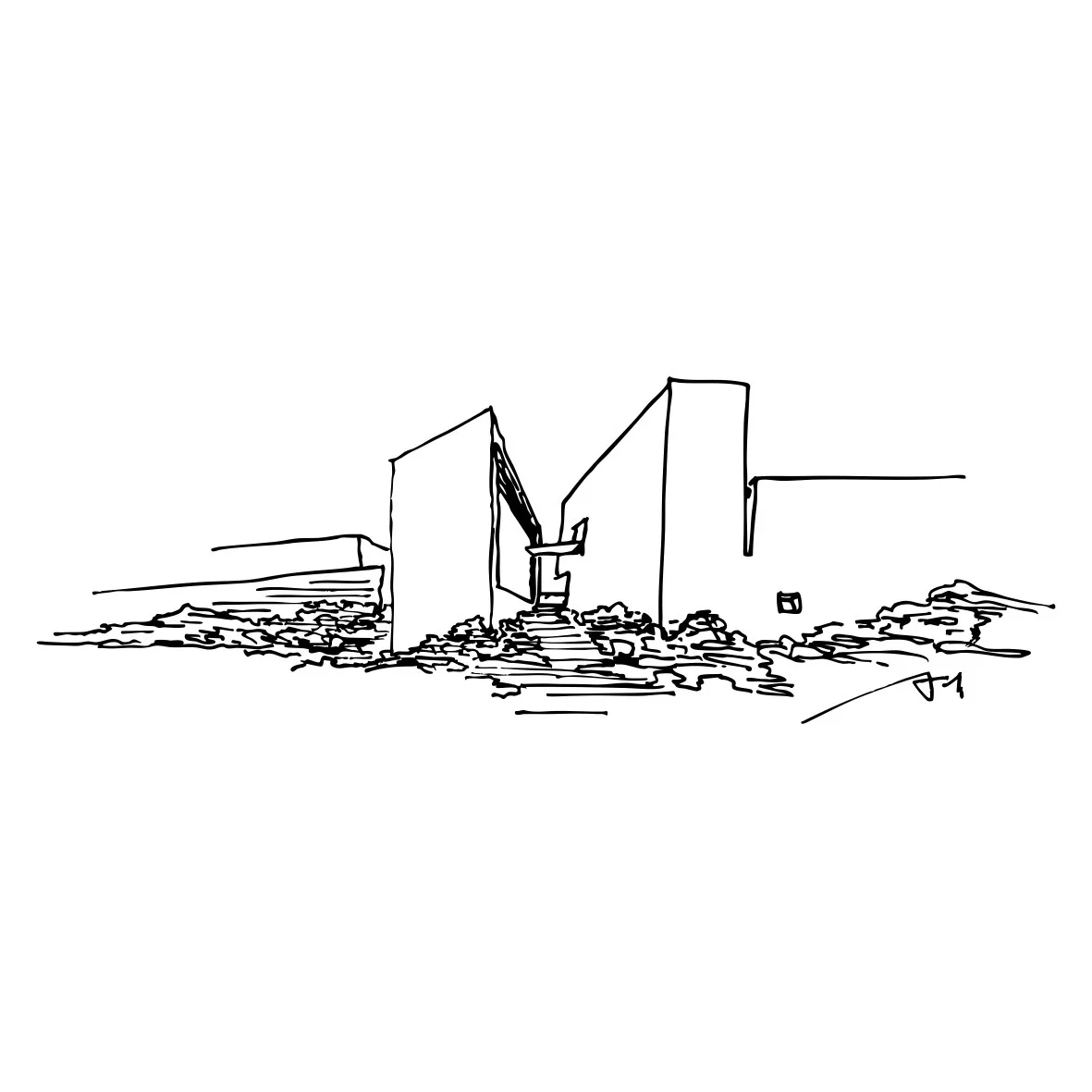
△ Hand-Drawn Drawing
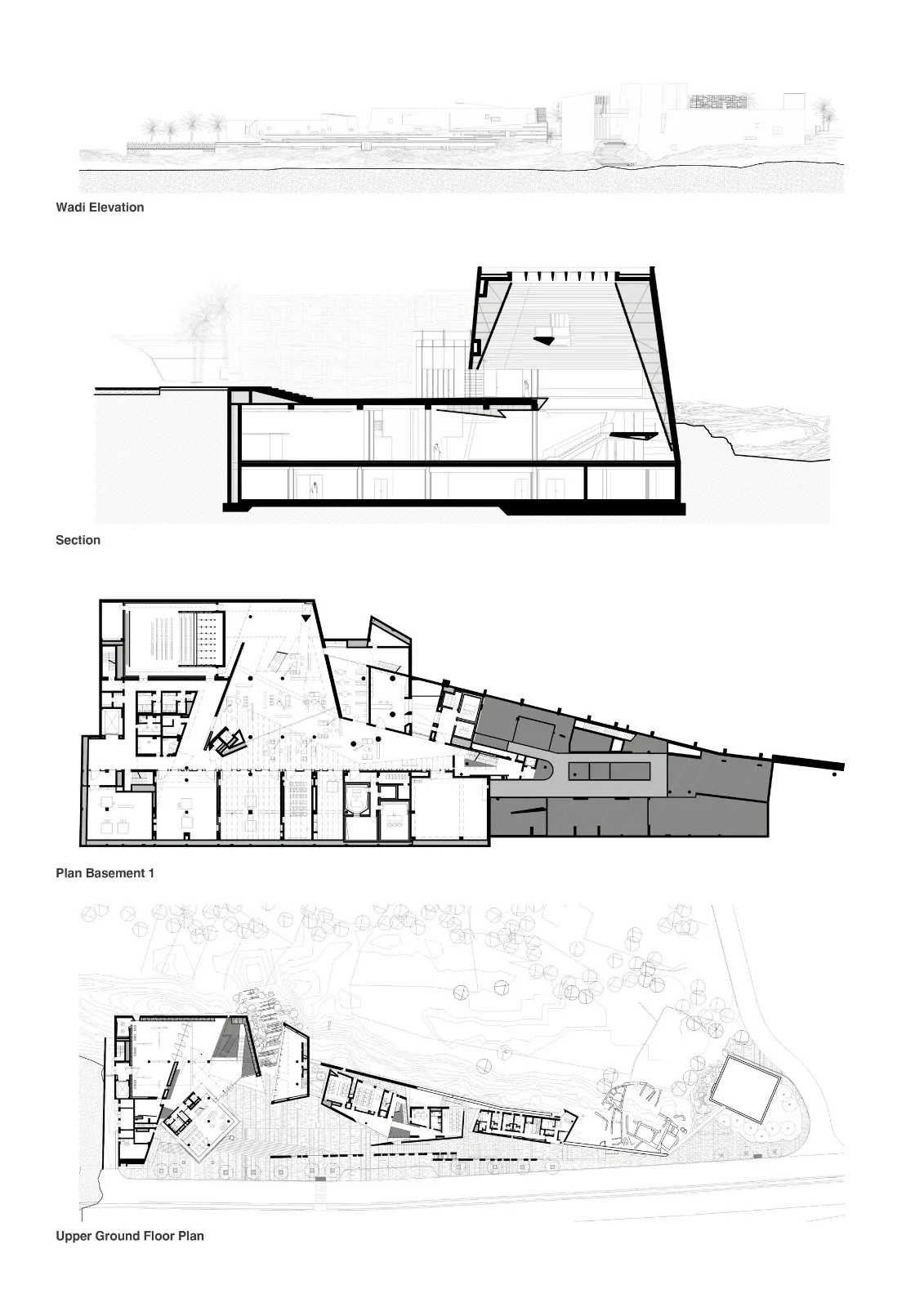
△ Vertical and Horizontal Section
Project Information
Architect: Schiattarella Associates
Area: 12,000 m²
Project Year: 2024
Photographers: Mohamed Somji, Antoine Horenbeek, Hassan Al Shatti, Guido Petruccioli
Special Thanks: Diriyah Art Futures
Property Owner: Ministry of Culture
Client: Diriyah Gate Development Authority
Developer: Diriyah Company
Construction Contractor: Marco
Project Management: Arcadis, EllisDon
Construction Management: Schiattarella Associates & Saud Consult
Art Direction: Schiattarella Associates
Fire Safety Consultant: SAGR
Structural Engineer: Proge77
System Design: Euroengineering, Drisaldi Associates, Tekser
Acoustic Design: P2ADESIGN
Cultural Advisor: Cultural Innovation
Logo Design: Sabir
Location: Diriyah, Saudi Arabia














Must log in before commenting!
Sign Up