
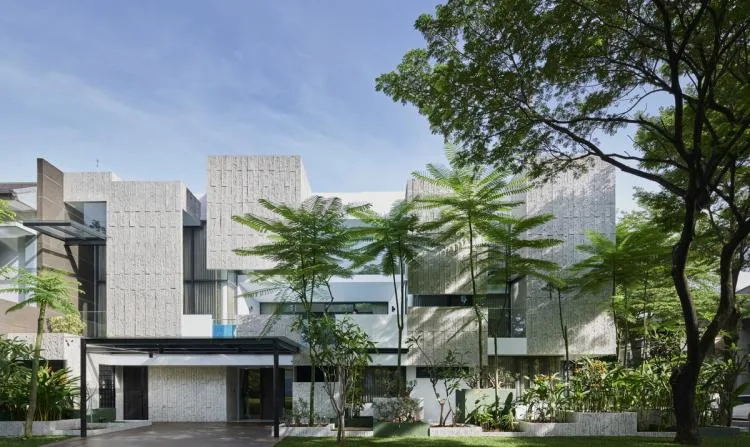
Inspired by the challenge of adapting to tropical climates amid postmodern urban expansion, the architects at RAD+ar embraced unconventional designs focused on fundamental natural lighting techniques. They utilized their Natural Lighting Laboratory residential project as a practical experiment and platform for discussion.
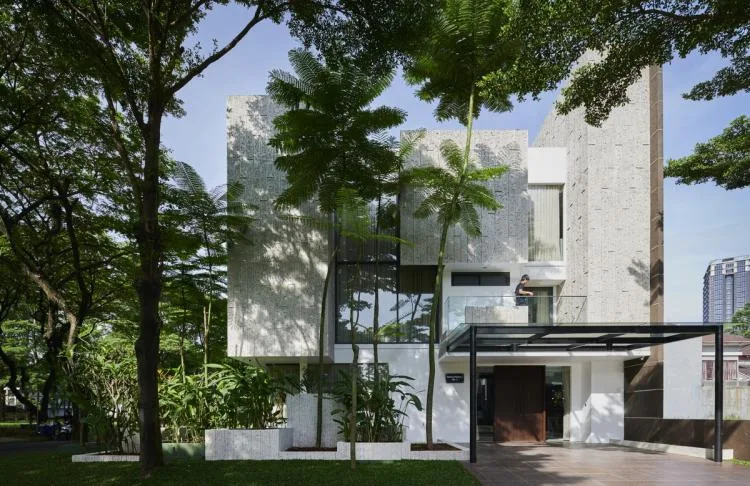
The Natural Lighting Laboratory residence serves as a spatial prototype, reflecting the designer’s core environmental concepts and establishing the building’s spatial arrangement. The design aims to reduce the indoor microclimate temperature by 4°C without relying on mechanical equipment, while maintaining indoor humidity and airflow even with all windows closed.
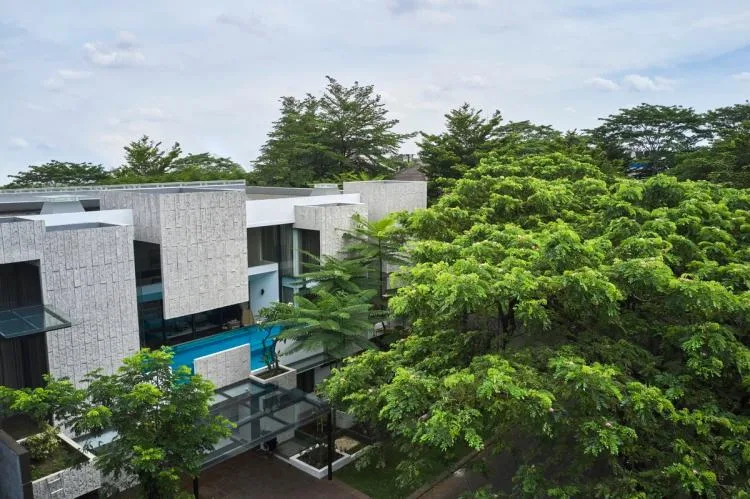
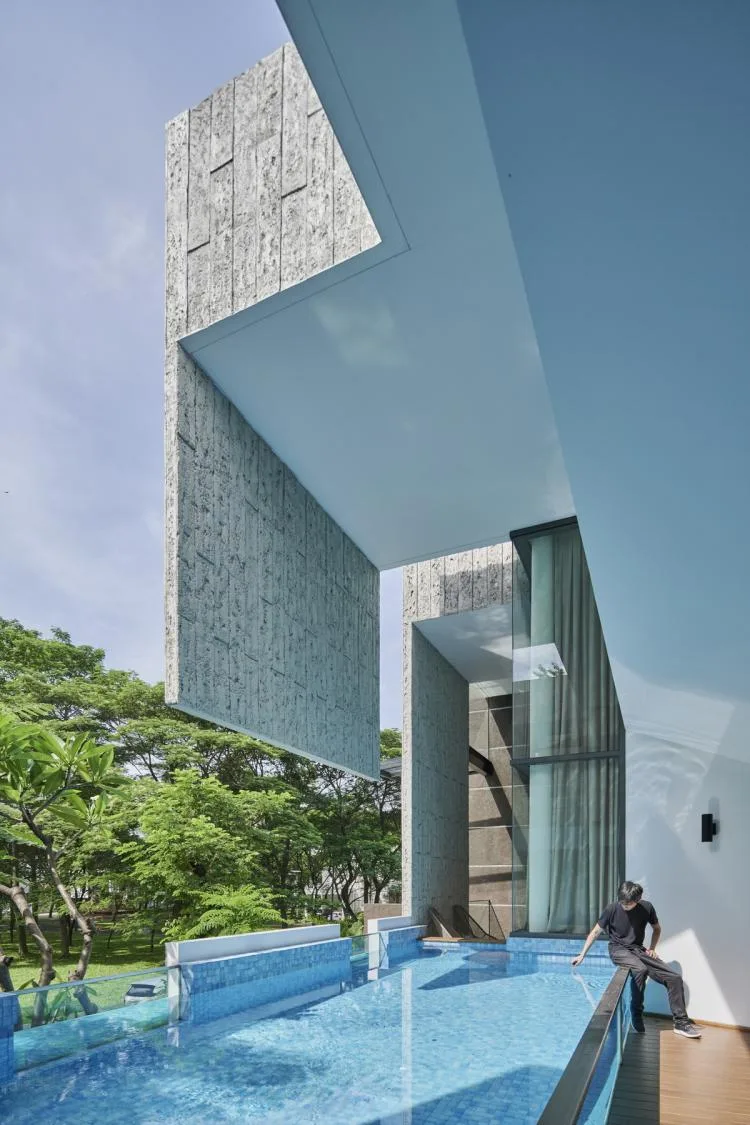
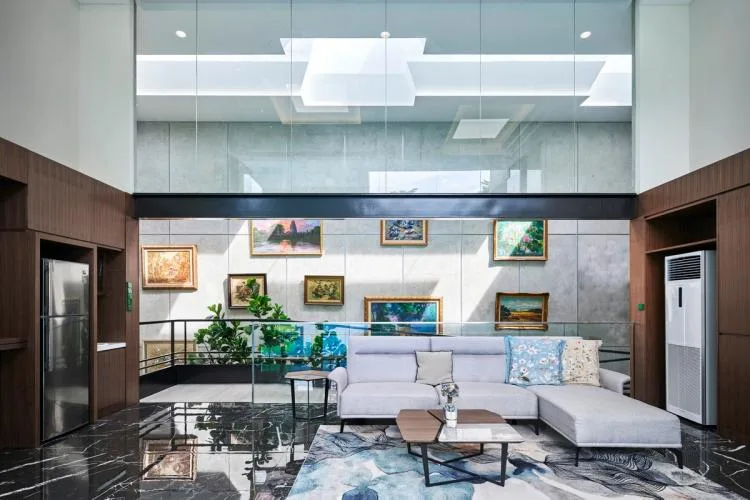
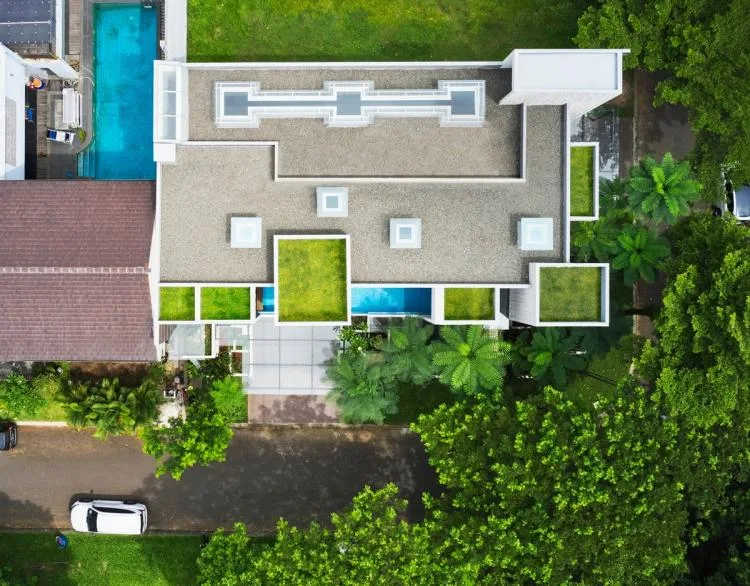
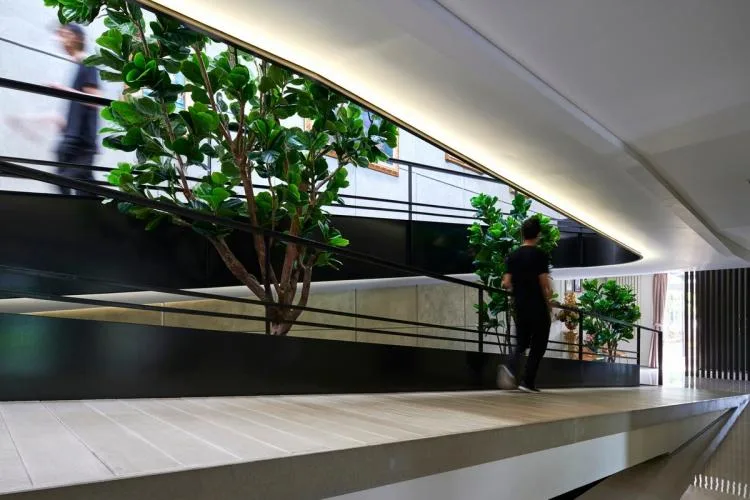
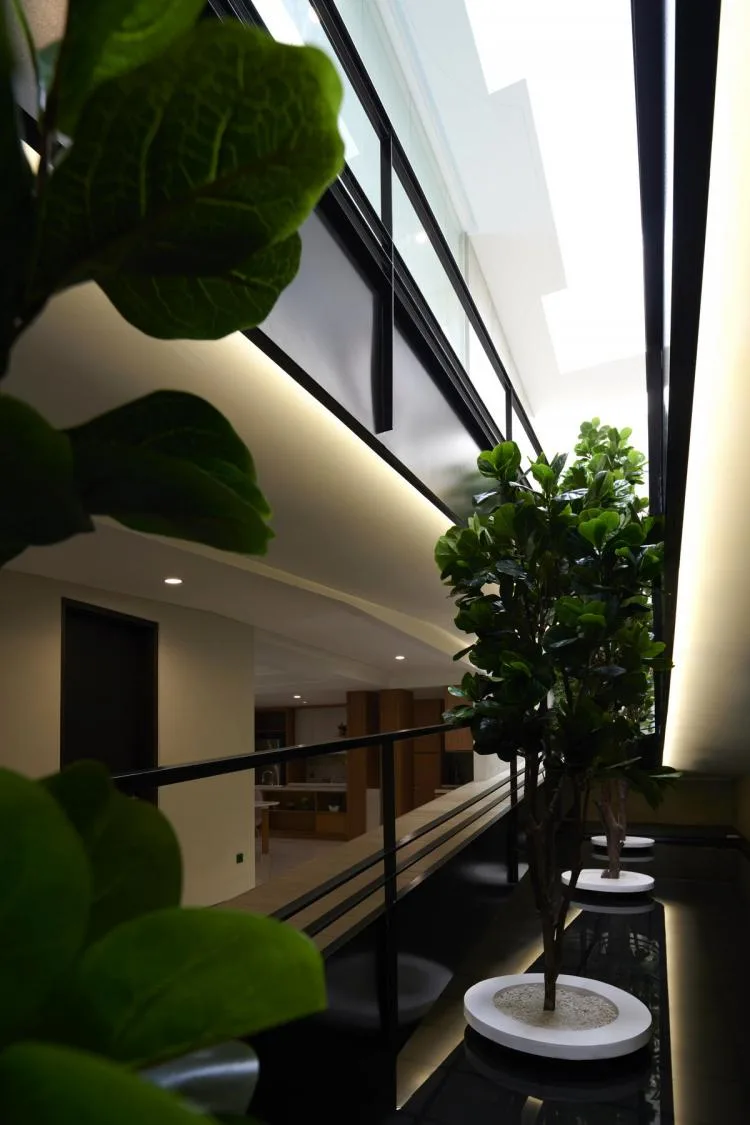
The project incorporates multiple overlapping spaces to ensure smooth natural ventilation. A gentle ramp facilitates vertical circulation and indoor airflow. At the base of the ramp, a reflecting pool, combined with a triangular aluminum skylight at the top, functions as a ventilation shaft. This setup enables continuous release of hot air and water vapor throughout the day via the skylight.
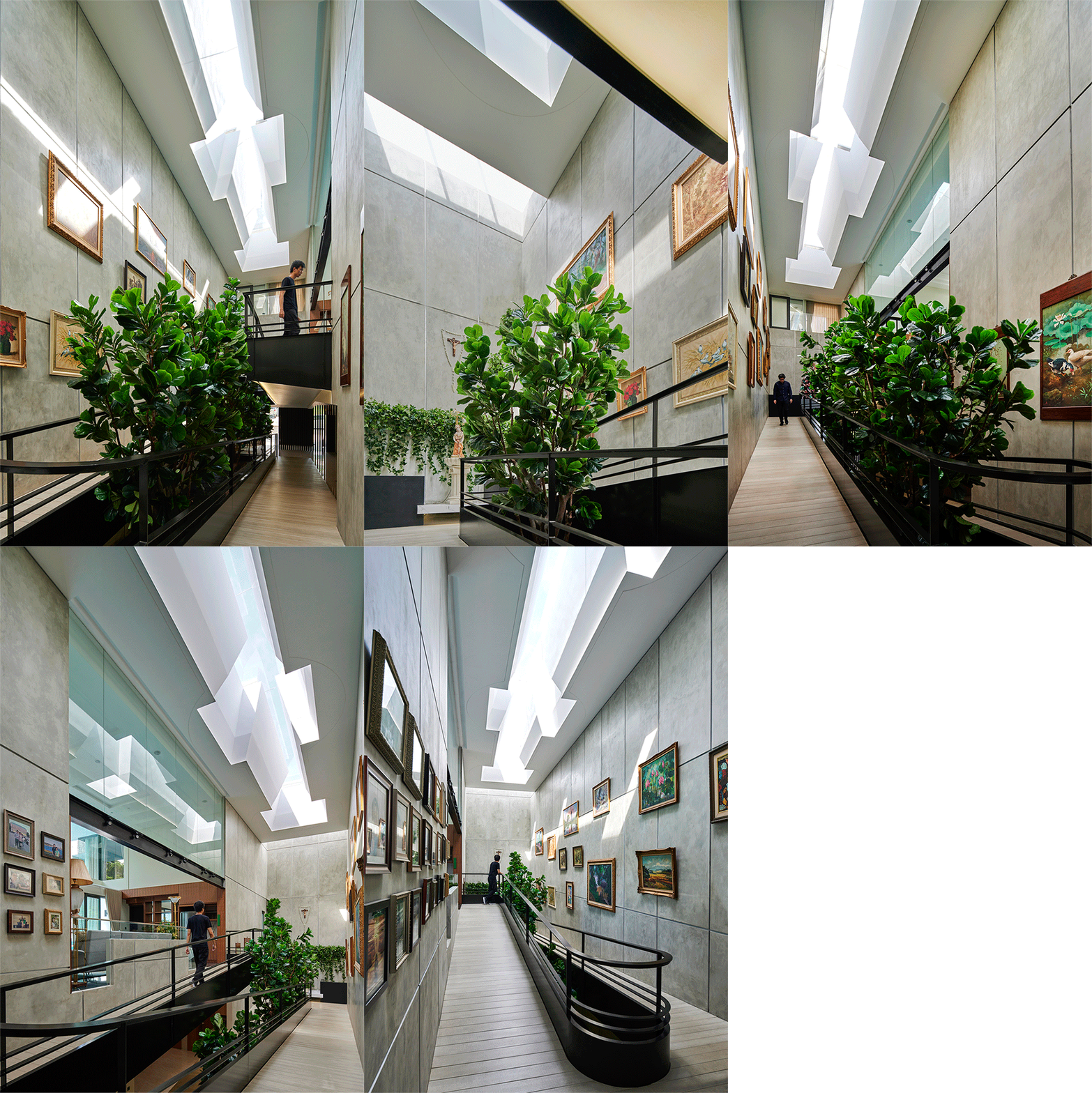
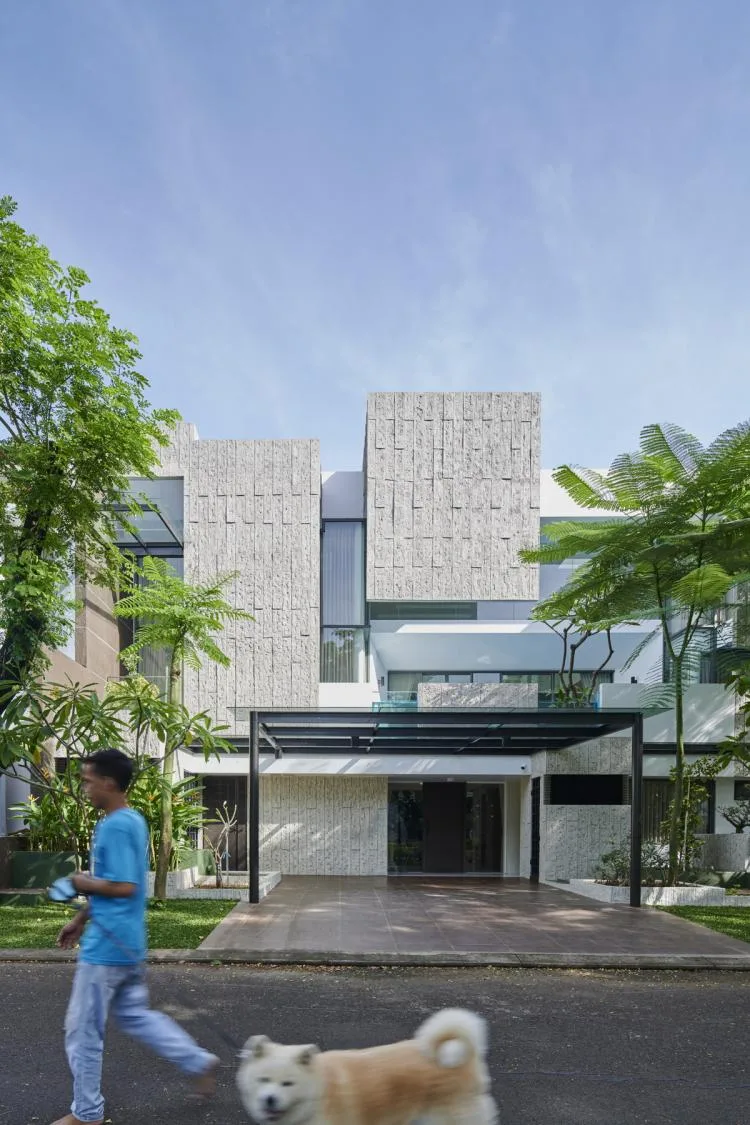
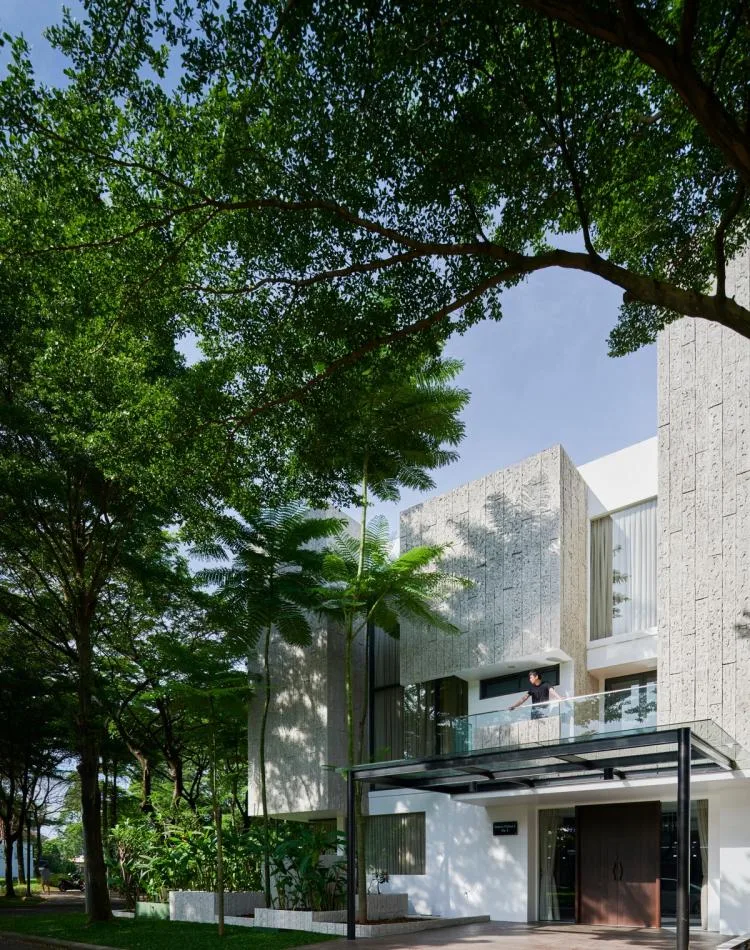
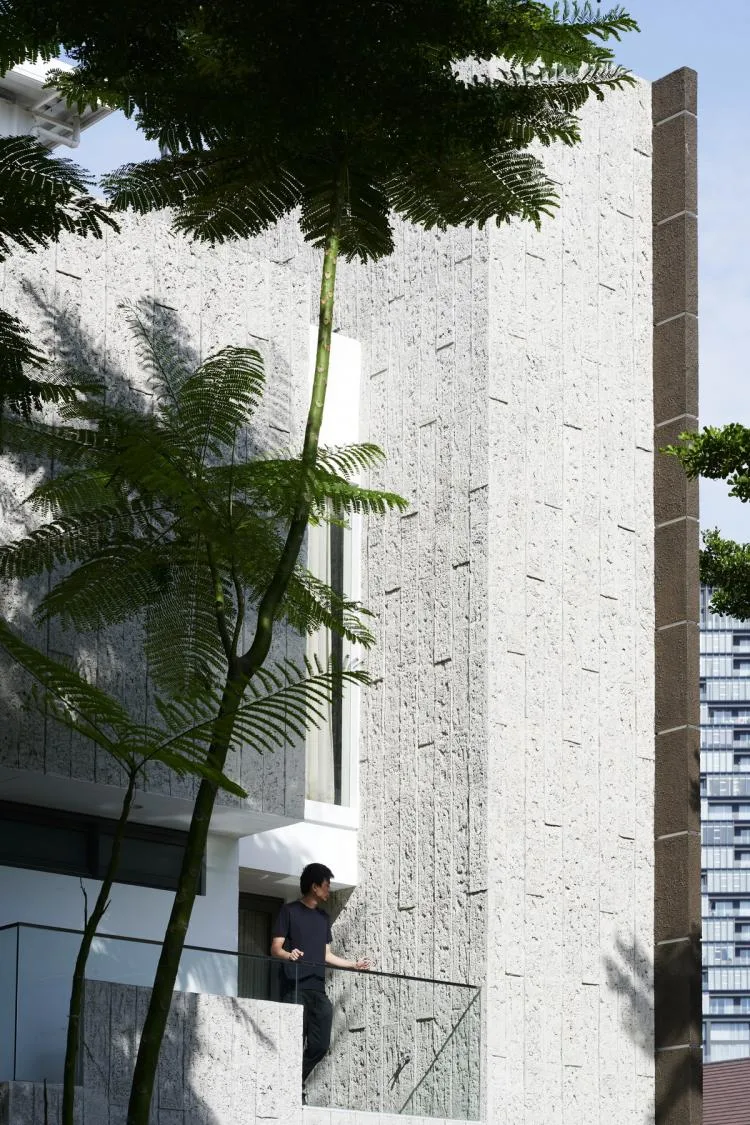
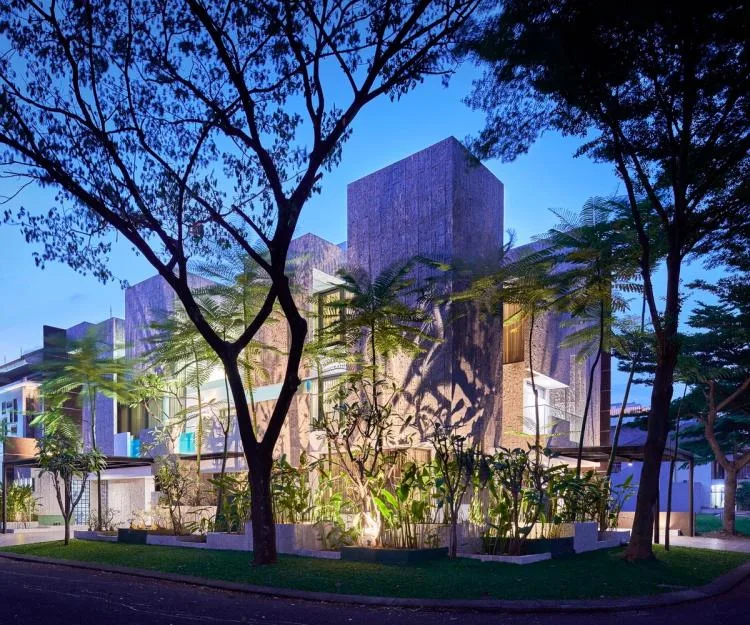
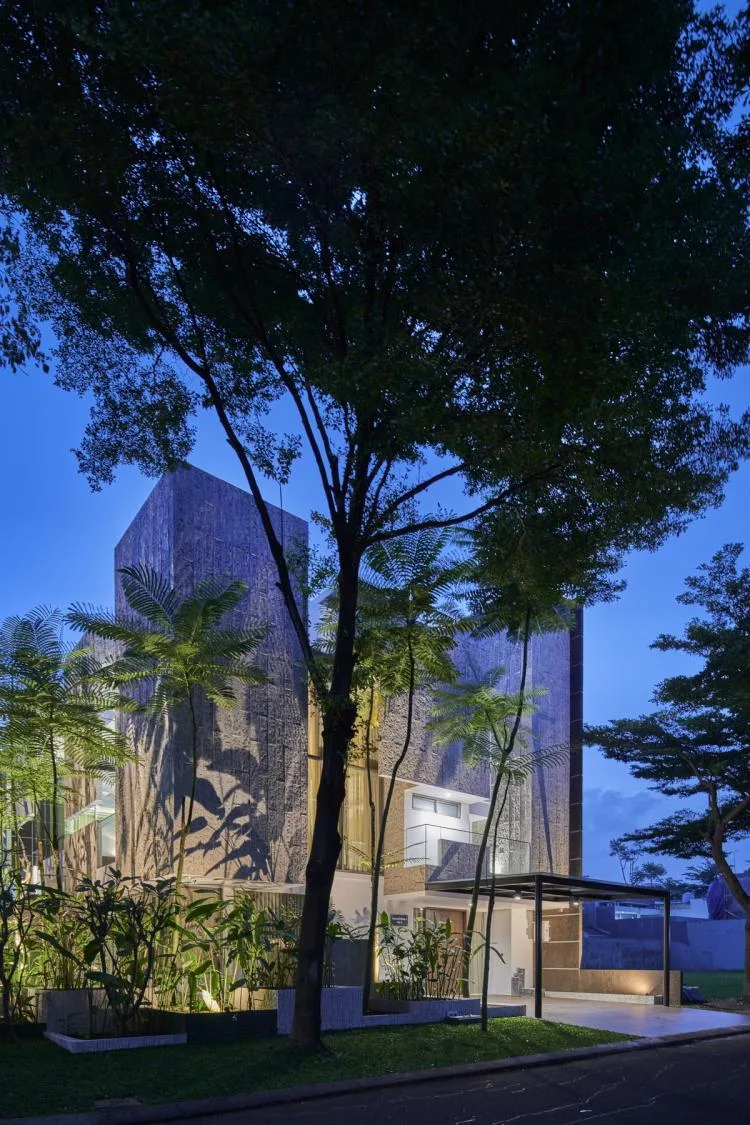
During the design of the building’s exterior and interior skins, the architects implemented a series of extreme measures. These not only minimize direct sunlight entering the interiors annually but also maximize privacy and optimize views of the landscape by carefully controlling window angles. The building’s skin acts as the first layer of a double-buffer against solar heat radiation, filtering sunlight before it reaches any window and significantly reducing heat gain. The exterior walls are concrete with wooden formwork textures left visible on the surface.
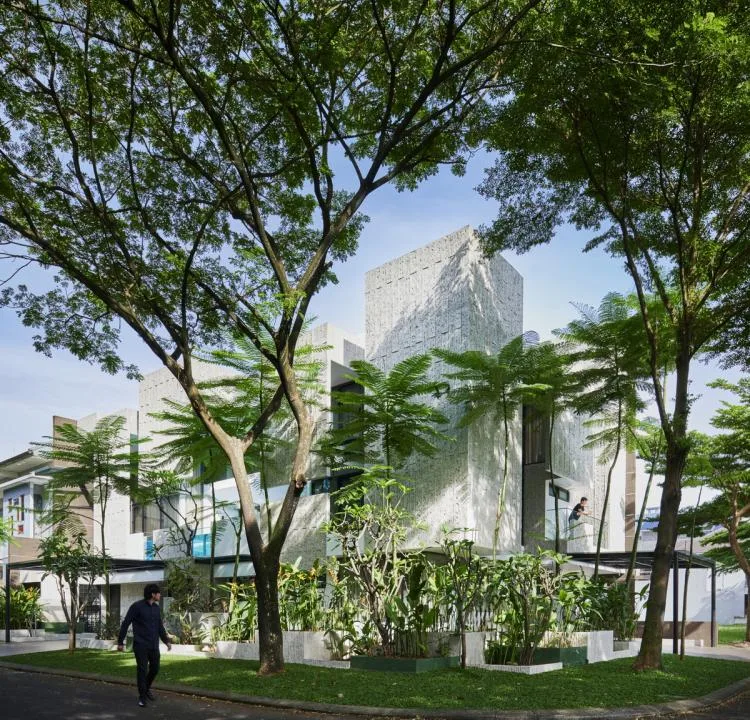
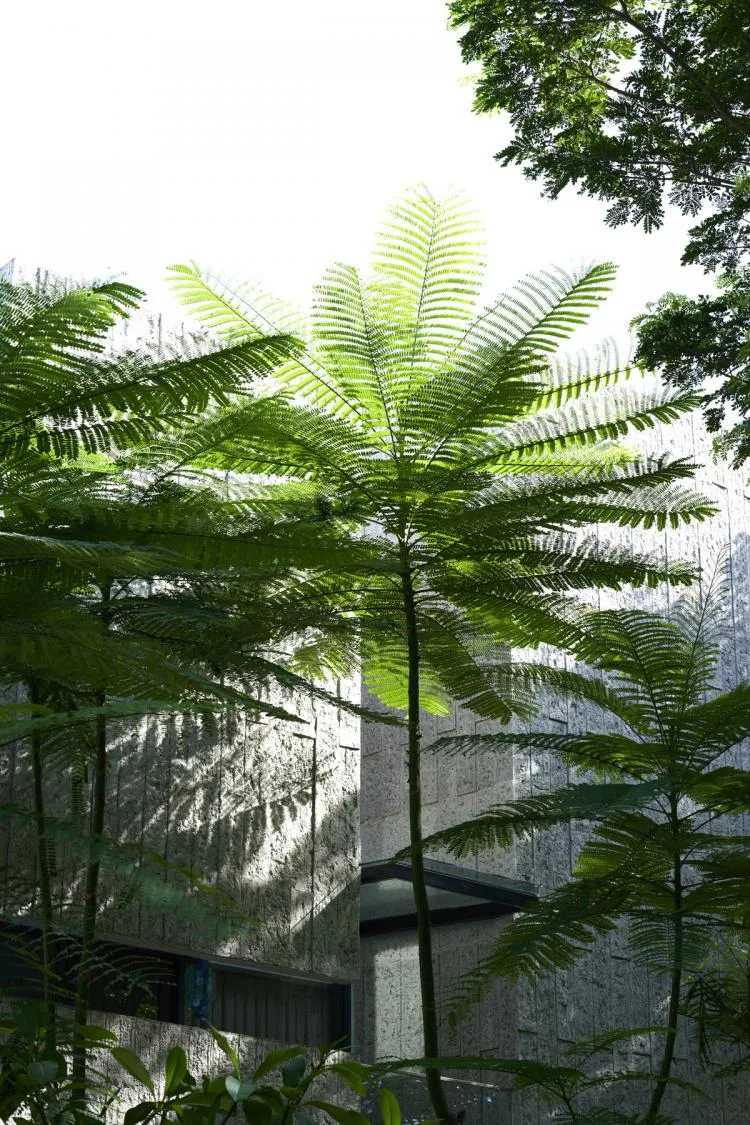
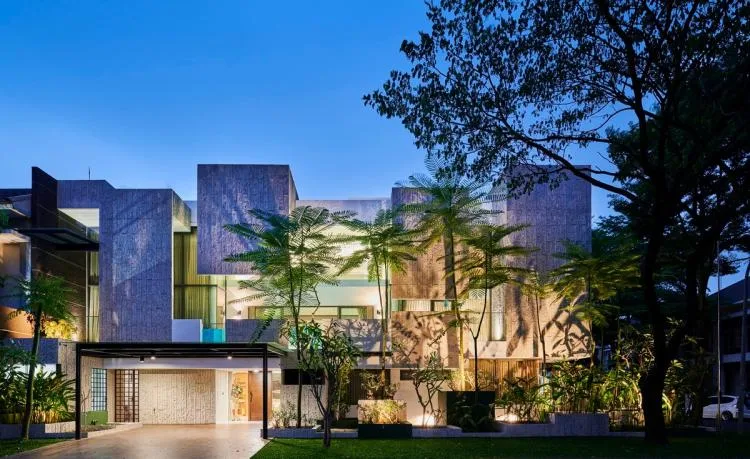
The rough concrete surfaces resemble a canvas, where the interplay of shadows and free-growing plants creates a dynamic, ever-changing architectural façade.
Inside, shear walls provide cushioning between transitional spaces of varying scales. These spaces are separated by greenery, creating a sequence that transitions from semi-private to fully private zones.
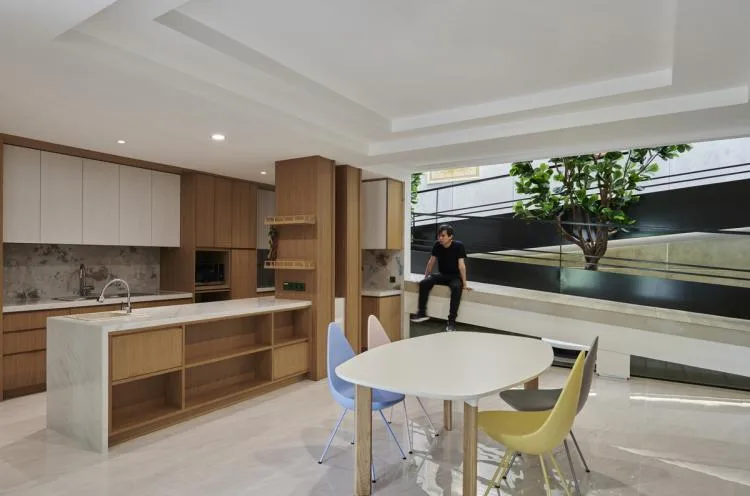
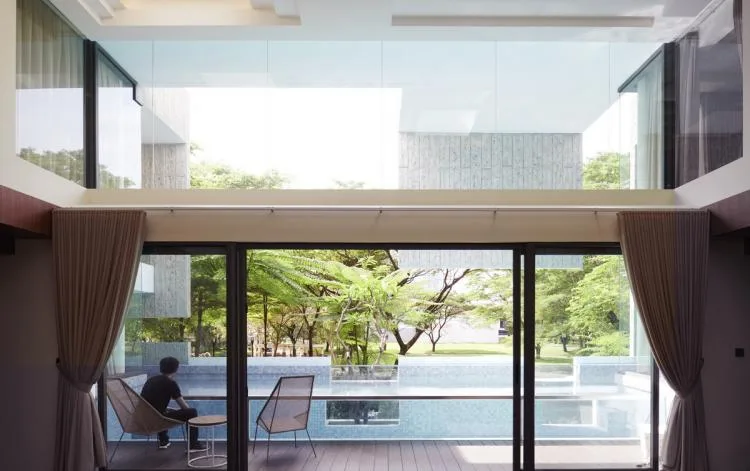
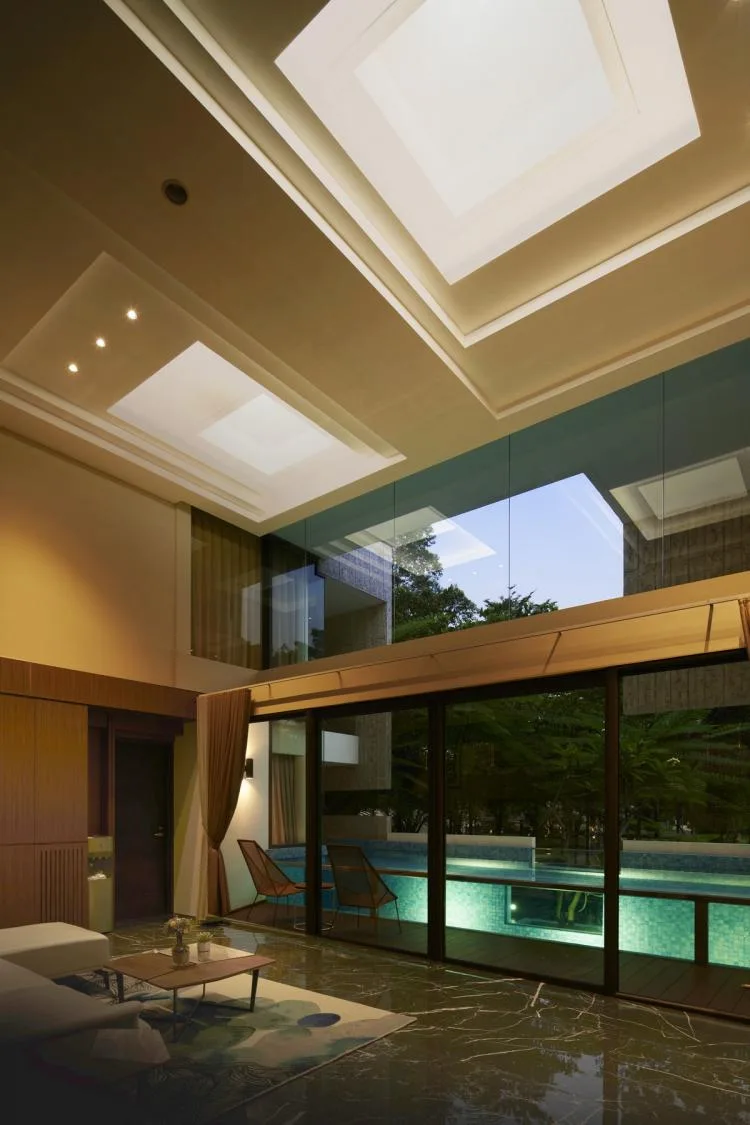
The balcony and swimming pool are recessed into the main structure rather than protruding. This spatial subtraction creates shaded areas at the building entrance and offers occupants panoramic views of the lush garden, all while maintaining privacy and cleverly obstructing views from outside.
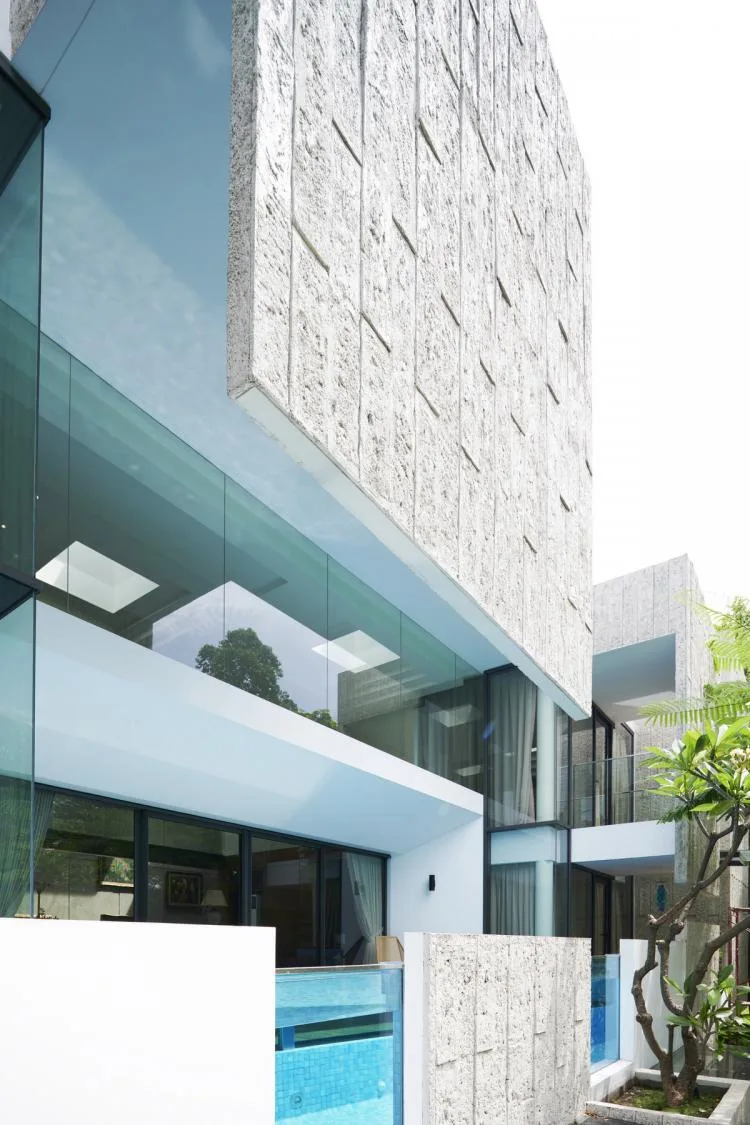
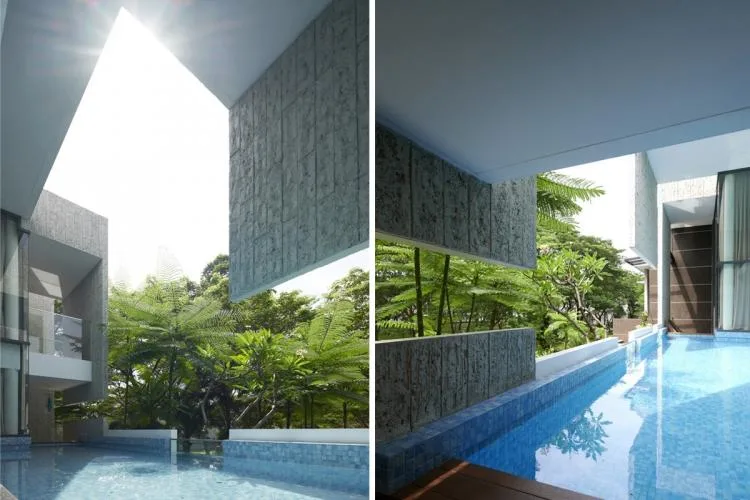
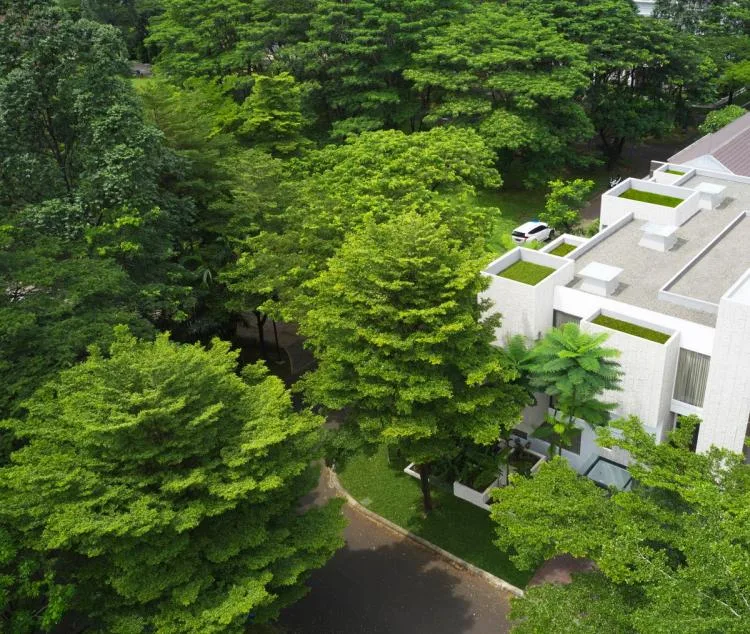
The green roof maximizes rainwater collection for irrigation and reduces heat transfer into the concrete structure below. The roof integrates skylights—each two rooms share three conical skylight openings measuring 30×30 cm. These skylights provide an average daylight illumination of 300 lux per room, eliminating the need for artificial lighting during daytime.
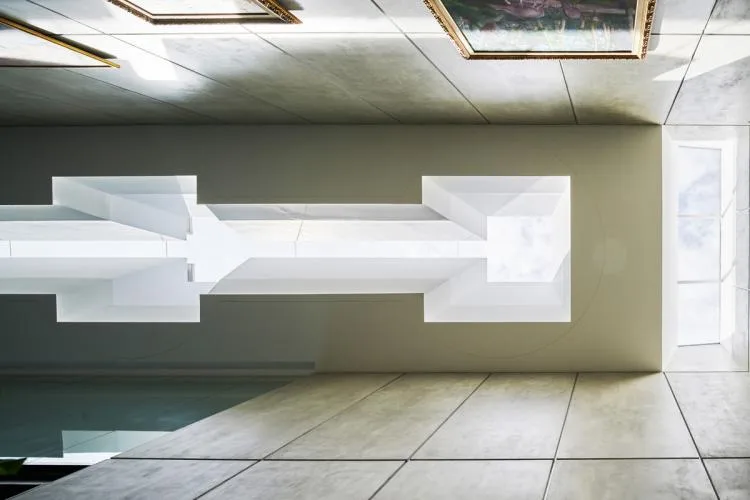
The house entrance opens directly onto the ramp. The interplay of sunlight and shadows created by sunrise and sunset animates the ramp, offering a dynamic spatial experience throughout the day and year. Serving as both a home gallery and informal living space, the ramp leads to the swimming pool and connects indoor spaces with views of the opposite garden. The living room functions as a buffer between two master bedrooms, providing transition and privacy.
These design strategies showcase the architects’ intention to break away from traditional residential layouts. The indoor spaces benefit from dual natural light sources: the garden directly opposite and a narrow horizontal opening centered in the wall. This design gives the interior a sense of shelter while promoting a connection to the environment. RAD+ar’s project advocates for environmental consciousness, where air circulates freely rather than being confined indoors.
The Natural Lighting Laboratory residence is intended as a straightforward spatial prototype exploring how to achieve comfortable indoor environments through natural lighting, minimizing dependence on artificial sources. In today’s chaotic urbanization, residential vitality is often suppressed and isolated, losing harmony with the environment. RAD+ar’s project offers an effective solution by creating safe living spaces that encourage coexistence with nature, integrating thermal engineering technologies suited for modern architecture.
Design Drawings
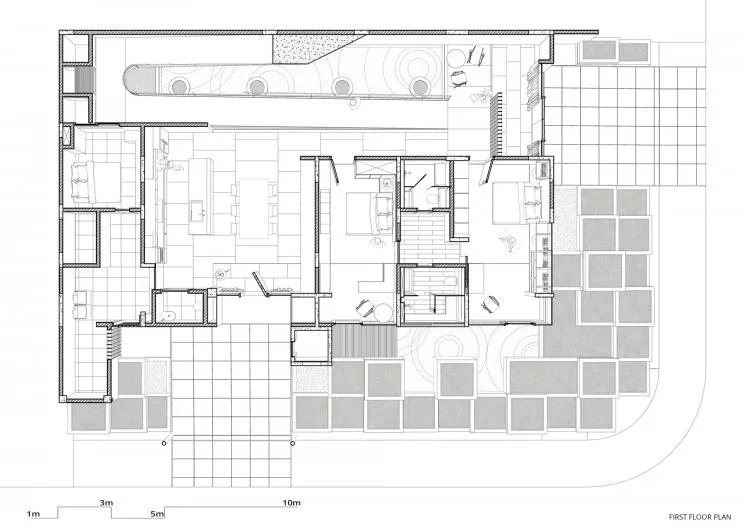
△ First Floor Plan
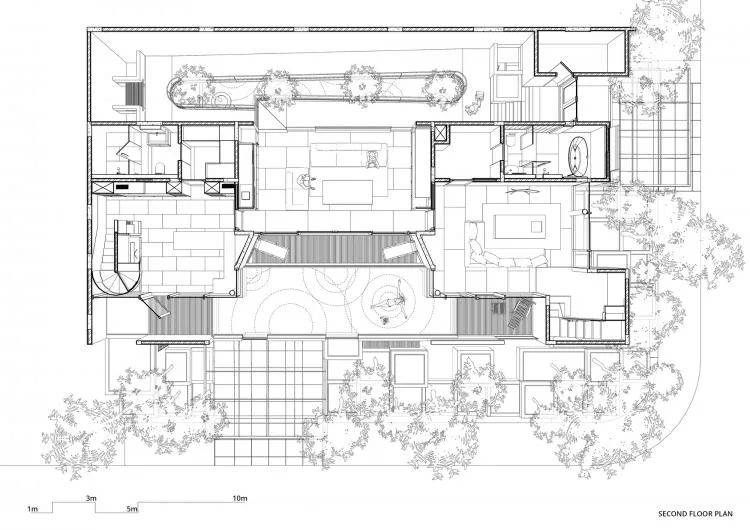
△ Second Floor Plan
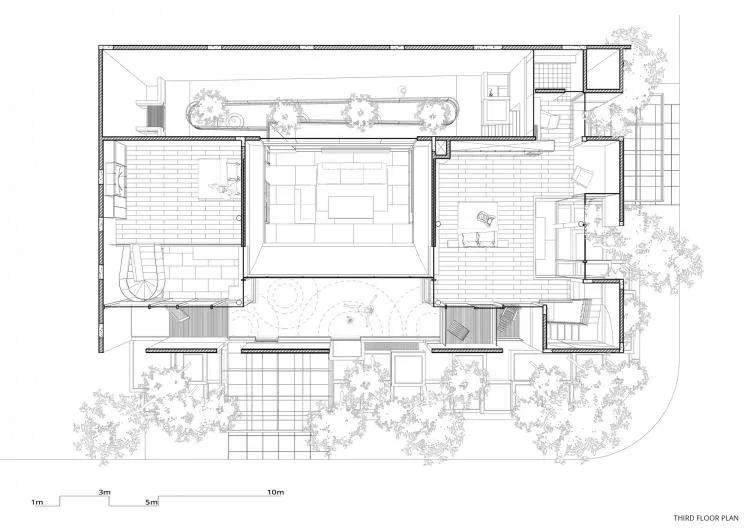
△ Third Floor Plan
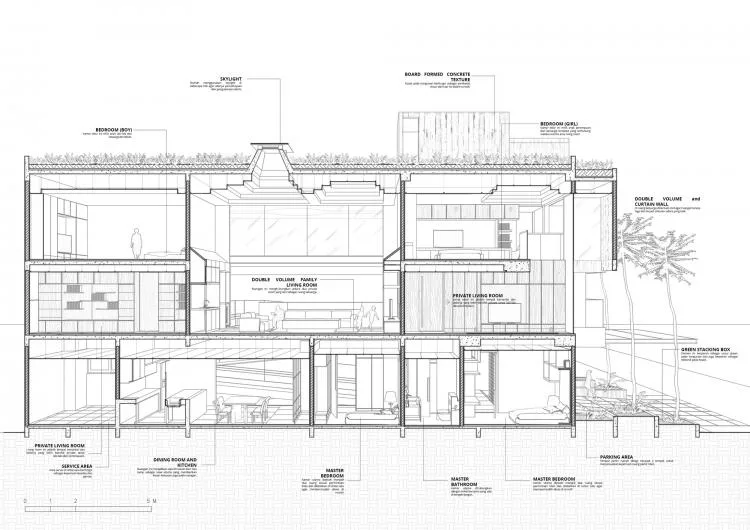
△ Section A
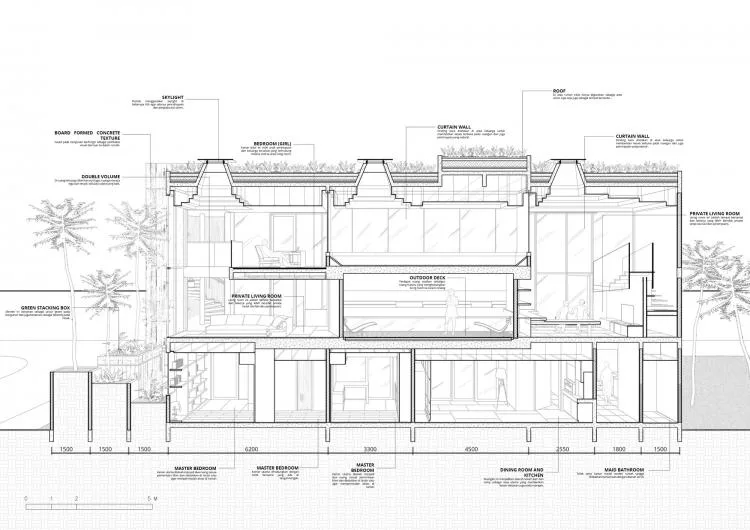
△ Section B
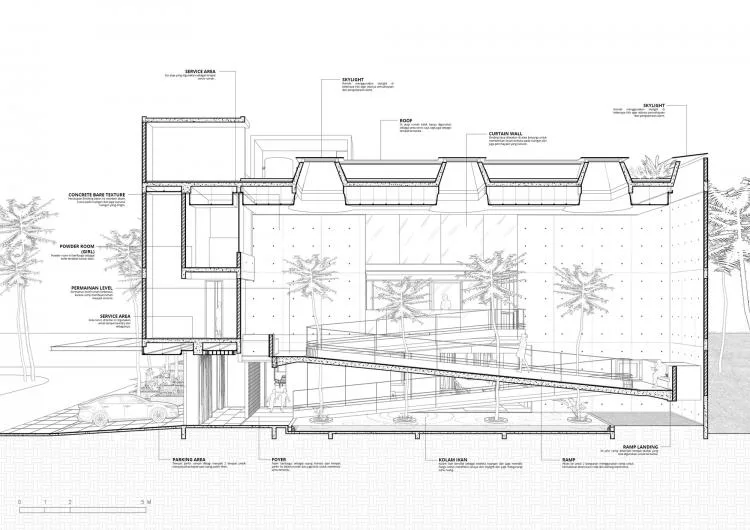
△ Section C
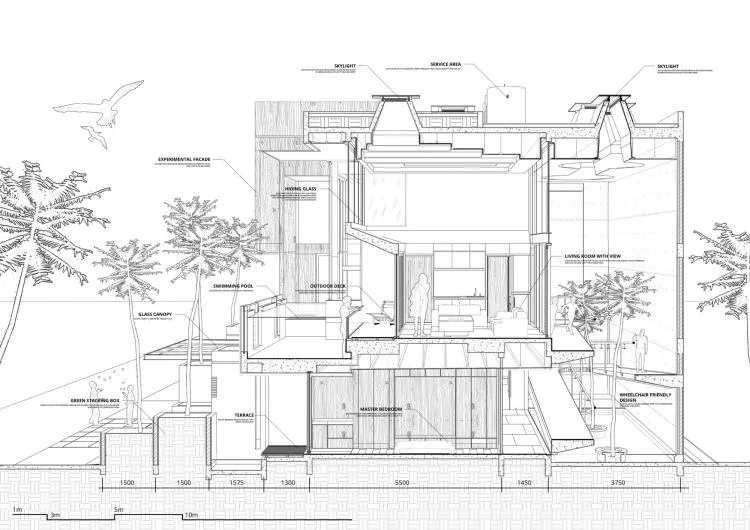
△ Profile D
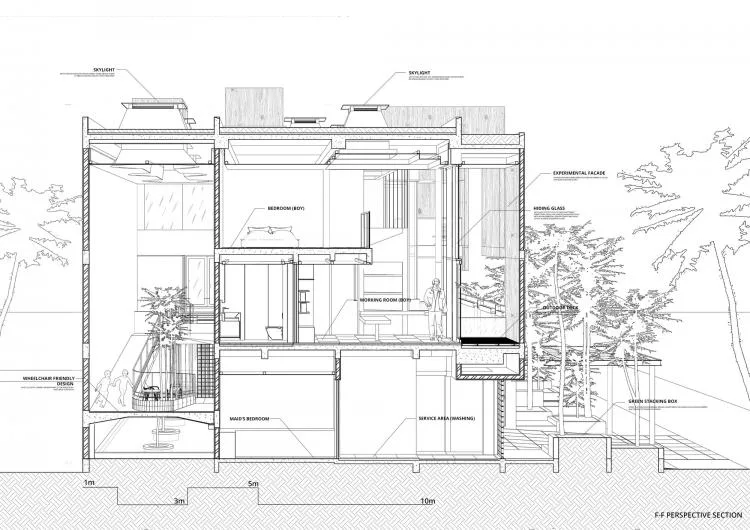
△ Sectional Drawing E
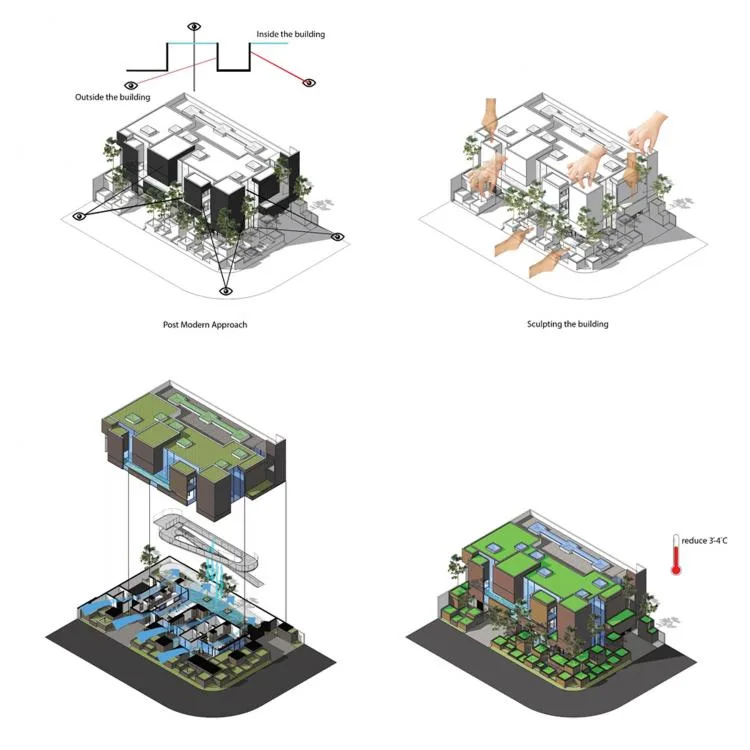
△ Analysis Chart
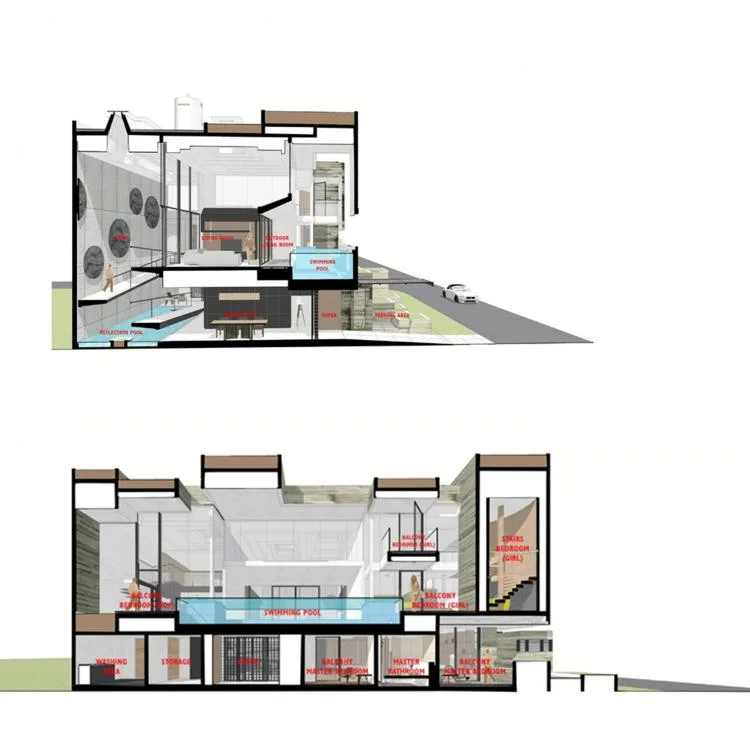
△ Profile Analysis
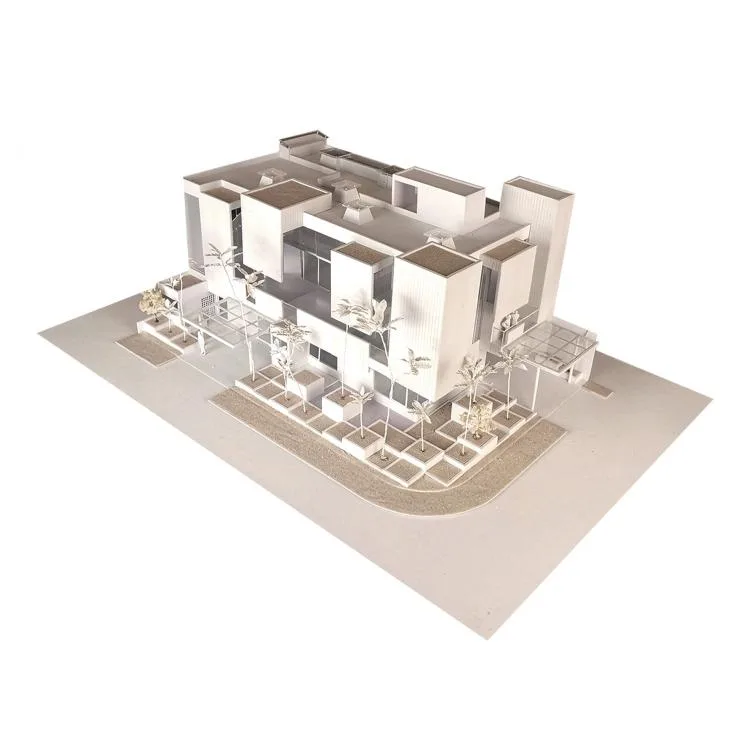
△ Model Analysis
Project Information
Project Type: Independent Residential Building
Location: Kecamatan Servong Utara, Indonesia
Designer: RAD+ar (Research Artistic Design + Architecture)
Area: 550 m²
Year: 2020
Photographer: William Sutanto
Suppliers: Toto, Technal, Mulia Glass, Venuz Mozaic
Lead Architect: Antonius Richard
Design Team: RAD+ar (Research Artistic Design + Architecture)
Senior Architect: Leviadri
Founding Partner: Partogi Pandiangan
Architect: Felda Zakri












Must log in before commenting!
Sign Up